Why visit Italy
The best things to do in Italy are spread across a country with more UNESCO World Heritage sites than any other: Roman ruins, medieval hill towns, Renaissance cities, Alpine lakes and nearly 800 islands, including Sicily and Sardinia (see the Wikipedia overview). The capital is Rome, and each region has its own food, dialect and traditions.
Italy suits almost every kind of traveller: first-timers building a classic Rome, Florence and Venice route, food lovers following regional cuisine, hikers heading to the Dolomites and beach visitors in Puglia, Sardinia or the Amalfi Coast. It works as a train-based trip between cities or as a road trip through Tuscany and Umbria.
The downside is crowds. Rome, Florence, Venice and Cinque Terre are very busy in summer, so book tickets, pick shoulder months and leave time for lesser-known towns.
Best places to visit in Italy
The best places to visit in Italy mix big-name cities with regions that reward slower travel. Most first trips link two or three of the following.
Rome
The capital layers ancient Rome with Baroque squares and the Vatican. The Colosseum, Forum, Pantheon, Trevi Fountain and St Peter’s Basilica are the core. Give it three days, and book the Colosseum and Vatican Museums ahead.
Florence and Tuscany
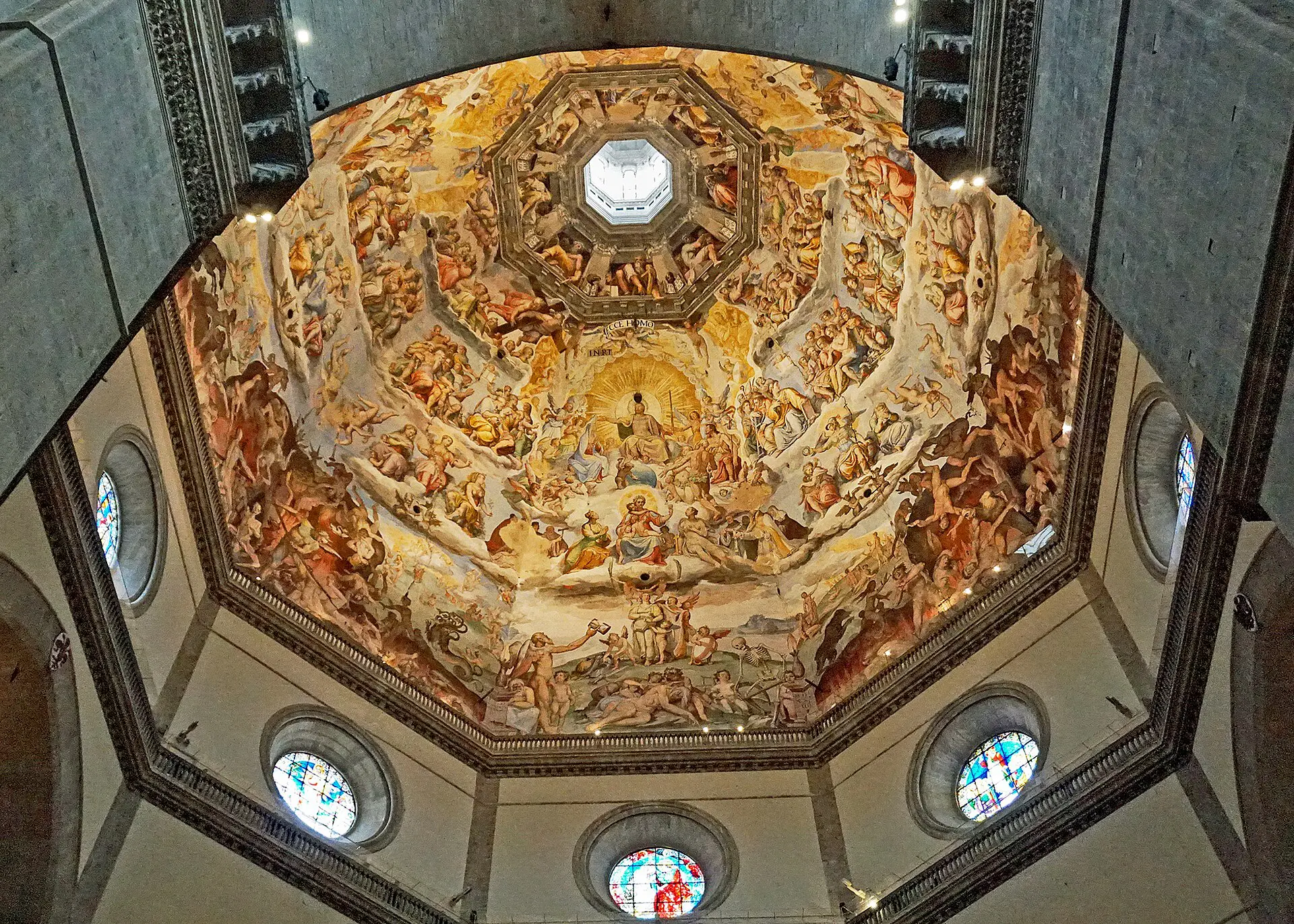
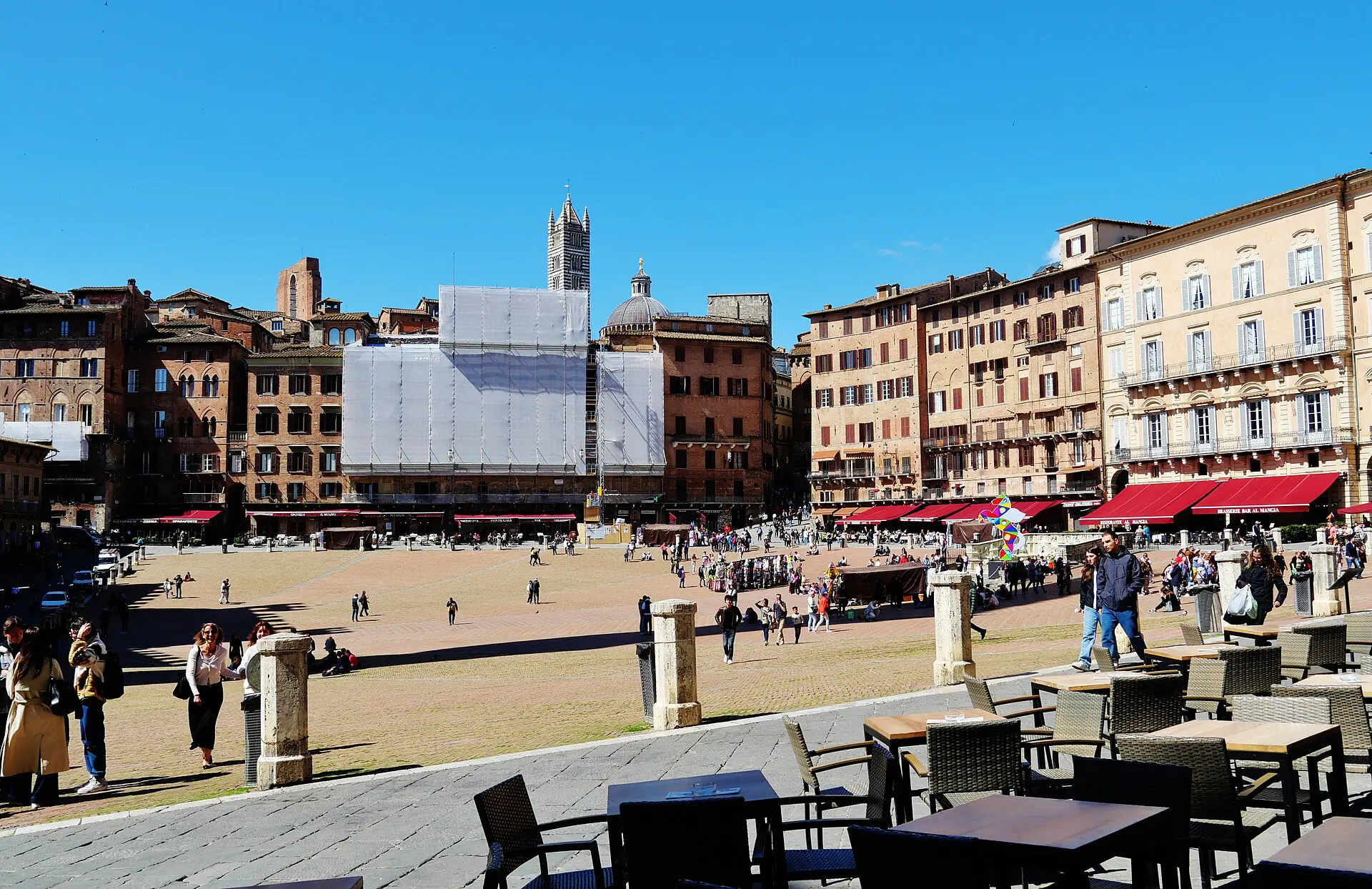
Florence has the Duomo, the Uffizi and the Accademia. Siena, San Gimignano and the hills of Chianti and the Val d’Orcia are the standard day trips and the classic road-trip landscape.
Venice
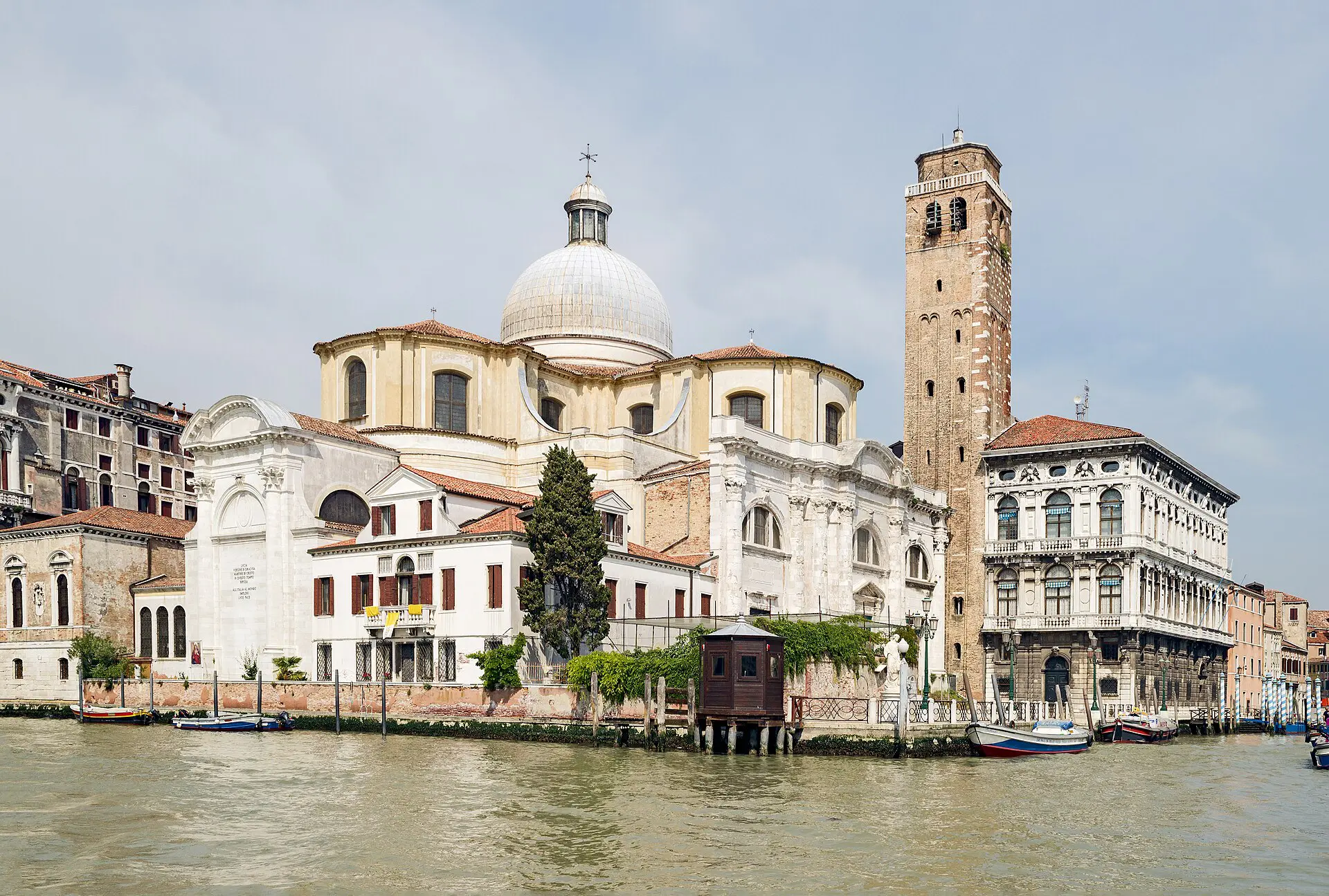
Built on a lagoon, Venice has no cars and is best seen early or late. Beyond St Mark’s Square, wander Cannaregio and Dorsoduro, and take a boat to Burano or Torcello.
Amalfi Coast and Naples
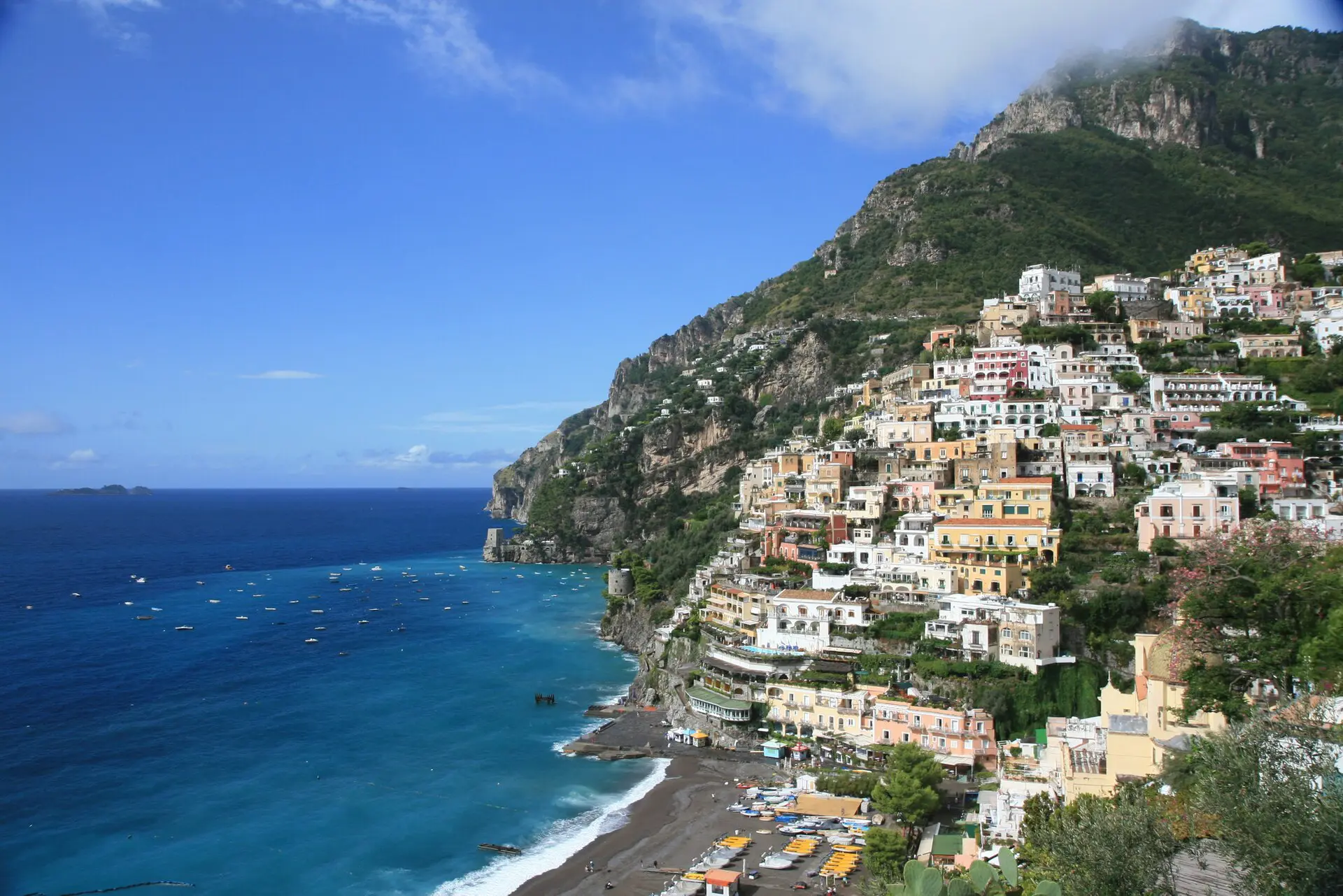
Naples has the best pizza and the archaeological museum, with Pompeii and Herculaneum nearby. South of it, Positano and Amalfi cling to the cliffs.
Milan and the Lakes
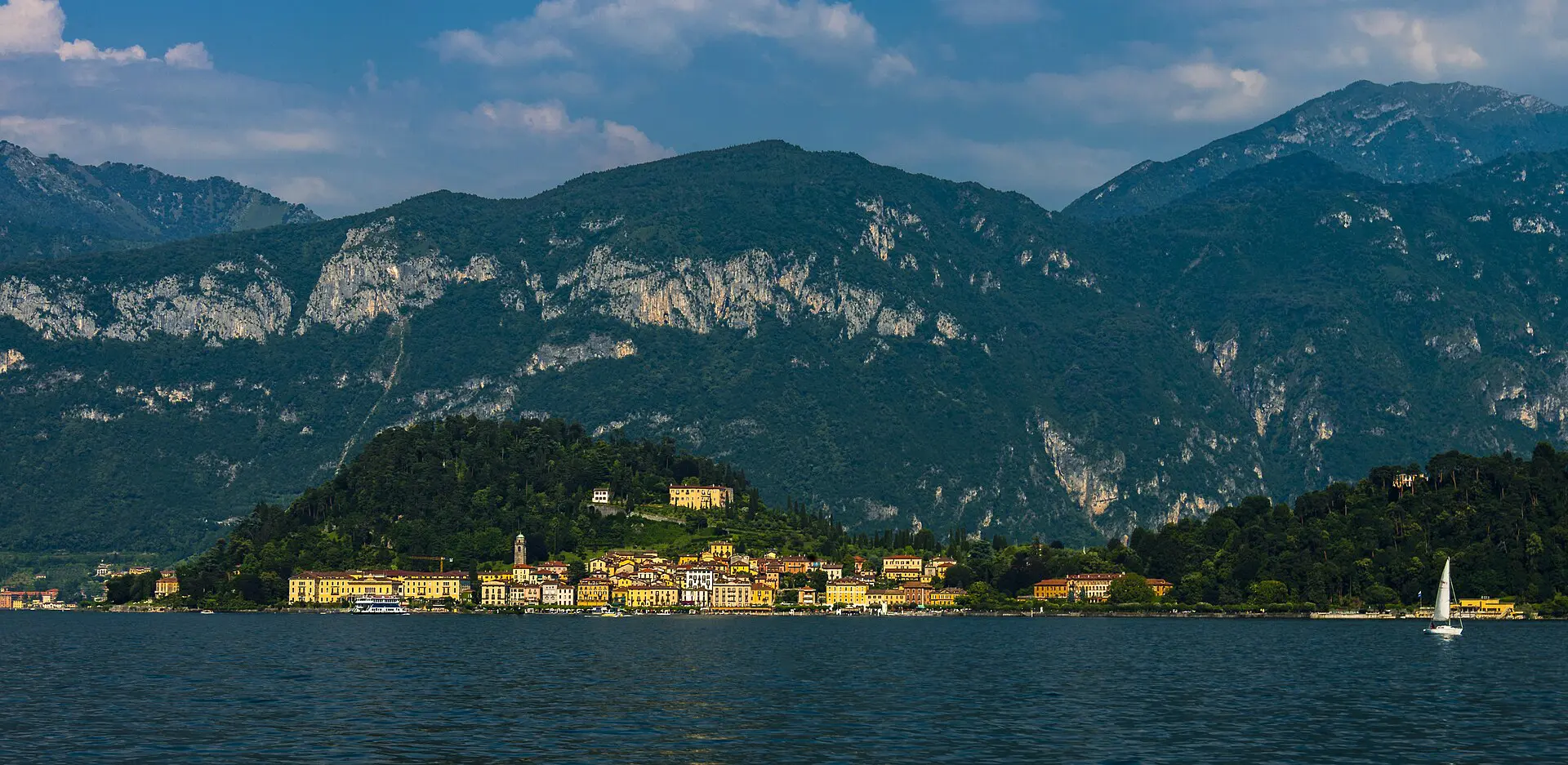
Milan offers the Duomo and The Last Supper, while Lake Como and Lake Maggiore are an hour or two away.
Dolomites and Sicily
The Dolomites have world-class hiking and ski areas, and Sicily adds Greek temples, Etna and rich food.
Top things to do in Italy
The top things to do in Italy range from ancient ruins to coastal walks, and many require pre-booked tickets.
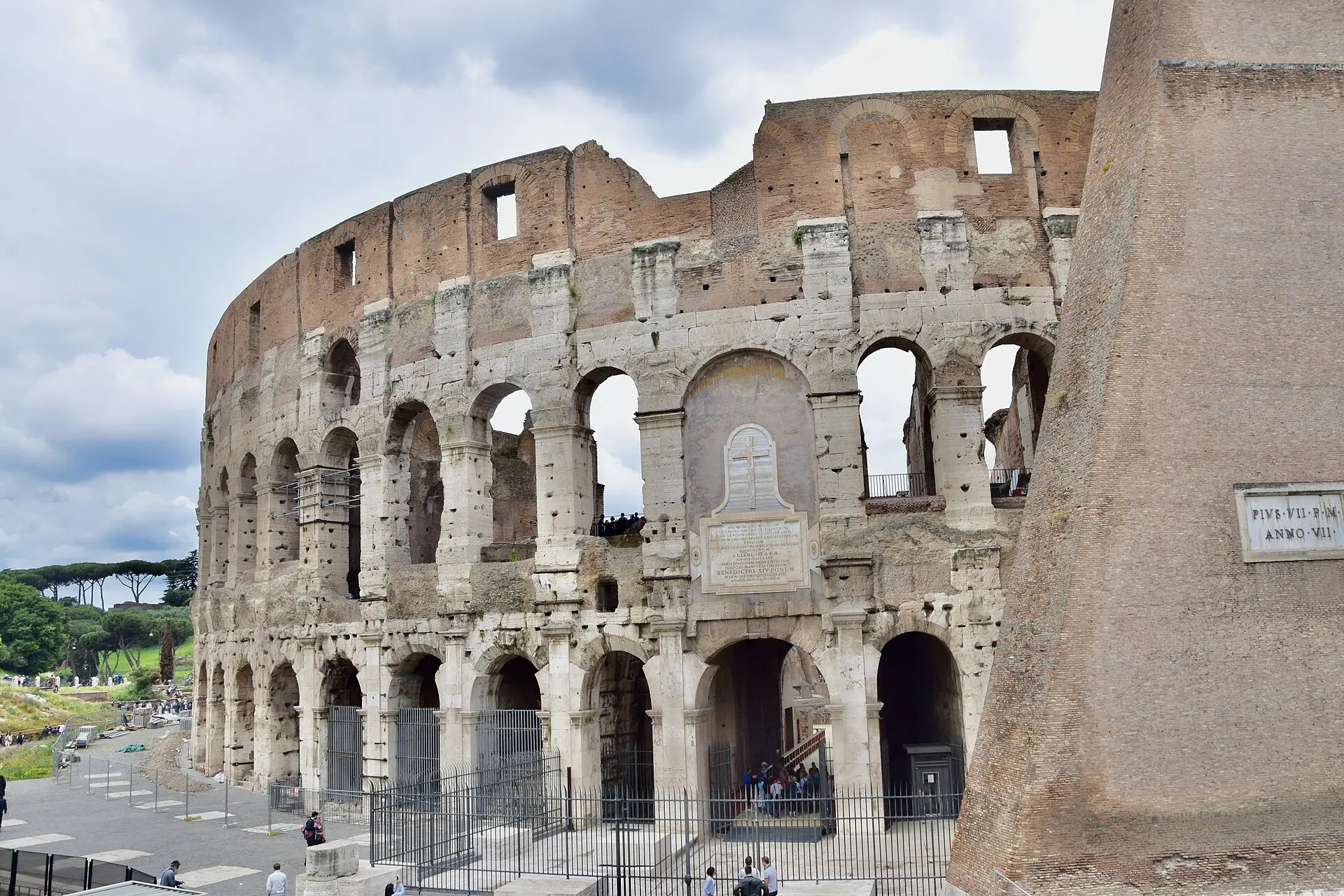
- Tour the Colosseum and Roman Forum: book a timed ticket, and add the Palatine Hill.
- See the Sistine Chapel and the Vatican Museums: pre-book to skip the queue.
- Climb Florence’s Duomo or Giotto’s Bell Tower: reserve a time slot in advance.
- Ride a vaporetto down the Grand Canal: a cheap way to see Venice’s palaces from the water.
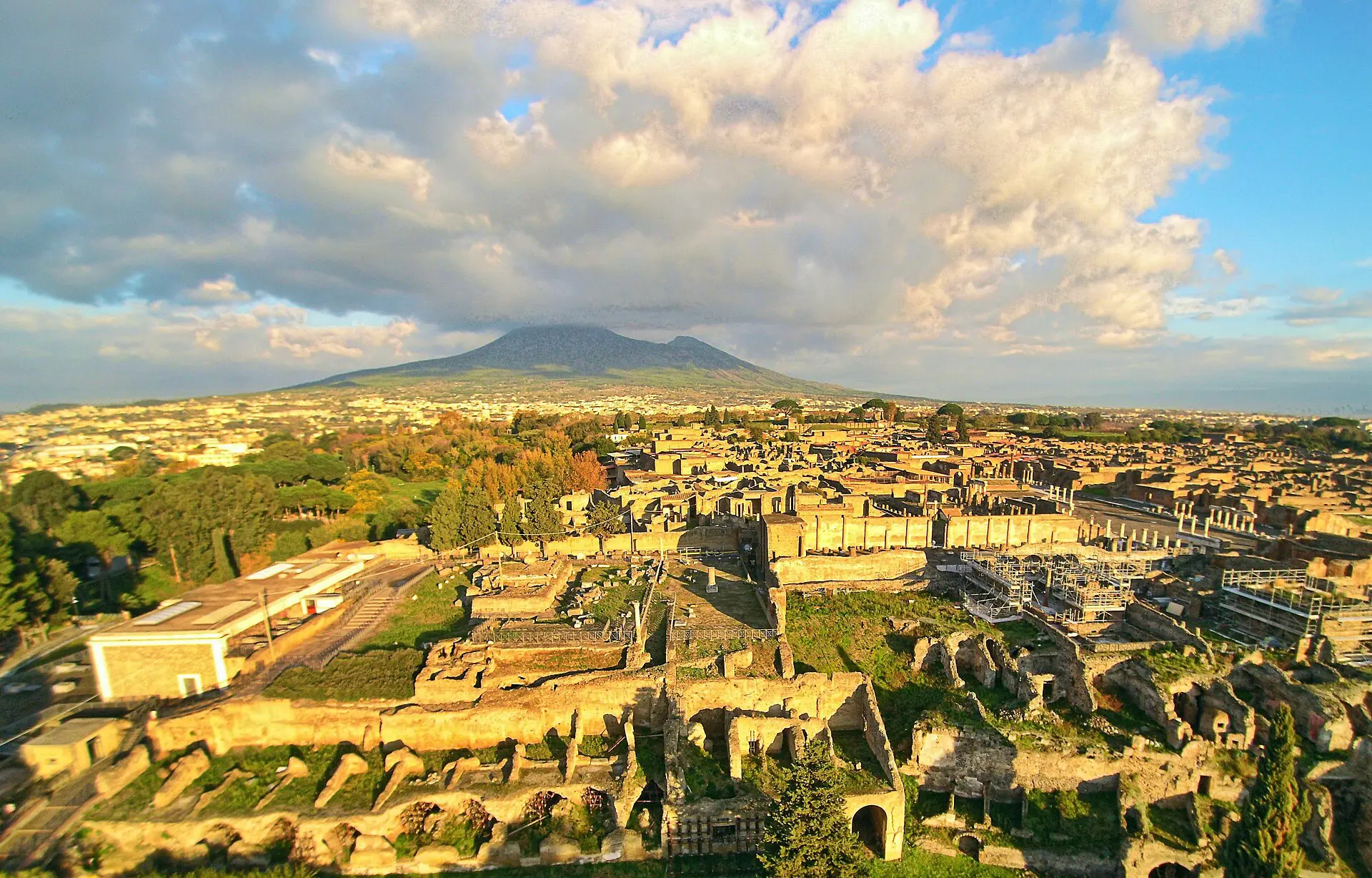
- Walk through Pompeii: the preserved Roman streets near Naples need at least half a day.
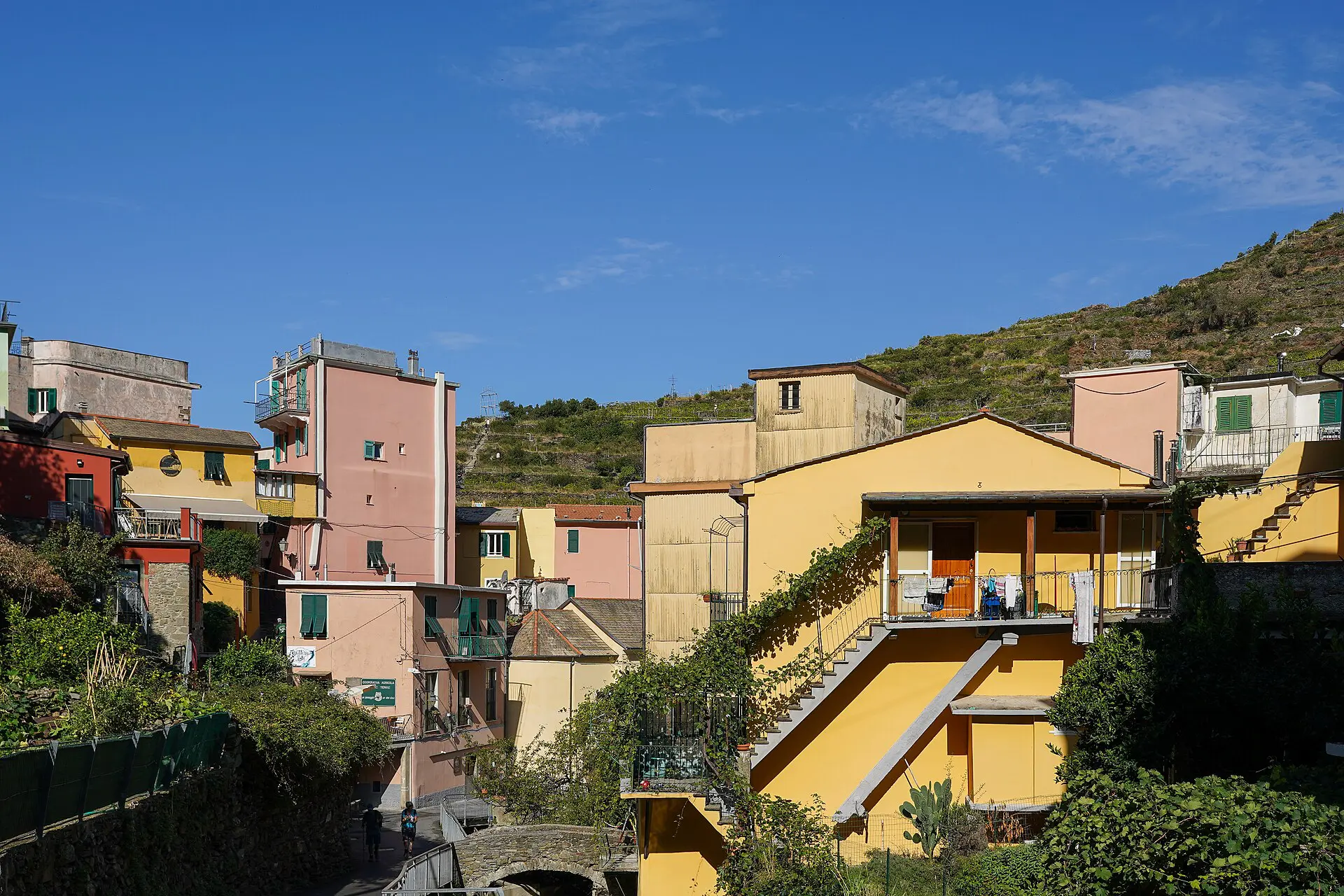
- Hike the Cinque Terre trails: five coastal villages linked by paths and trains; some trails require a pass.
- Drive through the Val d’Orcia: Tuscan hills, cypress lanes and wine estates.
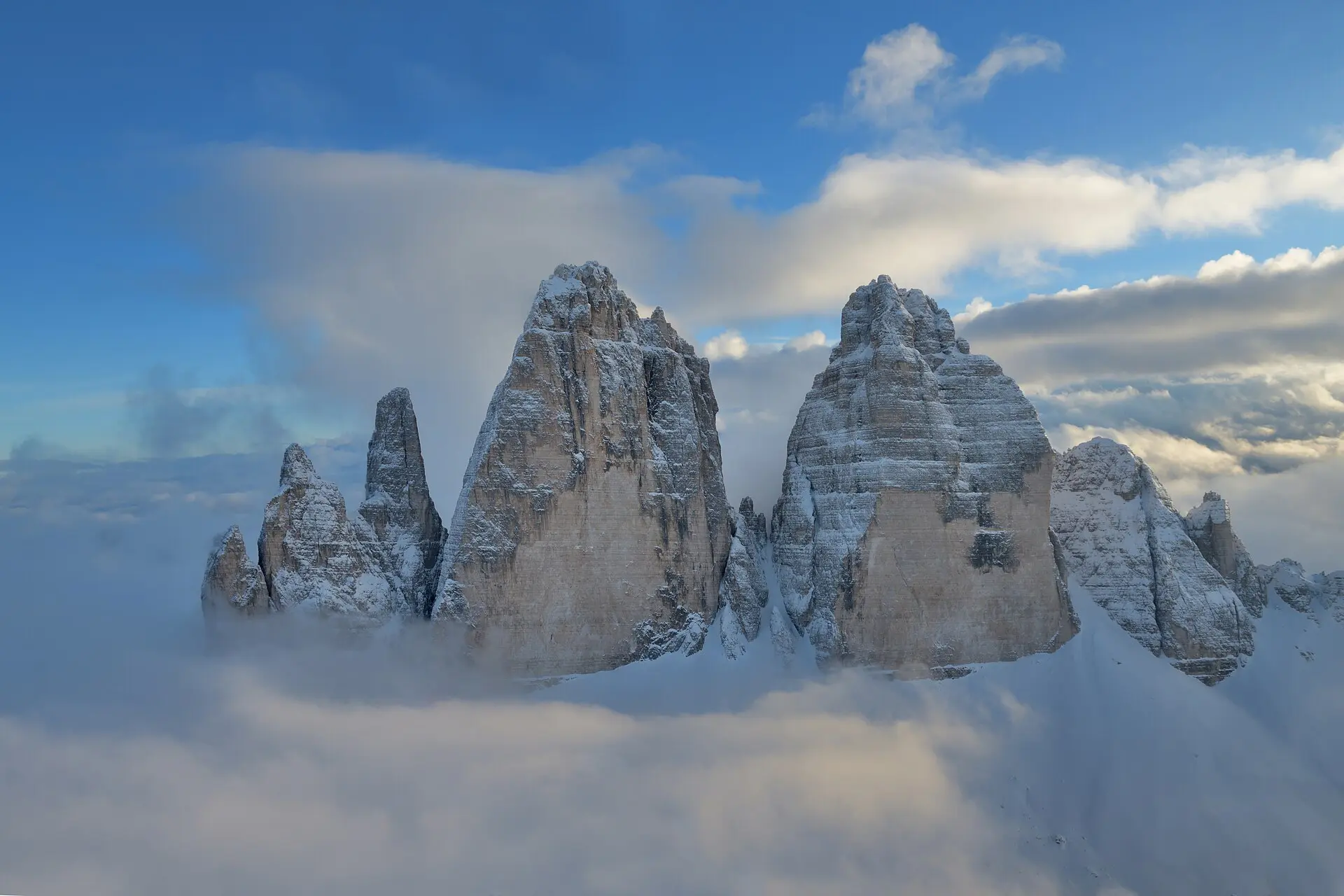
- Hike the Tre Cime in the Dolomites: a famous loop path, best from June to September.
- Take a cooking class: fresh pasta workshops in Bologna, Florence or Rome.
- Visit Lake Como: ferries link Bellagio, Varenna and Como.
Best time to visit Italy
The best time to visit Italy is April to June and September to October, when the weather is pleasant, the sea warms up by June and crowds are manageable. July and August are hot and crowded, with many locals on holiday and some city restaurants closed around mid-August. Winter suits city breaks, museums and skiing in the Alps.
| Season | Weather | Crowds and prices | Good for |
|---|---|---|---|
| Spring (Mar-May) | Mild, some rain, flowers | Busy at Easter, otherwise moderate | Cities, Tuscany, Amalfi |
| Summer (Jun-Aug) | Hot, 30 C or more in the south and cities | Highest prices and crowds | Beaches, Dolomites, islands |
| Autumn (Sep-Nov) | Warm, then cooler and wetter | Moderate, falling in November | Wine harvest, food, cities |
| Winter (Dec-Feb) | Cold in the north, mild in the south | Low outside Christmas and ski areas | Museums, Sicily, skiing |
Check heatwave forecasts for Rome, Florence and Sicily in July and August, and book early for Easter and Christmas.
Is Italy safe to visit?
Yes, Italy is safe for most visitors, and violent crime against tourists is uncommon. The usual problems are pickpocketing, small scams, summer heat and the occasional strike. Check your government’s current travel advice, such as the UK FCDO or US State Department pages, before you go.
Theft. Pickpockets work crowded places in Rome, Florence, Milan, Naples and Venice, including trains, buses and around major sights. Keep bags closed in front of you, avoid back pockets and be alert near stations.
Scams. Watch for fake petitions, friendship bracelets pushed on you, overpriced restaurants near monuments, and unlicensed taxis. Use official taxis or apps, and check menu prices.
Heat and nature. Summer heat waves can be severe. Italy also has active volcanoes such as Etna and Vesuvius and earthquake zones, so follow local advice. Mountain weather changes quickly in the Dolomites.
Driving. Many historic centres have restricted traffic zones (ZTL); entering one without permission brings automatic fines. Carry insurance and your documents.
Italy visa and entry requirements
Italy visa rules depend on your nationality. Italy is in the Schengen area, so EU citizens enter freely. Citizens of the US, the UK, Canada, Australia and many other countries can normally stay up to 90 days in any 180 without a visa, but others need a Schengen visa from an Italian embassy or consulate. Check the official Italian foreign ministry source before booking.
Your passport should be valid for at least three months beyond your planned departure, and issued within the last ten years. The EU is introducing an Entry/Exit System for biometric registration of non-EU visitors and a travel authorisation called ETIAS, with dates that have shifted, so confirm the current status as of your travel date.
Carry proof of accommodation, return travel and funds in case you are asked. If you plan to drive, non-EU licence holders may need an International Driving Permit. The UNESCO page for Italy lists the country’s World Heritage sites, but it does not cover entry rules.
Getting to and around Italy
Rome Fiumicino and Milan Malpensa are the main international airports, with Venice, Bologna, Florence, Naples, Catania and Palermo also receiving many flights. Ferries run to Sicily, Sardinia and nearby islands, and trains and roads link Italy to France, Switzerland, Austria and Slovenia.
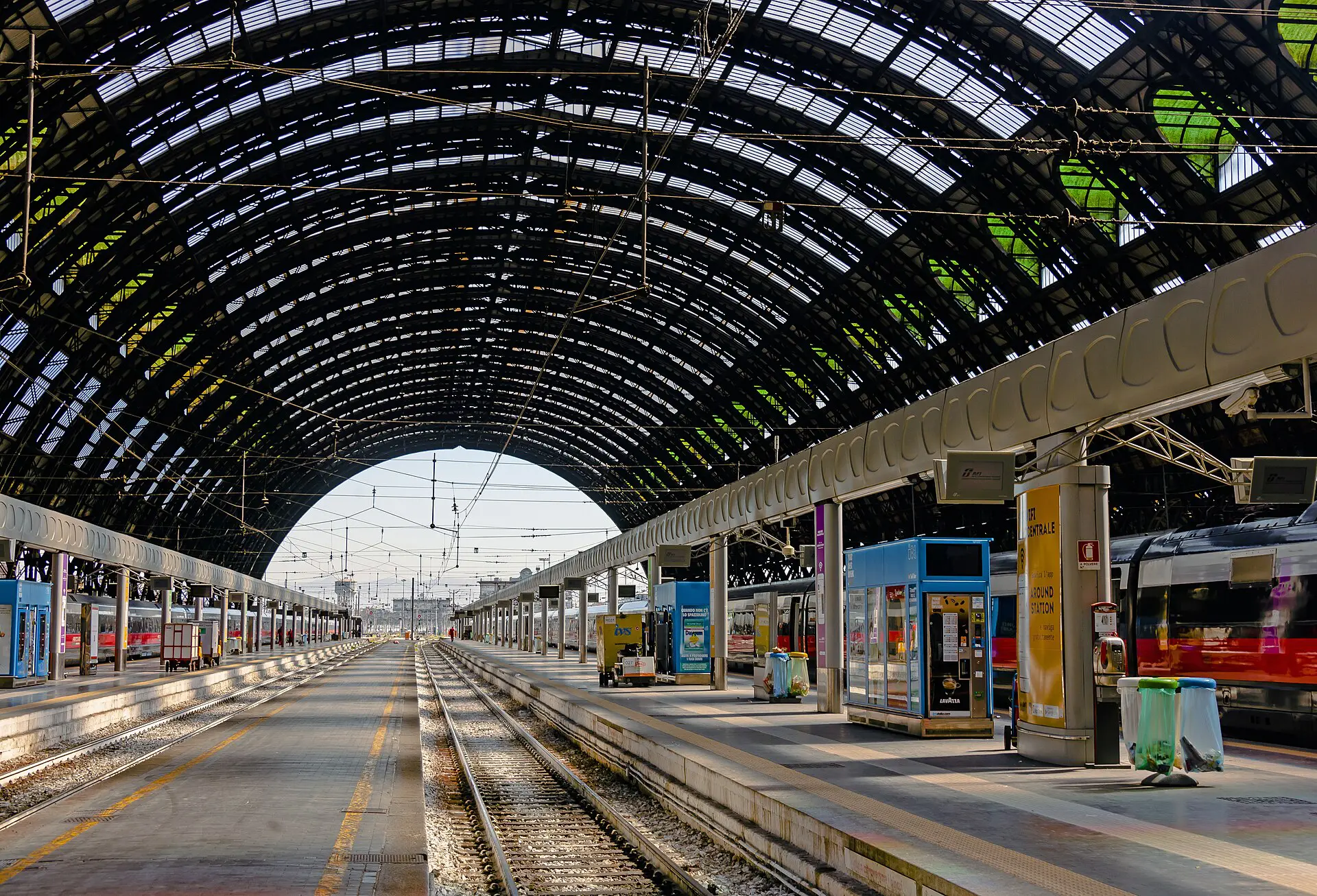
High-speed trains (Frecciarossa and Italo) link the main cities quickly: Rome to Florence takes about 1.5 hours, Rome to Venice about four, and Milan to Rome about three. Book ahead for lower fares. Regional trains are cheap and cover smaller towns, but remember to validate paper tickets if required. Strikes occasionally disrupt services, so check before travel.
A car makes sense for Tuscany, Umbria, Puglia and the Dolomites, but not for cities. Watch ZTL zones, expect tolls on motorways and park outside historic centres. Driving is on the right. In the south and on islands, buses and ferries fill gaps, but schedules are sparser on Sundays. In cities, metro, buses and walking work better than taxis.
How much does a trip to Italy cost?
Italy costs vary a lot by region and season. The currency is the euro (EUR). The figures below are rough per-person daily guides for 2026, and prices peak in July and August, in Venice, Rome and Florence, and on the Amalfi Coast.
- Budget: around EUR 80 to 120 per day, with hostels or budget rooms, regional trains, pizza and market food.
- Mid-range: around EUR 150 to 250 per day, with a comfortable hotel, restaurant meals and some tickets and transport.
- High-end: from EUR 350 per day, with boutique hotels, private drivers and fine dining.
Accommodation drives most of the cost, followed by intercity trains and entry tickets. Many cities charge a nightly tourist tax at hotels, and some places, such as Venice, have introduced day-visitor fees at peak times. Expect a coperto (cover charge) in many restaurants. Eating a sandwich or pizza by the slice, drinking at the bar rather than a table and visiting in spring or autumn cut costs significantly.
Italy food and drink
Italy food is regional rather than national: what you eat in Bologna differs from Naples or Palermo, and menus follow the season. Lunch and dinner are structured, and a meal in a trattoria usually runs longer than you expect.
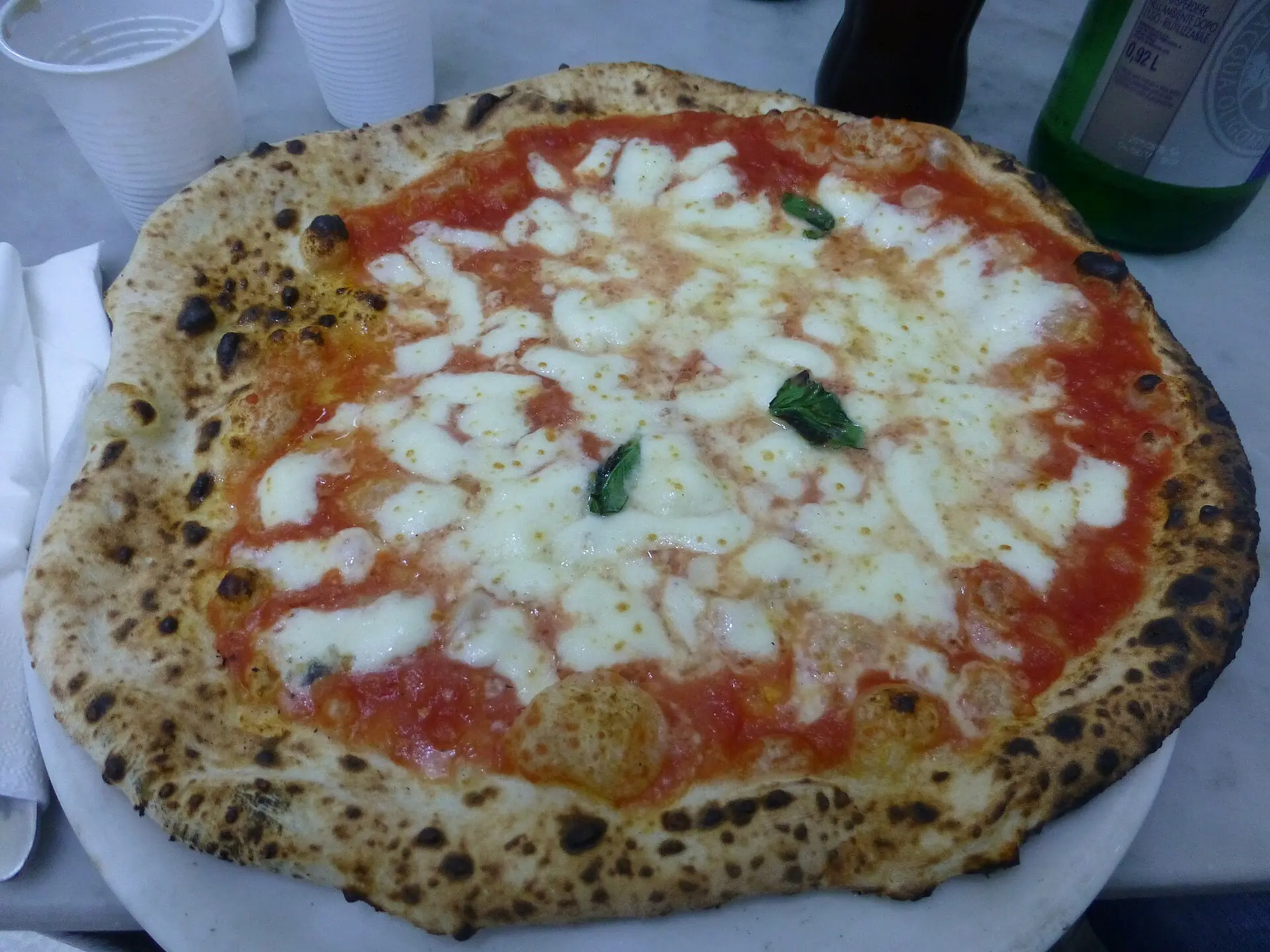
- Neapolitan pizza: a soft, charred crust with tomato and mozzarella, best in Naples.
- Pasta by region: carbonara and cacio e pepe in Rome, tagliatelle al ragù in Bologna, pesto in Liguria.
- Risotto and polenta: northern staples, including risotto alla milanese.
- Gelato: choose places with natural colours and covered tubs rather than piled-high displays.
- Arancini and cannoli: Sicilian rice balls and sweet ricotta pastries.
- Cheese and cured meats: Parmigiano Reggiano, prosciutto and mortadella.
- Wine and coffee: Chianti, Barolo and Prosecco, plus espresso at the bar, with cappuccino usually a morning drink.
Vegetarians do well, though some dishes use lard or meat stock. Gluten-free options are widely available. Tourist-area restaurants with photo menus are often poor value, so walk a few streets away. Reserve dinner in advance for popular places.
Culture, language and etiquette in Italy
Italian is the national language, with strong regional dialects, and German and Ladin are also spoken in parts of the north. English is common in tourism but less so in small towns, so greetings such as buongiorno, grazie and per favore make a difference.
Italians value courtesy and appearance. Greet shopkeepers and waiters when you enter, and say goodbye when you leave. Dinner is late, often after 8 pm, and meals are social. Coffee is drunk quickly at the bar, and cappuccino after lunch is considered unusual. Do not ask for parmesan on seafood pasta, and expect bread without butter.
Churches and religious sites require covered shoulders and knees, and the Vatican enforces this strictly. Do not sit on monument steps or fountains in Rome, as fines can apply. Many shops close for a long lunch in smaller towns, and on Sundays. Politics, football and regional rivalry are common conversation topics: keep it friendly. Public drinking in some cities is regulated, so check local rules.
Italy itinerary: a 7-day route
This route links Rome, Florence and Venice by high-speed train, with a Tuscan day trip. It is a classic first visit and avoids unnecessary backtracking.
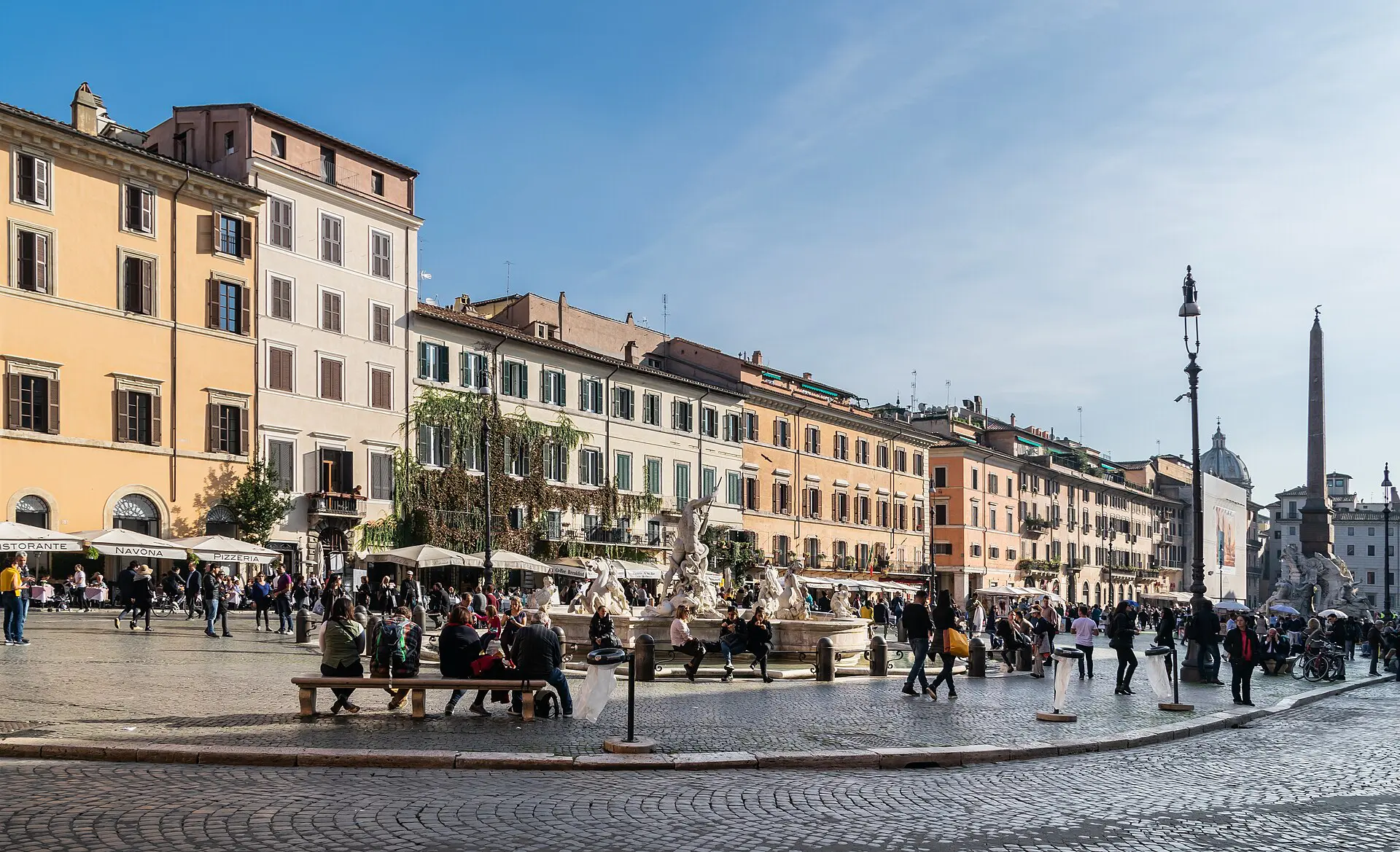
- Day 1, Rome: arrive, walk Piazza Navona and the Pantheon, and see the Trevi Fountain in the evening.
- Day 2, Rome: tour the Colosseum, Forum and Palatine Hill with pre-booked tickets.
- Day 3, Vatican and Rome: visit the Vatican Museums early, then St Peter’s Basilica and Trastevere for dinner.
- Day 4, Florence: take the train, about 1.5 hours, then visit the Duomo and the Uffizi.
- Day 5, Tuscany: take a day trip to Siena and San Gimignano by rental car or tour bus.
- Day 6, Venice: travel about two hours by train, ride a vaporetto and walk away from St Mark’s Square.
- Day 7, Venice: visit Burano and Murano by boat, then fly home from Marco Polo airport.
With extra days, add Naples and Pompeii after Rome, or Lake Como before Venice. In winter, replace Tuscany with Bologna.
Practical tips for Italy
- Money: the euro is the currency; cards are widely accepted, though small cafés and rural places may prefer cash. Withdraw from bank ATMs.
- SIM and eSIM: prepaid SIMs and eSIMs are easy to buy; EU visitors can use roaming. Italian shops may ask for ID when buying a SIM.
- Plugs: types C, F and L at 230 V; non-EU visitors usually need an adapter.
- Tipping: not expected; a small round-up or a few euros for good service is fine, and check whether coperto or service is already on the bill.
- Health: tap water is safe, pharmacies (farmacia) give advice, and the emergency number is 112.
- Booking: reserve Colosseum, Vatican, Uffizi and Last Supper tickets well ahead, and book trains for lower fares.
- Packing: comfortable shoes for cobblestones, a scarf or light layer for churches, and a refillable bottle for public fountains.
For wider background, see the Wikivoyage Italy guide.
FAQ
Q1What is Italy food like?
Italy food is regional and seasonal. Expect Neapolitan pizza, regional pastas such as carbonara and ragù, risotto, fresh seafood on the coast, gelato, cured meats and strong coffee. Meals are long and structured, vegetarians do well and tourist-area restaurants are often poorer value.
Q2What is the best time to visit Italy?
April to June and September to October offer pleasant weather, warm seas by June and fewer crowds. July and August are hot and expensive, and some restaurants close in mid-August. Winter suits city breaks and skiing, with low prices outside Christmas.
Q3What are the best things to do in Italy?
Top picks include the Colosseum and Vatican in Rome, Florence's Duomo and Uffizi, a vaporetto ride in Venice, Pompeii, the Cinque Terre trails, Tuscan hill towns, Lake Como and hiking in the Dolomites. Book major tickets ahead and mix cities with countryside.
Q4What are the best places to visit in Italy?
Rome, Florence, Venice, Naples and the Amalfi Coast are the classic first-trip choices. Tuscany, the Dolomites, Lake Como, Cinque Terre, Puglia and Sicily add variety. For a week, pick two or three bases rather than trying to see everything.
Q5Do I need a visa for Italy?
It depends on nationality. Italy follows Schengen rules, so many visitors, such as US, UK and Canadian citizens, can stay up to 90 days in 180 without a visa, while others need a Schengen visa. New EU systems such as ETIAS may apply, so check official sources before you book.
Q6How many days do you need for an Italy itinerary?
Seven days works for Rome, Florence and Venice by train, with one Tuscan day trip. Ten to fourteen days lets you add Naples, the Amalfi Coast, the lakes or Sicily without rushing. Fewer days are best spent in one region only.
Q7Is Italy safe?
Yes, for most visitors. Violent crime against tourists is rare, while pickpocketing in busy cities and on public transport is the main concern. Watch for taxi and restaurant overcharging, avoid ZTL driving fines and prepare for summer heat. Check your government's current advice.
Q8How much does a trip to Italy cost?
Plan on around EUR 80 to 120 per day on a budget, EUR 150 to 250 mid-range and EUR 350 or more at the top end. Accommodation, intercity trains and entry tickets drive costs, and prices are highest in July, August and in Venice and Rome.