Why visit Colombia
The things to do in Colombia are unusually varied because the country sits where the Andes split into three ranges and meets both the Caribbean and the Pacific (see the Wikipedia overview). In a single trip you can explore a colonial walled port, hike through cloud forest, drink coffee on a working farm and visit a cosmopolitan capital at 2,600 metres.
Colombia suits independent travellers, hikers, birdwatchers, coffee and food lovers and anyone drawn to Latin American music and culture. Security has improved greatly in the main tourist circuit, though some regions remain off limits and petty crime is a real concern in cities. It is less suited to travellers who want to go anywhere without checking current conditions, or who dislike long, winding road journeys.
Best places to visit in Colombia
The best places to visit in Colombia are spread across several regions, so most trips choose three or four stops linked by short domestic flights.
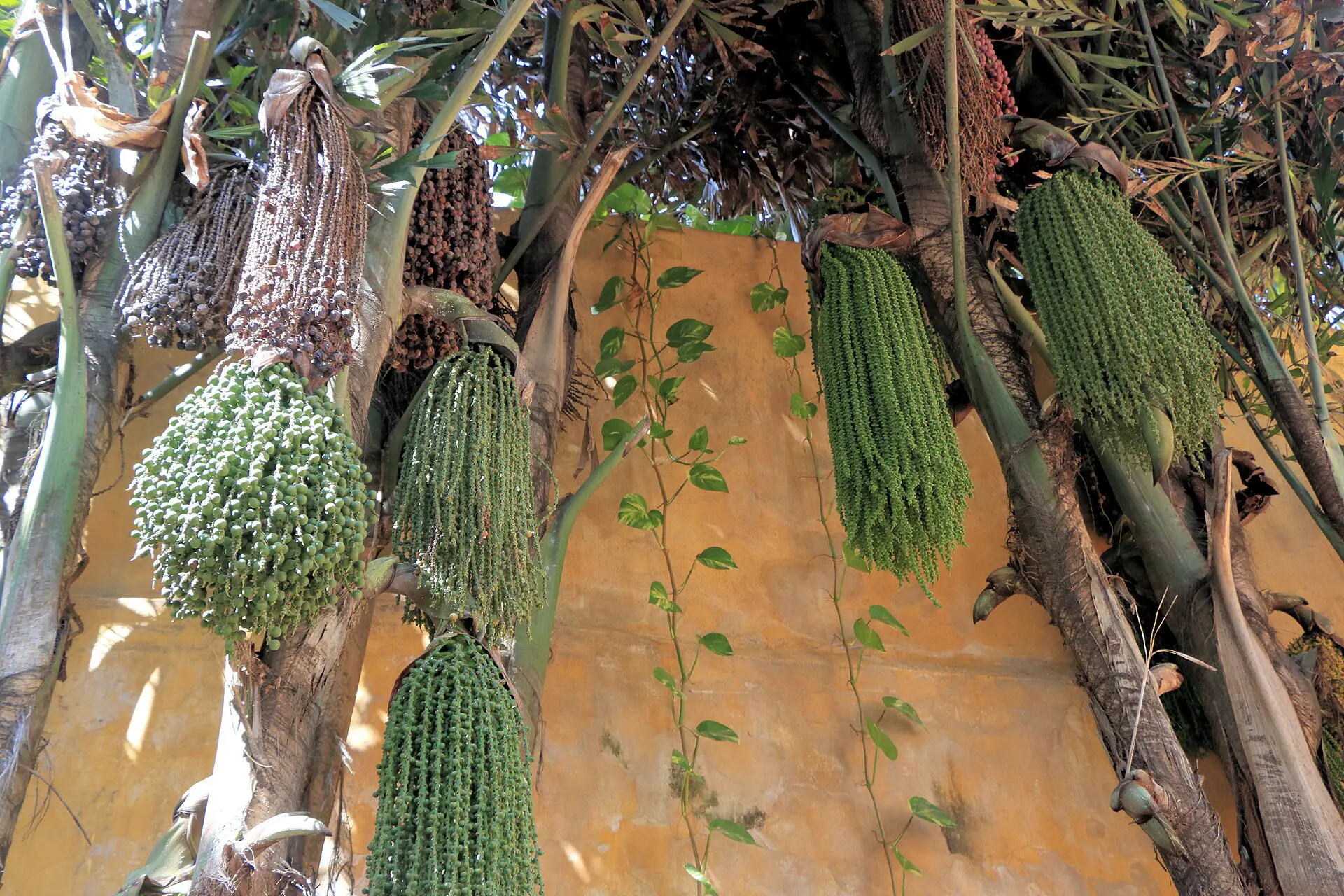
Cartagena
The UNESCO-listed walled city on the Caribbean coast is known for colourful colonial streets, plazas and seafront walls. It is hot and humid, and the best-value time to wander is early morning or evening.
Bogotá
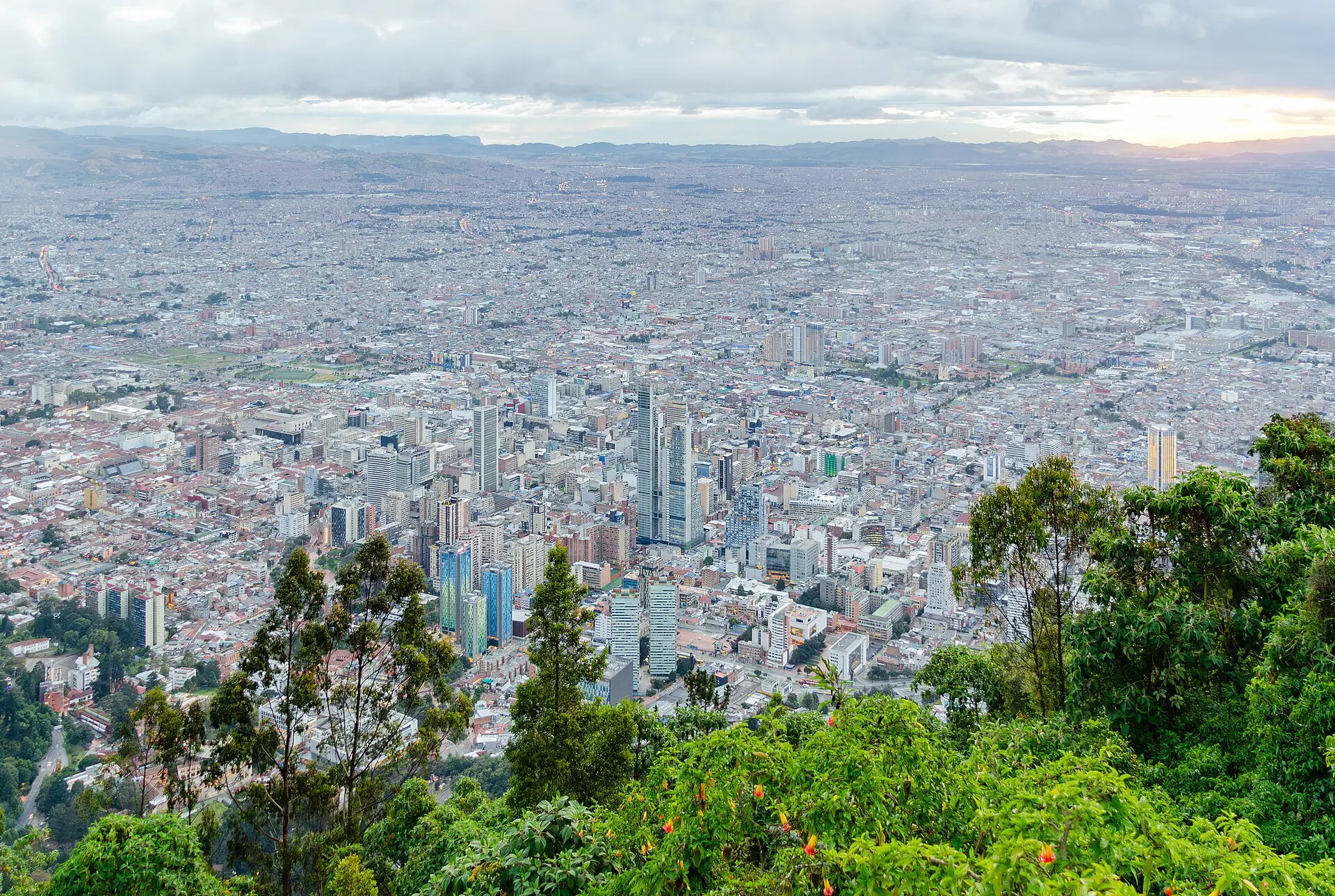
The high-altitude capital has the Gold Museum, the colonial La Candelaria quarter, the Botero Museum and the Monserrate hilltop viewpoint. Street art and a lively food scene add to its appeal.
Medellín
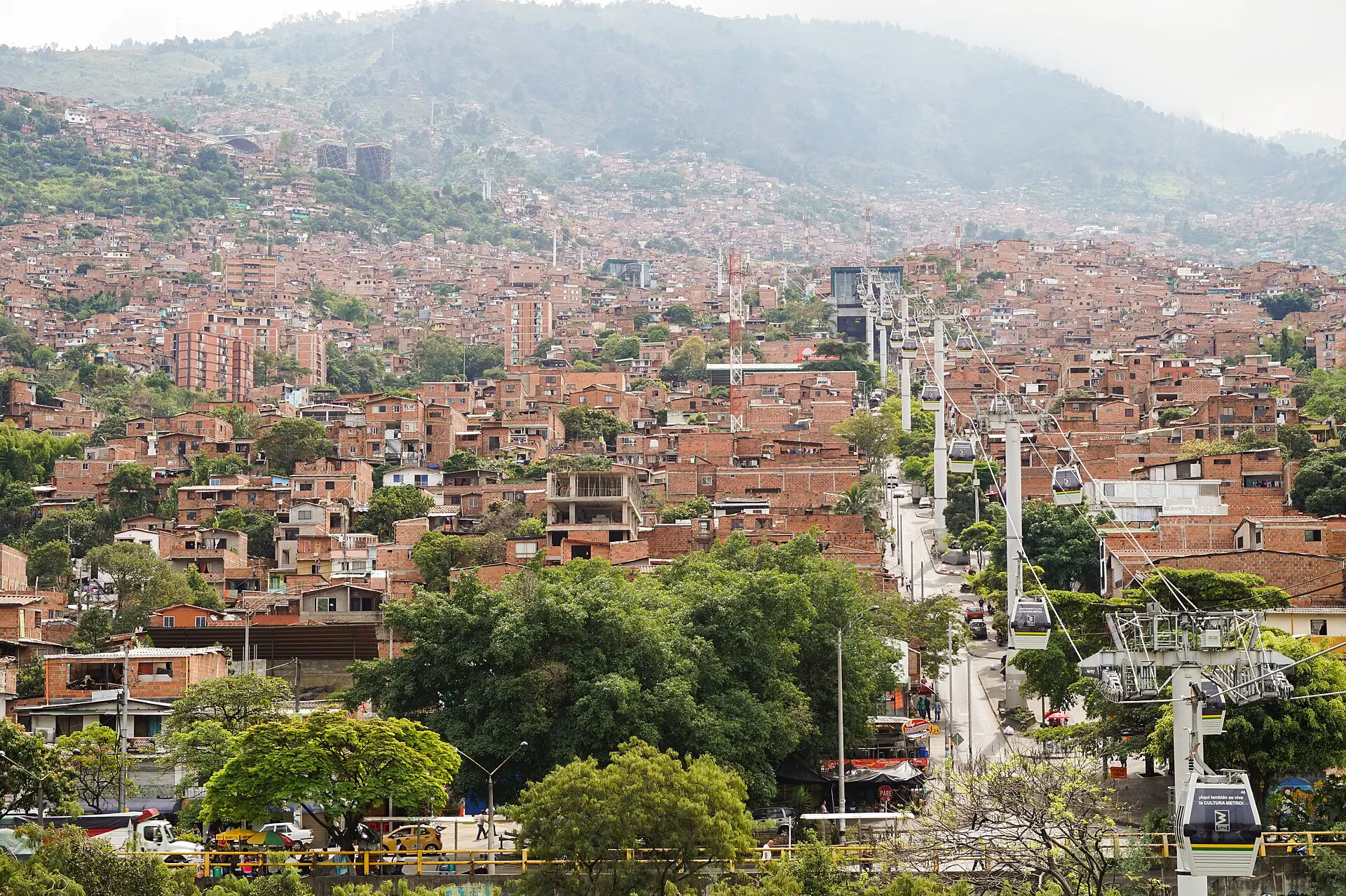
Once notorious, the city is now known for its metro, cable cars, parks and spring-like climate. Comuna 13 and the nearby Guatapé lake region are popular outings.
Coffee Region
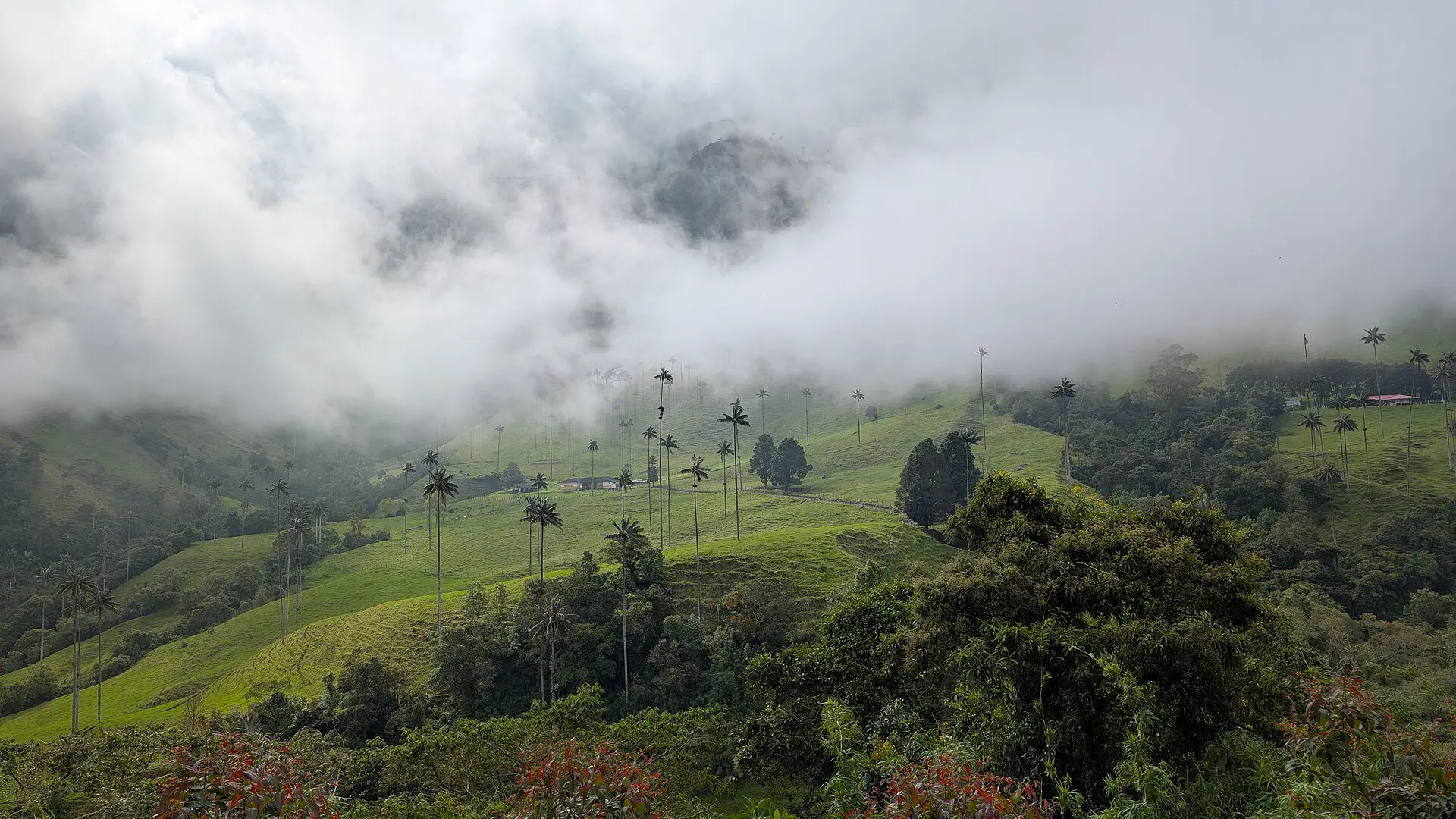
Salento, Filandia and the Cocora Valley sit among coffee farms and green hills. Farm tours explain how the beans are grown and roasted.
Tayrona and Santa Marta
Tayrona National Park combines jungle trails with Caribbean beaches. The multi-day trek to Ciudad Perdida starts nearby.
Villa de Leyva
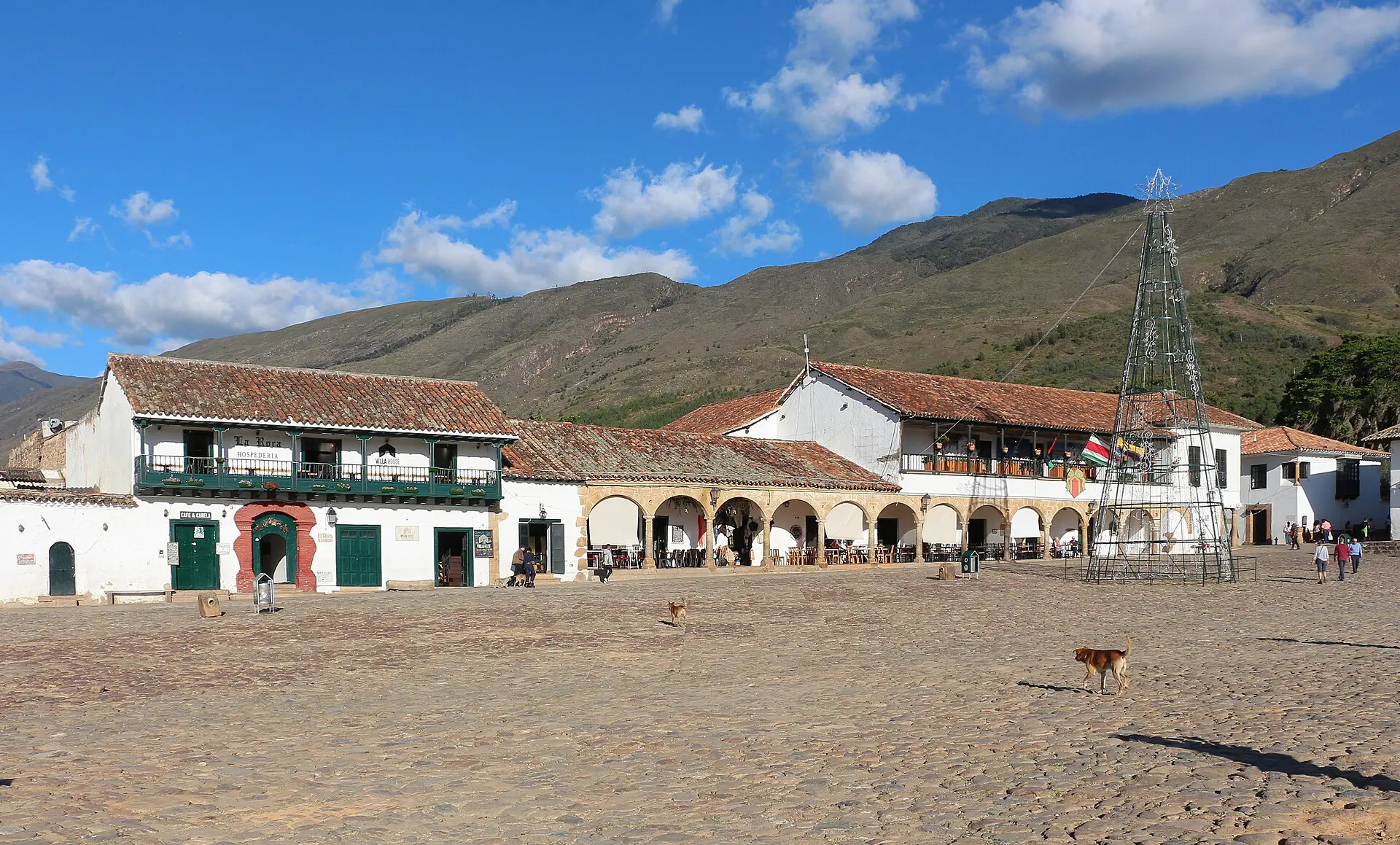
This whitewashed colonial town has one of South America’s largest cobbled squares, set in high desert scenery about three to four hours from Bogotá.
Top things to do in Colombia
The top things to do in Colombia combine city culture, outdoor trails and coffee, and they suit many budgets.
- Walk Cartagena’s old town: follow the city walls at sunset and visit the plazas.
- Hike the Cocora Valley: a loop of several hours passes cloud forest and the world’s tallest palms.
- Visit the Gold Museum in Bogotá: it holds thousands of pre-Hispanic gold objects.
- Ride the Metrocable in Medellín: the cable cars climb into hillside neighbourhoods with city views.
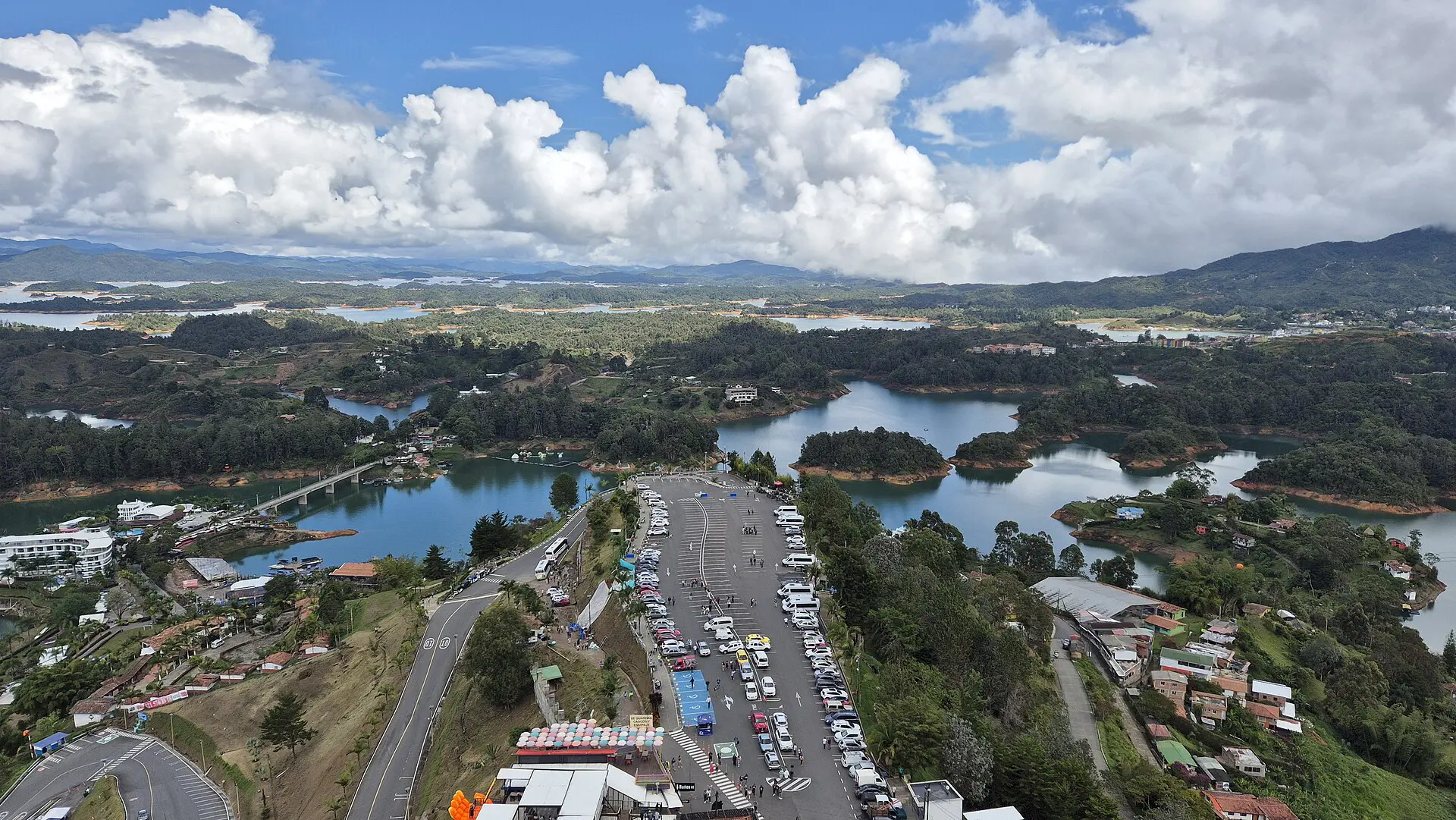
- Climb the Piedra del Peñol: about 740 steps lead to a view over the Guatapé reservoir.
- Tour a coffee farm: several farms near Salento offer tastings and walks.
- Hike to Ciudad Perdida: a four- to six-day trek to a pre-Hispanic city in the Sierra Nevada de Santa Marta.
- Swim in Tayrona: pick the calm beaches such as Cabo San Juan, and avoid those with strong currents.
- See whales on the Pacific coast: humpbacks pass between roughly July and October.
- Dance salsa in Cali: the city is Colombia’s salsa capital.
- Go birdwatching: Colombia has more bird species than any other country.
Best time to visit Colombia
The best time to visit Colombia is usually December to March and July to August, the drier months across the Andes and the Caribbean coast. Because the country sits on the equator, temperature depends on altitude rather than season: Bogotá is cool year-round, Medellín mild and Cartagena hot. Rainy seasons, roughly April to May and October to November in the Andes, bring afternoon showers but fewer visitors.
| Season | Weather | Crowds and prices | Good for |
|---|---|---|---|
| Dec-Mar | Dry across most regions | Peak crowds and prices around Christmas and Carnival | Caribbean coast, hiking, Ciudad Perdida |
| Apr-Jun | Rainy in the Andes; humid on the coast | Lower | Bogotá, Medellín, city breaks |
| Jul-Aug | Drier in the Andes; busy domestic holidays | Moderate to high | Coffee Region, Pacific whale watching |
| Sep-Nov | Wet in most areas; hurricane season for San Andrés | Low | Budget travel, Medellín flower festival in August |
Landslides can close mountain roads in rainy periods, so allow extra time then.
Is Colombia safe to visit?
Is Colombia safe? In the main tourist circuit, yes with precautions: Bogotá, Medellín, Cartagena, the Coffee Region and Tayrona receive large numbers of visitors every year. Is Colombia safe to visit everywhere? No. Government advice from sources such as the UK FCDO and US State Department warns against travel to certain regions, so check it before you book and again before you go.
Is Colombia safe?
Street crime. Theft is the most common issue: phone snatching, bag theft and muggings, especially in busy city centres and at night. Locals advise not showing valuables, summed up as no dar papaya. Use ride-hailing apps or hotel-called taxis instead of hailing cars on the street.
Drink spiking and dating apps. Scopolamine and other drugs have been used to rob tourists, usually in bars and through dating-app meetings. Never leave a drink unattended, never accept drinks from strangers and meet new contacts in public places.
Regions. Armed groups and drug trafficking remain active in parts of the border areas and rural zones. Stay on established routes and avoid advisory areas. Protests occasionally block roads.
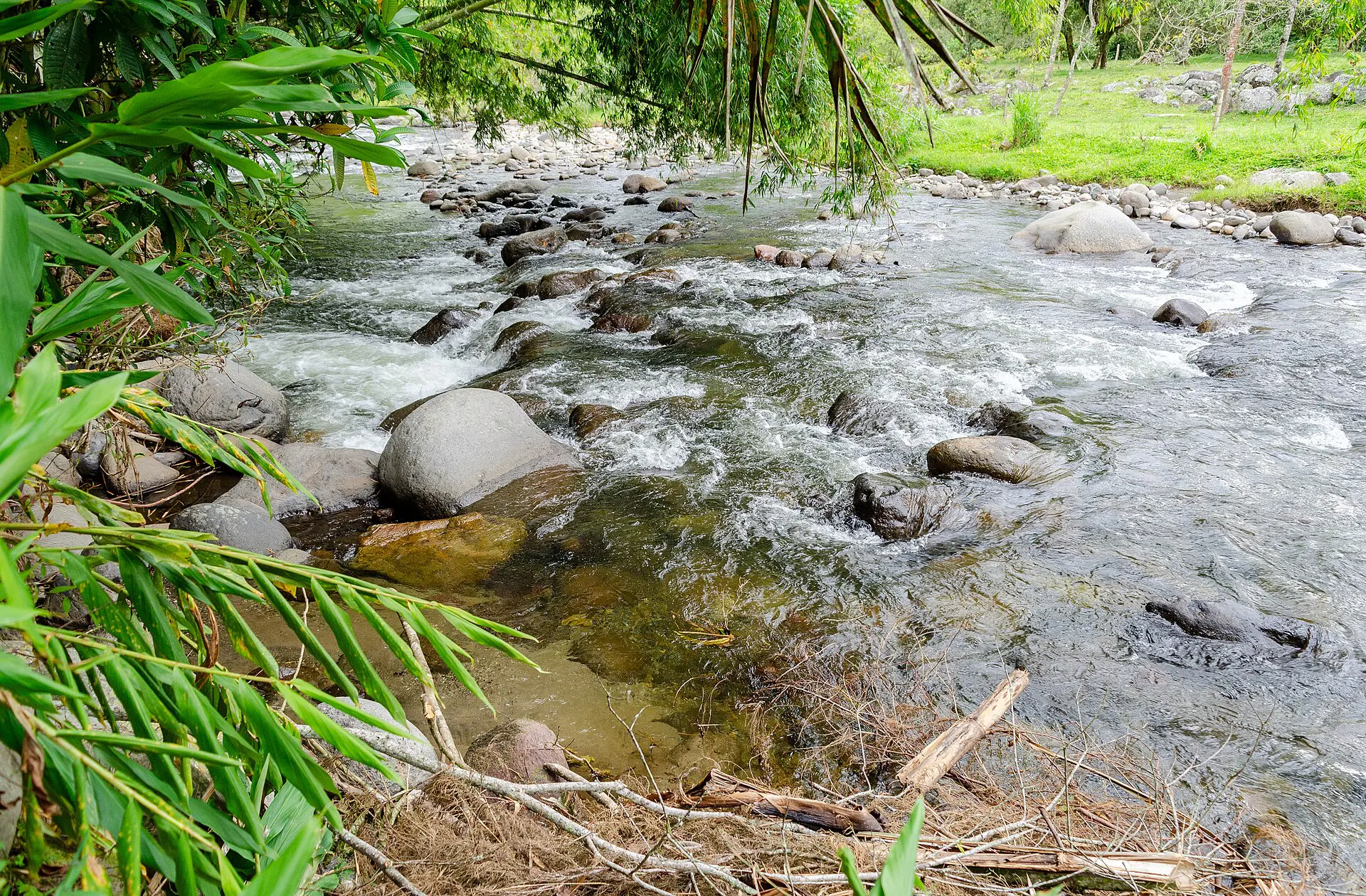
Health and nature. Altitude affects Bogotá, so rest on arrival. Dengue is present, and yellow fever vaccination is recommended for some areas. Landslides and rivers can be dangerous in the rainy season.
Visa and entry requirements for Colombia
Entry rules depend on your nationality. Citizens of many countries, including those of the EU, UK and US, have generally been able to enter for tourism without a visa for up to 90 days, with the option to extend to a total of 180 days in a calendar year. Rules change, so check the official Colombian migration authority or the nearest consulate before booking.
Your passport should usually be valid for at least six months. Before arrival, travellers have been asked to complete an online migration registration, often called Check-Mig, so look for the current requirement. Immigration officers can ask for proof of onward travel and accommodation.
Yellow fever vaccination is recommended, and may be required if you arrive from certain countries, so check the current health requirements. For heritage planning, the UNESCO page for Colombia lists the country’s World Heritage sites, but it does not cover entry rules.
Getting to and around Colombia
Main international gateways are Bogotá’s El Dorado Airport, Medellín’s José María Córdova, and Cartagena’s Rafael Núñez, with direct flights from the Americas and Europe. Overland crossings exist with Ecuador, Peru and Panama’s sea route, but some border areas are not advisable.
Colombia’s mountains make road travel slow, and domestic flights are often the best option: Bogotá to Medellín takes about one hour by air against eight to ten hours by bus, and Bogotá to Cartagena takes around one and a half hours. Buses are comfortable on main routes but winding, and night buses in rural areas are best avoided.
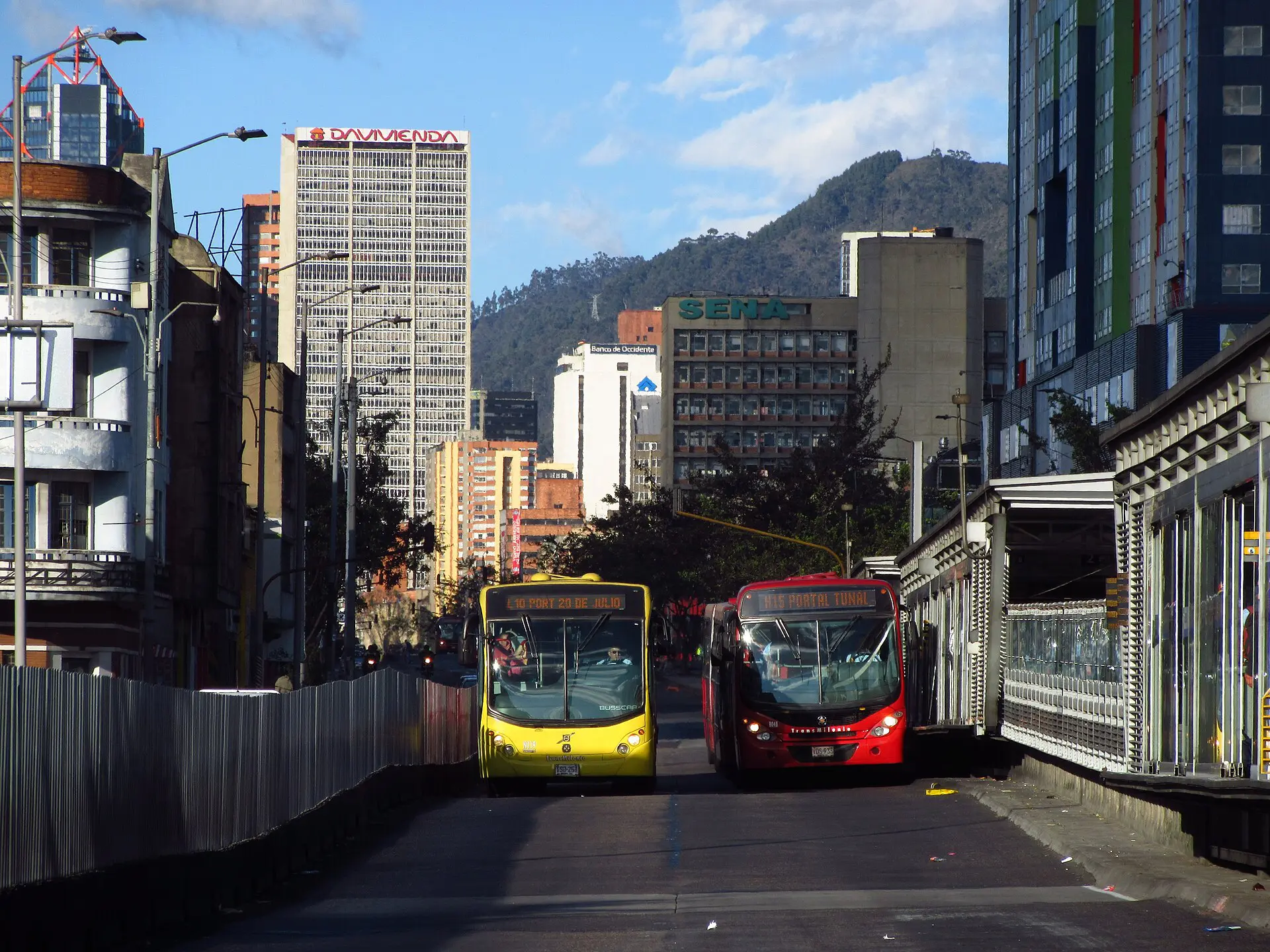
Bogotá has the TransMilenio bus system, Medellín has a clean metro and cable cars, and ride-hailing apps are widely used, although their legal status has been unclear in the past. Use official taxis or apps, and agree the price when using informal transport. Car hire is possible but demands caution on mountain roads.
How much does a trip to Colombia cost?
Colombia is affordable by Latin American standards, with lower costs than Chile or Argentina, though Cartagena and domestic flights can add up. The currency is the Colombian peso (COP). Figures below are rough per-person guides in US dollars for 2026.
- Budget: around USD 30 to 50 per day, with hostels, set lunches, buses and metro travel.
- Mid-range: around USD 70 to 130 per day, with private hotel rooms, restaurant meals, tours and domestic flights.
- High-end: from around USD 200 per day, with boutique hotels, private drivers and guided trips.
Cartagena and holiday periods such as Christmas, New Year and Easter push prices up. Multi-day treks such as Ciudad Perdida are bought as a package and cost several hundred dollars. Colombia’s set lunch (menú del día) is one of the cheapest ways to eat well.
Colombia food and drink
Colombia food varies by region, from hearty Andean stews to Caribbean coconut rice and seafood, and tropical fruit is everywhere.
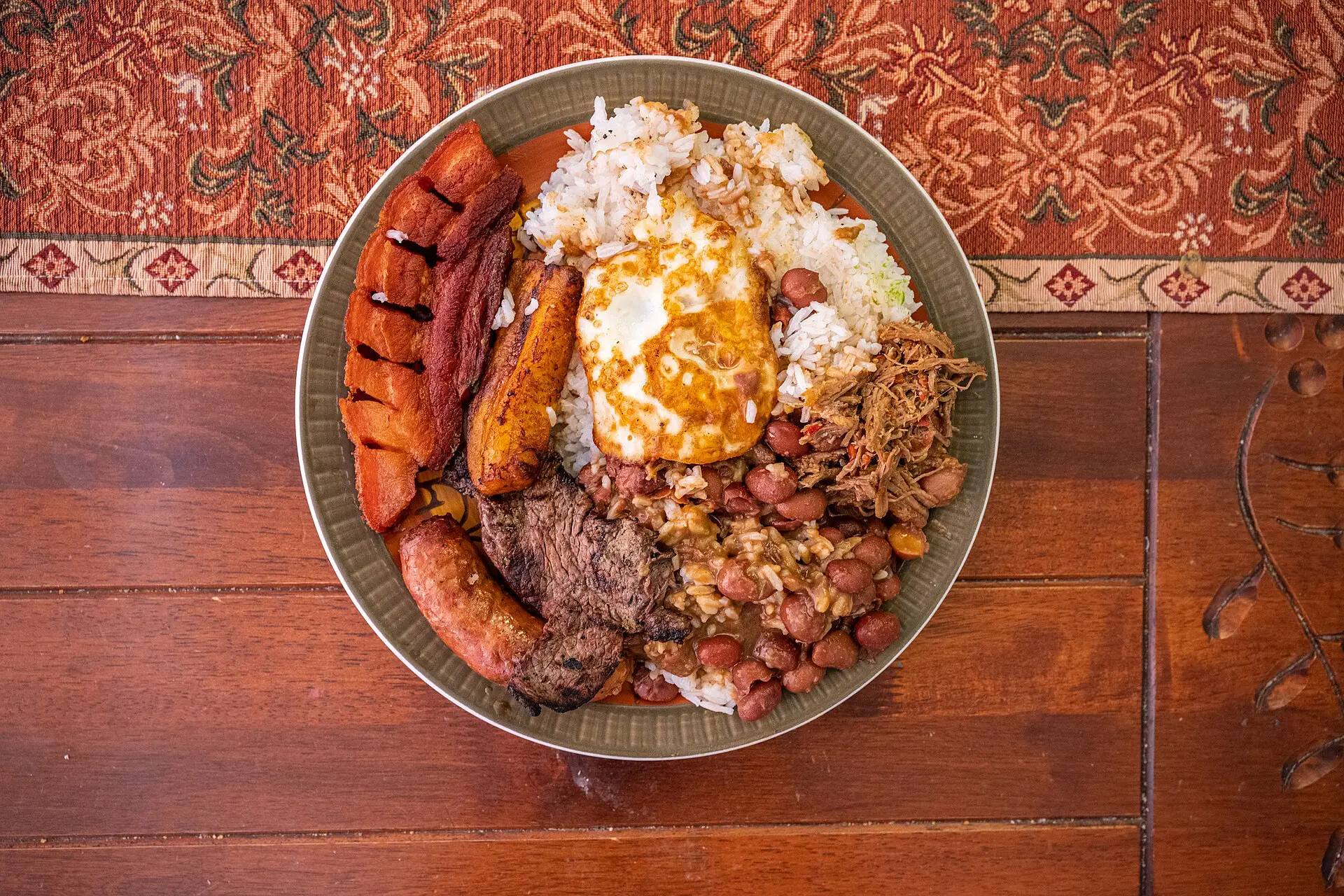
- Bandeja paisa: a huge Antioquian platter of beans, rice, pork, sausage, egg, plantain and arepa.
- Ajiaco: a Bogotá chicken and potato soup served with cream, capers and avocado.
- Arepas: grilled corn cakes, plain or filled with cheese, eaten at all times of day.
- Empanadas: fried corn pastries with meat or potato, often with ají sauce.
- Patacones and fresh fish: fried plantain with seafood, especially on the Caribbean coast.
- Sancocho: a rich soup of meat, plantain and cassava.
- Fruit juices: lulo, maracuyá and guanábana are common, plus excellent coffee.
- Aguardiente: an anise-flavoured spirit often shared in groups.
Vegetarians can find salads, soups and egg dishes, and vegetarian restaurants are growing in Bogotá and Medellín, but meat is central to traditional meals. Street food is generally safe when freshly cooked.
Culture, language and etiquette in Colombia
Spanish is the national language, and Colombian Spanish is often considered clear and easy to follow, especially in Bogotá. English is limited outside tourist areas, so learning basic phrases is very helpful. Many indigenous languages are also spoken across the country.
Colombians are warm and polite. Greet people with a handshake, and expect a cheek kiss among friends. Using courtesy phrases such as por favor, gracias and con gusto matters. Use usted, the formal you, with older people and in service situations. Social events often run late, but punctuality is expected for business and tours.
Music and dance, from salsa and cumbia to vallenato, are central to social life. Avoid discussing the armed conflict, drug trafficking and Pablo Escobar in a flippant way, since many Colombians suffered directly. Do not buy souvenirs related to cocaine trafficking, and dress casually but neatly in cities.
Colombia itinerary: a 7-day route
This route links three cities with two short domestic flights and keeps to the main tourist circuit.
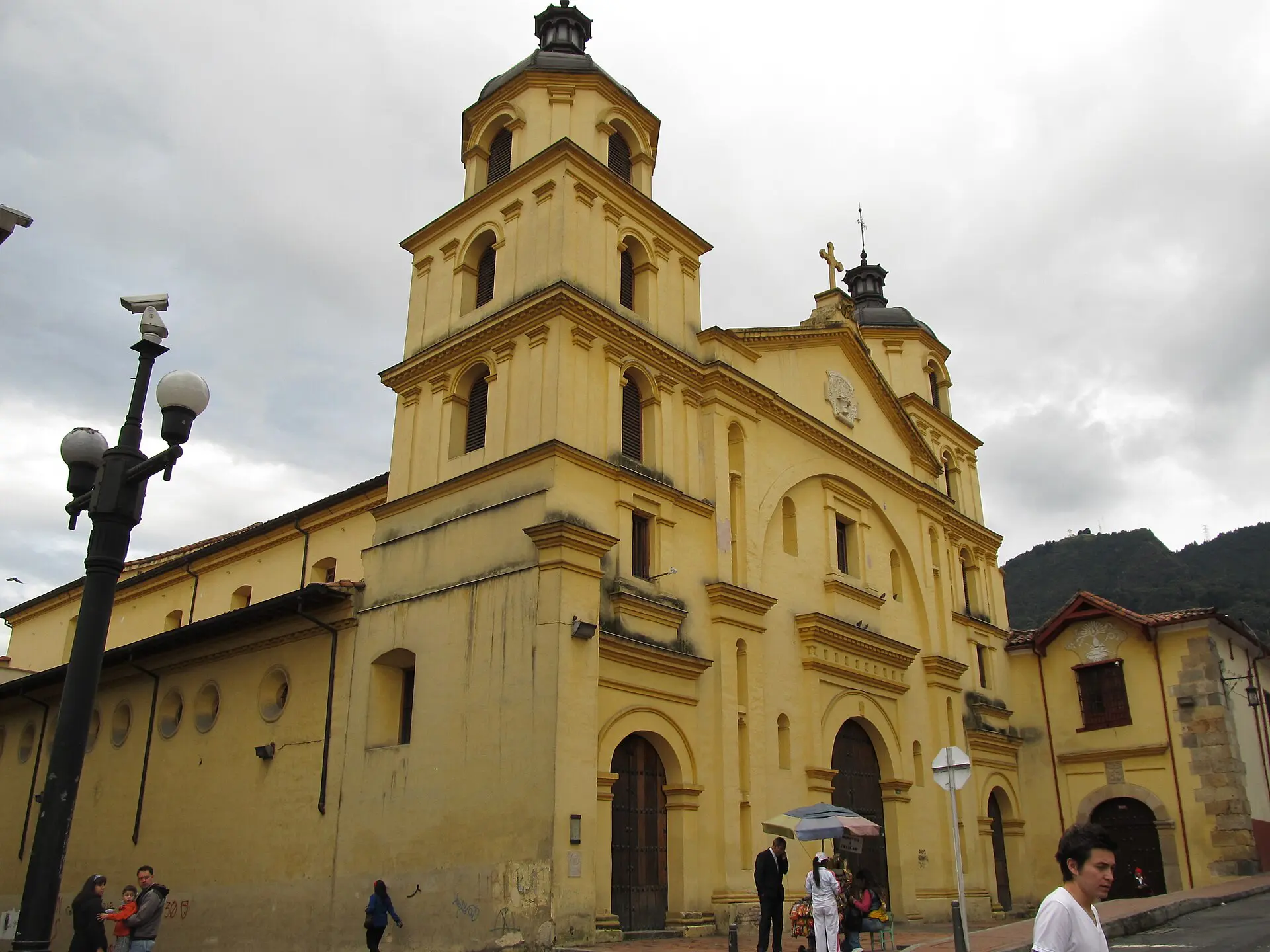
- Day 1, Bogotá: arrive, rest to adjust to the altitude and walk La Candelaria.
- Day 2, Bogotá: visit the Gold Museum in the morning and take the cable car up Monserrate.
- Day 3, Medellín: fly about one hour, then ride the metro and Metrocable and explore Poblado.
- Day 4, Guatapé: take a day trip of about two hours each way to climb the Piedra del Peñol.
- Day 5, Cartagena: fly about 90 minutes and walk the old town and city walls at sunset.
- Day 6, Cartagena: take a boat to the Rosario Islands or tour the San Felipe fortress.
- Day 7, return: allow time for the airport transfer before departing.
With more time, add the Coffee Region and Cocora Valley between Medellín and Cartagena. Check current advice before travelling outside these areas.
Practical tips for Colombia
- Money: ATMs are common in cities, and cards are accepted in hotels and restaurants, but carry cash for villages and buses. Use ATMs inside banks or malls, in daylight.
- SIM and eSIM: local prepaid SIMs and eSIMs are cheap, and coverage is good in towns but patchy in the mountains.
- Plugs: types A and B at 110 V, as in North America.
- Tipping: about 10 percent is often suggested on restaurant bills; check before adding more.
- Health: bring insurance, insect repellent and sun protection, and check yellow fever and other vaccine advice.
- Packing: layers for Bogotá’s cool weather, a rain jacket, sturdy shoes for trails and light clothes for the coast.
- Safety habits: keep a phone out of sight, use apps for taxis and make photocopies of your passport.
For wider background, see the Wikivoyage Colombia guide.
FAQ
Q1Is Colombia safe?
Mostly, in the main tourist circuit. Cities have petty crime, drink-spiking and dating-app robberies, so keep valuables hidden, use ride-hailing apps and watch your drink. Some border and rural regions are advised against by governments, so read current official advice.
Q2What is Colombia food like?
Colombia food is hearty and regional: bandeja paisa in Medellín, ajiaco in Bogotá, arepas and empanadas everywhere, and coconut rice and fried fish on the Caribbean coast. Fruit juices, strong coffee and aguardiente are common. Vegetarian options exist but are limited.
Q3What are the best things to do in Colombia?
Top picks include walking Cartagena's old town, hiking the Cocora Valley, visiting the Gold Museum in Bogotá, riding Medellín's Metrocable, climbing the Piedra del Peñol, touring a coffee farm and exploring Tayrona National Park.
Q4Is Colombia safe to visit for tourists right now?
Main destinations such as Bogotá, Medellín, Cartagena and the Coffee Region are visited by many tourists, but conditions change. Check government advice for specific regions, avoid advisory areas and use common-sense precautions at night.
Q5What is the best time to visit Colombia?
December to March and July to August are the driest and most popular months. Temperature depends on altitude, not season. April to May and October to November are rainy in the Andes, with lower prices and occasional landslides.
Q6What are the best places to visit in Colombia?
Cartagena for colonial charm and the Caribbean, Bogotá for museums, Medellín for modern city life, the Coffee Region for hiking and farms, Tayrona for beaches and jungle, and Villa de Leyva for a colonial village.
Q7Do I need a visa for Colombia?
It depends on your nationality. Many visitors have been able to enter visa-free for up to 90 days, with an online migration form beforehand. Rules change, so confirm with the Colombian migration authority or consulate before you book.