Why visit Ghana
The best things to do in Ghana combine history, nature and daily culture in a compact, stable country on the Gulf of Guinea. Ghana covers about 238,500 square kilometres, has Accra as its capital and English as its official language (see the Wikipedia overview). It was the first sub-Saharan African country to gain independence from colonial rule, in 1957, and that story, together with the Atlantic slave trade, shapes many of the places visitors come to see.
Ghana suits travellers who want a first West African trip without too much friction: people are welcoming, English helps with transport and bookings, and distances between the main sights are manageable. It is especially good for visitors interested in African history and diaspora heritage, for music and food, for wildlife and rainforest walks, and for beach stays. Expect heat, traffic and rough roads, and plan for some patience.
Best places to visit in Ghana
The best places to visit in Ghana cluster in the south, within a day’s drive of Accra.
Accra
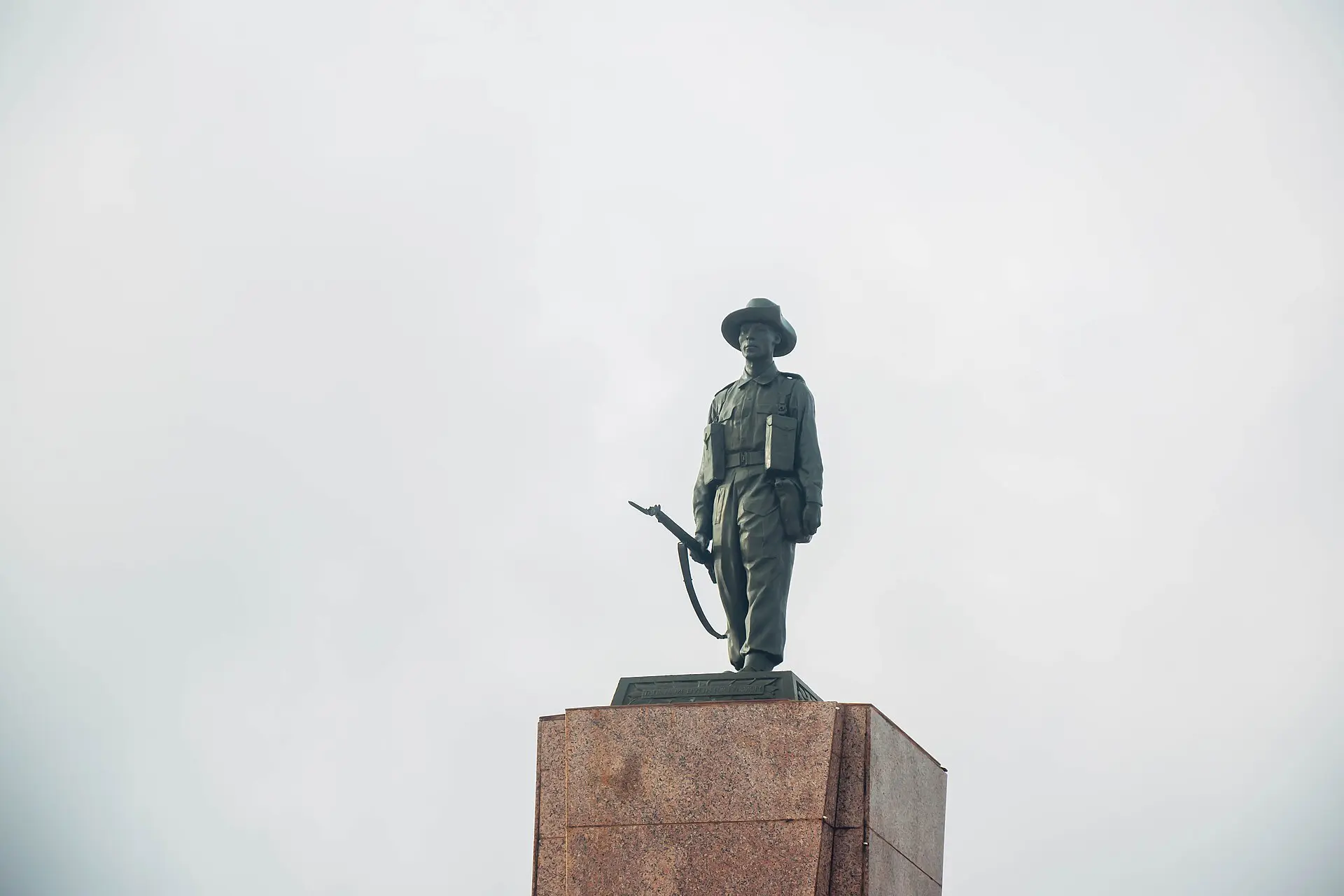
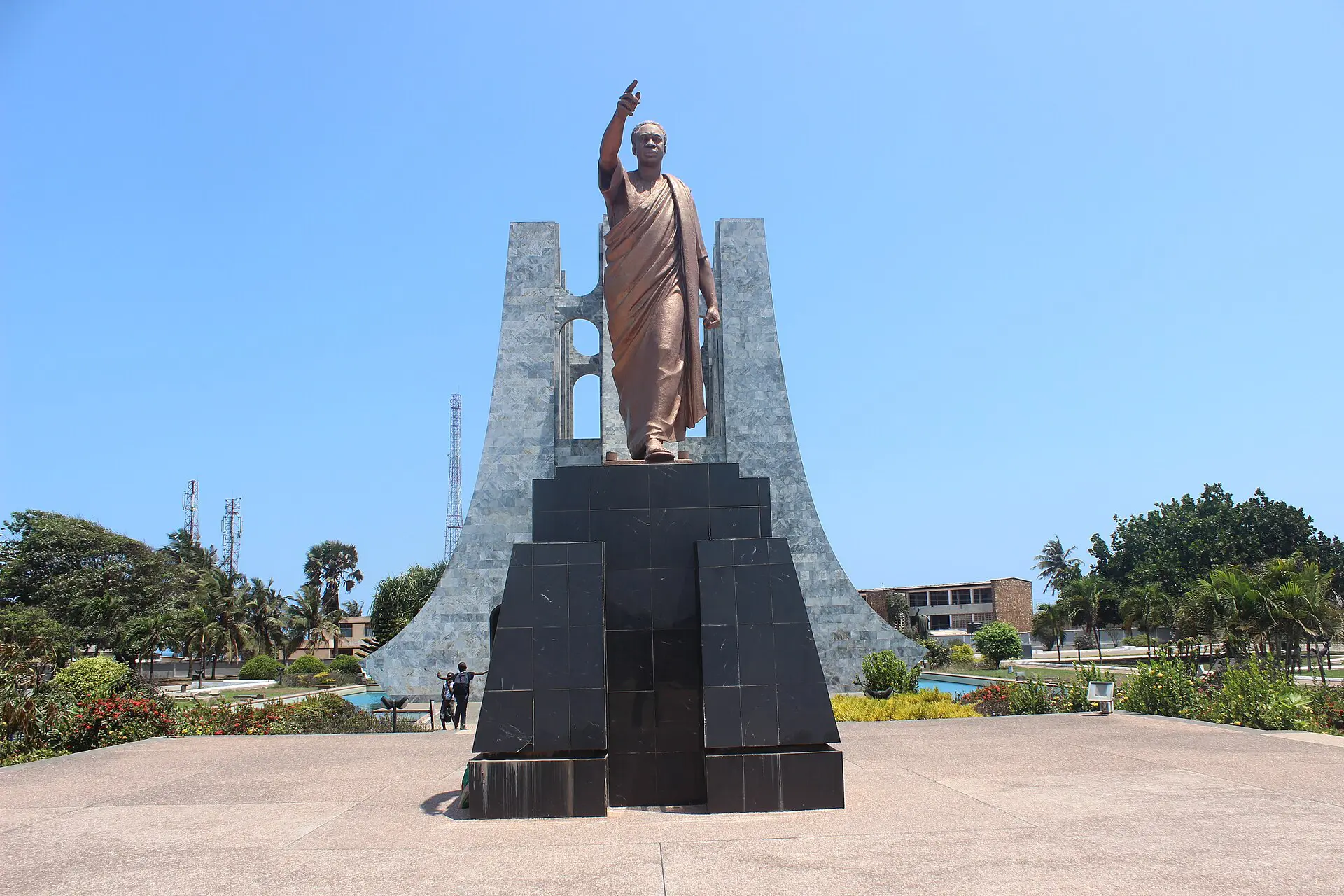
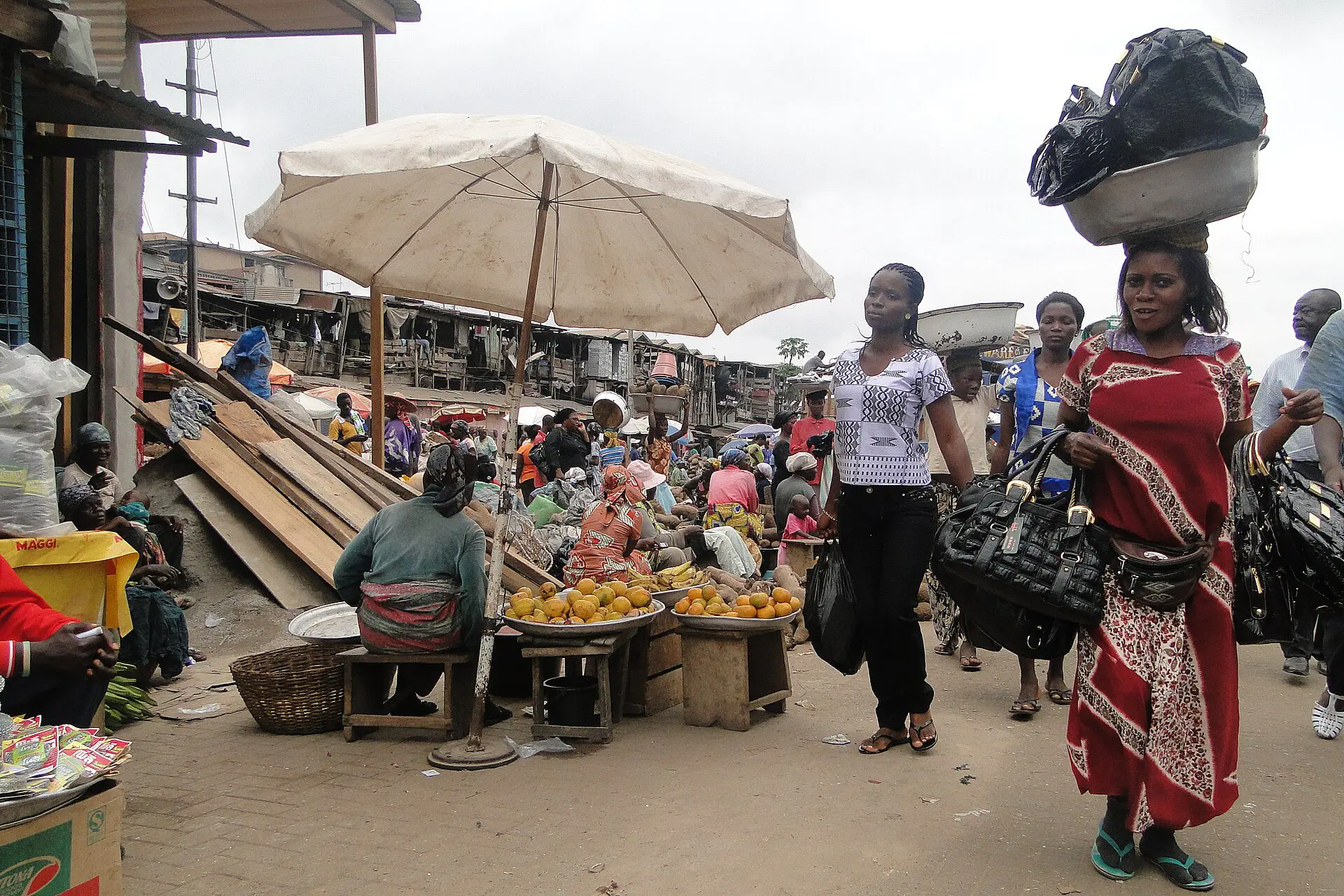
The capital is busy, humid and rewarding. Independence Square, the Kwame Nkrumah Memorial Park, the W.E.B. Du Bois Centre, Jamestown’s old lighthouse quarter, Makola Market and a lively music and food scene fill two or three days.
Cape Coast and Elmina
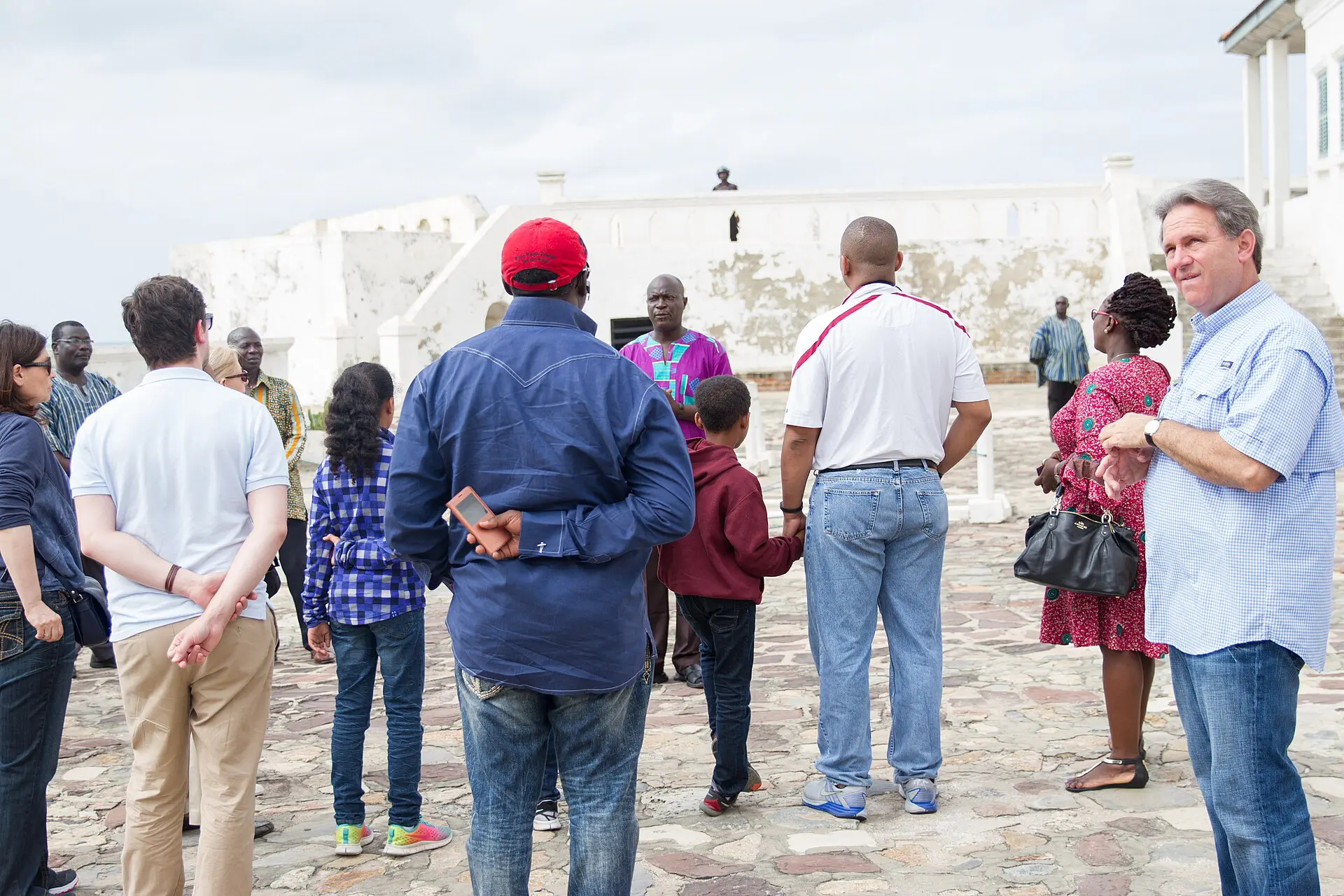
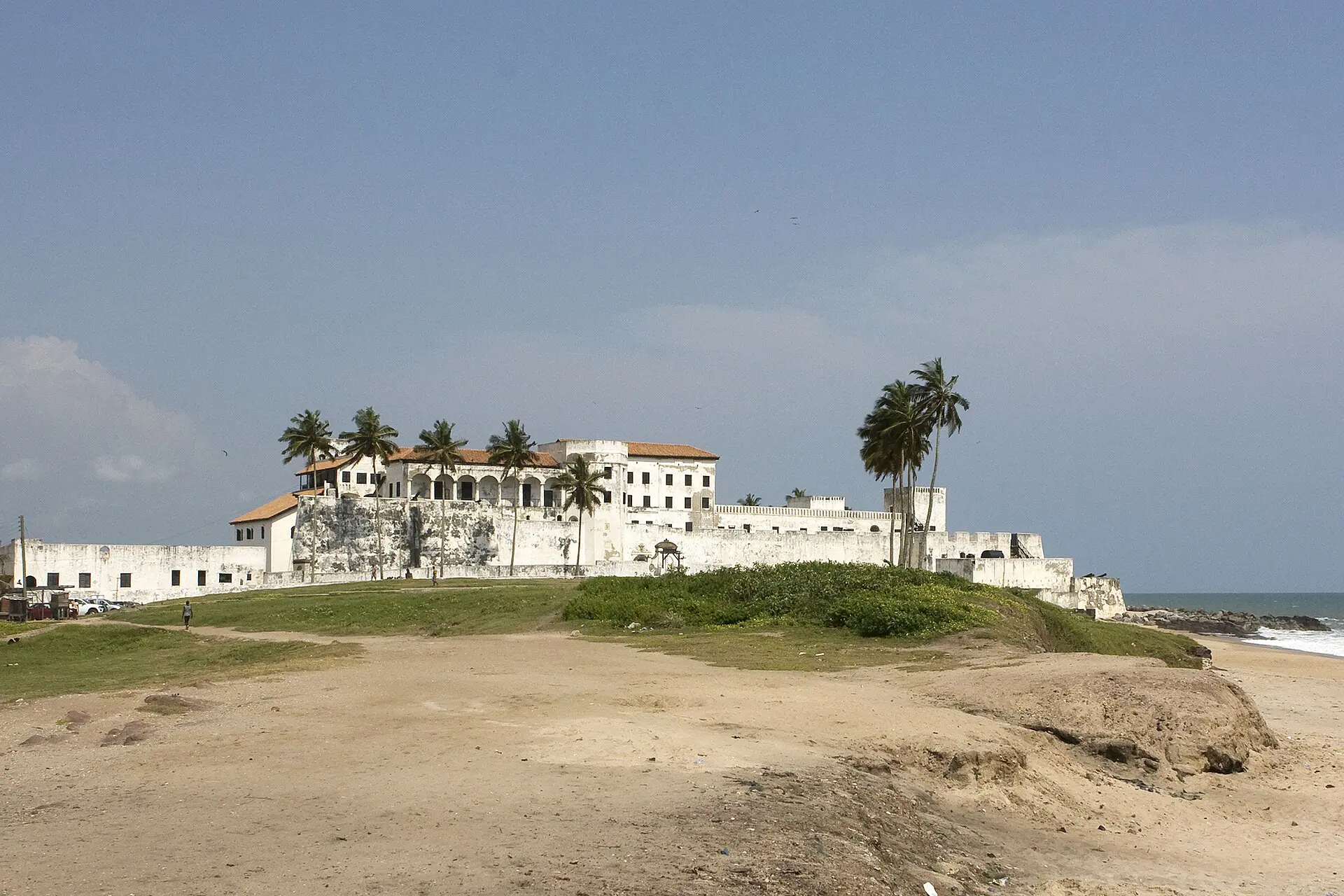
Cape Coast Castle and Elmina Castle, both UNESCO-listed forts on the coast, were major points in the Atlantic slave trade. Guided tours are sombre and powerful. Cape Coast is also a base for Kakum National Park.
Kakum National Park
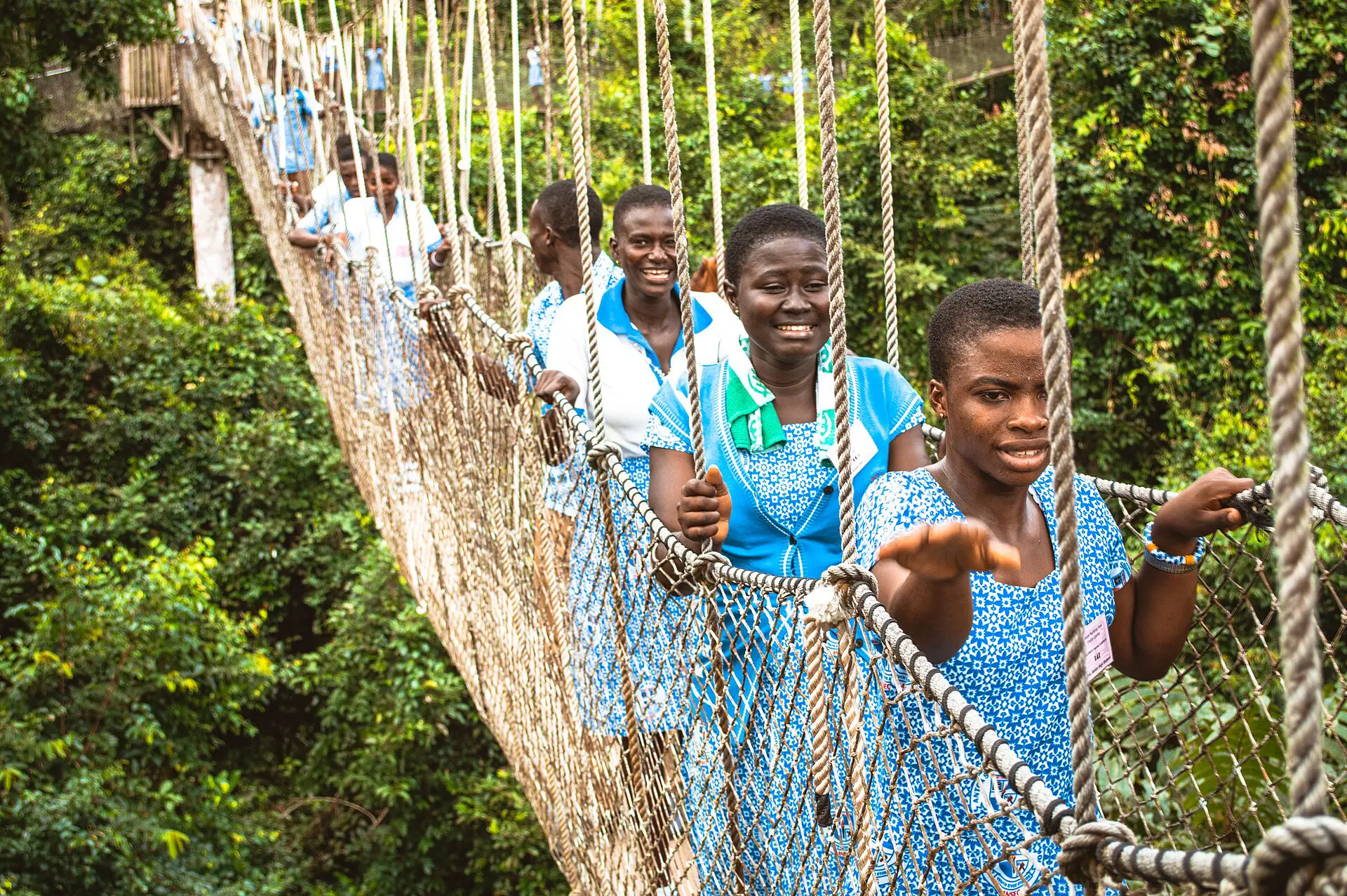
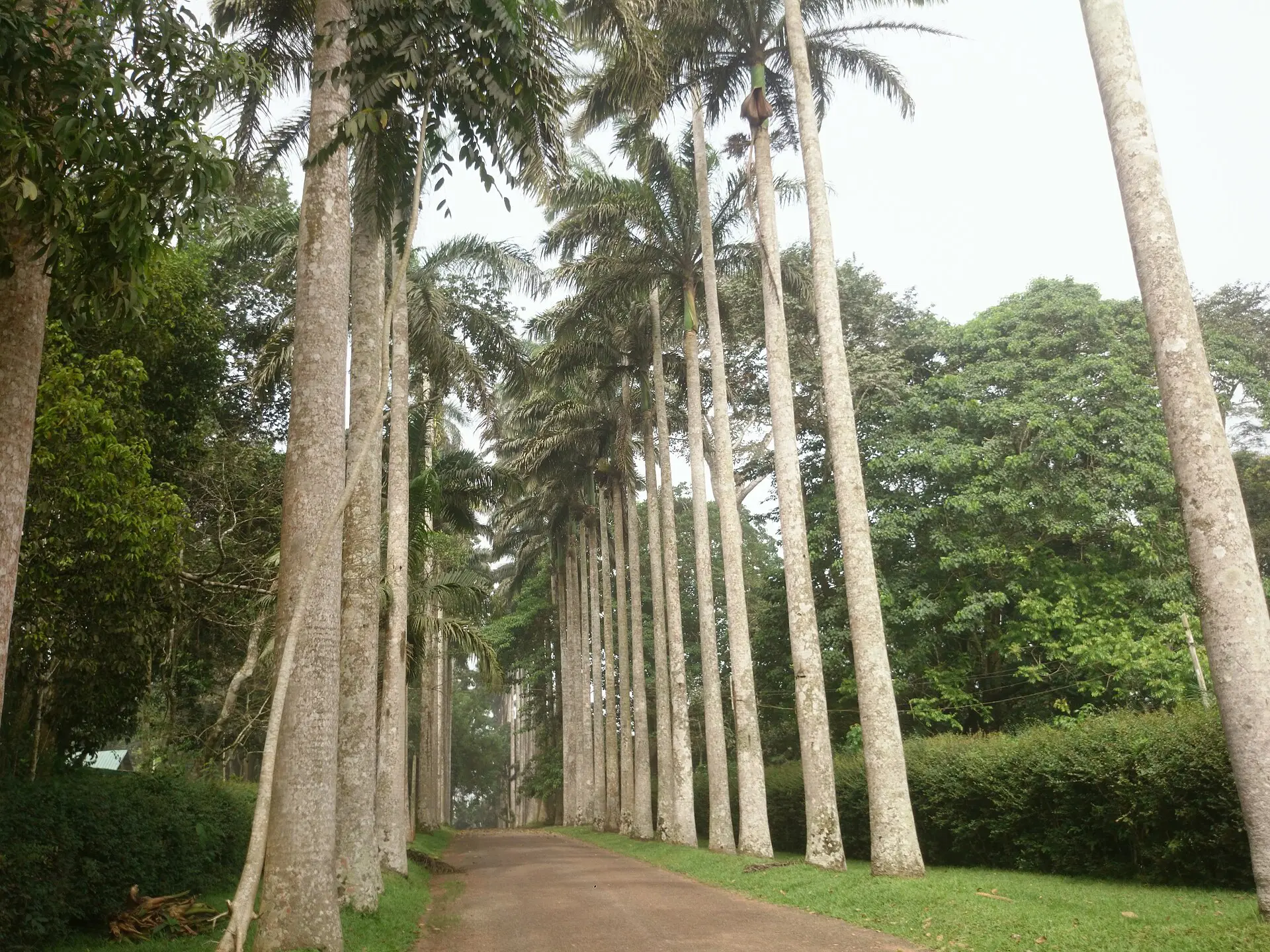
About 30 kilometres inland from Cape Coast, Kakum has a rainforest canopy walkway of rope bridges strung between tall trees. Go early in the morning for the best chance of birdlife and fewer visitors.
Kumasi
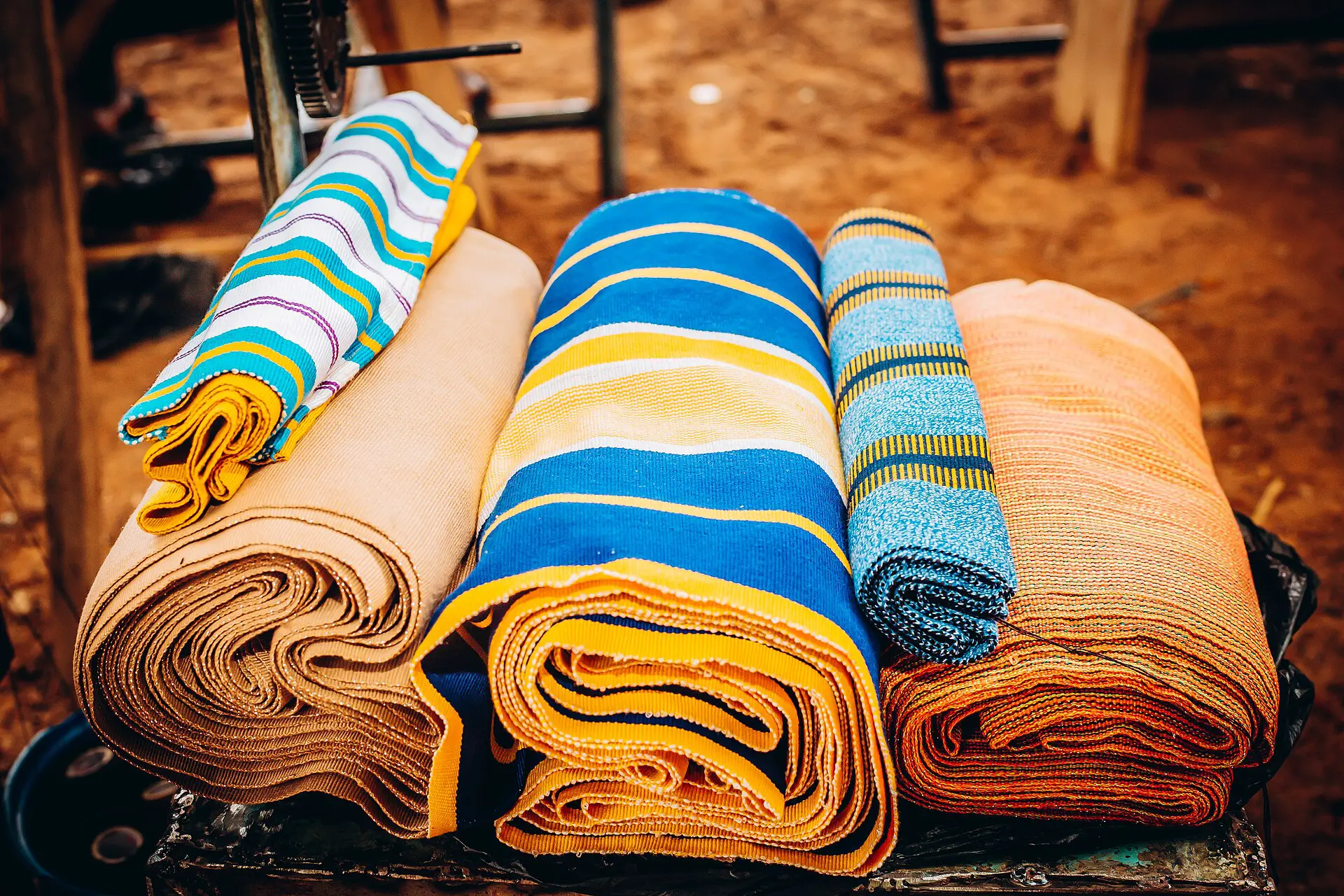
The Ashanti capital has the Manhyia Palace Museum, the huge Kejetia Market and nearby craft villages that make kente cloth and adinkra stamps. Allow two nights.
Volta Region
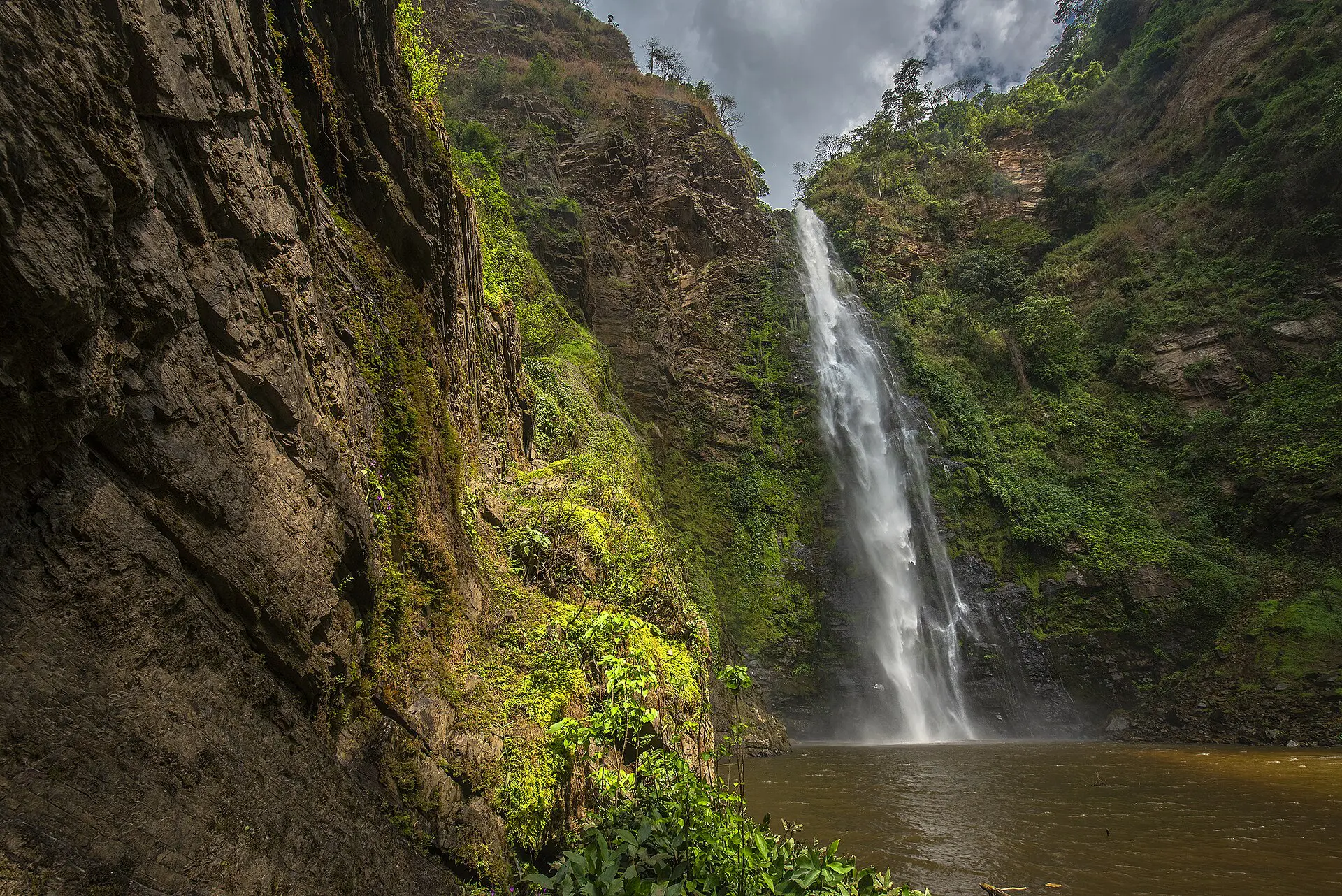
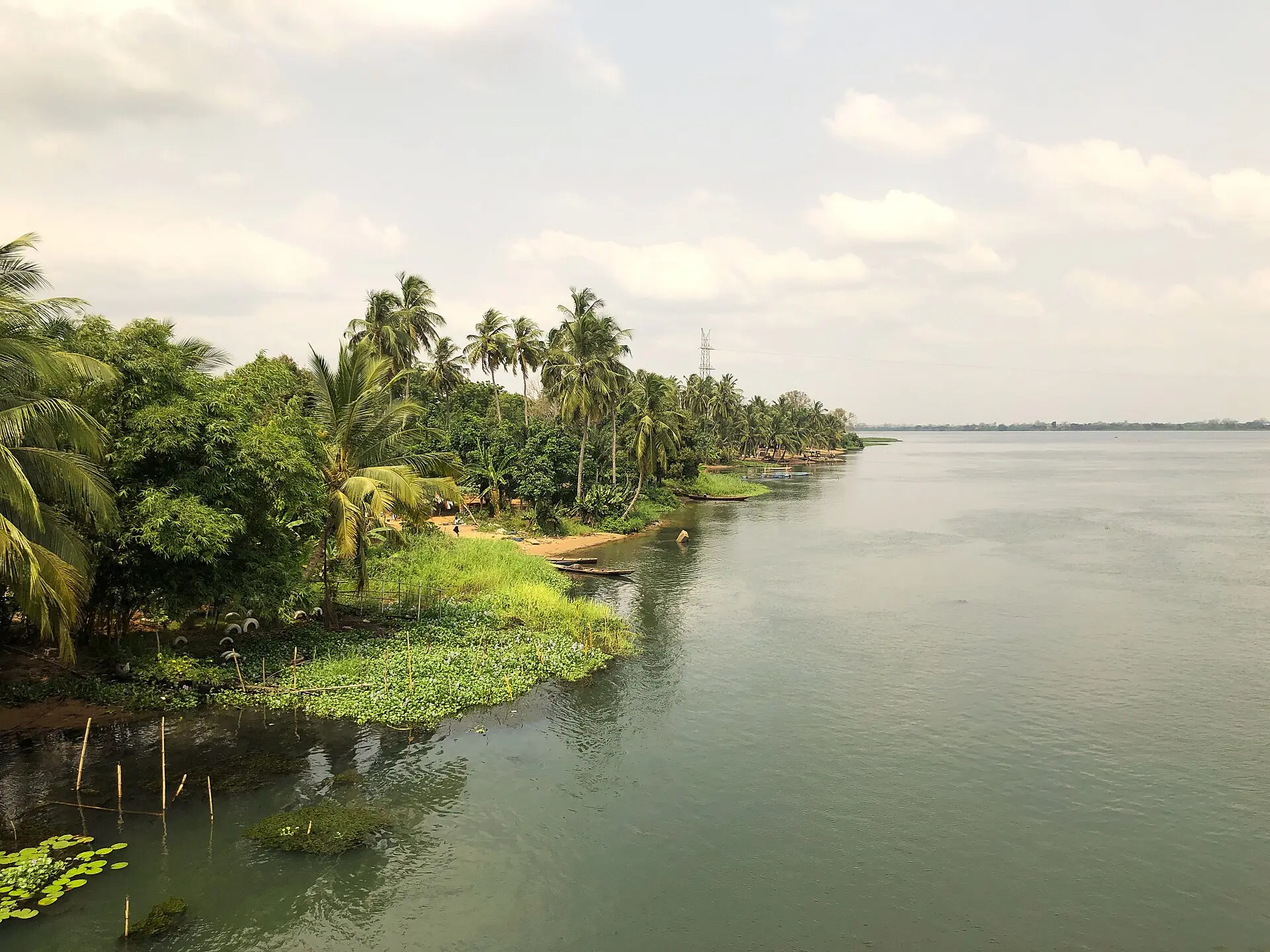
East of Accra, the Volta area offers Wli Falls near Hohoe, the highest waterfall in Ghana, and Lake Volta with its boat trips. It is quieter and greener.
Western beaches
Busua and Axim have calm beaches and surf lessons, with several simple guesthouses.
Top things to do in Ghana
The top things to do in Ghana mix heritage, rainforest and food, and most can be done on a loop from Accra.
- Tour Cape Coast Castle: the guided visit includes the dungeons and the Door of No Return.
- Visit Elmina Castle: the oldest European building in sub-Saharan Africa still standing, with a lively fishing harbour below.
- Walk the Kakum canopy: seven rope bridges hang up to about 40 metres above the forest floor.
- Explore Kumasi’s Manhyia Palace: a museum covers Ashanti kings and traditions.
- Shop for kente and adinkra: craft villages near Kumasi let you watch the weaving.
- Visit the Kwame Nkrumah Memorial Park: a mausoleum and museum for the country’s first leader, in Accra.
- Hike to Wli Falls: a forest walk of about 45 minutes each way leads to the cascade.
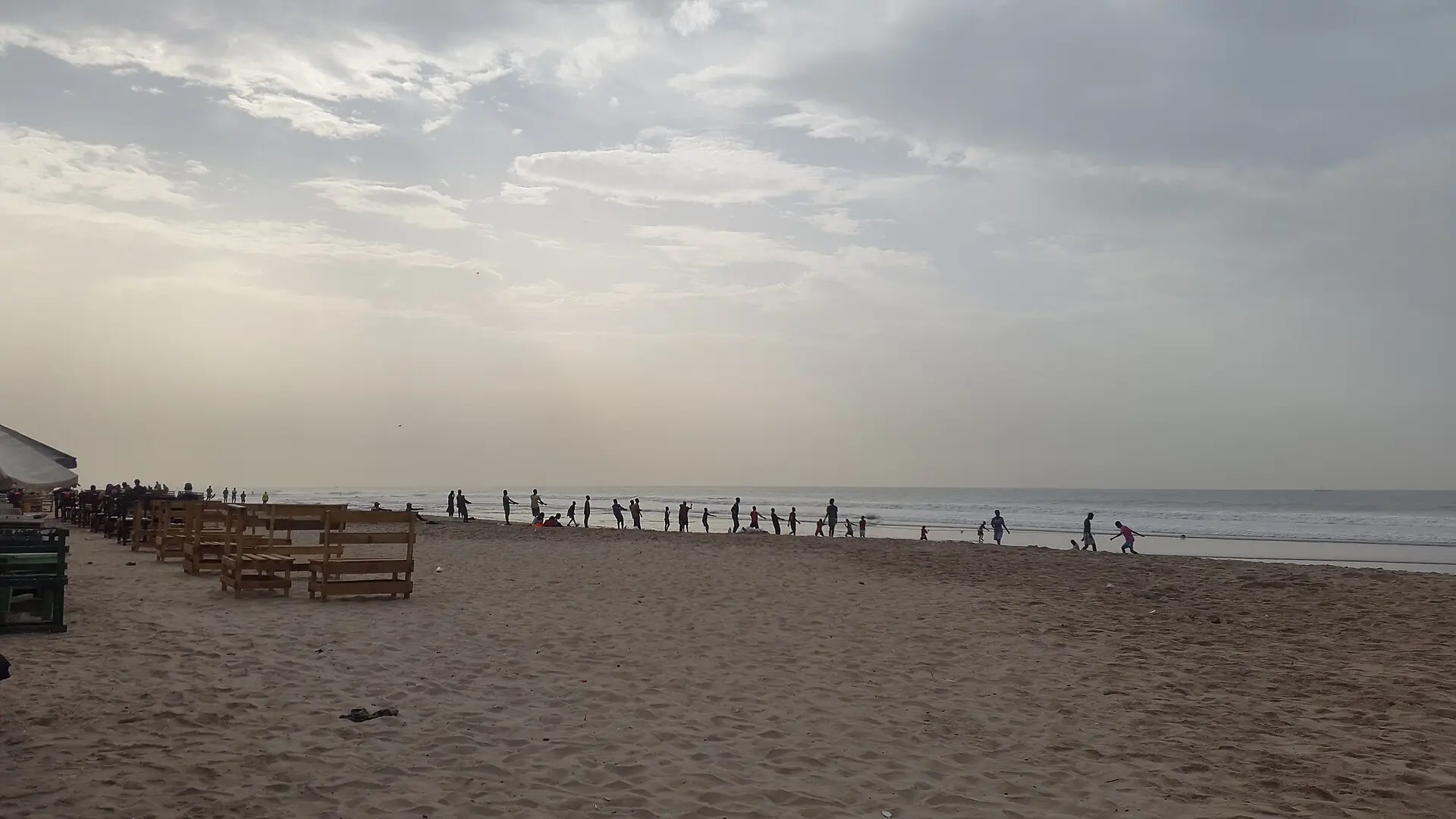
- Relax at Busua or Labadi: beach days with fresh fish and drinks.
- Visit Boti Falls and Aburi Gardens: easy day trips for waterfalls and botanical gardens.
- Join a market and street-food tour: Makola Market in Accra and Kejetia in Kumasi show daily life.
Best time to visit Ghana
The best time to visit Ghana is November to March, in the main dry season, when roads are easier and humidity is lower. The south has two rainy seasons, roughly April to July and September to October, and the north has one rainy season from about May to September. The harmattan, a dry dusty wind from the Sahara, can bring hazy skies from December to February.
| Season | Weather | Crowds and prices | Good for |
|---|---|---|---|
| Dry season (Nov-Mar) | Hot and drier, hazy during harmattan | Busiest, especially December | Forts, canopy walks, beaches, festivals |
| Main rains (Apr-Jul) | Hot, humid and heavy showers in the south | Lower, cheaper rooms | Budget travel, greenery, quieter sites |
| Short dry spell (Aug) | Cooler and drier on the coast | Moderate | Coast, Volta, easier driving |
| Minor rains (Sep-Oct) | Showers, sometimes strong | Low to moderate | City stays, cultural visits |
Many Ghanaian festivals follow the calendar of local chiefs and communities, so check dates before you book if you want to see one. December, with returning diaspora visitors, is the busiest month in Accra.
Is Ghana safe to visit?
Yes, most of Ghana is safe to visit, and it is considered one of West Africa’s more stable countries. The main risks for visitors are road accidents, petty theft, malaria and sporadic scams, while parts of the far north are affected by conflict. Check your government’s current travel advice, such as the UK FCDO or US State Department pages, before you book.
Northern border areas. Several governments advise against travel to areas near the borders with Burkina Faso and Togo and to parts of the Northern and Upper East regions. Avoid those areas and check the latest guidance before heading north of Tamale.
Crime and scams. Pickpocketing and phone snatching occur in crowded markets and on busy streets in Accra and Kumasi. Avoid walking alone at night, use ride-hailing apps or agree taxi fares first, and be wary of unsolicited offers, advance-fee schemes and online romance or business scams.
Roads. Driving is hazardous because of overloaded vehicles, poor lighting and unpredictable traffic. Avoid driving at night.
Health. Malaria is present across the country, so ask a travel clinic about prophylaxis and use repellent. A yellow fever vaccination is usually required for entry. Drink bottled or filtered water, and carry travel insurance with medical evacuation.
Ghana visa and entry requirements
Whether you need a Ghana visa depends on your nationality, and most travellers from Europe, North America and Asia do. Citizens of many ECOWAS countries can enter without one, and Ghana has also relaxed rules for some African visitors. Visa applications are normally made online and through a Ghanaian embassy, with documents such as an invitation or hotel booking, a passport photo and proof of onward travel, though the exact steps change.
A yellow fever vaccination certificate is generally required, and officials may check it on arrival. Your passport should be valid for at least six months from the date of entry. Rules, fees and processing times change, so confirm everything with the Ghana Immigration Service, the Ministry of Foreign Affairs or your nearest embassy rather than relying on a guide.
Visitors who want to see the country’s UNESCO sites can use the UNESCO page for Ghana to plan, though it does not cover entry rules. Keep copies of your passport and visa, since police checkpoints are common on inland roads.
Getting to and around Ghana
Most visitors fly into Kotoka International Airport in Accra, which has direct links from Europe, North America and other African hubs. Overland arrivals come from Togo, Côte d’Ivoire and Burkina Faso, but crossings can be slow, and the northern borders are best avoided because of security concerns.
Domestic flights link Accra with Kumasi and Tamale. Intercity buses such as VIP and STC run between Accra, Cape Coast, Kumasi and Takoradi, and are the best-value comfortable option. Accra to Cape Coast takes around three to four hours, Accra to Kumasi about four to six, depending on traffic. Shared minibuses, called tro-tros, are cheap but crowded and unscheduled.
Within cities, ride-hailing apps and taxis are practical, while hiring a car with a driver is a popular way to reach Kakum, Wli Falls and other sites in one trip. Self-driving is possible but challenging, since traffic is heavy, roads are uneven and signage is limited. Always allow extra time, as traffic in Accra can double journey times.
How much does a trip to Ghana cost?
Ghana is moderately priced, cheaper than many safari destinations but not as cheap as some visitors expect, since imported goods and good hotels cost real money. The currency is the Ghanaian cedi (GHS), and the exchange rate has been volatile, so figures below are rough per-person guides in US dollars for 2026.
- Budget: around USD 30 to 60 per day, with hostels or simple guesthouses, tro-tros, buses and local chop-bar meals.
- Mid-range: around USD 60 to 120 per day, with private hotel rooms, restaurant meals, taxis and entry fees.
- High-end: from around USD 200 per day, with upscale hotels in Accra, private drivers and guided tours.
Hotels in Accra cost the most, and a driver for several days is the largest extra cost. Foreigners pay higher entry fees at some sites, including the forts and Kakum. Local food is inexpensive, while imported items and alcohol in restaurants are pricier.
Ghana food and drink
Ghana food centres on starchy staples, spicy stews and soups, fresh fish and grilled meat, often eaten with your hands. It is generous, flavourful and good value at local chop bars.
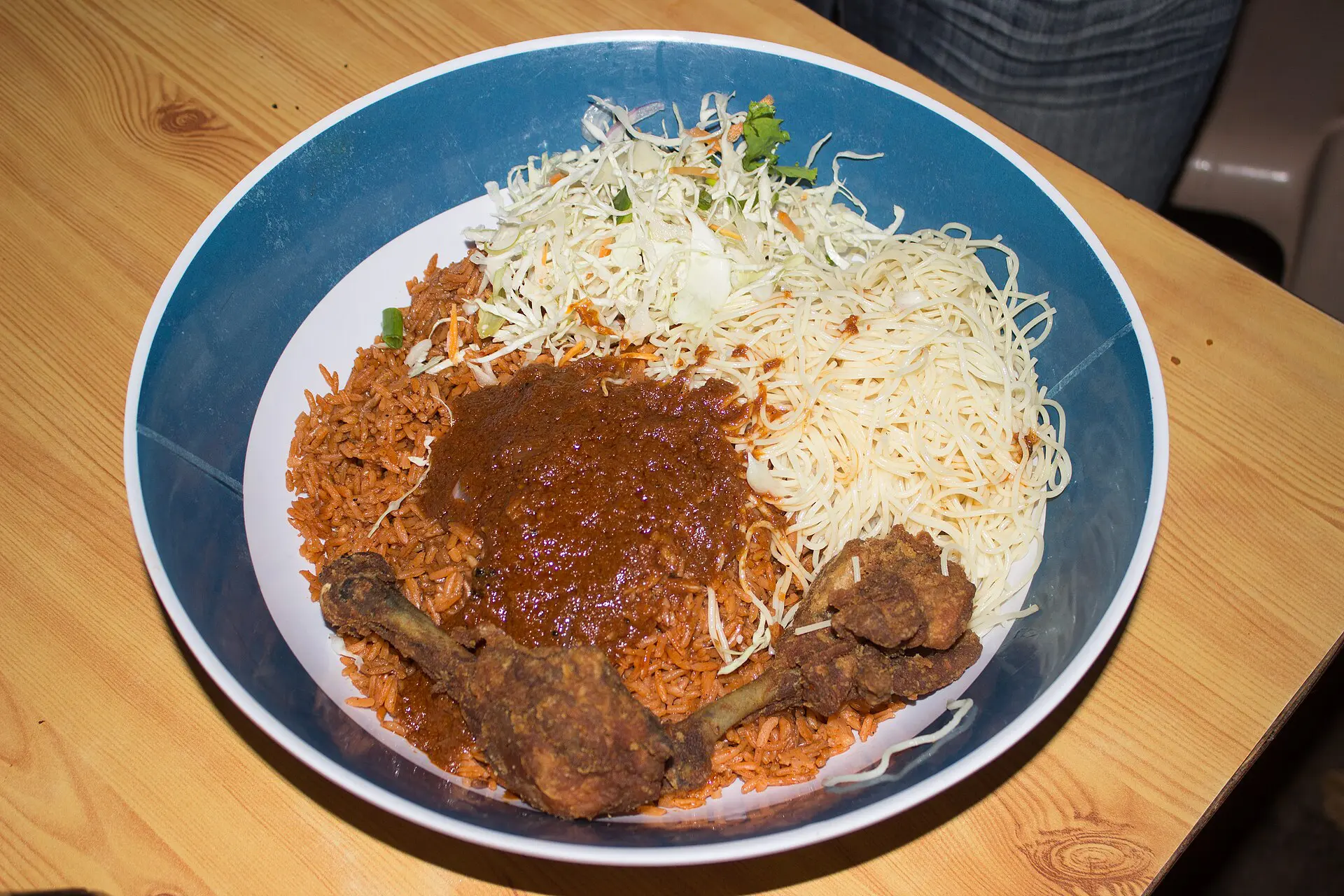
- Jollof rice: rice cooked in a spicy tomato base, usually with chicken or fish and a debate over who makes it best.
- Fufu with light soup: pounded cassava and plantain served with a peppery soup of goat, chicken or fish.
- Waakye: rice and beans cooked together and served with stew, egg, spaghetti and shito pepper sauce.
- Kenkey and fried fish: fermented corn dough with fish, pepper and onion, a coastal staple.
- Red red: black-eyed pea stew with fried plantain.
- Kelewele: spiced fried plantain, sold as a street snack in the evening.
- Palm wine and Star beer: a local drink from the palm tree and the leading beer brand.
Vegetarians can eat well on red red, kelewele and rice dishes, though many soups include fish or meat stock. Choose busy stalls with fresh food, avoid ice of unknown origin and carry hand sanitiser.
Culture, language and etiquette in Ghana
English is the official language and is widely used in business and education, while Akan languages such as Twi, along with Ewe, Ga, Dagbani and many others, are spoken at home. Learning a greeting such as Akwaaba (welcome) in Twi goes down well.
Greetings matter. Always greet people before asking a question, shake hands with the right hand, and use titles such as Mr or Auntie to show respect. Eat and pass items with your right hand only, as the left is considered unclean. Dress modestly in towns, churches and royal sites, and ask before photographing people, chiefs or ceremonies.
Religion is important and Sunday church services are a major event, while Muslim communities are strong in the north. Kente cloth and adinkra symbols carry meanings, so ask before buying. Same-sex relations are illegal and attitudes are conservative, which LGBTQ travellers should consider when planning. Avoid joking about politics or religion.
Ghana itinerary: a 7-day route
This route stays in the south and centre, in areas that governments generally consider the safest, and avoids the northern border regions.
- Day 1, Accra: arrive, rest, and visit Independence Square and Jamestown in the evening.
- Day 2, Accra: see the Kwame Nkrumah Memorial Park and Makola Market, then eat dinner at a local spot.
- Day 3, Cape Coast: travel about three to four hours west, then tour Cape Coast Castle in the afternoon.
- Day 4, Kakum and Elmina: do the canopy walk early, then visit Elmina Castle and its harbour.
- Day 5, Kumasi: take a bus or driver, about four to five hours, and visit Manhyia Palace and Kejetia Market.
- Day 6, Kumasi craft villages: see kente weaving and adinkra printing, then return towards Accra.
- Day 7, Aburi or Labadi: relax at Aburi Gardens or on the beach before your flight.
With extra days, add Wli Falls in the Volta Region or a few beach days at Busua.
Practical tips for Ghana
- Money: the cedi is the local currency. ATMs are available in cities, but carry cash for markets, tro-tros and rural areas, and keep some US dollars or euros as backup.
- SIM and eSIM: prepaid SIMs from major operators are inexpensive, need passport registration and cover most of the south. Mobile money is widely used locally.
- Plugs: types D and G at 230 V, so bring an adapter.
- Tipping: not obligatory, but around 10 percent in restaurants and a small tip for guides and drivers is appreciated.
- Health: check vaccines, including yellow fever, and malaria prevention with a travel clinic. Use insect repellent and bottled water.
- Packing: light cotton clothes, a rain jacket, sun protection, sturdy shoes for the forest and a copy of your documents.
- Planning: allow extra time for travel, since traffic and roads slow journeys, and book fort tours and canopy walks early in busy months.
For wider background, see the Wikivoyage Ghana guide.
FAQ
Q1What is Ghana food like?
Ghana food is hearty, spicy and built around staples such as rice, fufu, kenkey and plantain. Try jollof rice, waakye, red red, light soup and kelewele. Fresh fish is common on the coast, and chop bars give good value. Vegetarians can eat well, though stocks often contain meat.
Q2What are the best things to do in Ghana?
Top picks are touring Cape Coast and Elmina castles, walking the Kakum canopy, exploring Accra and Kumasi, visiting Wli Falls and relaxing on beaches such as Busua. Most of these can be done within a week using buses or a hired driver from Accra.
Q3Is Ghana safe?
Most of Ghana is safe for visitors, with a stable democracy and a welcoming culture. The main risks are road accidents, petty theft and malaria, and parts of the far north near the borders are affected by conflict. Check your government's current travel advice before booking.
Q4Do I need a Ghana visa?
Most visitors from Europe, North America and Asia need a visa arranged before travel, while many ECOWAS citizens can enter visa-free. A yellow fever certificate is usually required. Rules and fees change, so confirm with the Ghana Immigration Service or your nearest Ghanaian embassy.
Q5What is the best time to visit Ghana?
November to March is the best time, with the main dry season and easier travel. The south has rains from April to July and again in September and October. The harmattan wind brings dust and haze in December to February. Book ahead in December, which is the busiest month.
Q6Is Ghana safe to visit for solo travellers?
Many solo travellers visit Ghana without problems, and people are friendly. Use ride-hailing apps, avoid walking alone at night, keep valuables hidden and stay out of northern border areas flagged by governments. Women should dress modestly and expect attention. Tell your host where you are going before day trips.
Q7How many days do you need in Ghana?
A week covers Accra, Cape Coast, Elmina, Kakum and Kumasi at a steady pace. Add three to four days for Wli Falls and the Volta Region or for beaches at Busua. Journeys take longer than the distance suggests, because of traffic and road conditions.