Why visit Egypt
The best things to do in Egypt are unmatched anywhere else: pyramids older than 4,500 years, temples along the Nile at Luxor and Aswan, medieval mosques in Cairo and warm Red Sea water over some of the world’s best-known reefs. Egypt is among the longest-lived civilisations on earth, with a unified kingdom emerging around 3200 BC (see the Wikipedia overview). With more than 100 million people, it is also a loud, crowded, energetic modern country, and that contrast is half the experience.
Egypt suits history and archaeology lovers, divers, families who want a warm winter trip and travellers happy to bargain, queue and be approached by vendors. It is easiest in a mix of organised tours and independent days. First-timers often combine Cairo, Luxor and Aswan, while repeat visitors add Siwa, Alexandria or Sinai. Hassle from touts is the most common complaint, but patience and a firm, polite no go a long way.
Best places to visit in Egypt
The best places to visit in Egypt follow the Nile from Cairo south to Aswan, with the Red Sea, Mediterranean coast and western oases as extensions.
Cairo and Giza
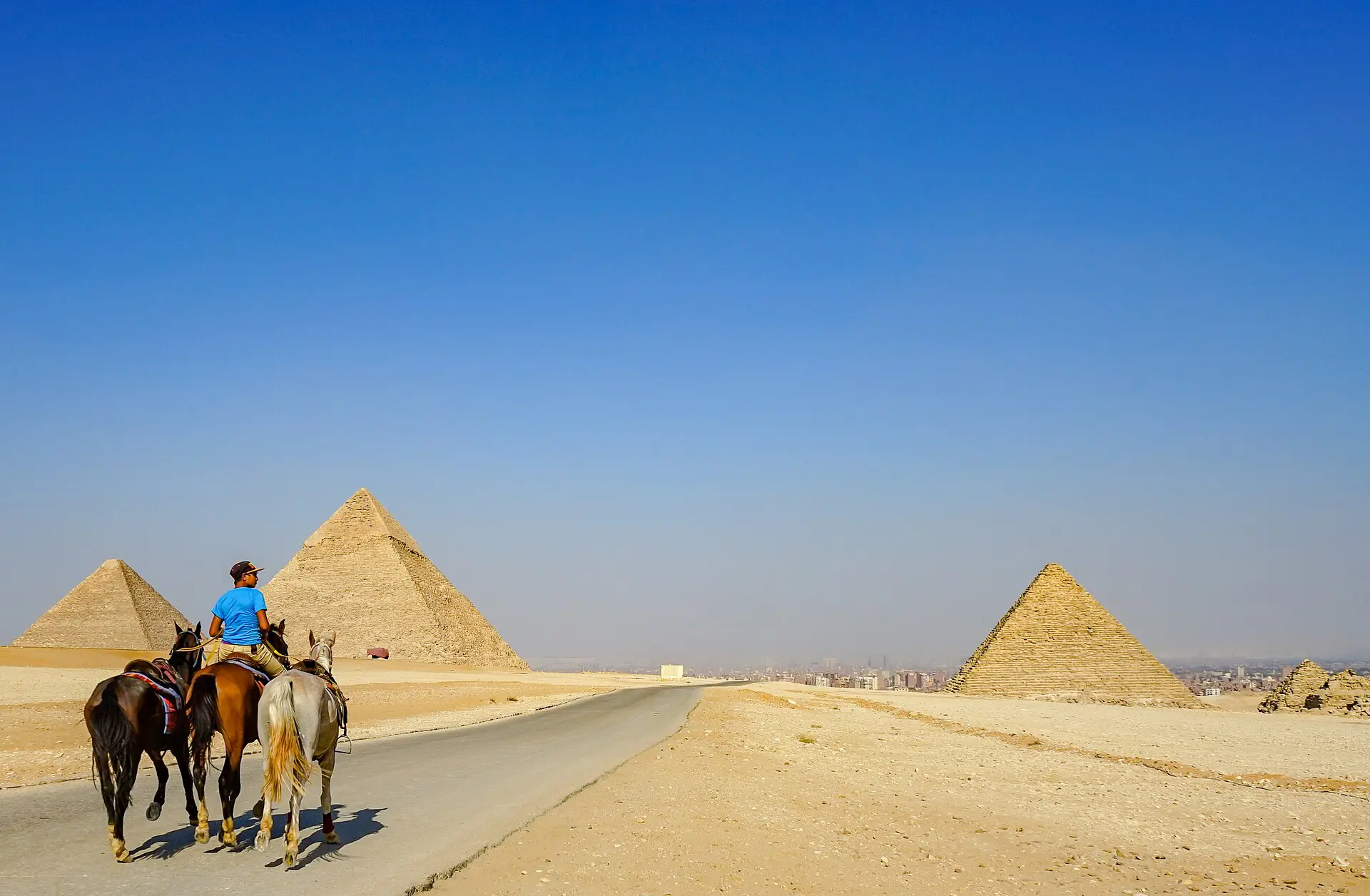
Cairo is huge and intense, with the Egyptian Museum, the Citadel, Khan el-Khalili bazaar and medieval Islamic streets. The Giza pyramids and the Sphinx are on the city’s edge, and the Grand Egyptian Museum, which opened in 2025, sits nearby. Plan three days.
Luxor
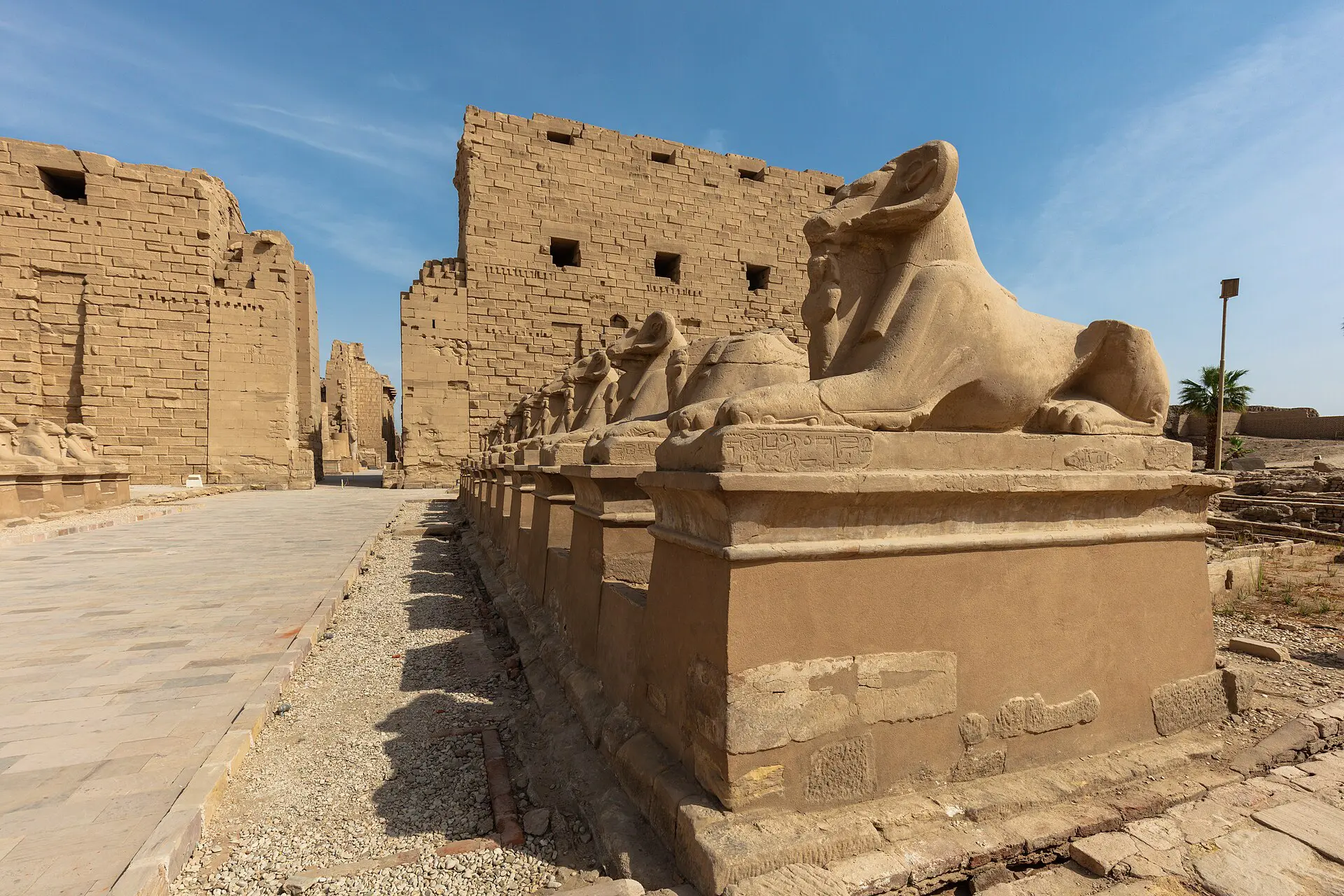
Luxor is often called the world’s greatest open-air museum. The east bank holds Karnak and Luxor Temple, while the west bank has the Valley of the Kings, Hatshepsut’s temple and the tombs of the nobles. Allow two or three days.
Aswan and Abu Simbel
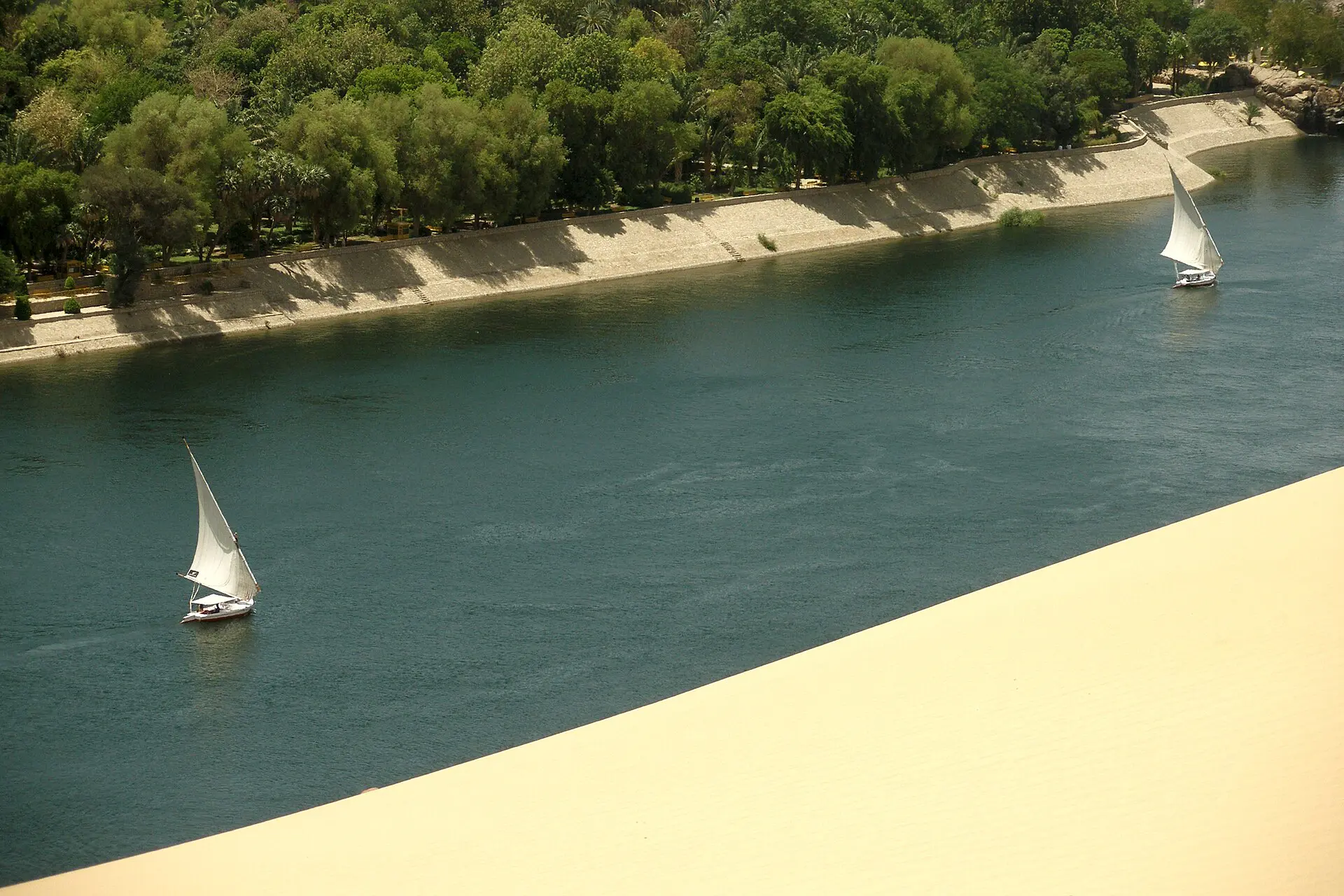
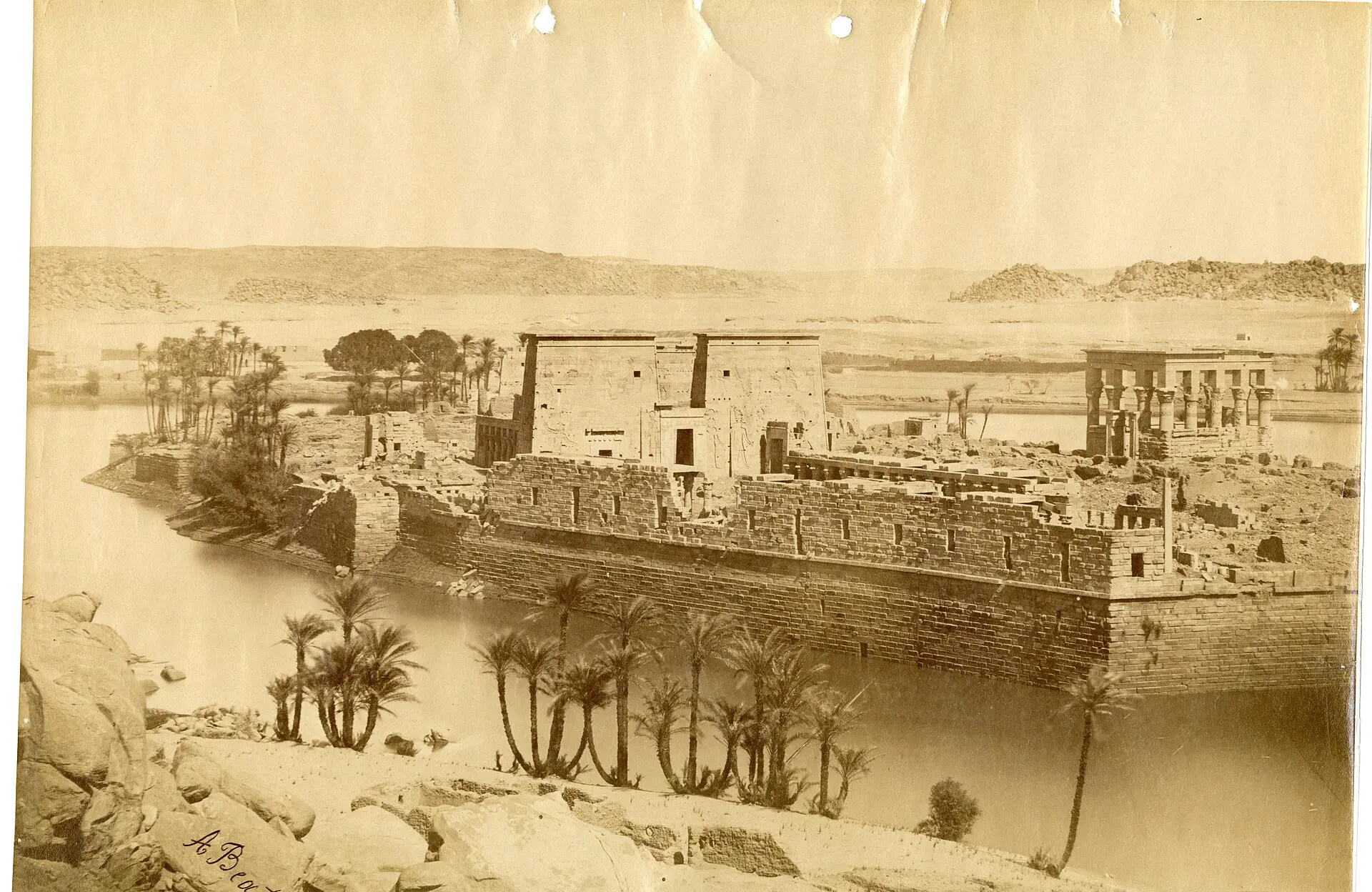
Aswan is quieter and greener, with felucca sailboats, Nubian villages and Philae Temple. The giant temples of Abu Simbel lie about three hours south by road, usually visited as an early-morning trip.
Alexandria
The Mediterranean port has a relaxed seafront, the Qaitbay Citadel and the modern Bibliotheca Alexandrina. It works as a day trip or a one-night stop.
Red Sea coast and Sinai
Hurghada, Marsa Alam, Sharm el-Sheikh and Dahab are known for diving and snorkelling. Check current advice for any Sinai travel.
Siwa Oasis
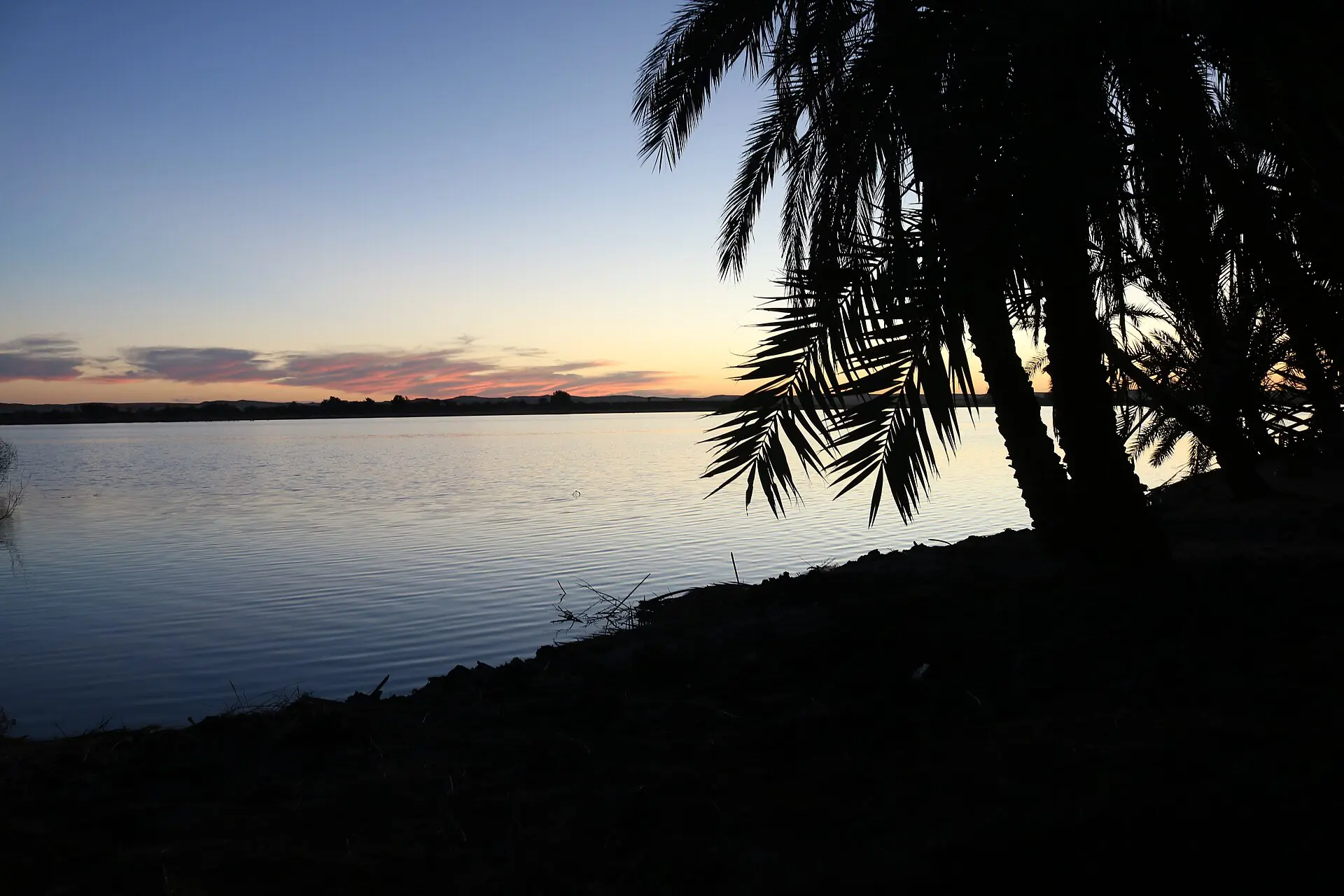
This remote western oasis near Libya has palm groves, salt lakes and a mud-brick fortress, reached by a long road from the coast.
Top things to do in Egypt
The top things to do in Egypt mix ancient sites, the Nile and the sea, and most are possible in one or two weeks.
- See the Giza pyramids and Sphinx: arrive at opening time to avoid the heat and the biggest crowds.
- Visit the Grand Egyptian Museum: collections include the Tutankhamun treasures, so allow at least half a day.
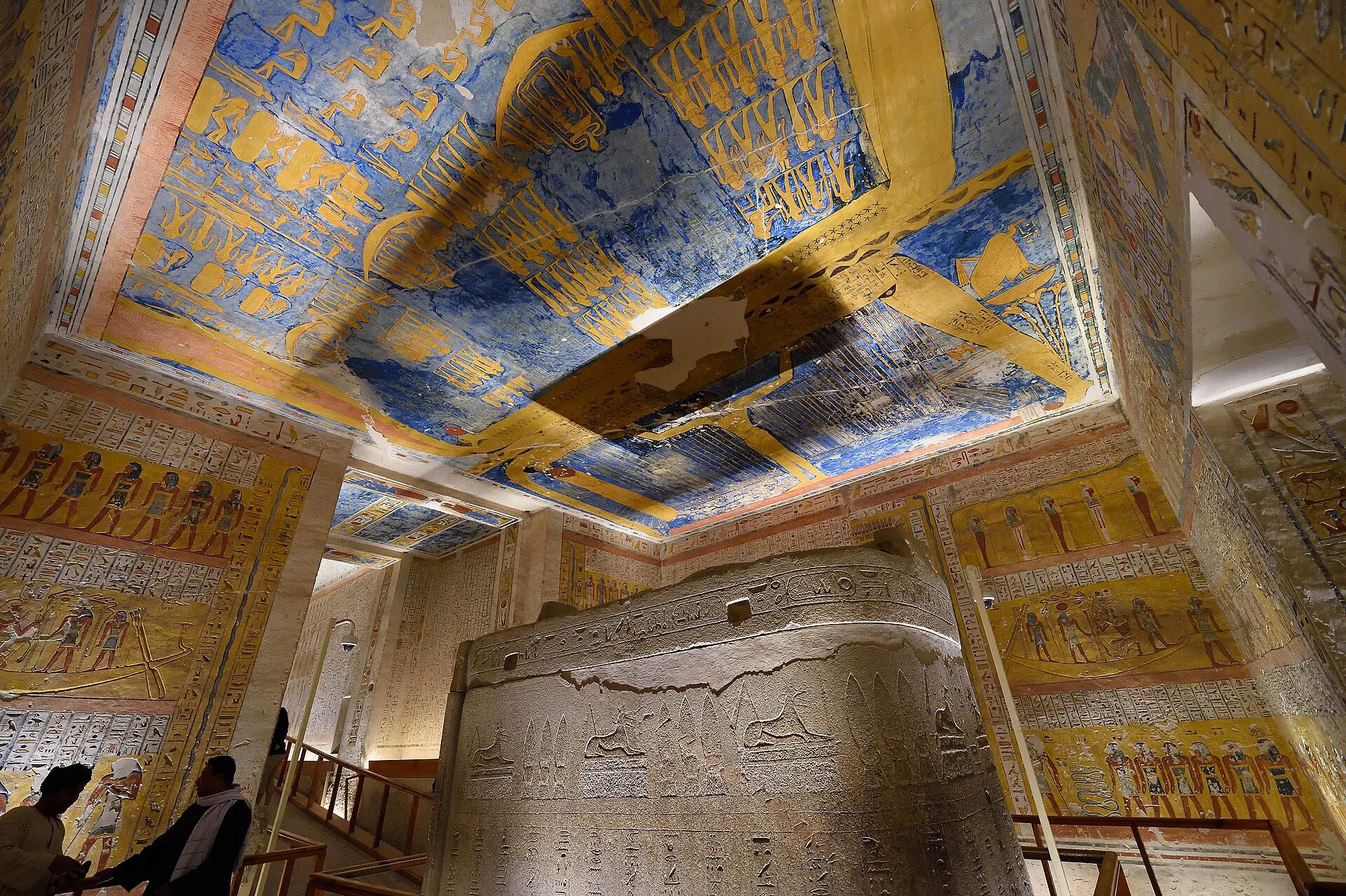
- Explore the Valley of the Kings: several royal tombs can be entered with a single ticket, and some need extra tickets.
- Walk Karnak at sunrise or sunset: the Great Hypostyle Hall is the highlight.
- Sail a felucca at Aswan: an hour or two at sunset gives the best light on the Nile.
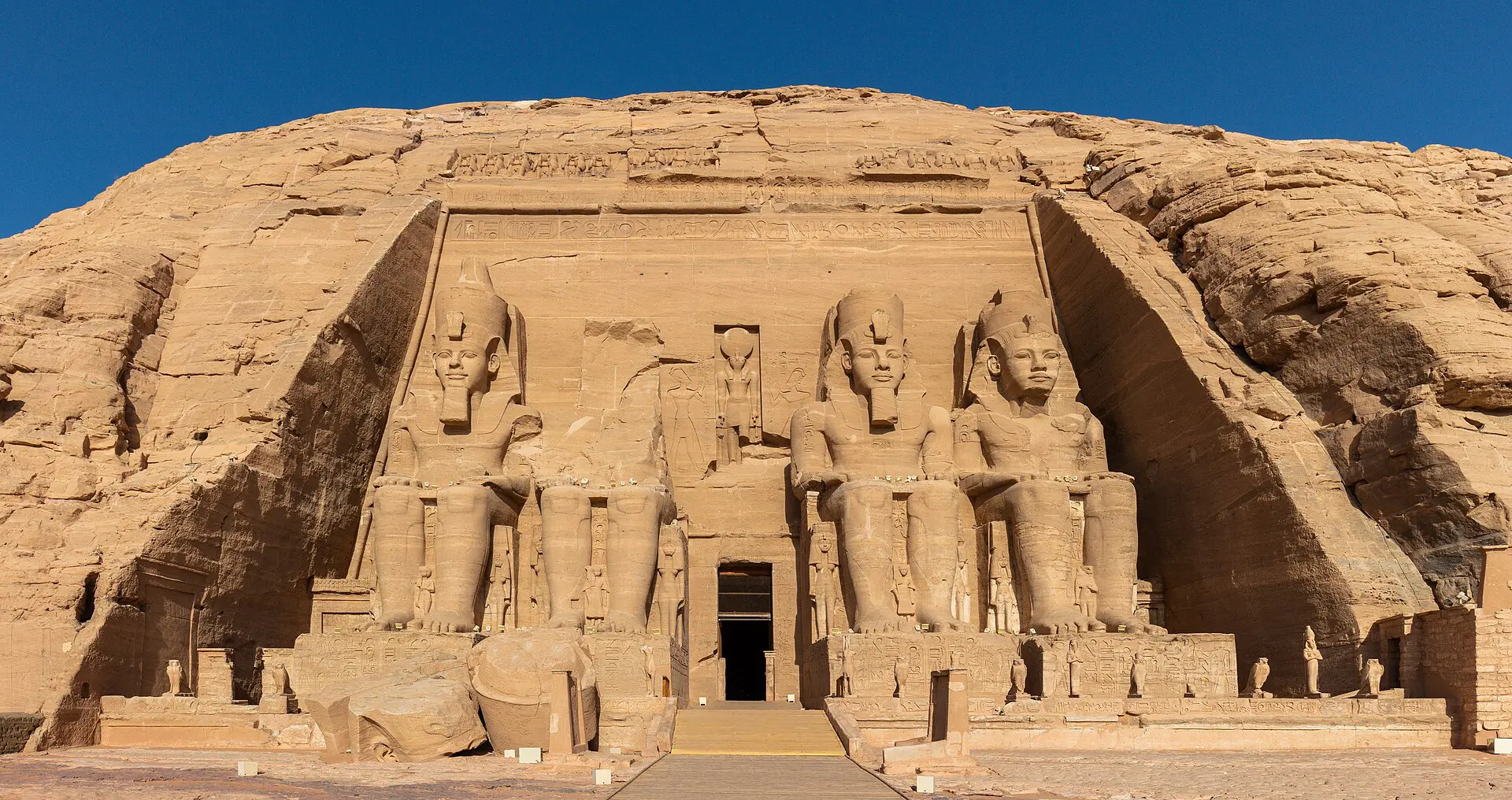
- Go to Abu Simbel: the colossal Ramesses II temples were moved in the 1960s to escape Lake Nasser.
- Wander Islamic Cairo: Al-Azhar, Al-Muizz Street and the Citadel show medieval Cairo.
- Shop in Khan el-Khalili: haggle for spices, lamps and textiles.
- Snorkel or dive the Red Sea: reefs near Dahab, Marsa Alam and Ras Mohammed are popular.
- Take a Nile cruise: three- and four-night sailings link Luxor and Aswan with temple stops.
Best time to visit Egypt
The best time to visit Egypt is October to April, when days are warm rather than punishing and sightseeing is comfortable. Summer is extremely hot in the south: Luxor and Aswan can pass 40 C, and midday visits to open-air sites become unpleasant. The Red Sea is warm enough for swimming nearly all year, and Cairo and Alexandria are more tolerable than the south in summer. Late December and Easter are the busiest and most expensive times.
| Season | Weather | Crowds and prices | Good for |
|---|---|---|---|
| Winter (Dec-Feb) | Mild days, cool nights, occasional rain in Cairo and Alexandria | Peak, highest prices at Christmas and New Year | Nile sites, cruises, Cairo |
| Spring (Mar-Apr) | Warm, some dusty khamsin winds | Busy, easing after Easter | Sightseeing, Red Sea |
| Summer (May-Sep) | Very hot in the south, hot and humid on coasts | Low demand, bargains | Red Sea diving, Alexandria |
| Autumn (Oct-Nov) | Warm and comfortable | Rising | All-round trips, desert and oases |
Ramadan changes opening hours and meal availability, though sites stay open, so check the dates before you book.
Is Egypt safe to visit?
Is Egypt safe? For most visitors on standard routes, yes: Cairo, Luxor, Aswan, Alexandria and the main Red Sea resorts are heavily policed, and serious crime against tourists is uncommon. Is Egypt safe to visit in every region? No. Governments advise against travel to North Sinai, border areas with Libya and Sudan and parts of the Western Desert, and the situation can change, so read the UK FCDO or US State Department advice before booking.
Hassle and scams. Touts at Giza, Khan el-Khalili and temples are persistent. Agree prices for camels, carriage rides and taxis first, ignore claims that a site is closed and use official ticket offices.
Women travellers. Verbal harassment is common, particularly in Cairo. Dress modestly, walk confidently and consider women-only train carriages and trusted guides.
Traffic and health. Cairo traffic is chaotic, and pedestrians need care. Drink bottled water, wash fruit, and carry insurance with medical cover.
Sea and heat. Strong currents and occasional marine hazards exist on the Red Sea, so swim where lifeguards or locals advise. Carry water and a hat in summer.
Egypt visa and entry requirements
Entry rules depend on your nationality, and most visitors from Europe, North America and many other regions need a visa. For many passports there is an e-visa you can apply for online, or a visa on arrival at major airports for a fee, often quoted in US dollars. Fees, validity and lists of eligible countries change, so confirm the Egypt visa process on the official government portal or with an embassy before travelling.
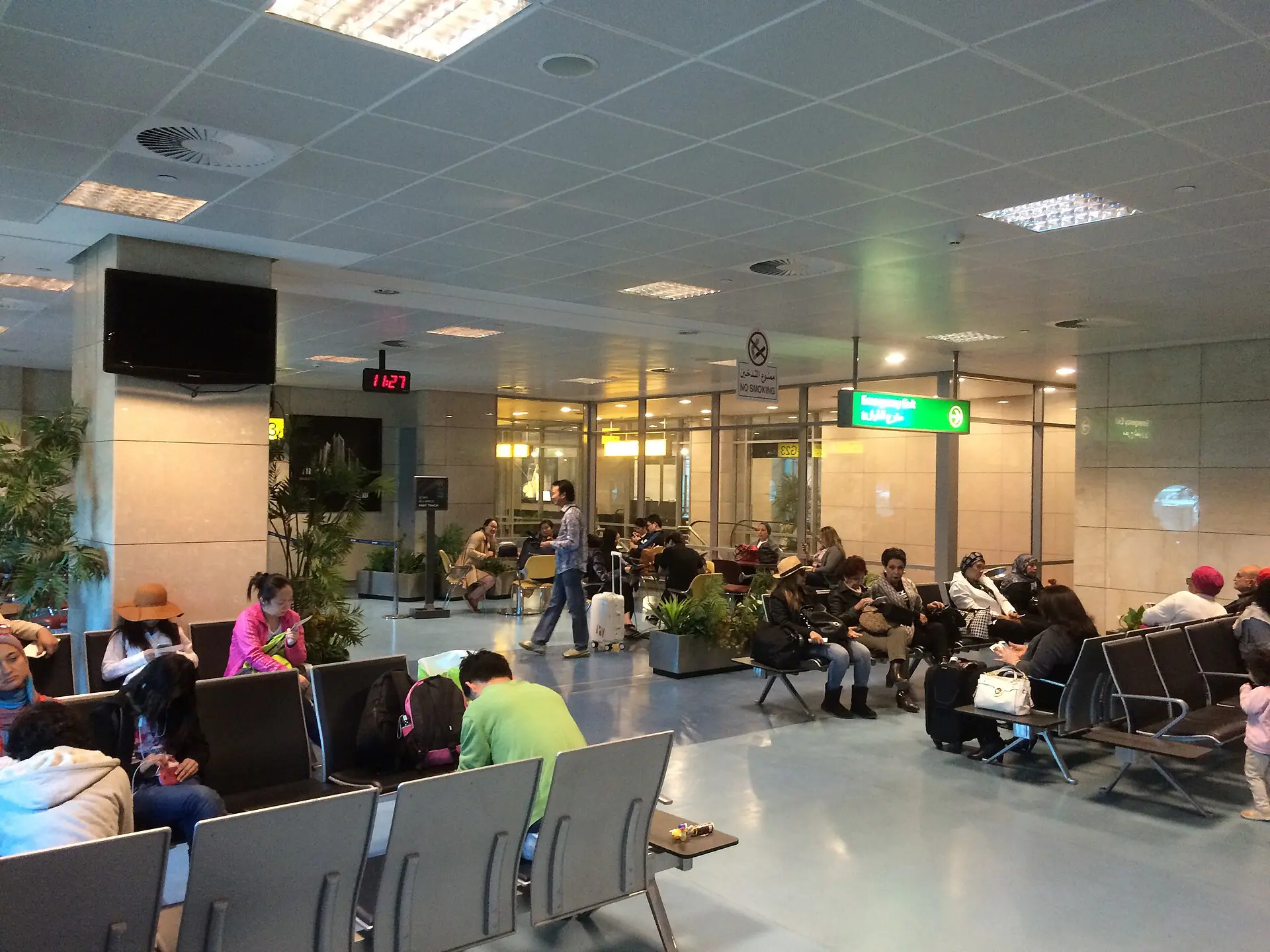
Your passport should have at least six months of validity. Keep proof of accommodation and onward travel, and keep a photocopy of the passport page. Citizens of a few countries have visa-free access for short stays, but this is not widespread.
Some visitors to Sinai resorts such as Sharm el-Sheikh and Dahab receive a limited local entry stamp, which does not cover the rest of Egypt. Photography at military sites and bridges is restricted. The UNESCO page for Egypt lists the World Heritage sites that many itineraries are built around.
Getting to and around Egypt
Most visitors fly into Cairo International Airport, with other major airports at Luxor, Aswan, Hurghada, Sharm el-Sheikh, Marsa Alam and Alexandria. Ferries and land borders exist but are used less often by tourists, and some crossings are restricted.
Domestic flights are the fastest way up the Nile: Cairo to Luxor takes about 75 minutes. The overnight sleeper train from Cairo to Luxor and Aswan is slower and more atmospheric, at around ten hours to Luxor, though quality varies. Modern buses link Cairo with Alexandria in about three hours, and with the Red Sea resorts in five to seven. Between Luxor and Aswan, the road takes roughly three to four hours with stops, and Nile cruise boats take three to four nights.
In Cairo, the metro is cheap and fast for Islamic Cairo and Giza access, and ride-hailing apps are more convenient than negotiating with taxi drivers. Hiring a driver and guide for site days is common. Check security rules, because some desert and Sinai routes require police permission or convoys.
How much does a trip to Egypt cost?
Egypt is good value, though entry tickets for foreigners are set in dollars or pounds at much higher rates than local prices and have risen. The currency is the Egyptian pound (EGP), and exchange rates have moved widely, so figures below are rough USD guides for 2026.
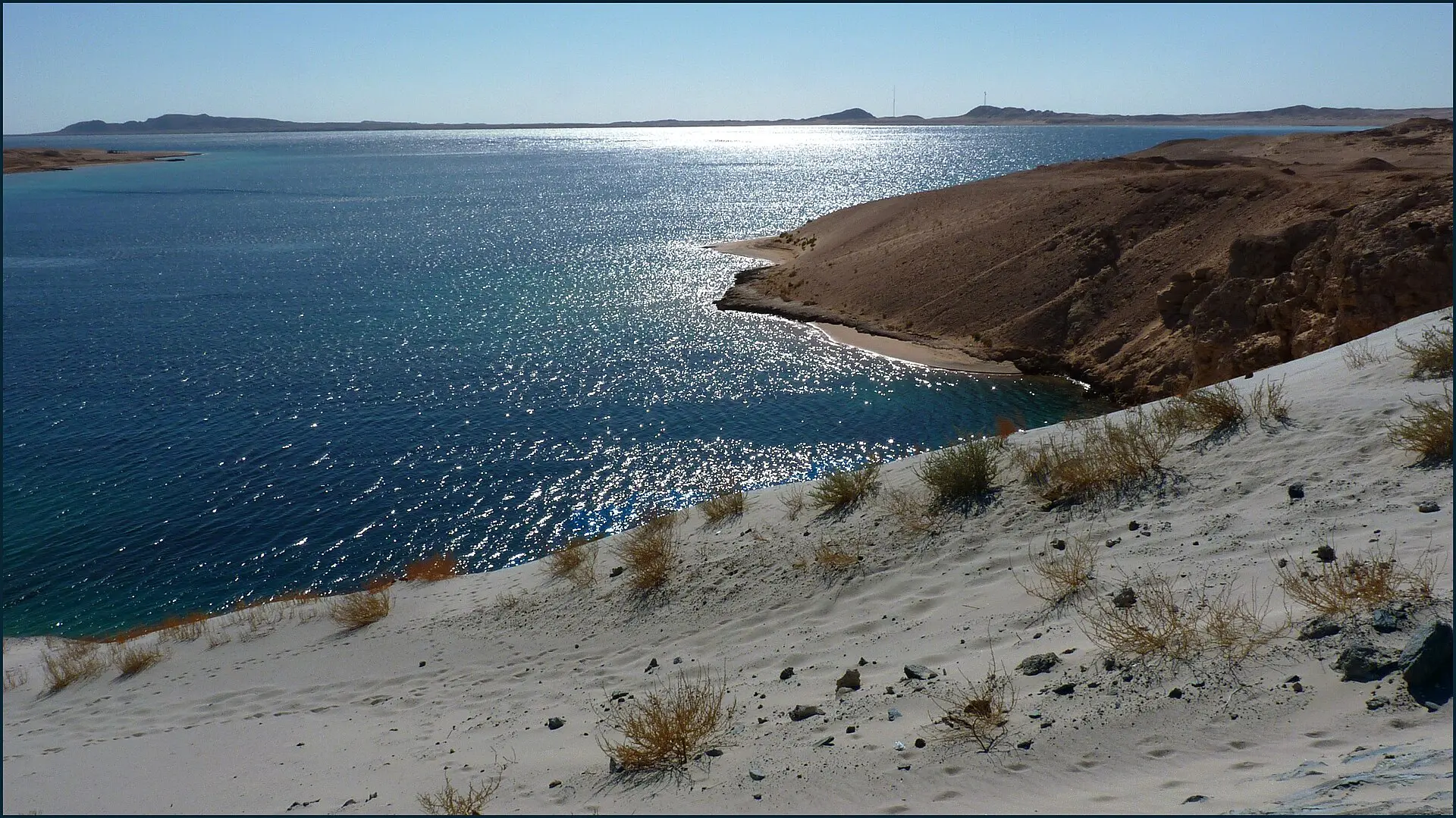
- Budget: around USD 30 to 50 per day, with hostels or basic hotels, local meals, metro and buses.
- Mid-range: around USD 60 to 120 per day, with private hotel rooms, restaurant meals, domestic transport and site entry fees.
- High-end: from around USD 180 per day, with Nile-view hotels, private guides and drivers or a cruise.
Site tickets are the largest cost for sightseers, and extras such as tomb entries, camera fees and the Abu Simbel trip add up. A Nile cruise or Red Sea dive package can be good value when booked in advance. Bargaining is expected at markets and for taxis. Meals of koshari, falafel or grilled meat cost very little, while hotel restaurants charge much more.
Egypt food and drink
Egypt food is hearty and often vegetarian-friendly, built on beans, rice, bread, vegetables and grilled meat. Street food is cheap and varied, and restaurant meals are served with plenty of bread and dips.

- Koshari: rice, lentils, pasta and chickpeas topped with tomato sauce and fried onions, the national street dish.
- Ful medames: slow-cooked fava beans with oil and lemon, a breakfast staple.
- Ta’ameya: Egyptian falafel made with fava beans, usually in a sandwich.
- Molokhia: a green soup of jute leaves, often served with chicken or rabbit and rice.
- Mahshi: vegetables such as vine leaves and peppers stuffed with rice and herbs.
- Kebab and kofta: grilled meats served with bread, salad and tahini.
- Om Ali: a warm bread pudding with milk, nuts and raisins.
- Karkade and sugarcane juice: hibiscus tea and fresh juice are common drinks; Stella is the local beer in licensed venues.
Vegetarians can eat well, though ask about meat stock. Choose busy stalls, eat food cooked fresh and drink bottled water.
Culture, language and etiquette in Egypt
Arabic is the official language, and Egyptian Arabic is understood across the Arab world through film and music. English is widely spoken in tourism, and French or German are used by some guides. Useful words include shukran (thank you), la shukran (no thank you) and yalla (let’s go).
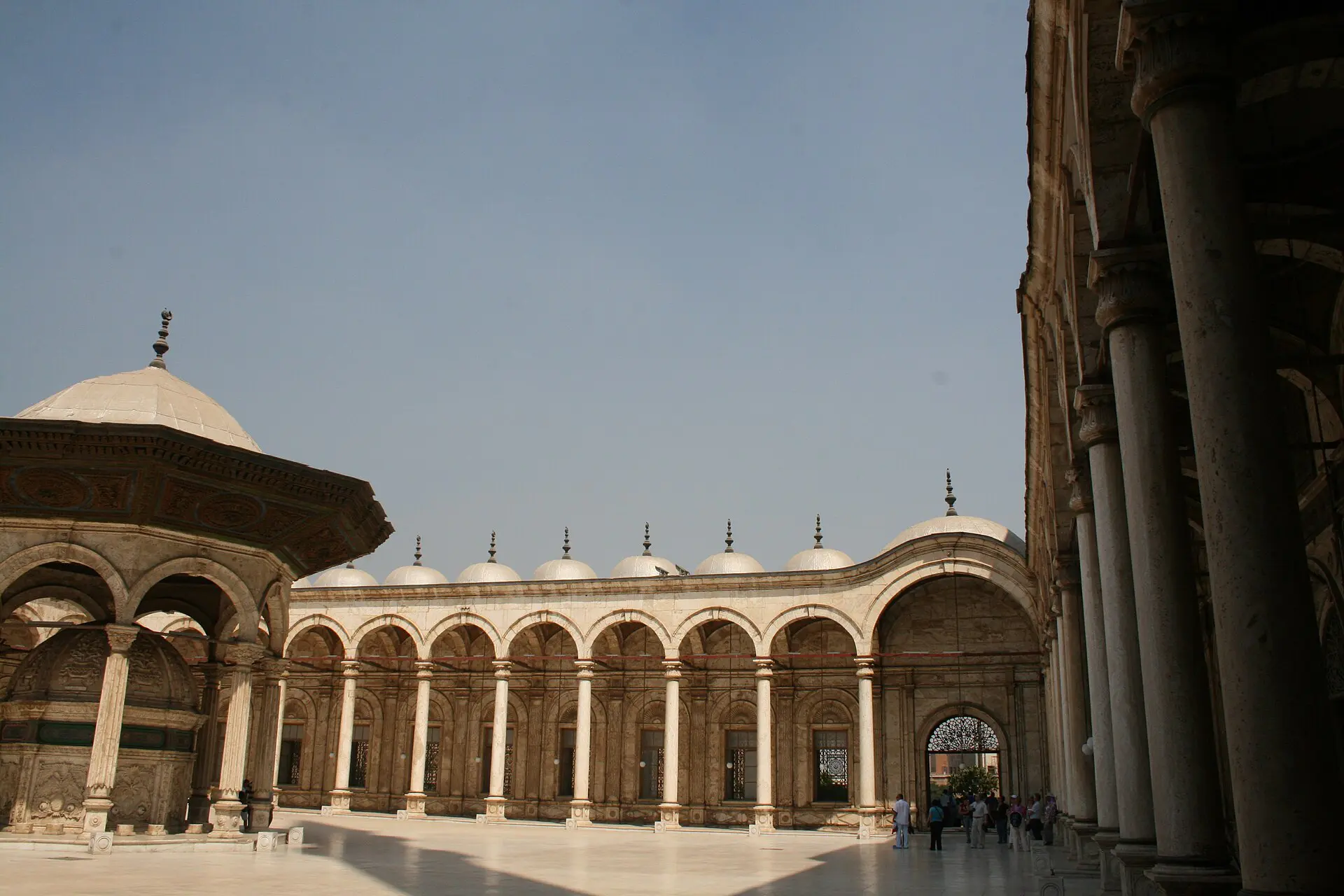
Egypt is mainly Muslim, with a large Coptic Christian minority. Dress modestly, with shoulders and knees covered for both men and women, and cover your hair and remove shoes in mosques. During Ramadan, avoid eating, drinking or smoking in public during daylight, and expect shorter hours. Friday is the main prayer day, so some places open late.
Hospitality is strong: you may be offered tea, and refusing once politely is fine. Use your right hand for eating and handing things over. Public displays of affection are best avoided. Ask before photographing people, and avoid photographing police, soldiers or military sites. Bargaining is normal in markets, but do it with humour and without pressure.
Egypt itinerary: a 7-day route
This route covers Cairo, Luxor and Aswan using domestic flights to save time, and avoids regions that governments advise against.
- Day 1, Cairo: arrive, then walk Al-Muizz Street and Khan el-Khalili in the evening.
- Day 2, Giza: visit the pyramids and Sphinx early, then the Grand Egyptian Museum.
- Day 3, Cairo to Luxor: take a morning flight of about 75 minutes, then visit Luxor Temple at sunset.
- Day 4, Luxor west bank: see the Valley of the Kings, Hatshepsut’s temple and the Colossi of Memnon.
- Day 5, Karnak and Aswan: explore Karnak in the morning, then travel about three to four hours by road with a stop at Edfu or Kom Ombo.
- Day 6, Aswan: visit Philae Temple, ride a felucca and walk the Nubian villages, or make an early Abu Simbel trip instead.
- Day 7, return: fly from Aswan to Cairo and onward, leaving a generous buffer for the international flight.
With extra days add Alexandria, a Nile cruise or diving at the Red Sea coast.
Practical tips for Egypt
- Money: the Egyptian pound is the currency. ATMs are common, though limits vary; carry small notes for tips and taxis, and pay site tickets with cards where accepted.
- SIM and eSIM: local SIMs and eSIMs are inexpensive, and coverage is good in cities and along the Nile.
- Plugs: types C and F at 230 V, so European plugs work.
- Tipping: baksheesh is expected: a few pounds for small services, around 10% in restaurants unless a service charge is added and extra for guides and drivers.
- Health: use bottled water, sunscreen and a hat, bring stomach remedies and carry insurance.
- Packing: light, loose clothing that covers shoulders and knees, comfortable shoes for sand and stone, a scarf and a power bank.
- Booking: reserve Nile cruises, the Grand Egyptian Museum slots and Valley of the Kings tours in high season.
For wider background, see the Wikivoyage Egypt guide.
FAQ
Q1What is Egypt food like?
Egypt food is hearty and includes koshari (rice, lentils and pasta), ful medames (fava beans), ta'ameya (Egyptian falafel), molokhia soup, mahshi stuffed vegetables and grilled kebabs. Street food is cheap, and vegetarians can eat well, though ask about meat stock.
Q2What are the best things to do in Egypt?
Top picks are the Giza pyramids and the Grand Egyptian Museum, Luxor's Karnak and the Valley of the Kings, a Nile cruise or felucca at Aswan, Abu Simbel, Islamic Cairo and diving or snorkelling on the Red Sea.
Q3What is the best time to visit Egypt?
October to April is best, with mild weather for sightseeing. Summer heat is extreme in Luxor and Aswan, often above 40 C, though the Red Sea stays swimmable all year. Christmas, New Year and Easter are the busiest and most expensive periods.
Q4Is Egypt safe?
On standard tourist routes, yes. Cairo, Luxor, Aswan and the main Red Sea resorts are heavily policed, and the common issues are hassle from touts, scams, traffic and harassment of women. Some regions, such as North Sinai and border areas, are advised against by governments.
Q5Is Egypt safe to visit for solo travellers and women?
Many solo travellers and women visit Egypt, but expect persistent attention and some verbal harassment, especially in Cairo. Dress modestly, use ride-hailing apps, book reputable guides and hotels and keep to well-travelled routes. Check your government's current advice.
Q6Do I need an Egypt visa?
Most visitors do. Many nationalities can apply for an e-visa online or buy a visa on arrival at major airports, but fees and eligibility change. Passports should be valid for six months. Confirm the current process on the official Egyptian government portal.
Q7What are the best places to visit in Egypt?
Cairo and Giza have the pyramids and museums, Luxor holds the temples and tombs, Aswan has the Nile and Philae, and Abu Simbel is the most dramatic temple. Alexandria, the Red Sea and Siwa Oasis suit extra days.
Q8How many days do you need in Egypt?
Seven days covers Cairo, Luxor and Aswan using domestic flights. Add three to four days for a Nile cruise, Alexandria or the Red Sea, and plan around the hot summer if you travel between May and September.