Why visit Costa Rica
The case for the best things to do in Costa Rica is simple: roughly a quarter of the country is protected, and within a few hours of San José you can reach active volcanoes, cloud forest, Pacific surf beaches and Caribbean canals. The country has no standing army, having abolished it in 1949, and it has a long record of political stability by regional standards (see the Wikipedia overview for background). Costa Ricans use the phrase pura vida, roughly “pure life”, as a greeting and a way of life.
Costa Rica suits travellers who want nature with infrastructure: good tour operators, lodges at every budget and Spanish spoken slowly enough to learn. It is easy for first-time visitors to Latin America, popular with families and honeymooners, and strong for surfing, birdwatching and zip-lining. It is less suited to a tight budget, since prices run higher than in Nicaragua, Guatemala or Panama.
Best places to visit in Costa Rica
The best places to visit in Costa Rica are scattered across a country about 51,000 square kilometres in size, so choose three or four bases rather than trying to see everything.
Arenal and La Fortuna
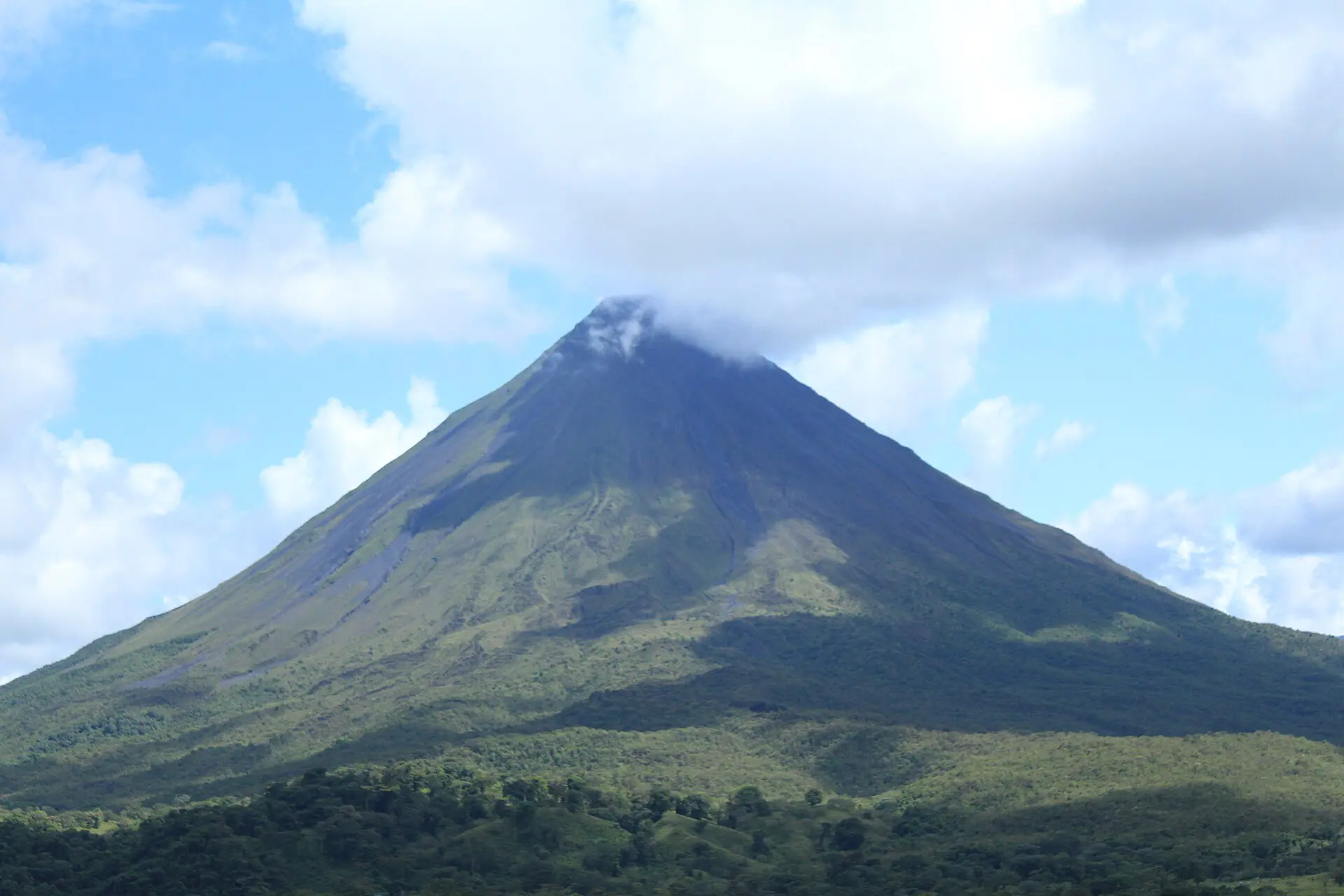
Arenal is a near-perfect volcanic cone in the north, now dormant. La Fortuna, the main base, offers hot springs, a large waterfall, hanging bridges and views across Lake Arenal. It is the most popular inland stop for first-time visitors.
Monteverde
This high-altitude cloud forest reserve is known for mist, orchids, hummingbirds and the resplendent quetzal, which is most often seen from January to April. Roads are slow and winding, so allow at least two nights.
Manuel Antonio
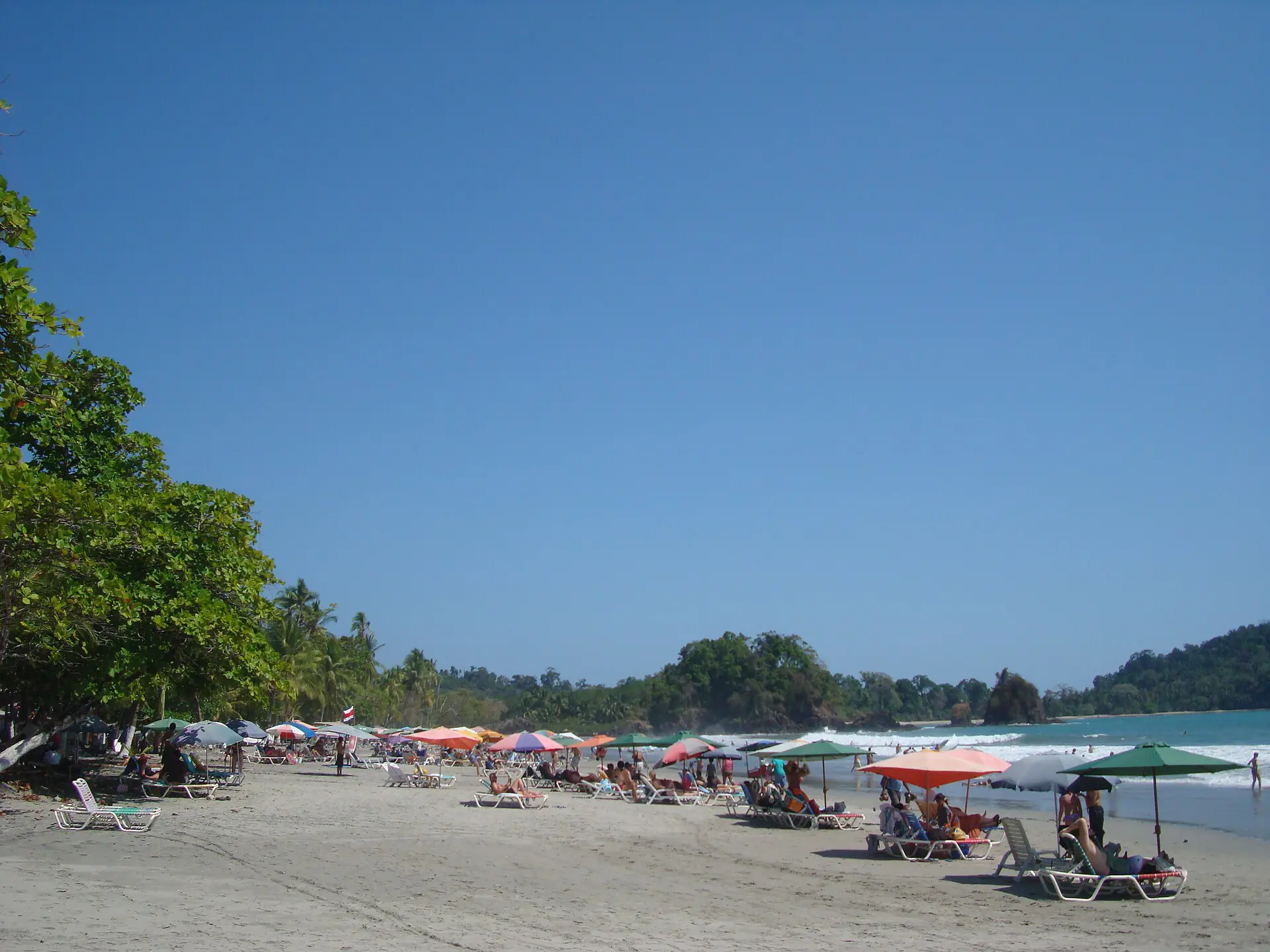
On the central Pacific coast, Manuel Antonio combines a compact national park, white-sand beaches and easy monkey and sloth spotting. The park is closed one day a week, so check the schedule before you go.
Guanacaste and Tamarindo
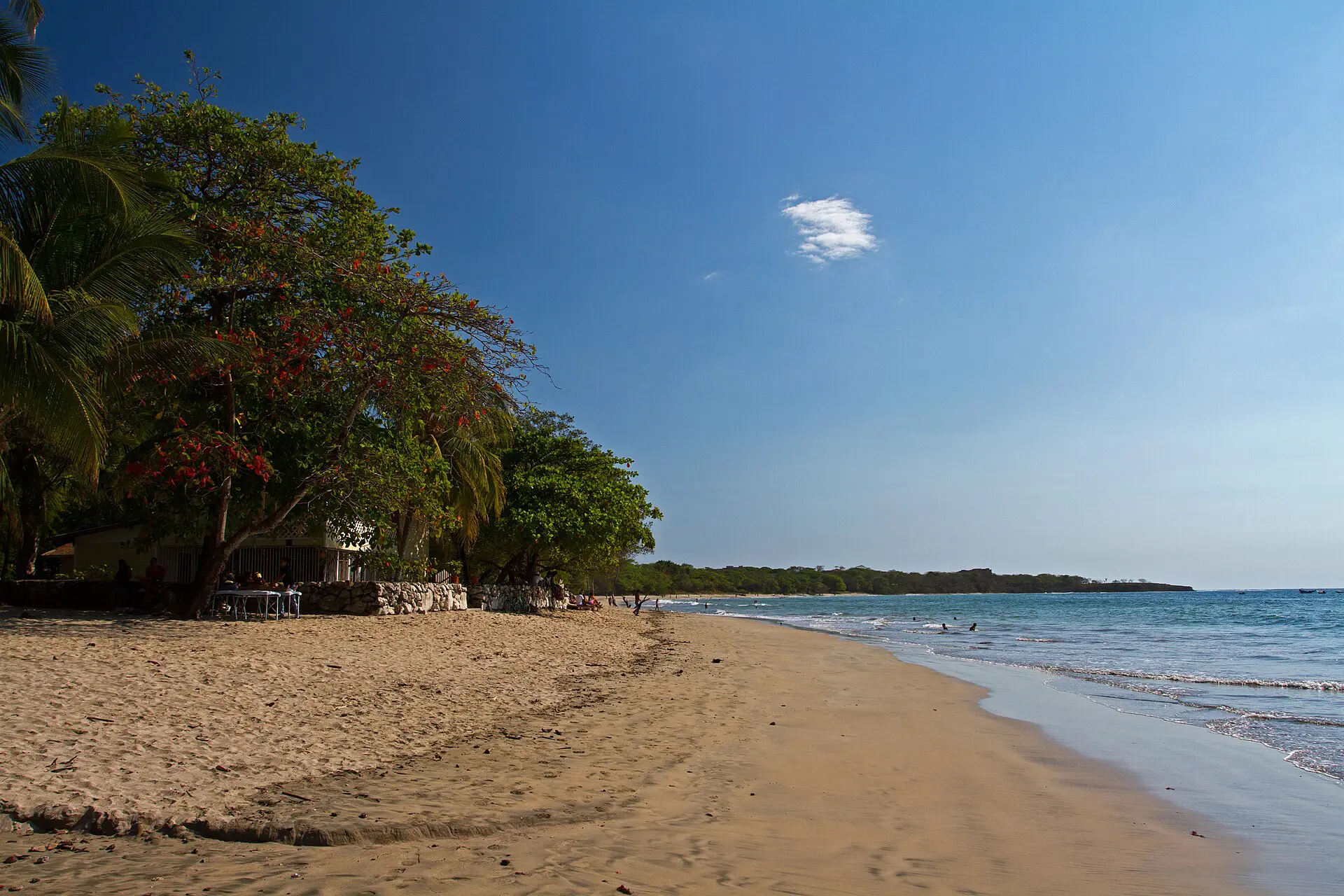
The northwest is the driest region, with long beaches, surf towns and the country’s second international airport at Liberia. It is the best choice for a beach-focused trip.
Tortuguero
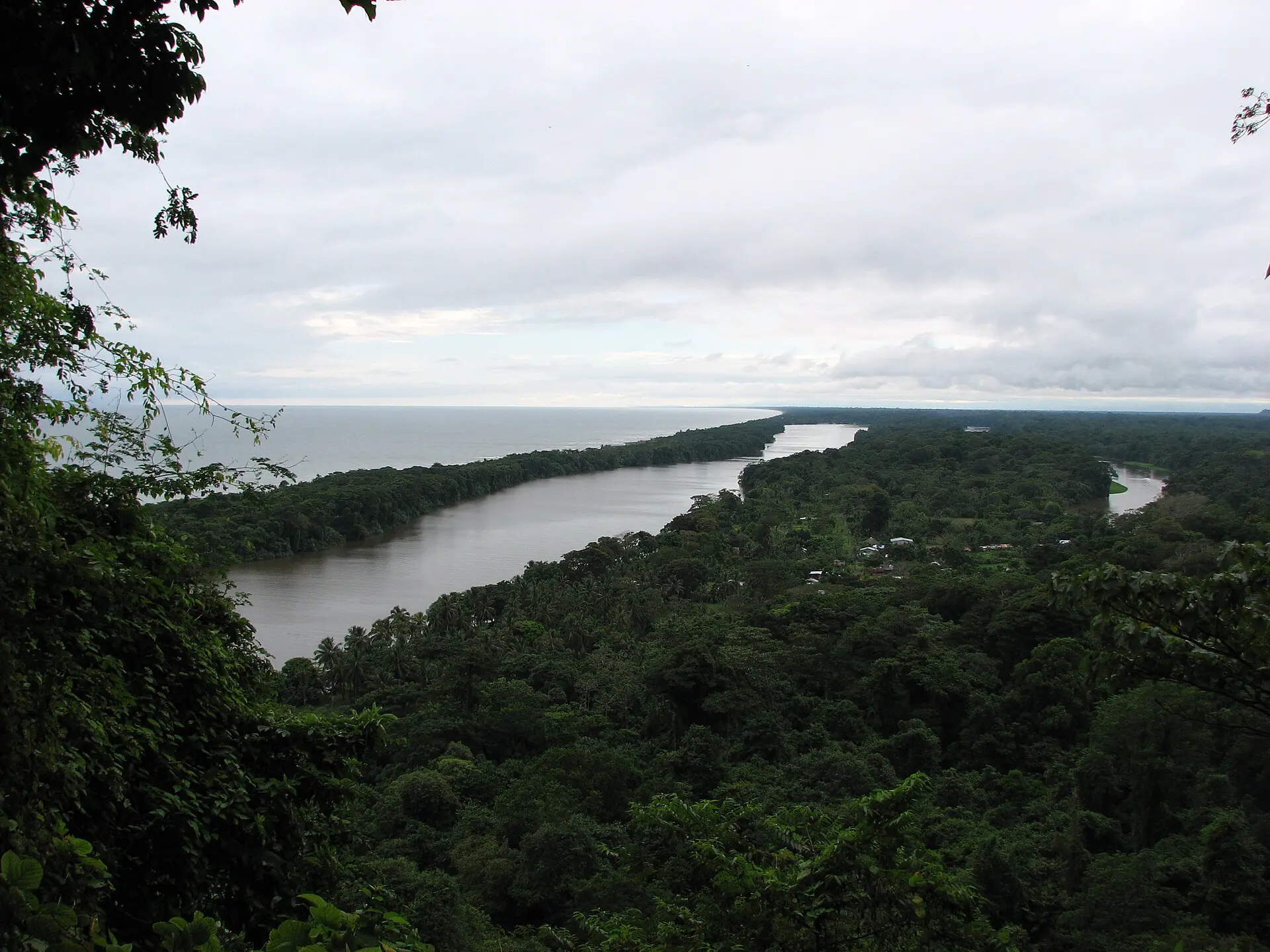
Reached by boat or small plane, Tortuguero on the Caribbean coast has canals, turtle nesting from roughly July to October for green turtles, and very few roads.
Osa Peninsula and Corcovado
The remote south holds Corcovado National Park, often described as one of the most biodiverse places on earth. It suits fit, adventurous travellers and requires a licensed guide.
Top things to do in Costa Rica
The top things to do in Costa Rica are outdoors, and most can be booked locally a day or two ahead outside the peak weeks.
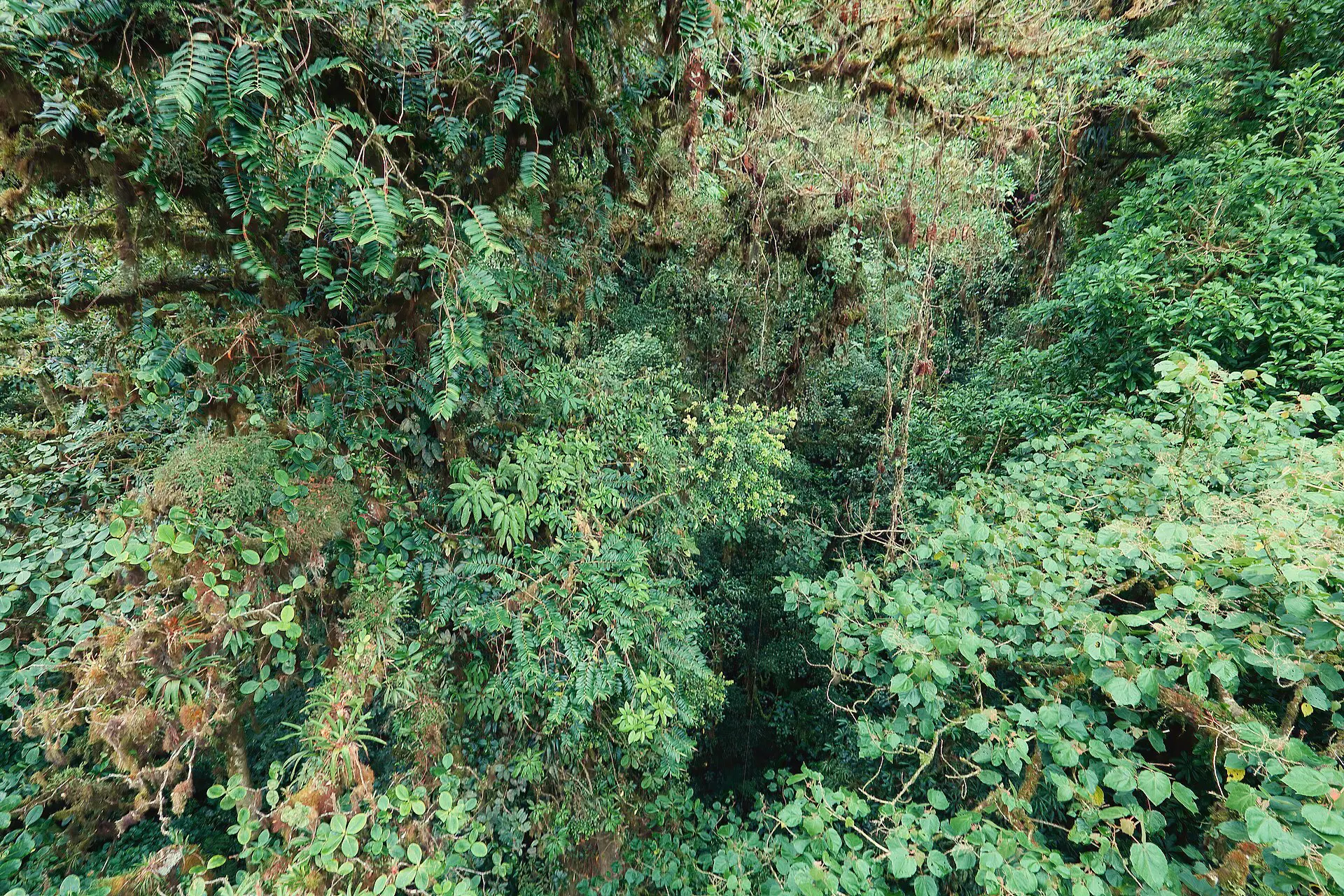
- Walk the Monteverde cloud forest: take a guided dawn walk or the hanging bridges to see birds and canopy plants.
- Soak in hot springs near Arenal: volcanic thermal pools range from free riverside spots to resort-style complexes.
- Spot wildlife in Manuel Antonio: hire a guide with a spotting scope to find sloths, monkeys and toucans.
- Take a canal boat in Tortuguero: early morning trips bring caimans, herons and monkeys close to the boat.
- Surf at Tamarindo or Santa Teresa: beginner schools run daily, and the Pacific has waves for every level.
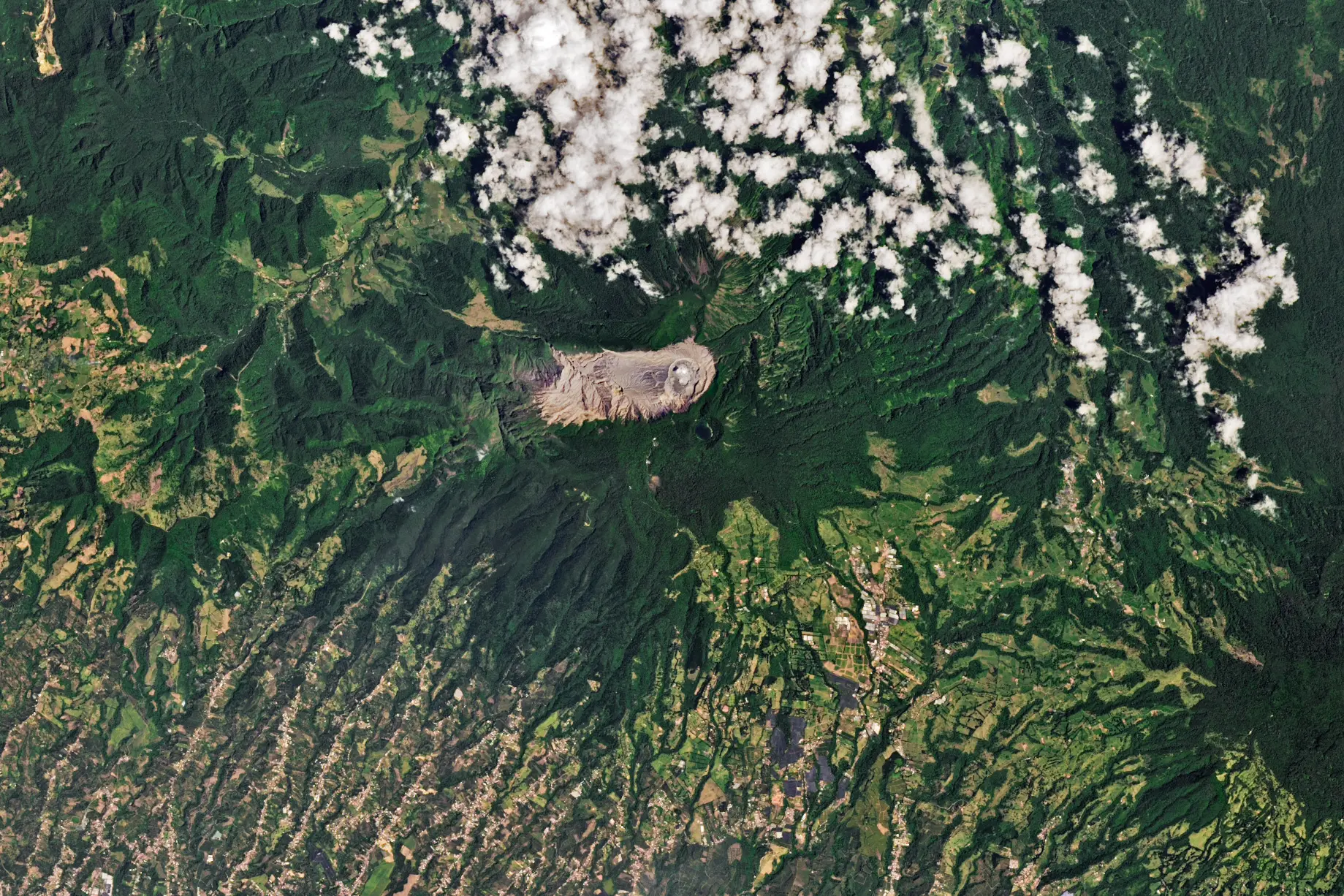
- Look into the crater at Poás or Irazú: both volcanoes can be visited in a half-day trip from San José, subject to activity closures.
- Raft the Pacuare River: one-day rapids trips run through rainforest gorges from the Turrialba area.
- Try a coffee tour: farms around the Central Valley and Tarrazú explain growing, picking and roasting.
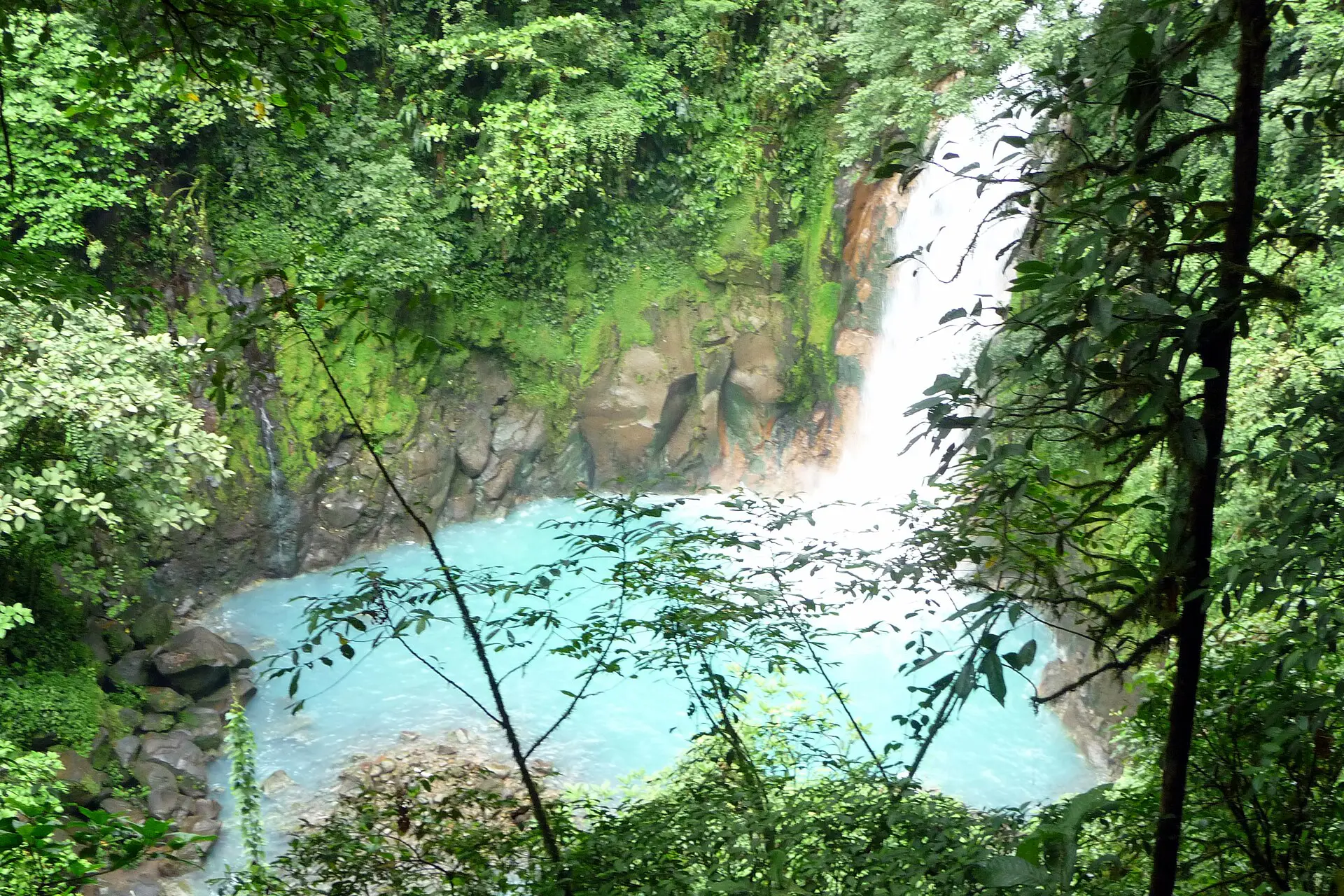
- Hike to Río Celeste: a blue-coloured waterfall in Tenorio Volcano National Park.
- Snorkel or dive on the coast: Caño Island and the Catalina Islands are well-known sites.
Best time to visit Costa Rica
The best time to visit Costa Rica is December to April, the dry season, when most of the country has sunny mornings, reliable roads and the best conditions for beaches and volcano views. Expect higher prices and crowds from late December to Easter. May to November is the green season, with afternoon rain, lush scenery and lower prices, and many travellers find it excellent value.
| Season | Weather | Crowds and prices | Good for |
|---|---|---|---|
| Dec-Apr | Dry and sunny on the Pacific side, hot in Guanacaste | Highest; book early for Christmas and Easter | Beaches, volcano views, hiking |
| May-Jul | Mornings clear, afternoon showers | Moderate to low | Wildlife, rafting, value trips |
| Aug-Oct | Wettest months on the Pacific side | Lowest, some lodges close | Turtle nesting, Caribbean side |
| Nov | Rain easing | Rising | Shoulder-season travel |
The Caribbean coast follows a different pattern, with its driest spells often in September and October and in March, so it can suit trips that would be wet on the Pacific.
Is Costa Rica safe?
Yes, Costa Rica is considered safe for most tourists, and violent crime against visitors is uncommon, but petty theft is frequent and the country has seen rising crime in recent years, mostly outside tourist zones. Check your government’s current travel advice before you book, such as the US State Department or UK FCDO pages.
Theft. Never leave belongings in a parked car, even for a few minutes, as break-ins at beaches and trailheads are the most common complaint. Carry a photocopy of your passport and keep valuables in a hotel safe.
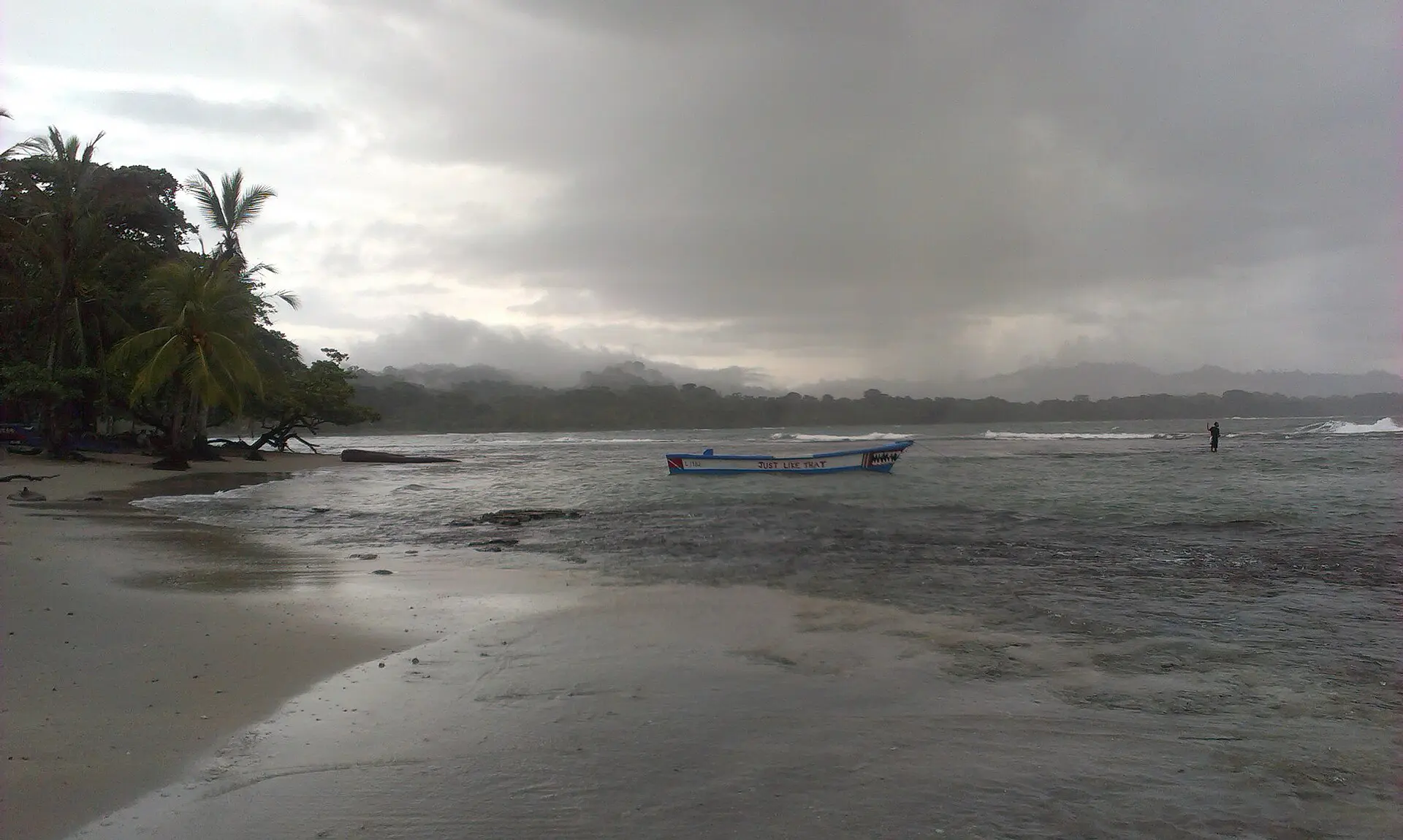
Water and surf. Rip currents are the leading danger on Pacific beaches. Swim at beaches with lifeguards where possible, and ask locals about conditions. Do not swim in river mouths, as crocodiles live in some of them, including near the Tárcoles bridge.
Roads. Mountain roads are narrow, often unlit and prone to landslides in the green season. Avoid driving after dark.
Nature and health. Volcanoes can close parks on short notice, and earthquakes occur. Use repellent against mosquitoes, as dengue is present, and drink bottled water if you are unsure of the supply. Travel insurance with medical cover is sensible.
Visa and entry requirements for Costa Rica
Entry rules depend on your nationality. Citizens of the EU, UK, US, Canada and many other countries have generally been able to enter visa-free as tourists for up to about 90 days, but you should confirm the current rule for your passport with the Costa Rican immigration authority or your nearest embassy before you travel.
You will need a passport valid for the length of your stay, and in practice, airlines and officers may ask for proof of onward travel, such as a flight or bus ticket out of the country. Keep a printed copy of your booking. Visitors arriving from certain countries where yellow fever is present may need a vaccination certificate.
Visits are normally recorded on arrival, and staying longer than permitted can lead to fines or exit problems, so keep an eye on your stamp. Rental drivers should carry a passport copy and a valid home licence. If you want to plan heritage stops, the UNESCO page for Costa Rica lists World Heritage sites, though it does not cover entry rules.
Getting to and around Costa Rica
Most visitors fly into Juan Santamaría International Airport (SJO), near San José, or Daniel Oduber Quirós International Airport (LIR) at Liberia, which is closer to the Guanacaste beaches. Overland crossings exist with Nicaragua at Peñas Blancas and with Panama at Paso Canoas and Sixaola, and queues can be long.
There is no useful passenger rail network, so travel is by road. Public buses are cheap and connect most towns, but they are slow and indirect. Shared tourist shuttles link the main destinations, such as San José to La Fortuna in around four hours, and are the easiest choice without a car. Domestic flights serve places like Tortuguero and Drake Bay, and a ferry crosses the Gulf of Nicoya.
A rental car gives the most freedom, especially for the Pacific coast. Driving is on the right. Choose a high-clearance vehicle for rural and Monteverde roads, expect slow progress on mountain stretches, avoid night driving, and check insurance rules, as local third-party cover is mandatory and often not included in online quotes.
How much does a trip to Costa Rica cost?
Costa Rica is the most expensive country in Central America for travellers. The currency is the Costa Rican colón (CRC), but US dollars are widely accepted in tourist areas, and many tours and hotels quote in dollars. Figures below are rough per-person guides for 2026 and rise in the dry season.
- Budget: around USD 45 to 75 per day, with hostel beds or simple cabinas, local sodas (small restaurants) and public buses.
- Mid-range: around USD 90 to 170 per day, with private hotel rooms, restaurant meals, shuttles or car rental and one paid activity.
- High-end: from around USD 250 per day, with boutique lodges, private transfers and guided tours.
Tours are the main cost driver, as many nature activities are priced for foreign visitors. Car rental, once mandatory insurance is added, often costs more than the headline rate. Prices include 13 percent VAT, and restaurant bills usually add a 10 percent service charge on top. Eating at sodas keeps food costs low.
Costa Rica food and drink
Costa Rica food is simple, fresh and built on rice, beans, plantain and fruit, with very little chilli heat. The best everyday meals are at sodas, small family restaurants offering a set lunch called a casado.

- Gallo pinto: rice and black beans fried with onion and herbs, the standard breakfast, served with eggs and sour cream.
- Casado: a plate of rice, beans, salad, plantain and a choice of chicken, beef or fish.
- Ceviche: raw fish cured in lime juice, common on the Pacific coast.
- Olla de carne: a beef and root-vegetable soup eaten at weekends.
- Tamales: corn parcels steamed in banana leaf, a Christmas tradition sold in other months too.
- Patacones: twice-fried green plantain slices, served with beans or guacamole.
- Coffee and tropical fruit: Costa Rican coffee is a point of national pride, and fruit stands sell pineapple, mango and guanábana.
Local beer brands such as Imperial are widely sold, and guaro, a sugarcane spirit, is the traditional strong drink. Vegetarians can eat rice, beans and plantain easily, though many dishes use lard or meat stock, so ask.
Culture, language and etiquette in Costa Rica
Spanish is the official language, and Costa Ricans often use a polite form, usted, even with friends. English is common in tourist businesses, but even basic Spanish phrases such as por favor, gracias and buenos días go a long way. Caribbean-coast communities also speak Mekatelyu, an English-based creole, and some Indigenous languages survive in the south.
Costa Rica is a mostly Roman Catholic country with strong civic pride in its democracy, its education system and its environmental record. Conversation is friendly and relaxed. Punctuality is flexible outside tours and flights, so allow slack in your schedule. Pura vida is used for hello, thanks, goodbye and “all good”.
Dress is casual, but cover up when entering churches and away from the beach. Bring your own bags and avoid single-use plastic where you can, as many lodges promote sustainability. Do not feed wildlife, keep your distance from animals, stay on marked trails and never remove plants, shells or turtle eggs. Public displays of anger are unusual, and staying calm helps in any dispute.
Costa Rica itinerary: a 7-day route
This route links three regions with shuttles or a rental car and keeps driving to under four hours on most days.
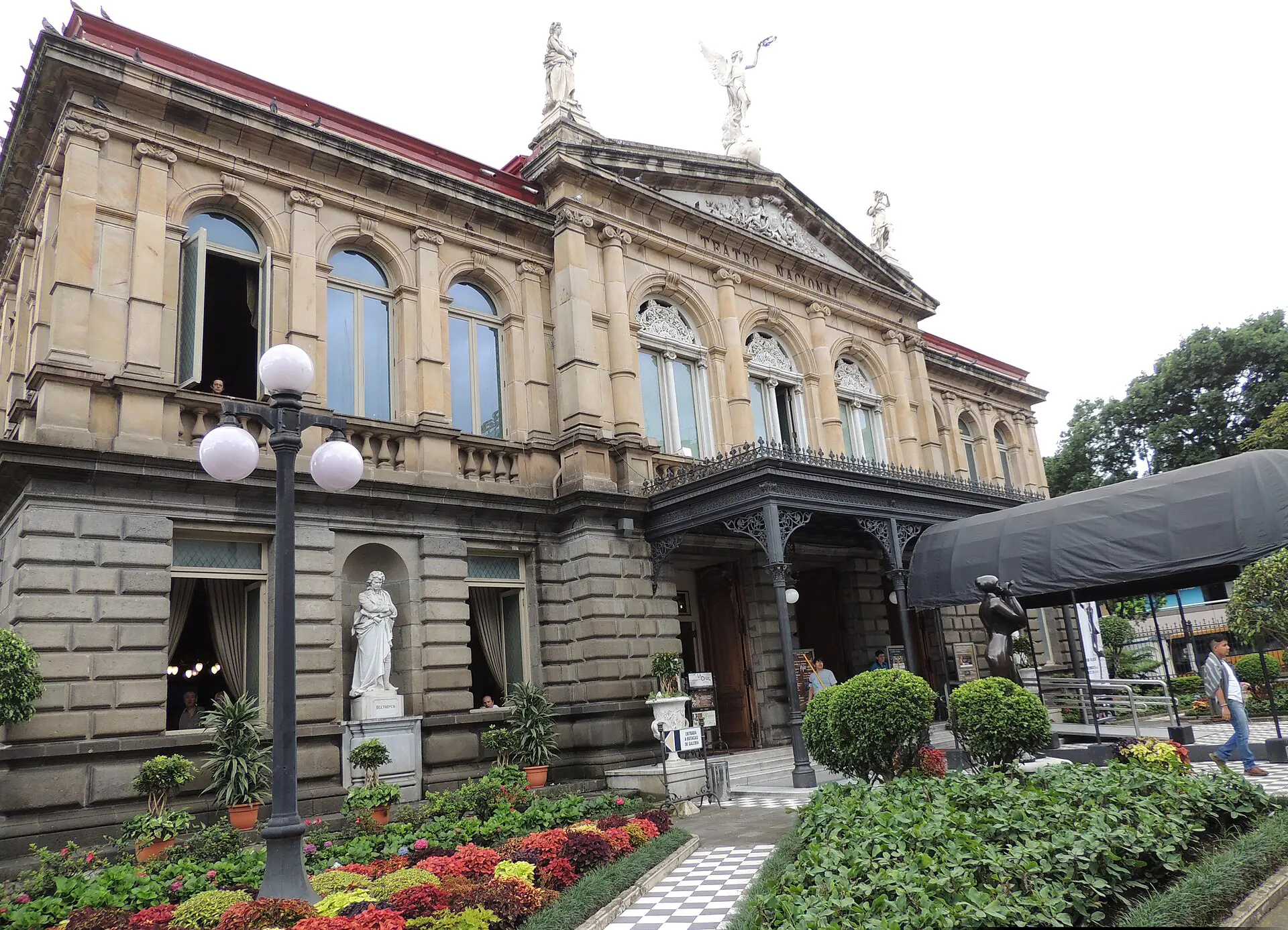
- Day 1, San José: arrive, visit the National Theatre and central market, and sleep near the airport or in the city.
- Day 2, Poás and La Fortuna: visit Poás Volcano in the morning if it is open, then continue about three hours to La Fortuna.
- Day 3, Arenal: hike or walk the hanging bridges, then soak in hot springs in the evening.
- Day 4, Monteverde: travel by road and boat or shuttle, about four to five hours, and walk the cloud forest in the afternoon.
- Day 5, Monteverde: take a guided dawn walk and a coffee tour, then drive towards the Pacific coast.
- Day 6, Manuel Antonio: visit the national park early, then relax on the beach.
- Day 7, return: allow about three hours to San José airport, and leave a buffer for traffic.
With more time, replace the Monteverde nights with Tortuguero, or add Guanacaste beaches. In the green season, plan activities for mornings.
Practical tips for Costa Rica
- Money: the colón is the local currency, and US dollars are accepted in many tourist places, often at a poor rate. ATMs are common in towns; carry some colones for sodas, buses and park entrances.
- SIM and eSIM: local prepaid SIMs and eSIMs are cheap and give reliable coverage on main routes, with gaps in remote areas. Download offline maps for rural drives.
- Plugs: types A and B at 120 V, the same as in North America. Visitors from Europe will need an adapter and possibly a voltage converter.
- Tipping: a 10 percent service charge is normally included in restaurants, so extra tips are optional. Guides and drivers are usually tipped.
- Health: bring insurance, high-SPF sunscreen and insect repellent. Check with a travel clinic about routine vaccines before you leave.
- Packing: a rain jacket, quick-dry clothes, sturdy shoes and a swimsuit, plus a light layer for cool evenings in Monteverde.
- Booking: reserve accommodation and popular parks, such as Manuel Antonio and Corcovado, early in the dry season, and note that some parks require advance tickets.
For wider background, see the Wikivoyage Costa Rica guide.
FAQ
Q1Is Costa Rica safe?
Yes, for most visitors. Violent crime against tourists is uncommon, but petty theft, especially from parked cars, is frequent. Rip currents are a real danger at Pacific beaches, and mountain roads are risky at night. Check your government's current travel advice before you go.
Q2What is the best time to visit Costa Rica?
December to April is the dry season and the best time for beaches, volcano views and hiking, though it has the highest prices. May to November brings afternoon rain and green landscapes, with lower prices and fewer crowds. The Caribbean coast follows a different pattern.
Q3What are the best things to do in Costa Rica?
Top things to do include walking the Monteverde cloud forest, soaking in hot springs near Arenal, spotting wildlife in Manuel Antonio, taking a canal boat in Tortuguero, surfing in Guanacaste, rafting the Pacuare River and visiting Poás or Irazú volcano.
Q4What is Costa Rica food like?
Costa Rica food is mild, hearty and fresh. Expect gallo pinto for breakfast, casado plates of rice, beans, salad and meat, ceviche on the coast, patacones, tropical fruit and excellent coffee. Sodas, the small local restaurants, offer the best value.
Q5What are the best places to visit in Costa Rica?
First-time visitors usually combine Arenal and La Fortuna, Monteverde and Manuel Antonio, then add Tortuguero or Guanacaste for variety. The Osa Peninsula suits adventurous travellers wanting remote rainforest and wildlife, but requires more time and a guide.
Q6What is a good Costa Rica itinerary for one week?
A common seven-day route runs San José, Poás, La Fortuna and Arenal, Monteverde, and Manuel Antonio before returning to San José. It keeps most drives under four hours. Add Tortuguero or Guanacaste beaches if you have extra days.
Q7Do I need a visa for Costa Rica?
It depends on your nationality. Citizens of many countries, including the EU, UK and US, have generally been able to enter visa-free for up to about 90 days, but airlines may ask for proof of onward travel. Confirm with official immigration sources before booking.
Q8How much does a trip to Costa Rica cost?
Budget around USD 90 to 170 per person per day for mid-range travel, with private rooms, restaurant meals, transport and one paid activity. Backpackers can manage on USD 45 to 75, while high-end lodges start at about USD 250. Tours and car rental drive most costs.