Why visit Cuba
Cuba travel is rewarding because the island combines well-preserved colonial towns, a strong music and dance culture, tobacco farmland and some of the Caribbean’s best beaches, all in a country that has developed on a very different path from its neighbours (see the Wikipedia overview for background). Havana, the capital, is a UNESCO-listed city of Spanish colonial and early twentieth-century architecture, and the countryside offers limestone valleys, mountains and coral reefs.
Cuba suits flexible, independent-minded travellers who value culture and conversation over polish. Staying in private homes called casas particulares gives direct contact with local families. It is less suited to travellers who need reliable internet, a wide choice of food or predictable services, since shortages of fuel, food and electricity have affected the island in recent years. Go with realistic expectations and a cash reserve.
Best places to visit in Cuba
The best places to visit in Cuba stretch across an island about 1,200 kilometres long, so distances and slow transport matter when you choose.
Havana
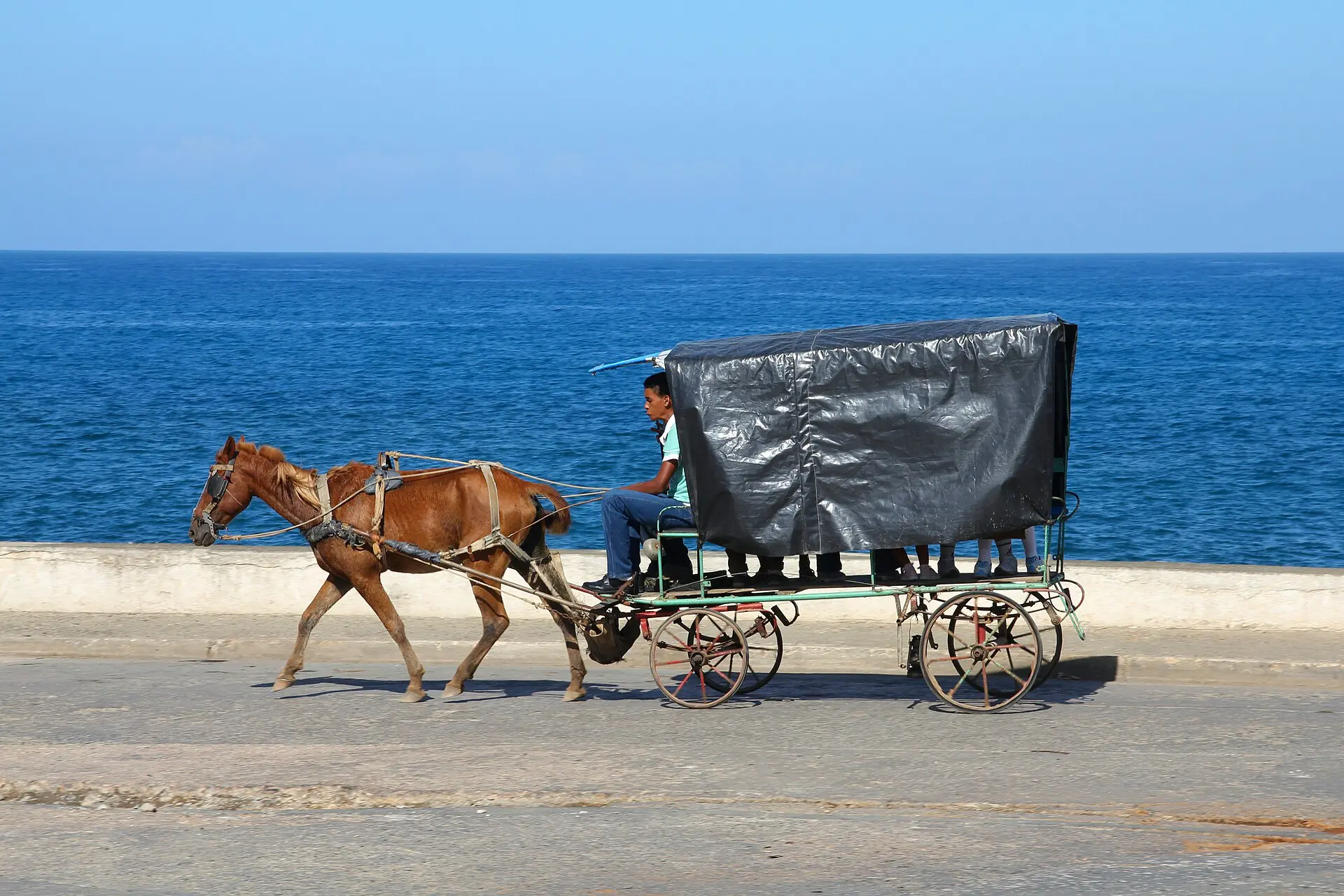
Old Havana has restored plazas, cathedrals and fortresses, while Vedado and the Malecón seafront show the city’s twentieth-century side. Allow three nights to see museums, music venues and paladares, the private restaurants.
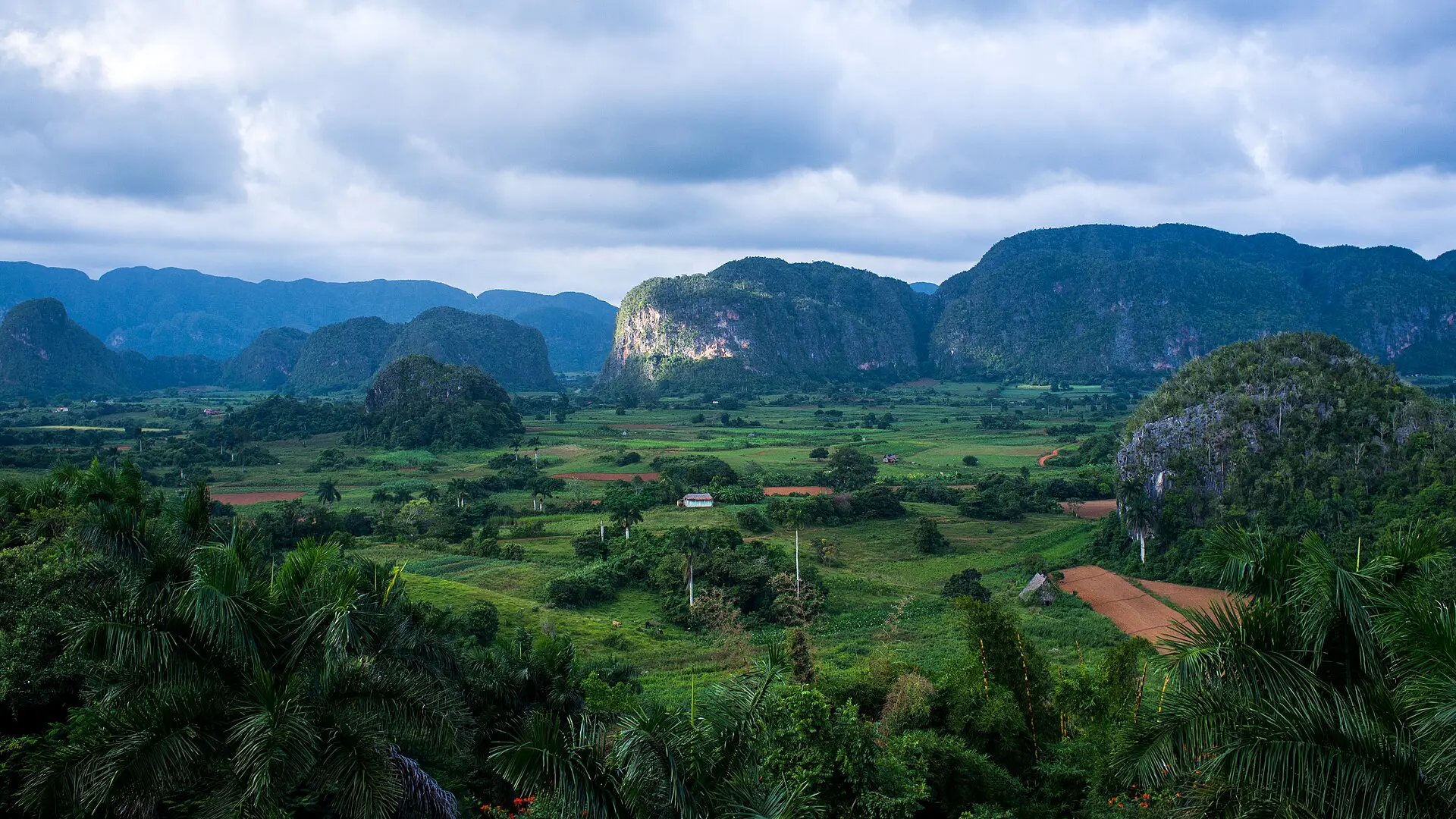
Viñales
Viñales Valley in the west is a UNESCO landscape of limestone hills called mogotes, tobacco farms and caves. Horse rides and farm visits are the main activities.
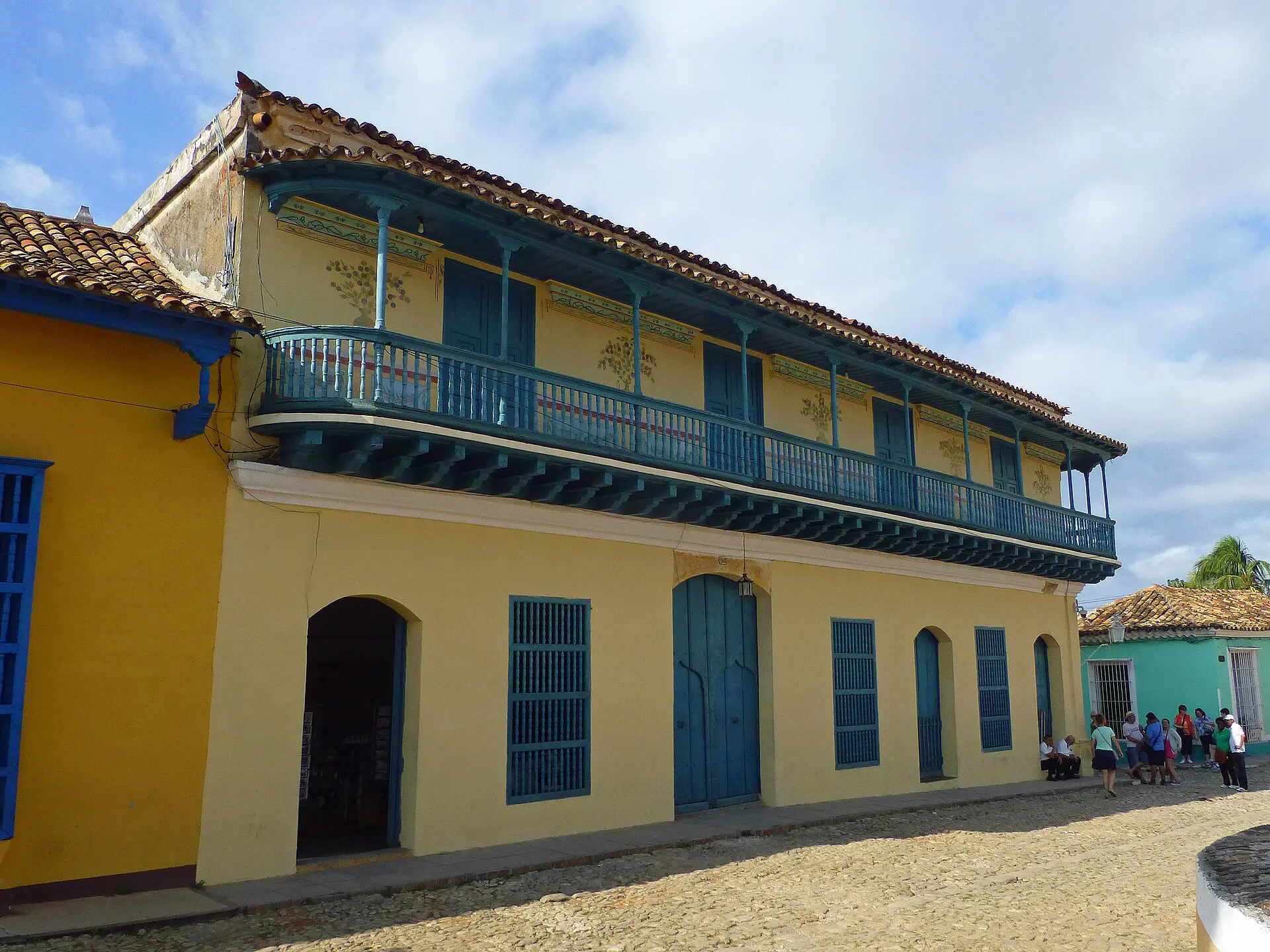
Trinidad
Trinidad is a UNESCO-listed colonial town of cobbled streets and pastel houses, with Casilda beach and the Valle de los Ingenios nearby. Two nights is comfortable.
Cienfuegos
Known as the Pearl of the South, Cienfuegos has French-influenced architecture and a bay-side promenade, and is easily combined with Trinidad.
Santiago de Cuba and Baracoa
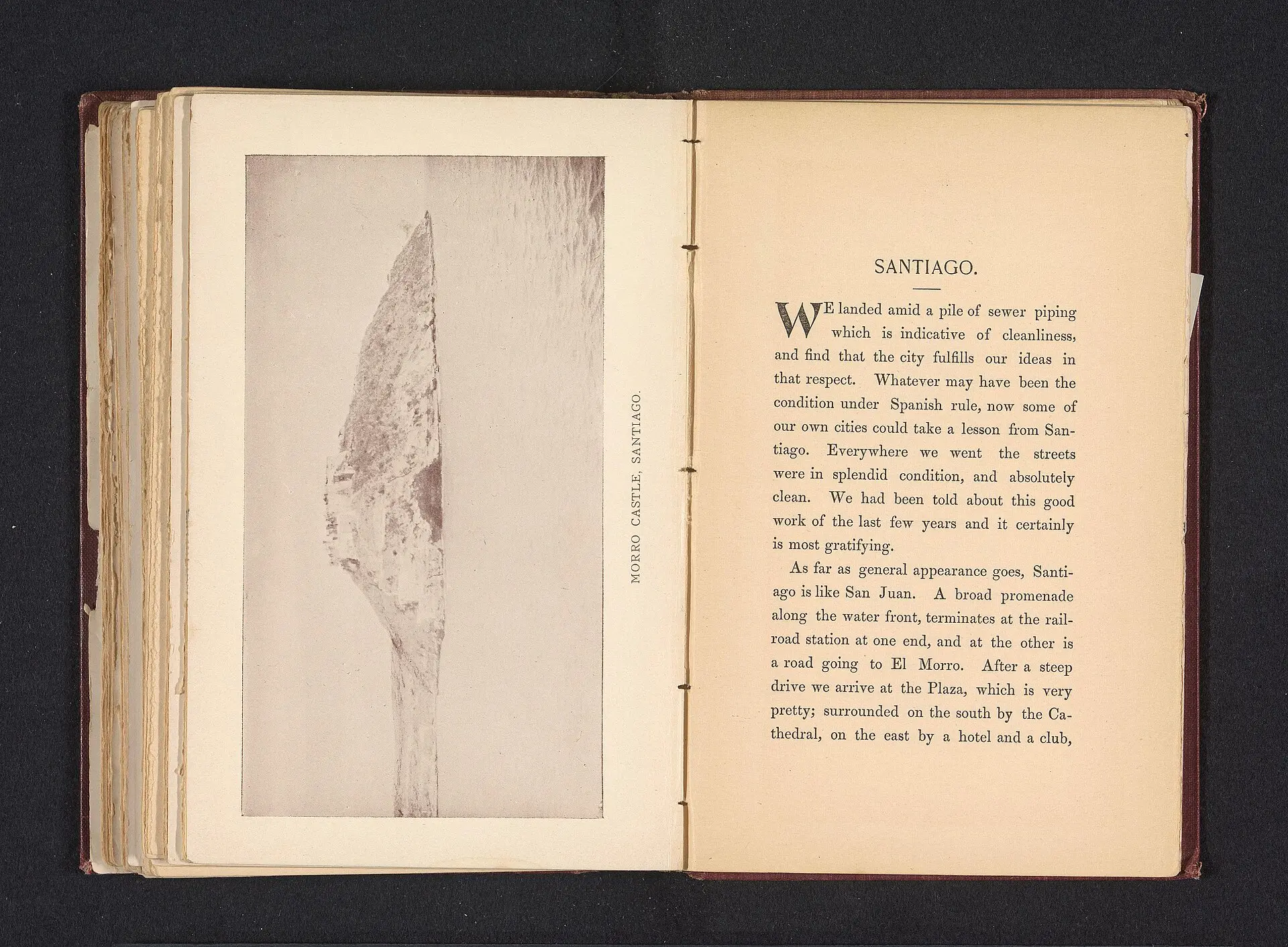
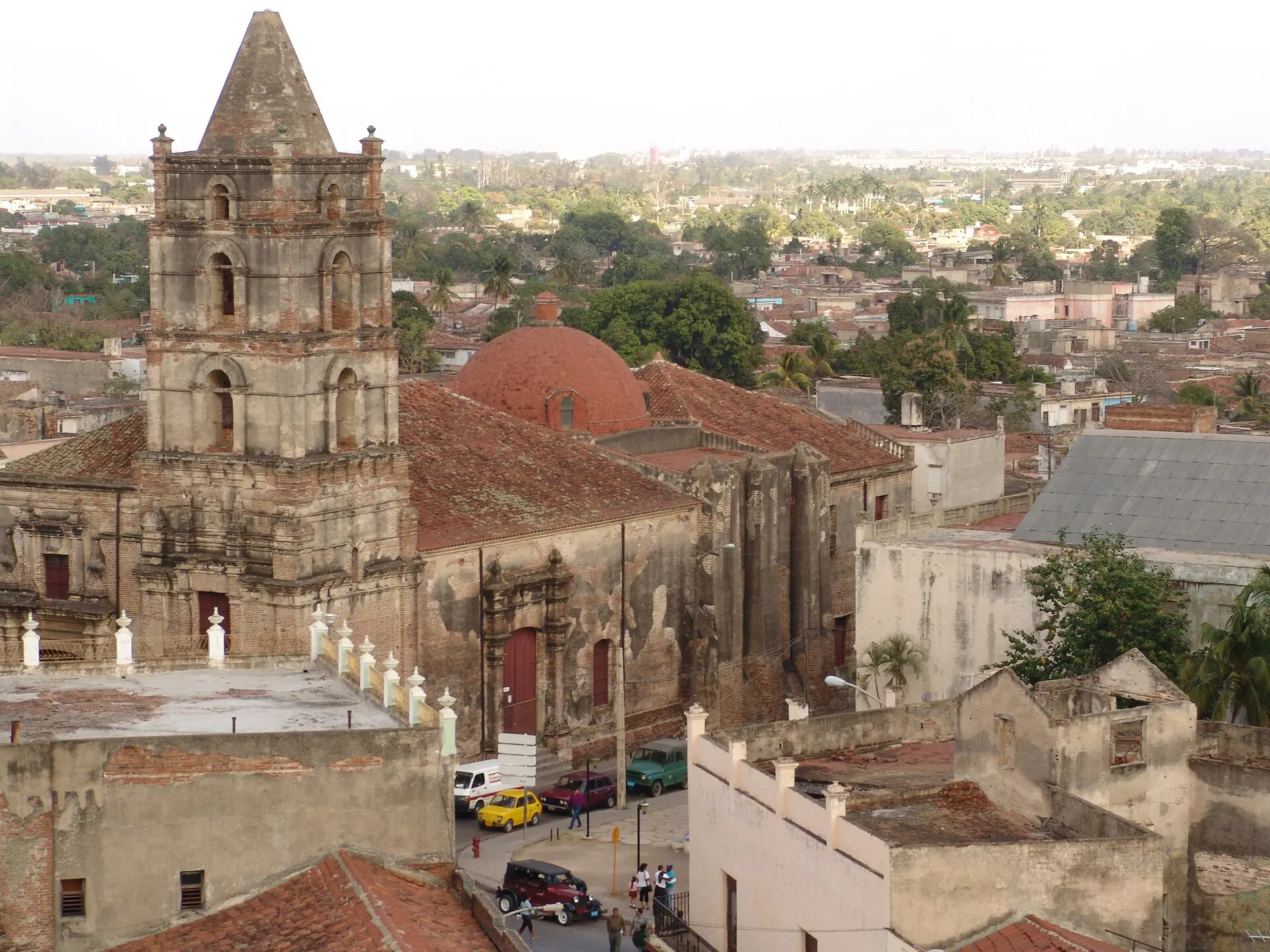
The east has Afro-Cuban music traditions, fortresses and mountain scenery. Baracoa is remote and green, known for cacao and rainforest rivers.
Varadero and the cays
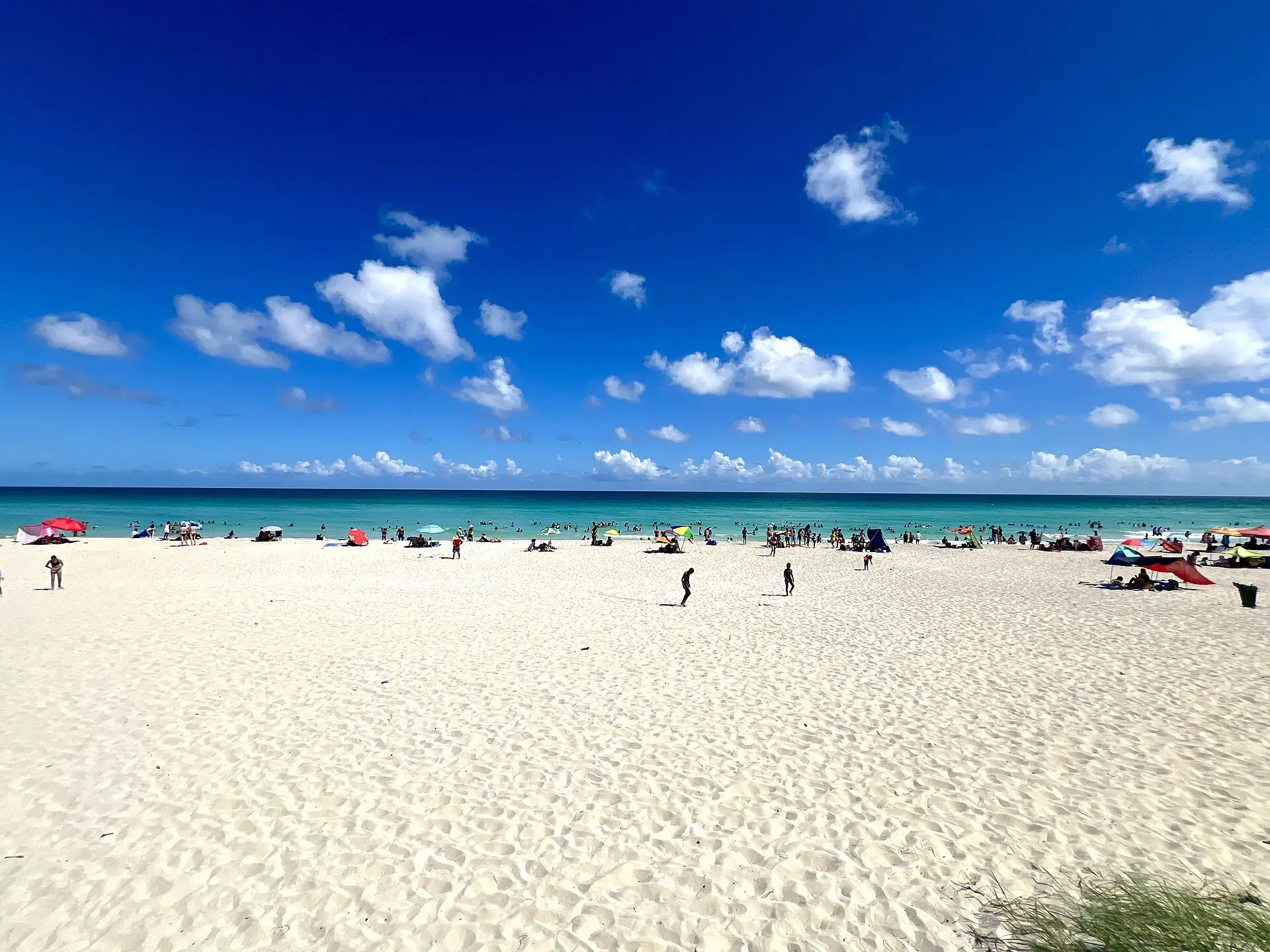
Varadero has a long white beach and large all-inclusive resorts, while Cayo Coco and Cayo Santa María offer cays reached by causeway.
Top things to do in Cuba
The top things to do in Cuba centre on streets, music and landscape, and most are low-cost once you are on the island.
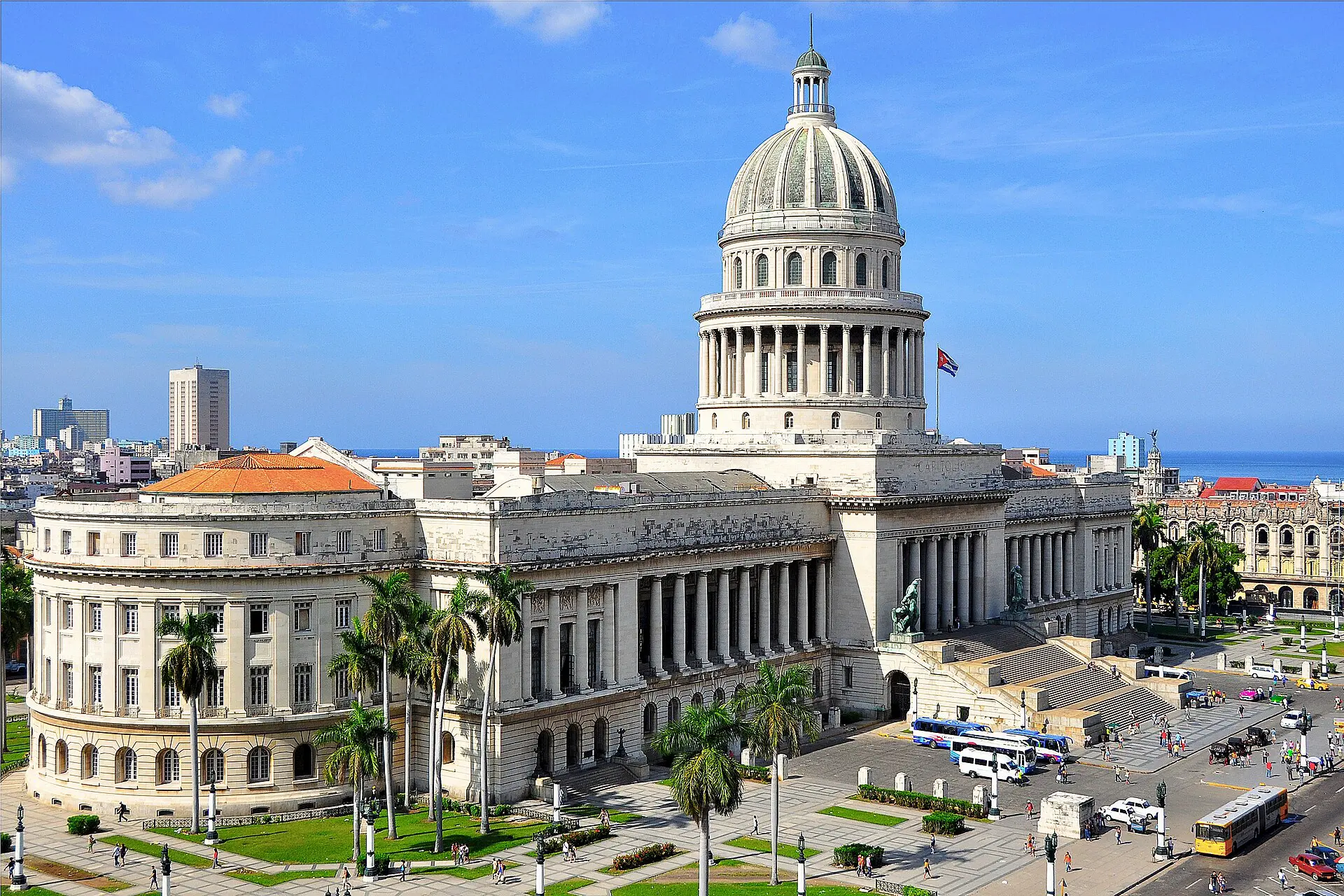
- Walk Old Havana: link Plaza Vieja, Plaza de la Catedral and the Capitolio on foot, with stops in cafés and galleries.
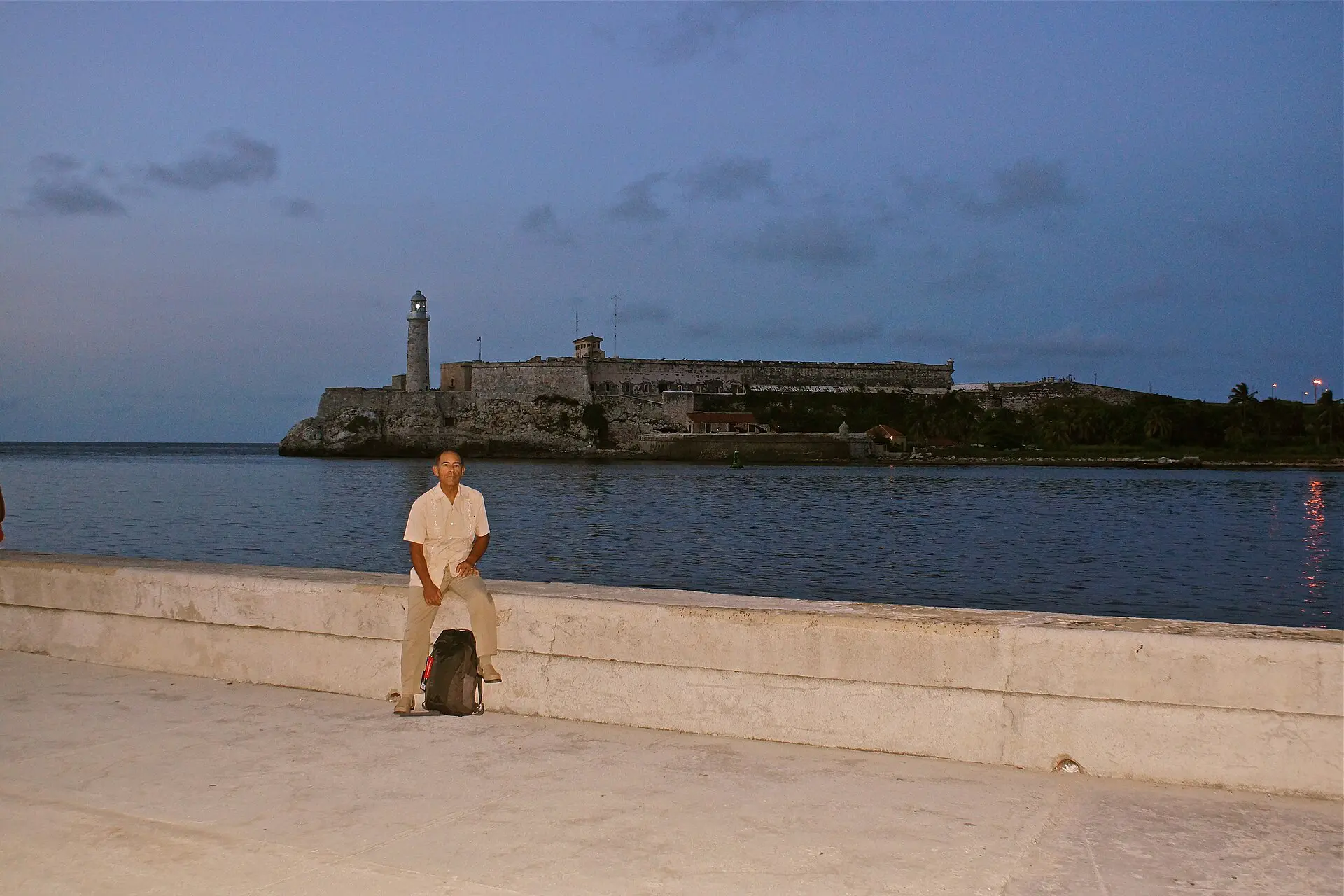
- Stroll the Malecón at sunset: the seafront promenade is where Havana’s social life plays out in the evening.
- Ride through Viñales: horse or bicycle trips visit tobacco farms, where growers explain how cigars are rolled.
- Listen to live music: son, salsa and jazz venues operate in Havana, Trinidad and Santiago nearly every night.
- Climb in Trinidad: the bell tower of the former convent offers a view over the rooftops.
- Swim at Playa Ancón or Varadero: both have long, calm white-sand beaches.
- Visit Castillo del Morro: the fortress guards Havana’s harbour, and the nightly cannon ceremony is well known.
- Take a classic car tour: pre-1960 American cars run guided city tours, with prices to agree before getting in.
- Hike in the Sierra Maestra or near Baracoa: mountain and river walks need a local guide.
- Visit Santa Clara: a monument and museum commemorates the 1958 revolutionary victory.
Best time to visit Cuba
The best time to visit Cuba is November to April, the dry season, when days are warm and sunny rather than humid, and rain is less frequent. Peak demand runs from December to March. The hot, wet months from May to October bring heat, humidity and a risk of hurricanes, particularly from August to October, but also lower prices and fewer visitors.
| Season | Weather | Crowds and prices | Good for |
|---|---|---|---|
| Nov-Apr | Dry, 24-30 C, pleasant evenings | Highest; book casas early at Christmas | Sightseeing, Viñales, beaches |
| May-Jun | Hot and humid, rain building | Moderate to low | Culture, budget trips |
| Jul-Aug | Very hot, thunderstorms, Cuban holiday crowds at beaches | Domestic crowds at coast | Music festivals, city stays |
| Sep-Oct | Peak hurricane risk, heavy rain | Lowest | Cheap trips with flexible plans |
If you travel in hurricane season, buy insurance that covers cancellation, follow national weather service warnings and keep your plans flexible.
Is Cuba safe?
Cuba is generally safe from violent crime, and most visitors have no serious problems, but petty theft, scams and infrastructure problems are common, and conditions have been difficult in recent years. Check your government’s current advice, such as the US State Department, UK FCDO or Canadian travel pages, as they are updated for blackouts, fuel shortages and other issues.
Theft and scams. Pickpocketing and bag snatching occur in Havana and Santiago. Keep valuables out of sight, and be wary of street offers of cigars, rum or restaurants, as touts take commissions and sell fakes. Agree taxi fares in advance.
Power, water and supplies. Power cuts can last many hours, and fuel, medicine and some foods can be scarce. Bring your own basic medicines, sunscreen, repellent and toiletries, and do not rely on cards or the internet.
Health. Mosquito-borne diseases such as dengue and chikungunya have affected the island, so use repellent. Medical care for visitors is available but resources are limited, and insurance with medical cover is mandatory for entry.
Weather and rules. Hurricanes affect the island from June to November, and taking photographs of military or police installations is not permitted.
Visa and entry requirements for Cuba
Entry rules depend on your nationality, and they change, so confirm the current rule with the Cuban embassy or consulate, your airline and your own government’s travel advice before booking.
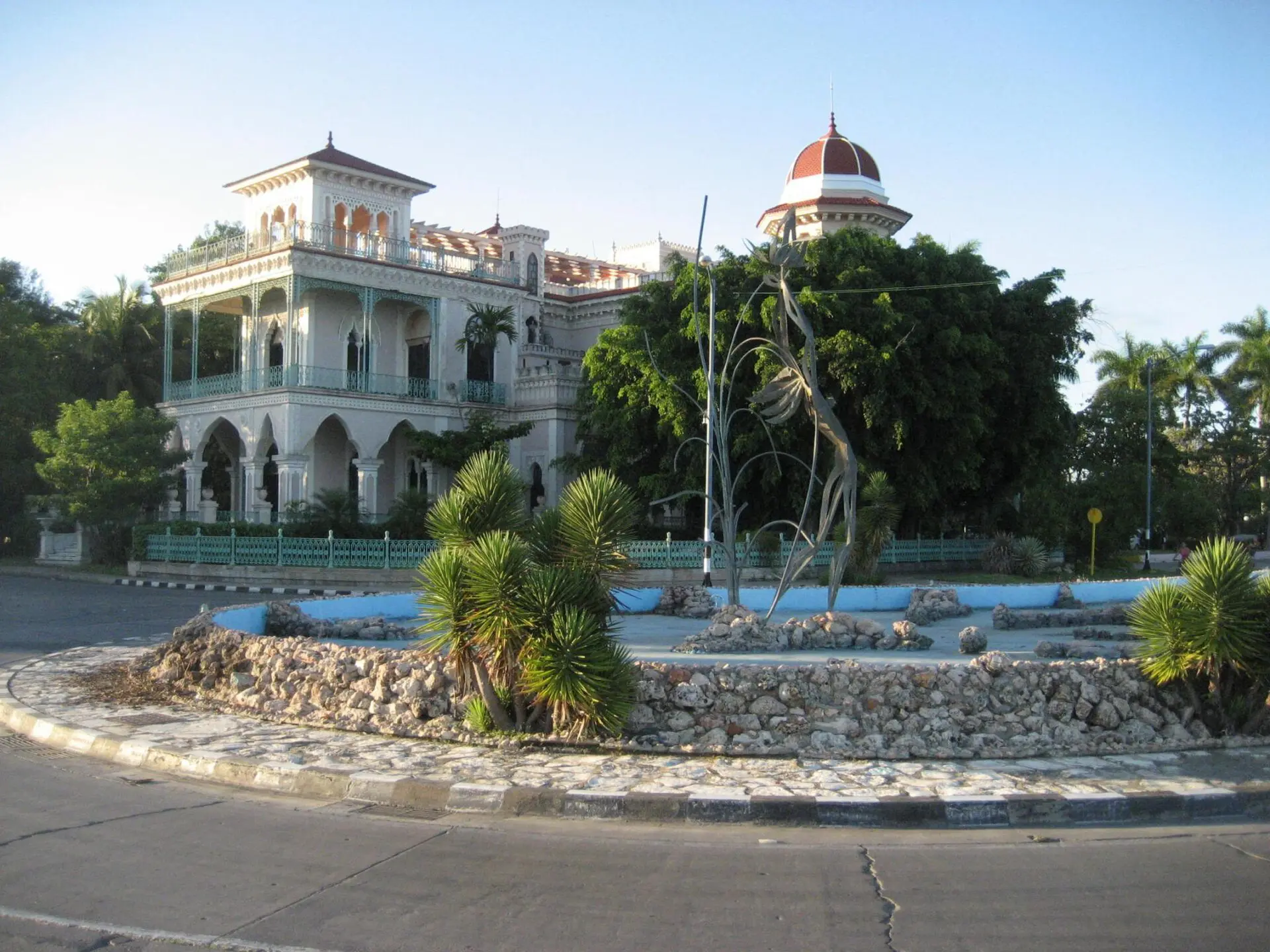
Cuba visa and tourist card
Most visitors need a Cuba visa in the form of a tourist card, often called a tarjeta del turista, which airlines or specialist agencies sell and usually covers a stay of about 30 days, with an extension possible once. Some nationalities are exempt for short stays. Travellers also generally have to complete an online health and customs declaration before arrival, and you need medical insurance valid in Cuba and a return or onward ticket.
US citizens
US travellers cannot go as ordinary tourists under US rules, and must travel under one of the permitted categories, such as family visits, educational activities or support for the Cuban people, and keep records. The US government also publishes a restricted list of businesses that Americans must avoid. Check US Treasury and State Department guidance before booking.
For heritage planning, see the UNESCO page for Cuba, though it does not cover entry rules.
Getting to and around Cuba
Most visitors arrive at José Martí International Airport in Havana, with other international airports at Varadero, Holguín, Santiago de Cuba and the cays. Flights connect to Europe, Canada, Mexico, Panama and several other Latin American cities, and schedules change often, so confirm bookings close to departure. Some US airlines fly to Cuba under authorised travel categories.
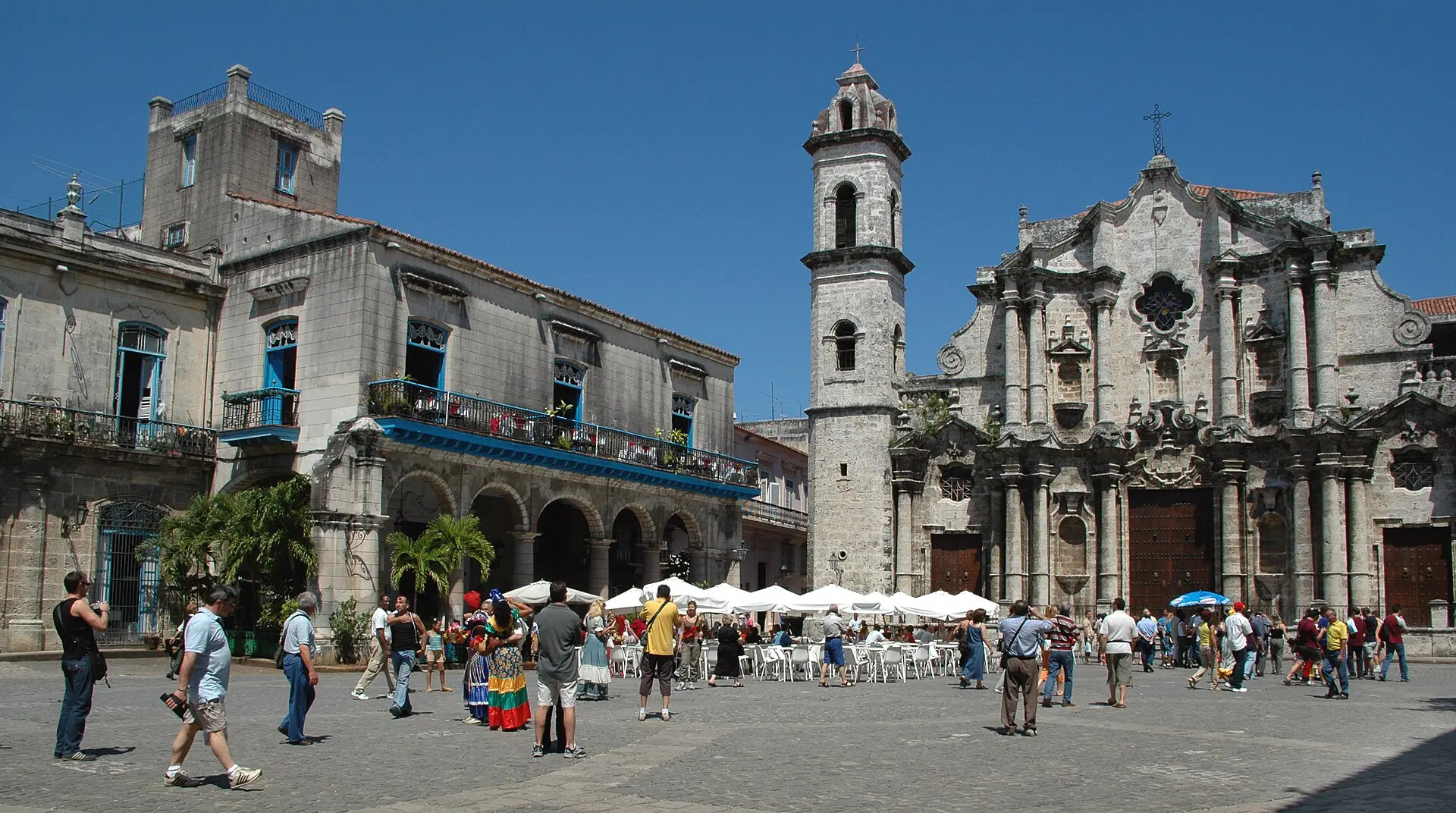
Inside Cuba, the Viazul coach company links the main tourist towns, such as Havana to Viñales in about three hours and Havana to Trinidad in roughly six to seven. Book ahead in high season, as services are limited and schedules may be reduced. Shared taxis (colectivos) are faster and more flexible, and cost more. Trains are slow and unreliable and best avoided by most visitors.
Rental cars are available but expensive, fuel is sometimes hard to find, and road signs and lighting are poor, so many visitors prefer a driver. Drive on the right. Always allow extra time for breakdowns, shortages and queues when planning onward travel.
How much does a trip to Cuba cost?
Costs in Cuba are hard to predict. The official currency is the Cuban peso (CUP), the convertible peso (CUC) was retired in 2021, and many private businesses price in US dollars or euros while the informal exchange rate differs sharply from the official one. Figures below are rough per-person guides and may change quickly.
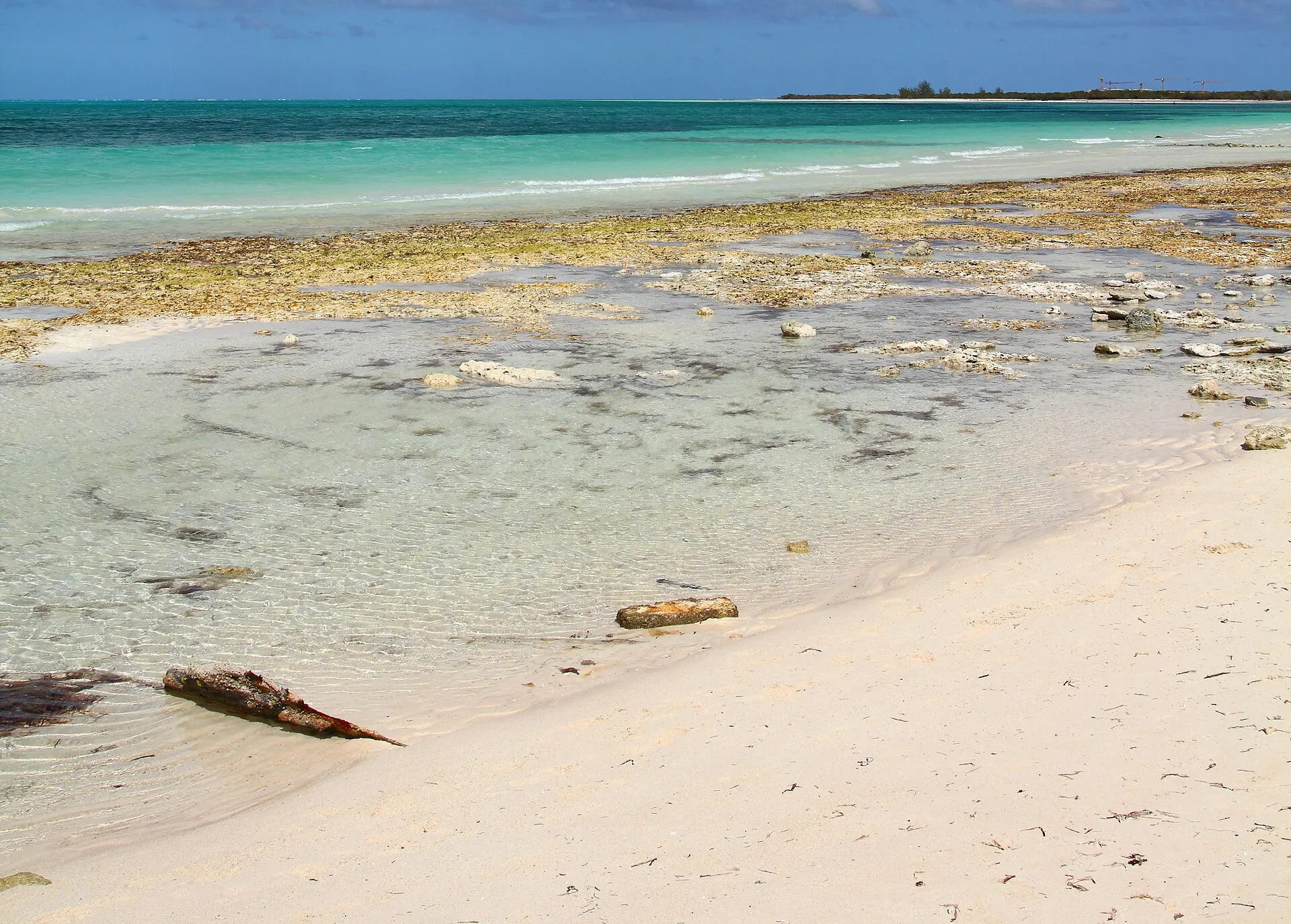
- Budget: around USD 40 to 70 per day, with a casa particular room, simple meals and local transport.
- Mid-range: around USD 70 to 140 per day, with a casa or mid-range hotel, paladar meals and occasional taxis or tours.
- High-end: from around USD 200 per day, with a good hotel, private driver and guided trips.
Cuba is not cheap for what you get, particularly food and transport for foreigners. Accommodation in a casa particular is usually the best value. Bring enough cash, preferably euros or US dollars in good condition, because foreign cards, especially those issued in the US, are often not accepted and ATMs are unreliable. Check recent traveller reports for current exchange practices.
Cuba food and drink
Cuba food is based on rice, beans, pork, chicken, root vegetables and plantain, seasoned with garlic, cumin and sour orange rather than chilli. Quality varies, and supplies are uneven, but the best meals are in private paladares and casas particulares.
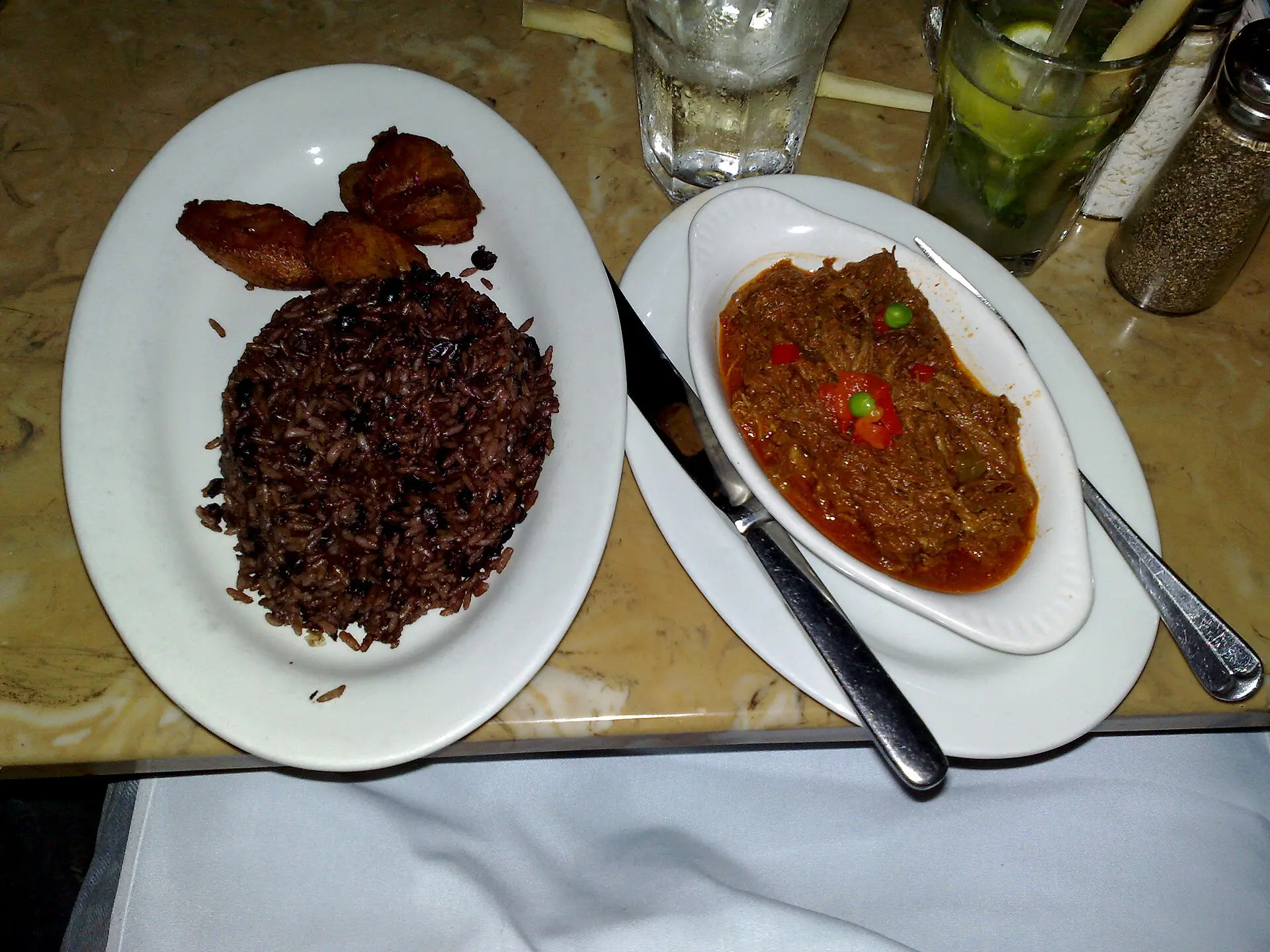
- Ropa vieja: shredded beef stewed in tomato sauce, served with rice and beans.
- Moros y cristianos: black beans and white rice cooked together.
- Lechón asado: slow-roasted pork, a celebration dish often served with yuca and mojo sauce.
- Tostones and maduros: fried green or ripe plantain.
- Cuban sandwich: ham, roast pork, cheese and pickles pressed in bread.
- Fresh seafood and lobster: common in coastal casas, but check the price before ordering.
- Mojito, daiquiri and rum: Havana Club and other local rums, and strong, sweet Cuban coffee in small cups.
Vegetarians can find rice, beans, eggs, salads and fruit, though meat appears in most dishes and options are limited outside cities. Breakfast is often included at casas, and fruit is excellent in season.
Culture, language and etiquette in Cuba
Spanish is the national language, spoken quickly and with a distinctive Caribbean accent. English is limited outside tourist businesses, so basic Spanish helps a great deal. Cubans are usually warm, curious and talkative, and conversation is a large part of daily life.
Cuban culture blends Spanish, African and Caribbean influences, most clearly in music, dance and religion. Son, rumba, salsa and jazz are everywhere, and Santería, an Afro-Cuban religion, is widely practised alongside Catholicism. Baseball is the national passion.
Cuba is a one-party state, and politics can be sensitive. Listen more than you argue, avoid criticising the government in public or on the street, and do not photograph military or police sites. Ask permission before photographing people, and tip musicians who pose. Bring small gifts such as soap, pens or medicine for hosts if you wish, but never hand out items to children on the street. Dress casually, except in churches.
Cuba itinerary: a 7-day route
This route covers the western and central classics by Viazul bus or colectivo, with limited driving and no long overnight transfers.
- Day 1, Havana: arrive, settle into a casa in Old Havana, and walk to the seafront at sunset.
- Day 2, Havana: visit the Capitolio, Plaza Vieja, the cathedral and a museum, then hear live music in the evening.
- Day 3, Havana: cross to Castillo del Morro and tour Vedado.
- Day 4, Viñales: travel about three hours west, take an afternoon ride through the valley.
- Day 5, Viñales to Cienfuegos: travel about six to seven hours by road, and arrive for dinner on the bay.
- Day 6, Trinidad: continue about one and a half hours, then explore the old town and a beach.
- Day 7, return: allow around six hours back to Havana airport, or fly from a nearer airport if available.
With more time, add Santa Clara or a few beach nights at Varadero. Schedules change, so book transport as you go and keep a buffer day before flights. Check the safety situation before you travel.
Practical tips for Cuba
- Money: bring more cash than you think you need, in euros, Canadian dollars or US dollars, because card acceptance and ATMs are unreliable. Check current exchange practices before arrival.
- SIM and internet: a local SIM or tourist data card from the state operator is possible, but speeds are slow and public Wi-Fi requires paid cards. Download maps and translation offline.
- Plugs: types A, B, C and L at 110 V or 220 V depending on the hotel, so bring a universal adapter.
- Tipping: around 10 percent is customary, and small amounts are expected for guides, drivers, musicians and bathroom attendants.
- Health: insurance is required for entry. Bring a first-aid kit, medicines, sunscreen and repellent, and carry toilet paper and hand sanitiser.
- Packing: light clothes, a rain layer, comfortable shoes for cobbles and a power bank for blackouts.
- Booking: reserve the first night and your onward bus in advance, and ask your casa host to arrange the next one.
For wider background, see the Wikivoyage Cuba guide.
FAQ
Q1What is Cuba food like?
Cuba food is hearty and mild, built on rice, black beans, pork, chicken, plantain and root vegetables. Try ropa vieja, moros y cristianos, lechón asado and a Cuban sandwich. Paladares and casas particulares generally serve better meals than state restaurants. Supplies vary, so choices can be limited.
Q2What are the best things to do in Cuba?
Top picks are walking Old Havana, riding through Viñales, exploring colonial Trinidad, hearing live son or salsa, swimming at Varadero or Playa Ancón and visiting fortresses such as El Morro. Add a classic car tour and a day in Cienfuegos if time allows.
Q3Is Cuba safe?
Violent crime is low, but petty theft, scams, power cuts and shortages are common, and healthcare is limited. Keep valuables hidden, carry cash and medicines, buy insurance and check your government's current travel advice before booking, as conditions change.
Q4Do I need a visa for Cuba?
Most visitors need a tourist card, which functions as the Cuba visa, plus an online customs and health form and medical insurance. Some nationalities are exempt for short stays. US citizens must travel under a permitted category. Confirm current rules with official sources.
Q5What is the best time to visit Cuba?
November to April is best, with dry, sunny weather and lower humidity, though it is also the busiest and priciest period. May to October is hot and rainy, with hurricane risk from August to October, but cheaper and quieter.
Q6What are the best places to visit in Cuba?
Havana, Viñales and Trinidad form the classic trio, with Cienfuegos, Santa Clara and Varadero as easy additions. In the east, Santiago de Cuba and Baracoa offer music, fortresses and rainforest, but need more time and slower transport.
Q7How much does a trip to Cuba cost?
Budget roughly USD 70 to 140 per person per day mid-range, with a casa particular, paladar meals and some taxis or tours. Backpackers can spend around USD 40 to 70. Exchange rates and prices change often, so check recent traveller reports and bring cash.