Why visit Antigua and Barbuda
The list of things to do in Antigua and Barbuda begins with the water, but the country offers more than beaches. The two main islands cover about 442 square kilometres in the Caribbean’s Leeward Islands, and Antigua alone has hundreds of coves, reef-lined bays and sheltered sailing harbours, while Barbuda, to the north, is flat, quiet and ringed by miles of sand (see the Wikipedia overview). The capital, Saint John’s, sits on Antigua’s northwest coast.
The country suits couples, families, sailors and anyone who wants an easy, English-speaking Caribbean holiday with some history. Antigua’s Georgian naval heritage is unusually well preserved, and a slower, wilder side exists on Barbuda. It is less suited to travellers on a very tight budget, since most hotels and restaurants are priced for the international market.
Best places to visit in Antigua and Barbuda
The best places to visit in Antigua and Barbuda are close together, with most of Antigua reachable within an hour by road.
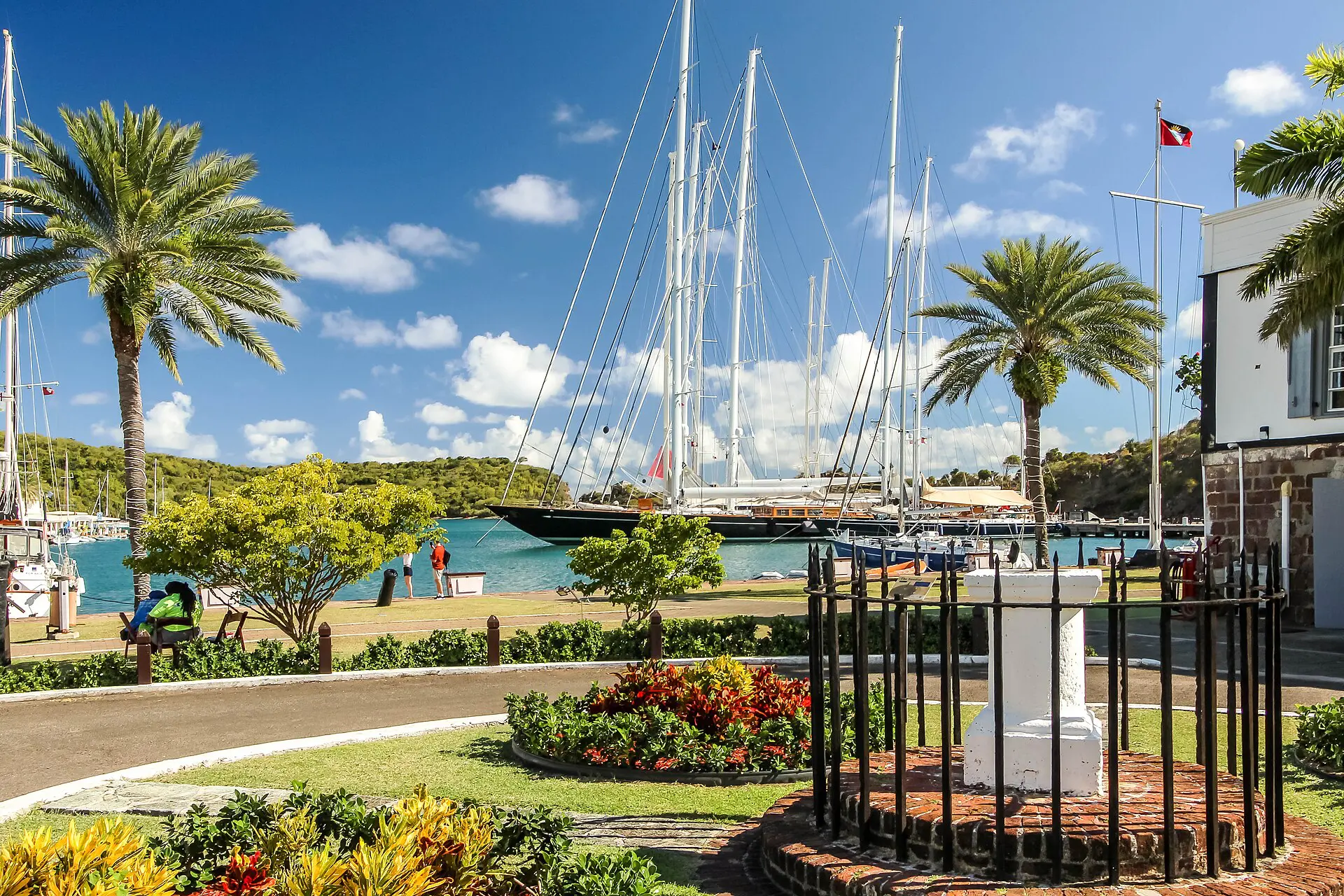
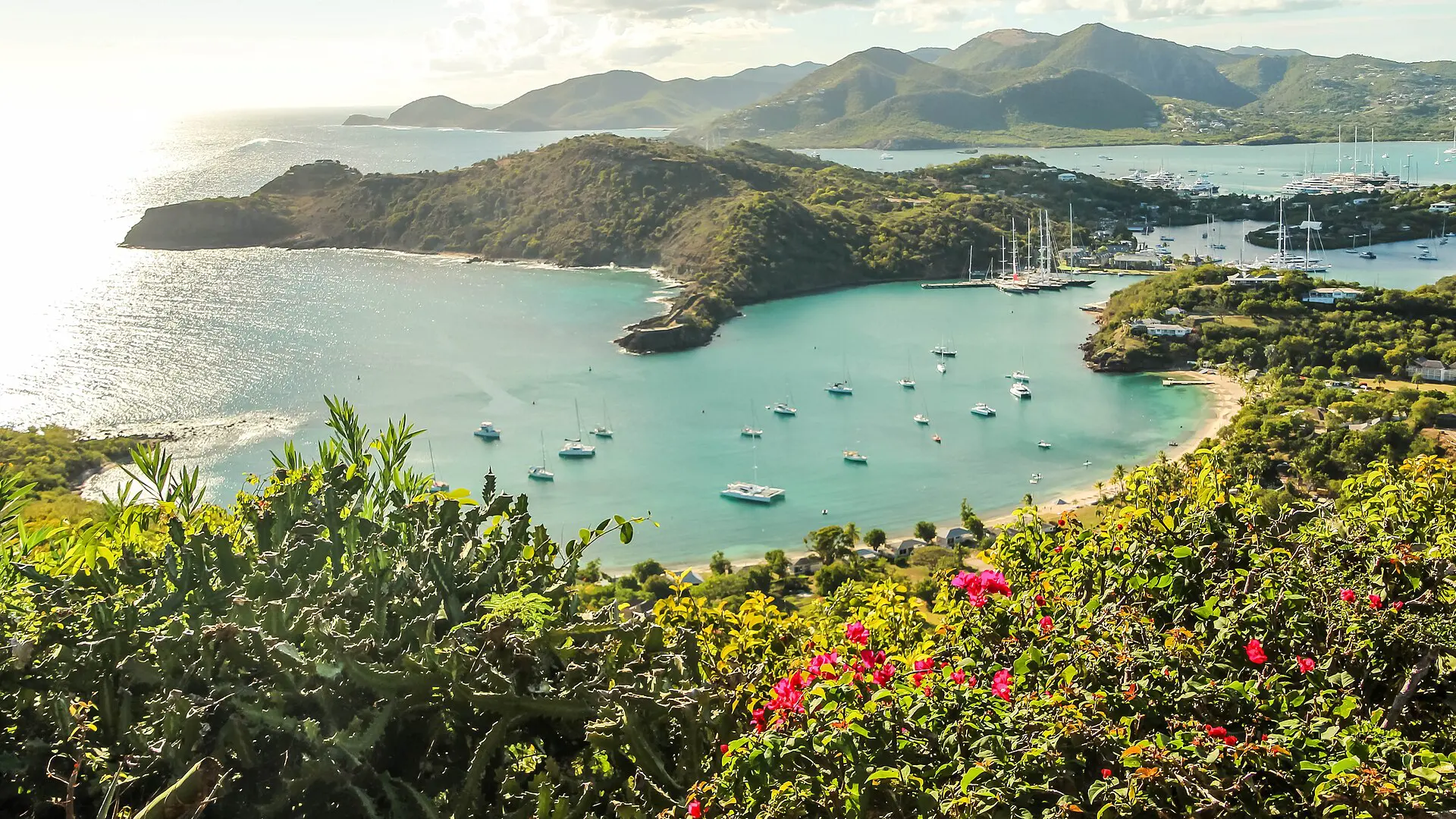
English Harbour and Falmouth
The centre of Antigua’s sailing scene and home to Nelson’s Dockyard, a restored Georgian naval base and UNESCO World Heritage site. Marinas, cafes and walking trails fill the area, and Shirley Heights is a short drive above.
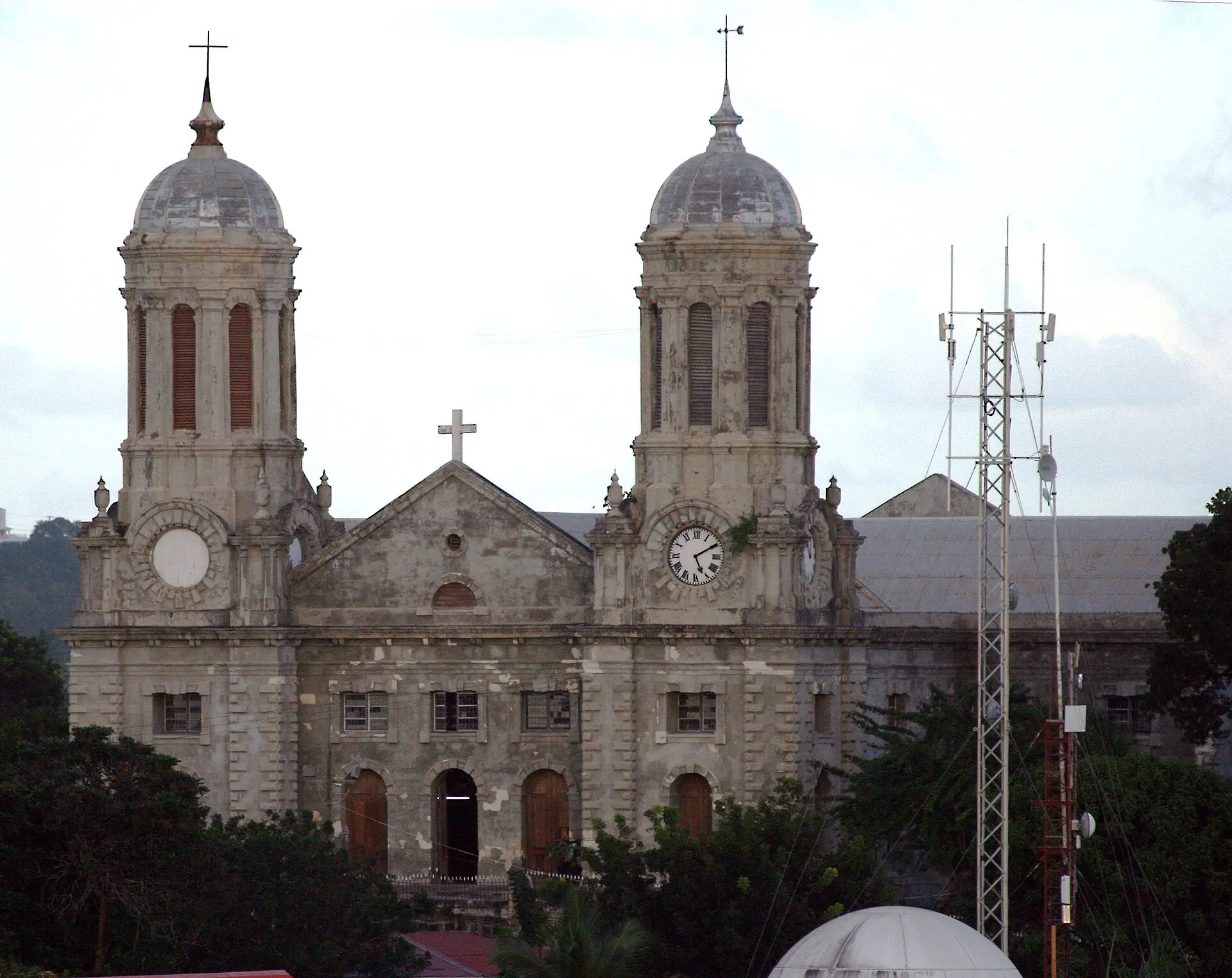
Saint John’s
The capital has a small museum, the twin-towered cathedral, a lively market and the main cruise port at Heritage Quay.
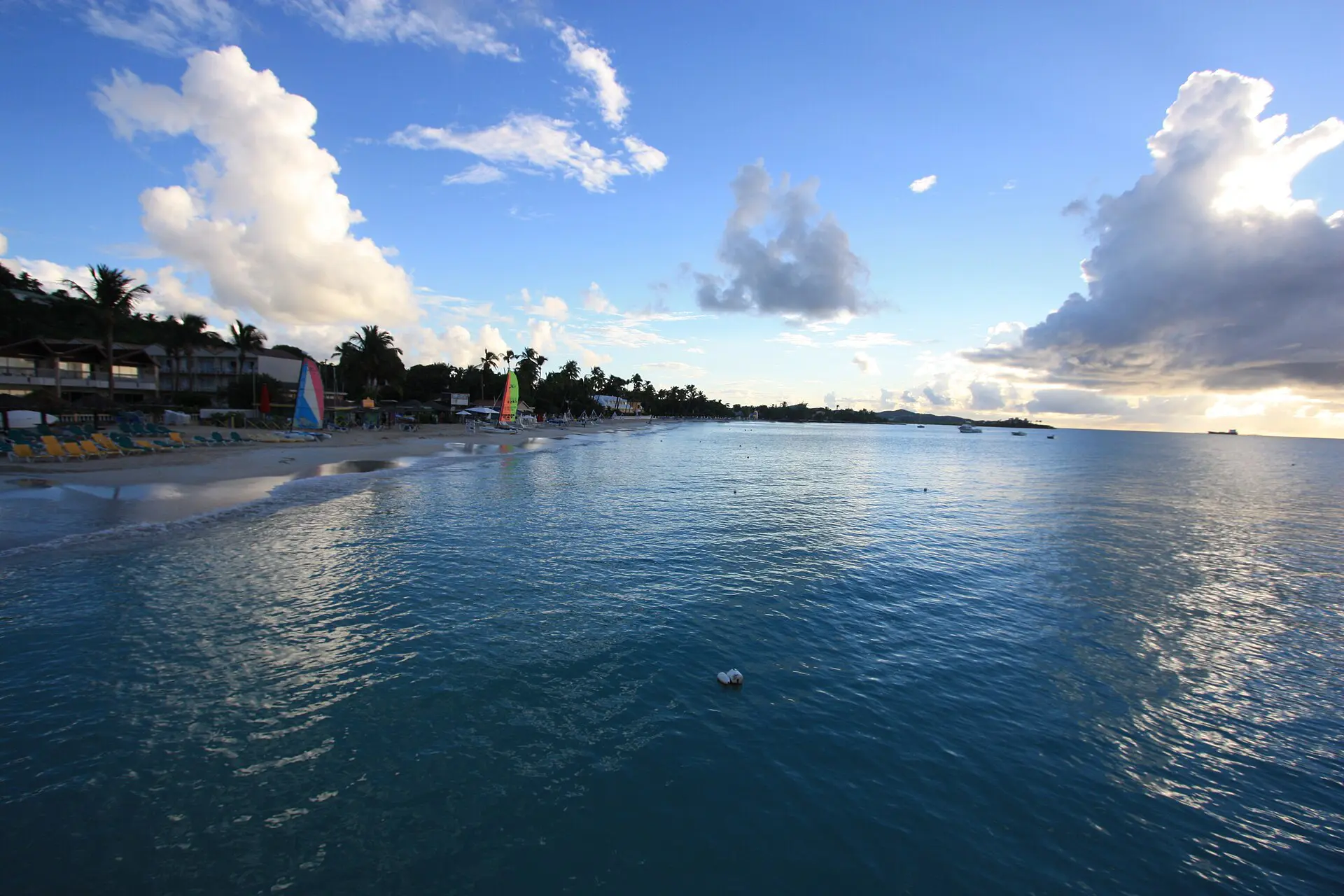
Dickenson Bay and the northwest
A long, calm beach with many hotels, water sports and beach bars, close to the airport and the capital.
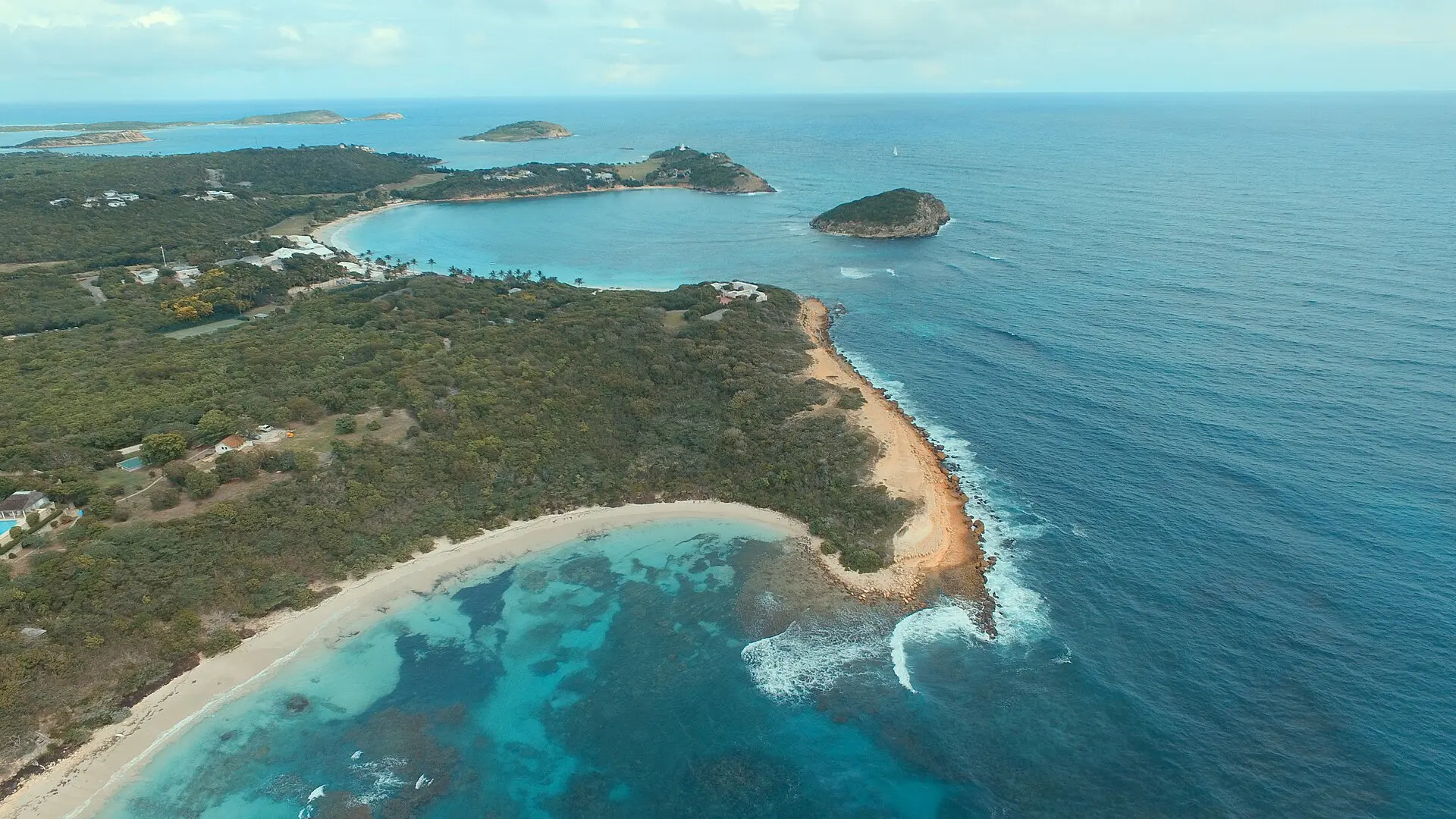
Half Moon Bay and the southeast
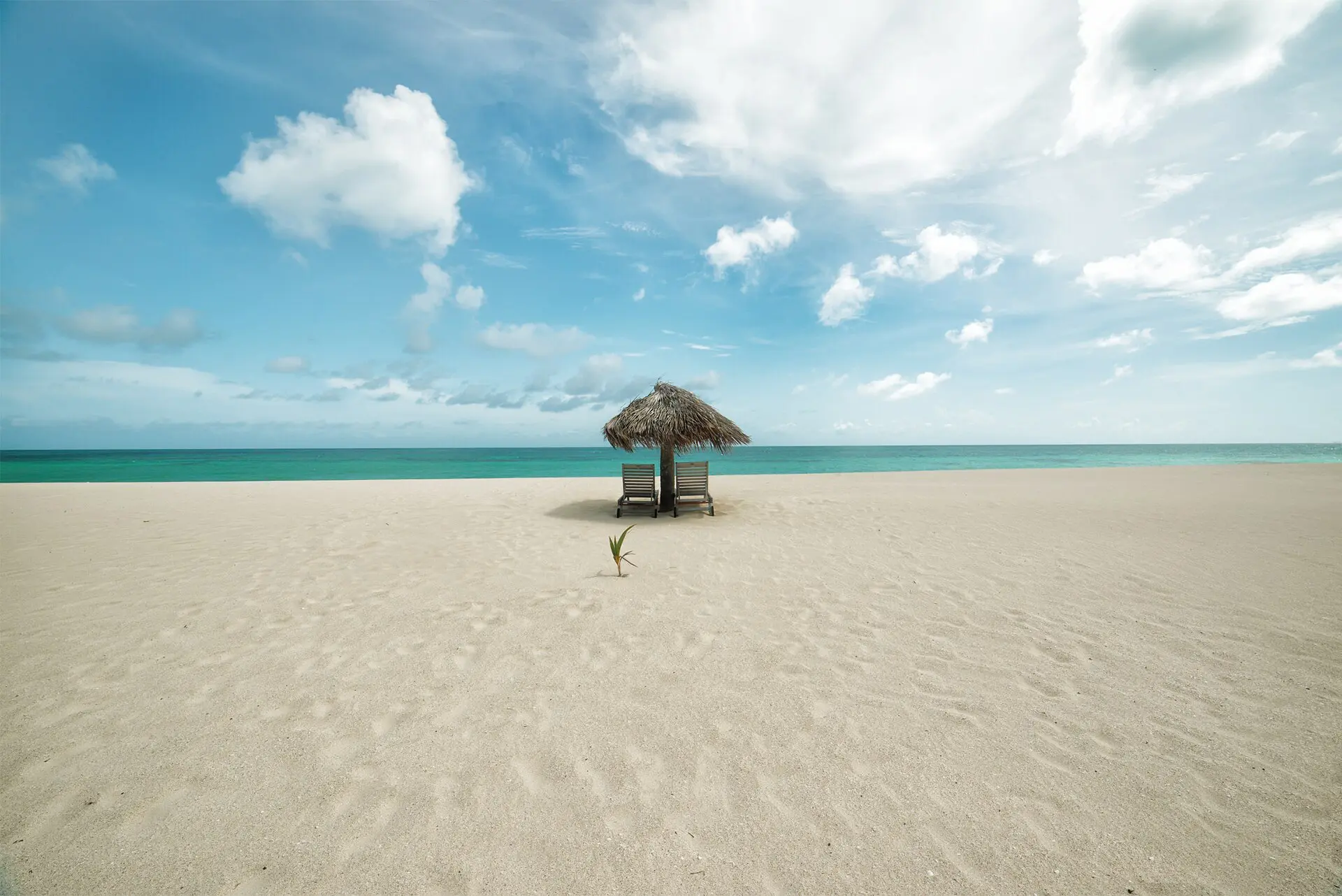
A crescent of sand on the Atlantic side, with bigger waves and quieter surroundings than the Caribbean coast. Devil’s Bridge, a natural limestone arch, is nearby.
Barbuda
A low coral island reached by ferry or a short flight, famous for its pink-tinged sand and the Frigate Bird Sanctuary. Facilities are basic, and the island was heavily damaged by Hurricane Irma in 2017.
Things to do in Antigua and Barbuda
Things to do in Antigua and Barbuda are mostly outdoors, with enough history and food to fill rainy or windy days.
- Tour Nelson’s Dockyard: explore the Georgian buildings, museum and marina of this UNESCO site (see the UNESCO page for Antigua and Barbuda).
- Watch sunset at Shirley Heights: the lookout has long views over English Harbour, and Sunday evenings bring a lively barbecue and steel band.
- Swim at Half Moon Bay or Dickenson Bay: choose calm Caribbean-side beaches for easy swimming.
- Hike the Pillars of Hercules or Wallings forest: short trails offer coastal views and rainforest.
- Visit Devil’s Bridge: watch waves blast through blowholes at the limestone arch.
- Take a catamaran or sailing trip: day sails often include snorkelling and a beach lunch.
- Snorkel or dive: reefs and wrecks off the north and east coasts suit both beginners and certified divers.
- Go to Barbuda for a day: a pink-sand beach and the frigate bird colony are the main draws.
- Explore Saint John’s: visit the museum, market and cathedral on a half day.
- Drive Fig Tree Drive: a scenic road through the island’s green southwest hills.
Best time to visit Antigua and Barbuda
The best time to visit Antigua and Barbuda is December to April, when it is dry, sunny and breezy, with the lowest hurricane risk. Prices peak from mid-December to March. The Atlantic hurricane season runs from June to November, and August to October is the riskiest period, so book flexible rates and insurance if you travel then.
| Season | Weather | Crowds and prices | Good for |
|---|---|---|---|
| Winter (Dec-Mar) | Dry, 26 to 30 C, steady trade winds | Highest prices, busiest | Beaches, sailing, Shirley Heights |
| Spring (Apr-May) | Warm and mostly dry | Falling; Sailing Week brings crowds in late April | Yacht events, snorkelling, lower rates |
| Summer (Jun-Jul) | Hot and humid, showers | Lower; Carnival in late July | Culture, festivals, budget stays |
| Autumn (Aug-Nov) | Hot, wettest, hurricane peak | Lowest; some hotels close | Value hunters with flexible plans |
Sea temperatures stay warm all year. Check forecasts closely if you are travelling in the hurricane season.
Is Antigua and Barbuda safe?
Yes, Antigua and Barbuda is generally safe for visitors, and most trips pass without incident. The main concerns are petty theft, occasional crime outside tourist areas, driving on the left and tropical weather. Check your government’s current advice, such as the UK FCDO or US State Department pages, before booking.
Theft and personal safety. Do not leave valuables on beaches or visible in parked cars, lock your room, and avoid isolated areas at night. Use licensed taxis or ones arranged by your hotel.
Hurricanes. The season runs from June to November, with the peak from August to October. Hurricane Irma badly damaged Barbuda in 2017. Buy insurance, follow local warnings and know your hotel’s plan.
Sea and sun. Currents on Atlantic-facing beaches can be strong, so swim on calmer Caribbean-side bays. Sun is intense, and manchineel trees, which have toxic fruit and sap, grow near some beaches.
Roads. Traffic drives on the left, roads are narrow with potholes and few streetlights, and signs can be poor.
Health. Tap water is treated, but many visitors prefer bottled, and mosquito-borne illnesses such as dengue occur.
Antigua and Barbuda visa and entry requirements
Entry rules depend on your nationality. Many visitors, including citizens of the United States, Canada, the UK and most EU countries, have generally been able to enter without a visa for short tourist stays, while some nationalities need a visa in advance. Confirm the current rule for your passport with the official government immigration source or an embassy, since requirements change.
Bring a passport valid for the length of your stay, and often for at least six months, a return or onward ticket and your accommodation details. Some travellers must complete an online immigration or customs form before arrival, and health requirements, such as a yellow fever certificate for those arriving from certain countries, may apply.
Visitors who rent a car will need a temporary local driving permit, normally issued through the rental company, in addition to a valid home licence. Cruise passengers follow the same entry rules as air arrivals, though processing is simpler. Always check current rules before you travel, because Caribbean entry requirements have changed frequently in recent years.
Getting to and around Antigua and Barbuda
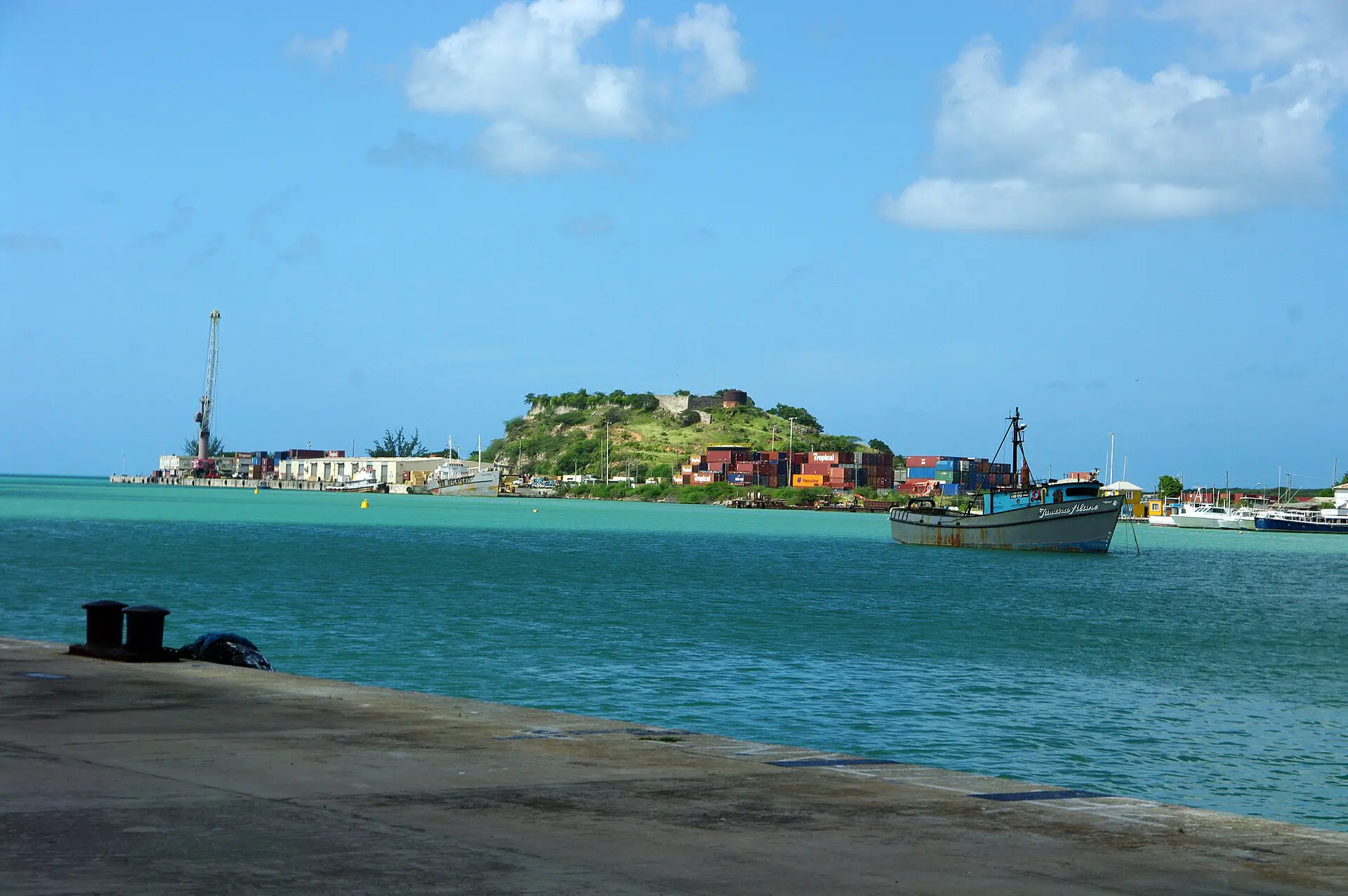
Most visitors arrive at V. C. Bird International Airport on Antigua, which has direct flights from North America and the UK and connections via Caribbean hubs. Cruise ships dock at Saint John’s. Barbuda is reached by a ferry from Antigua, which takes roughly 90 minutes, or by a short flight of about 20 minutes. Schedules vary, so check ahead.
On Antigua, taxis have regulated fares set by the government but few are metered, so agree the price first. Local minibuses run between Saint John’s and the main villages but are infrequent and do not cover many beaches. Renting a car is the best way to explore, though you will need a temporary permit, and traffic drives on the left.
Distances are short: the airport to English Harbour takes around 40 to 50 minutes, and Saint John’s to Half Moon Bay takes about an hour. On Barbuda, most people rely on a local guide with a vehicle. Boat charters and day sails give a different view of the coast.
How much does a trip to Antigua and Barbuda cost?
Antigua and Barbuda is not a budget destination. The currency is the Eastern Caribbean dollar (XCD), pegged to the US dollar at about 2.7 to 1, and US dollars are widely accepted. Figures below are rough per-person guides for 2026 in USD, and peak season is December to March.
- Budget: around USD 90 to 150 per day, with a guesthouse or apartment, self-catering, buses and free beaches.
- Mid-range: around USD 180 to 320 per day, with a hotel, restaurant meals, a rental car or taxis and a boat trip.
- High-end: from around USD 500 per day, with luxury resorts, private charters and fine dining.
Accommodation is the main cost, and prices drop in the off-season. Many items are imported, so groceries and restaurant meals cost more than in North America. Car hire, taxis and organised tours add up, so group them. Some resorts add service charges and taxes of 20 percent or more.
Antigua and Barbuda food and drink
Antigua and Barbuda food is Caribbean home cooking with African, British and Creole roots. Seafood is fresh, and Barbuda is known for lobster and conch. Look for local beach shacks and Saint John’s market stalls for the best value.
- Ducana and saltfish: a sweet potato and coconut dumpling served with stewed salted cod, often called the national dish.
- Pepperpot: a stew of meat and greens, such as callaloo, eaten with fungee.
- Fungee: a cornmeal paste similar to polenta, served with soups and stews.
- Goat water: a spiced goat stew traditionally cooked for celebrations.
- Antigua black pineapple: a small and exceptionally sweet local variety that is sold in season.
- Grilled lobster and fish: catch of the day with rice and peas.
- Rum punch and Wadadli beer: English Harbour distillers produce aged rum, and Wadadli is the local lager.
Vegetarians can find dishes such as rice and peas, plantain and salads, though broths often contain meat. Many restaurants add a service charge, so check your bill before tipping.
Culture, language and etiquette in Antigua and Barbuda
English is the official language, and the local Antiguan Creole is spoken informally, so visitors can communicate easily. Most residents descend from enslaved Africans brought to work the sugar plantations, and the legacy shows in music, food and festivals. Antigua was a British colony until independence in 1981, and cricket is a national passion, with Sir Viv Richards honoured as a local hero.
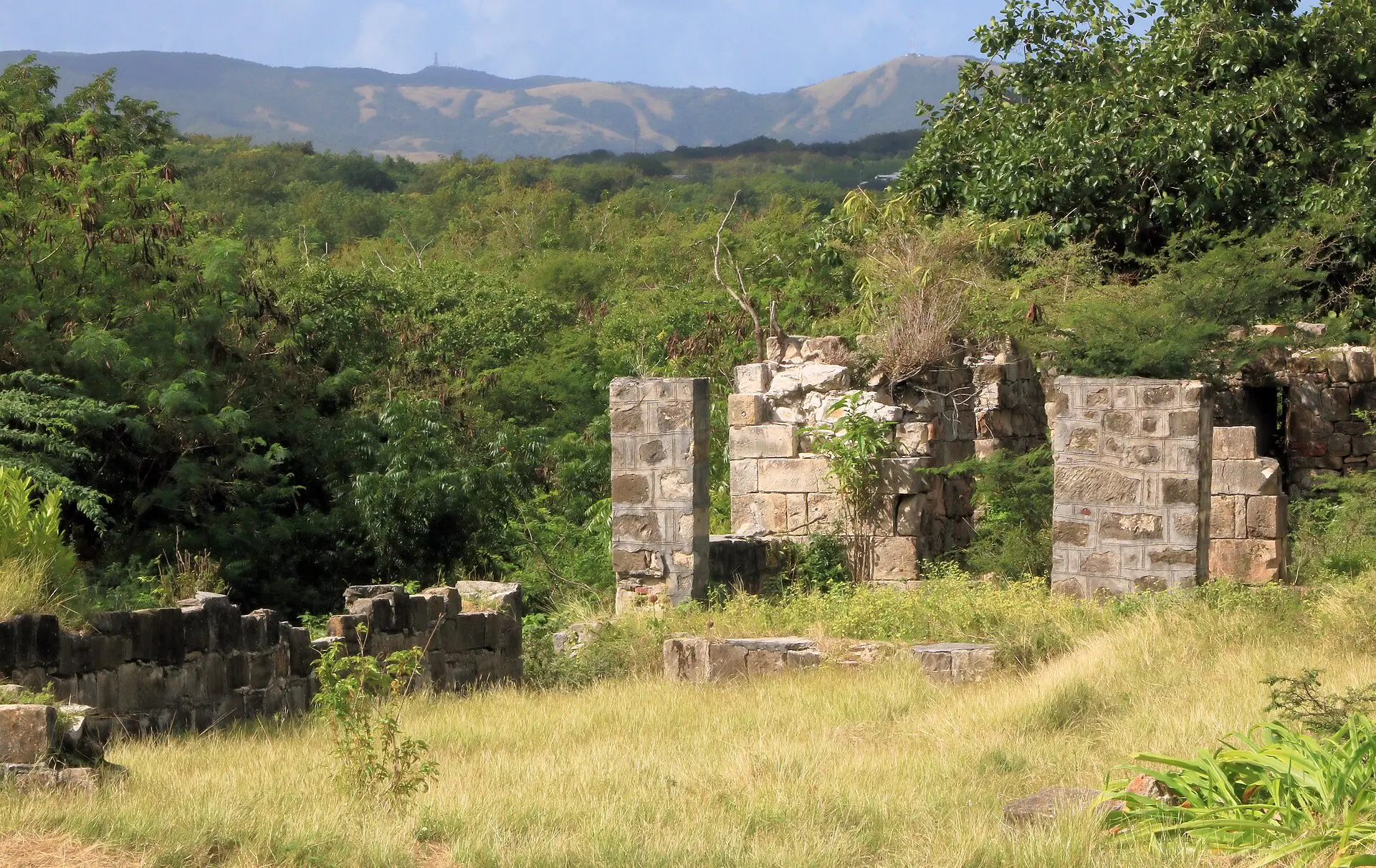
Carnival, held in late July and early August, is the main cultural event, with calypso, steel bands and parades. Sailing Week in spring and the classic yacht regatta add to the maritime calendar. Sunday barbecue at Shirley Heights is a popular mix of locals and visitors.
Manners are polite and relaxed. Greet people with good morning or good afternoon before asking a question, and ask before photographing individuals. Cover up when leaving the beach for shops, restaurants and churches, because swimwear in town is frowned on, and camouflage clothing is illegal for civilians. Locals value respect and courtesy, and bargaining is not customary outside craft markets.
Antigua and Barbuda itinerary: a 7-day route
This route keeps drives short by basing you on the south coast near English Harbour, with a day trip to Barbuda.
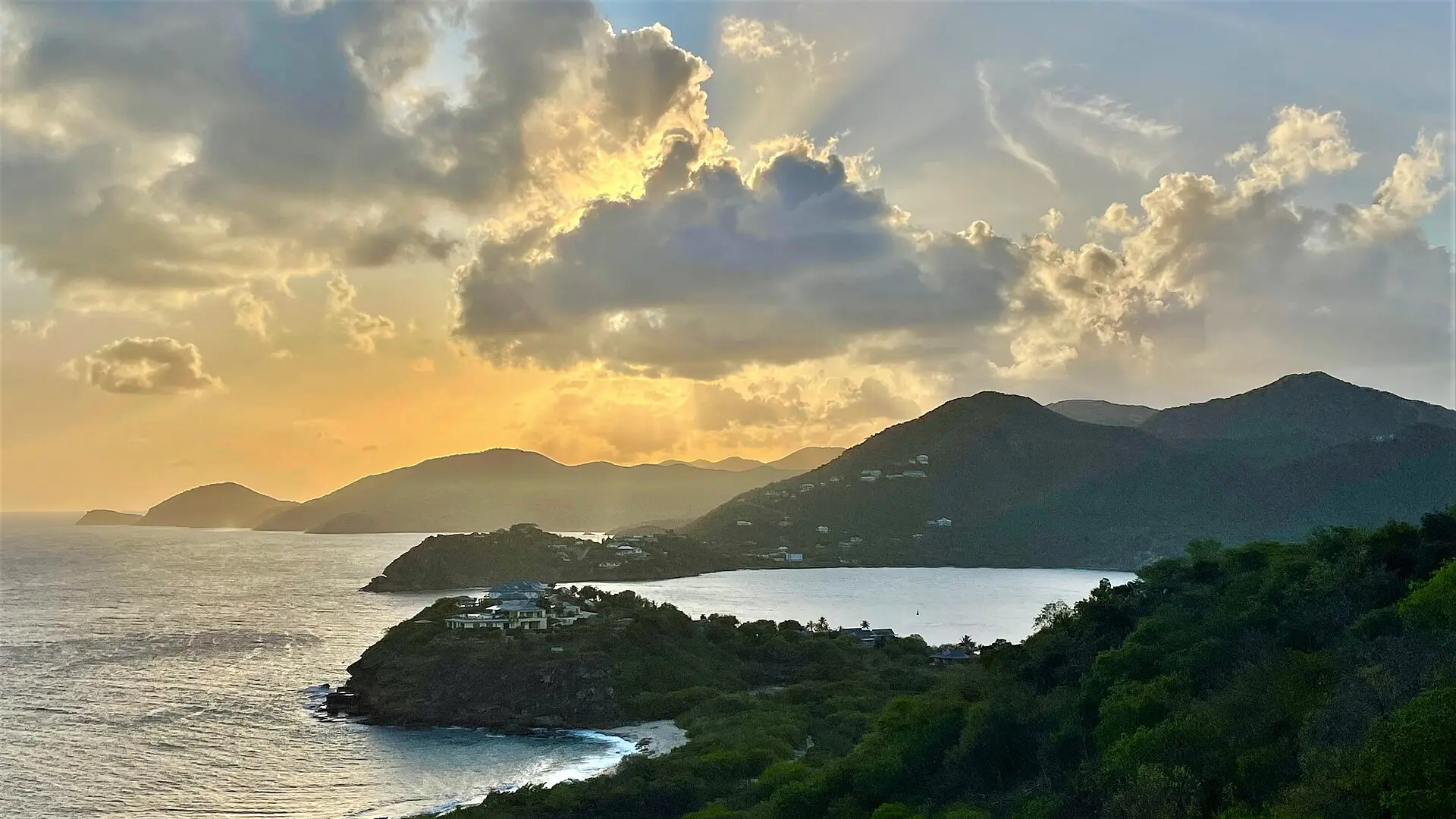
- Day 1, arrival: fly into V. C. Bird airport, then settle in and swim at your nearest beach.
- Day 2, Saint John’s: visit the cathedral and museum, browse the market and walk the waterfront at Heritage Quay.
- Day 3, English Harbour: tour Nelson’s Dockyard in the morning, then hike or drive up to Shirley Heights for sunset.
- Day 4, Southwest coast: drive Fig Tree Drive and spend the afternoon on a quiet beach.
- Day 5, Barbuda: take the early ferry or a short flight, see the pink sand and the frigate birds, and return in the evening.
- Day 6, Sailing day: join a catamaran trip with snorkelling and lunch.
- Day 7, East coast and departure: visit Devil’s Bridge and Half Moon Bay, then allow time to reach the airport.
For a shorter stay, drop the Barbuda day. In the hurricane season, keep a flexible plan.
Practical tips for Antigua and Barbuda
- Money: the Eastern Caribbean dollar is the currency, with US dollars widely accepted. ATMs and cards are common in Antigua but less so in Barbuda, so carry some cash.
- SIM and eSIM: local prepaid SIMs and eSIMs are available, and roaming from North America can be costly, so check your plan.
- Plugs: types A and B at 120 V, as in North America. Some sockets differ, so a universal adapter helps.
- Tipping: 10 to 15 percent in restaurants if service is not already added.
- Health: bring insurance, sunscreen, reef-safe if possible, and insect repellent. Sea urchins live on some reefs.
- Packing: light clothing, swimwear, a rain jacket for showers, water shoes and a hat.
- Driving: drive on the left, allow extra time on narrow roads and get your temporary licence from the rental company.
- Booking: reserve hotels early for December to March and check ferry times for Barbuda.
For wider background, see the Wikivoyage Antigua and Barbuda guide.
FAQ
Q1What are the best things to do in Antigua and Barbuda?
Top things to do are touring Nelson's Dockyard, watching sunset at Shirley Heights, swimming at Half Moon Bay or Dickenson Bay, sailing and snorkelling, seeing Devil's Bridge, and taking a day trip to Barbuda for its pink sand and frigate bird colony.
Q2What is Antigua and Barbuda food like?
Antigua and Barbuda food is Caribbean with African and British roots. Try ducana with saltfish, pepperpot with fungee, goat water, grilled lobster and fish, and the sweet Antigua black pineapple. Wadadli beer and aged rum are the common drinks.
Q3Is Antigua and Barbuda safe?
Generally yes. The main risks are petty theft, hurricanes from June to November, strong currents on Atlantic beaches and driving on the left. Keep valuables out of sight, use licensed taxis and check your government's travel advice before booking.
Q4What is the best time to visit Antigua and Barbuda?
December to April is the best time, with dry, sunny weather and low hurricane risk, but prices are highest. May to July is cheaper and still pleasant. August to October is the peak of hurricane season, so buy flexible bookings and insurance.
Q5Do you need a visa for Antigua and Barbuda?
It depends on nationality. Many visitors from the US, UK, EU and Canada can enter visa-free for short stays, but others need one. Confirm with the official immigration source before booking, and bring a valid passport and onward ticket.
Q6How many days do you need in Antigua and Barbuda?
Five to seven days covers Antigua's beaches, Nelson's Dockyard, Shirley Heights and a boat trip, with one day for Barbuda. A long weekend works for a beach break, but add extra days if you want to sail, dive or explore at a slower pace.