Why visit Vietnam
This Vietnam travel guide starts with the case for going: the country stretches about 1,600 kilometres from the Chinese border to the Mekong Delta, so one trip can combine karst scenery, imperial citadels, mountain rice terraces, long beaches and a food culture that changes every few hundred kilometres. The Wikipedia overview covers the history, from Red River Delta kingdoms to French Indochina.
Vietnam suits first-time Asia travellers because trains, domestic flights and sleeper buses connect most highlights, and it rewards people who want a motorbike loop in the far north. It is best for food-focused trips, history readers and anyone who likes busy cities balanced by quiet countryside. Expect heat, humidity and traffic, and plan around regional weather rather than one national season.
Best places to visit in Vietnam
The best places to visit in Vietnam follow the coast from north to south, with a mountain detour in the far north for those with time.
Hanoi
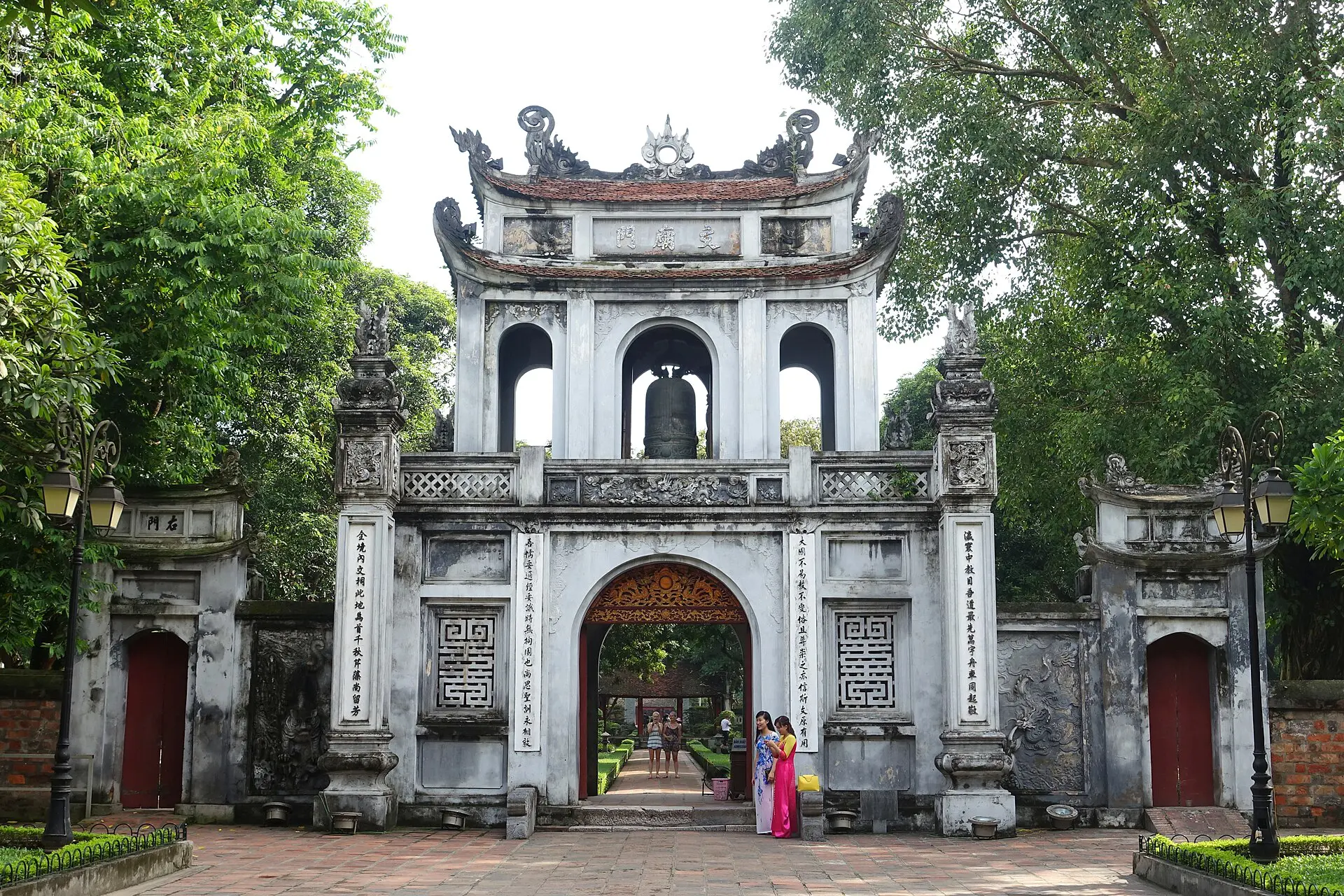
The capital mixes French colonial boulevards, lakes and the tangled lanes of the Old Quarter. Key sights include the Temple of Literature, Hoan Kiem Lake and the Ho Chi Minh Mausoleum complex. Two to three days is enough.
Ha Long Bay and Lan Ha Bay
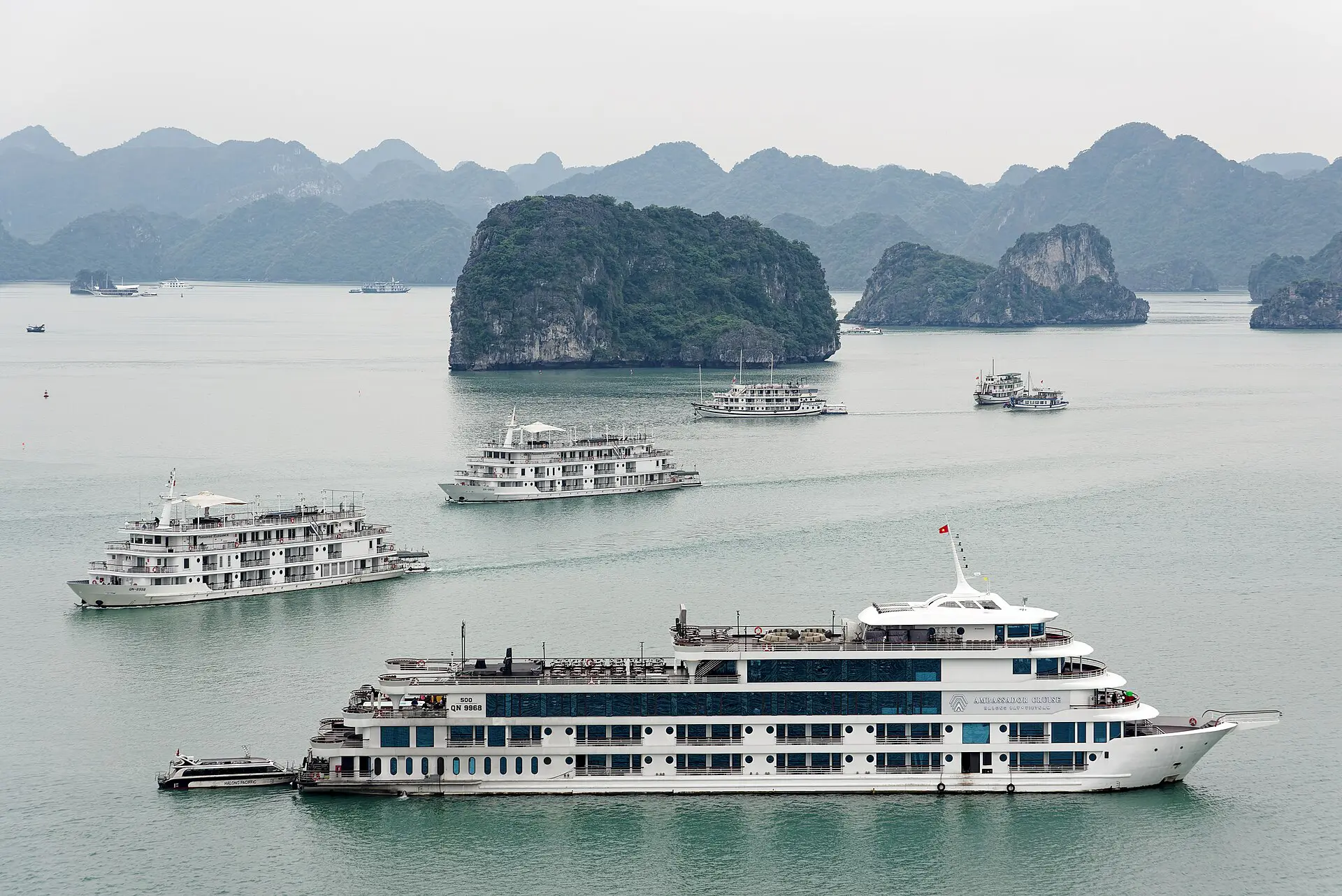
Thousands of limestone islands rise from the sea east of Hanoi, a UNESCO World Heritage Site. Overnight cruises are the standard way to see it; quieter Lan Ha Bay, beside Cat Ba Island, tends to have fewer boats.
Hue
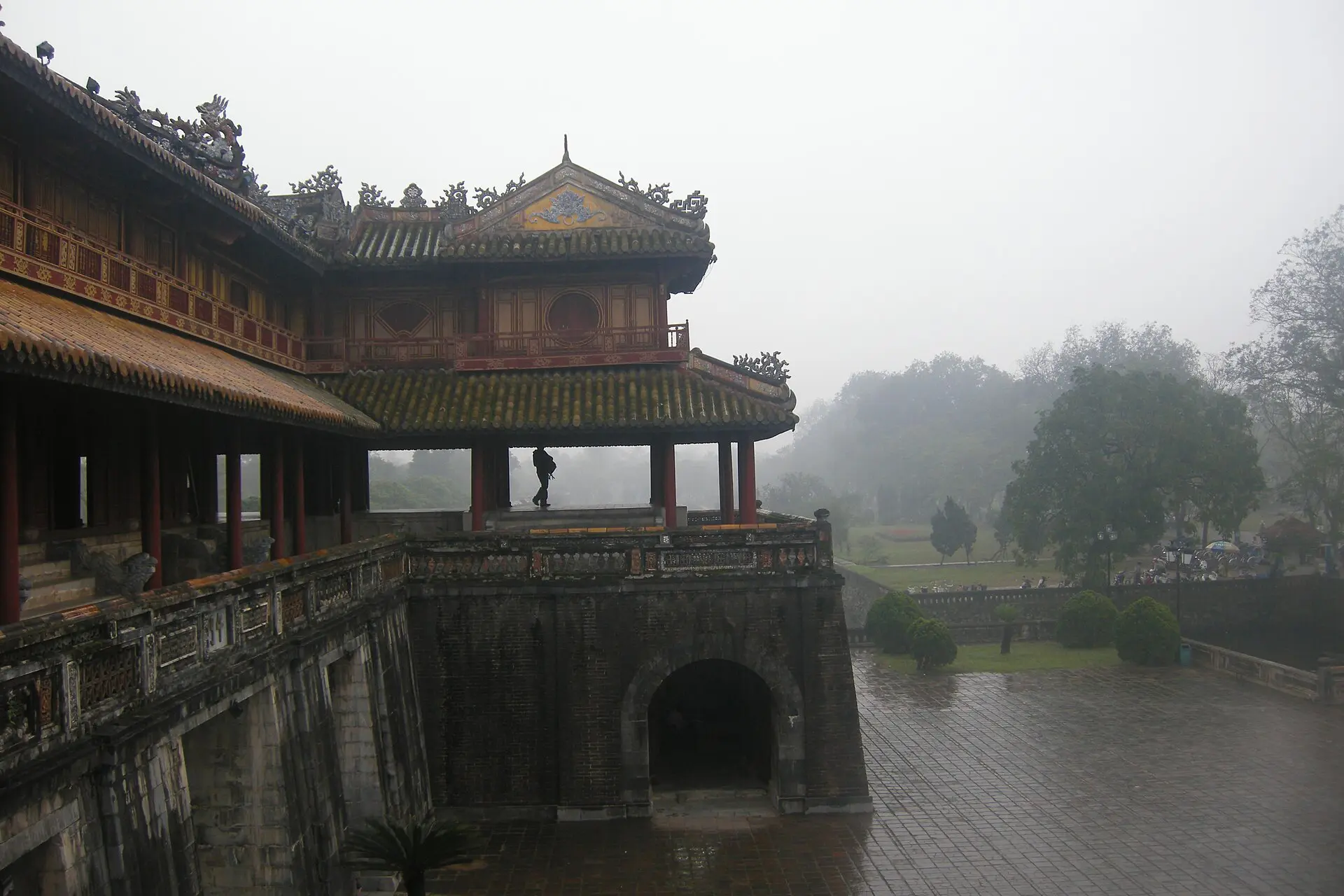
The former imperial capital of the Nguyen dynasty has a walled Citadel, royal tombs along the Perfume River and a refined local cuisine. It sits between Hanoi and Hoi An.
Hoi An
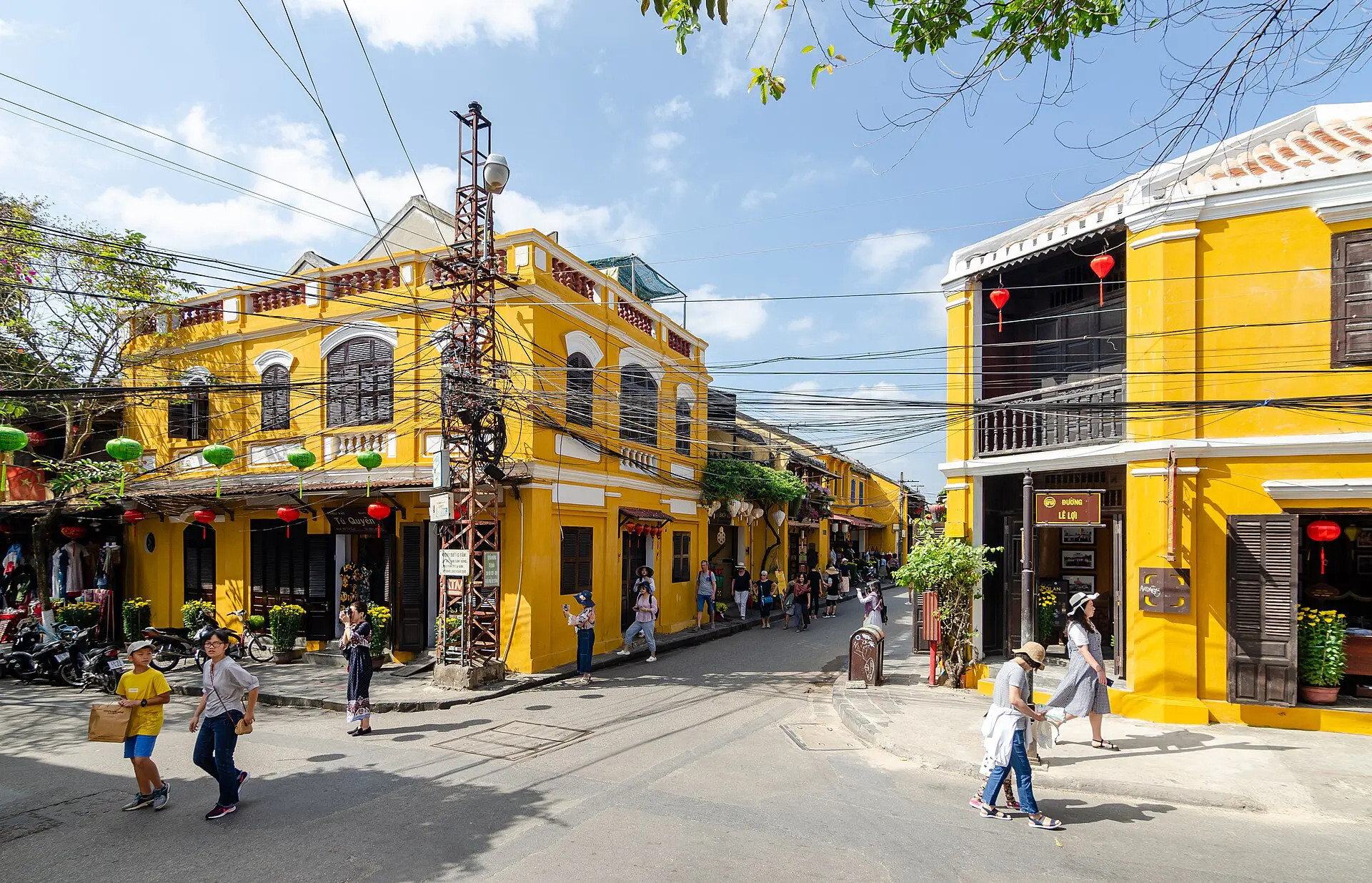
This old trading port keeps merchant houses, a covered bridge and a lantern-lit riverfront inside a UNESCO-listed old town. It is touristy but pleasant, with tailors, cooking classes and beaches a short ride away.
Ho Chi Minh City and the Mekong Delta
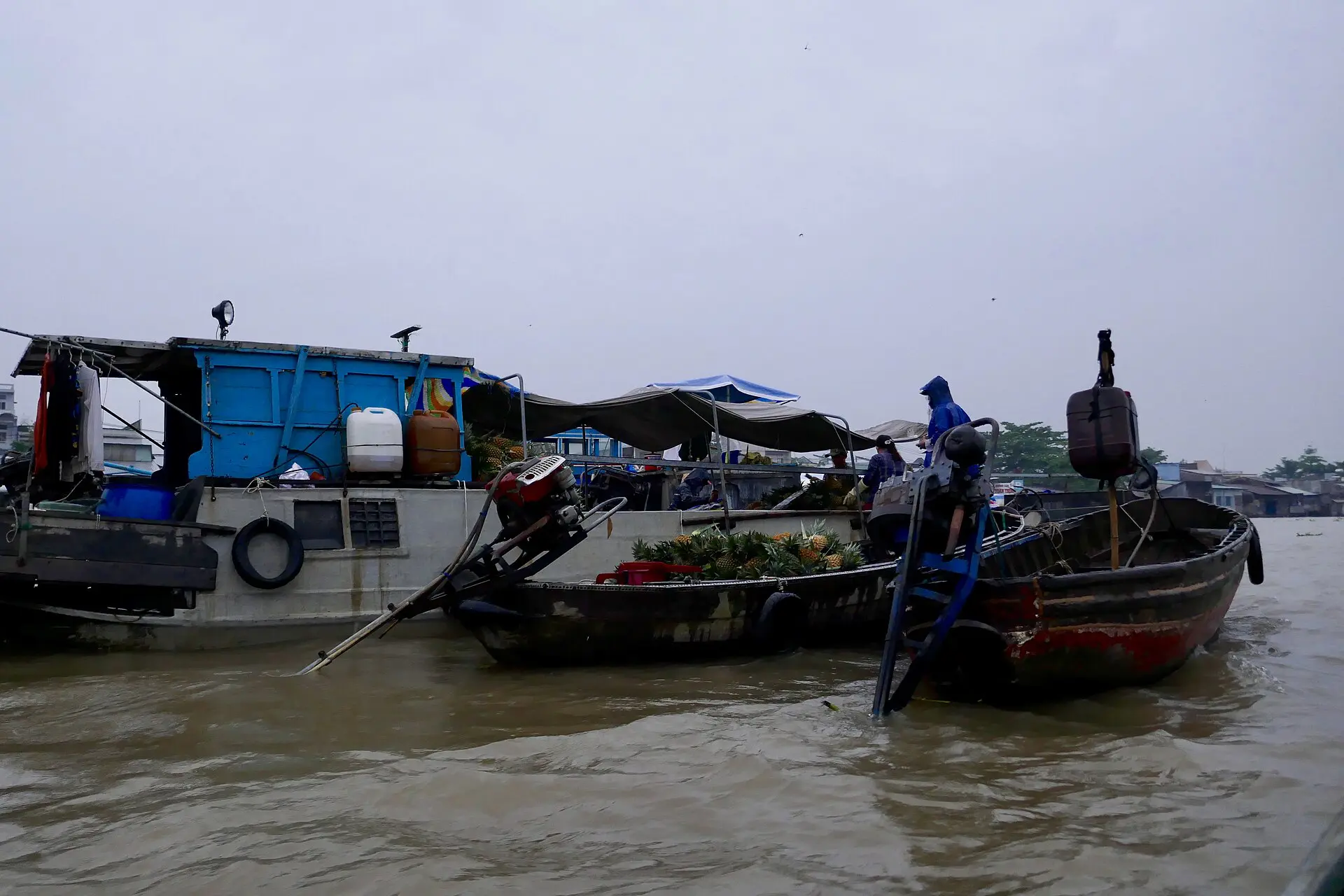
The largest city is a fast mix of skyscrapers, markets, museums and cafes. A day or overnight trip leads into the Mekong Delta, where canals and floating markets shape life around Can Tho.
Sa Pa
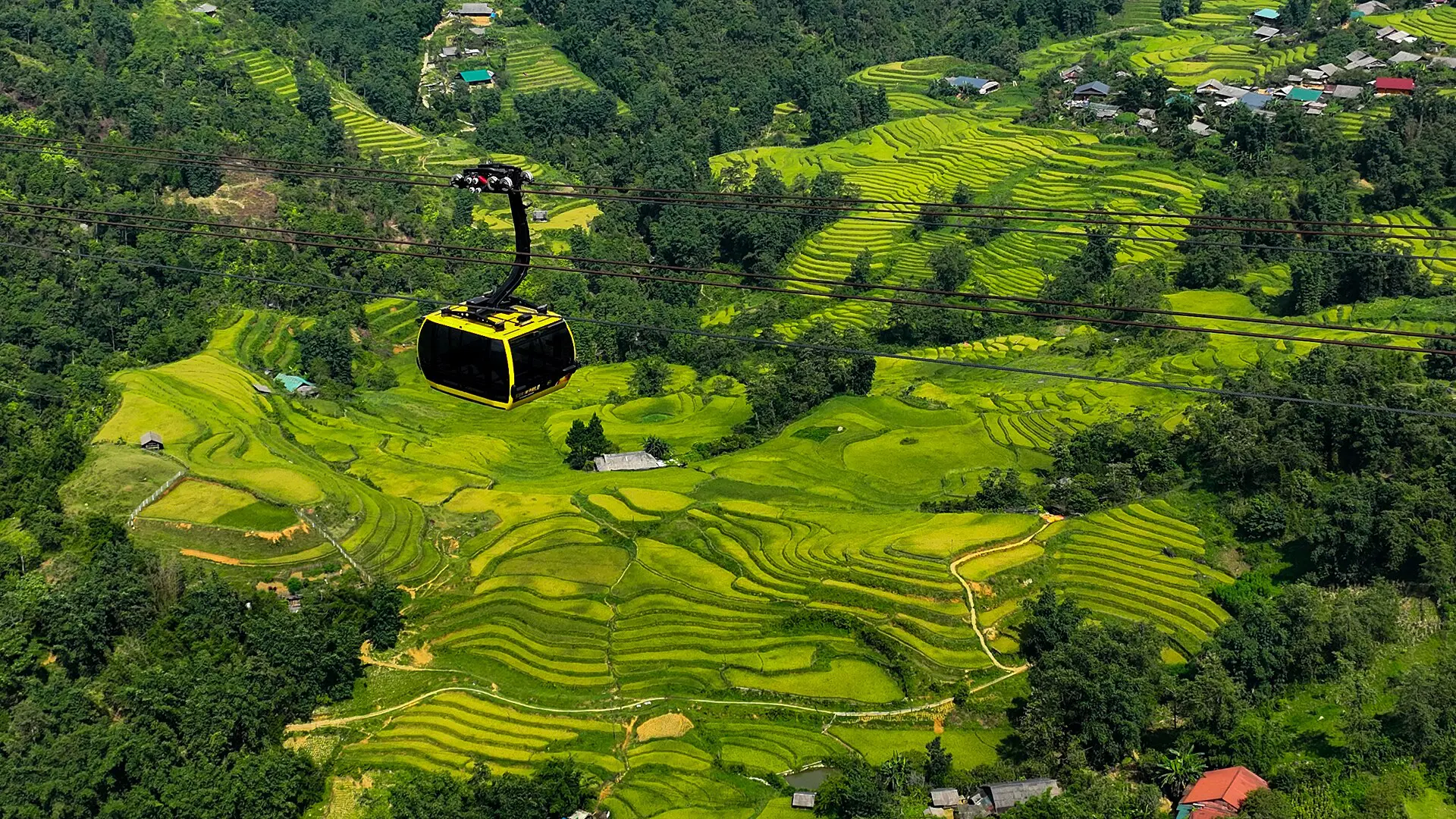
The northern mountains have terraced rice fields and minority villages, and Sa Pa is the easiest base for walks.
Top things to do in Vietnam
The top things to do in Vietnam combine food, scenery and living history.
- Eat pho and bun cha in Hanoi: Old Quarter stalls serve both at breakfast and lunch.
- Cruise Ha Long or Lan Ha Bay: an overnight boat shows the islands at sunrise.
- Walk the Hue Citadel: the walls and palace halls cover a large area, so allow half a day.
- Take a cooking class in Hoi An: most include a market visit.
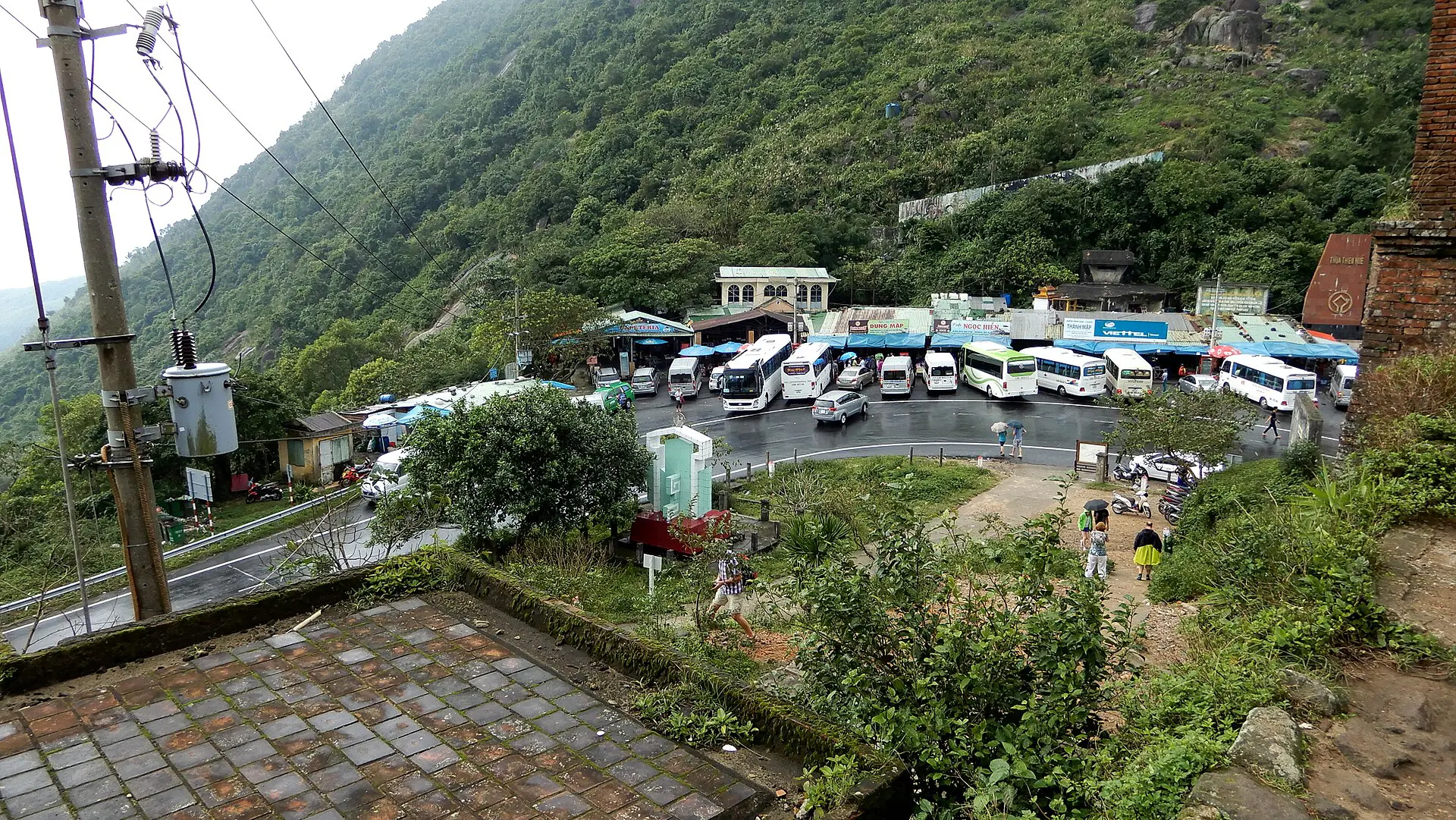
- Ride the Hai Van Pass: the road from Hue to Da Nang climbs a headland with coastal views.
- Visit the War Remnants Museum: in Ho Chi Minh City, it presents the war from the Vietnamese perspective.
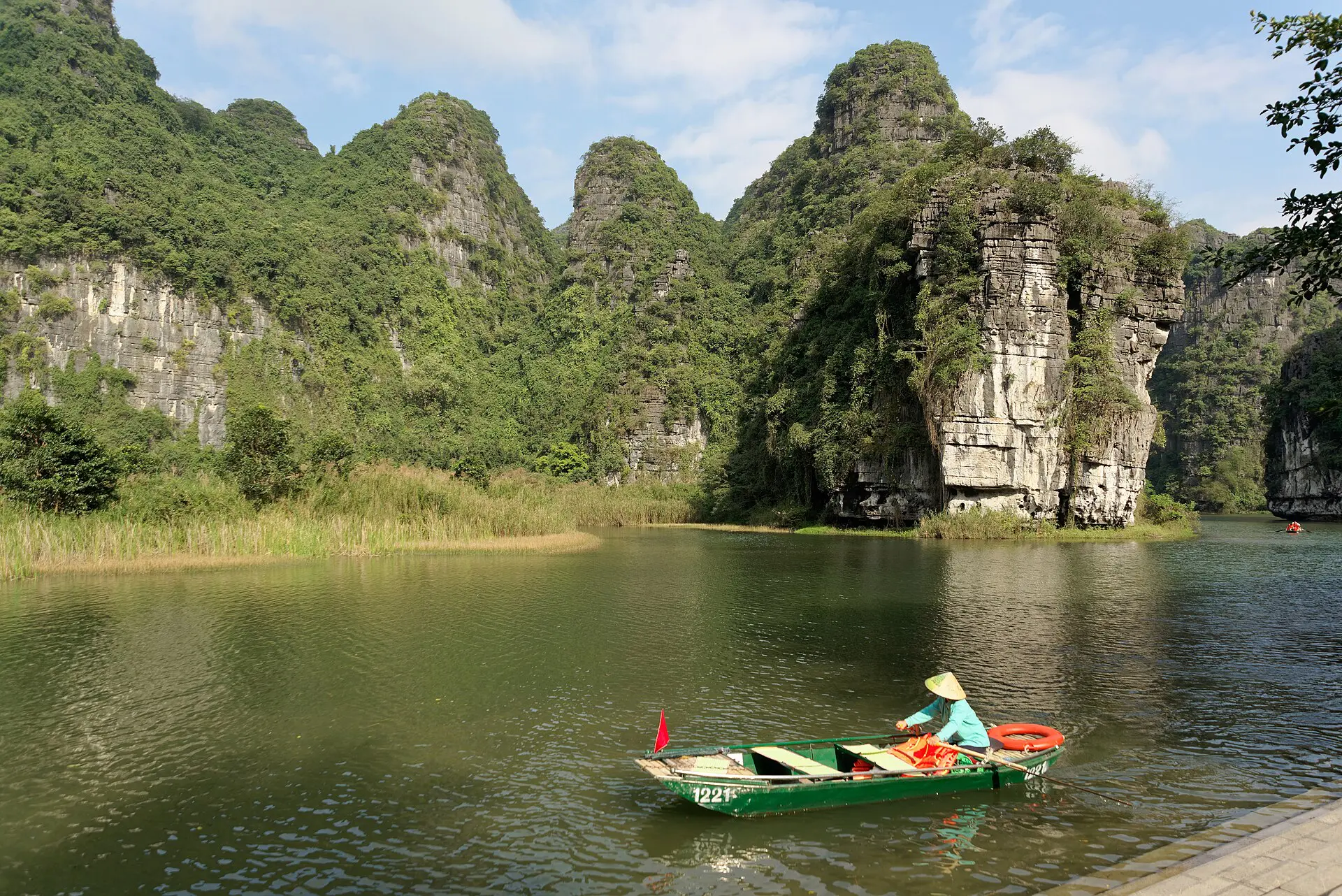
- Boat through Trang An: rowing boats pass caves and limestone cliffs near Ninh Binh.
- Trek around Sa Pa: terraces are greenest in summer and golden around September.
- Explore the Mekong Delta: visit canal villages and the Cai Rang floating market early in the morning.
- Stay on Phu Quoc: the island has beaches and a direct flight network.
Best time to visit Vietnam
The best time to visit Vietnam is March to April or September to November if you want one route through the whole country, because these months avoid the worst northern cold and the heaviest rain. Vietnam is long enough that each region has its own climate.
The north is cool and grey from December to February. The centre has its heaviest rain and typhoon risk from roughly September to December, with beach weather from about February to August. The south is dry from about December to April and wet from May to October, usually in short afternoon downpours.
| Season | Weather | Crowds and prices | Good for |
|---|---|---|---|
| Spring (Mar-Apr) | Warm north, hot and dry south | Moderate | Hanoi, Ha Long Bay, Hoi An |
| Summer (May-Aug) | Hot, humid; typhoons possible | High on central beaches | Da Nang beaches, Phu Quoc early on |
| Autumn (Sep-Nov) | Clear in the north; floods in the centre | Moderate | Sa Pa, Hanoi, northern loops |
| Winter (Dec-Feb) | Cool north, dry warm south | High at Tet and Christmas | Ho Chi Minh City, Mekong, Phu Quoc |
Tet, the lunar new year, falls in late January or February. Transport books out and many shops close for days.
Is Vietnam safe to visit?
Yes, Vietnam is generally safe to visit, and violent crime against tourists is uncommon. The likeliest problems are traffic accidents, theft and tourist scams. Check your government’s current travel advice, such as the UK FCDO or the US State Department, before you book.
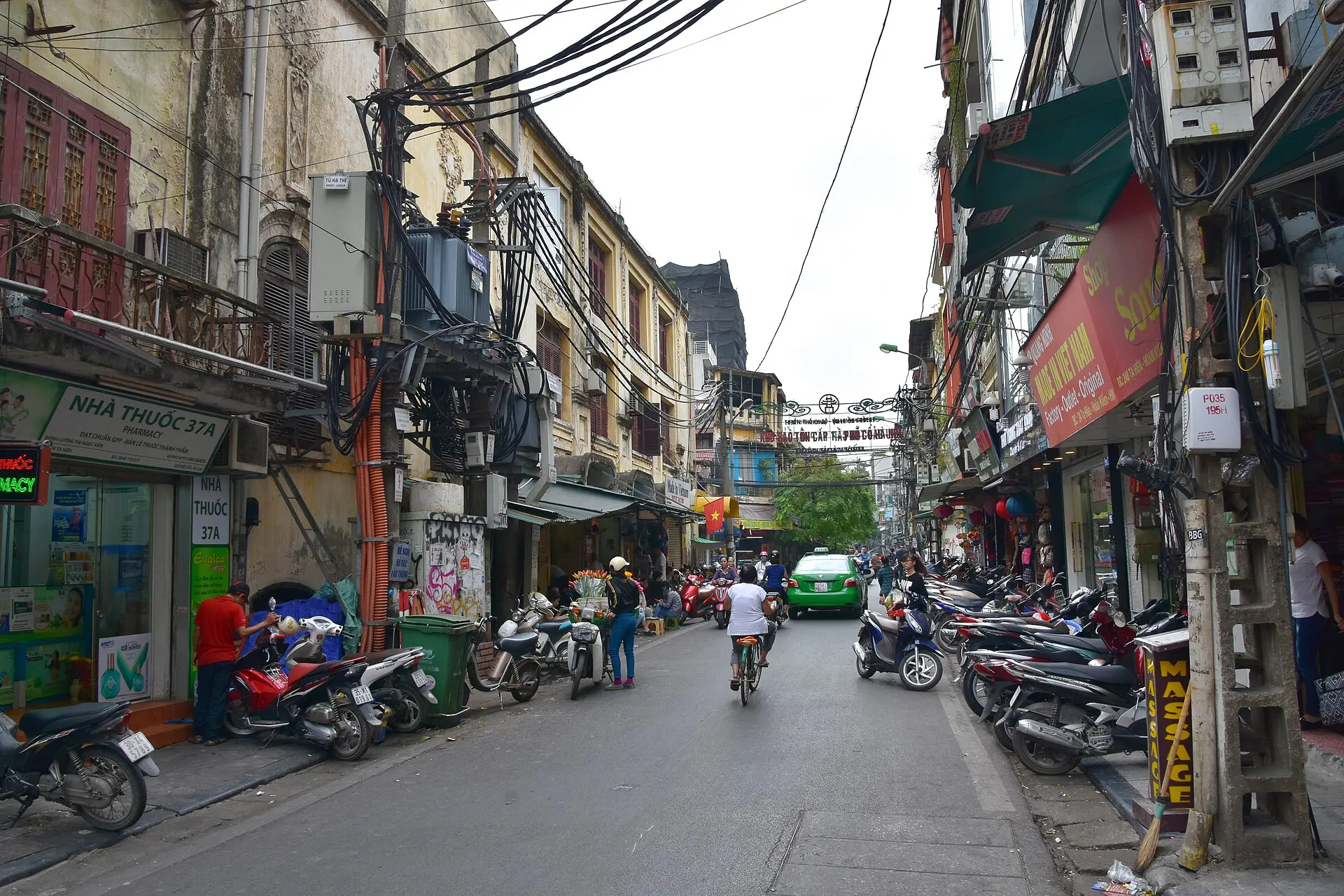
Traffic is the biggest risk. Cross streets in Hanoi or Ho Chi Minh City at a steady pace so motorbikes can steer around you. Renting a motorbike without a valid licence for the right class can void insurance, so check your policy and always wear a helmet.
Bag snatching from passing motorbikes happens, particularly in Ho Chi Minh City, so carry bags away from the road. Use Grab or metered taxis to avoid fast meters, and agree prices before cyclo rides. Dengue is spread by daytime mosquitoes, so use repellent, and do not drink tap water. Typhoons and flooding affect the coast and centre mainly from about June to November. Take insurance that covers medical evacuation.
Visa and entry requirements for Vietnam
Visa rules for Vietnam depend on your nationality and have changed several times in recent years, so treat this as a general picture only. Vietnam has exempted citizens of a list of countries for short stays, with limits that vary by nationality, and offers an electronic visa (e-visa) to most other travellers, applied for online through the government portal.
Apply only through the official immigration website, because lookalike agencies charge much higher fees. You normally need a passport photo, a scan of the passport data page and a card payment, and processing takes a few working days. Passports generally need six months of validity and a blank page.
Land borders with China, Laos and Cambodia accept e-visas at designated crossings only, so confirm your border post. Always check entry rules, fees and permitted stay with the Vietnamese immigration authorities or your nearest Vietnamese embassy before booking flights.
Getting to and around Vietnam
Most visitors fly into Hanoi (Noi Bai, HAN) or Ho Chi Minh City (Tan Son Nhat, SGN); Da Nang (DAD), Cam Ranh and Phu Quoc also have international flights. Land crossings exist with Cambodia, Laos and China.
The Reunification Express railway runs between Hanoi and Ho Chi Minh City, taking around 30 hours end to end, with stops at Ninh Binh, Hue, Da Nang and Nha Trang. Most travellers ride shorter sections on sleeper trains. Seats sell out around Tet.
Domestic flights are cheap and link Hanoi, Da Nang, Hue, Ho Chi Minh City and Phu Quoc in one to two hours. Sleeper buses run between nearly all towns, and limousine vans serve routes such as Hanoi to Sa Pa. In cities, Grab avoids taxi disputes. Driving is on the right, and motorbike rental carries real risk. Ferries serve Cat Ba, Phu Quoc and Con Dao.
How much does a trip to Vietnam cost?
A trip to Vietnam costs less than most major Asian destinations. The currency is the Vietnamese dong (VND). These approximate 2026 daily bands for one traveller exclude international flights.
- Budget: about USD 25 to 40, with dorms or simple guesthouses, street food and local buses.
- Mid-range: about USD 40 to 80, with a private hotel room, restaurant meals, tours and the occasional domestic flight.
- High-end: USD 120 and up, with boutique hotels, private drivers and guided excursions.
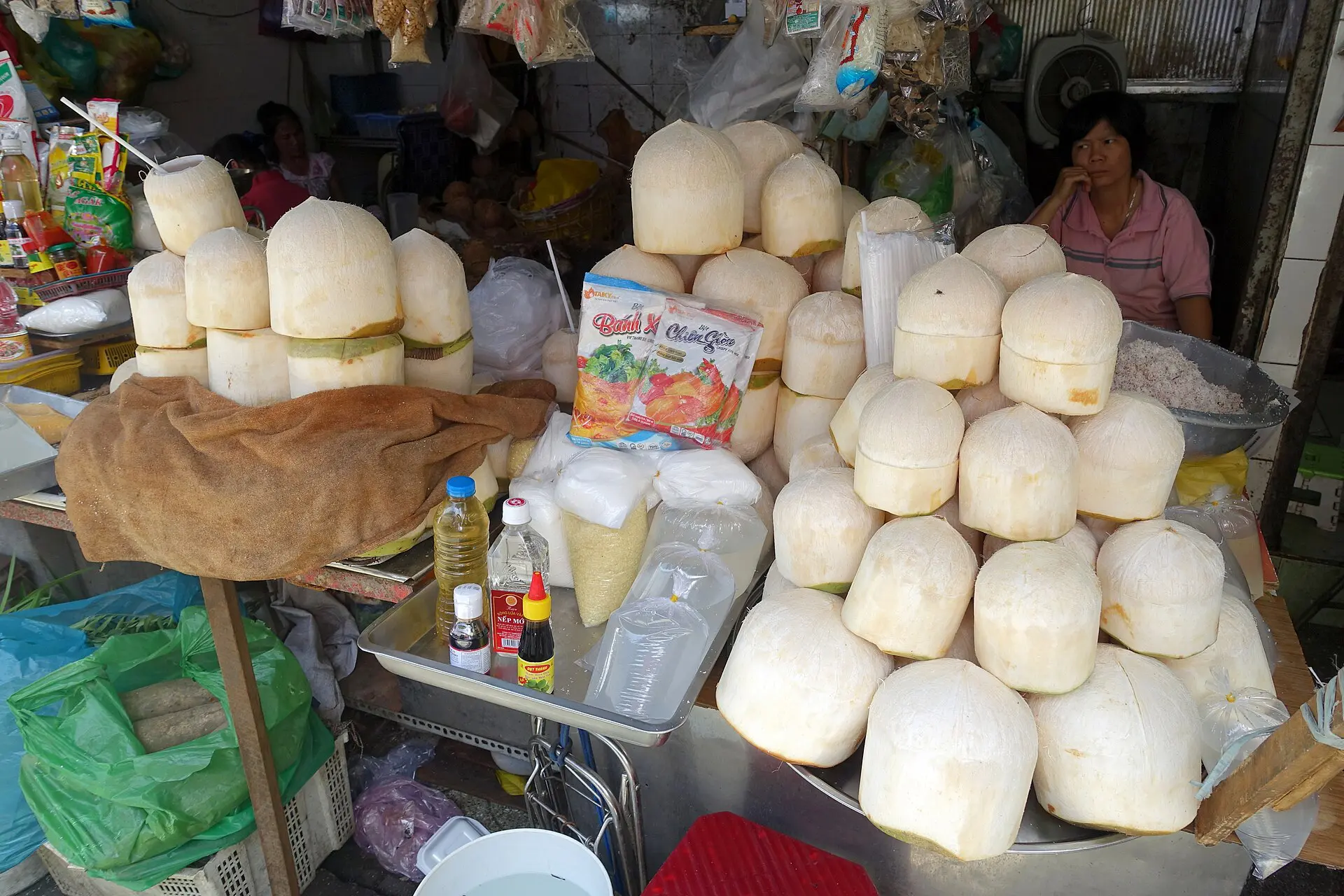
A bowl of pho or a banh mi often costs only a couple of dollars. Costs rise in Hoi An, on Ha Long Bay cruises and at Phu Quoc resorts. Main drivers are accommodation, overnight cruises, domestic flights and site entry fees. Prices peak at Tet and on beaches in July and August. ATMs have low per-transaction limits and fees, so withdraw larger amounts at once.
Food and drink in Vietnam
Food and drink in Vietnam are a main reason to go. Cooking balances sweet, sour, salty and spicy, built on fresh herbs, rice and fish sauce.
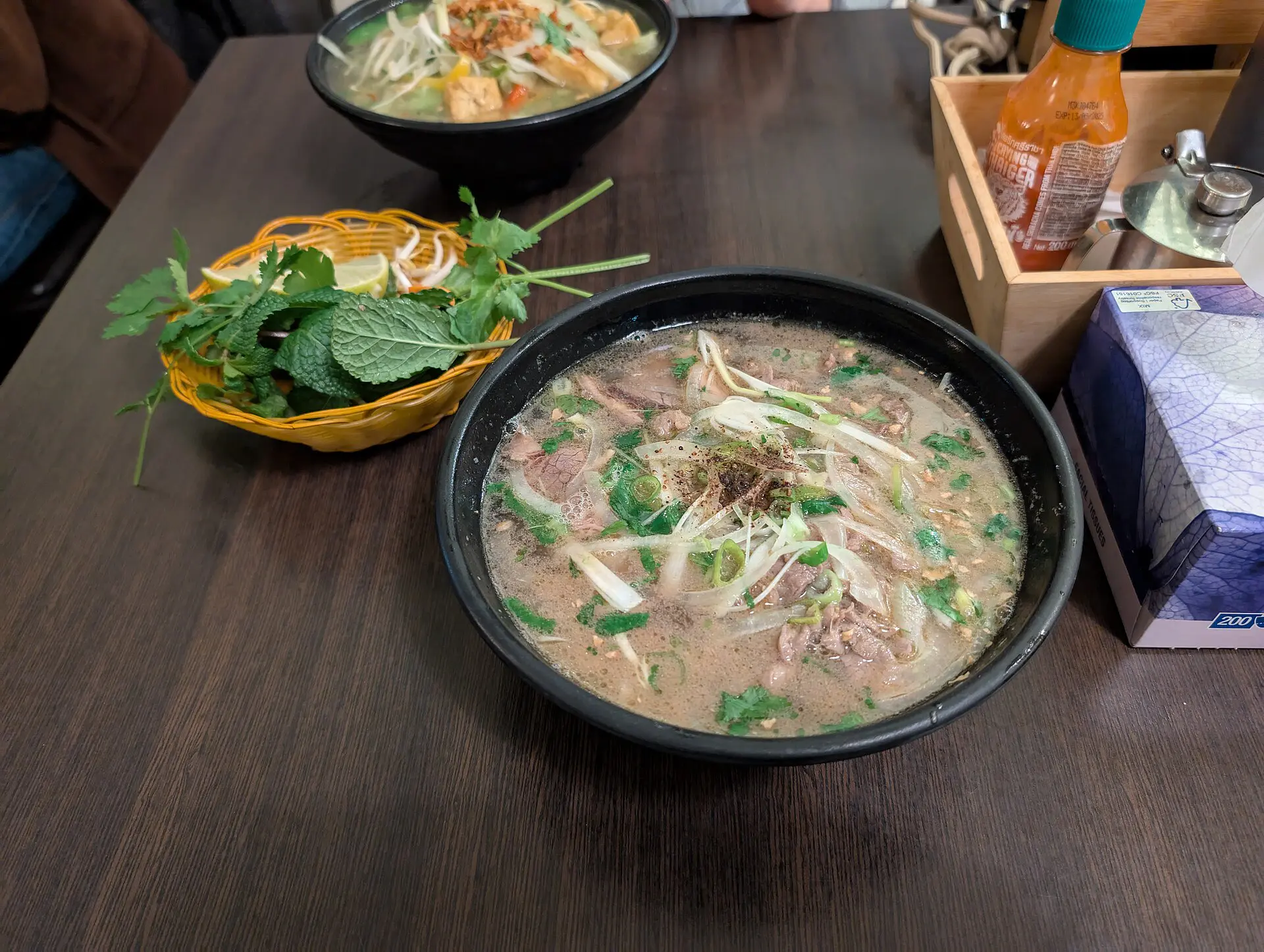
- Pho: rice noodles in beef or chicken broth, from the north and eaten at breakfast nationwide.
- Bun cha: grilled pork with rice vermicelli and herbs, a Hanoi lunch classic.
- Banh mi: a crisp baguette filled with pate, pork, pickles and herbs.
- Cao lau: thick noodles with pork, a Hoi An speciality.
- Bun bo Hue: spicy beef and lemongrass noodle soup from the former imperial capital.
- Com tam: broken rice with grilled pork, popular in Ho Chi Minh City.
- Vietnamese coffee: strong drip coffee with condensed milk, plus northern egg coffee.
Eat where locals queue; busy stalls turn over ingredients quickly. Avoid tap water. Vegetarians can find places marked chay, but fish sauce appears in many dishes, so say what you avoid. Bia hoi, fresh draught beer sold at Hanoi roadside stalls, is a cheap social drink.
Culture, language and etiquette in Vietnam
Vietnamese is the national language, a tonal language written in a Latin-based alphabet. English is common in tourist businesses and among young people in cities, less so in the countryside. A few words, such as xin chao (hello) and cam on (thank you), are appreciated.
Family, respect for elders and community are central, and religion blends Buddhism, Confucian ethics and ancestor worship, with Catholic and other minorities. Tet and the Mid-Autumn Festival are the biggest celebrations.
Dress modestly in temples, covering shoulders and knees, and remove shoes before entering homes and some temples. Do not touch people on the head. Do not stick chopsticks upright in rice, which resembles incense for the dead. Bargain in markets with a smile, but not in fixed-price shops. The war period is sensitive; listen more than you argue, and avoid criticising the government in public.
Vietnam itinerary: a 7-day route
This seven-day Vietnam itinerary covers the north and centre, using a flight and an overnight cruise to avoid long bus days.
- Day 1, Hanoi: walk around Hoan Kiem Lake and the Old Quarter, then eat bun cha.
- Day 2, Hanoi: Temple of Literature, the Mausoleum area and the Museum of Ethnology.
- Day 3, Ha Long or Lan Ha Bay: transfer of about three hours, then an overnight cruise.
- Day 4, Ninh Binh: finish the cruise, then travel three to four hours to Ninh Binh.
- Day 5, Trang An to Hue: boat ride in the morning, then train or flight to Hue.
- Day 6, Hue to Hoi An: Citadel in the morning, then the Hai Van Pass road to Hoi An (three to four hours).
- Day 7, Hoi An: cooking class or beach, then a lantern walk before an onward flight from Da Nang.
To add the south, fly from Da Nang to Ho Chi Minh City for the Mekong Delta. Check train and flight schedules, which change by season and around Tet.
Practical tips for Vietnam
A few practical points make travel in Vietnam easier.
- Money: the dong (VND). Cash is common at street stalls, cards work in hotels and larger restaurants.
- SIM and eSIM: local SIMs with plenty of data are cheap at airports, and eSIMs work. The calling code is +84.
- Plugs: types A, C and F at 220 V; bring a universal adapter.
- Tipping: not expected, but a small tip for guides and drivers is appreciated.
- Health: ask a travel clinic about hepatitis A and typhoid vaccines, use repellent and drink bottled or filtered water.
- Apps: Grab for rides, Google Maps and a translation app for menus.
- Packing: light clothes, a rain jacket, sturdy sandals and a warm layer for northern winters.
For more on destinations, see the Wikivoyage guide to Vietnam and the UNESCO list of Vietnamese World Heritage Sites.
FAQ
Q1Is Vietnam safe to visit?
Yes, for most visitors. Violent crime against tourists is uncommon, and the main risks are traffic, bag snatching from motorbikes and scams such as unmetered taxis. Use Grab, carry bags away from the road and wear a helmet. Check your government's current travel advice before you go.
Q2What is the best time to visit Vietnam?
March to April and September to November suit most routes, avoiding both the northern winter chill and the heaviest rain. The north is coolest from December to February, the centre is wettest from September to December, and the south is driest from December to April.
Q3Do I need a visa for Vietnam?
It depends on your nationality. Vietnam exempts citizens of some countries for short stays, and most others can apply for an e-visa online. Rules and permitted stays have changed often, so confirm the current terms on the official Vietnamese immigration portal before booking.
Q4How much does a trip to Vietnam cost per day?
Roughly USD 25 to 40 per day on a budget, USD 40 to 80 mid-range and USD 120 or more for high-end travel, excluding flights. Costs depend mostly on accommodation, domestic flights and whether you take an overnight Ha Long Bay cruise.
Q5What are the best things to do in Vietnam?
Top picks are eating street food in Hanoi, cruising Ha Long or Lan Ha Bay, walking the Hue Citadel, taking a cooking class in Hoi An, riding the Hai Van Pass, boating through Trang An and visiting the Mekong Delta early in the morning.
Q6How many days do you need in Vietnam?
Seven days covers a focused north-and-centre route, such as Hanoi, Ha Long Bay, Hue and Hoi An. Two weeks lets you add Ho Chi Minh City, the Mekong Delta and either Sa Pa or a beach stay without rushing.