Why visit South Korea
This South Korea travel guide starts with what makes the country unusual: it combines royal palaces, Buddhist mountain temples and some of the world’s most advanced cities in an area of about 100,000 square kilometres (see the Wikipedia overview for background). Seoul, the capital, has more than nine million residents, yet a hiking trail can start at the end of a metro line. Trains link the main cities in a few hours, so one trip can include a capital, a port city, an old kingdom capital and an island.
South Korea suits first-time visitors to Asia because transport is reliable, signs are often in English, and the country is very safe. It also rewards travellers who care about food, hiking, history or pop culture, from royal tombs to K-drama filming locations. It is less suited to anyone who wants quiet, empty landscapes in peak holiday weeks, when popular sites fill quickly.
Best places to visit in South Korea
The best places to visit in South Korea are well connected, so most itineraries combine Seoul, a historic city and a stretch of coast.
Seoul
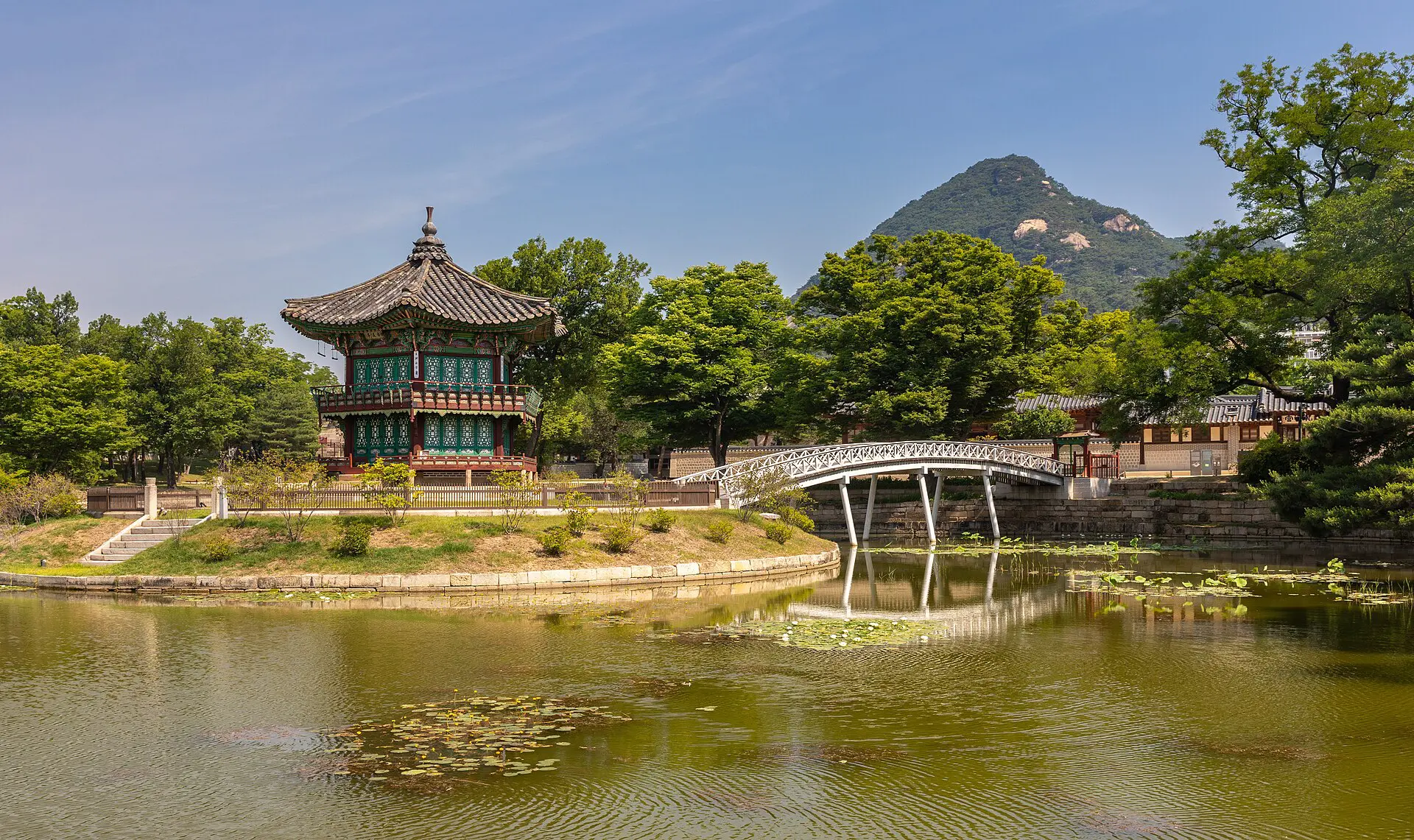
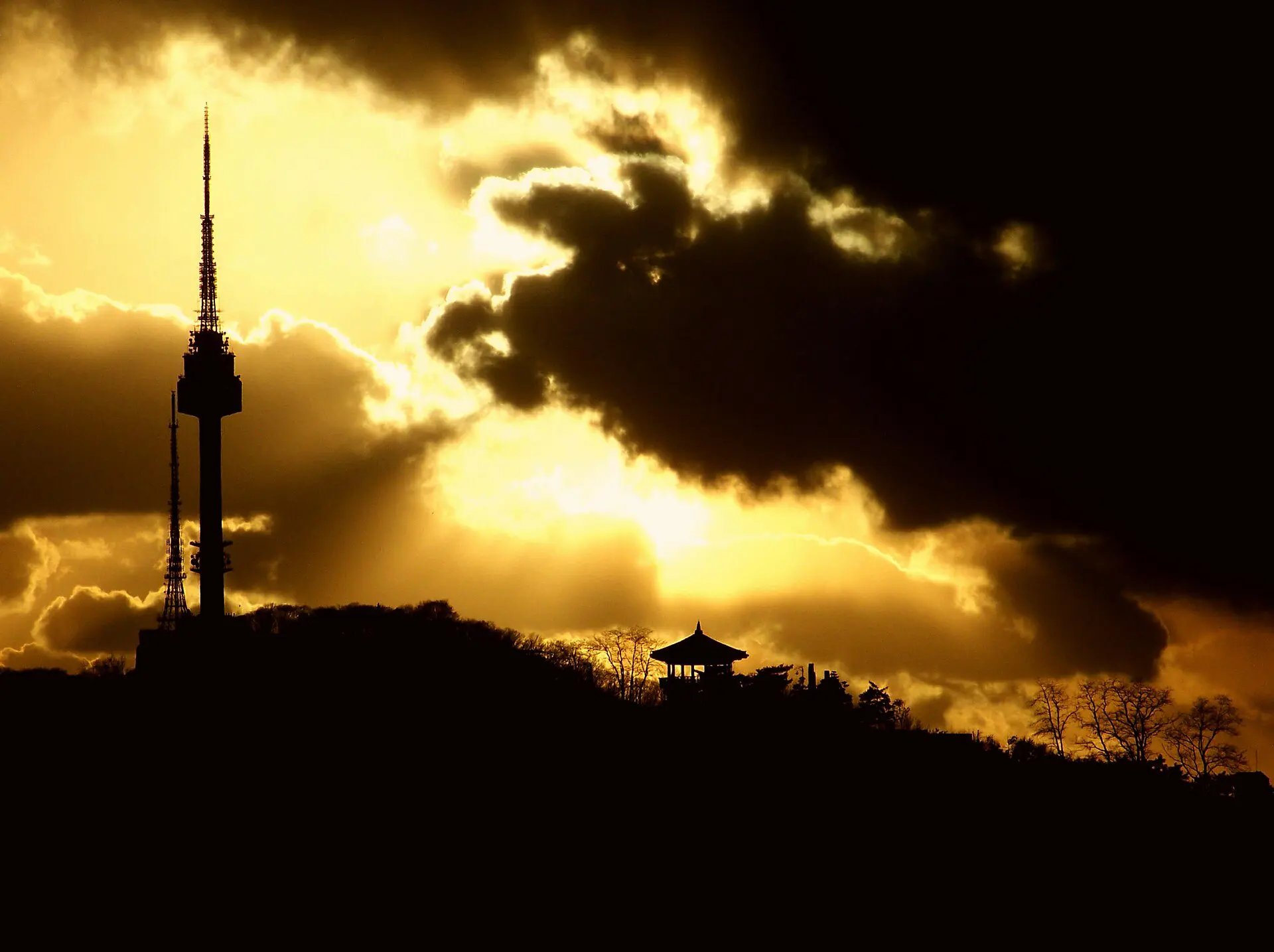
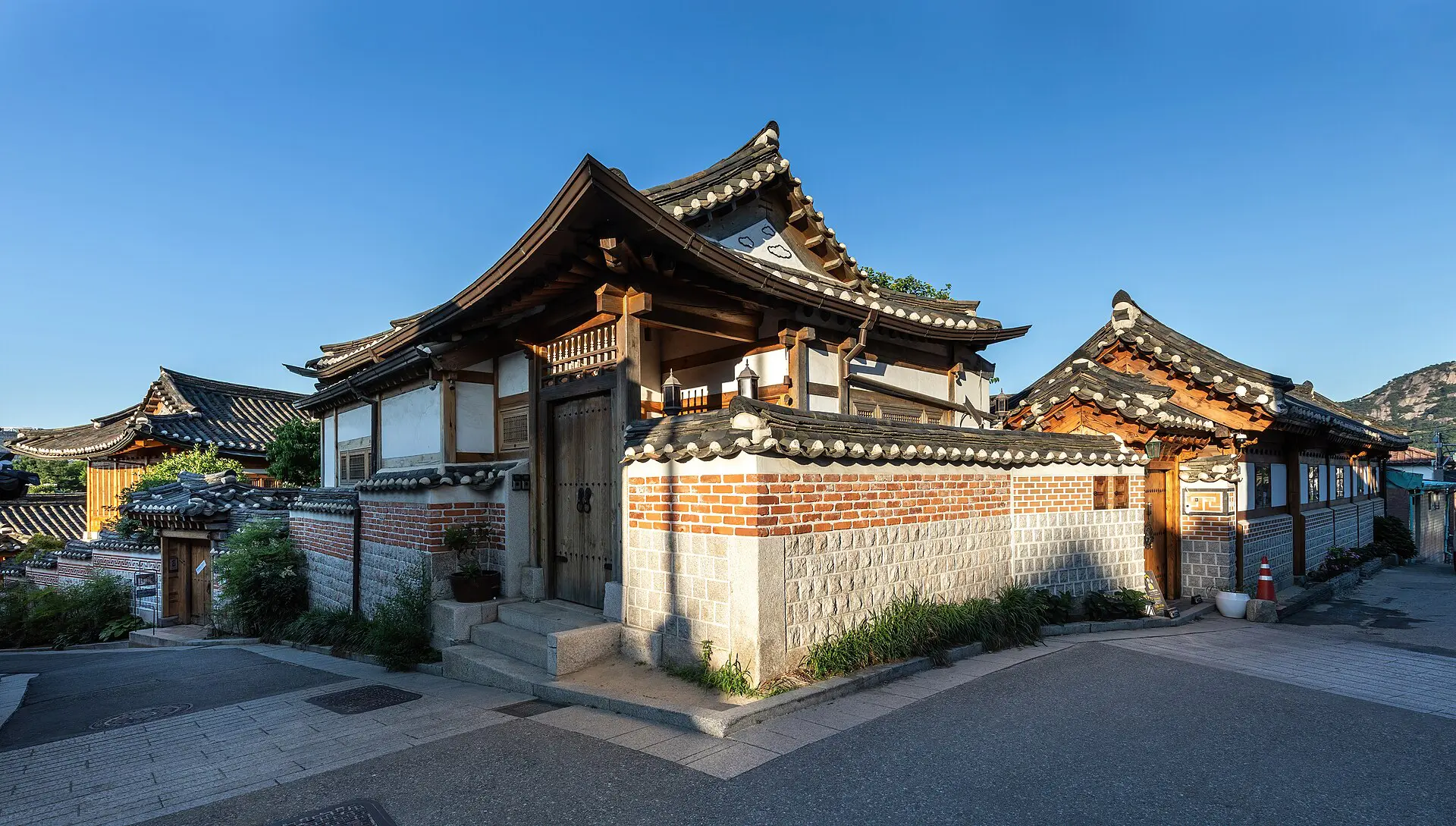
The capital mixes five royal palaces, hillside hanok neighbourhoods such as Bukchon, markets, museums and dense nightlife districts like Hongdae and Itaewon. Gyeongbokgung is the main palace, and Namsan Tower gives a city view. Allow at least three nights.
Busan
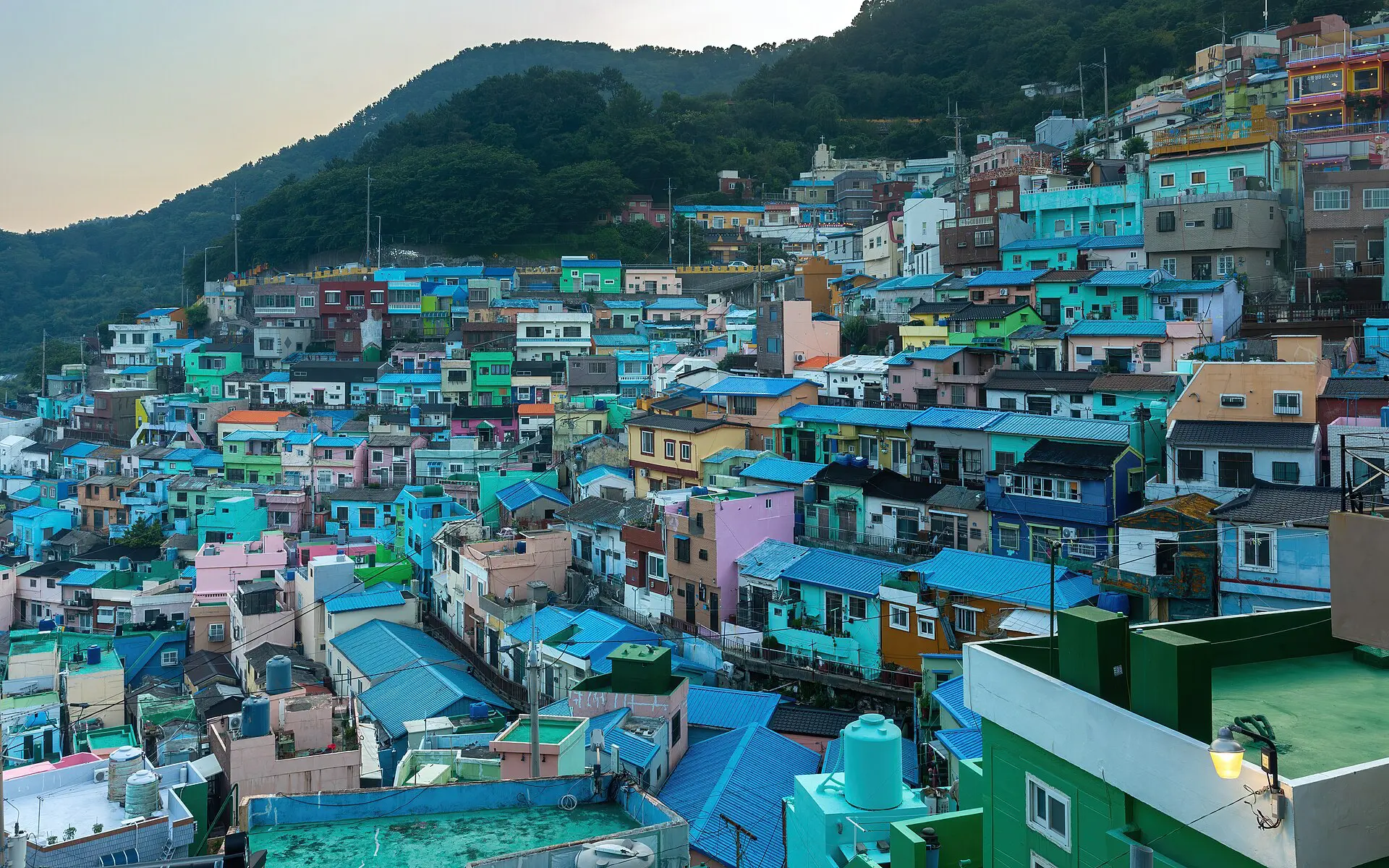
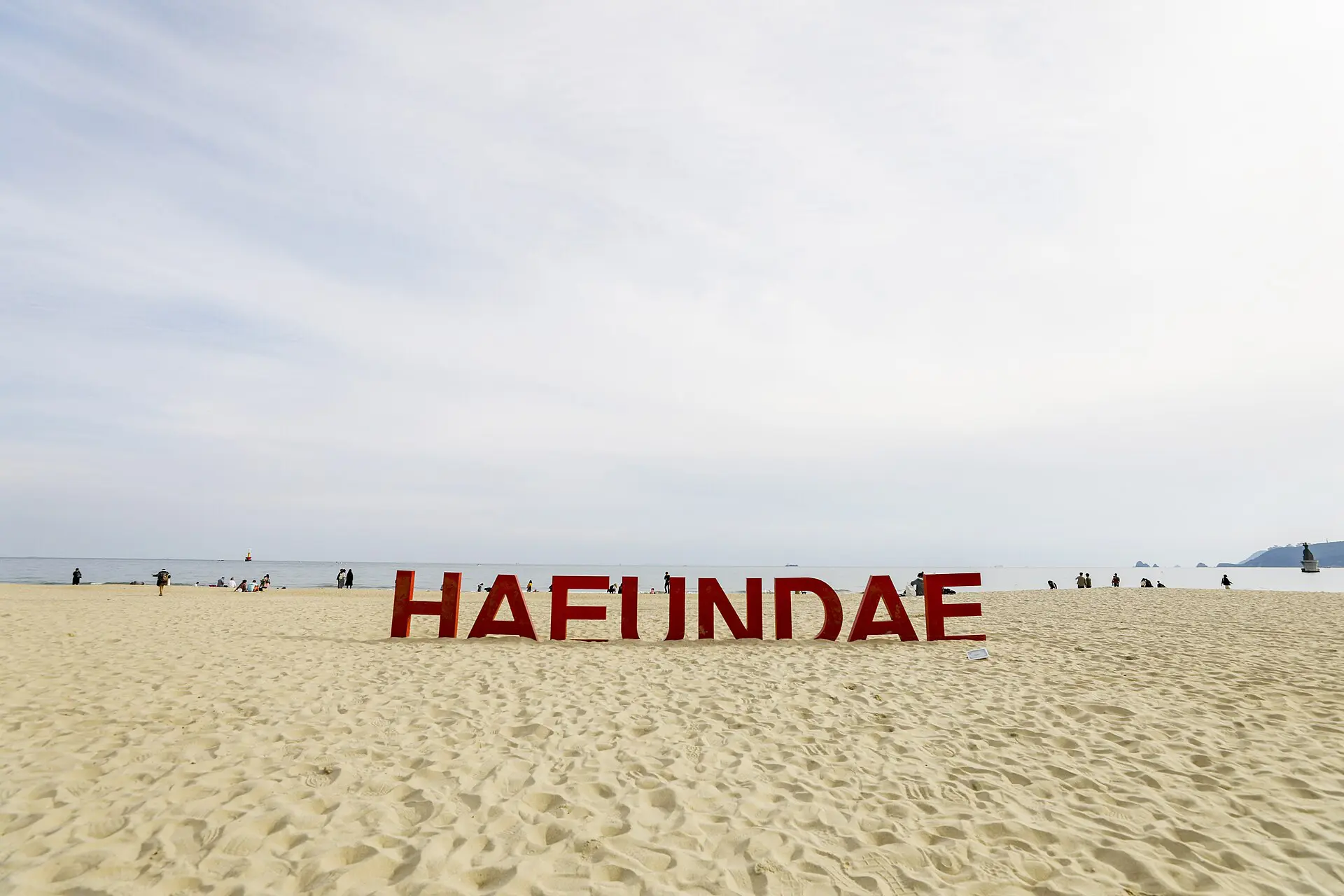
The second city is a port with long beaches, fish markets and the colourful Gamcheon Culture Village. Haeundae is the main beach resort, while Haedong Yonggungsa is a coastal temple. It is about 2.5 hours from Seoul by KTX high-speed train.
Gyeongju
The former capital of the Silla kingdom is dotted with royal burial mounds, Bulguksa Temple and the Seokguram Grotto, both UNESCO-listed. Hire a bicycle to cover the flat centre.
Jeju Island
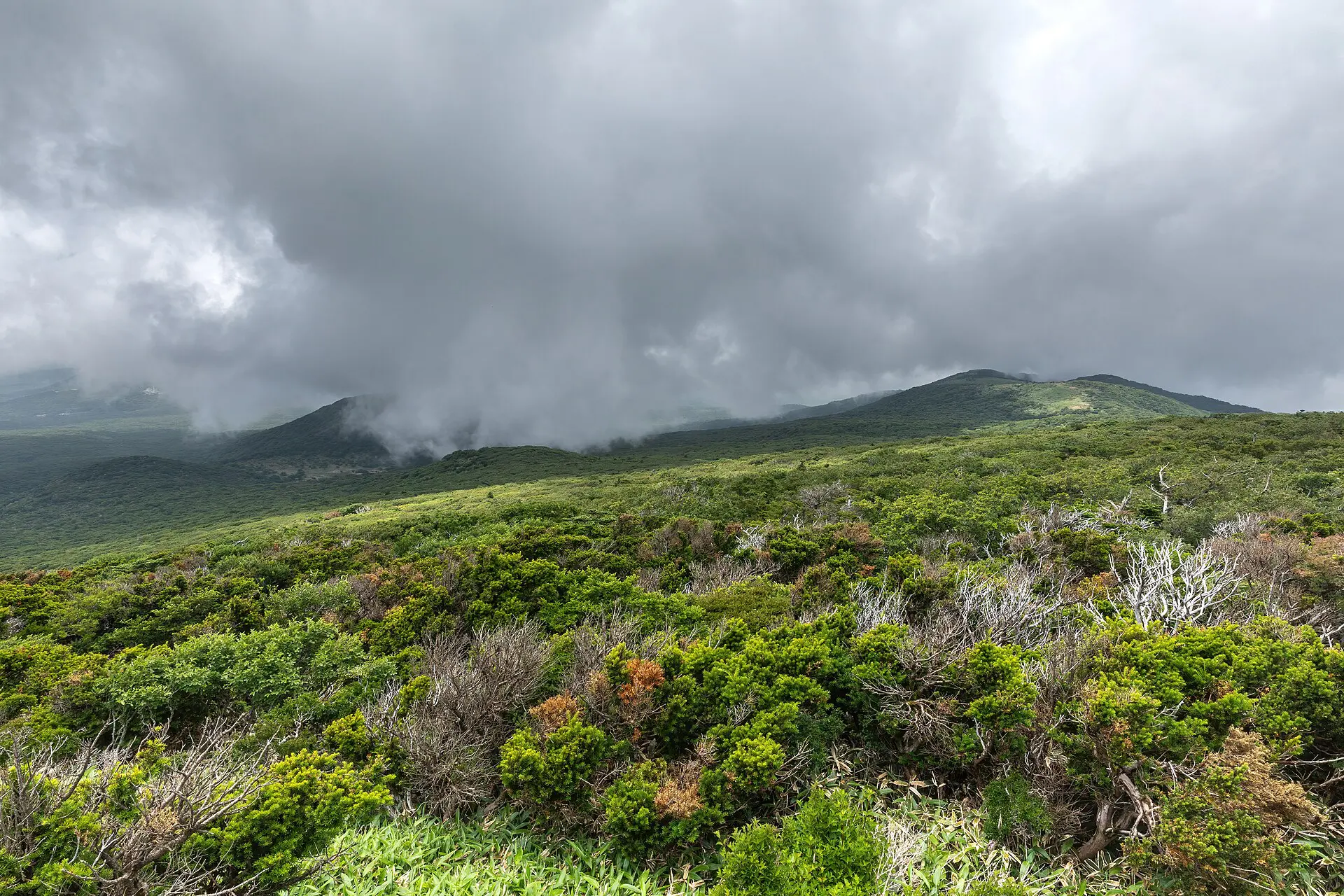
A volcanic island with Hallasan, South Korea’s highest mountain, lava tubes, waterfalls and coastal walks. Most visitors fly from Seoul or Busan and rent a car.
Jeonju and Andong
Jeonju is known for its hanok village and bibimbap, while Andong keeps Confucian traditions and the Hahoe Folk Village, also UNESCO-listed.
Seoraksan National Park
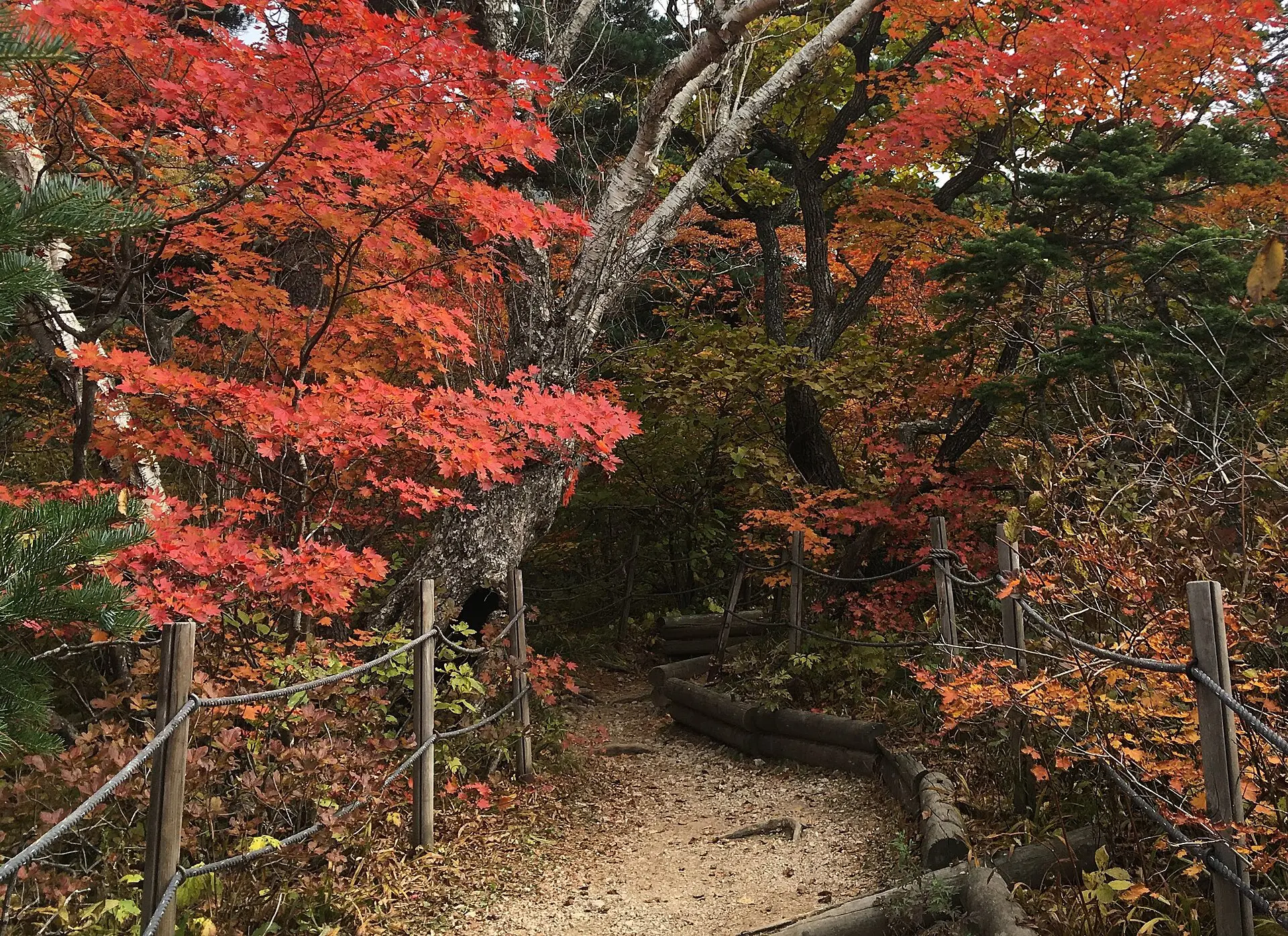
On the east coast, jagged granite peaks, waterfalls and the temple of Sinheungsa make this the best-known mountain destination, with autumn foliage as the main draw.
Top things to do in South Korea
The top things to do in South Korea combine heritage, food and outdoors, and many sit within easy reach of a city centre.
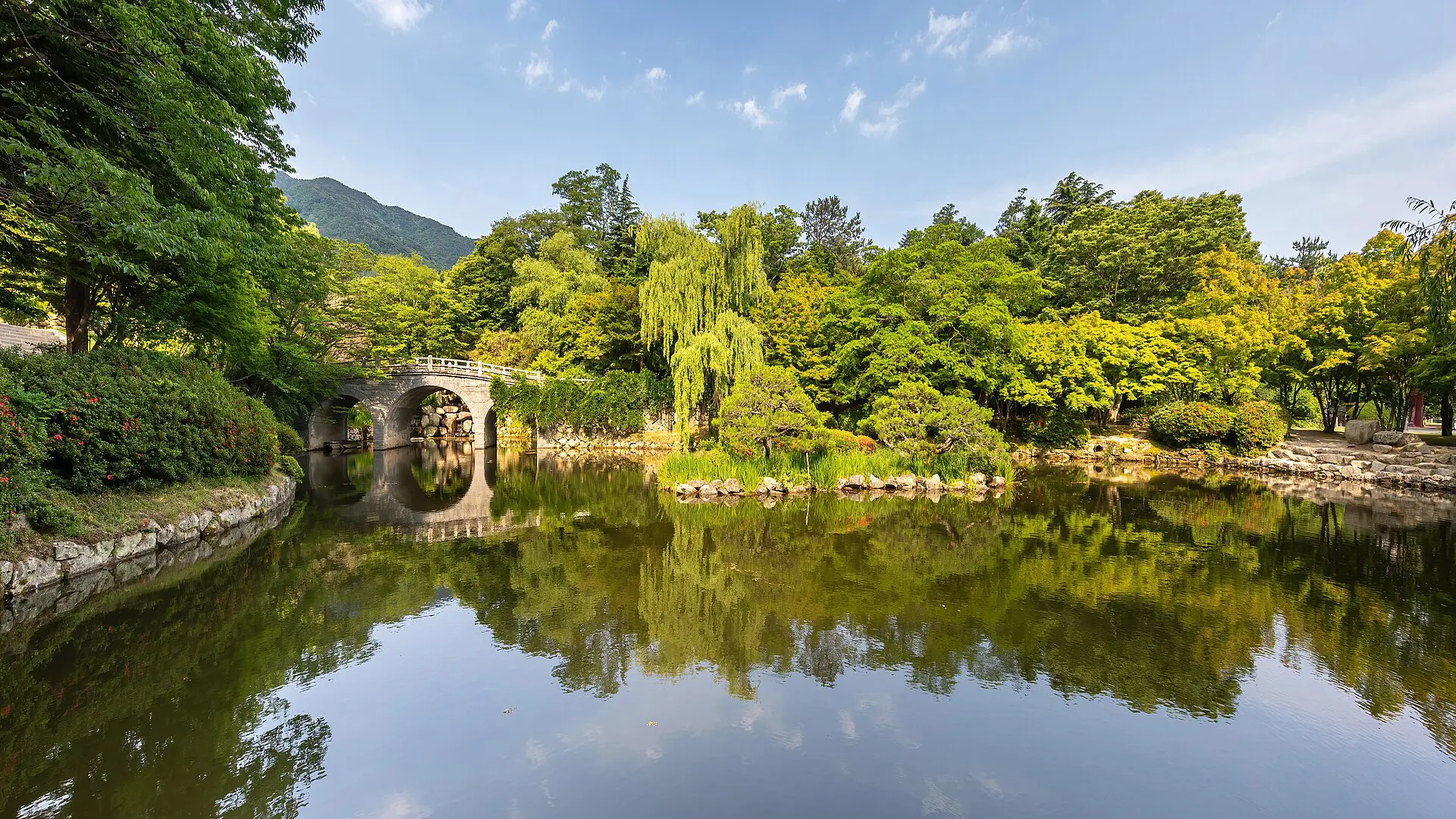
- Tour Gyeongbokgung Palace: arrive for the changing of the guard ceremony and rent a hanbok for free entry on many days.
- Walk the Bukchon Hanok Village: follow quiet lanes of traditional houses, and respect the resident-only signs.
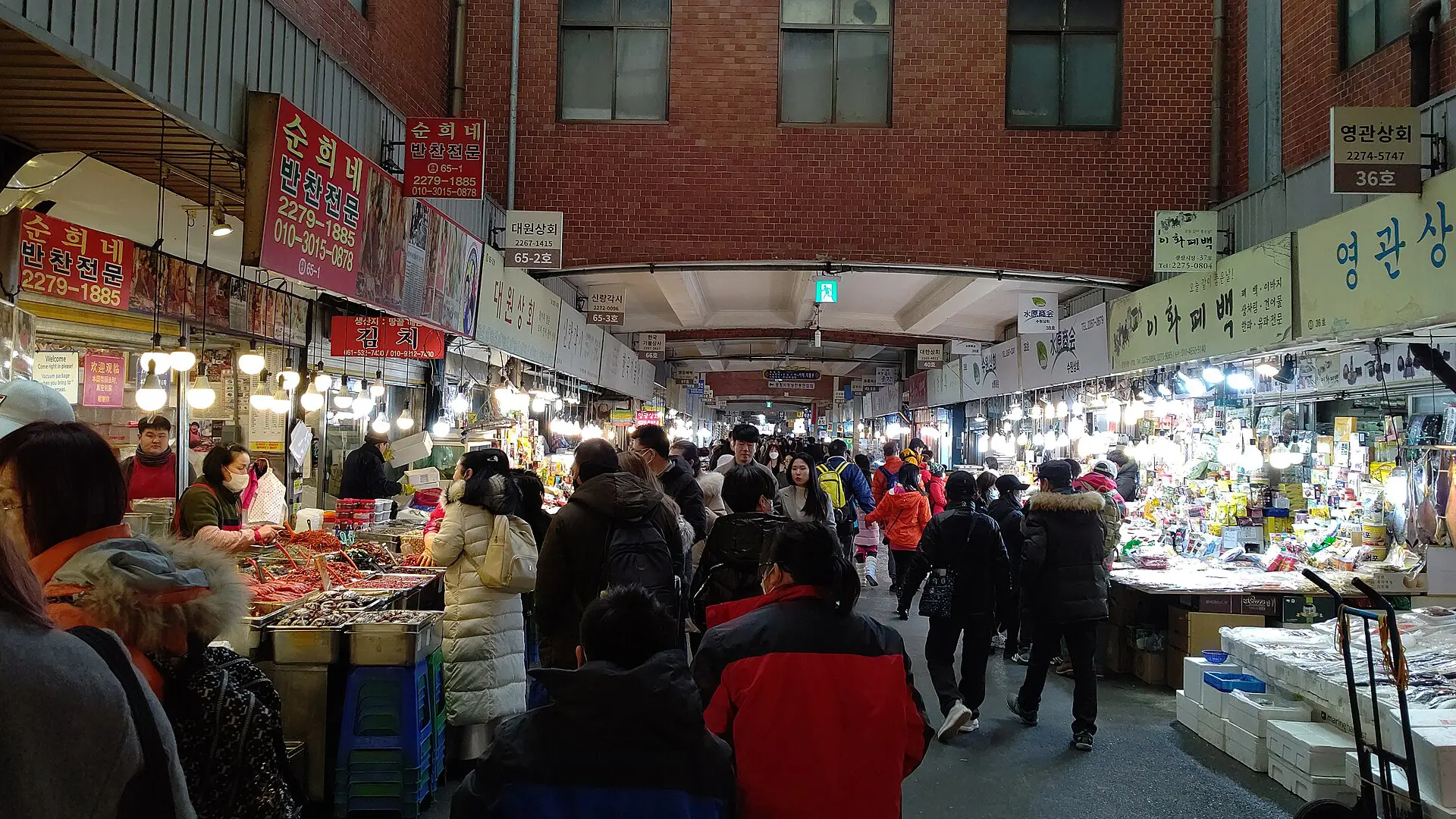
- Eat at Gwangjang Market: try bindaetteok mung bean pancakes, tteokbokki and kimbap at the counters.
- Visit the DMZ: join a guided tour to the border with North Korea from Seoul, booked in advance.
- Stay at a temple: templestay programmes offer a night of meditation and vegetarian meals.
- Hike Bukhansan: this national park on Seoul’s edge has well-marked trails reachable by metro and bus.
- See Bulguksa and Seokguram: Gyeongju’s two best-known Silla-era sites sit on Mount Toham.
- Walk Jeju’s Olle trails: coastal routes run past black lava rock, tangerine farms and fishing villages.
- Soak in a jjimjilbang: Korean bathhouses combine hot pools, saunas and sleeping rooms for a low price.
- Browse Busan’s Jagalchi Fish Market: choose seafood and have it cooked upstairs.
Best time to visit South Korea
The best time to visit South Korea is April to June and September to November, when temperatures are mild and skies are clearer. Cherry blossom usually peaks in late March to mid April, depending on the region, and autumn colour peaks from mid October to early November. July and August are hot and humid, with a rainy season (jangma) in late June and July and typhoon risk later in summer.
| Season | Weather | Crowds and prices | Good for |
|---|---|---|---|
| Spring (Mar-May) | Cool to mild, blossom in April | Busy at blossom time, higher prices | Parks, palaces, Jeju |
| Summer (Jun-Aug) | Hot, humid, heavy rain, typhoons | Peak at beaches in late July and August | Beaches, Jeju, festivals |
| Autumn (Sep-Nov) | Dry, mild, colourful foliage | Busy in national parks in October | Hiking, culture, food |
| Winter (Dec-Feb) | Cold and dry, below zero in Seoul | Low outside ski season | Skiing, hot springs, city breaks |
Public holidays such as Seollal (Lunar New Year) and Chuseok bring heavy domestic travel, with trains and buses fully booked.
Is South Korea safe to visit?
Yes, South Korea is safe to visit, and violent crime against tourists is rare. Seoul is widely regarded as one of the safer major cities in Asia, and people use public transport late at night. Check your government’s current travel advice, such as the UK FCDO or US State Department pages, before you go, particularly because of the tense situation with North Korea.
North Korea. Technically the two countries remain in a state of armistice. Daily life in the south is not affected, and tourist sites function normally, but follow official advice if tensions rise. Avoid the border area outside guided tours and do not photograph restricted military sites.
Everyday risks. Traffic is the main danger, since scooters ride on pavements and drivers may run red lights. Petty theft is uncommon, but pickpocketing happens in crowded markets and nightlife areas. Drink spiking and overcharging happen occasionally in some nightlife districts.
Weather and nature. Summer typhoons and heavy monsoon rain can disrupt ferries and flights to Jeju. Winter is cold, and mountain trails can ice over. Fine dust (yellow dust) in spring can affect air quality, so check an air-quality app.
Health. Healthcare is high quality, and pharmacies are common. Travel insurance is still advisable because treatment for visitors can be expensive.
Visa and entry requirements for South Korea
Entry rules depend on your nationality. Many visitors, including citizens of numerous European countries, the UK and the US, have been able to enter without a visa for short tourist stays, often up to 90 days, but some must register for the Korea Electronic Travel Authorization (K-ETA) before travelling. Exemptions from K-ETA have been introduced for some nationalities on a temporary basis, so confirm the current position for your passport.
Confirm the rule with the official K-ETA website, the Korean immigration service or your nearest Korean embassy before you book. Your passport should normally be valid for the whole stay, and airlines may ask for an onward ticket. Arrivals are also asked to complete an arrival card, often submitted online in advance.
Travellers who plan to work, study or stay longer need a different visa category, and tourist entry does not allow paid work. If you plan to drive, check whether your licence or an International Driving Permit is accepted under the 1949 Geneva Convention.
For a heritage-focused plan, the UNESCO page for South Korea lists the country’s World Heritage sites, though it does not cover entry rules.
Getting to and around South Korea
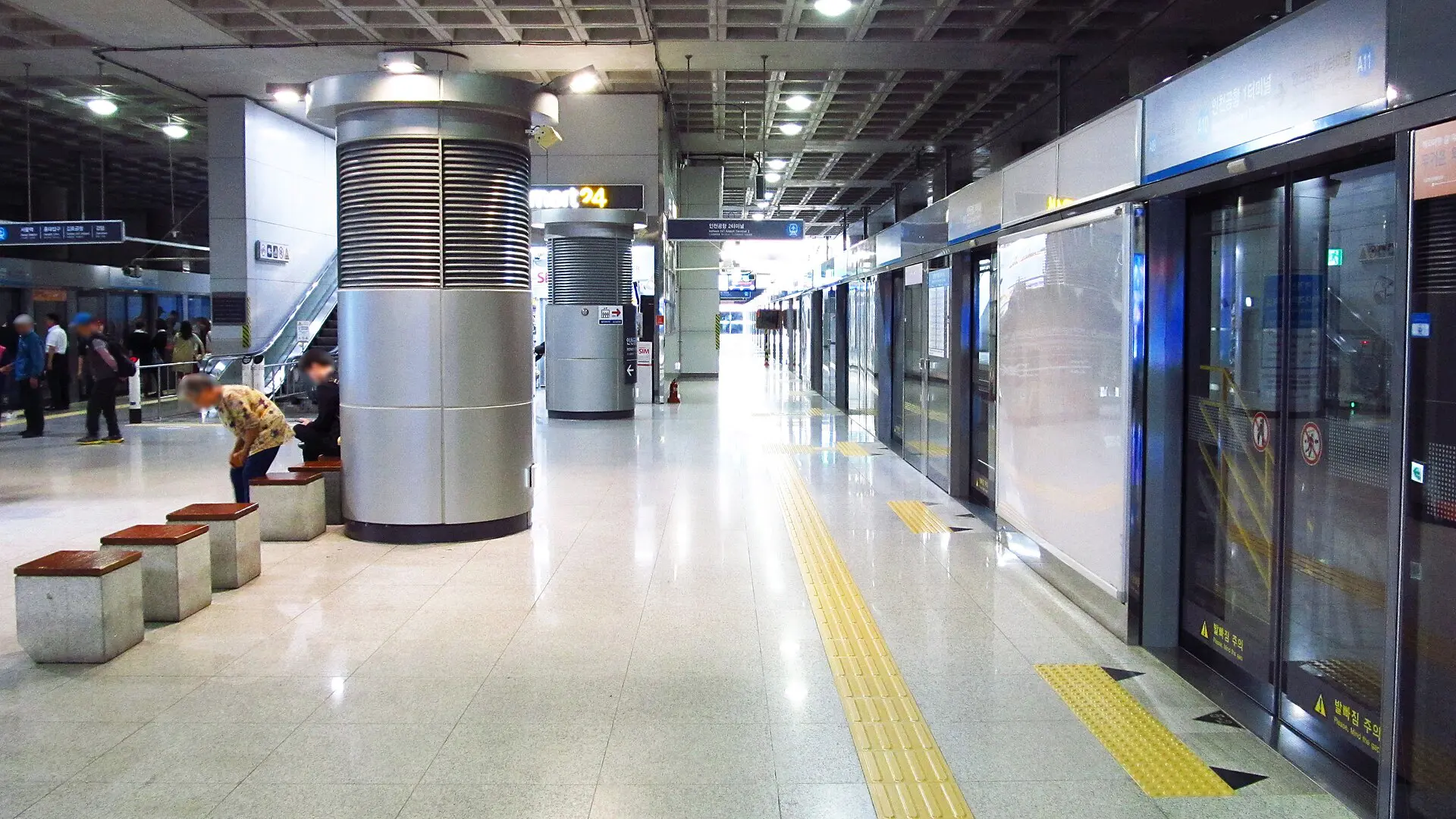
Most international visitors arrive at Incheon International Airport, about an hour from central Seoul by the AREX airport railway. Gimpo handles many domestic flights and some short international routes, and Busan’s Gimhae airport has regional links. Ferries connect Incheon, Busan and other ports with China and Japan. South Korea has no land border open to travellers, because the border with North Korea is closed to normal crossings.
Getting around is easy. KTX high-speed trains link Seoul with Busan in about 2.5 hours and with other major cities, and slower trains cover many other lines. Express and intercity buses reach almost every town, are cheap and comfortable, and run frequently. A rechargeable T-money card works on metros, buses and in many taxis across the country.
Jeju Island is reached by a one-hour flight from Seoul, which is one of the busiest air routes in the world. Renting a car is the easiest way to explore Jeju. Elsewhere, public transport is usually faster and simpler than driving. Navigation apps in English can be unreliable, so many visitors use Naver Map or KakaoMap.
How much does a trip to South Korea cost?
South Korea is cheaper than Japan and Western Europe for food and transport, but accommodation in Seoul and Jeju can be expensive in peak periods. The currency is the South Korean won (KRW, ₩). Figures below are rough per-person guides for 2026 and change with exchange rates and the season.
- Budget: around KRW 60,000 to 100,000 per day, with hostels or guesthouses, subway and bus travel, markets and simple restaurants.
- Mid-range: around KRW 100,000 to 200,000 per day, with business hotels, restaurant meals and some KTX trips.
- High-end: from around KRW 300,000 per day, with upscale hotels, hanok stays and private tours.
Accommodation is the biggest swing factor, followed by intercity transport. A bowl of noodles or bibimbap commonly costs a few thousand to around ten thousand won, and metro rides cost little. Entrance fees to palaces and temples are low, often under KRW 5,000. Tipping is not expected, and cards are widely accepted, so cash needs are small.
South Korea food and drink
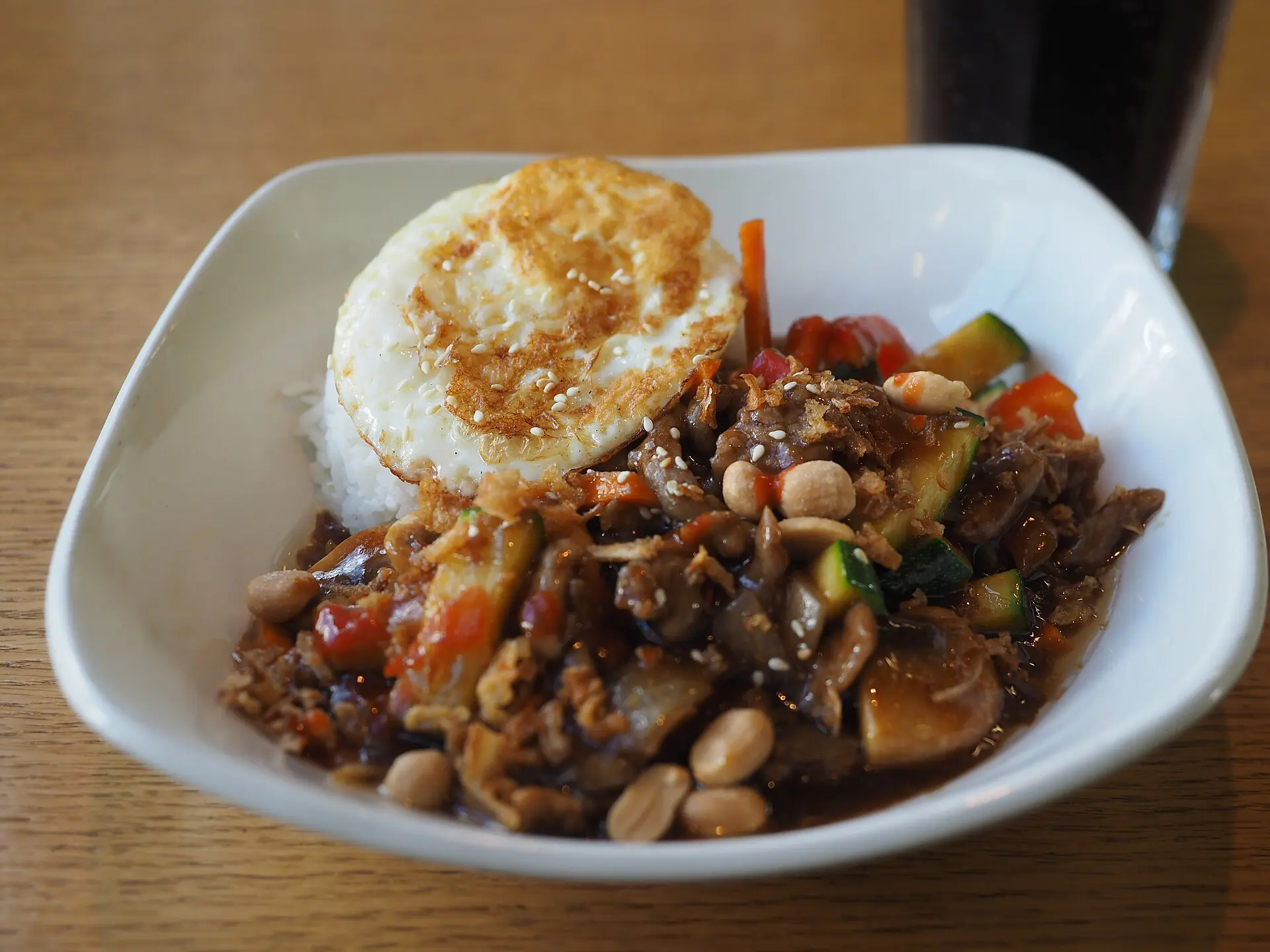
South Korea food centres on rice, soups, grilled meat and fermented vegetables, with a long list of side dishes (banchan) served alongside most meals. Prices are low, and many places serve one dish well rather than a wide menu.
- Kimchi: spicy fermented cabbage served with almost every meal, and used in stews and pancakes.
- Bibimbap: rice topped with vegetables, egg and chilli paste; Jeonju is the best-known source.
- Korean barbecue (samgyeopsal, galbi): meat grilled at the table and wrapped in lettuce leaves with sauces.
- Tteokbokki: chewy rice cakes in a sweet, spicy sauce, sold at street stalls.
- Naengmyeon: cold buckwheat noodles, popular in summer.
- Samgyetang: a whole young chicken stuffed with rice and ginseng in a hot broth.
- Soju and makgeolli: a clear distilled spirit and a milky rice wine, often shared with food.
Vegetarians and vegans can find it harder, since meat or fish stock often appears in soups and stews, but temple food restaurants are an excellent option. Many restaurants require two diners for barbecue. Pay at the counter on leaving, and note that tap water is usually served free.
Culture, language and etiquette in South Korea
Korean is the national language and is written in Hangul, an alphabet that is easy to learn in an afternoon and helps with reading signs and menus. English is common in tourist services in Seoul but is less so outside the big cities, so a translation app is useful. Learning annyeonghaseyo (hello) and kamsahamnida (thank you) is welcomed.
Respect for age and seniority shapes everyday behaviour. Use both hands when giving or receiving items from an older person, and pour drinks for others before yourself. Remove your shoes when entering homes, many guesthouses, traditional restaurants with floor seating and temple halls. Do not stick chopsticks upright in rice, since it resembles an offering for the dead.
Dress modestly at temples, stay quiet in meditation halls and ask before photographing monks. Public spaces are generally calm, so keep phone calls short on the metro. Avoid raising politically sensitive subjects such as relations with North Korea and Japan, unless a local raises them first, and keep your tone neutral.
South Korea itinerary: a 7-day route
This route uses fast trains and one domestic flight, so it avoids long drives.
- Day 1, Seoul: arrive at Incheon, then walk Gyeongbokgung Palace, Bukchon and nearby Insadong, and eat dinner at a market.
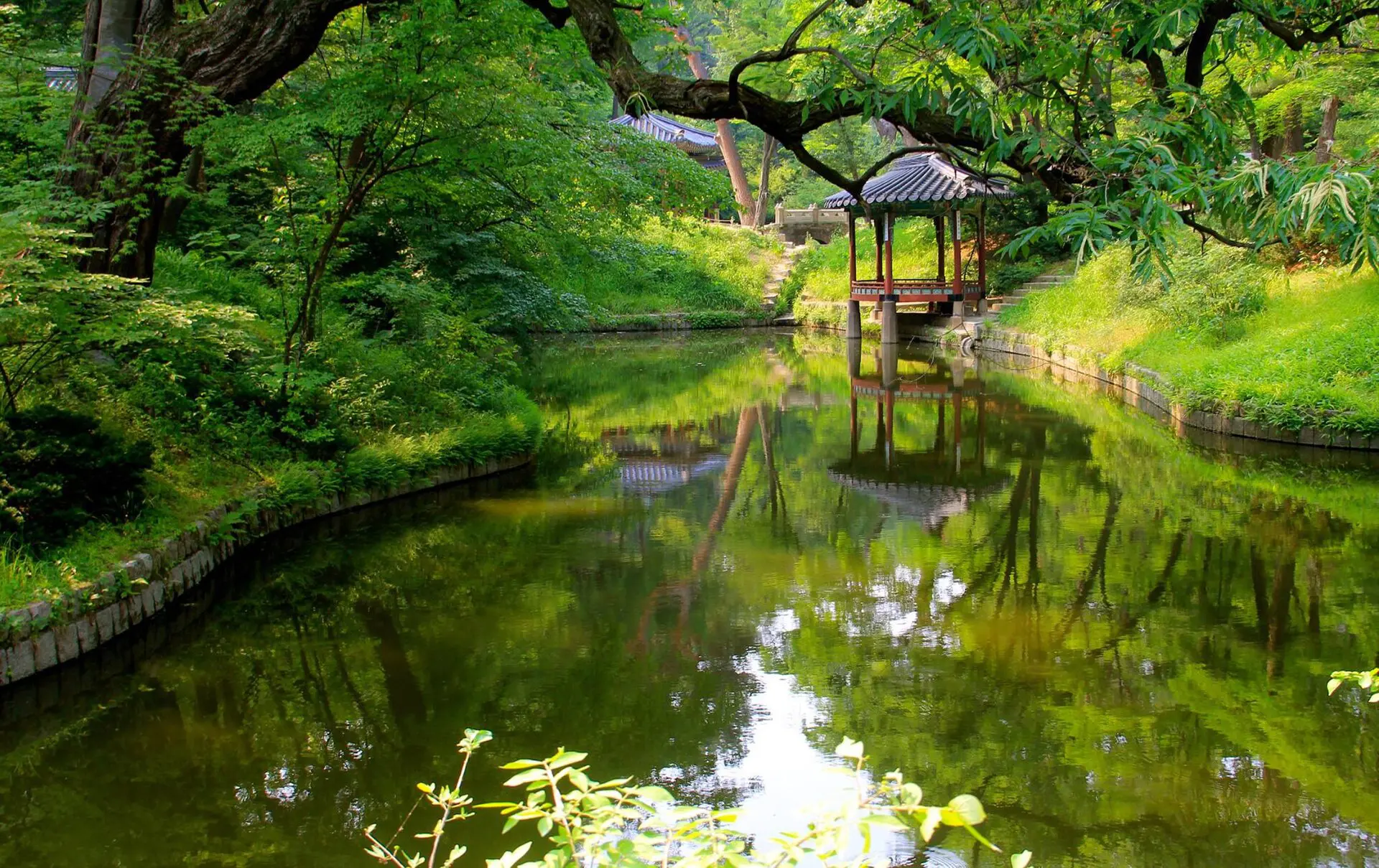
- Day 2, Seoul: visit Changdeokgung and its secret garden, shop in Myeongdong, and see the city from Namsan Tower at dusk.
- Day 3, DMZ or Bukhansan: take a guided DMZ tour in the morning, or hike in Bukhansan National Park, and spend the evening in Hongdae.
- Day 4, Gyeongju: take the KTX to Singyeongju (about two hours), then see Bulguksa, tomb parks and the night-lit Donggung Palace pond.
- Day 5, Busan: travel to Busan in under an hour, then visit Gamcheon Culture Village and Jagalchi Fish Market.
- Day 6, Busan: see Haedong Yonggungsa temple and Haeundae Beach, and fly to Jeju in the evening if you want the island.
- Day 7, return: fly or take the KTX back to Seoul, allowing at least three hours before an international departure.
With more days, add Jeonju, Andong or Seoraksan. In winter, replace Jeju with a ski resort near Pyeongchang, which hosted the 2018 Winter Olympics.
Practical tips for South Korea
- Money: the won is the local currency. Cards are accepted nearly everywhere, though some foreign cards fail at small machines, so carry a little cash. ATMs at convenience stores and banks usually accept international cards.
- SIM and eSIM: prepaid SIMs and eSIMs are easy to buy at Incheon airport, and mobile coverage is excellent, even on metro lines.
- Transport card: buy a T-money card at a convenience store and top it up; it works on subway, bus and taxis nationwide.
- Apps: Google Maps is limited for walking and driving directions in Korea, so install Naver Map or KakaoMap, plus Papago for translation.
- Plugs: types C and F at 220 V, so bring an adapter if your plugs differ.
- Tipping: not expected and sometimes refused politely.
- Packing: comfortable walking shoes that are easy to remove, layers for spring and autumn, and a warm coat for winter.
- Booking: reserve KTX seats, DMZ tours and hanok stays early for holidays and cherry blossom season.
For wider background, see the Wikivoyage South Korea guide.
FAQ
Q1Is South Korea safe to visit?
Yes. South Korea is among the safest destinations in Asia, and violent crime against tourists is rare. The main risks are traffic, occasional petty theft in crowded areas and summer typhoons. Tension with North Korea does not affect daily life, but check your government's travel advice before you go.
Q2What is the best time to visit South Korea?
April to June and September to November are best, with mild weather and either cherry blossom or autumn colour. July and August are hot, humid and rainy, while winter is cold but good for skiing and city breaks. Avoid Lunar New Year and Chuseok unless you book transport early.
Q3What are the best places to visit in South Korea?
Seoul is the essential stop, followed by Busan for coast and seafood, Gyeongju for ancient Silla heritage and Jeju Island for volcanic scenery. Jeonju, Andong and Seoraksan National Park suit travellers with extra days who want food, tradition or mountain hiking.
Q4Do I need a visa for South Korea?
It depends on your nationality. Many travellers can enter visa-free for stays of up to around 90 days, but some must first apply for the K-ETA online. Check the official K-ETA site or your nearest Korean embassy before booking, since exemptions change.
Q5How much does a trip to South Korea cost?
Mid-range travellers should plan on roughly KRW 100,000 to 200,000 per day for a hotel, meals and local transport, with budget travel possible at around KRW 60,000 to 100,000. Accommodation in Seoul and Jeju, plus KTX train tickets, drive most of the spending.
Q6What is South Korea food like?
Korean food is built around rice, soups, grilled meat and fermented vegetables, with side dishes (banchan) served with most meals. Try bibimbap, kimchi stew, barbecue and tteokbokki. Vegetarians may need to ask about fish stock, but temple restaurants offer plant-based meals.
Q7How many days do you need in South Korea?
Seven days covers Seoul, Gyeongju and Busan at a steady pace by high-speed train. Add three or four days for Jeju Island, Jeonju or Seoraksan. A short trip of three to four days works if you stay in Seoul and take day trips.