Why visit China
The things to do in China span more than 3,000 years of recorded history and a landmass about the size of Europe (see the Wikipedia overview). Few countries combine imperial palaces, ancient defensive walls, buried armies, limestone karst rivers, Himalayan plateaus and futuristic skylines, and few have regional food traditions as varied. Fast trains connect most of the major cities, so a first trip can cover several highlights without domestic flights.
China suits travellers who enjoy history, food and big cities, and who are willing to prepare: payments, messaging apps and maps work differently from elsewhere, and English is limited outside major hotels. It is less suited to travellers who want a loosely planned trip with no digital setup, or who expect free access to all websites and apps. Choose a few regions rather than the whole country.
Best places to visit in China
The best places to visit in China are spread over thousands of kilometres, so most first trips combine a few cities by train, plus one landscape region.
Beijing
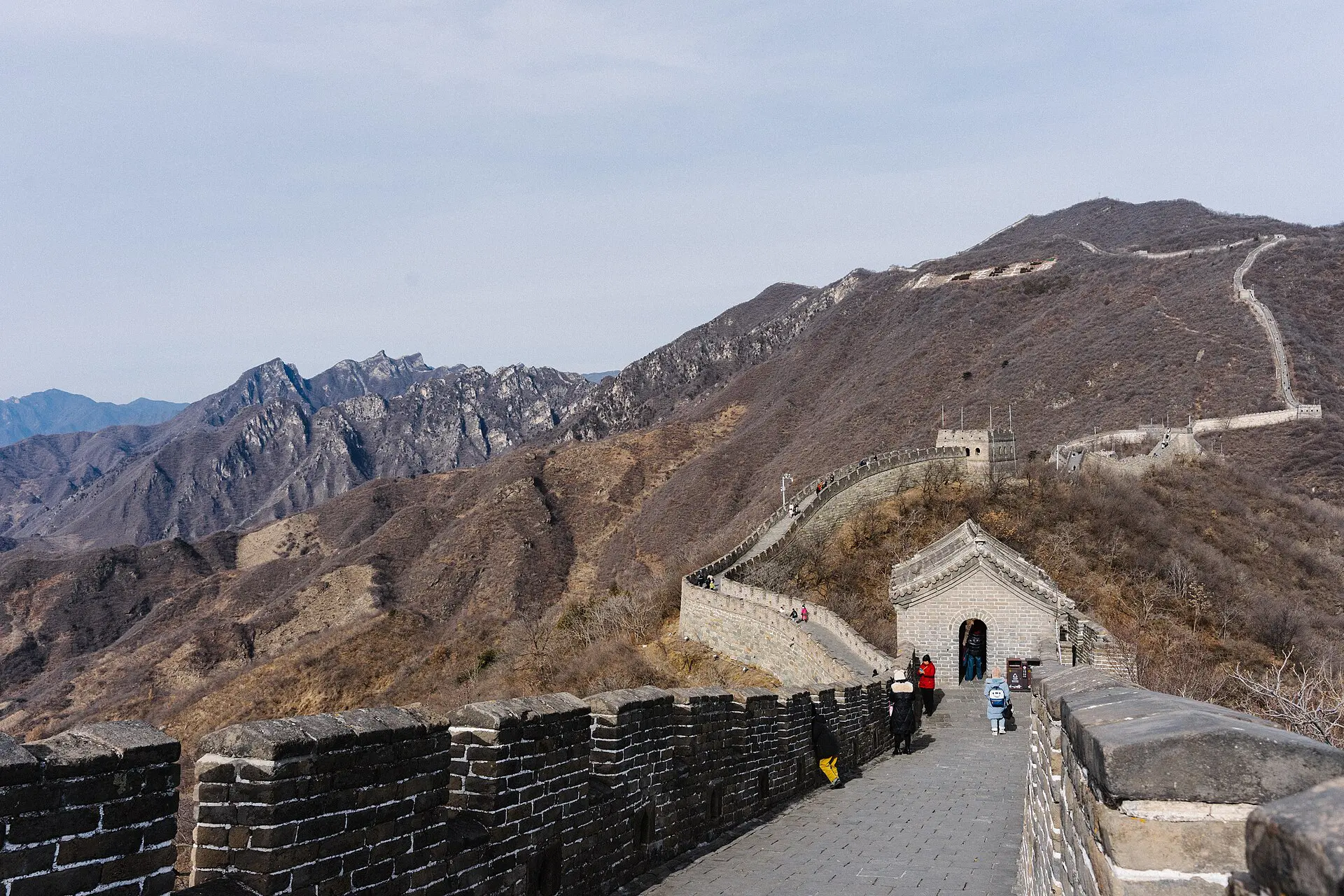
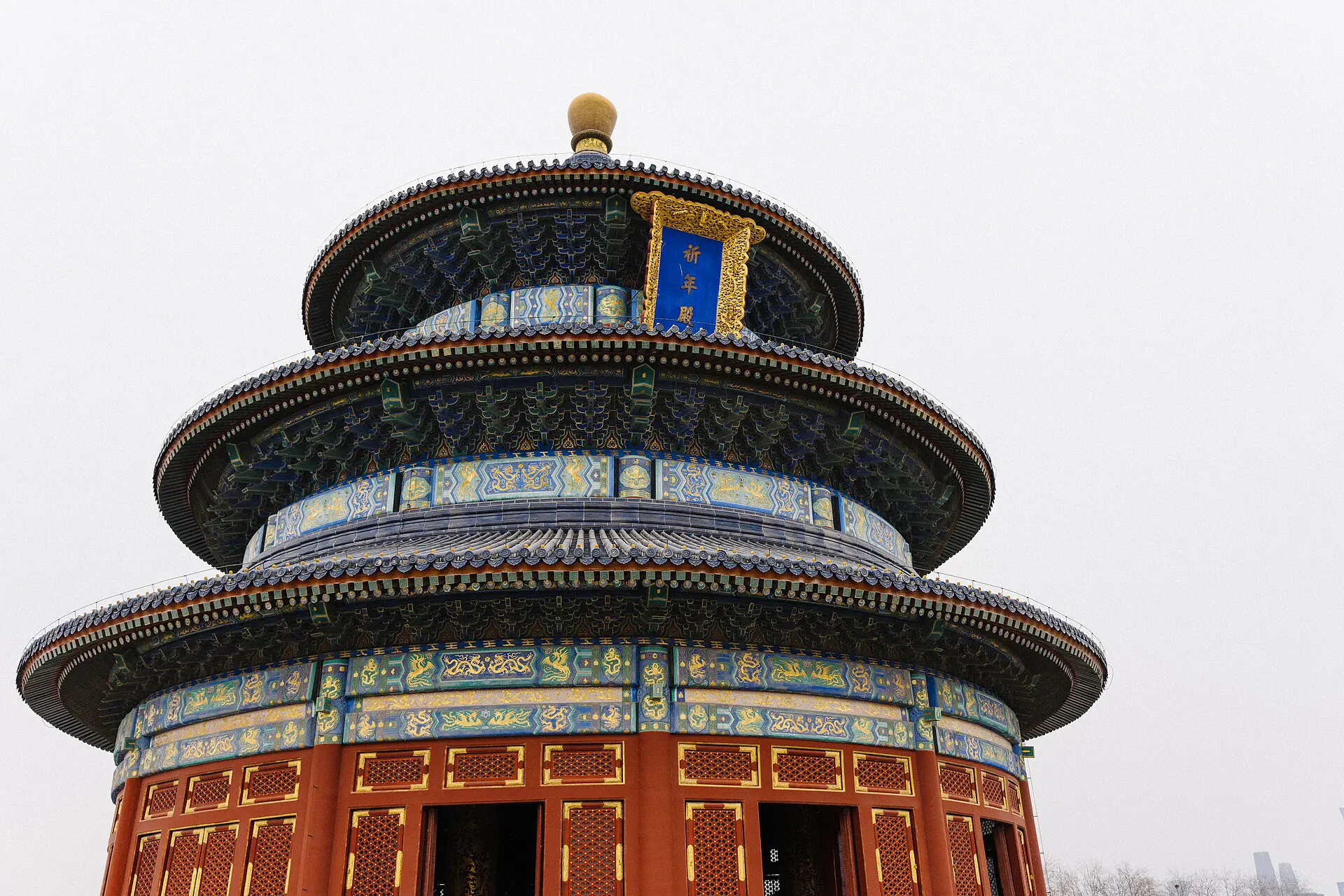
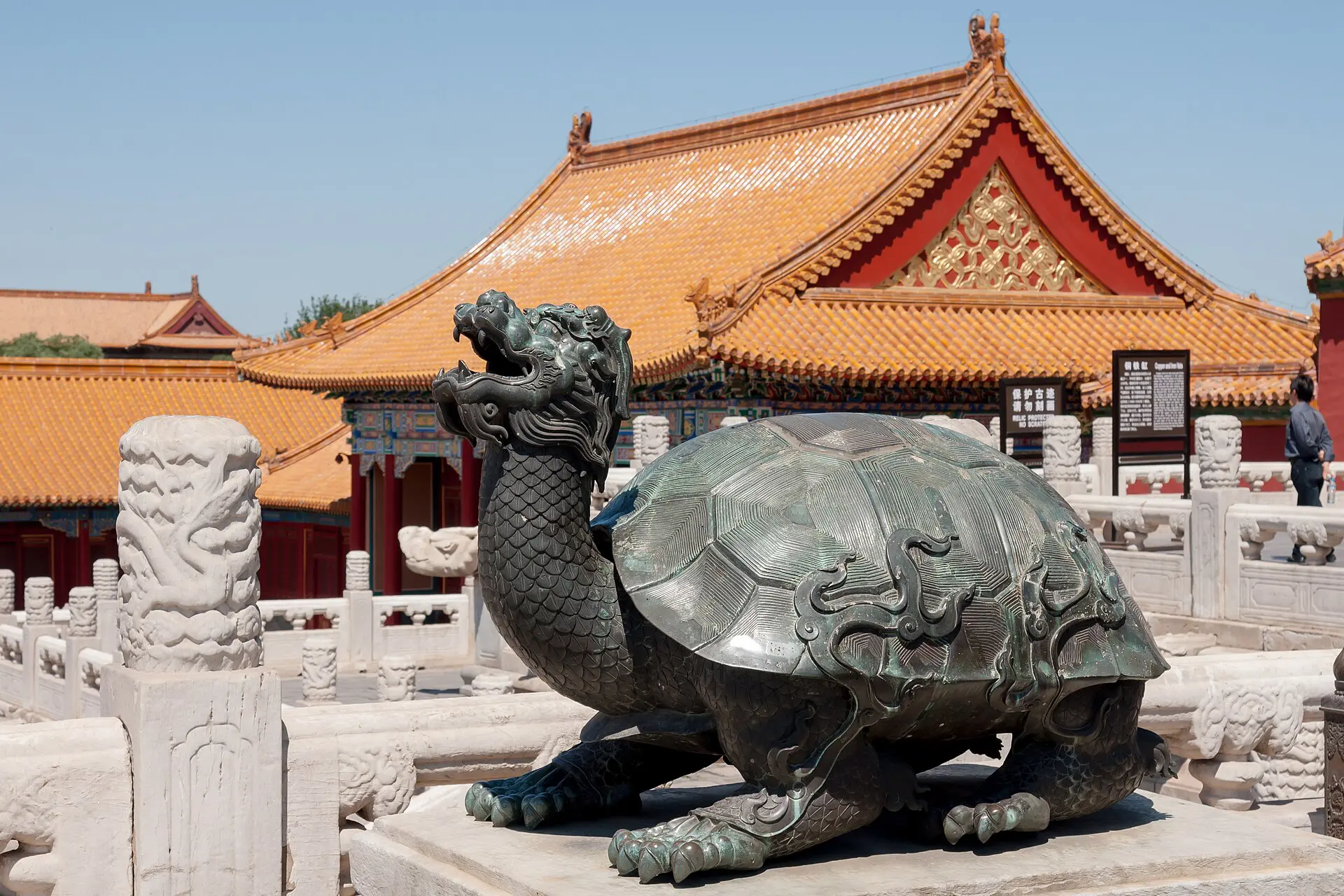
The capital holds the Forbidden City, the Temple of Heaven, hutong alleys and the Summer Palace. The best-preserved Great Wall sections, including Mutianyu and Jinshanling, are a day trip away.
Xi’an
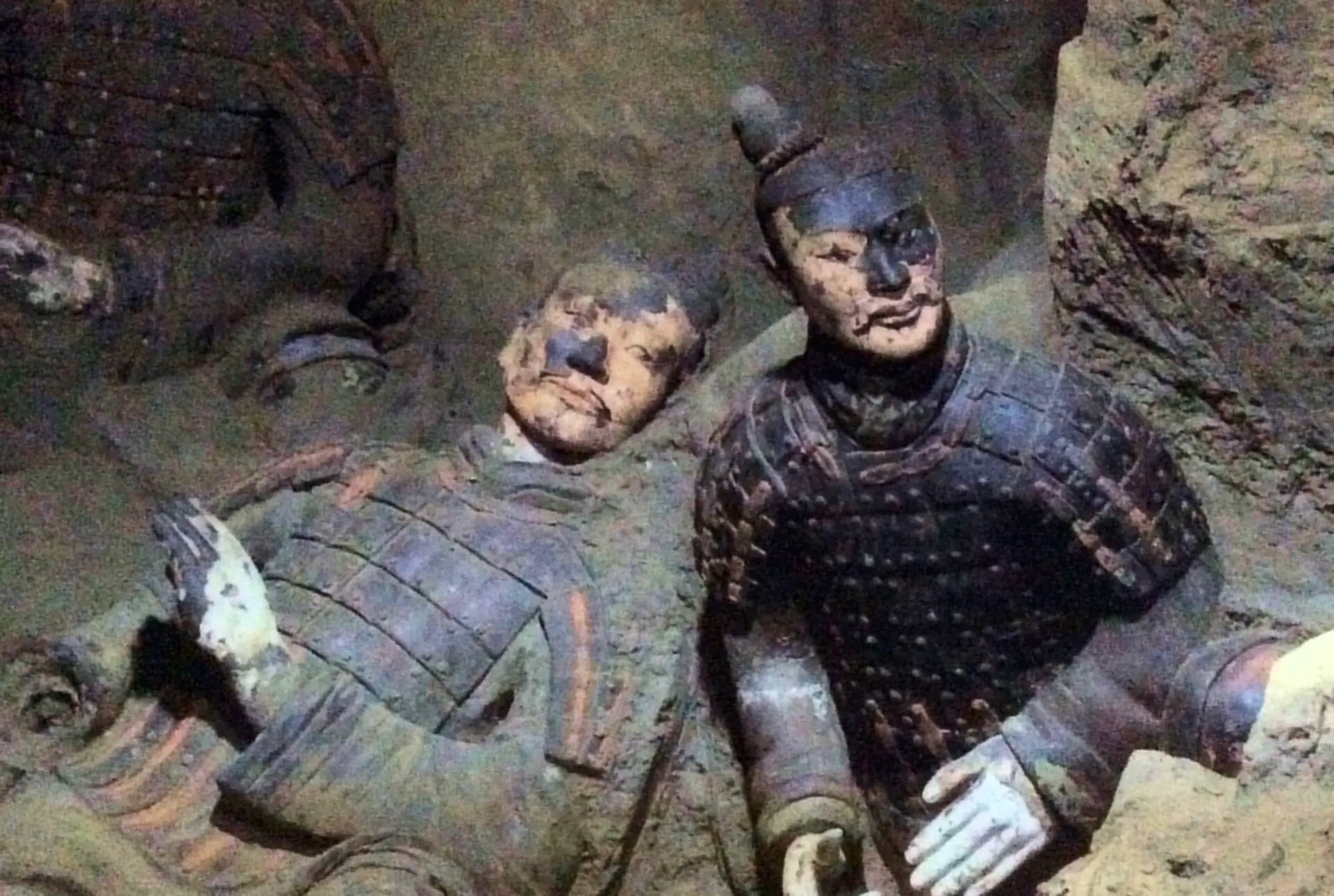
The ancient capital is home to the Terracotta Army, a walled city centre you can cycle around, and the Muslim Quarter’s street food. Plan at least two nights.
Shanghai
The Bund waterfront faces the skyscrapers of Pudong, while the former French Concession offers tree-lined streets, cafés and museums. It is a good food city.
Chengdu
The Sichuan capital is known for spicy food, teahouses and the Chengdu Research Base of Giant Panda Breeding. It is also the usual gateway to western Sichuan.
Guilin and Yangshuo
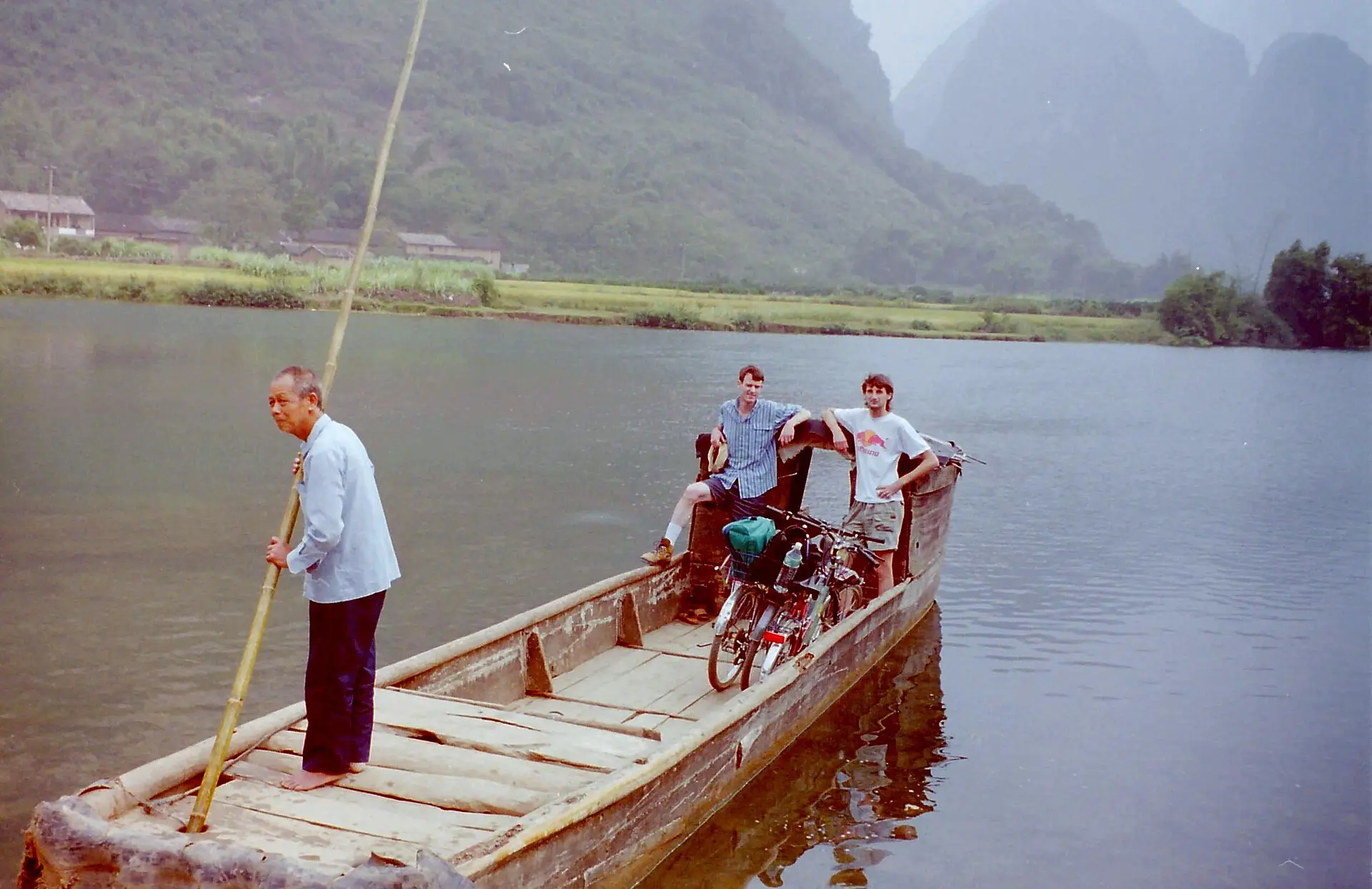
The Li River flows through conical karst peaks, best seen from a bamboo raft, by bicycle or on a short cruise between the two towns.
Zhangjiajie
Sandstone pillars rise out of the mist in Wulingyuan, a UNESCO-listed scenic area with glass bridges and cable cars.
Hangzhou and Yunnan
Hangzhou’s West Lake suits a relaxed stop near Shanghai, while Yunnan’s Lijiang and Dali offer mountains, old towns and minority cultures.
Top things to do in China
The top things to do in China mix monuments, landscapes and food, and most can be done by train from the major cities.
- Walk the Great Wall: choose Mutianyu or Jinshanling, and go early to avoid crowds.
- Tour the Forbidden City: book tickets in advance and allow half a day.
- See the Terracotta Army: the pits outside Xi’an are best seen in the morning with a guide.
- Cycle Xi’an’s city wall: a flat route of about 14 kilometres around the old city.
- Cruise the Li River: the Guilin to Yangshuo stretch is the classic karst view.
- Meet giant pandas in Chengdu: go early in the morning when the animals are most active.
- Stroll the Bund in Shanghai: the skyline is best at dusk when the lights come on.
- Eat Peking duck in Beijing: the dish is served with pancakes, spring onion and sweet bean sauce.
- Explore Beijing’s hutongs: rent a bike or walk the lanes near Nanluoguxiang.
- Visit Zhangjiajie: walk the glass walkways and ride the cable cars above the pillars.
- Ride a high-speed train: the Beijing to Shanghai run takes about four and a half hours.
Best time to visit China
The best time to visit China is April to May and September to October, when most of the main destinations have mild, dry weather. Avoid Chinese New Year (late January or February) and the Golden Week holiday in early October, when hundreds of millions of people travel, trains sell out and prices rise. Summers are hot and humid in the south and east, with typhoons on the coast, and winters are very cold in the north.

| Season | Weather | Crowds and prices | Good for |
|---|---|---|---|
| Spring (Mar-May) | Mild; some rain in the south | Moderate; busy at the May holiday | Beijing, Xi’an, Guilin, Hangzhou |
| Summer (Jun-Aug) | Hot and humid; rainy in much of the south | High at domestic sights | Tibetan plateau, Yunnan, Inner Mongolia |
| Autumn (Sep-Nov) | Clear and comfortable | Peak around Golden Week | Great Wall, Beijing, Chengdu, Zhangjiajie |
| Winter (Dec-Feb) | Cold in the north; mild in the far south | Low, except around New Year | Harbin ice festival, Hainan, Yunnan |
Air quality is usually better in spring and autumn after rain, and poorer in northern winters.
Is China safe to visit?
Is China safe? Yes, for most tourists: violent crime against foreigners is rare and big cities are generally safe at night. Is China safe to visit without any caution? Not quite, because scams, air quality and strict legal rules deserve attention. Check your government’s current travel advice, such as the UK FCDO or US State Department pages, before you go.
Is China safe?
Scams. Common ones include tea-house or art-student invitations that end with a huge bill, unlicensed taxis and fake tickets near major sights. Use ride-hailing apps, buy tickets from official channels and decline unsolicited invitations.
Rules. Foreigners must carry their passport, and hotels register guests. Do not photograph military sites, and avoid political demonstrations or sensitive topics in public. Some regions, including Tibet, require special permits, and other areas have restricted access. Some governments have also warned about the risk of arbitrary detention or exit bans for foreign nationals.
Health and environment. Air pollution can be heavy in northern cities, so check an air-quality app. Tap water is not safe to drink. Typhoons, floods and earthquakes affect some regions, and traffic is chaotic, so be careful crossing roads and on electric scooters.
China visa and entry requirements
The China visa picture changes frequently and depends on your nationality. In recent years China has introduced visa-free short stays for citizens of a growing list of countries, and a transit scheme that allows many nationalities to stay up to 240 hours when travelling between two countries via China. Other travellers need a tourist visa from a Chinese embassy or visa centre, which usually requires a passport, photo, itinerary and proof of accommodation.
Confirm the rule for your passport with the Chinese embassy or the National Immigration Administration, and do not rely on forums or agents. Your passport should be valid for at least six months, and you will need proof of onward travel for visa-free stays. Some regions, including Tibet, need additional permits arranged through a licensed agency.
Arrival cards, usually filled in online, may be required, and border officials can ask about your plans. The UNESCO page for China is useful when you plan heritage stops, but it does not cover entry rules.
Getting to and around China
Major international gateways include Beijing Capital and Daxing, Shanghai Pudong, Guangzhou and Chengdu, with many direct long-haul flights. Land crossings exist with several neighbouring countries, but most are not practical for tourists.

Inside China, the high-speed rail network is the best way to travel between cities. Beijing to Shanghai takes around four and a half hours, Beijing to Xi’an around four and a half hours, and Shanghai to Hangzhou under an hour. Foreigners can book through official apps or international booking platforms, and need their passport to collect and use tickets. Domestic flights suit long distances such as Xi’an to Shanghai or Chengdu to Guilin.
Cities have clean and cheap metro systems, and ride-hailing apps work well. Foreign visitors generally cannot drive without a Chinese licence, so taxis, trains and private drivers are the norm. Download an offline translation app and show addresses in Chinese characters.
How much does a trip to China cost?
China offers good value, though costs vary widely: Shanghai and Beijing are much pricier than inland cities. The currency is the yuan or renminbi (CNY), and figures below are rough per-person guides for 2026.

- Budget: around CNY 300 to 500 per day, with hostels, metros, local noodle shops and few paid attractions.
- Mid-range: around CNY 700 to 1,200 per day, with comfortable hotels, restaurant meals, high-speed trains and entrance fees.
- High-end: from around CNY 2,000 per day, with luxury hotels, private guides and drivers.
Intercity trains and flights are the biggest costs, followed by hotels in Beijing and Shanghai. Entry tickets such as the Forbidden City and Terracotta Army are modest, while food is cheap if you eat where locals do. Peak holidays send hotel and ticket prices up sharply.
China food and drink
China food varies sharply by region, from the numbing spice of Sichuan to the delicate dim sum of Guangdong and the wheat noodles of the north. Eating is a social event, and dishes are often shared.
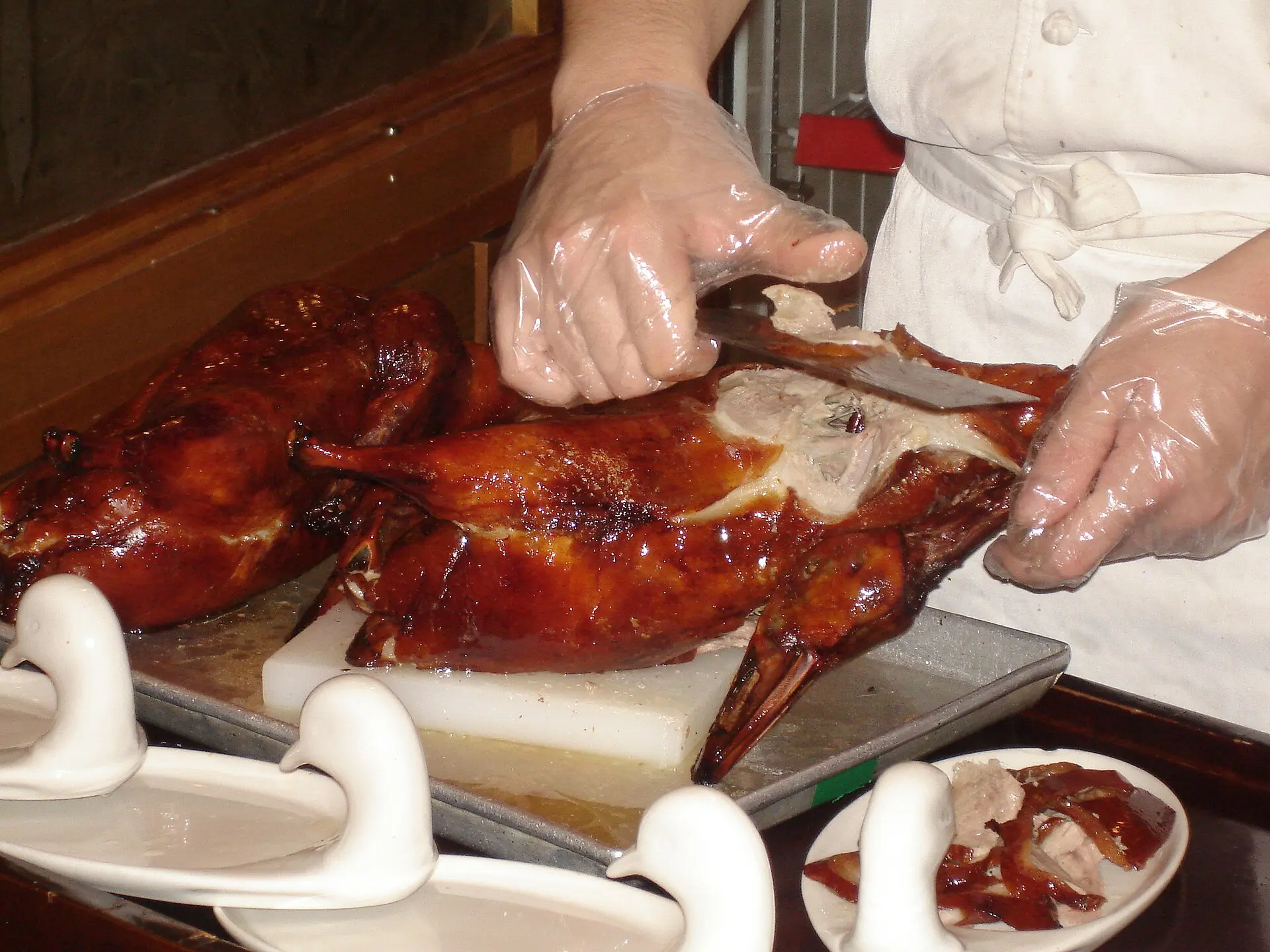
- Peking duck: roast duck with crisp skin, served with thin pancakes, in Beijing.
- Sichuan hotpot: a bubbling chilli and peppercorn broth for cooking meat and vegetables at the table.
- Mapo tofu: soft tofu in a spicy, numbing sauce with minced pork.
- Xiaolongbao: soup dumplings from Shanghai, eaten carefully so the broth does not burn.
- Hand-pulled noodles: from Lanzhou and Xi’an, often served in beef broth or with chilli oil.
- Dim sum: small steamed dishes in Guangzhou, usually with tea.
- Roujiamo: a shredded-meat flatbread sandwich in Xi’an.
- Tea: green tea from Hangzhou and pu’er from Yunnan are well known.
Vegetarians should be careful, because broths, sauces and stir-fries often contain meat or lard, so say that you do not eat meat in Mandarin or show a translation card. Street food is generally safe when freshly cooked and busy.
Culture, language and etiquette in China
Standard Mandarin is the official language, and many regions have their own dialects or languages, such as Cantonese in Guangdong. English is limited outside international hotels and big tourist sights, so translation apps and written addresses help. Learning a few words such as nǐ hǎo (hello) and xièxie (thank you) makes a good impression.

Etiquette is generally relaxed for visitors. Do not stick chopsticks upright in a bowl of rice, since it resembles incense offered to the dead, and wait for the host to start the meal. Business cards and gifts are offered and received with both hands. Hosts often insist on paying, and offering to pay once or twice is polite.
Many Chinese people are happy to talk about food, travel and family. Politics, Taiwan, Tibet, Xinjiang and Hong Kong are sensitive topics, so let locals raise them first. Queueing is less strict than in some countries, so be patient, and expect public spaces to be noisy.
China itinerary: a 7-day route
This route links China’s three classic stops using one high-speed train and one flight.

- Day 1, Beijing: arrive, walk the hutongs and eat Peking duck.
- Day 2, Great Wall: take a day trip to Mutianyu or Jinshanling, around 90 minutes to two hours each way.
- Day 3, Beijing: visit the Forbidden City, Tiananmen Square and the Temple of Heaven.
- Day 4, Xi’an: take the high-speed train, about four and a half hours, then walk the Muslim Quarter.
- Day 5, Terracotta Army: spend the morning at the pits, then cycle the city wall.
- Day 6, Shanghai: fly from Xi’an in about two hours, then stroll the former French Concession.
- Day 7, Shanghai: walk the Bund and see Pudong before your departure.
Set up payment apps and an eSIM before you arrive. With extra days, add Chengdu for pandas or Guilin for karst scenery.
Practical tips for China
- Payments: mobile payment through Alipay and WeChat Pay dominates, and both now let foreign cards be linked. Set this up before you travel and carry some cash as backup.
- Apps and internet: Google services, WhatsApp and many Western apps are blocked. Install a roaming eSIM or a VPN before you arrive, and download offline maps and a translation app.
- Plugs: types A, C and I at 220 V; bring a universal adapter.
- Tipping: not expected in most places.
- Health: drink bottled or boiled water, carry hand sanitiser and tissues, and check air quality in northern cities.
- Packing: comfortable walking shoes, layers, a power bank and copies of your passport and visa.
- Booking: reserve train tickets as soon as they are released, and book Forbidden City entry in advance.
For wider background, see the Wikivoyage China guide.

FAQ
Q1What is China food like?
China food varies by region: spicy Sichuan hotpot and mapo tofu, Beijing's Peking duck, Shanghai's soup dumplings, Cantonese dim sum and northern noodles. Meals are shared, rice or noodles accompany most dishes and tea is common. Vegetarians should check for hidden meat or lard.
Q2What are the best things to do in China?
Top picks are walking the Great Wall, touring the Forbidden City, seeing the Terracotta Army in Xi'an, meeting pandas in Chengdu, cruising the Li River near Guilin and strolling Shanghai's Bund. Ride a high-speed train between cities to link them.
Q3Do I need a visa for China?
It depends on your nationality. Many countries now have visa-free short stays or transit stays of up to 240 hours, while others need a tourist visa from a Chinese embassy. Rules change often, so confirm with the embassy or National Immigration Administration.
Q4What is the best time to visit China?
April to May and September to October bring mild, dry weather to most popular regions. Avoid Chinese New Year and the early-October Golden Week, when travel is extremely busy. Summer is hot and humid in the south and east; winter is very cold in the north.
Q5What are the best places to visit in China?
Beijing for the Forbidden City and the Great Wall, Xi'an for the Terracotta Army, Shanghai for its skyline and food, Chengdu for pandas and Sichuan cuisine, Guilin and Yangshuo for karst scenery, and Zhangjiajie for its pillar mountains.
Q6Is China safe?
Yes, for most tourists. Street crime is low, but scams, air pollution, document checks and restrictions on photography and sensitive topics deserve attention. Use official ticket channels and ride-hailing apps, and read your government's current travel advice.
Q7Is China safe to visit for solo travellers?
China is generally considered safe for solo travellers, including women, in cities and tourist areas. Language is the main challenge. Download translation and payment apps, keep your hotel address in Chinese, and avoid unsolicited invitations from strangers.