Why visit Mexico
Mexico travel offers a range that few single countries match. In under two million square kilometres it holds the Maya and Aztec ruins of Chichén Itzá and Teotihuacán, colonial silver towns, a capital of more than nine million people, desert canyons, jungle, cloud forest and long Pacific and Caribbean coastlines. The country also has dozens of UNESCO World Heritage Sites and a culinary tradition recognised as intangible heritage (see the Wikipedia overview for background).
Mexico suits beach travellers, history lovers, food-focused visitors, families and road-trippers, and its quality-to-cost ratio is high compared with the United States and Europe. Domestic transport is good, and English is widely spoken in resort areas. The main caution is that safety varies by region, so plan routes using current government advice rather than assuming the whole country is the same.
Best places to visit in Mexico
The best places to visit in Mexico depend on interests, because distances are large and most trips focus on one or two regions.
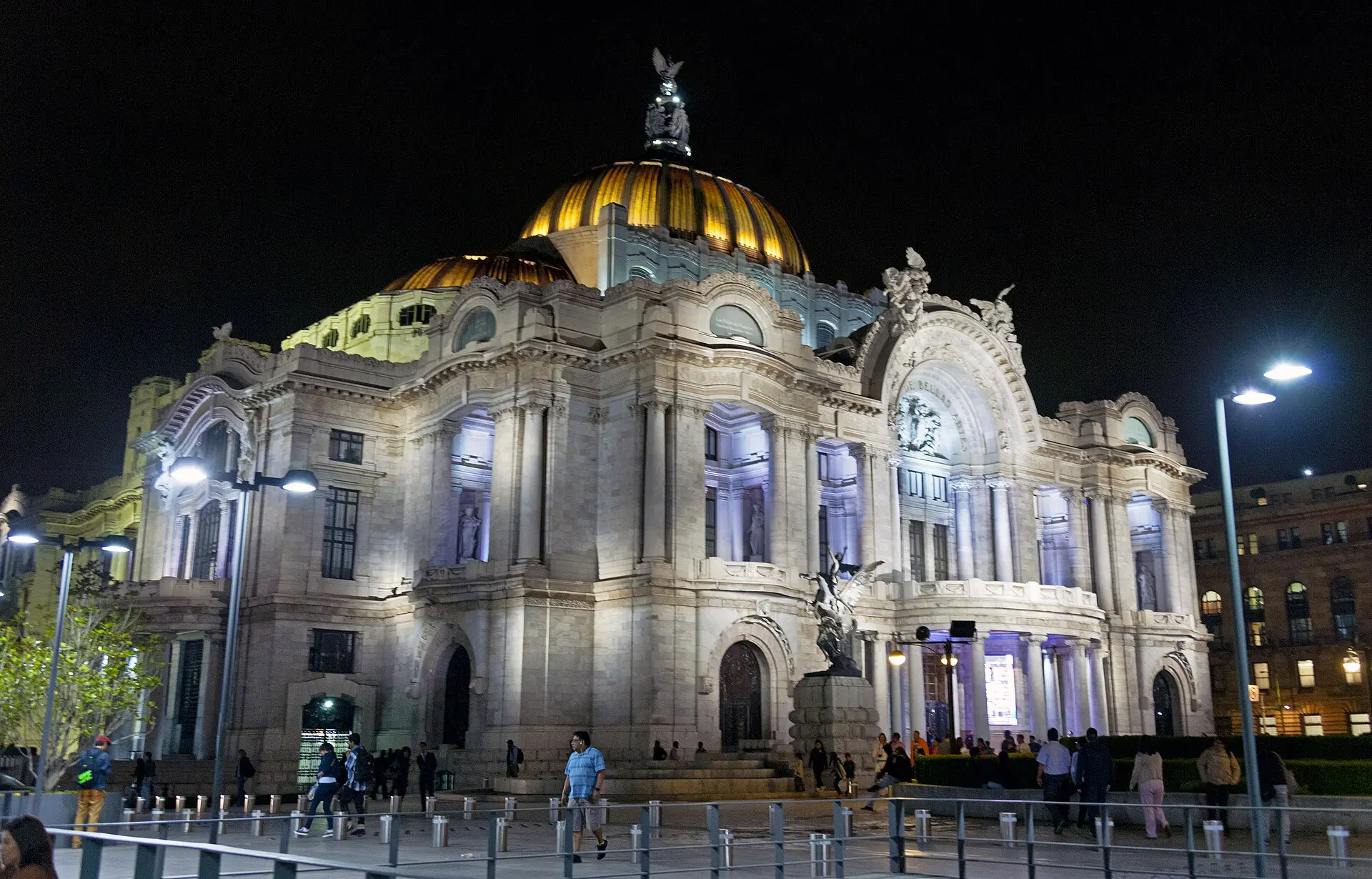
Mexico City
The capital combines Aztec foundations, colonial cathedrals, world-class museums such as the National Museum of Anthropology, and a dense food and nightlife scene. Neighbourhoods such as Roma, Condesa and Coyoacán are good bases. Allow at least three days; altitude is about 2,240 metres.
Oaxaca
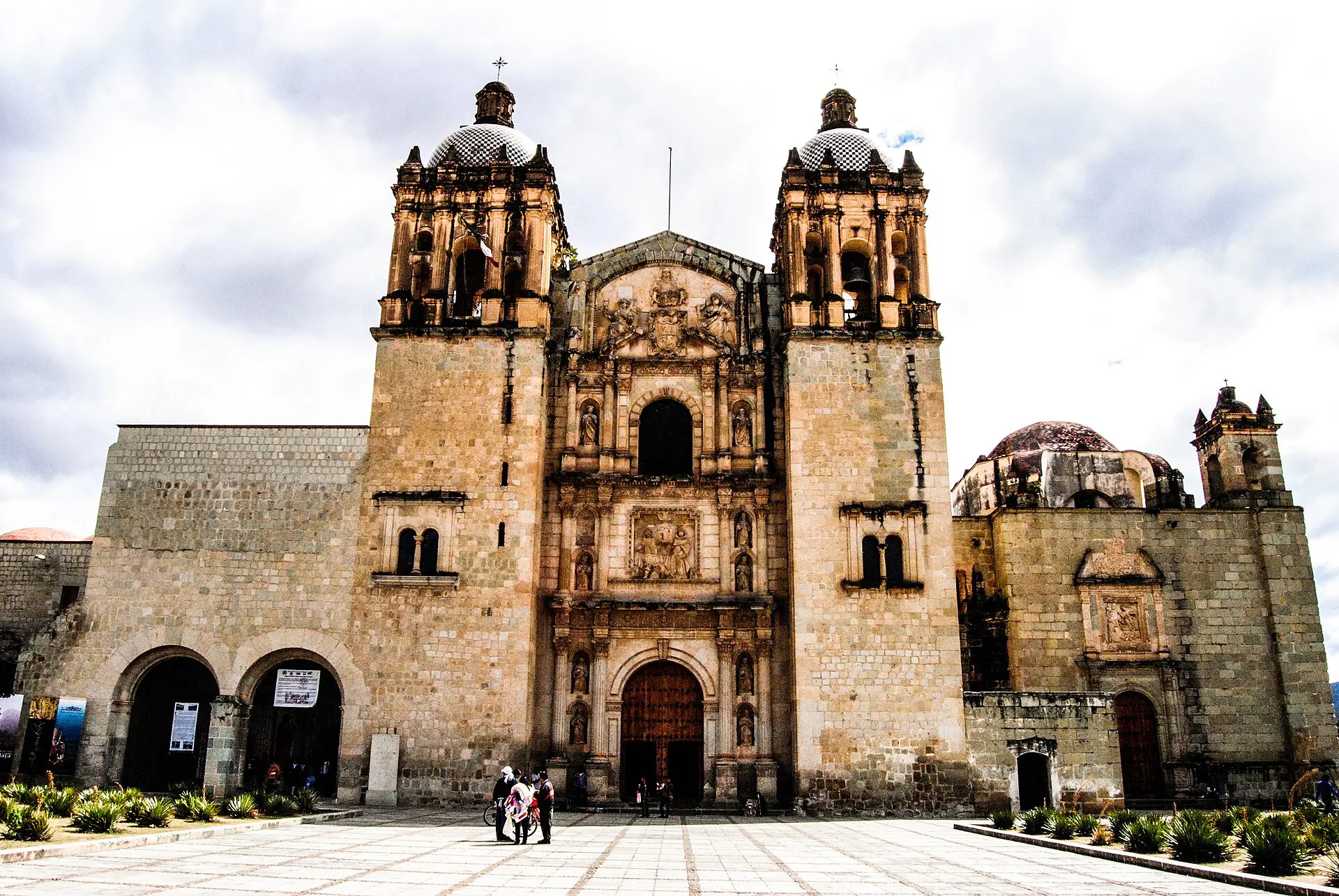
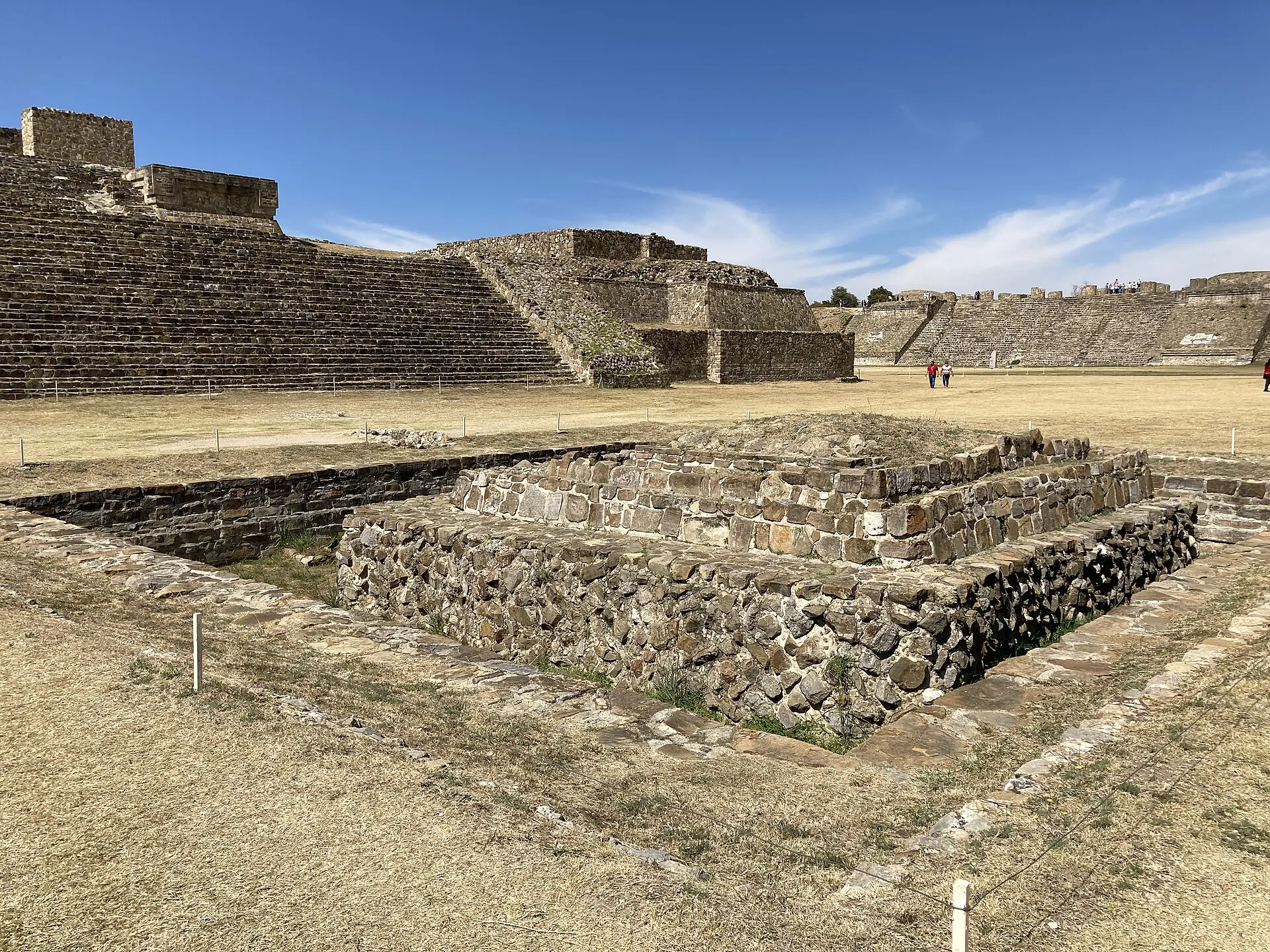
A colonial city in the south, famous for mole, mezcal, craft markets and nearby Zapotec ruins at Monte Albán. It is smaller and calmer than the capital and works well as a base for day trips.
Yucatán Peninsula
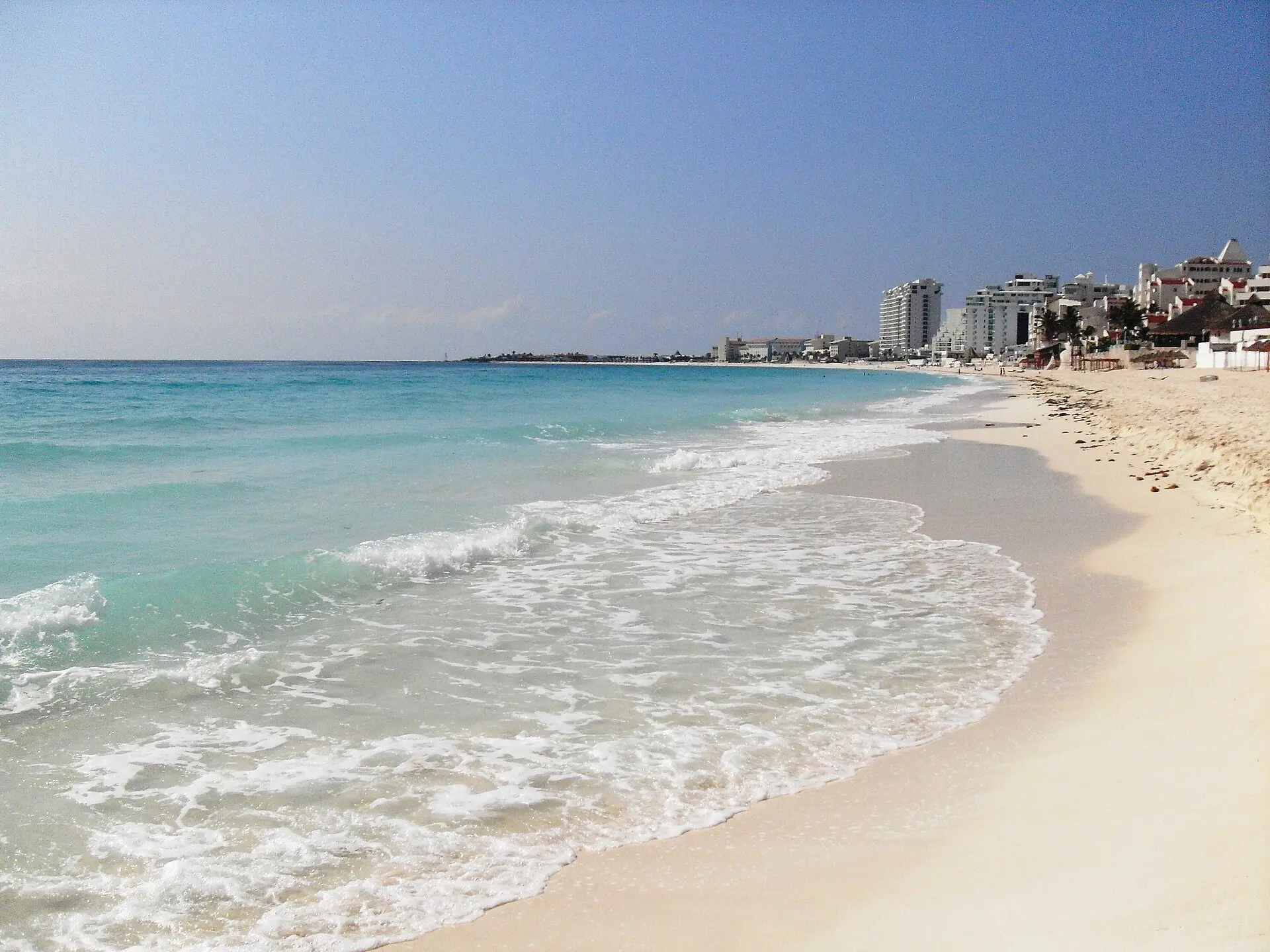
Chichén Itzá, Uxmal, Mérida, Valladolid and the cenotes sit inland, while Tulum, Playa del Carmen and Cancún line the Caribbean coast. This is the most popular region for first-time visitors.
Guanajuato and San Miguel de Allende
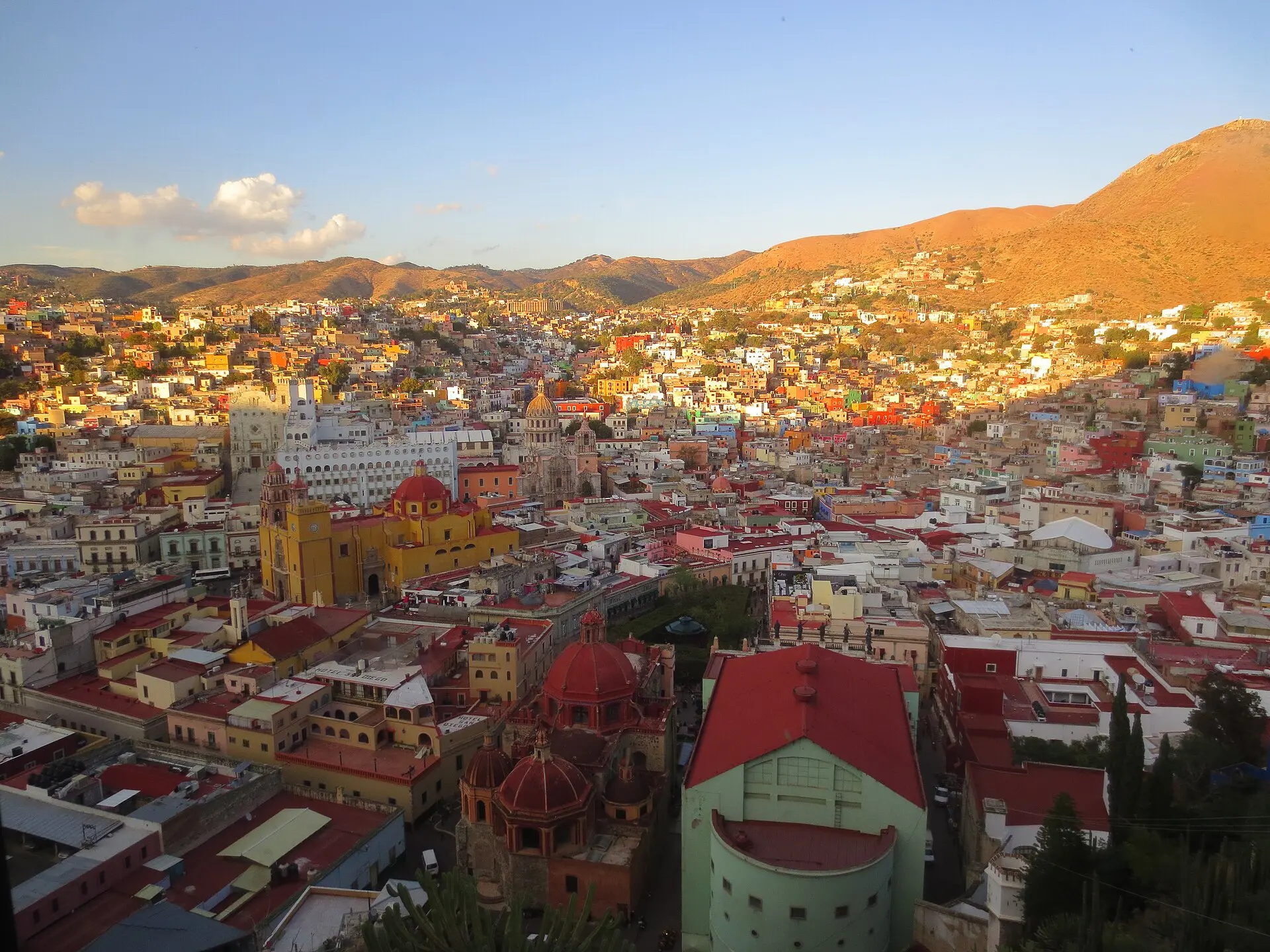
Two colonial towns in the central highlands, with colourful streets, historic churches and active arts scenes. They are easy to combine by road.
Guadalajara and Jalisco
The home of mariachi and tequila, with a lively cathedral district and the tequila-growing landscape nearby.
Pacific coast and Baja
Puerto Vallarta, Puerto Escondido and the Los Cabos area offer beaches, surf and whale watching in winter. Check advice for individual states on this coast.
Copper Canyon
A network of canyons in the northwest, reached by the Chepe railway, for hikers and train travellers.
Top things to do in Mexico
The top things to do in Mexico mix archaeology, food, nature and beaches, and most can be arranged locally.
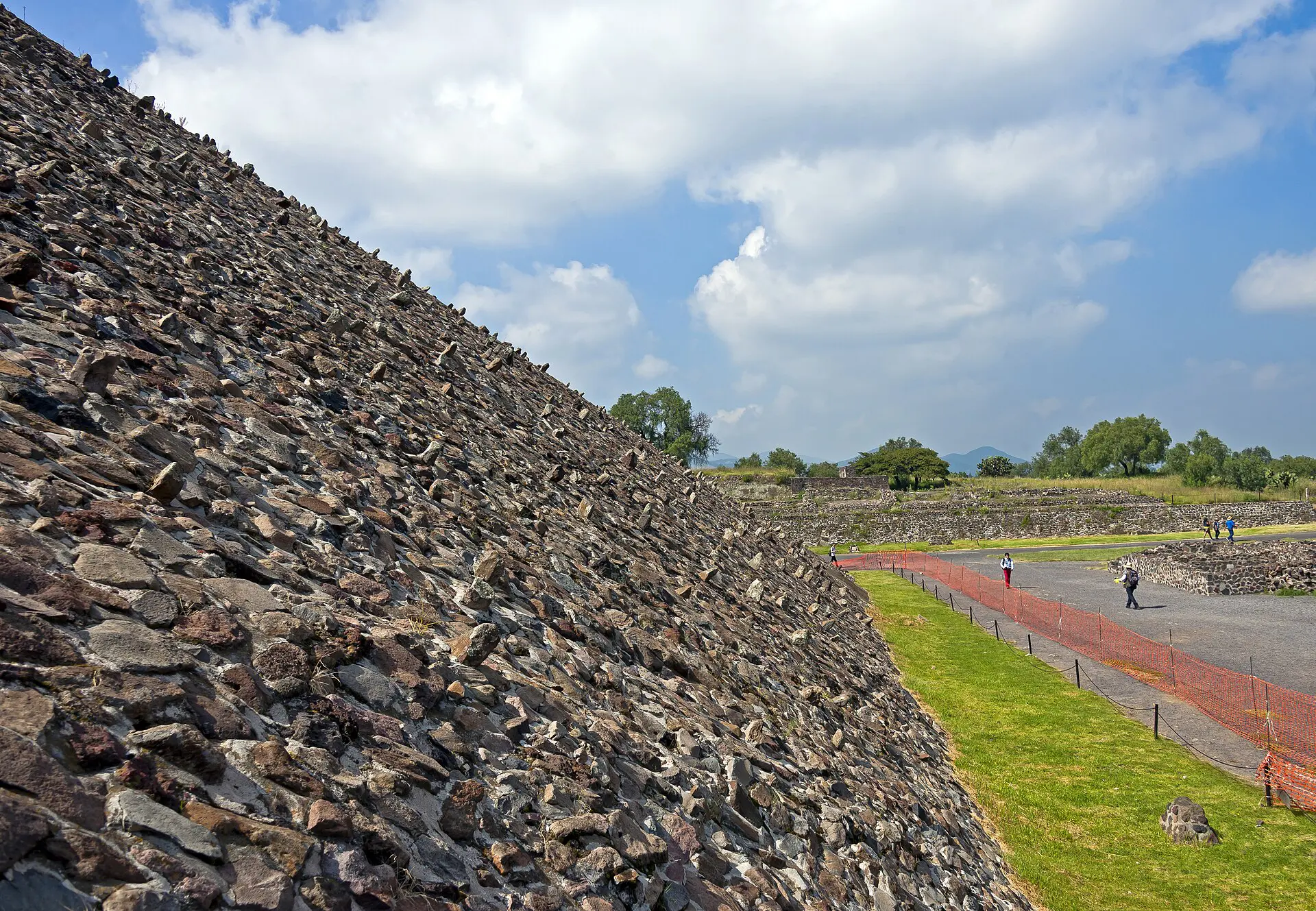
- Climb or tour Teotihuacán: the Pyramids of the Sun and Moon stand about an hour from Mexico City, and early mornings are best.
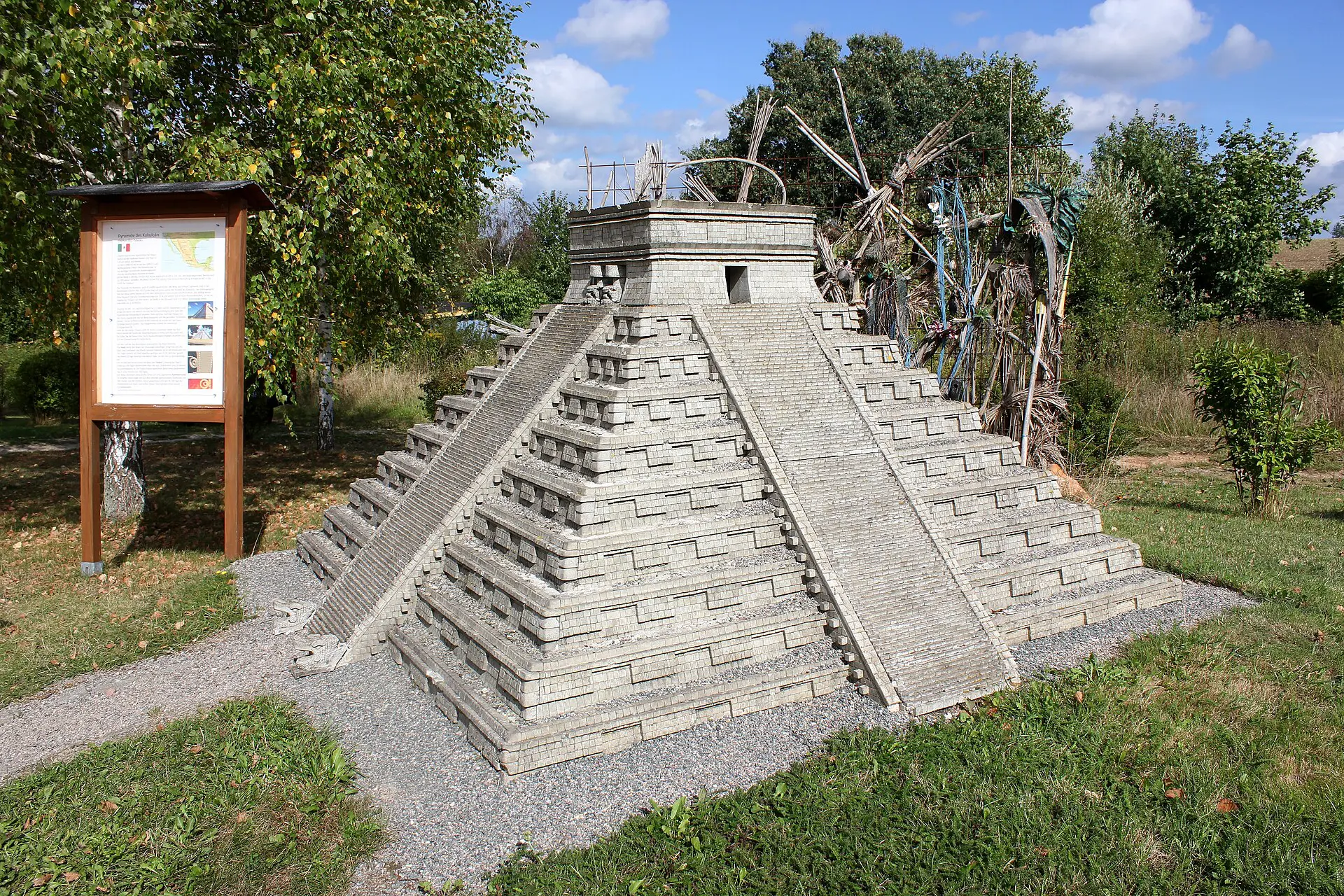
- Visit Chichén Itzá: the great Maya city with its stepped pyramid, ball court and observatory.
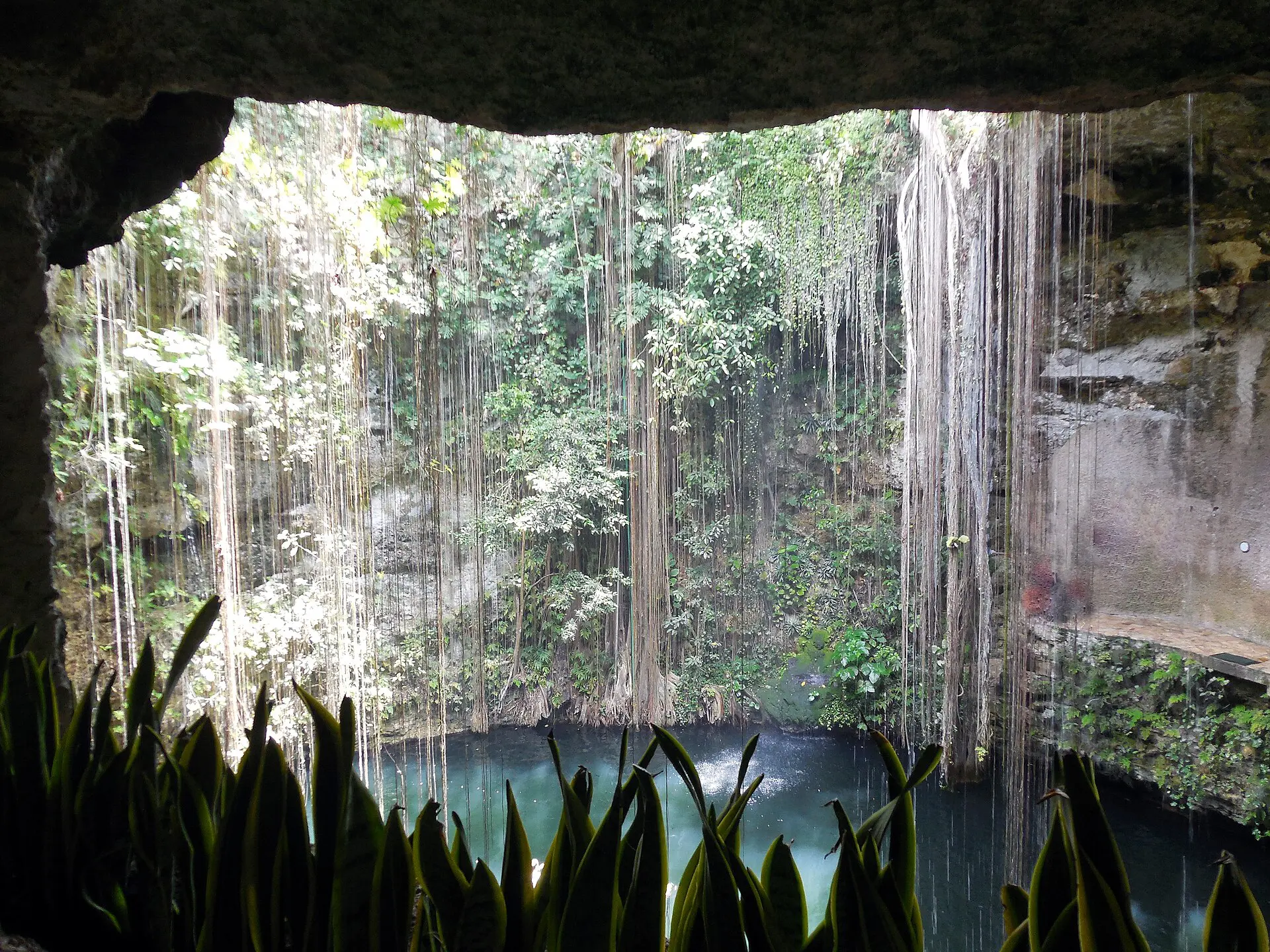
- Swim in a cenote: freshwater sinkholes across the Yucatán offer cool swimming and snorkelling.
- Eat your way through Mexico City: street tacos, markets, and tasting-menu restaurants all sit within a few kilometres.
- Explore Oaxaca’s markets and mezcal bars: take a tour of a village mezcal distillery.
- Walk Guanajuato’s tunnels and alleys: the old city’s underground streets are unusual.
- See the Monarch Butterfly Biosphere Reserve: millions of butterflies overwinter in the mountains of Michoacán and Mexico State from November to March; check current local advice.
- Ride the Chepe train: a rail journey through Copper Canyon, with canyon viewpoints and hikes.
- Watch whales in Baja: grey whales appear from January to April, humpbacks in winter off Los Cabos.
- Attend a local festival: Day of the Dead (1 to 2 November) is the best known.
Best time to visit Mexico
The best time to visit Mexico for most regions is November to April, when the weather is dry and pleasant. High season runs from mid-December to Easter, when prices peak. May to October is hotter and wetter, with afternoon storms in the highlands and a hurricane season on both coasts, most active from August to October. In central Mexico, the rainy season is often manageable, with sunny mornings.
| Season | Weather | Crowds and prices | Good for |
|---|---|---|---|
| Winter (Dec-Feb) | Dry and warm on coasts; cool at altitude | Highest prices and crowds | Beaches, Yucatán, whale watching |
| Spring (Mar-May) | Hot, very hot inland by May | Busy at Easter, then falling | Cities, highlands, ruins early in the day |
| Summer (Jun-Aug) | Hot and humid, afternoon rain | Lower prices; local holidays | Green landscapes, budget trips |
| Autumn (Sep-Nov) | Hurricane risk to October; drier in November | Cheap early, busy for Day of the Dead | Oaxaca, Mexico City, Day of the Dead |
Sargassum seaweed can affect Caribbean beaches in some seasons, and altitude cools evenings in Mexico City and the highlands.
Is Mexico safe to visit?
Is Mexico safe? It depends heavily on where you go. Major tourist areas, including Mexico City’s main neighbourhoods, the Yucatán resort corridor, Oaxaca, Guanajuato and Mérida, see millions of visitors without serious problems, but several states have severe violent crime. Is Mexico safe to visit overall? Yes, with route planning and up-to-date government advice, such as the US State Department or UK FCDO state-by-state pages.
Where to avoid. Several governments advise against all or non-essential travel to some states, including Guerrero, Michoacán, Sinaloa, Colima, Zacatecas and Tamaulipas (levels change often, so verify). Avoid driving at night, particularly in rural and border areas.
Common risks. Pickpocketing, phone theft, ATM fraud, taxi overcharging and express kidnapping scams occur in cities. Use ride-hailing apps or licensed taxis, withdraw cash inside banks and keep valuables out of sight.
Nature and health. Hurricanes affect both coasts, earthquakes are common in central and southern regions, and strong rip currents are a danger at some Pacific beaches. Drink bottled or purified water, and use caution with street food stalls that look unhygienic. Altitude can cause headaches in Mexico City.
Drugs and nightlife. Do not carry illegal drugs, and watch your drinks in bars and clubs, where spiked drinks are reported in some resort zones.
Mexico visa and entry requirements
Mexico visa rules depend on your nationality. Citizens of the US, Canada, the UK, EU states and many other countries have generally been able to visit for tourism without a visa for up to 180 days, with the officer deciding the length of stay at entry. Others need a visa in advance, or a tourist visa waiver if they hold a valid visa or residence from certain countries. Check the current rule with the Mexican National Immigration Institute or a Mexican embassy.
Bring a passport valid for the length of your stay, and keep any immigration form or digital record you receive on arrival, because you may be asked for it when leaving. Some travellers arriving by air also complete a short online form before travel. Land crossings from the US, Guatemala and Belize are open, but passport checks and fees can apply at the border.
Visitors who plan to drive a foreign-registered car beyond the border zone need a temporary vehicle import permit. The UNESCO page for Mexico lists the heritage sites, but not entry rules.
Getting to and around Mexico
Mexico City International (MEX), Cancún (CUN), Guadalajara (GDL), Los Cabos (SJD) and Puerto Vallarta (PVR) are the main gateways, with direct flights from North America and Europe. Mexico City’s second airport, Felipe Ángeles, mainly serves low-cost domestic routes.
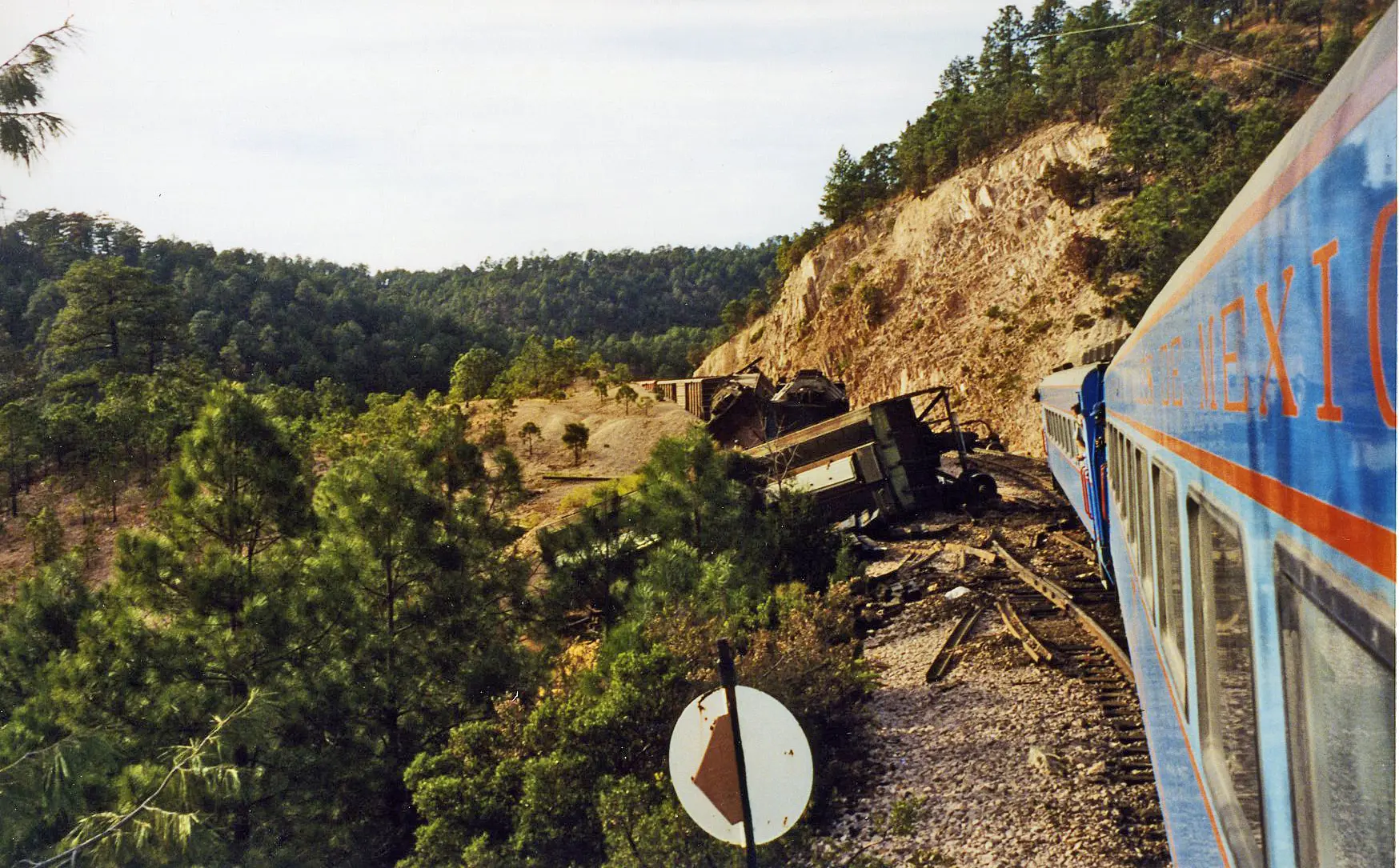
Long-distance buses are comfortable, frequent and good value, and first-class and premium lines (ADO, ETN and others) connect almost every major city. Flights are best for longer jumps, such as Mexico City to Cancún (about two hours). The Tren Maya on the Yucatán Peninsula and the Chepe railway in the northwest provide scenic rail options, though schedules and routes change. Mexico City’s metro is cheap, and ride-hailing apps work in most cities.
Driving is feasible in the Yucatán, Baja California and the central highlands. Toll roads (cuotas) are safer and faster than free roads. Avoid night driving, watch for speed bumps (topes) and check state advisories. Mexico City to Oaxaca by bus takes around six to eight hours, and Cancún to Chichén Itzá about two and a half.
How much does a trip to Mexico cost?
Mexico offers good value, but costs vary strongly between regions. Resort areas such as Cancún, Tulum and Los Cabos cost far more than Oaxaca, Guanajuato or Mérida. The currency is the Mexican peso (MXN). Figures here are rough per-person guides for 2026 and change with exchange rates.
- Budget: around USD 35 to 70 per day, with hostels or simple hotels, markets and buses.
- Mid-range: around USD 70 to 150 per day, with comfortable hotels, restaurant meals and some tours and domestic flights.
- High-end: from around USD 250 per day, with boutique hotels, private drivers and top restaurants, and far more in all-inclusive resorts.
Accommodation and the Caribbean coast are the main cost drivers, followed by domestic flights. Street tacos and markets cost a few dollars per meal, while entry to major archaeological sites is typically modest, though sites such as Chichén Itzá cost more. Peak seasons and holiday weeks add notable premiums.
Mexico food and drink
Mexico food is regional, and the real cuisine differs sharply from international Tex-Mex. Corn, beans, chillies, tomatoes and fresh herbs are the base, and eating at markets and street stalls is central to the experience.
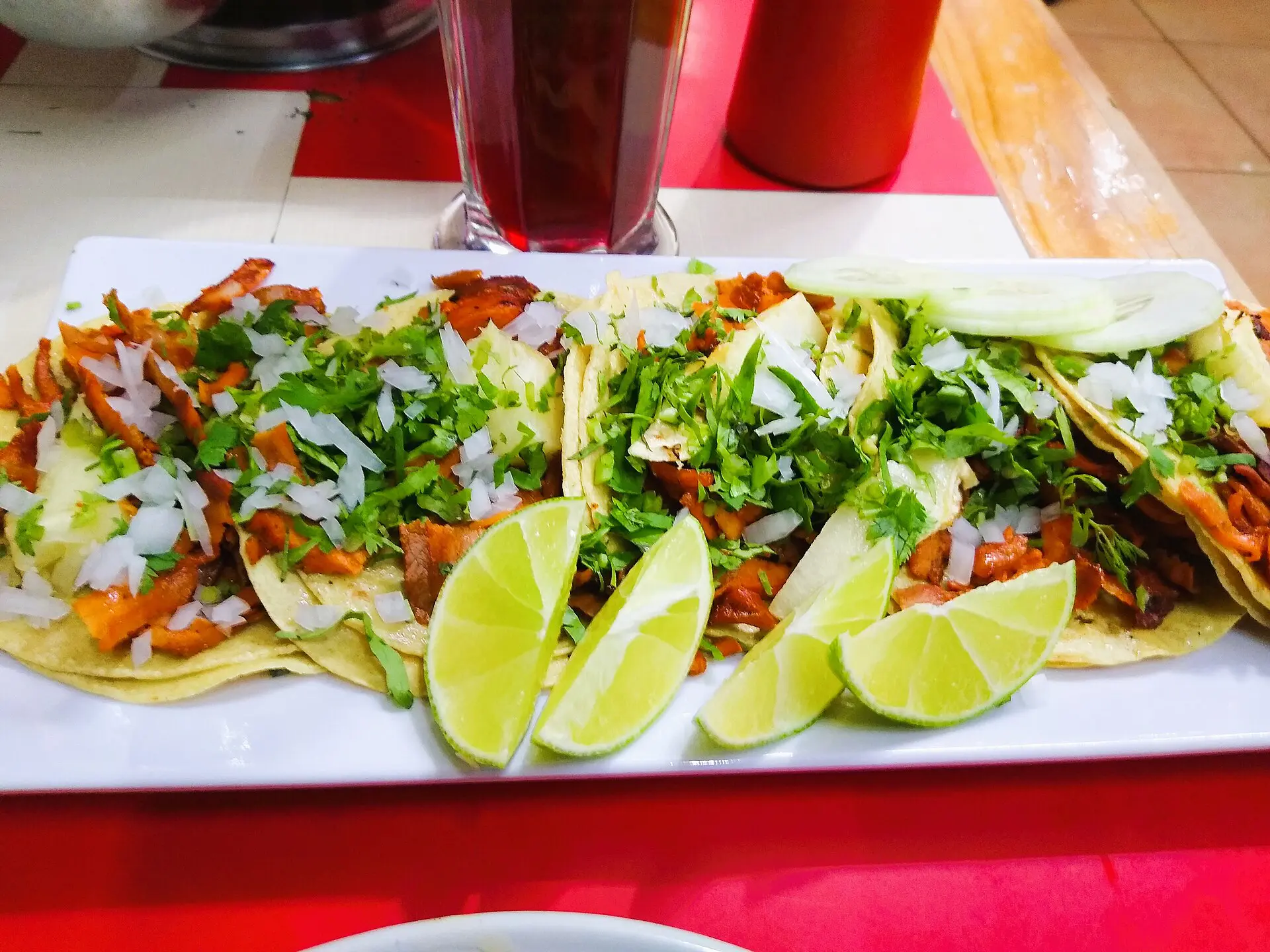
- Tacos al pastor: spit-roasted pork with pineapple, served in small corn tortillas.
- Mole: rich sauces made from chillies, nuts, spices and sometimes chocolate; Oaxaca and Puebla are known for them.
- Tamales: steamed corn dough with filling, wrapped in husks or banana leaves.
- Cochinita pibil: slow-roasted pork marinated in achiote, from the Yucatán.
- Chiles en nogada: stuffed poblano chillies in walnut sauce, a Puebla speciality in late summer.
- Ceviche and aguachile: fresh seafood cured in lime, common on the coasts.
- Mezcal and tequila: agave spirits best sipped neat, with local beer and horchata for refreshment.
- Elote and churros: popular street snacks.
Vegetarians can eat well with beans, cheese, vegetables and mushrooms, but ask whether dishes are cooked in lard. Choose busy stalls with high turnover, and drink bottled water. Restaurants usually add tips separately, so check the bill.
Culture, language and etiquette in Mexico
Spanish is the main language, and Mexico also recognises dozens of Indigenous languages, including Nahuatl, Yucatec Maya, Mixtec and Zapotec. English is common in resorts and among younger people in big cities, but outside them, basic Spanish is very useful. Greet with buenos días or buenas tardes.
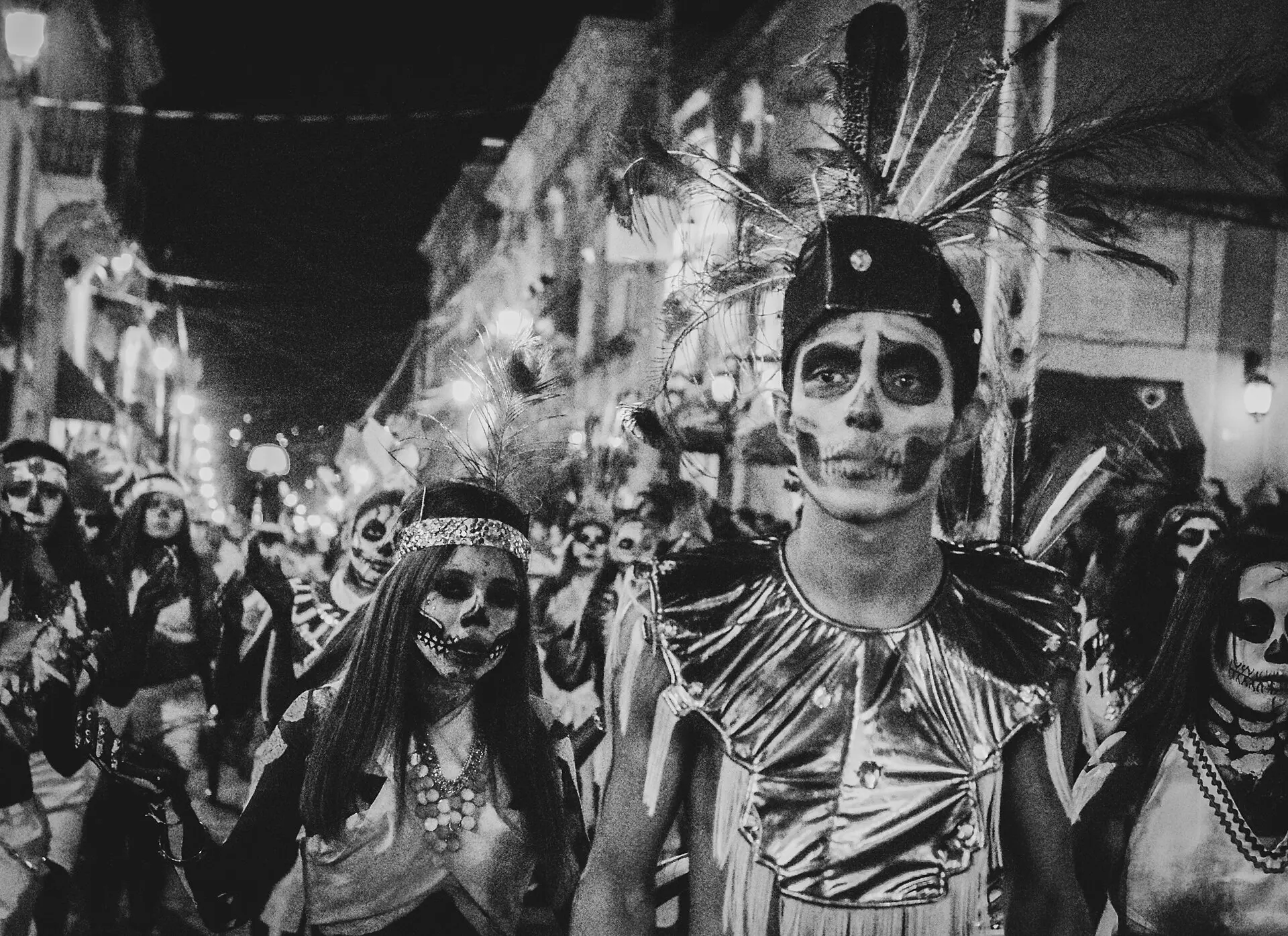
Mexican culture mixes Indigenous and Spanish heritage. Family, food and festivals matter greatly, and Catholic traditions run through public life, alongside strong local customs. Day of the Dead on 1 and 2 November is a celebration of remembered loved ones, with altars, marigolds and cemetery visits, and visitors are welcome if respectful.
Politeness and warmth are valued. Greet shopkeepers, say gracias and por favor, and expect a handshake or a light kiss on the cheek among friends. Time is relaxed socially, but be punctual for tours. Dress modestly in churches, avoid photographing people without asking and take care with discussing politics, cartels or immigration. Tip service staff, and negotiate politely at markets where bargaining is accepted.
Mexico itinerary: a 7-day route
This route links Mexico City and Oaxaca, both well served by flights and buses, and avoids states under the strongest advisories. Confirm current advice before you book.
- Day 1, Mexico City: arrive, walk the Zócalo and historic centre, and eat dinner in Roma or Condesa.
- Day 2, Mexico City: spend the morning at the National Museum of Anthropology and the afternoon in Coyoacán.
- Day 3, Teotihuacán: visit the pyramids early, return to the city for the afternoon.
- Day 4, travel to Oaxaca: fly (about one hour) or take an overnight bus; walk the centre and visit Santo Domingo.
- Day 5, Monte Albán and markets: morning at the ruins, afternoon at the markets with a mole tasting.
- Day 6, villages and mezcal: day trip to Hierve el Agua, Teotitlán del Valle and a mezcal distillery.
- Day 7, return: fly back to Mexico City for onward travel.
If you prefer beaches, replace Oaxaca with a flight to Cancún and add Chichén Itzá, Valladolid and a cenote. With extra days, add Puebla or Guanajuato.
Mexico travel tips: practical advice
- Money: the peso is the local currency. Cards are accepted in most hotels and restaurants, but carry cash for markets, taxis and tips. Use ATMs inside banks and decline dynamic currency conversion.
- SIM and eSIM: prepaid SIMs and eSIMs are cheap; coverage is good in cities and tourist areas but patchy in rural mountains and canyons.
- Plugs: types A and B at 127 V, the same sockets as in the US and Canada. Check that devices handle this voltage.
- Tipping: expected; leave around 10 to 15 percent in restaurants, and small amounts for guides, hotel staff and drivers.
- Health: drink bottled water, carry insurance with medical cover, use sunscreen and repellent, and allow a day to adjust to altitude in Mexico City.
- Packing: light layers, a rain jacket for summer, walking shoes for ruins and a scarf or light sweater for evenings in the highlands.
- Safety habits: use authorised taxis or apps, avoid night driving and register for your government’s travel alerts.
For more background, see the Wikivoyage Mexico guide.
FAQ
Q1What is Mexico food like?
Mexico food is regional and built on corn, beans, chillies and fresh herbs. Try tacos al pastor, mole, tamales, cochinita pibil, ceviche and chiles en nogada, with mezcal or tequila. Street food is a highlight, but choose busy stalls and drink bottled water.
Q2What are the best places to visit in Mexico?
Top choices are Mexico City, Oaxaca, the Yucatán Peninsula with Chichén Itzá and Tulum, Guanajuato, San Miguel de Allende and Guadalajara. For beaches, consider Puerto Vallarta, Los Cabos and the Caribbean coast. Copper Canyon suits adventurous travellers.
Q3Is Mexico safe?
It depends on the region. Most tourist areas, such as Mexico City's main districts, the Yucatán resorts, Oaxaca and Guanajuato, are visited safely by millions, but some states carry strong government warnings for violent crime. Check state-by-state advice, avoid night driving and use licensed transport.
Q4What are the best things to do in Mexico?
Visit Maya and Aztec sites such as Chichén Itzá and Teotihuacán, swim in cenotes, eat in Mexico City and Oaxaca, ride the Chepe train through Copper Canyon, watch whales in Baja, and join Day of the Dead celebrations in early November.
Q5What is the best time to visit Mexico?
November to April is best for most regions, with dry, pleasant weather. Prices peak from mid-December to Easter. Summer is hotter and wetter, and hurricane season on both coasts runs mainly from August to October, so check forecasts for coastal trips.
Q6Is Mexico safe to visit right now?
Conditions change, so check the latest US State Department or UK FCDO state-by-state advice before booking. Most major tourist destinations remain popular, while some states are under strong warnings. Use daytime travel, registered transport and travel insurance that covers your chosen regions.
Q7Do I need a visa for Mexico?
Many travellers, including US, UK, EU and Canadian citizens, can enter visa-free for tourism, typically for up to 180 days at the officer's discretion. Others need a visa in advance. Check the official Mexican immigration source for your passport before you fly.
Q8How many days do you need in Mexico?
Seven days suits one region, such as Mexico City plus Oaxaca, or the Yucatán. Ten to fourteen days lets you combine a city, ruins and a beach. Mexico is large, so avoid adding too many regions to a short trip.