Why visit Guanajuato
If you are planning things to do in Guanajuato, expect a city unlike any other in Mexico. It is built in a narrow valley, so its streets wind up hillsides, many are alleys too tight for cars, and some roads run partly or fully underground through old tunnels.
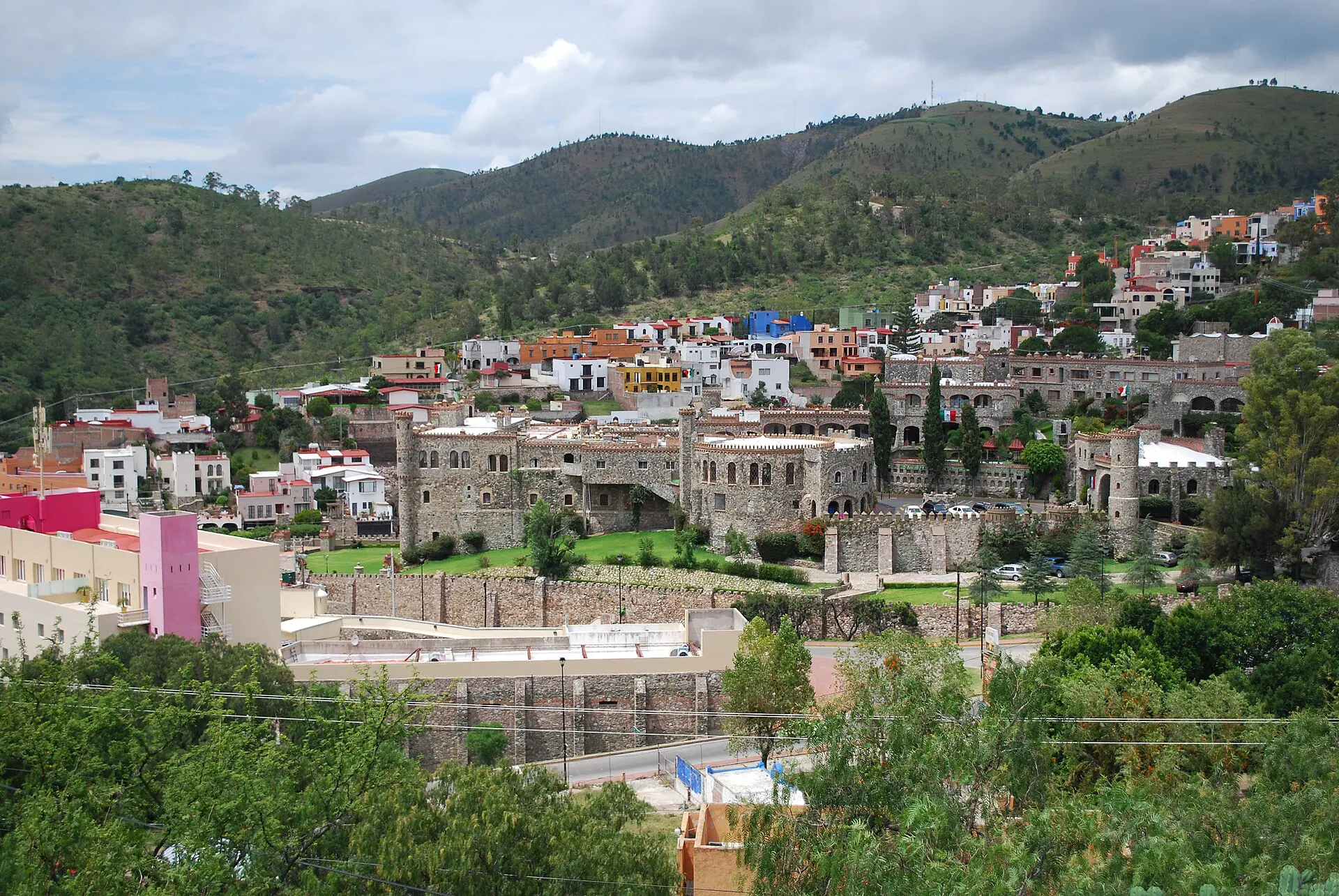
Its wealth came from silver. Discoveries in the mid-1500s led to a mining boom, and at its peak the Valenciana mine was responsible for around two-thirds of the world’s silver production. That money paid for churches, theatres, mansions and plazas in pink and green sandstone.
The historic town and adjacent mines were listed by UNESCO in 1988. Today the city, home to roughly 195,000 people, is also a university town with a lively student scene, and it is often described as one of Mexico’s most beautiful colonial cities. It is about 390 km northwest of Mexico City.
Top things to do in Guanajuato

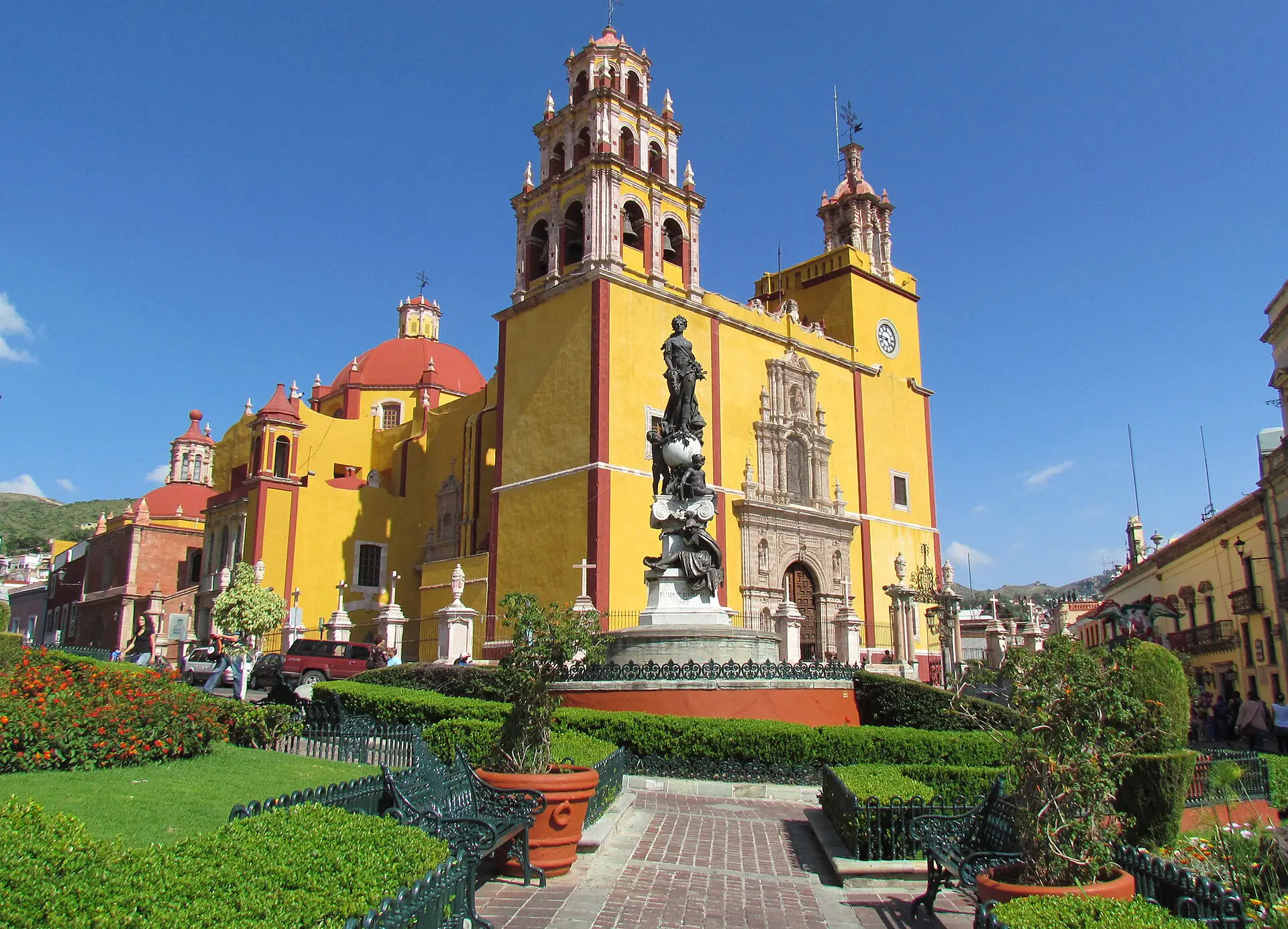
Plaza de la Paz and the Basilica
The basilica and the plaza around it form the heart of the old centre. Allow 30 to 60 minutes to look inside and sit on a bench. Dress modestly for the church, and note that visiting hours can change around services.
Teatro Juárez
This theatre, with its columns and ornate interior, is one of the city’s most photographed buildings. Allow 30 to 45 minutes. Inside access depends on events and rehearsals, so check opening hours and ticket details locally before you go.
Underground streets
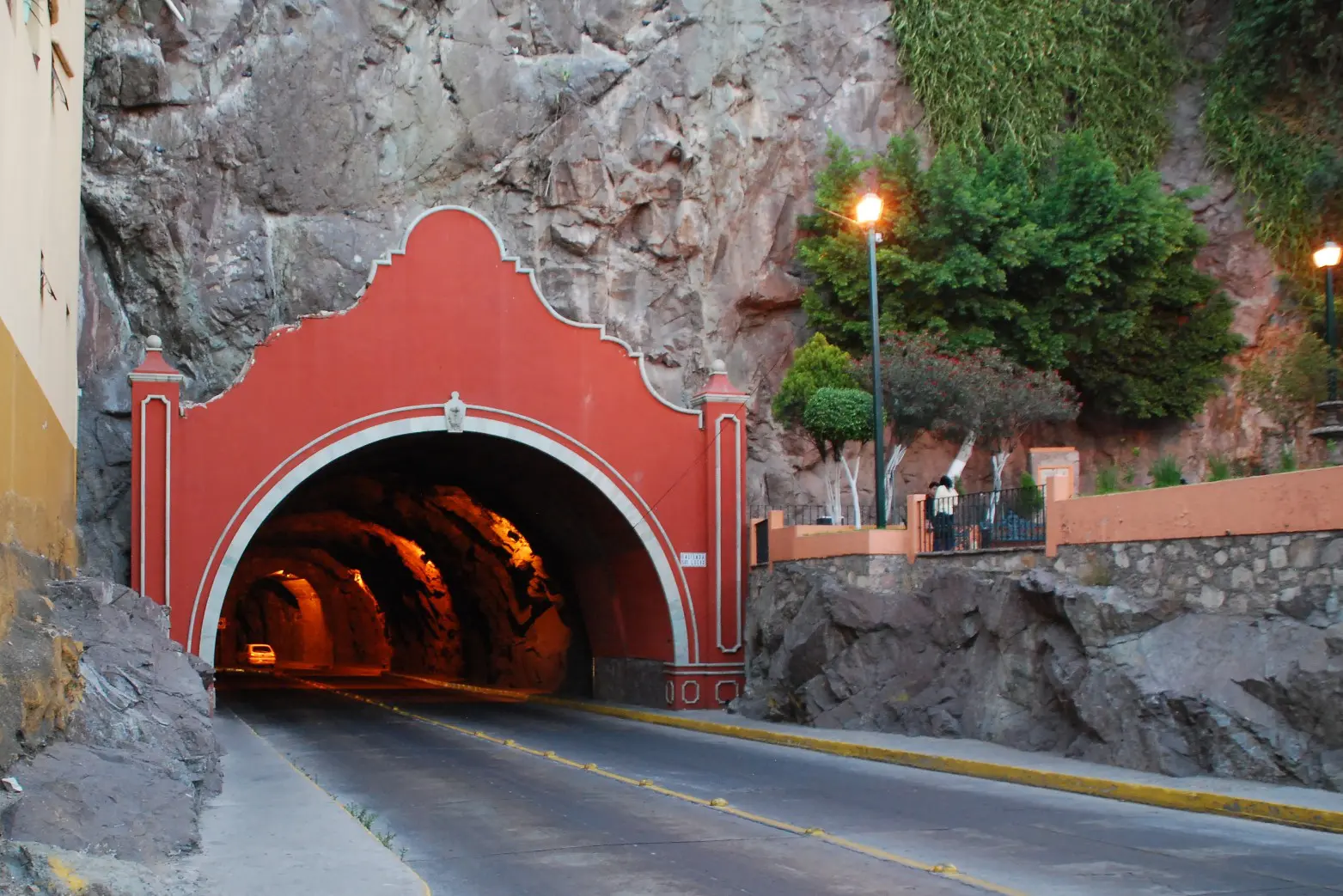
Old mining and drainage tunnels now carry traffic and in places pedestrians. Walking them takes only a few minutes but is a unique experience. Take care at junctions, because vehicles share the space, and avoid narrow stretches at rush hour.
Callejón del Beso
One of the city’s narrowest alleys, with balconies so close that neighbours could almost touch. It is a popular photo stop. Allow 15 minutes, and visit early to avoid crowds. A local legend about lovers is told here, but treat the details as folklore.
Museo de las Momias
The Mummy Museum displays naturally preserved bodies and is among the city’s best-known sights. Allow an hour. The exhibits can be disturbing for children, so consider this before you go, and check current hours and ticket prices.
Valenciana Mine and church
The silver mine that once dominated world production lies on a hill above the city, with a grand baroque church nearby. Allow two to three hours including transport. Tours vary, so ask what is included and wear sturdy shoes.
Funicular and Pípila monument
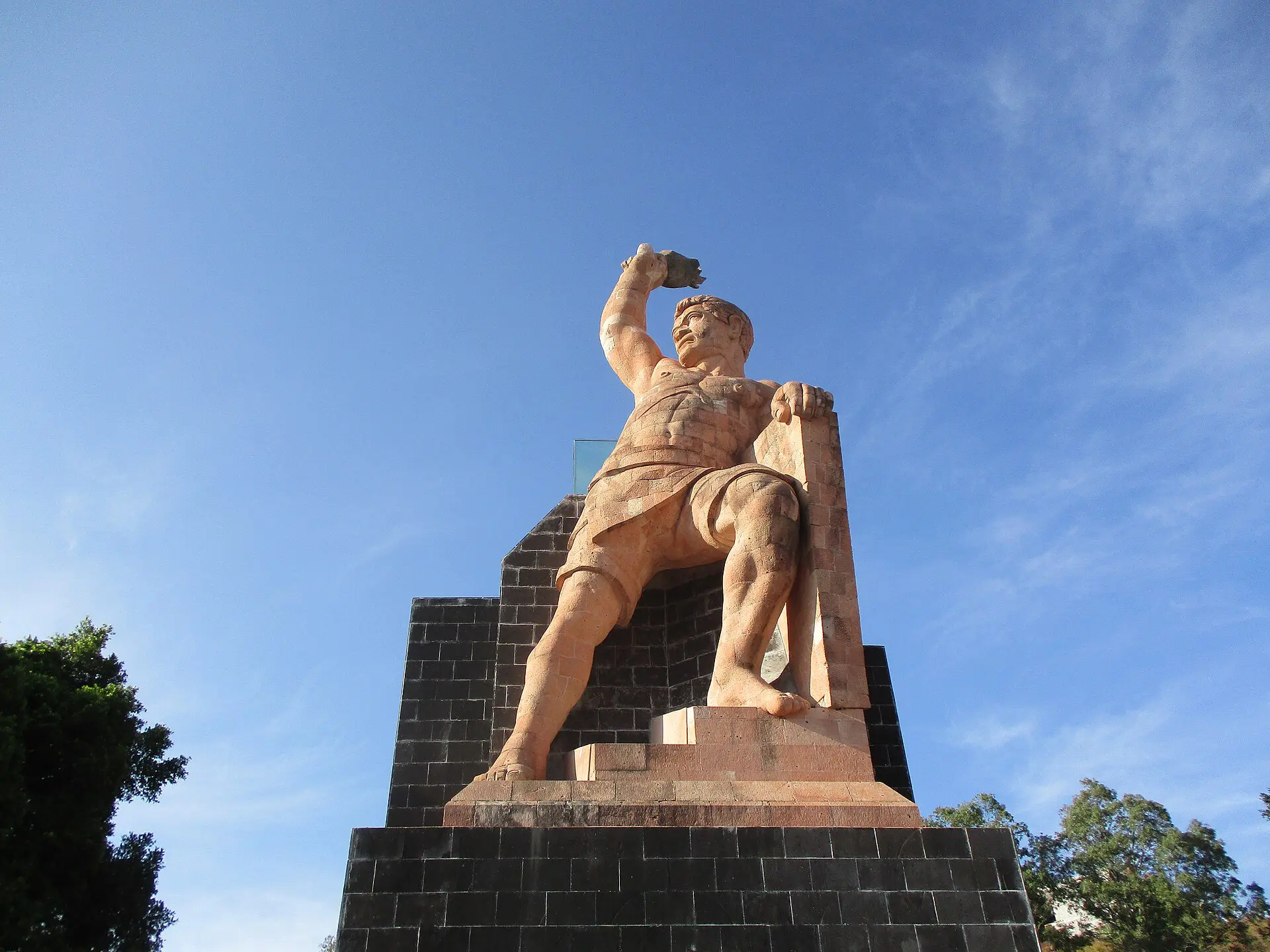
A funicular climbs to a monument and viewpoint overlooking the red-roofed centre. Allow an hour. Go late afternoon for softer light, or walk up the stairs if you prefer, though the climb is steep.
Best time to visit Guanajuato
Guanajuato sits at a fairly high elevation in central Mexico, so days are mild and nights can be cool. The dry months are generally the most comfortable for walking.
- Autumn (October to November): pleasant weather and a busy cultural calendar, including the Cervantino arts festival, usually in October. Hotels fill up, so book early.
- Winter (December to February): dry, sunny days and cold nights. Popular around the holidays.
- Spring (March to May): warm and dry, with Holy Week bringing local crowds. Late spring can get hot.
- Summer (June to September): a rainy season with afternoon showers. Prices can be lower, and the hills are greener.
Check festival and holiday dates before booking, since these have a bigger effect on prices than the weather.
How to get to Guanajuato and around
The closest major airport is Del Bajío, near León, roughly an hour or so from Guanajuato by road. Shuttles and taxis serve the route, and you should check current options on arrival. Another common approach is the long-distance bus from Mexico City, which usually takes several hours.
The historic centre is best explored on foot, though the hills and steps can tire you. Local buses, taxis and some tunnels connect outlying neighbourhoods and the mine, and the funicular covers one steep climb.
A car is more of a burden than a help in the centre. Parking is limited, and many streets are narrow or pedestrian only. If you do bring one, leave it at your hotel or a car park outside the core.
Several governments advise extra caution in parts of Guanajuato state because of crime. The historic centre is busy and popular with visitors, but read your government’s current travel advice, and prefer daytime road travel and official taxis or shuttles.
Where to stay in Guanajuato
The city is small, so most visitors stay in or near the historic centre.
- Around Jardín de la Unión and the basilica: the central area with restaurants, music and nightlife. Best for first-time visitors who want everything on foot, though evenings can be noisy.
- Hillside neighbourhoods: quieter guesthouses with views over the rooftops. They suit travellers who do not mind steps and steep lanes.
- Near the edges of the centre: easier for taxis, parking and luggage, often at lower rates.
- Boutique hotels in old mansions: a good choice for a special stay, usually at higher prices.
Book early for the Cervantino festival and long weekends.
How many days do you need?
Two days lets you see the key plazas, one mine and the main viewpoints. A third day adds a slower pace and a nearby town. The city is walkable, but its steps make days feel longer than the distances suggest.
- Day 1: Plaza de la Paz, the basilica, Teatro Juárez and the alleys, then the funicular at sunset.
- Day 2: Valenciana Mine and church in the morning, then the Mummy Museum and a long lunch.
- Day 3: a day trip to San Miguel de Allende or a slow day in the cafés and plazas.
Start early, because afternoons are warm in spring.
Day trips and nearby
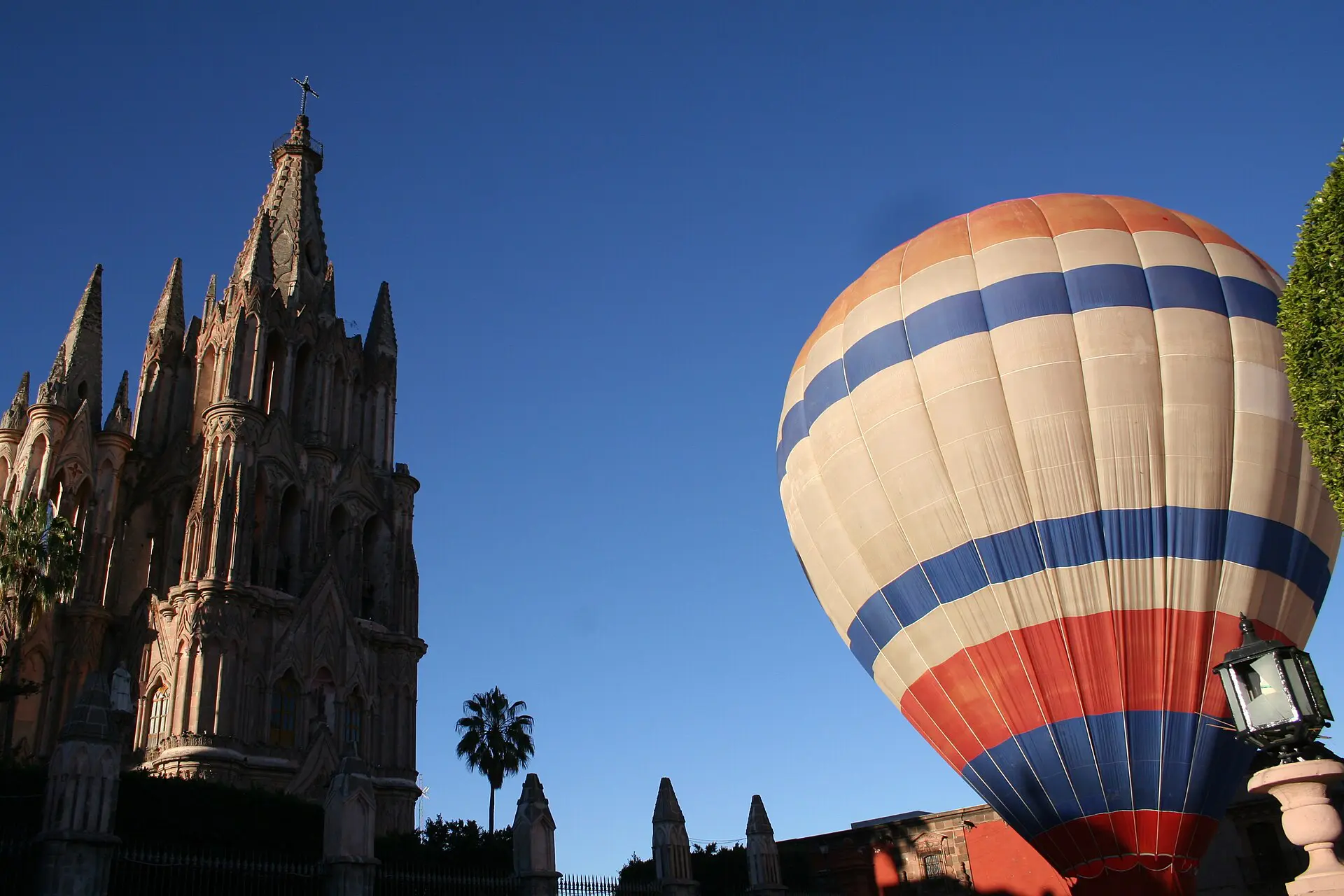
San Miguel de Allende
Another colonial town in the Bajío region, known for its cobbled streets and pink parish church. It is reachable by road in roughly one to two hours. A day trip is possible, but an overnight stay is more relaxed.
Mexico City
The capital lies about 390 km southeast and is better as a separate trip than a day outing. Buses run regularly, and the journey takes several hours, so plan an overnight stay.
León and the Bajío
The nearby city of León has the region’s main airport and its own historic centre. It works as a stop on your way in or out, and it is easy to combine with other colonial towns in the region.
Mining villages and hills
The hills around the city hold old mining communities and viewpoints. Local tours can cover several in a morning, but ask what is included, and confirm prices before you set out.
FAQ
Q1When is the best time to visit Guanajuato?
October to April is usually the most comfortable, with dry weather and mild days. October brings the Cervantino festival and high demand for rooms. Summer has afternoon rain but lower prices and greener hills.
Q2How many days do you need in Guanajuato?
Two to three days is enough for the plazas, the underground streets, a silver mine and the Mummy Museum. A third day gives room to rest on the steep streets or make a trip to San Miguel de Allende.
Q3How do you get to Guanajuato?
Fly to Del Bajío Airport near León and continue by shuttle or taxi, or take a long-distance bus from Mexico City and other cities. The journey from Mexico City by road takes several hours, so plan accordingly.
Q4Is Guanajuato expensive?
It is moderately priced by international standards. Food, local transport and many sights cost less than in resort areas, while boutique hotels and festival periods push prices up. Check current rates before you book.
Prices, schedules and entry rules change. Check current details with official sources before you travel. Read the Mexico travel guide.