Why visit Norway
The things to do in Norway start with scenery: deep fjords, glaciers, mountain plateaus, forested valleys and a coastline of more than 100,000 islands. Norway is a long, thin country of about 324,000 square kilometres in Northern Europe (see the Wikipedia overview), and it stretches far above the Arctic Circle. That range means a single trip can include a historic harbour city, a ferry through a UNESCO fjord and a night under the aurora.
Norway suits independent travellers, families and hikers who are comfortable with high costs and changeable weather. Public transport is good, safety is high and the outdoors culture makes access easy, with marked trails and an everyone’s-right-to-roam tradition called allemannsretten. It is less suited to travellers on a tight daily budget or anyone who needs reliable sunshine, because the west coast is rainy in every season.
Best places to visit in Norway
The best places to visit in Norway fall into four regions: the capital in the southeast, the fjord country of the west, the coast and mountains in the middle, and the Arctic north.
Oslo
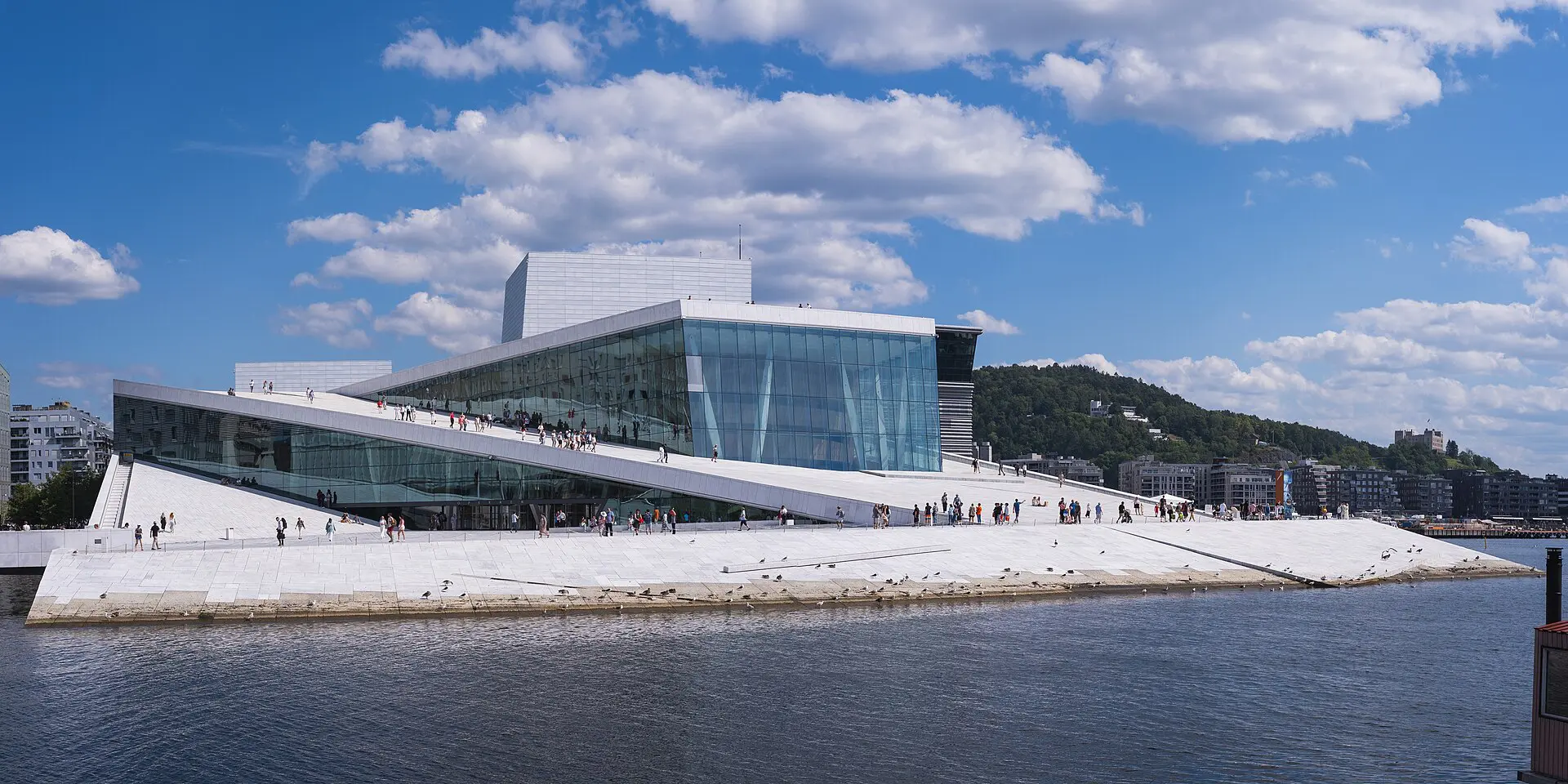
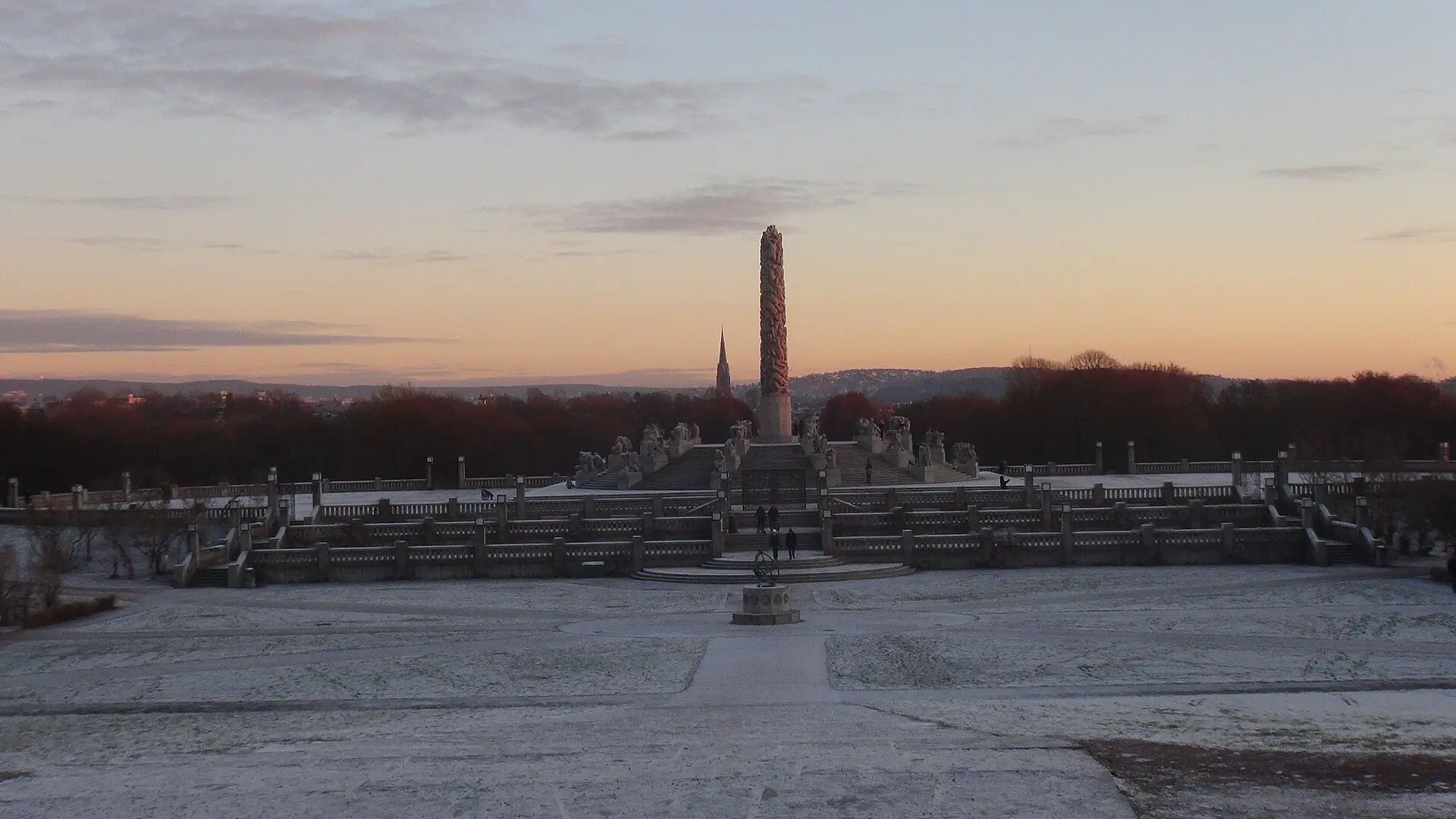
The capital combines museums, waterfront architecture and green space. The Viking Ship Museum, the Munch Museum, the Opera House roof and the Vigeland sculpture park are the main sights. Two days is enough, and the fjord ferries and metro make day trips easy.
Bergen
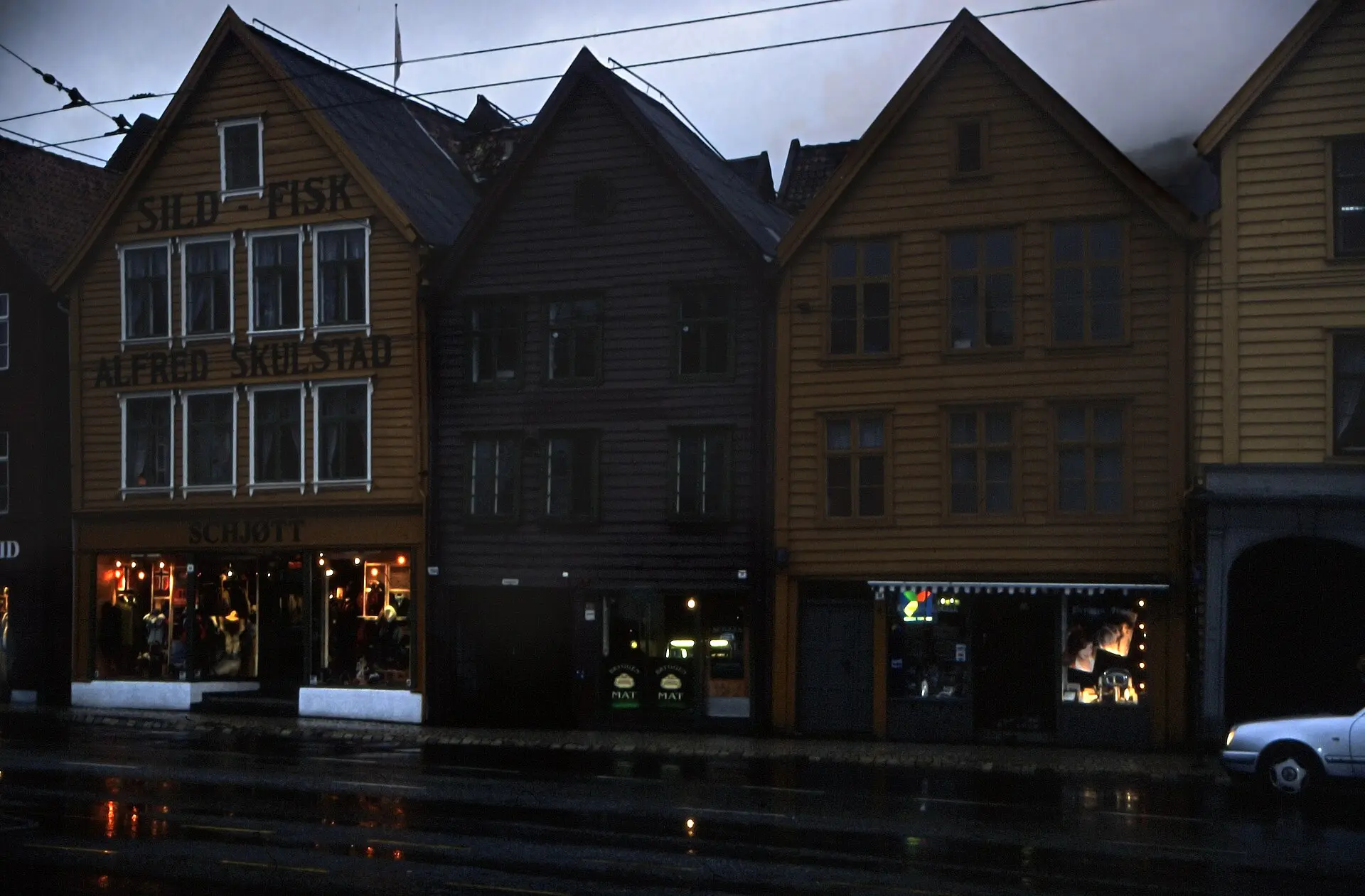
The old Hanseatic quarter of Bryggen, a UNESCO site, anchors the second city, and the Fløibanen funicular gives a view of the harbour. Bergen has about 250 rainy days a year, so pack a waterproof. It is the main gateway to the western fjords.
Geirangerfjord and Nærøyfjord
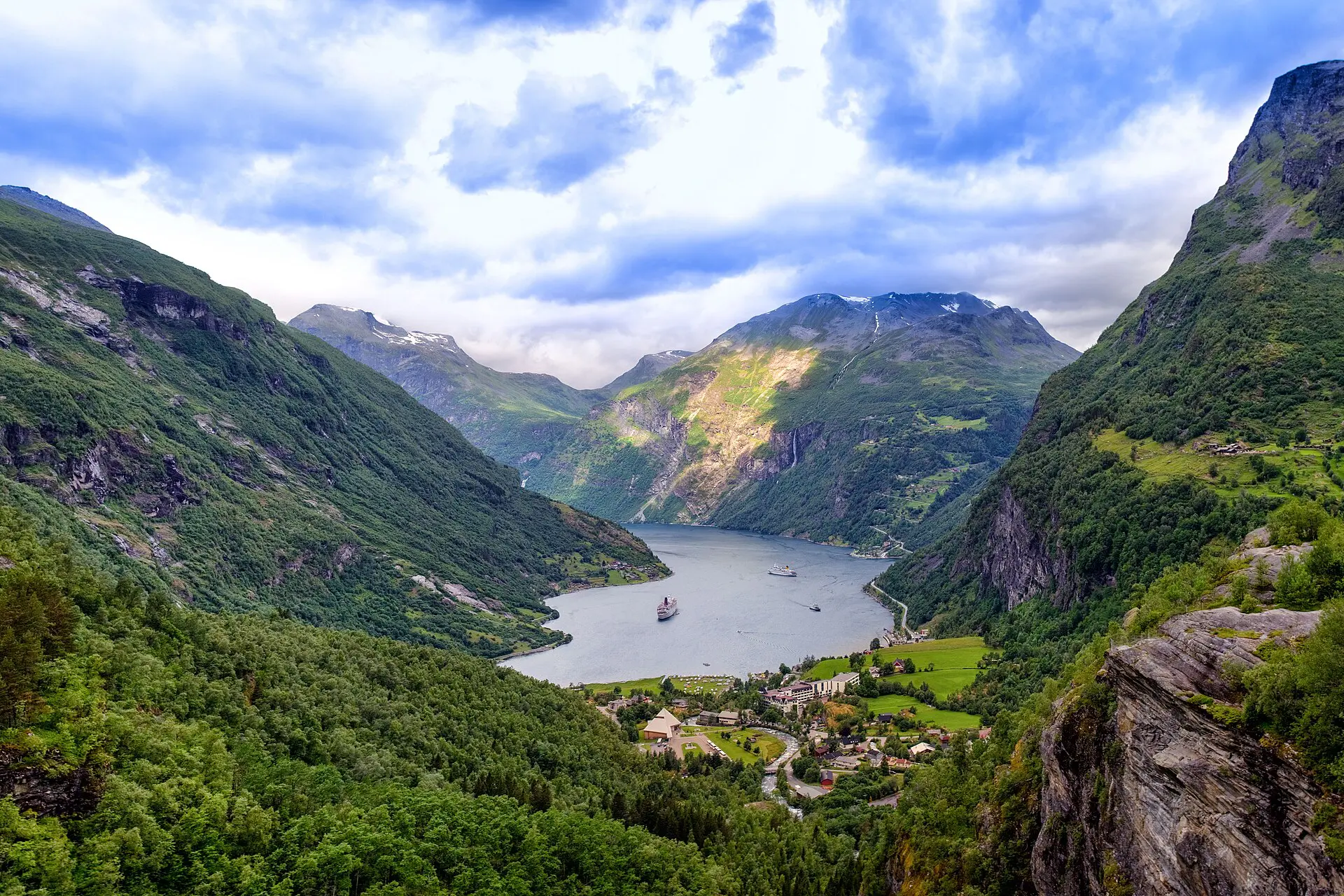
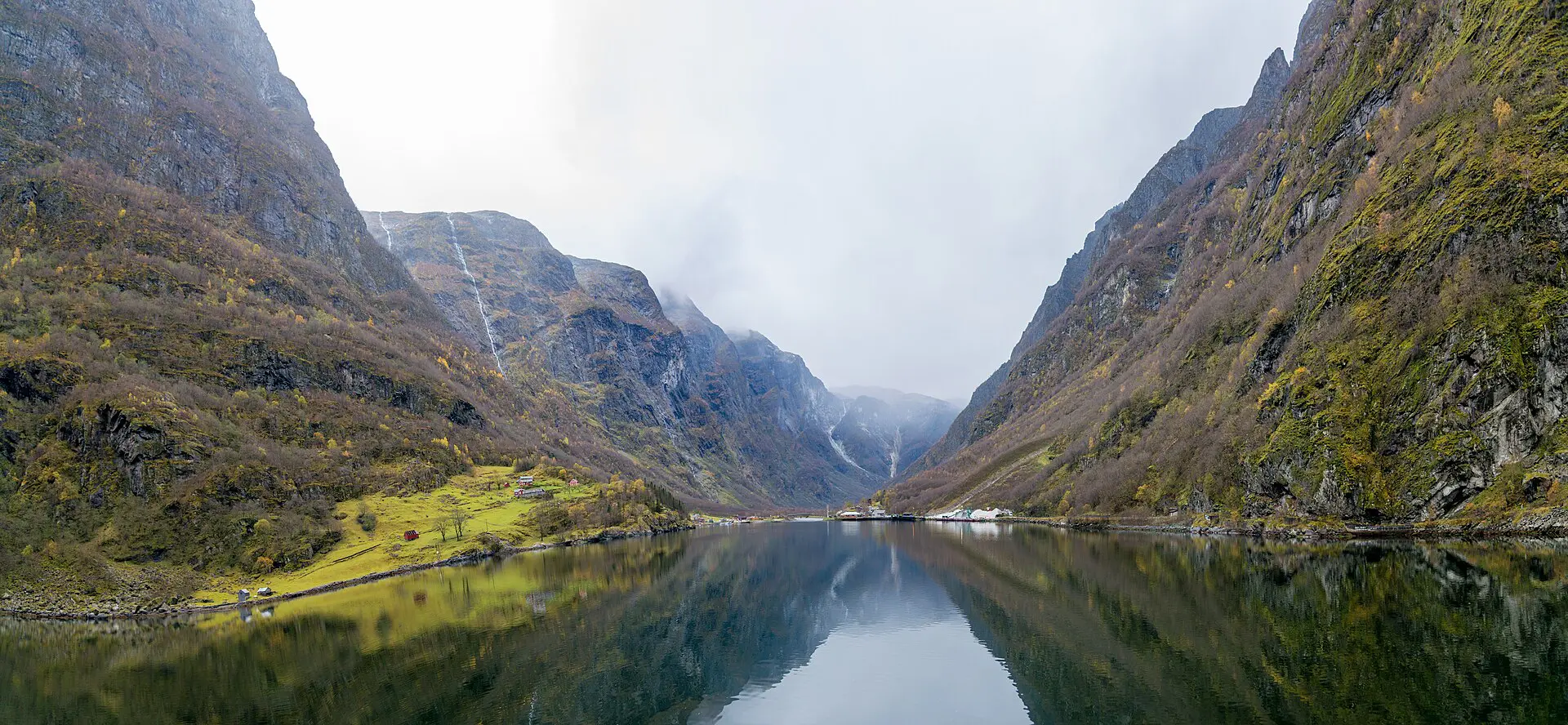
These two UNESCO-listed fjords are the classic fjord landscapes, with waterfalls and steep green walls. Ferries, cruises and viewpoints such as Flydalsjuvet make them easy to see without a car.
Stavanger and Lysefjord
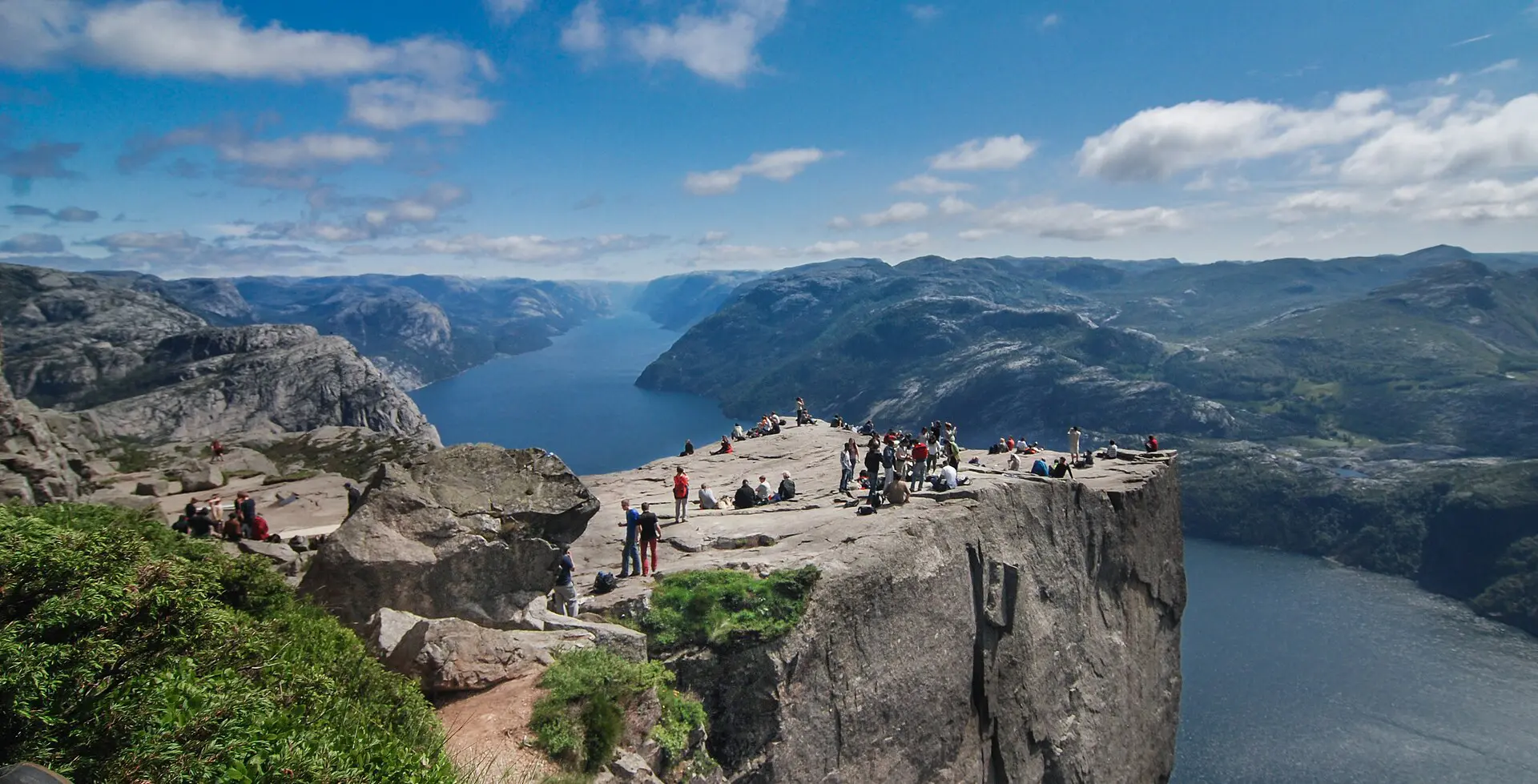
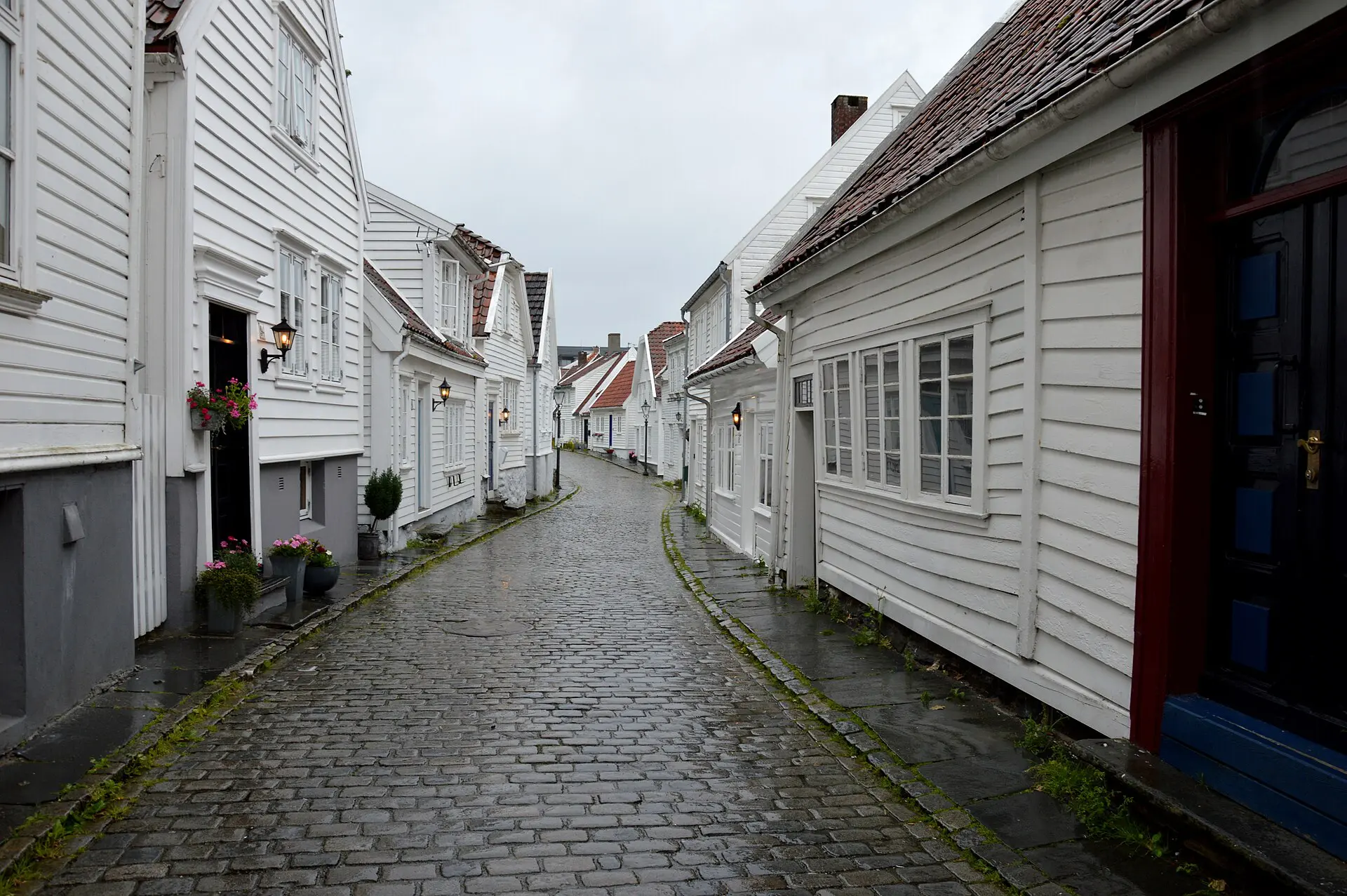
Stavanger has a wooden old town and is the base for Preikestolen (Pulpit Rock) and Kjeragbolten. Both are day hikes, best from late May to September.
Lofoten
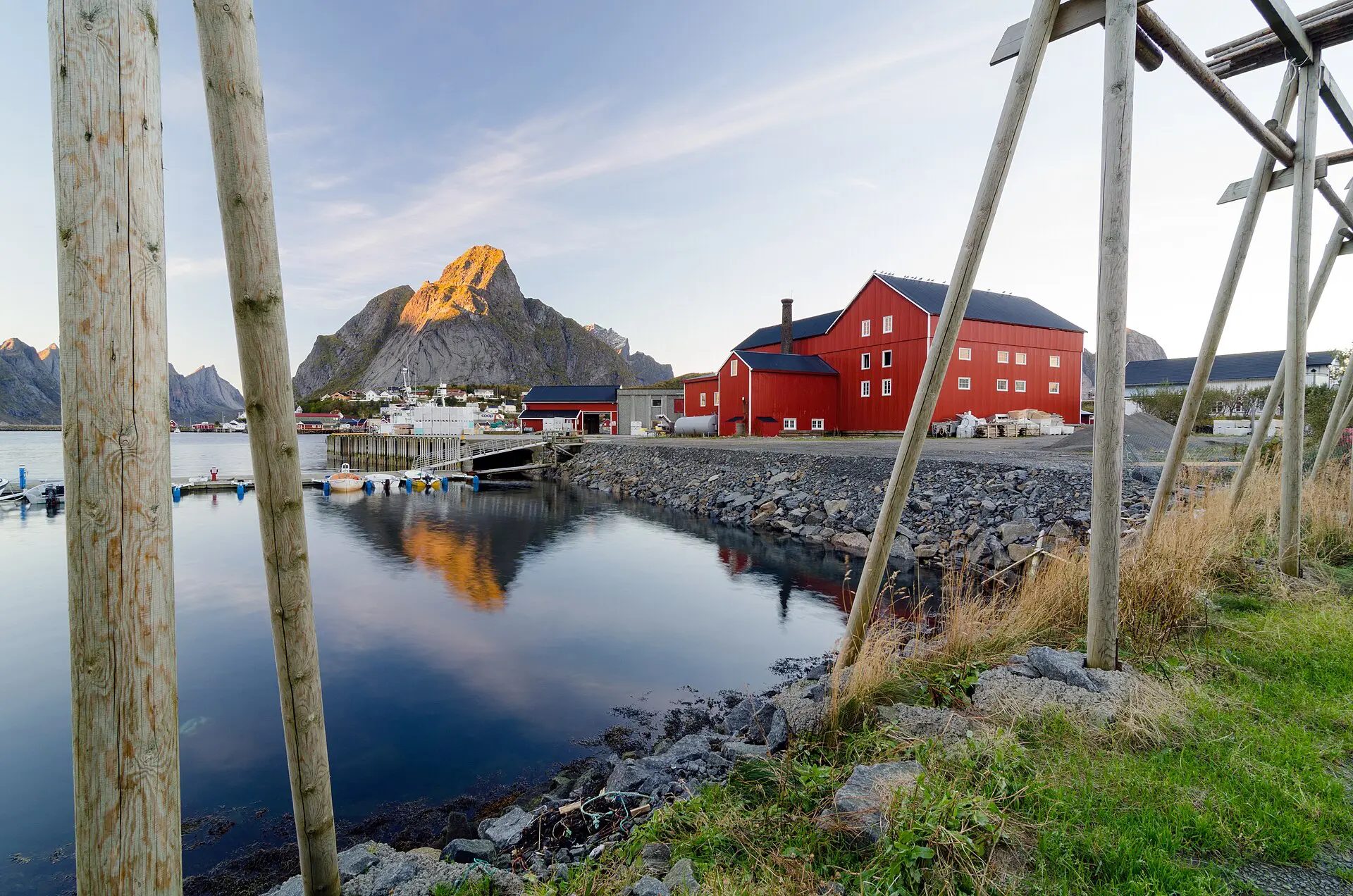
Fishing villages, red cabins and jagged peaks sit above the Arctic Circle. Reach the islands by flight to Leknes or Svolvær, or by ferry from Bodø, and plan on a rental car.
Tromsø
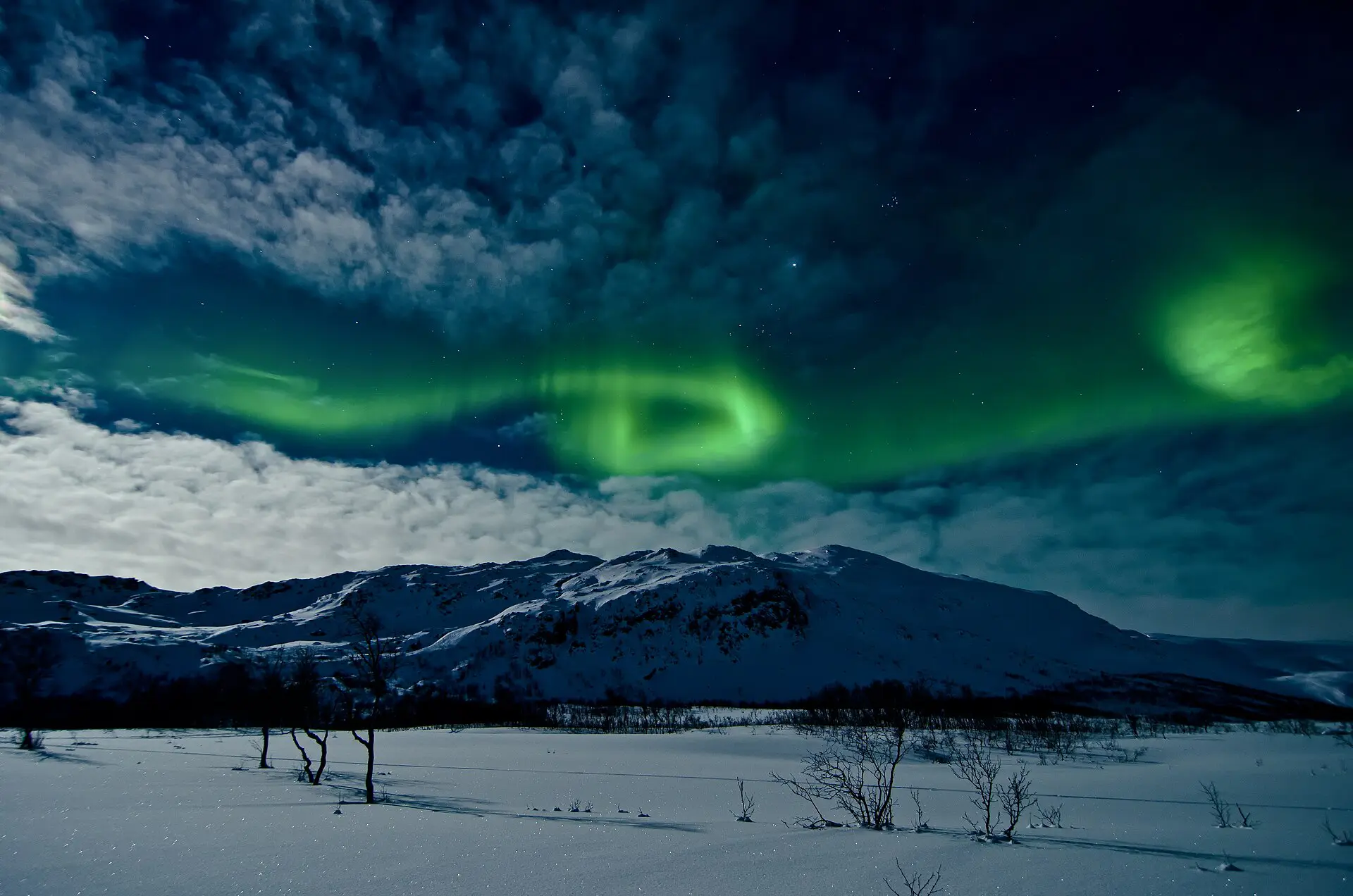
The largest city in Arctic Norway is a base for Northern Lights tours from autumn to early spring, and for whale watching and midnight sun in summer.
Things to do in Norway
The top things to do in Norway mix fjords, hiking and cities, and most can be done without a guide.
- Cruise a fjord: the ferry from Flåm along Nærøyfjord and Aurlandsfjord shows the narrow, steep-sided landscape.
- Hike Preikestolen: the plateau 604 metres above Lysefjord takes about four hours return.
- Ride the Flåm Railway: the train descends from the high plateau to the fjord in about an hour.
- Hunt the Northern Lights: head to Tromsø or Alta between late September and March for the best odds.
- See the midnight sun: north of the Arctic Circle the sun stays up for weeks in summer.
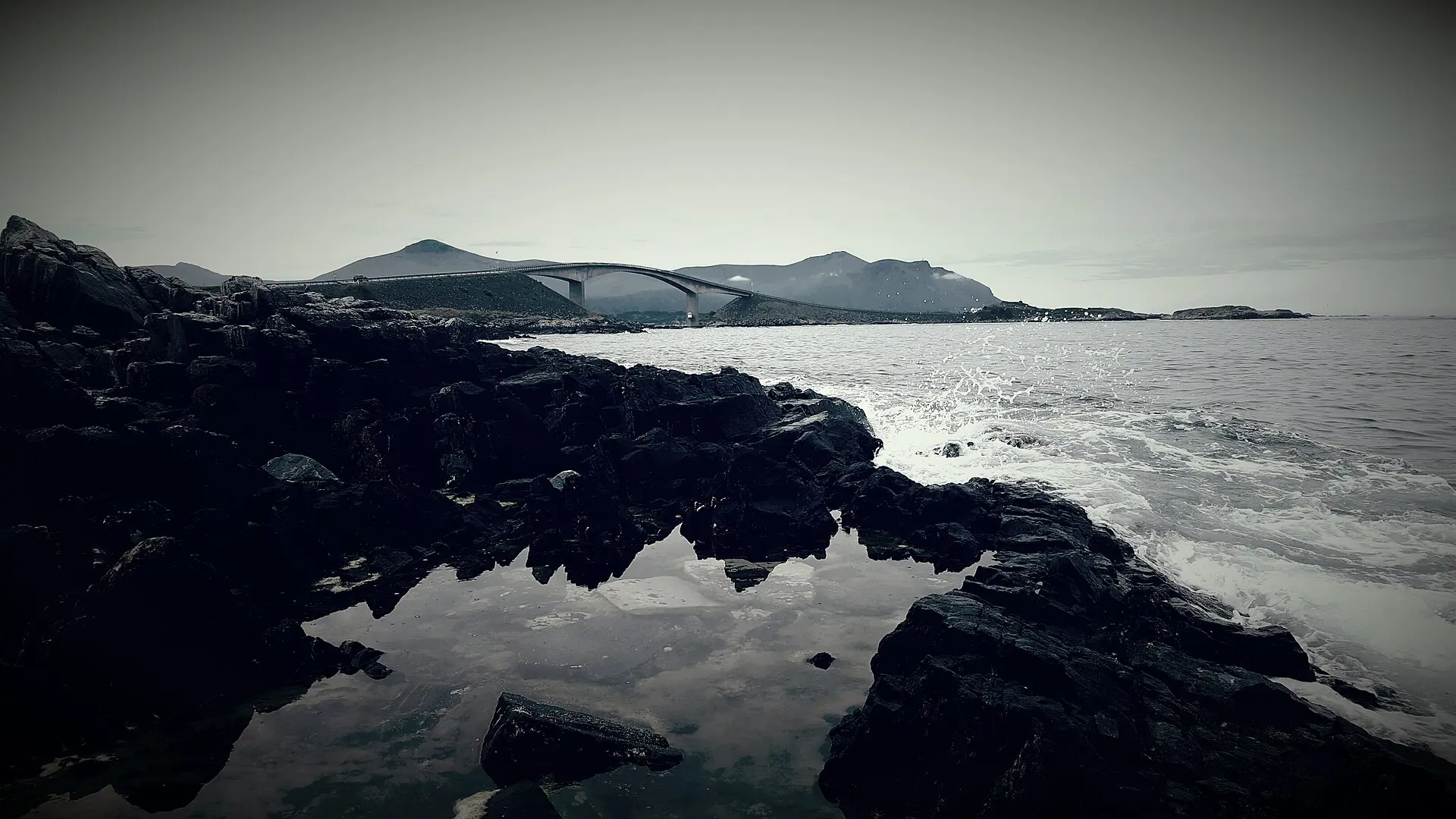
- Drive the Atlantic Road: the bridge-linked road on the coast near Kristiansund is one of the best-known drives.
- Walk the Lofoten coast: trails to Reinebringen and Kvalvika beach give sea and mountain views.
- Visit Oslo’s museums: the Viking Ship Museum and the Munch Museum are the main draws.
- Go whale watching: boats from Andenes and Tromsø go out for sperm whales and orcas, depending on the season.
- Take the Hurtigruten: the coastal ferry stops at dozens of ports between Bergen and Kirkenes.
Best time to visit Norway
The best time to visit Norway is June to August for hiking, fjord cruises and the midnight sun, and late autumn to March for the Northern Lights and winter sports. May and September are quieter and cheaper, though some mountain roads and tourist services are limited at the edges of the season. Many mountain passes, including parts of the Trollstigen and Geirangerfjellet roads, close in winter and typically reopen in May.
| Season | Weather | Crowds and prices | Good for |
|---|---|---|---|
| Spring (Apr-May) | Cool, rain and late snow; days lengthen fast | Low to moderate | Cities, blossom, quiet fjords |
| Summer (Jun-Aug) | Mild, often 15-25 C in the south; long daylight | Highest prices and crowds | Hiking, fjords, midnight sun |
| Autumn (Sep-Oct) | Cool and wet; autumn colours | Falling | Auroras from late September, quiet trails |
| Winter (Nov-Mar) | Cold, dark in the north; snow | Low, except in Tromsø | Northern Lights, skiing, dog sledding |
In the far north, the polar night means little or no direct sunlight in December and January, so plan indoor options as well.
Is Norway safe to visit?
Yes, Norway is one of the safest countries in the world for visitors, and violent crime against tourists is very rare. The real risks come from nature and weather rather than people. Check your government’s travel advice, such as the UK FCDO or US State Department pages, and the local weather and avalanche warnings before you go.
Hiking. Trails can be steep and weather changes quickly. Every year rescue teams help hikers who started too late or without proper shoes. Carry layers, water and a map, check conditions on the Norwegian Trekking Association (DNT) and the local tourist office, and leave a plan with someone.
Winter driving. Snow, ice and early darkness are common outside the cities. Use winter tyres, check road closures on the official road authority site and allow extra time. Some mountain roads close with little warning.
Petty theft. Pickpocketing occurs at busy sights in Oslo and Bergen, but is minor compared with southern Europe. Lock rental cars and keep valuables out of sight at trailheads.
Other. Emergency number is 112 for police and 113 for ambulance. Tap water is excellent and safe to drink.
Norway visa and entry requirements
Norway visa rules depend on your nationality. Norway is part of the Schengen Area (though not the EU), so citizens of the EU, UK, US and many other countries can generally enter visa-free for up to 90 days in any 180 days, but you should confirm the current rule for your passport with the Norwegian Directorate of Immigration (UDI) or the nearest embassy.
Bring a passport valid beyond your planned departure, with the validity period required by Schengen rules. From the planned start of the EU’s Entry/Exit System and ETIAS travel authorisation, many visa-exempt travellers will need to register or apply online before travel, so check the official sources for the dates, because they have been subject to delay.
Travellers who need a Schengen visa should apply well in advance, as appointment times at consulates can be long. Customs rules for Norway are strict on alcohol, tobacco and some food and meat products, because the country is outside the EU customs union. The UNESCO page for Norway is useful for planning heritage stops, though it does not cover entry rules.
Getting to and around Norway
Most visitors arrive at Oslo Gardermoen, which has the largest range of international flights, or at Bergen, Stavanger, Trondheim or Tromsø, all of which have links to European hubs. Ferries connect Oslo with Copenhagen and Kiel, and trains run from Oslo to Stockholm and Gothenburg. Land crossings with Sweden are easy and often unmanned.
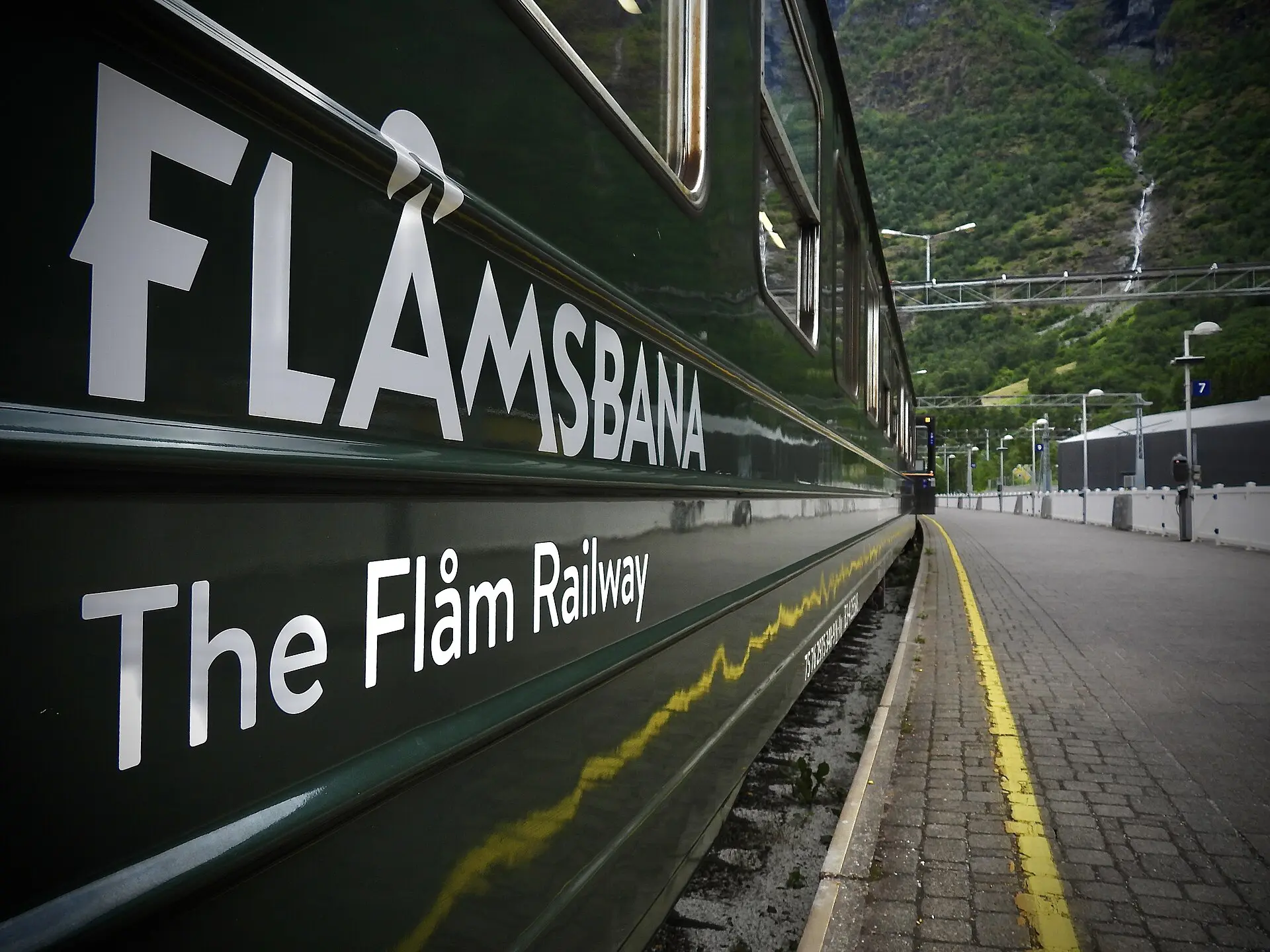
Inside Norway, trains are comfortable but cover a limited network. The Oslo to Bergen line (about seven hours) is one of the scenic routes, and the Bergen to Flåm branch is popular. Long-distance buses and ferries fill the gaps, and the Hurtigruten coastal ships sail between Bergen and Kirkenes. Domestic flights are the fastest way to reach Tromsø and Lofoten, and short routes are served by Norwegian carriers.
Rental cars suit Lofoten, the western fjords and the south coast, but roads are narrow, tunnels are long and many roads and bridges have electronic tolls that rental firms charge back. Drive on the right, and keep headlights on at all times.
How much does a trip to Norway cost?
Norway is one of the most expensive countries in Europe, although quality is high and tipping is optional. The currency is the Norwegian krone (NOK), and cards are accepted almost everywhere, including for small purchases. The figures below are rough per-person guides for 2026 and are highest in July and August.
- Budget: around EUR 90 to 130 per day, with hostels or camping, self-catering, trains or buses and free hiking.
- Mid-range: around EUR 150 to 250 per day, with private hotel rooms, restaurant meals, a few paid tours and some car hire.
- High-end: from around EUR 350 per day, with fjord hotels, guided Arctic experiences and private transport.
Accommodation is the biggest cost, followed by alcohol, which is heavily taxed, and restaurant meals. Supermarket food, rest-stop sandwiches and picnics reduce costs sharply. Camping in the countryside is legal under the right-to-roam rules, with some limits near homes and in protected areas. Rental cars, tolls, fuel and ferries add up fast on a road trip.
Norway food and drink
Norway food relies on fish, game, dairy and simple preparation, with growing interest in new Nordic cooking. Prices are high, so lunch specials and bakeries are good value.
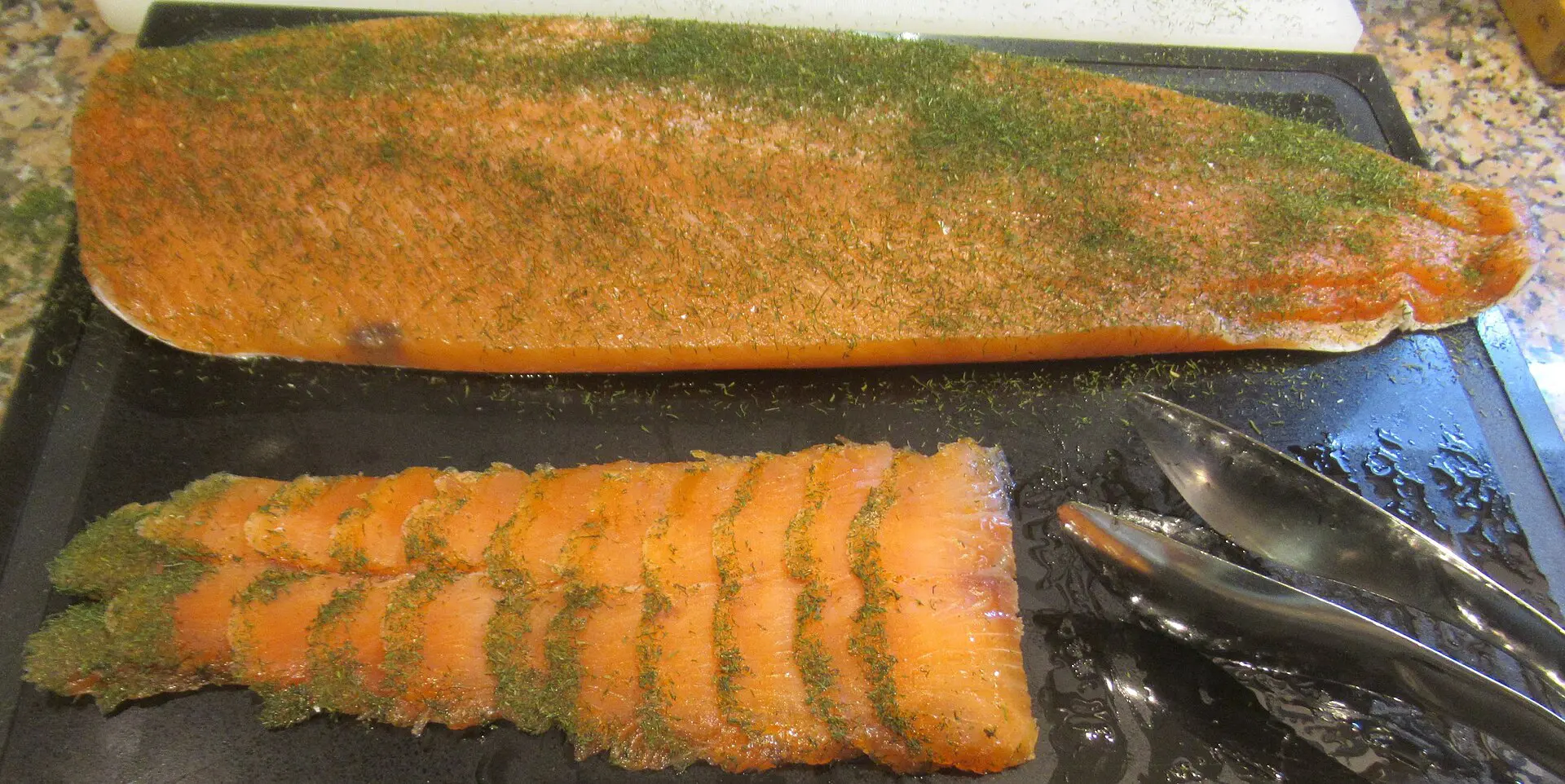
- Salmon: grilled, smoked or cured as gravlaks; Norwegian farmed salmon is found in most restaurants.
- Brunost: brown, caramel-flavoured goat’s milk cheese, sliced thin on bread or waffles.
- Fårikål: a slow-cooked stew of lamb and cabbage, widely seen as the national dish and eaten in autumn.
- Rakfisk and lutefisk: traditional fermented and lye-treated fish, mainly for adventurous eaters and seasonal menus.
- Reindeer: served as steak or stew in the north, often by Sami restaurants.
- King crab: a speciality of Finnmark, mostly in Kirkenes and the far north.
- Kanelboller and waffles: cinnamon buns and heart-shaped waffles with jam and sour cream.
- Aquavit and craft beer: spirits and local brewers are common in cities, though alcohol in shops is limited by opening hours and tax rules.
Vegetarians and vegans can eat well in the cities, but smaller villages may offer fewer choices. Self-catering is the cheapest way to eat, and bakeries (bakeri) serve good breakfast and lunch.
Culture, language and etiquette in Norway
Norway has two written forms of Norwegian, Bokmål and Nynorsk, and the Sami languages are also official in parts of the north. English is spoken very well almost everywhere, though a few words, such as takk (thank you) and hei (hello), are welcome.
Norwegians value equality, punctuality and quiet. Conversation with strangers can seem reserved at first, and queuing and personal space are respected. Many people are active outdoors on weekends, so trails and huts can be busy on sunny days. The tradition of friluftsliv, or open-air life, is central to the national identity.
Follow the Norwegian Outdoor Code: leave no trace, shut gates and keep dogs on a lead during spring nesting and lambing seasons. Take your shoes off when entering someone’s home. Tipping is not expected, though rounding up is appreciated. The Sami people, the Indigenous people of northern Scandinavia, have their own culture and reindeer herding traditions; ask before photographing people or herds, and book Sami experiences through Sami-run operators.
Norway itinerary: a 7-day route
This Norway itinerary covers the south and west by train, bus and ferry, so you do not need a car. It runs best from late May to September.
- Day 1, Oslo: arrive, walk the waterfront, and visit the Opera House and Vigeland Park.
- Day 2, Oslo: see the Viking Ship Museum and Munch Museum, then take an evening train to Bergen.
- Day 3, Bergen: arrive early, walk Bryggen and ride the Fløibanen funicular.
- Day 4, Flåm and the fjords: take the train toward Voss and Myrdal, then ride the Flåm Railway and a fjord cruise.
- Day 5, Stavanger: travel by train, ferry or short flight from Bergen, then explore the old town.
- Day 6, Preikestolen: hike the plateau early to avoid crowds; allow four hours return plus the ferry transfer.
- Day 7, return: fly or take a train back to Oslo for onward travel.
With extra days, add Lofoten or Tromsø by air. In winter, replace the hikes with a Northern Lights tour from Tromsø and skip mountain roads.
Practical tips for Norway
- Money: the krone is the local currency; cards and mobile payments are accepted almost everywhere, so you rarely need cash. Bring a card with no foreign-transaction fee.
- SIM and eSIM: prepaid local SIMs and eSIMs are available; mobile coverage is good except in remote fjord valleys and mountain areas. EU roaming usually covers EU and EEA visitors.
- Plugs: types C and F at 230 V, as in most of continental Europe.
- Tipping: not expected, but rounding up or leaving around 5 to 10 percent for good service is common.
- Health: bring insurance; European Health Insurance Card holders get access to public care. Tap water is safe, so bring a refillable bottle.
- Packing: waterproof jacket and layers in all seasons, sturdy walking shoes, a hat and gloves in the north, and insect repellent in summer.
- Booking: reserve accommodation, Flåm trains, Preikestolen parking and Northern Lights tours early in peak season.
For wider background, see the Wikivoyage Norway guide.
FAQ
Q1What are the best places to visit in Norway?
Oslo and Bergen are the main cities, while the UNESCO fjords Geirangerfjord and Nærøyfjord and Stavanger with Preikestolen offer the classic scenery. In the Arctic, Lofoten and Tromsø are the best-known places for dramatic landscapes and the Northern Lights.
Q2What is Norway food like?
Norway food centres on fish, game and dairy. Expect salmon, brunost (brown cheese), fårikål lamb stew, reindeer in the north, king crab in Finnmark, waffles and good bakeries. Prices are high, so lunch deals and self-catering help.
Q3What are the best things to do in Norway?
Top picks are cruising Nærøyfjord, hiking Preikestolen, riding the Flåm Railway, seeing the Northern Lights near Tromsø, exploring Lofoten and visiting Oslo's museums. In summer, add the midnight sun in the Arctic north and the Hurtigruten coastal ferry.
Q4What is the best time to visit Norway?
June to August is best for hiking, fjord cruises and long days, while November to March suits the Northern Lights and skiing. May and September are quieter and cheaper, but some mountain roads and tours are limited at the edges of the season.
Q5Do I need a visa for Norway?
It depends on your nationality. Norway is in the Schengen Area, and many visitors, including EU, UK and US citizens, can enter visa-free for up to 90 days in 180 days. New EU border systems are being phased in, so check the Norwegian immigration authority before you book.
Q6How many days do you need in Norway?
Seven days is enough for Oslo, Bergen and a fjord by public transport, as in the itinerary above. Ten days lets you add Stavanger and Preikestolen, and two weeks suits Lofoten or Tromsø. Distances are large, so avoid trying to see everything.
Q7Is Norway safe?
Yes. Norway has very low violent crime, and the main risks are weather, mountain conditions and winter driving. Pickpocketing is minor but occurs in busy places in Oslo and Bergen. Check local weather and avalanche warnings, and carry insurance with hiking cover.
Q8How much does a trip to Norway cost?
Mid-range travellers should plan around EUR 150 to 250 per day, with budget trips possible at EUR 90 to 130 using hostels, camping and self-catering. Accommodation, restaurant meals and alcohol are the biggest costs, and July and August are the most expensive.