Why visit Argentina
There are more things to do in Argentina than most trips can cover. It is the eighth-largest country in the world, and it holds Aconcagua, the tallest mountain in the Americas at about 6,960 metres, subtropical jungle, desert canyons, wine regions, a long Atlantic coast and Patagonian ice fields. Buenos Aires adds a European-style capital shaped by waves of Italian and Spanish immigration, with theatre, football, cafés and late dinners.
It suits travellers who enjoy big landscapes, food and wine, and who are willing to fly between regions. Hikers, wildlife watchers, culture seekers and couples find plenty to do. It is less suited to travellers on a tight schedule who want to see everything, or to anyone who dislikes planning around variable prices and cash.
Best places to visit in Argentina
The best places to visit in Argentina are far apart, so choose regions rather than trying for a full country tour.
Buenos Aires
The capital sits on the Río de la Plata and is the usual arrival point. Neighbourhoods such as San Telmo, Recoleta and Palermo offer markets, cemeteries, galleries and parrillas. Tango shows and milongas are widely available. Allow three or four days.
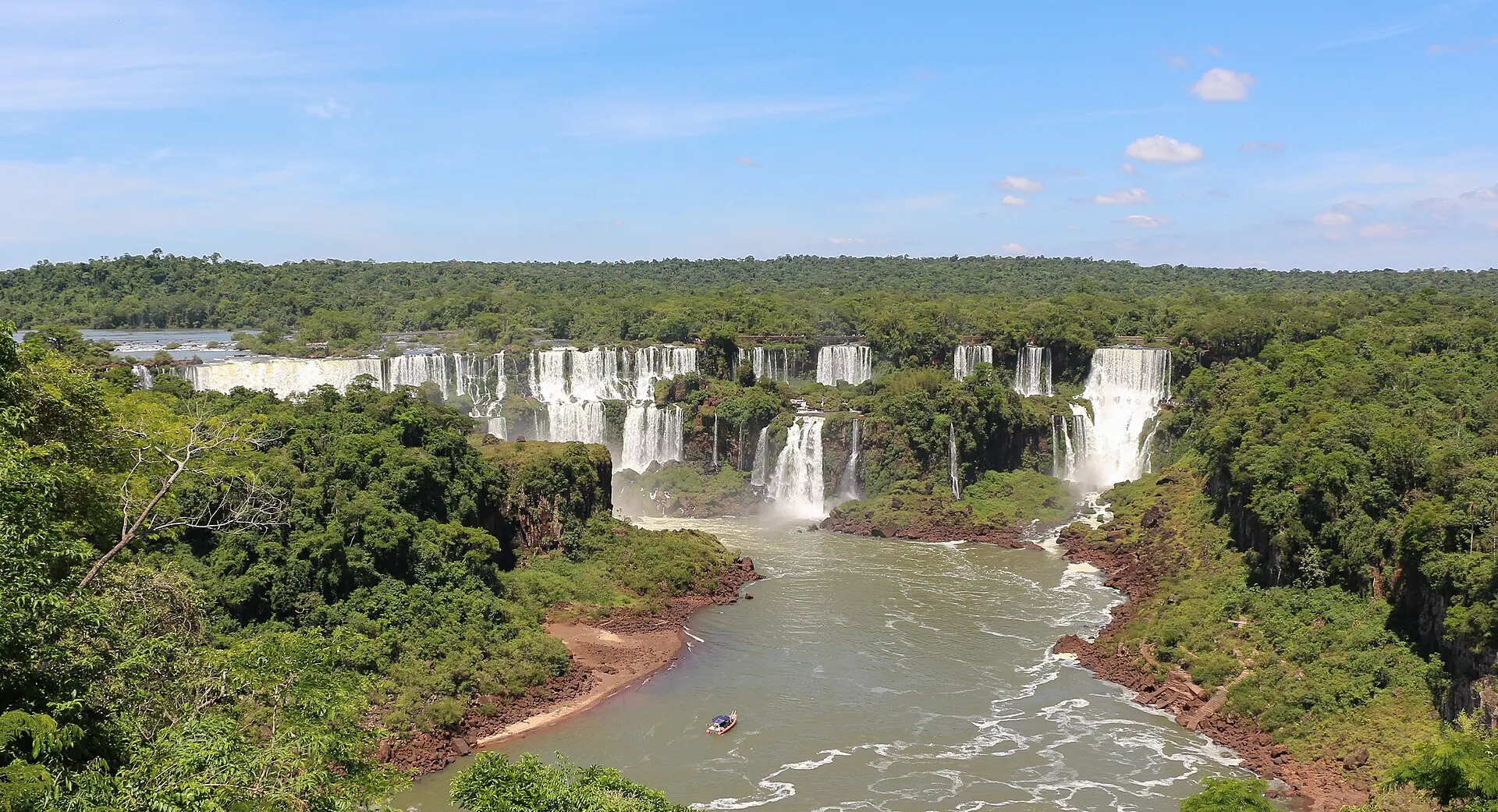
Iguazú Falls
In the far northeast, a wide system of waterfalls spreads through subtropical forest, with walkways on both the Argentine and Brazilian sides. The Devil’s Throat is the most dramatic viewpoint. Allow two days to see both sides.
El Calafate and Perito Moreno
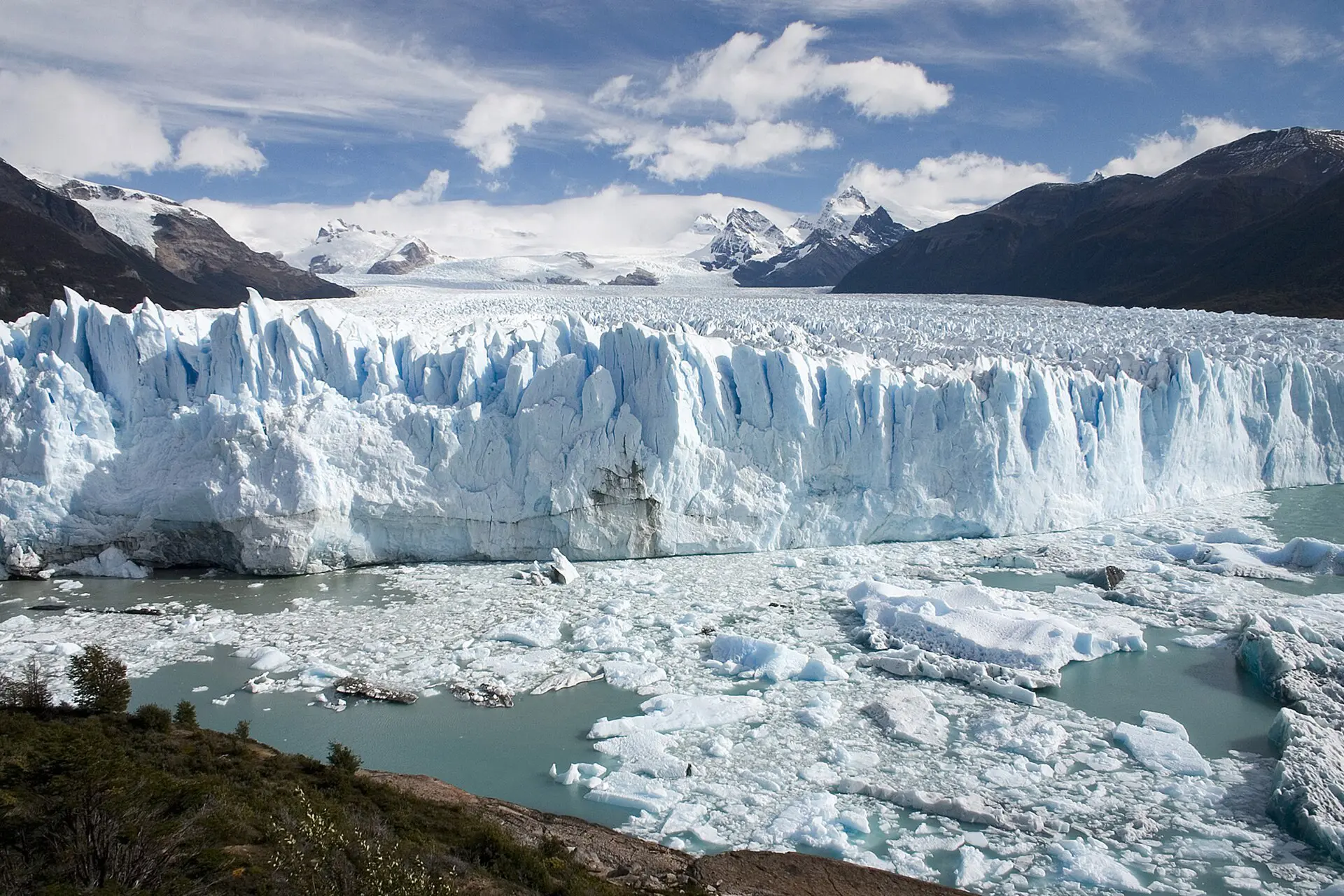
El Calafate is the base for Los Glaciares National Park. The Perito Moreno Glacier is reachable by road, with boardwalks facing a huge ice wall, and boat trips and ice treks are available. Fly in from Buenos Aires.
Bariloche and the Lake District
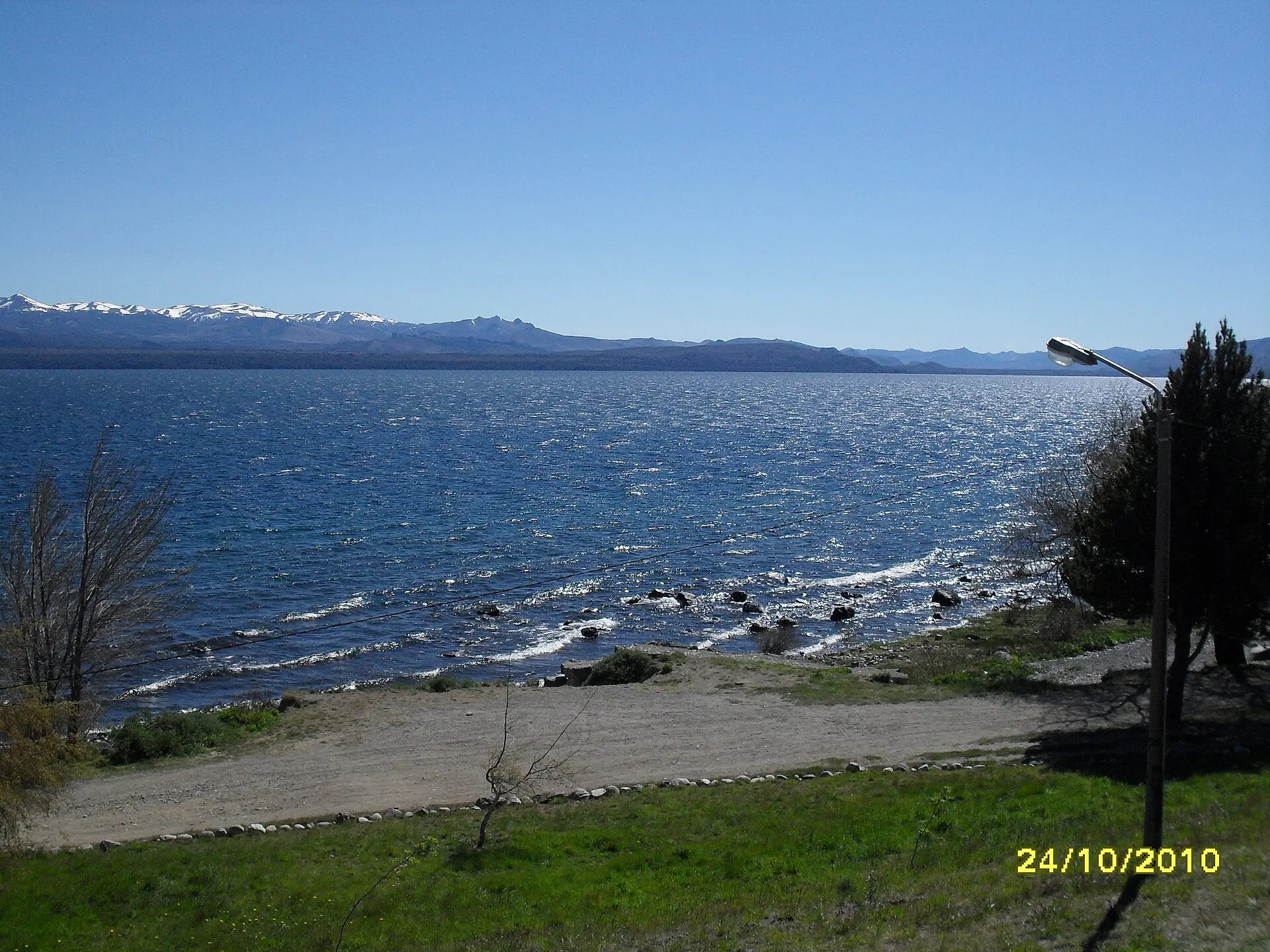
Set among the Andes lakes, Bariloche in Nahuel Huapi National Park offers hiking, lakes and skiing, plus chocolate shops and Alpine-style architecture.
Mendoza
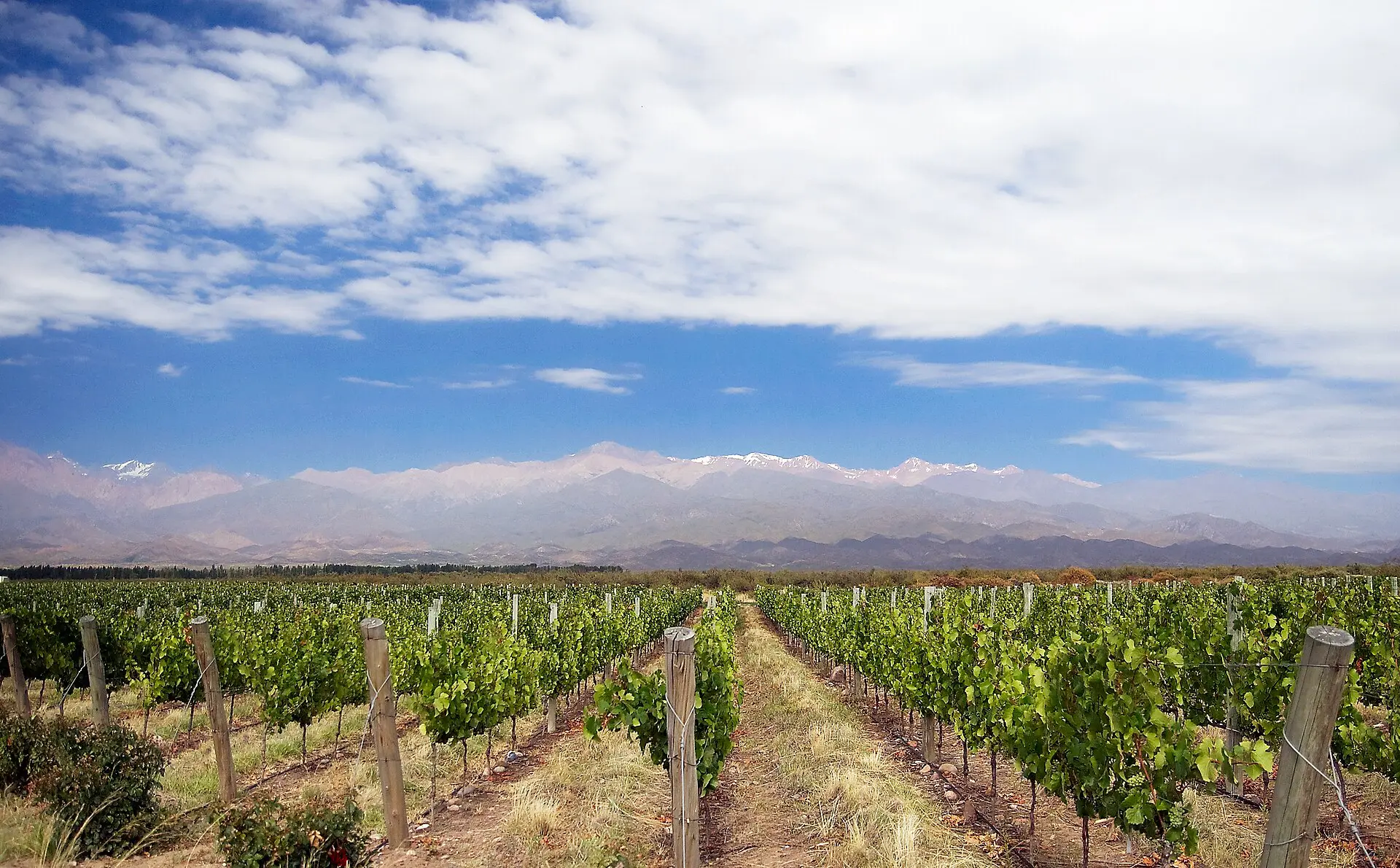
Argentina’s best-known wine region sits below the Andes, with Malbec vineyards, tastings and Aconcagua day trips. Cycling through Luján de Cuyo is popular.
Salta and Quebrada de Humahuaca
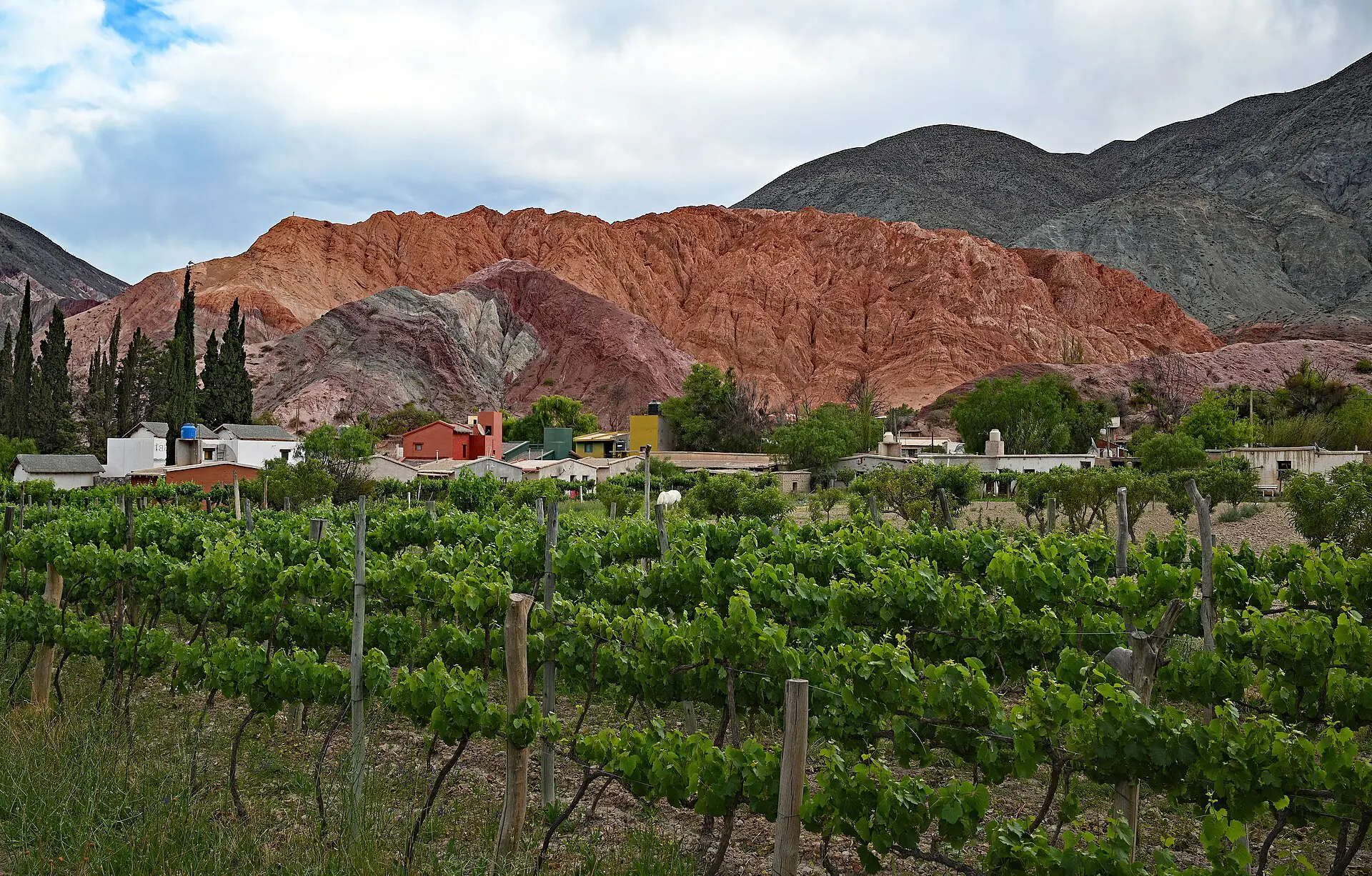
The northwest has colonial towns, high desert and colourful canyon walls around Purmamarca and Tilcara. Salta is a good base, with a more Andean cultural feel than the capital.
Top things to do in Argentina
These are the top things to do in Argentina, covering the main regions.
- Walk the Iguazú Falls trails: the Devil’s Throat walkway puts you at the rim of the largest drop.
- See the Perito Moreno Glacier: watch ice calve from the boardwalks or take a boat trip.
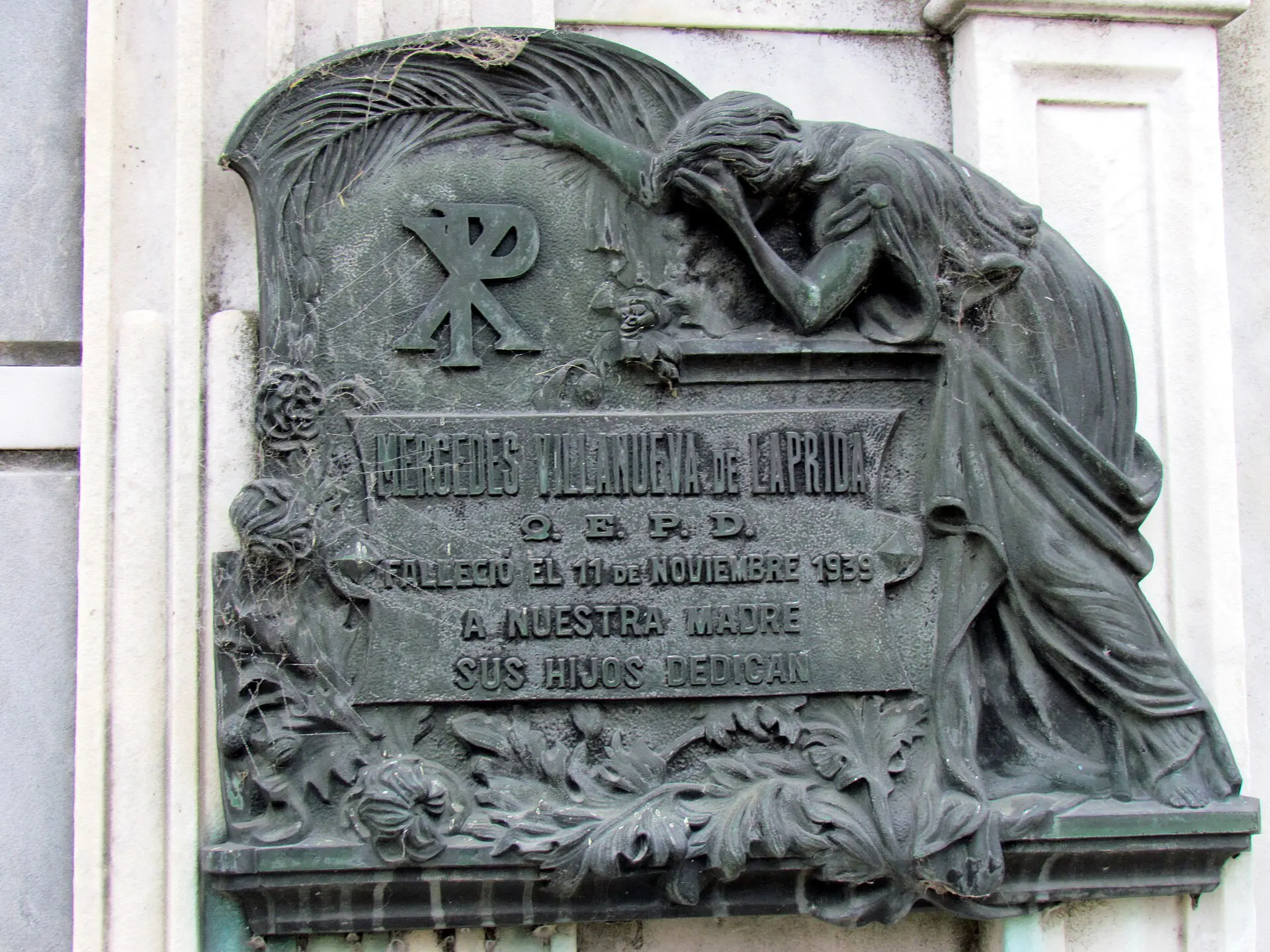
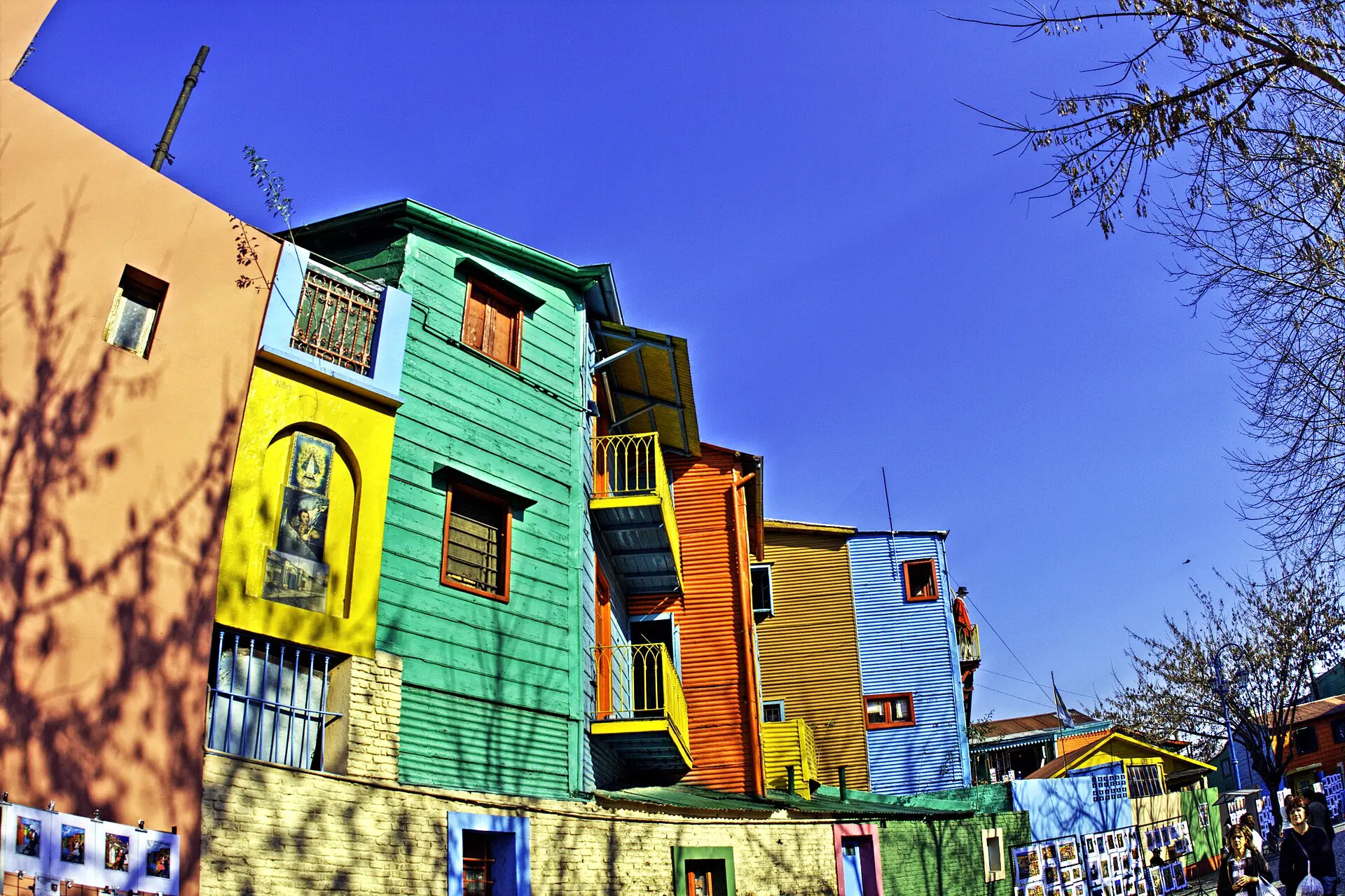
- Explore Buenos Aires neighbourhoods: San Telmo’s market, La Boca’s colourful streets and Recoleta Cemetery.
- Attend a tango show or milonga: live music and dance are part of the city’s identity.
- Eat at a parrilla: a classic grill restaurant serves beef cuts cooked over charcoal.
- Taste Malbec in Mendoza: bike or drive between wineries in Luján de Cuyo or the Uco Valley.
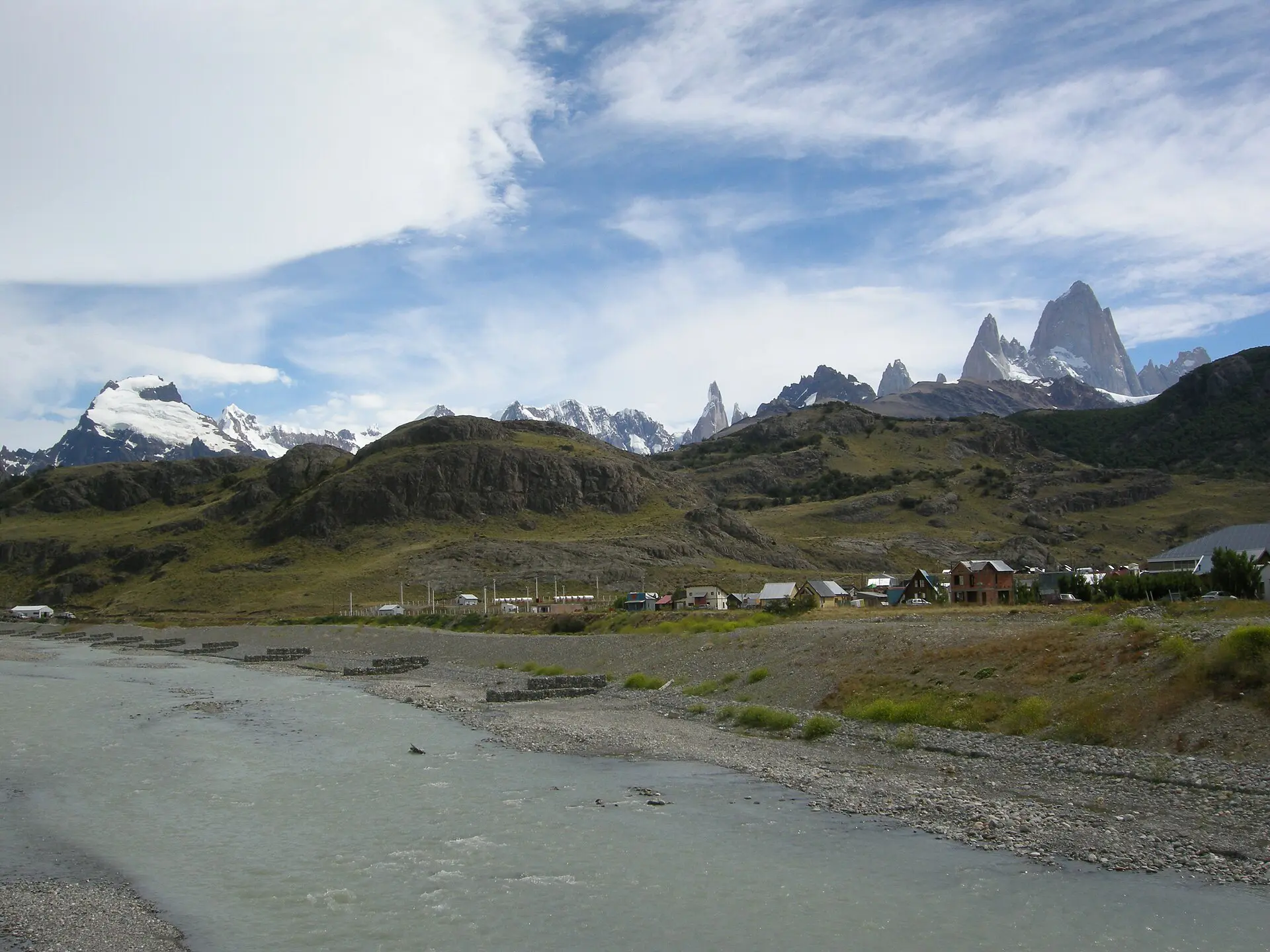
- Hike near El Chaltén: trails to Laguna de los Tres give views of Fitz Roy.
- Drive the Quebrada de Humahuaca: see striped mountains and adobe villages.
- Watch whales at Península Valdés: southern right whales visit between roughly June and December.
- Ski or hike around Bariloche: winter skiing, summer trekking.
Best time to visit Argentina
The best time to visit Argentina depends on the region. Patagonia is best from November to March, with long days and open trails, although wind is constant. Buenos Aires and Mendoza are most pleasant in spring and autumn, March to May and September to November. Remember that the seasons are reversed from the northern hemisphere, so December to February is summer.
| Season | Weather | Crowds and prices | Good for |
|---|---|---|---|
| Summer (Dec-Feb) | Hot and humid north and centre; mild in Patagonia | Peak in Patagonia and beach towns | Glaciers, hiking, Lake District |
| Autumn (Mar-May) | Mild; autumn colour in Mendoza and the lakes | Moderate | Wine harvest, Buenos Aires, Iguazú |
| Winter (Jun-Aug) | Cool in cities; cold and snowy in the Andes and south | Peak at ski resorts; low elsewhere | Skiing, whales, the northwest |
| Spring (Sep-Nov) | Warm; changeable in the south | Moderate | Cities, wine, early Patagonia |
Iguazú is hottest and wettest in summer, so the cooler months can be more comfortable.
Is Argentina safe to visit?
Yes, Argentina is safe for most visitors, although petty crime is a real issue in large cities. Violent crime against tourists is uncommon, but bag snatching, pickpocketing and phone theft, sometimes by thieves on motorbikes, occur in Buenos Aires, Rosario and Córdoba. Check your government’s travel advice, such as the UK FCDO or US State Department pages.
City precautions. Keep your phone out of sight near the road, use a cross-body bag, and avoid walking alone at night in quiet areas. Use official taxis or ride-hailing apps.
Protests. Demonstrations and road blockades are frequent in the capital and can disrupt transport. Avoid the crowds and check local news.
Nature and health. Altitude sickness is possible in the northwest and around Mendoza above about 3,000 metres. Patagonian wind and sudden weather shifts require layers and care on trails. Carry travel insurance with medical cover.
Roads. Long distances and night driving carry risk. Plan daytime drives.
Visa and entry requirements for Argentina
Entry rules depend on your nationality. Citizens of many countries, including the EU, UK and US, have generally been able to enter without a visa for tourist stays of up to around 90 days, but rules can change, and some nationalities need a visa or an electronic authorisation. Confirm the current rule for your passport on the official Argentine immigration website or at your nearest Argentine consulate before booking.
Your passport should be valid for the whole stay. Border officers may ask for proof of onward travel or accommodation. If you arrive by land from Chile, Bolivia, Paraguay, Brazil or Uruguay, expect immigration and customs checks, including restrictions on bringing fresh fruit, meat and dairy products.
Overland trips in Patagonia often cross between Argentina and Chile several times, so check each crossing’s opening hours in winter. Argentina’s UNESCO listings, such as Iguazú National Park, are good anchors for planning your route.
Getting to and around Argentina
Most international flights land at Ezeiza (EZE), Buenos Aires’s main airport, about 35 kilometres from the centre. Domestic flights usually leave from Aeroparque (AEP), which is close to the city. Other international gateways include Córdoba, Mendoza and Bariloche.
Distances are huge, and flying is often the only realistic option: Buenos Aires to Iguazú takes around two hours, to Mendoza about 1 hour 50 minutes, and to El Calafate roughly three hours. Long-distance buses are comfortable and cheap, with reclining seats, but journeys take 12 to 20 hours between major regions, for example Buenos Aires to Mendoza or Salta. The rail network is limited.
Car rental works well in Mendoza, Salta, the Lake District and Patagonia, where public transport is thin. Distances between fuel stations can be long, and winter weather affects mountain roads. Ferries connect Buenos Aires with Uruguay’s Colonia and Montevideo.
How much does a trip to Argentina cost?
The currency is the Argentine peso (ARS), and prices have been volatile because of high inflation and changing exchange rates, so treat any figures as rough guides for 2026. Check the current rate and the best way to pay, as cards, cash and transfers can give different values. Figures below are in US dollars per person per day.
- Budget: around USD 50 to 80, with hostels, buses, markets and simple restaurants.
- Mid-range: around USD 100 to 180, with comfortable hotels, restaurant meals and occasional flights.
- High-end: USD 250 and above, with boutique lodges, guided excursions and top steakhouses.
Patagonia, especially El Calafate, El Chaltén and Ushuaia, is much more expensive than the rest of the country in high season. Domestic flights, park entrance fees for foreign visitors and glacier excursions are the biggest costs. Food and wine are inexpensive by international standards.
Argentina food and drink
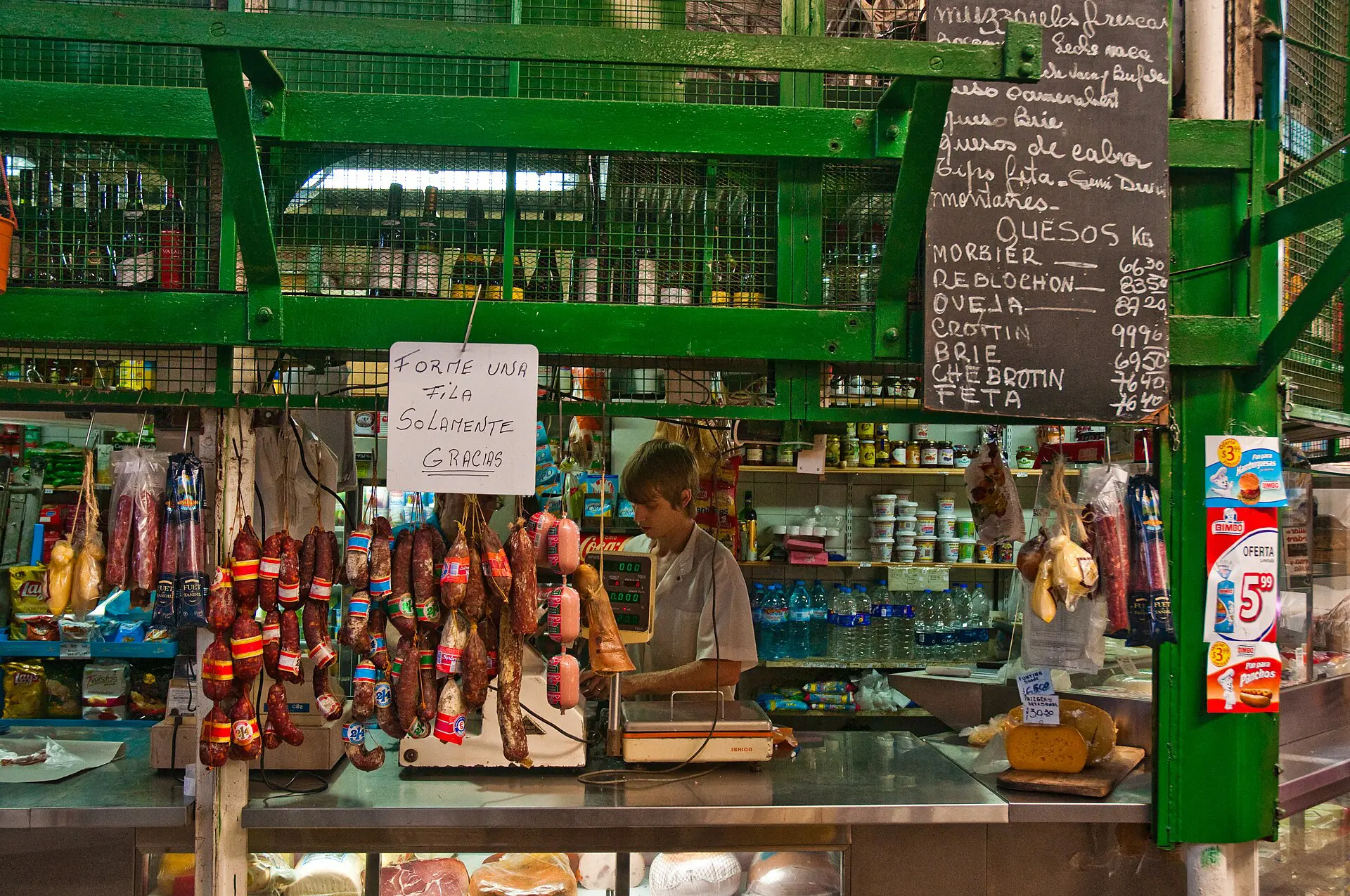
Argentina food is built on beef, wheat and wine, with strong Italian and Spanish influences, and dinner usually starts late, often after 9 pm.

- Asado: beef cooked slowly over embers, including ribs, sausages (chorizo) and offal.
- Empanadas: baked or fried pastries filled with beef, cheese or humita, with regional styles such as Salta’s.
- Milanesa: breaded cutlet, often served with fries or topped with ham and cheese.
- Provoleta: grilled provolone cheese, a standard starter.
- Dulce de leche: milk caramel found in alfajores, pancakes and ice cream.
- Malbec and Torrontés: the best-known red and white wines, from Mendoza and Salta.
- Mate: a herbal tea shared from a gourd, a daily social ritual.
- Fernet and Coke: a popular drink, especially in Córdoba.
Vegetarians can eat well on pizza, pasta, empanadas and salads, though menus lean toward meat. Parrillas are the classic place for steak, and neighbourhood bodegones offer large, cheap portions. Coeliac travellers should ask, because wheat is common.
Culture, language and etiquette in Argentina
Spanish is the main language, spoken with a distinctive Rioplatense accent in Buenos Aires, where “vos” replaces “tú” and “ll” sounds like “sh”. English is common in tourism but less so elsewhere, and a few Spanish phrases help. Indigenous languages such as Guaraní are also spoken in parts of the north.
Argentines greet with a single kiss on the cheek, including between men and women. Punctuality is relaxed, dinner is late and socialising goes on well past midnight. Football is a major cultural force, as are tango, literature and mate sharing; if offered mate, accept and return the gourd after drinking.
Dress is casual but neat, and Buenos Aires is stylish. Politics and the Falklands/Malvinas question are sensitive, and Argentina’s claim to the islands is part of national identity, so listen more than you argue. Smoking and noise levels are more relaxed than in some countries.
Argentina itinerary: a 7-day route
With one week, pair Buenos Aires with one region and fly. This route combines the capital with Patagonia’s glaciers, best between October and April.
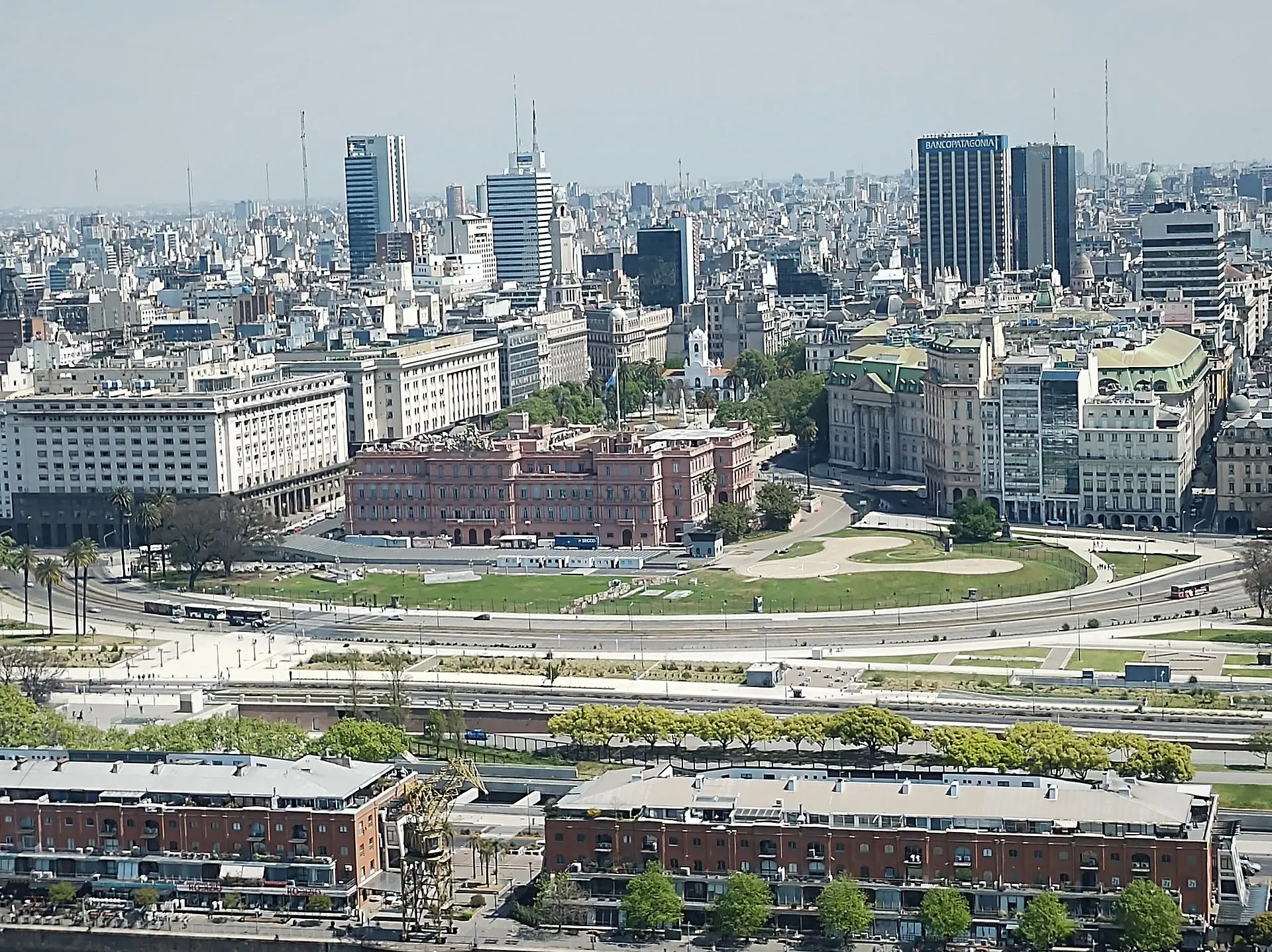
- Day 1, Buenos Aires: arrive, then walk San Telmo and the Plaza de Mayo area.
- Day 2, Buenos Aires: visit Recoleta Cemetery, Palermo and a tango show in the evening.
- Day 3, Buenos Aires: try La Boca, a parrilla dinner, or a day trip to Tigre.
- Day 4, El Calafate: fly about three hours, then settle in and walk by the lake.
- Day 5, Perito Moreno: spend a full day at the glacier on the boardwalks, with an optional boat trip.
- Day 6, Los Glaciares: take a day trip to Upsala and Spegazzini by boat, or travel to El Chaltén (about three hours by road) for a short hike.
- Day 7, return: fly back to Buenos Aires for an onward connection.
For a warmer option, replace Patagonia with two nights at Iguazú or three in Mendoza.
Practical tips for Argentina
- Money: peso values and exchange options change often. Cards are widely accepted in cities, but carry some cash for small shops, buses and rural areas, and check the best current way to pay.
- SIM and eSIM: prepaid SIMs and eSIMs are available, and mobile coverage is good in cities and weak in remote Patagonia and the Andes.
- Plugs: type I at 220 V, so most visitors need an adapter.
- Tipping: about 10 percent in restaurants, which is not added to the bill.
- Health: bring insurance, sunscreen and altitude medication advice for the northwest; tap water is fine in Buenos Aires but ask elsewhere.
- Packing: layers and a windproof jacket for Patagonia, light clothes for Iguazú and good walking shoes.
- Timing: shops close in the afternoon in many towns, and dinner starts late.
For wider background, see the Wikivoyage Argentina guide and the UNESCO list for Argentina.
FAQ
Q1What is Argentina food known for?
Argentina food is known for asado (beef grilled over embers), empanadas, milanesa, provoleta cheese and dulce de leche desserts. Malbec from Mendoza and mate tea are the classic drinks. Dinner is late, steak portions are large and vegetarians can eat on pasta, pizza and empanadas.
Q2Is Argentina safe?
Mostly yes. Violent crime against tourists is uncommon, but petty theft, phone snatching and bag grabbing are common in Buenos Aires and other big cities. Keep valuables out of sight, use official taxis or apps, and avoid quiet streets at night. Check your government's current travel advice.
Q3What are the best things to do in Argentina?
Top picks are Iguazú Falls, the Perito Moreno Glacier, Buenos Aires neighbourhoods and tango, wine tasting in Mendoza, hiking near El Chaltén and the colourful canyons of the Quebrada de Humahuaca. Whale watching at Península Valdés runs from roughly June to December.
Q4What is the best time to visit Argentina?
It depends on the region. Patagonia is best from November to March, Buenos Aires and Mendoza in spring and autumn (September to November, March to May) and the ski areas from June to September. Seasons are reversed from the northern hemisphere.
Q5Is Argentina safe to visit for solo and female travellers?
Many solo and female travellers visit without problems. The main risks are theft and late-night street harassment in big cities. Choose well-reviewed accommodation, use apps or official taxis after dark, keep your phone secure and share your plans before remote hikes.
Q6What are the best places to visit in Argentina?
Buenos Aires, Iguazú Falls, El Calafate for Perito Moreno, Bariloche in the Lake District, Mendoza's wine country and Salta with the Quebrada de Humahuaca are the best-known. Most trips combine the capital with one or two of these because distances are very large.
Q7Do I need a visa for Argentina?
It depends on your nationality. Citizens of many countries, including the EU, UK and US, have generally been able to enter visa-free for tourism for about 90 days, but rules change. Check the official Argentine immigration source before booking.