Why visit Chile
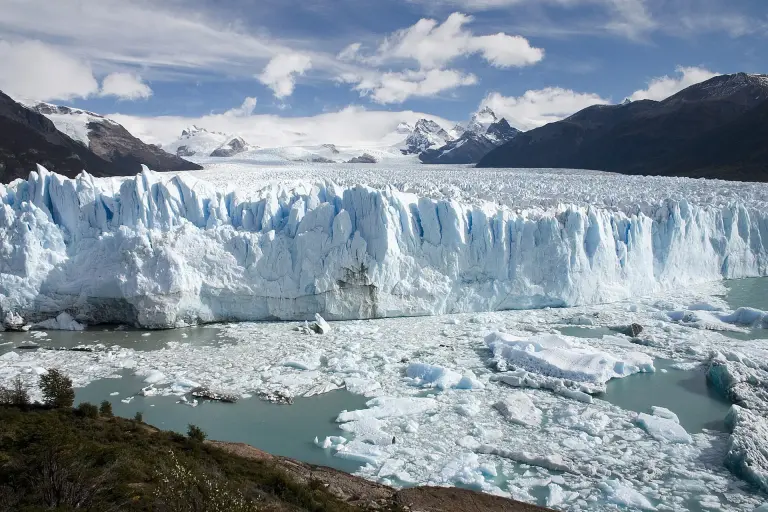
The things to do in Chile are defined by its shape. The country runs about 4,300 kilometres from the driest desert on Earth to Patagonian ice fields, squeezed between the Andes and the Pacific, with more than 5,000 kilometres of coastline (see the Wikipedia overview). Within one trip you can stargaze in the Atacama, taste wine in the central valleys, climb a volcano in the lake district and walk beneath granite peaks in the south.
Chile suits active travellers, wine and food lovers and independent road-trippers who like well-organised infrastructure. It is one of South America’s more stable and developed countries, though it is not cheap, and distances are large: choose two or three regions rather than trying to see everything. It is less suited to travellers on very small budgets or on very short trips.
Best places to visit in Chile
The best places to visit in Chile fall into a few regions: the capital, the coast, the desert north, the lakes, Patagonia and the islands.
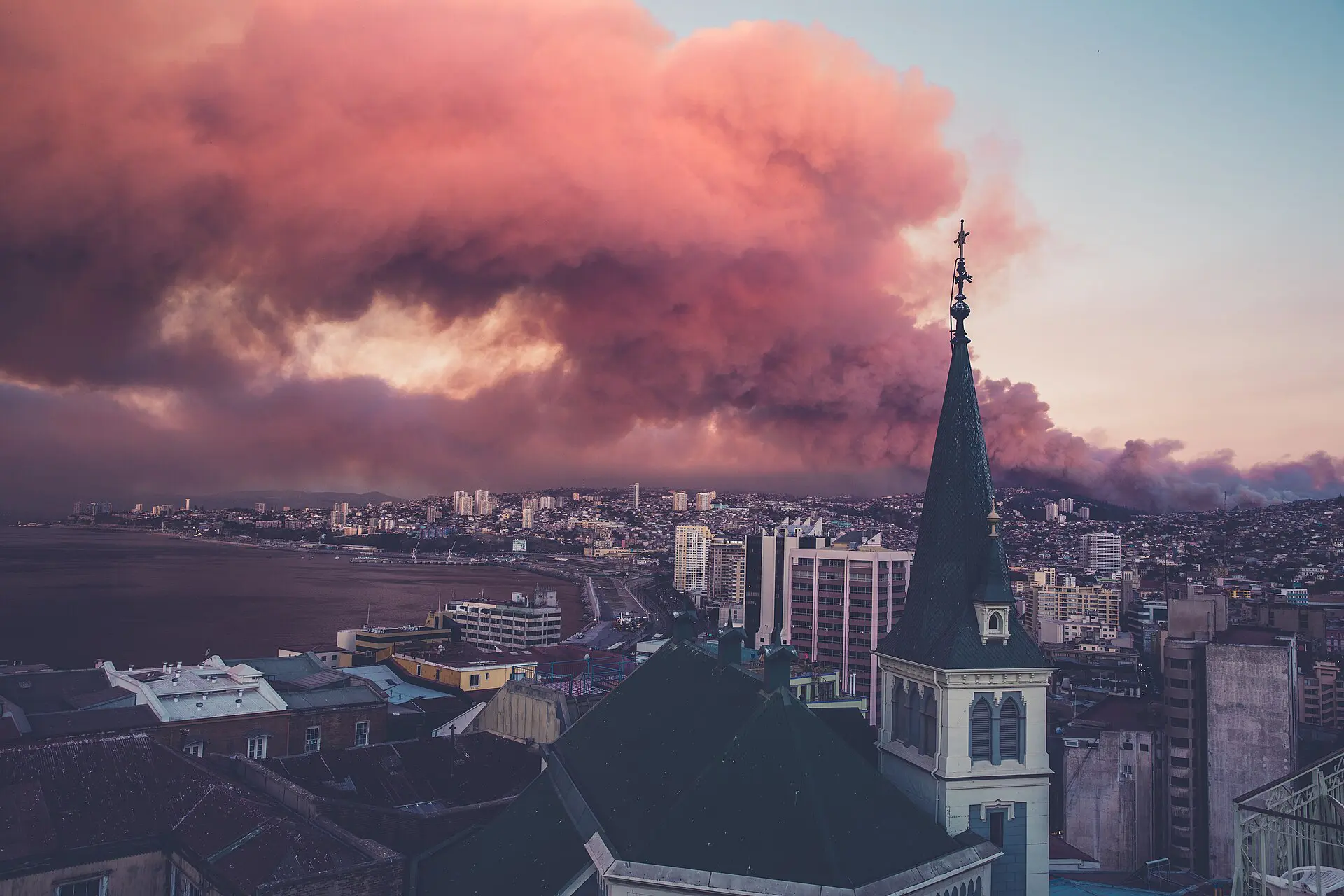
Santiago
The capital sits in a valley ringed by the Andes. It has good museums, leafy neighbourhoods such as Bellavista and Lastarria, and easy day trips to wine estates and ski areas. It is the main gateway for most visitors.
Valparaíso and Viña del Mar
Valparaíso is a UNESCO-listed port city of colourful houses, funiculars and street art on steep hills. Neighbouring Viña del Mar is a beach resort with gardens and promenades. Both are about 90 minutes from Santiago.
San Pedro de Atacama
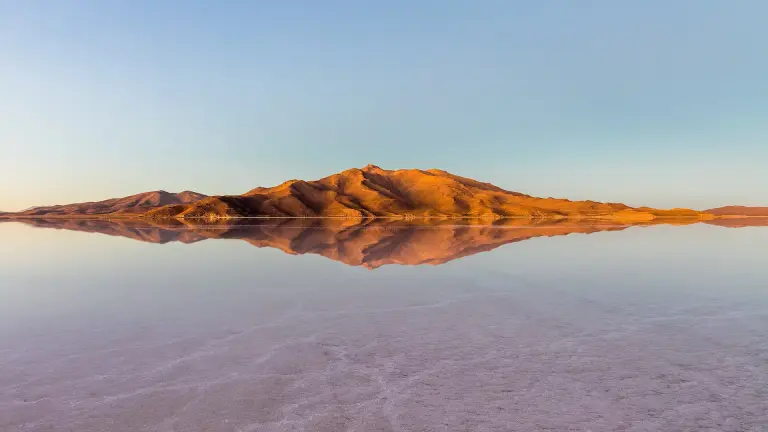
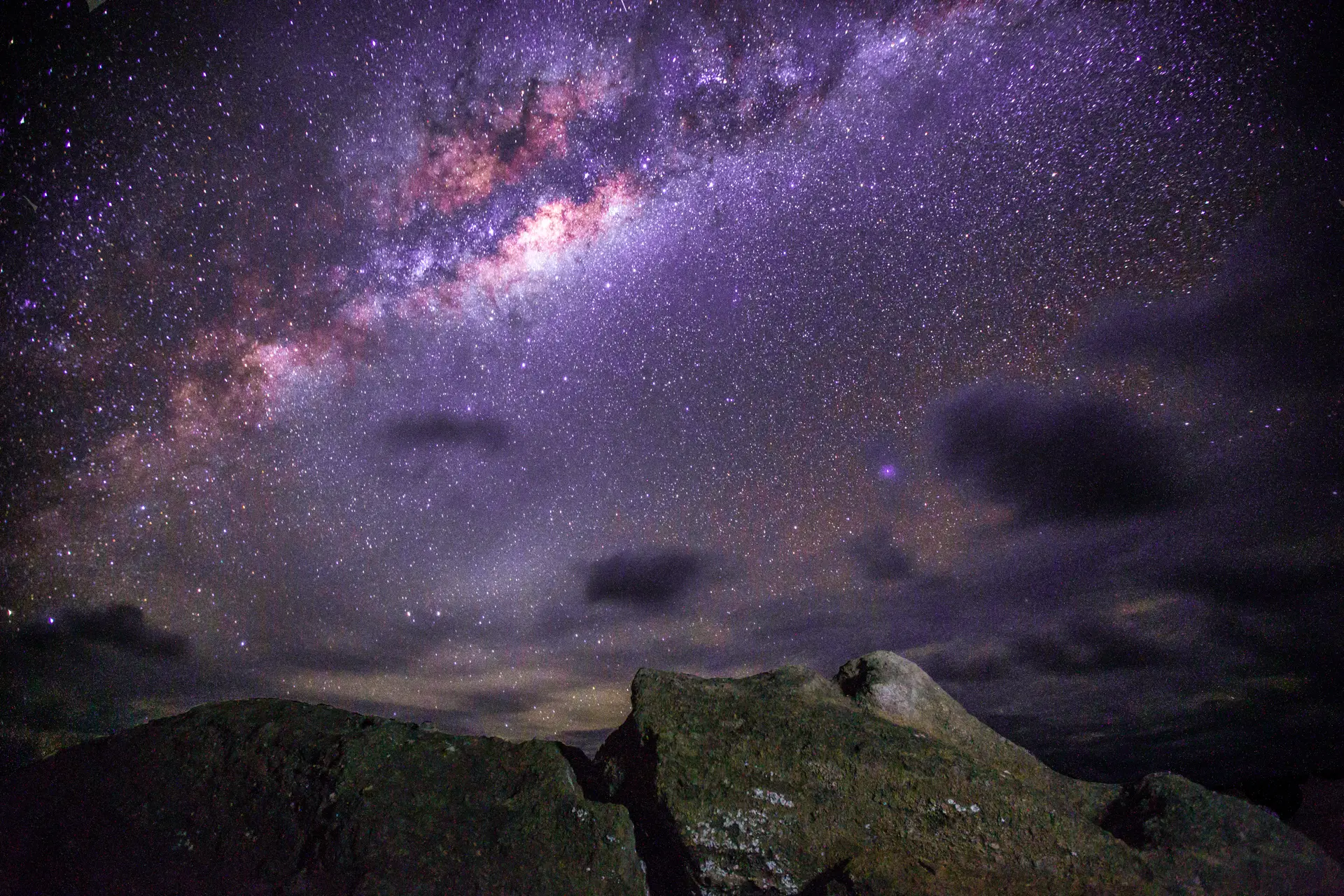
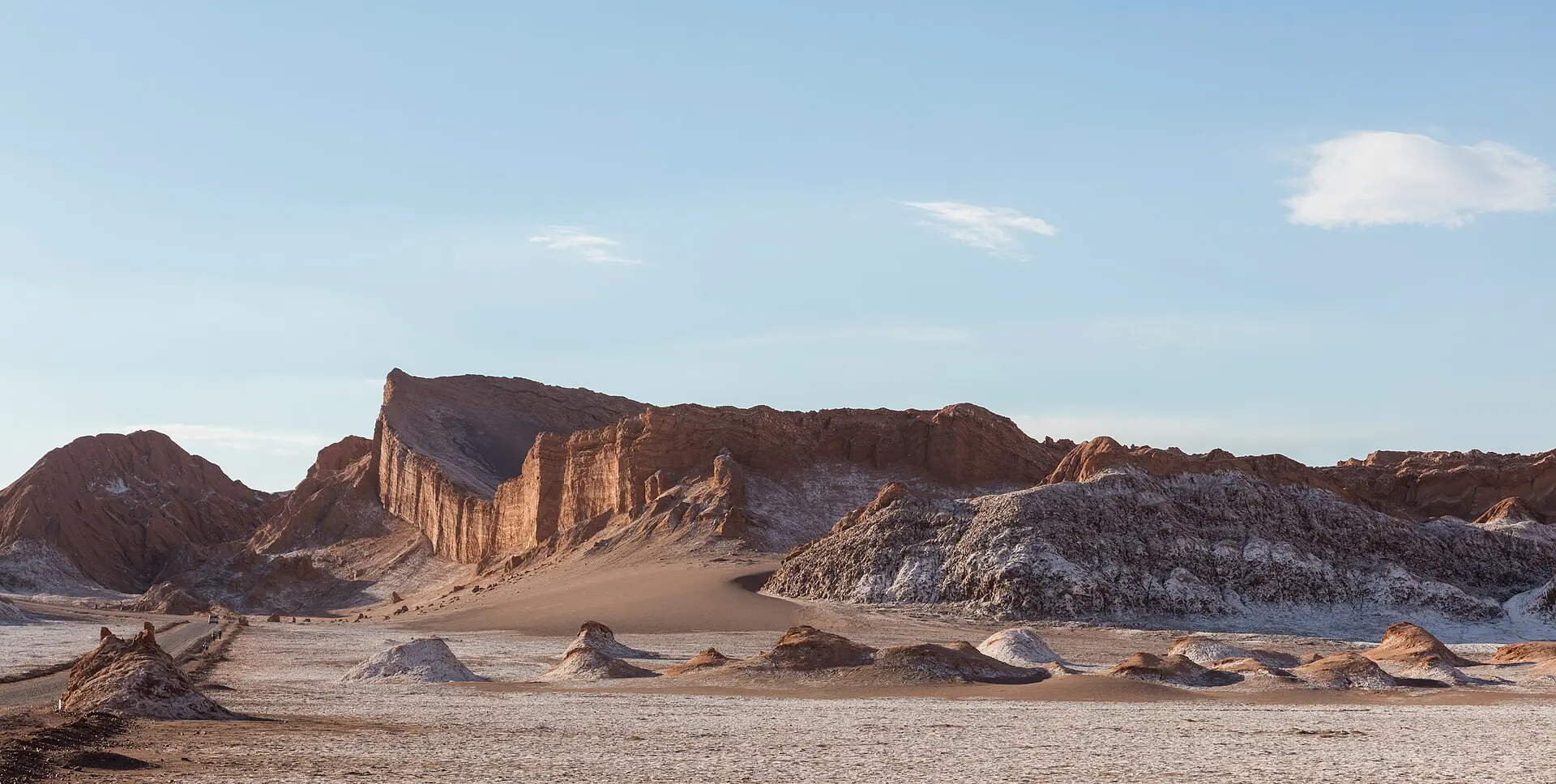
This desert oasis town is the base for salt flats, lagoons, the Valle de la Luna and the El Tatio geysers. Altitude is high, so rest on arrival. Skies here are among the clearest in the world.
Easter Island
Rapa Nui, about five hours by air from Santiago, is known for its moai statues. Ahu Tongariki and the Rano Raraku quarry are the key sites, within a national park that requires an entry ticket.
Lake District and Chiloé
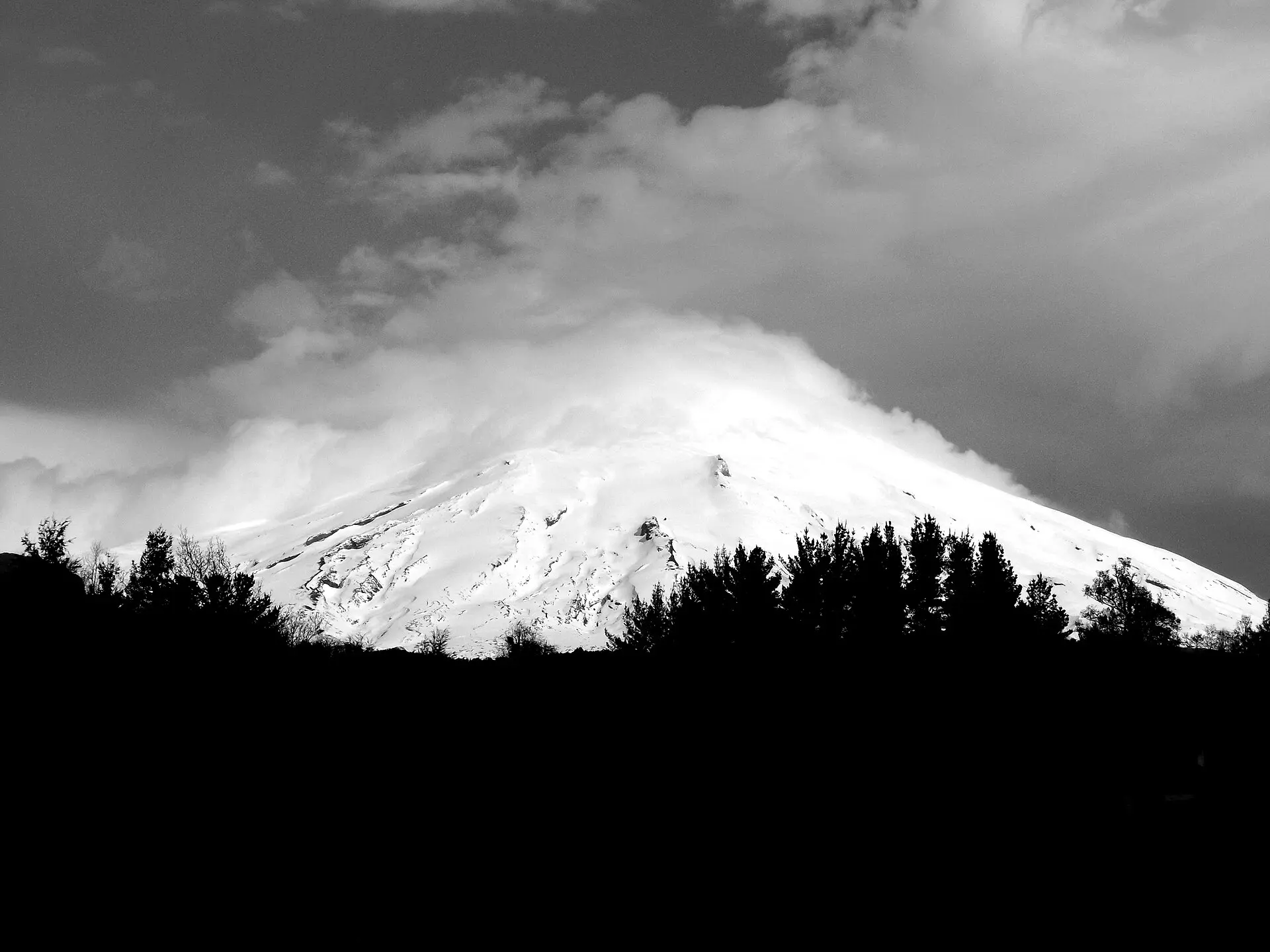
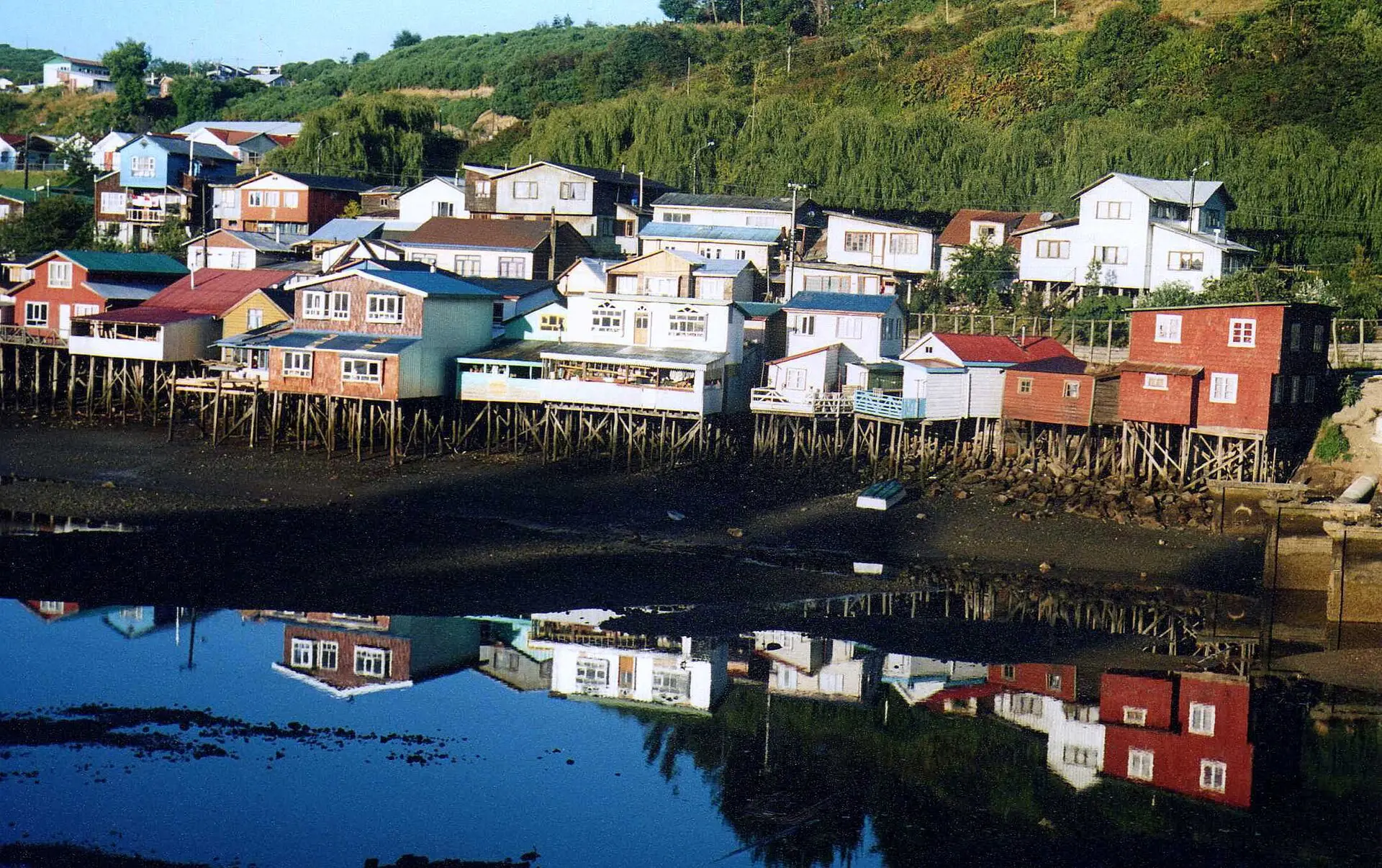
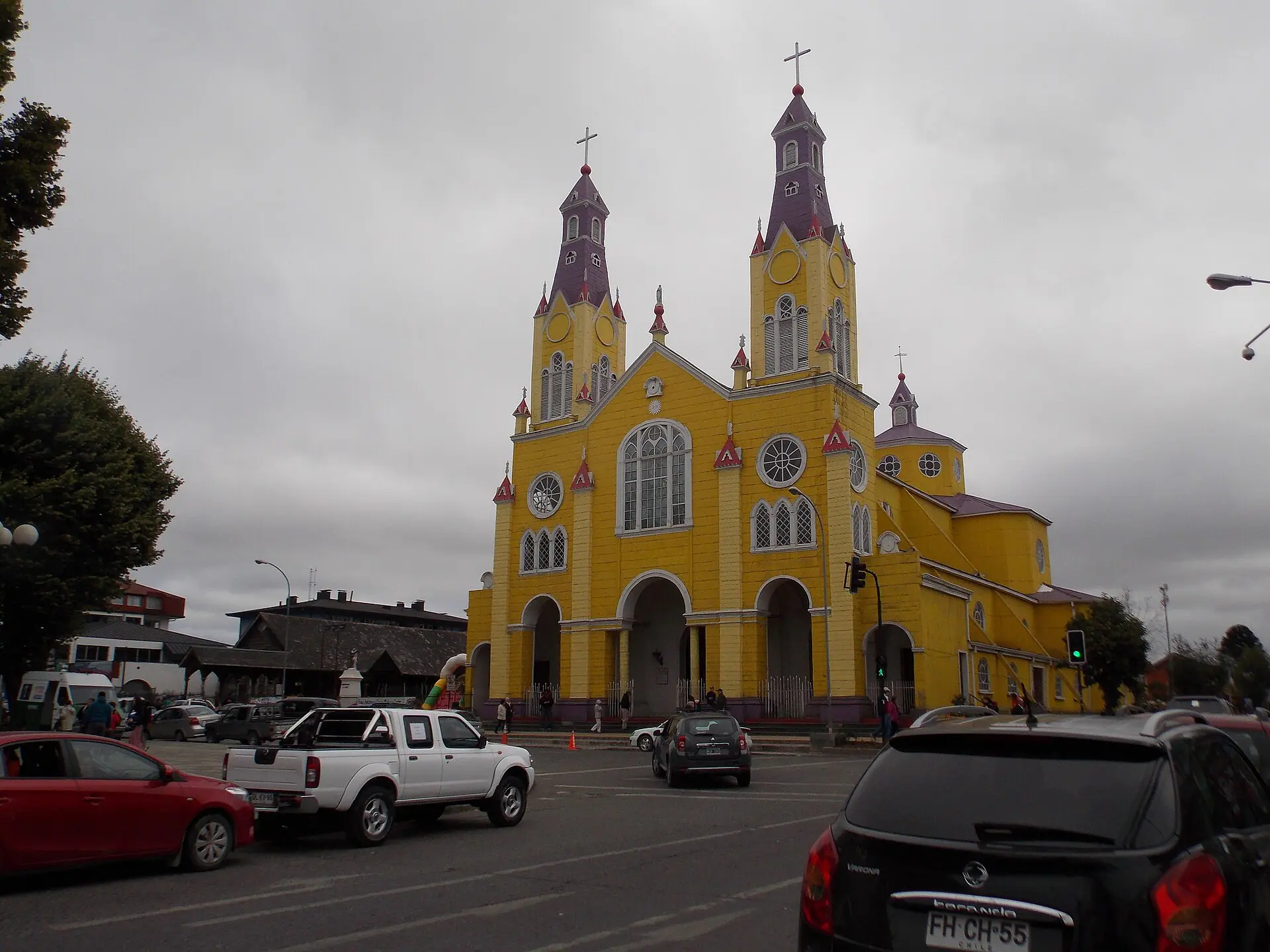
Pucón sits under the Villarrica volcano, with hot springs and trekking. Further south, Chiloé is known for wooden churches, stilt houses and seafood.
Torres del Paine
The country’s star park in Patagonia offers the W and O treks, glaciers and guanacos. Book accommodation and park entry well ahead for summer.
Top things to do in Chile
The top things to do in Chile mix landscapes, wine, cities and wildlife, and most regions can be combined with a domestic flight.
- Hike in Torres del Paine: walk the W trek or day routes to the Base Torres viewpoint.
- See the moai on Easter Island: visit Ahu Tongariki at sunrise and the Rano Raraku quarry.
- Stargaze in the Atacama: book an astronomy tour from San Pedro on a moonless night.
- Watch geysers at El Tatio: go before dawn, when the steam is most dramatic.
- Wander Valparaíso: ride a funicular and walk the street-art lanes of Cerro Alegre and Cerro Concepción.
- Taste wine in the Colchagua or Maipo valleys: carménère is the signature red.
- Climb or view Villarrica: guided ascents run in settled weather, and Pucón has hot springs.
- Explore Chiloé: visit the UNESCO-listed wooden churches and stilt houses in Castro.
- Kayak or cruise glacier fjords: boats run from Puerto Natales to Balmaceda and Serrano glaciers.
- Ski near Santiago: resorts such as Valle Nevado operate from roughly June to September.
Best time to visit Chile
The best time to visit Chile depends on the region. For Patagonia, November to March is best, with long days and open trails, and January and February are busiest. For Santiago, wine country and the lake district, spring (September to November) and autumn (March to May) are comfortable. The Atacama is visitable all year, but nights are cold and January to February brings occasional rain.
| Season | Weather | Crowds and prices | Good for |
|---|---|---|---|
| Summer (Dec-Feb) | Hot in the centre, mild in Patagonia | Peak crowds and prices in Patagonia and beaches | Torres del Paine, lakes, beaches |
| Autumn (Mar-May) | Mild, dry; harvest in wine valleys | Falling | Wine, Santiago, Atacama, Patagonia in March |
| Winter (Jun-Aug) | Cold and rainy in the south; snow in the Andes | Ski prices; otherwise low | Skiing, Atacama, Easter Island |
| Spring (Sep-Nov) | Warming, flowers; windy in Patagonia | Moderate | Lake district, Santiago, Easter Island |
Note that seasons are reversed from the northern hemisphere.
Is Chile safe to visit?
Is Chile safe? Yes, for most visitors it is one of the safer countries in South America, and serious violence against tourists is uncommon. Is Chile safe to visit in every region? Mostly, but pay attention to petty crime in cities, natural hazards and any current government advice, such as the UK FCDO or US State Department pages, before you travel.
Is Chile safe?
Crime. Pickpocketing and bag snatching are the main issues in central Santiago, Valparaíso, metro stations and at tourist sites. Keep your phone out of sight, and avoid empty streets at night and some hilltop areas of Valparaíso after dark.
Protests. Demonstrations occur, mainly in Santiago, and some have turned confrontational. Avoid them and follow local news. The far north near the Peruvian and Bolivian borders has had problems with irregular crossings, so stick to main routes.
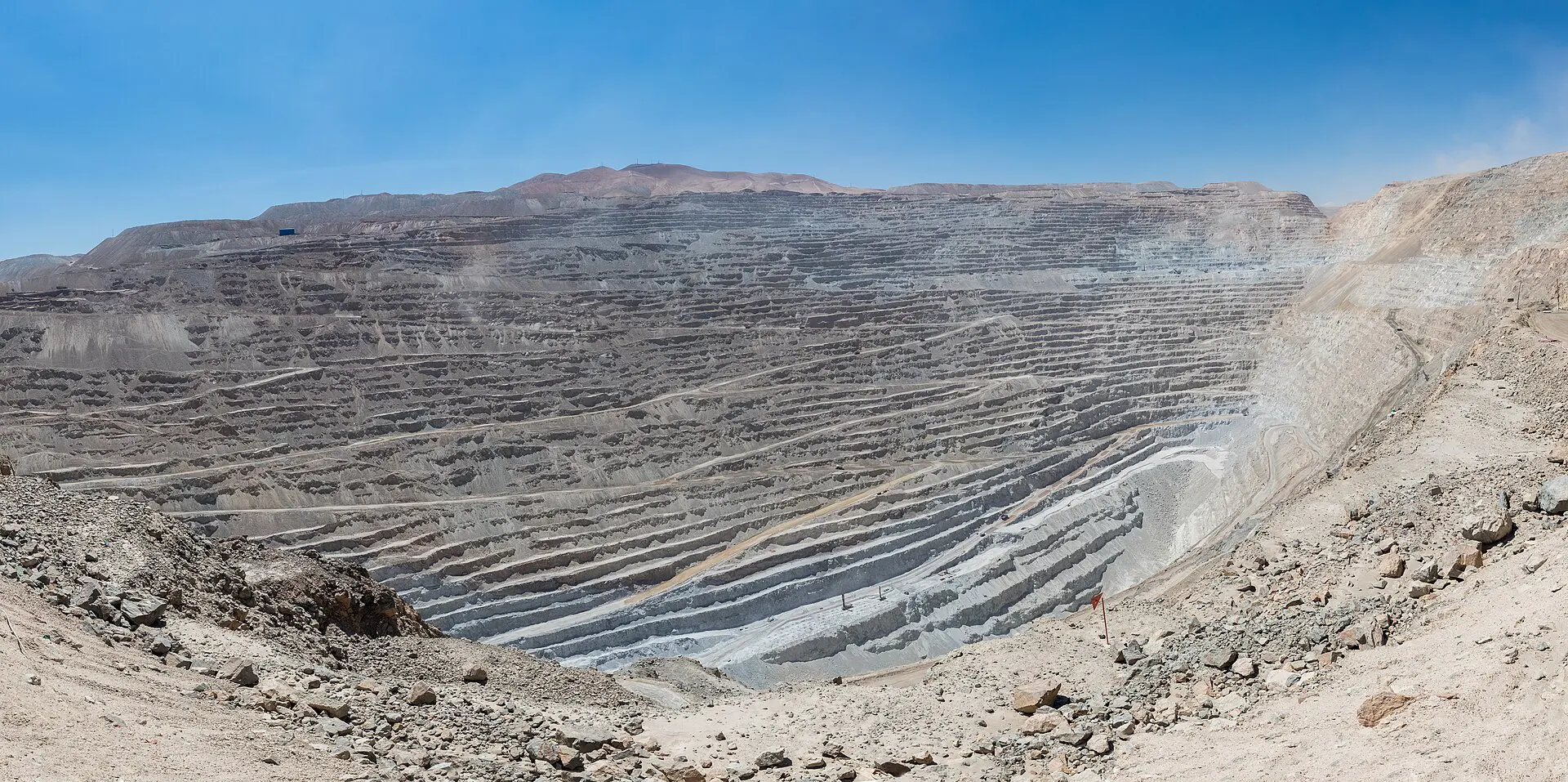
Nature. Chile is highly seismic, with frequent earthquakes and tsunami risk on the coast. Know the evacuation signs. Wildfires in summer, volcanic activity and altitude sickness in the Atacama are also real hazards.
Health. Tap water is generally safe in cities. Carry travel insurance covering hiking and medical evacuation.
Visa and entry requirements for Chile
Entry rules depend on your nationality, so confirm the current requirement with the Chilean immigration authority (PDI) or your nearest consulate. Citizens of many countries, including the EU, UK and US, have generally been able to enter for tourism without a visa for up to 90 days, but some nationalities need a visa in advance, and rules have changed in the past.
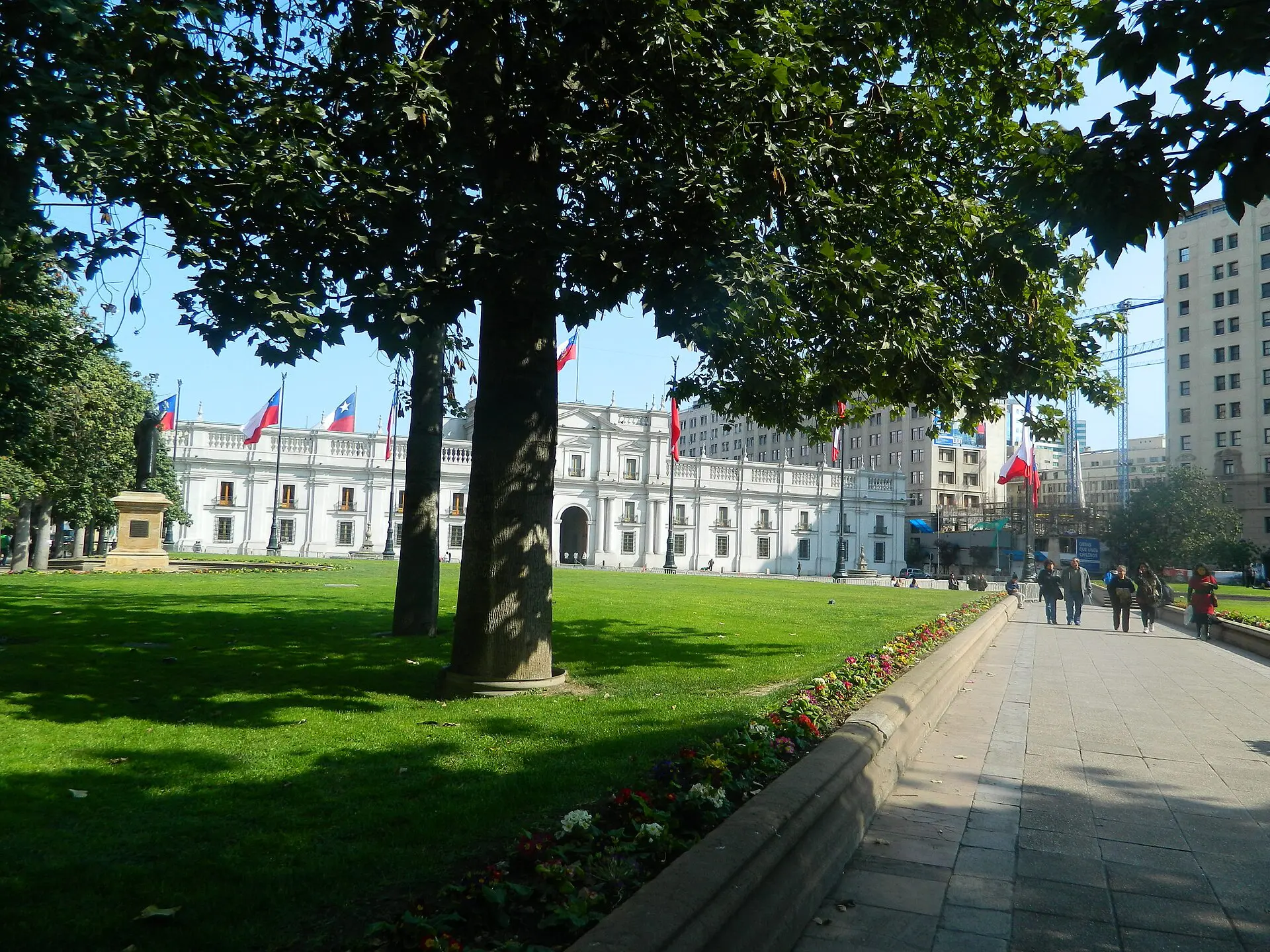
Bring a passport valid for the length of your stay, and keep a return or onward ticket available. On arrival you are normally given a tourist entry record, either digital or paper. Keep it until you leave, since it may be requested at hotels and borders. Be cautious of third-party websites that charge fees for entry information, and use official sources.
Food, plant and animal products are strictly controlled, and failing to declare them can bring fines. For heritage planning, the UNESCO page for Chile lists the country’s World Heritage sites, but it does not cover entry rules.
Getting to and around Chile
Most visitors arrive at Santiago’s Arturo Merino Benítez International Airport, with direct flights from across the Americas and Europe. Other entry points include Punta Arenas in the south and Calama for the Atacama, along with land crossings with Argentina, Peru and Bolivia.
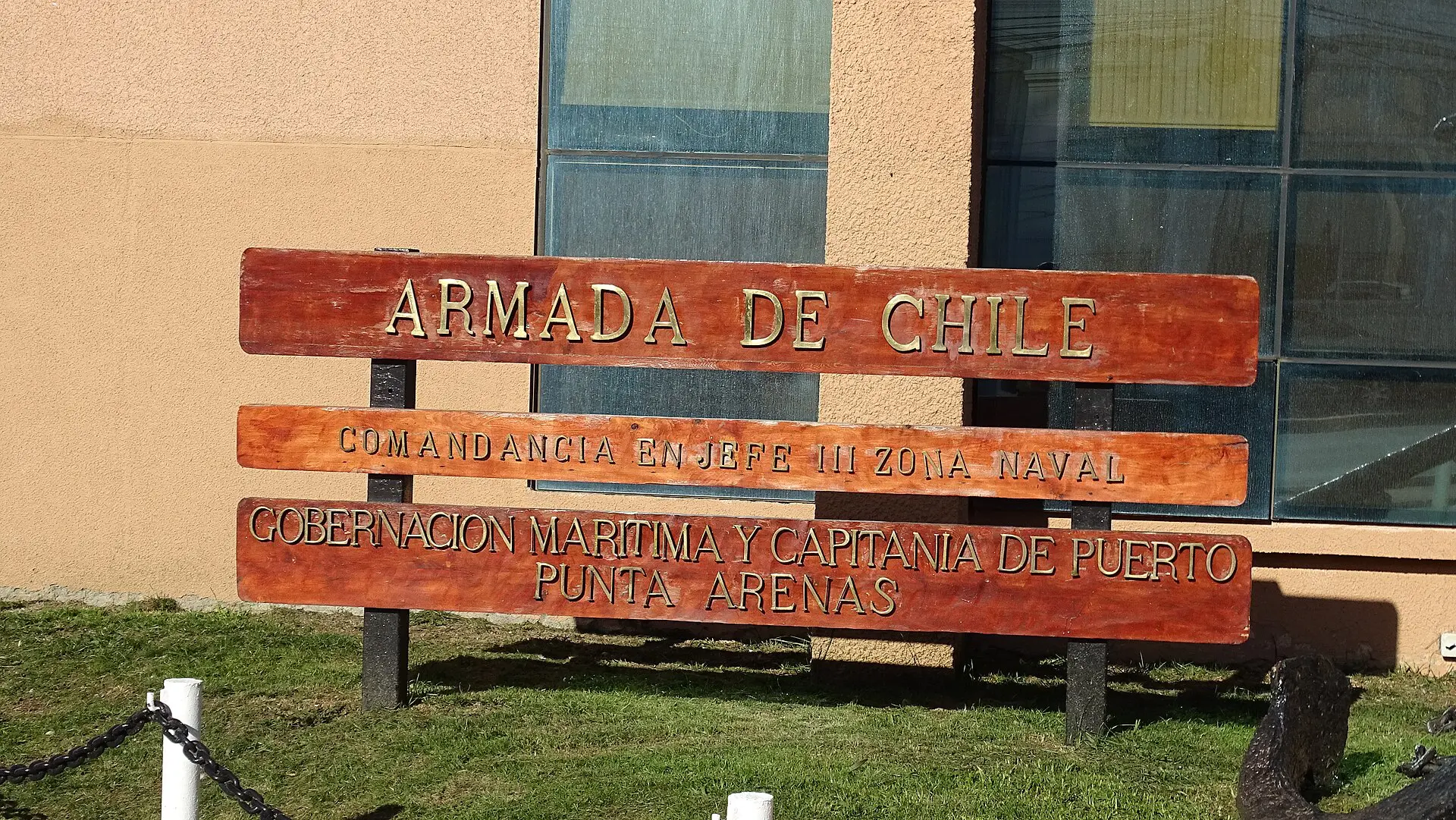
Chile is long, so domestic flights are the best way to cover big distances: Santiago to Calama takes about two hours, Santiago to Punta Arenas about three and a half, and Santiago to Easter Island about five and a half. Comfortable long-distance buses link most cities and are good value; Santiago to Valparaíso takes roughly 90 minutes, and to Pucón around nine hours by bus overnight.
Santiago has a clear metro system and ride-hailing apps. A rental car suits the lake district and wine valleys, and the main roads are good. Gravel roads in Patagonia and the Carretera Austral are slower, so allow extra time and check fuel stops.
How much does a trip to Chile cost?
Chile is among the more expensive countries in South America, particularly in Patagonia and on Easter Island, where food and lodging are costly. The currency is the Chilean peso (CLP), and the figures below are rough per-person guides in US dollars for 2026.
- Budget: around USD 45 to 70 per day, with hostels, buses, set-menu lunches and self-catering.
- Mid-range: around USD 90 to 160 per day, with comfortable hotels, restaurant meals, tours and some flights.
- High-end: from around USD 250 per day, with boutique lodges, guided treks and private transfers.
The biggest swing factors are domestic flights, Patagonian lodging and tour prices in the Atacama and on Easter Island. Park entry fees, especially at Torres del Paine and on Rapa Nui, add to the bill, and prices can rise sharply from December to February.
Chile food and drink
Chile food is built on a long Pacific coast and fertile central valleys, so seafood, vegetables, beef and wine are all strong. Lunch is the main meal, and set lunches (menú del día) are good value.
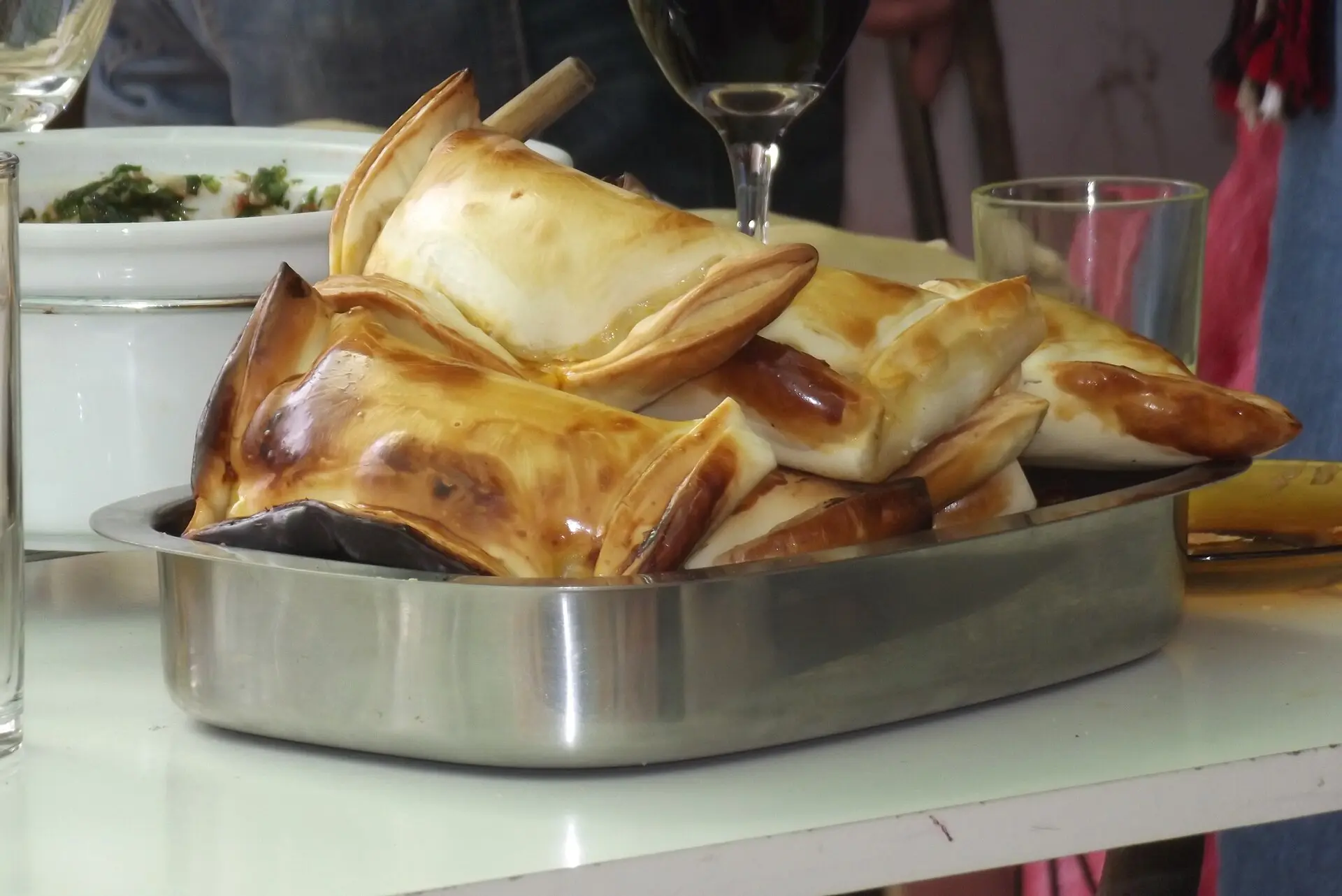
- Empanadas de pino: baked pastries filled with minced beef, onion, egg and olive.
- Pastel de choclo: a baked corn and beef casserole served in a clay dish.
- Completo: a loaded hot dog with tomato, avocado and mayonnaise, a street-food staple.
- Curanto: a Chiloé seafood and meat stew, traditionally cooked in an earth pit.
- Ceviche and fresh seafood: look for congrio (conger eel) and sea urchin on the coast.
- Pisco sour: a grape brandy cocktail with lime and egg white.
- Chilean wine: carménère, cabernet sauvignon and sauvignon blanc from the central valleys.
- Mote con huesillo: a sweet summer drink of wheat and dried peach.
Vegetarians can manage with salads, avocado and vegetable dishes, though meat features widely. The evening snack, once, is a light tea-time meal with bread, avocado and tea.
Culture, language and etiquette in Chile
Spanish is the national language, spoken with fast speech and plenty of local slang, so even confident Spanish speakers may struggle at first. English is common in tourism but not widespread elsewhere, and a few polite phrases go a long way. Indigenous cultures, notably the Mapuche in the south and the Rapa Nui on Easter Island, are important parts of national identity.
Chileans are generally polite and fairly formal on first meeting. A handshake is normal, and a single kiss on the cheek is common between friends and between women. Punctuality is relaxed for social events but expected for tours and flights. Dinner is eaten late, often after 8 pm.
The 1973 coup and the Pinochet dictatorship remain sensitive subjects. Listen rather than argue, and visit memorials such as the Museum of Memory and Human Rights in Santiago with respect. Dress is casual, and tipping about 10 percent is normal.
Chile itinerary: a 7-day route
This route combines city, coast and desert with one domestic flight each way, and is suited to any season except for the cold desert nights in winter.
- Day 1, Santiago: arrive, walk the Plaza de Armas and Lastarria, and see the city from Cerro San Cristóbal.
- Day 2, Santiago: visit the Museum of Memory and Human Rights, then a wine estate in the Maipo valley in the afternoon.
- Day 3, Valparaíso and Viña del Mar: travel about 90 minutes by bus, ride a funicular and explore the hill neighbourhoods.
- Day 4, to the Atacama: return to Santiago or the airport, fly to Calama and transfer about 90 minutes to San Pedro.
- Day 5, Valle de la Luna: spend the afternoon in the desert and stay for sunset.
- Day 6, geysers and lagoons: go to El Tatio at dawn, then to a lagoon in the afternoon.
- Day 7, return: transfer to Calama and fly back to Santiago.
For Patagonia, swap days 4 to 6 for a flight to Punta Arenas and Torres del Paine, and allow at least four days there.
Practical tips for Chile
- Money: cards are widely accepted in cities and hotels, and ATMs are common, but carry cash for small towns, buses and national parks. Some ATMs charge fees.
- SIM and eSIM: prepaid local SIMs and eSIMs are inexpensive, and coverage is good in cities but patchy in Patagonia and the Andes.
- Plugs: types C and L at 220 V.
- Tipping: about 10 percent in restaurants, often added as a suggested propina on the bill; round up for taxis.
- Health: bring insurance, high-factor sunscreen, since the sun is strong at altitude, and allow a day to acclimatise in the Atacama.
- Packing: layers for big temperature swings, a windproof jacket for Patagonia, sturdy boots and a swimsuit.
- Booking: reserve Torres del Paine and Easter Island accommodation months ahead for summer.
For wider background, see the Wikivoyage Chile guide.
FAQ
Q1What is Chile food like?
Chile food leans on seafood, beef, corn and vegetables. Try empanadas de pino, pastel de choclo, completo hot dogs, congrio fish, curanto from Chiloé and a pisco sour. Wine is a highlight, especially carménère. Lunch is the main meal, and set lunches are good value.
Q2What are the best things to do in Chile?
Top picks are hiking in Torres del Paine, seeing the moai on Easter Island, stargazing and visiting geysers in the Atacama, exploring Valparaíso, tasting wine near Santiago, and climbing or soaking near Villarrica in the lake district.
Q3Is Chile safe?
Yes, for most visitors. Violent crime against tourists is uncommon, and the main problems are pickpocketing in Santiago and Valparaíso, occasional protests, earthquakes and summer wildfires. Keep valuables hidden and check your government's current travel advice.
Q4What is the best time to visit Chile?
For Patagonia, November to March is best. For Santiago, wine valleys and the lakes, spring and autumn are most comfortable. The Atacama works year-round, though nights are cold. Seasons are reversed from the northern hemisphere, and January and February are the busiest months.
Q5Is Chile safe to visit for solo travellers?
Chile is generally considered a good choice for solo travellers, including women, in cities and on organised treks. Use standard precautions: avoid isolated areas at night, use ride-hailing apps, and tell someone your plans before remote hikes.
Q6What are the best places to visit in Chile?
Santiago and Valparaíso suit a first stop, San Pedro de Atacama covers the desert, Pucón and Chiloé cover the lakes and islands, Torres del Paine is the Patagonian highlight, and Easter Island is the most remote and distinctive destination.
Q7Do I need a visa for Chile?
It depends on your nationality. Many visitors, including those from the EU, UK and US, have generally entered visa-free for up to 90 days, but rules change. Confirm with the Chilean immigration authority or consulate before booking.