Why visit Bolivia
The best things to do in Bolivia are physically dramatic and culturally rich. This landlocked country holds the world’s largest salt flat, Andean peaks above 6,000 metres, Lake Titicaca and a slice of Amazon rainforest. It is a multiethnic country where Aymara, Quechua, Guaraní and Spanish are all official languages (see the Wikipedia overview for background).
Bolivia is for travellers who accept altitude, long bus rides and some plan changes in return for low prices and uncommercialised scenery. La Paz is the seat of government, while Sucre is the constitutional capital. It works well for backpackers, photographers, hikers and anyone curious about indigenous culture and mining history.
Best places to visit in Bolivia
The best places to visit in Bolivia cover three zones: the Andean highlands, the southern salt flats and the northern lowlands.
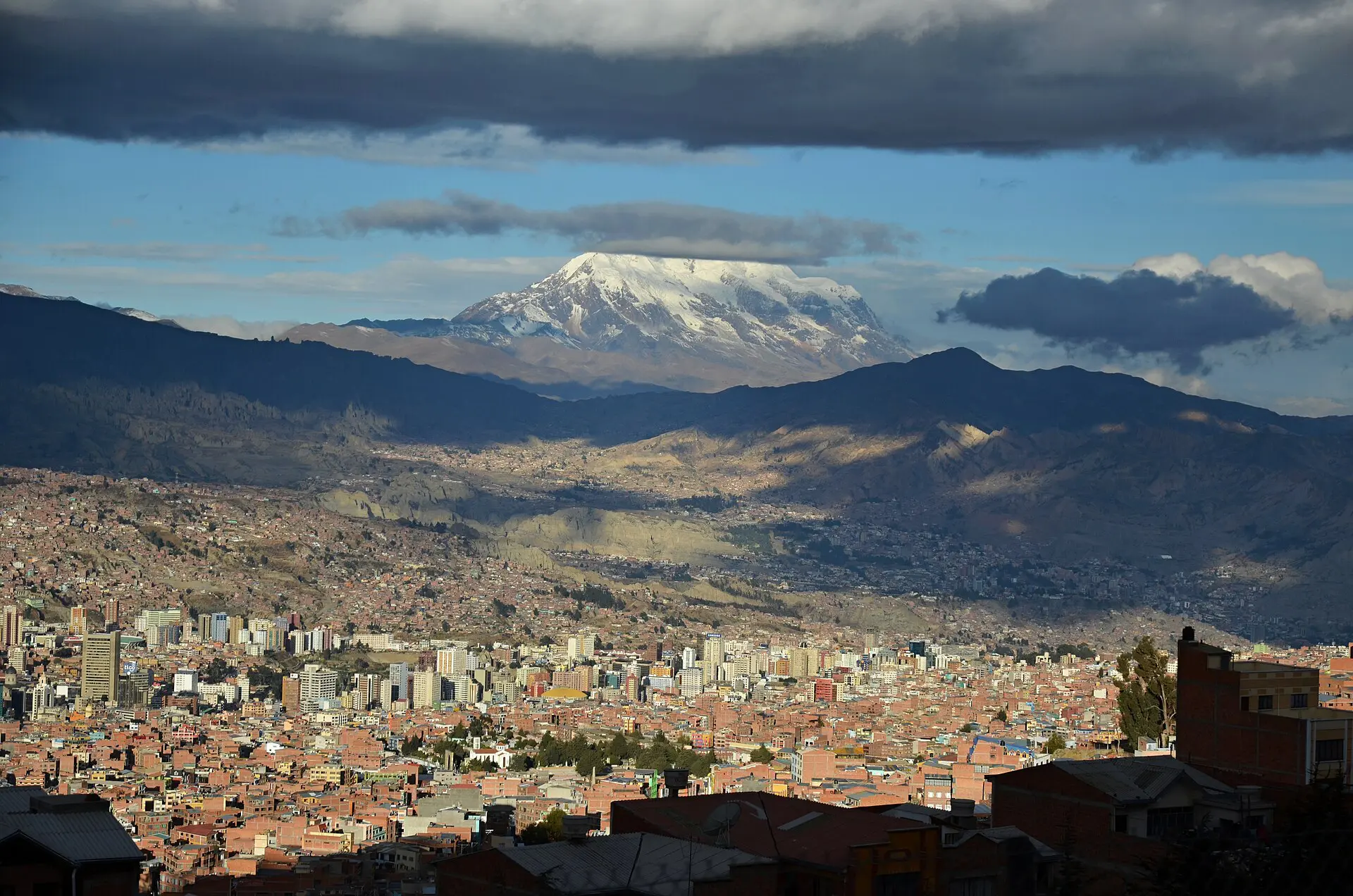
La Paz
The highest seat of government in the world sits in a canyon at about 3,600 metres. Its cable car network, the Witches’ Market and surrounding peaks make it an easy base. Give yourself two days to acclimatise.
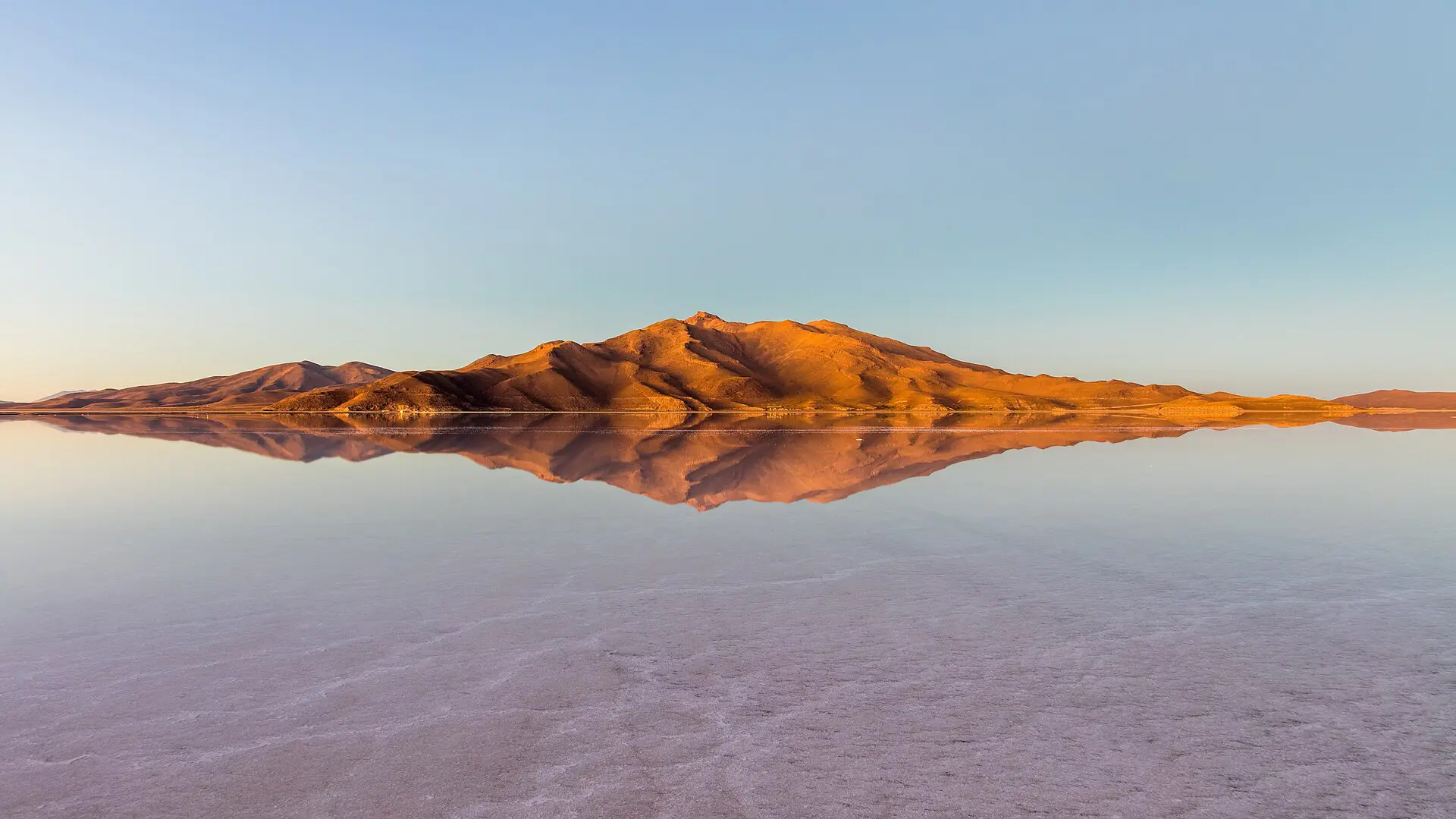
Salar de Uyuni
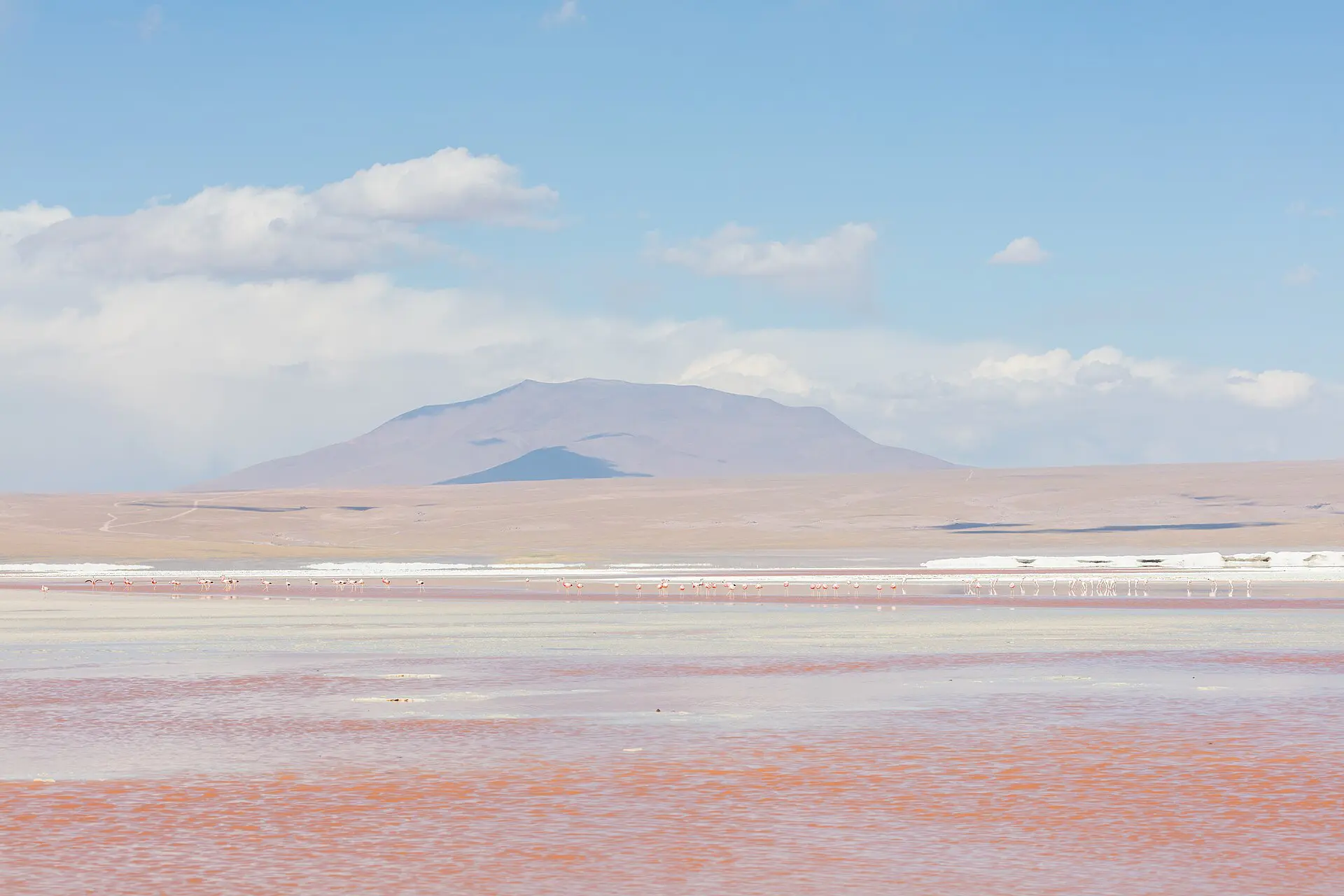
This salt flat in the southwest covers around 10,000 square kilometres. Tours run from the town of Uyuni for one to four days, ending at lagoons and volcanoes near the Chilean border.
Sucre and Potosí
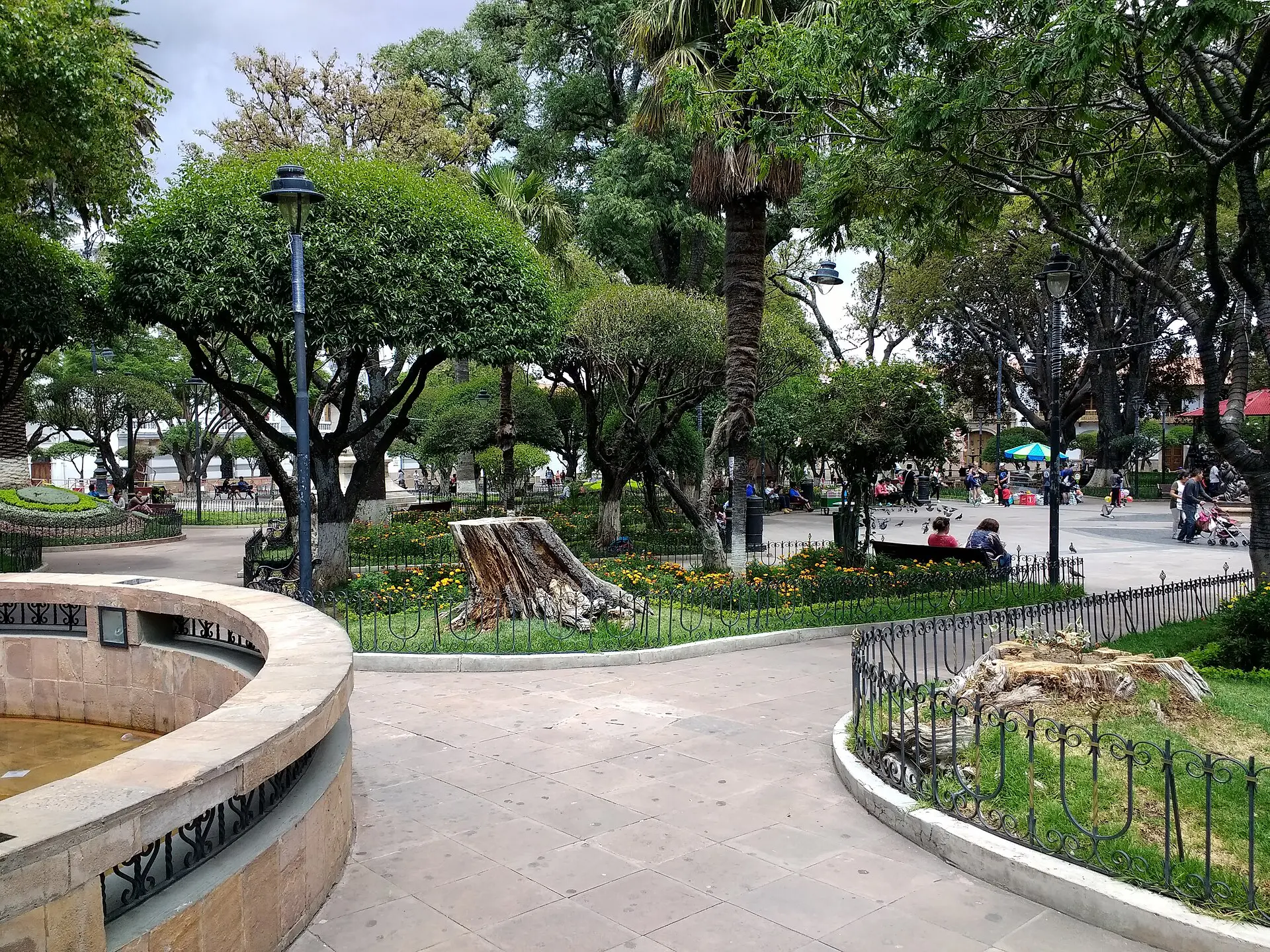
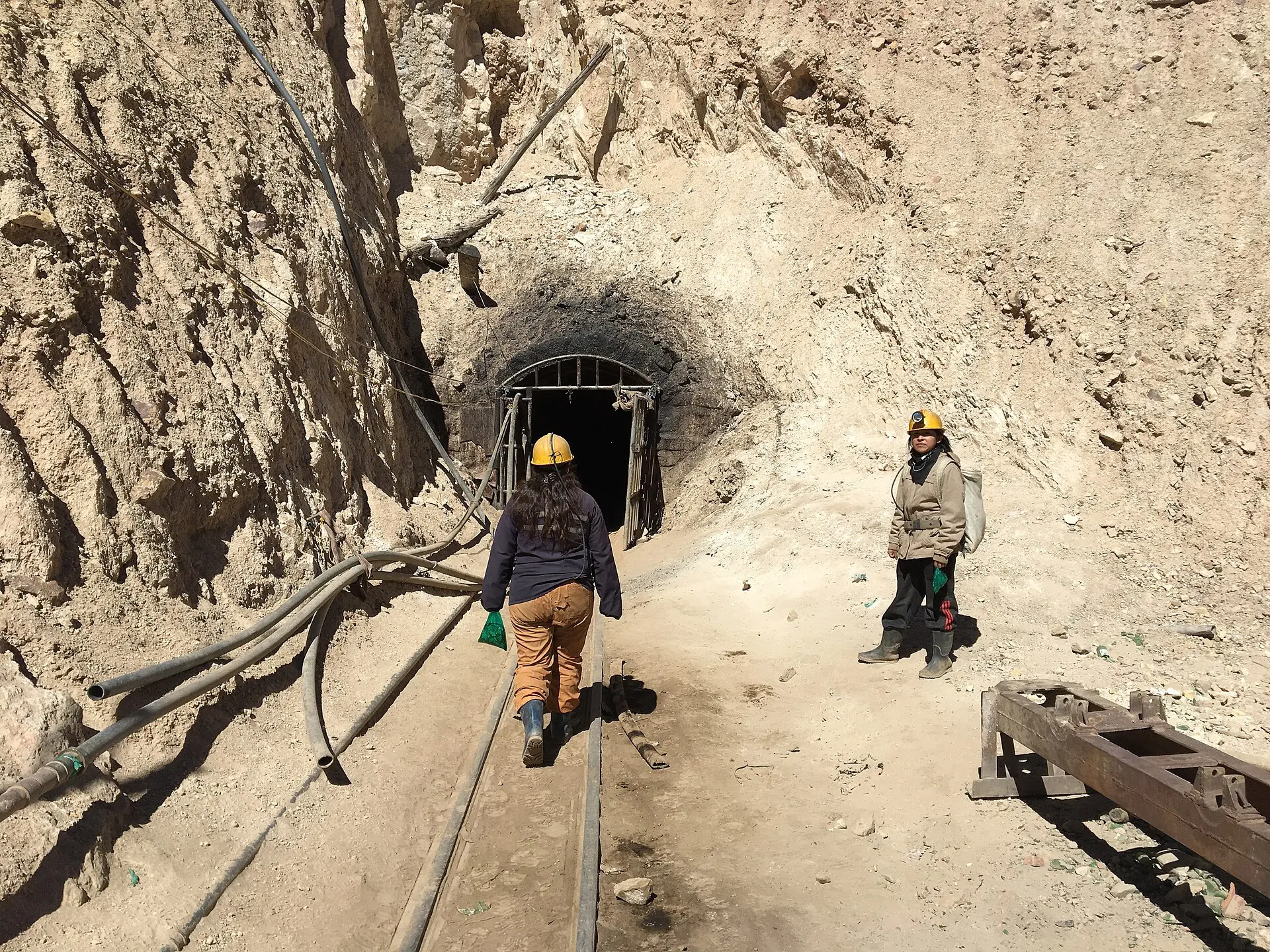
Sucre is the whitewashed colonial capital and is gentle at about 2,800 metres. Potosí, higher and harsher, grew rich on silver from Cerro Rico and still has working mines.
Lake Titicaca
Copacabana is the lakeside base for boats to Isla del Sol, an island with Inca-era ruins and walking trails.
Rurrenabaque and Madidi
This jungle gateway in the north has river trips and pampas tours near Madidi National Park, one of the world’s biodiverse reserves.
Top things to do in Bolivia
The top things to do in Bolivia mix altitude landscapes with city culture, and many can be done on a modest budget.
- Tour the Salar de Uyuni: sunrise and sunset are the best times, and the flat is mirror-like after rain.
- Ride the La Paz cable cars: the Mi Teleférico lines give cheap views of the city and El Alto.
- Visit Isla del Sol: walk across the island between Inca ruins and lake views.
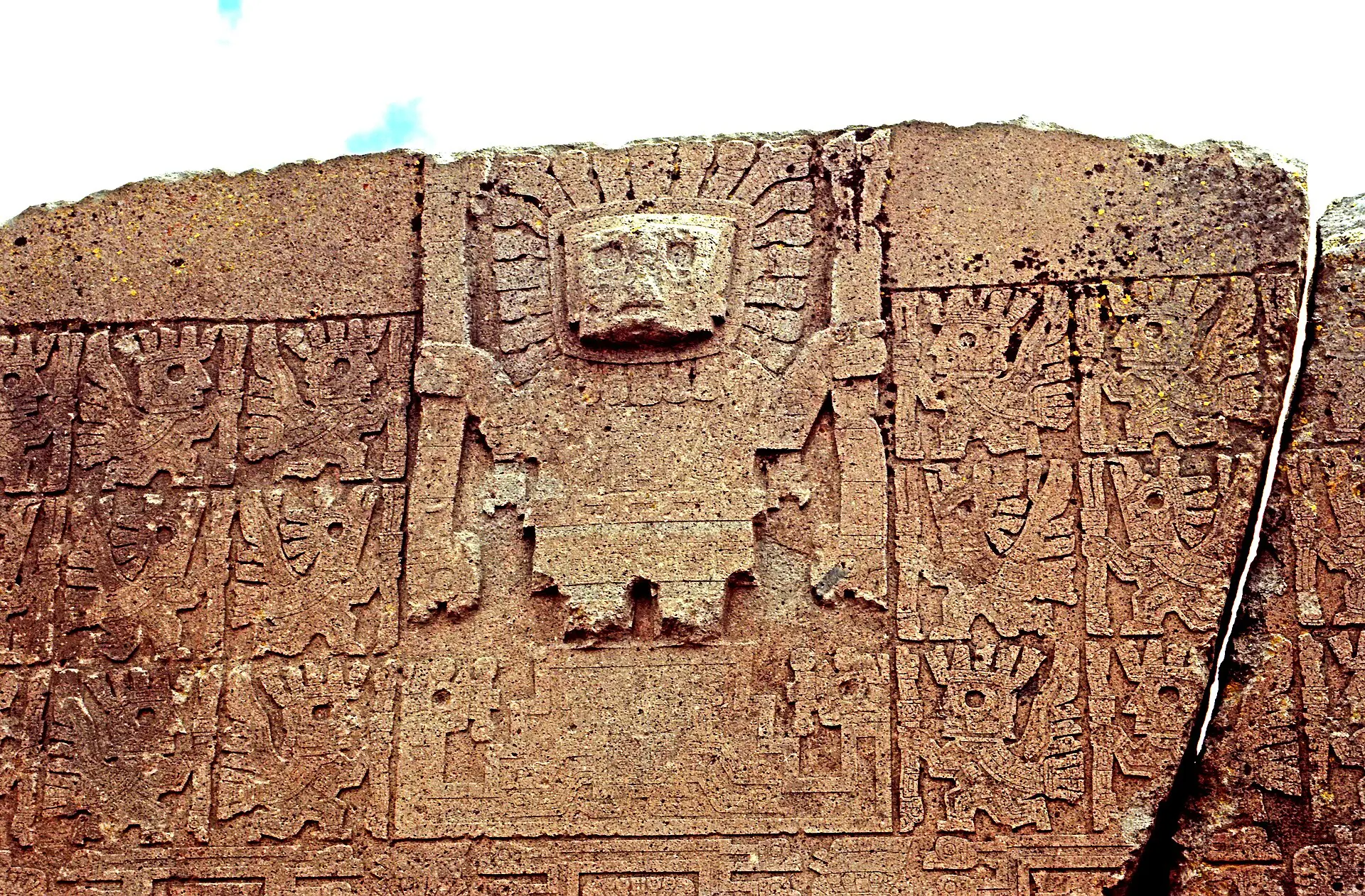
- Explore Tiwanaku: the pre-Inca ruins near La Paz include the Gate of the Sun.
- Walk Sucre’s old centre: white colonial buildings surround Plaza 25 de Mayo.
- See Potosí’s Cerro Rico: mine tours are available but dangerous, so choose carefully.
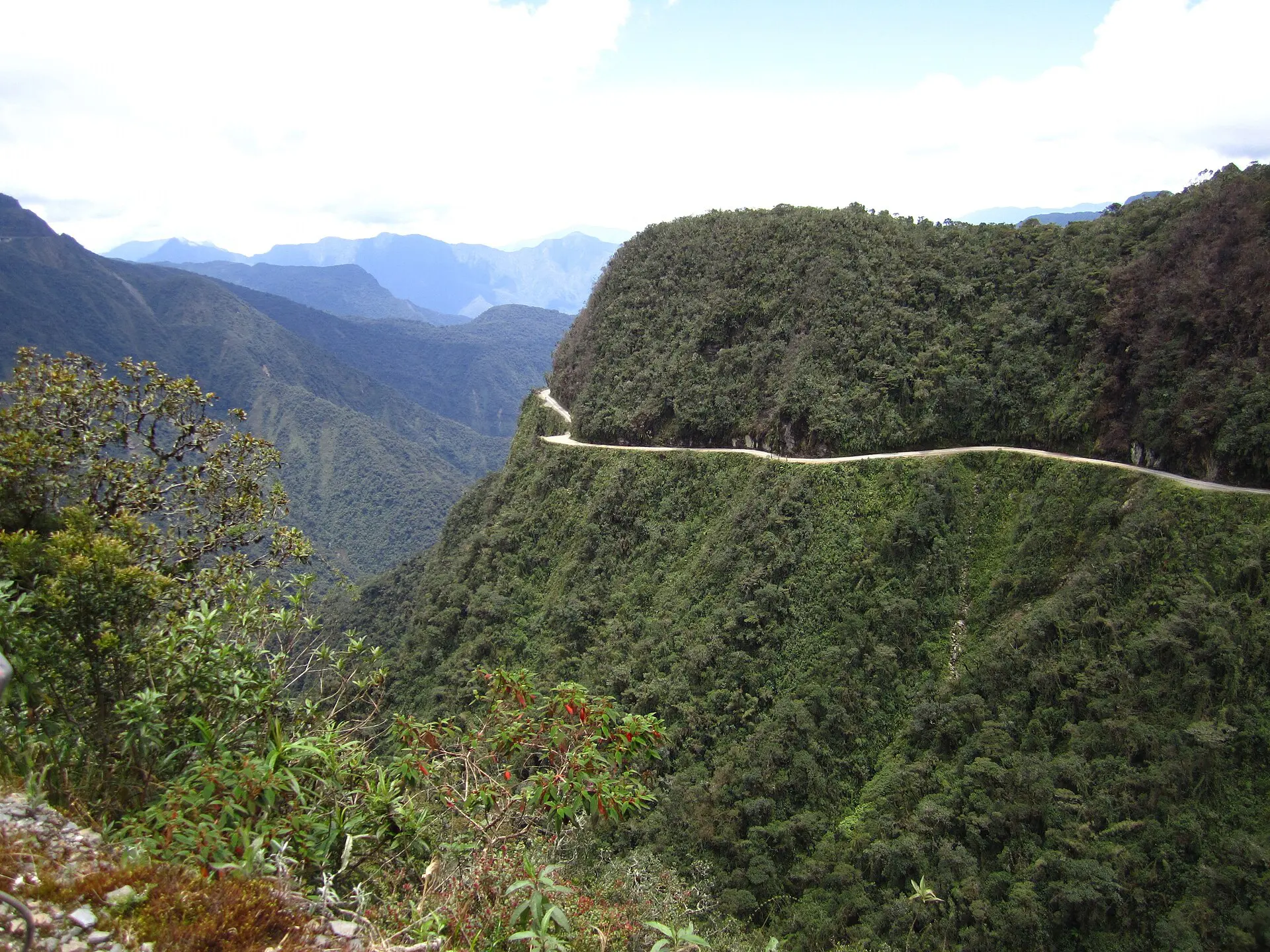
- Cycle or hike the Yungas: the North Yungas Road is known as the Death Road.
- Take a pampas tour from Rurrenabaque: boats can show caimans, capybaras and birds.
- Watch cholita wrestling in El Alto: a touristy but popular Sunday show.
Best time to visit Bolivia
The best time to visit Bolivia is the dry season from May to October, when skies in the Altiplano are clear and roads are open. Nights are very cold at altitude, with freezing temperatures common in June and July. The rainy season runs from December to March, bringing lush scenery, muddy roads and the famous mirror effect on the Salar de Uyuni.
| Season | Weather | Crowds and prices | Good for |
|---|---|---|---|
| Dry (May-Oct) | Sunny days, cold nights | Busiest, esp. Jul-Aug | Salt flats, hiking, La Paz, Sucre |
| Shoulder (Apr, Nov) | Mixed, changing | Moderate | Cities, lower prices |
| Wet (Dec-Mar) | Rain, warm lowlands, muddy roads | Quieter | Salt flat mirror effect, Carnival in Oruro |
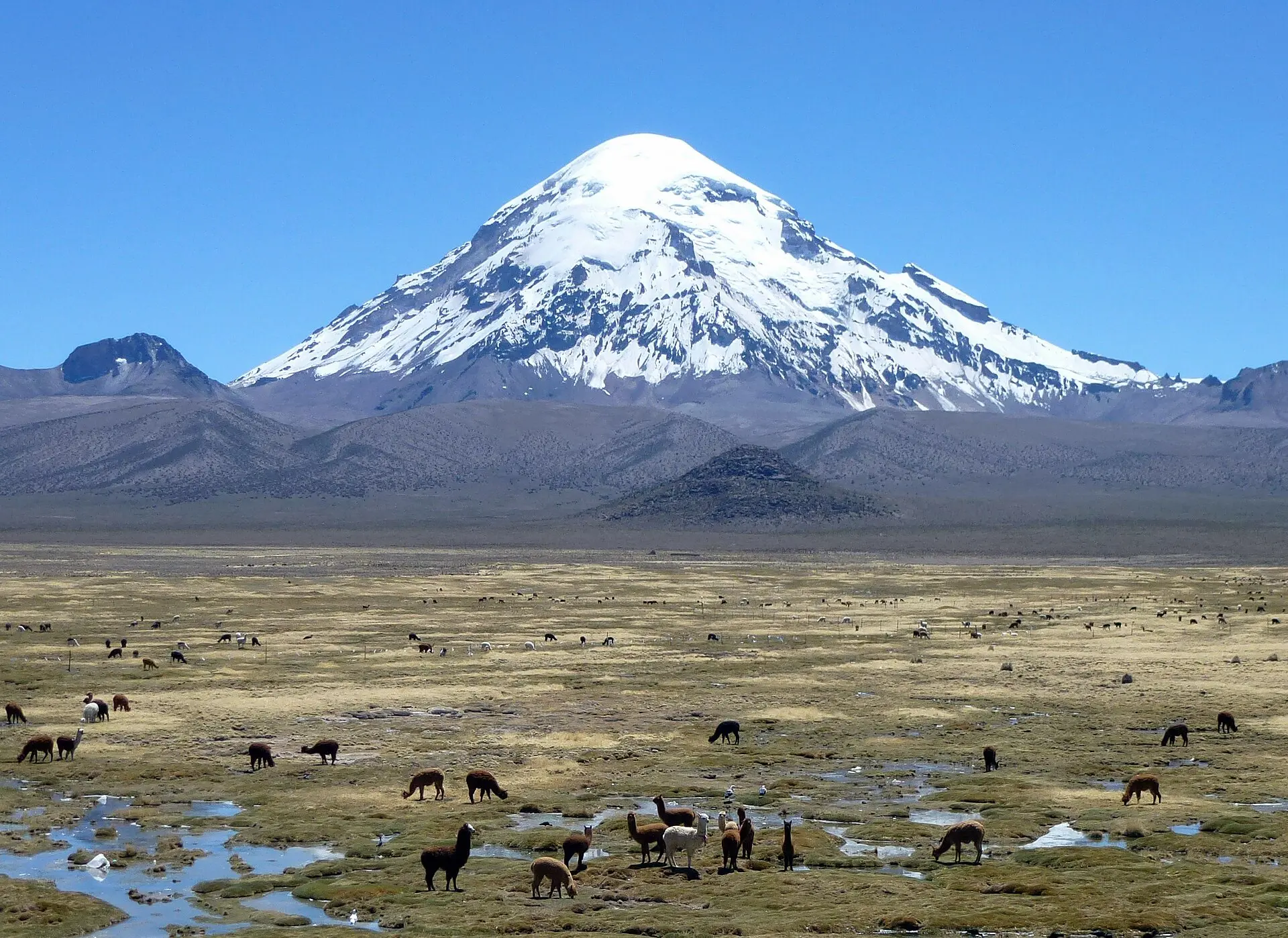
The Amazon lowlands are hot all year and wettest from December to March. Sajama and the high Andes can be icy in winter.
Is Bolivia safe to visit?
Is Bolivia safe? Mostly yes, with the usual care. Violent attacks on tourists are uncommon, but petty theft, bag snatching and fake police officers occur in cities. Roadblocks and protests can disrupt travel with little warning. Check your government’s current advice, such as the UK FCDO or US State Department, before booking.
Altitude. La Paz airport is above 4,000 metres. Rest on the first day, avoid alcohol, drink water and consider asking a doctor about medication.
Scams. Use radio taxis, avoid unmarked cabs at night, never hand your passport to anyone in plain clothes, and be cautious with express kidnapping stories.
Roads. Night buses are cheap but accidents occur on mountain routes. Fuel shortages and blockades have affected travel in recent years, so keep spare days.
Tours. Choose Uyuni and mine tour operators carefully, with good vehicles, drivers who do not drink and sound safety gear.
Bolivia visa and entry requirements
Bolivia visa rules depend on your nationality. Citizens of many countries can enter without a visa or obtain one on arrival for tourism, typically for 30 days with extensions possible, while others must apply in advance. Policies have shifted in recent years, so confirm the current rule for your passport with the Bolivian foreign ministry, the migration service or an embassy.
A yellow fever vaccination certificate may be requested if you arrive from or enter lowland regions, and proof of onward travel and accommodation is occasionally checked. Carry a passport valid for at least six months. Land crossings from Peru, Chile, Argentina, Brazil and Paraguay are usually straightforward, though queues can be long at busy borders.
For heritage background, see the UNESCO page for Bolivia, which does not cover entry rules.
Getting to and around Bolivia
The main international airports are El Alto (La Paz) at about 4,060 metres and Viru Viru in Santa Cruz, with flights to Lima, Bogotá, Panama, Buenos Aires, Santiago and São Paulo. Land borders connect with Peru at Copacabana, with Chile, Argentina, Brazil and Paraguay.
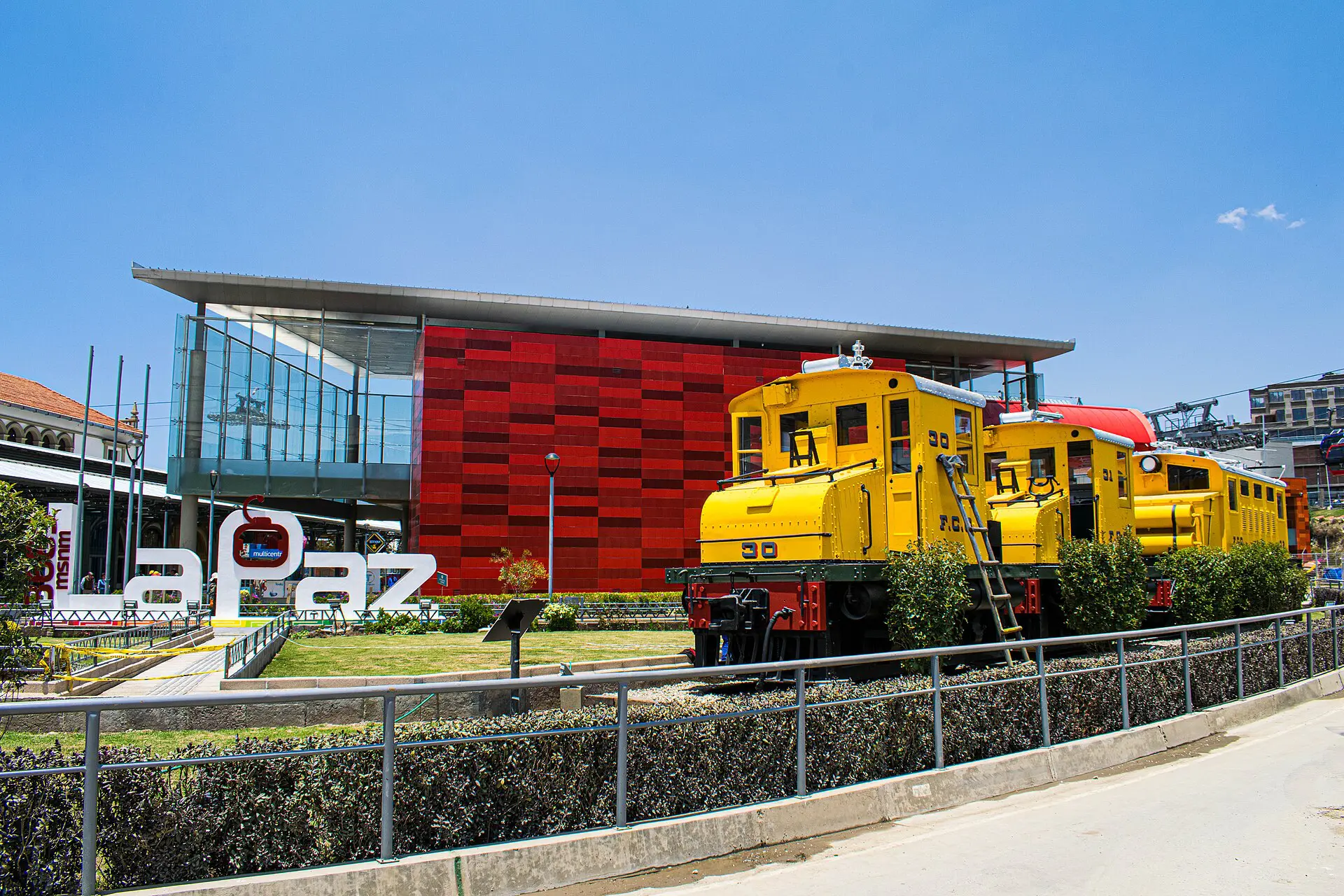
Domestic flights save time on long routes, for example La Paz to Uyuni, Sucre or Rurrenabaque. Buses fill the gaps, and overnight services are common: La Paz to Uyuni takes roughly 10 to 12 hours, La Paz to Sucre about 12 hours, and La Paz to Copacabana about 4. Sucre to Potosí is about 3 hours. Within La Paz, the Mi Teleférico cable car is fast and cheap. Road quality and weather vary, so book flexible tickets.
How much does a trip to Bolivia cost?
Bolivia is among the cheapest countries in South America. The currency is the boliviano (BOB). Cash is widely used, and foreign currency supply and exchange rates have been unstable, so check current conditions. Figures are rough per-person guides.
- Budget: around USD 25 to 40 per day, with hostels, set lunches and buses.
- Mid-range: around USD 50 to 90 per day, with private rooms, restaurant dinners and some flights and tours.
- High-end: from around USD 150 per day, with boutique hotels, private drivers and the best salt flat lodges.
Multi-day Uyuni tours, jungle trips and domestic flights are the biggest extras. Entrance fees are low, but foreigners often pay more than locals at attractions.
Bolivia food and drink
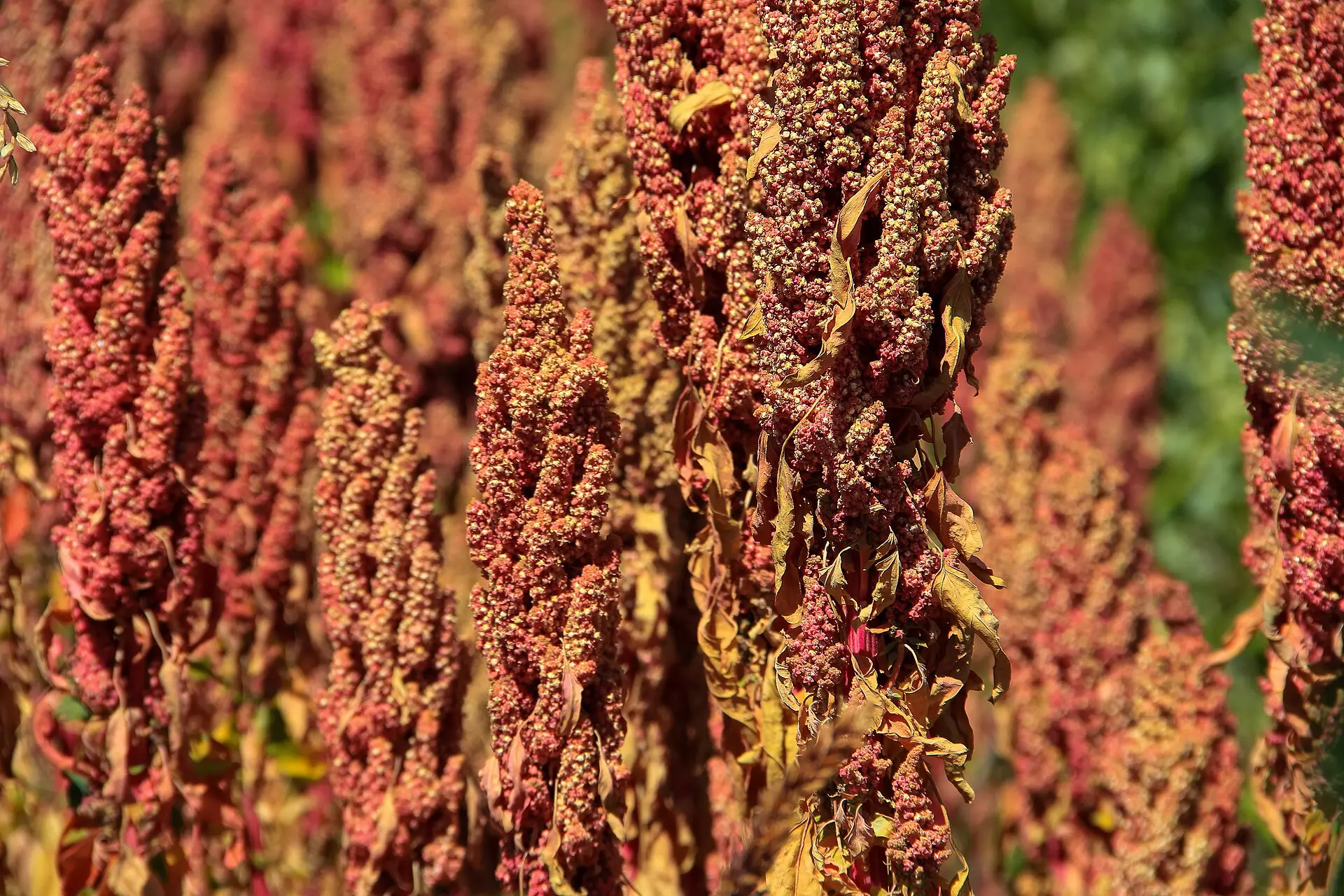
Bolivia food is built on potatoes, corn, quinoa, beef, chicken and chilli, with big regional differences between the highlands and lowlands.
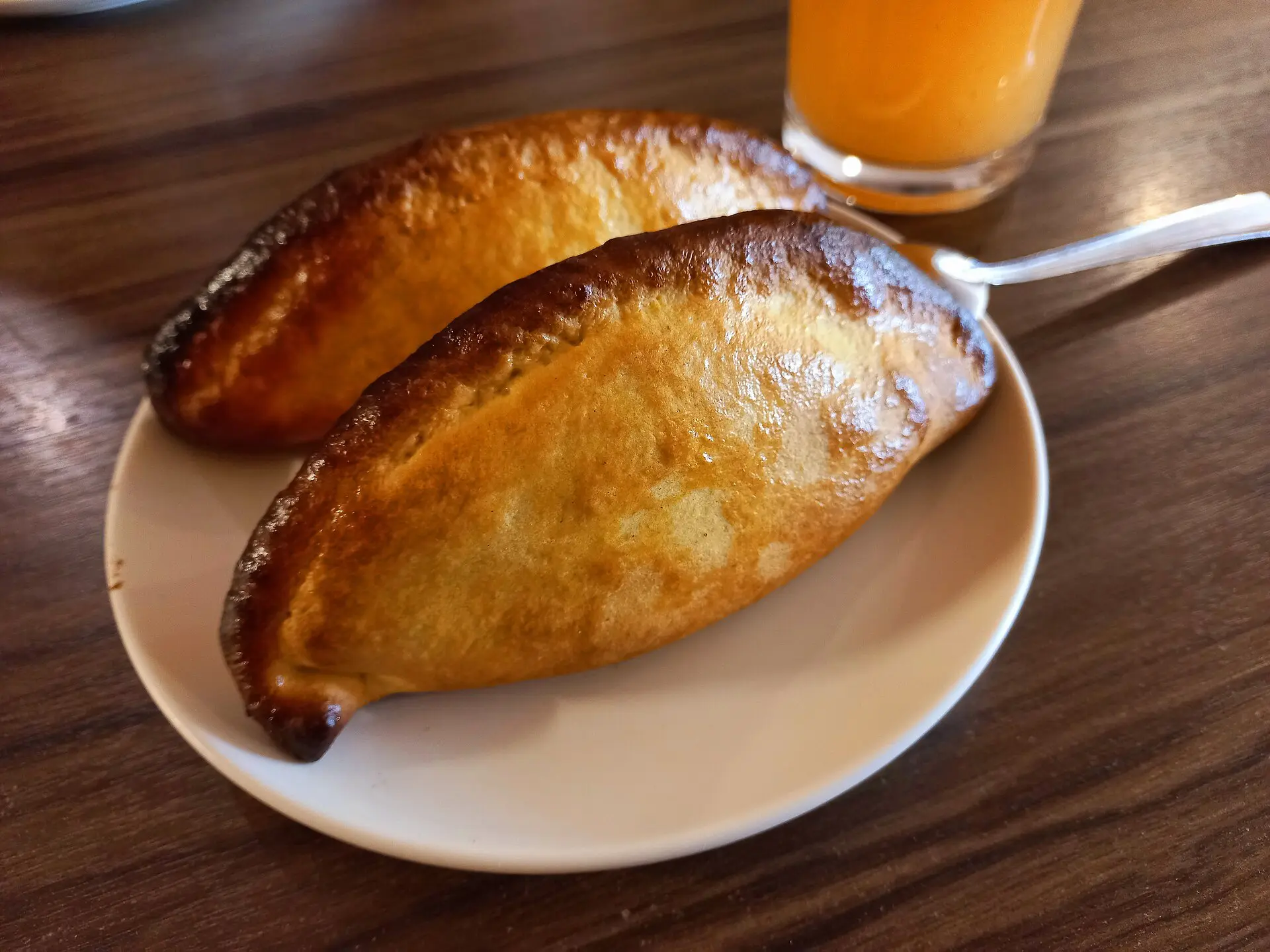
- Salteña: a baked pastry filled with juicy meat stew, eaten mid-morning.
- Silpancho: a breaded beef cutlet over rice and potatoes with a fried egg.
- Pique macho: a pile of beef, sausage, chips, onion and chilli.
- Sopa de maní: peanut soup with beef and fries, popular in the highlands.
- Anticuchos: grilled beef heart skewers, a street food classic.
- Api con pastel: a thick purple corn drink with a fried cheese pastry for breakfast.
- Singani: a grape brandy, often mixed in a chuflay with ginger ale.
Eat where locals queue, choose cooked food and be careful with salads and tap water. Vegetarians can find eggs, quinoa, soups and cheese, though meat features heavily.
Culture, language and etiquette in Bolivia
Spanish is the main language of daily life, and Quechua, Aymara and Guaraní are widely spoken, with 36 officially recognised indigenous languages. English is limited outside tourism, so basic Spanish helps a great deal. Around the Altiplano, many women wear the traditional pollera skirt and bowler hat.
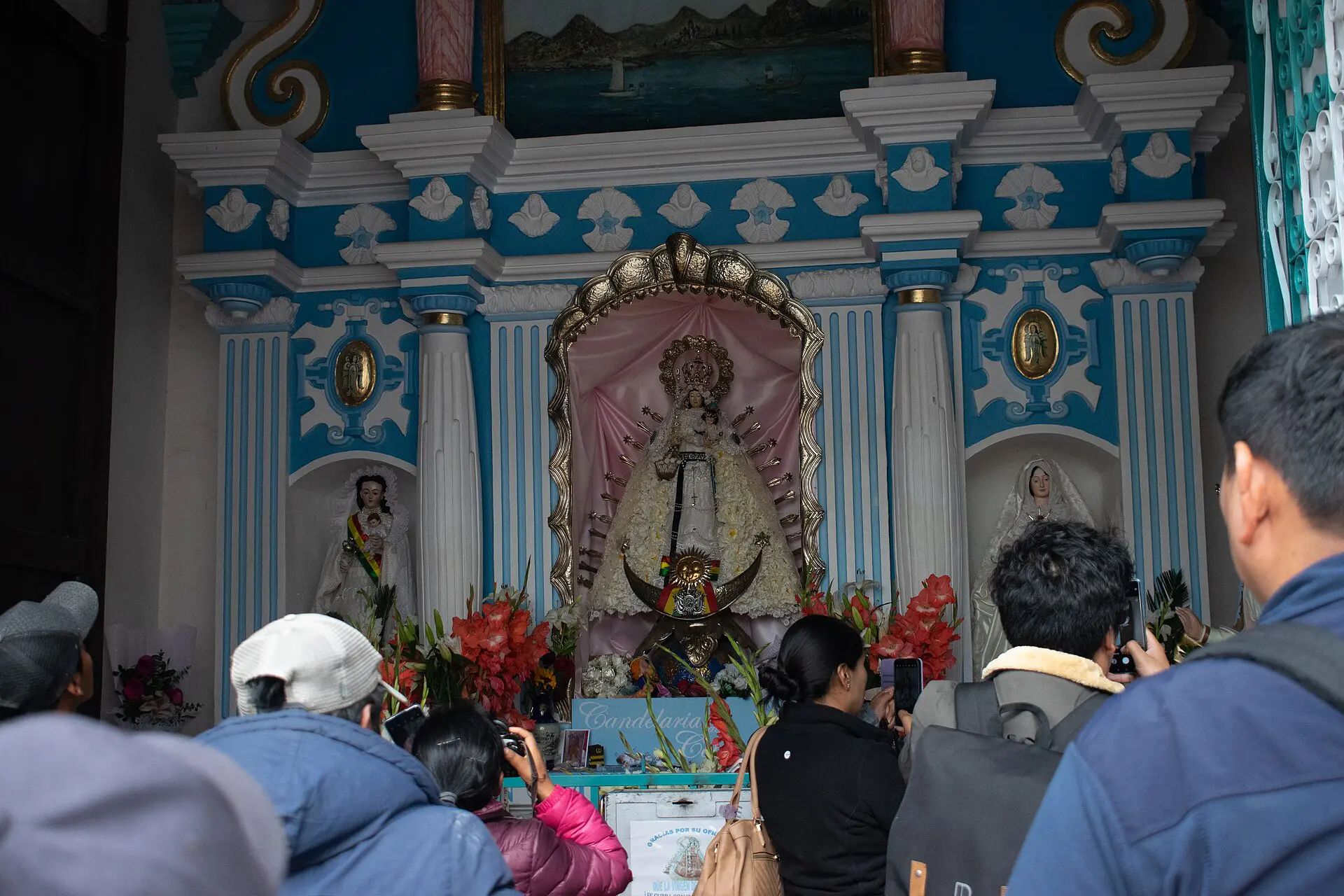
Greet people with a handshake or a polite buenos días, and ask before photographing people, especially in markets, where some vendors expect payment. Respect offerings to Pachamama, the earth mother, and do not touch ritual items in the Witches’ Market. Dress is casual but modest in churches. Politics can be heated, so listen more than you speak, and avoid joking about coca, which is legal and traditional in leaf form.
Bolivia itinerary: a 7-day route
This Bolivia itinerary links La Paz, Lake Titicaca, Sucre, Potosí and Uyuni, and builds in time for altitude. Check road and fuel conditions before you travel.
- Day 1, La Paz: arrive, rest, and take a cable car ride.
- Day 2, Tiwanaku or city: visit the ruins on a half-day trip, then the Witches’ Market.
- Day 3, Copacabana: travel about 4 hours by bus and spend the afternoon at the lake.
- Day 4, Isla del Sol: take a morning boat, walk the island, and return to La Paz in the evening.
- Day 5, Sucre: fly from La Paz and explore the white colonial centre.
- Day 6, Potosí: go by bus (about 3 hours) and see the old mint and mountain views.
- Day 7, Uyuni: travel about 4 to 5 hours to the salt flat and join a sunset tour.
Add a day to fly home from Uyuni or return to La Paz.
Practical tips for Bolivia
- Money: carry bolivianos in small notes; ATMs exist in cities but can be unreliable, and cards are not accepted everywhere. Check current exchange conditions.
- SIM and eSIM: local prepaid SIMs are cheap, and coverage is good in towns but patchy on the Altiplano.
- Plugs: types A and C at 230 V.
- Tipping: not required; round up or leave around 10 percent in restaurants.
- Health: plan for altitude sickness, take sunscreen and a hat, and arrange insurance that covers evacuation.
- Packing: layers, a warm hat, rain gear, sturdy shoes and a sleeping-bag liner for cold nights.
- Buses: book overnight services in advance and keep valuables with you.
For more background, see the Wikivoyage Bolivia guide.
FAQ
Q1What is Bolivia food like?
Bolivia food is hearty, built on potatoes, corn, rice, beef and chilli. Try salteñas (meat pastries), silpancho, pique macho, peanut soup and grilled anticuchos, with singani as the local spirit. Eat cooked food and be careful with tap water.
Q2What are the best things to do in Bolivia?
Visit the Salar de Uyuni, ride the La Paz cable cars, see Isla del Sol on Lake Titicaca, walk colonial Sucre, tour the ruins of Tiwanaku and take a pampas trip from Rurrenabaque. Allow time to acclimatise to altitude.
Q3Is Bolivia safe?
Mostly, with normal care. Petty theft, taxi scams and fake police occur in cities, and road blockades can disrupt travel. Altitude sickness is the most common health issue. Use radio taxis, keep valuables hidden and check government advice before you travel.
Q4What is the best time to visit Bolivia?
May to October is best, with dry weather and clear skies across the highlands, though nights are cold. December to March is wet, but the Salar de Uyuni turns into a mirror. Lowland Amazon areas are hot and humid all year.
Q5Do I need a visa for Bolivia?
Citizens of many countries can enter visa-free or get a visa on arrival for tourism, often for up to 30 days. Others must apply in advance. A yellow fever certificate may be requested. Rules change, so confirm with the official immigration source.
Q6What are the best places to visit in Bolivia?
La Paz, the Salar de Uyuni, Sucre, Potosí, Copacabana with Isla del Sol, and Rurrenabaque for the Amazon edge are the main stops. Together they cover mountains, salt flats, colonial towns and rainforest.
Q7Is Bolivia cheap to travel?
Yes, it is among the cheapest South American countries. Roughly USD 25 to 40 per day covers budget travel, and USD 50 to 90 gives comfort. Salt flat tours, jungle trips and domestic flights are the main extra costs.