Why visit Tanzania
This Tanzania travel guide begins with the headline attractions: the Serengeti plains and the wildebeest migration, the Ngorongoro Crater, Mount Kilimanjaro and the Indian Ocean beaches of Zanzibar. The country covers about 945,000 square kilometres, making it the largest in East Africa, and it holds Lake Victoria, Lake Tanganyika and some of the oldest hominid fossil sites on Earth (see the Wikipedia overview for background). Swahili and English are the official languages, and Dodoma is the capital, although Dar es Salaam is the largest city.
Tanzania suits first-time safari travellers, climbers, honeymooners and divers who want wildlife and beaches on one trip. It works best for people who can budget for park fees and who value big, unfenced landscapes. Backpackers can still visit on a smaller budget, though safaris and Kilimanjaro are never cheap.
Best places to visit in Tanzania
The best places to visit in Tanzania fall into the northern safari circuit, the mountain, the coast and the islands, and most trips combine two of those.
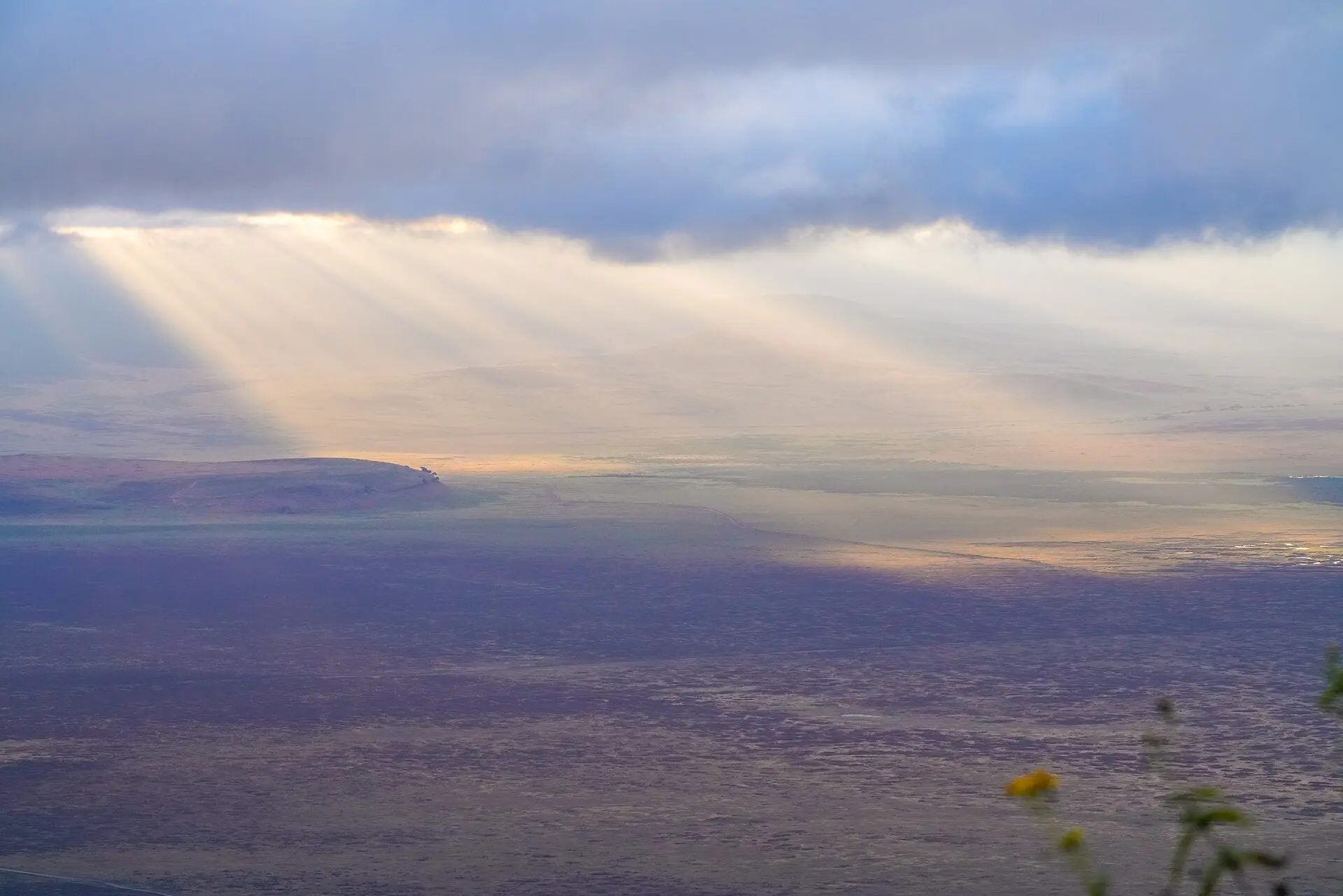
Serengeti National Park
The Serengeti is Tanzania’s best-known park, famed for the annual wildebeest and zebra migration and for year-round lions, cheetahs and elephants. The migration moves through the park, so the best area depends on the month.
Ngorongoro Crater
The crater is a volcanic caldera with dense wildlife on its floor, including black rhino. Day visits start with a descent on steep roads, and lodges on the rim have cool, foggy mornings.
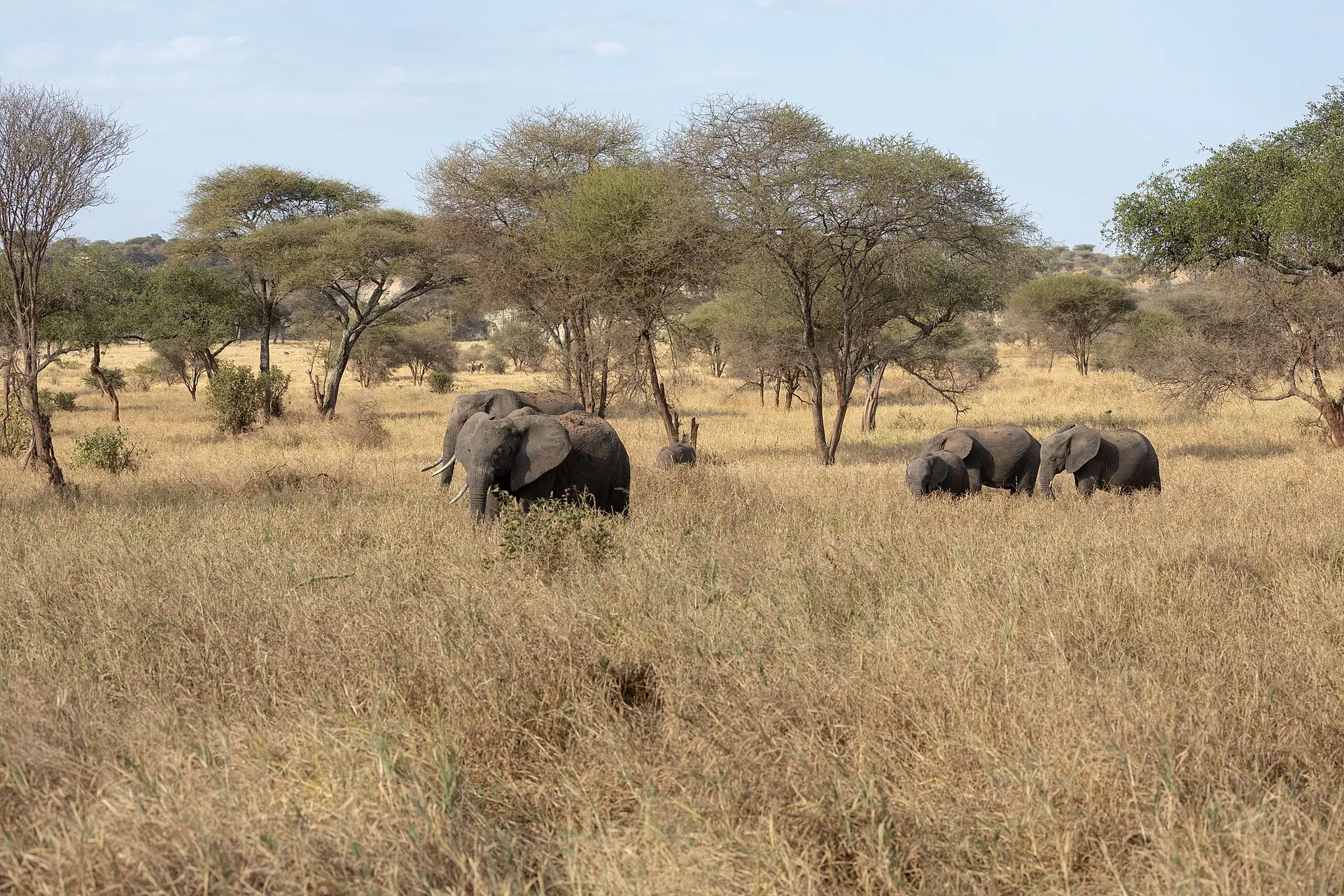
Tarangire and Lake Manyara
Tarangire is known for large elephant herds and baobab trees in the dry season. Lake Manyara is smaller and quieter, with tree-climbing lions and flamingos at times.
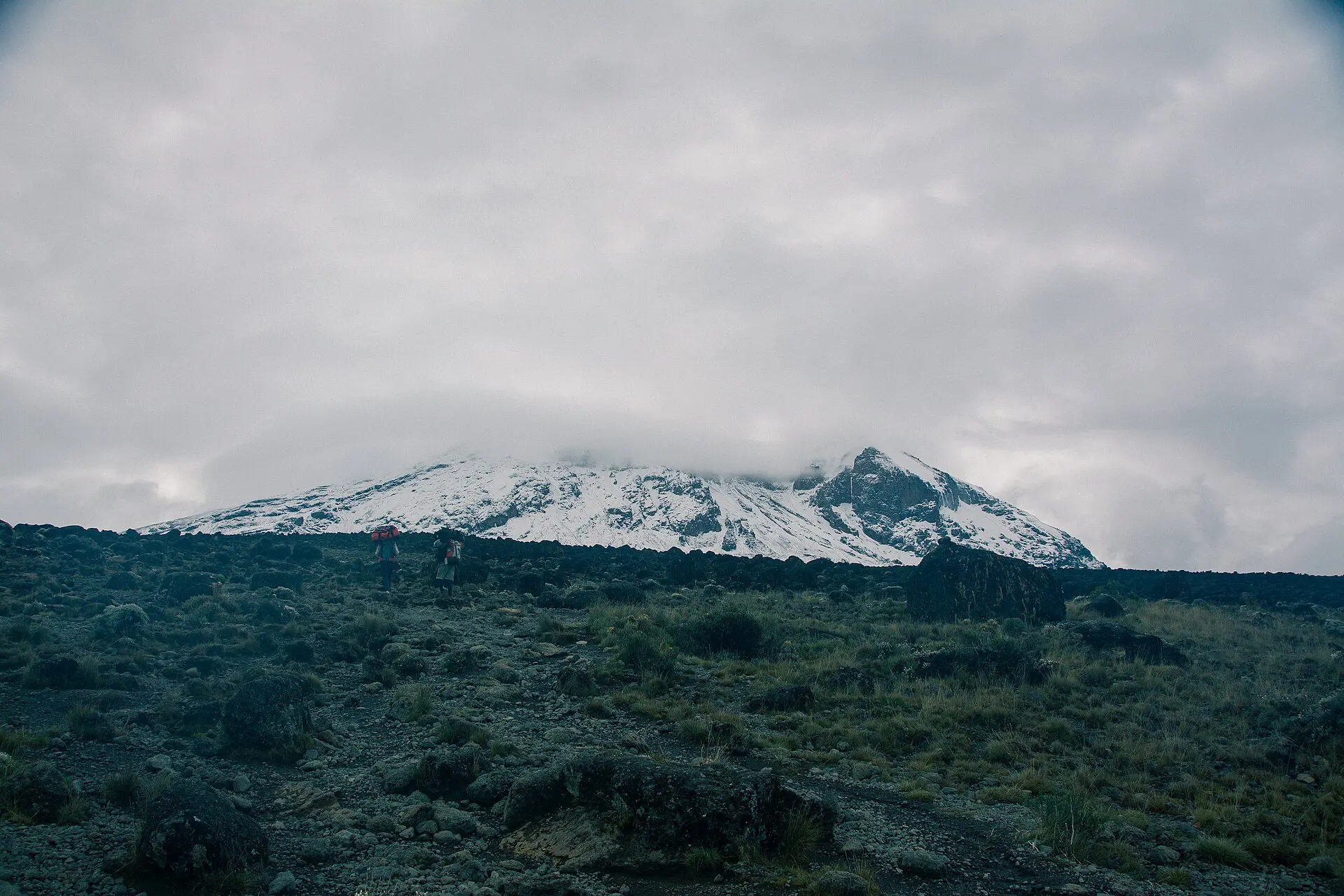
Mount Kilimanjaro
Africa’s highest peak, at 5,895 metres, can be climbed with a licensed guide on several routes without technical mountaineering skills, though altitude is the barrier.
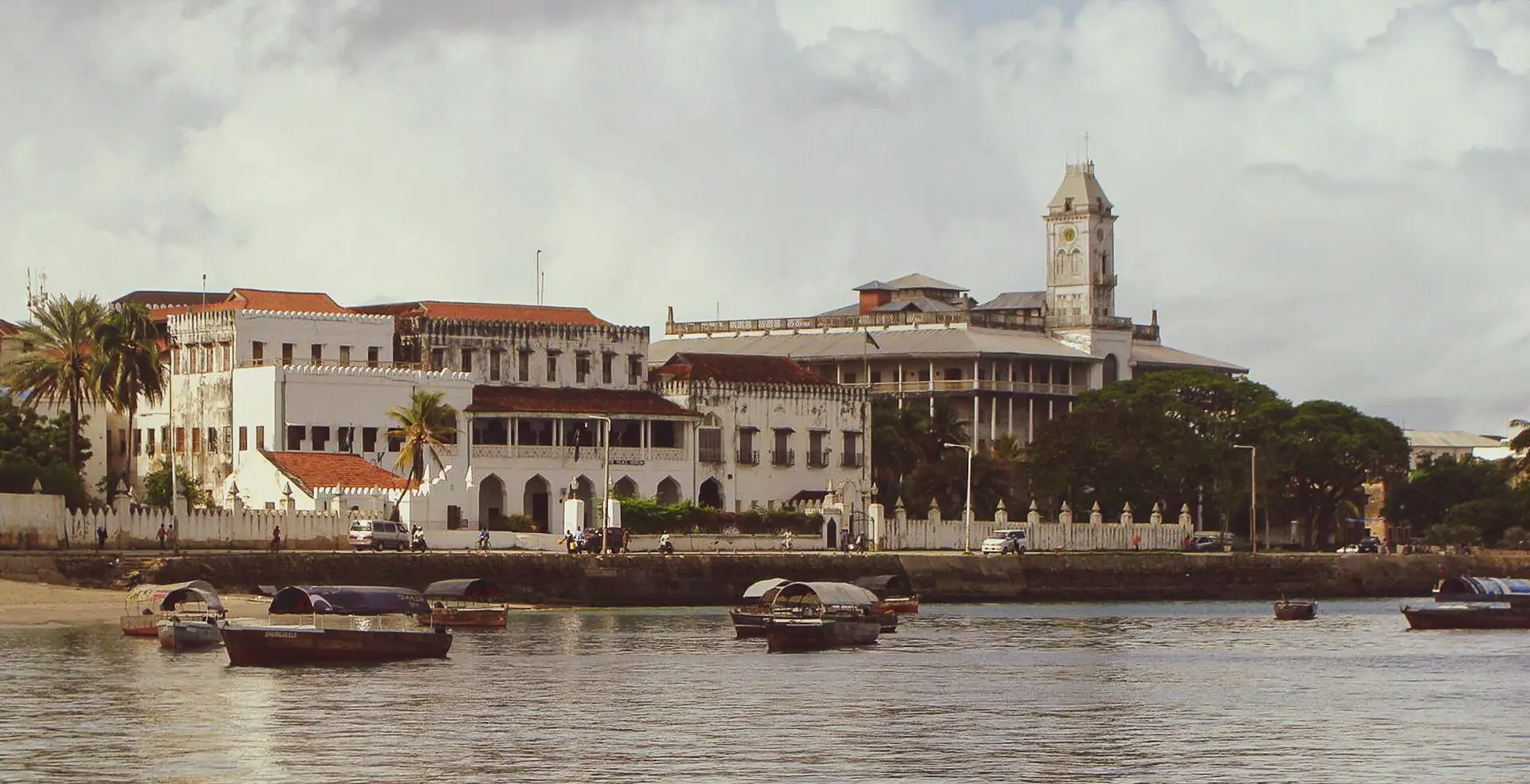
Zanzibar and Stone Town
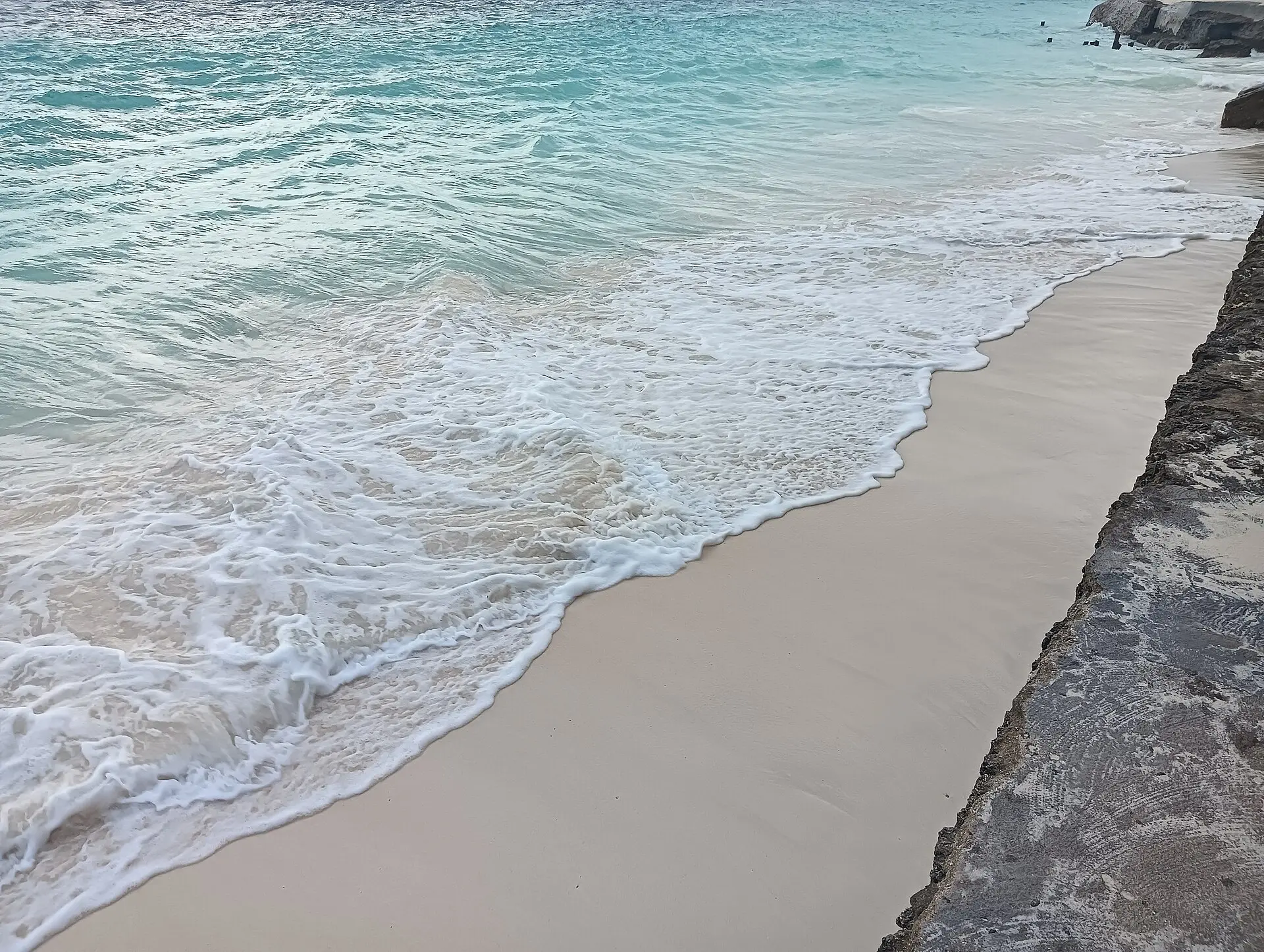
The archipelago has white-sand beaches, coral reefs and the old trading city of Stone Town, a UNESCO site with carved doors and narrow alleys.
Arusha and Dar es Salaam
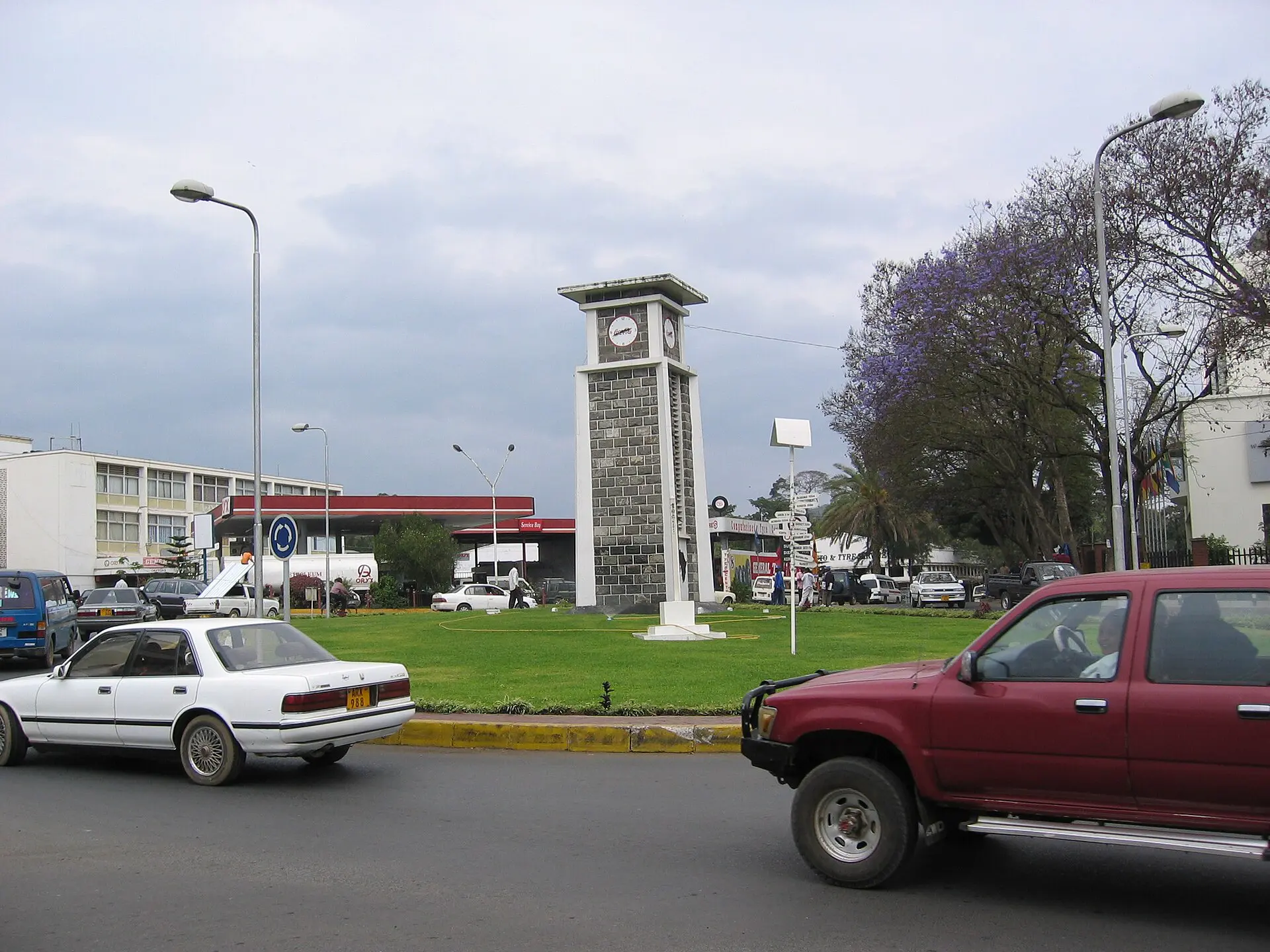
Arusha is the safari gateway, and Dar es Salaam is the main port, airport and ferry hub for the coast.
Top things to do in Tanzania
The top things to do in Tanzania centre on wildlife, mountains and the sea, and most need advance booking.
- Join a Serengeti game drive: early mornings and late afternoons give the best chances of seeing big cats.
- Descend into Ngorongoro Crater: half-day drives show rhino, hippo and large herds on the crater floor.
- Climb Kilimanjaro: routes such as Machame and Lemosho take around six to eight days with a guide.
- Take a hot-air balloon flight: flights over the Serengeti start at dawn from selected camps.
- Walk Stone Town: visit the House of Wonders area, the old fort and the Forodhani waterfront at sunset.
- Snorkel at Mnemba Atoll: reef trips depart from Zanzibar’s north-east coast.
- Spend a day in Tarangire: watch elephants among baobabs in the dry season.
- Visit a Maasai village: choose community-run experiences that share income with local people.
- Track chimpanzees at Gombe or Mahale: remote lakeshore parks need extra time and budget.
- Relax in Pemba or Mafia Island: quieter diving and beach stays.
Best time to visit Tanzania
The best time to visit Tanzania for safaris is the dry season from late June to October, when animals gather near water and vegetation is thin. January and February are good for calving season in the southern Serengeti, and the long rains in April and May are the quietest and cheapest period. Kilimanjaro is best in January to March and June to October.
| Season | Weather | Crowds and prices | Good for |
|---|---|---|---|
| Jan-Feb | Hot, mostly dry | Busy, high prices | Calving season, Kilimanjaro, Zanzibar beaches |
| Mar-May | Long rains, humid | Quiet, lowest prices | Budget travel, green landscapes |
| Jun-Oct | Dry, cooler nights | Peak crowds and prices | Safari, migration river crossings, climbing |
| Nov-Dec | Short rains, warm | Moderate, rising in December | Birdlife, fewer visitors, coast |
Zanzibar is warm all year, and the wettest months are April and May.
Is Tanzania safe to visit?
Yes, Tanzania is generally safe for tourists, especially on organised safaris and in major tourist areas, and most visitors have no serious problems. The main risks are petty theft, road accidents and tropical disease. Check your government’s travel advice, such as the UK FCDO or US State Department pages, because some border areas carry stronger warnings.
Theft and scams. Bag snatching and pickpocketing occur in Dar es Salaam, Arusha and Stone Town. Keep valuables out of sight, avoid walking at night, use registered taxis or ride apps and be wary of unsolicited tour sellers.
Roads. Road accidents are among the greatest dangers. Avoid driving at night and use reputable safari operators.
Health. Malaria is present in most of the country, so ask a doctor about prophylaxis and use repellent. Yellow fever certificates may be required depending on your route. Take altitude seriously on Kilimanjaro.
Wildlife. Stay inside vehicles on drives and follow guides on walks. Carry travel insurance with medical evacuation.
Visa and entry requirements for Tanzania
Entry rules depend on your nationality. Most visitors need a tourist visa, which can usually be applied for online through the Tanzanian immigration e-visa system or obtained on arrival at major airports and border posts. Some nationalities are exempt, and rules and fees change, so confirm the current requirement with the Tanzania Immigration Services or your nearest embassy.
Bring a passport valid for at least six months and with blank pages, plus proof of onward travel. A yellow fever vaccination certificate may be needed if you arrive from, or have transited, a country with risk of transmission.
Zanzibar is part of the United Republic and uses the same visa, though you pass immigration when you arrive. Park fees are charged separately and are usually paid by your operator, and some require card payment. The UNESCO page for Tanzania lists the heritage sites, but it does not cover entry rules.
Getting to and around Tanzania
International flights arrive at Kilimanjaro International Airport near Arusha, Julius Nyerere International Airport in Dar es Salaam and Abeid Amani Karume International Airport in Zanzibar. Overland, there are crossings with Kenya, Uganda, Rwanda, Zambia, Malawi and Mozambique.
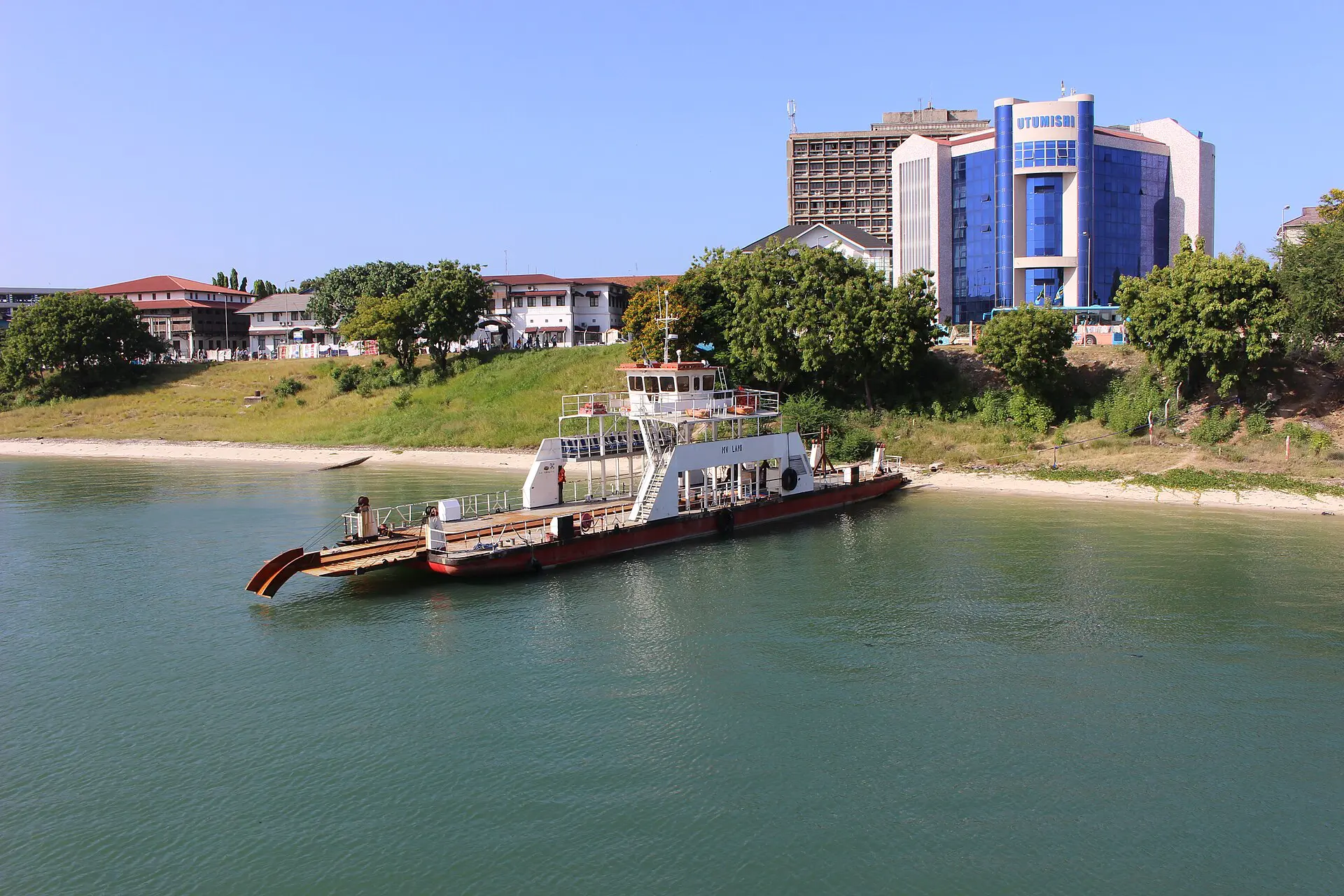
Domestic flights on small aircraft link Arusha, the Serengeti, Zanzibar and Dar es Salaam, and are the fastest way to reach remote parks. Long-distance buses connect main towns, and ferries run between Dar es Salaam and Zanzibar in about two hours. A passenger railway connects Dar es Salaam and Dodoma on the modern line, and the older line runs toward Kigoma and Mwanza.
Most safaris use a 4×4 with a driver-guide, with Arusha to Ngorongoro taking roughly three to four hours and Arusha to the central Serengeti a full day by road. Driving is on the left, and self-driving in parks is possible but demanding.
How much does a trip to Tanzania cost?
Tanzania has a wide cost range. The currency is the Tanzanian shilling (TZS), but safari operators, park fees and many hotels price in US dollars. Figures below are rough per-person guides for 2026 and rise in the high season from June to October and over Christmas.
- Budget safari: around USD 180 to 250 per day for a shared camping or basic lodge trip, including park fees.
- Mid-range safari: around USD 250 to 450 per day in comfortable lodges and tented camps.
- Luxury safari: from around USD 600 per day, with private camps and fly-in transfers.
- Outside parks: around USD 40 to 120 per day for hotels, food and buses in towns and on the coast.
Park entry fees, vehicle hire and accommodation are the main drivers. Kilimanjaro climbs cost several thousand US dollars, including fees, guides and porters. Choose an operator that pays its porters fairly. Zanzibar resorts range from simple guesthouses to high-end villas.
Tanzania food and drink
Tanzania food mixes Swahili coastal cooking, Indian influences and staples from the interior. Meals are filling, inexpensive and often built around rice, maize and grilled meat.
- Ugali: a firm maize porridge eaten with stews, beans or greens.
- Nyama choma: grilled meat, usually goat or beef, served with kachumbari salad.
- Pilau: spiced rice cooked with meat, a coastal and festive favourite.
- Zanzibar urojo: a tangy mix of soup, potato, fritters and chutney, often called Zanzibar mix.
- Chipsi mayai: a fries-and-egg omelette sold as street food.
- Mandazi and chapati: fried dough and flatbread for breakfast.
- Fresh seafood and coconut curries: prawns, octopus and fish on the coast.
- Tea, coffee and Kilimanjaro or Safari beer: local brands found everywhere.
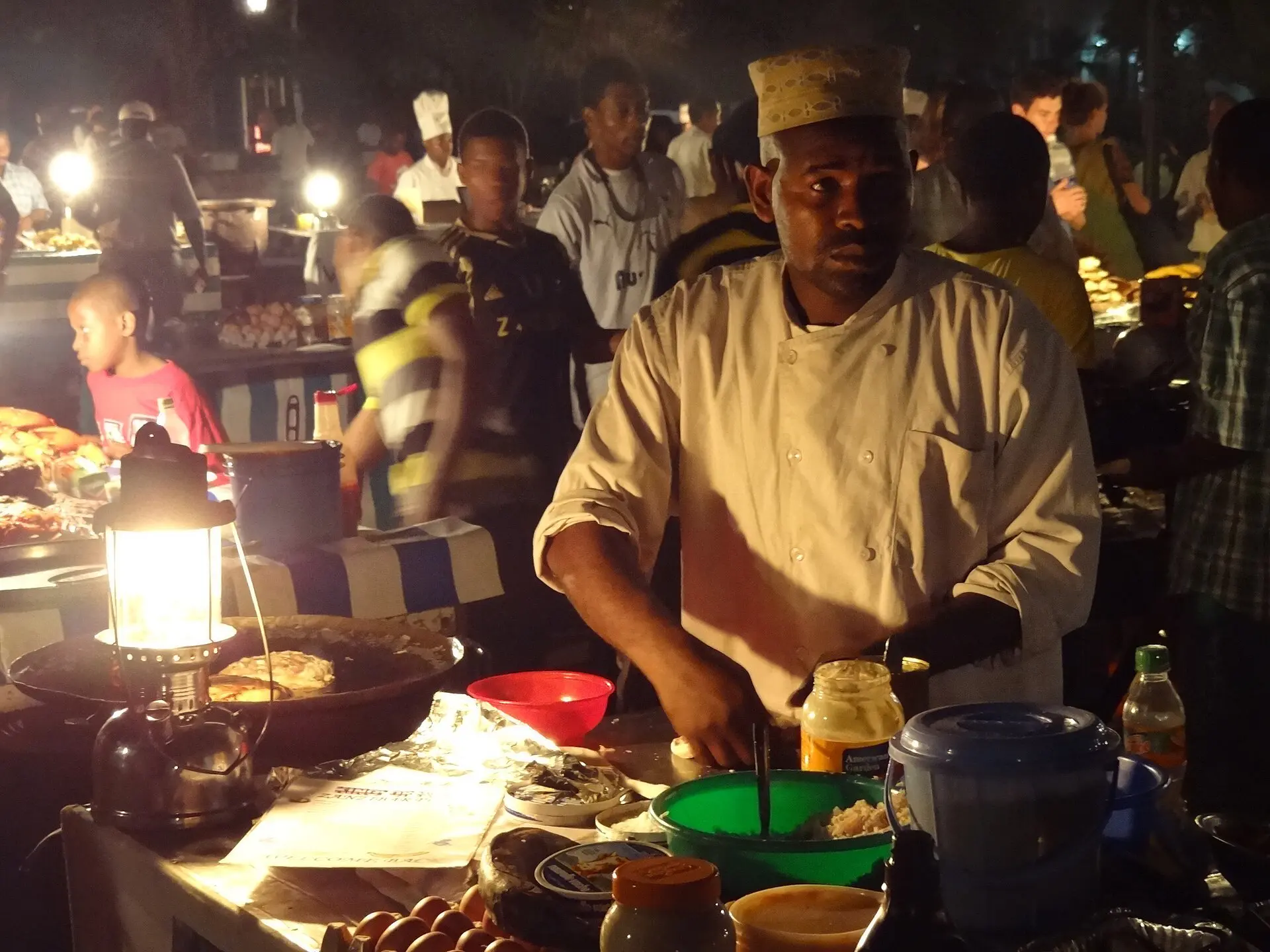
Vegetarians can eat well on beans, vegetables, chapati and fruit. Stick to bottled or filtered water and peel fruit. Zanzibar’s Forodhani night market is popular, though choose busy stalls.
Culture, language and etiquette in Tanzania
Swahili and English are the official languages, and Swahili is the common language across more than 120 ethnic groups. English is widely used in tourism, but greetings in Swahili are valued: jambo or hujambo (hello), asante (thank you) and karibu (welcome). Pole pole, meaning slowly, describes the pace of life.
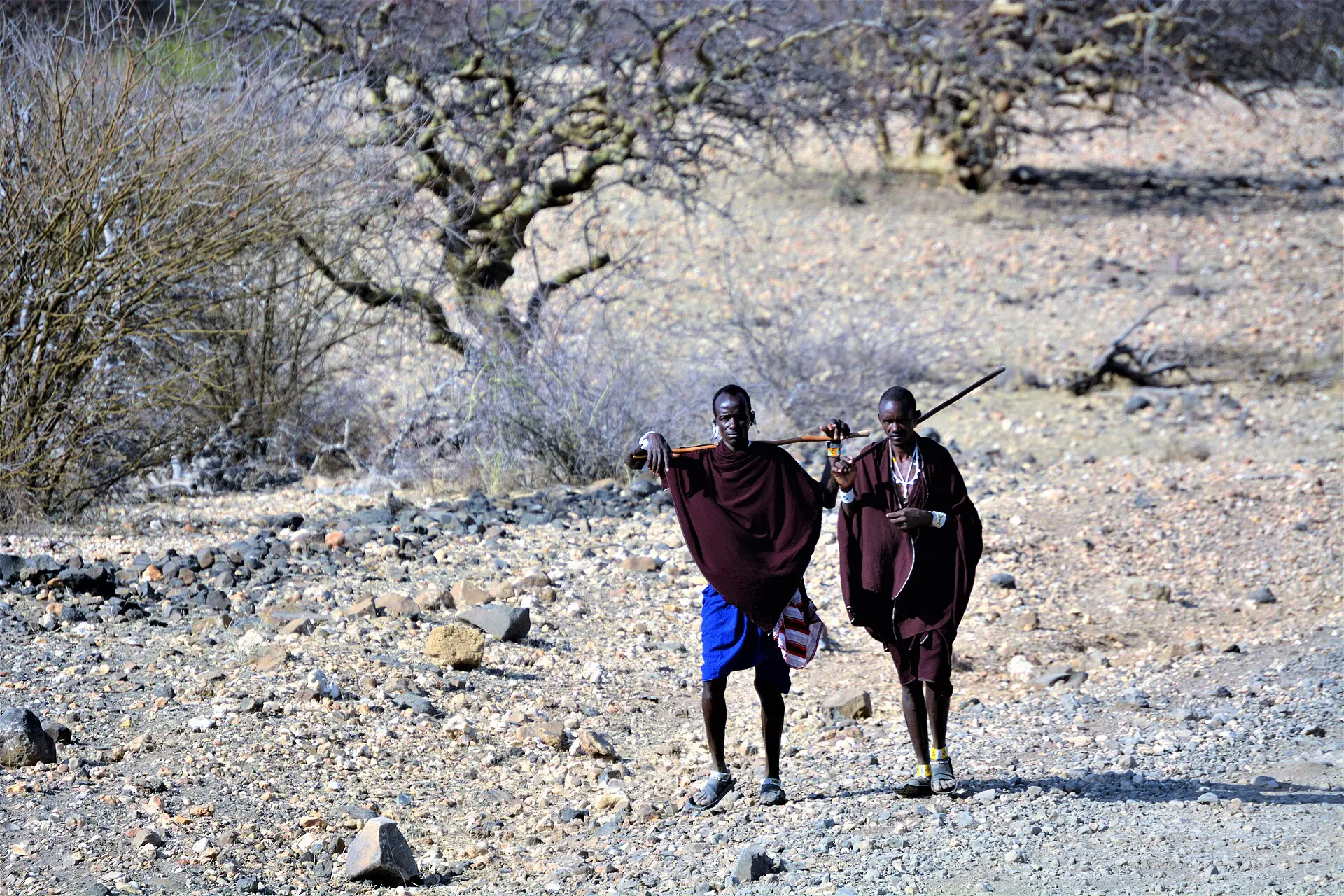
Greetings are important, and a handshake with a few exchanged pleasantries is the normal start to any conversation. Use your right hand to give, receive and eat. Dress modestly in towns and especially in Zanzibar, which is mostly Muslim: cover shoulders and knees, and avoid swimwear away from beaches. Tanzania has Christian and Muslim communities living together, along with traditional beliefs.
Ask permission before photographing people, particularly the Maasai, and expect to be asked for a fee. Do not photograph government buildings, airports or military sites. Public displays of affection are best avoided, and drone use needs a permit. Same-sex relations are illegal.
Tanzania itinerary: a 7-day route
This route combines a short northern safari with a beach finish and keeps road transfers manageable.
- Day 1, Arusha: arrive at Kilimanjaro airport, transfer about an hour to Arusha and rest.
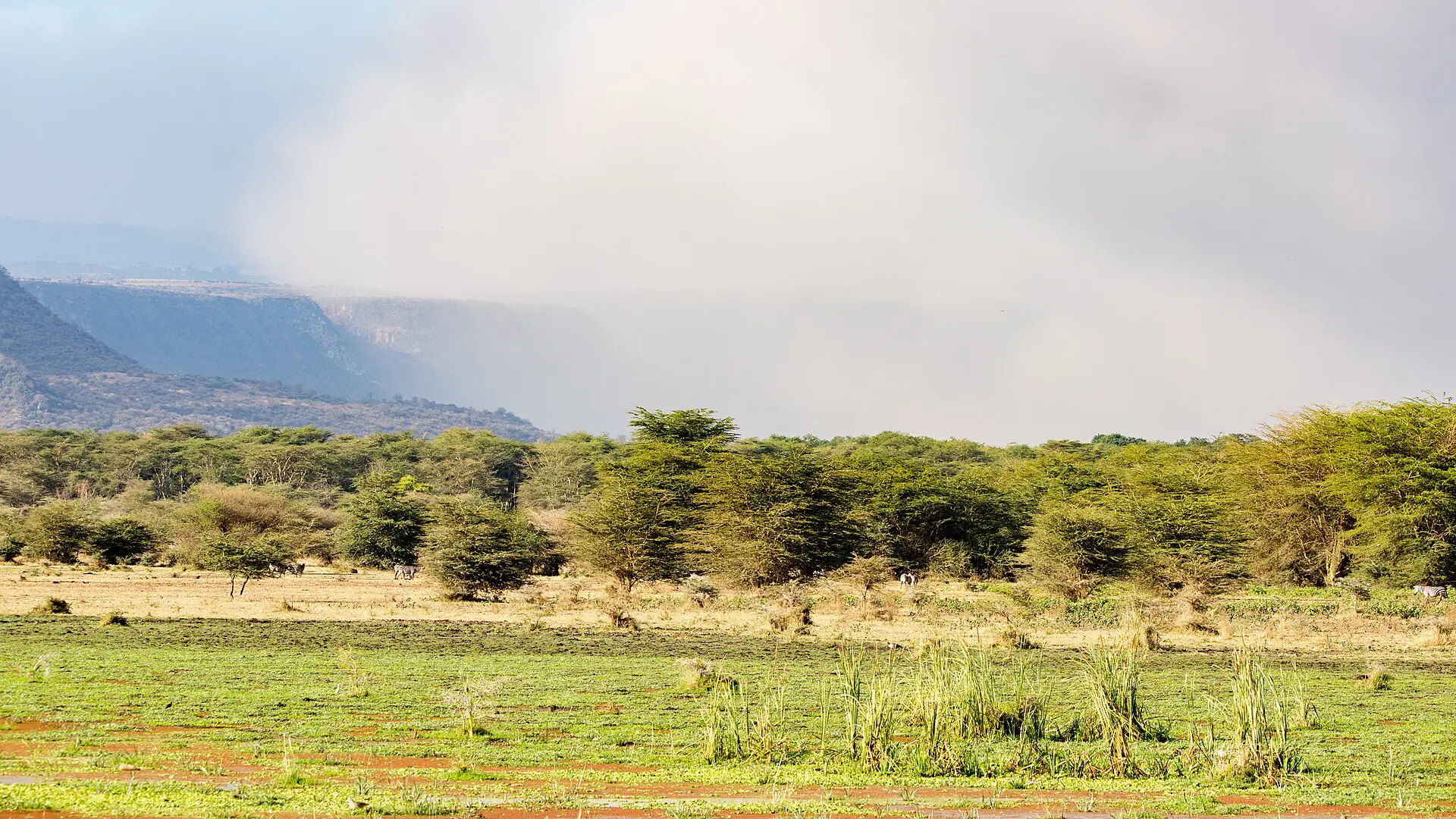
- Day 2, Tarangire: drive about two to three hours for a game drive among elephants and baobabs, then overnight near the park.
- Day 3, Ngorongoro rim: continue about three hours to the crater rim with an afternoon stop for views.
- Day 4, crater floor: descend early for a half-day game drive, then drive toward the Serengeti.
- Day 5, Serengeti: take full-day game drives, with a sunrise balloon flight as an option.
- Day 6, fly to Zanzibar: take a morning flight from the Serengeti via Arusha or Dar es Salaam to Zanzibar, and explore Stone Town in the evening.
- Day 7, Zanzibar: spend the day on the beach or reef, then fly home.
With more time, add the Kilimanjaro foothills or the southern parks such as Ruaha.
Practical tips for Tanzania
- Money: carry US dollars (notes printed after 2013 are usually preferred) and shillings, since ATMs are available in cities but unreliable on safari. Cards work in many hotels and lodges.
- SIM and eSIM: local SIMs are cheap, with coverage in towns and many parks. Registration with passport is required.
- Plugs: types D and G at 230 V, so bring an adapter.
- Tipping: guides, drivers and porters expect tips, typically USD 10 to 20 per day for a safari guide per group. Restaurants appreciate 5 to 10 percent.
- Health: start malaria prophylaxis as advised, and check vaccines with a travel clinic.
- Packing: neutral-coloured clothing, a warm layer for dawn drives, sun protection and binoculars. Soft bags are best for small planes.
- Booking: reserve safaris and Kilimanjaro months ahead for the dry season. More background is in the Wikivoyage Tanzania guide.
FAQ
Q1What is the best time to visit Tanzania?
June to October is the best time for safaris, with dry weather and easy wildlife viewing. January and February suit calving season and Kilimanjaro. April and May bring heavy rains, fewer visitors and lower prices. Zanzibar is warm all year, but April and May are the wettest.
Q2Is Tanzania safe to visit?
Yes, for most visitors, particularly on organised safaris and in tourist areas. The main risks are petty theft, road accidents and malaria. Use reputable operators, avoid driving or walking after dark and check your government's travel advice, since some border areas carry stronger warnings.
Q3How much does a safari in Tanzania cost?
Expect roughly USD 180 to 250 per person per day for budget group safaris, USD 250 to 450 for mid-range lodges and above USD 600 for luxury camps. Park fees, accommodation and vehicle hire drive the price, and prices peak from June to October.
Q4Do I need a visa for Tanzania?
It depends on your nationality, but most visitors need a visa. You can usually apply online for an e-visa or buy one on arrival at main airports and borders. Confirm the current rules and fees with Tanzania Immigration Services, and bring a passport valid for at least six months.
Q5What are the best things to do in Tanzania?
Top picks are a Serengeti game drive, a descent into Ngorongoro Crater, climbing Mount Kilimanjaro, walking Stone Town and relaxing on Zanzibar's beaches. Tarangire for elephants and a hot-air balloon flight are strong additions.
Q6How many days do you need in Tanzania?
Seven days works for a short northern safari plus a couple of beach days. Ten to fourteen days allow the Serengeti, Ngorongoro, Tarangire and Zanzibar at a relaxed pace. A Kilimanjaro climb adds six to nine days with acclimatisation.
Q7What is Tanzania food like?
Tanzania food centres on ugali, rice, beans, grilled meat and coastal seafood. Look for nyama choma, pilau, mandazi and Zanzibar's urojo. Meals are filling and cheap, and vegetarians can eat well on beans, vegetables, chapati and fresh fruit.