Why visit Burundi
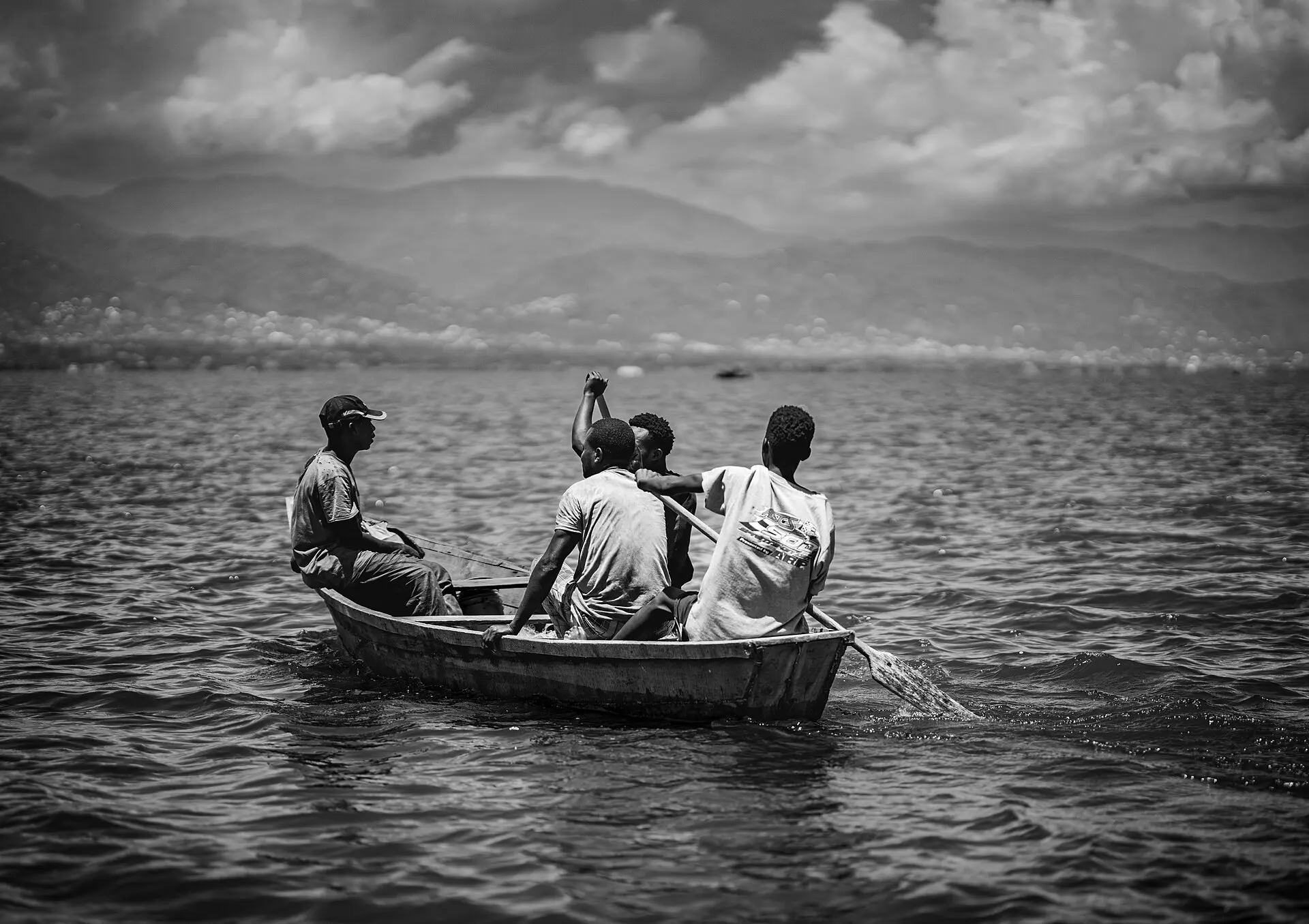
The things to do in Burundi are modest in number but rooted in nature and culture, and they come with real security caveats. The country is a small, landlocked state in the Great Rift Valley, bordered by Rwanda, Tanzania and the Democratic Republic of the Congo, with Lake Tanganyika along its southwest border (see the Wikipedia overview for background). Its political capital is Gitega and its largest city is Bujumbura.
It is a country rich in dances, rhythms and handicrafts, but also one marked by instability since independence in 1962 and by deep poverty. Burundi suits experienced, well-prepared travellers with a specific interest, such as birding, primates, Lake Tanganyika or music, and it is not a destination for a casual holiday. Tourism infrastructure is limited, and this guide is for planning and research, not an invitation to travel against official advice.
Best places to visit in Burundi
The best places to visit in Burundi are clustered around Bujumbura, the lake and the highland forests. Check current advice before choosing any of them, because some lie near border areas that governments warn against.
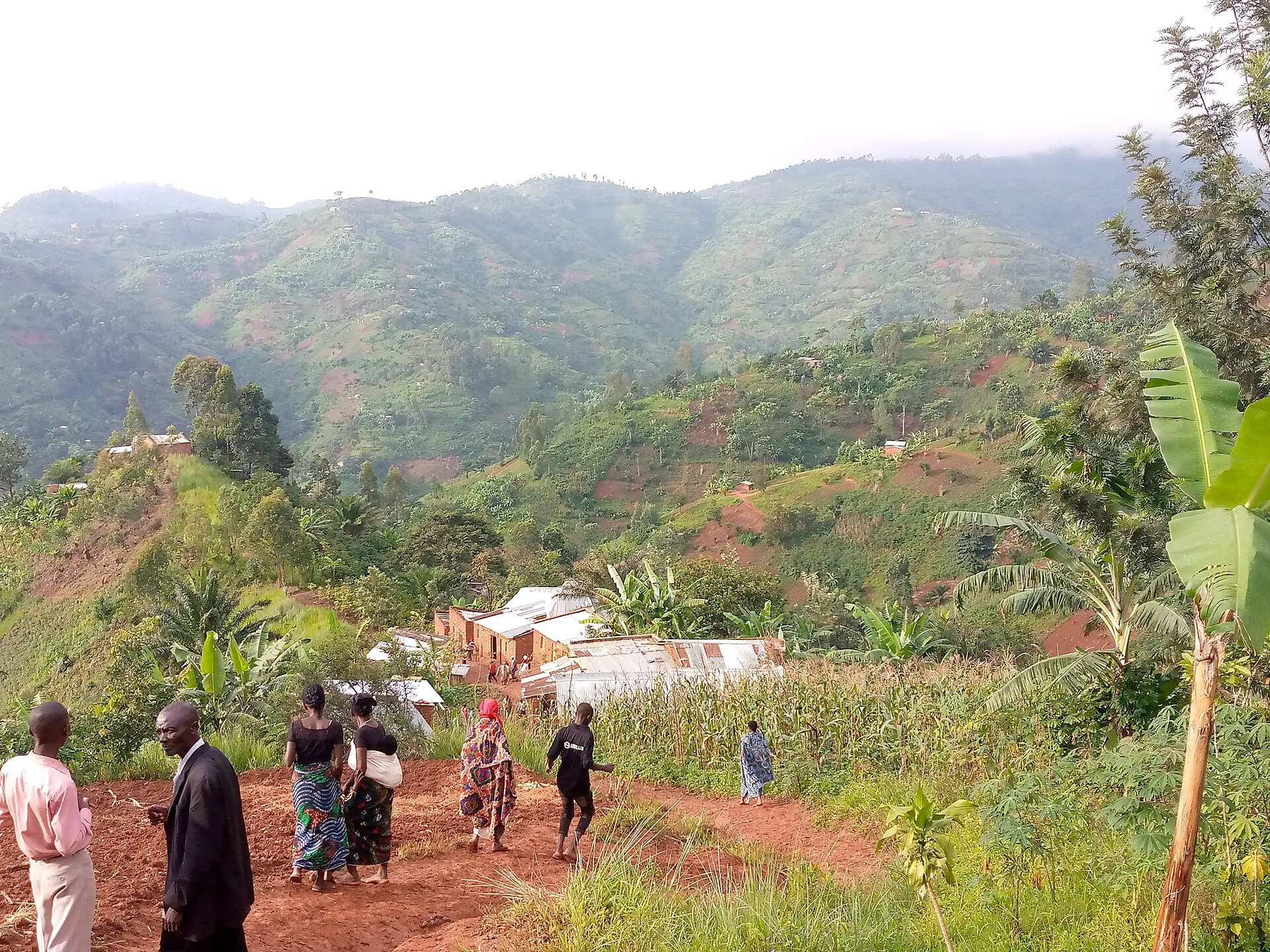
Bujumbura
The largest city sits on the northeast shore of Lake Tanganyika. It has lakeside beaches, restaurants, a museum of life and a lively market, and it is the main entry point for visitors.
Gitega
The political capital in the centre of the country has the National Museum and nearby cultural sites. It is a quieter base than Bujumbura, and it is the heart of the old Burundian kingdom.
Gishora drum sanctuary
Near Gitega, this site is associated with the royal drummers of Burundi, whose ritual drumming was recognised by UNESCO as intangible cultural heritage.
Source of the Nile at Rutovu
In the south, a pyramid marks a spring said to be the southernmost source of the Nile. The area is reached by road from Bururi.
Parks and forests
Kibira National Park has chimpanzees and monkeys, Rusizi National Park has hippos and crocodiles near Bujumbura, and Bururi Forest is a cool altitude forest. Each requires local permission and advice.
Top things to do in Burundi
The top things to do in Burundi are low-key and best done with local guides or a reputable agency, after confirming current security advice.
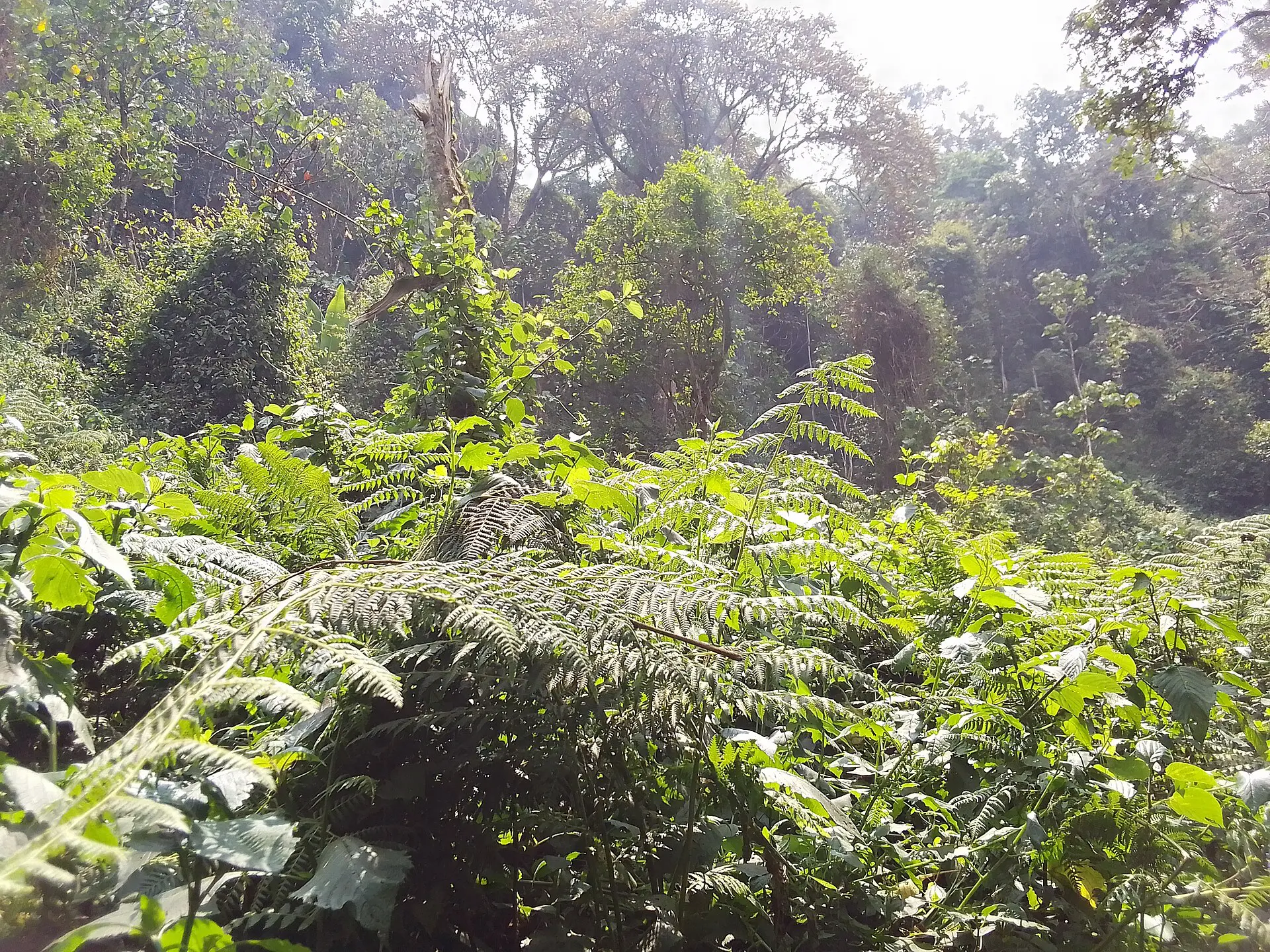
- Swim and relax on Lake Tanganyika: beaches near Bujumbura and along the southern shore are popular on weekends.
- Watch the royal drummers: performances at Gishora show the ritual drumming tradition.
- Visit the Gitega National Museum: it holds the country’s main collection of traditional objects, crafts and history.
- Walk in Kibira National Park: forest trails host chimpanzees and monkeys, and guides are required.
- Spot hippos at Rusizi: the park near the capital has hippos, crocodiles and many bird species.
- Visit the Source of the Nile: the monument at Rutovu is a short walk from the road.
- Hike Bururi Forest: an altitude rainforest with birds and monkeys, entered through the nature authority office.
- Visit the Karera Falls: a series of waterfalls south of the capital that are used as a rest stop.
- Browse craft markets: baskets, woven goods and woodwork are the typical souvenirs.
Best time to visit Burundi
The best time to visit Burundi is the main dry season from June to September, when roads are better, trails are drier and Lake Tanganyika is pleasant. There is also a shorter dry spell around December and January. The rainy seasons make dirt roads slippery and can interrupt travel to parks and the south.
| Season | Weather | Crowds and prices | Good for |
|---|---|---|---|
| Jun-Sep | Dry, warm days, cool in the highlands | Few visitors; prices steady | Parks, hiking, lake |
| Oct-Nov | Rains return; humid | Very few visitors | Cultural visits, city stays |
| Dec-Jan | Short drier spell with showers | Few visitors | Lake and city trips |
| Feb-May | Heavy rain, muddy roads | Very few visitors | Green scenery, birding |
Bujumbura is warmer than the highlands, which can be cool at night. The rainy seasons are the time of greatest road risk.
Is Burundi safe?
Is Burundi safe? Not entirely, and it needs careful research. Several governments advise against all travel to parts of the country, especially areas near the border with the Democratic Republic of the Congo, and urge caution elsewhere. Burundi has had periods of political violence since 2015, and incidents such as grenade attacks, armed robbery and clashes have occurred. Read your government’s current advice, such as the UK FCDO or US State Department pages, first.
Crime. Street crime, bag snatching and armed robbery occur, especially after dark and in Bujumbura. Avoid walking at night, keep valuables hidden and use trusted drivers.
Politics and borders. Political tension can lead to sudden roadblocks, demonstrations and restrictions. The border with Rwanda has been closed or restricted at times, and some border areas are unstable. Photographing military sites, officials and public buildings can lead to arrest.
Roads. Roads are often poor, with unlit vehicles, overloaded trucks and no emergency services outside the capital.
Health. Malaria is widespread, and yellow fever vaccination certificates may be required. Tap water is unsafe, and medical facilities are limited. Insurance with medical evacuation cover is essential.
Burundi visa and entry requirements
Burundi visa rules vary by nationality, and many visitors have been able to obtain a visa on arrival at Bujumbura airport or through an online e-visa system. Rules and fees have changed over the years, so confirm the current process with the Burundian immigration authorities or an embassy before booking, and also read your own government’s advice.
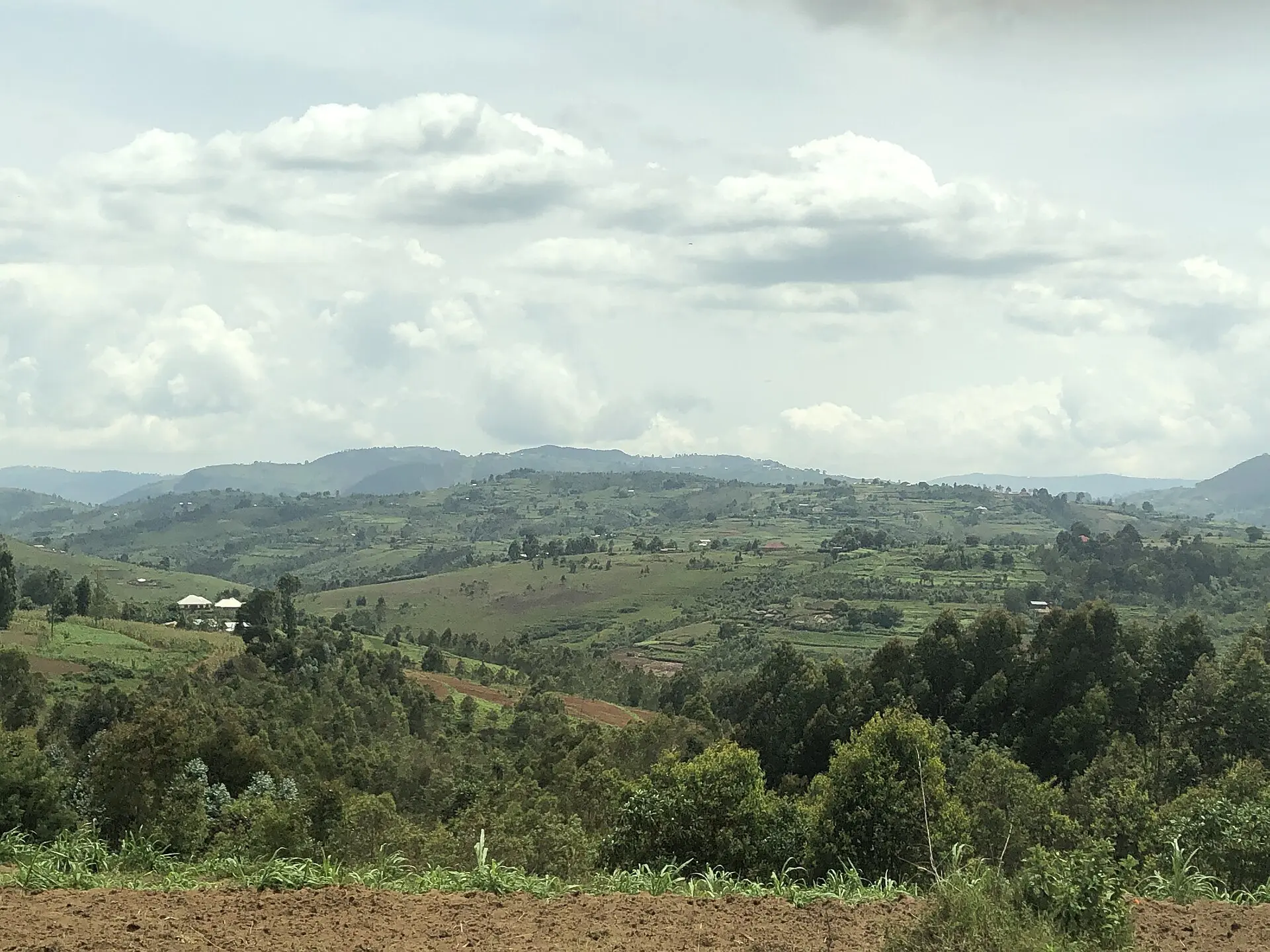
You will normally need a passport with at least six months of validity, a return or onward ticket and proof of accommodation. A yellow fever vaccination certificate is commonly required, and border officials may ask for it. Citizens of East African Community countries often have simpler entry rules.
Borders with Rwanda, Tanzania and the Democratic Republic of the Congo have been closed or restricted at various times, so check the status of any land crossing before planning. Some travellers also need permits for national parks and for photography. The UNESCO page for Burundi shows its heritage listings, which are limited.
Getting to and around Burundi
Melchior Ndadaye International Airport at Bujumbura is the main gateway, with flights from Nairobi, Kigali, Addis Ababa, Entebbe, Istanbul and a few other hubs. The routes and airlines change often, so check current schedules. Overland access from Tanzania, Rwanda or the Democratic Republic of the Congo is possible at times, but crossings are subject to closures and security risks.
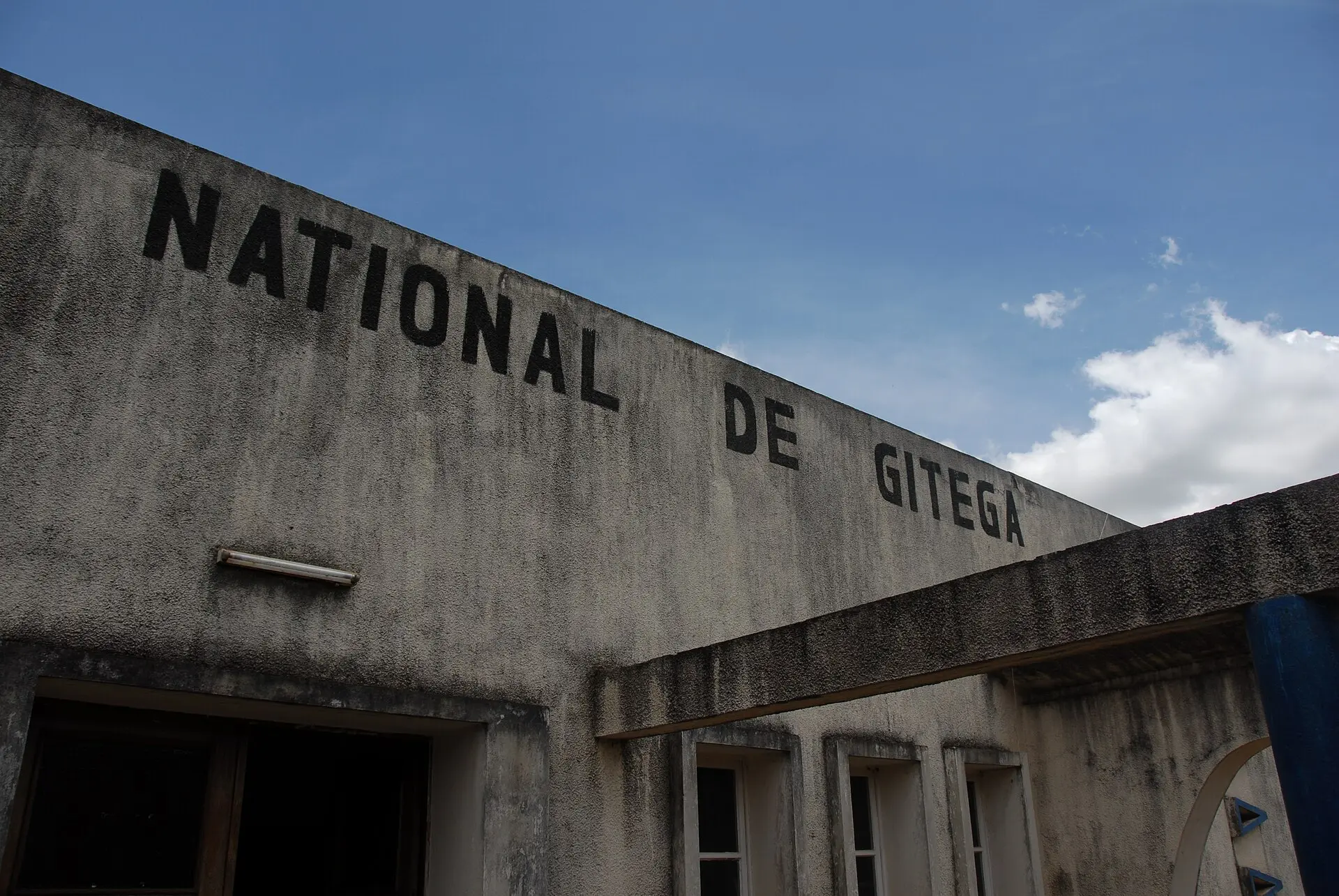
Within the country, minibuses and shared taxis connect Bujumbura with Gitega, which takes around two hours, and other towns, but they are crowded and can be unsafe. Motorbike taxis are common but risky. Private cars with a driver are the most practical way to travel, and a hire car without a local driver is not advisable.
Roads are mostly paved on the main routes and unpaved elsewhere, and heavy rain can wash out dirt tracks. Driving at night is dangerous, and police roadblocks are common. A reputable agency with security advice is the best option for anyone who must travel beyond the capital.
How much does a trip to Burundi cost?
Burundi is one of the world’s poorest countries, but visitor costs are not low, because accommodation, safe transport and guides are limited. The currency is the Burundian franc (BIF), and the exchange rate has varied widely, so US dollars in clean, recent notes are often used as a reference. The figures below are rough per-person guides for 2026.
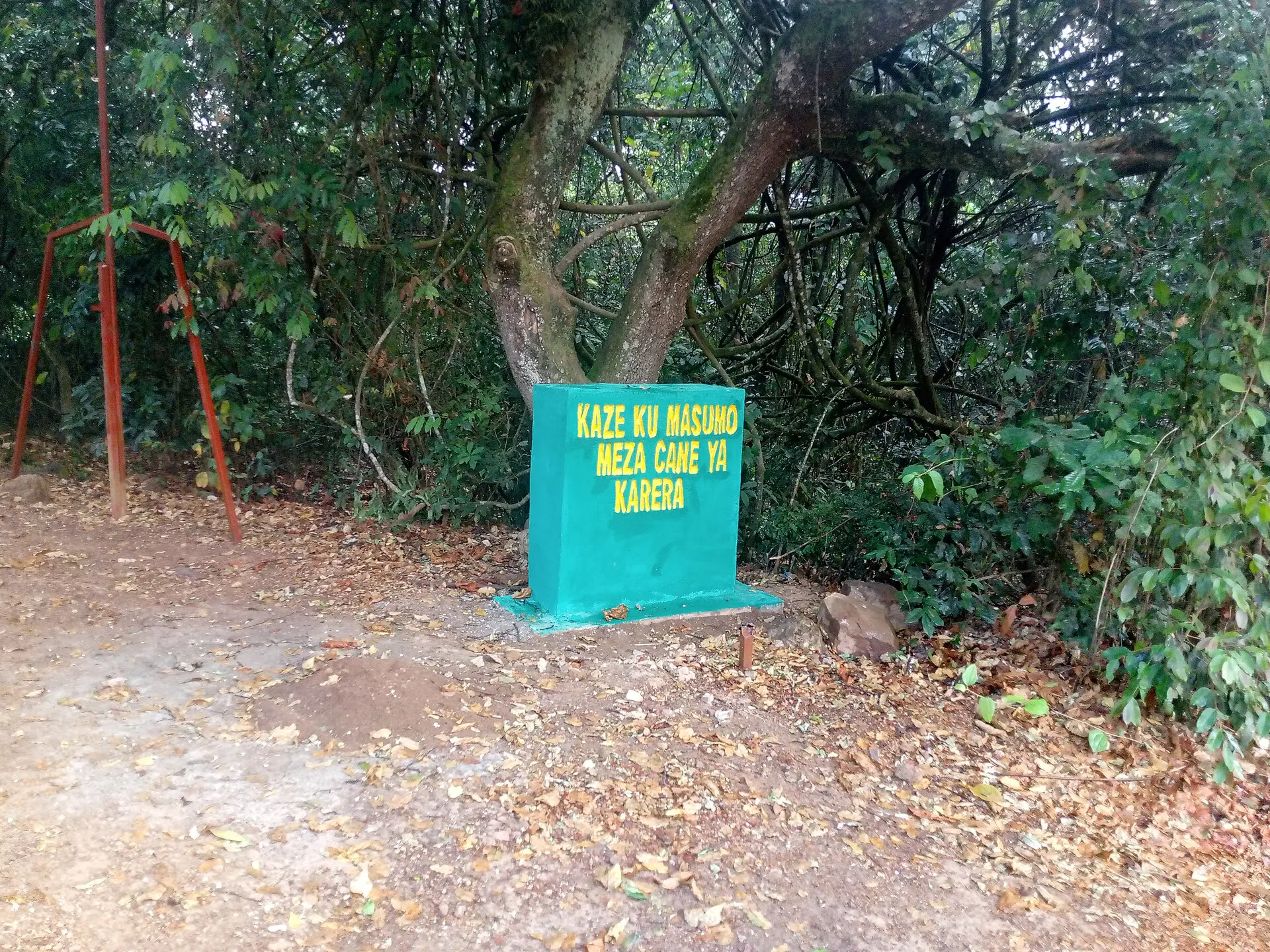
- Budget: around USD 30 to 60 per day, with basic guesthouses, local meals and shared transport.
- Mid-range: around USD 70 to 130 per day, with a decent hotel in Bujumbura, restaurant meals and a driver.
- High-end: from around USD 200 per day, with the best hotels, a private vehicle and a guide.
Hotels in Bujumbura and a private driver are the biggest costs, followed by park permits and guide fees. Local food is inexpensive, but imported goods are costly. Insurance with medical evacuation adds to the cost and is essential.
Burundi food and drink
Burundi food is simple and filling, built on beans, cassava, plantains, maize and fish from Lake Tanganyika. Meals are usually served with a starch, and eating is communal.
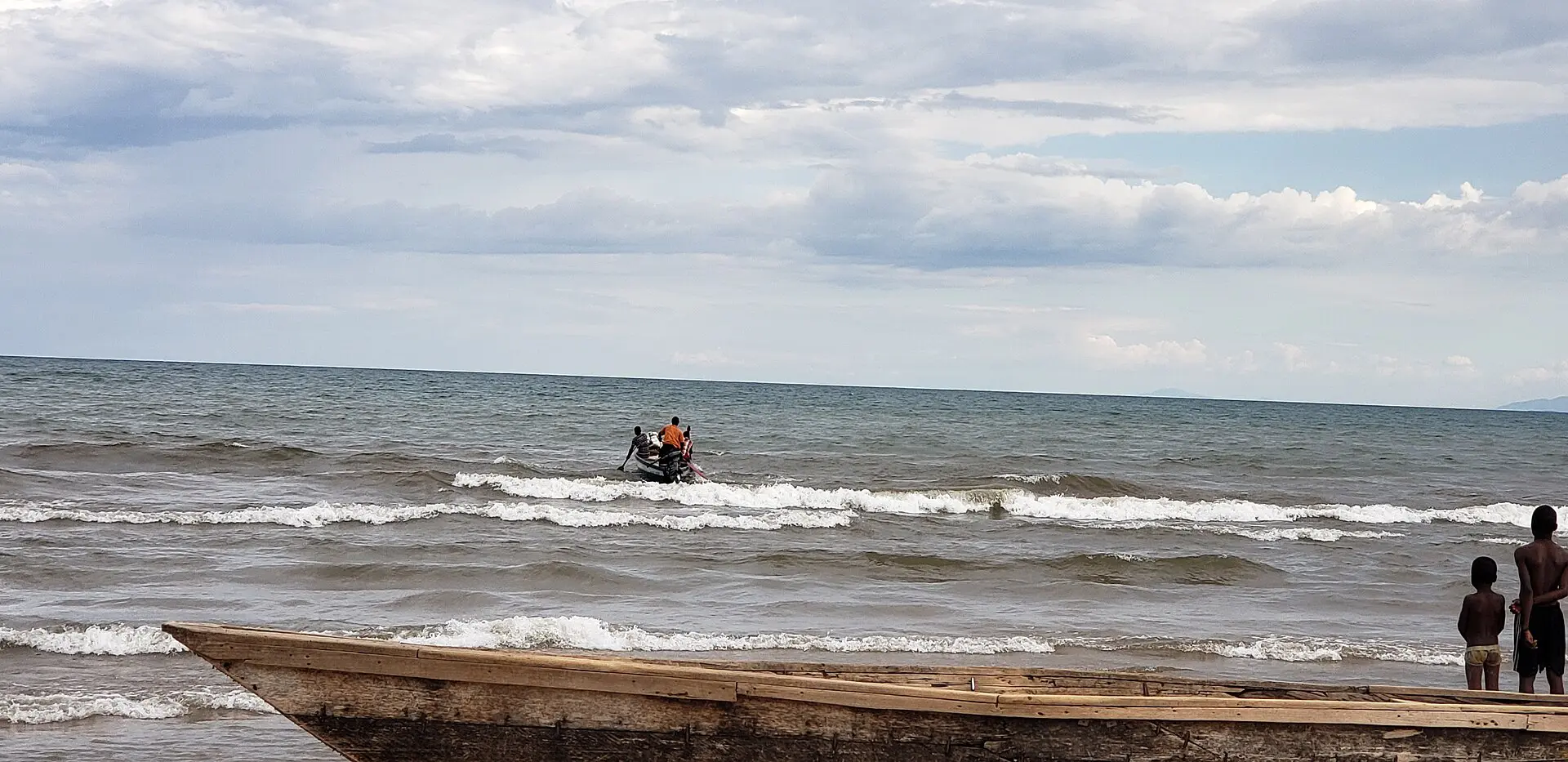
- Ugali (ubugali): a thick maize or cassava paste served with stew or vegetables.
- Isombe: pounded cassava leaves cooked with palm oil, sometimes with fish or meat.
- Beans and plantain: a staple pairing, often boiled or fried.
- Brochettes: grilled skewers of goat, beef or pork sold at roadside grills in the evening.
- Mukeke and sambaza: lake fish (tilapia-type fish and tiny sardine-like fish), usually fried or grilled in Bujumbura.
- Primus beer: the best-known local beer, widely served in bars.
- Urwagwa: a traditional banana beer served at gatherings.
- Fresh fruit and coffee: Burundi grows coffee and tea, and fruit is cheap in markets.
Vegetarians can eat beans, vegetables, plantain and cassava dishes, although meat and fish are common in sauces. Avoid tap water and uncooked foods you cannot peel, and choose freshly cooked dishes. Lakeside restaurants in Bujumbura offer the widest choice.
Culture, language and etiquette in Burundi
Kirundi is the national language, spoken by nearly everyone, and French is also official and used in business and government. Swahili is heard around Bujumbura, and English is increasingly taught but still limited. Greetings matter, so say amahoro (peace) or bonjour before a request, and shake hands, often with the left hand touching the right forearm as a sign of respect.
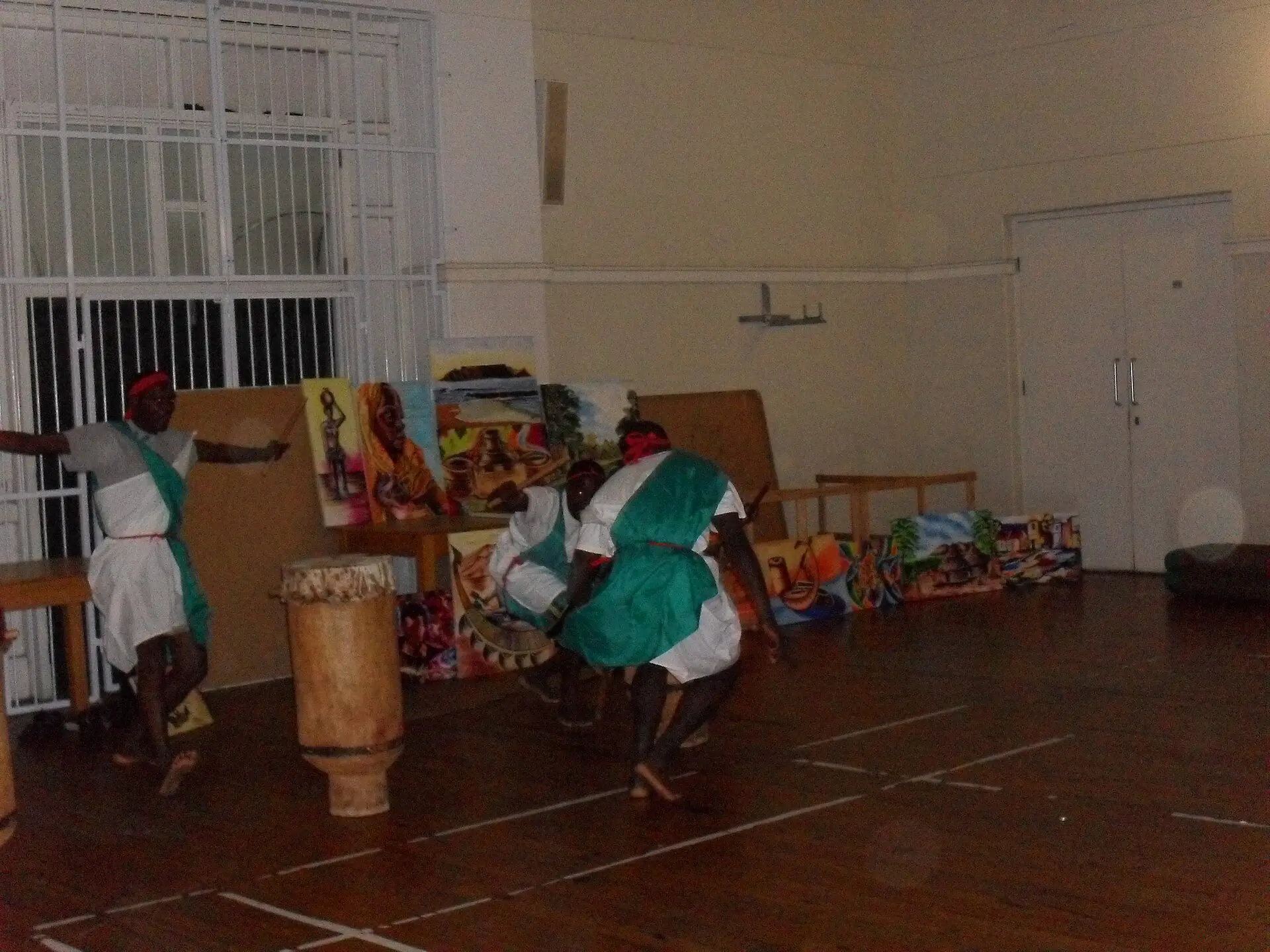
Burundi’s best-known cultural export is ritual drumming, which was once tied to the royal court and still features in celebrations. Handicrafts include basketry, pottery and woodwork. The population is mostly Christian, mainly Catholic, with a Muslim minority and traditional beliefs.
Burundi’s history includes serious ethnic violence between Hutu and Tutsi communities, and the topic remains sensitive. Avoid discussing ethnicity, politics, the government or past conflicts in public. Do not photograph soldiers, police, government buildings or airports, and ask before photographing people. Dress modestly, and avoid public displays of affection.
Burundi itinerary: a 7-day route
Independent travel in Burundi is not generally advisable, so this is a research outline for a supervised trip, and only if current government advice allows it. It avoids border areas near the Democratic Republic of the Congo and relies on a local driver and guide.
- Day 1, Bujumbura: arrive, rest and visit the lakeshore in daylight only.
- Day 2, Bujumbura: see the museum, central market and a lakeside beach, with a driver for all transfers.
- Day 3, Bujumbura to Gitega: drive about two hours by day, then visit the National Museum.
- Day 4, Gishora: see the royal drummers and surrounding hills, then return to Gitega.
- Day 5, Gitega to Rutovu: travel south, with a long day on rural roads, to the Source of the Nile.
- Day 6, Lake Tanganyika south shore: visit the Livingstone-Stanley monument at Mugere and stay near the lake.
- Day 7, return to Bujumbura: allow a full day and fly out the next morning if possible.
Skip this plan if advice worsens, and drop any stage your guide advises against. Rusizi and Kibira parks require separate current security checks.
Practical tips for Burundi
- Safety first: read the UK FCDO and US State Department advice, register with your embassy and arrange medical evacuation cover.
- Money: the Burundian franc is the local currency. ATMs are rare and often do not accept foreign cards, so bring clean, recent US dollar notes to exchange at licensed outlets.
- SIM and eSIM: local SIMs are cheap, with coverage in towns and along main roads. Mobile data can be slow.
- Plugs: types C and E at 220 V.
- Tipping: not expected, but small tips for drivers and guides are appreciated.
- Health: malaria prevention is essential, and yellow fever vaccination may be required. See a travel clinic early.
- Packing: light layers, a warm fleece for highland nights, rain gear, repellent and a basic first-aid kit.
- Photography: never photograph soldiers, police, government sites or airports, and ask before photographing people.
For wider background, see the Wikivoyage Burundi guide.
FAQ
Q1What is Burundi food like?
Burundi food is based on beans, cassava, plantain, maize paste and lake fish. Try isombe, ugali with stew, grilled brochettes, fried sambaza from Lake Tanganyika and Primus beer. Meals are cheap, and vegetarians can eat beans, vegetables and plantain dishes.
Q2Is Burundi safe?
Not entirely. Some governments advise against all travel to border areas and urge caution elsewhere because of crime, political tension and sporadic violence. Avoid travel at night, use trusted drivers, avoid demonstrations and check your government's current advice before making any plans.
Q3What are the best things to do in Burundi?
Swim at Lake Tanganyika, watch the royal drummers at Gishora, visit the Gitega National Museum, see the Source of the Nile at Rutovu and walk in Kibira or Rusizi national parks. Check current security advice first, as some sites are close to border areas.
Q4What is the best time to visit Burundi?
June to September is the main dry season and the best time for roads, parks and the lake. There is a shorter dry spell in December and January. February to May and October to November are rainy, and dirt roads can become hard to use.
Q5Do I need a Burundi visa?
Most visitors need a visa, which many have obtained on arrival at Bujumbura airport or through an e-visa system, with a yellow fever certificate often required. Rules and fees change, so confirm with the Burundian authorities or an embassy before travelling.
Q6Is Burundi safe to visit for tourists right now?
It depends on where you go and on current advice. Some border areas are under advisories against all travel, and other regions call for caution. Few facilities exist for tourists, and help is limited. Check your government's advice and consider specialist security support before any trip.