Why visit Eritrea
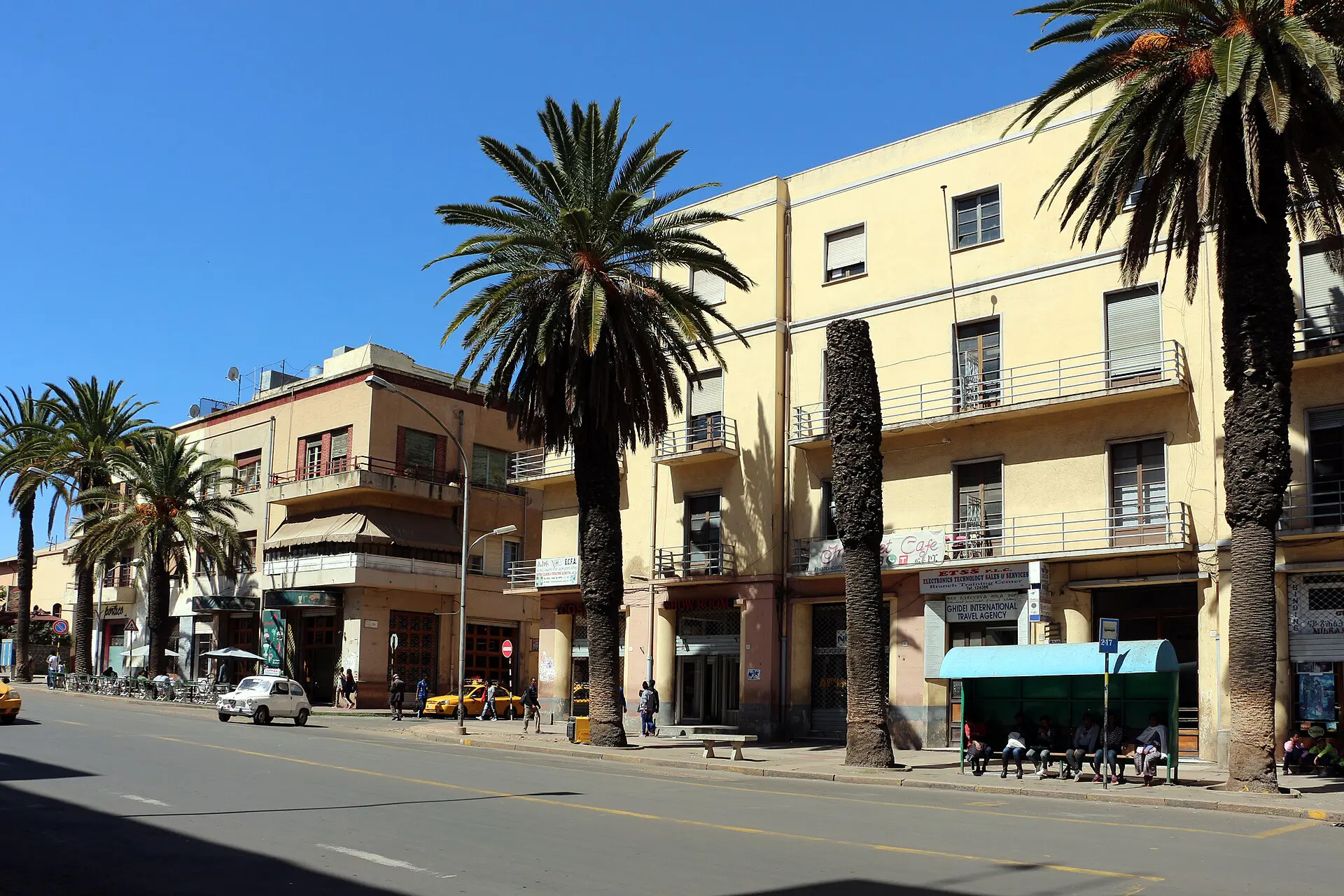
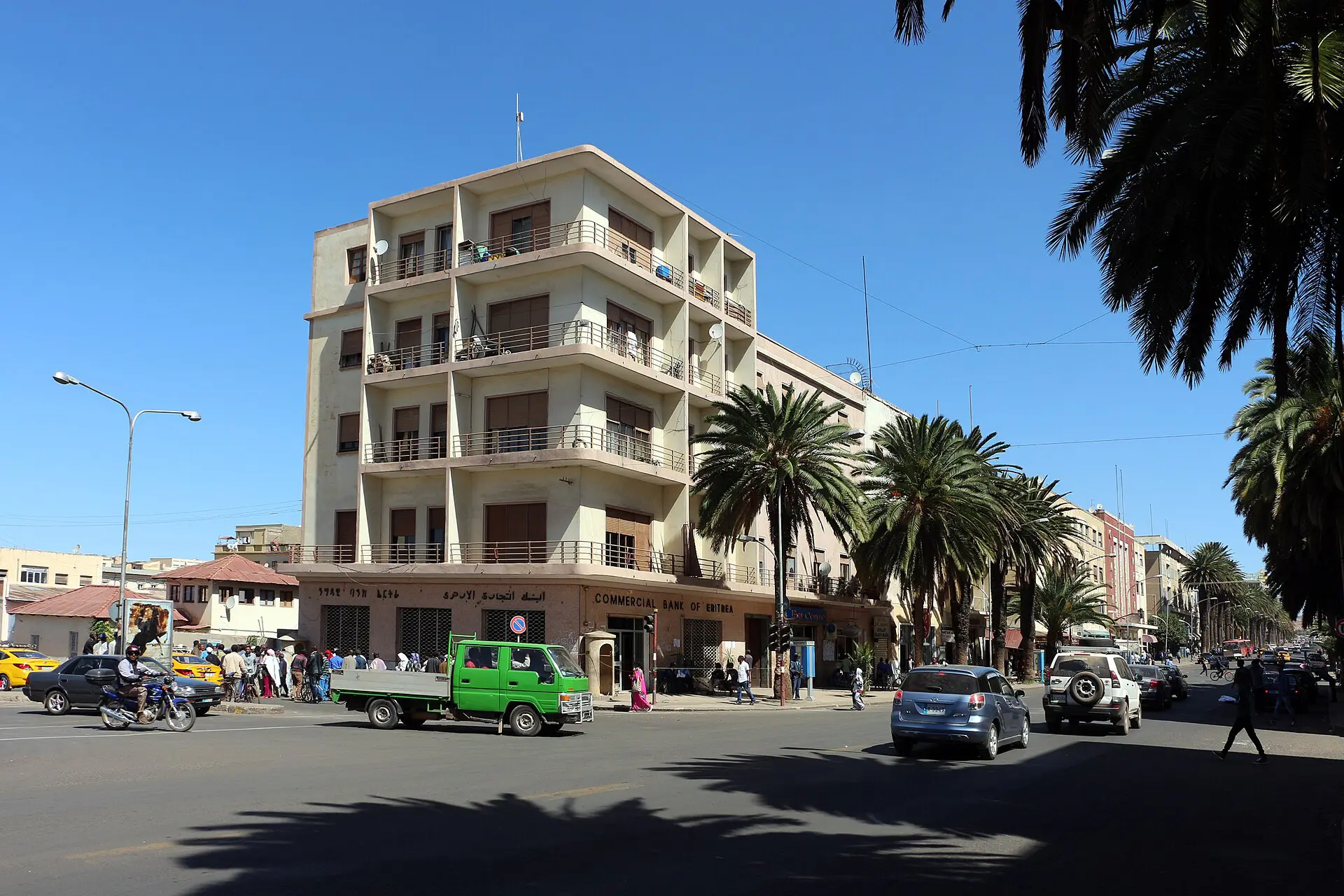
Eritrea travel is for people who care more about atmosphere and history than about ticking off sights. The country lies on the Red Sea in the Horn of Africa, bordered by Ethiopia, Sudan and Djibouti, and covers about 117,600 square kilometres (see the Wikipedia overview for the full background). Its capital, Asmara, sits on a cool highland plateau and is famous for early twentieth-century Italian modernist architecture, now recognised by UNESCO.
Beyond Asmara, the country offers a Red Sea port with Ottoman and Egyptian coral-stone buildings, a dramatic railway and road descending to the coast, ancient monasteries and archaeological sites that connect to the Aksumite world. Eritrea suits architecture lovers, history readers and experienced independent travellers who accept official controls, limited infrastructure and little tourism support. It is not a spontaneous destination, and it rewards advance planning, flexibility and respect for local rules.
Best places to visit in Eritrea
The best places to visit in Eritrea are concentrated in the central highlands and along the Red Sea coast, and most require a permit if they lie outside Asmara.
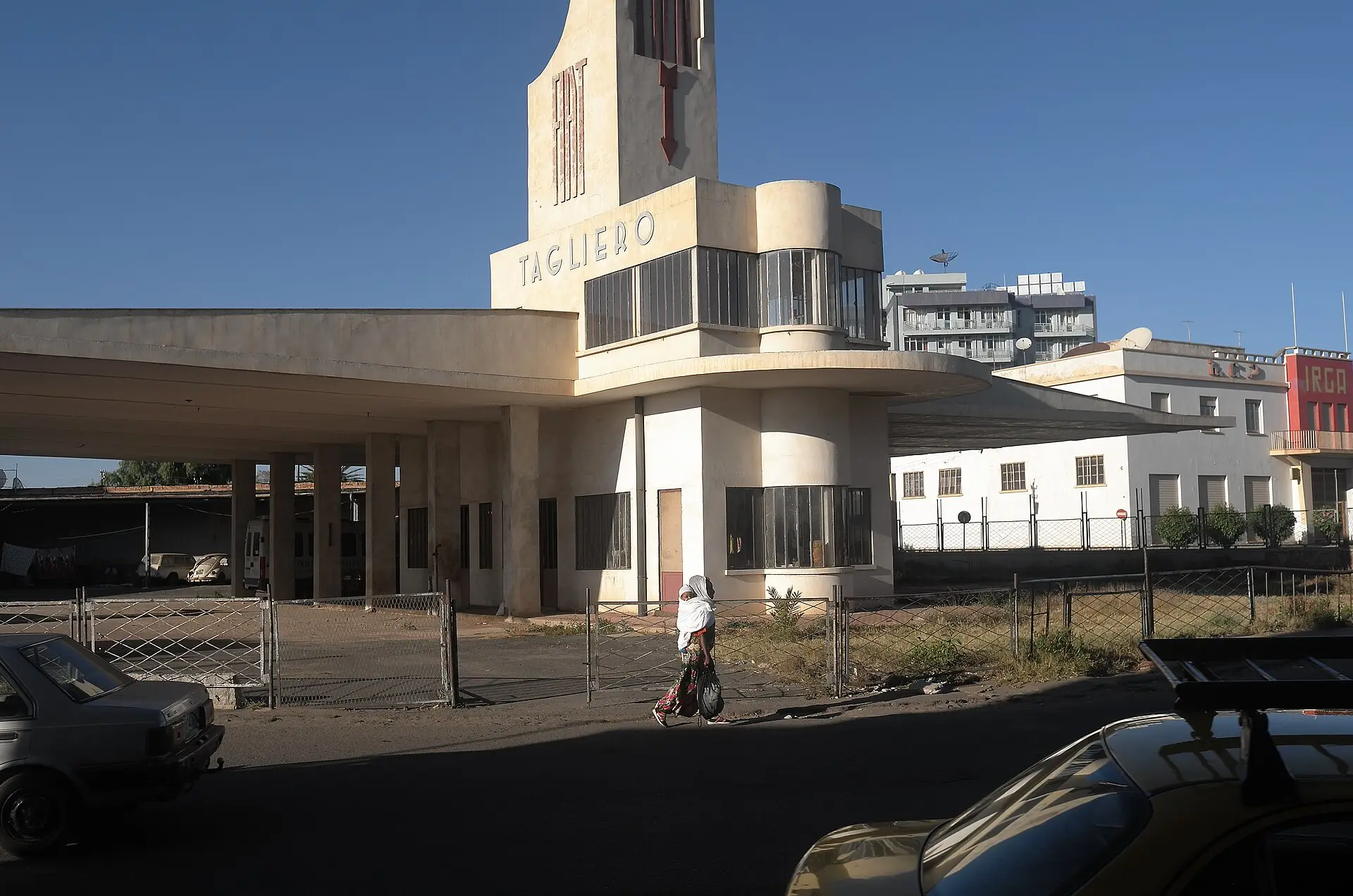
Asmara
The capital is the main reason to come. Wide avenues, Art Deco cinemas, Futurist buildings and Italian-style cafes line the centre, and the city is easy to explore on foot. Harnet Avenue is the main promenade, and evenings bring a traditional passeggiata of locals strolling and chatting. Allow at least three days.
Massawa
The Red Sea port is hot and humid, with a historic island old town of coral-stone houses, many damaged during the independence war and partly restored. Its harbour, markets and seafood restaurants make it a good contrast to the highlands.
Keren
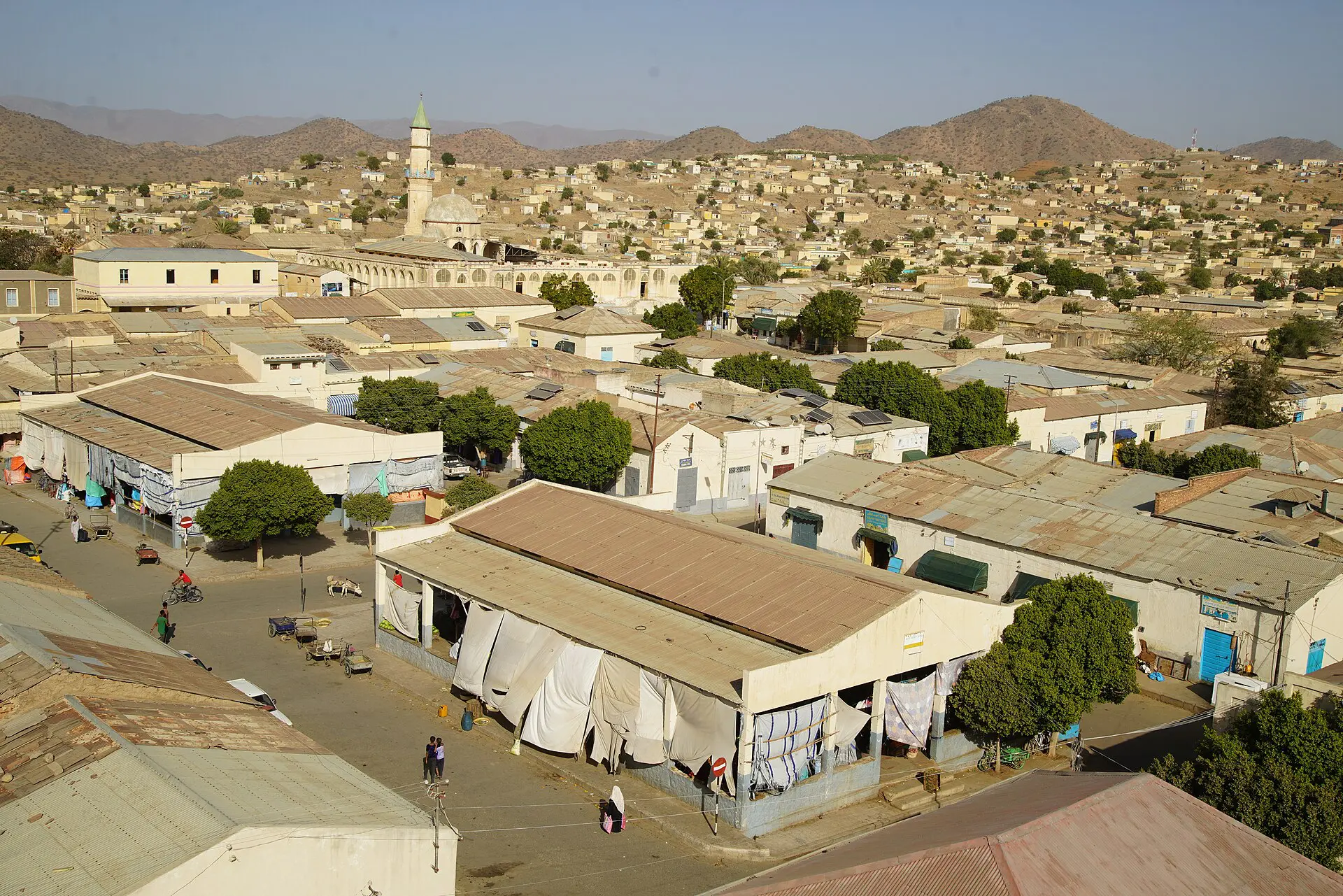
Keren is a lowland-highland market town northwest of Asmara, known for its Monday livestock market and a mix of Muslim and Christian communities. The surrounding area has war memorials and cemeteries from the Second World War.
Dahlak Archipelago
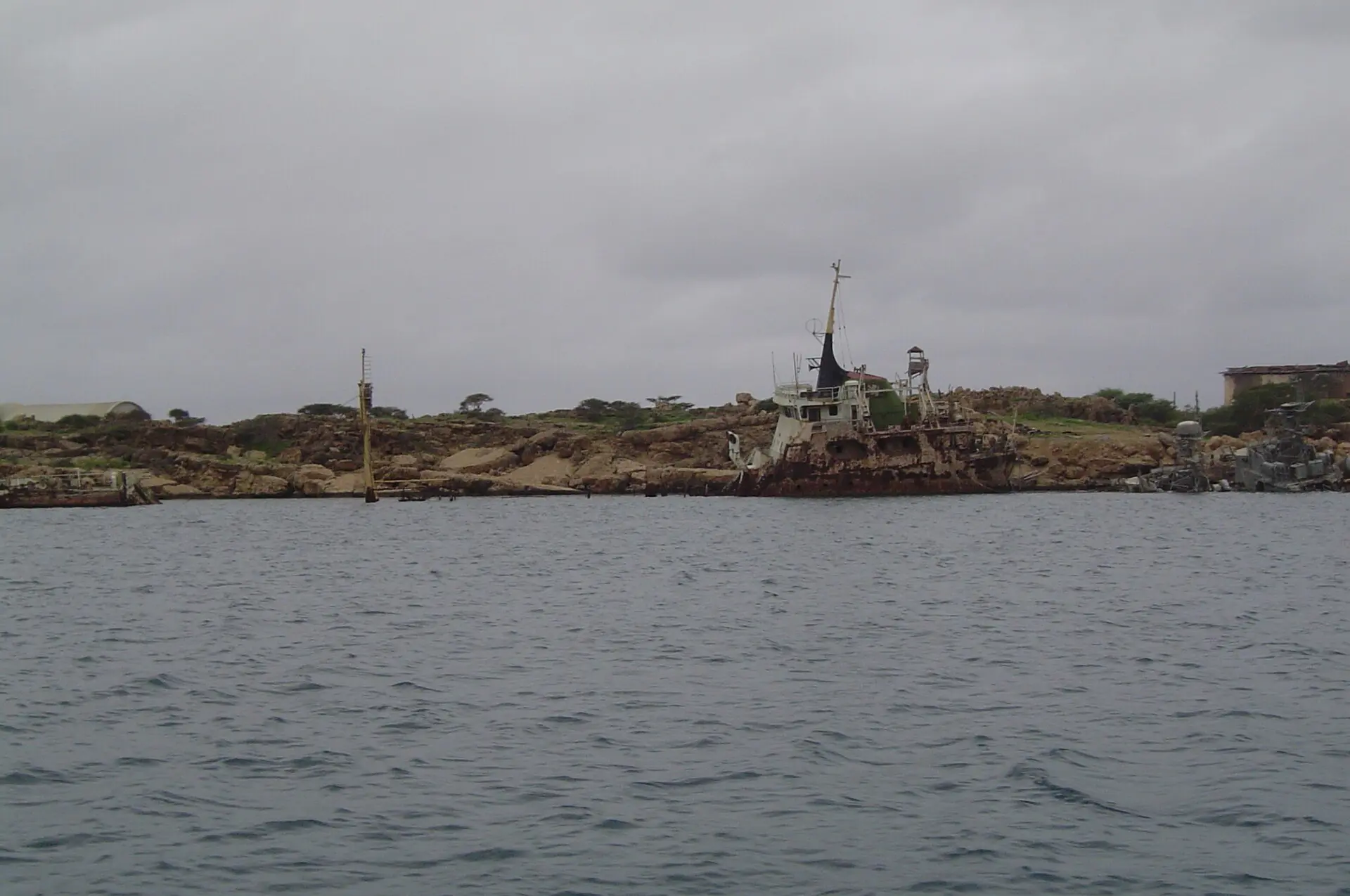
Dozens of low coral islands off Massawa offer reefs, birds and historic cisterns. Access is by permit and arranged boat, so confirm logistics well in advance.
Qohaito and Debre Bizen
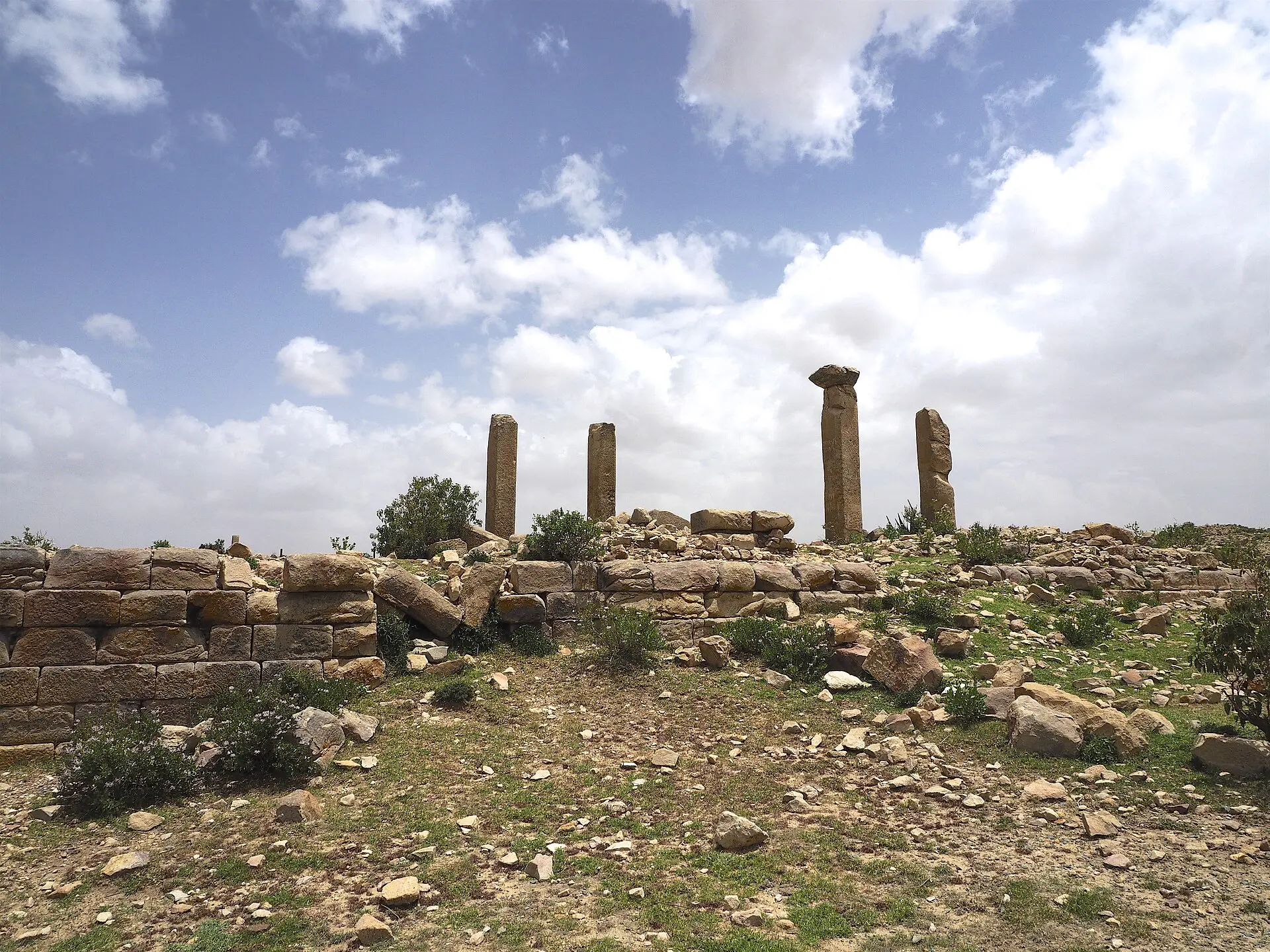
South of Asmara, Qohaito is an archaeological plateau with canyon views and the remains of an ancient town. Debre Bizen is a hilltop monastery reached by a long road and a steep climb, with limited access for women.
Top things to do in Eritrea
The top things to do in Eritrea combine architecture, coast and heritage, and a typical itinerary stays on the Asmara to Massawa corridor.
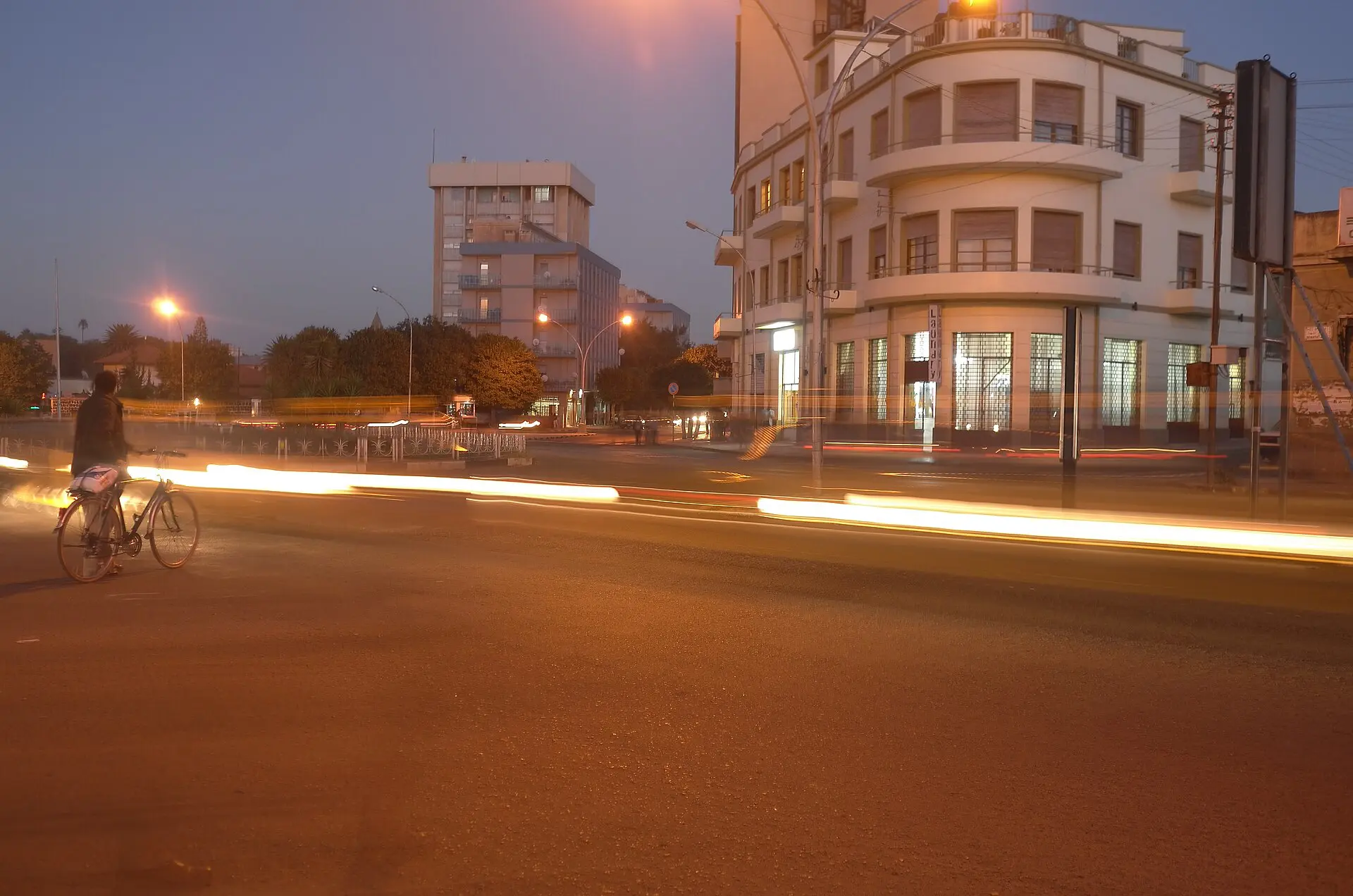
- Walk Asmara’s modernist centre: follow Harnet Avenue past the cathedral, the opera house and the former cinemas.
- See the Fiat Tagliero building: a 1938 service station with cantilevered concrete wings is the city’s best-known landmark.
- Drink coffee the Italian way: macchiato and cappuccino are served in old-style cafes across the capital.
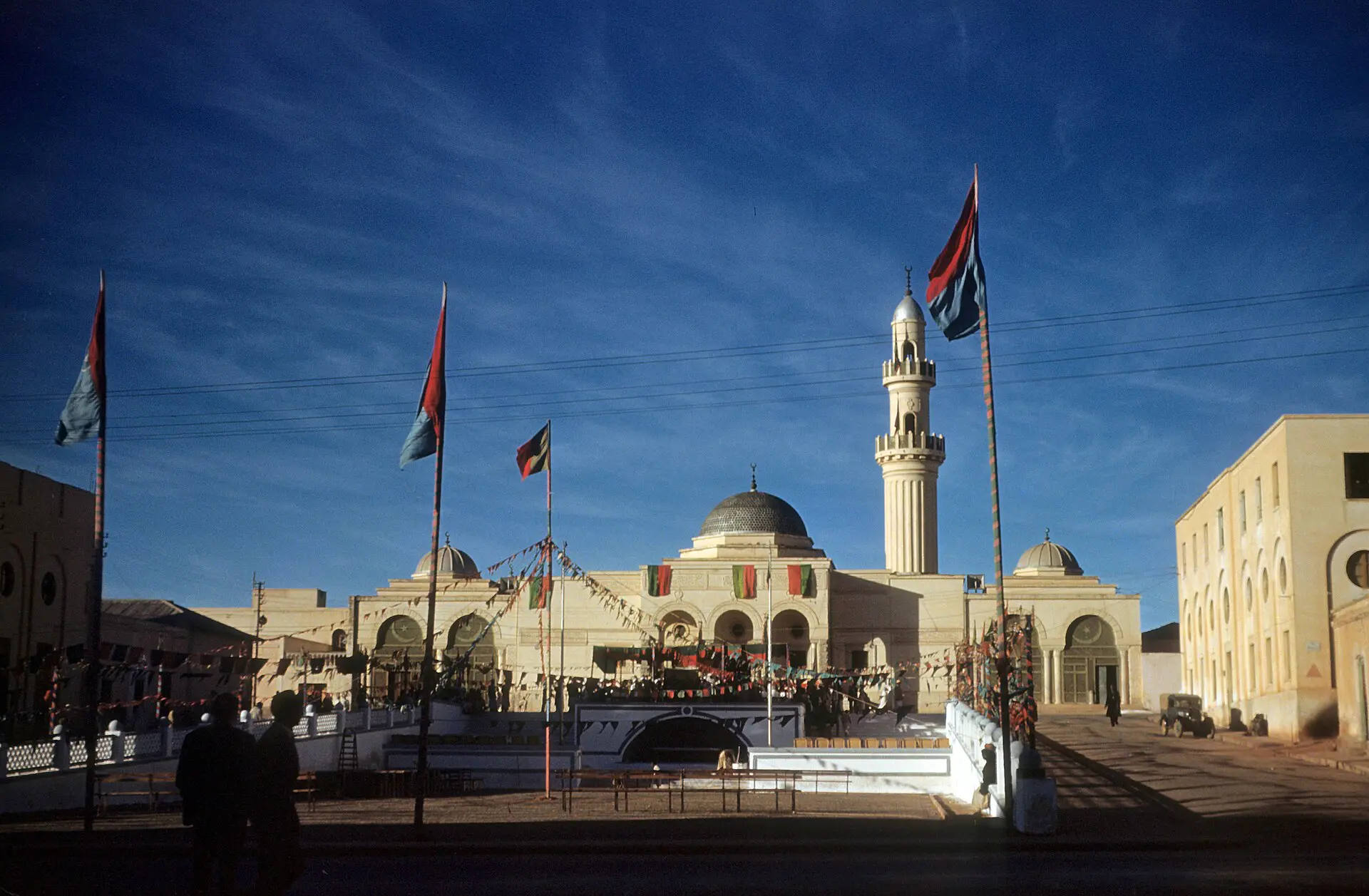
- Visit the Asmara Cathedral and Great Mosque: both are open to respectful visitors outside services.
- Ride or view the Eritrean Railway: a historic narrow-gauge line from Massawa to Asmara has run steam-hauled trips when arranged, though schedules vary.
- Explore Massawa old town: walk the coral-stone lanes and sit by the harbour at sunset.
- Go to Keren on a Monday: the weekly market is the liveliest of the highlands.
- Tour Qohaito: hike the plateau edge for views of the canyon towards the Red Sea.
- Dive or snorkel off the Dahlak Islands: boats and equipment must be organised in advance.
- Join a coffee ceremony: a host roasts and serves coffee in three rounds, and joining is a social honour.
Best time to visit Eritrea
The best time to visit Eritrea is October to March, when the highlands around Asmara are dry, sunny and cool, and the Red Sea coast is hot rather than extreme. From June to September the highlands receive their main rains, and the coast around Massawa is very hot and humid, often well above 35 C. Asmara sits at roughly 2,300 metres, so nights can feel cold in winter.
| Season | Weather | Crowds and prices | Good for |
|---|---|---|---|
| Oct-Mar | Dry and sunny highlands; hot but tolerable coast | Very few visitors; prices steady | Asmara, Massawa, Keren, Qohaito |
| Apr-May | Warming; short rains possible | Quiet | Highlands, photography |
| Jun-Sep | Highland rains; extreme coastal heat | Quiet; flights and permits unchanged | Asmara only; avoid the coast |
Religious holidays, including Orthodox Christian celebrations and Ramadan, affect opening hours and food availability, so check dates when you plan.
Is Eritrea safe to visit?
Eritrea is quiet at street level, with low petty crime in Asmara, but it is not an easy or fully open destination, and governments urge caution. Crime against visitors is uncommon, yet the main risks are political and logistical: border tensions, restricted movement and limited consular support. Check the UK FCDO, the US State Department or your own government’s current advice before you commit.
Borders and restricted areas. Do not travel near the borders with Ethiopia, Djibouti or Sudan, and do not enter military areas. Photographing government buildings, soldiers or infrastructure can cause problems, so ask before using a camera.
Permits. Foreign visitors generally need a travel permit to leave Asmara. Travelling without one can lead to detention or being sent back.
Health and practicalities. Malaria risk exists in lowland areas, and vaccines and prophylaxis should be discussed with a travel clinic. Medical facilities are limited, so carry insurance that includes evacuation, and check that the insurer covers Eritrea. Fuel shortages and power cuts can happen.
Conduct. Avoid political discussions with strangers and respect local rules on dress and behaviour. Same-sex relations are illegal.
Visa and entry requirements for Eritrea
Eritrea visa rules depend on nationality, and most visitors need a visa arranged before arrival. Applications are usually handled through an Eritrean embassy or consulate, and processing can take weeks, so start early. Always confirm current requirements with the Eritrean Ministry of Foreign Affairs or an embassy, because policies and fees change without much notice.
Expect to provide a passport valid for at least six months, passport photos, a completed application, proof of accommodation and an itinerary. Some visitors are asked to explain the purpose of their trip. Journalists, aid workers and others with professional purposes face stricter checks than ordinary tourists.
Once inside Eritrea, you generally need a separate travel permit from the Ministry of Tourism to visit places outside Asmara, and requests are often processed in the capital a few days before departure. Hotels and local tour operators can often help. Keep photocopies of your passport and permits, and expect checkpoints on main roads. For general background on world heritage in the country, see the UNESCO page for Eritrea.
Getting to and around Eritrea
Most visitors arrive by air at Asmara International Airport, which has had links with the Gulf, Egypt and Ethiopia, though airline schedules change and are limited. Land borders with Ethiopia, Sudan and Djibouti have historically been closed or restricted for tourists, so do not plan an overland entry unless you have confirmed it in writing.
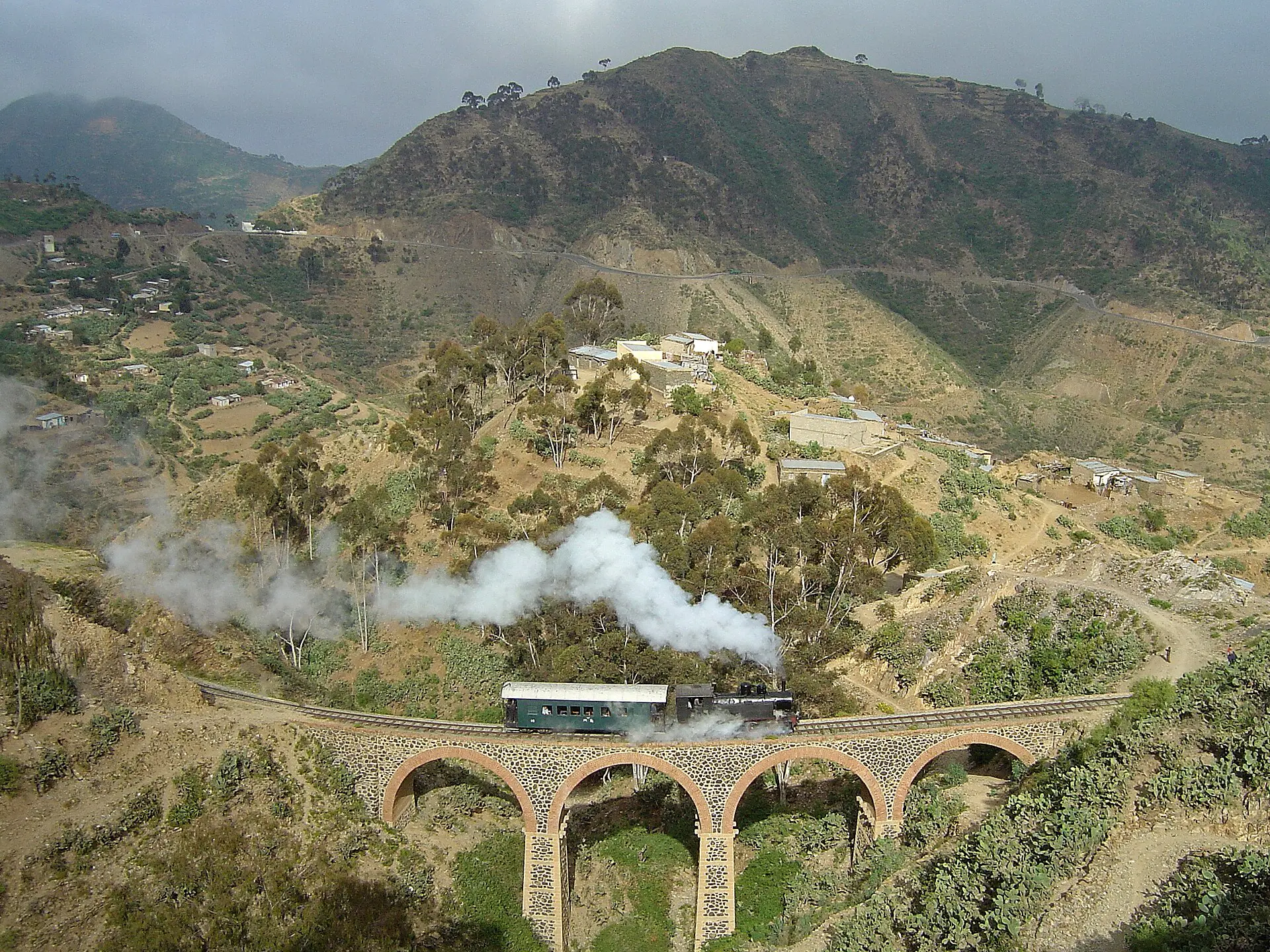
Within the country, travel is by bus, shared minibus or hired car with a driver, and most visitors use a local operator. The road from Asmara down to Massawa is spectacular, dropping from about 2,300 metres to sea level in roughly 115 kilometres, and the drive takes around two to three hours. Asmara to Keren takes about two hours, and Asmara to Qohaito around three to four hours.
The historic railway between Massawa and Asmara, built by the Italians, has been partly restored and runs special trips when arranged, but it is not a daily service. Within Asmara, the centre is compact, and taxis are cheap. Driving yourself is rarely practical because of permits, fuel shortages and checkpoints. Drive on the right, and avoid night driving outside towns.
How much does a trip to Eritrea cost?
A trip to Eritrea costs more than the low local prices suggest, because permits, drivers and organised transport add up, and credit cards are not generally usable. The currency is the Eritrean nakfa (ERN); the official rate differs sharply from informal rates, and most foreign visitors carry cash in US dollars or euros and exchange as needed. Figures below are rough per-person guides and may change.
- Budget: around USD 50 to 70 per day, with a basic guesthouse, local food and shared transport in Asmara.
- Mid-range: around USD 70 to 130 per day, with a mid-range hotel, restaurant meals and a car with driver on some days.
- High-end: from around USD 180 per day, with the best available hotels, private guiding and a vehicle throughout.
The biggest costs are accommodation in Asmara and Massawa, private transport and guide fees. Food is inexpensive, and a good Italian-style or Eritrean meal is cheap by international standards. Bring enough cash for the whole trip and keep it secure, since ATMs are limited and may not accept foreign cards.
Eritrea food and drink
Eritrea food combines highland Habesha cooking with Italian colonial influence, so a single day can include injera with spicy stew and a plate of pasta with a macchiato. Meals are shared and eaten by hand.
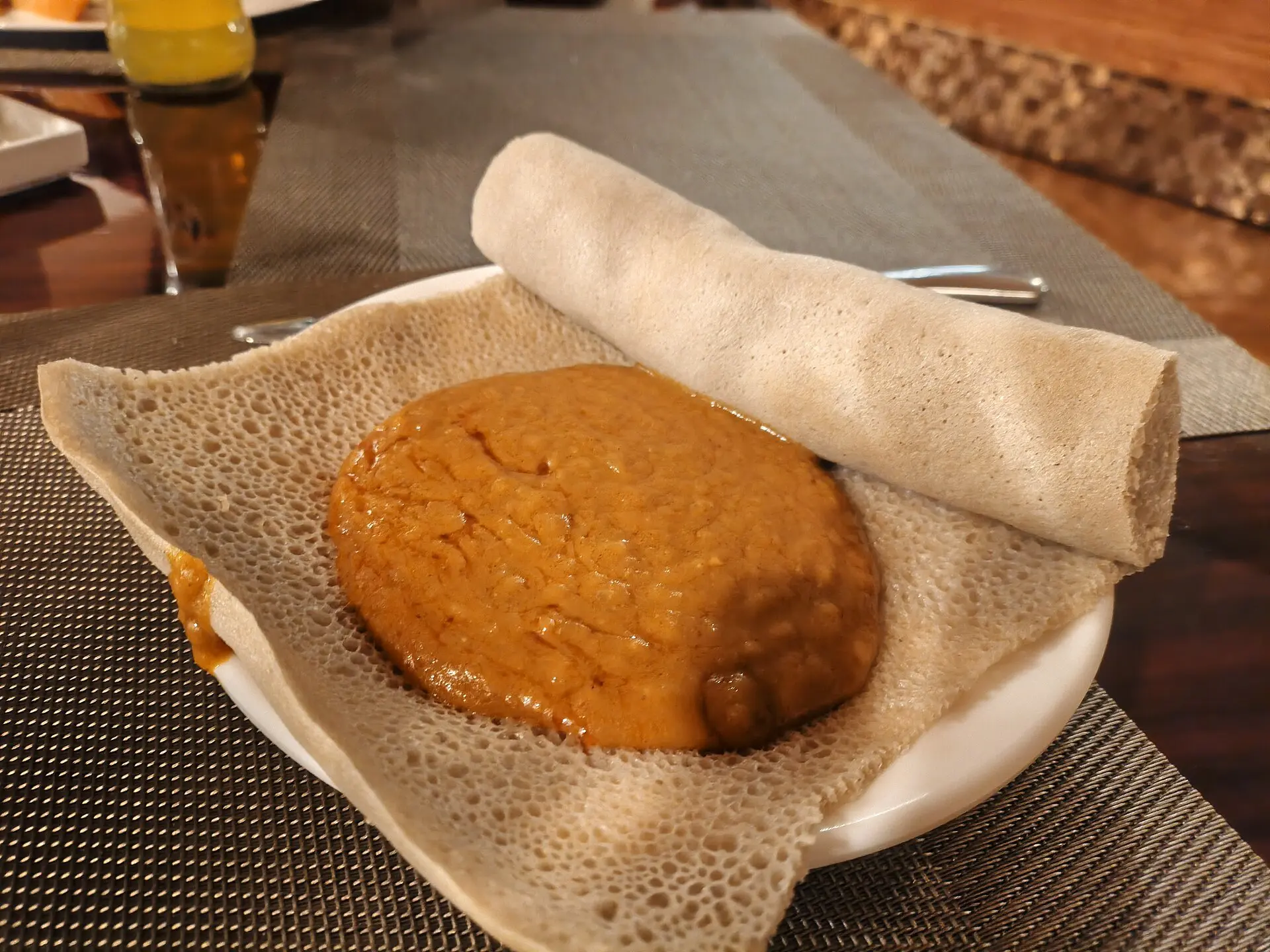
- Injera with zigni: a spongy sourdough flatbread with a spicy beef or lamb stew in berbere sauce.
- Tsebhi derho: chicken stew with a boiled egg, served at celebrations.
- Shiro: a thick chickpea stew that is a reliable vegetarian staple.
- Ful and kitcha fitfit: fava bean breakfast and shredded flatbread mixed with spiced butter.
- Italian dishes: pasta, pizza and lasagne appear on many Asmara menus, along with good coffee and ice cream.
- Fresh fish: grilled or fried fish is the best choice in Massawa.
- Drinks: local beers such as Asmara and Melotti, plus sowa, a traditional fermented grain drink, and strong, aromatic coffee.
Vegetarians eat well, especially during fasting days when many Orthodox Christians avoid meat and dairy. Tap water is not reliably safe, so choose bottled or treated water. Eat where food is freshly cooked and busy, and ask about spice levels.
Culture, language and etiquette in Eritrea
Eritrea has nine recognised ethnic groups, and Tigrinya is the most widely spoken language, followed by Tigre, Arabic and others. English is understood in tourism and education, and Italian survives in older generations and in place names. Learning a few Tigrinya greetings, such as selam (hello) and yekenyeley (thank you), is welcomed.
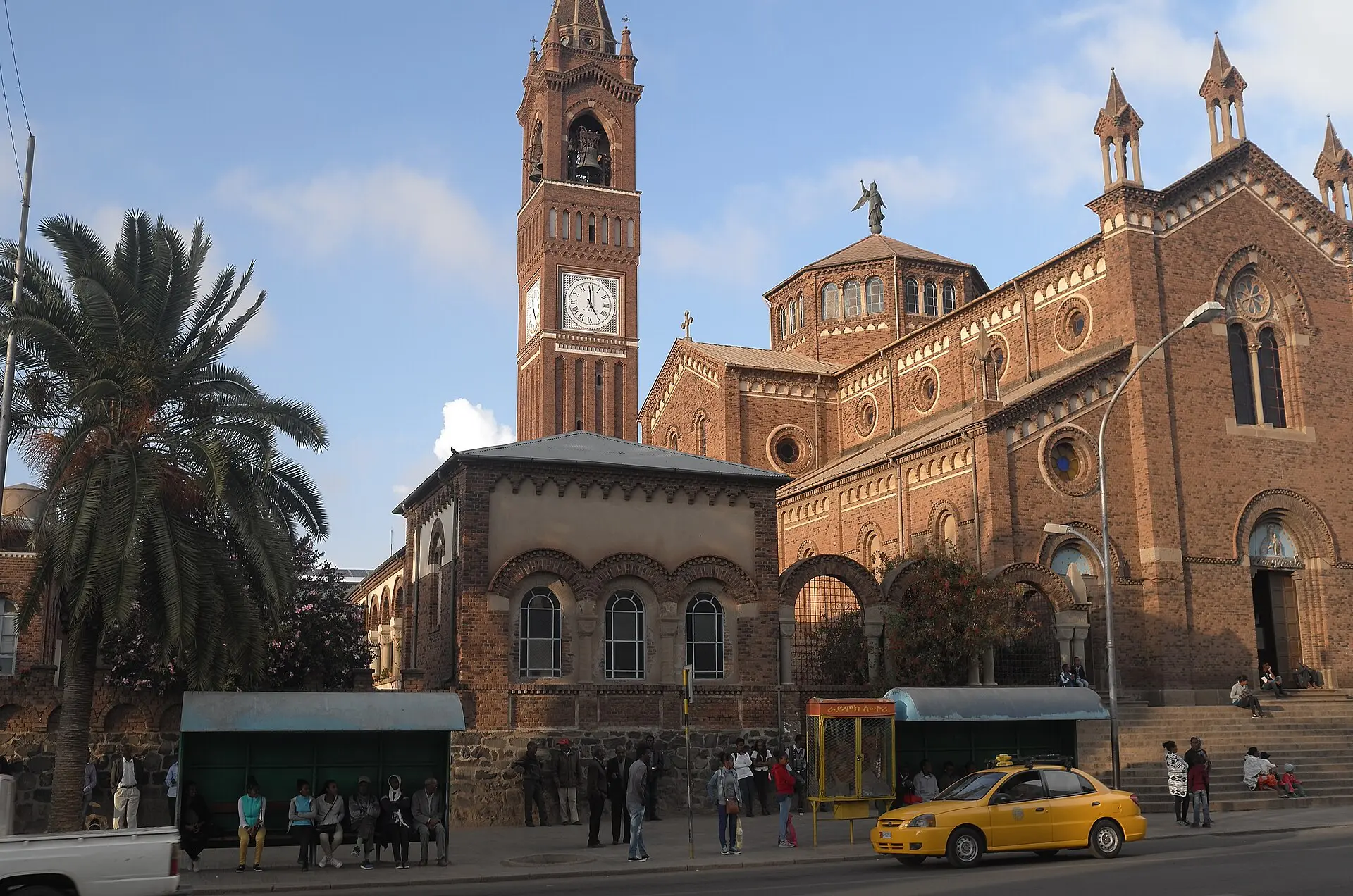
Eritrean society is roughly split between Orthodox Christians and Sunni Muslims, and both communities are visible in daily life. Dress modestly, particularly in rural areas and when visiting churches or mosques, and remove shoes where asked. In Orthodox churches, women and men may have separate entrances, and some monasteries restrict women entirely.
The coffee ceremony is central to hospitality: it is polite to stay for at least the first of three cups. Greet people before asking questions, and use the right hand for eating and passing items. Politics is a sensitive subject, so avoid criticising the government, and ask permission before photographing people, religious sites, military buildings or anything that could be seen as sensitive.
Eritrea itinerary: a 7-day route
This route stays on the permitted tourist circuit around Asmara and the Massawa corridor, and avoids border regions. Permits for each stop should be arranged before you leave Asmara.
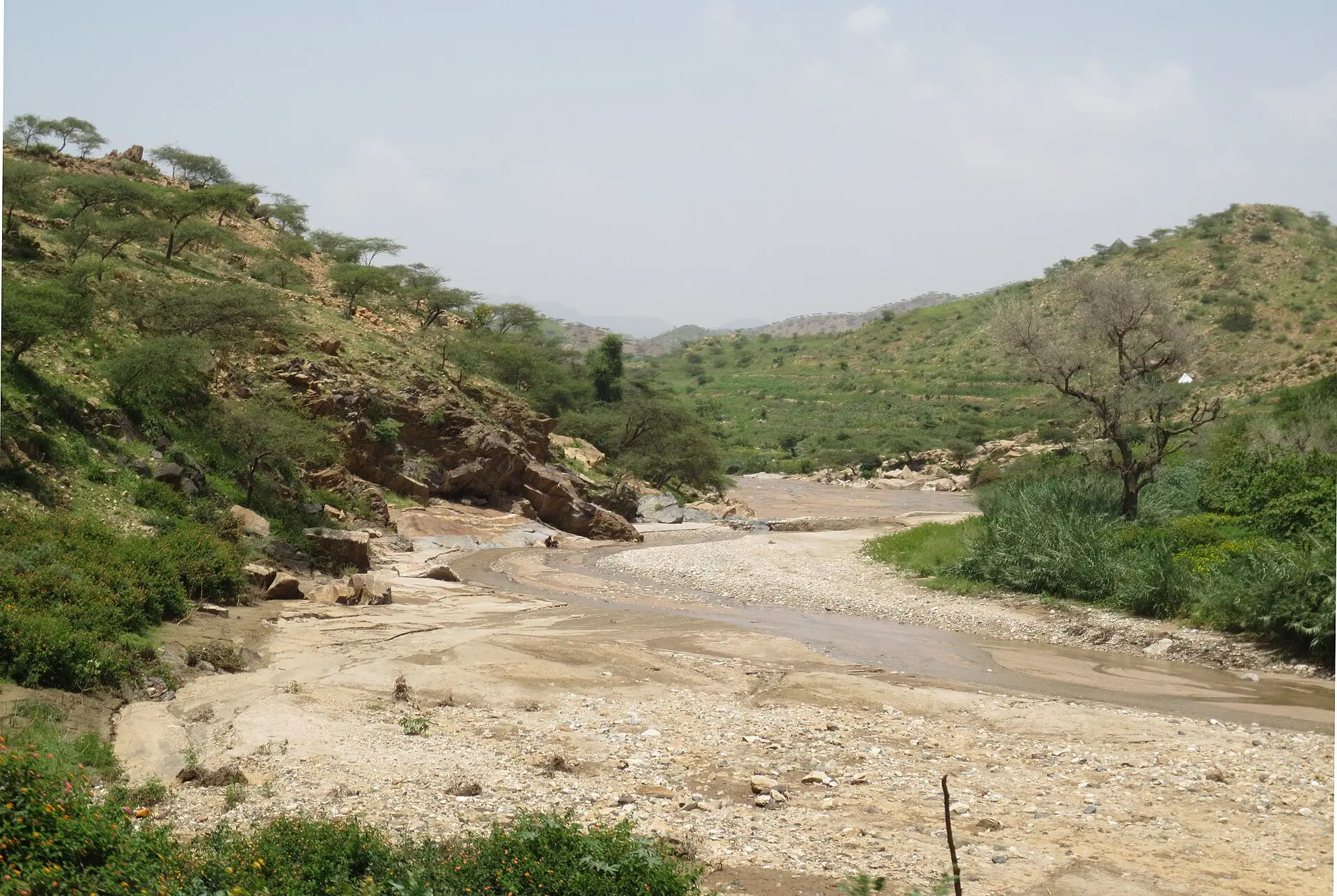
- Day 1, Asmara: arrive, settle in and walk Harnet Avenue at dusk.
- Day 2, Asmara: tour the Fiat Tagliero, Cinema Impero, cathedral and Great Mosque, and visit a market.
- Day 3, Asmara: take a day for museums, a coffee ceremony and an Italian-style dinner.
- Day 4, Massawa: descend the highway to the coast, which takes about two to three hours, and walk the old town.
- Day 5, Massawa: arrange a boat trip or beach time, or visit local islands where permitted.
- Day 6, Keren: travel inland via the highlands, visit the market if it is Monday, and stay overnight.
- Day 7, return: drive back to Asmara in about two hours, with time for last shopping before your flight.
With more time, add Qohaito and Debre Bizen. If a permit is delayed or refused, spend the extra days in Asmara, which easily fills a week.
Practical tips for Eritrea
- Money: bring enough US dollars or euros in clean, recent notes for the whole trip, because cards are rarely accepted and ATMs may not work for foreign cards. Confirm exchange rules and receipts when you change money.
- SIM and internet: mobile data and wifi are limited and slow, and a local SIM can be difficult to obtain. Tell family you may be offline for long periods.
- Plugs: sockets are commonly types C and L at 230 V; carry a universal adapter and a power bank for outages.
- Tipping: not expected, but small tips for guides, drivers and hotel staff are appreciated.
- Health: consult a travel clinic about malaria, typhoid and routine vaccines, and carry your own medicines.
- Packing: layers for cold highland nights, sun protection and light clothes for Massawa, plus modest clothing for religious sites.
- Permits: carry copies of your visa and travel permits at all times.
For wider background and updates, see the Wikivoyage Eritrea guide, and compare it with your government’s current advice.
FAQ
Q1Is Eritrea safe?
Street crime is low in Asmara, but Eritrea is a restricted destination. Governments urge caution and advise against border areas, and travel outside the capital needs a permit. Avoid military sites and political discussions, carry insurance with evacuation cover and check your government's current travel advice before you go.
Q2What is Eritrea food like?
Eritrean food centres on injera flatbread served with spicy stews such as zigni, shiro and tsebhi, eaten by hand from a shared plate. Italian influence adds pasta, pizza and good coffee, especially in Asmara, and Massawa is best for fresh fish. Vegetarian options are easy to find.
Q3What are the things to do in Eritrea?
Top activities are walking Asmara's modernist streets, seeing the Fiat Tagliero building, drinking coffee in Italian-style cafes, exploring Massawa old town, visiting Keren's Monday market and touring Qohaito. A coffee ceremony and, with permits, Dahlak Archipelago boat trips complete the picture.
Q4Do I need a visa for Eritrea?
Most travellers need a visa arranged in advance through an Eritrean embassy, and you generally need a separate travel permit to leave Asmara. Rules vary by nationality and change often, so confirm with official Eritrean sources and allow several weeks for processing.
Q5Is Eritrea safe to visit for tourists?
It can be, if you follow the rules. Stay on permitted routes, avoid border zones and photographing sensitive sites, and keep your documents with you. Medical care is limited, and consular help is scarce, so prepare carefully and read your government's advice first.
Q6What is the best time to visit Eritrea?
October to March is best: the Asmara highlands are dry and cool, and the Red Sea coast is hot but manageable. From June to September the highlands get heavy rain and Massawa becomes extremely hot and humid, so most visitors avoid the coast then.
Q7What currency is used in Eritrea?
The currency is the Eritrean nakfa (ERN). Cards are rarely accepted and foreign cards often fail in ATMs, so bring enough US dollars or euros in cash for the whole trip. Keep exchange receipts and check the current rules before you travel.