Why visit Portugal
The things to do in Portugal pack a lot into a small country of about 92,000 square kilometres. Lisbon and Porto are two of Europe’s most atmospheric cities, the Atlantic coast has world-class beaches and surf, and inland you find vineyards, castles and quiet villages. There are also two island groups, Madeira and the Azores, with dramatic volcanic scenery. See Wikipedia for the country’s background.
Portugal suits almost every kind of traveller: couples and city-break visitors, hikers, wine lovers, families and remote workers who want good weather and a mild climate. It is also easy to navigate, since trains and buses link the main cities and most people working in tourism speak English. Prices are higher than they were a decade ago, but food, wine and accommodation are still good value compared with Western Europe.
Best places to visit in Portugal
The best places to visit in Portugal range from big cities to quiet coastal villages. Most first trips combine Lisbon, Porto and either the Algarve or the Douro.
Lisbon
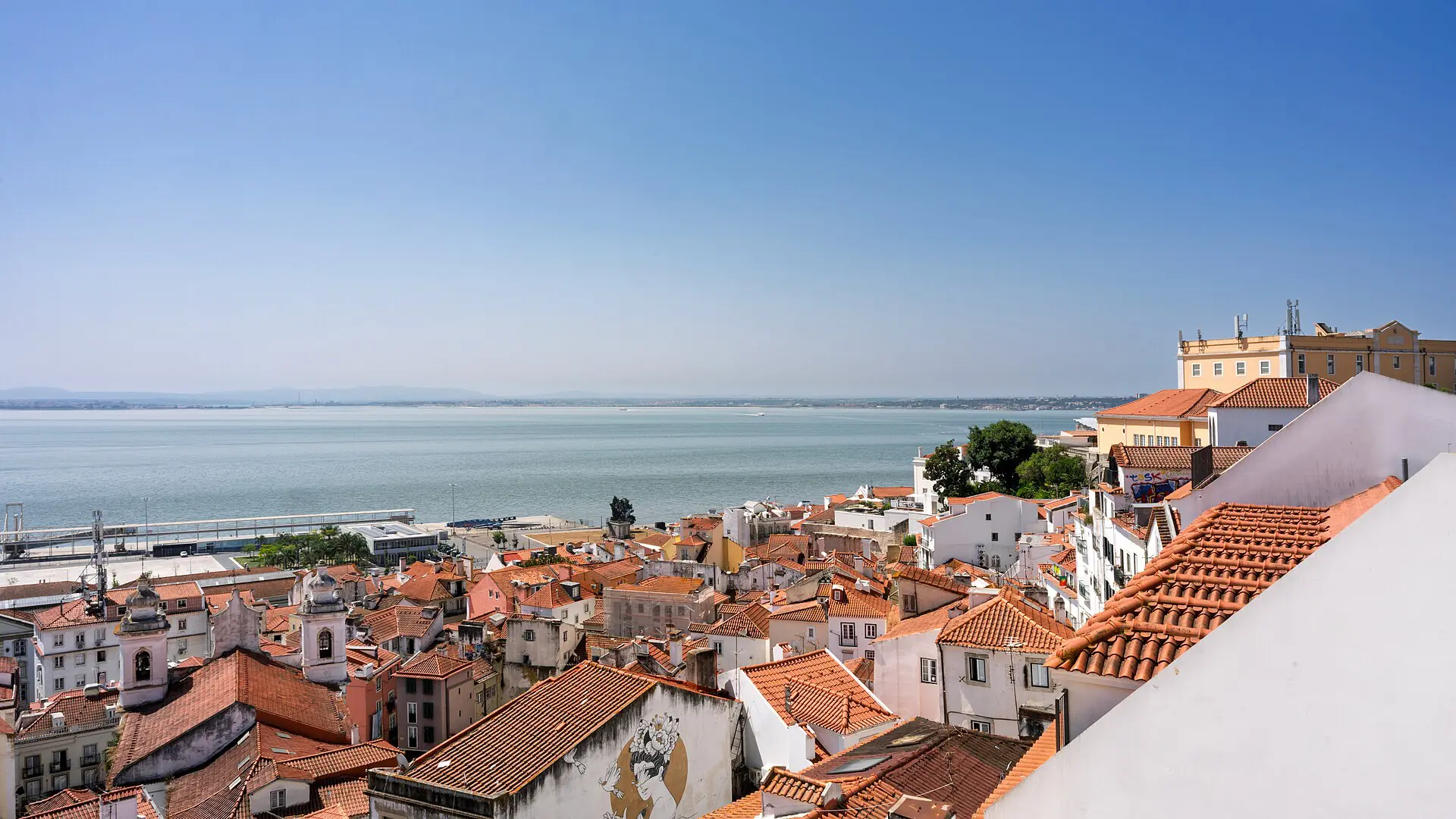
The capital spreads over seven hills above the Tagus, with tiled facades, yellow trams and viewpoints. Alfama, Belém and Bairro Alto are the main districts. Allow three nights.
Sintra
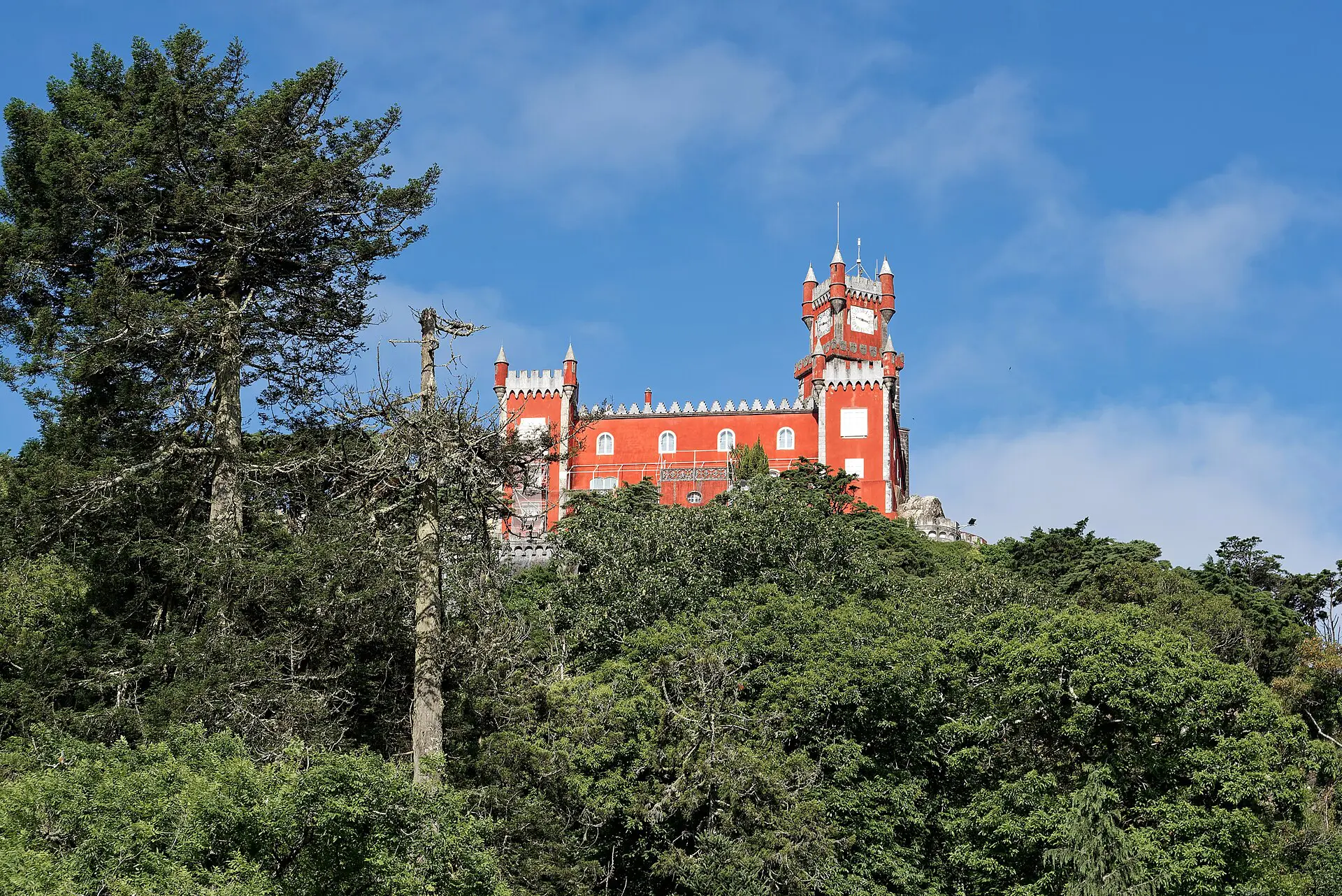
A short train ride from Lisbon, Sintra has romantic palaces, including Pena Palace, set among forested hills. Go early, as queues build quickly.
Porto and the Douro Valley
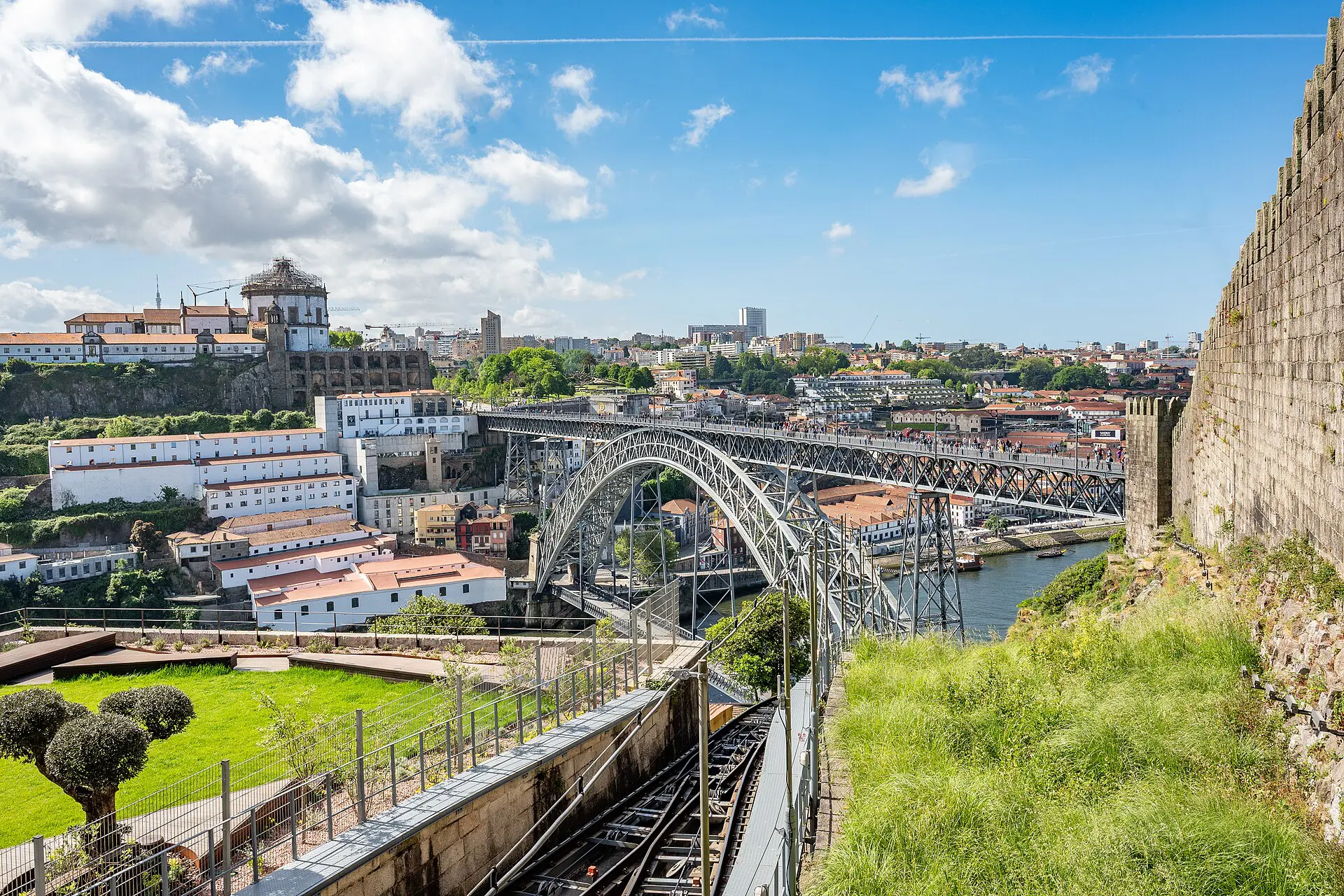
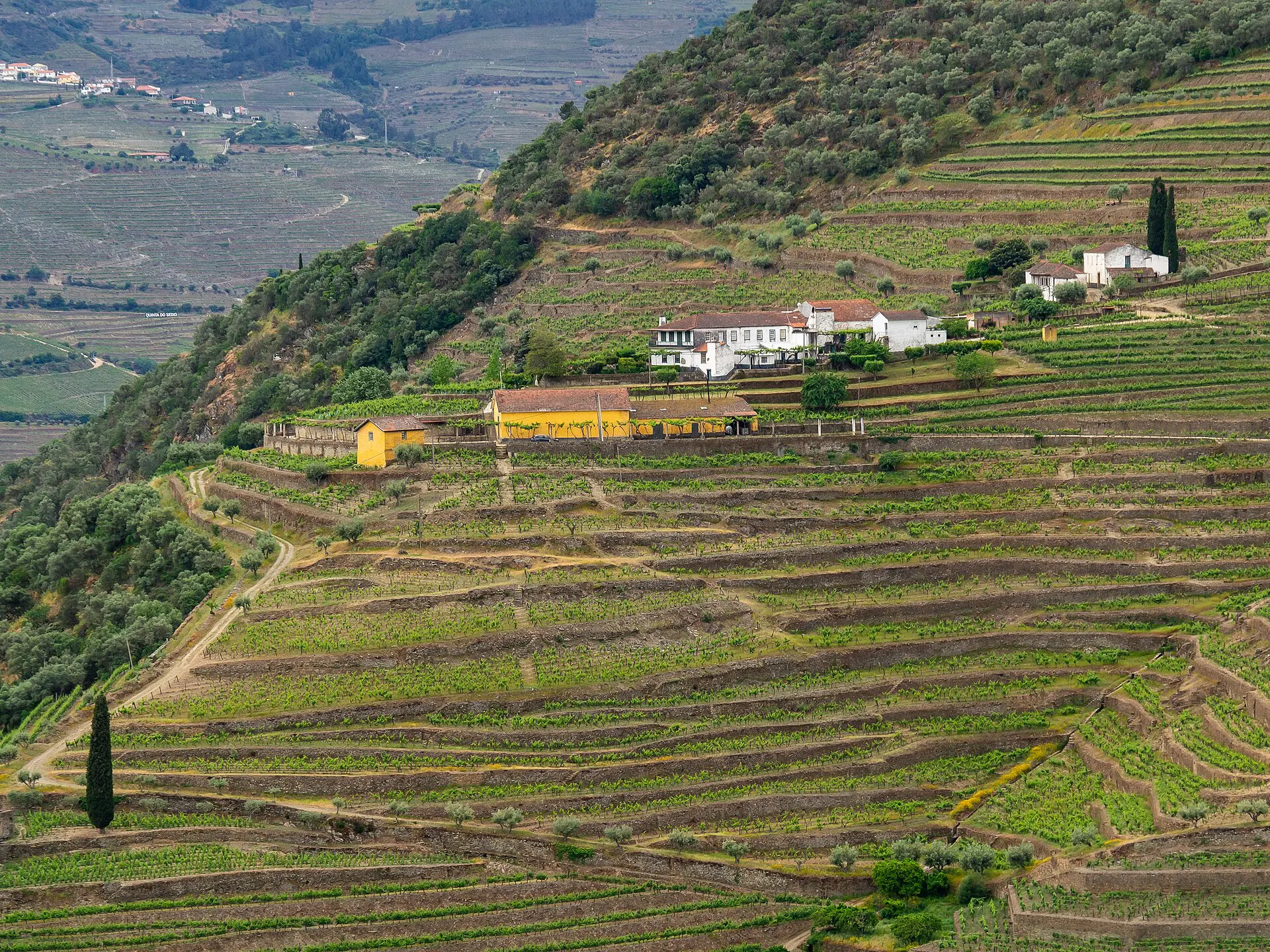
Porto climbs from the Douro River, with azulejo-covered churches and port wine lodges across the water in Vila Nova de Gaia. The Douro Valley, upriver, is a terraced wine region reached by train, car or river cruise.
Algarve
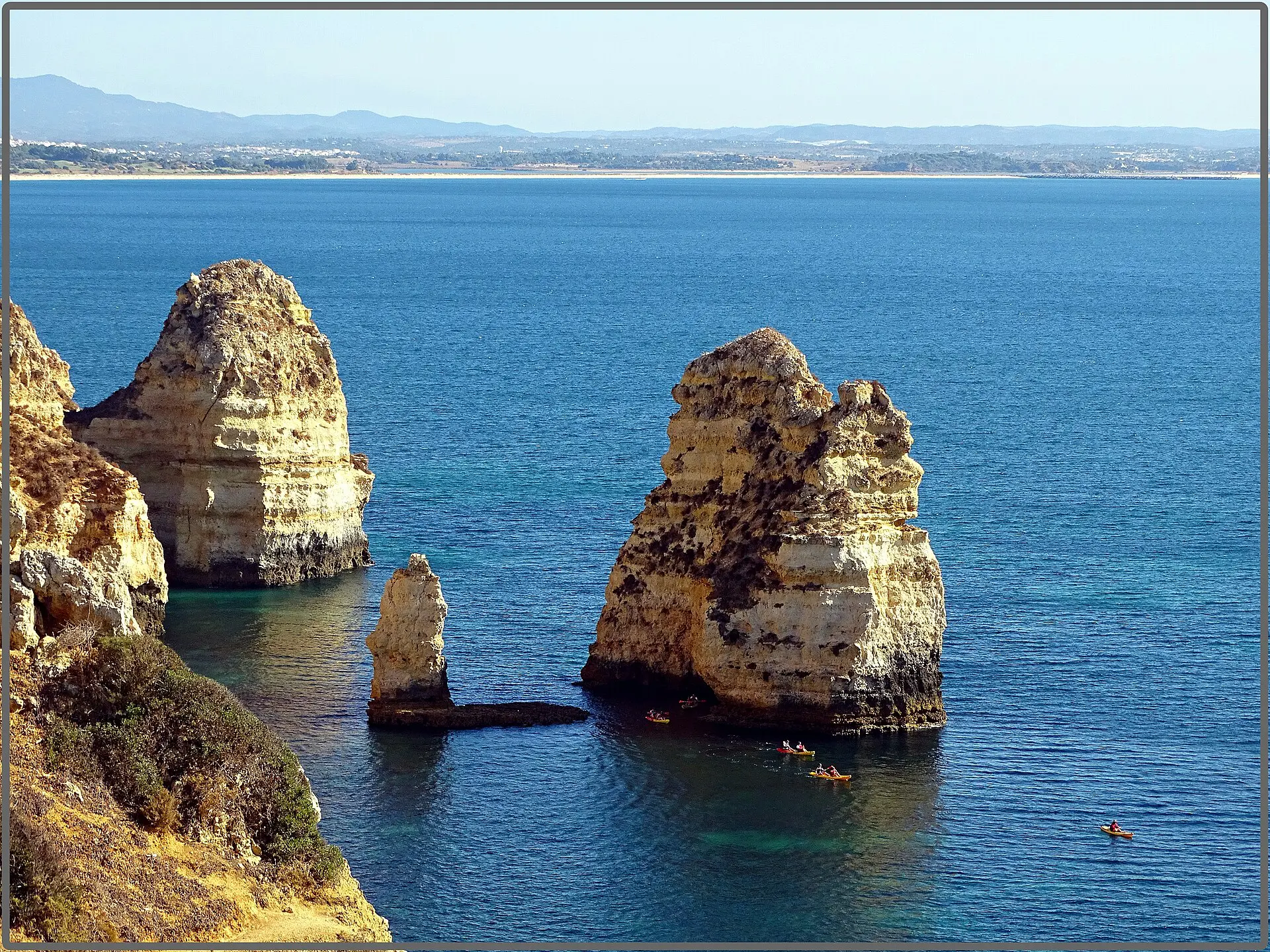
The southern coast has golden cliffs, sea caves and beaches around Lagos and Albufeira. Spring and autumn are the quieter times to go.
Évora and Coimbra
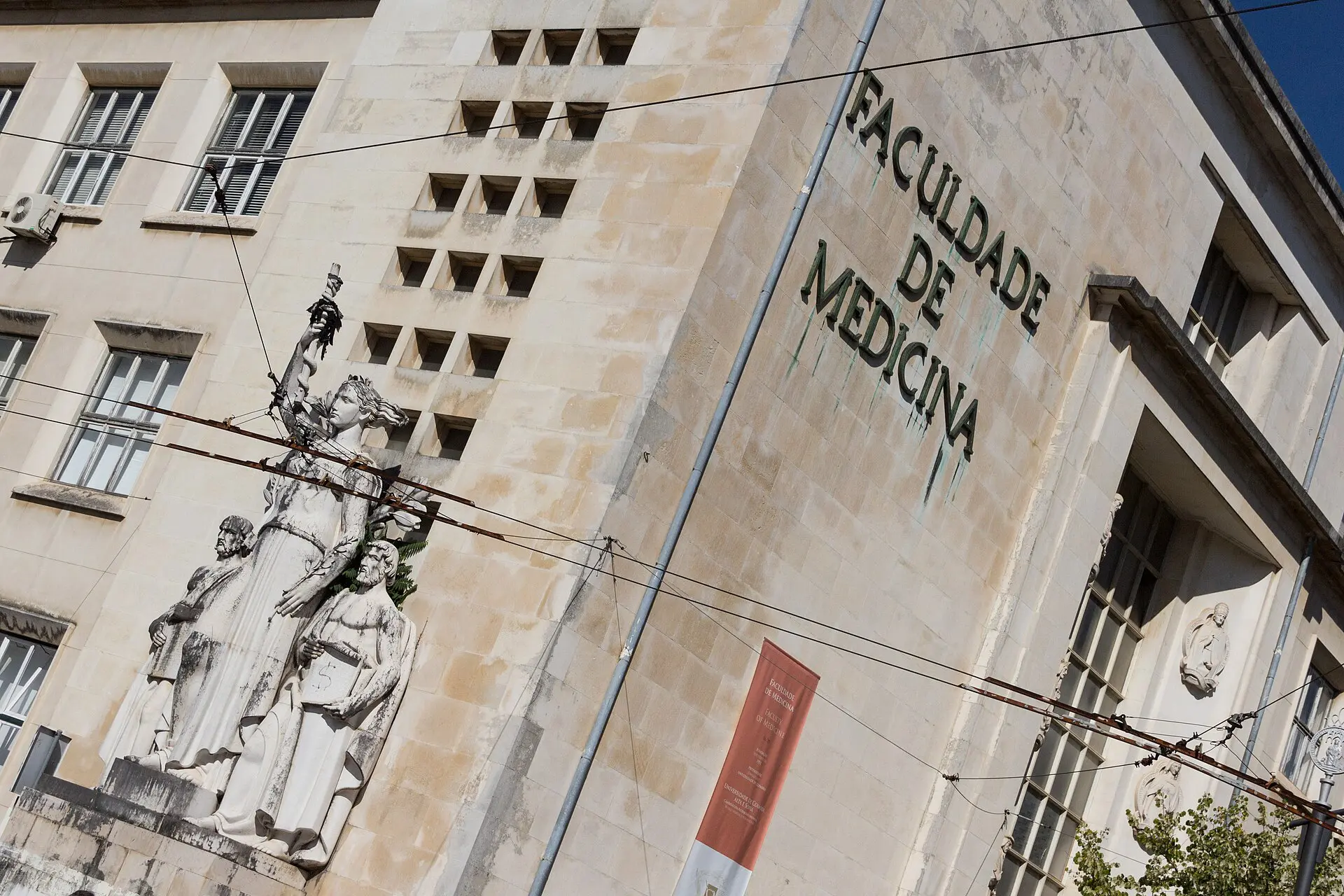
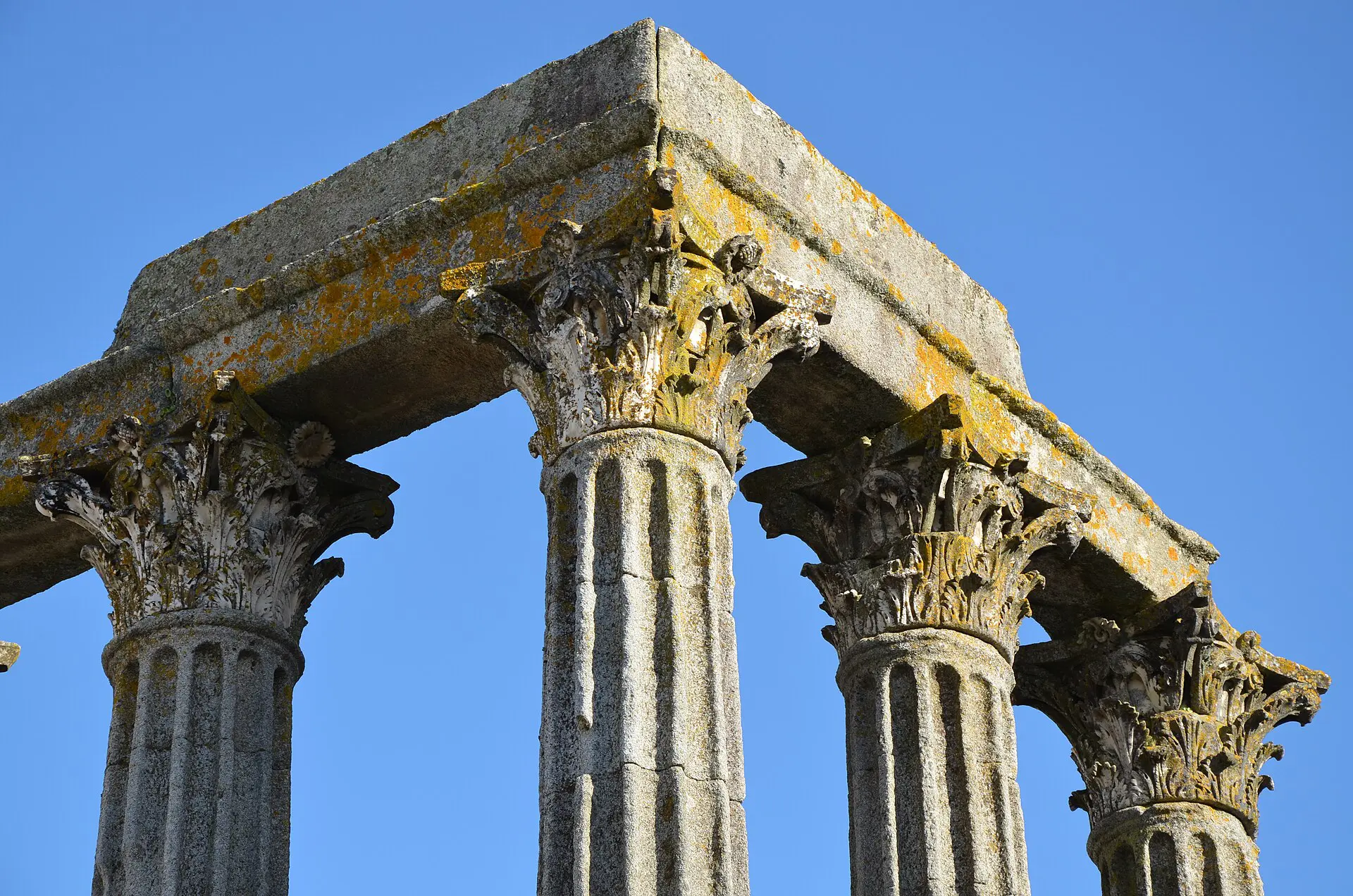
Évora is a walled Alentejo town with a Roman temple, and Coimbra is home to one of Europe’s oldest universities.
Madeira and the Azores
These Atlantic islands offer hiking, levadas, crater lakes and whale watching, and are reached by flight from the mainland.
Top things to do in Portugal
The top things to do in Portugal combine city sightseeing with food, coastline and wine regions.
- Ride Tram 28 in Lisbon: the historic route climbs through Alfama, although queues are long, so go early or walk the same streets.
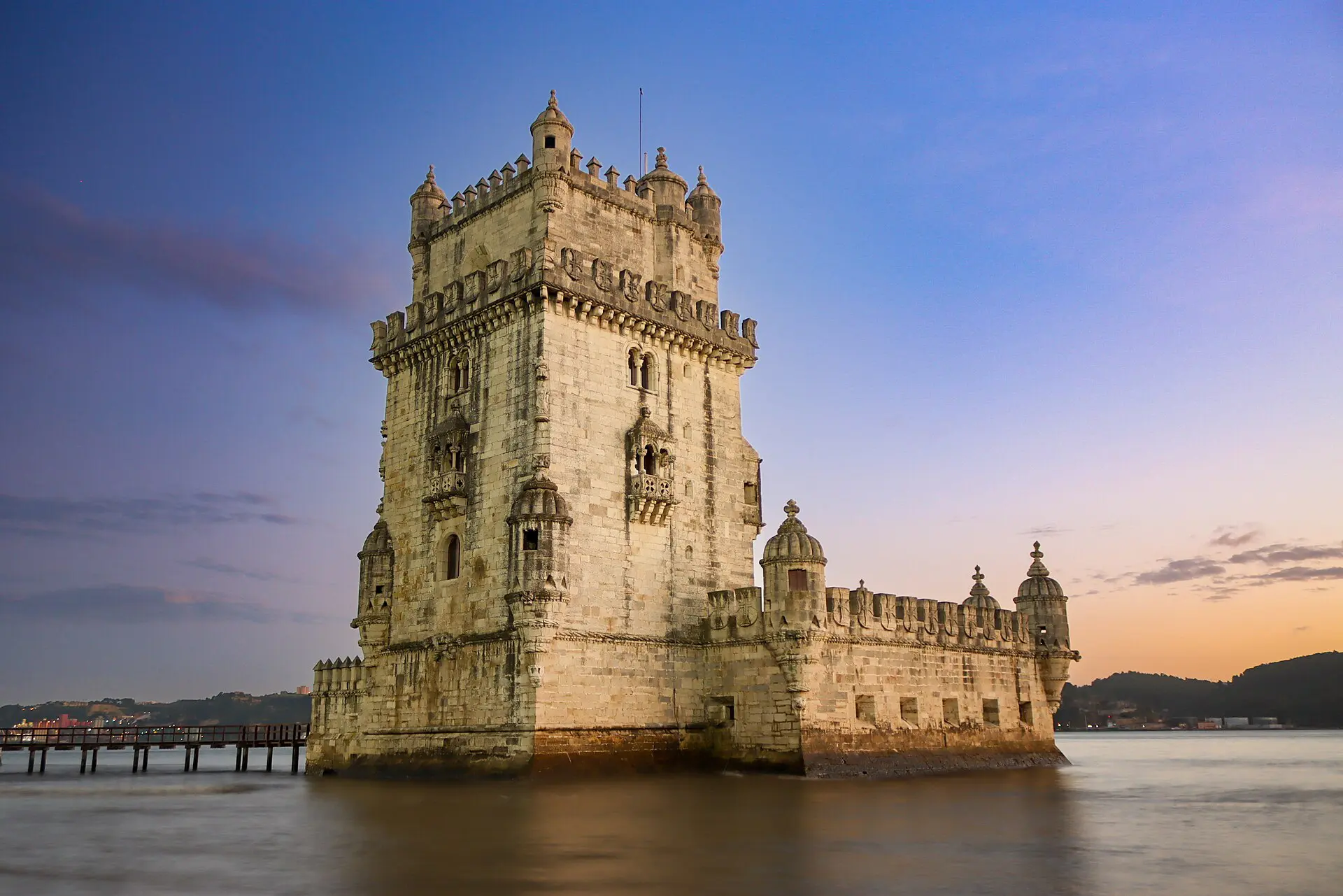
- Visit Belém Tower and the Jerónimos Monastery: two landmarks from the Age of Discovery, both UNESCO-listed.
- Eat pastéis de nata: try the custard tarts warm from the oven in Belém.
- Explore Sintra’s palaces: Pena Palace, Quinta da Regaleira and the Moorish Castle can fill a day.
- Taste port in Vila Nova de Gaia: cellars across the river from Porto run tours and tastings.
- Cruise or drive the Douro Valley: terraced vineyards line the river from Peso da Régua upstream.
- See the Algarve’s sea caves: boat trips leave from Lagos for the Ponta da Piedade cliffs.
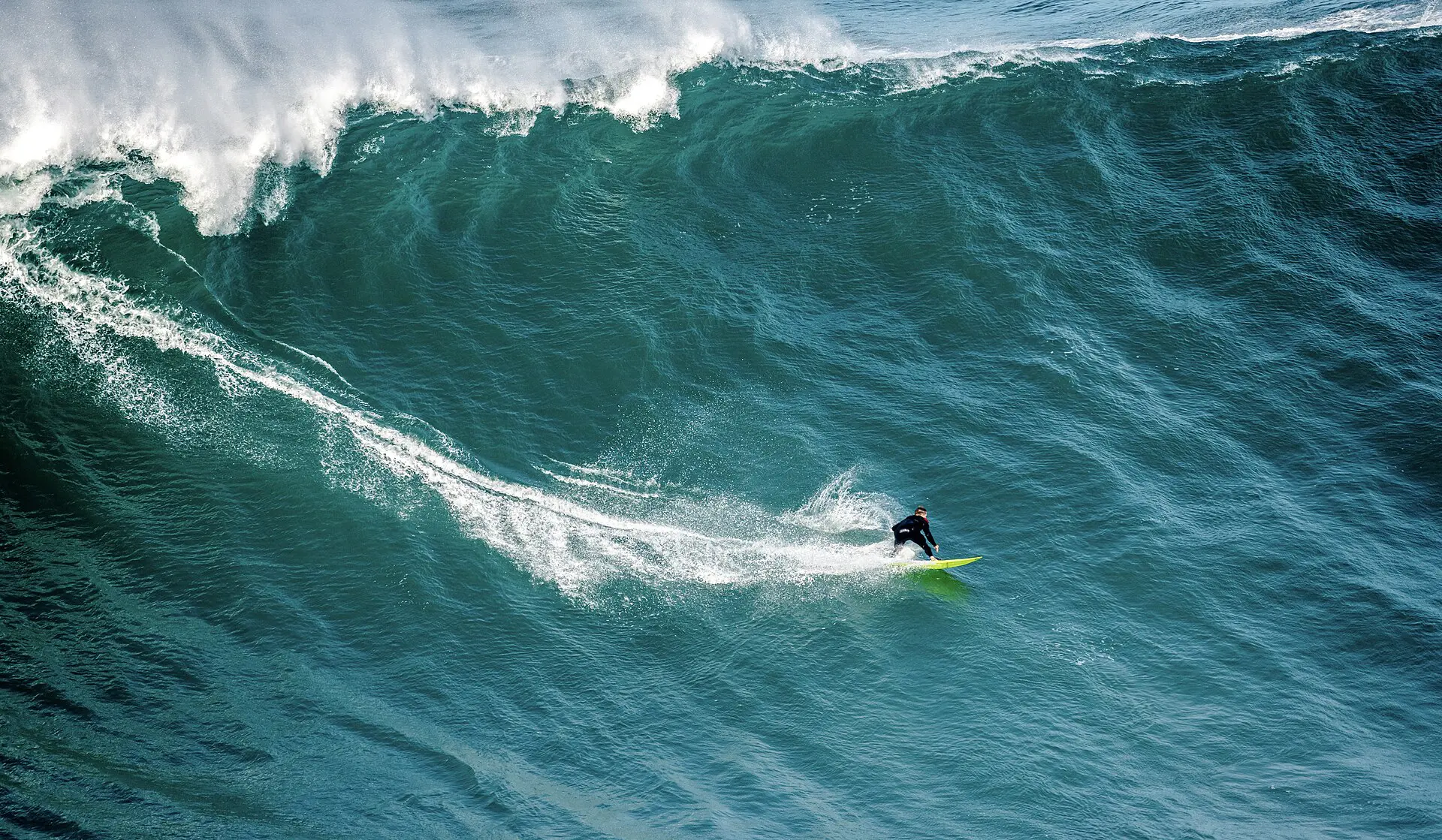
- Surf or watch big waves at Nazaré: winter swells here attract some of the world’s biggest wave riders.
- Visit the Livraria Lello and Clérigos Tower in Porto: two popular landmarks in the old town.
- Walk in the Peneda-Gerês National Park: the country’s only national park has waterfalls and granite peaks.
Best time to visit Portugal
The best time to visit Portugal is April to June and September to October, when temperatures are comfortable, the sea is warming and crowds are smaller than in July and August. Summer is hot inland, particularly in the Alentejo and Douro, where temperatures often pass 35 C. Winters are mild in the south but wetter in the north.
| Season | Weather | Crowds and prices | Good for |
|---|---|---|---|
| Spring (Mar-May) | Mild, some rain early | Moderate, rising by May | Cities, hiking, wildflowers |
| Summer (Jun-Aug) | Hot and dry, cooler on the coast | Highest in Algarve and Lisbon | Beaches, festivals, the Azores |
| Autumn (Sep-Oct) | Warm, sea still warm, rain from October | Falling | Wine harvest, surfing, city breaks |
| Winter (Nov-Feb) | Cool, wet, frequent rain north | Low, except around New Year | Budget city trips, big-wave surf at Nazaré |
Madeira has a mild climate year-round, making it a good winter alternative, while the Azores are best from June to September.
Is Portugal safe to visit?
Is Portugal safe? Yes, it is consistently ranked among the safest countries in Europe, and violent crime against visitors is rare. The main issues are petty theft, strong ocean currents and summer wildfires. Check your government’s travel advice, such as the UK FCDO or US State Department, before you travel.
Theft. Pickpockets work trams, metro lines and crowded viewpoints in Lisbon and Porto, especially on Tram 28. Keep valuables in zipped pockets and do not leave bags on cafe tables or in parked cars.
Scams. Some street sellers in tourist areas offer unwanted items or drugs; politely decline. Use official taxis or ride-hailing apps.
Sea. Atlantic beaches can have strong rip currents. Swim at lifeguarded beaches and follow flag colours.
Nature. Wildfires occur in summer, mostly inland and in the north. Portugal sits in an earthquake zone, though serious events are rare.
Roads. Driving is generally straightforward, but city streets are steep and narrow, and tolls are common on motorways.
Portugal visa and entry requirements
Portugal visa rules depend on your nationality. Portugal is in the Schengen Area, so EU and EEA citizens can enter with a passport or national ID card. Citizens of many other countries, including the US, UK, Canada and Australia, have generally been able to stay up to 90 days in any 180-day period without a visa, while others need a Schengen visa in advance.
The EU is phasing in the Entry/Exit System and the ETIAS travel authorisation for visa-exempt visitors, and the dates have shifted, so check what applies on your travel date. Passports normally need to be valid for at least three months after departure and issued within the last ten years. Confirm all requirements with the Portuguese immigration authority (AIMA) or your nearest embassy.
Longer stays, such as remote work, require a specific visa, so research those routes in advance rather than overstaying. UNESCO-listed places are listed on the UNESCO page for Portugal.
Getting to and around Portugal
Lisbon, Porto and Faro are the main international airports, with direct flights from across Europe and North America. Madeira and the Azores have their own airports, with connections from the mainland. Land crossings with Spain are open and usually unchecked.

Trains are good along the main north-south line. Alfa Pendular and Intercidades services connect Lisbon with Porto in about 3 hours, and Lisbon to Faro takes around 3 hours. Regional trains reach Sintra and Cascais from Lisbon in about 40 minutes. Buses, including Rede Expressos and FlixBus, reach places without a station and are often the better choice in the Alentejo.
Renting a car is useful for the Douro, Alentejo and Algarve beaches, but is unnecessary in Lisbon or Porto, where parking is difficult. Motorways have electronic tolls, so ask your rental company how they are handled. In cities, metro, trams and ride-hailing are convenient, and Lisbon’s hills are steep, so wear good shoes.
How much does a trip to Portugal cost?
Portugal uses the euro. It remains cheaper than France, Italy or the UK, but prices in Lisbon, Porto and the Algarve have risen sharply in recent years. The figures below are rough per-person daily guides for 2026 and exclude international flights.
- Budget: around EUR 50 to 80 per day, with hostel dorms, bakery breakfasts, set lunches and public transport.
- Mid-range: around EUR 90 to 150 per day, with a private hotel room, restaurant dinners, entry fees and day trips.
- High-end: from around EUR 250 per day, with boutique hotels, fine dining and private tours.
Accommodation is the main cost, particularly in July and August, in the Algarve and during Lisbon events. Daily set lunches called prato do dia usually cost a fraction of dinner prices. Rail travel is inexpensive, while car rental, tolls and fuel add up. Many museums offer free entry on certain days, and city passes may save money if you plan to see several sights.
Portugal food and drink
Portugal food is built on seafood, simple grilled meat, bread, olive oil and strong regional traditions. Eating well is cheap, particularly at lunchtime.
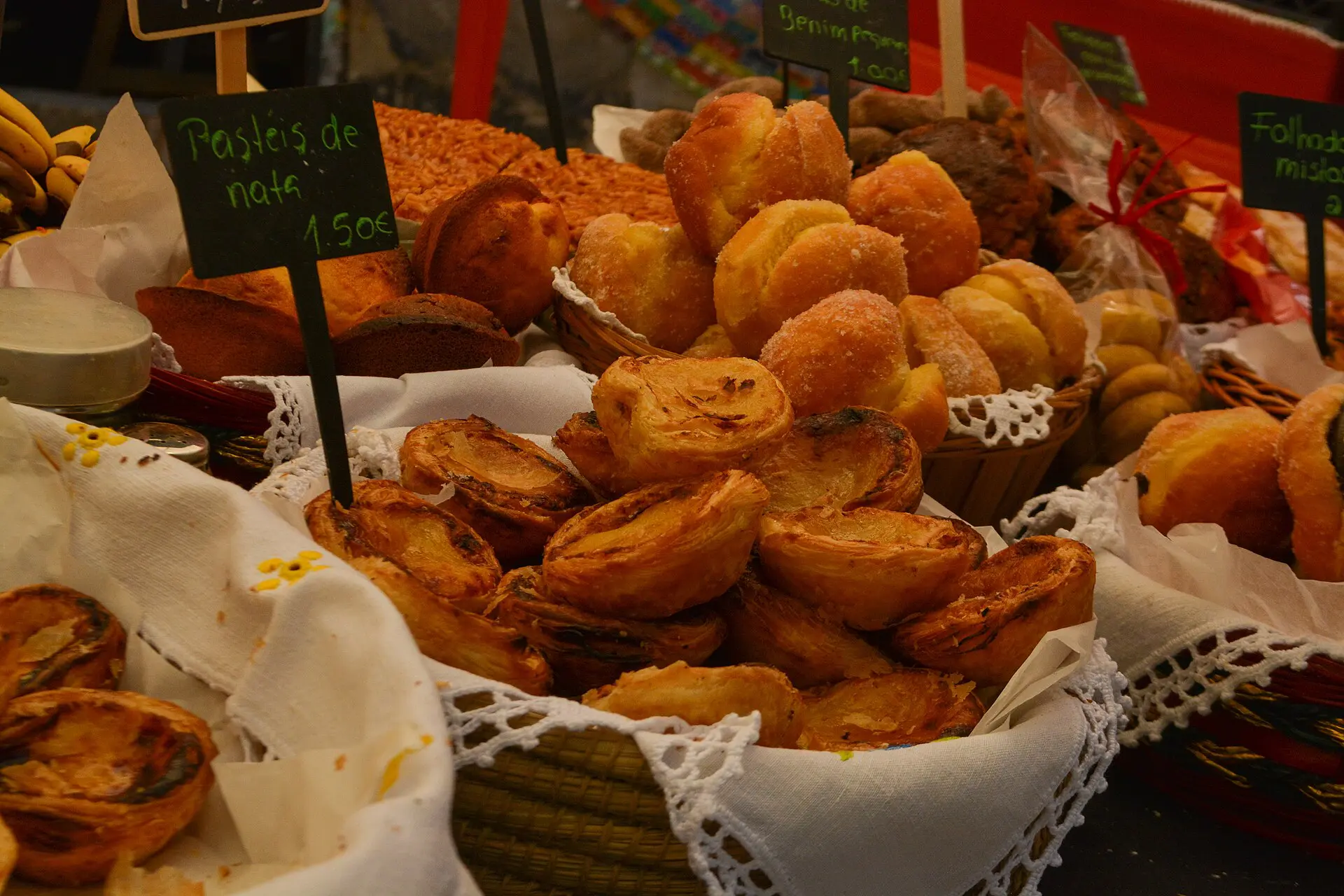
- Pastéis de nata: custard tarts with a flaky crust, best from the original bakery in Belém or any local pastelaria.
- Bacalhau: salted cod, cooked in hundreds of ways, including bacalhau à Brás with eggs and potatoes.
- Grilled sardines: a summer favourite, especially during Lisbon’s June festivals.
- Francesinha: a Porto sandwich of meats and cheese covered in a spicy beer sauce.
- Caldo verde: a green soup of kale, potato and chouriço.
- Cataplana: a seafood stew from the Algarve, cooked in a copper pot.
- Port, vinho verde and ginjinha: port from the Douro, light vinho verde from the north and a cherry liqueur served in Lisbon.
Vegetarians will find fewer options in traditional restaurants, but cities have many vegetarian cafés. Look for a small tasca or marisqueira for fresh seafood, and note that bread, olives and cheese brought to your table at a restaurant are charged if you eat them.
Culture, language and etiquette in Portugal
Portuguese is the official language, spoken by about 250 million people worldwide. English is widely understood in Lisbon, Porto and the Algarve, particularly among younger people, and a few words in Portuguese earn goodwill: obrigado (thank you, said by men) or obrigada (said by women), bom dia (good morning) and por favor (please). Spanish speakers should avoid speaking Spanish by default, since many Portuguese find it irritating.
Portugal is mostly Catholic, with Fátima a major pilgrimage site. Fado, a melancholic style of singing, is the traditional music, and you can hear it in Lisbon’s Alfama and Bairro Alto, as well as in Coimbra, where it has a different student tradition.
Portuguese people are polite and fairly reserved. Greet people when entering shops, dine late (dinner often starts after 8 pm) and be patient with relaxed service. Dress modestly in churches, and ask before photographing people. Football is a common topic, so supporting a club is a good conversation starter.
Portugal itinerary: a 7-day route
This route links Lisbon, Sintra and Porto by train, with an optional coastal stop, and avoids the need for a car.
- Day 1, Lisbon: arrive and walk Alfama, stopping at a viewpoint such as Miradouro da Senhora do Monte.
- Day 2, Lisbon: visit Belém Tower, Jerónimos Monastery and the pastry shop, then spend the evening in Bairro Alto.
- Day 3, Sintra: take the train from Rossio in about 40 minutes and see Pena Palace and the Moorish Castle.
- Day 4, Coimbra: travel by train in around 2 hours, tour the university library and old town, and stay overnight.
- Day 5, Porto: continue by train in about an hour, then explore Ribeira, the Clérigos Tower and the bridge.
- Day 6, Douro Valley: take a train to Pinhão or a river cruise, with a winery visit.
- Day 7, Porto: try a francesinha, taste port in Vila Nova de Gaia and fly home.
With extra days, add the Algarve or Évora, or swap Coimbra for Aveiro.
Practical tips for Portugal
- Money: the euro is used, and cards and contactless payments are accepted nearly everywhere. Keep some cash for small cafés and markets.
- SIM and eSIM: EU roaming applies to EU SIMs, and visitors can pick up inexpensive local prepaid SIMs or eSIMs.
- Plugs: types C and F at 230 V.
- Tipping: not required; rounding up or leaving 5 to 10 percent in restaurants is appreciated.
- Health: EU citizens should carry an EHIC or GHIC; others should have insurance. Tap water is safe to drink.
- Packing: comfortable walking shoes for steep cobbled streets, a light jacket for the Atlantic wind and sunscreen.
- Booking: reserve Sintra palace tickets, Algarve rooms in summer and trains on holiday weekends in advance.
- Hours: many restaurants close between lunch and dinner, and some shut on Sundays or Mondays.
For more detail, read the Wikivoyage Portugal guide.
FAQ
Q1What are the best places to visit in Portugal?
Lisbon, Porto, Sintra and the Algarve are the most popular. The Douro Valley suits wine lovers, Évora and Coimbra offer history, and Madeira and the Azores are the best islands for hiking and volcanic scenery. Most first trips combine Lisbon and Porto.
Q2What are the best things to do in Portugal?
Top things to do include riding trams in Lisbon, visiting Sintra's palaces, tasting port in Porto, cruising the Douro Valley, eating pastéis de nata and exploring the Algarve coast. Surfing in Nazaré and hiking in Peneda-Gerês suit outdoor travellers.
Q3What is the best time to visit Portugal?
April to June and September to October are best, with warm weather and fewer crowds. July and August are hot and busy, though good for Algarve beaches. Winter is mild but rainy, and suits low-cost city breaks and big-wave surf watching.
Q4What is Portugal food like?
Portugal food focuses on seafood and simple, hearty cooking. Expect grilled sardines, salted cod, caldo verde soup, francesinha sandwiches, cheese and custard tarts, with port and vinho verde to drink. Set lunches are cheap, and vegetarian options are improving in cities.
Q5Is Portugal safe for tourists?
Yes, Portugal is one of the safest countries in Europe. The main risks are pickpocketing in Lisbon and Porto, strong sea currents and summer wildfires. Use licensed taxis, keep bags secured and swim at lifeguarded beaches.
Q6Do I need a visa for Portugal?
It depends on your nationality. EU citizens need no visa, and many other visitors can stay up to 90 days in any 180 without one under Schengen rules. New systems such as ETIAS may apply, so check official sources before you travel.
Q7How many days do you need in Portugal?
Seven days covers Lisbon, Sintra, Porto and the Douro at a steady pace. Ten days lets you add Coimbra, Évora or the Algarve, and two weeks is better if you want to include Madeira or the Azores.