Why visit Lagos
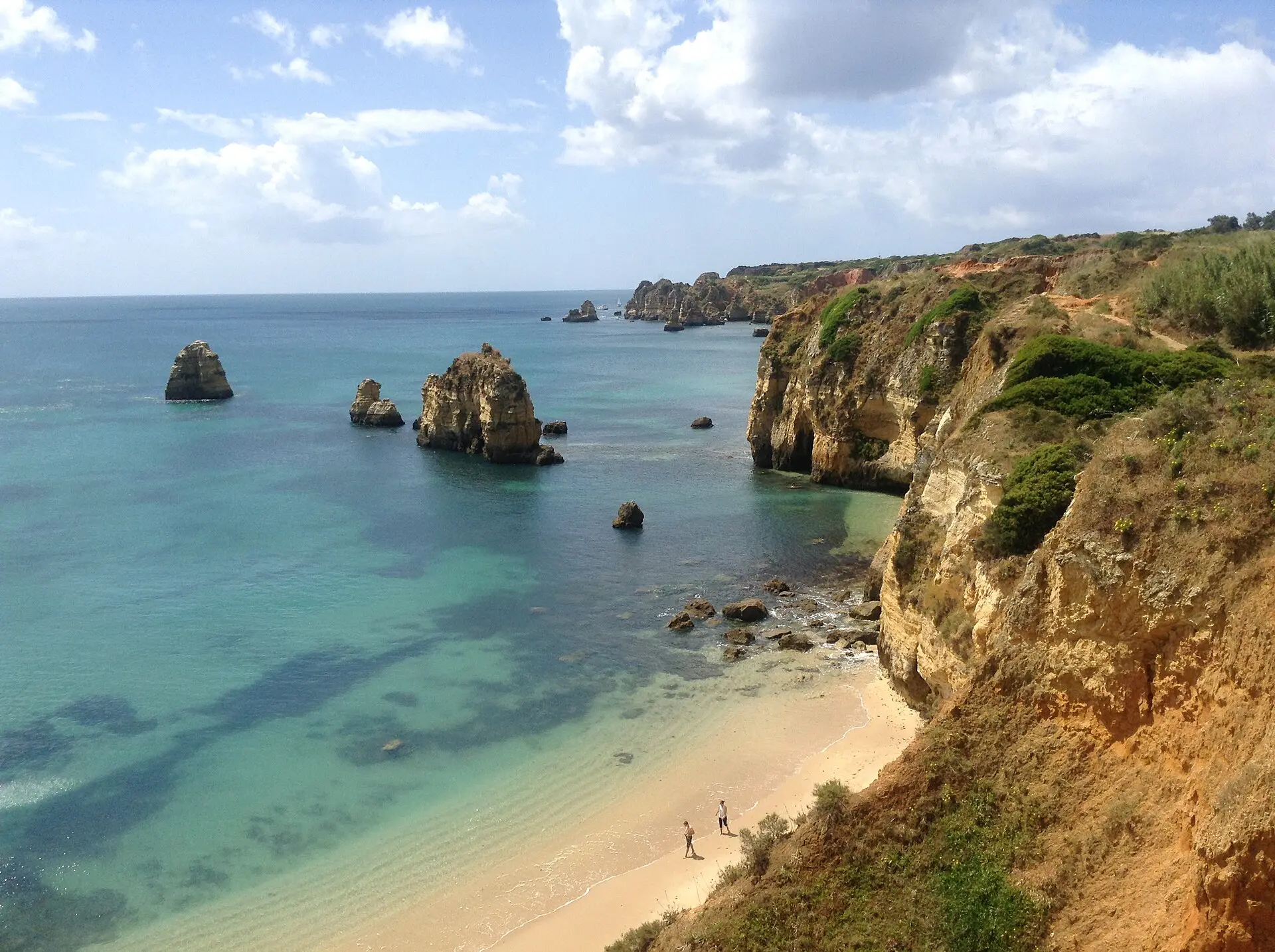
If you are planning things to do in Lagos, Portugal, start with the coastline. The town lies at the mouth of the Bensafrim River on the Atlantic, in the western Algarve, and it is one of the most visited places in the region thanks to its beaches and rock formations such as Ponta da Piedade.
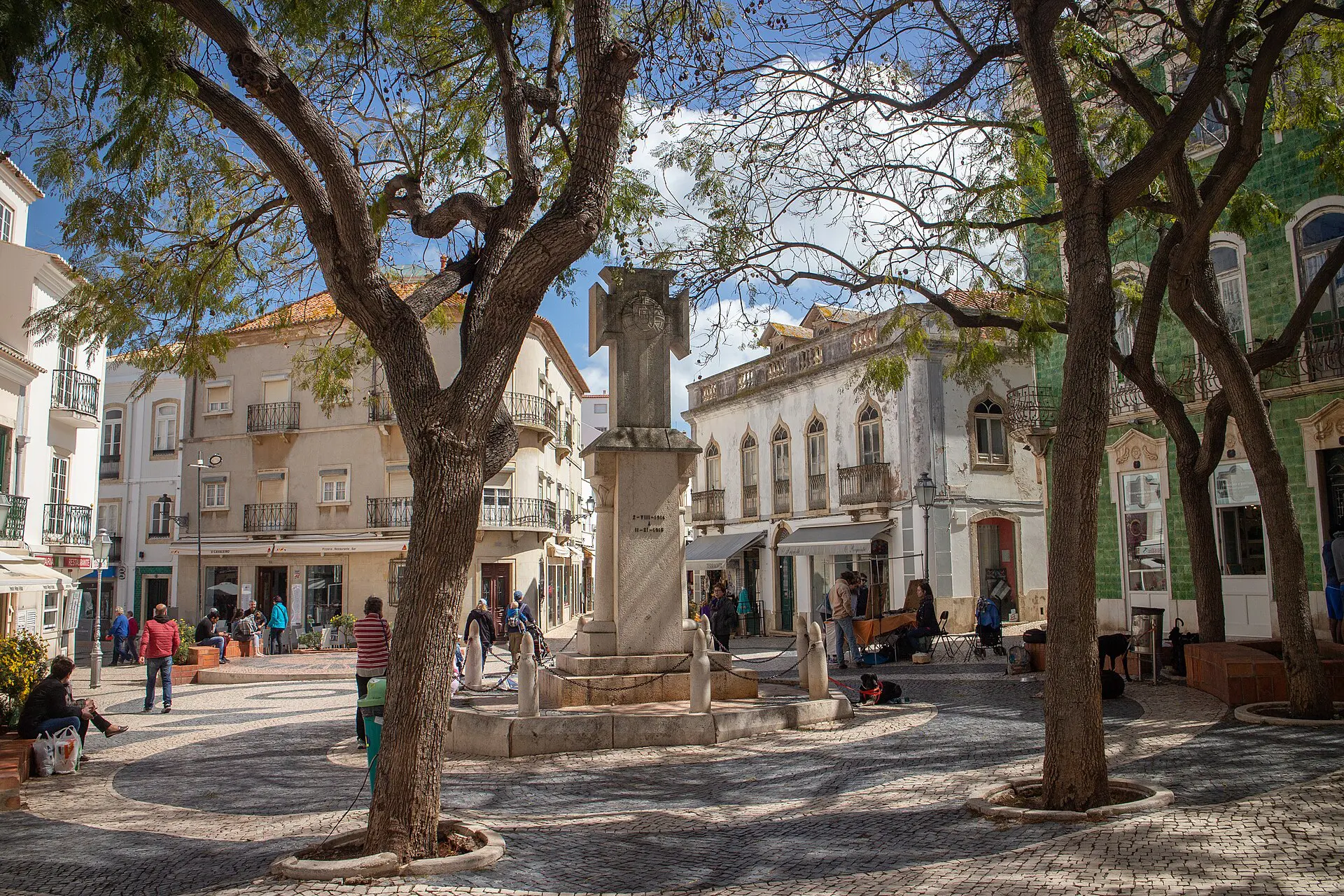
The town also has real history. It was a centre of the Portuguese Age of Discovery and a frequent residence of Henry the Navigator, and it was a historic shipbuilding hub. It also has a darker past as a centre of the European slave trade, which local museums and monuments address.
The population rises sharply in summer, and the nightlife is lively. Outside peak season, it is calmer and good for walking the cliffs and exploring the old town. This guide covers Lagos in Portugal, not the Nigerian city of the same name.
Top things to do in Lagos
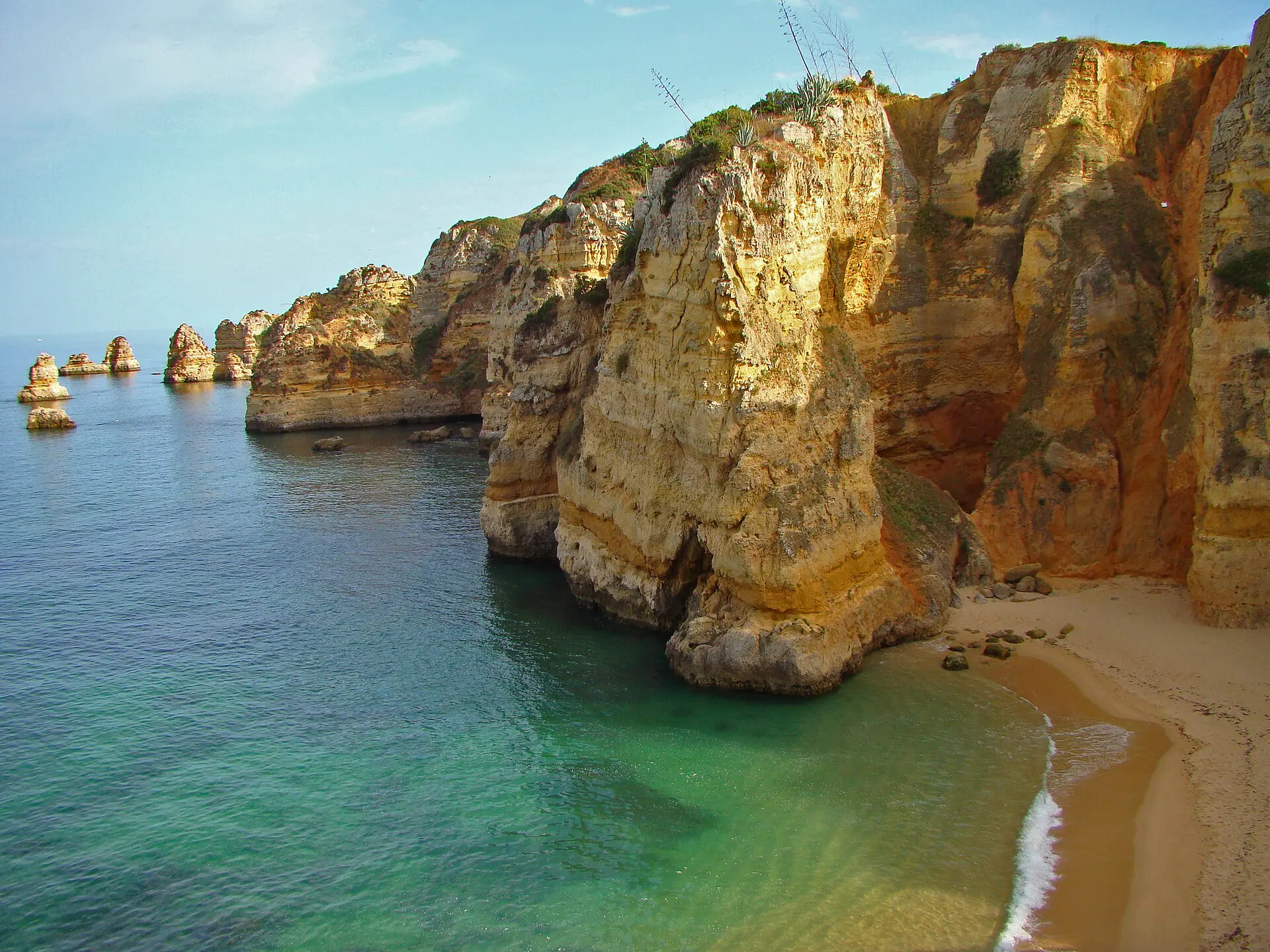
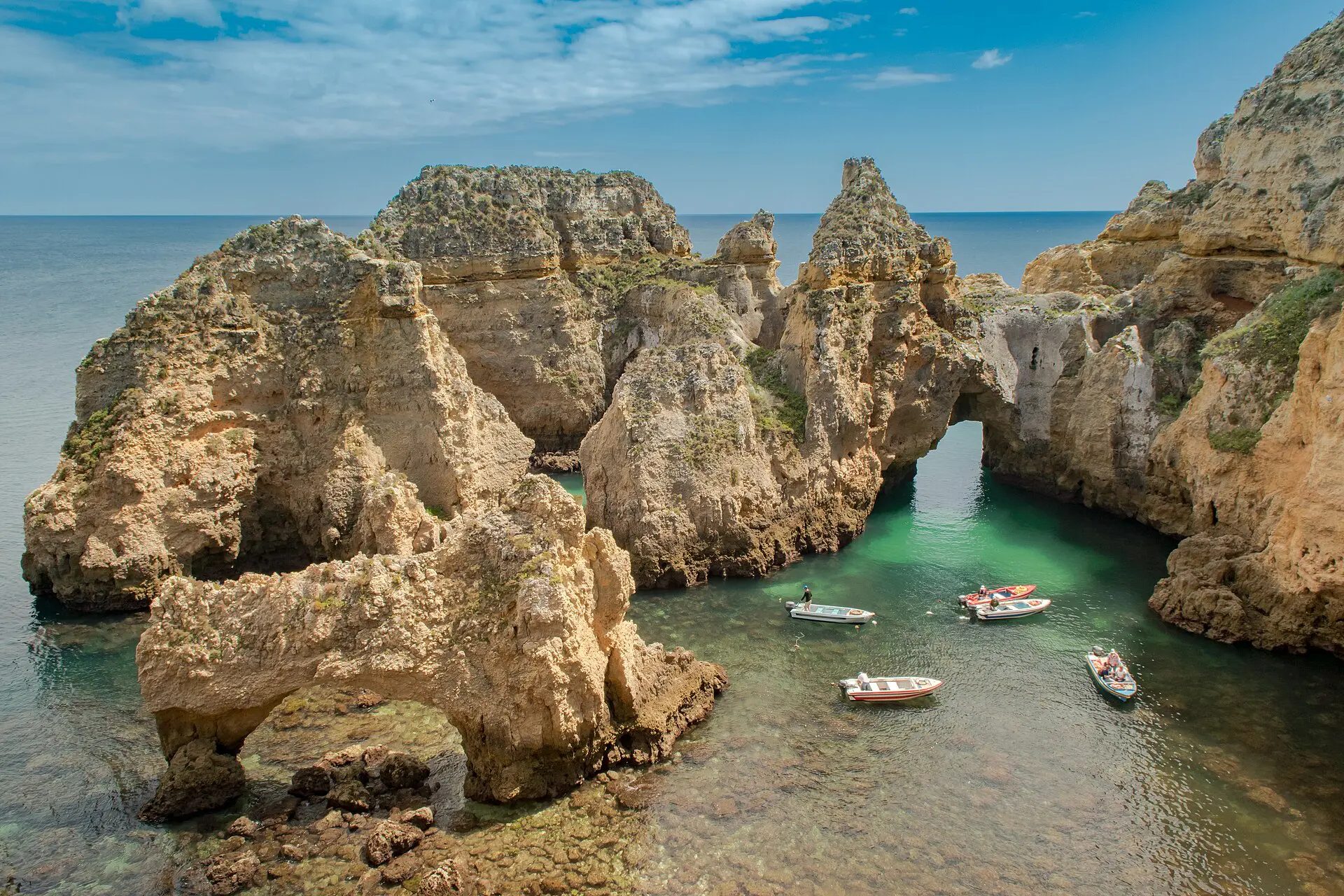
Ponta da Piedade
This headland is known for its golden cliffs, sea stacks and grottoes. You can walk the clifftop paths and viewpoints or take a boat or kayak trip beneath them. Allow two to three hours. Choose calm days, and check boat operators’ safety information.
Praia Dona Ana
One of the best-known beaches near town, this sandy cove is framed by rock formations. It is a short walk or ride from the centre. Allow a half day. In summer, arrive early for space and bring water, since there is limited shade.
The old town
The historic centre has narrow streets, squares, churches and remains of the old walls. Allow two to three hours. Wander at your own pace, and keep an eye on opening times for churches and small museums, which may close at midday.
Lagos Marina and riverfront
The marina area is lined with cafes and boat departures for coastal trips, dolphin watching and sunset cruises. Allow an hour or two. Compare operators, check what is included and note the weather, as trips may be cancelled in rough seas.
Slavery history sites
Lagos has locations tied to the early European slave trade, including a former market site and a museum addressing the subject. Allow an hour. Check what is currently open, and treat this as an important part of understanding the town’s history.
Meia Praia
This long beach stretches east from the town and is wider and less crowded than the cove beaches. Allow half a day. It is suitable for long walks and family outings, and it has beach bars and facilities that vary by season.
Coastal walking
Clifftop paths west of Lagos link several beaches and viewpoints, and some stretches connect to longer coastal trails. Allow two to four hours. Wear grippy shoes, keep away from cliff edges and carry water, as shade is scarce.
Best time to visit Lagos
Lagos enjoys a Mediterranean-style climate, with hot, dry summers and mild winters. July and August are the busiest, hottest and most expensive months, and the town is crowded. May, June, September and October are widely regarded as the sweet spot, with warm weather, a swimmable sea and fewer people. Winter is mild but rainier, and some businesses close, though it suits walking. The Atlantic water stays cool even in summer.
| Season | Weather | Crowds and prices |
|---|---|---|
| Spring (March-May) | Mild to warm, some rain | Moderate, rising |
| Summer (June-August) | Hot and dry | Busiest, highest prices |
| Autumn (September-October) | Warm, sea at its warmest | Moderate, good value |
| Winter (November-February) | Mild, wetter | Quiet, some places closed |
How to get to Lagos and around
The nearest major airport is Faro, around 85 kilometres east. From there, take a train along the Algarve line, a bus or a transfer; the journey generally takes one to one and a half hours, though schedules vary by season. Lagos also has a train station on the regional line, and the road network connects to Lisbon in a few hours; check current times before travelling.

The old town is compact and best explored on foot, though pavements can be uneven. Beaches and viewpoints are a short walk or taxi ride away. Local buses, taxis and ride-hailing apps cover the rest, and many visitors rent bikes, e-scooters or a car for coastal exploration. In summer, parking near beaches is difficult, so plan ahead and arrive early.
Where to stay in Lagos
Lagos has options for most budgets, with the main choice between the old town and the beach areas.
- Old town: walkable to restaurants, nightlife and the marina. Suits first-timers and travellers who want evening life, though it can be noisy in summer.
- Near Praia Dona Ana and the cliffs: quieter, close to the beaches and viewpoints. Suits couples and families, with a short walk into town.
- Meia Praia: larger hotels and apartments facing a long beach. Suits beach holidays and longer stays, usually with a short ride to the centre.
- Marina area: apartments and hotels near the river and boat trips. Suits travellers focused on water activities.
Book early for July and August, and check parking arrangements and air conditioning.
How many days do you need?
Two days covers the old town and one coastal highlight. Three to four days gives you beach time, a boat trip and a walk along the cliffs at a relaxed pace. A week suits a beach holiday or a base for exploring the western Algarve.
- Day 1: Walk the old town and marina, then watch the sunset from the cliffs.
- Day 2: Boat or kayak trip to the sea caves at Ponta da Piedade, followed by Praia Dona Ana.
- Day 3: Coastal walk or a day on Meia Praia, and dinner in the old town.
Day trips and nearby
Sagres and Cape St Vincent
Around 35 kilometres west, this windswept corner of Portugal has a fortress, dramatic cliffs and a lighthouse. Allow half a day by car or bus. Bring a jacket, since the wind can be strong even in summer.
Faro
The regional capital has an old town, a lagoon nature area and the airport. It is reachable by train and works as a stop on arrival or departure. Allow half a day and check train timetables.
Algarve beaches east and west
The Algarve coast has beaches and fishing villages in both directions. Using the train, a rental car or a tour, you can sample several in a day. Check each beach’s access and conditions before you set out.
Lisbon
The capital is several hours away by train or road, so it works better as a separate stop than a day trip. Check train and bus times and book ahead in summer.
FAQ
Q1When is the best time to visit Lagos, Portugal?
May, June, September and October offer warm weather and swimmable sea with fewer crowds than July and August. Summer is hot, busy and the most expensive. Winter is mild and quiet, but showers are more likely and some places close.
Q2How many days do you need in Lagos?
Three to four days suits most visitors, giving time for the old town, a boat trip to Ponta da Piedade, beach days and a clifftop walk. Two days is possible for a short trip, and a week works for a beach-focused stay.
Q3How do you get to Lagos from Faro airport?
Take a train along the Algarve line, a bus or a private transfer. The trip generally takes one to one and a half hours, depending on the service and traffic. Check timetables in advance, since summer and winter schedules differ.
Q4Is Lagos expensive?
Lagos is moderately priced by western European standards, but costs rise in July and August. Eating at local cafes and visiting in spring or autumn can lower costs, while beachfront dining and boat trips cost more.
Prices, schedules and entry rules change. Check current details with official sources before you travel. Read the Portugal travel guide.