Why visit Ecuador
The best things to do in Ecuador fit into a country about the size of Colorado: snow-capped volcanoes, UNESCO-listed colonial cities, cloud and Amazon forest, Pacific beaches and, about 1,000 kilometres offshore, the Galápagos Islands. Quito, the capital, sits at roughly 2,850 metres on the equator, and the country is named after that line (see the Wikipedia overview). Distances are short, and the US dollar is the currency, which keeps costs predictable.
Ecuador suits hikers, birdwatchers, wildlife travellers, food lovers and anyone building a South America trip with limited time. It also needs more planning than it did a few years ago: crime has risen, altitude affects many visitors, and the Galápagos are expensive. Travellers who read current advice and choose their routes carefully can still see a lot in one or two weeks.
Best places to visit in Ecuador
The best places to visit in Ecuador are grouped along the Andean spine, with the Amazon to the east, the Pacific coast to the west and the Galápagos farther out.
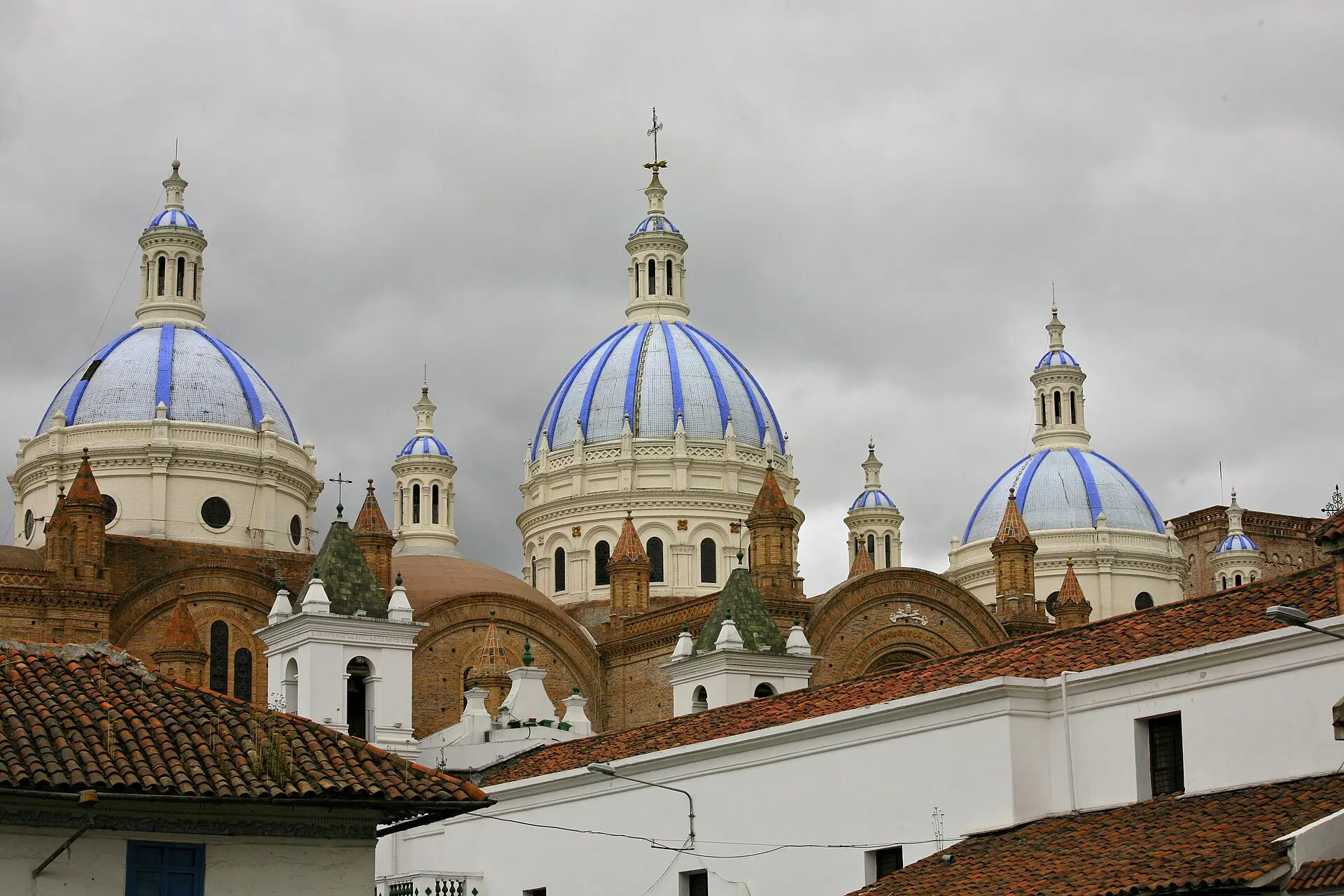
Quito
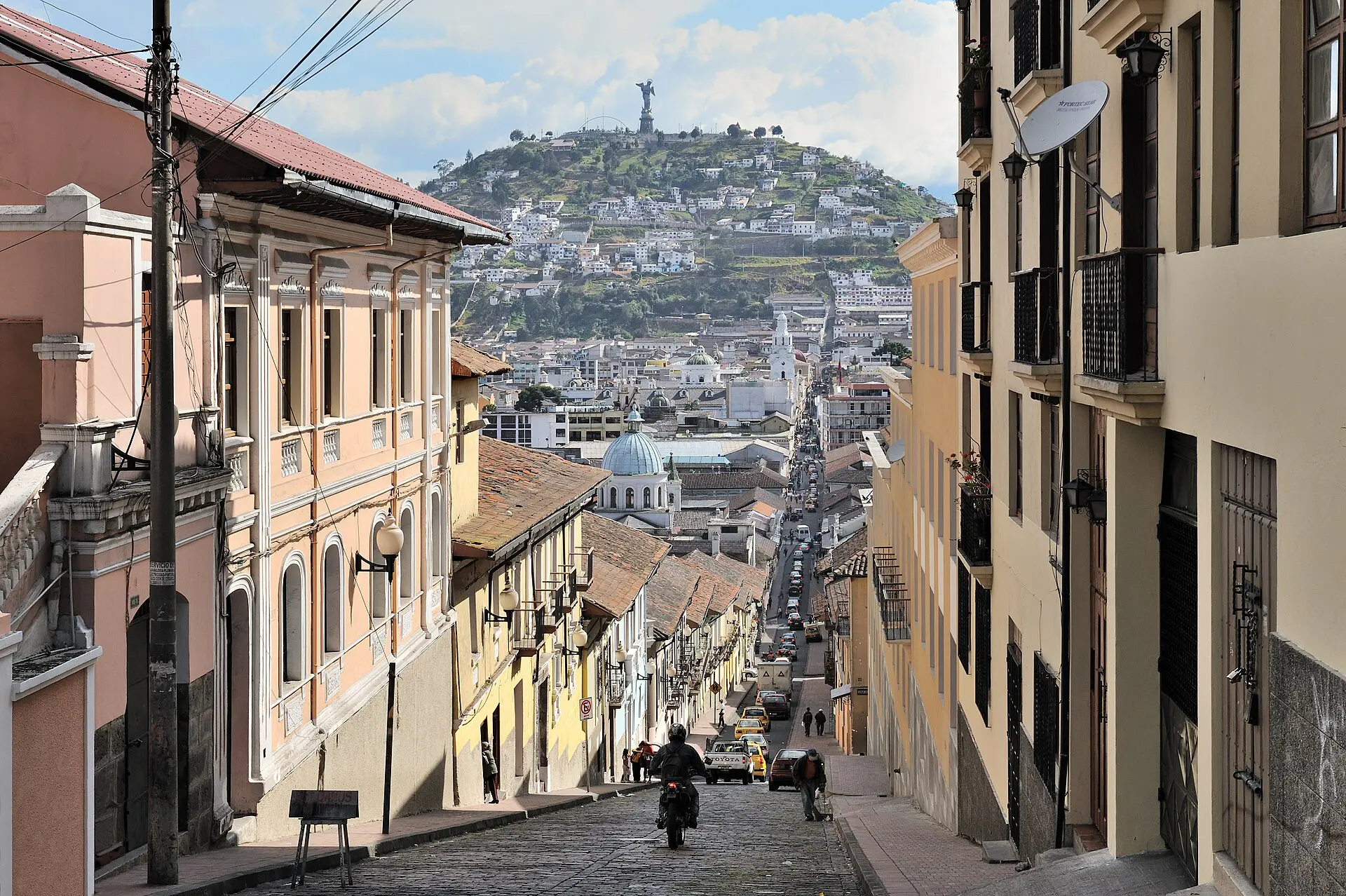
The capital has one of the best-preserved colonial centres in Latin America, with churches, plazas and steep lanes. Take the TelefériQo cable car for views over the city and nearby volcanoes. Spend a day or two here to adjust to the altitude.
Cuenca
A UNESCO-listed Andean city of cobbled streets, river banks and domed cathedrals, Cuenca is calmer than Quito and good for walking, museums and day trips to Cajas National Park.
Galápagos Islands
The islands are known for giant tortoises, marine iguanas and sea lions that show little fear of people. Most visitors stay on Santa Cruz, San Cristóbal or Isabela, or book a boat cruise. Costs and entry fees are high, so plan early.
Baños
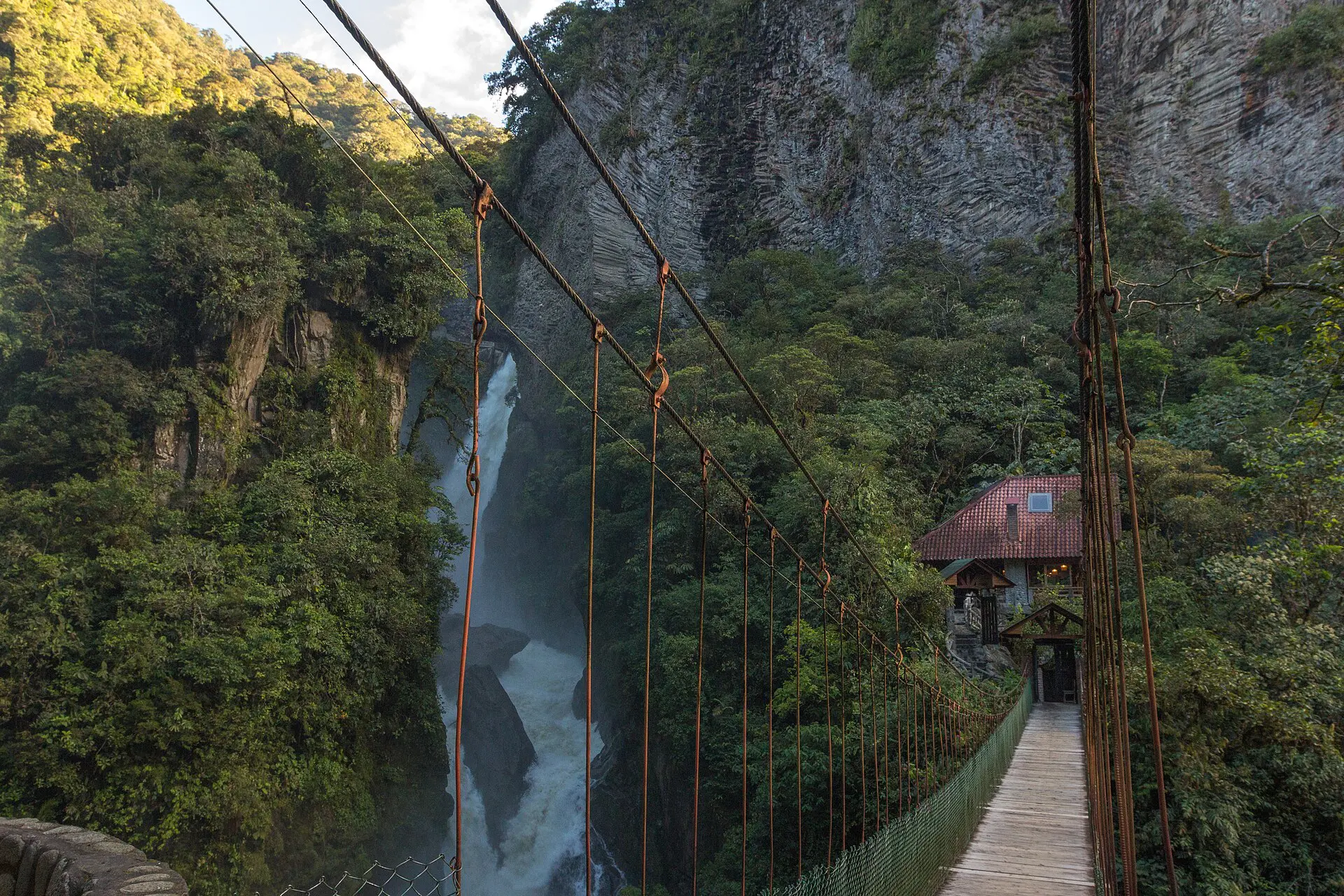
This adventure town sits at the foot of Tungurahua volcano and is known for hot springs, waterfalls and the road to Amazon towns such as Puyo.
Otavalo and the northern Andes
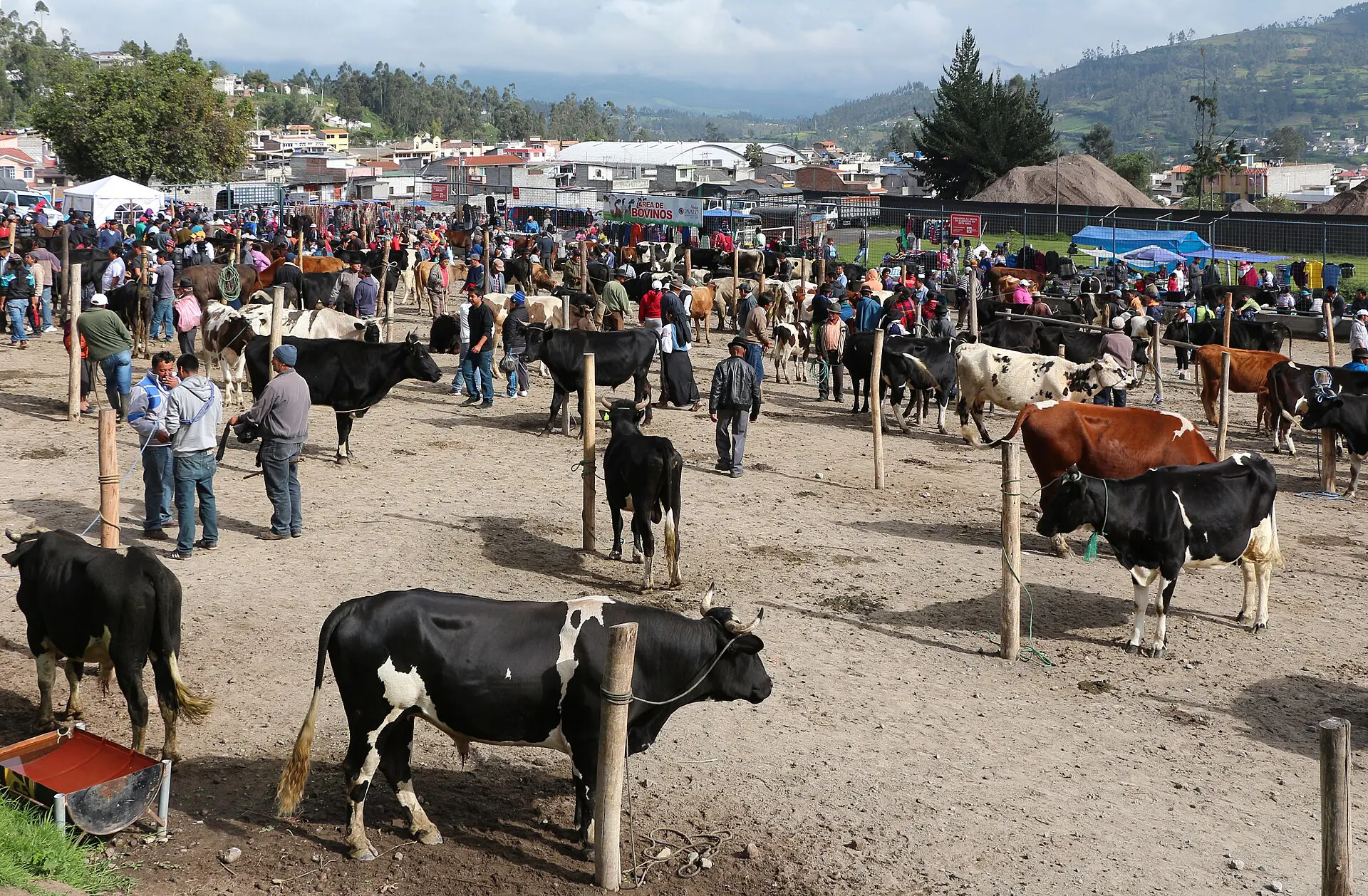
Otavalo has a large Saturday craft market and lakes and hills around it, within two hours of Quito.
Cotopaxi and Quilotoa
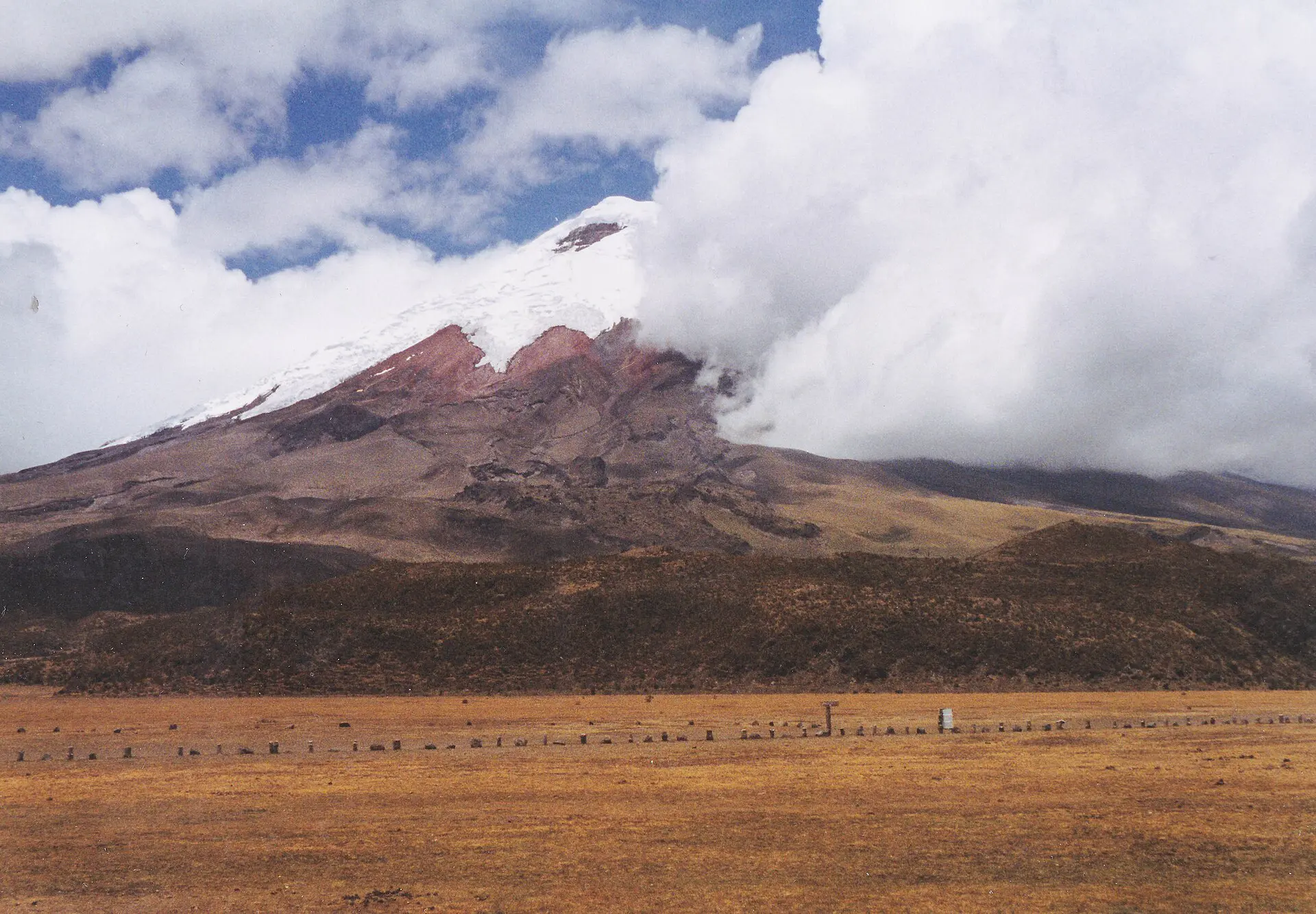
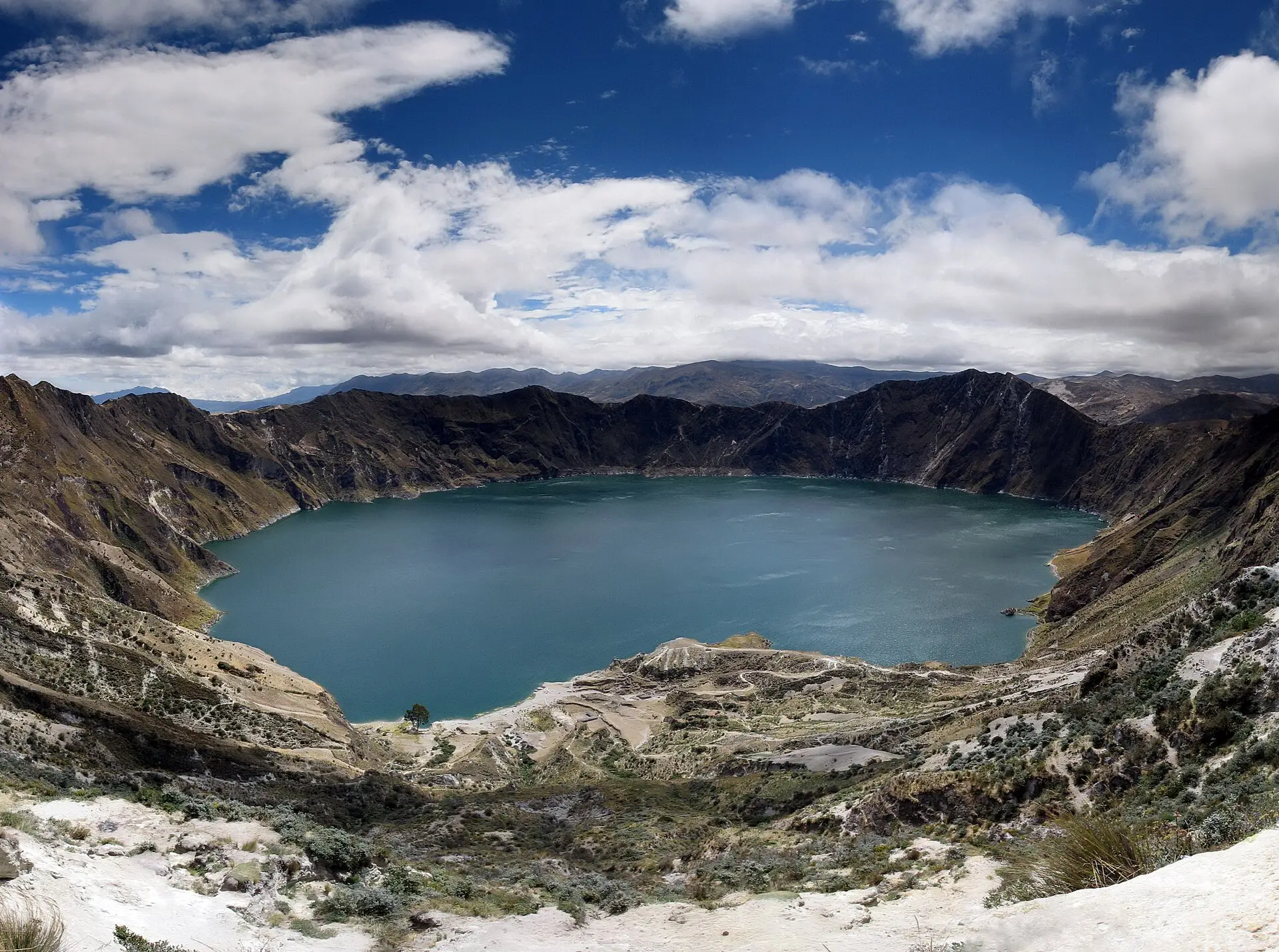
Cotopaxi is among the highest active volcanoes in the world, and the Quilotoa Loop links a green crater lake to small Andean villages.
Mindo and the Pacific coast
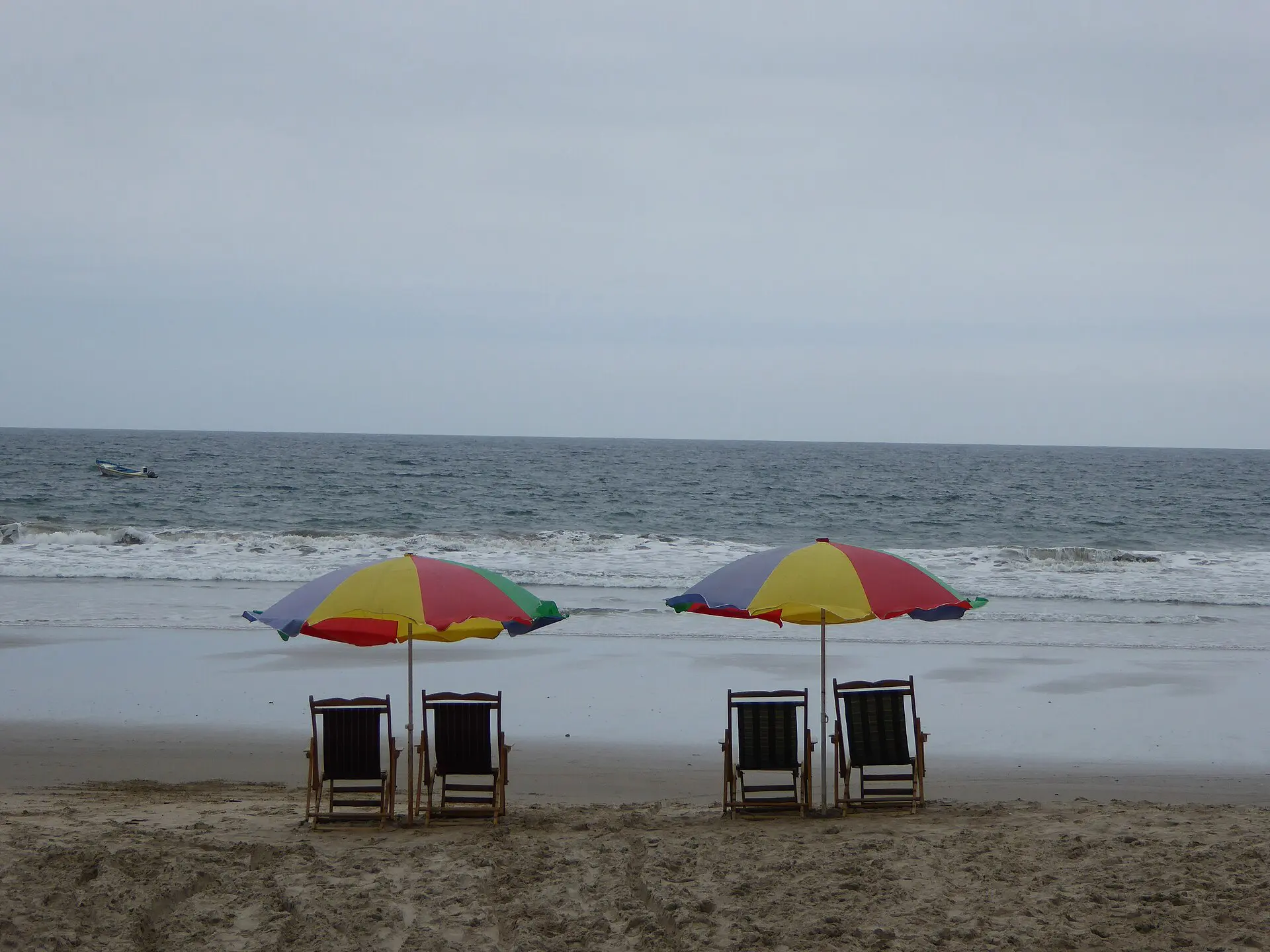
Mindo is a cloud-forest town for birdwatching. On the coast, Montañita draws surfers, while Puerto López is the base for Machalilla National Park.
Top things to do in Ecuador
The top things to do in Ecuador combine volcano scenery, wildlife and colonial history, and most can be done in a short trip.
- Walk Quito’s old town: see the Plaza Grande, La Compañía church and the view from El Panecillo.
- Visit the Galápagos: snorkel with sea lions and see giant tortoises on Santa Cruz or Isabela.
- Hike around Cotopaxi: walk the national park’s lower trails and lake shores with a guide.
- Circle the Quilotoa crater: the rim walk takes a few hours and has views of the turquoise lake.
- Shop at the Otavalo market: Saturday is the main day for textiles and crafts.
- Try canyoning and waterfalls in Baños: the Pailón del Diablo is a popular viewpoint.
- Go birdwatching in Mindo: the cloud forest has hummingbirds, toucans and the Andean cock-of-the-rock.
- Stay in an Amazon lodge: river trips from Tena or Cuyabeno reveal monkeys, caimans and bird life.
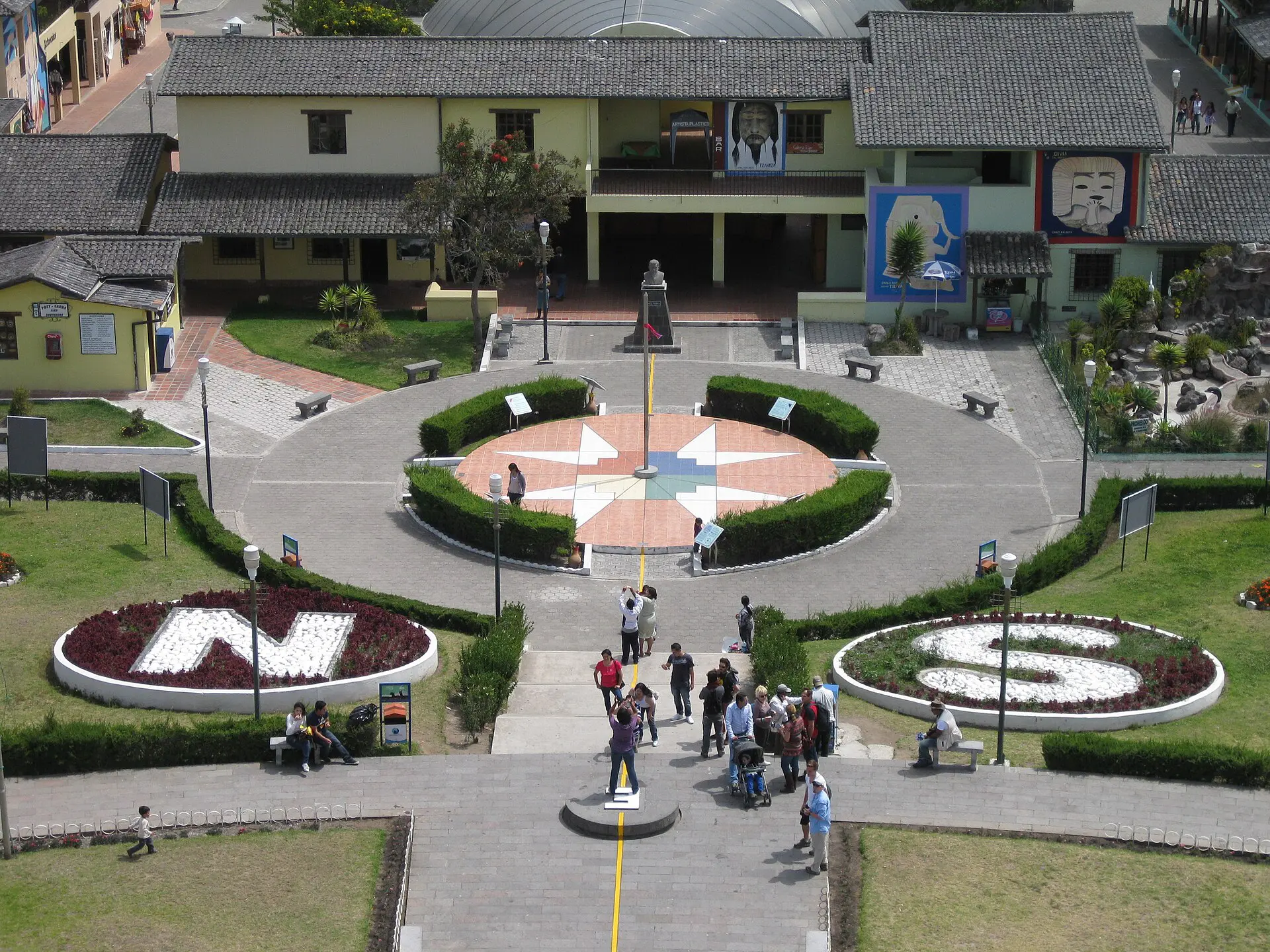
- Stand on the equator: the Mitad del Mundo monument near Quito marks the line.
- Ride a train or cable car: options include the TelefériQo and heritage rail excursions, depending on current operation.
Best time to visit Ecuador
The best time to visit Ecuador depends on the region: June to September is the driest and clearest period in the Andes and Amazon edges, and December to May is the warm, wetter season on the Pacific coast. The Galápagos can be visited all year, with warm, calmer seas from about December to May and cooler, drier conditions from June to November. Because Ecuador sits on the equator, daylight is about 12 hours year round.
| Season | Weather | Crowds and prices | Good for |
|---|---|---|---|
| Dry (Jun-Sep) | Sunny Andean days, cold nights, drier Amazon | Busiest, highest prices | Hiking, volcanoes, markets |
| Short wet (Oct-Nov) | Showers in the Andes, warming coast | Quieter, good deals | Cities, food, Galápagos |
| Coastal wet (Dec-May) | Hot and humid on the coast, rain in the Andes | Lower in the Andes; coast busy at holidays | Beaches, calm Galápagos seas |
| Year round | Quito is spring-like but changeable | Peaks at Christmas and July-August | Wildlife, city breaks |
Mountain weather changes fast, so pack layers in every month.
Is Ecuador safe to visit?
Is Ecuador safe? It is riskier than it was a few years ago: gang-related violence has risen, governments have declared states of emergency, and some areas are advised against for travel. Most tourist routes in the Andes and the Galápagos have remained visitable, but you should check the UK FCDO and US State Department advice before booking and again before departure.
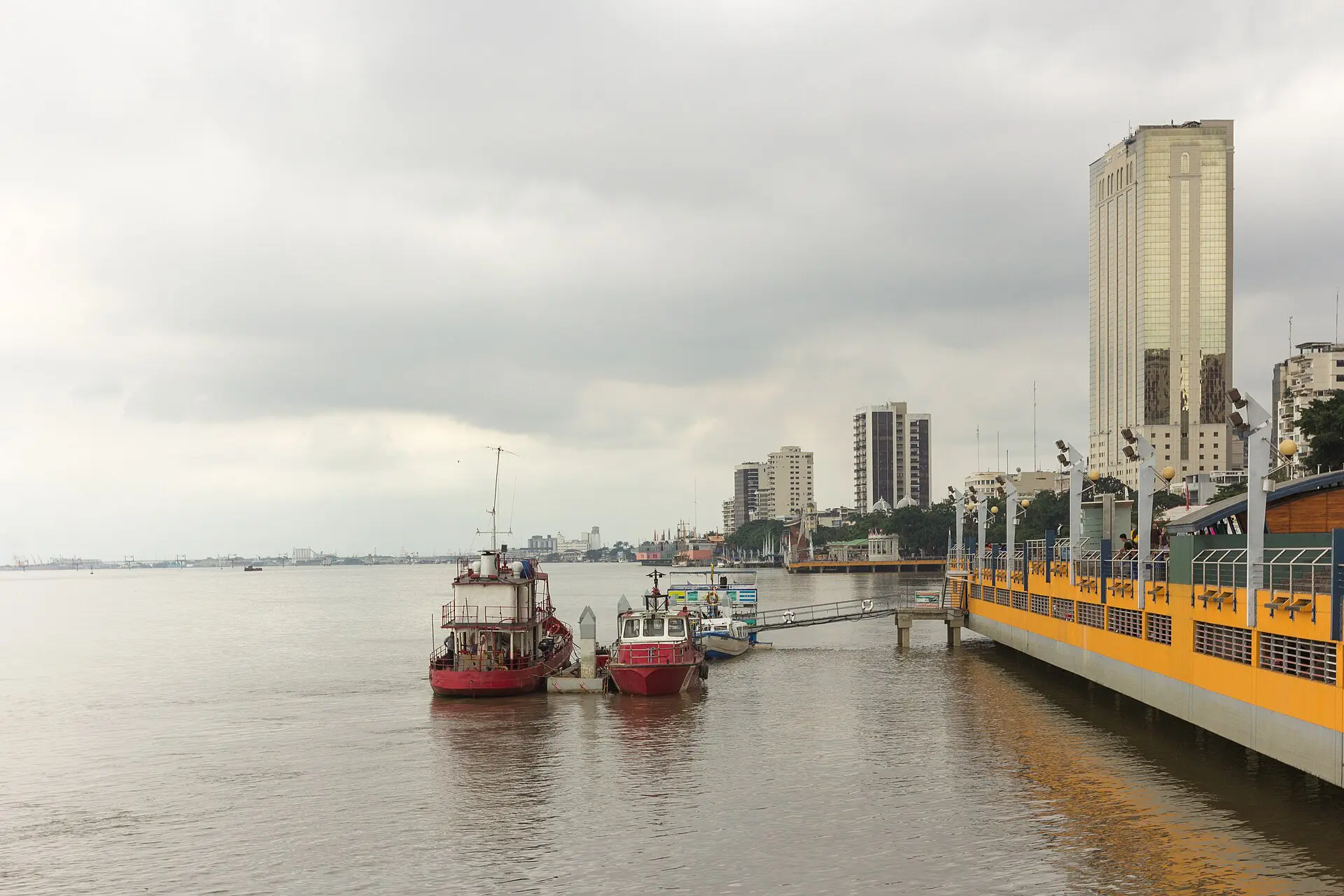
Is Ecuador safe to visit for tourists in practice? Use extra caution in Guayaquil and the northern and central coast, avoid walking at night in cities, use registered taxis or apps, and do not display phones or jewellery. Express kidnappings, bag theft and robberies on buses are known problems. Armed robbery on isolated trails and beaches also occurs, so travel with a guide in remote areas.
Nature. Altitude sickness is common above 3,000 metres, so ascend gradually. Cotopaxi and other volcanoes are monitored, and earthquakes occur. Treat river currents and Pacific surf with respect.
Health. Ask a clinic about yellow fever and other vaccines for the Amazon, and drink bottled or treated water.
Visa and entry requirements for Ecuador
Entry rules depend on your nationality. Citizens of most countries have been able to enter Ecuador without a visa and stay up to 90 days in a year, while a list of other nationalities need a visa in advance. Check the current Ecuador visa rule for your passport with the Ministry of Foreign Affairs or your nearest embassy, because lists and procedures change.
Your passport should be valid for at least six months, and you may be asked for an onward ticket and proof of funds. Visitors to the Galápagos pay a national park entry fee, which is currently around USD 200 for most foreign visitors, and a transit control card at the mainland airport, so confirm the current amounts before you book flights. Some South American nationals can enter with a national ID card.
Bringing a rental car or a driving licence across the border from Colombia or Peru needs extra paperwork, so check with the rental company. The UNESCO page for Ecuador lists the heritage sites that many itineraries include.
Getting to and around Ecuador
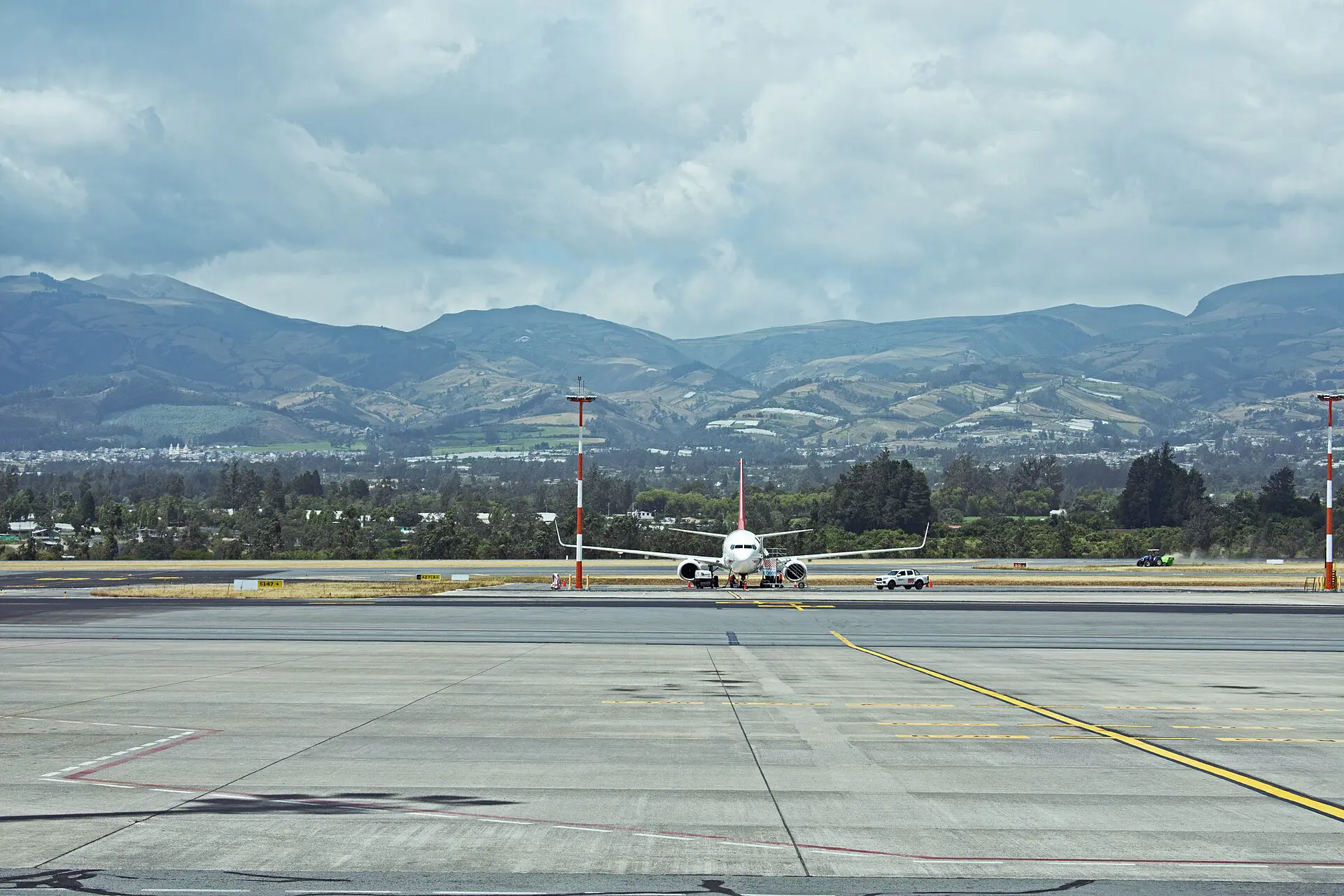
The two international gateways are Quito’s Mariscal Sucre Airport (UIO), about 30 kilometres east of the city, and Guayaquil’s José Joaquín de Olmedo Airport (GYE). Flights to the Galápagos leave from both and land at Baltra or San Cristóbal. Land crossings exist with Colombia at Tulcán and Rumichaca and with Peru at Huaquillas and Macará.
Buses are the main way to travel between cities. They are cheap and frequent: Quito to Otavalo takes about two hours, Quito to Baños about three and a half, Quito to Cuenca around eight to ten, and Quito to Guayaquil around eight. Domestic flights save time on long routes, for example Quito to Cuenca or Guayaquil. Local minibuses connect villages on loops like Quilotoa.
Renting a car gives flexibility in the Andes but expect steep mountain roads, fog and heavy trucks, and avoid night driving. Taxis and ride-hailing are cheap in cities; use registered cabs after dark. Inter-island boats link the main Galápagos islands.
How much does a trip to Ecuador cost?
Ecuador is affordable on the mainland, although the Galápagos are expensive. The currency is the US dollar, so there is no exchange to manage. These are rough per-person guides for the 2026 season.
- Budget: around USD 35 to 55 per day, with hostels, set-lunch menus (almuerzos) and buses.
- Mid-range: around USD 70 to 130 per day, with private hotel rooms, restaurant dinners and some guided tours or domestic flights.
- High-end: from around USD 200 per day, with boutique hotels, private drivers and Amazon lodge packages.
The biggest cost jump is the Galápagos, where flights, the park fee and island tours can exceed the rest of a mainland trip. Land-based stays are cheaper than cruises, though prices there are still higher than on the mainland. Almuerzos in local restaurants often cost only a few dollars, and buses cost a few dollars per hour of travel. Guided hikes and Amazon lodges can be the main variable costs.
Ecuador food and drink
Ecuador food varies by region: seafood and plantain on the coast, potatoes, corn and pork in the Andes, and fish and yuca in the Amazon. The set-lunch almuerzo is the best value meal.
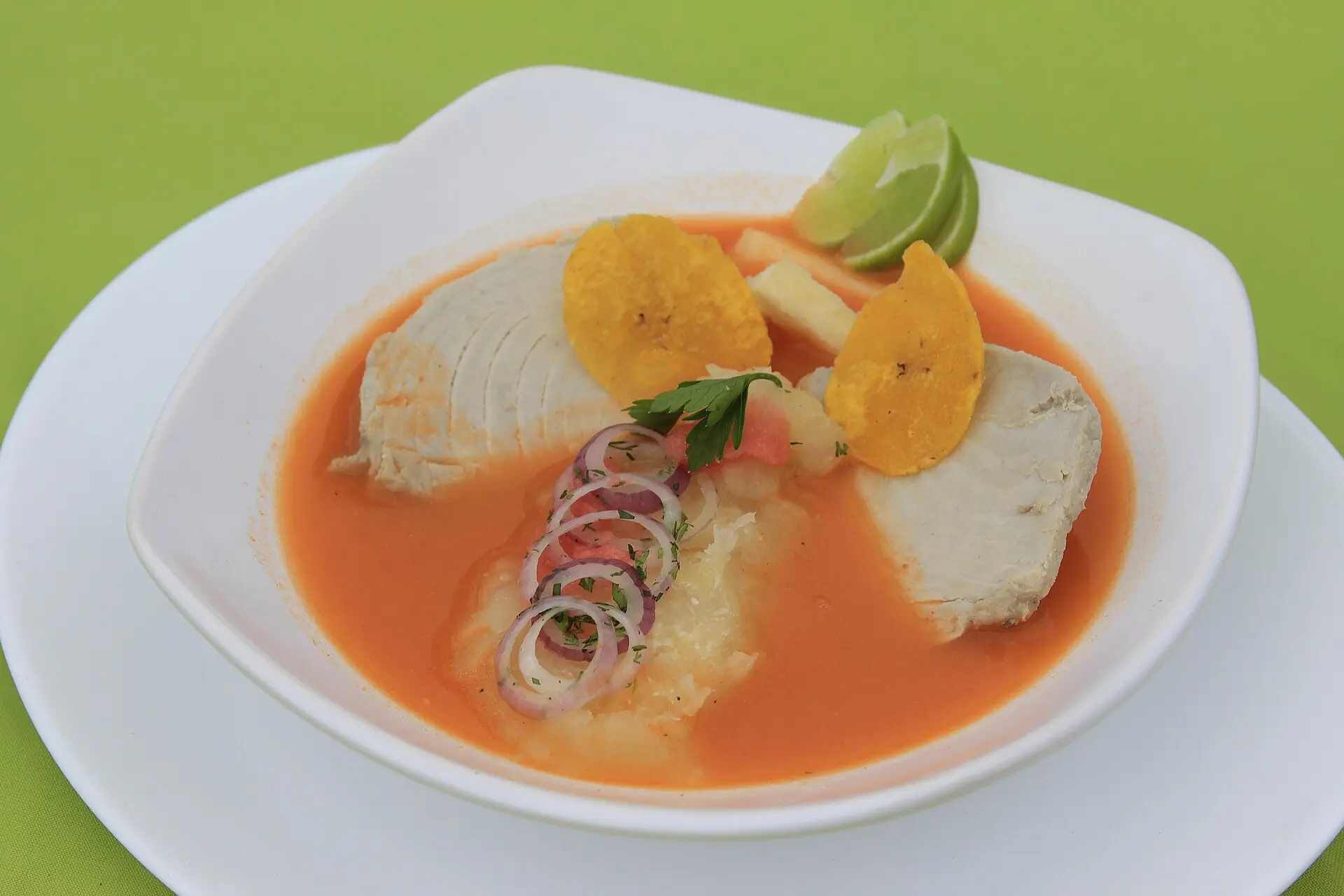
- Encebollado: a tuna and cassava soup with pickled onion, a coastal morning favourite.
- Ceviche: raw or lightly cooked shrimp or fish in lime juice; the Ecuadorian version is often soupier than Peruvian ceviche.
- Llapingachos: fried potato patties with cheese, served with sausage or fried egg.
- Hornado: slow-roasted pork, often with potato cakes and corn.
- Locro de papa: a creamy potato and cheese soup served with avocado.
- Bolón de verde: a fried green-plantain dumpling common at breakfast.
- Cuy: roasted guinea pig, a traditional Andean dish found in some regions.
- Canelazo: a hot cinnamon drink, often with sugarcane liquor, served in highland towns.
Ecuador also grows coffee, cacao and tropical fruit, so juices and chocolate are worth trying. Vegetarians can eat well from soups, rice, beans and plantain, though meat stock is common. Stick to bottled water.
Culture, language and etiquette in Ecuador
Spanish is the main language, and Quechua and 12 other indigenous languages are recognised. English is common in tourism but limited elsewhere, so learn basic Spanish such as por favor, gracias and buenos días. Most Ecuadoreans are mestizo, with large indigenous, Afro-Ecuadorian and European-descended communities, and traditions differ between the highlands, coast and Amazon.
Greet people with a handshake or, among friends, a kiss on the cheek, and say hello when entering small shops. Punctuality is relaxed socially, though tours and buses leave on time. Dress modestly for churches. In indigenous communities such as Otavalo, ask before photographing people and respect their prices at markets.
Catholic festivals shape the calendar, from Carnival to Inti Raymi in June and the Easter dish fanesca. Avoid heated talk about politics, and be careful with jokes about the country’s recent security problems. Drive and walk with courtesy, and tip around 10% where a service charge is not already added.
Ecuador itinerary: a 7-day route
This route covers the Andean highlights between Quito and Baños without flights and avoids the coastal areas where advisories are strongest. Add the Galápagos as a separate week.
- Day 1, Quito: arrive, rest to adjust to altitude and walk the old town in the evening.
- Day 2, Quito: visit the historic centre, ride the TelefériQo and see the Mitad del Mundo monument if time allows.
- Day 3, Otavalo: travel about two hours north for the market (best on Saturday) and the nearby lakes.
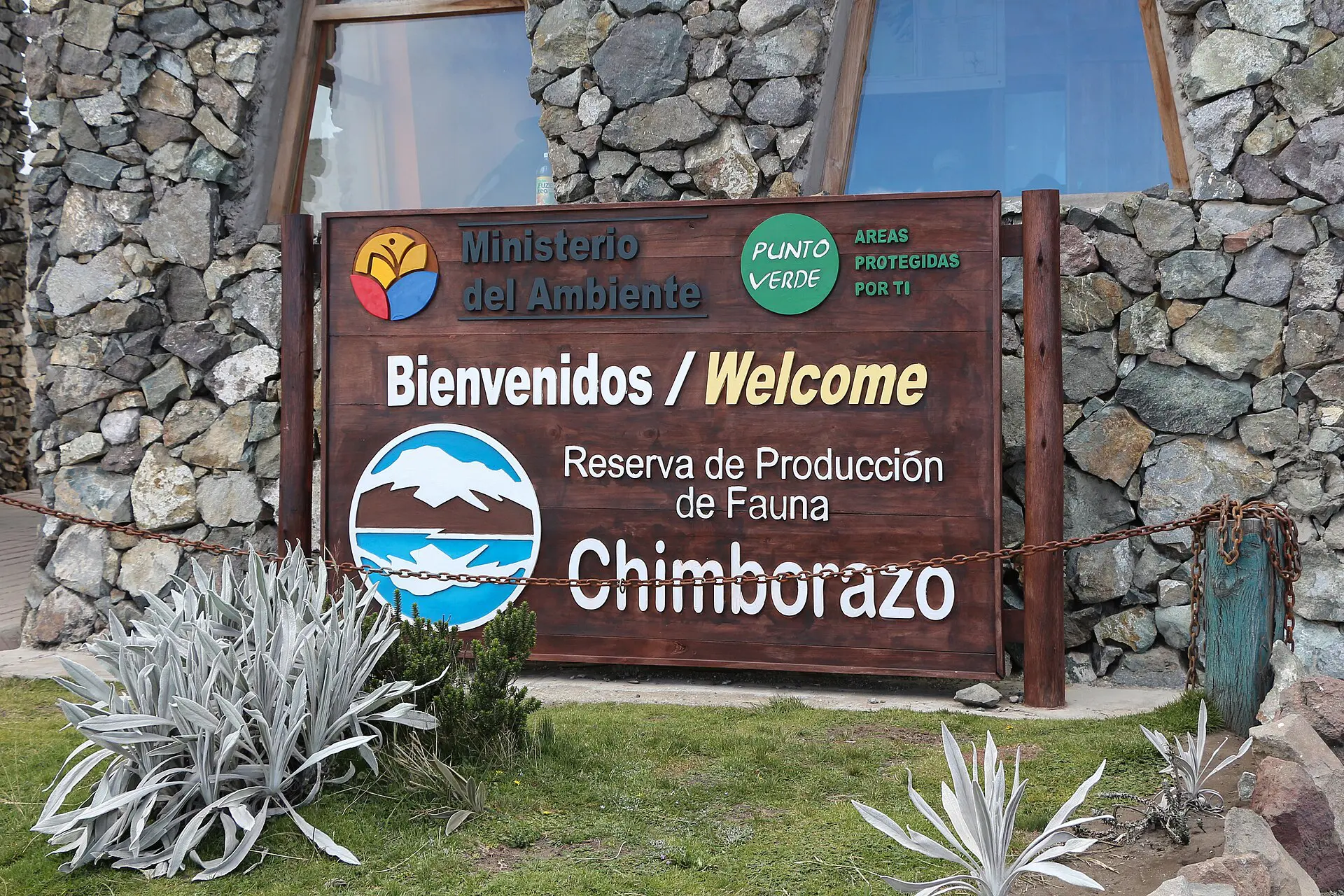
- Day 4, Cotopaxi: return south, then walk the lower trails of the national park around Laguna Limpiopungo.
- Day 5, Quilotoa: take a bus via Latacunga to the crater rim and stay in a village lodge.
- Day 6, Baños: travel about four hours, visit hot springs and the waterfalls route.
- Day 7, return: allow about three and a half hours by bus back to Quito airport, with a buffer for traffic.
With extra days add Cuenca by domestic flight or Mindo for birdwatching.
Practical tips for Ecuador
- Money: the US dollar is the currency. ATMs are common in cities, but carry small notes, because change for large bills is hard in villages and on buses.
- SIM and eSIM: local SIMs and eSIMs are inexpensive, and coverage is good in towns but weak in the Amazon and on some mountain roads.
- Plugs: types A and B at 120 V, as in the United States, so most North American devices work directly.
- Tipping: restaurants often add a service charge, so check before leaving extra; a dollar or two for guides and drivers is common.
- Health: bring sunscreen, a hat and altitude medication if your doctor advises it, and have insurance with medical evacuation cover.
- Packing: layers, a waterproof jacket, hiking shoes, a daypack with a lock and a photocopy of your passport.
- Security: keep valuables in the hotel, avoid night buses in higher-risk areas and use registered transport.
For wider background, see the Wikivoyage Ecuador guide.
FAQ
Q1Is Ecuador safe?
It is riskier than a few years ago. Violent crime and gang activity have risen, and some governments advise against travel to parts of the coast and border areas. Most Andean tourist routes and the Galápagos remain popular. Use registered transport, avoid walking at night and follow current official advice.
Q2What is Ecuador food like?
Ecuador food includes coastal seafood such as ceviche and encebollado, Andean dishes such as llapingachos, hornado and locro de papa, and plantain-based bolones. Set-lunch almuerzos are cheap and filling. Vegetarians can eat well, though soups often use meat stock.
Q3What are the top things to do in Ecuador?
Top picks are exploring Quito's old town, visiting the Galápagos, hiking around Cotopaxi and the Quilotoa crater, shopping at the Otavalo market, relaxing in Baños, birdwatching in Mindo and staying at an Amazon lodge.
Q4What is the best time to visit Ecuador?
June to September is driest in the Andes and Amazon edge, which suits hiking and volcanoes. December to May is the warm season on the coast and in the Galápagos. Quito is spring-like year round, so pack layers whenever you go.
Q5Is Ecuador safe to visit for solo travellers?
Many solo travellers visit Ecuador, but the current security situation calls for extra care. Stay in well-reviewed accommodation, avoid night travel and isolated trails, use registered taxis and share your plans. Check your government's latest advice, especially for the coast and border regions.
Q6What are the best places to visit in Ecuador?
Quito and Cuenca are the best colonial cities, Cotopaxi, Quilotoa and Baños offer Andean scenery, Otavalo has the biggest market, Mindo has cloud forest and the Galápagos have the most famous wildlife. Amazon lodges add rain forest.
Q7Do I need a visa for Ecuador?
Many nationalities can enter visa-free for up to 90 days in a year, but several countries need a visa in advance. Passports should be valid for six months, and the Galápagos charge a separate park fee. Check the official immigration source for your passport.