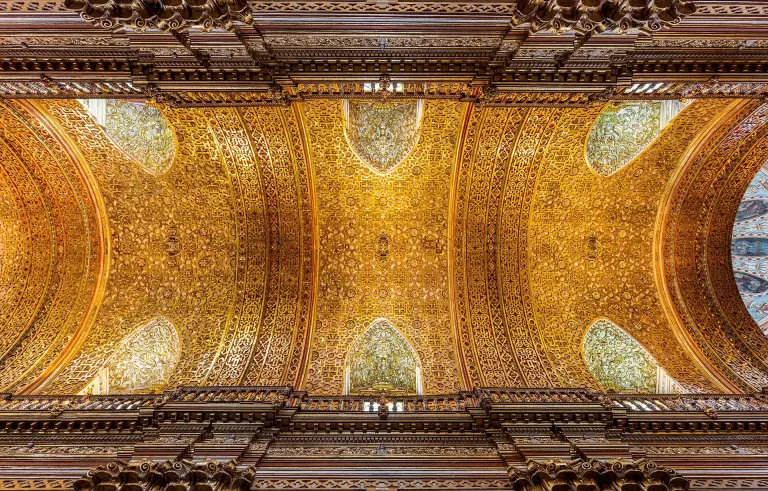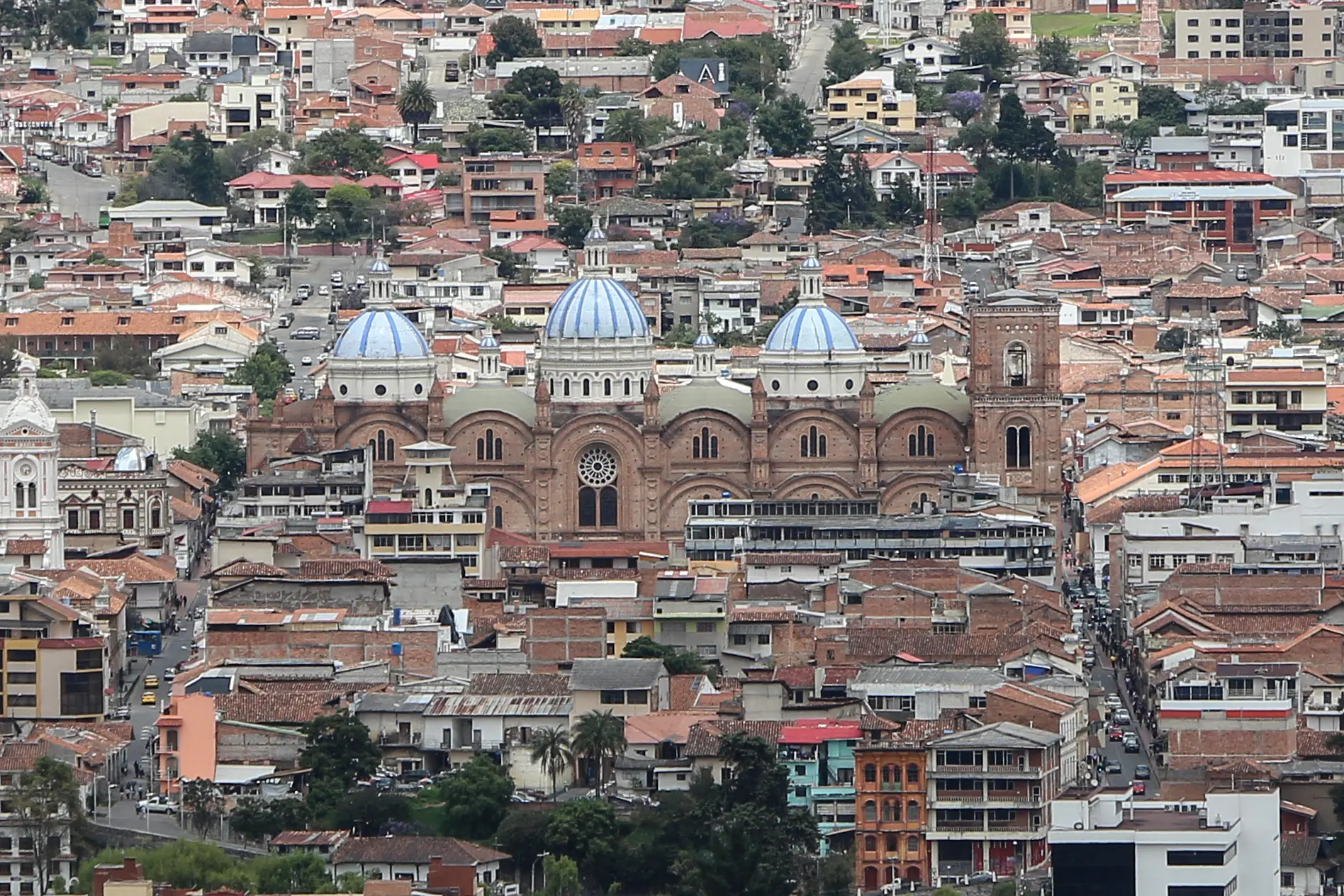
Why visit Cuenca
Things to do in Cuenca Ecuador start with its setting and its centre. The city is the capital of Azuay Province in the south-central Andes, in a highland valley at about 2,500 metres, with a mild climate that averages around 16 degrees Celsius. It is Ecuador’s third-largest city, with about 596,000 people in the 2022 census.
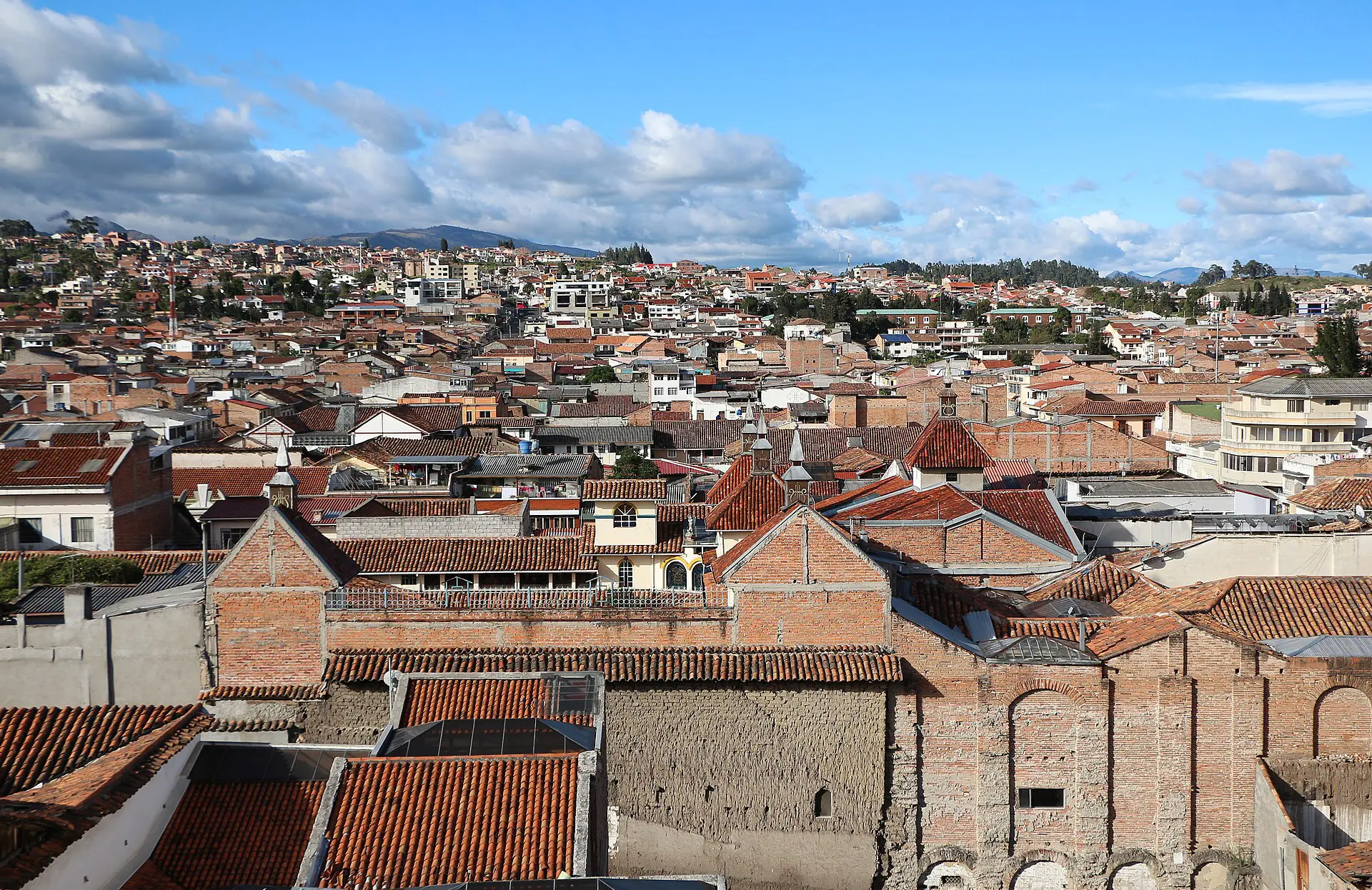
It was founded in 1557 on the site of the Cañari city of Guapondelig and the Inca city of Tomebamba. Four rivers cross it, and its historic centre is a UNESCO World Heritage Site because of its many historic buildings.
Locals call it the Athens of Ecuador for its arts and literature. Flowers, trees and running water give the centre a relaxed feel, and it has been described as cleaner and safer than many large cities in developing countries. Crime has risen across Ecuador, though, so check your government’s current travel advice before you go.
Top things to do in Cuenca
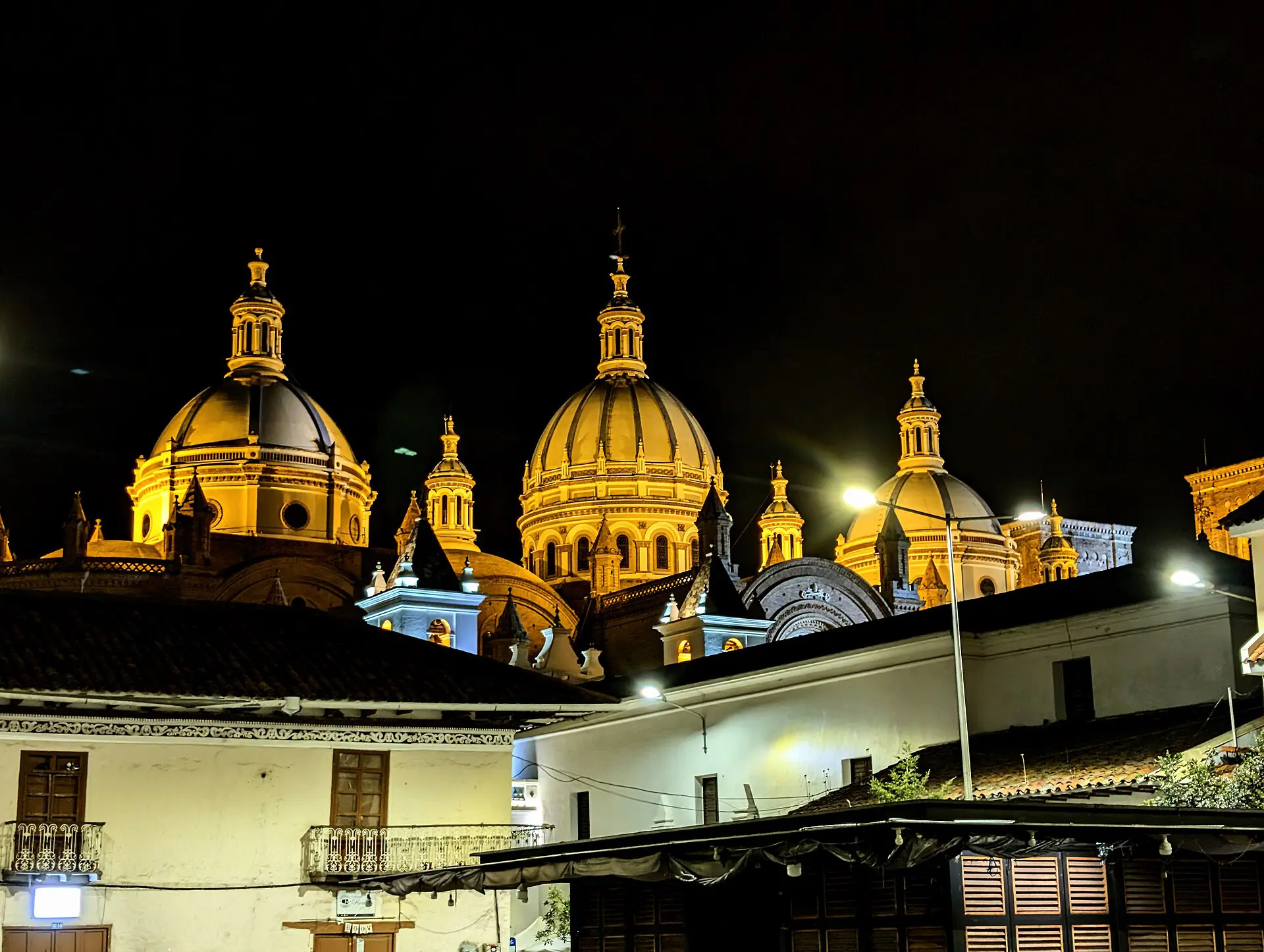
Parque Calderón and the New Cathedral
The main square is the heart of the historic centre, with the cathedral’s blue domes rising above it. Allow an hour or two, including a look inside. Opening hours change, so check before going, and dress modestly in churches.
Walking the historic centre
The UNESCO-listed old town is best explored on foot, with colonial houses, plazas and churches close together. Allow half a day. Wear comfortable shoes, as streets are cobbled in places, and pace yourself at altitude.
Tomebamba River and the riverfront
A walk along the river takes you past old houses and gardens on the edge of the centre. Allow an hour. It is pleasant in the morning and late afternoon, and a good place to see locals out walking.
Cajas National Park
Much of the mountain area southwest of the city is protected by Cajas National Park, with lakes, high moorland and trails. Allow a full day. Weather is cold and changeable, so bring layers and rain gear, and check trail conditions at the visitor centre.
Markets
Local markets sell produce, flowers and regional food. Visit in the morning when stalls are busiest, taste local dishes, and carry small notes. Keep an eye on your belongings in crowds.
Museums
The city has museums covering art, archaeology and local history, reflecting its role in Ecuador’s culture. Pick one or two that match your interests. Opening days and hours vary, so confirm before you go.
Cafes and food
Cuenca is a good place to slow down over coffee or a long lunch. Try local dishes in small restaurants, and ask about current favourites at your accommodation. Drinking water is reported as safe, but ask locally.
Best time to visit Cuenca
The climate is temperate and mild year-round, which is part of the city’s appeal. Days are generally comfortable, evenings are cool, and a light jacket is useful at any time of year.
The drier months, roughly June to September, are typically the best for walking and for trips to Cajas, with more sun and less rain. They can also be busier, particularly around local holidays.
The wetter months bring showers, often in the afternoon, and cloud that can hide the mountains. Rain rarely stops sightseeing in town, but mountain trails can be muddy and cold. Check forecasts before heading to the park. Local festivals can fill hotels, so book early if you travel around them.
| Season | Weather | Crowds and prices |
|---|---|---|
| Jun to Sep | Drier, sunnier, cool nights | Busier, higher prices |
| Oct to May | More showers, cloud | Quieter, often cheaper |
How to get to Cuenca and around
Cuenca has its own airport with flights from Quito and Guayaquil. Schedules change, so check what is currently operating. Long-distance buses also connect it with the main cities, though journeys through the mountains take several hours.
The historic centre is compact and walkable, which is the best way to see it. Taxis are inexpensive for longer trips, and city buses cover wider routes. Agree on the fare or check that the meter is running before you set off.
For Cajas National Park and nearby villages, take a bus, a taxi or a tour. Plan the return in advance, as services thin out later in the day. If you drive, be prepared for mountain roads and changeable weather.
Where to stay in Cuenca
The best area depends on how much you want to walk. Most visitors choose the historic centre, but there are other options.
- Historic centre: restored colonial houses and small hotels close to plazas and restaurants. Suits first-time visitors who want to walk everywhere.
- Near the Tomebamba River: quieter, with garden and river views. Suits travellers who want calm and still be close to the centre.
- Modern districts: practical, with larger hotels and apartments. Suit longer stays and those who want parking.
- Countryside near the city: haciendas and lodges. Suit visitors wanting views and quiet, and who have transport.
How many days do you need?
Two days covers the old town and a museum or two. Three or four days lets you add Cajas National Park and a slower pace. Many people also use Cuenca as a rest stop after Quito or the coast, where a few days feels right.
- Day 1: Parque Calderón, the New Cathedral and a walk around the historic centre, then a river stroll at sunset.
- Day 2: Markets and museums in the morning, with cafes and a long lunch.
- Day 3: Full day in Cajas National Park, with layers and rain gear.
Day trips and nearby
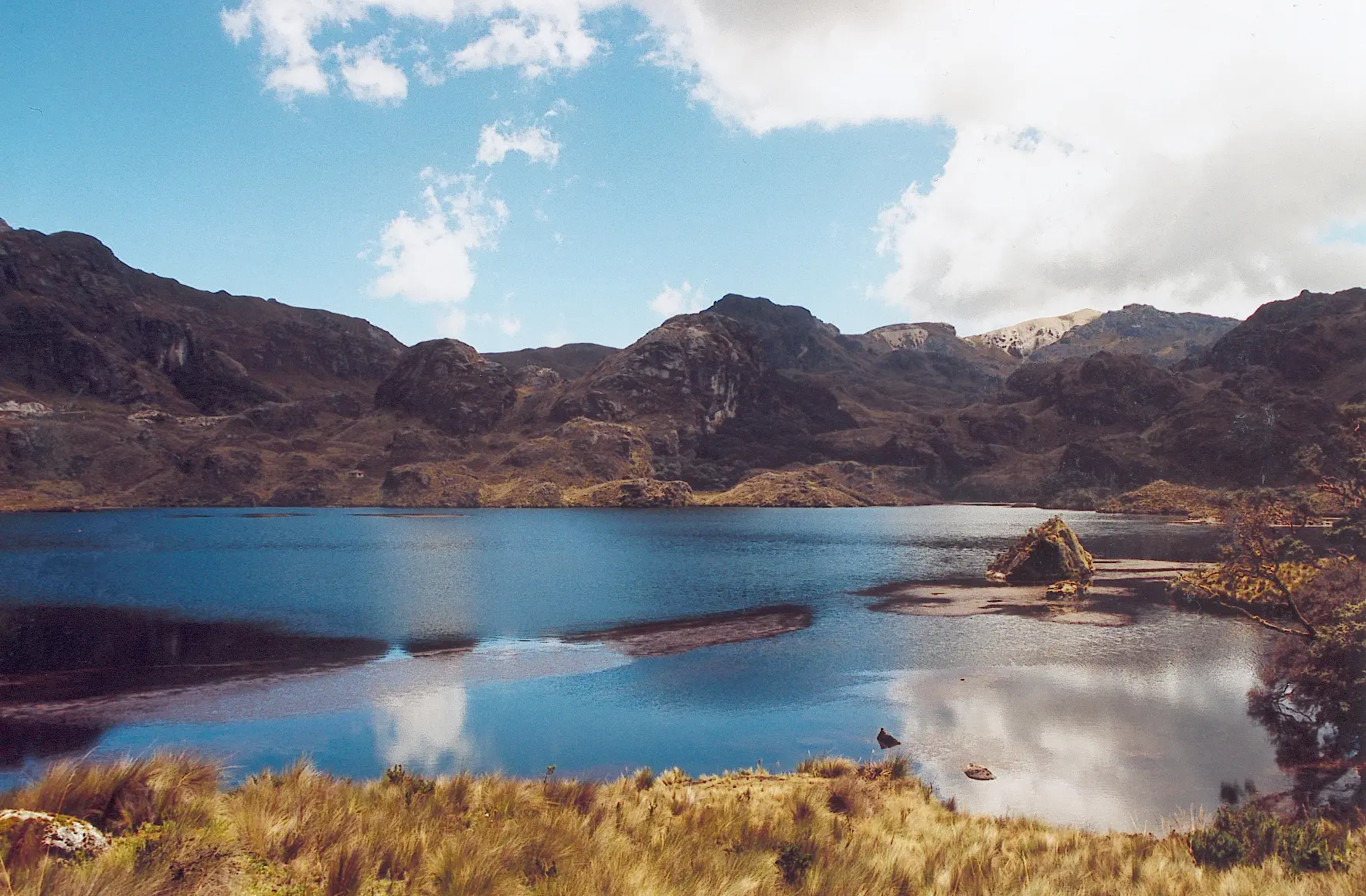
Cajas National Park
The protected highland area west of the city, with lakes and walking trails. It is the most popular trip from Cuenca and works as a full-day outing. Dress for cold, and check trail conditions with park staff.
Loja
A city to the south, reachable by road, with a calmer atmosphere. It is better as an overnight stop than a day trip, given the distance and mountain roads.
Guayaquil
Ecuador’s largest city lies on the coast. It is a long journey from Cuenca, so treat it as a separate stop or travel day rather than an excursion.
Quito and Baños
Both are further north and usually reached by flight or a long bus ride. Plan them as stages of a wider Ecuador route, not day trips.
FAQ
Q1How many days do you need in Cuenca?
Two days covers the historic centre and a few museums. Three or four days lets you add Cajas National Park and a slower pace. It is a good place to rest between busier stops in Ecuador.
Q2When is the best time to visit Cuenca?
The climate is mild year-round. June to September is generally drier and sunnier, which suits Cajas National Park, though it can be busier. Other months bring more showers, so carry a light rain jacket.
Q3How do you get to Cuenca?
Fly from Quito or Guayaquil to Cuenca's airport, or take a long-distance bus through the mountains. Schedules change, so check current options. The historic centre is compact, so you can walk to most sights once there.
Q4Is Cuenca safe and affordable?
It has been described as cleaner and safer than many large cities, but crime has risen across Ecuador, so check your government's current travel advice and take normal precautions, especially at night. Costs are moderate by international standards, with good value food and lodging.
Prices, schedules and entry rules change. Check current details with official sources before you travel. Read the Ecuador travel guide.