Why visit Fiji
The best things to do in Fiji start with the water: this Melanesian archipelago has 332 islands, about 18,300 square kilometres of land and a huge area of coral reef (see the Wikipedia overview for background). Most visitors stay on or near Viti Levu, the largest island, and add the Mamanuca or Yasawa groups or the garden island of Taveuni. English is widely spoken, flights from Australia, New Zealand and the US are direct, and tourism runs smoothly.
Fiji suits beach holidays, families, couples and divers, but it also repays visitors who look beyond resorts. Indigenous Fijian village traditions, Indo-Fijian temples and food, colonial-era towns such as Levuka and tropical forest walks all sit within reach. It is less of a budget destination than Southeast Asia, so it works best for travellers who plan ahead, pick the right islands and choose their season carefully.
Best places to visit in Fiji
The best places to visit in Fiji include a mix of resort islands, towns and wild landscapes, with most trips starting at Nadi on Viti Levu.
Nadi and Denarau
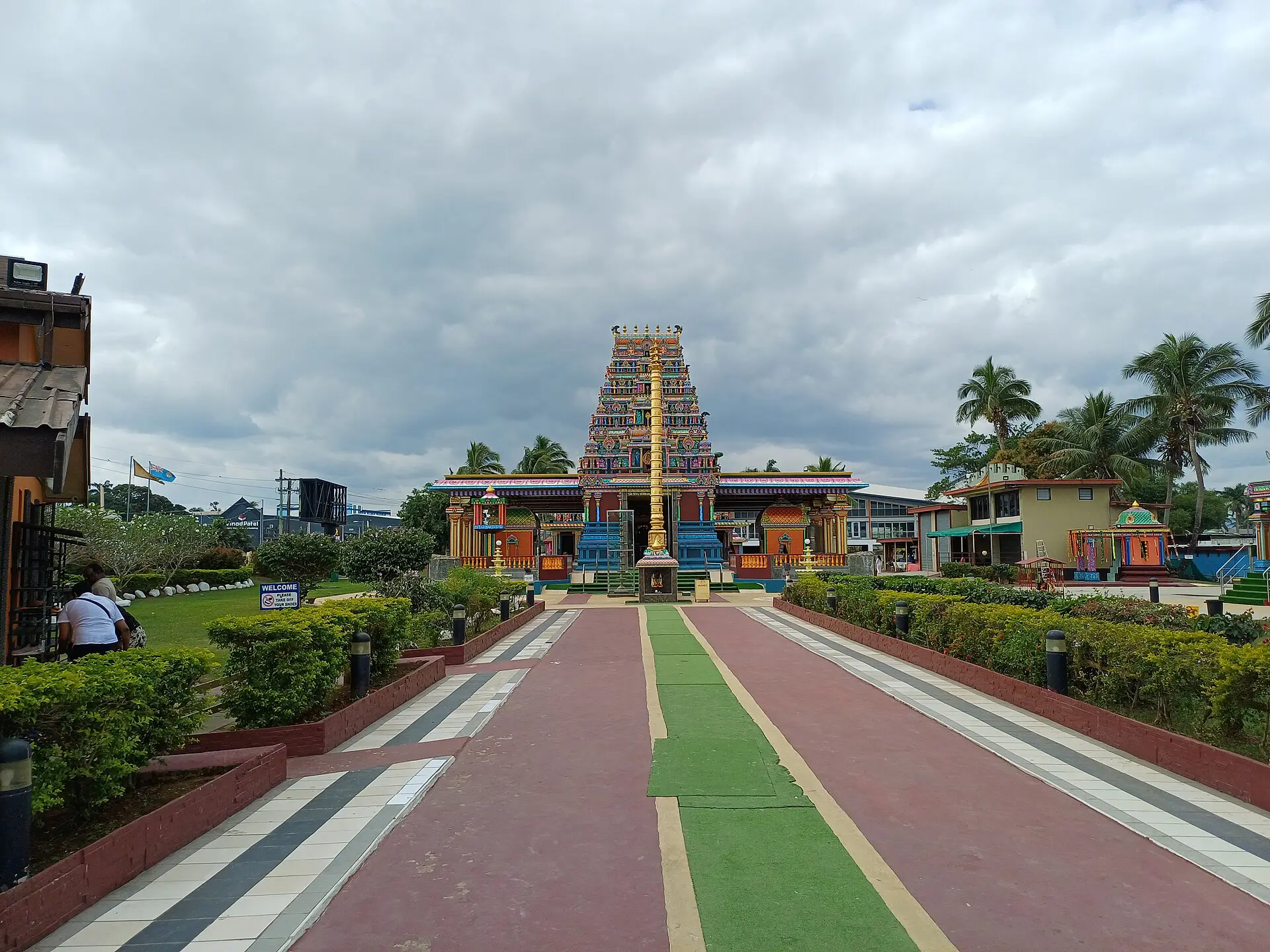
Nadi is the main arrival point, with the colourful Sri Siva Subramaniya Temple and a busy market. Denarau Island, a short drive away, has resorts, a marina and boats to the outer islands.
Mamanuca Islands
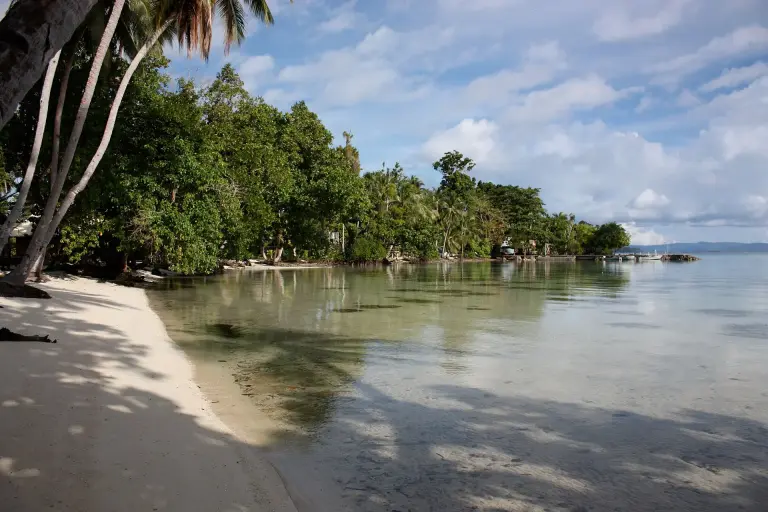
These islands lie 45 to 90 minutes by boat from Denarau and offer white-sand beaches, calm lagoons and a wide range of resorts, from backpacker hostels to luxury villas. They are the easiest first island stop.
Yasawa Islands
A longer chain to the north with remote beaches, limestone caves such as Sawa-i-Lau and community-run stays. Boats take several hours, so allow at least three nights.
Coral Coast and Pacific Harbour
Viti Levu’s southern coast has Sigatoka Sand Dunes National Park, Kula Eco Park and Beqa Lagoon, known for shark diving.
Taveuni and Levuka
Taveuni is known for waterfalls, forest and diving, while Levuka, the old capital on Ovalau, has UNESCO-listed colonial streets.
Top things to do in Fiji
The top things to do in Fiji are mostly outdoors, with options for every budget, and many tours can be booked locally when you arrive.
- Snorkel or dive the reefs: the Mamanucas, Yasawas and Taveuni’s Rainbow Reef are among the most popular areas.
- Island-hop by catamaran: hop-on hop-off passes link Denarau with the Mamanuca and Yasawa groups.
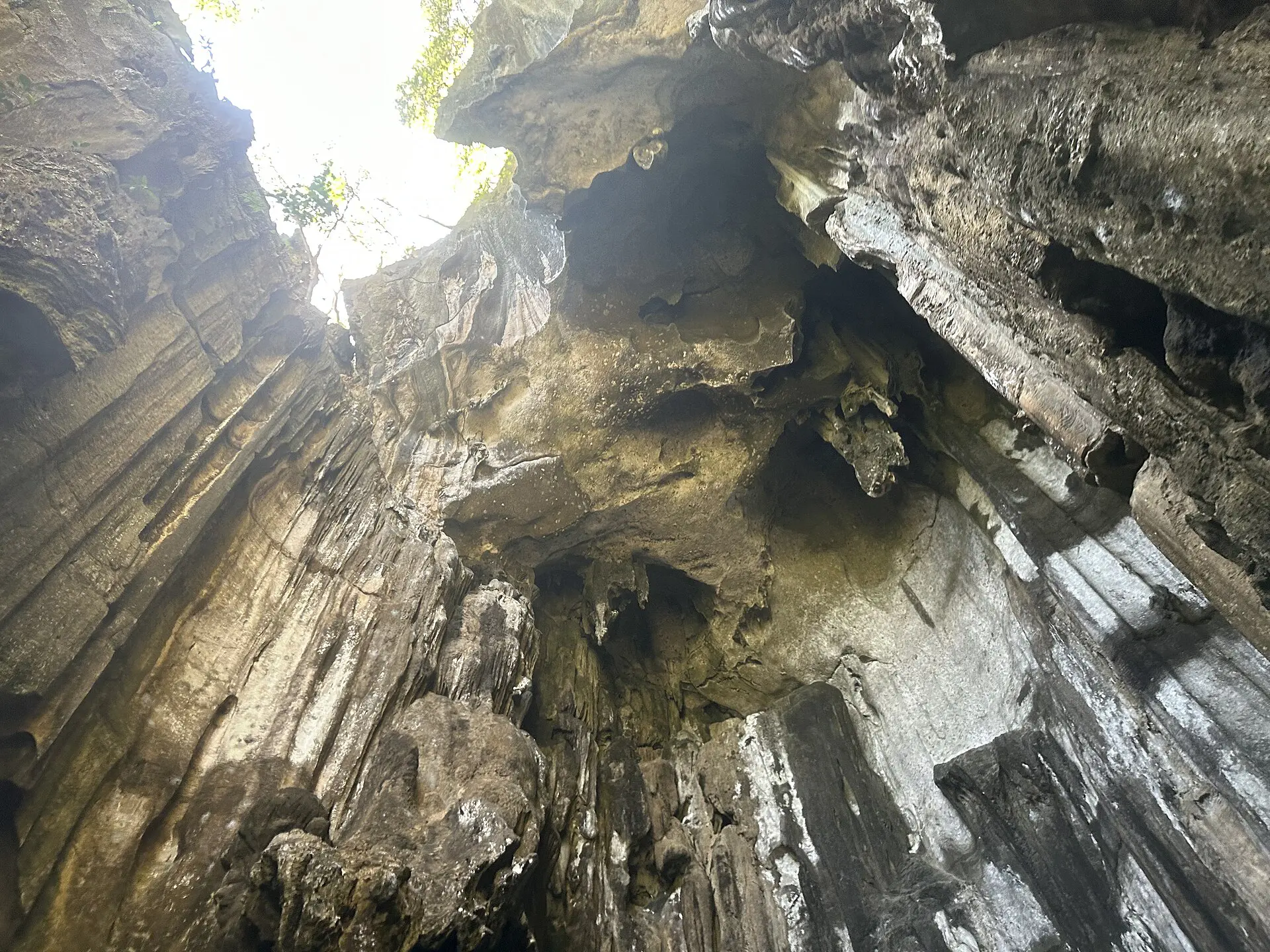
- Visit Sawa-i-Lau cave: swim into a limestone cave in the Yasawas on a day trip.
- Take part in a kava ceremony: accept a bowl of yaqona in a village or resort and follow the customs.
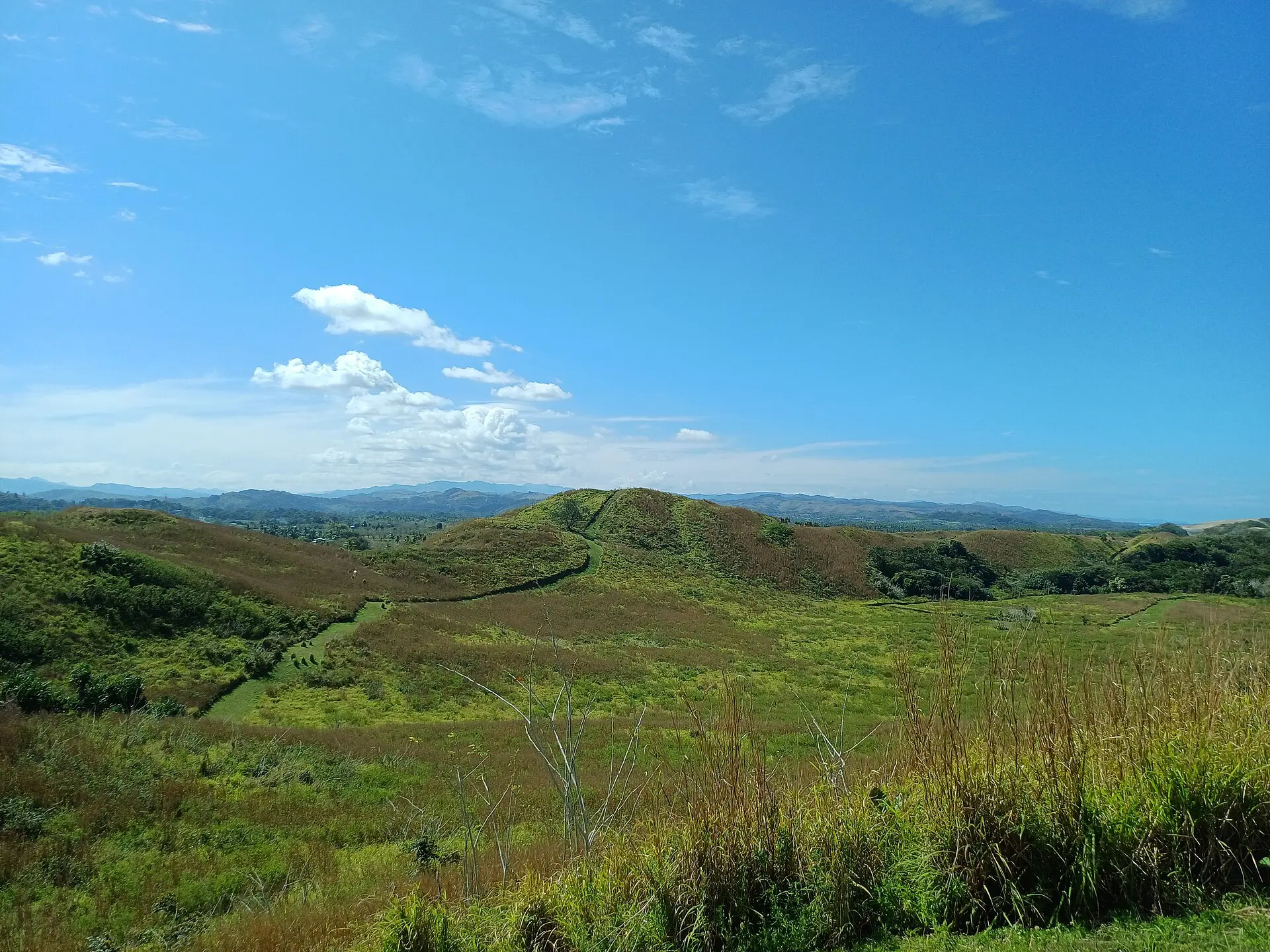
- Walk the Sigatoka Sand Dunes: trails cross dunes with ancient burial sites and ocean views.
- Dive with sharks at Beqa Lagoon: licensed operators run controlled shark dives for experienced divers.
- Hike to Tavoro Waterfalls on Taveuni: the trails pass through rainforest to pools suitable for swimming.
- Tour Levuka: walk the historic main street and the old port town on Ovalau.
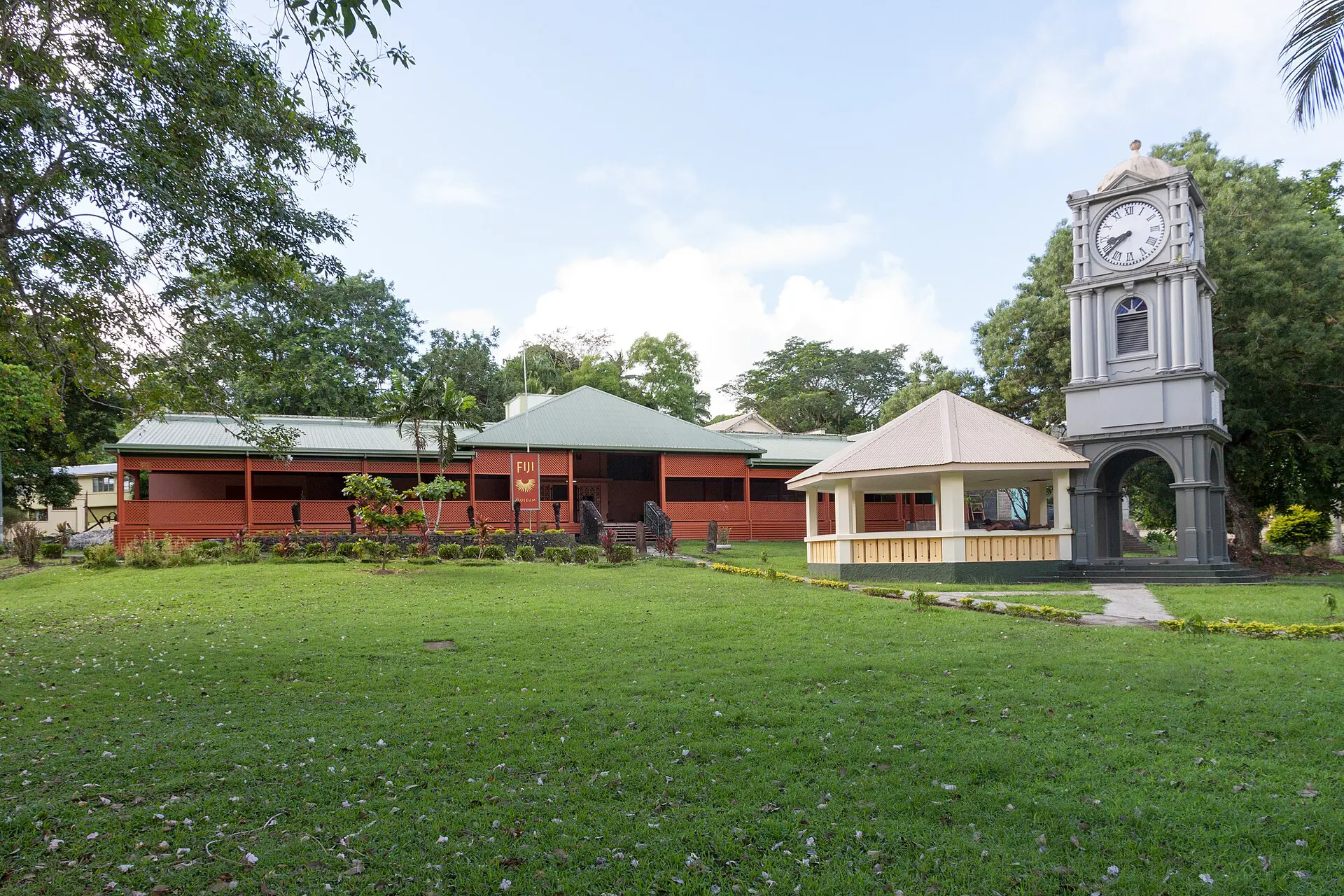
- Explore Suva’s market and museum: the capital offers produce markets and the Fiji Museum.
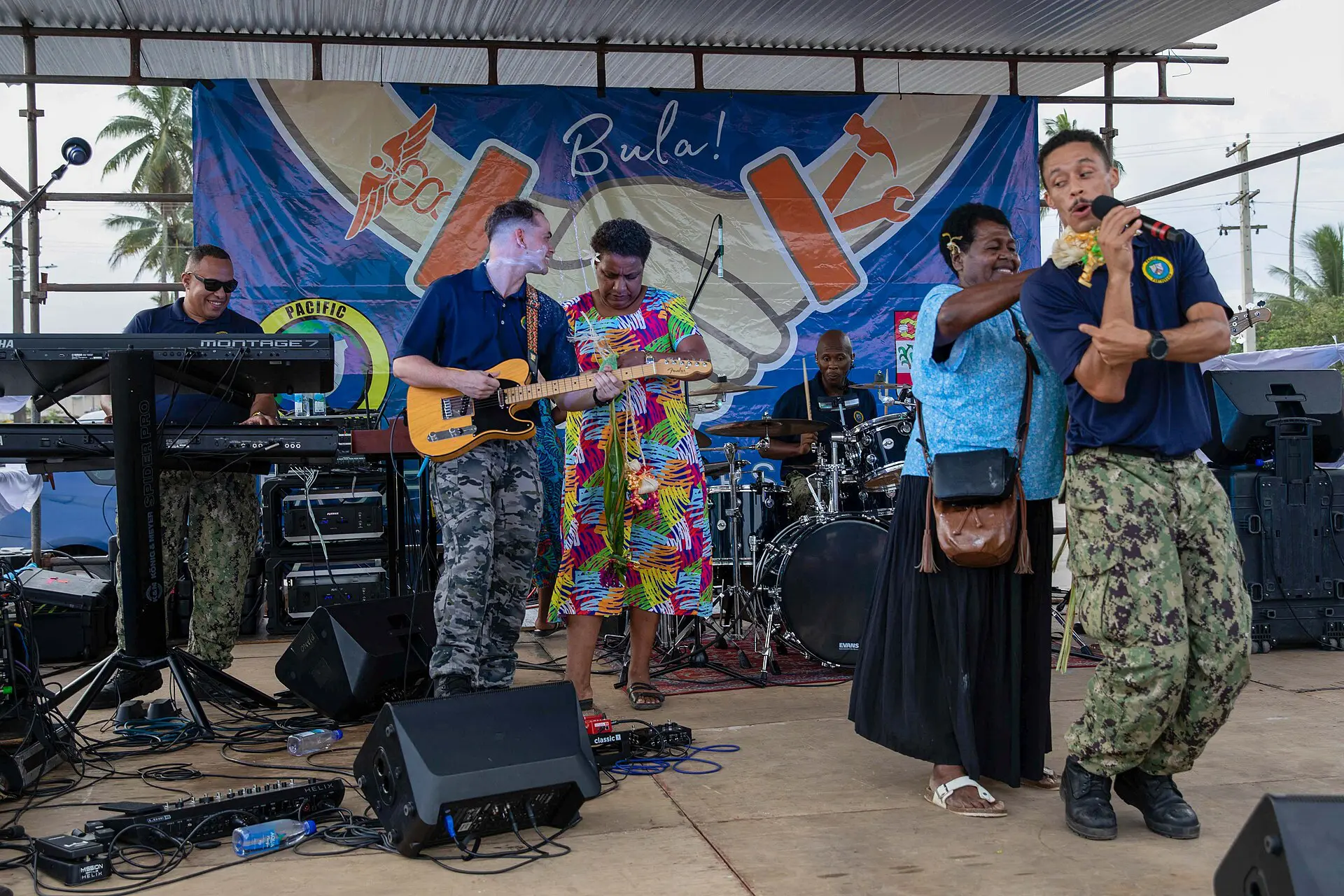
- Watch a meke performance: traditional dance and song are staged at many resorts and cultural centres.
Best time to visit Fiji
The best time to visit Fiji is May to October, the dry season, when days are warm, humidity is lower and seas are calmer for diving and boat trips. November to April is hot, humid and wetter, and it is the cyclone season, so some boats and flights may be disrupted. Peak prices apply during Australian and New Zealand school holidays and Christmas.
| Season | Weather | Crowds and prices | Good for |
|---|---|---|---|
| May-Jun | Warm, drier, around 25-28 C | Moderate | Diving, beaches, value |
| Jul-Sep | Dry, breezy, sunny | Highest, especially in school holidays | Island-hopping, families |
| Oct | Warming, still mostly dry | Moderate | Quieter beaches, diving |
| Nov-Apr | Hot, humid, heavy showers, cyclone risk | Lower rates, quiet islands | Budget stays, whale and manta spotting depending on area |
Check the weather forecast and the Fiji Meteorological Service during cyclone season, and buy travel insurance that covers weather delays.
Is Fiji safe to visit?
Yes, Fiji is generally safe for visitors, and most trips pass without incident. The main concerns are petty theft, sunburn, strong sea conditions and weather, rather than violent crime. Check your government’s current travel advice, such as the UK FCDO, Australian Smartraveller or US State Department, before you travel.
Theft and personal safety. Opportunistic theft occurs in Nadi, Suva and on beaches, so keep valuables in your accommodation safe and avoid walking alone at night, especially in Suva. Use licensed taxis, and be wary of unsolicited tour offers on the street.
Sea and weather. Currents, tides and coral can be hazardous. Wear reef shoes where advised, follow resort and boat crew guidance and do not swim alone. Cyclones can occur from November to April, and flooding can affect roads.
Health. Dengue fever and other mosquito-borne diseases occur, so use repellent. Tap water is safe in many resorts but not everywhere, so many visitors drink bottled water. Medical facilities on outer islands are limited, so insurance with evacuation cover is important.
Etiquette. Respect village rules and dress modestly. Same-sex relations are legal, but public attitudes vary.
Visa and entry requirements for Fiji
Entry rules depend on your nationality. Visitors from many countries, including the US, UK, EU states, Australia, New Zealand and Canada, have generally received a visitor permit on arrival for stays of up to four months, but this can change, so confirm the current rule for your passport with the Fijian Immigration Department or your nearest embassy.
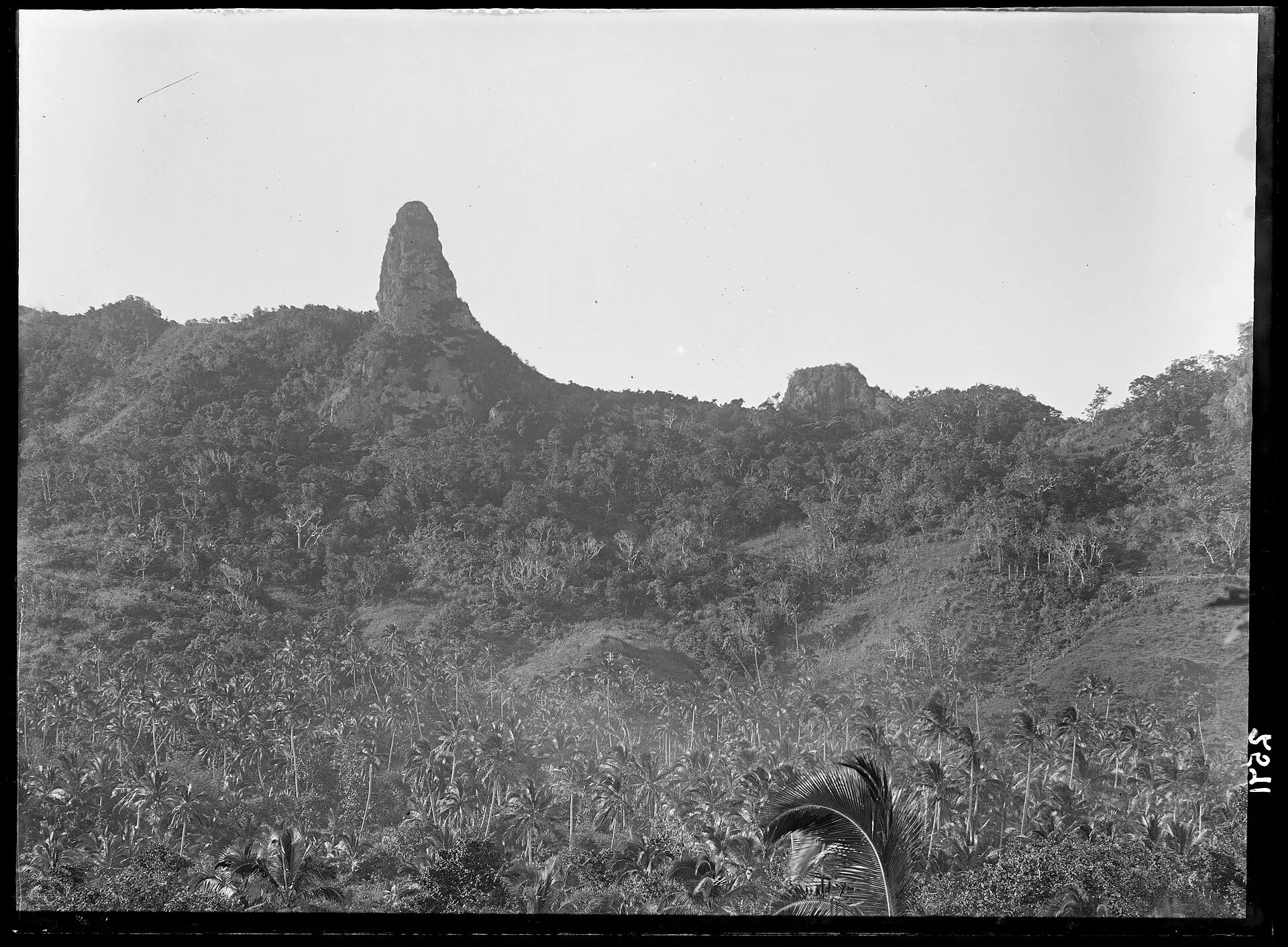
You will usually need a passport valid for at least six months from your arrival date, a return or onward ticket and proof that you can support yourself during your stay. Some nationalities need a visa in advance. If you arrive from a yellow fever area, you may need a vaccination certificate.
Biosecurity rules are strict, and you must declare food, plants and animal products at the border. Check duty-free and medication allowances, and carry prescriptions in original packaging. For heritage context, the UNESCO page for Fiji lists its World Heritage Site, though it does not cover entry rules.
Getting to and around Fiji
Most visitors fly into Nadi International Airport on Viti Levu, which has direct flights from Australia, New Zealand, the US and some Pacific hubs. Suva’s Nausori Airport handles mainly domestic and regional flights. Cruise ships also call at several ports.
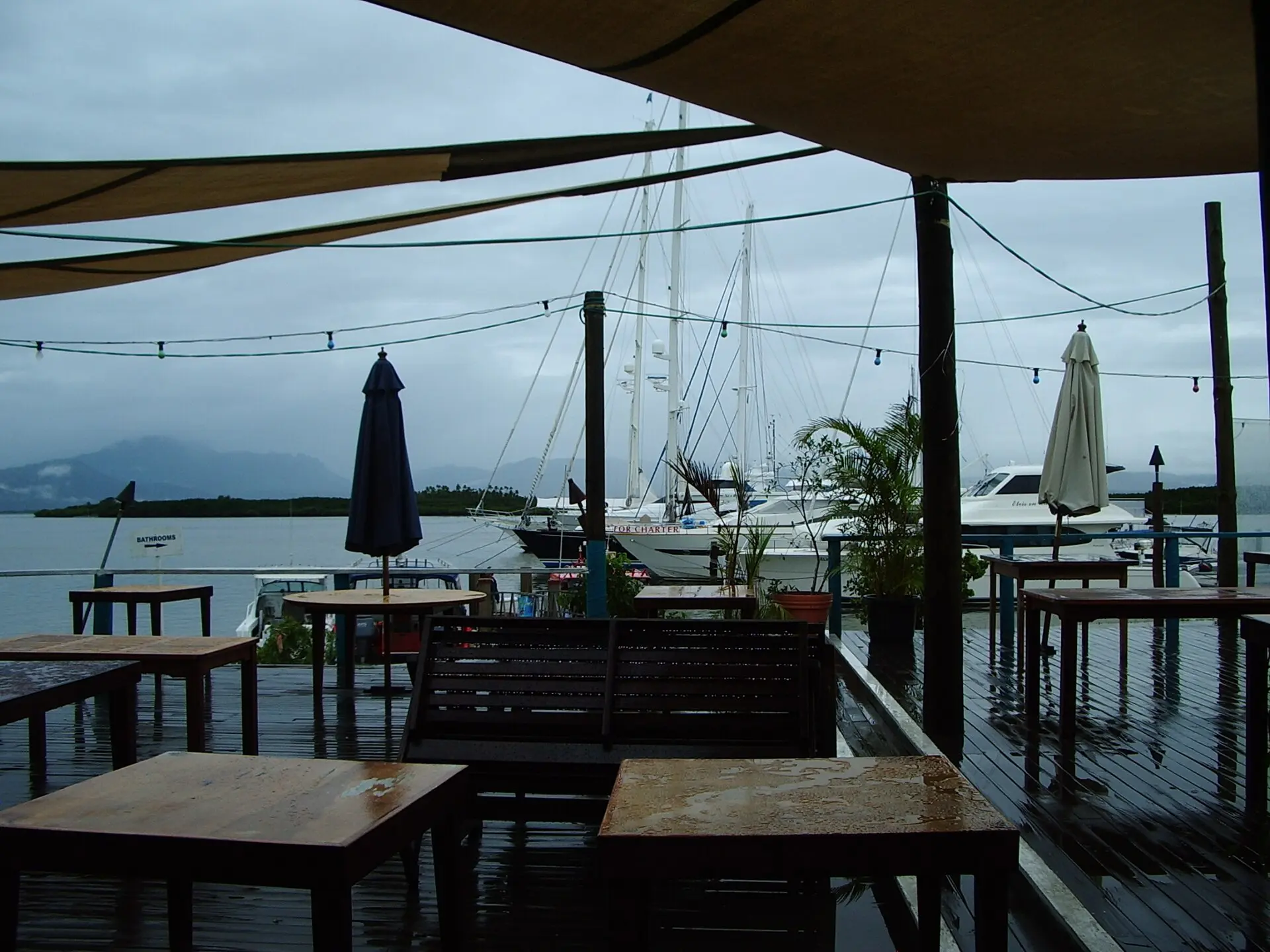
On Viti Levu, the main roads are the Queens Road along the Coral Coast and the Kings Road around the north. Nadi to Suva takes about four to five hours by road, and Nadi to the Coral Coast around one hour. Buses are cheap and frequent, and taxis are inexpensive. Rental cars are available, and Fiji drives on the left.
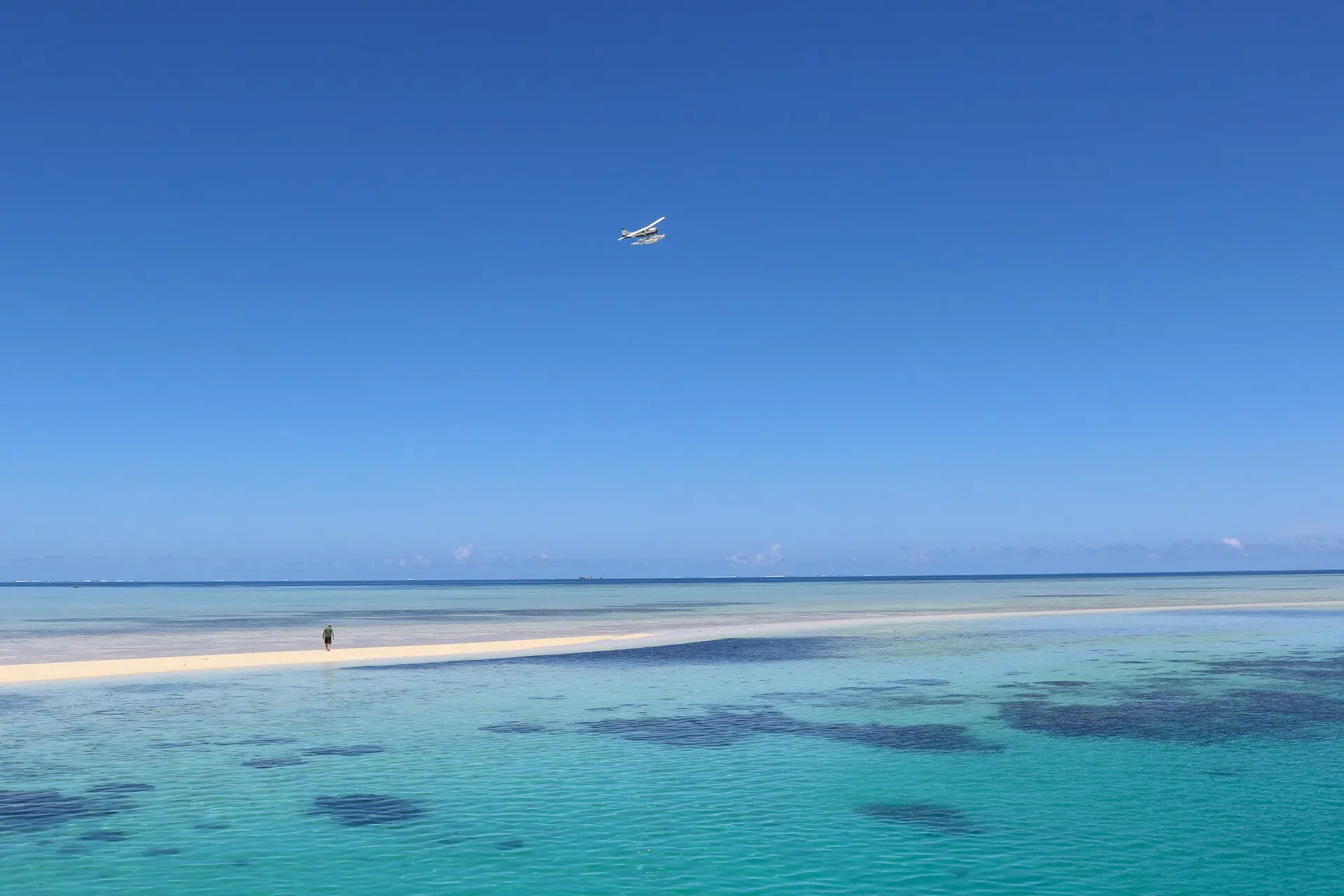
For the islands, catamaran services link Denarau Marina with the Mamanucas and Yasawas, taking around one to five hours depending on the stop. Small planes, seaplanes and helicopters offer quicker transfers at higher prices. Domestic flights serve Taveuni and Vanua Levu from Nadi and Suva, and ferries link Viti Levu with Ovalau and Vanua Levu. Schedules can change with weather, so allow buffer days before long-haul flights.
How much does a trip to Fiji cost?
A Fiji vacation can range from hostel stays to luxury private islands, and accommodation is the main driver of cost. The currency is the Fijian dollar (FJD), and prices are often quoted in FJD, with some resorts quoting in USD or AUD. Figures below are rough per-person guides for the 2026 season, and cost most in July to September and around Christmas.
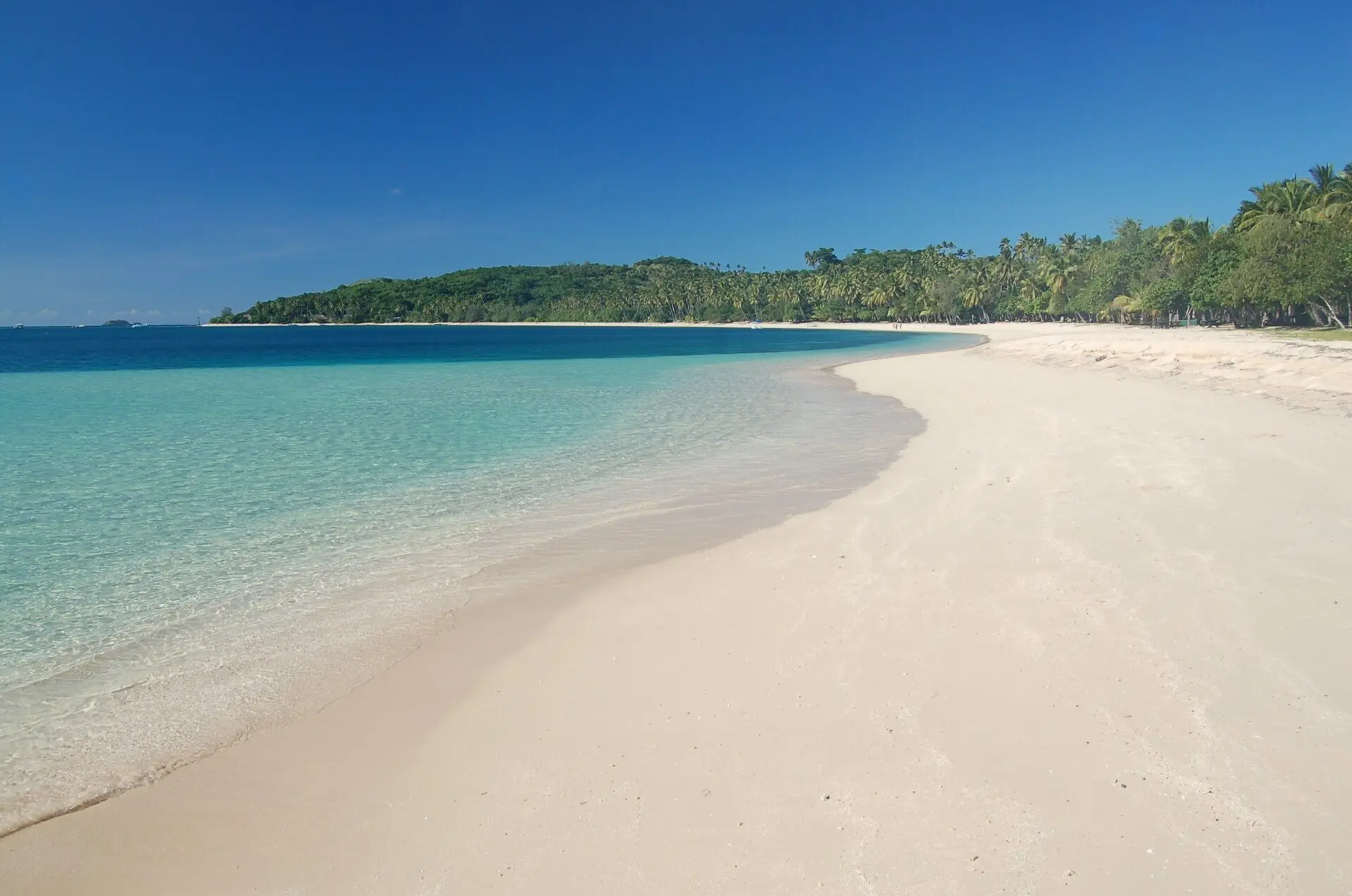
- Budget: around FJD 120 to 200 per day, with dorm beds, local food and buses or shared boats.
- Mid-range: around FJD 300 to 550 per day, with a comfortable hotel or island resort, meals and some tours.
- High-end: from around FJD 900 per day, with luxury resorts, private transfers and activities.
Resort islands often require meal plans because there are few alternatives on small islands, so check what is included. Boat transfers, diving and tours add up quickly. Eating at local markets and cafes on the main islands is cheap, and VAT and service charges may be added to resort prices.
Fiji food and drink
Fiji food blends indigenous Fijian, Indo-Fijian and Pacific influences, so you can eat fresh fish in coconut milk one day and spicy curry the next. Seafood, root vegetables and tropical fruit are central.
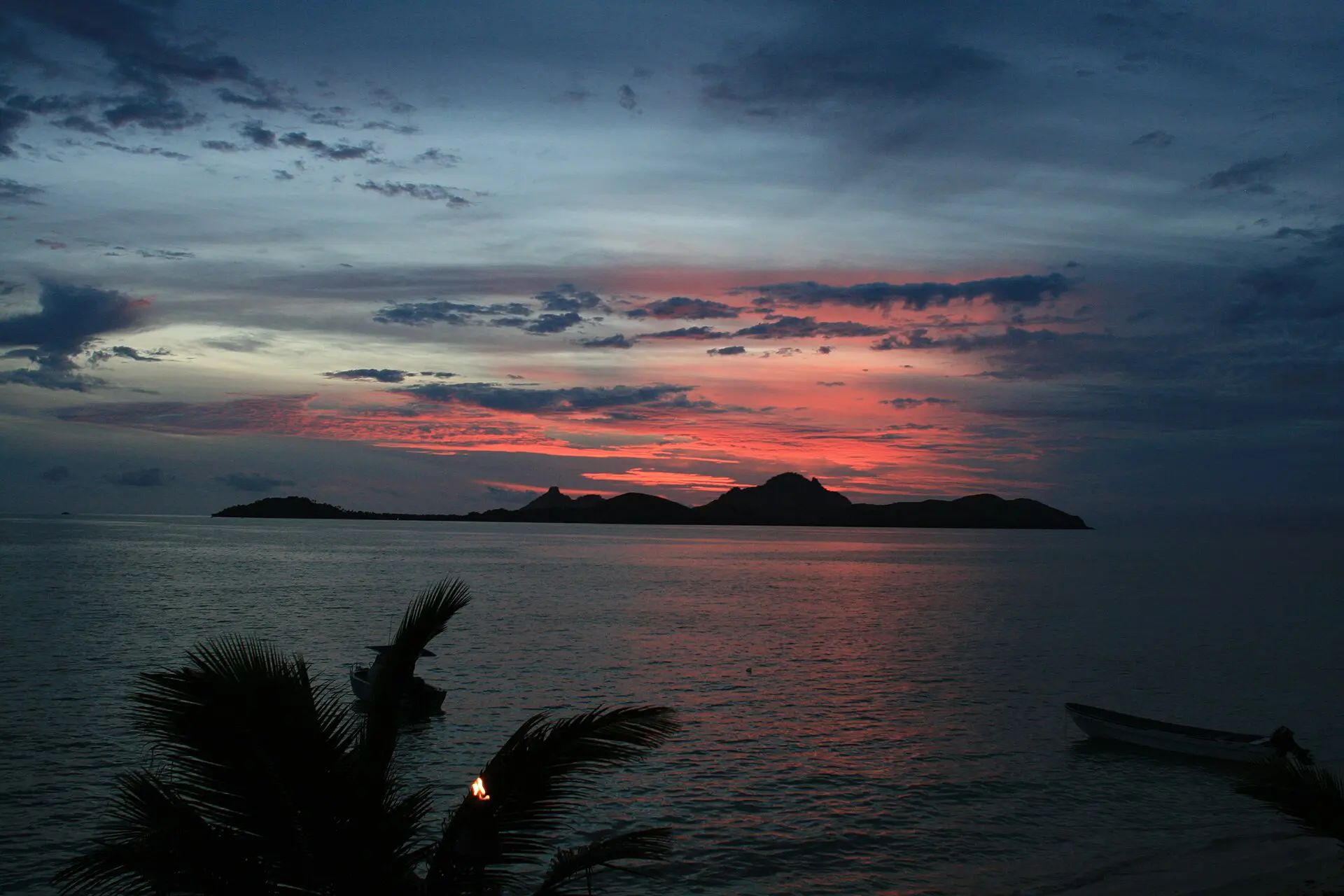
- Kokoda: raw fish cured in lime juice and coconut milk with chilli, onion and tomato, similar to ceviche.
- Lovo: a feast of meat, fish and root vegetables cooked in an earth oven, often served at resorts and celebrations.
- Rourou and palusami: taro leaves cooked in coconut milk.
- Cassava, taro and dalo: staple root vegetables served boiled, fried or baked.
- Indo-Fijian curries and roti: chicken, goat or vegetable curries served with flatbread, widely available and cheap.
- Fresh fish and seafood: grilled, fried or in curry, especially good at coastal restaurants.
- Drinks: yaqona (kava), fresh coconut water, Fiji Bitter beer and tropical juices.
Vegetarians can eat well thanks to Indian cooking, and Suva and Nadi markets sell fruit, vegetables and snacks. Choose busy stalls for street food, and drink bottled water unless your hotel confirms the tap water is safe. Kava is mildly numbing and best taken in moderation.
Culture, language and etiquette in Fiji
Fiji has three main languages: English, Fijian and Fiji Hindi. English is used in government, education and tourism, and Fijian greetings such as bula (hello) and vinaka (thank you) are heard everywhere. About 55 to 60 percent of the population is indigenous iTaukei, and about a third is Indo-Fijian, descended from indentured labourers brought during the colonial era. Christianity and Hinduism are the main religions, with a Muslim minority.
Village life follows strong customs. If you visit a village, bring a sevusevu gift, usually a bundle of kava roots, and present it to the chief through your guide. Remove hats and sunglasses, cover shoulders and knees, and do not touch people on the head. Wait to be invited before sitting, and clap once before accepting a bowl of kava.
Dress modestly away from the beach, particularly in towns and temples. Avoid public displays of affection in villages, and ask permission before photographing people. Sundays are quiet in many places because of church services, and many shops are closed. Fiji time is relaxed, so allow extra time for boats and appointments.
Fiji itinerary: a 7-day route
This route stays on Viti Levu and the Mamanuca Islands, uses buses, boats and short drives and works well in the dry season.
- Day 1, Nadi: arrive, visit the Sri Siva Subramaniya Temple and the market, and rest after the flight.
- Day 2, Mamanuca Islands: take a catamaran from Denarau, about one hour, and spend the day snorkelling and relaxing.
- Day 3, Mamanuca Islands: add a reef dive, a village visit or a sunset cruise.
- Day 4, Coral Coast: return to the mainland, then drive about one hour to Sigatoka for the dunes and a river or village trip.
- Day 5, Pacific Harbour: continue east about two hours, visit Kula Eco Park on the way, and book a lagoon activity.
- Day 6, Suva: drive about two hours to the capital, and visit the market, the Fiji Museum and Thurston Gardens.
- Day 7, return: allow about four to five hours back to Nadi, or fly if time is short.
With extra days, add Taveuni or the Yasawas. In the wet season, spend more time on the Coral Coast and in Suva, where rain matters less.
Practical tips for Fiji
- Money: the Fijian dollar is the local currency. ATMs are common in towns, and cards are accepted at most hotels and larger shops, but carry cash for markets, buses, village visits and small islands.
- SIM and eSIM: prepaid SIMs and eSIMs are available at Nadi Airport, and coverage is good in towns but patchy on outer islands. Resort wifi can be slow.
- Plugs: type I sockets at 240 V, as in Australia and New Zealand.
- Tipping: not expected, though resorts often have a staff fund where tips can be left.
- Health: use reef-safe sunscreen and repellent, carry any prescription medicines and check vaccine advice with a travel clinic.
- Packing: light clothing, a sarong or shawl for villages, reef shoes, a rain jacket and a dry bag for boat trips.
- Booking: reserve island resorts and boats well ahead for July to September.
For wider background, see the Wikivoyage Fiji guide.
FAQ
Q1What are the best things to do in Fiji?
Snorkel or dive the reefs, island-hop in the Mamanucas and Yasawas, visit Sawa-i-Lau cave, try a kava ceremony, walk Sigatoka Sand Dunes, dive with sharks at Beqa Lagoon and hike to waterfalls on Taveuni. Levuka and Suva add culture and history.
Q2What is Fiji food like?
Fiji food mixes indigenous Fijian, Indo-Fijian and Pacific cooking. Try kokoda (raw fish in coconut milk and lime), lovo earth-oven feasts, taro and cassava, rourou in coconut milk, and curries with roti. Seafood is fresh, and vegetarians eat well.
Q3What is the best time to visit Fiji?
May to October is best: the dry season has warm, less humid weather and calmer seas for diving and boat trips. July to September is busiest and priciest. November to April is hotter, wetter and cyclone season, with cheaper rates and quieter islands.
Q4Is Fiji safe?
Yes, for most visitors. Violent crime is uncommon, and the main issues are petty theft, sunburn, strong currents and cyclones in the wet season. Keep valuables locked, avoid walking alone at night in Suva and check your government's current travel advice before you go.
Q5Is Fiji safe to visit for solo travellers and women?
Fiji is generally considered safe for solo travellers, including women, especially at resorts and in tourist areas. Take normal precautions: avoid isolated places at night, use licensed taxis, dress modestly away from beaches and share your plans with your accommodation.
Q6Do I need a visa for Fiji?
It depends on your nationality. Many visitors, including those from the US, UK, EU, Australia and New Zealand, get a visitor permit on arrival for up to four months, with a valid passport and onward ticket. Check current rules with official Fijian immigration sources.
Q7How many days do you need in Fiji?
Seven days is enough for Nadi, the Mamanuca Islands and the Coral Coast at a steady pace. Add three to four days for the Yasawas or Taveuni, and plan extra time if you want to stay mainly at one beach resort.