Why visit Solomon Islands
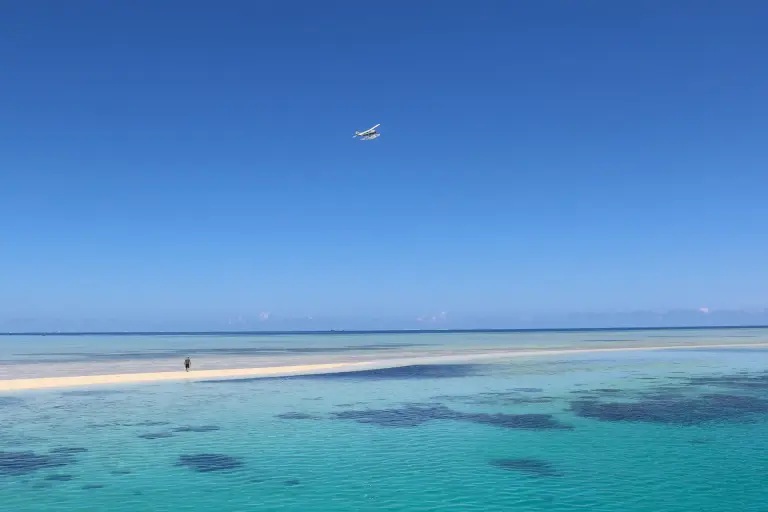
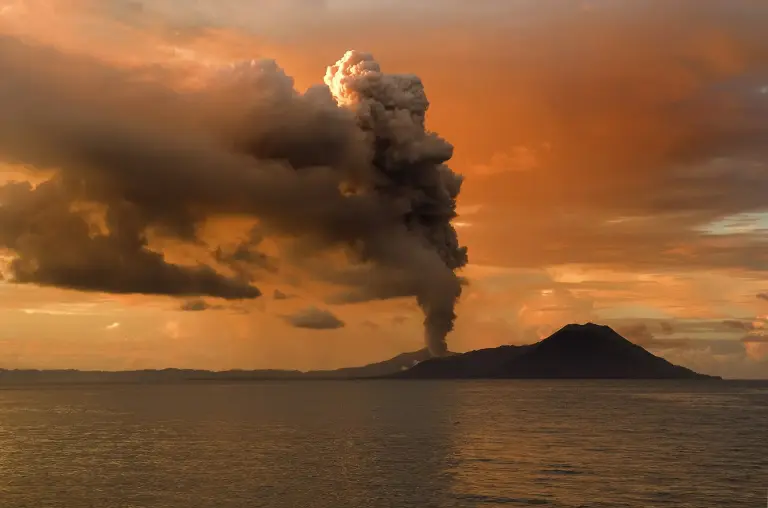
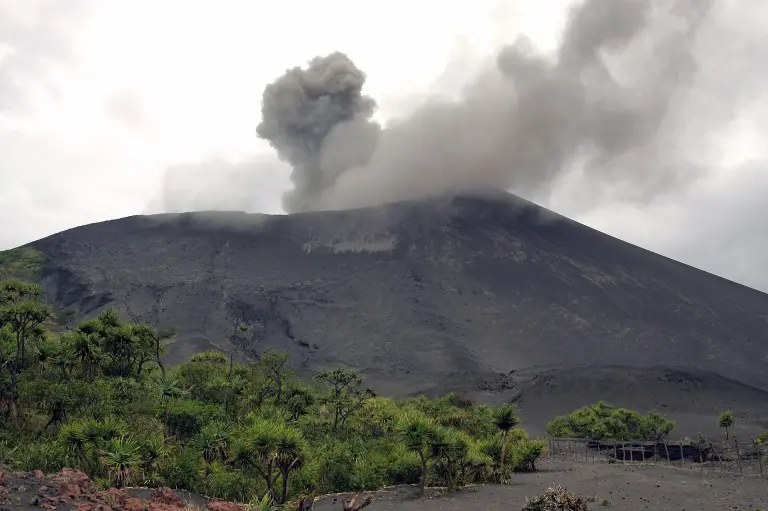
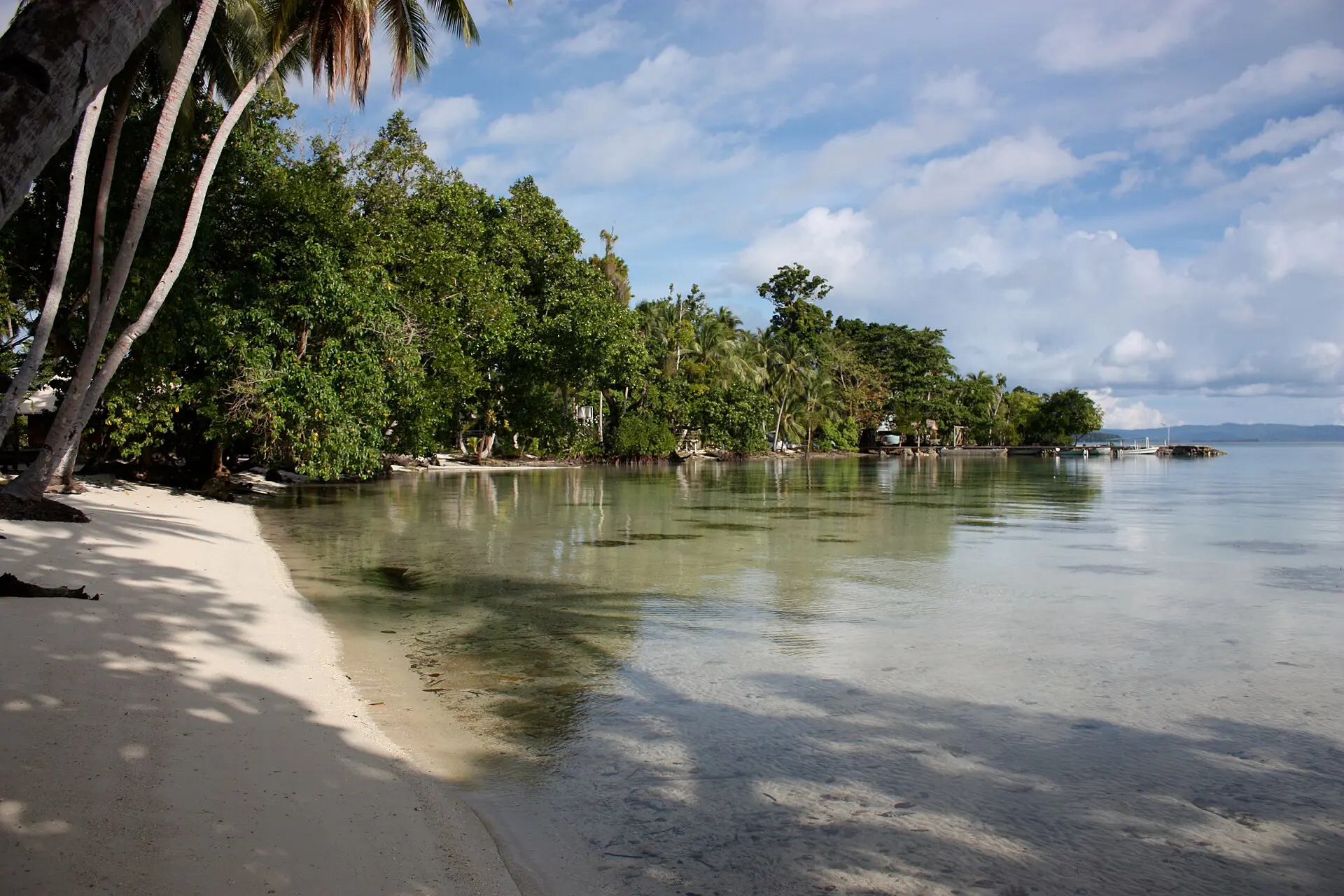
This Solomon Islands travel guide starts with the case for going: the archipelago has six major islands and hundreds of smaller ones, with coral reefs, rainforest, volcanoes and lagoons, according to the Wikipedia overview. Diving is the headline, with reefs and wartime wrecks, and the villages offer cultural experiences, including traditional carving, shell money and customary dance. The country is also known as the Solomons.
Solomon Islands suits divers, snorkellers, kayakers, history enthusiasts and travellers who want an unpolished corner of the Pacific. It is not a resort destination: hotels are few, boats and flights run late, and many places can only be reached by small boat or dugout canoe. In return there are few other visitors, warm welcomes and some of the least crowded coral reefs on Earth. The Second World War campaign on Guadalcanal makes the capital area a pilgrimage site for many visitors from the United States, Japan, Australia and New Zealand.
Best places to visit in Solomon Islands
The best places to visit in Solomon Islands are spread over a huge area of sea, so most trips focus on two or three of them.
Honiara and Guadalcanal
The capital lies on Guadalcanal, the largest island and the site of the major wartime campaign. Memorials, wrecks, Henderson Field and the central market are the main stops. Honiara is a working city and a base for onward travel, rather than a beach destination.
Marovo Lagoon
One of the largest saltwater lagoons in the world, with a double barrier of islands, reefs and stilted villages. Guesthouses run by local families offer snorkelling, canoe trips and village walks.
Gizo and the Western Province
Gizo is the second town, with dive operators, a small market and access to wrecks, reefs and islands such as Kennedy Island. Munda has WWII relics and the Roviana Lagoon.
Tulagi and the Florida Islands
The old colonial capital sits north of Guadalcanal, with wartime history and diving on wrecks in the strait known as Iron Bottom Sound.
Malaita
The most populous island, known for strong customs, shell money and the artificial islands of Langa Langa Lagoon.
Rennell Island
A raised coral atoll with a large lake, listed as a UNESCO World Heritage Site for its unusual ecology, reached by occasional flights or boats.
Top things to do in Solomon Islands
The top things to do in Solomon Islands centre on the sea, wartime history and village life.
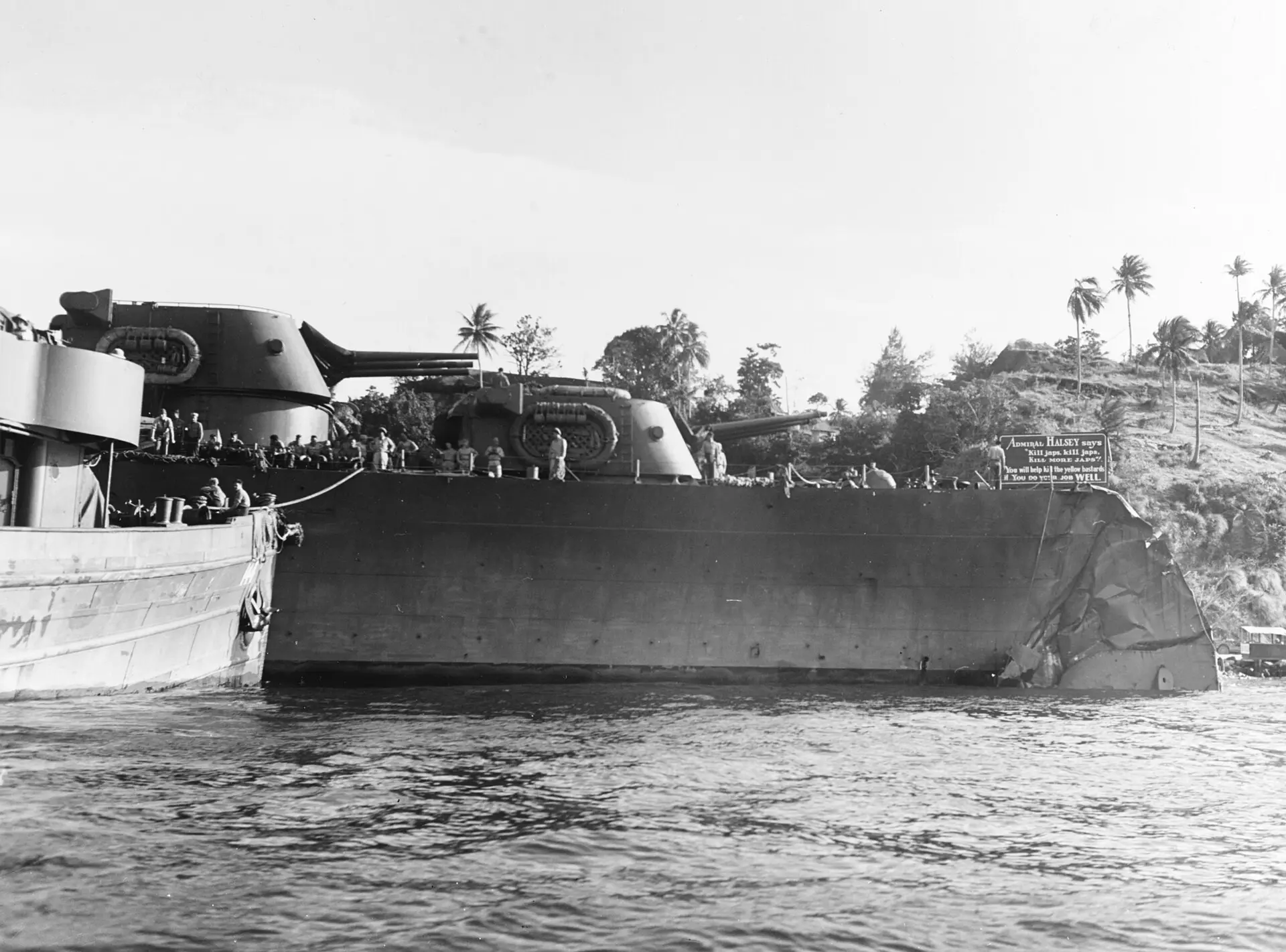
- Dive wartime wrecks: Iron Bottom Sound has ships and aircraft from the Guadalcanal campaign, mostly for experienced divers with a local operator.
- Snorkel and dive coral reefs: reefs near Gizo, Marovo Lagoon and Russell Islands are known for fish and coral diversity.
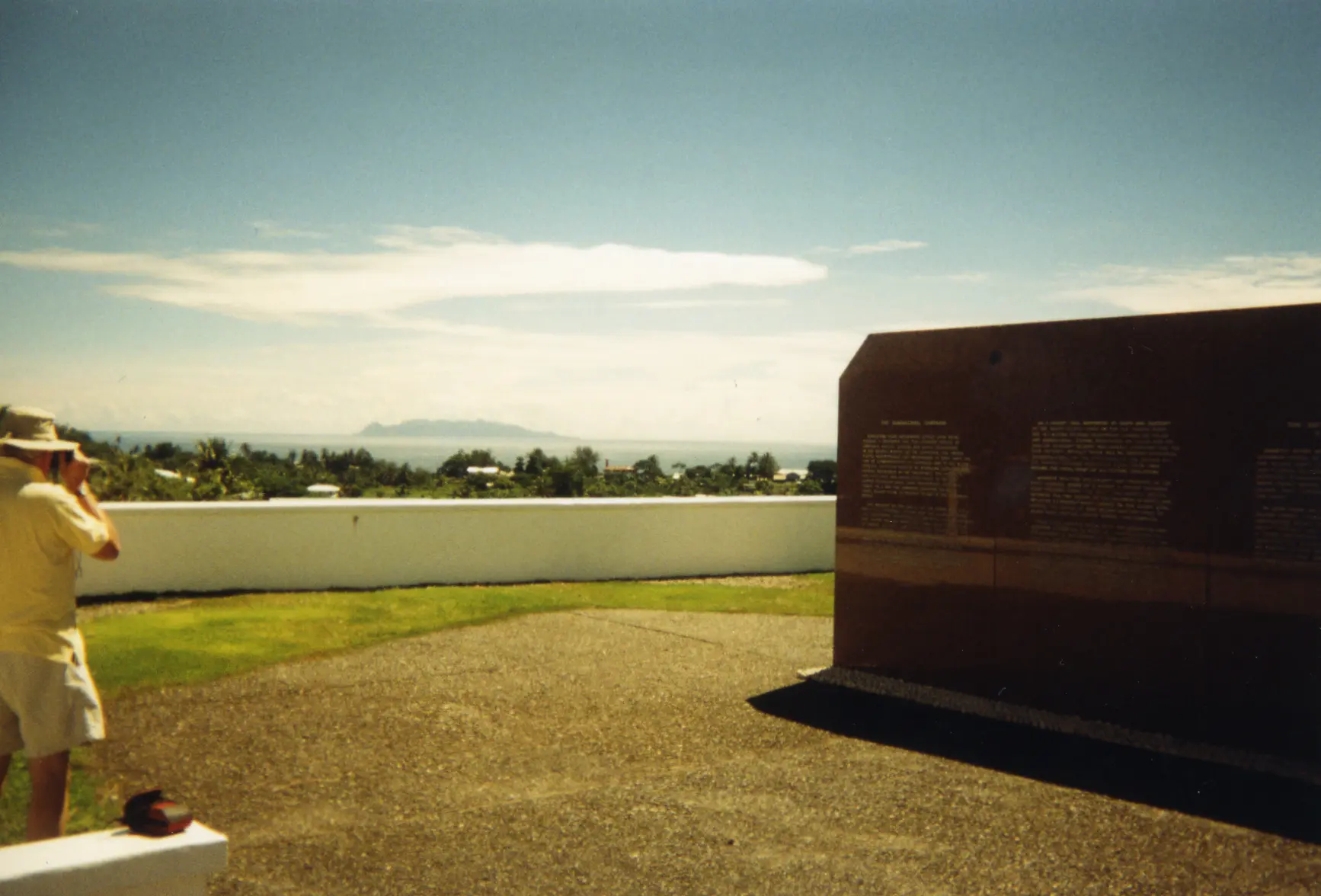
- Visit the Guadalcanal American Memorial: a hilltop memorial above Honiara with views across the island and the sound.
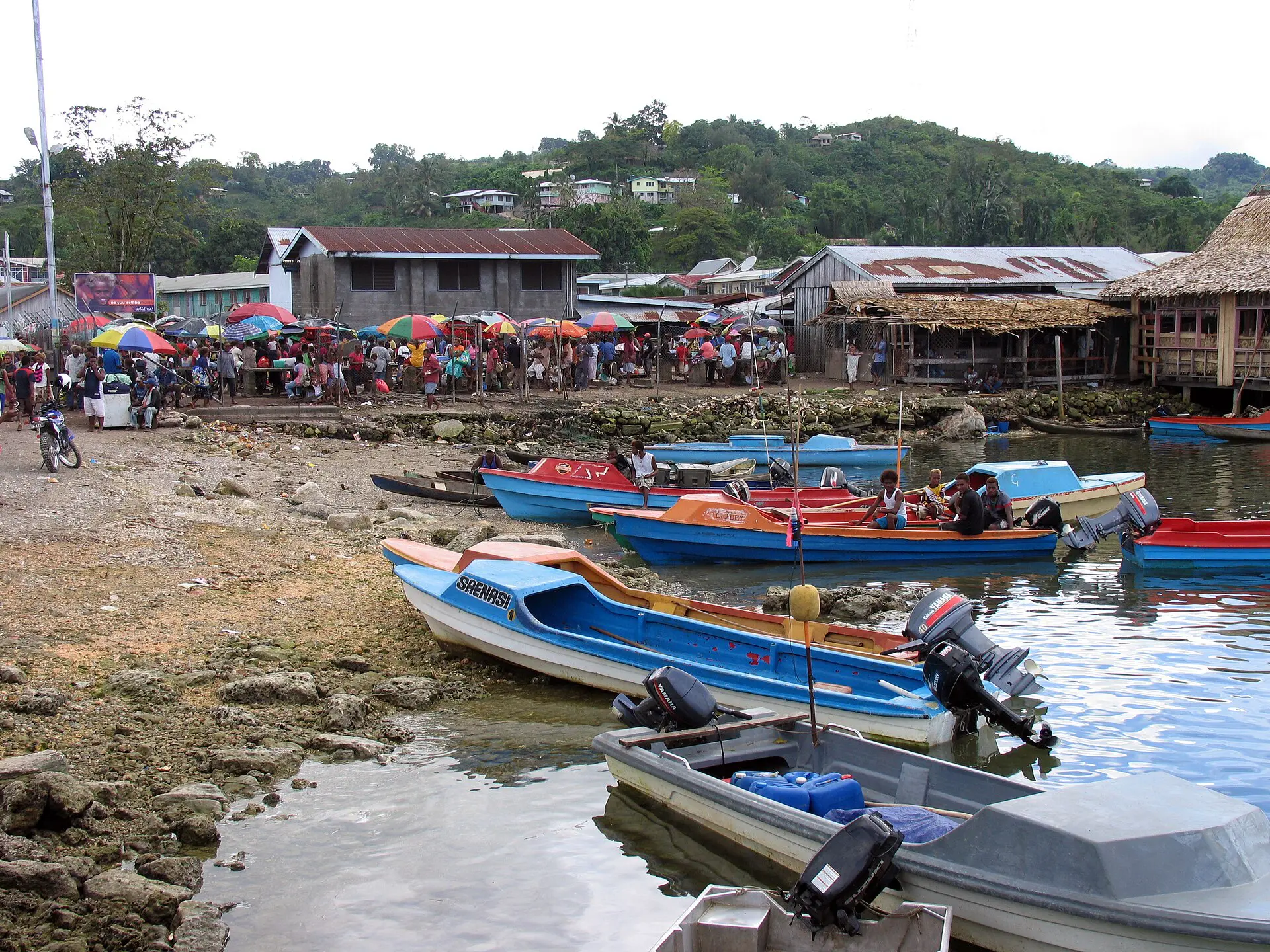
- Walk Honiara’s Central Market: fresh produce, shell jewellery and the daily rhythm of the city.
- Kayak or paddle in Marovo Lagoon: glide between islands and stay in village guesthouses.
- Learn about shell money on Malaita: visit villages where craftspeople still make traditional shell currency.
- See Kennedy Island near Gizo: the small island where John F. Kennedy and his crew swam ashore after their boat was sunk.
- Hike to waterfalls and rainforest: trails on Guadalcanal and Western Province reward with swimming holes.
- Watch traditional carving: Marovo and Roviana are known for ebony and wood carvings, including inlaid nautilus shell.
- Visit the National Museum in Honiara: a small museum on history and culture.
Best time to visit Solomon Islands
The best time to visit Solomon Islands is the drier season from May to October, when seas are calmer, humidity is lower and visibility for diving is generally good. From November to April it is hotter, wetter and more humid, and cyclones can affect the region, although they are less frequent than in places further south. The country sits just south of the equator, so temperatures stay around 27 to 32 C all year.
| Season | Weather | Crowds and prices | Good for |
|---|---|---|---|
| May-Oct | Drier, lower humidity, southeast trade winds | Highest visitor numbers, still very quiet | Diving, lagoon trips, hiking |
| Nov-Dec | Hotter and wetter, calmer seas | Low | Diving in calm water, cultural events |
| Jan-Apr | Wet, humid, cyclone season | Lowest; some operators close | Budget stays, rainforest |
Flights and boats can be cancelled in bad weather at any time, so allow spare days in your plan and check cyclone forecasts before November to April trips.
Is Solomon Islands safe to visit?
Solomon Islands is generally safe for travellers who prepare well, and visitors are usually received with warmth, but conditions vary by island and can change. Check your government’s current advice, such as the UK FCDO or US State Department pages, before booking and again before departure.
Security. Honiara has had episodes of unrest, including riots in 2021 and tension around elections, so follow news, avoid demonstrations and take taxis at night. Petty theft occurs in the capital. Outside the capital, serious crime against visitors is uncommon.
Health. Malaria is present all year, so take advice from a travel clinic on prevention. Dengue occurs, and other vaccines such as hepatitis A and typhoid are commonly recommended. Medical facilities are limited and remote islands may be hours from help, so carry insurance that covers medical evacuation.
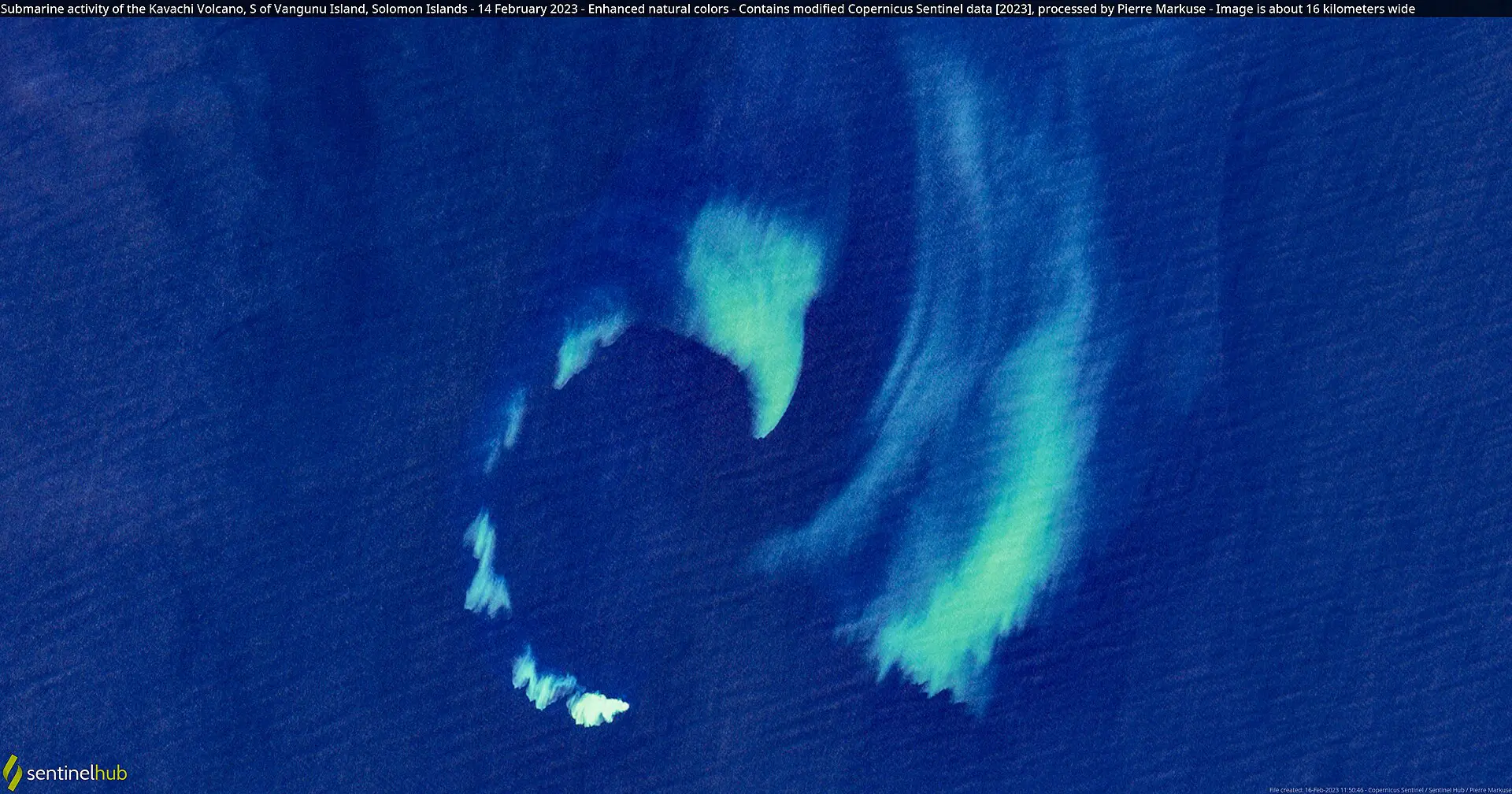
Nature. The islands lie on a seismically active zone, and earthquakes and tsunamis have occurred, including a damaging tsunami in 2007. Saltwater crocodiles live in some rivers and coastal areas, so ask locals before swimming. Unexploded wartime ordnance remains in places: never touch it.
Sea travel. Boats can lack safety gear, so ask for life jackets and avoid travelling in poor weather.
Visa and entry requirements for Solomon Islands
Entry rules depend on your nationality, and they can change, so confirm the current rule for your passport with the official Solomon Islands immigration source or your nearest embassy before you book. Many visitors, including citizens of Australia, New Zealand, the EU, UK and US, have generally been granted a visitor permit on arrival, rather than needing a visa in advance, but some nationalities must apply beforehand.
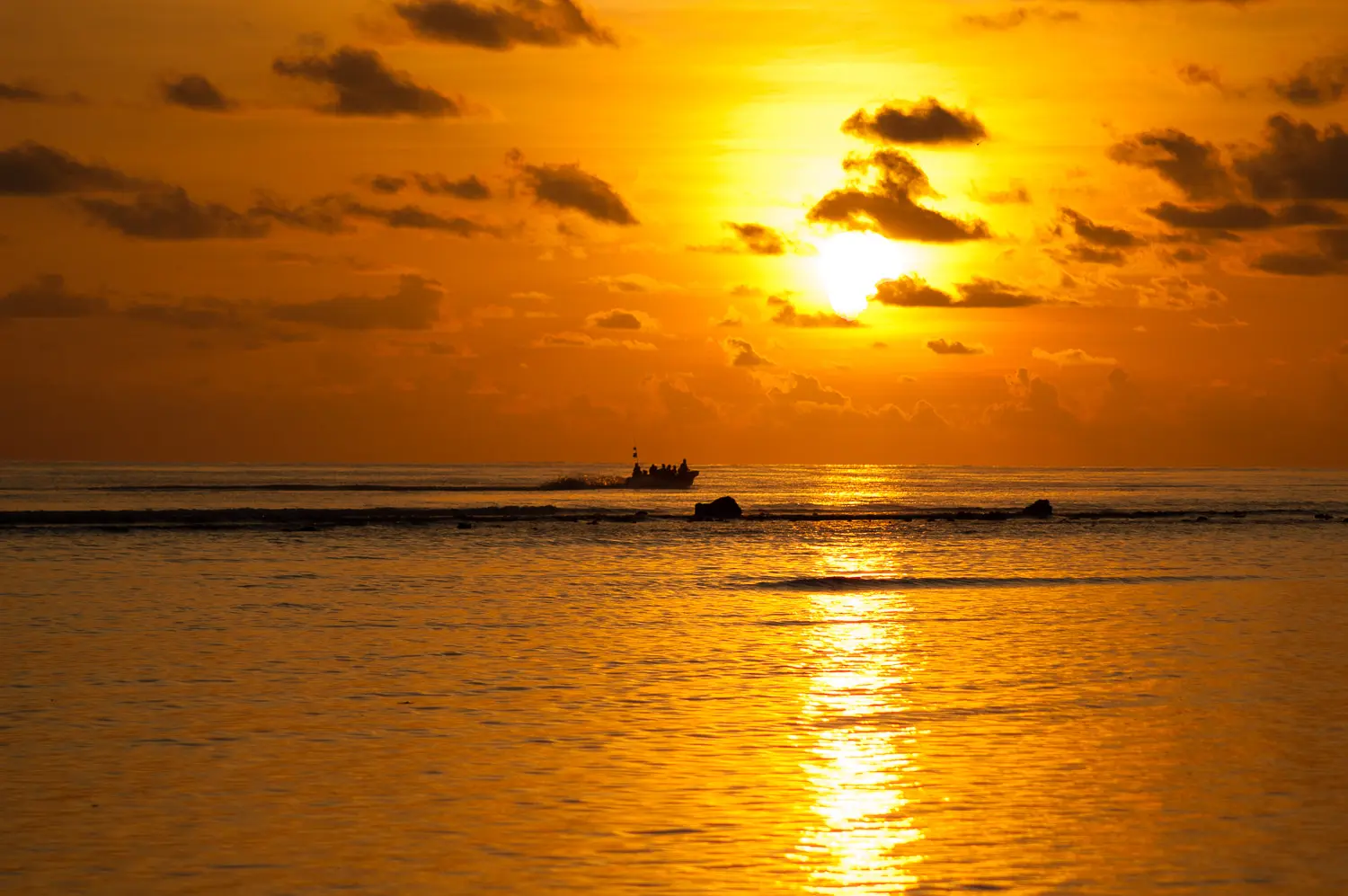
Bring a passport valid for at least six months, with blank pages, and proof of onward travel, accommodation and enough funds. Immigration officers may ask for your accommodation details, so keep a printed itinerary. If you arrive from a country with yellow fever transmission, you may be asked for a vaccination certificate.
Special permits or fees are required for some activities and areas, such as visits to customary land, dive sites and national or community conservation areas. These are usually paid to landowners, and your operator or guesthouse can arrange them. The UNESCO page for Solomon Islands lists East Rennell, but it does not cover entry rules.
Getting to and around Solomon Islands
Most international flights land at Honiara International Airport (Henderson Field) on Guadalcanal, with links to Brisbane and some Pacific hubs such as Fiji, Vanuatu and Papua New Guinea, though schedules change and flights are infrequent. Check current routes, because services have been suspended and restored more than once.
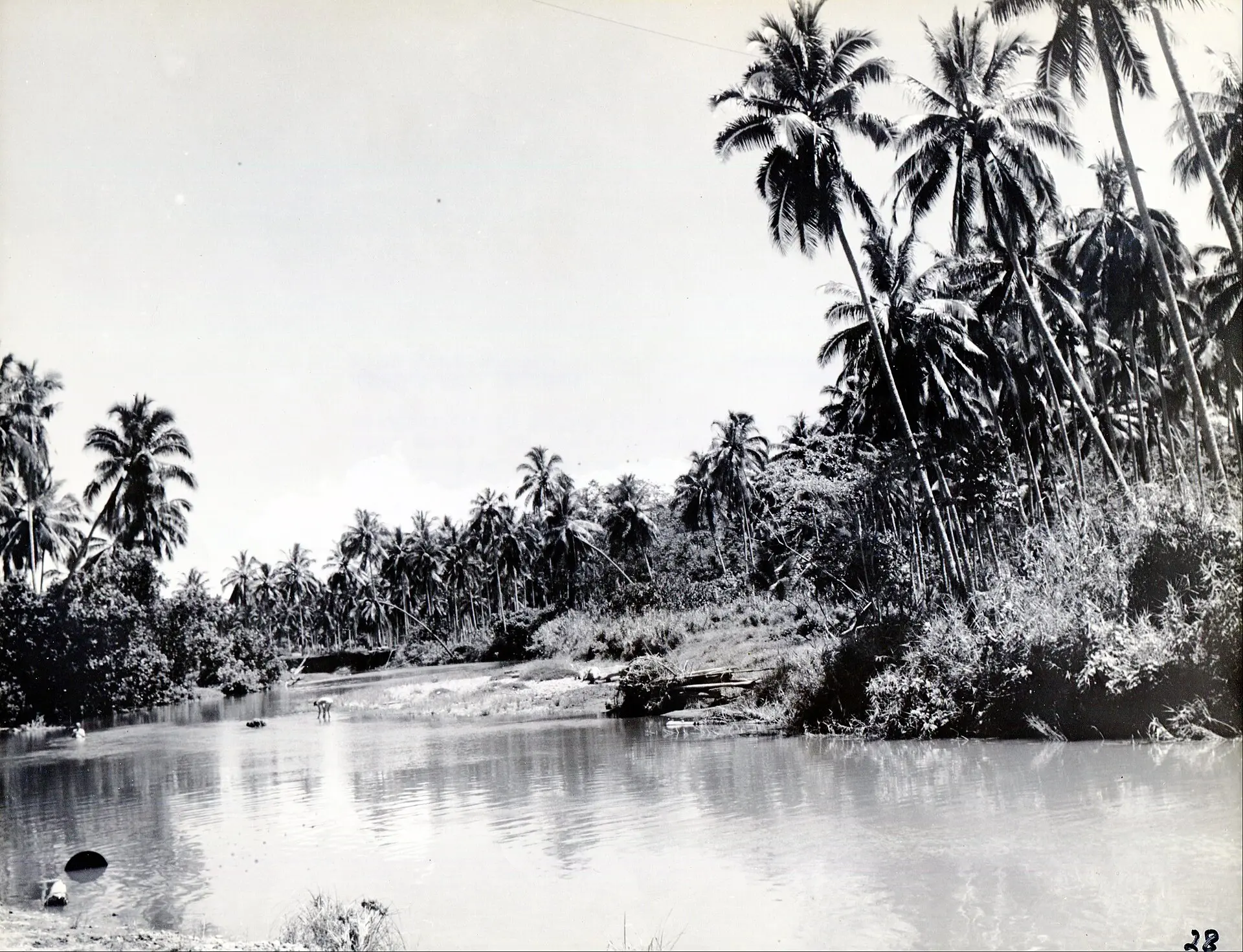
Domestic travel is by small plane, boat or truck. The national carrier, Solomon Airlines, flies small aircraft to Gizo, Munda, Marovo-area airstrips, Auki and other islands, but flights are often cancelled or rescheduled, so keep slack in your plans. Passenger boats and shipping services run between islands, and some routes take a day or more. Outboard-powered dinghies and canoes serve short trips and lagoon hops.
On Guadalcanal and other large islands, shared minibuses and taxis are the main road transport, and fares are cheap, but roads can be rough. Driving is on the left. Always agree prices for boat transfers in advance, and let your guesthouse arrange the timing and fuel costs, which are significant.
How much does a trip to Solomon Islands cost?
Solomon Islands is more expensive than many visitors expect, because of remote logistics, fuel costs and the limited number of operators. The currency is the Solomon Islands dollar (SBD), with the US dollar valued at several times the SBD. Figures below are rough per-person guides for 2026 and may change.
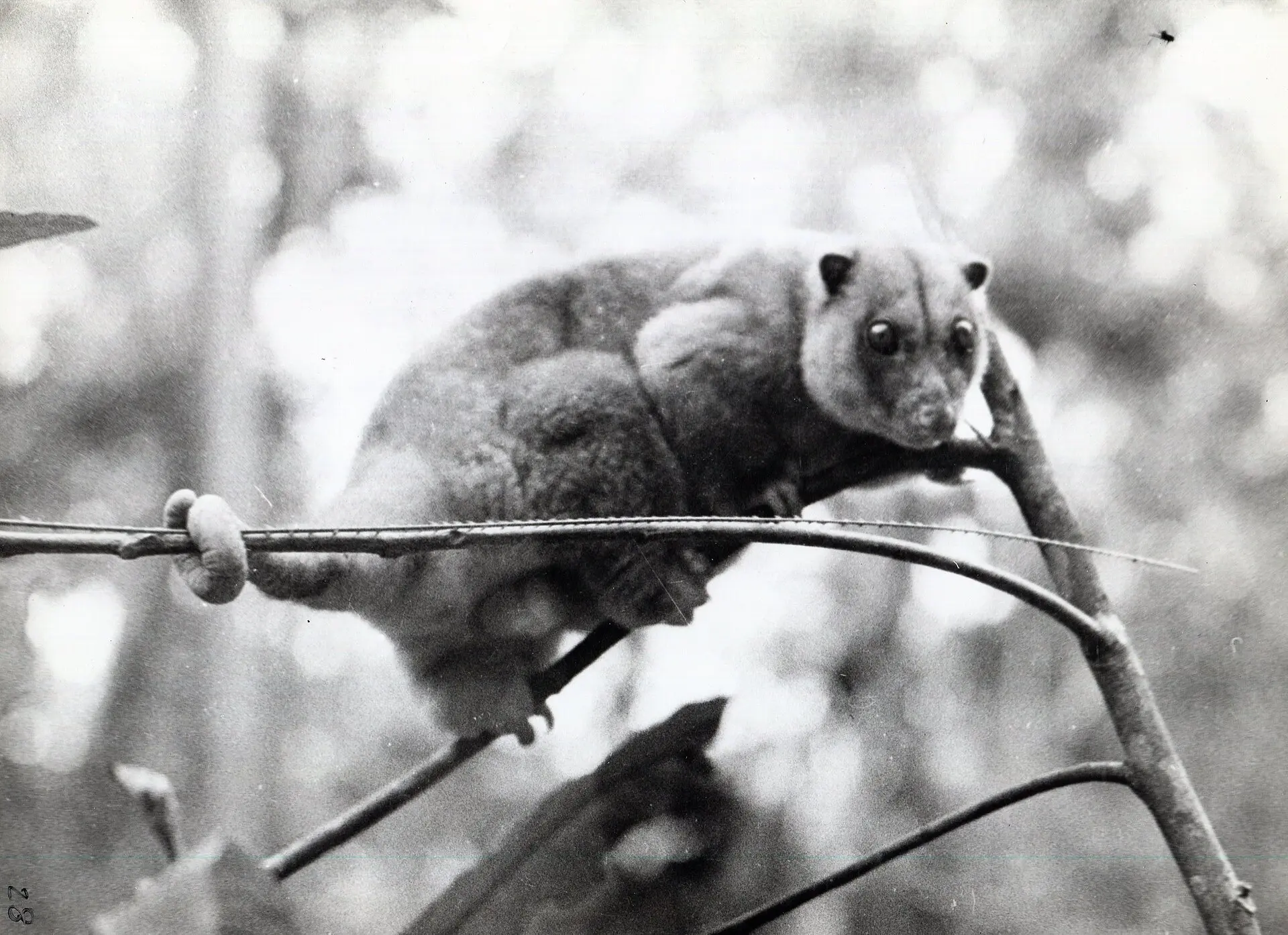
- Budget: around USD 60 to 100 per day, with village guesthouses, local meals and shared boats.
- Mid-range: around USD 120 to 200 per day, with a small resort or lodge, meals and some boat or flight costs.
- High-end: from around USD 300 per day, with dive resorts, private boat charters and guided trips.
Domestic flights, boat charters and fuel are the biggest costs, so group trips and sharing boats with others save money. Diving typically costs extra, and equipment hire adds more. Local food at markets is cheap, but imported items cost more. Expect to pay small fees to landowners for access to beaches, reefs and cultural sites. Take plenty of cash in SBD, since cards and ATMs work mainly in Honiara.
Solomon Islands food and drink
Solomon Islands food is simple and based on root vegetables, fish and coconut, with most ingredients grown or caught locally. Meals at village stays are usually generous but plain.
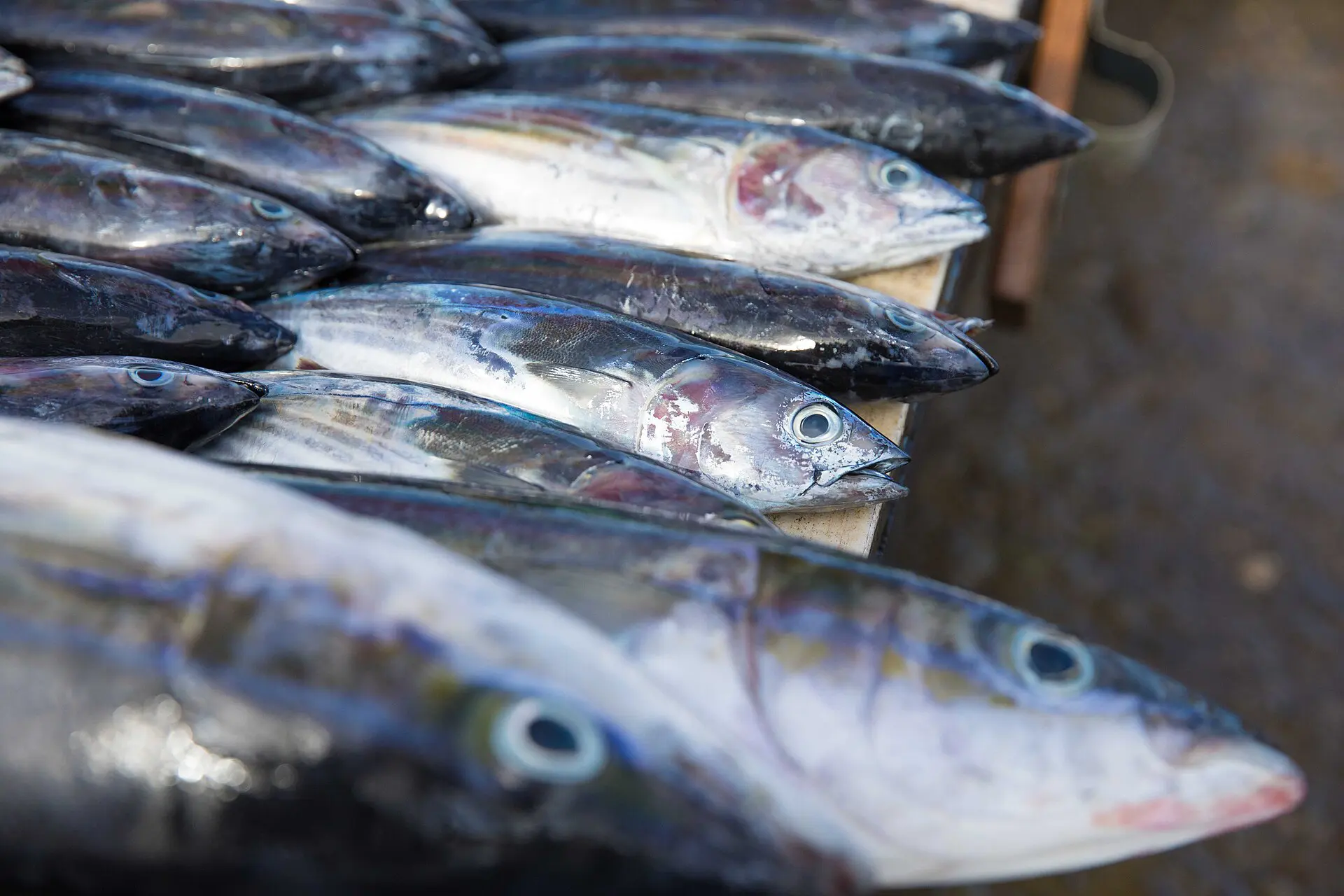
- Fresh fish: grilled, boiled or cooked in coconut milk, caught daily from the lagoon.
- Taro, cassava and sweet potato: the main starches, boiled, roasted or baked.
- Kumara and slippery cabbage: sweet potato and a leafy green cooked in coconut cream.
- Coconut crab and lobster: available in some places, but check that it is legal and sustainable to eat.
- Poi and pudding: traditional starchy puddings made with taro or cassava and coconut, cooked in earth ovens at feasts.
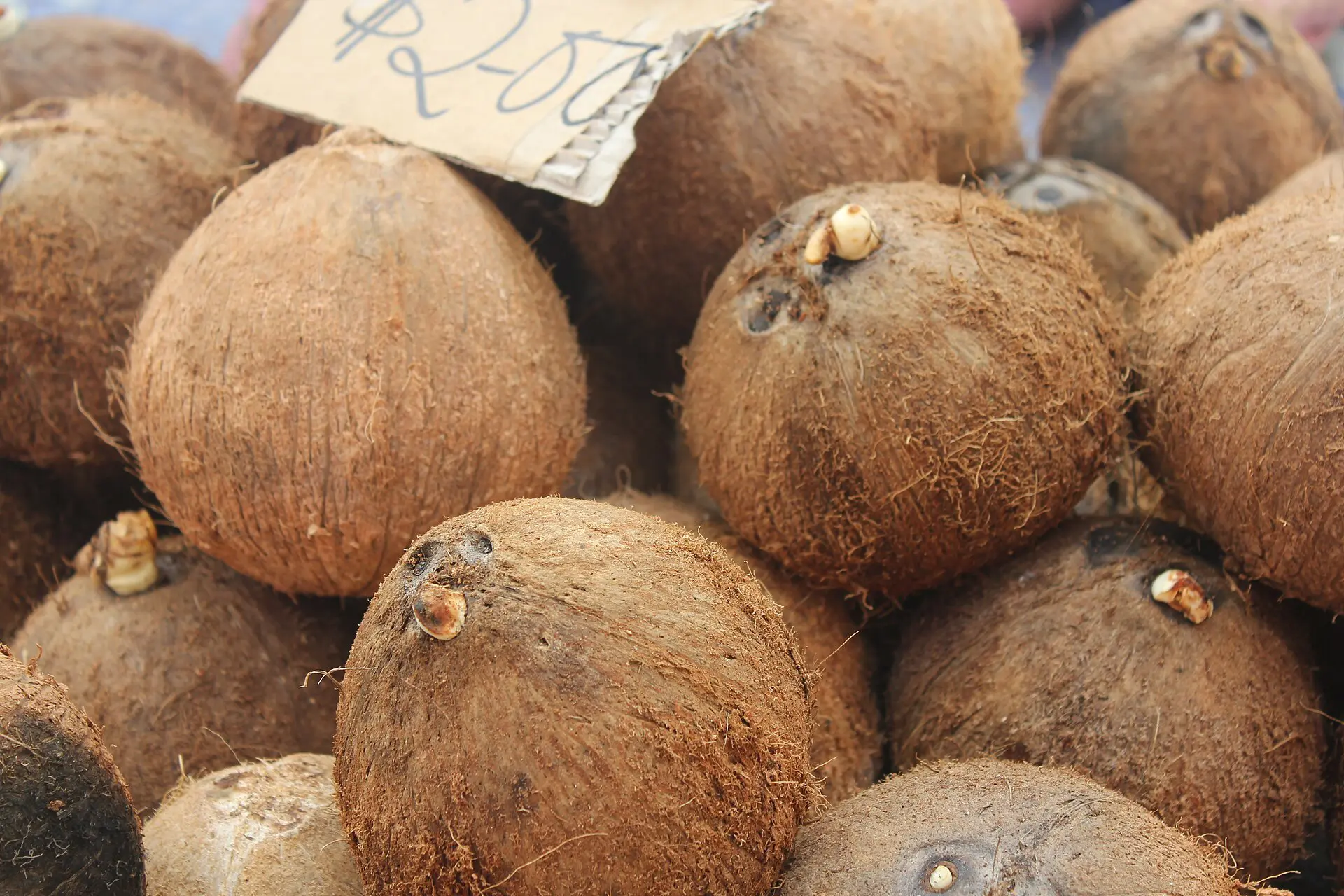
- Tropical fruit: papaya, pineapple, bananas and fresh coconuts, sold cheaply in markets.
- Drinks: fresh coconut water, tea and local SolBrew beer in Honiara.
Betel nut is widely chewed and sold in markets, and its red stains are common on the ground. Vegetarians can eat well on vegetables and tubers, but fish and meat are common in sauces. Water from taps is not reliably safe in many places, so use bottled or treated water. Eat food that is freshly cooked, and wash fruit.
Culture, language and etiquette in Solomon Islands
English is the official language, but few people speak it as a first language. Solomon Islands Pijin is the common language across the country, and more than 60 local languages are spoken. Learning a few Pijin phrases, such as “tangio tumas” (thank you very much), is welcome.
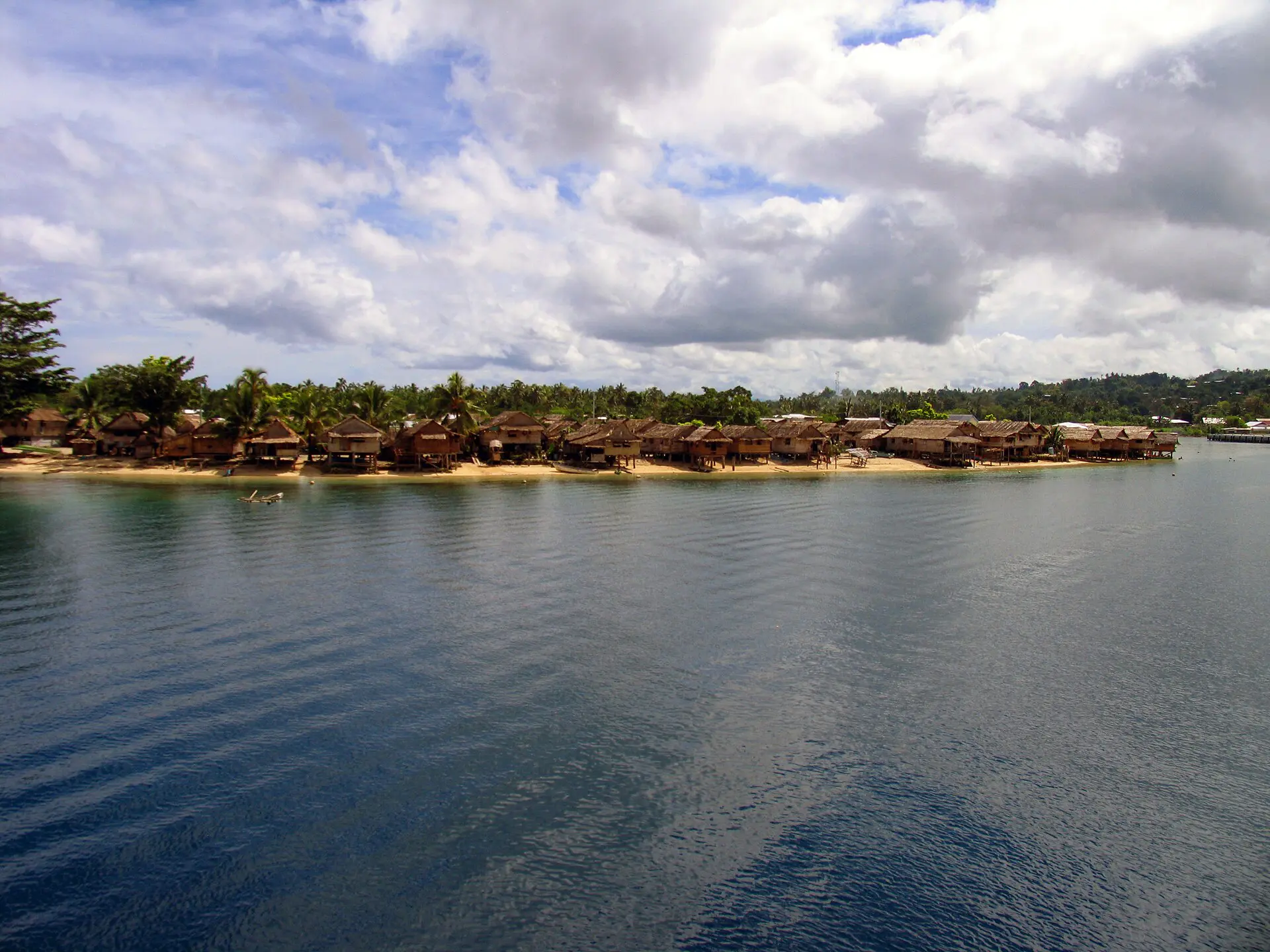
Kastom, or customary law and tradition, matters in daily life. Most land is held by families and clans, so you must ask permission before walking on land, fishing on reefs or taking photographs of villages, and fees may be expected. Church is central, and most people are Christian, with Sunday a quiet day in villages. Dress modestly: women usually wear knee-length skirts or lavalavas, and men should cover their chests away from the beach.
Greet people with a smile and a handshake, and be patient, because the pace of life is slow and schedules are flexible. Do not touch people’s heads, and avoid public displays of affection. Ask before photographing people, and do not step on sacred sites. If you are invited to a meal or feast, accept food politely, and bring small gifts such as fishing line, school supplies or tea for host families.
Solomon Islands itinerary: a 7-day route
This route covers Honiara and the Western Province, using domestic flights, and keeps buffer time for delays. Book flights, boats and accommodation ahead through your guesthouse or a local operator.
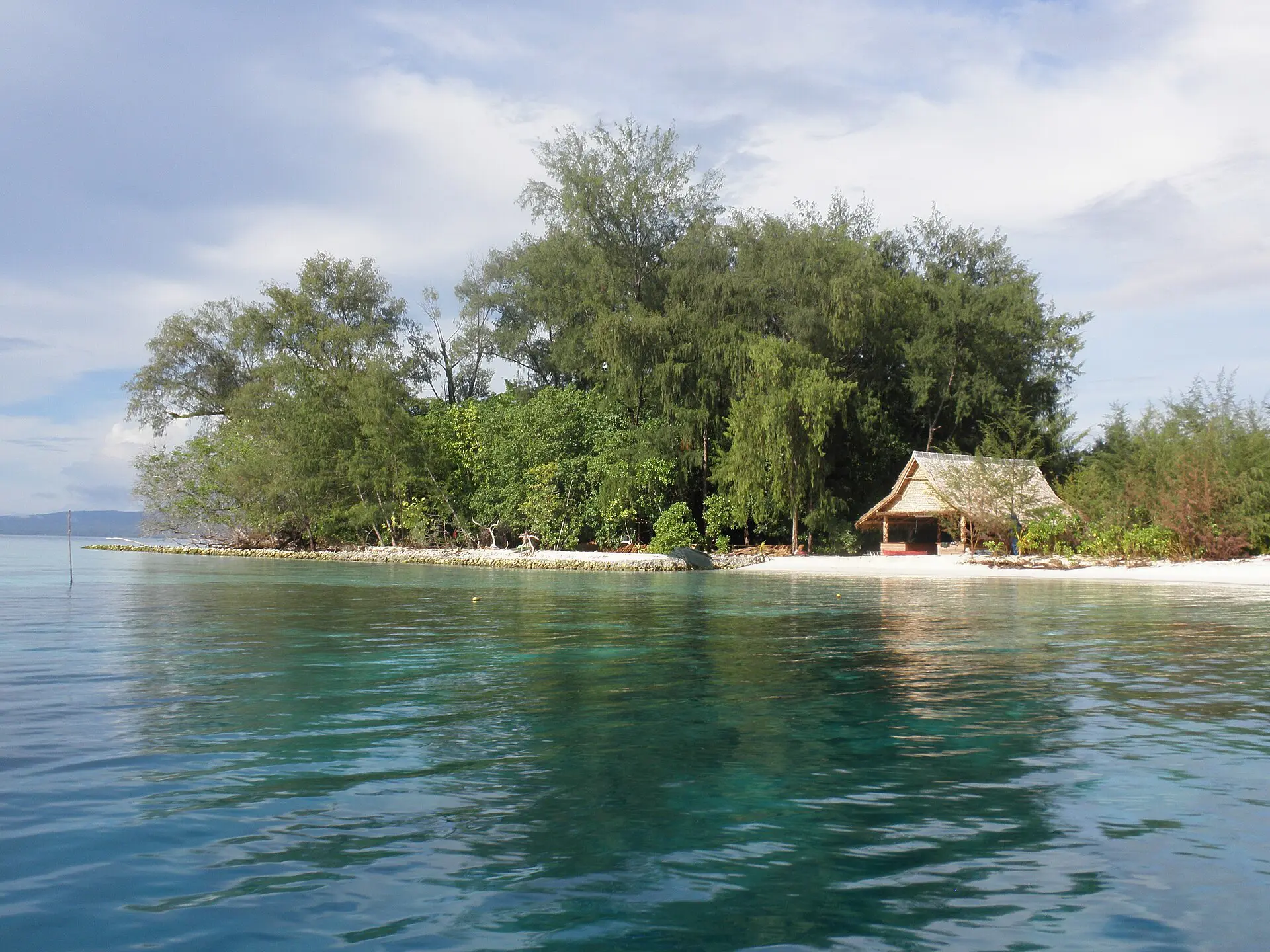
- Day 1, Honiara: arrive, check in and walk the waterfront and Central Market.
- Day 2, Guadalcanal sites: visit the American Memorial, the National Museum and other wartime sites with a local guide.
- Day 3, fly to Gizo: take a morning flight, check in and snorkel or dive from town.
- Day 4, Gizo and Kennedy Island: take a boat to Kennedy Island, swim and snorkel the reef.
- Day 5, Munda and Roviana Lagoon: travel by boat or air to Munda, visit WWII relics and canoe the lagoon.
- Day 6, Marovo Lagoon: continue by boat to a village guesthouse for snorkelling, carving demonstrations and a village meal.
- Day 7, return: fly back to Honiara, allowing a full day buffer before any international flight.
With extra days, add Malaita or a dive trip to Iron Bottom Sound. Weather can force changes, so confirm each leg a day before travelling.
Practical tips for Solomon Islands
- Money: carry plenty of Solomon Islands dollars in small notes. ATMs and card payments work mainly in Honiara and larger hotels, and villages are cash-only.
- SIM and eSIM: local SIM cards are available in Honiara, but coverage is patchy beyond towns, and internet is slow and costly. Download maps and tell family you may be offline.
- Plugs: types I and G at 240 V.
- Tipping: not expected, though small tips for guides and boat drivers are appreciated.
- Health: see a travel clinic in advance for malaria prevention and vaccines. Pack insect repellent, sunscreen, a first-aid kit and water purification.
- Packing: lightweight, modest clothes, reef shoes, a rain jacket, a dry bag, a torch and snorkelling gear if you have it.
- Booking: confirm transport and accommodation in writing, and always allow spare days for cancelled boats or flights.
- Respect: ask permission before visiting villages, and pay any customary fees.
For wider background, see the Wikivoyage Solomon Islands guide.
FAQ
Q1Is Solomon Islands safe to visit?
Most visitors travel without trouble, but conditions vary. Honiara has had unrest, petty theft occurs, and malaria, earthquakes, cyclones and sea conditions are real risks. Check your government's current advice, take malaria prevention and carry insurance covering medical evacuation.
Q2What is the best time to visit Solomon Islands?
May to October is best, with a drier season, lower humidity and calmer conditions for diving. November to April is hotter, wetter and has cyclone risk, though diving remains possible. Flights and boats can be cancelled at any time, so allow spare days.
Q3What are the best things to do in Solomon Islands?
Dive or snorkel coral reefs and WWII wrecks, stay in Marovo Lagoon villages, visit the Guadalcanal American Memorial, explore Honiara's Central Market, see Kennedy Island near Gizo and learn about shell money on Malaita.
Q4Do I need a visa for Solomon Islands?
It depends on nationality. Many visitors receive a visitor permit on arrival, but some must apply in advance. You need a passport valid for at least six months and proof of onward travel. Confirm the current rules with the official immigration source or an embassy.
Q5How much does a trip to Solomon Islands cost?
Budget travellers spend around USD 60 to 100 per day, mid-range travellers USD 120 to 200, and dive resort or charter trips from USD 300. Domestic flights, boat charters and fuel are the largest costs, while market food and village stays are cheaper.
Q6What are the best places to visit in Solomon Islands?
Honiara for wartime history, Gizo and Munda in the Western Province for diving and lagoons, Marovo Lagoon for village stays, Tulagi for wrecks and history, Malaita for customs and shell money, and Rennell Island for its UNESCO-listed lake.
Q7How do you get around Solomon Islands?
Mostly by small plane and boat. Solomon Airlines serves Honiara, Gizo, Munda and other airstrips, but flights are often rescheduled. Boats and canoes cover lagoons, and minibuses and taxis run on larger islands. Book ahead and allow a spare day for delays.