Why visit Thailand
This Thailand travel guide starts with the range: in about 513,000 square kilometres the country offers a megacity capital, Buddhist temples, ancient capitals such as Ayutthaya and Sukhothai, forested northern hills and two long coastlines on the Gulf of Thailand and the Andaman Sea (see the Wikipedia overview for background). Formerly known as Siam, Thailand was never colonised, and its culture, monarchy and cuisine feel distinct from its neighbours.
Thailand suits almost every kind of traveller. First-time visitors to Asia find it easy, with good infrastructure and a mature tourism industry, while budget travellers can eat well and sleep cheaply. It is best for people who like food, markets, temples, diving and slow beach days. Visitors seeking quiet will need to avoid the busiest islands and visit outside the peak months.
Best places to visit in Thailand
The best places to visit in Thailand fall into four areas: Bangkok and the centre, the north, the Andaman coast and the Gulf islands.
Bangkok
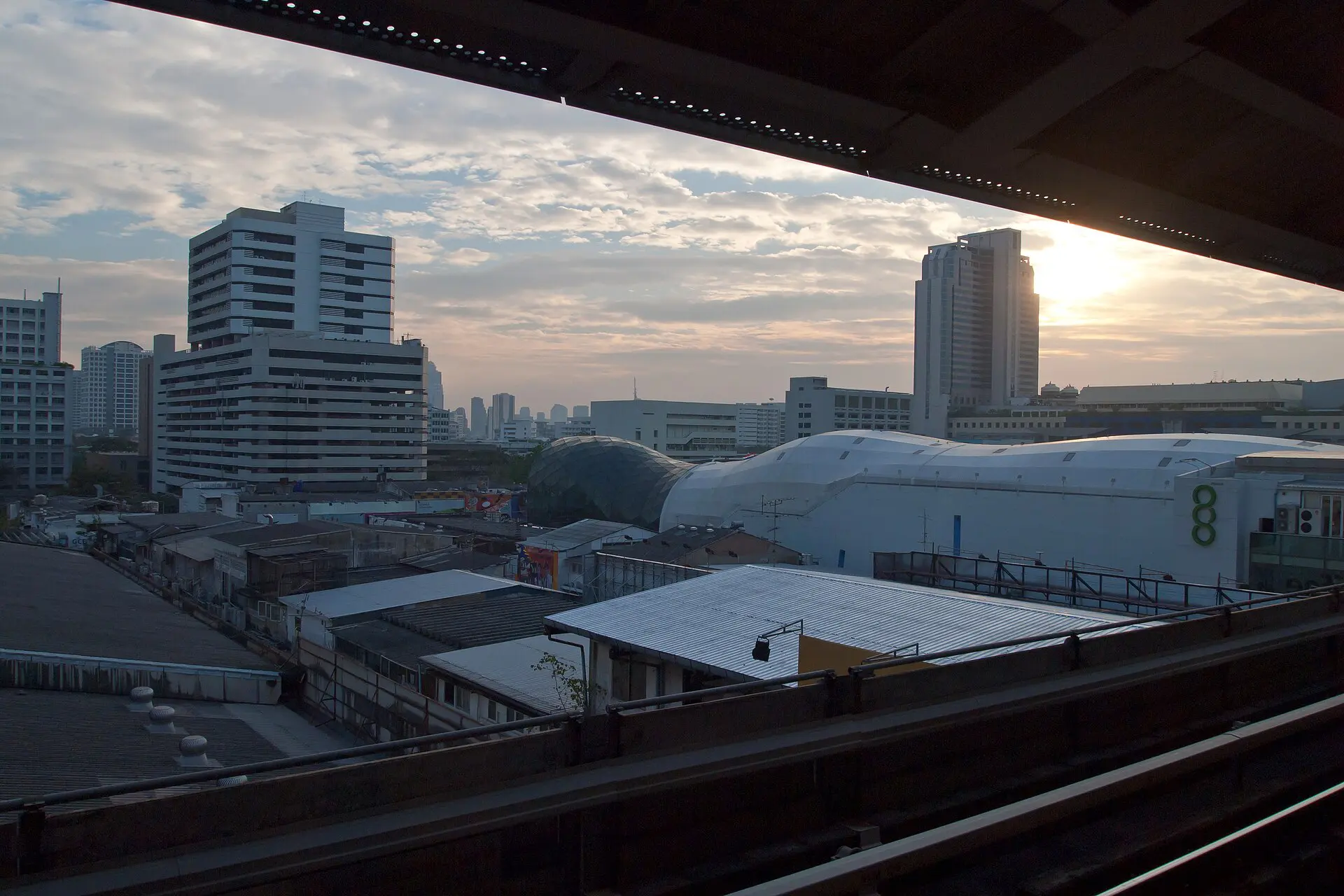
The capital is the main gateway, with the Grand Palace, Wat Pho, Wat Arun, canals, rooftop bars and huge food markets. Allow three nights, and use the BTS Skytrain and MRT to beat traffic.
Chiang Mai
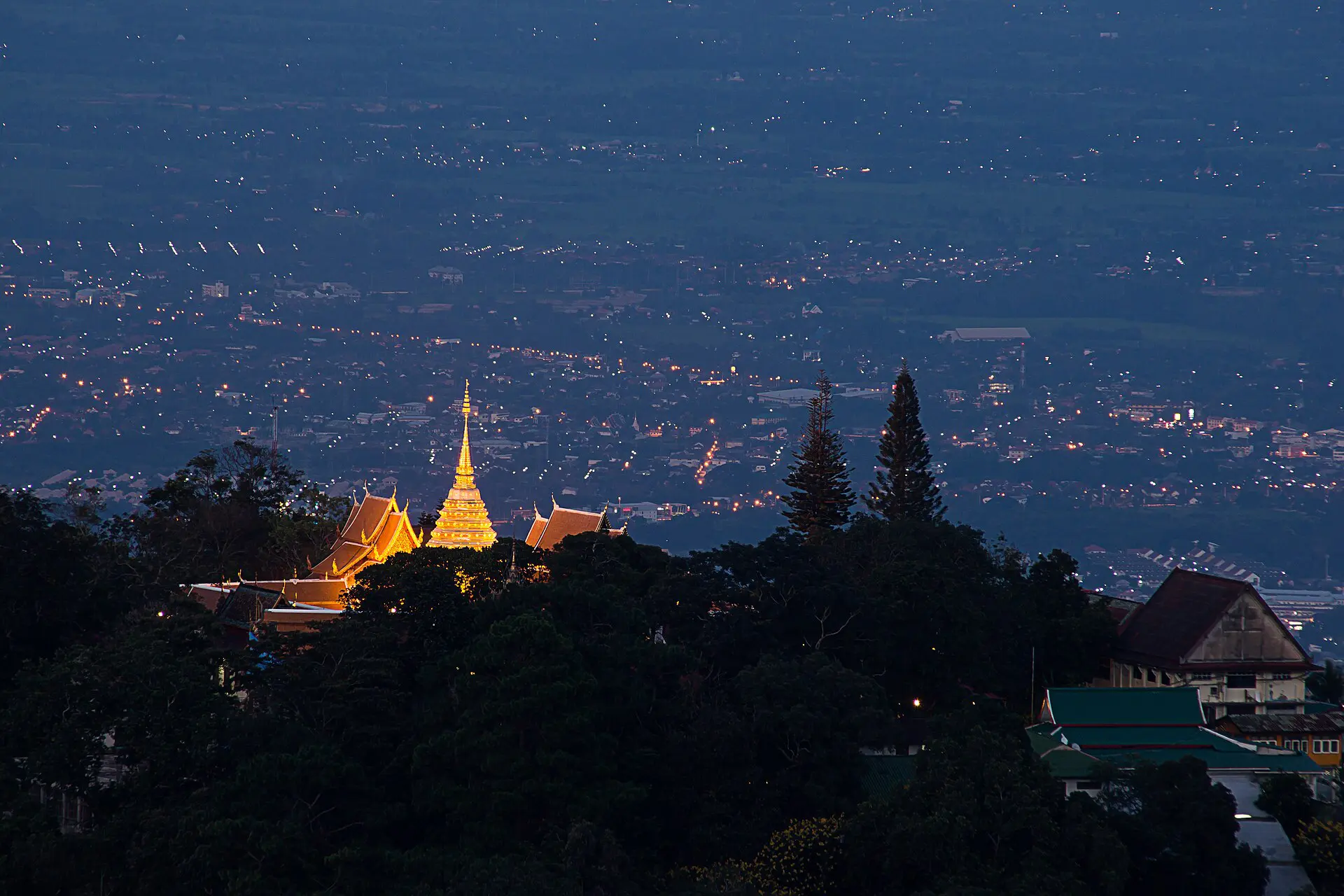
The cultural centre of the north has a walled old city, hundreds of temples, cooking schools and night markets. It is the base for mountain trips, elephant sanctuaries and Doi Inthanon National Park.
Ayutthaya
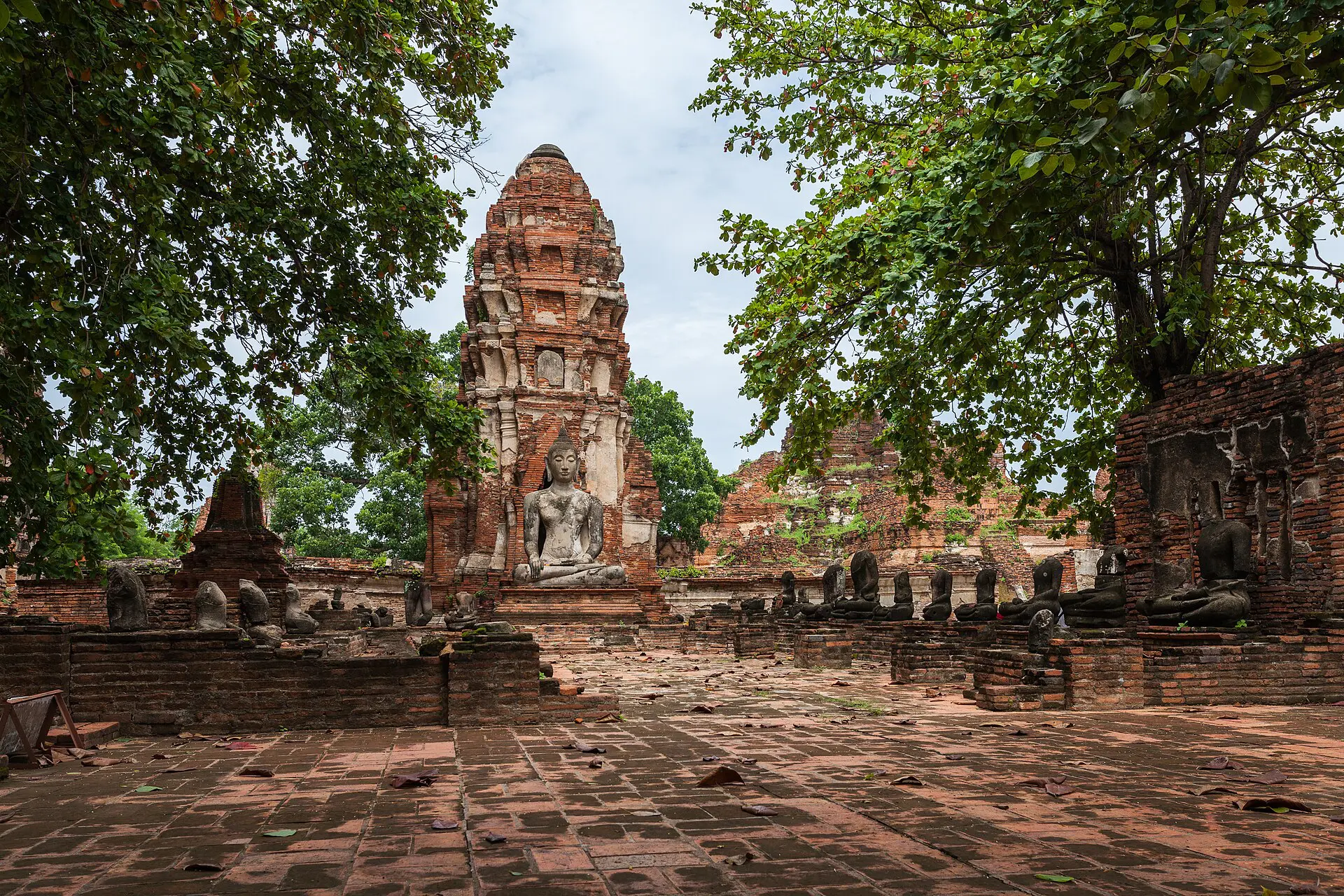
The old capital, a UNESCO World Heritage site, lies about 80 kilometres north of Bangkok and is easy as a day trip, with brick temple ruins and Buddha heads in tree roots.
Phuket and Krabi
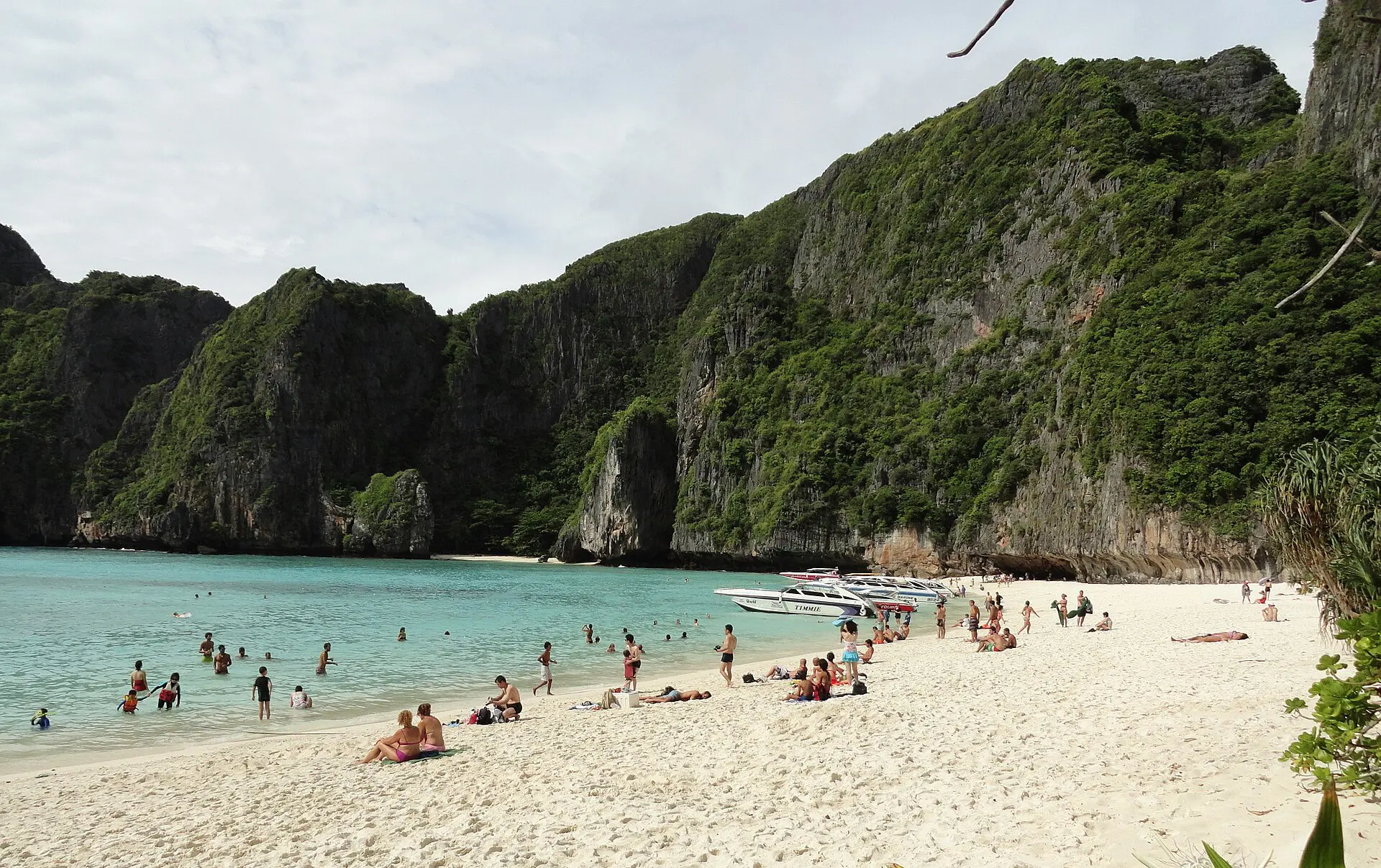
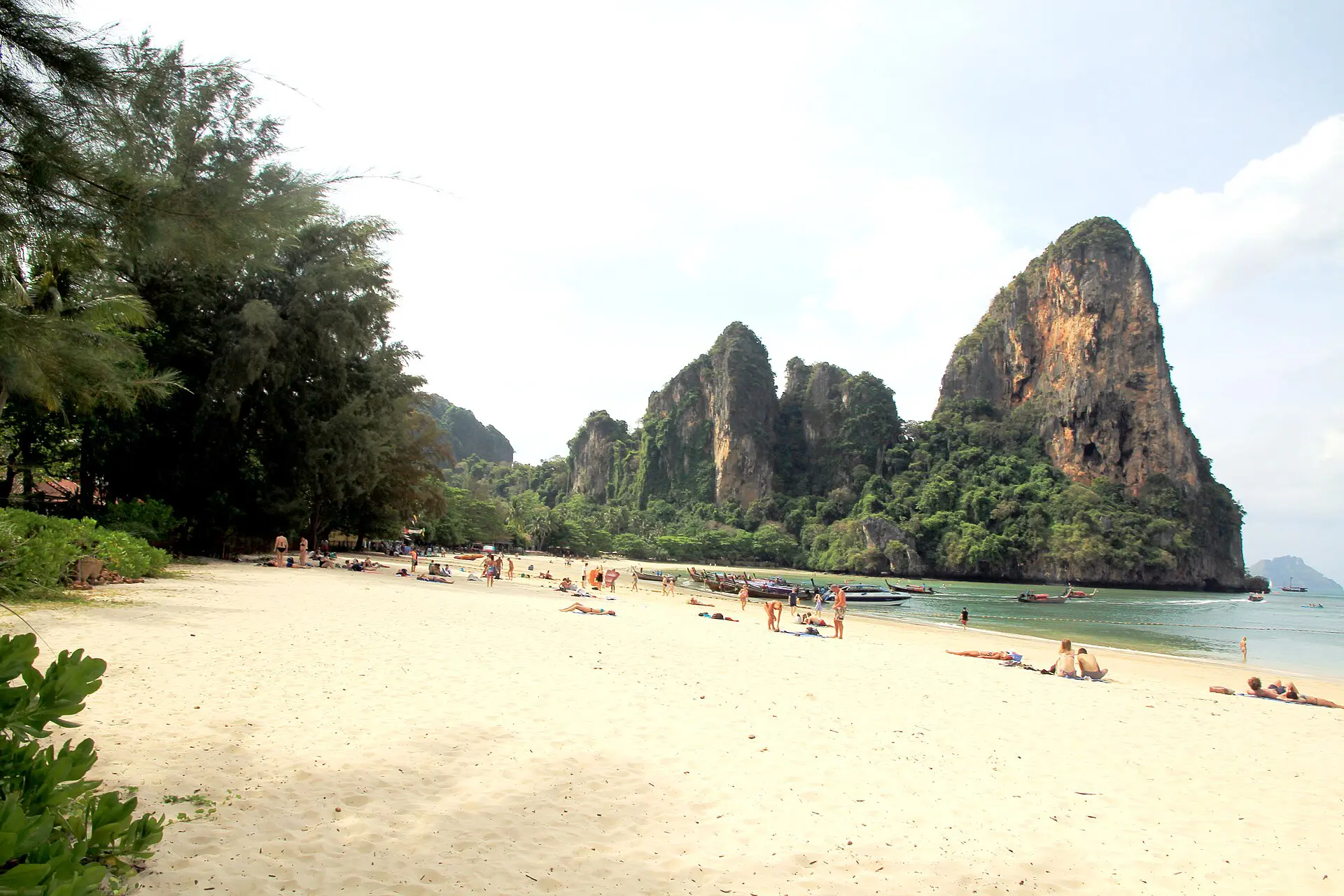
The Andaman coast has limestone cliffs, island-hopping and some of Thailand’s best beaches. Railay and Phi Phi are popular boat stops, and Phuket Old Town has good food.
Koh Samui, Koh Phangan and Koh Tao
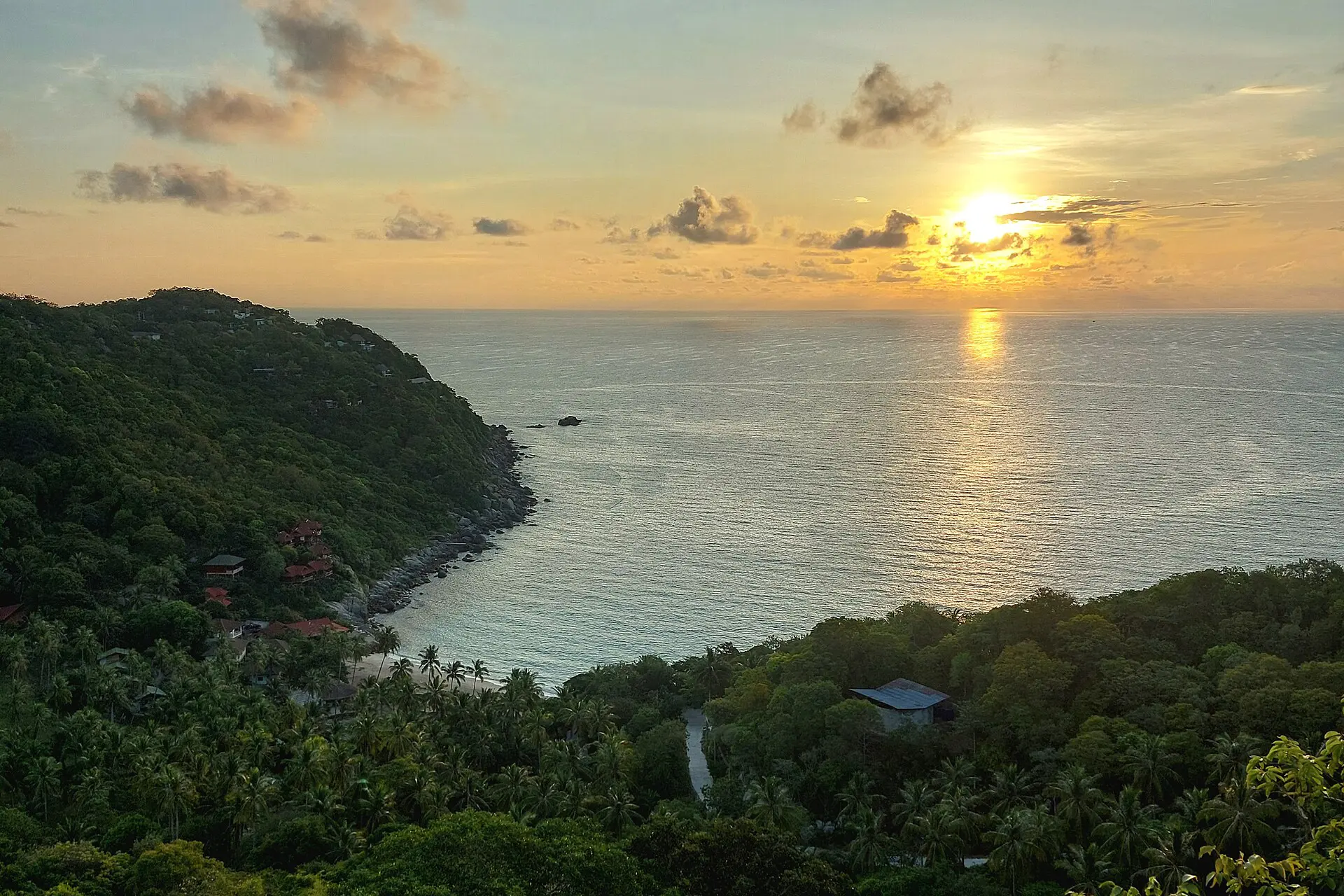
The Gulf islands suit diving, beach stays and parties, with the best weather from roughly January to August.
Chiang Rai and Sukhothai
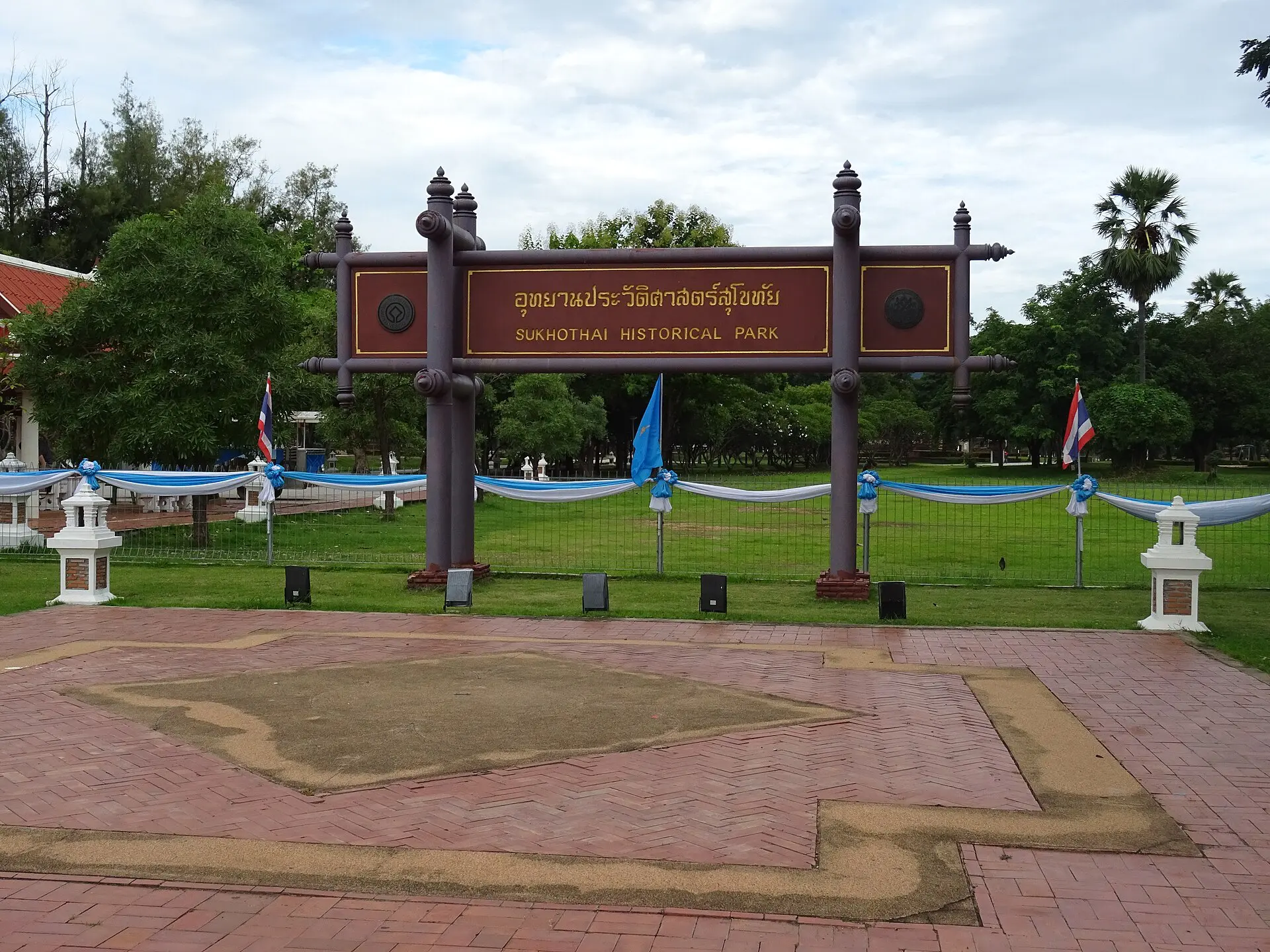
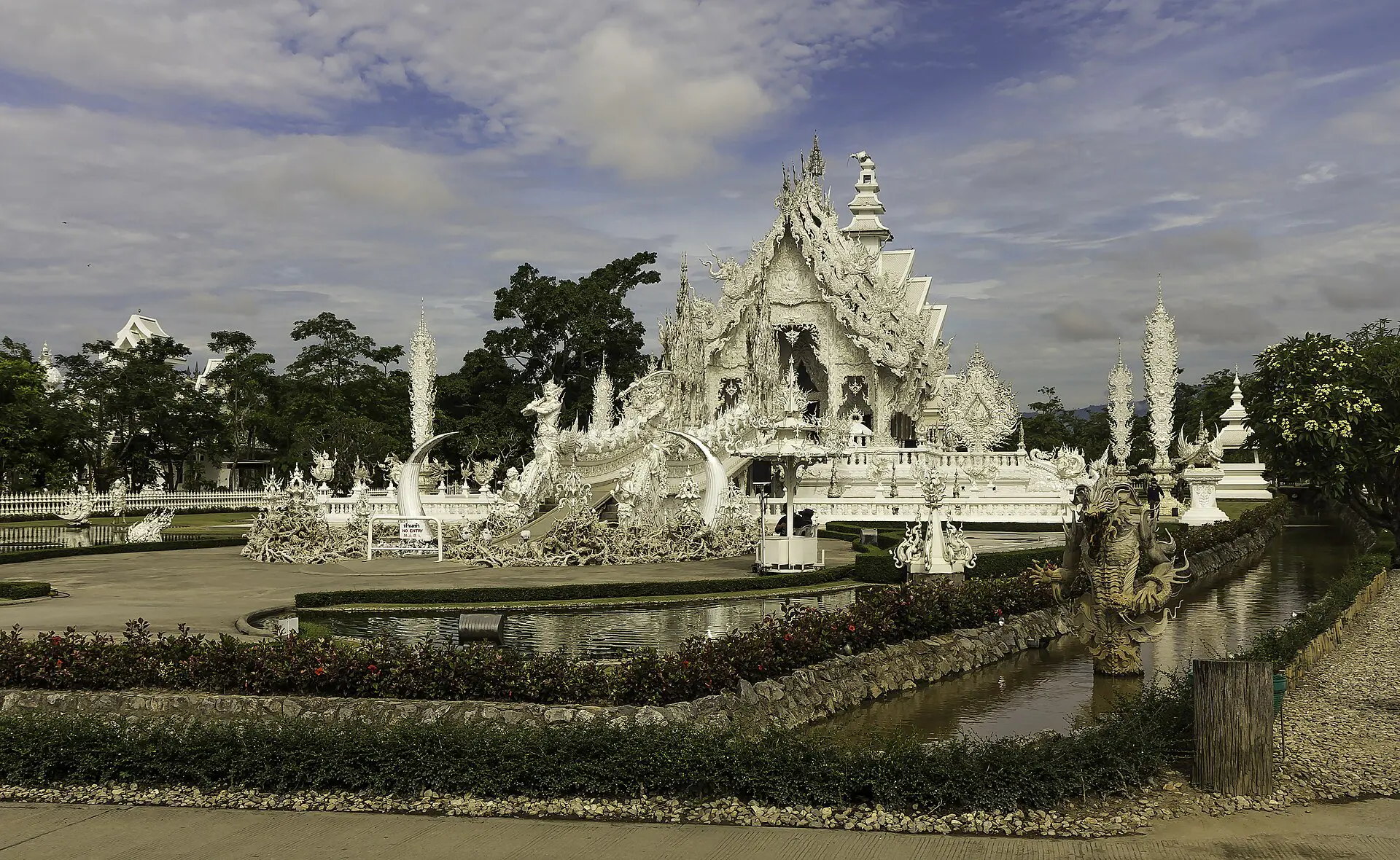
Chiang Rai has the White Temple, and Sukhothai’s historical park shows Thailand’s first kingdom.
Top things to do in Thailand
The top things to do in Thailand mix culture, food and the outdoors, and many can be booked locally on the day.
- Tour the Grand Palace and Wat Pho: see the Emerald Buddha and the giant reclining Buddha in one morning.
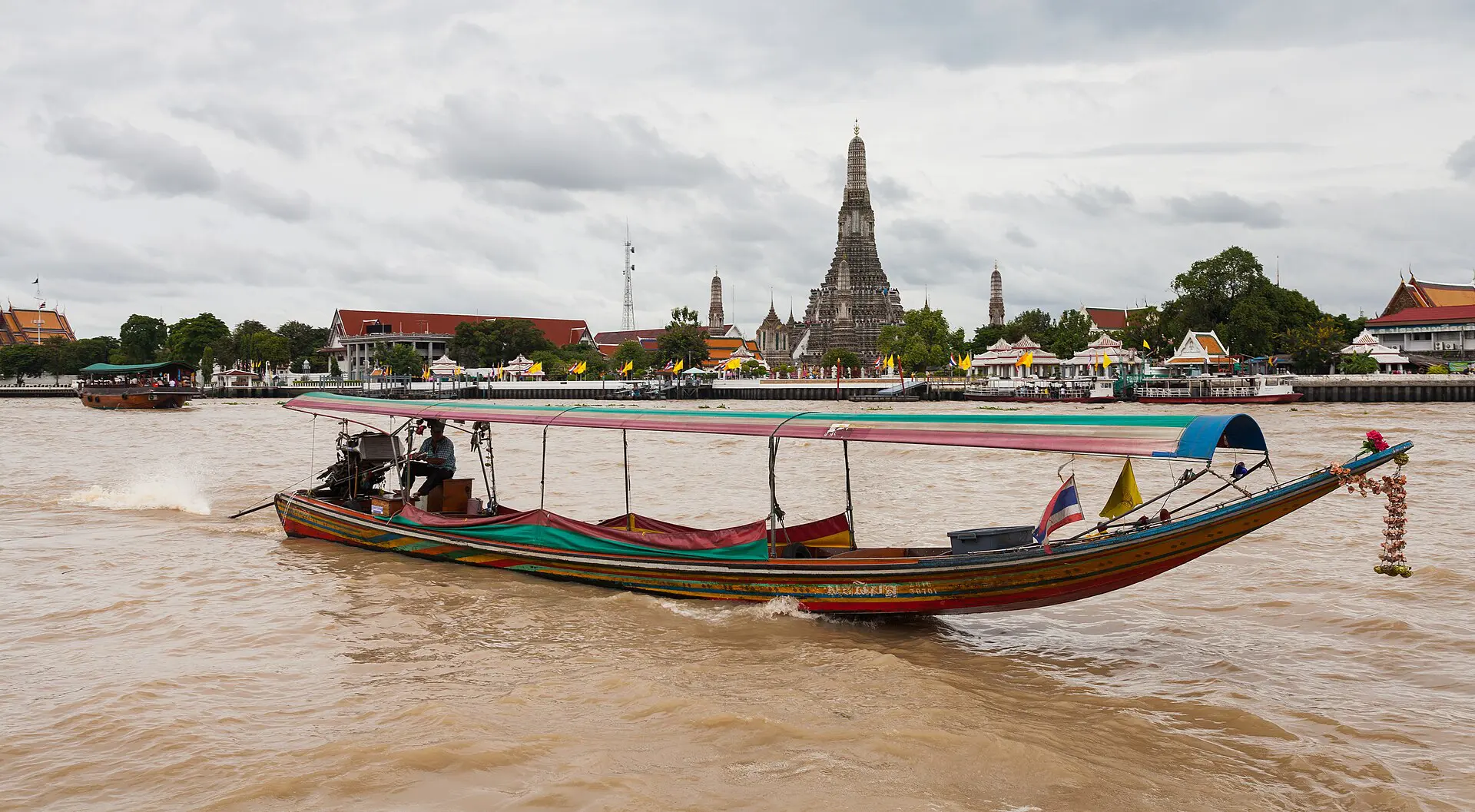
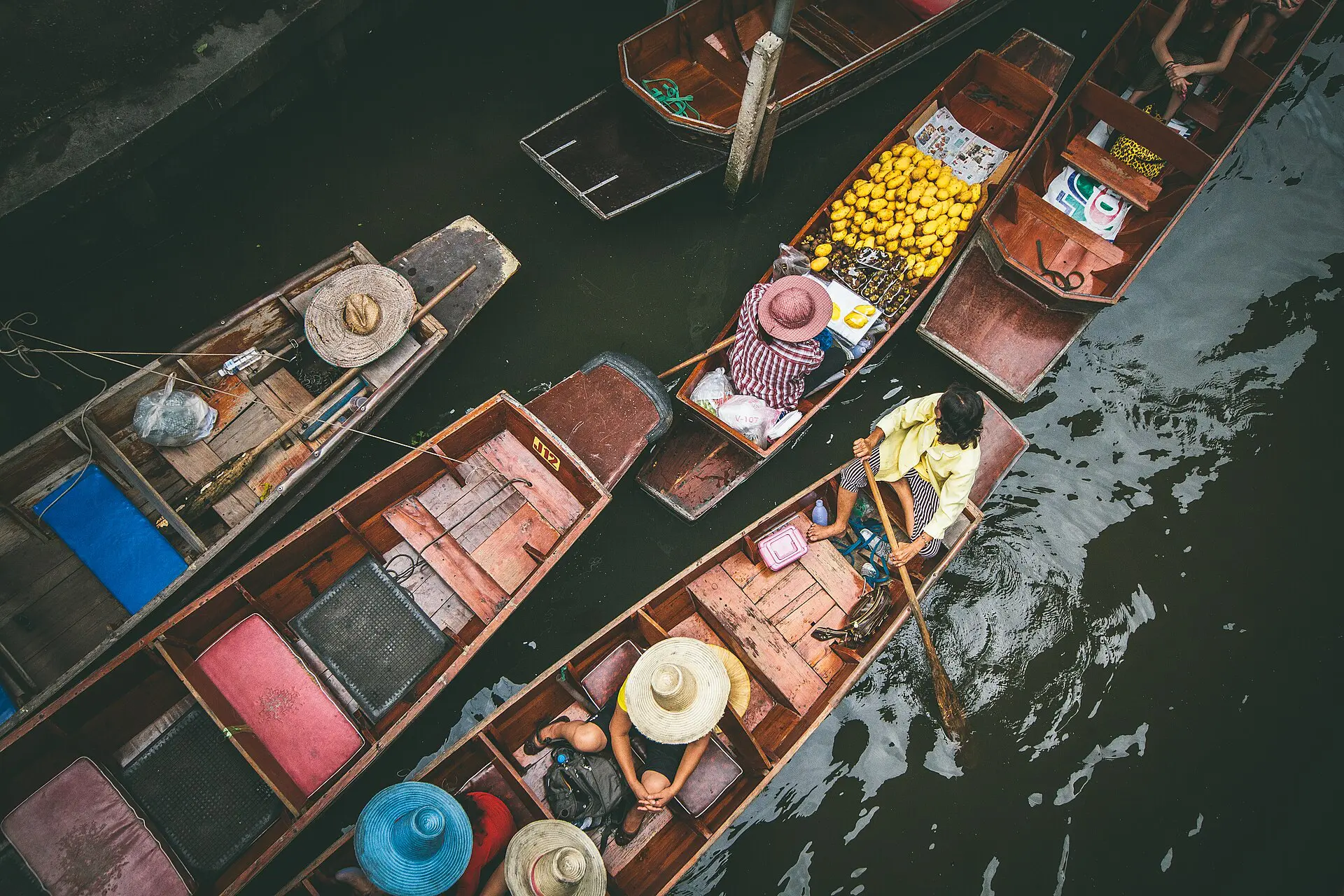
- Ride a long-tail boat in Bangkok: canal trips pass stilt houses and small temples.
- Explore Ayutthaya by bike: cycle between temple ruins on the old island city.
- Join a Chiang Mai cooking class: many include a market visit and a few classic curries.
- Visit an ethical elephant sanctuary: choose places that ban riding and shows.
- Island-hop around Krabi: boats stop at Railay, Hong Island and Ko Poda.
- Dive or snorkel at Koh Tao: it is a popular and affordable place to get certified.
- See Sukhothai Historical Park: hire a bicycle and ride among the ruins at sunrise.
- Eat at a night market: try street food at Chiang Mai’s Sunday Walking Street or Bangkok’s Chinatown.
- Watch a Muay Thai fight: stadium nights in Bangkok show professional bouts.
Best time to visit Thailand
The best time to visit Thailand is November to February, when it is dry, sunnier and less humid across most of the country. March to May is very hot, and the rainy season runs roughly from May to October, with the heaviest rain in September and October. The Gulf islands (Samui, Phangan, Tao) have a different pattern, with the wettest months from October to December.
| Season | Weather | Crowds and prices | Good for |
|---|---|---|---|
| Cool season (Nov-Feb) | Dry, warm days, cooler nights in the north | Peak crowds and prices | Beaches, hiking, sightseeing |
| Hot season (Mar-May) | Very hot, 35 C or more inland | Falling; Songkran festival in April | Gulf islands, diving, festivals |
| Rainy season (Jun-Oct) | Humid with afternoon downpours | Low prices, quiet | Budget travel, green scenery, Gulf islands until August |
Andaman seas can be rough from May to October, and some boat services reduce or stop.
Is Thailand safe to visit?
Yes, Thailand is generally safe for tourists, and most visits are trouble-free. The most common problems are road accidents, scams, theft and sea hazards rather than violent crime. Check your government’s travel advice, such as the UK FCDO or US State Department pages, before you go.
Regions to avoid. Governments advise against travel to the far south provinces of Yala, Pattani and Narathiwat and parts of Songkhla because of insurgent violence, and have warned about tension at the Cambodian border. Popular tourist areas are not affected.
Roads. Motorbike accidents are the biggest danger to visitors. Wear a helmet, hold the right licence and check that your insurance covers riding.
Scams and theft. Be wary of tuk-tuk drivers offering cheap tours, gem shops, jet-ski damage claims and unmetered taxis. Use metered taxis or ride apps.
Sea and health. Rip currents and monsoon swells cause drownings, so heed warning flags. Dengue is present, so use repellent. Laws on drugs, insulting the monarchy and vaping are strict.
Visa and entry requirements for Thailand
Entry rules depend on your nationality. Many visitors, including citizens of many European countries, the US and several Asian countries, have been able to enter visa-free for a limited tourist stay, while others need a visa or an e-visa in advance. The permitted length of stay and the rules have changed in recent years, so confirm the current rule for your passport with the Thai Ministry of Foreign Affairs, the official e-visa portal or your nearest embassy.
Bring a passport valid for at least six months and with blank pages, and keep proof of onward travel and accommodation. Thailand has required a digital arrival card before entry; check whether it applies to you. Overstaying carries fines and can lead to detention.
Land crossings with Laos, Malaysia, Myanmar and Cambodia are open or closed depending on conditions, so verify before travelling. The UNESCO page for Thailand lists the heritage sites, though it does not cover entry rules.
Getting to and around Thailand
Most visitors fly into Suvarnabhumi Airport (BKK) or Don Mueang (DMK) in Bangkok. Phuket, Chiang Mai, Krabi and Koh Samui also have international flights. Overland, buses and trains connect Thailand with Malaysia, Laos and Cambodia at open crossings.
Domestic flights on low-cost carriers are cheap and link Bangkok with the north and islands. Trains run from Bangkok to Chiang Mai in about 12 hours, with comfortable sleeper cars, and to the south as far as the Malaysian border. Buses are inexpensive and reach almost every town, and VIP buses are comfortable on long routes. Ferries and speedboats connect the islands, although services reduce in the rainy season.
In cities use BTS, MRT, metered taxis and ride apps, and in smaller towns songthaews and motorbike taxis. Driving is on the left. Renting a scooter is common but risky, and many insurance policies exclude it without a proper licence.
How much does a trip to Thailand cost?
Thailand offers good value, especially for food and local transport. The currency is the Thai baht (THB). Figures below are rough per-person guides for 2026 and rise on popular islands and over Christmas and New Year.
- Budget: around USD 25 to 45 per day, with hostels or simple guesthouses, street food and buses.
- Mid-range: around USD 50 to 100 per day, with air-conditioned hotels, restaurant meals, domestic flights and tours.
- High-end: from around USD 180 per day, with boutique hotels, private transfers and island resorts.
Accommodation on islands and in Bangkok’s best areas is the biggest cost driver, followed by domestic flights and tours. A street food meal costs a few dollars. Entry to the Grand Palace and major temples is charged at higher rates for foreigners, and national park fees add up on island trips.
Thailand food and drink
Thailand food balances sweet, sour, salty, spicy and bitter flavours, and eating is a main reason people visit. Regional cooking varies from northern curries to southern seafood.
- Pad thai: stir-fried rice noodles with egg, tofu or shrimp, tamarind and peanuts.
- Tom yum goong: hot and sour prawn soup with lemongrass and lime leaf.
- Green curry (gaeng keow wan): a coconut curry with chicken or beef and Thai basil.
- Som tam: green papaya salad, often very spicy; ask for mild.
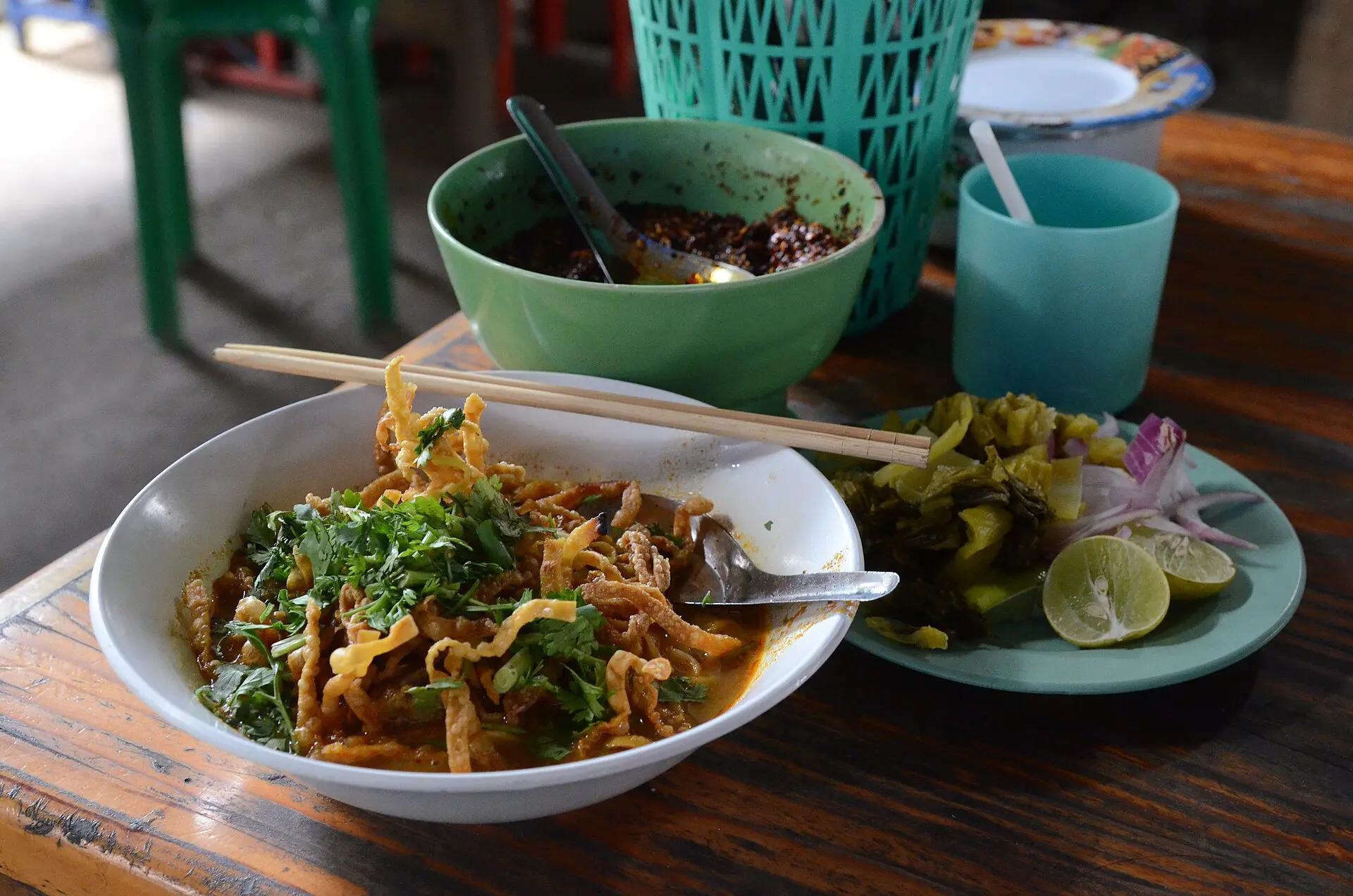
- Khao soi: a northern coconut curry noodle soup with crispy noodles on top.
- Mango sticky rice: a popular dessert in the mango season.
- Pad kra pao: stir-fried meat with holy basil and chilli, served with rice and a fried egg.
- Thai iced tea and Singha or Chang beer: common drinks.
Vegetarians can find meat-free food, but fish sauce and shrimp paste are common, so say what you avoid. Eat where locals queue, and drink bottled water.
Culture, language and etiquette in Thailand
Thai is the national language, and English is common in tourist areas but less so elsewhere. Learning a few words is welcomed: sawasdee (hello, add krap for men and ka for women), khop khun (thank you) and mai pen rai (no problem). Most Thais are Theravada Buddhist, and sanuk, the idea of fun, shapes daily life.
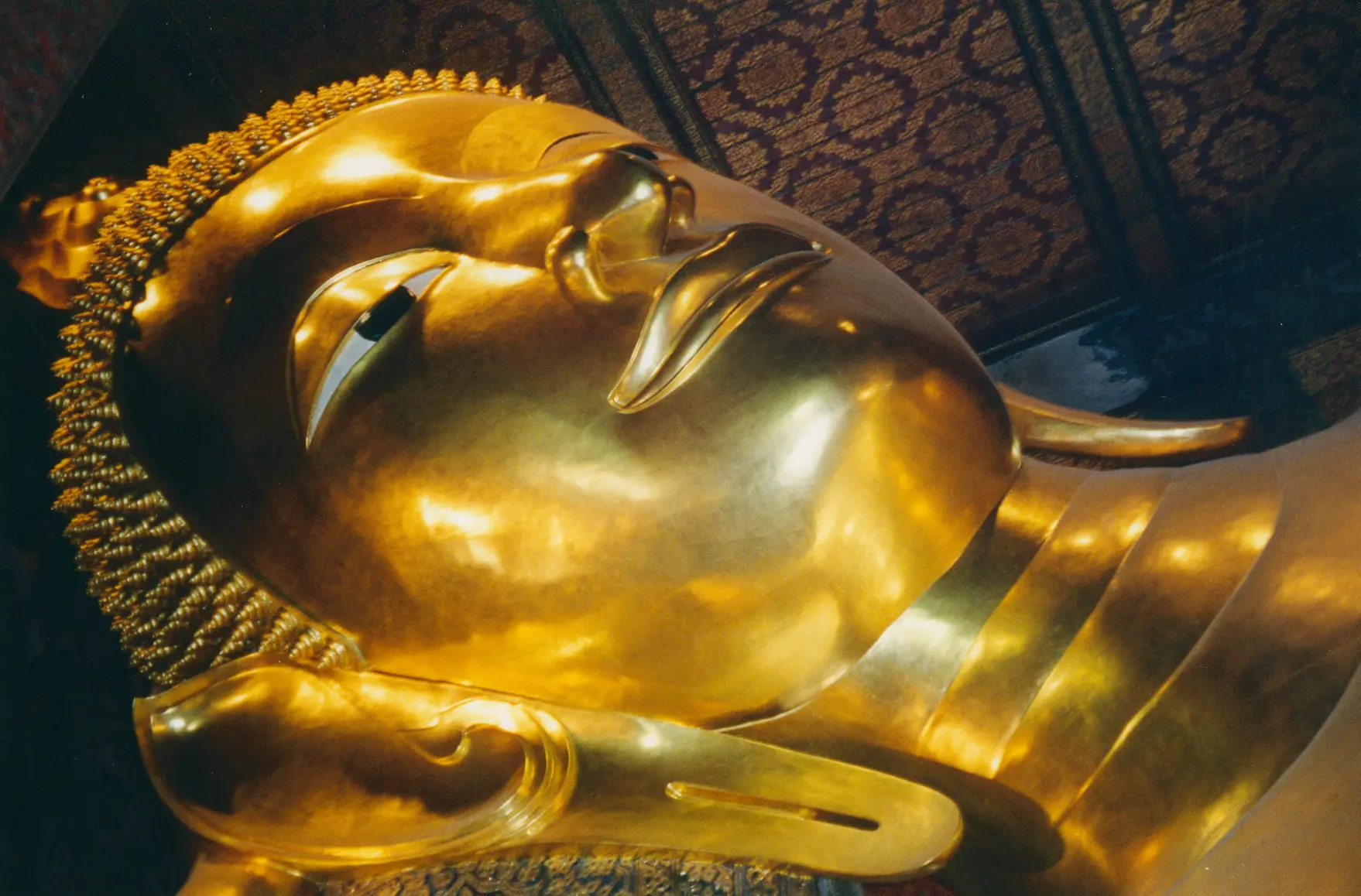
Greet with a wai, palms together and a slight bow. Remove shoes before entering homes, temples and some shops. Dress modestly in temples, with shoulders and knees covered. Never touch anyone’s head, point your feet at people or Buddha images, or step over someone’s legs. Monks should not be touched by women, and women should hand items via a cloth or a third person.
The monarchy is deeply respected, and insulting it is a crime under lese-majeste law, so avoid critical comments. Stay calm in disputes, since raising your voice loses face. Do not climb on temple statues, and do not take Buddha images as souvenirs without export permission.
Thailand itinerary: a 7-day route
This route links the capital, the north and one beach stop with short flights, and stays away from the far south and the Cambodian border.
- Day 1, Bangkok: arrive, ride the river boat to Wat Arun and eat at a street food area such as Yaowarat.
- Day 2, Bangkok: visit the Grand Palace, Wat Pho and a canal tour in the afternoon.
- Day 3, Ayutthaya and Chiang Mai: take a morning trip to Ayutthaya, return to Bangkok and fly or take the night train north.
- Day 4, Chiang Mai: explore the old city temples, take a cooking class and visit the night market.
- Day 5, Doi Suthep or Chiang Rai: go up to Doi Suthep, or take a long day trip to the White Temple, about three hours each way.
- Day 6, Krabi: fly via Bangkok to Krabi, about three to four hours in total, and settle in at Ao Nang.
- Day 7, islands: take a long-tail boat tour to Railay and nearby islands, then fly home from Krabi.
In the rainy season from May to October, swap the Andaman for Koh Samui on the Gulf coast until about August.
Practical tips for Thailand
- Money: ATMs are everywhere and charge a fee per withdrawal, so take larger amounts. Cards work in hotels and malls, but cash is needed at markets and street stalls.
- SIM and eSIM: tourist SIMs and eSIMs are cheap, available at airports and have good coverage, even on most islands.
- Plugs: types A, B, C and O at 230 V, and many sockets take both flat and round plugs.
- Tipping: not required, but leaving small change or 20 to 50 baht at restaurants is common, and tips for massage therapists and guides are welcome.
- Health: use sunscreen and mosquito repellent, drink bottled water and carry travel insurance that covers motorbike use if you plan to ride.
- Packing: light clothing, a rain jacket in the wet season, modest layers for temples and sandals that are easy to remove.
- Planning: book islands and the Chiang Mai night train ahead in high season. See the Wikivoyage Thailand guide for more.
FAQ
Q1Is Thailand safe to visit?
Yes, for most visitors. Violent crime against tourists is uncommon, and the main risks are motorbike accidents, scams, theft and rough seas. Avoid the far south provinces that governments advise against, and check your government's current travel advice before you book.
Q2What is the best time to visit Thailand?
November to February is best for most of the country, with dry and sunnier weather. March to May is very hot, and the rainy season from May to October brings downpours and rough seas on the Andaman coast. The Gulf islands are driest from about January to August.
Q3What are the best things to do in Thailand?
Top picks are the Grand Palace and Wat Pho in Bangkok, Ayutthaya's ruins, Chiang Mai's temples and cooking classes, island-hopping near Krabi and diving at Koh Tao. Add a night market and a street food tour in any city.
Q4How much does a trip to Thailand cost?
Budget about USD 25 to 45 per day with hostels and street food, USD 50 to 100 per day mid-range, and USD 180 or more per day for high-end stays. Islands, domestic flights and tours raise costs, while food and local transport are very cheap.
Q5Do I need a visa for Thailand?
It depends on your nationality. Many travellers can enter visa-free for a limited tourist stay, while others need a visa or e-visa in advance. There may also be a digital arrival card. Rules change, so confirm with the official Thai government sources before you travel.
Q6How many days do you need in Thailand?
One week covers Bangkok, Chiang Mai and a beach stop at a steady pace. Two weeks allow the north, Bangkok and one island group comfortably. Add time if you want diving, trekking or a slower pace, because transfers to islands take much of a day.
Q7What is Thailand food like?
Thailand food balances sweet, sour, salty and spicy flavours. Try pad thai, tom yum soup, green curry, som tam, khao soi and mango sticky rice. Street food is cheap and excellent. Vegetarians should say they avoid fish sauce, and mild spice is easy to request.