Why visit Cambodia
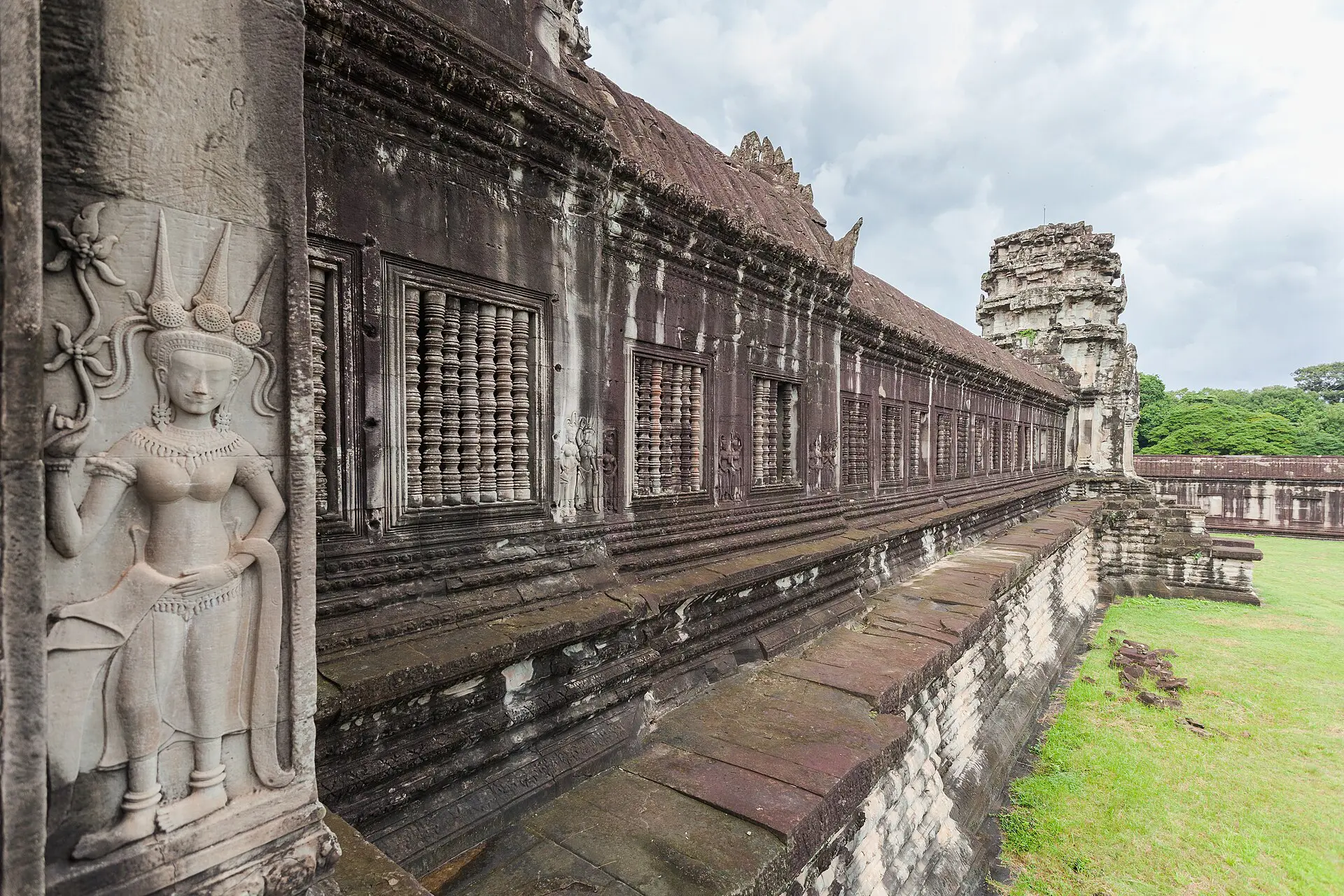
The most rewarding things to do in Cambodia start with Angkor, the largest religious monument complex in the world and the former heart of the Khmer Empire, which ruled much of Southeast Asia for around 600 years (see the Wikipedia overview for the wider history). Beyond the temples, the country offers a lively riverside capital, the Mekong and Tonlé Sap lake, pepper plantations around Kampot and quiet islands off the Gulf of Thailand coast, all within a country of about 181,000 square kilometres.
Cambodia suits travellers who want cultural depth and low costs, and who accept some rough edges: uneven roads, intermittent power cuts outside the big towns and a recent history that includes the Khmer Rouge period of 1975 to 1979. Many visitors find the memorial sites in Phnom Penh sobering but essential. It works well for first-time Asia travellers, couples, families with older children, photographers and independent backpackers who like to mix temples with time on the water.
Best places to visit in Cambodia
The best places to visit in Cambodia fall into a simple loop: Siem Reap in the north-west, Phnom Penh in the centre and the southern coast, with Battambang as a worthwhile stop between the first two.
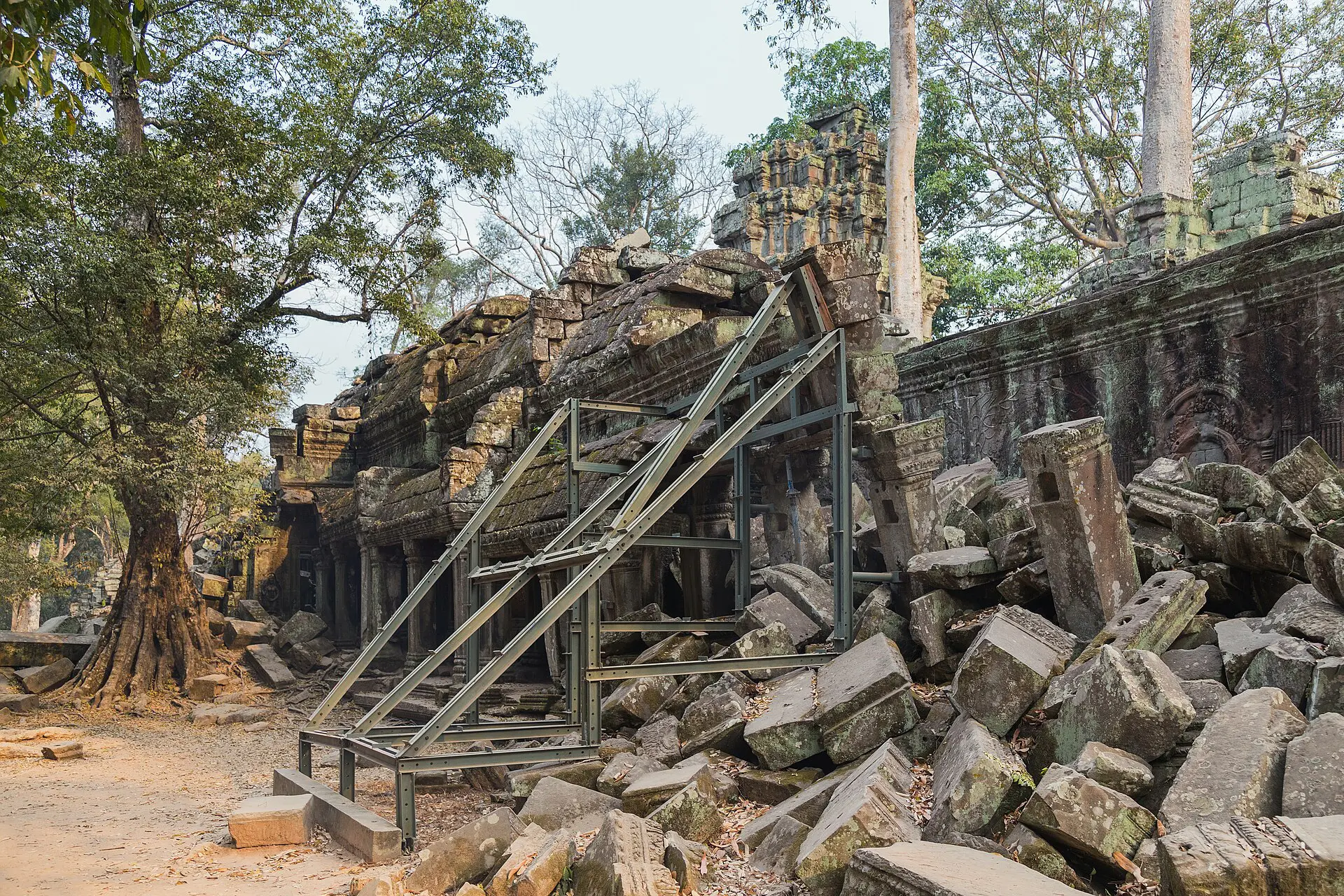
Siem Reap and Angkor
Siem Reap is the base for the Angkor Archaeological Park, which holds Angkor Wat, the faces of the Bayon and the tree-wrapped ruins of Ta Prohm. The town itself has a relaxed centre, night markets and a wide choice of guesthouses. Plan at least three days to cover the main temples without rushing.
Phnom Penh
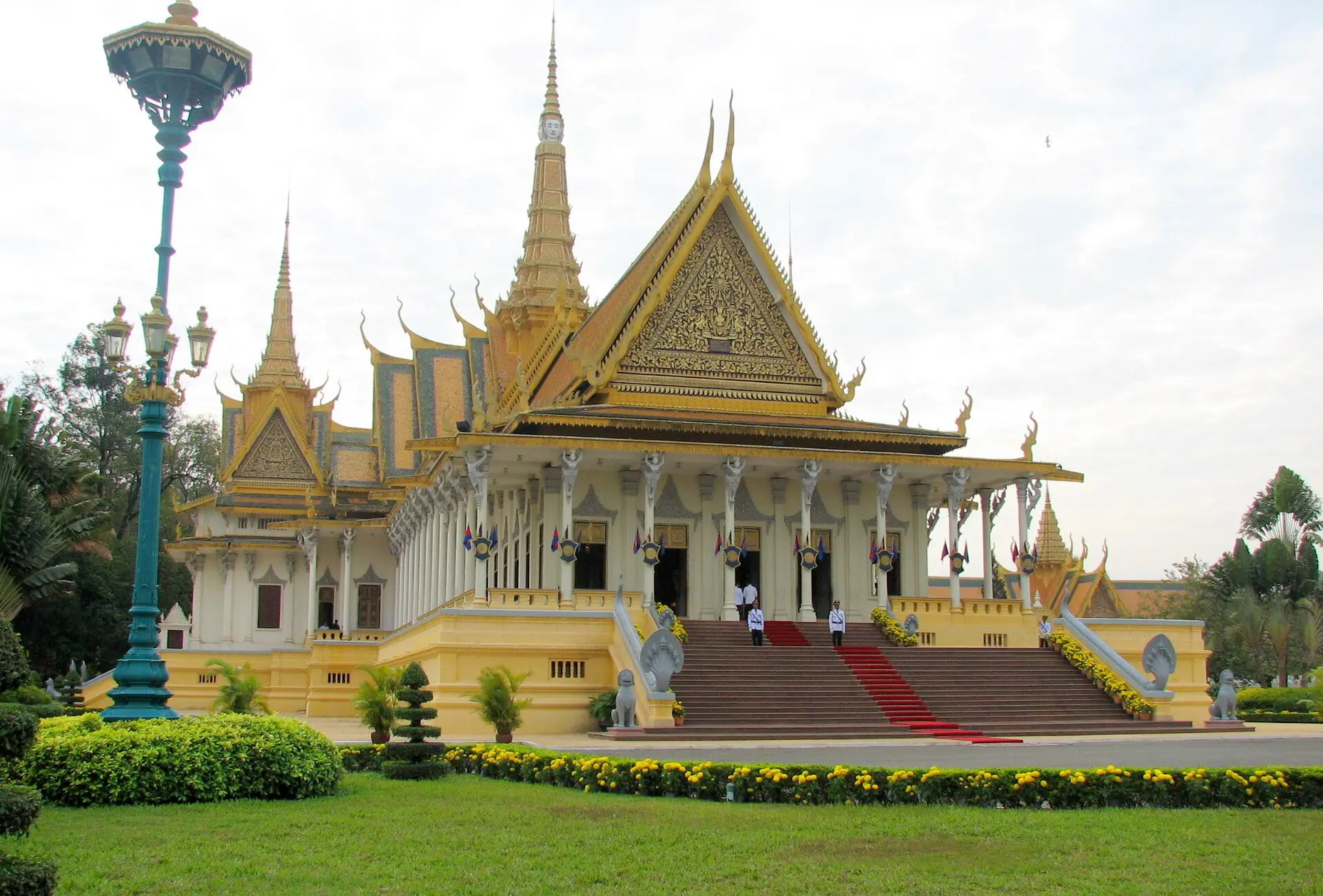
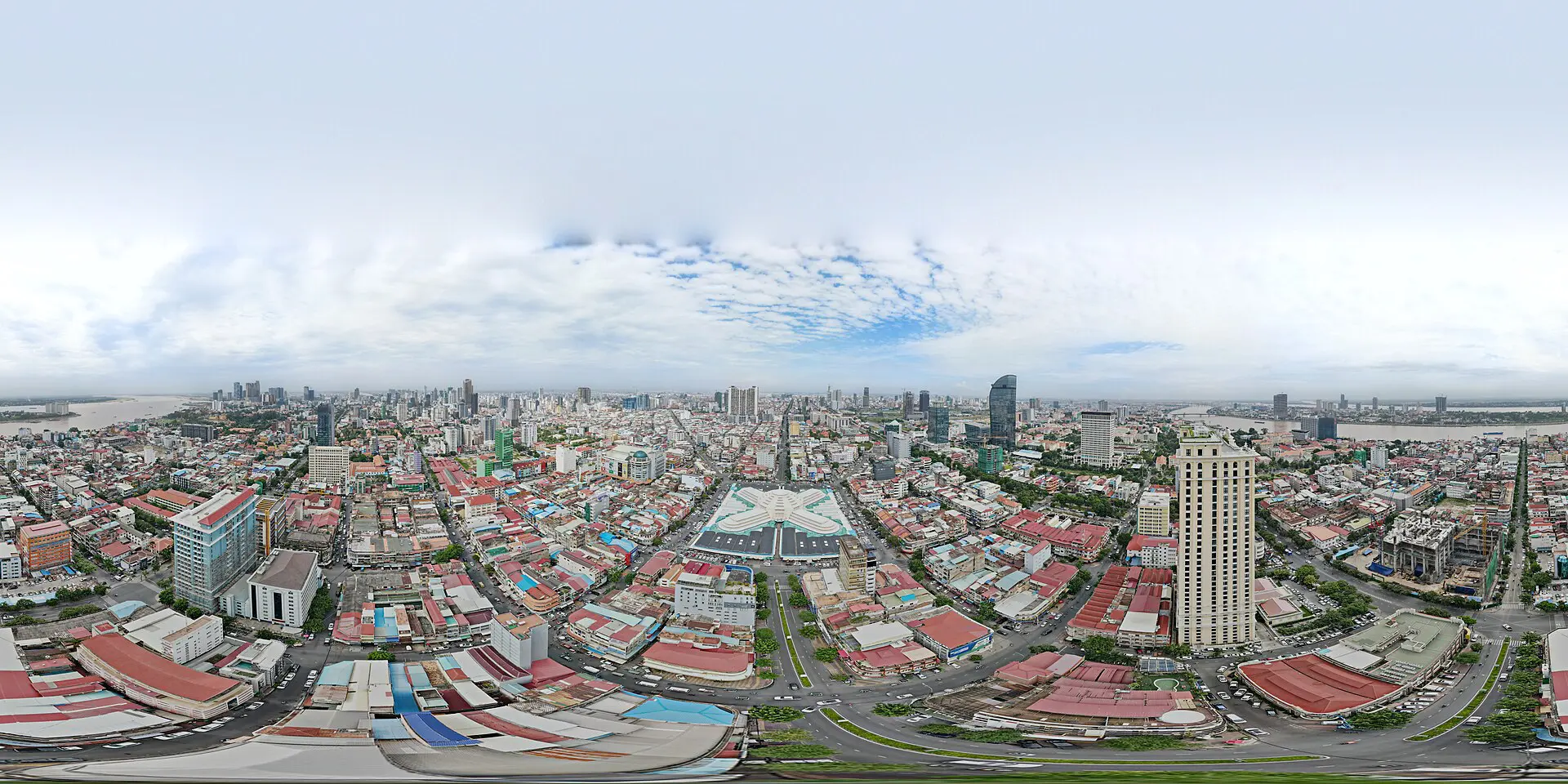
The capital sits where the Mekong and Tonlé Sap rivers meet. Highlights are the Royal Palace and Silver Pagoda, the National Museum of Khmer art, busy markets and the Tuol Sleng Genocide Museum and Choeung Ek memorial, which document the Khmer Rouge years. Two full days is sensible.
Battambang
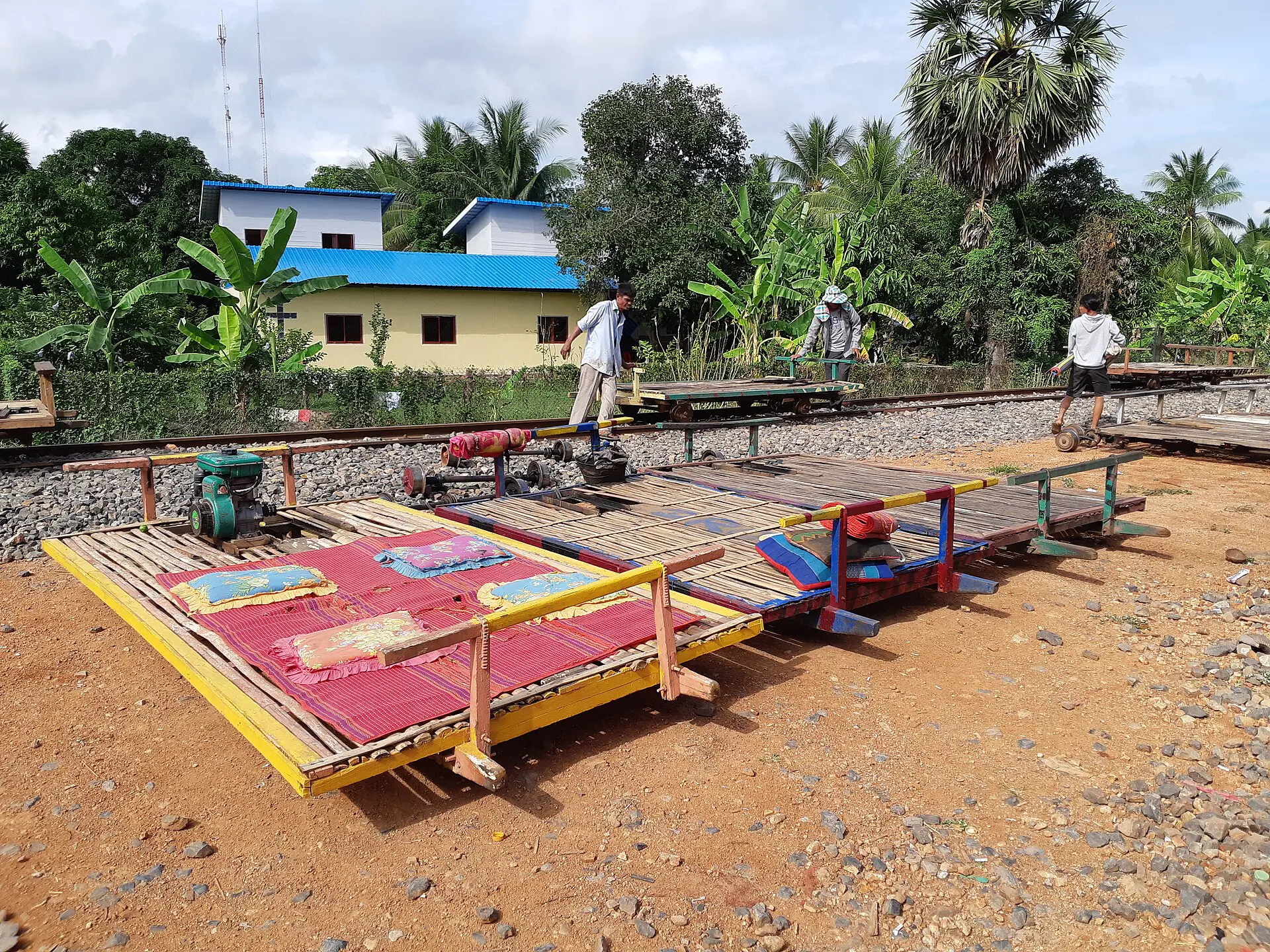
Cambodia’s second city is known for French-era shophouses, a strong arts scene and the bamboo train, a short ride on a light flatbed over old rails.
Kampot and Kep
Kampot is a slow riverside town with colonial buildings, pepper farms and access to Bokor National Park. Kep, a short drive away, is famous for its crab market and seafood. Both are good places to rest after temple touring.
Koh Rong and the islands
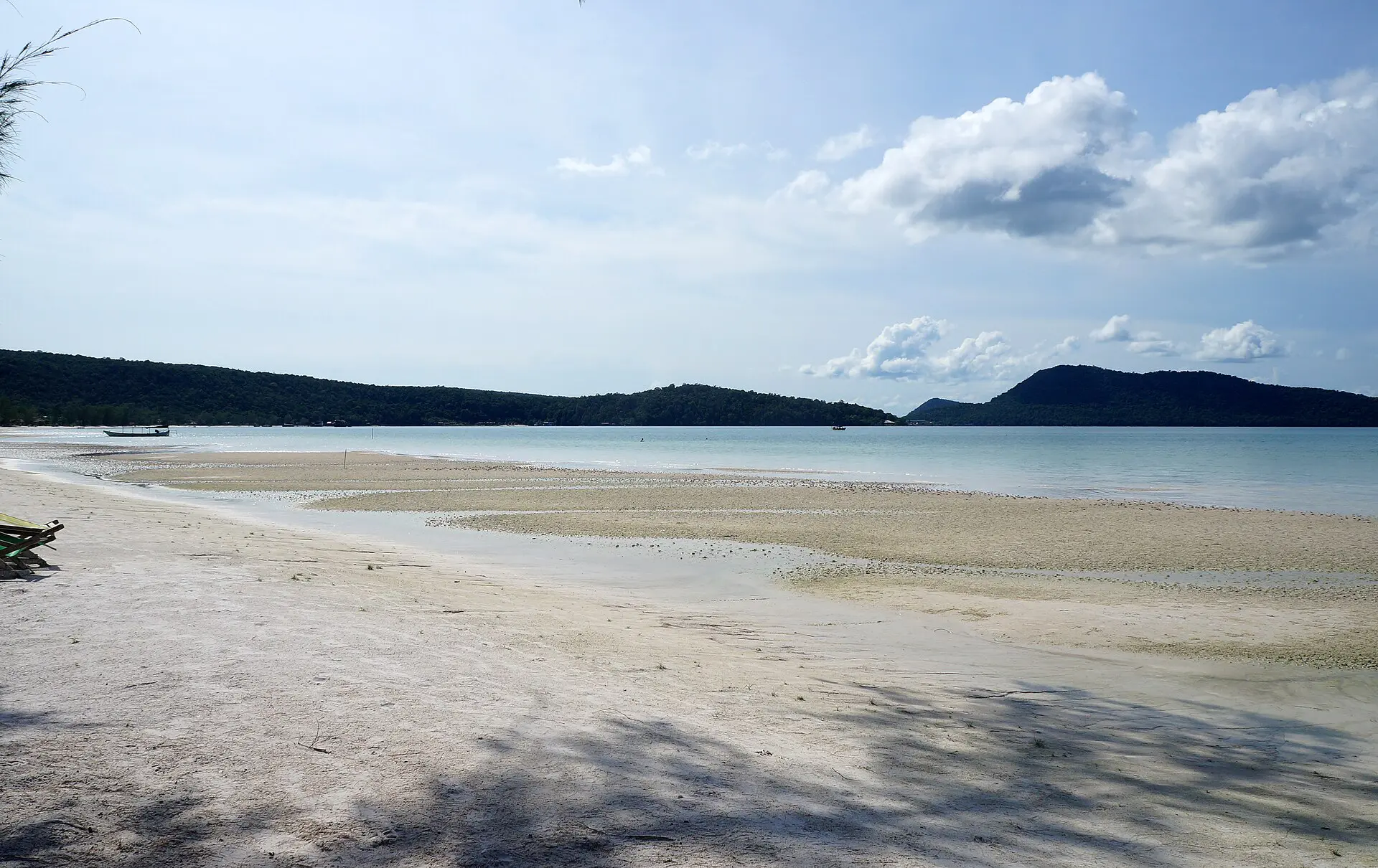
The islands of Koh Rong and Koh Rong Sanloem, reached by ferry from Sihanoukville, have white-sand beaches and basic to mid-range resorts. They are the usual choice for beach time in Cambodia.
Top things to do in Cambodia
The top things to do in Cambodia mix ancient temples, river life and food, and most can be fitted into a week or ten days.
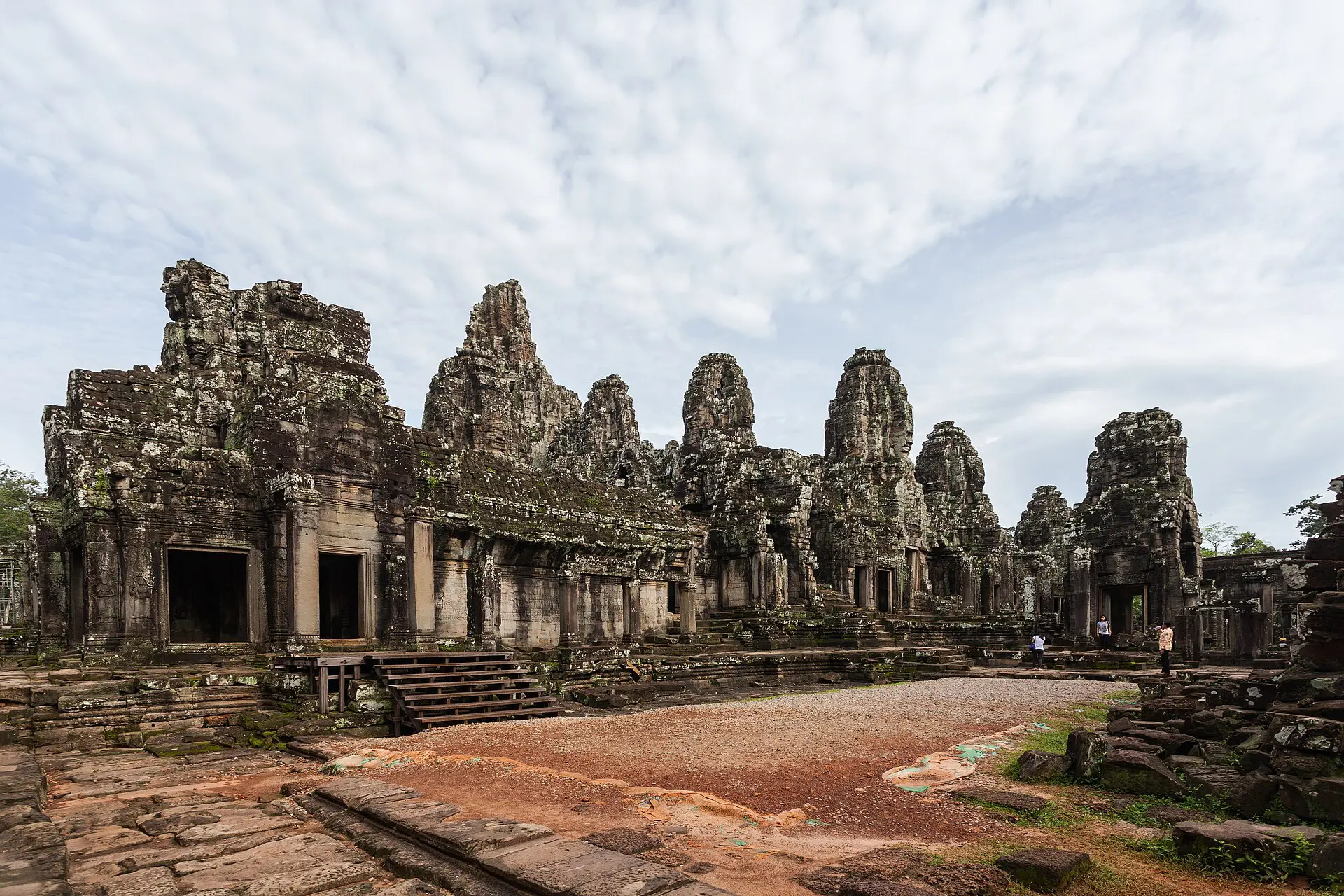
- Watch sunrise at Angkor Wat: arrive before dawn, when the towers reflect in the lotus pond, then return later for the carved galleries.
- Explore the Bayon in Angkor Thom: over 200 stone faces look out from the towers of this late twelfth-century temple.
- Walk through Ta Prohm: roots of huge trees grip the ruins, and the site is left deliberately overgrown.
- Learn at Tuol Sleng and Choeung Ek: these Phnom Penh sites give an honest account of the Khmer Rouge period, so allow time and quiet afterwards.
- Tour the Royal Palace: the Silver Pagoda and throne hall show Khmer royal architecture.
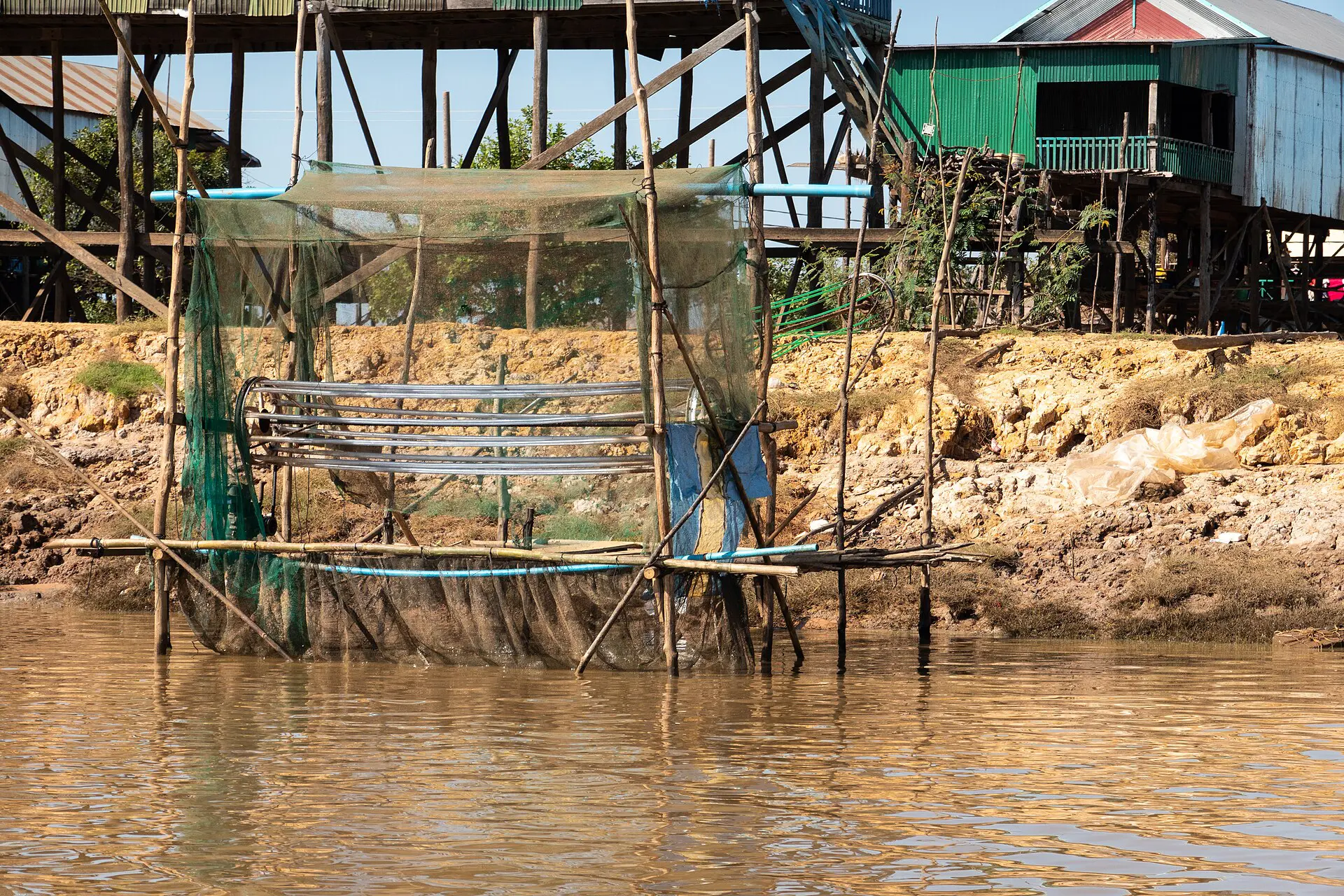
- Take a boat to Kampong Phluk: stilted villages on Tonlé Sap lake look very different in dry and wet seasons.
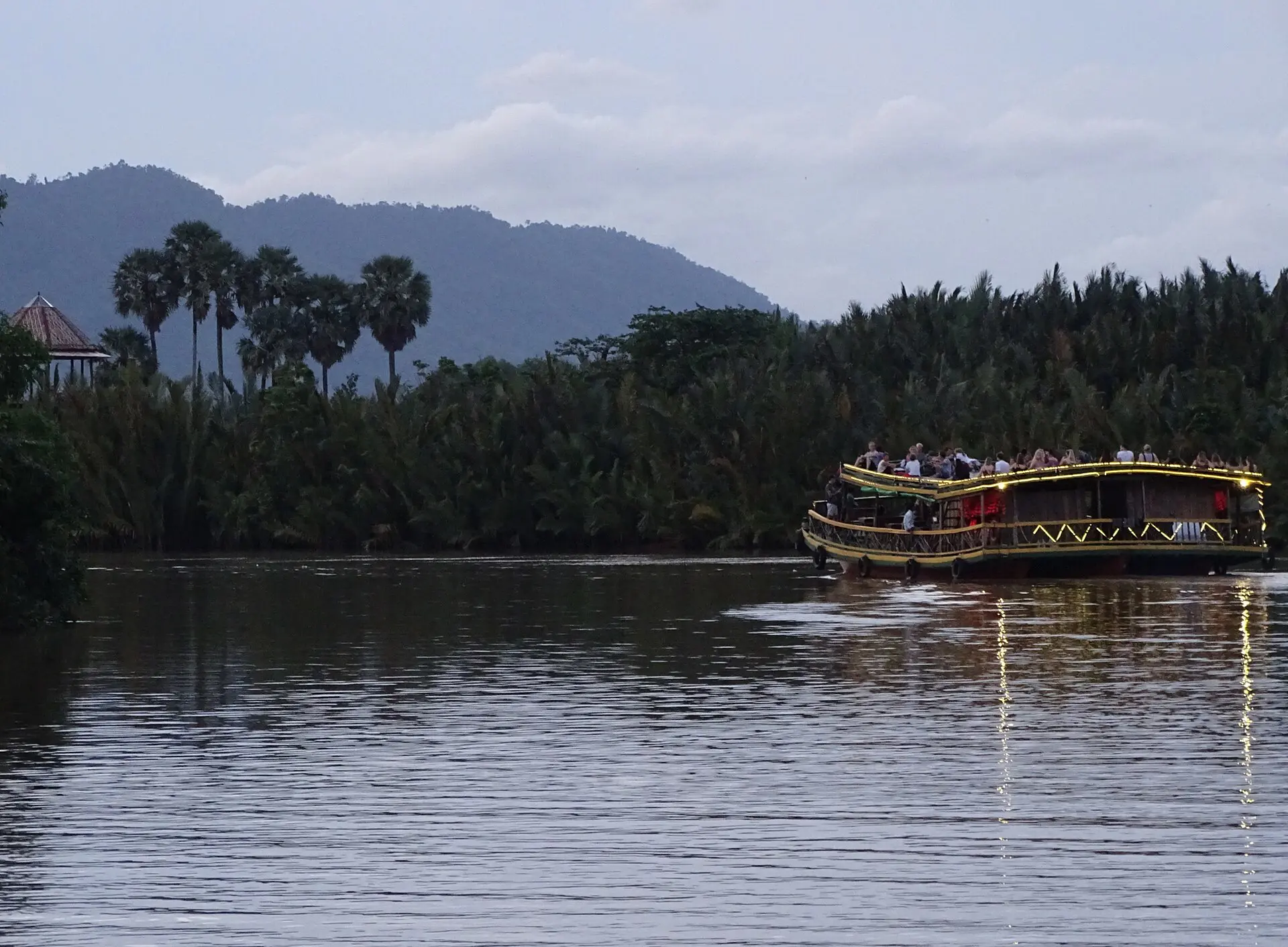
- Cruise the Kampot river at sunset: boats leave from the town centre in the late afternoon.
- Spend a night on Koh Rong Sanloem: clear water and few cars make it a good reset.
Best time to visit Cambodia
The best time to visit Cambodia is November to February, when the days are dry, skies are mostly clear and temperatures are more comfortable. March to May is very hot, often above 35 C, which makes midday temple visits hard. The rainy season runs roughly from May or June to October, with heavy but usually short afternoon downpours.
| Season | Weather | Crowds and prices | Good for |
|---|---|---|---|
| Cool dry (Nov-Feb) | Sunny, warm days and cooler nights | Busiest and most expensive, especially December and January | Angkor, Phnom Penh, beaches, dolphins |
| Hot (Mar-May) | Very hot and humid, little rain until late | Fewer visitors, lower prices | Early-morning temples, island time |
| Wet (Jun-Oct) | Warm, humid, regular afternoon rain | Quiet and cheapest | Green landscapes, Tonlé Sap, budget trips |
Is Cambodia safe to visit?
Yes, Cambodia is generally safe for tourists, and serious violent crime against visitors is uncommon. The usual problems are bag and phone snatching, road accidents and overcharging. Governments publish up-to-date advice, so check the UK FCDO or US State Department pages before you book, particularly for the Thailand border region, where fighting broke out in 2025.
Theft. Motorbike thieves sometimes grab phones and bags from pedestrians and tuk-tuk passengers in Phnom Penh and Siem Reap. Carry bags on the side away from the road, keep phones out of sight and avoid walking alone late at night.
Roads. Traffic is chaotic and many motorbike riders ride without helmets. Renting a motorbike is a common cause of tourist injuries, and insurance may not cover you without a valid licence.
Landmines. Unexploded ordnance remains in rural areas, mainly near the Thai border and in the northwest. Stay on marked paths at remote temples and never touch metal objects.
Health. Dengue is a real risk, so use repellent, drink bottled water and carry insurance that covers medical evacuation.
Cambodia visa and entry requirements
Cambodia visa rules depend on your nationality. Most visitors need a tourist visa, which can usually be obtained online as an e-visa before departure or on arrival at the main airports and land borders, for a fee of around USD 30 for a stay of about 30 days. Some neighbouring countries have visa-free arrangements. These details change, so confirm the current rule for your passport with the official Cambodian e-visa portal or the nearest embassy.
Your passport should have at least six months of validity and a blank page or two. Cambodia has also been introducing a digital arrival registration for foreign visitors, so check whether you need to complete this before you fly.
Overstays are charged per day. Tourist visas can usually be extended once in the country through a travel agency or immigration office.
Getting to and around Cambodia
Most visitors arrive by air at Siem Reap-Angkor International Airport, Phnom Penh International Airport or the newer Techo International Airport near Phnom Penh, with regional links from Bangkok, Singapore, Kuala Lumpur, Hanoi and Ho Chi Minh City. Land borders with Thailand and Vietnam have long been popular, and the Mekong river is used by boats between Vietnam and Phnom Penh. Border conditions vary, so check the current situation first.
Inside Cambodia, buses and minivans link the main cities. Phnom Penh to Siem Reap takes around six hours by road, Phnom Penh to Kampot about three to four, and Siem Reap to Battambang about three. Domestic flights between Phnom Penh and Siem Reap save time but cost more. The railway has limited passenger services, so check schedules locally.
In towns, tuk-tuks and ride-hailing apps are cheap. Many visitors hire a tuk-tuk for a day at Angkor. Motorbike rental is possible but risky.
How much does a trip to Cambodia cost?
Cambodia is among the cheaper countries in Southeast Asia, although Angkor and boat trips add noticeable costs. The US dollar circulates widely alongside the Cambodian riel, and many prices in tourist areas are quoted in dollars, so carry small notes. Figures below are rough per-person guides for 2026.
- Budget: around USD 25 to 40 per day, with dorm beds or simple guesthouses, local meals and shared transport.
- Mid-range: around USD 40 to 80 per day, with air-conditioned private rooms, restaurant meals and tuk-tuk hire.
- High-end: from about USD 150 per day, with boutique or luxury hotels in Siem Reap, private guides and drivers.
The biggest single fixed cost is the Angkor pass, which at the time of writing was priced at around USD 37 for one day, USD 62 for three days and USD 72 for seven days. Prices could change, so check the official Angkor ticket office. Accommodation in Siem Reap is cheaper in the wet season.
Cambodia food and drink
Cambodia food is built on rice, fresh river fish, herbs and fermented flavours, with milder heat than Thai cooking and less sweetness. Meals are usually shared with rice and soup.
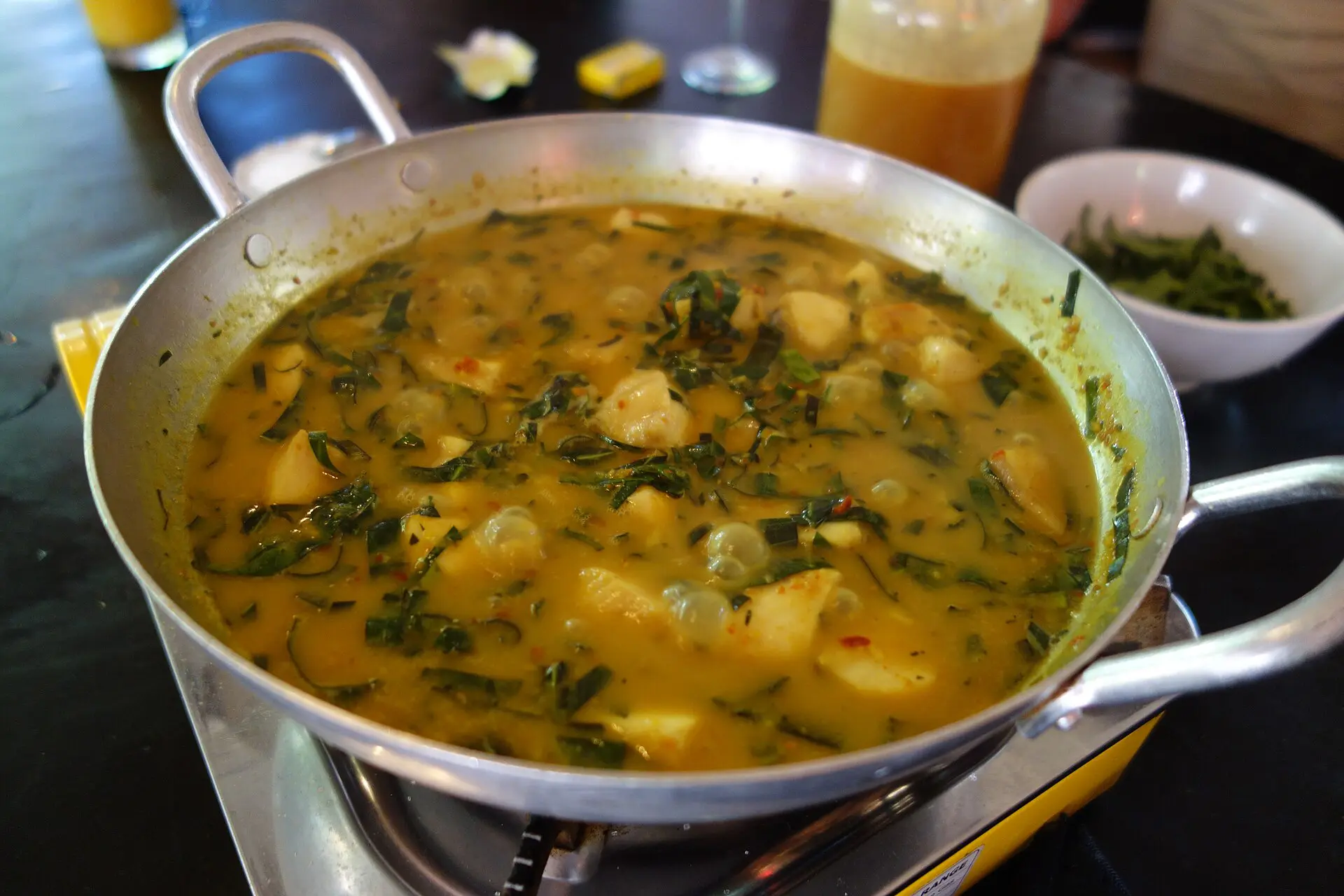
- Fish amok: fish steamed in a coconut and kroeung curry paste, often served in banana leaf, widely seen as the national dish.
- Lok lak: stir-fried beef cubes served with lime, pepper dipping sauce, salad and rice.
- Num banh chok: rice noodles with a fish-based green curry gravy and fresh herbs, eaten at breakfast and known as Khmer noodles.
- Kuy teav: a pork or beef noodle soup, popular for breakfast.
- Kampot pepper crab: a seafood dish in Kep and Kampot with local green pepper.
- Drinks: iced coffee with condensed milk, fresh sugarcane juice, palm sugar juice and local Angkor beer.
Street food is excellent but pick busy stalls with high turnover. Vegetarians can eat well in cities, though fish sauce and shrimp paste appear in many dishes, so ask for no fish sauce.
Culture, language and etiquette in Cambodia
Khmer is the official and most widely spoken language. English is common in tourism in Siem Reap, Phnom Penh and Sihanoukville, and French is occasionally heard among older people. Learning a few words such as suosdei (hello) and arkoun (thank you) is appreciated. Most Cambodians are Theravada Buddhists, and religion shapes daily life.
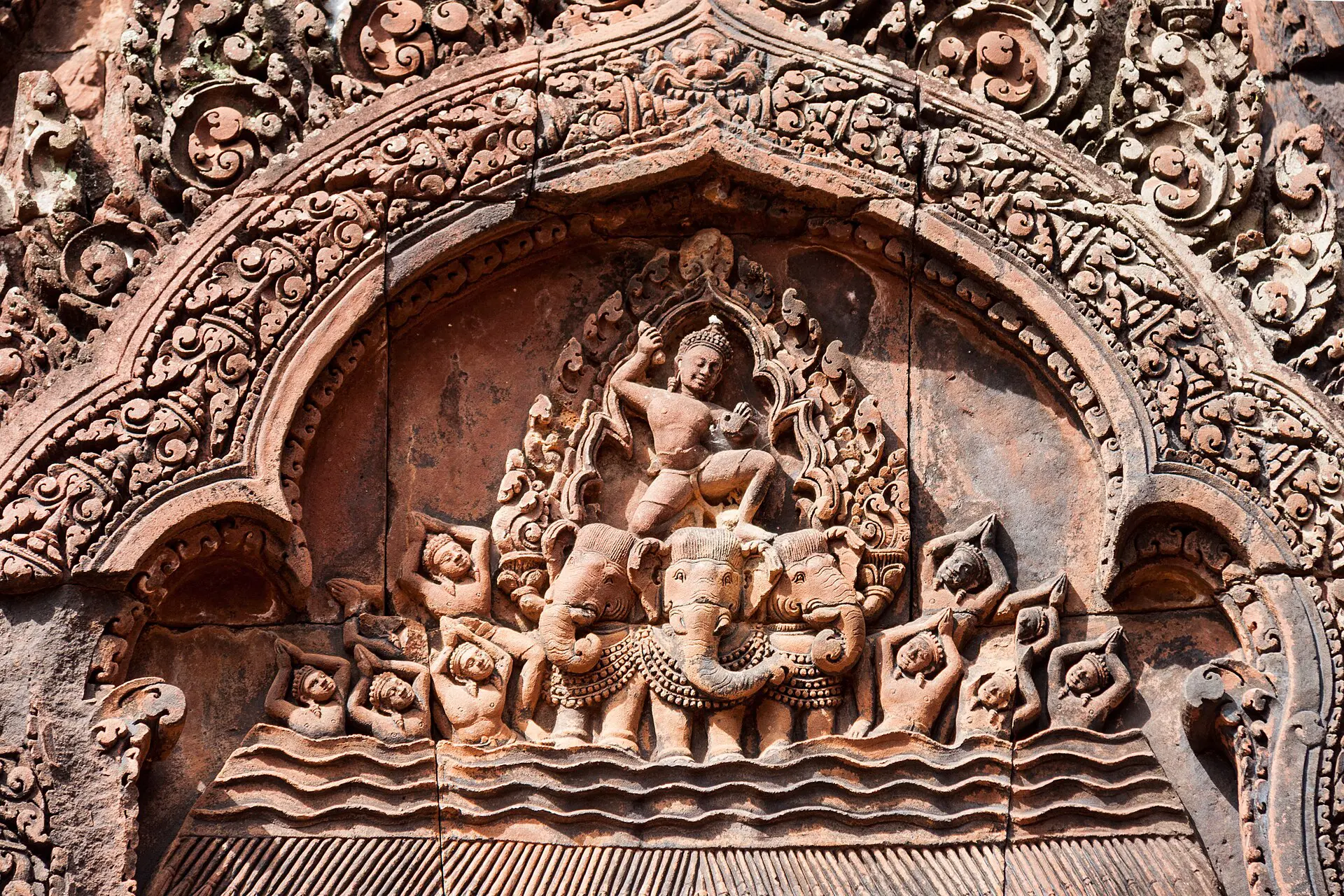
Greet people with a slight bow and hands pressed together, called the sampeah; the higher the hands, the greater the respect. Remove shoes before entering homes and temples. Dress modestly at temples and the Royal Palace, with shoulders and knees covered, and avoid touching people’s heads, which are considered sacred. Never point your feet at a Buddha image or monk. Women should not hand items directly to monks.
Avoid raising your voice, which causes loss of face, and ask before photographing monks or children. Behave quietly at genocide memorial sites.
Cambodia itinerary: a 7-day route
This route starts in Phnom Penh and ends in Siem Reap or the coast and avoids the border regions that governments advise against.
- Day 1, Phnom Penh: arrive, walk along the riverfront and visit the Royal Palace and Silver Pagoda.
- Day 2, Phnom Penh: spend the morning at Tuol Sleng and Choeung Ek, then explore the Central Market and eat locally.
- Day 3, Kampot: take a bus or minivan for three to four hours, then cruise the river at sunset.
- Day 4, Kampot and Kep: visit a pepper farm and the crab market in Kep, then return to Phnom Penh or fly on.
- Day 5, Siem Reap: fly or take a bus for about six hours, then visit Angkor Wat for sunset.
- Day 6, Angkor: start at sunrise at Bayon and Ta Prohm, with a break at midday, then visit Banteay Srei in the afternoon.
- Day 7, Tonlé Sap or departure: take a half-day boat trip to Kampong Phluk, then fly out.
With more days, add Battambang between Phnom Penh and Siem Reap, or Koh Rong Sanloem for beaches. In the wet season, swap boat days for museum time.
Practical tips for Cambodia
- Money: the US dollar is used alongside the riel; ATMs mostly dispense dollars, and small change is often given in riel. Carry clean, undamaged dollar notes, as torn ones are often refused. Cards are accepted in hotels and larger restaurants but not at most street stalls.
- SIM and eSIM: local SIMs and eSIMs are cheap, with good data in towns and along main roads. Register with your passport when buying.
- Plugs: types A, C and G at 230 V are in use, so bring a universal adapter.
- Tipping: not expected, but rounding up or leaving USD 1 to 2 for good service is welcome.
- Health: use repellent for dengue, drink bottled water and check vaccine advice with a travel clinic. Pharmacies in cities are well stocked.
- Packing: light, breathable clothes covering shoulders and knees for temples, sturdy sandals, a hat, sunscreen and a rain jacket in the wet season.
For wider background, see the Wikivoyage Cambodia guide, and check the UNESCO page for Cambodia for World Heritage sites.
FAQ
Q1What is Cambodia food like?
Cambodia food centres on rice, freshwater fish, herbs and fermented flavours, and is milder than Thai cooking. Try fish amok, lok lak, num banh chok noodles and grilled pork with rice. Street food is cheap and good if you choose busy stalls, and vegetarians should ask for no fish sauce.
Q2Is Cambodia safe?
Mostly yes for tourists. The main risks are bag snatching in Phnom Penh and Siem Reap, chaotic traffic and unexploded ordnance off marked paths. Government advisories urge caution near parts of the Thailand border, so check FCDO or State Department advice, use ride-hailing apps and avoid renting motorbikes without experience.
Q3Do I need a Cambodia visa?
Most travellers need a tourist visa, available online as an e-visa or on arrival at major entry points, for around USD 30 and about 30 days. Rules and fees depend on nationality and change, so check the official Cambodian e-visa site and carry a passport valid for at least six months.
Q4What are the best things to do in Cambodia?
The top experiences are sunrise at Angkor Wat, the Bayon and Ta Prohm, Phnom Penh's Royal Palace and memorial sites, the Kampot river and pepper farms, a boat trip on Tonlé Sap lake and a few beach days on Koh Rong Sanloem.
Q5What is the best time to visit Cambodia?
November to February is best, with dry, sunny weather and cooler temperatures, though it is also the busiest and priciest period. March to May is very hot. The rainy season from about June to October is quieter, greener and cheaper, with short heavy afternoon showers.
Q6What are the best places to visit in Cambodia?
Siem Reap for Angkor, Phnom Penh for history and food, Battambang for colonial architecture and the bamboo train, Kampot and Kep for river and seafood, and the islands of Koh Rong for beaches. Kratie suits river dolphin spotting in the dry season.
Q7How many days do you need in Cambodia?
Seven days covers Phnom Penh, Angkor and a short stop in Kampot at a steady pace. Add three to four days for Battambang, Kratie or the islands, and allow three full days at Angkor alone if you want to see more than the main temples.