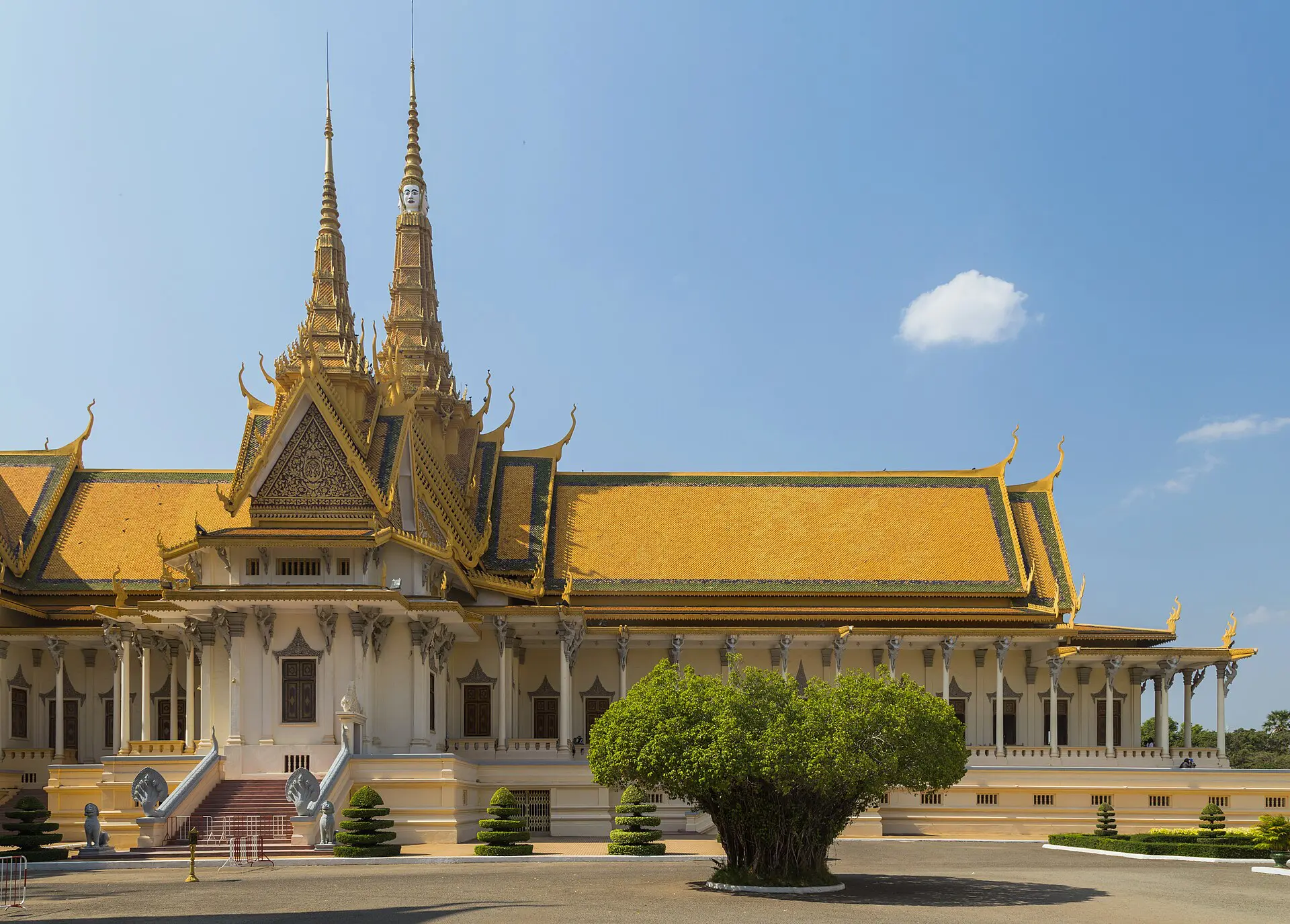

Why visit Phnom Penh
Anyone planning things to do in Phnom Penh will find a capital that is both lively and heavy with history. It sits at the confluence of the Tonlé Sap and Mekong rivers and has been Cambodia’s capital since 1865. The city is the seat of the monarchy, based at the Royal Palace, and is the political, economic and cultural centre of the country.
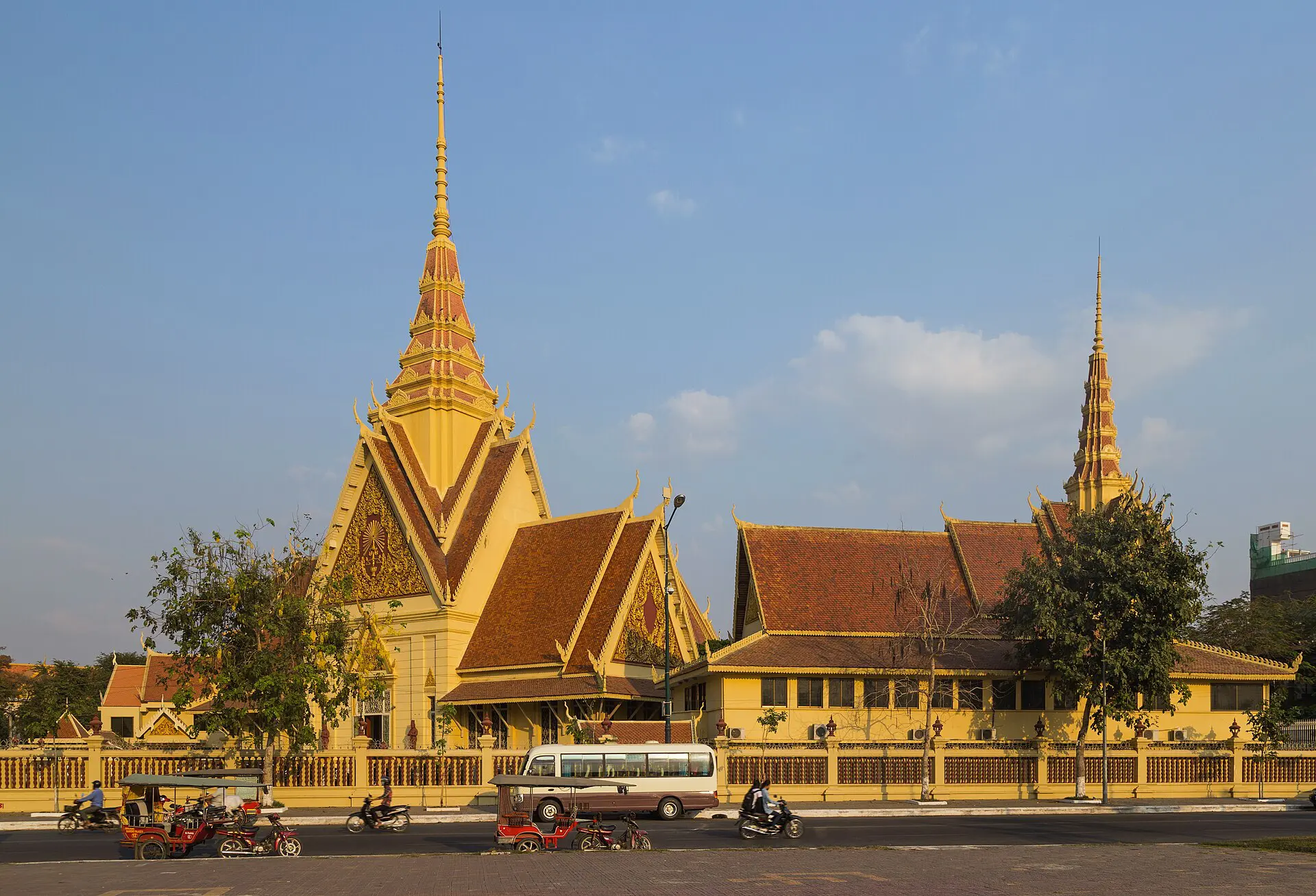

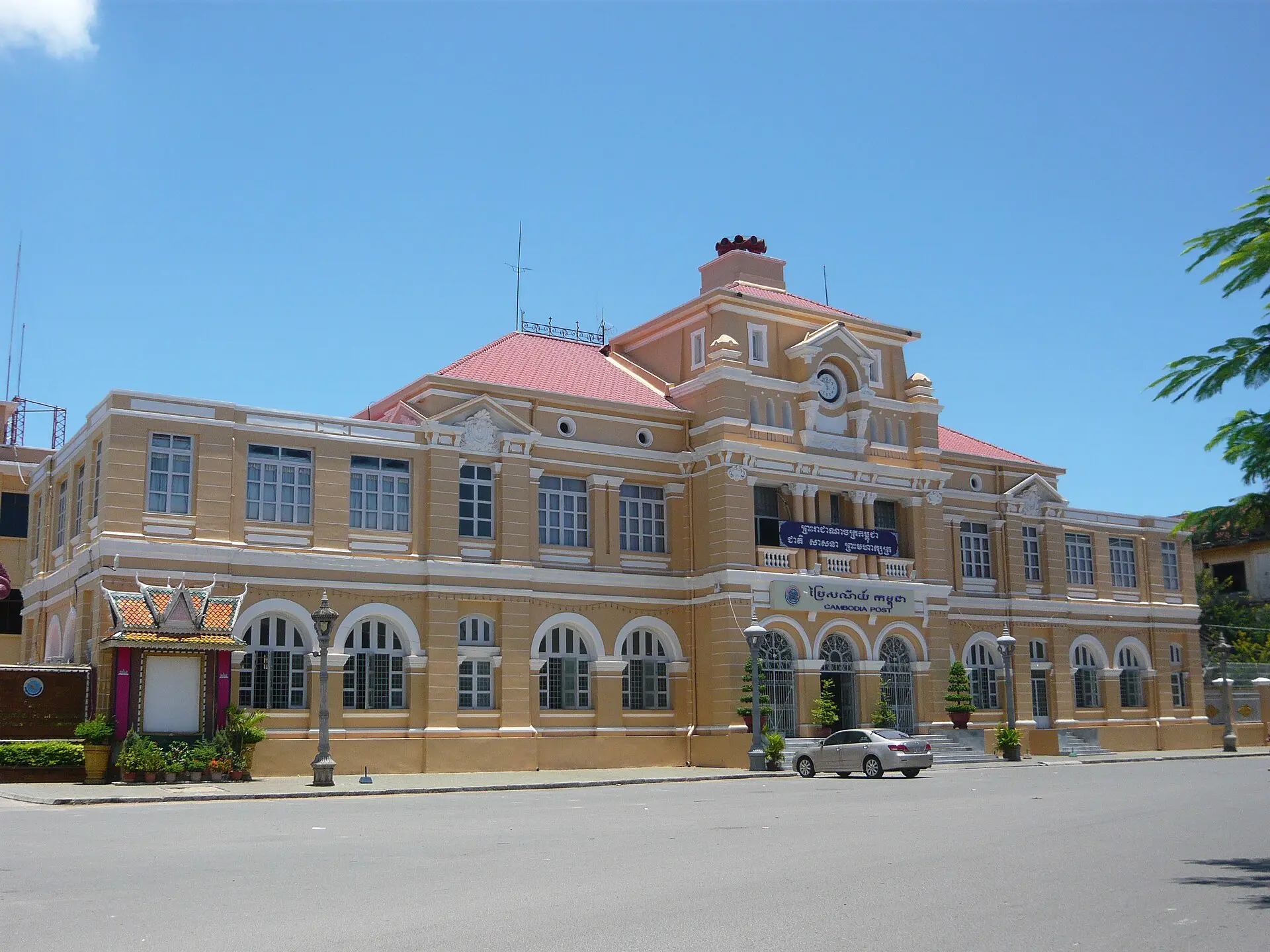
Its name comes from Wat Phnom, a Buddhist temple, and Lady Penh, the city’s founder. Before the 1970s it was known as the “Pearl of Asia” for its French colonial, New Khmer and Art Deco buildings, a few of which survive among the traffic and street stalls.
Today the city is a small-hearted but energetic metropolis, with chaotic traffic and uneven roads. It rewards visitors who are curious about modern Cambodia, enjoy markets and street food, and are willing to engage with the difficult history of the Khmer Rouge period.
Top things to do in Phnom Penh
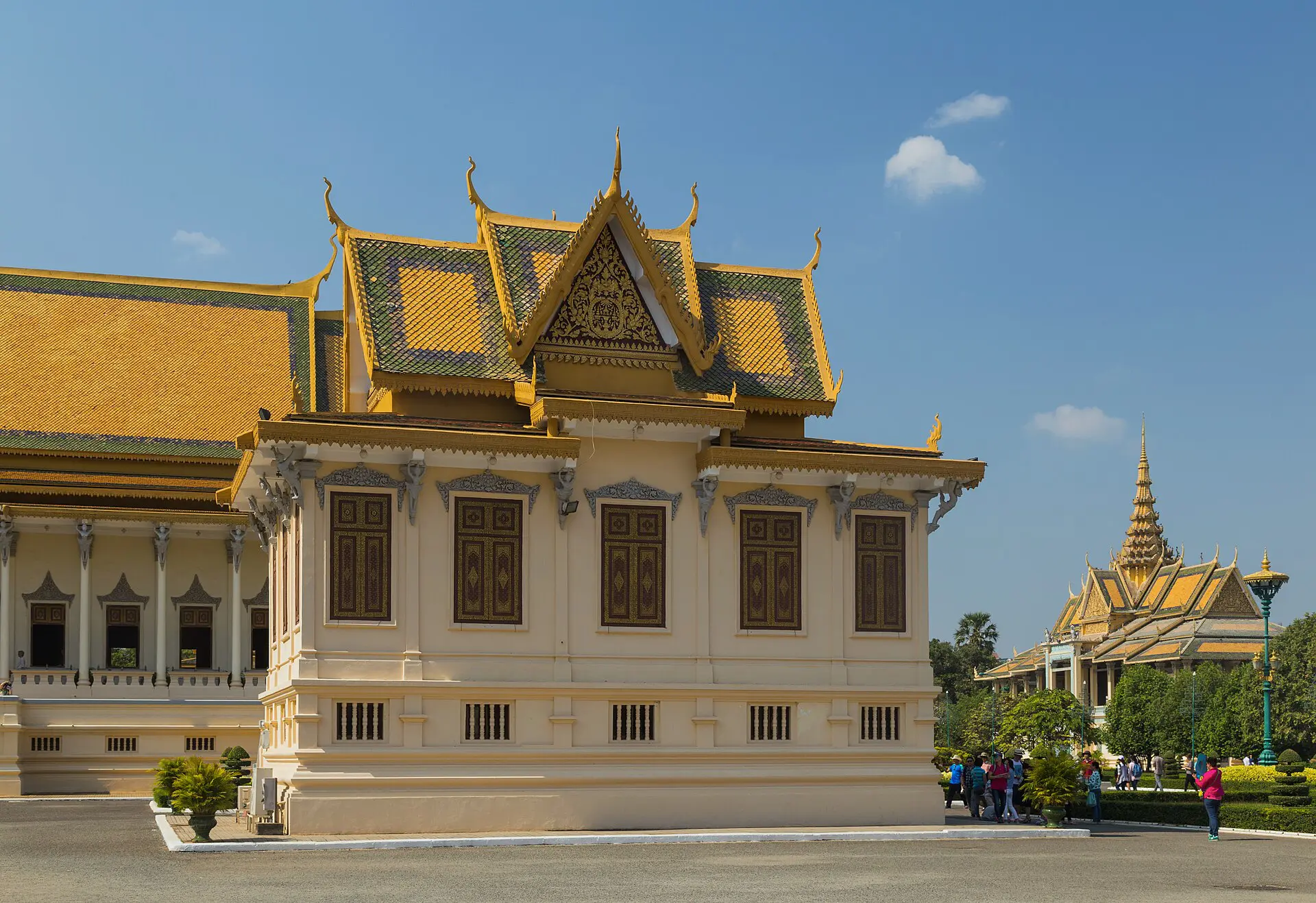

Visit the Royal Palace
The palace is the seat of the monarchy and a showpiece of Khmer architecture, with ornate roofs and landscaped grounds. Allow about two hours. Tip: dress rules apply, with shoulders and knees covered, and opening hours can change, so check before you go.
Walk the riverfront
The promenade along the river is where the city comes out in the evening, with cafes, bars and people watching. Allow an hour or two. Tip: go around sunset, when it is cooler and busiest, and keep bags secure.
Climb Wat Phnom
The temple that gave the city its name sits on a small hill and is a short, easy visit. Allow 45 minutes. Tip: there is a small entry charge for foreign visitors, and mornings are quieter.
Visit the Tuol Sleng Genocide Museum
This former school was used as a prison by the Khmer Rouge and is now a museum. Allow two to three hours. Tip: the content is distressing, so plan a quiet afternoon afterwards and check current opening times.
Visit the Choeung Ek memorial
The Killing Fields site lies outside the city and memorialises victims of the Khmer Rouge. Allow two to three hours including transport. Tip: audio guides are commonly offered, and dress and behaviour should be respectful.
Explore the markets
Phnom Penh’s markets sell food, textiles, souvenirs and everyday goods, and they are a good way to see local life. Allow one to two hours. Tip: bargain politely, carry small notes, and watch your belongings in crowded stalls.
Try Cambodian food
The city has street food, local restaurants and a growing cafe scene. Allow an evening. Tip: choose busy stalls with high turnover, and ask about spice levels if you are sensitive.
Best time to visit Phnom Penh
Phnom Penh has a tropical climate with a hot, dry season and a wetter season. The cooler, drier months, roughly November to March, are the most comfortable for sightseeing. April and May are usually the hottest, while the rainy season, broadly from May to October, brings downpours that are often short but can flood streets. Many travellers still visit in the wetter months for lower prices and fewer crowds.

| Season | Weather | Crowds and prices |
|---|---|---|
| November to March | Drier and cooler | Busiest, higher prices |
| April to May | Very hot | Moderate |
| June to October | Hot, humid, rainy spells | Quieter, lower prices |
Festival dates such as Khmer New Year in April can close businesses and fill buses, so check dates before travelling.
How to get to Phnom Penh and around
Phnom Penh Techo International Airport, which opened in 2025 south of the city and took over from the old airport near the centre, is the main air gateway, with regional flights across Southeast Asia. Allow extra time for the transfer into town and check current options. Overland, buses link the city with Siem Reap, Kampot, Sihanoukville and other towns, and journeys can take several hours depending on traffic and road conditions. Boat services on the rivers also exist, though schedules vary, so check current options.
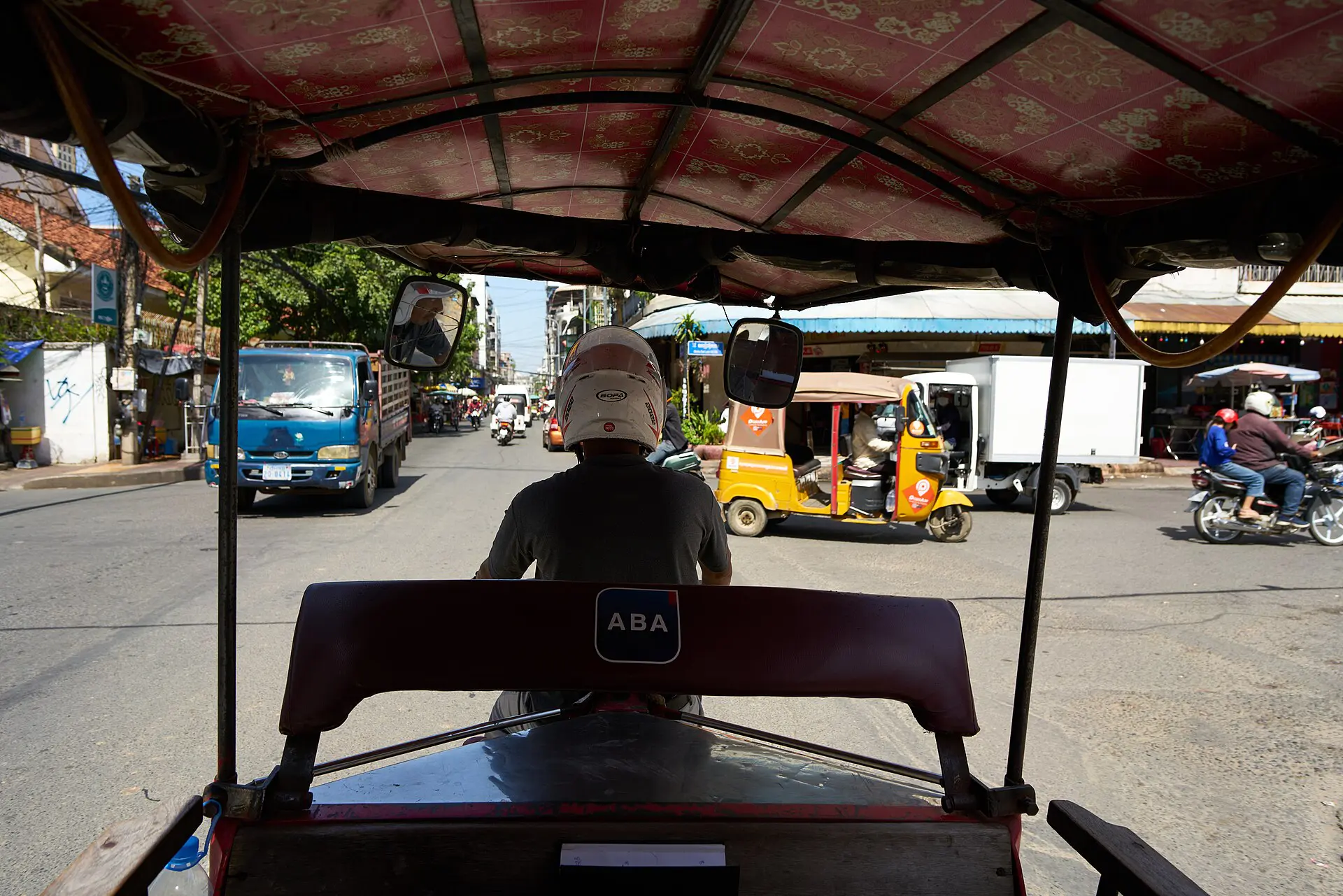

Within the city, tuk-tuks, taxis and ride-hailing apps are the usual way to get around, and agreeing a price before you set off, or using an app, avoids confusion. Traffic is dense, and pavements are often used as parking or market space, so walking is easiest in the riverfront and palace area rather than across the city.
Where to stay in Phnom Penh
The city is compact enough that your base mainly decides how much transport you need and what the evenings feel like.
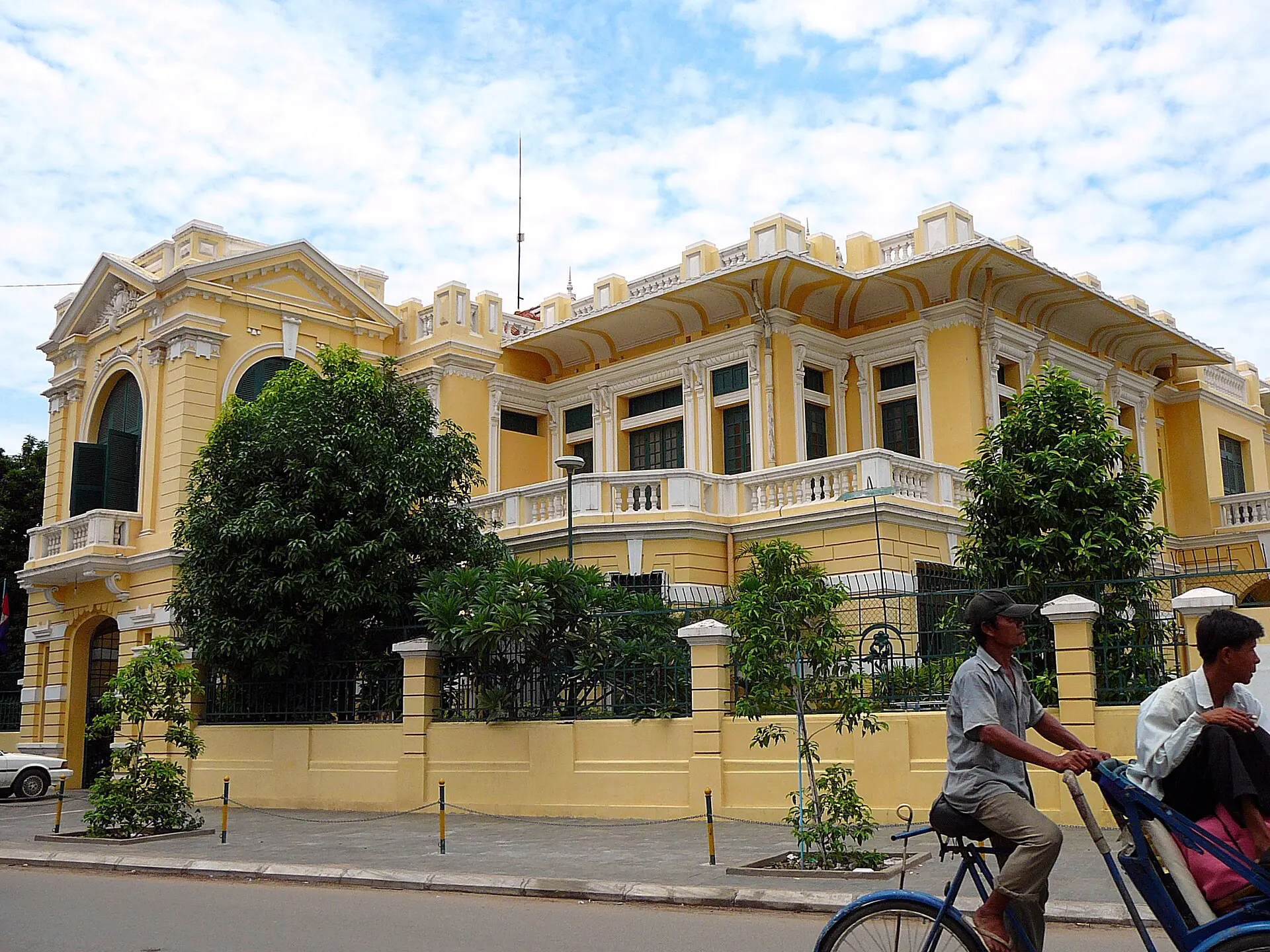

- Riverside and the Royal Palace area: best for first-time visitors, with sights, cafes and the promenade within walking distance, and a wide range of hotels.
- Central market area: practical and busy, suited to travellers who like markets, food and good transport links.
- Quieter residential neighbourhoods: good for longer stays, with cafes, guesthouses and a more local feel, but you will use tuk-tuks more.
- Budget guesthouse streets: useful for backpackers and short stays, with simple rooms at low prices.
Check recent reviews on noise, as nightlife areas can be loud late into the evening.
How many days do you need?
Two to three days covers the main sights without rushing. One day gives you the palace and riverfront, but not the memorial sites, which deserve unhurried time. Add a day if you want markets, food tours or a slower pace.
- Day 1: Royal Palace in the morning, lunch near the riverfront, Wat Phnom, then an evening promenade along the river.
- Day 2: Tuol Sleng in the morning, Choeung Ek in the afternoon, and a quiet evening.
- Day 3: Markets, a long Cambodian lunch and any remaining cafes or galleries before moving on.
Plan travel onward in the evening or the next morning, since road journeys can take longer than the map suggests.
Day trips and nearby
Kampot
Kampot is a riverside town in the south, known for a relaxed pace and countryside around it. It works better as an overnight stop than a day trip because of travel time. Check bus options in advance.
Siem Reap and Angkor
Siem Reap is the base for the Angkor temples, including Angkor Wat, Bayon and Ta Prohm, and is a long ride from Phnom Penh. Most travellers fly or take a bus and stay several nights. Check ticket rules and entry prices before you go.
Sihanoukville and the islands
Sihanoukville is the main gateway to Koh Rong and Koh Rong Samloem on the south coast. It is a long journey from the capital, so plan at least an overnight stay. Check ferry schedules, since weather can affect them.
Battambang
Battambang is a provincial city in the west with a quieter, more rural feel. It is several hours away, so treat it as part of a longer route rather than a day trip. Check transport options before booking, and check your government’s current travel advice before heading towards the Thai border area.
FAQ
Q1When is the best time to visit Phnom Penh?
The drier, cooler months from roughly November to March are the most comfortable for sightseeing. April and May are very hot, and the rainy season runs broadly from May to October with short heavy showers. Prices are usually lower in the wetter months.
Q2How many days do you need in Phnom Penh?
Two to three days covers the Royal Palace, riverfront, markets and the main memorial sites. One day is tight, especially if you want time for Tuol Sleng and Choeung Ek. Add a day for food and a slower pace.
Q3How do you get to Phnom Penh?
Most travellers fly into Techo International Airport, south of the city, or arrive by bus from Siem Reap, Kampot or Sihanoukville. Overland journeys can take several hours. Check current timetables, visa rules and entry requirements before you book.
Q4Is Phnom Penh safe and cheap?
Phnom Penh is generally affordable, with mid-range costs well below many Asian capitals. Petty theft such as bag snatching can happen, so keep valuables secure and be careful with phones near the road. Traffic is the larger everyday hazard.
Prices, schedules and entry rules change. Check current details with official sources before you travel. Read the Cambodia travel guide.