Why visit Nepal
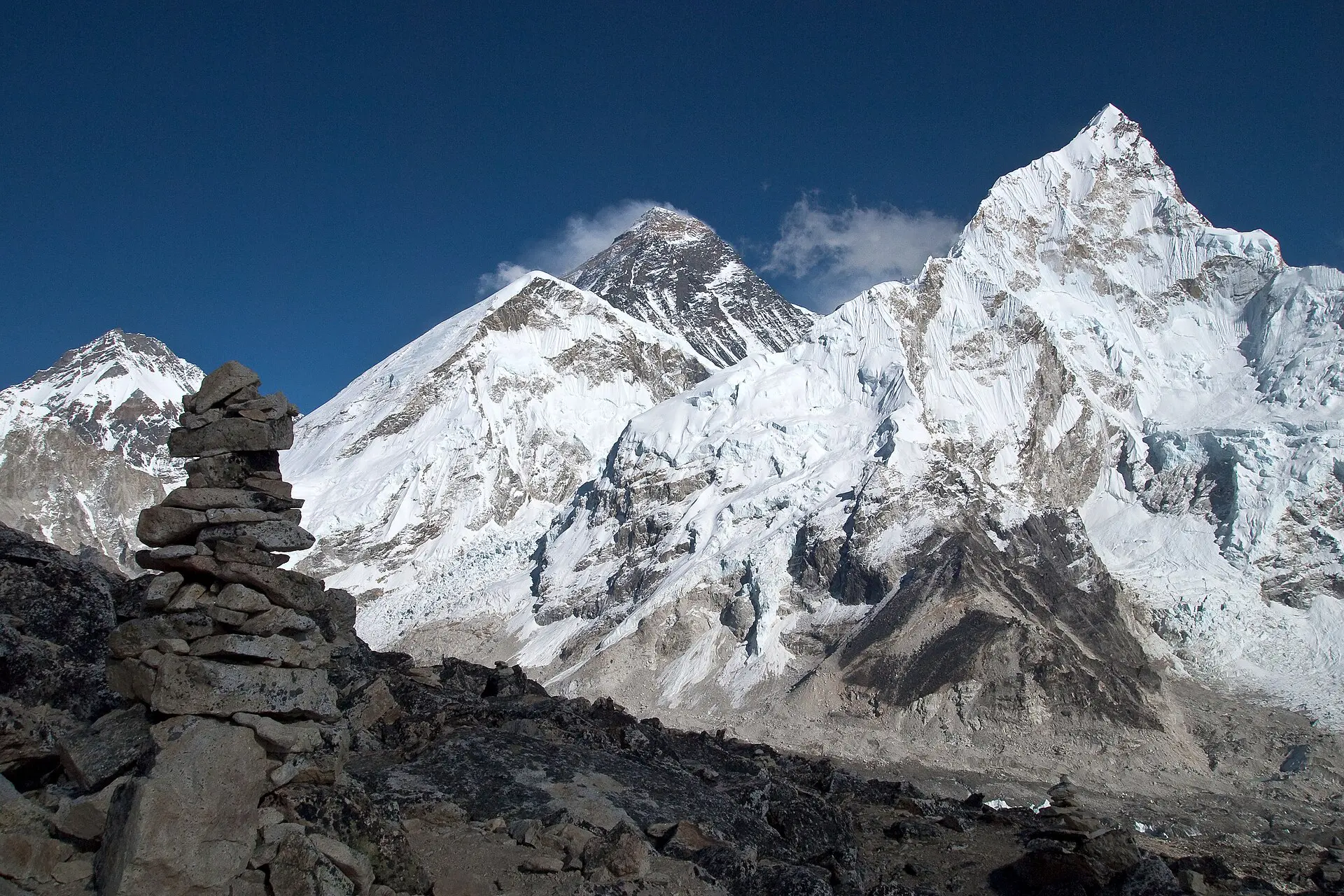
The list of things to do in Nepal starts with mountains: the country holds eight of the world’s ten highest peaks, including Mount Everest, on its border with Tibet. It is also the birthplace of the Buddha at Lumbini, and the Wikipedia overview traces how a collection of small kingdoms became a monarchy and then, in 2008, a republic.
Nepal suits trekkers, cultural travellers, backpackers and anyone who wants big scenery on a modest budget. A single trip can combine medieval city squares in Kathmandu Valley, a lakeside town in Pokhara, jungle safaris in the southern plains and a trek on a teahouse route. Infrastructure is improving but still basic in the hills, with long road journeys, power cuts and weather delays. Travellers who plan flexible days and accept slower travel are rewarded with some of the most varied scenery and hospitality in Asia.
Best places to visit in Nepal
The best places to visit in Nepal fall into three zones: the Kathmandu Valley, the middle hills around Pokhara and the southern lowlands, with the high Himalaya to the north.
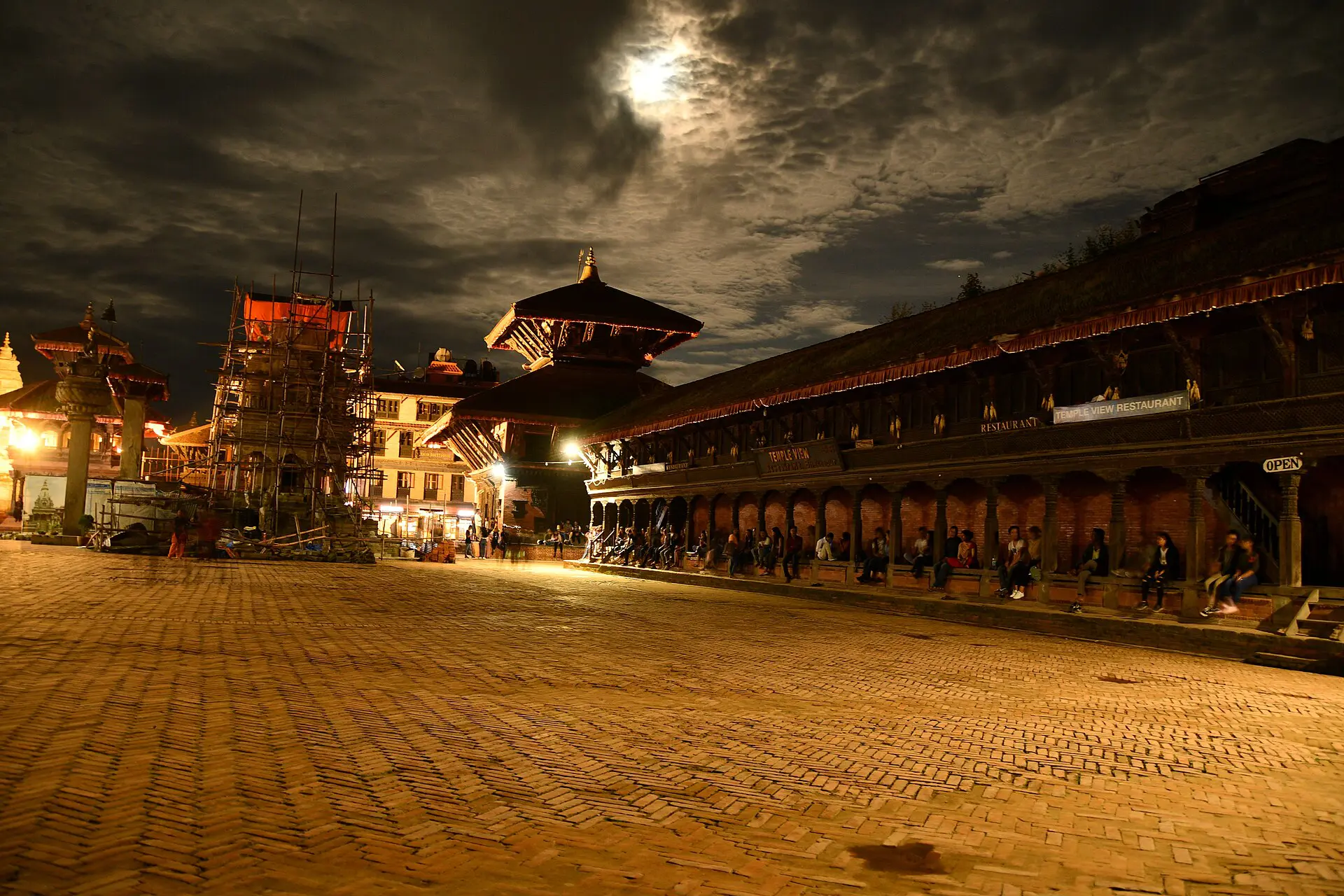
Kathmandu
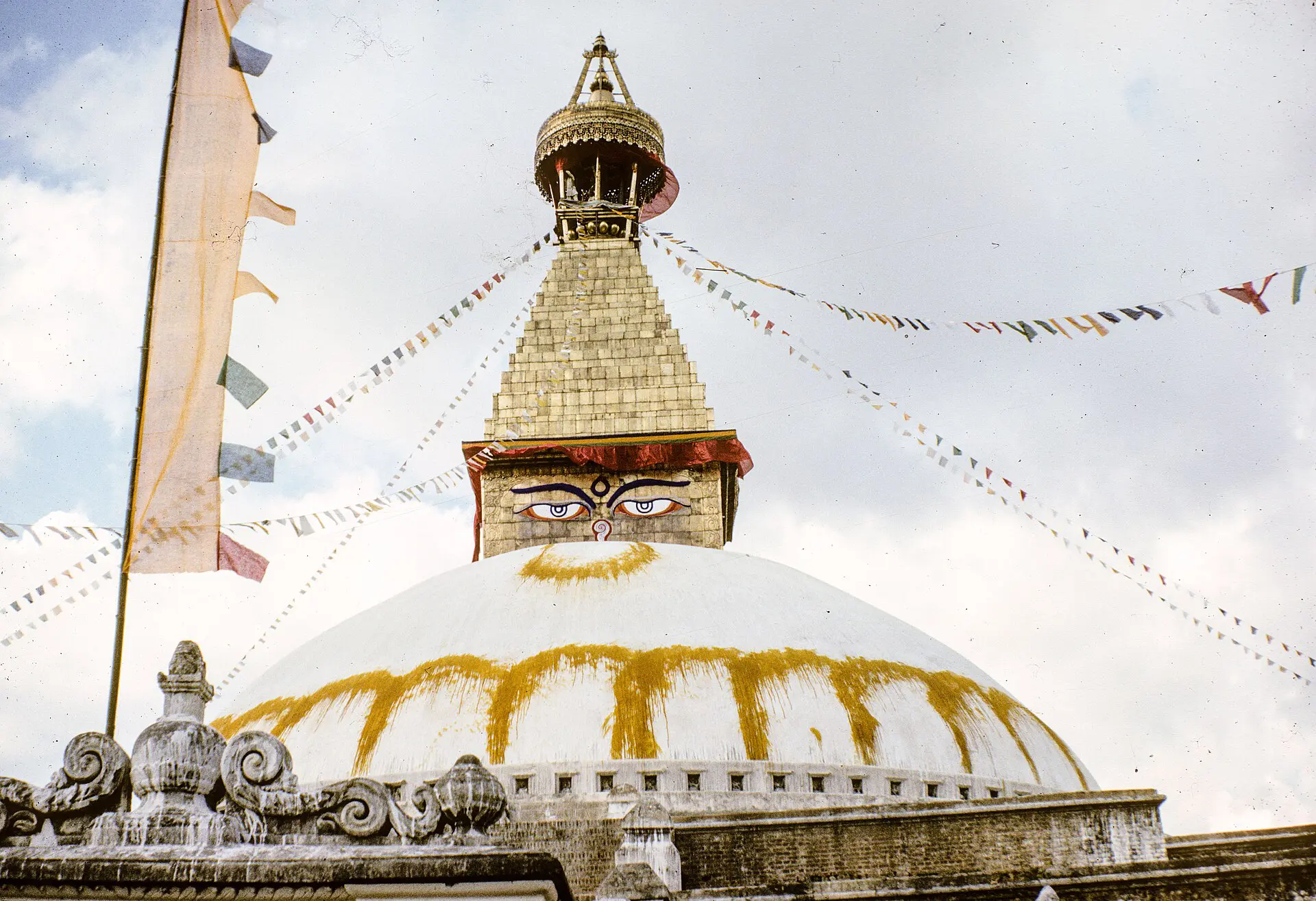
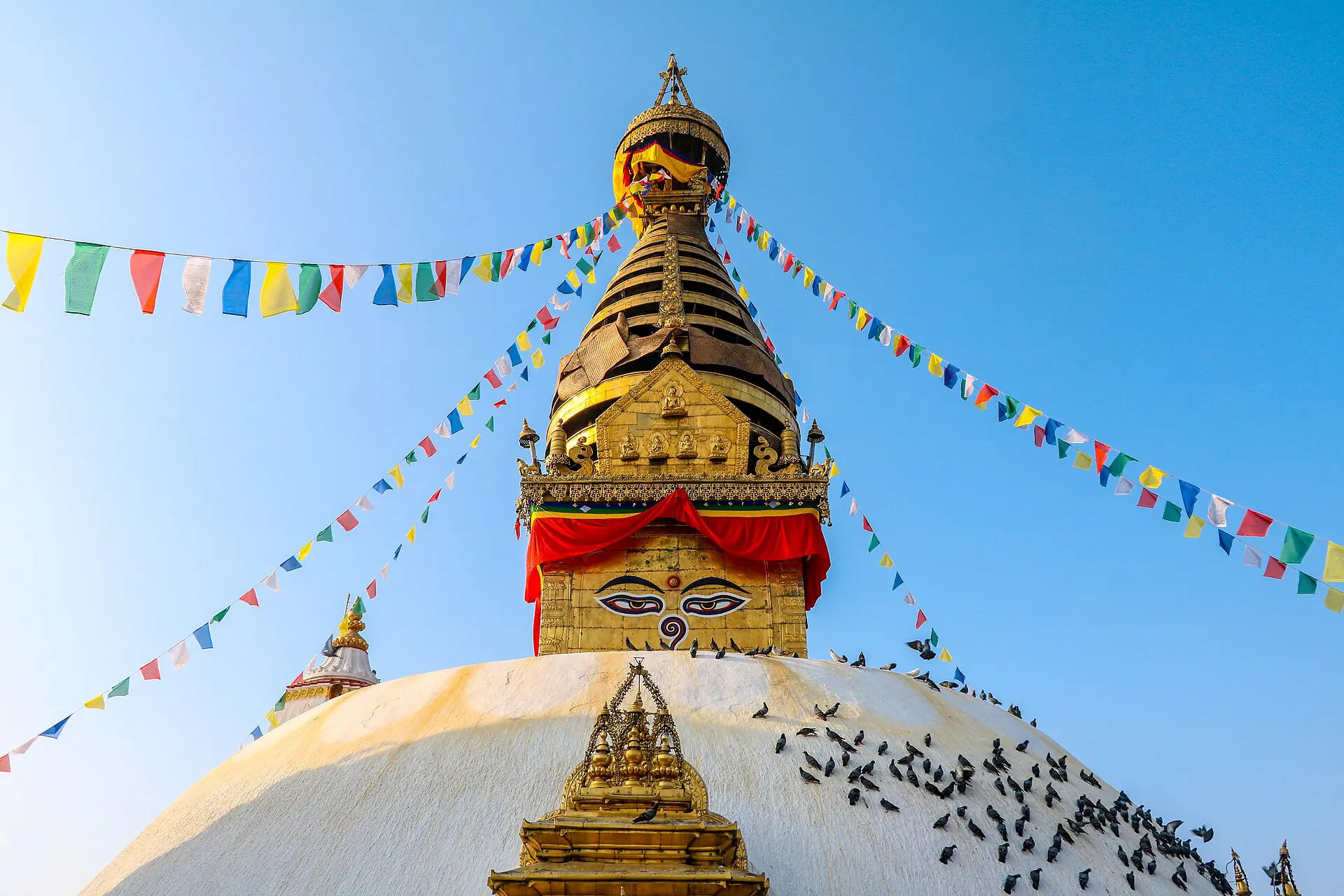
The capital is a dense city of temples, markets and narrow lanes. Durbar Square, the Swayambhunath hilltop stupa and the great Boudhanath stupa are the main sights, and Thamel is the tourist district with guesthouses and trekking shops.
Patan and Bhaktapur
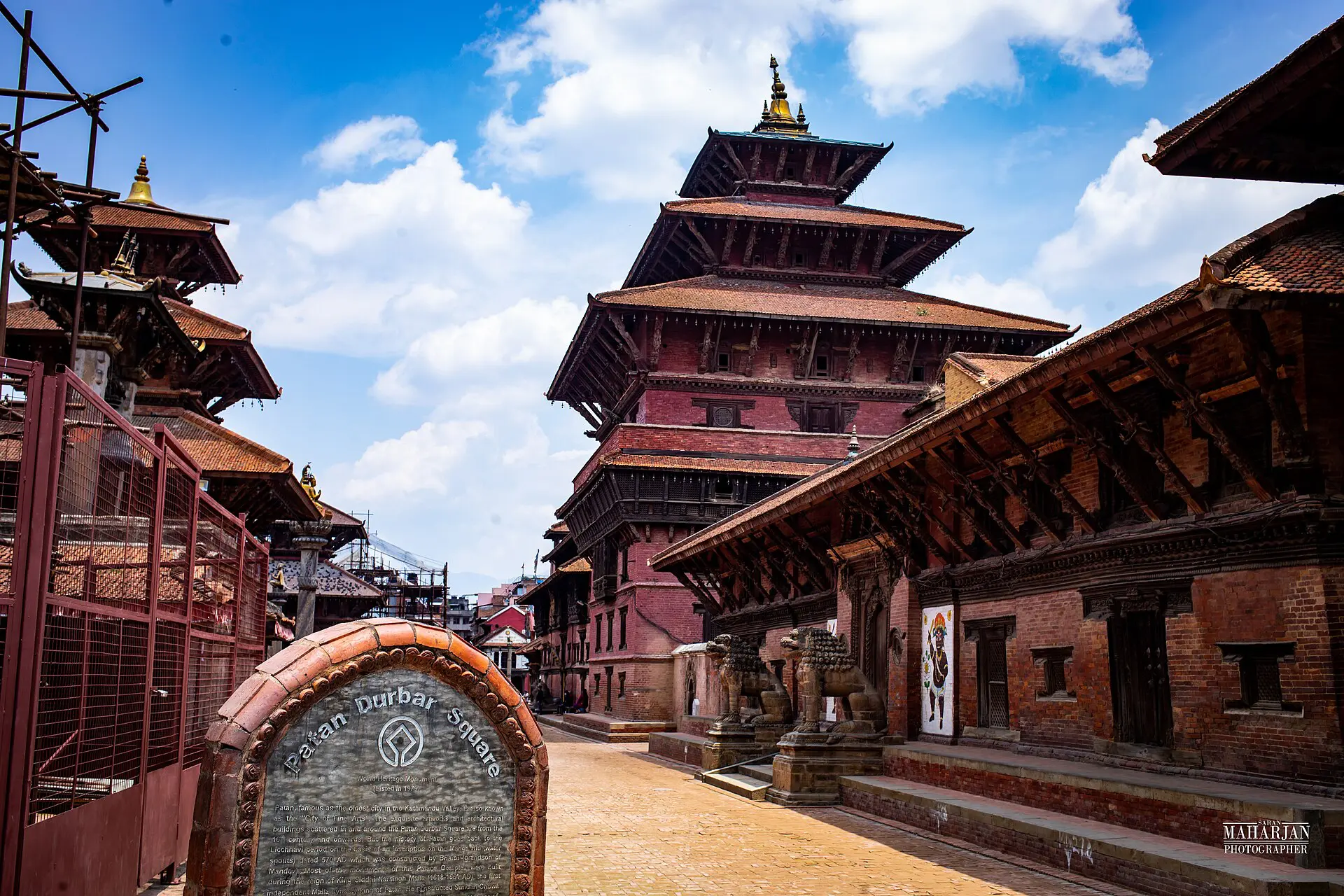
Patan Durbar Square, a UNESCO site, has carved temples and a fine museum. Bhaktapur is a well-preserved medieval city with no motor traffic in its centre, famous for pottery and curd. Both were damaged in the 2015 earthquake, and restoration continues.
Pokhara
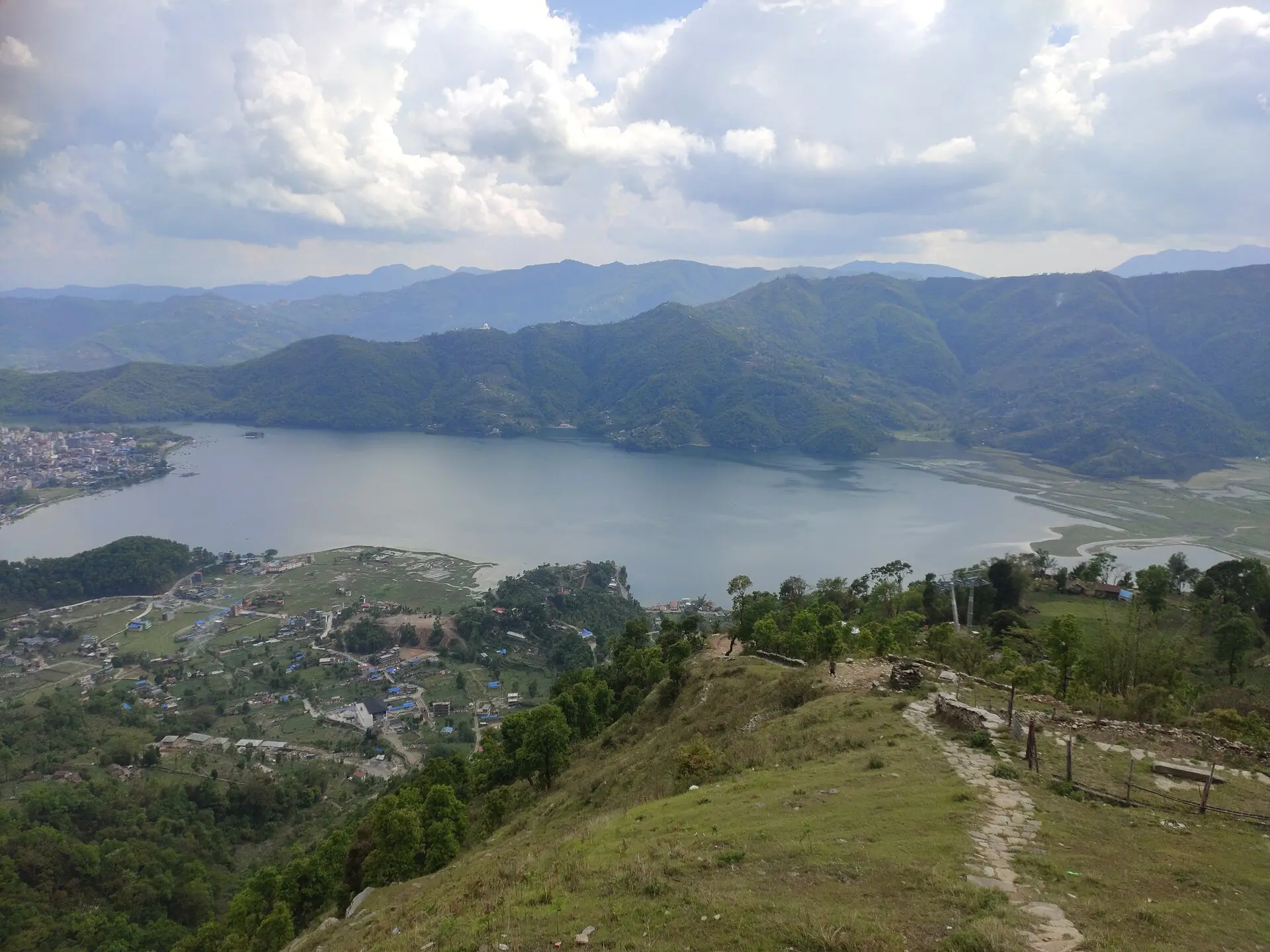
Pokhara sits beside Phewa Lake with views of the Annapurna range. It is the base for treks, paragliding, boating and relaxed cafés.
Chitwan National Park
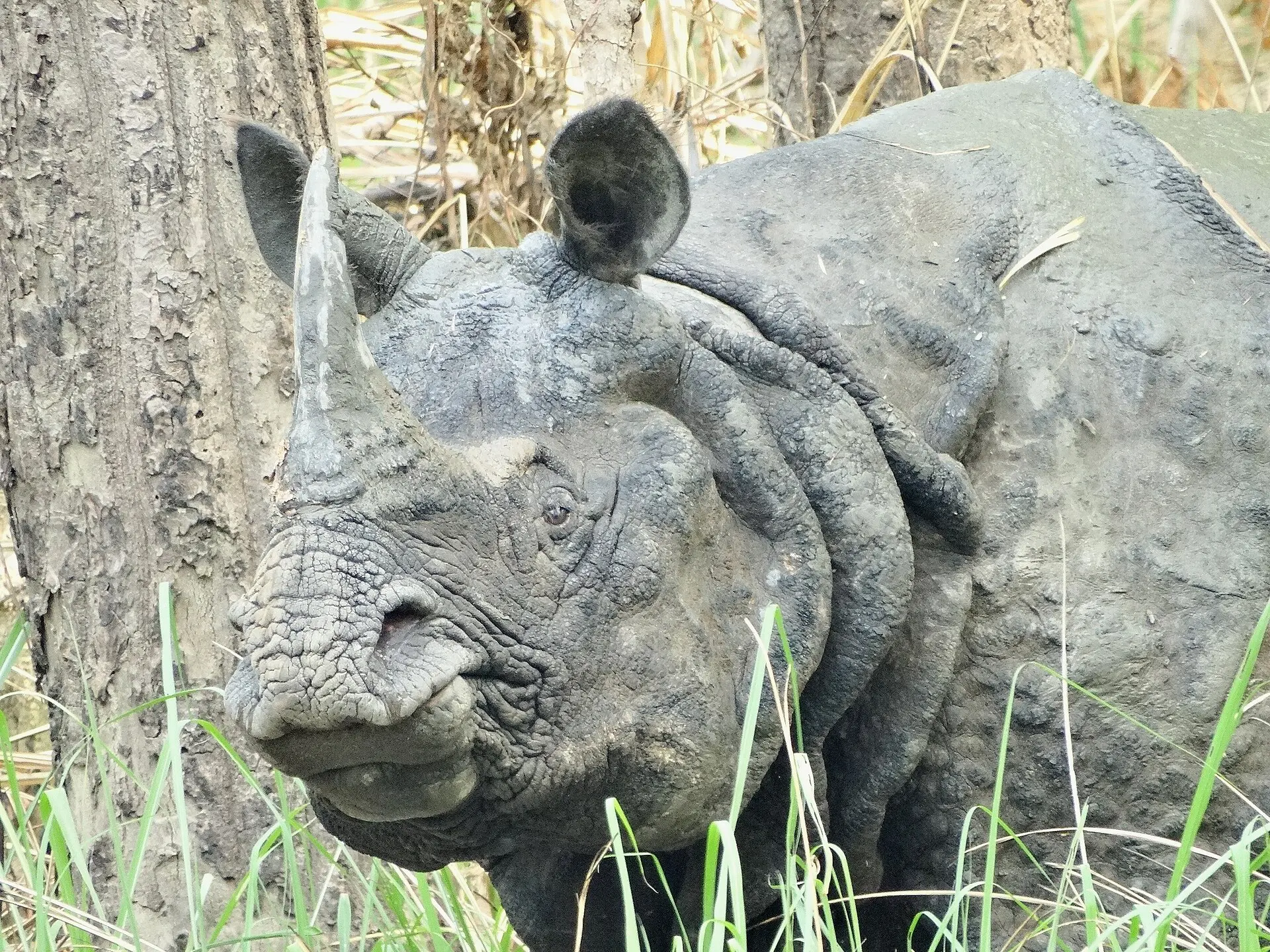
In the southern Terai, Chitwan protects one-horned rhinoceros, Bengal tigers and many birds, with jeep safaris and guided walks.
Lumbini
The Buddha’s birthplace is a UNESCO site with the Maya Devi temple and monasteries built by Buddhist countries.
Khumbu and Annapurna
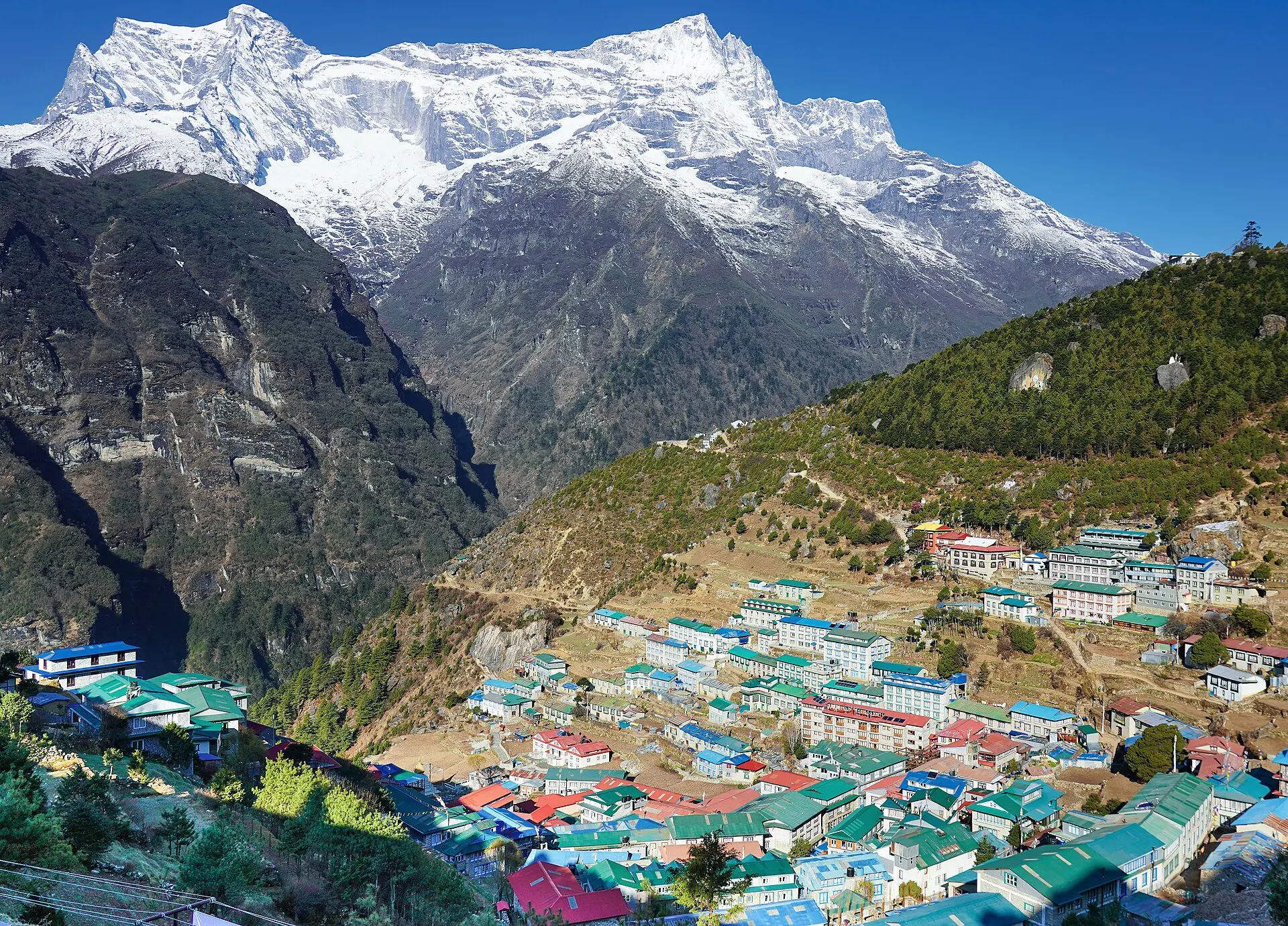
The Everest and Annapurna regions are the classic trekking areas, with Sherpa villages such as Namche Bazaar.
Top things to do in Nepal
The top things to do in Nepal mix trekking, culture and wildlife, and most can be combined in two to three weeks.
- Trek to Everest Base Camp: the classic route takes around 12 to 14 days and reaches about 5,300 metres.
- Trek the Annapurna region: shorter routes such as Poon Hill take four to five days, while the Annapurna Circuit is longer.
- Walk around Boudhanath: join pilgrims circling the stupa, especially at dusk.
- Explore Durbar Squares: Kathmandu, Patan and Bhaktapur each have a different atmosphere.
- Boat on Phewa Lake: rent a rowboat in Pokhara, with the Himalayan skyline on clear mornings.
- Safari in Chitwan: jeep and walking tours look for rhinos, deer and birds.
- Fly over the Himalaya: short scenic flights from Kathmandu pass near Everest in clear weather.
- Paraglide in Pokhara: tandem flights run from Sarangkot above the lake.
- Visit Lumbini: walk among the monastery gardens and the ancient pilgrimage site.
- Raft or kayak: rivers such as the Trishuli offer day trips for beginners.
- Take a cooking class: learn to make momo and dal bhat in Kathmandu or Pokhara.
Best time to visit Nepal
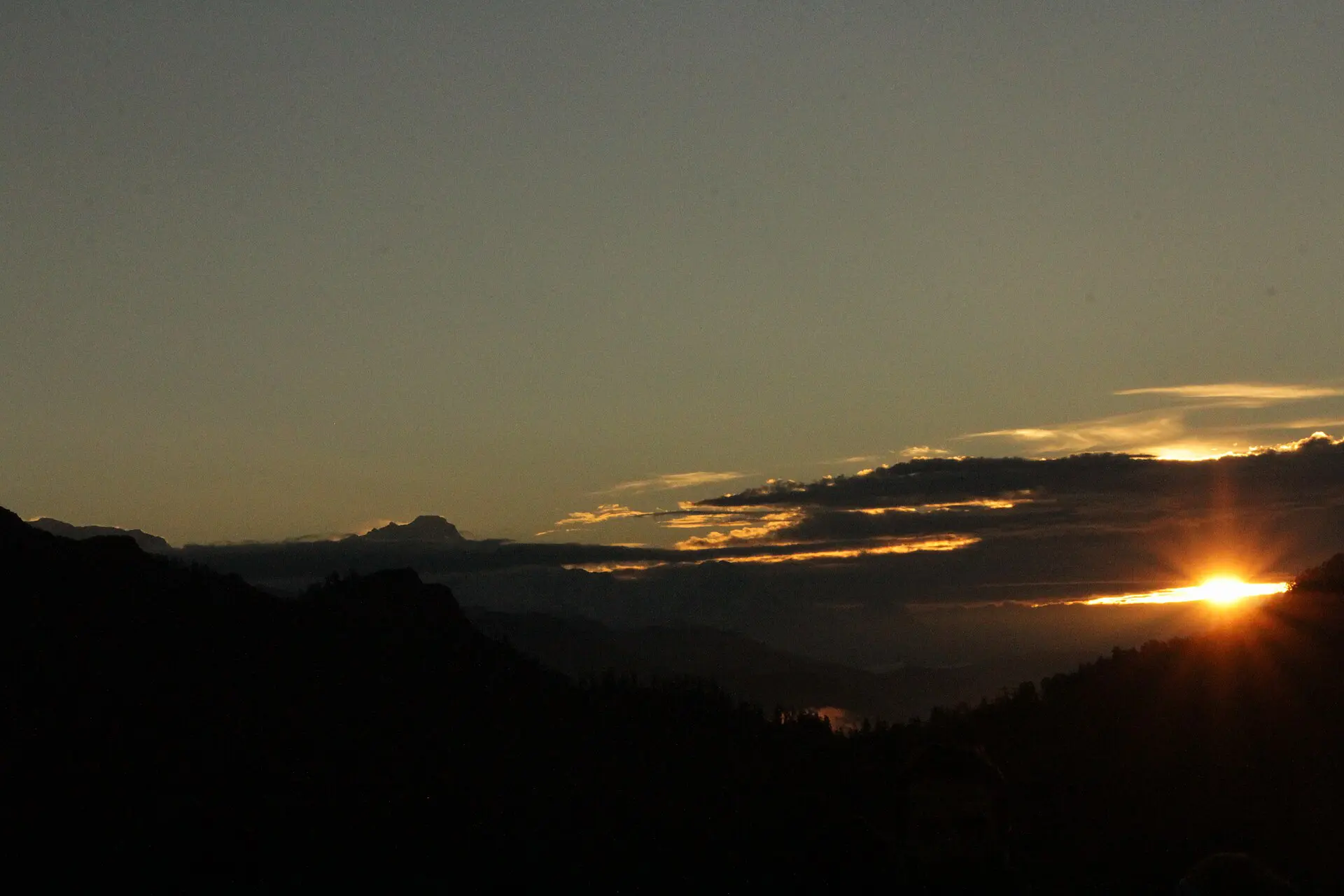
The best time to visit Nepal is October to November, when skies are clear after the monsoon and the mountain views are at their best. March to May is the second season, with warmer weather and blooming rhododendrons in the hills, though haze can hide views. The monsoon from June to September brings rain, leeches and landslides, and flights to mountain airstrips are often cancelled. December to February is cold at altitude but sunny and dry at lower levels.
| Season | Weather | Crowds and prices | Good for |
|---|---|---|---|
| Autumn (Oct-Nov) | Dry, clear, mild | Peak crowds, high prices | Trekking, mountain views |
| Winter (Dec-Feb) | Cold in the mountains, mild in the lowlands | Quiet; lower prices | Chitwan, Pokhara, cultural trips |
| Spring (Mar-May) | Warm, hazy, some afternoon showers | Busy in April | Trekking, rhododendron blooms |
| Monsoon (Jun-Sep) | Wet and humid; clouds hide peaks | Few visitors; discounts | Upper Mustang, Dolpo, budget stays |
Festivals such as Dashain in autumn and Tihar in October or November shape travel and fill buses, so book transport early.
Is Nepal safe to visit?
Yes, Nepal is generally safe for visitors, and most trips are trouble-free. Is Nepal safe to visit mainly depends on altitude, roads and weather, not on crime. Political protests and strikes do occur, including serious unrest in September 2025, so check your government’s current travel advice, such as the UK FCDO or US State Department pages, before you book.
Altitude. Altitude sickness is the biggest trekking risk. Ascend slowly, take rest days, drink water and descend if symptoms worsen. Do not trek alone in remote areas, and choose a licensed guide where required.
Roads and flights. Road accidents and landslides are common in the hills, especially in the monsoon. Domestic flights to mountain airstrips depend on weather, and Nepal’s aviation safety record has been criticised, so choose reputable operators.
Natural hazards. Nepal lies in an active earthquake zone, and a major quake struck in 2015. Monsoon floods and landslides are a risk from June to September.
Scams and theft. Touts in Thamel, overpriced taxis and fake trek operators exist. Use registered agencies, agree prices first and keep valuables secure.
Health. Drink bottled or purified water and take insurance that covers helicopter evacuation at altitude.
Nepal visa and entry requirements
Nepal visa rules vary by nationality. Most visitors can get a tourist visa on arrival at Tribhuvan International Airport or at land borders, or apply online in advance, and the fee depends on length of stay (typically 15, 30 or 90 days). Citizens of India are exempt, and some nationalities need to apply at an embassy. Confirm the current rule with the Department of Immigration of Nepal or your nearest embassy, because fees and processes change.
You will need a passport valid for at least six months and a passport photo. Keep cash in US dollars for fees if you pay on arrival, as card machines can fail.
Trekking requires extra permits. Most areas need a TIMS card or local permit, and national parks charge entry fees, usually through registered agencies or local offices in Kathmandu and Pokhara. Rules on guides have changed, so confirm the latest requirement for the region you plan to visit. Land crossings from India are open at several points, and travel to or from Tibet needs separate Chinese permits. The UNESCO page for Nepal lists the World Heritage sites you may visit.
Getting to and around Nepal
Most visitors arrive at Tribhuvan International Airport in Kathmandu, with connections via Delhi, Doha, Dubai, Istanbul, Bangkok and other hubs. A second international airport at Pokhara has limited services. Land borders with India are open, and a few overland routes cross from Tibet.
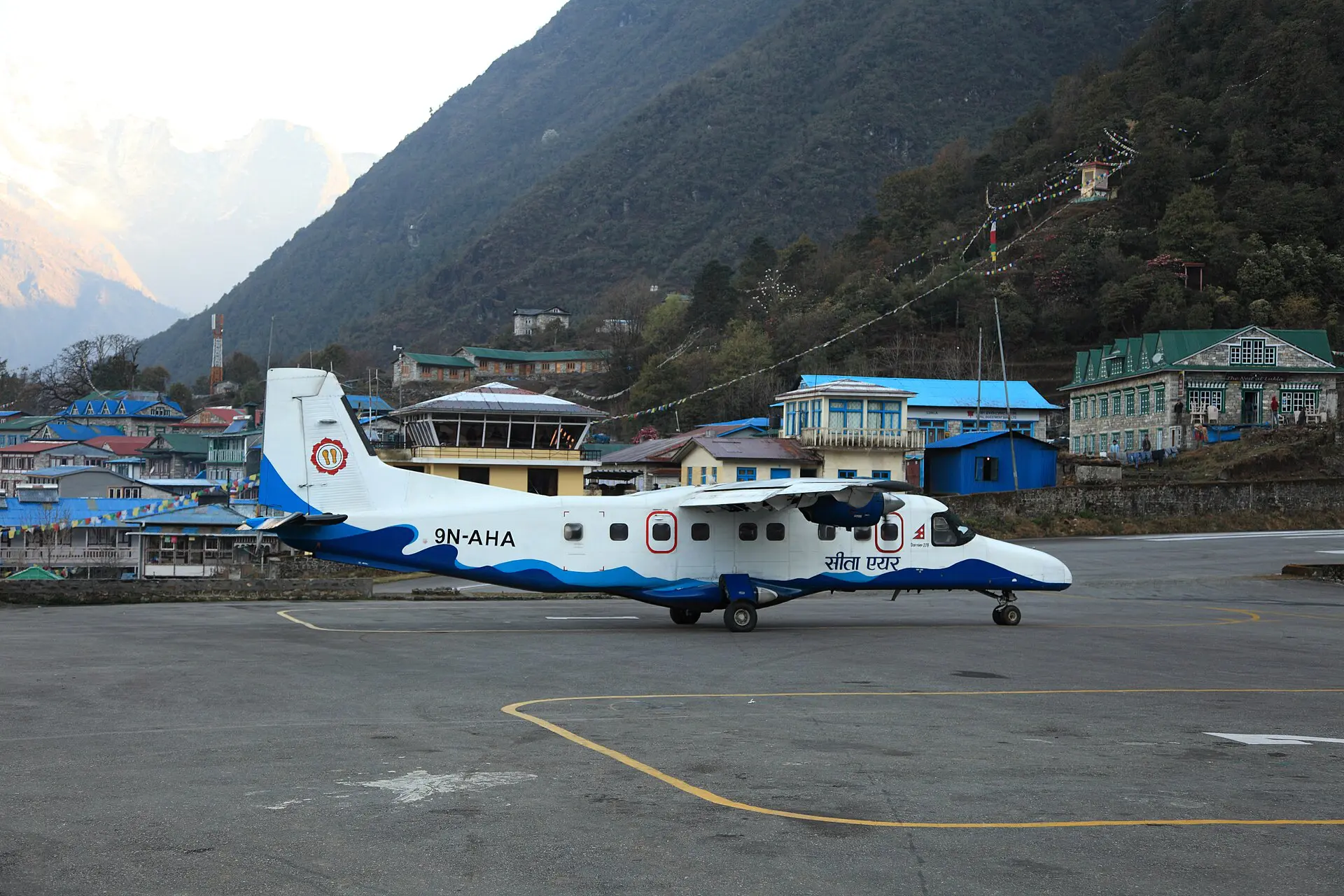
Within Nepal, tourist buses link Kathmandu with Pokhara (six to eight hours) and Chitwan (four to six hours), and short domestic flights from Kathmandu to Pokhara take about 30 minutes. Mountain flights to Lukla for the Everest region operate in good weather and are often delayed. Local buses and microbuses reach almost everywhere but are slow, crowded and uncomfortable on mountain roads.
Taxis and ride-hailing apps work in Kathmandu and Pokhara, and drivers usually prefer fixed fares to meters. Driving yourself is not recommended for visitors, as traffic is chaotic and Nepal drives on the left. Hiring a car with a driver is common for longer trips. Allow buffer days for flight delays, landslides and strikes, especially in monsoon.
How much does a trip to Nepal cost?
Nepal is one of the cheaper countries in Asia. The currency is the Nepalese rupee (NPR). Figures below are rough per-person guides for 2026 and exclude international flights.
- Budget: around USD 20 to 35 per day, with guesthouses, local buses and dal bhat meals.
- Mid-range: around USD 35 to 80 per day, with comfortable hotels, tourist buses or internal flights and restaurant meals.
- High-end: from around USD 150 per day, with boutique lodges, private cars and guided tours.
The biggest costs are trekking, flights to Lukla and any permits. A teahouse trek costs roughly USD 30 to 60 per day for food and lodging if independent, and more with a guide and porter. Prices for food and hotels rise with altitude, because supplies are carried up by porters and mules. Entry fees for national parks, Durbar Squares and temples are set separately and often higher for foreigners. Cash is needed on treks, as ATMs are rare above the main towns.
Nepal food and drink
Nepal food is simple, filling and strongly spiced, with Indian, Tibetan and Newari influences. Meals in restaurants and teahouses lean on rice, lentils and vegetables, and trekkers rely on carbohydrates for energy.
- Dal bhat: lentil soup, rice, vegetable curry and pickle, often with free refills, eaten twice a day by many Nepalis.
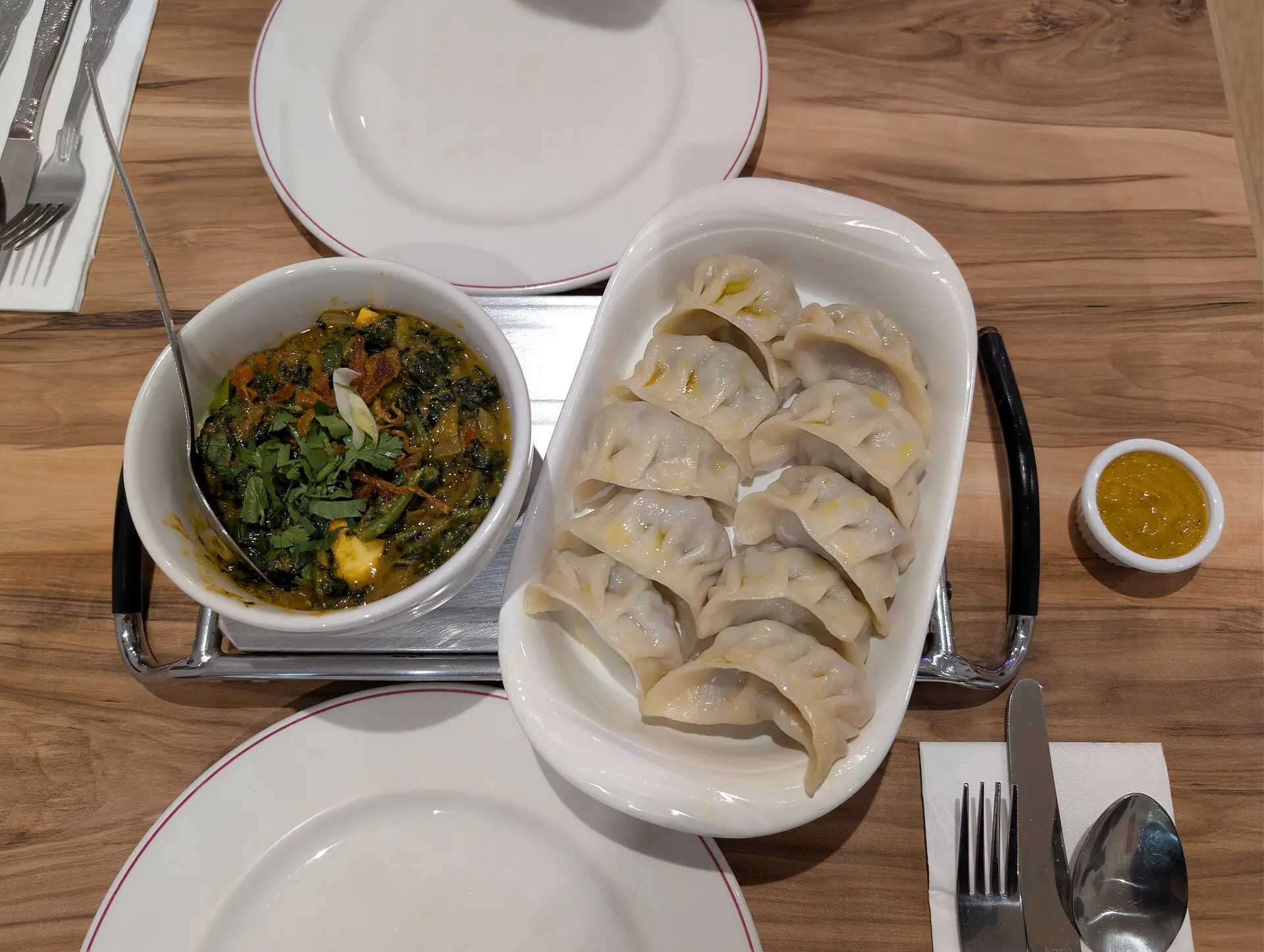
- Momo: steamed or fried dumplings filled with vegetables, buffalo or chicken, served with spicy tomato sauce.
- Thukpa: a Tibetan-style noodle soup that suits cold mountain evenings.
- Newari food: from Kathmandu Valley, including bara (lentil patties), choila (spiced grilled meat) and yomari sweets.
- Sel roti: a ring-shaped fried rice bread, popular at festivals.
- Dhido: a thick porridge of millet or buckwheat, common in the hills.
- Drinks: masala chai, butter tea in high regions, Gorkha beer and homemade rakshi or chyang.
Vegetarians are well served, because lentil and vegetable dishes dominate, though meat is common in restaurants, and buffalo is more common than beef. Hygiene varies, so choose busy places, avoid salads in remote areas and drink bottled or purified water. Meat is best avoided high on treks, where it may be carried for days.
Culture, language and etiquette in Nepal
Nepali is the official language, and it is spoken alongside dozens of other languages, including Newari, Maithili, Tamang, Sherpa and Gurung. English is widely understood in tourist areas. Hinduism is the majority religion and Buddhism is also important, with the two traditions often sharing temples and festivals. The country is home to more than a hundred ethnic and caste groups.
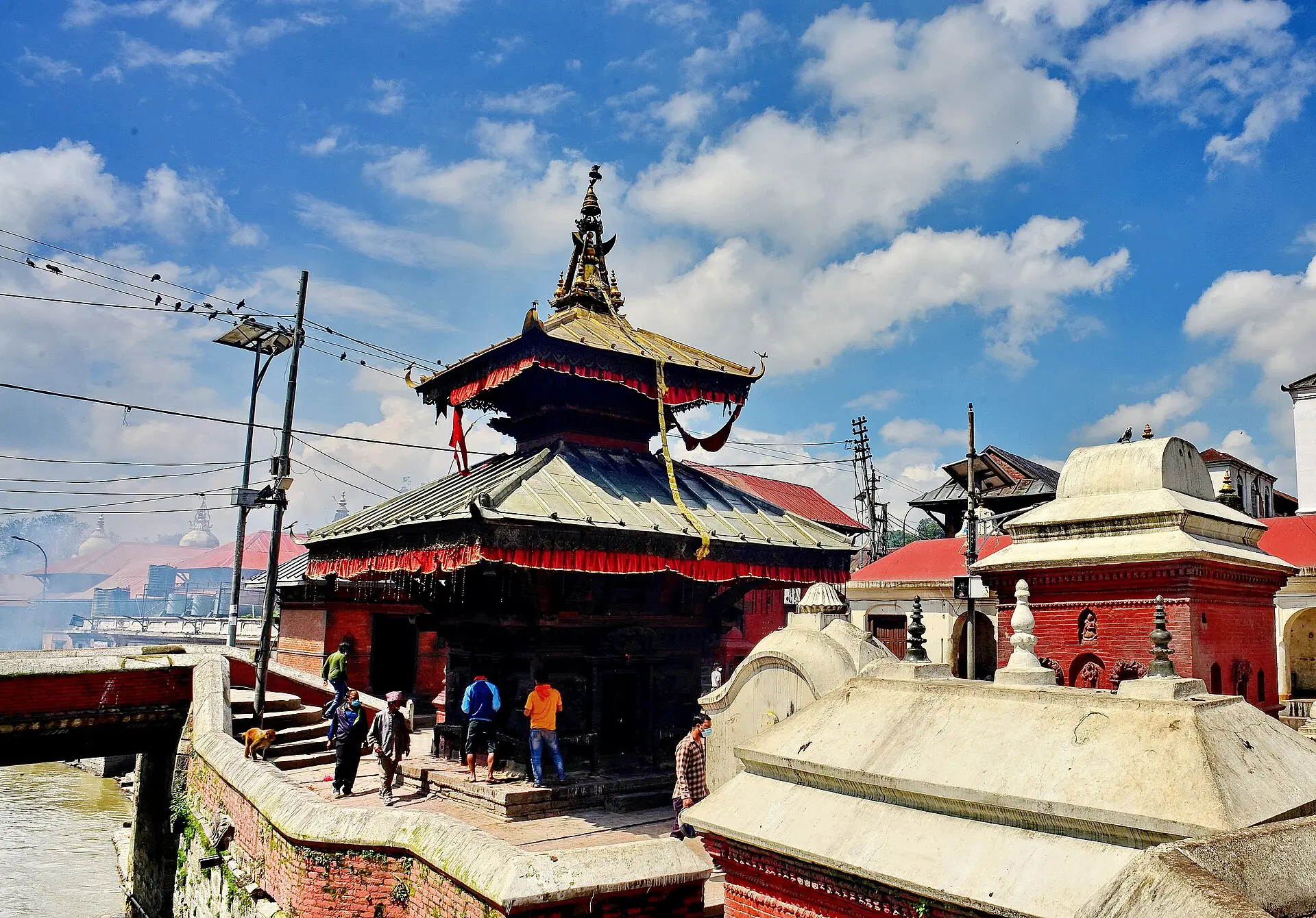
The common greeting is namaste, with palms pressed together. Dress modestly, especially at temples, and remove shoes before entering homes and shrines. Walk clockwise around Buddhist stupas, prayer wheels and mani walls. Leather items and some food items may be restricted inside certain Hindu temples, and non-Hindus are barred from some inner sanctums, such as Pashupatinath’s main temple.
Use the right hand to give and receive, and avoid pointing your feet at people or religious images. Public displays of affection are frowned upon. Ask before taking photos of people and ceremonies. Sherpa and other mountain communities often welcome visitors, but treat porters and guides fairly, ensuring they have adequate clothing and insurance.
Nepal itinerary: a 7-day route
This route fits Kathmandu Valley, Pokhara and a short taste of the Annapurna foothills in one week without a long trek.
- Day 1, Kathmandu: arrive, rest, and explore Thamel and Durbar Square in the afternoon.
- Day 2, Kathmandu temples: visit Swayambhunath in the morning, Boudhanath at dusk and Pashupatinath in between.
- Day 3, Patan and Bhaktapur: spend the morning at Patan’s museum and square, then continue to Bhaktapur.
- Day 4, travel to Pokhara: fly in 30 minutes or take a tourist bus for six to eight hours, then walk the lakeside.
- Day 5, Sarangkot and Phewa Lake: see sunrise from Sarangkot, then boat to the island temple.
- Day 6, short Annapurna foothills walk: take a day hike or the Poon Hill route if you have an extra day.
- Day 7, return to Kathmandu: fly or take the bus, leaving a buffer for your departure flight.
With ten days, replace Days 5 and 6 with two nights in Chitwan for a safari. In monsoon, avoid hill walks and focus on the valley.
Practical tips for Nepal
- Money: the Nepalese rupee is the local currency. ATMs are common in Kathmandu and Pokhara but rare in the mountains, so carry enough cash for treks, in small notes.
- SIM and eSIM: prepaid SIMs from Ncell or Nepal Telecom require a passport and photo, and eSIMs are available. Coverage is good in towns and patchy on remote treks.
- Plugs: types C, D and M at 230 V, and power cuts happen, so bring a power bank.
- Tipping: around 10 percent in restaurants where service is not included, and tipping guides and porters at the end of a trek is customary.
- Health: consult a travel clinic about vaccines and altitude medicine. Use purified water, hand sanitiser and a first-aid kit.
- Packing: layers, a down jacket for treks, a sleeping bag liner, sturdy boots, a headlamp and a rain jacket. Rent heavy gear in Kathmandu.
- Air quality: Kathmandu often has heavy pollution, so a mask can help.
- Insurance: make sure your policy covers trekking above 4,000 metres and helicopter rescue.
For more background, see the Wikivoyage Nepal guide.
FAQ
Q1What is Nepal food like?
Nepal food centres on dal bhat (lentils, rice, vegetables), momo dumplings, thukpa noodle soup and Newari dishes from Kathmandu Valley. It is filling, mildly to moderately spiced and cheap. Vegetarians eat well, and teahouses on treks serve similar menus with higher prices at altitude.
Q2What are the best things to do in Nepal?
Top picks are trekking in the Everest or Annapurna regions, visiting the Durbar Squares and stupas of Kathmandu Valley, boating at Pokhara, looking for rhinos in Chitwan and seeing Lumbini. Short scenic flights, paragliding and rafting are popular add-ons.
Q3What is the best time to visit Nepal?
October to November has the clearest skies and is best for trekking. March to May is the second-best season, warmer with rhododendron blooms. June to September is monsoon, with rain and landslides, and December to February is cold in the mountains but dry.
Q4Is Nepal safe?
Mostly yes. Crime against tourists is low, and the main risks are altitude sickness, road accidents, monsoon landslides, earthquakes and occasional political protests. Use registered agencies, ascend slowly on treks, buy insurance covering evacuation and check your government's travel advice before departure.
Q5Do I need a visa for Nepal?
Most visitors do, but it is easy: a tourist visa is usually available on arrival or online in advance, with a fee based on the length of stay. Indian citizens do not need one, and some nationalities must apply at an embassy. Check the official immigration source.
Q6What is a good Nepal itinerary for one week?
Spend three days in Kathmandu Valley for Durbar Squares, Boudhanath, Swayambhunath and Patan or Bhaktapur, then travel to Pokhara for lake, sunrise viewpoints and a short foothills walk. Add Chitwan if you have ten days. Leave buffer time for flight delays.
Q7Is Nepal safe to visit for solo travellers and women?
Many solo travellers visit Nepal without trouble, and Kathmandu and Pokhara are used to independent visitors. Take normal precautions: avoid isolated places at night, use registered taxis, dress modestly and choose reputable guides, particularly for solo women trekking in remote areas.