Why visit Bhutan
Bhutan travel is unlike travel in the rest of the Himalayas. This landlocked kingdom of around 800,000 people is the world’s only Vajrayana Buddhist state, and the religion shapes daily life, architecture and festivals. Its policy of Gross National Happiness, which weighs well-being alongside economic growth, has made the country famous (see the Wikipedia overview).
Bhutan rewards people who like walking, temples, mountain scenery and slower days. Dzongkha is the national language, the highest peak, Gangkhar Puensum, is unclimbed, and valleys are linked by winding roads, not highways. The price is high by Asian standards, and you cannot improvise easily. It suits visitors who want a managed, immersive trip.
Best places to visit in Bhutan
The best places to visit in Bhutan lie along a west-to-east road from Paro, with most trips staying in the western valleys.
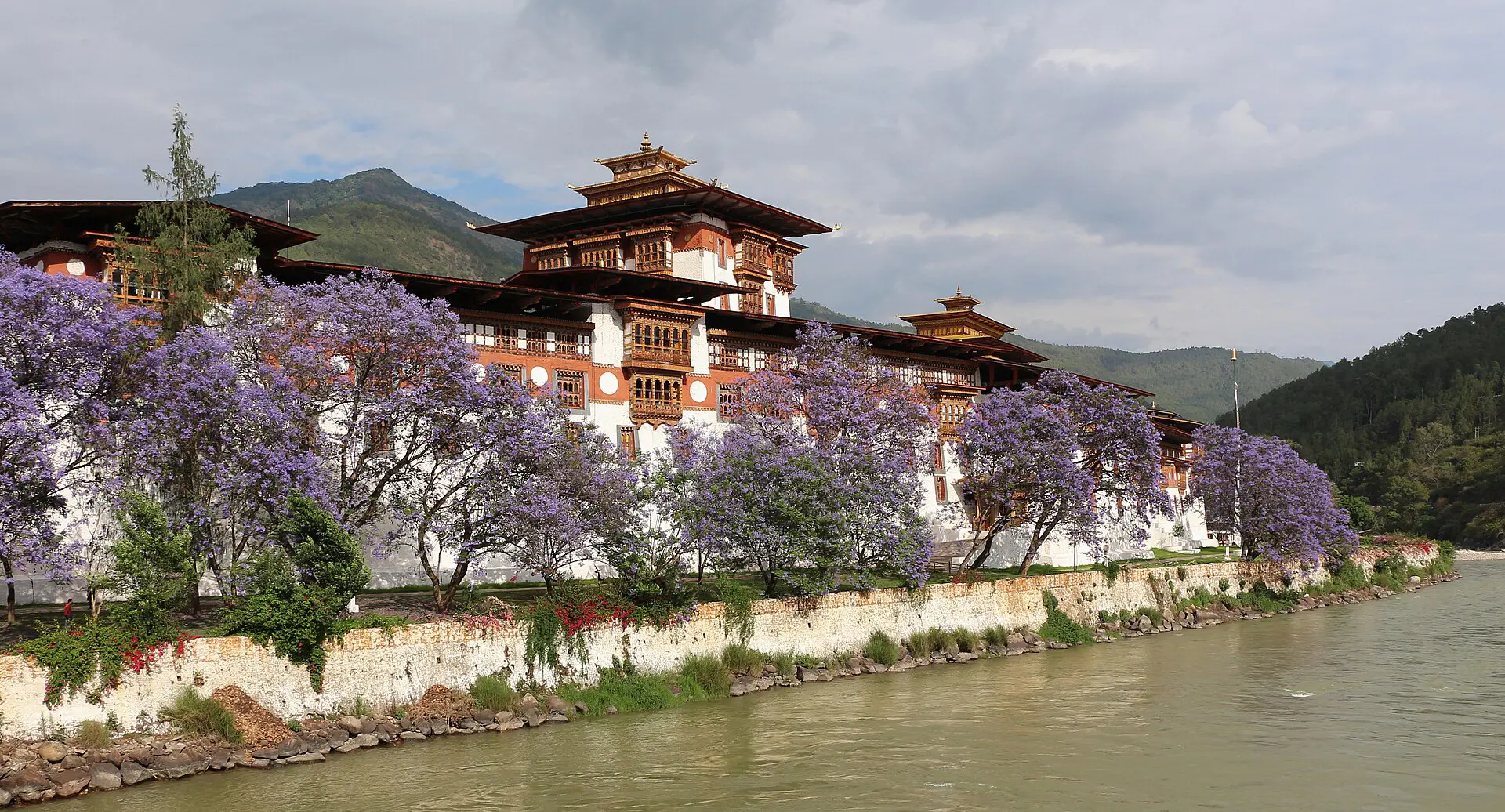
Paro
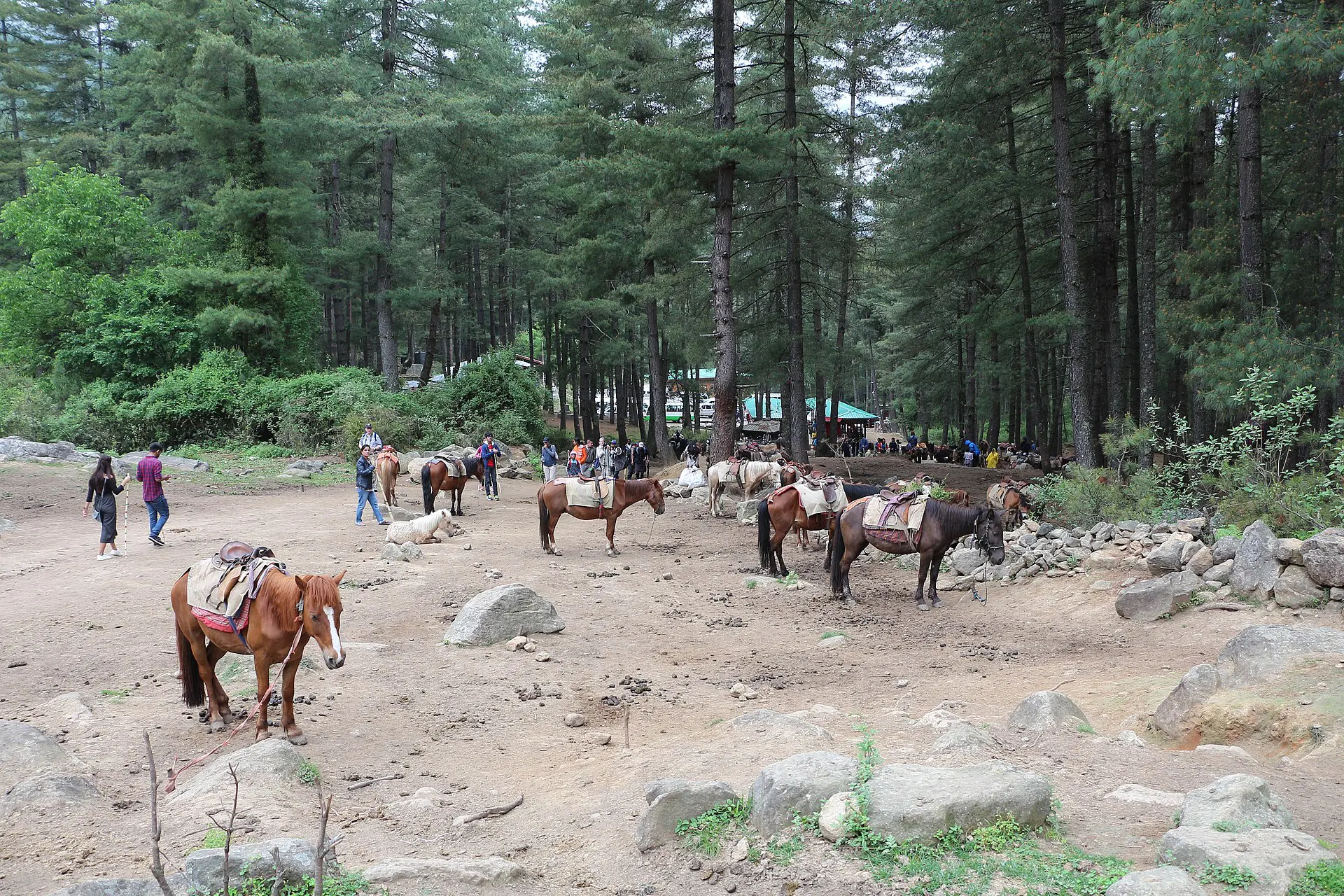
Paro has the country’s only international airport, the Rinpung Dzong and the National Museum. Paro Taktsang, the cliffside Tiger’s Nest, needs a half-day hike from the valley at around 2,200 to 3,100 metres.
Thimphu
The capital has Tashichho Dzong, the giant Buddha Dordenma statue, the National Memorial Chorten and a weekend market. It has no traffic lights, famously, and a relaxed small-city feel.
Punakha
A former winter capital, Punakha is a warmer valley whose white dzong stands at the meeting of two rivers. A long suspension bridge crosses the Pho Chhu nearby.
Phobjikha Valley
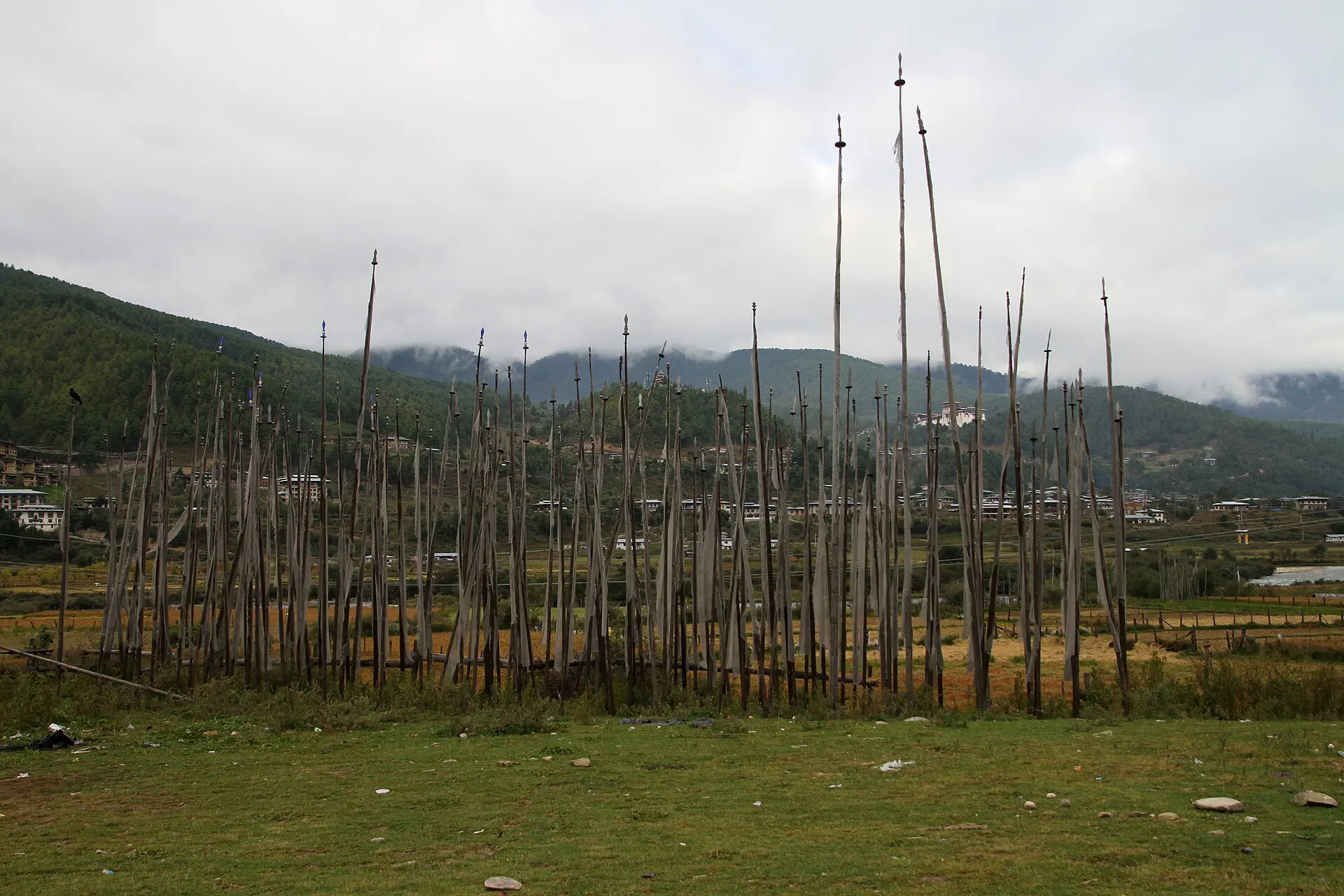
This wide glacial valley around Gangtey Monastery is a wintering ground for black-necked cranes from about November, and a gentle place to walk.
Bumthang and Trongsa
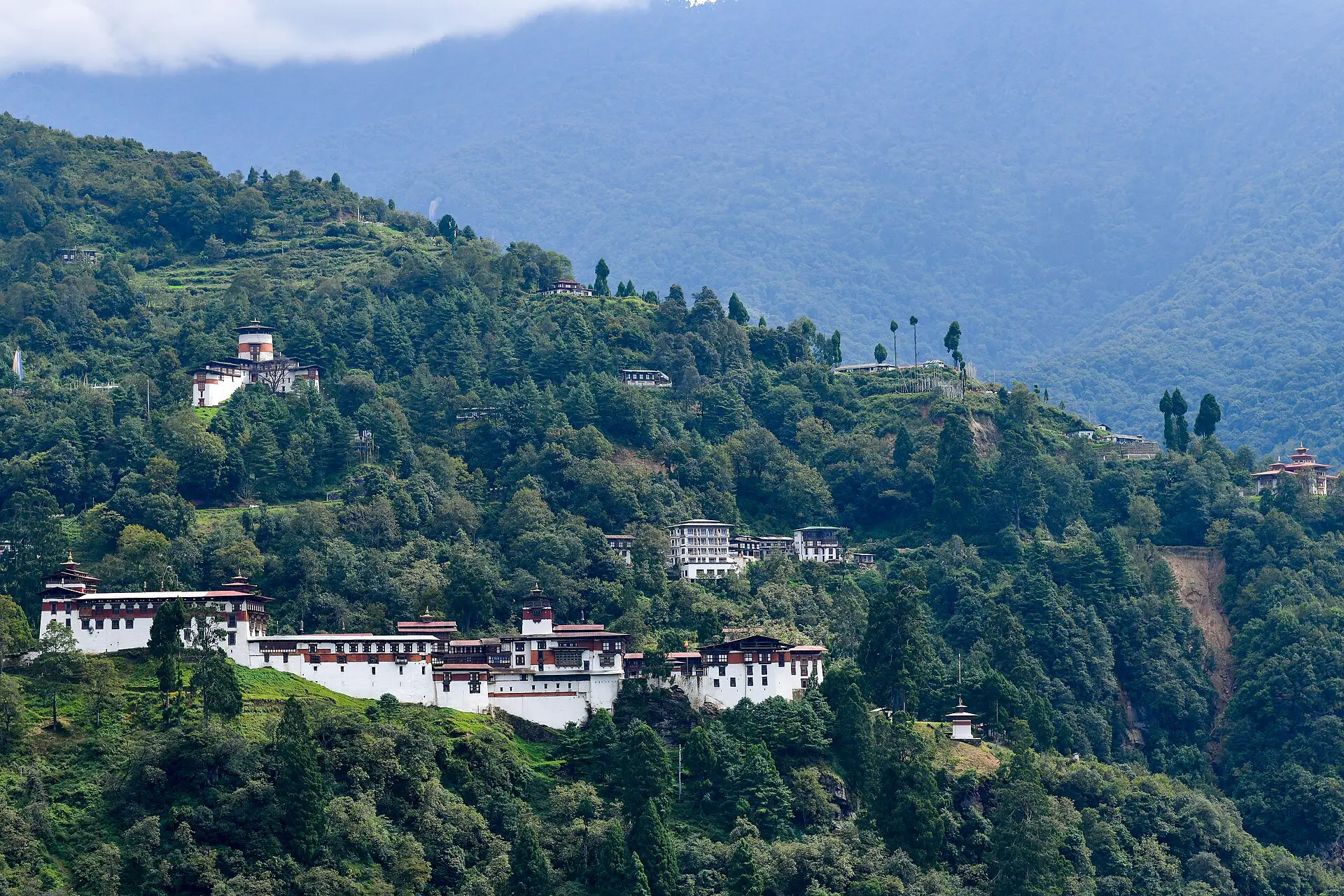
Trongsa has a huge dzong on a ridge, and Bumthang, around Jakar, has some of the oldest temples. These areas need extra days on slow roads.
Top things to do in Bhutan
The top things to do in Bhutan are built around monasteries, walking and festivals, and the pace is deliberately slow.
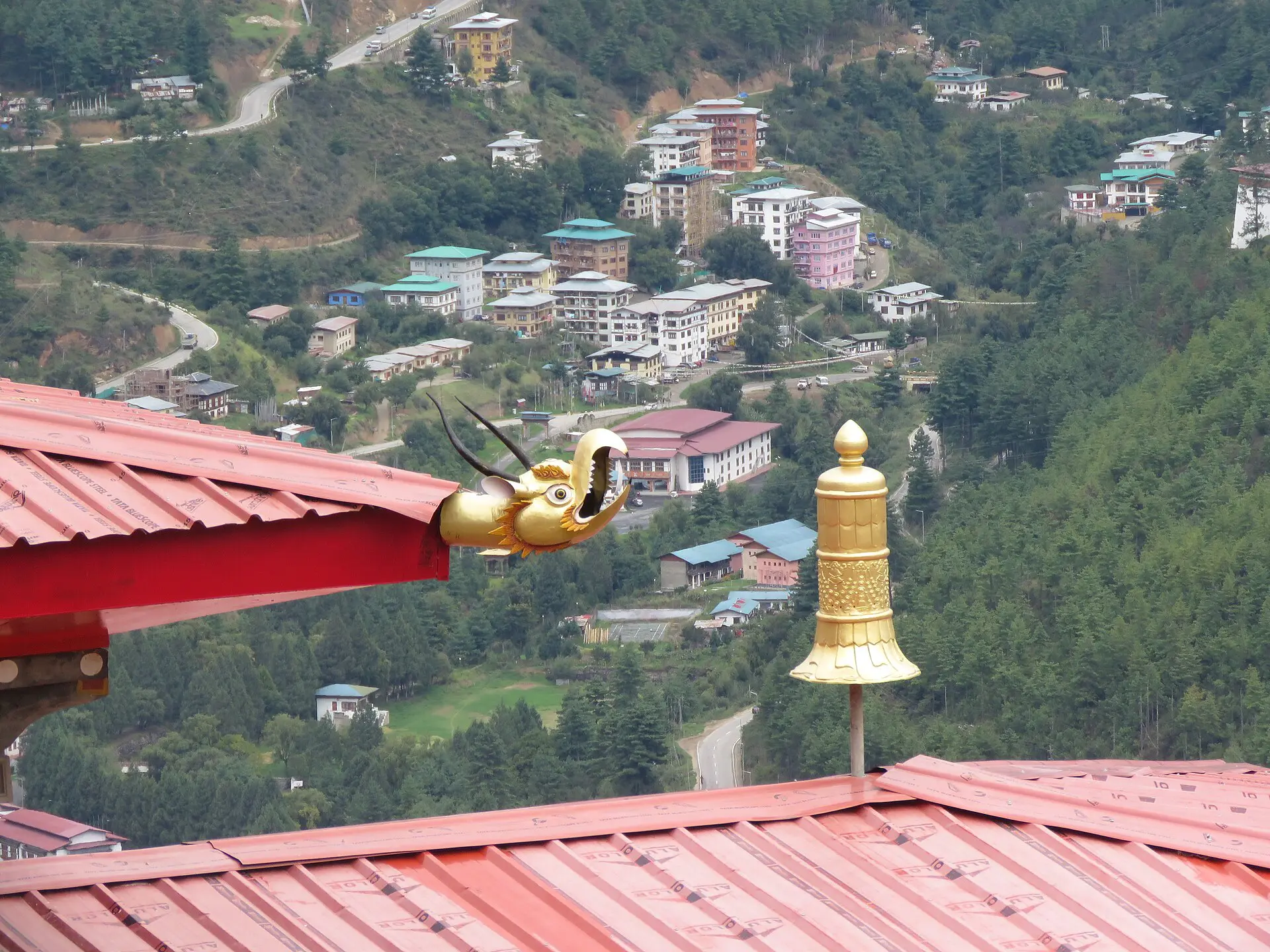
- Hike to Tiger’s Nest: allow four to six hours return, starting early.
- Visit Tashichho Dzong in Thimphu: the seat of government and the central monastic body, open to visitors outside office hours.
- See the Buddha Dordenma: the large gilded statue above Thimphu gives valley views.
- Cross Punakha’s suspension bridge: it is one of the longest in the country.
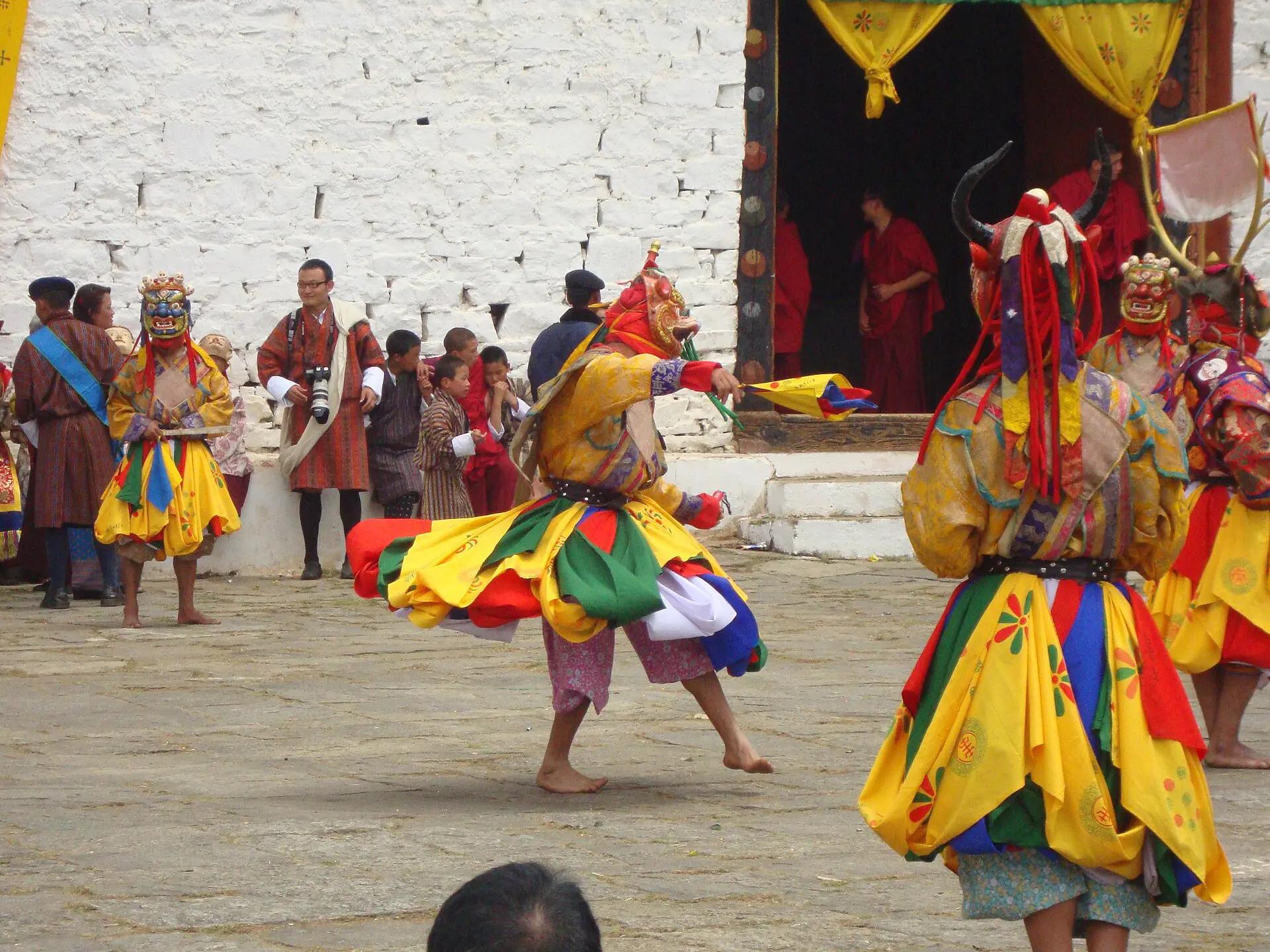
- Attend a tshechu: masked dances take place in towns across the year, notably at Paro in spring and Thimphu in autumn.
- Try archery: the national sport, played at local grounds.
- Soak in a hot stone bath: a traditional farmhouse bath, usually booked through your guide.
- Walk through Phobjikha: an easy nature trail near Gangtey.
- Trek the Druk Path: a multi-day route between Paro and Thimphu.
Best time to visit Bhutan
The best time to visit Bhutan is March to May and September to November. Spring brings rhododendrons and clear days, and autumn has stable weather, big views and the major festivals. Summer is monsoon season with leeches and landslides, while winter is cold at height but offers sunny, quiet valleys and the cranes at Phobjikha.
| Season | Weather | Crowds and prices | Good for |
|---|---|---|---|
| Spring (Mar-May) | Mild, flowers, some showers | Busy, book early | Festivals, trekking, flowers |
| Summer (Jun-Aug) | Warm and wet, monsoon rain | Quiet | Green scenery, fewer visitors |
| Autumn (Sep-Nov) | Clear, crisp, dry | Busiest | Treks, festivals, mountain views |
| Winter (Dec-Feb) | Cold, dry, snow at height | Quiet | Cultural trips, cranes, hot baths |
Passes above 3,000 metres can close in snow, and trekking routes shut in winter.
Is Bhutan safe to visit?
Is Bhutan safe? Yes. Bhutan has low crime, is politically calm and ranks among the most peaceful countries in South Asia. The practical risks are altitude, mountain roads and weather, not crime or conflict. Check your government’s travel advice, such as the UK FCDO or US State Department, for current guidance.
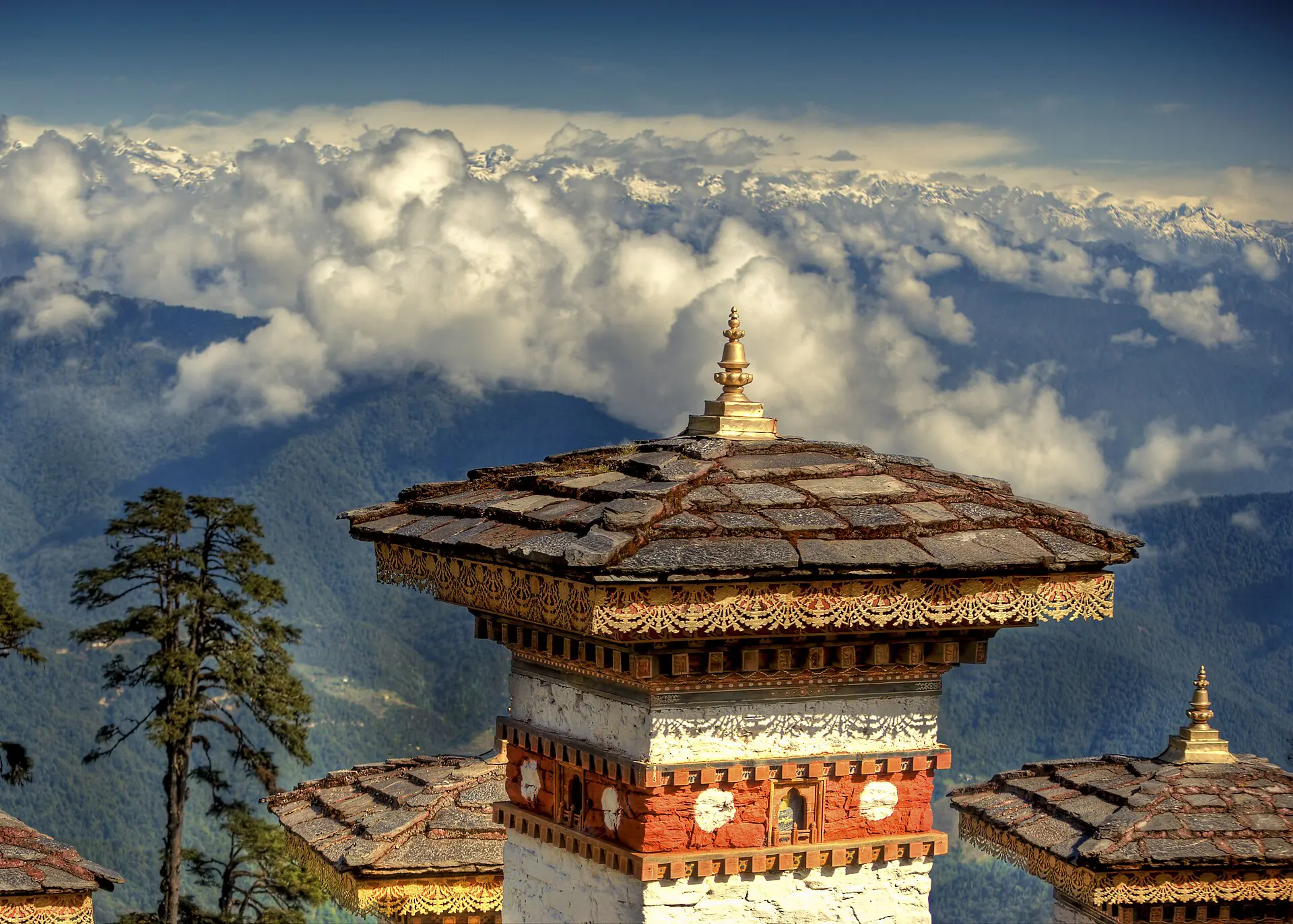
Altitude. Paro and Thimphu sit above 2,000 metres, and passes reach more than 3,000. Drink water, take the first day gently and tell your guide if you feel unwell.
Roads. Roads are narrow, steep and often cut by rain or landslides between June and September. Drivers are skilled, but allow slack in your schedule.
Health. Tap water is not recommended, medical facilities outside Thimphu are limited, and travel insurance with evacuation cover is wise. Stray dogs are common in towns, so be careful on night walks.
Bhutan visa and entry requirements
Bhutan visa rules vary by nationality, but most visitors need a visa arranged before they arrive, applied for online through the official system or through a licensed Bhutanese tour operator. A visa fee is charged, and visitors from most countries also pay a daily Sustainable Development Fee, set at USD 100 per night for much of the recent period. Citizens of India, Bangladesh and the Maldives have separate arrangements.
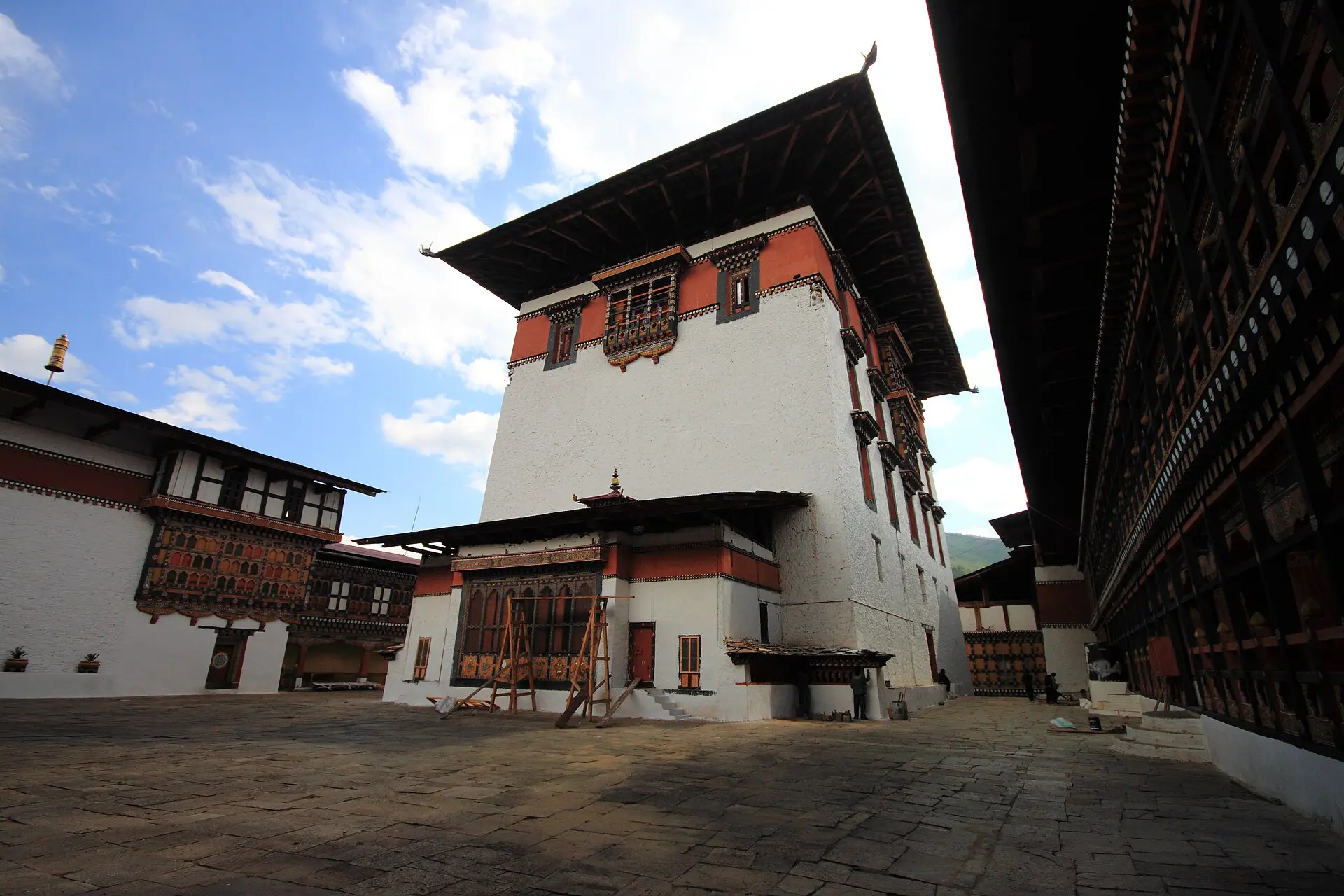
Rules, fees and independent-travel options have changed since the country reopened after the pandemic, so confirm everything on the official Bhutan tourism and immigration websites before booking. Bring a passport valid for at least six months, your approved visa clearance and your confirmed hotel bookings.
The UNESCO page for Bhutan lists its heritage sites but does not cover entry rules.
Getting to and around Bhutan
Most visitors fly into Paro International Airport, which is served by Drukair and Bhutan Airlines from a handful of hubs such as Delhi, Kolkata, Kathmandu, Bangkok and Singapore. The approach between high peaks is among the most dramatic in aviation, and flights can be delayed by weather. Land entry is possible at Phuentsholing from India for visitors who qualify.
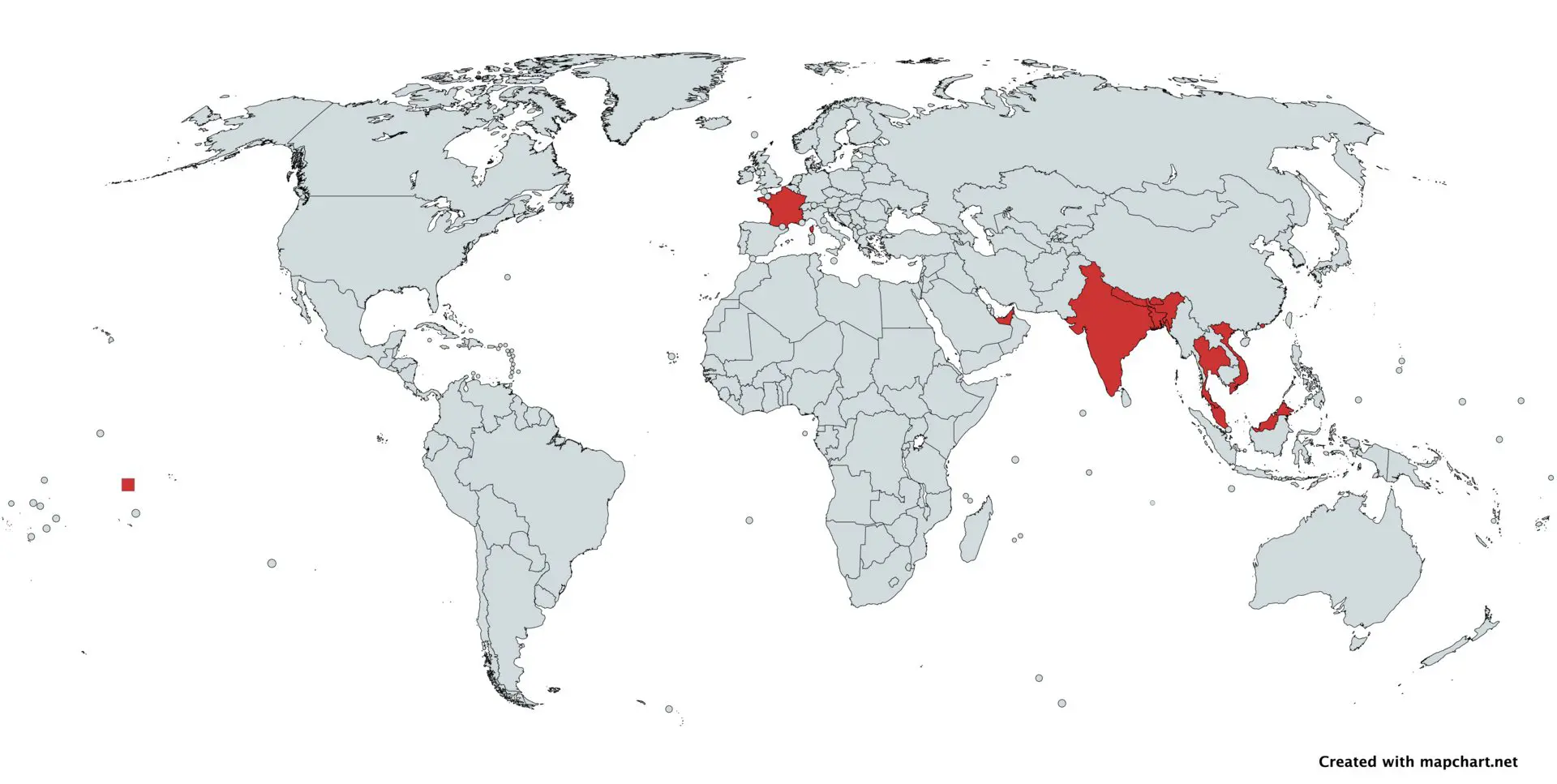
Inside the country, travel is by road. Paro to Thimphu takes about 1 hour, Thimphu to Punakha about 3 hours over Dochula Pass, and Punakha to Phobjikha about 2 hours. Bumthang is a long day from Punakha. Most visitors travel with a driver and a guide, and public buses are slow and not designed for tourists.
How much does a trip to Bhutan cost?
Bhutan is the most expensive country in the Himalayas for most visitors, mainly because of the daily Sustainable Development Fee, which was around USD 100 per person per night for most nationalities in recent years. The currency is the ngultrum (BTN), which is pegged to the Indian rupee. Figures are rough guides and can change.
- Budget: from around USD 200 per day, including the fee, with simple hotels and shared transport.
- Mid-range: around USD 250 to 400 per day, with good hotels, a guide and a private vehicle.
- High-end: USD 600 or more per day, with luxury lodges and private tours.
Flights into Paro, guides, vehicles and the number of nights drive the total. Meals are inexpensive by comparison, and entrance fees are modest.
Bhutan food and drink
Bhutan food is hearty and hot, built on red rice, chillies, cheese and dried or fresh vegetables, with Tibetan, Indian and Nepali influences.
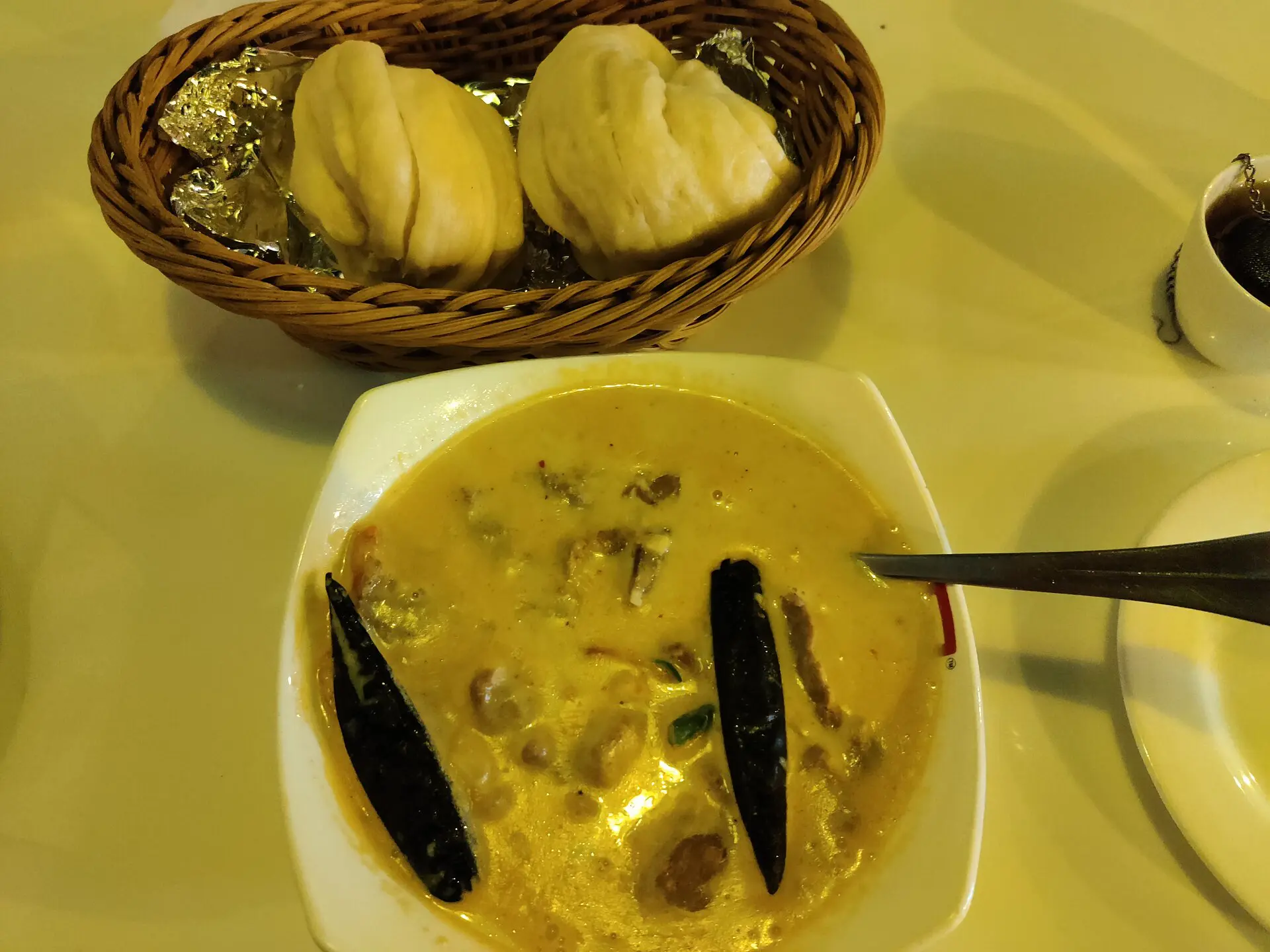
- Ema datshi: chillies in a cheese sauce, the national dish.
- Kewa datshi and shamu datshi: potatoes or mushrooms cooked in the same cheese sauce.
- Red rice: a nutty, slightly sticky local variety served with most meals.
- Phaksha paa: pork with radish and chillies.
- Momos: dumplings filled with meat, cabbage or cheese.
- Suja: salty butter tea, offered as a welcome.
- Ara: a home-distilled spirit made from rice or maize.
Hotels serve buffets for groups, which are usually mild, so ask for local-style chilli on request. Vegetarians do well because cheese and vegetable dishes dominate, though meat is common in stews.
Culture, language and etiquette in Bhutan
Dzongkha is the national language, and Sharchopkha, Nepali and many other languages are spoken regionally. English is the language of schools and tourism, so most guides and hotel staff speak it well. Vajrayana Buddhism is the state religion, and most men and women wear the national dress, the gho and kira, in offices and at official events.
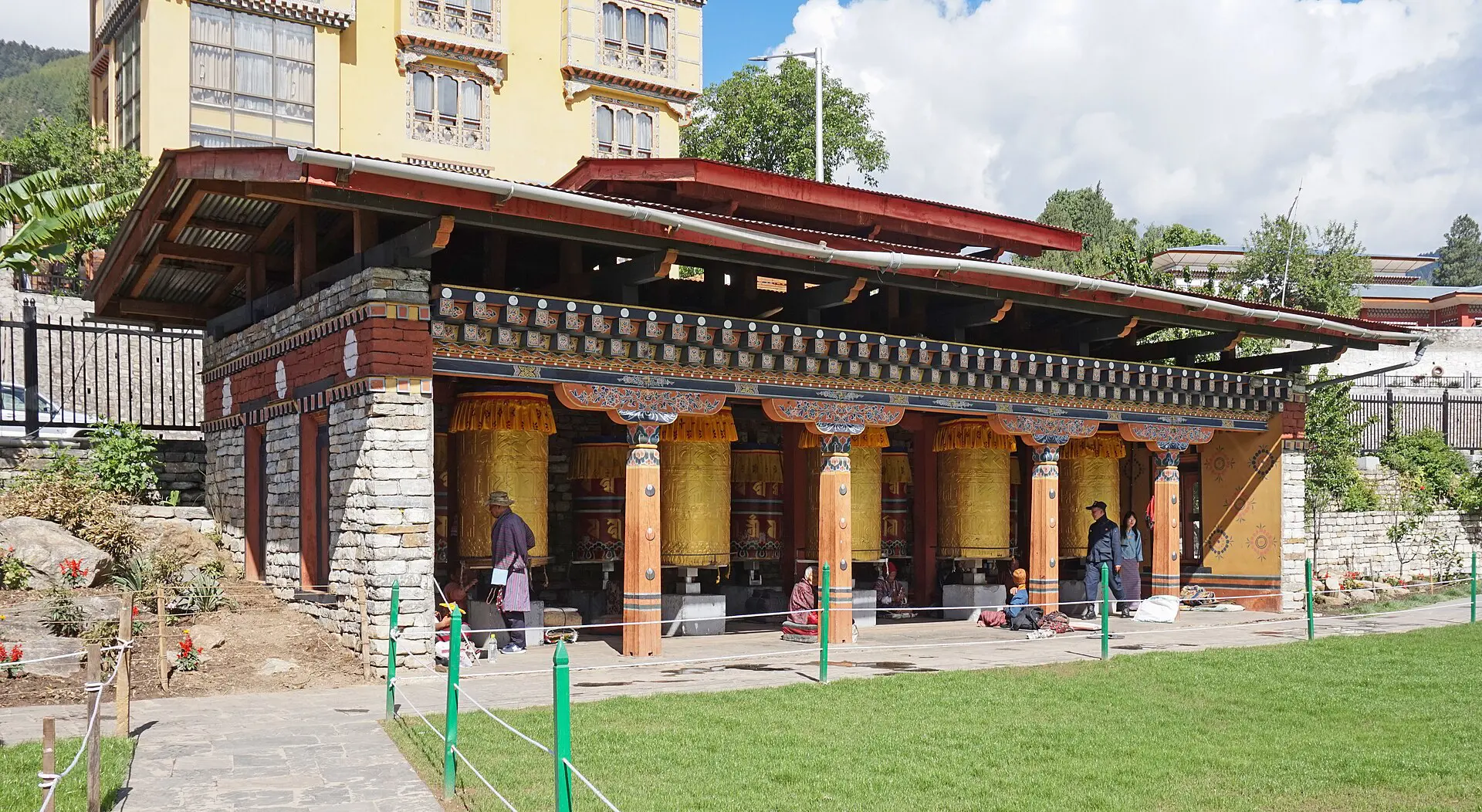
Walk clockwise around chortens and prayer wheels, and remove your hat and shoes when entering temples. Photography is usually banned inside temples and dzongs, so ask your guide. Never point your feet at an altar, climb on sacred objects or touch monks without invitation. Dress modestly with covered shoulders and knees. Avoid sensitive political topics, and show respect for the royal family. Tobacco sales are heavily restricted.
Bhutan itinerary: a 7-day route
This Bhutan itinerary follows the western valleys by road and keeps drives under four hours a day, with acclimatisation built in.
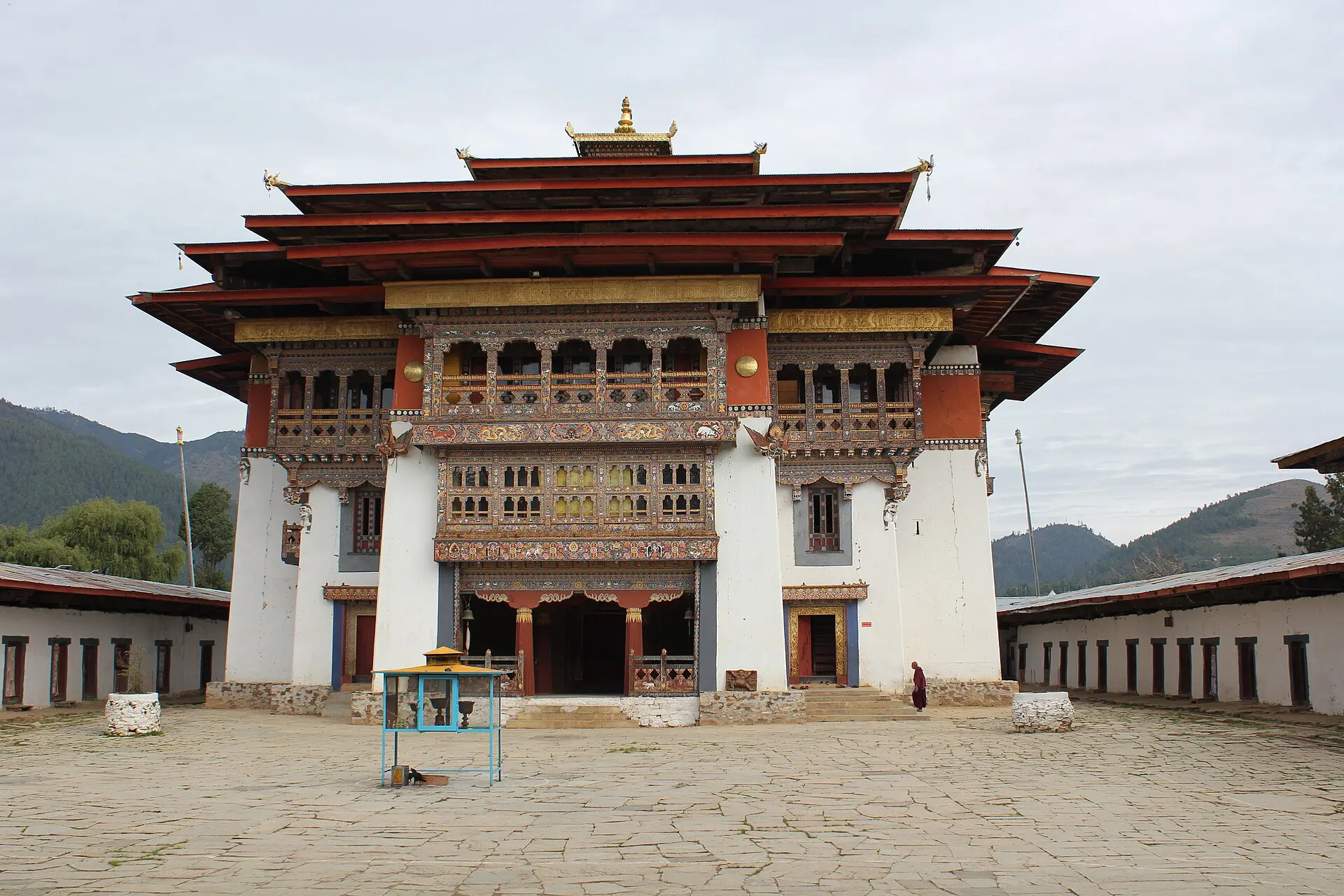
- Day 1, Paro: fly in, visit the Rinpung Dzong and walk the town gently.
- Day 2, Tiger’s Nest: hike up early, lunch at the viewpoint, and rest in the afternoon.
- Day 3, Thimphu: drive about 1 hour, see the Memorial Chorten, Tashichho Dzong and the Buddha Dordenma.
- Day 4, Punakha: cross Dochula Pass (about 3 hours) and visit Punakha Dzong.
- Day 5, Phobjikha: drive about 2 hours, visit Gangtey Monastery and walk the valley.
- Day 6, back to Paro: a long drive of 5 to 6 hours, with a hot stone bath in the evening.
- Day 7, departure: transfer to the airport, allowing extra time for early flights.
Add Bumthang if you can spare three more days.
Practical tips for Bhutan
- Money: the ngultrum is the local currency, and the Indian rupee is also widely accepted. Cards work in larger hotels, while ATMs are limited outside towns.
- SIM and eSIM: tourist SIMs are available at Paro airport, and coverage is good in valleys but patchy on passes.
- Plugs: types D, F and G at 230 V; bring an adapter.
- Tipping: not required, but guides and drivers expect a gratuity at the end of a trip.
- Health: bring altitude advice, medication and insurance with evacuation cover.
- Packing: warm layers, rain gear, sturdy shoes and modest clothes for temples.
- Driving: traffic drives on the left, and visitors usually travel with a driver.
For wider background, see the Wikivoyage Bhutan guide.
FAQ
Q1What is Bhutan food like?
Bhutan food is spicy and filling, built around red rice, chillies and cheese. Ema datshi (chillies in cheese sauce) is the national dish, with momos, pork with radish and butter tea also common. Vegetarians eat well, and you can ask for milder chilli.
Q2What is the best time to visit Bhutan?
March to May and September to November are best, with clear weather, mountain views and the main festivals. Summer is monsoon season with rain and landslides, while winter is cold but quiet and good for the cranes at Phobjikha.
Q3What are the best things to do in Bhutan?
Hike to Tiger's Nest above Paro, visit the dzongs of Thimphu and Punakha, see the Buddha Dordenma, attend a tshechu festival, walk in Phobjikha Valley and try ema datshi. Add a short trek or a hot stone bath.
Q4Is Bhutan safe?
Yes. Bhutan has very low crime and is politically calm. The main risks are altitude sickness, narrow mountain roads and monsoon landslides. Take insurance with evacuation cover, and check your government's current travel advice before you go.
Q5Do I need a visa for Bhutan?
Most visitors need a visa arranged in advance online or through a licensed operator, and most also pay a daily Sustainable Development Fee. Citizens of India, Bangladesh and the Maldives have different rules. Confirm current fees on official Bhutan sources.
Q6What is a good Bhutan itinerary?
Seven days works well: two nights in Paro including the Tiger's Nest hike, one in Thimphu, one in Punakha and one in Phobjikha, then back to Paro. Add Bumthang for three more days, or a short trek like the Druk Path.
Q7Is Bhutan expensive to visit?
Yes, compared with its neighbours, mainly because of the daily Sustainable Development Fee, which has been around USD 100 per night. With hotels, a guide and a driver, plan for roughly USD 250 to 400 per day. Costs change, so confirm before booking.