Why visit Bangladesh
The most rewarding things to do in Bangladesh are the ones that are hard to find anywhere else: sailing through the world’s largest mangrove forest, riding a paddle steamer through the delta, walking tea estates in the north-east and visiting a Buddhist monastery that dates to the eighth century. The country sits on the Bay of Bengal, almost surrounded by India, and the Wikipedia overview describes one of the most densely populated places on earth, with around 175 million people in an area of about 148,000 square kilometres.
Bangladesh is not an easy first trip. Roads are slow, cities are loud and facilities for tourists are basic outside Dhaka, Sylhet and Cox’s Bazar. In return, visitors get few crowds, genuine hospitality and very cheap food. It suits independent, flexible travellers, photographers, food lovers and anyone curious about Bengali culture, the 1971 Liberation War and life on the rivers. Package-holiday expectations will not fit here.
Best places to visit in Bangladesh
The best places to visit in Bangladesh are spread across rivers, forests and hills, so most trips link Dhaka with two or three regions rather than trying to see everything.
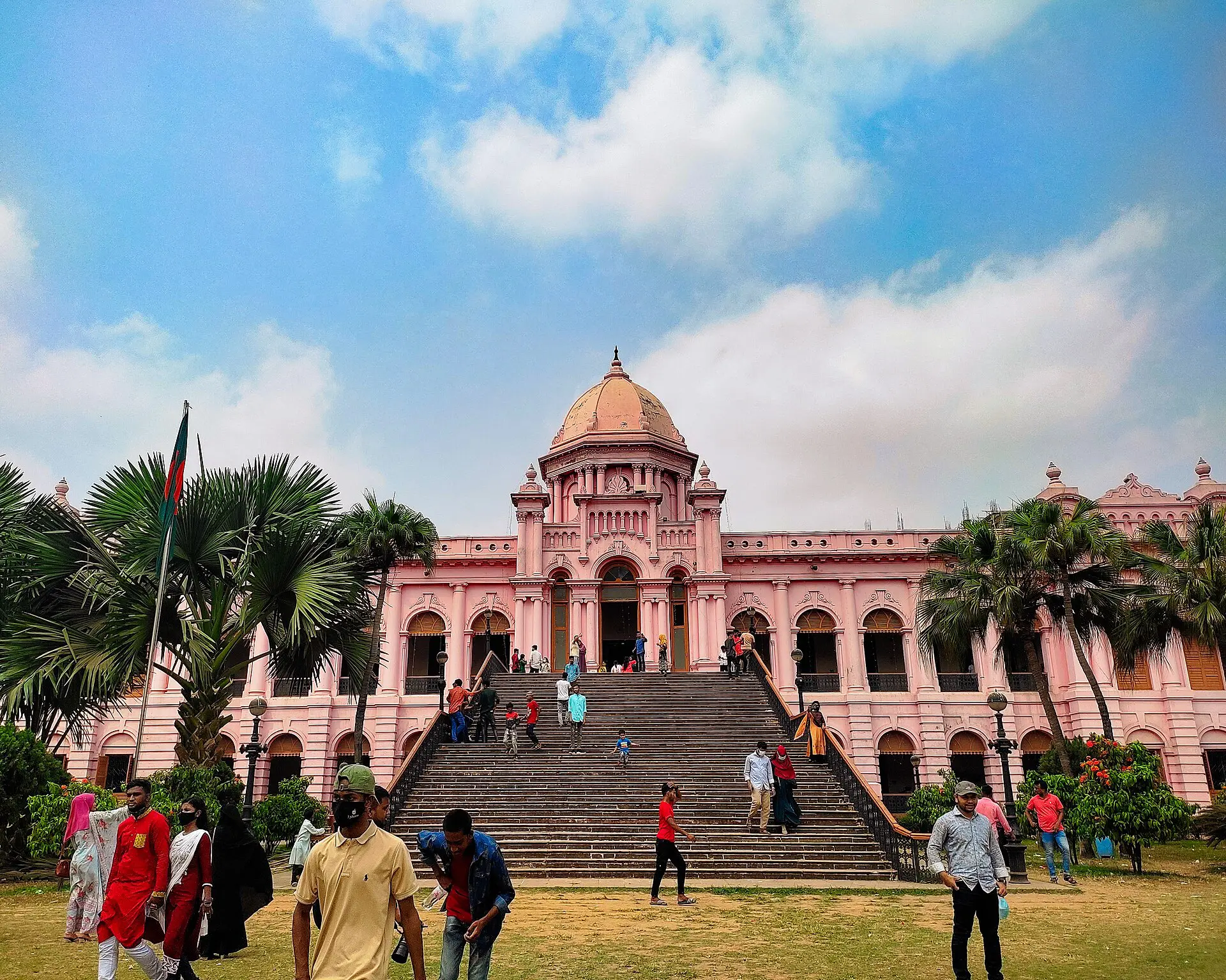
Dhaka
The capital is a crowded, fast-moving megacity and the gateway for nearly every visitor. Old Dhaka holds Ahsan Manzil, a pink riverside palace now a museum, Lalbagh Fort and busy markets. Allow two days, and expect heavy traffic whatever time you move.
Sundarbans
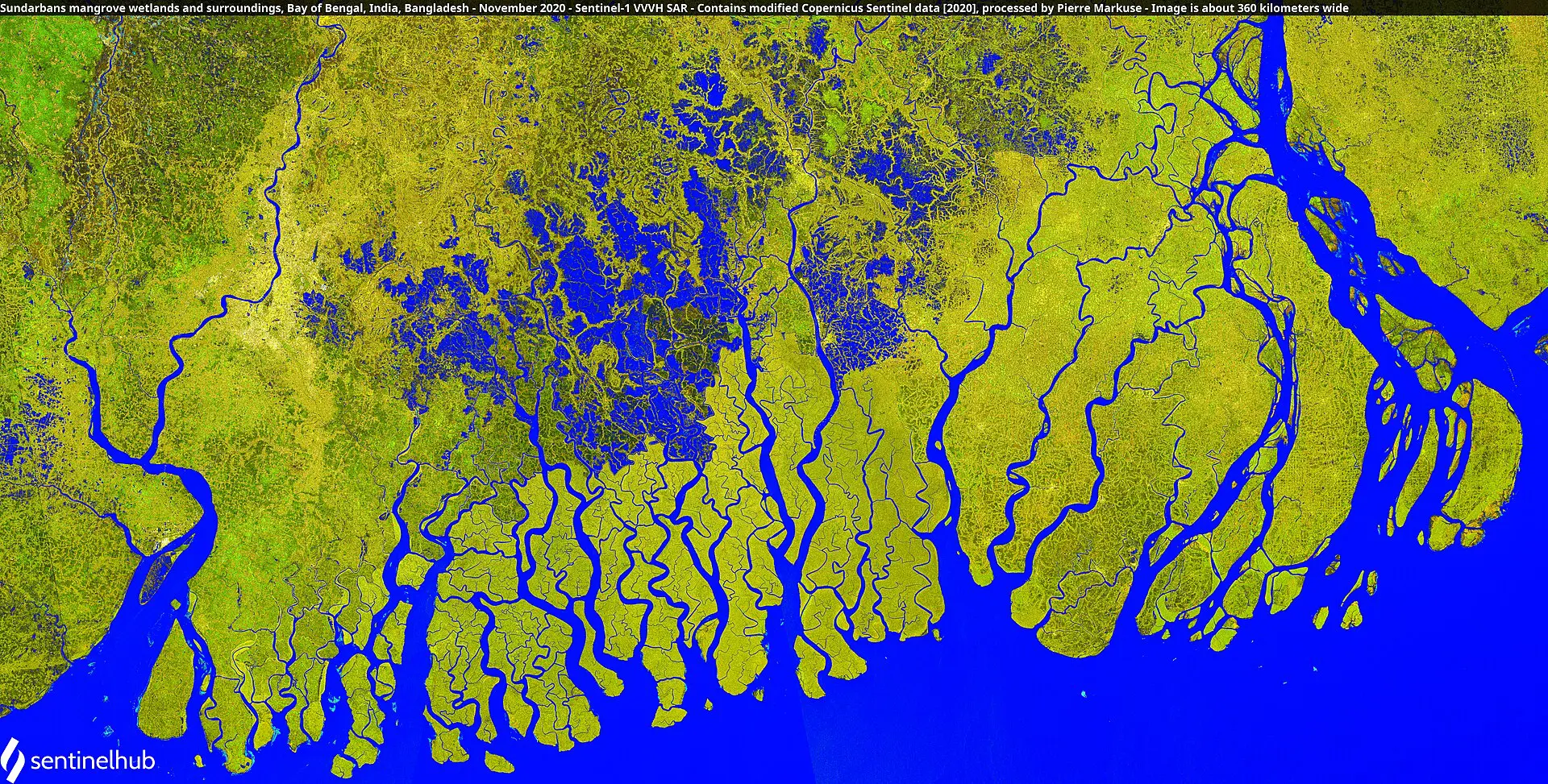
The Sundarbans, in the south-west, is a UNESCO-listed mangrove forest shared with India and home to the endangered Bengal tiger. Visits are by boat from Khulna or Mongla, usually on two to three night trips. Tigers are rarely seen, but birds, deer and crocodiles are common.
Cox’s Bazar
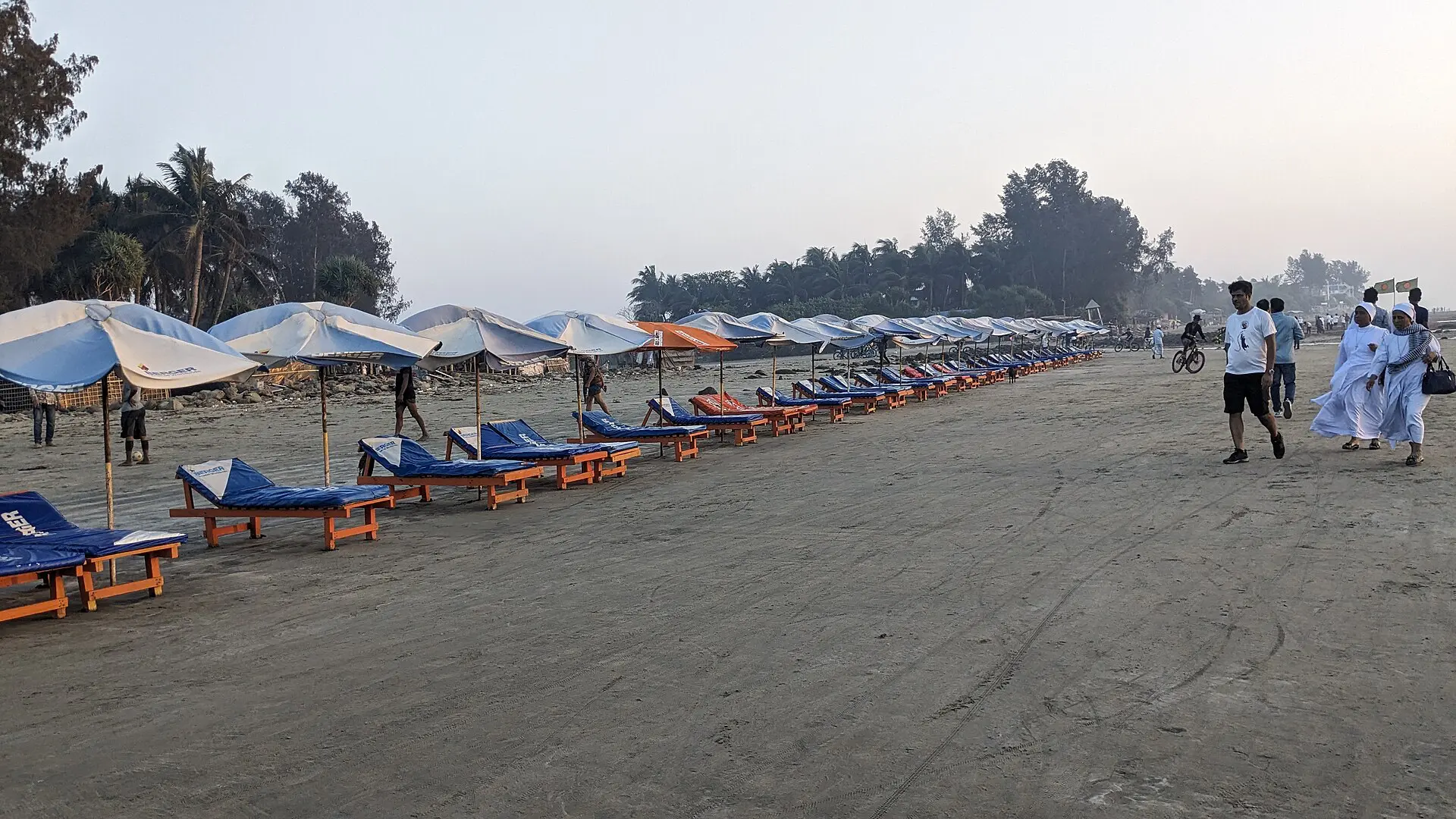
Cox’s Bazar is the country’s premier beach resort, with about 112 kilometres of unbroken sand. It is lively with domestic holidaymakers. Nearby Inani Beach is quieter, and Saint Martin’s Island is a day or overnight trip when the seasonal ferry runs.
Sylhet and Srimangal
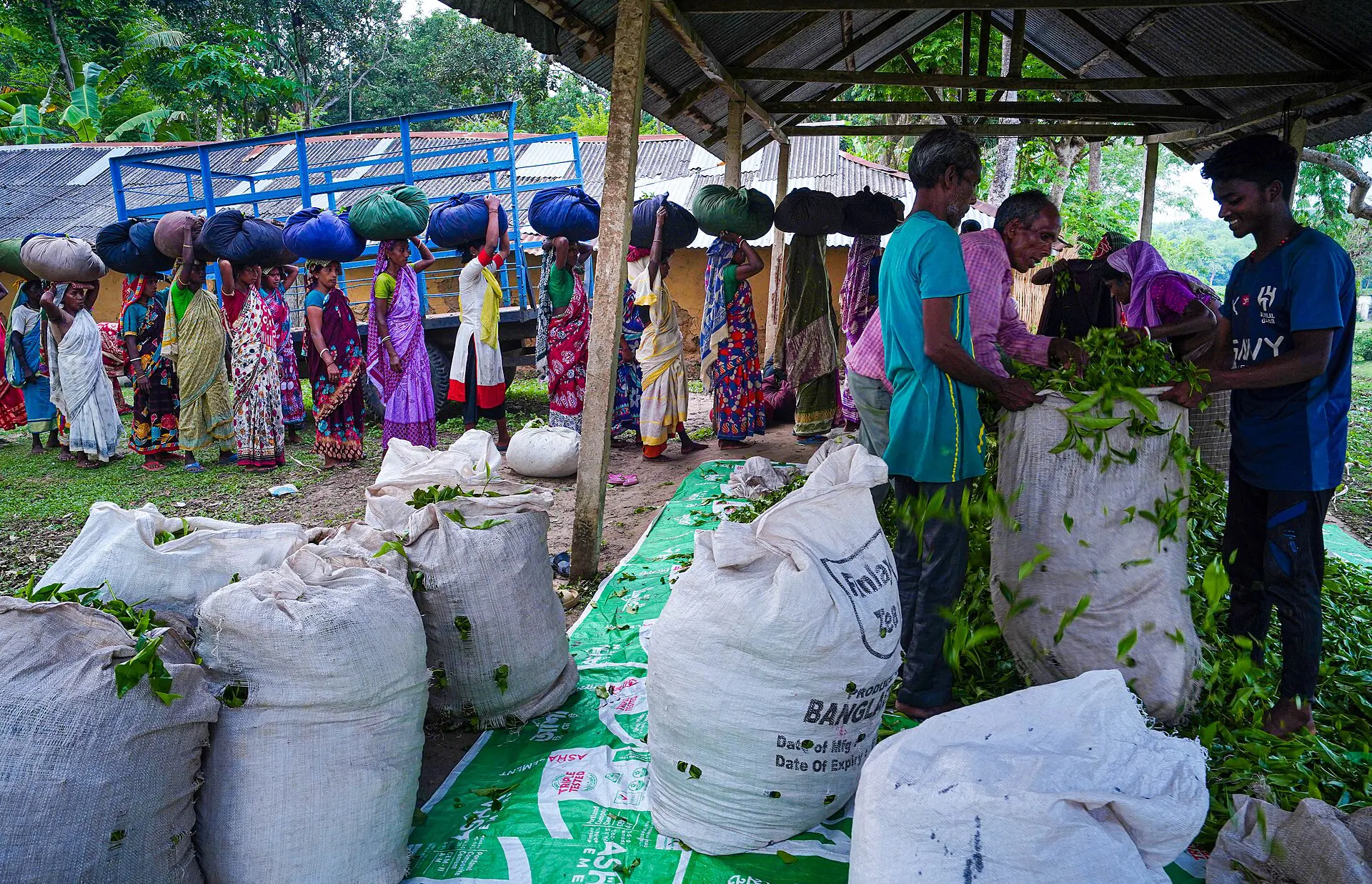
The north-east has rolling tea estates, rainforest and the shrine of the Sufi saint Shah Jalal in Sylhet. Srimangal, the country’s tea capital, is a good base for walks through plantations and the Lawachara forest.
Bagerhat and Paharpur
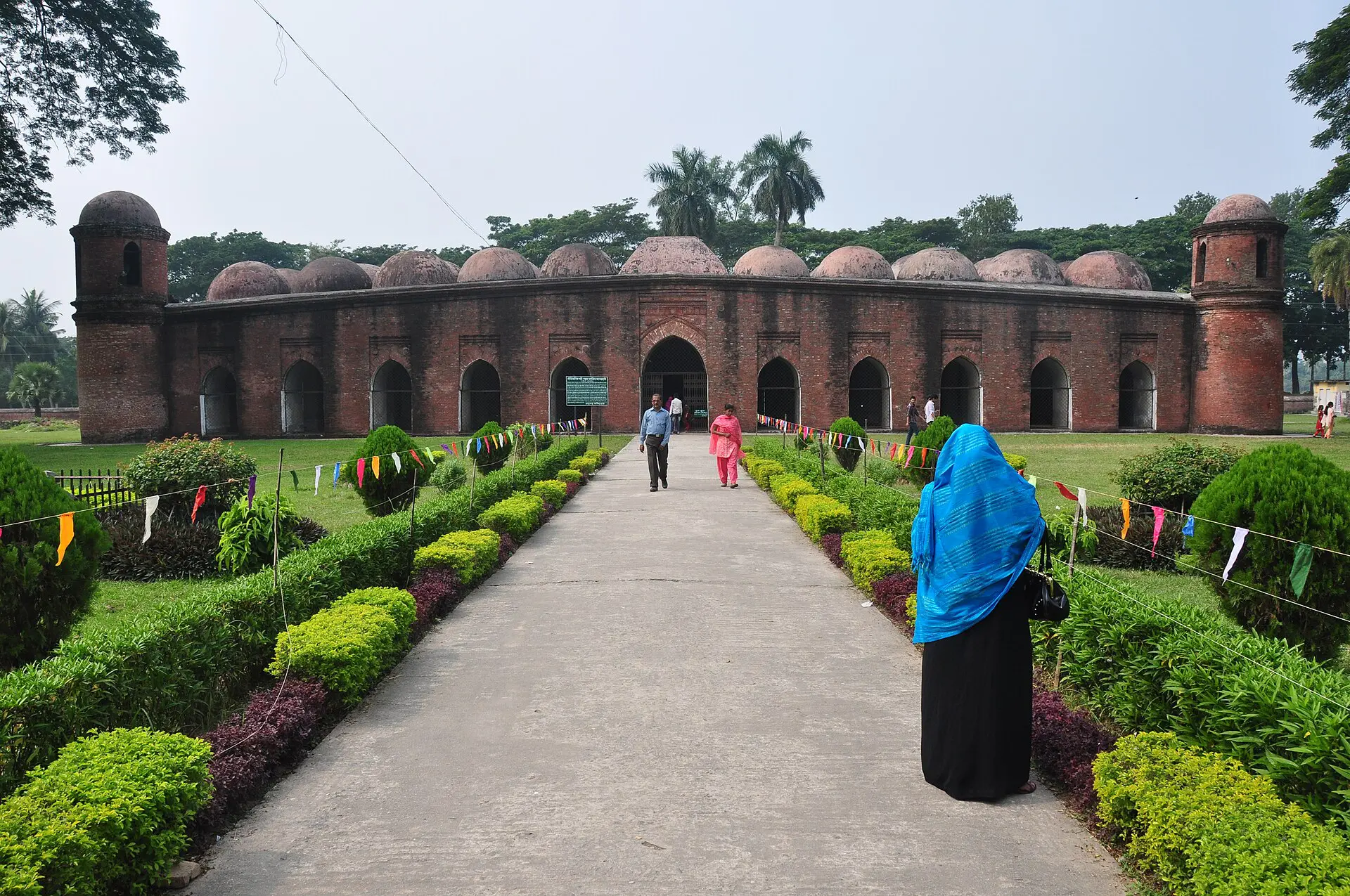
Bagerhat has the Sixty Dome Mosque and other 15th-century monuments. In the north-west, the Somapura Mahavihara at Paharpur is a vast Buddhist monastery ruin. Both are UNESCO World Heritage Sites.
Top things to do in Bangladesh
The top things to do in Bangladesh combine river travel, nature and history, and most are best arranged through a local operator or guesthouse.
- Cruise the Sundarbans: take a multi-day boat trip through tidal creeks to watch birds, deer and, with luck, signs of tigers.
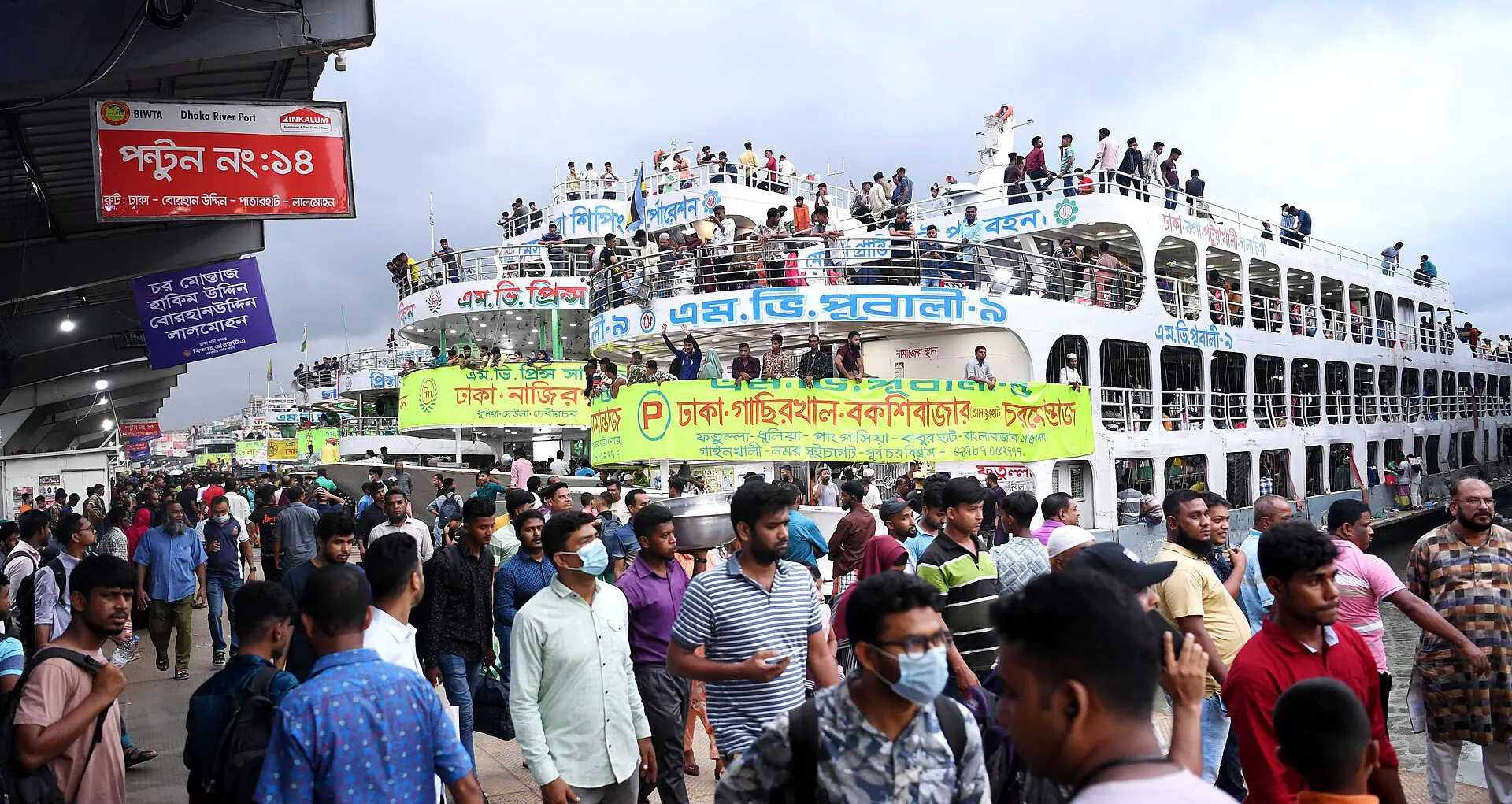
- Ride a river launch from Dhaka: overnight steamers leave Sadarghat for southern towns such as Barishal and give a slow view of delta life.
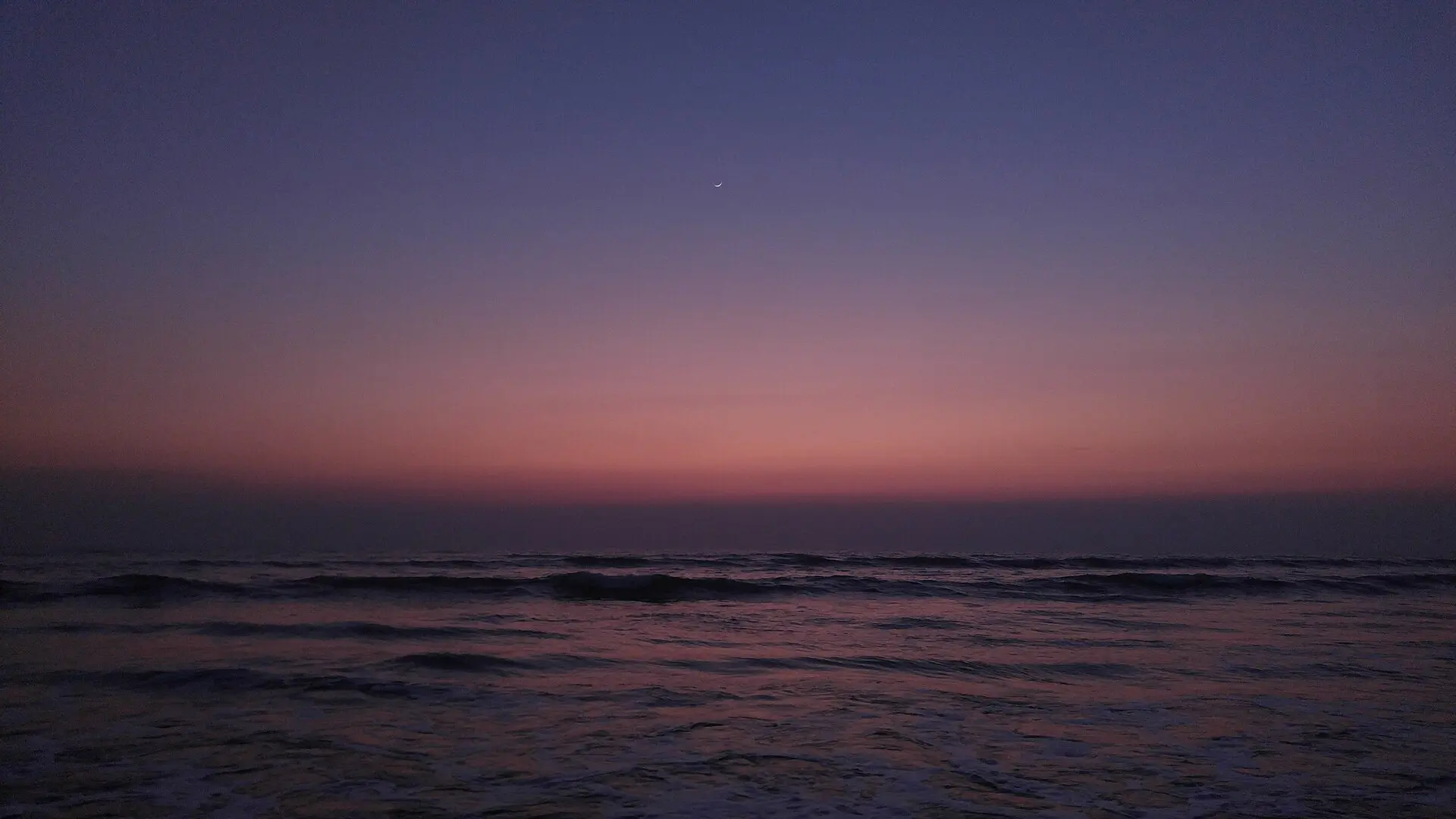
- Walk the beach at Cox’s Bazar: sunrise and sunset are the best times, before the hawkers and crowds arrive.
- Visit Saint Martin’s Island: the country’s only coral island has clear shallows and seafood, with boats typically running in the dry season.
- Tour the tea gardens of Srimangal: a seven-layer tea is a local speciality and plantations welcome walkers.
- Explore Old Dhaka: see Ahsan Manzil, Lalbagh Fort and Armenian Church, then take a rickshaw through the lanes of Shankhari Bazar.
- See Somapura Mahavihara: the ruined monastery at Paharpur is among the largest Buddhist sites south of the Himalayas.
- Visit the Sixty Dome Mosque: a quiet 15th-century brick mosque near Bagerhat.
- Watch a sunrise boat ride in Sylhet: the Jaflong and Ratargul areas offer river and swamp-forest trips.
- Learn about 1971: the Liberation War Museum in Dhaka covers the 1971 independence war and is deeply moving.
Best time to visit Bangladesh
The best time to visit Bangladesh is November to February, when days are dry, sunny and comfortable and nights are cool. March to May turns very hot and humid, and June to October is monsoon, with heavy rain, flooding and slower travel. Cyclones can hit the coast in April to May and October to November, so check forecasts if you plan to visit the coast or the islands.
| Season | Weather | Crowds and prices | Good for |
|---|---|---|---|
| Winter (Nov-Feb) | Dry, mild days, cool nights | Busiest and most expensive, still modest | Sundarbans, beaches, tea hills, cities |
| Hot season (Mar-May) | Hot, humid, thunderstorms; cyclone risk | Quiet | Short city visits, cultural trips |
| Monsoon (Jun-Sep) | Heavy rain, high rivers | Low; some services suspended | Lush landscapes, river travel |
| Post-monsoon (Oct) | Humid, clearing, storm risk | Rising | Early-season trips |
Winter also brings pleasant street food and the festive season, but fog can delay flights and trains in January. Book Cox’s Bazar hotels early for national holidays.
Is Bangladesh safe to visit?
Is Bangladesh safe? For most visitors the day-to-day risk is moderate: violent crime against foreigners is uncommon, but political unrest, accidents and natural hazards are real. The country has been unsettled since the mass uprising of 2024, and demonstrations, strikes and transport blockades can occur with little warning. Check your government’s advice, such as the UK FCDO or US State Department, immediately before you travel and again before departure.
Restricted areas. Governments advise against travel to parts of the Chittagong Hill Tracts, and permits may be needed for others. Stay out of those districts unless official advice changes.
Politics and crowds. Avoid demonstrations, rallies and strikes, and keep to main areas of Dhaka if there is tension. Women should expect staring and dress modestly. Solo female travel is possible but needs extra caution, particularly after dark.
Roads and water. Traffic accidents are the main danger, and ferries and launches are sometimes overloaded. Use reputable operators, wear a life jacket and avoid night travel.
Health. Dengue is a seasonal risk, tap water is not safe, and air pollution in Dhaka can be severe in winter. See a travel clinic before you go, and carry insurance with medical evacuation.
Bangladesh visa and entry requirements
Most nationalities need a visa to enter Bangladesh, and the type, fee and application route vary by passport. Tourist visas are usually requested through a Bangladeshi embassy or high commission, or through an official online system where available. Rules have changed several times in recent years, so confirm the current process with the Bangladesh Ministry of Foreign Affairs or Department of Immigration and Passports before booking flights.
Your passport should be valid for at least six months and have blank pages. Expect to show a return or onward ticket, proof of accommodation and sometimes a hotel booking or an invitation. Some places in the Chittagong Hill Tracts and border areas need special permission, and you should not enter them without it.
Visitors from some countries face additional checks or restrictions, so apply well in advance and keep digital copies of your documents. The UNESCO page for Bangladesh lists the heritage sites you may plan around, although it does not cover entry rules. Note that travel through neighbouring India also has its own visa requirement.
Getting to and around Bangladesh
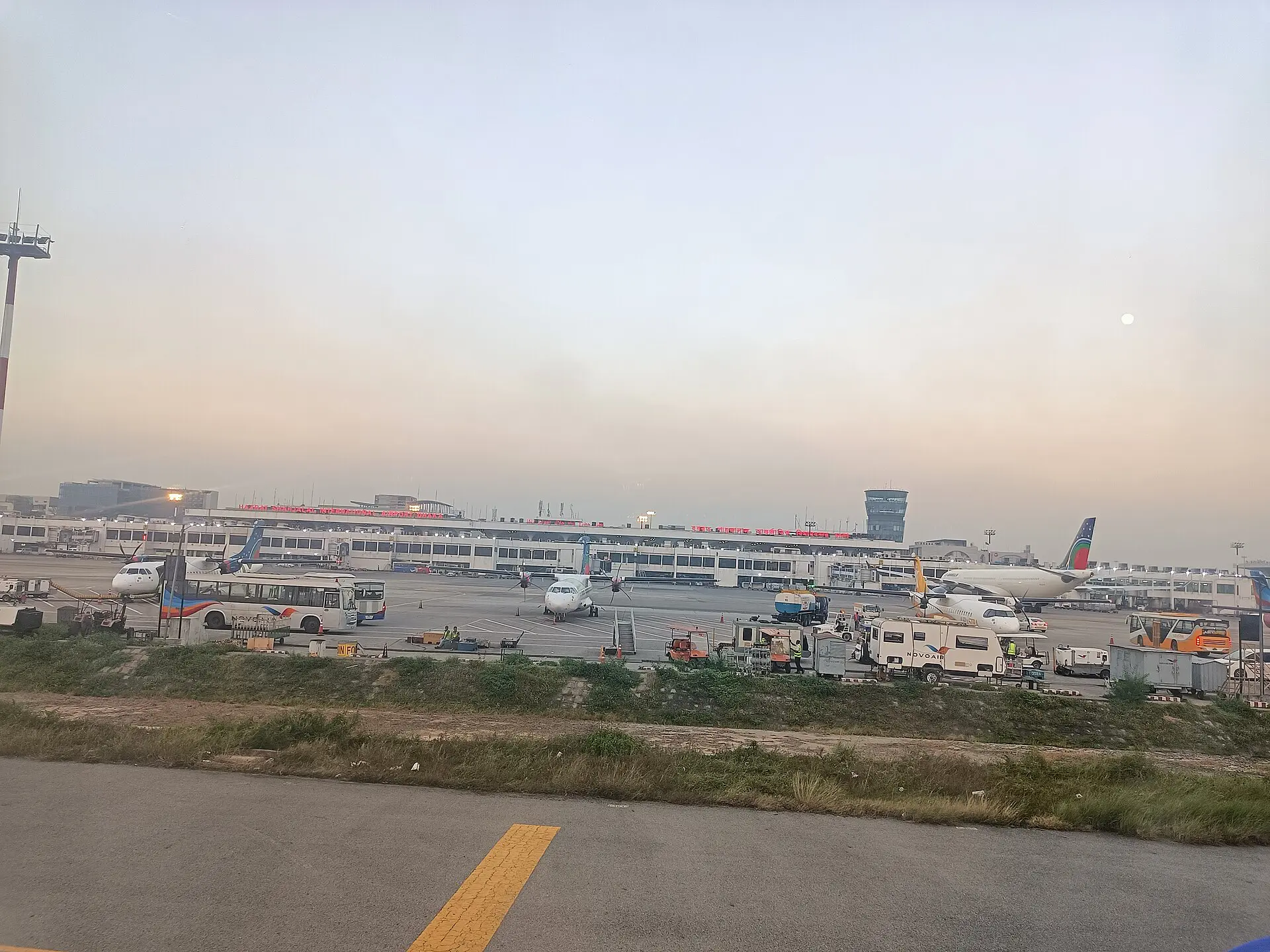
Most visitors arrive at Hazrat Shahjalal International Airport in Dhaka, with direct flights from Gulf hubs, Istanbul, Singapore, Bangkok and several Indian cities. Chittagong and Sylhet also have international airports. Land crossings with India are open for those with visas, but they can be complicated, so check the details in advance.
Within the country, domestic flights link Dhaka with Cox’s Bazar, Chittagong, Sylhet, Jessore and other cities, and are the quickest way to cover distance. Trains are cheap and atmospheric; book intercity services, such as Dhaka to Sylhet, in advance. Buses are cheap but crowded and driving standards are poor. Dhaka to Sylhet by road takes around five to seven hours, and Dhaka to Cox’s Bazar by road around ten to twelve.
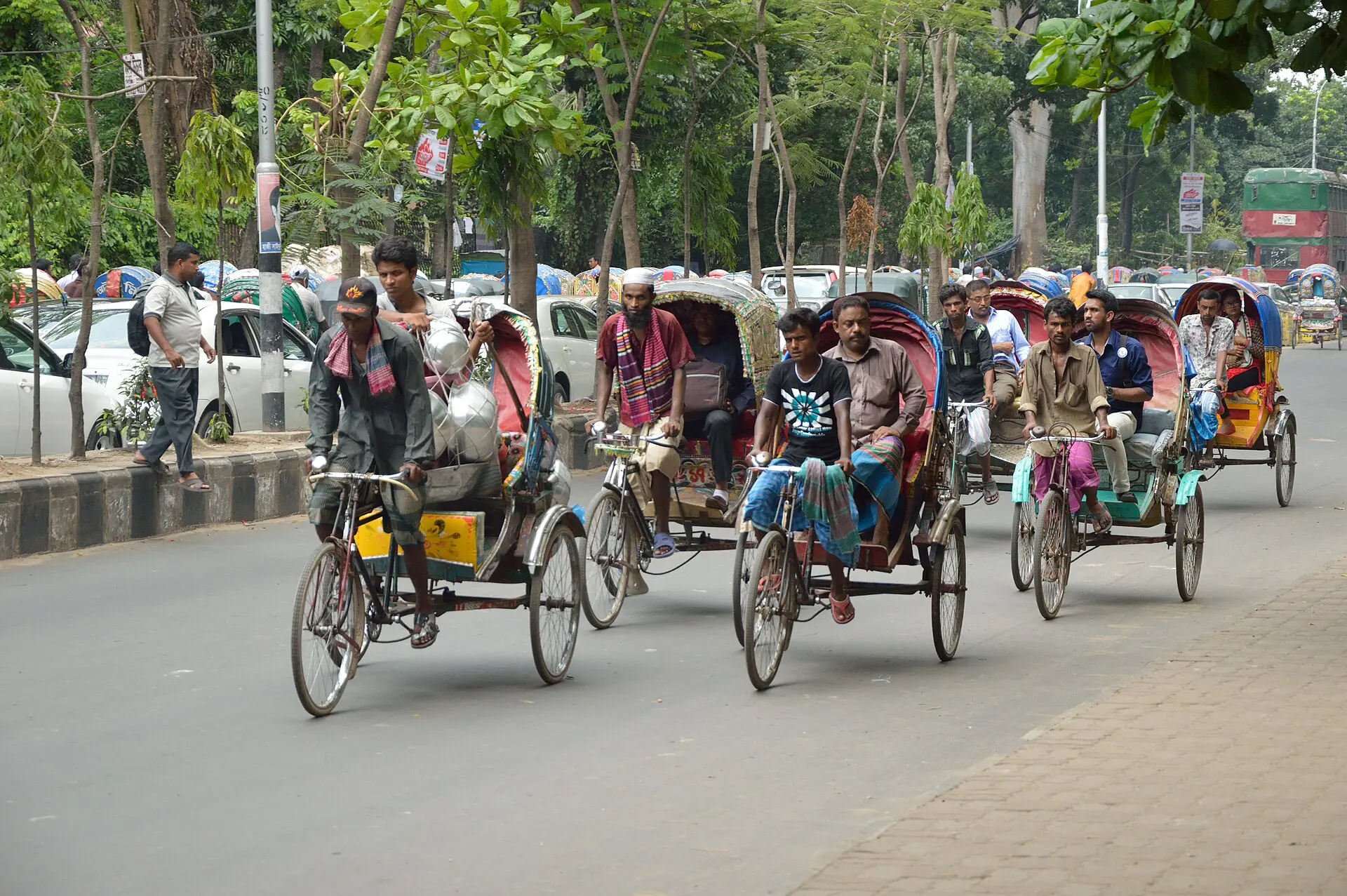
River travel is a highlight. Overnight launches run from Dhaka’s Sadarghat terminal to Barishal and Khulna. In cities, use cycle rickshaws, CNG auto-rickshaws and ride-hailing apps such as Uber or Pathao. Hire a car with a driver for longer routes, as traffic in Dhaka is heavy and the left-hand traffic and unpredictable driving make self-driving unwise.
How much does a trip to Bangladesh cost?
Bangladesh is one of the cheapest countries in Asia. The currency is the Bangladeshi taka (BDT), and exchange rates move, so treat the dollar figures below as rough 2026 guides. Foreign visitors pay higher entry fees at some sites, and Sundarbans permits and boat hire are the biggest single items.
- Budget: around USD 25 to 40 per day, with simple guesthouses, buses or trains and local meals.
- Mid-range: around USD 50 to 90 per day, with comfortable air-conditioned hotels, domestic flights, a driver for some days and restaurant meals.
- High-end: from around USD 120 per day, with the best Dhaka hotels, private boats and guided tours.
A three-night Sundarbans boat tour from Khulna typically costs more than the rest of a budget week combined, and prices vary widely by boat and group size. Meals at local restaurants cost a few dollars, tea a few cents and rickshaw rides a very small amount. Carry cash in smaller notes, because cards work only in better hotels and some restaurants, and ATMs are common in cities but less reliable elsewhere.
Bangladesh food and drink
Bangladesh food centres on rice, fish, lentils and spices, and it is one of the main reasons to visit. Meals are generous, cheap and often eaten by hand. Flavours are strong but usually less fiery than many visitors expect, and chilli is served on the side.
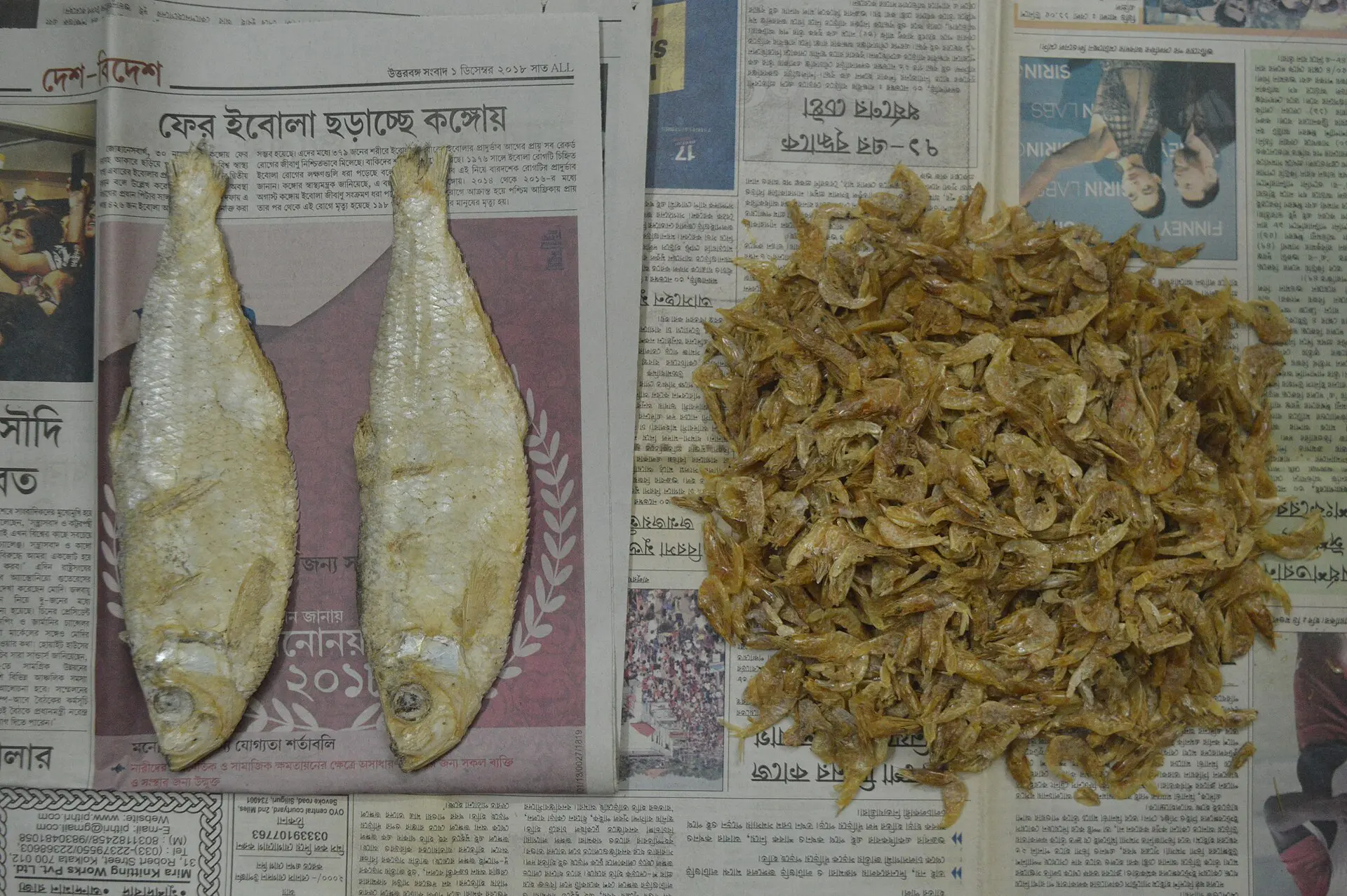
- Hilsa (ilish): the national fish, cooked in mustard sauce or fried, and especially popular in the monsoon season.
- Kacchi biryani: layered rice and marinated mutton, a Dhaka favourite for celebrations.
- Bhuna khichuri: spiced rice and lentils, often served with beef or egg on rainy days.
- Bhorta: mashed vegetables or fish with chilli, mustard oil and onion, eaten with rice.
- Fuchka and chotpoti: tangy street snacks of crisp shells or chickpeas, best from busy stalls.
- Pitha: rice-flour cakes, steamed or fried, mostly in winter.
- Mishti doi and roshogolla: sweet yoghurt and syrup sweets.
- Seven-layer tea: a Srimangal speciality with coloured layers of tea and milk.
Vegetarians can eat well with dal, vegetable curries and bhorta, but meat and fish dominate menus. Alcohol is limited and mostly found in licensed hotels or clubs. Drink only bottled or boiled water, and choose busy, freshly cooked places to lower the risk of stomach trouble.
Culture, language and etiquette in Bangladesh
The national language is Bengali, also called Bangla, and about 98 percent of people are ethnic Bengalis. English is understood in business, hotels and among younger people, but less so in rural areas, so a few words of Bangla go a long way. Shobar kache dhonnobad is a polite thank you, and the greeting Assalamu alaikum is common among Muslims, who make up roughly nine in ten Bangladeshis.
Dress modestly. Both men and women should cover their shoulders and knees, and women often wear loose trousers with a long top and a scarf. Remove shoes before entering mosques and homes. Use your right hand to eat, pass items and greet people. Public displays of affection are discouraged, and during Ramadan you should avoid eating or drinking in public in the daytime.
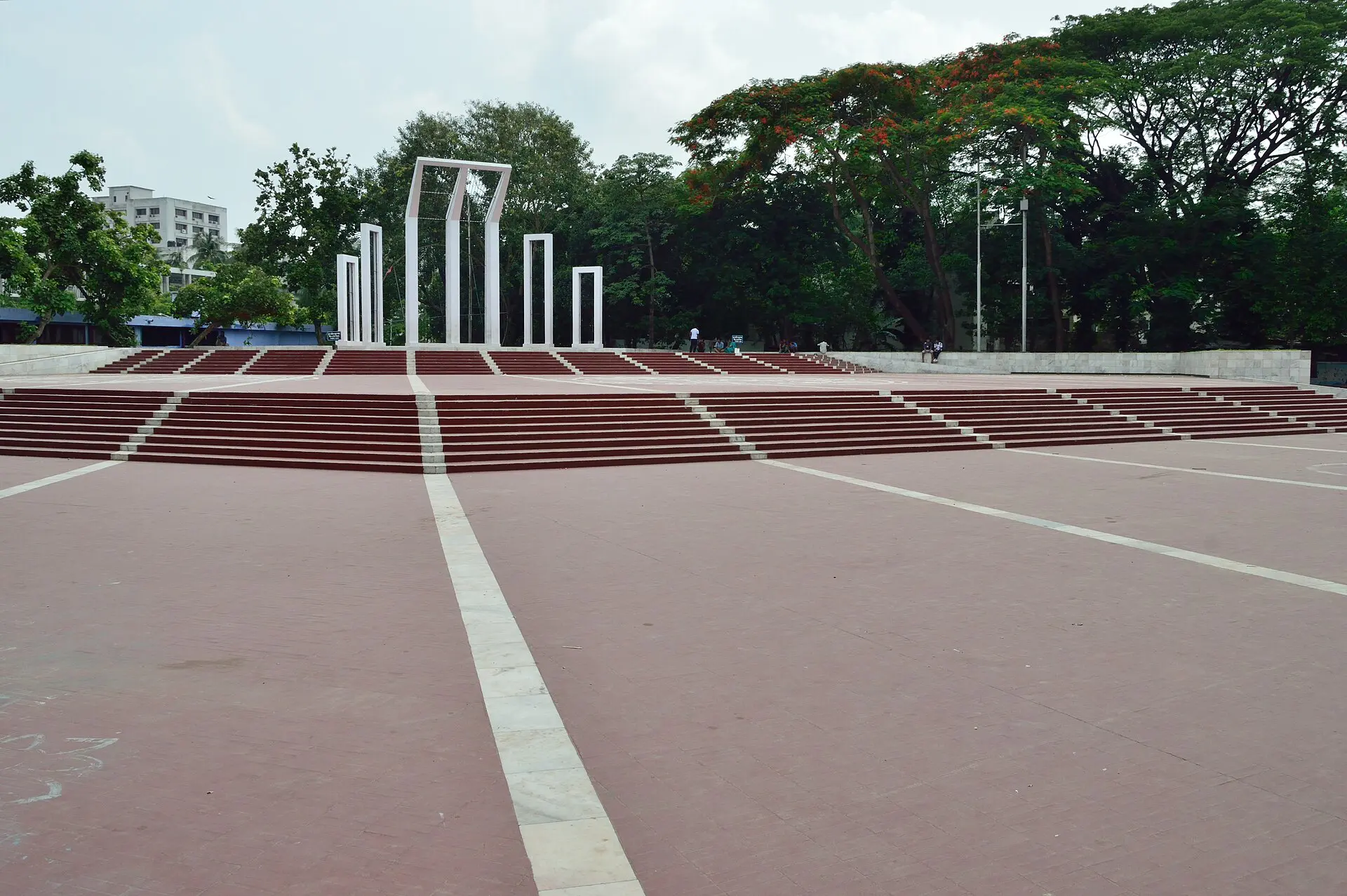
Bengalis take pride in the Language Movement of 1952, marked on 21 February, and in the independence of 1971, which is remembered on 16 December. Talk about politics and religion carefully, and ask permission before photographing people, especially women, and avoid photographing military sites, bridges or government buildings.
Bangladesh itinerary: a 7-day route
This route uses flights for the long legs and avoids the Chittagong Hill Tracts and other areas advised against by governments. Check current advice and weather before booking, and keep a day free for delays.
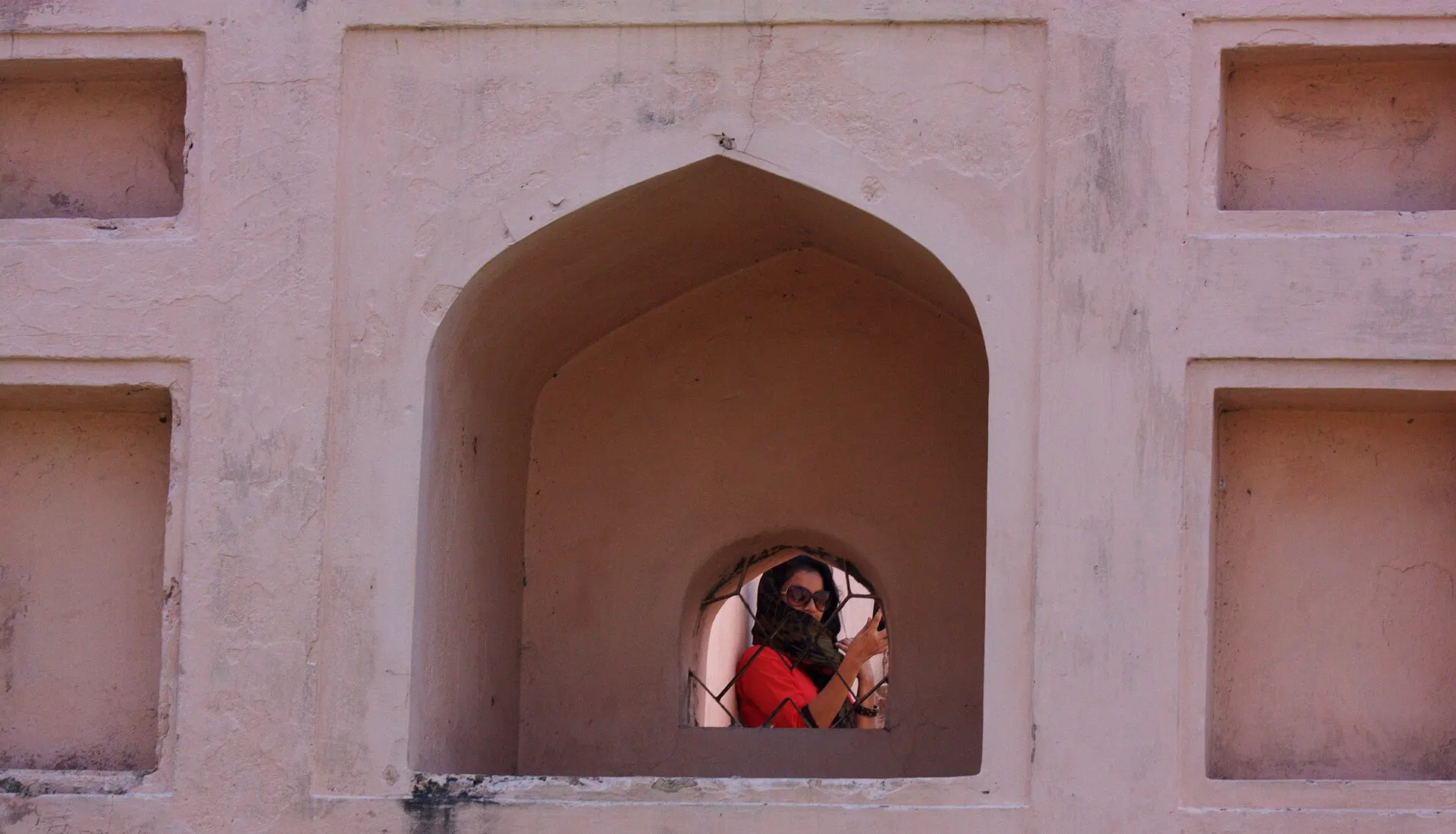
- Day 1, Dhaka: arrive, rest, and visit the Liberation War Museum or the National Parliament building by Louis Kahn.
- Day 2, Old Dhaka: explore Ahsan Manzil, Lalbagh Fort and Sadarghat, with a short boat ride on the Buriganga.
- Day 3, Sylhet: take a domestic flight or morning train, visit the Shah Jalal shrine, and walk in the tea hills nearby.
- Day 4, Srimangal: go by road to Srimangal, visit tea estates and the Lawachara forest, and try seven-layer tea.
- Day 5, fly to Cox’s Bazar: return to Dhaka, fly south to Cox’s Bazar, and walk the beach at sunset.
- Day 6, Cox’s Bazar: spend the day on the beach, explore Inani, and eat fresh seafood.
- Day 7, return: fly back to Dhaka for your onward flight.
With more time, replace the beach days with a Sundarbans boat trip from Khulna, or add Bagerhat and Paharpur in the west.
Practical tips for Bangladesh
- Money: the taka is the local currency, and cash is king. Withdraw at city ATMs, carry small notes and keep a reserve in USD or euros for exchange.
- SIM and eSIM: tourist SIMs are available at Dhaka airport with passport registration, and coverage is good in cities and along main roads. Some visitors prefer an international eSIM.
- Plugs: several types are in use, including C, D, G and K at 220 V. Bring a universal adapter and a surge protector, as outages occur.
- Tipping: not expected, but restaurants often add a service charge; otherwise leave 5 to 10 percent, and a few taka for drivers and porters.
- Health: check vaccinations with a travel clinic, use mosquito repellent, carry rehydration salts and drink only bottled water.
- Packing: light, loose, long clothing, a scarf for women, sturdy sandals, a rain jacket from June to October and a face mask for Dhaka’s air in winter.
- Time: allow extra time for every journey, because traffic and ferry queues are unpredictable.
For wider background, see the Wikivoyage Bangladesh guide.
FAQ
Q1What is Bangladesh food like?
Bangladesh food is built on rice, fish, lentils and spices. Try hilsa in mustard sauce, kacchi biryani, bhorta, khichuri, fuchka street snacks and sweet mishti doi. Dishes are flavourful but rarely as hot as visitors expect, and meals cost very little. Eat at busy places and drink only bottled water.
Q2Is Bangladesh safe?
Mostly yes for careful visitors, but with caveats. Violent crime against foreigners is uncommon, while road accidents, flooding, dengue and political demonstrations are the main risks. Some Chittagong Hill Tracts districts are restricted. Check your government's travel advice shortly before departure and avoid protests and night travel.
Q3What are the best things to do in Bangladesh?
Top choices are a boat trip through the Sundarbans mangroves, exploring Old Dhaka, walking the Cox's Bazar beach, visiting the tea gardens around Srimangal and Sylhet, and seeing the UNESCO sites at Bagerhat and Paharpur. A night on a river launch is also memorable.
Q4Do I need a visa for Bangladesh?
Most travellers do. Requirements differ by nationality, and the process has changed in recent years, so check with the Bangladesh embassy or the government's immigration site well before departure. You will normally need a passport valid for six months, proof of accommodation and an onward ticket.
Q5What is the best time to visit Bangladesh?
November to February is best, with dry weather and cool nights. March to May is hot and humid, and June to October brings monsoon rains and flooding. Cyclones can affect the coast in spring and autumn, so check forecasts before visiting the Sundarbans or islands.
Q6What are the best places to visit in Bangladesh?
Dhaka, the Sundarbans, Cox's Bazar, Sylhet and Srimangal tea country, Bagerhat's mosques and Paharpur's monastery ruins are the main draws. Saint Martin's Island adds coral shoreline in the dry season. Most visitors combine Dhaka with two regions.
Q7How many days do you need in Bangladesh?
One week covers Dhaka, the tea hills and Cox's Bazar if you use flights. Ten days allows a Sundarbans trip and Bagerhat, and two weeks leaves time for Paharpur and slower river travel. Add buffer days for traffic, weather and ferry delays.