Why visit Panama
The best things to do in Panama start with the fact that it is small enough to cover a lot. The country, about 75,000 square kilometres, joins North and South America, so it has Caribbean islands, Pacific beaches, cloud forest and a modern capital in a few hours of travel (see the Wikipedia overview). Close to 900 bird species have been recorded, and the Panama Canal is one of the world’s great engineering sights.
Panama suits travellers who want an easy introduction to Central America: the US dollar is the everyday currency, infrastructure is better than in most neighbours, and Panama City has direct flights from across the Americas and Europe. It works well for couples, families, bird and wildlife enthusiasts, divers and remote workers. It is less suited to travellers who want a purely cheap backpacking trip, as prices run above Nicaragua or Guatemala.
Best places to visit in Panama
The best places to visit in Panama range from the capital to remote islands, and most routes run east-west along a single highway or by short domestic flights.
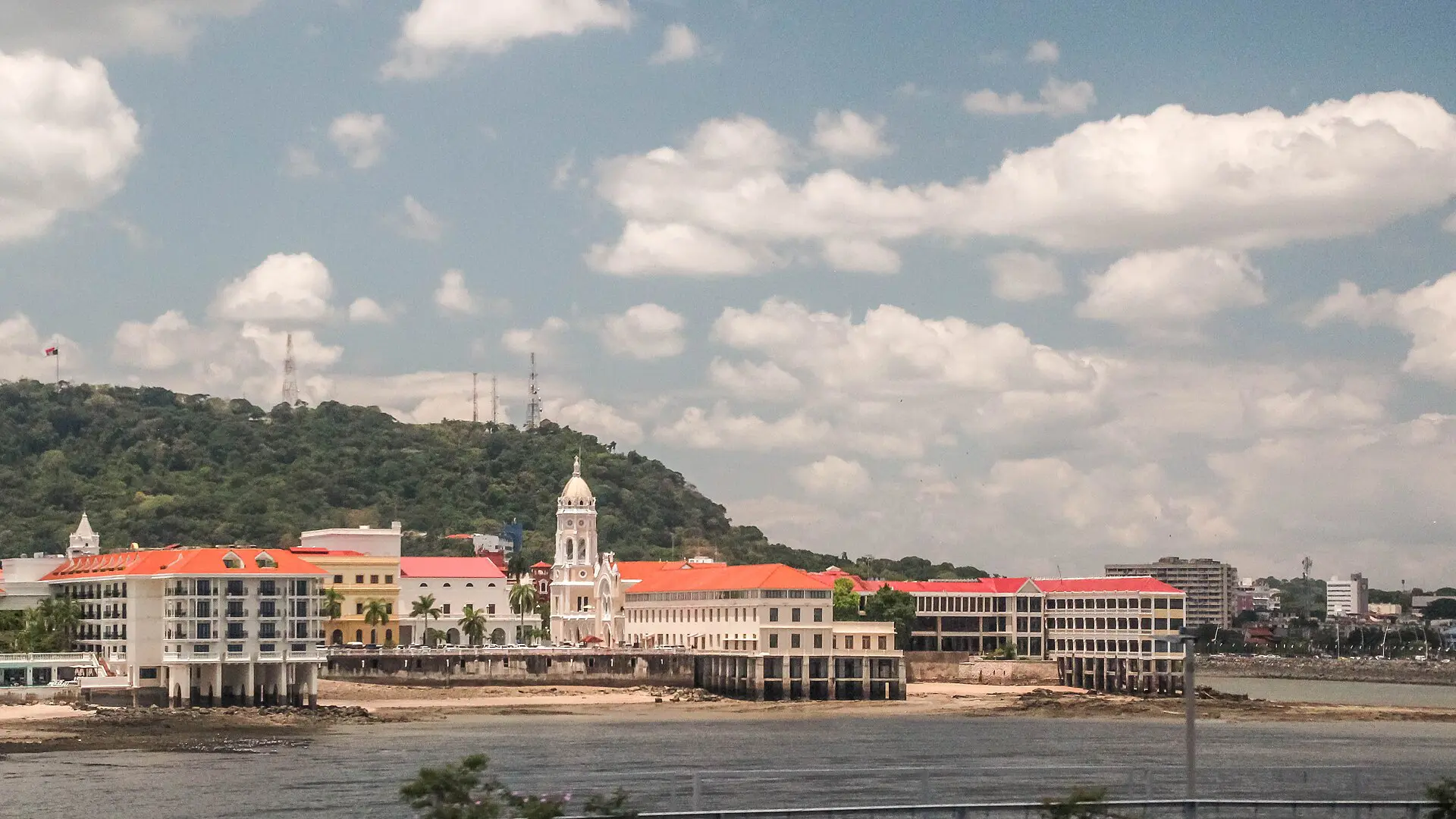
Panama City and Casco Viejo
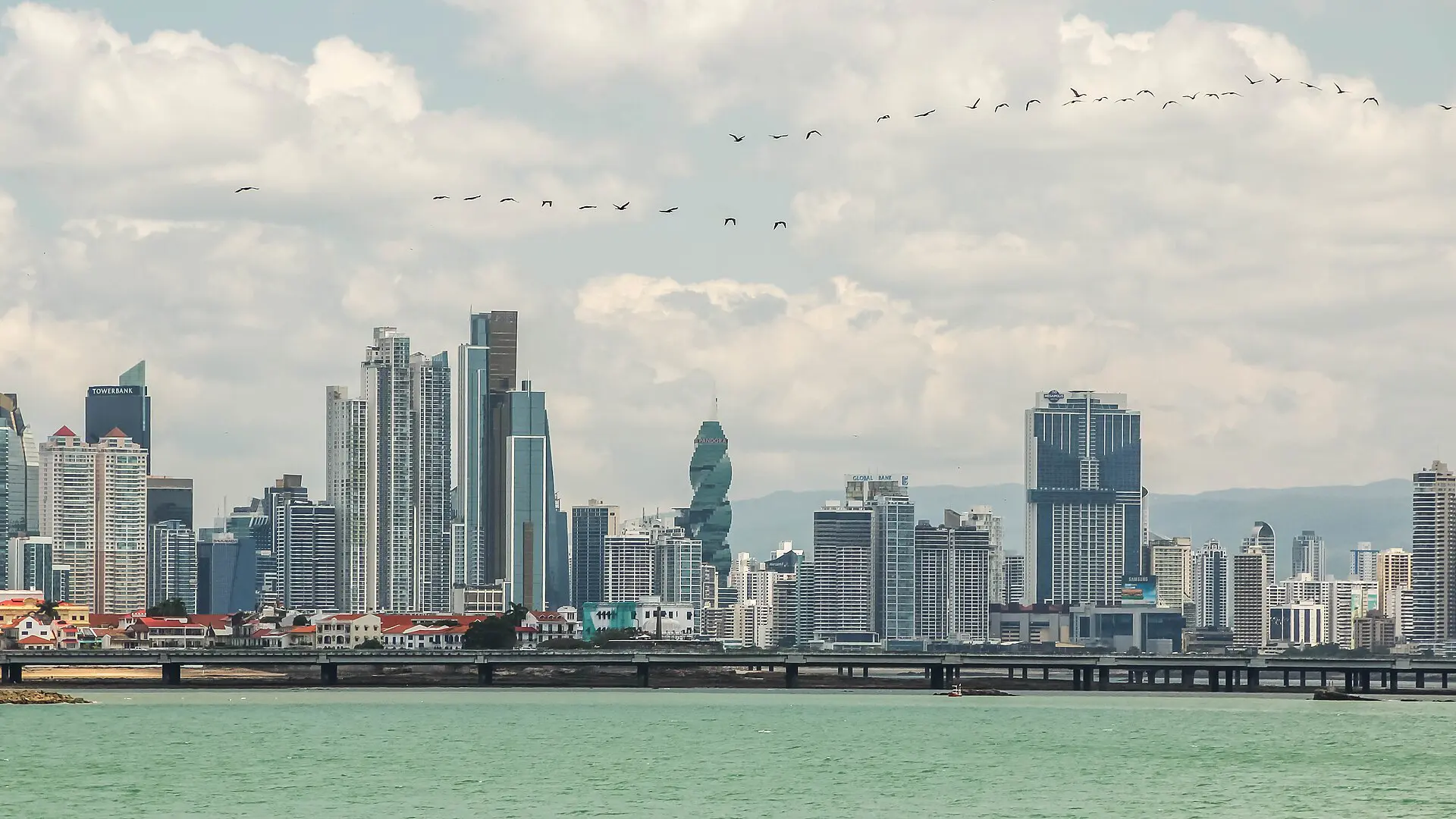
The capital mixes a glass skyline with Casco Viejo, the restored colonial quarter on a peninsula, with plazas, rooftop bars and churches. The Miraflores Locks, on the canal, are a short taxi ride away. Allow two to three days.
San Blas (Guna Yala)
The San Blas islands, run autonomously by the Guna people, are hundreds of small palm-fringed islands with white sand and basic cabins. Visits are usually by 4WD and boat from Panama City, or by sailboat from Colombia.
Bocas del Toro
This Caribbean archipelago has a relaxed backpacker scene, snorkelling, surf at Bluff Beach and wildlife reserves. It is reached by road to Almirante and boat, or by a short flight from the capital.
Boquete and the Chiriquí highlands
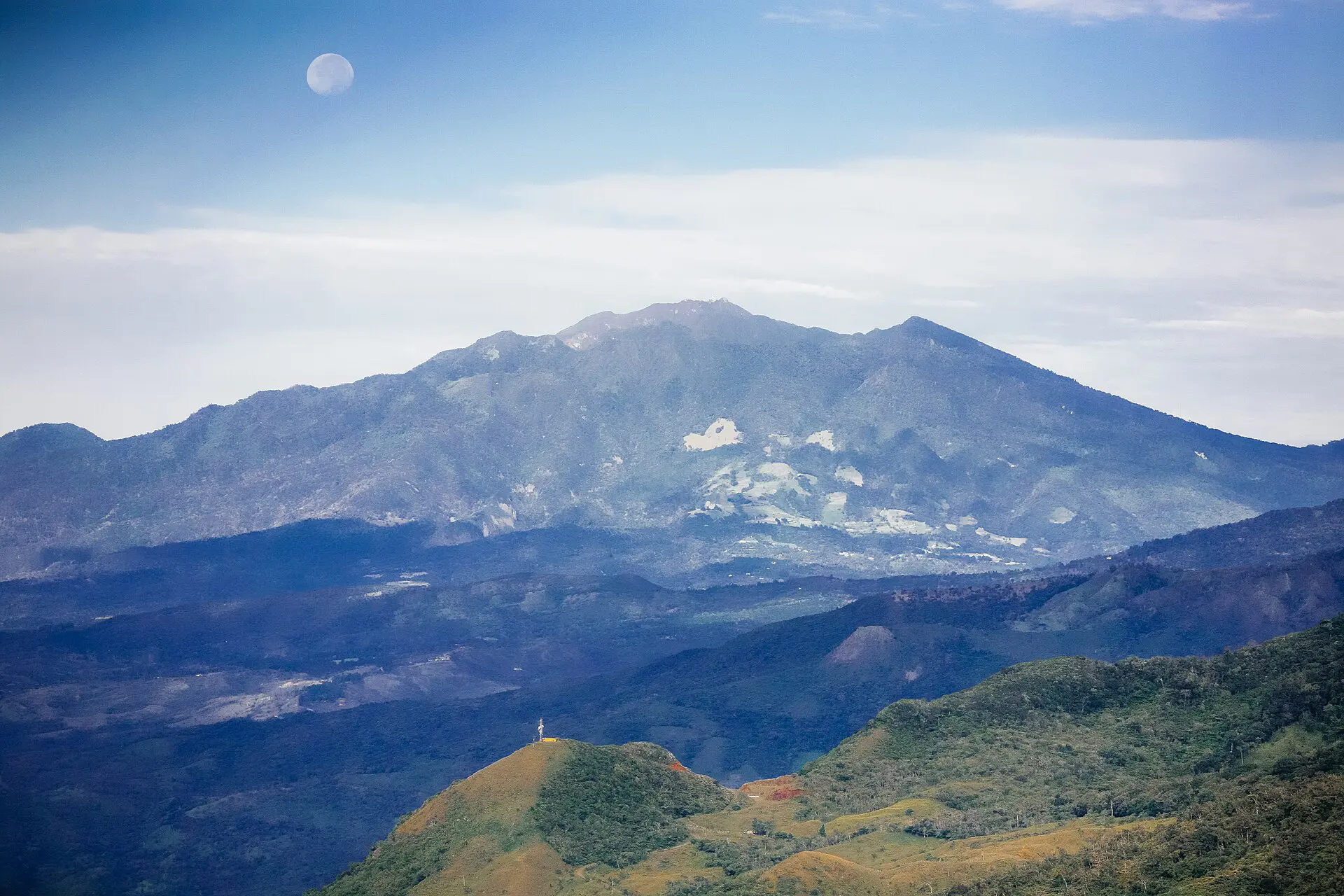
Boquete is a cool, green mountain town and coffee centre near Volcán Barú, Panama’s highest peak at 3,475 metres. It offers farm tours, hot springs and quetzal spotting in season.
Portobelo and Colón
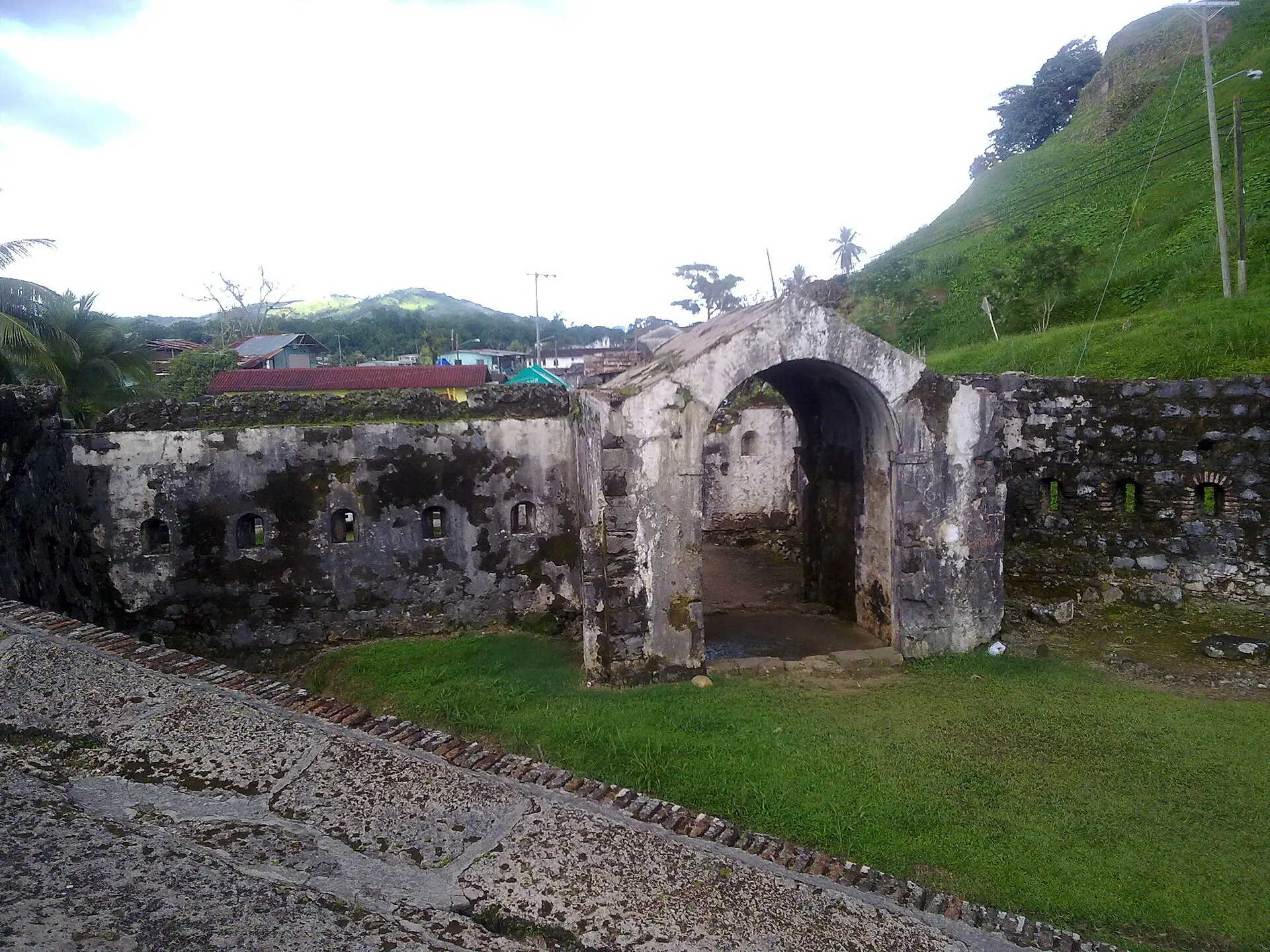
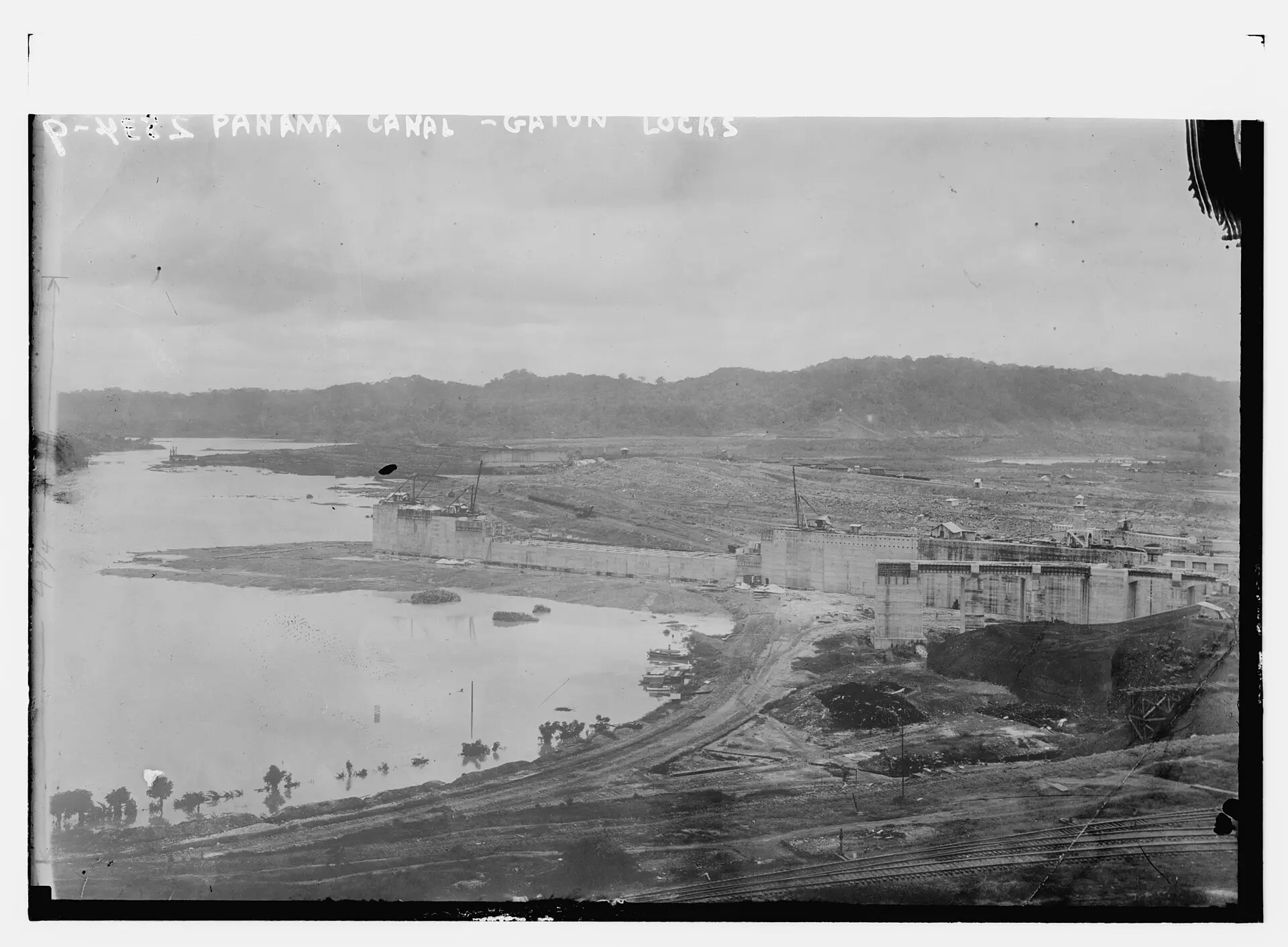
Portobelo’s Spanish colonial forts, part of a UNESCO site, line a quiet Caribbean bay, while the Gatun Locks near Colón give another canal view.
Coiba and the Pacific coast
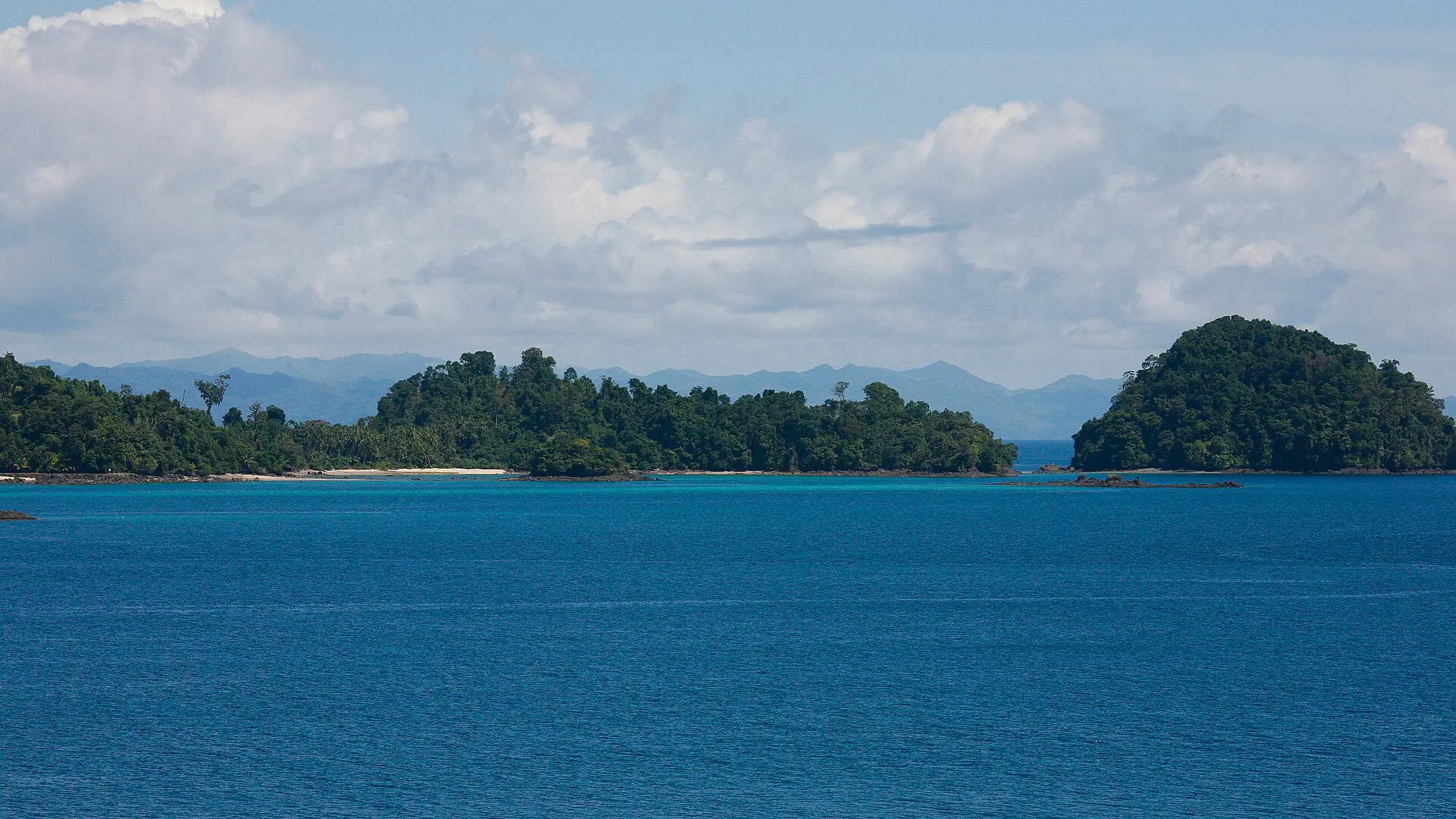
Coiba National Park, a marine reserve, offers some of the country’s best diving, and Santa Catalina is the usual gateway for surfers and divers.
Things to do in Panama
The top things to do in Panama are a mix of engineering, nature and culture, and most are easy to reach from Panama City or Boquete.
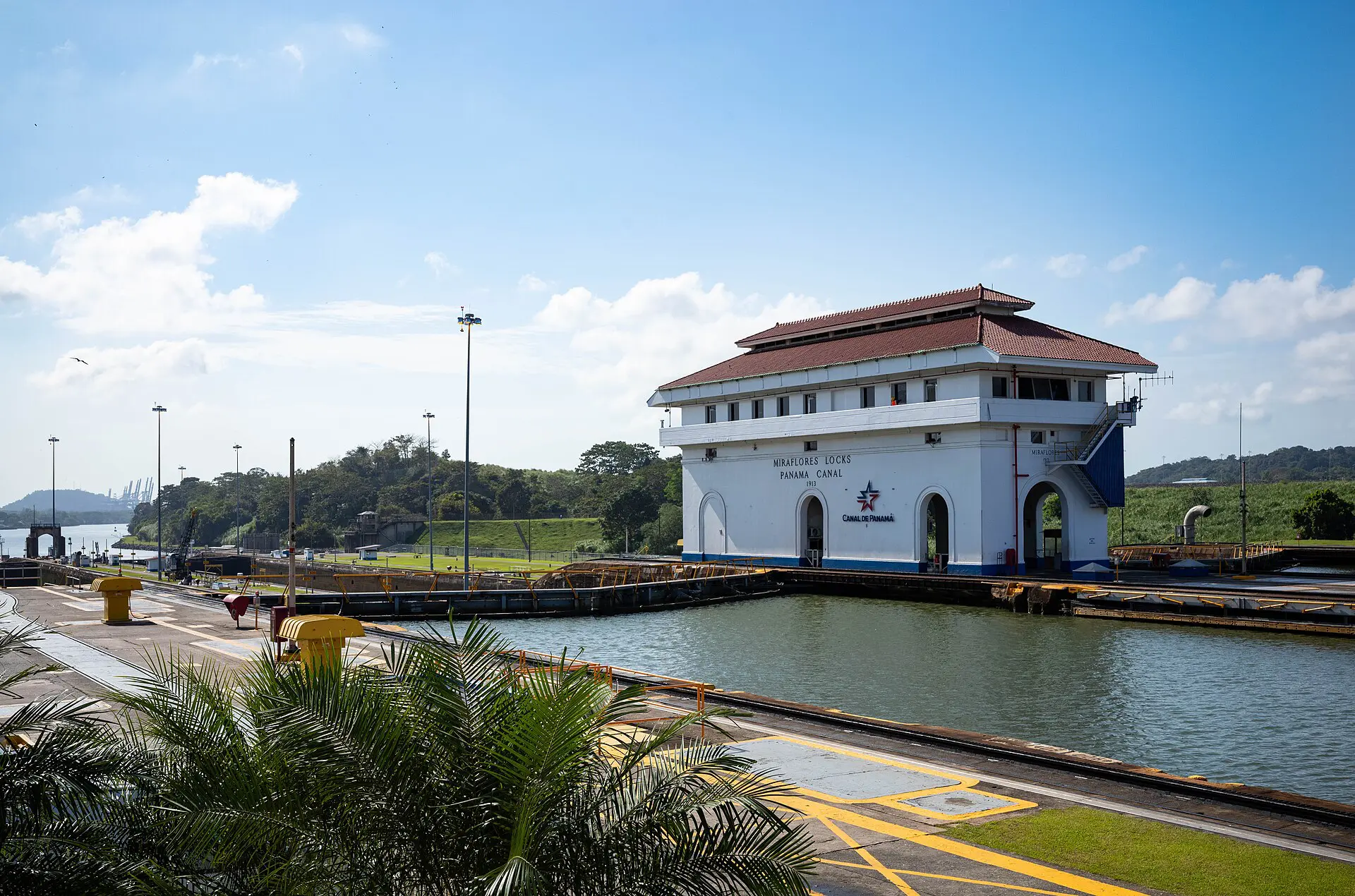
- Watch ships at the Miraflores Locks: the visitor centre has a viewing deck and a museum on canal history.
- Walk Casco Viejo: wander the plazas, then climb to a rooftop bar at sunset for a view of the skyline.
- Visit the San Blas islands: stay a night or two in a Guna-run cabin and swim at remote cays.
- Transit the canal: a partial transit by boat takes a day and passes through locks and Gatun Lake.
- Hike in Soberanía National Park: Pipeline Road is one of the world’s best birding trails.
- Tour a coffee farm in Boquete: the area grows prized Geisha coffee.
- Snorkel in Bocas del Toro: starfish beaches and coral gardens are a short boat ride apart.
- Climb Volcán Barú: a pre-dawn hike can reach the summit for views of both oceans on clear days.
- Explore Portobelo’s forts: the Spanish ruins are spread along the Caribbean shore.
- Visit El Valle de Antón: a mountain town in a volcanic crater, with a market, hot springs and waterfalls.
Best time to visit Panama
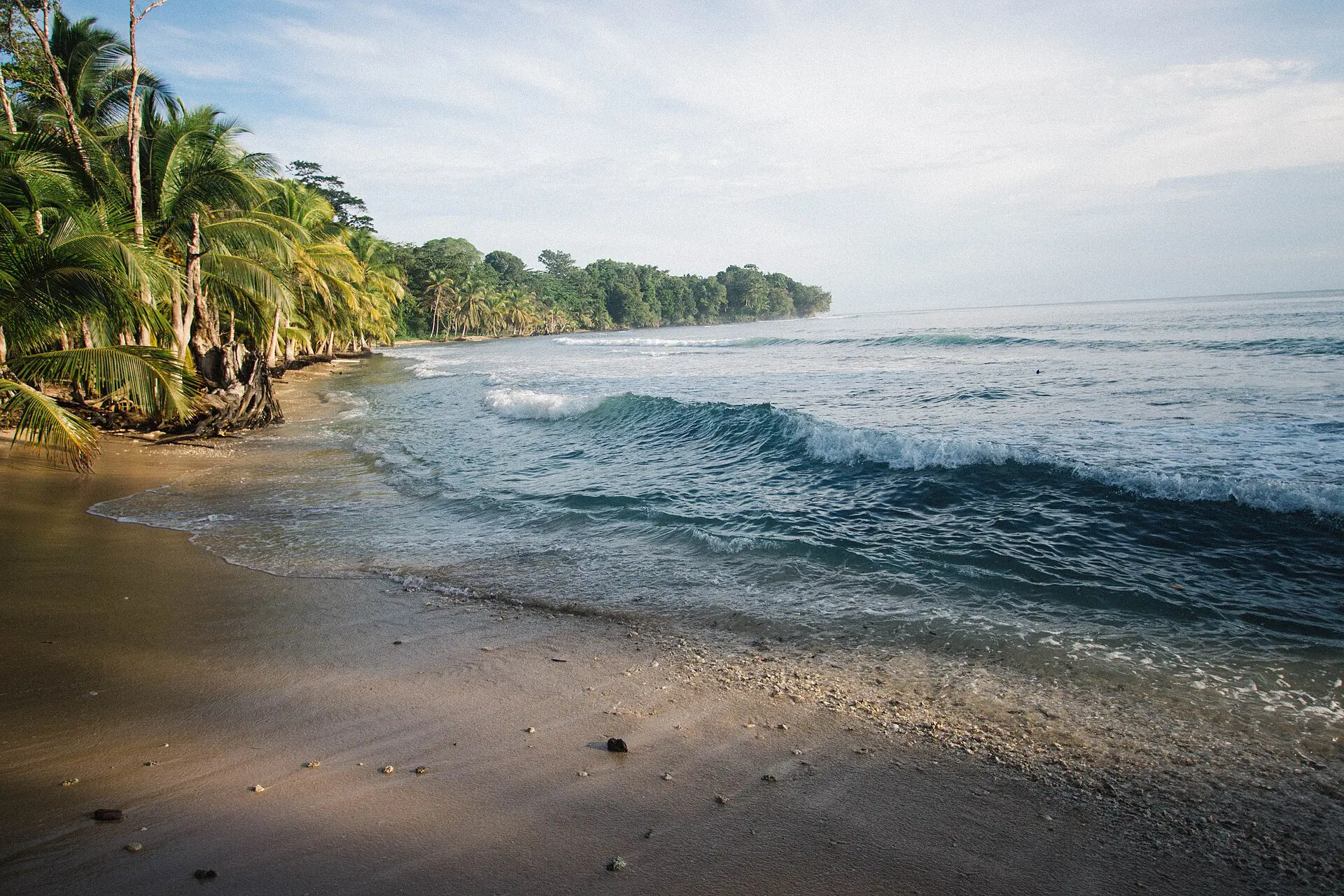
The best time to visit Panama is the dry season, from December to April, when days are sunny and humidity is lower. Temperatures stay fairly steady all year, around 30 to 33 C by day in the lowlands. The rainy season, locally called winter, runs from roughly May to November, with mornings often sunny and heavy showers in the afternoon. The Caribbean side, including Bocas del Toro, has its own pattern and can be drier in September and October.
| Season | Weather | Crowds and prices | Good for |
|---|---|---|---|
| Dry season (Dec-Apr) | Sunny, lower humidity, little rain on the Pacific side | Highest prices, busy at Christmas and Carnival | Beaches, San Blas, hiking |
| Early wet (May-Jul) | Warm, afternoon showers | Moderate, good deals | Birdwatching, coffee, whale watching from July |
| Late wet (Aug-Nov) | Rainiest; roads can flood | Lowest prices | Bocas del Toro, quiet travel |
Humpback whales visit the Pacific coast from July to October, and migratory birds pass through in autumn and spring.
Is Panama safe to visit?
Yes, Panama is generally safe for tourists, and it is one of the safer countries in Central America. Violent crime is concentrated in specific neighbourhoods, and visitors mostly face petty theft and natural hazards. Check your government’s travel advice, such as the UK FCDO or the US State Department, before you go.
Crime. Pickpocketing and bag snatching occur in Panama City, on buses and at beaches. Avoid poorer neighbourhoods such as El Chorrillo and parts of Colón, and do not walk in Casco Viejo’s outer edges at night. Keep valuables hidden and use registered taxis or ride-hailing apps.
The Darién Gap. The border region with Colombia has armed groups and migrant routes, and governments advise against travel there. Tourists do not need to go.
Nature. Rip currents kill swimmers every year on the Pacific beaches, so look for flags and ask locals. Heavy rain can cause landslides and flooded roads, and mosquito-borne illnesses such as dengue occur.
Health. Use repellent, drink bottled water outside the main cities and carry travel insurance. A yellow fever vaccination is recommended for some areas, and may be required if you arrive from a risk country.
Visa and entry requirements for Panama
Entry rules vary by nationality. Many visitors, including citizens of the US, UK, Canada, Australia and most EU countries, have generally been allowed to enter without a visa for tourist stays of up to 90 days, but this can change, so confirm the rule for your passport with Panama’s immigration service or your nearest embassy.
Bring a passport valid for at least six months, proof of onward travel and evidence of funds, and be ready to show them at the airport or border. Airlines may check for an onward ticket before boarding. Travellers from certain countries need a visa in advance or a transit visa. Panama also offers long-stay options such as a short-term visa for remote workers, though conditions change often.
For land crossings from Costa Rica, use Paso Canoas or Sixaola, and expect queues and requests for exit tickets. Rental cars need a licence valid in Panama and insurance. The UNESCO page for Panama lists World Heritage sites such as Portobelo and Coiba.
Getting to and around Panama
Most visitors fly into Tocumen International Airport (PTY) in Panama City, a major hub for the region with direct flights from North America, Europe and Latin America. David (DAV) serves the west, and Bocas del Toro has a small airport. Land crossings with Costa Rica are at Paso Canoas and Sixaola, and there is no road to Colombia because of the Darién Gap. Sailboats link San Blas to Cartagena over about five days.
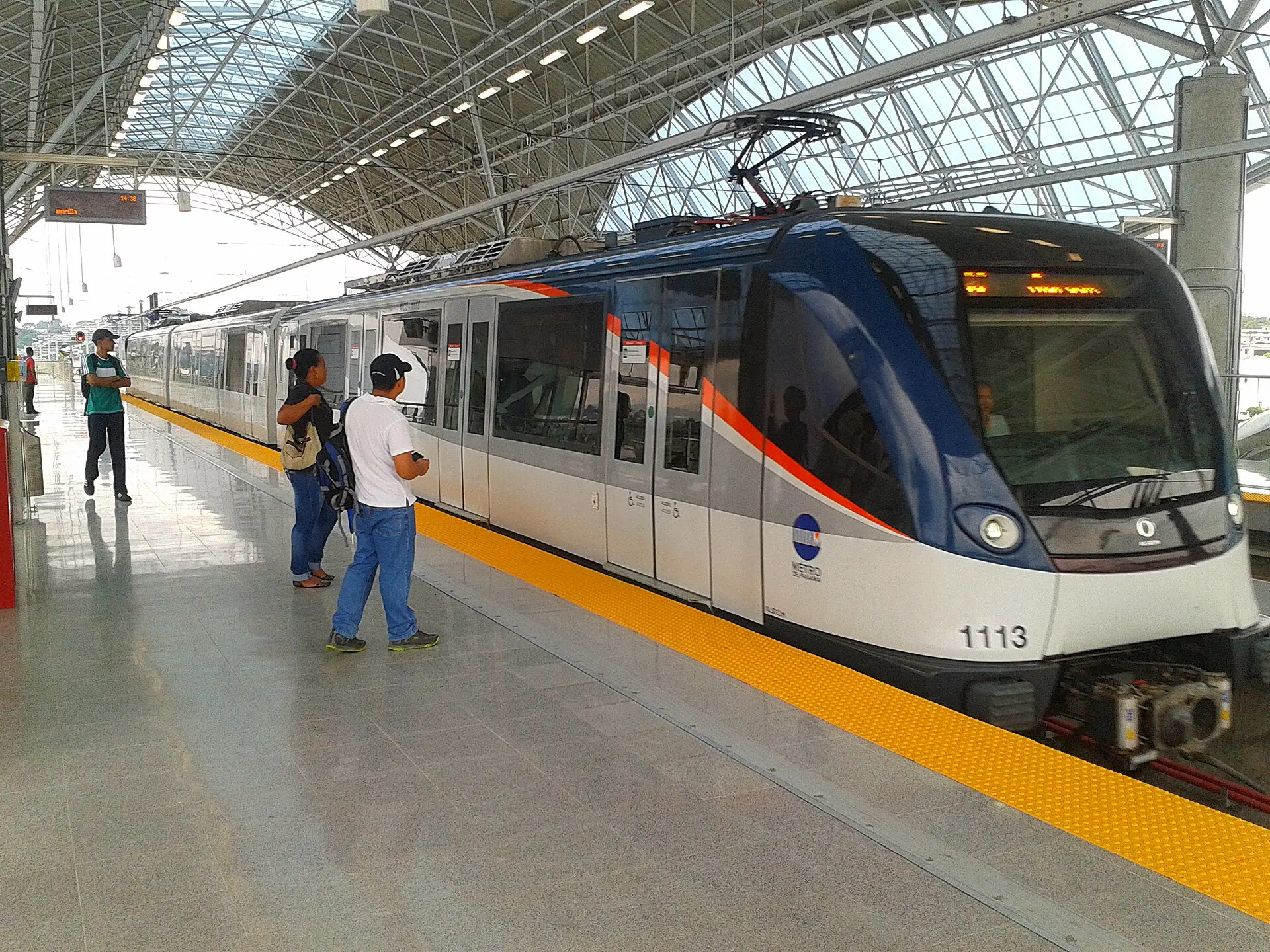
Panama City has a metro with a growing network and ride-hailing apps. Long-distance buses are comfortable and cheap: Panama City to David takes about six to seven hours, and to Boquete a further 40 minutes. The Pacific coast road and the Pan-American Highway are paved, and driving is feasible for confident drivers, though city traffic is heavy and signs can be confusing. Domestic flights to Bocas del Toro take about an hour. Island transport uses water taxis. A ferry or private boat serves the Pearl Islands and Taboga.
How much does a trip to Panama cost?
Panama is not the cheapest Central American destination, but it offers good value. The balboa is pegged to the US dollar and only dollars circulate as paper money, so there is no exchange rate to manage. Figures below are rough per-person guides for 2026.
- Budget: around USD 40 to 70 per day, with hostels, buses, set lunches and free sights.
- Mid-range: around USD 70 to 130 per day, with private hotel rooms, restaurant meals, some tours and taxis.
- High-end: from around USD 200 per day, with boutique hotels in Casco Viejo, island lodges and private guides.
The biggest swings come from accommodation in Casco Viejo and the islands, plus organised tours such as the canal transit and San Blas trips. Bus travel and street food are inexpensive. Costs rise at Christmas, New Year and Carnival in February or March.
Panama food and drink
Panama food mixes Spanish, Afro-Caribbean and Indigenous influences, with rice, plantain, seafood and corn at the centre. Eating is cheap at fondas, simple local restaurants that serve a set lunch.
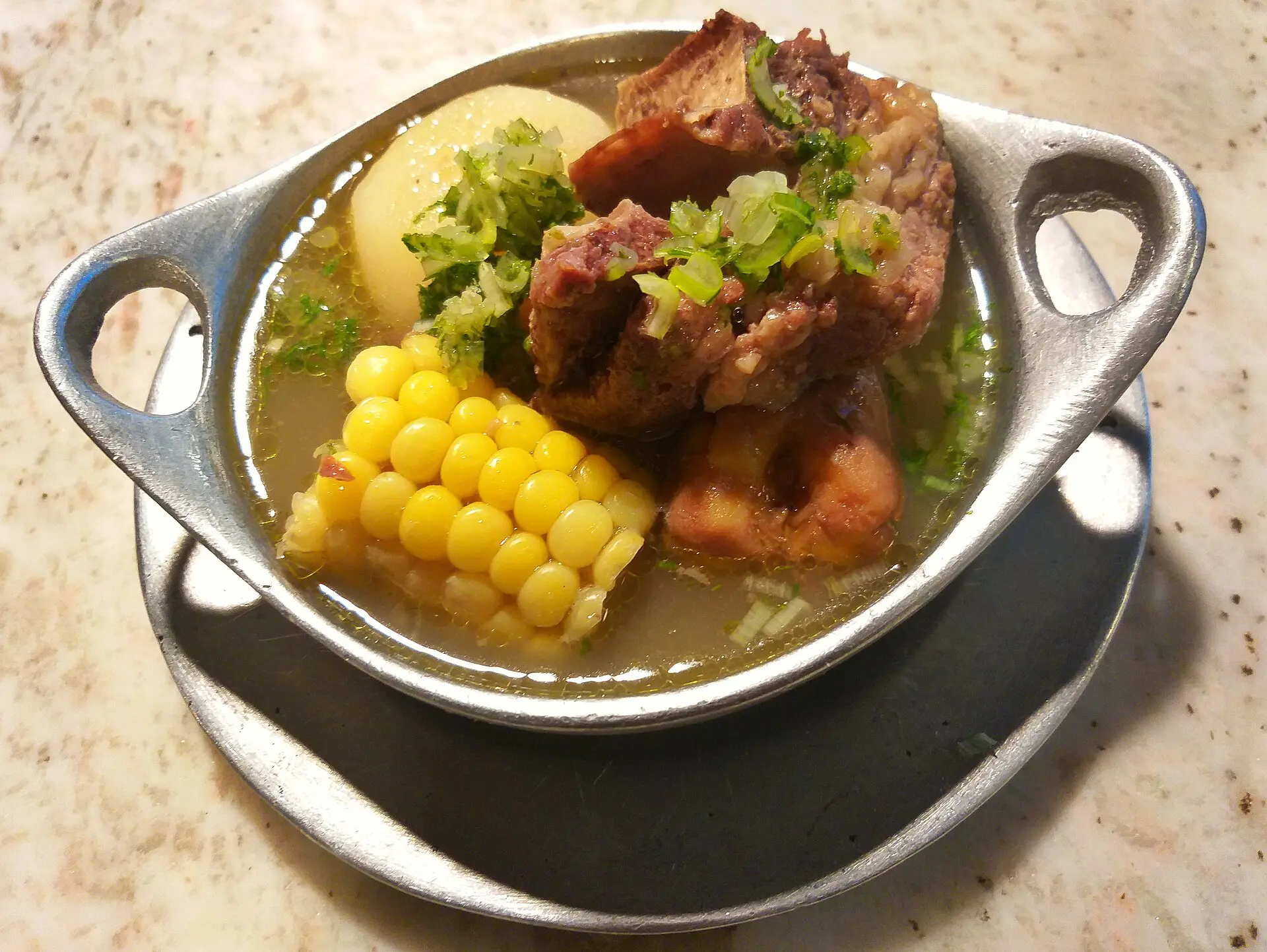
- Sancocho: a chicken and root-vegetable soup with culantro, often called the national comfort dish.
- Ceviche: raw sea bass marinated in lime with onion and chilli, sold by the cup at the Mercado de Mariscos in Panama City.
- Patacones: twice-fried green plantain slices, served with fish, meat or cheese.
- Arroz con pollo and carimañolas: chicken rice, and yuca fritters filled with meat.
- Hojaldras: fried dough eaten at breakfast with cheese or coffee.
- Rice and beans with coconut: a Caribbean staple in Bocas del Toro and Colón, often with fish.
- Coffee and seco: Chiriquí coffee, plus the sugarcane spirit seco Herrerano and local beer such as Balboa.
Vegetarians can eat rice, beans, plantain and eggs, but meat appears in many dishes. Seafood is excellent on the coast, and street food is generally fine when freshly cooked.
Culture, language and etiquette in Panama
Spanish is the official language, spoken in a relaxed, quick Caribbean-influenced style. English is common in Panama City tourism, in Bocas del Toro and among canal-area residents, while Guna and other Indigenous languages are used in their territories. A few phrases such as gracias, por favor and buenos días go a long way.
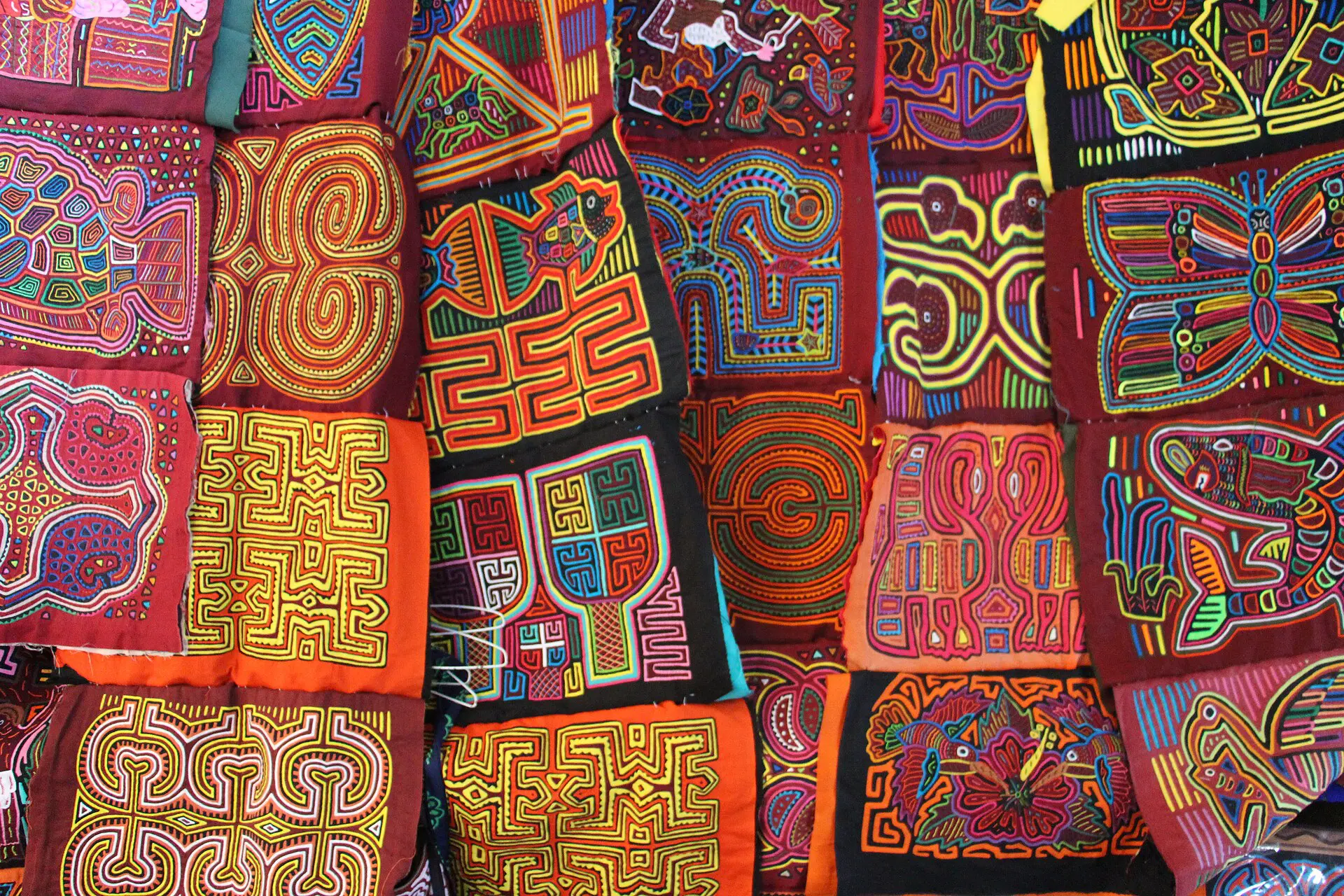
Panamanians are polite and friendly, and greetings matter: say hello when entering shops and offices. The population is predominantly Catholic, with Protestant and Indigenous traditions as well. Dress is casual, but cover up when visiting churches, and avoid beachwear in town. Time is flexible, so tours and buses may start late.
When visiting San Blas, respect Guna rules: ask before photographing people, pay the small fee for island entry and do not take shells or coral. Avoid criticising the canal or discussing the US role in Panama’s history in a confrontational way. Carnival in February or March and Independence Day on 3 November bring colourful parades and crowds.
Panama itinerary: a 7-day route
This route combines the canal, the Caribbean and the highlands with minimal backtracking.
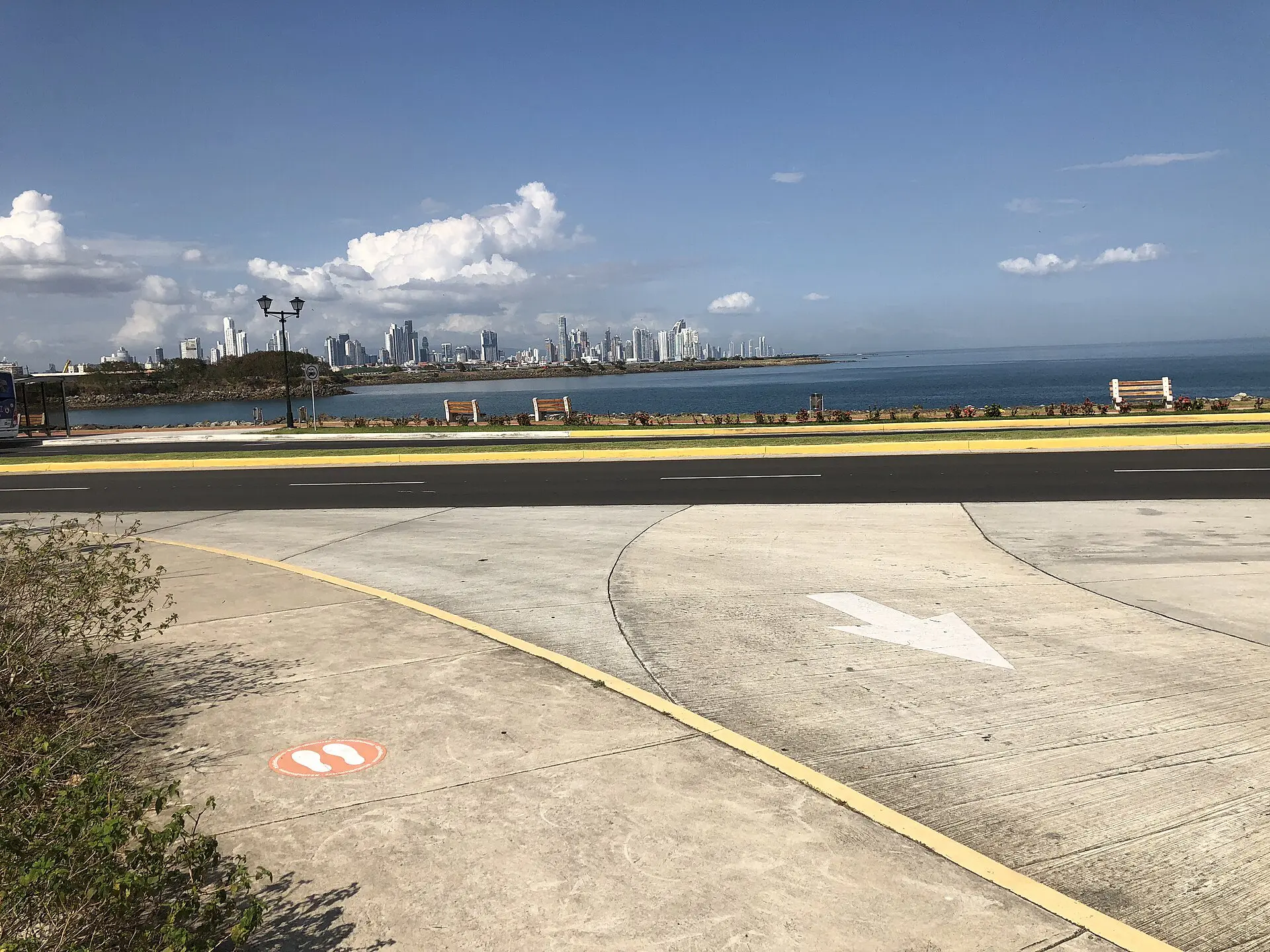
- Day 1, Panama City: arrive, walk Casco Viejo and eat dinner on the waterfront.
- Day 2, Canal and city: visit Miraflores Locks in the morning, then the Biomuseo and the Amador Causeway.
- Day 3, Soberanía and Gamboa: bird along Pipeline Road and take a boat on Gatun Lake.
- Day 4, Portobelo: go to the Caribbean coast, explore the forts and swim, returning to the capital or going on to San Blas.
- Day 5, San Blas: a short flight or drive-and-boat day trip, or stay overnight on an island cabin.
- Day 6, Boquete: fly to David, then travel to Boquete for a coffee tour or a hot springs soak.
- Day 7, return: allow a full day to get back to Panama City for an evening flight.
With ten days, replace Day 5 with Bocas del Toro. In the rainy season, plan indoor stops, such as the Biomuseo, for afternoons.
Practical tips for Panama
- Money: the US dollar is used everywhere, along with Panamanian balboa coins. ATMs are common, and cards are accepted in hotels and restaurants, though small places and islands prefer cash.
- SIM and eSIM: local SIMs and eSIMs are cheap and work well in cities and along main roads, but coverage drops in San Blas and the highlands.
- Plugs: types A and B at 120 V, as in the US.
- Tipping: about 10 percent in restaurants, and a small amount for porters and guides.
- Health: bring repellent, sunscreen and insurance with medical cover; tap water is generally safe in Panama City but ask elsewhere.
- Packing: light clothes, a rain jacket, reef-safe sunscreen, a sweater for Boquete and sturdy shoes for trails.
- Booking: reserve San Blas cabins and Boquete trips ahead in the dry season.
- Time zone: Panama is on a single time zone, UTC-5, with no daylight saving.
For more detail, see the Wikivoyage Panama guide.
FAQ
Q1Is Panama safe?
Mostly yes. Tourist areas are generally safe, but petty theft and street crime happen in Panama City and Colón. Avoid poorer neighbourhoods at night, use registered taxis or apps, and stay out of the Darién region. Beware of rip currents on Pacific beaches. Check your government's advice.
Q2What is Panama food like?
Panama food is simple and hearty, mixing Spanish, Afro-Caribbean and Indigenous cooking. Try sancocho soup, ceviche, patacones, arroz con pollo and hojaldras. Coastal areas have fresh seafood, and coconut rice is common in Bocas del Toro. Lunch at a fonda is cheap.
Q3What are the best things to do in Panama?
Top picks are watching ships at the Miraflores Locks, walking Casco Viejo, island-hopping in San Blas or Bocas del Toro, birding in Soberanía National Park, touring coffee farms in Boquete and exploring Portobelo's forts. A partial canal transit adds a memorable day.
Q4What is the best time to visit Panama?
The dry season, December to April, offers sunny weather and lower humidity, so it is the best time for beaches and San Blas. May to November is wetter but quieter and cheaper, with mornings often sunny. Whale watching peaks from July to October.
Q5What are the best places to visit in Panama?
Panama City and Casco Viejo, the canal locks, San Blas, Bocas del Toro and Boquete are the main draws. Add Portobelo for colonial forts, El Valle de Antón for highland scenery and Coiba for diving. Most are reachable in a week.
Q6What is a good Panama itinerary?
A solid week covers Panama City and the canal, a day in Soberanía or Gamboa, Portobelo or San Blas, and Boquete in the highlands. Add Bocas del Toro for a beach stay if you have ten days. Use short domestic flights to save time.
Q7Do I need a visa for Panama?
Many nationalities, including US, UK, Canadian and most EU citizens, can enter without a visa for up to 90 days. You usually need a valid passport, proof of onward travel and funds. Rules vary by nationality and change, so check Panama's official immigration source.