Why visit Peru
The best things to do in Peru span three worlds: a dry Pacific desert coast, the high Andes and the Amazon basin. The country covers about 1.29 million square kilometres, and it holds the Inca citadel of Machu Picchu, the Nazca Lines, some of the deepest canyons on earth and a cuisine now ranked among the best in the world (see the Wikipedia overview). Quechua and Aymara remain living languages, and Inca and pre-Inca heritage is visible in markets, terraces and festivals.
Peru suits first-time visitors to South America and seasoned travellers alike: hikers, history and archaeology fans, food lovers, wildlife watchers and families on a longer trip. It is less suited to short stays, because distances are large, altitude affects many visitors and the best sights are spread out. Plan at least ten days for the classic route, and allow time to adjust to altitude in Cusco before hiking.
Best places to visit in Peru
The best places to visit in Peru fall into a few regions, and the classic route links Lima, Cusco and the Sacred Valley.
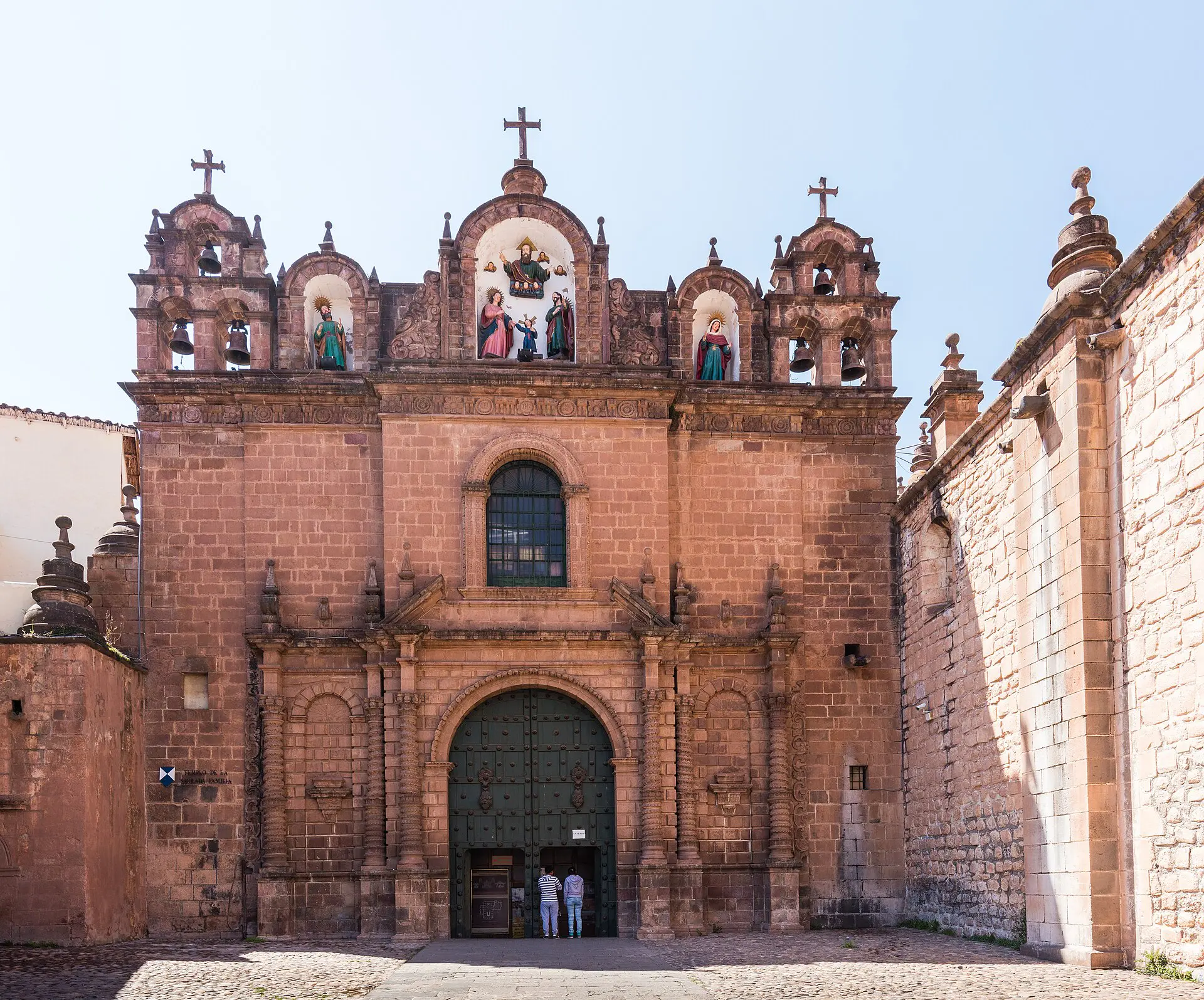
Cusco and the Sacred Valley
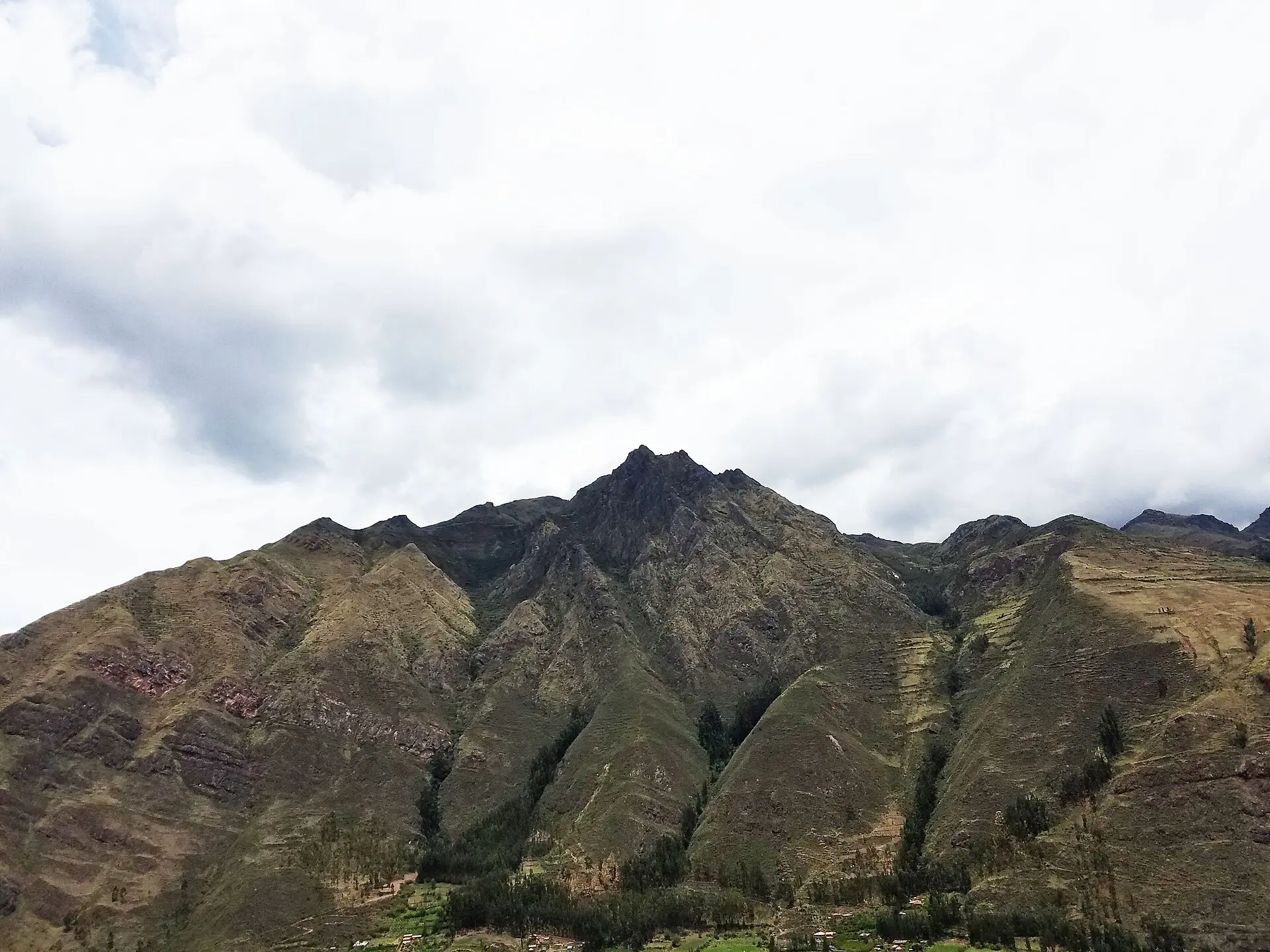
Cusco, the old Inca capital, sits at about 3,400 metres and mixes Inca stonework with Spanish colonial churches. The Sacred Valley below has Ollantaytambo, Pisac and Chinchero, and is a gentler place to acclimatise.
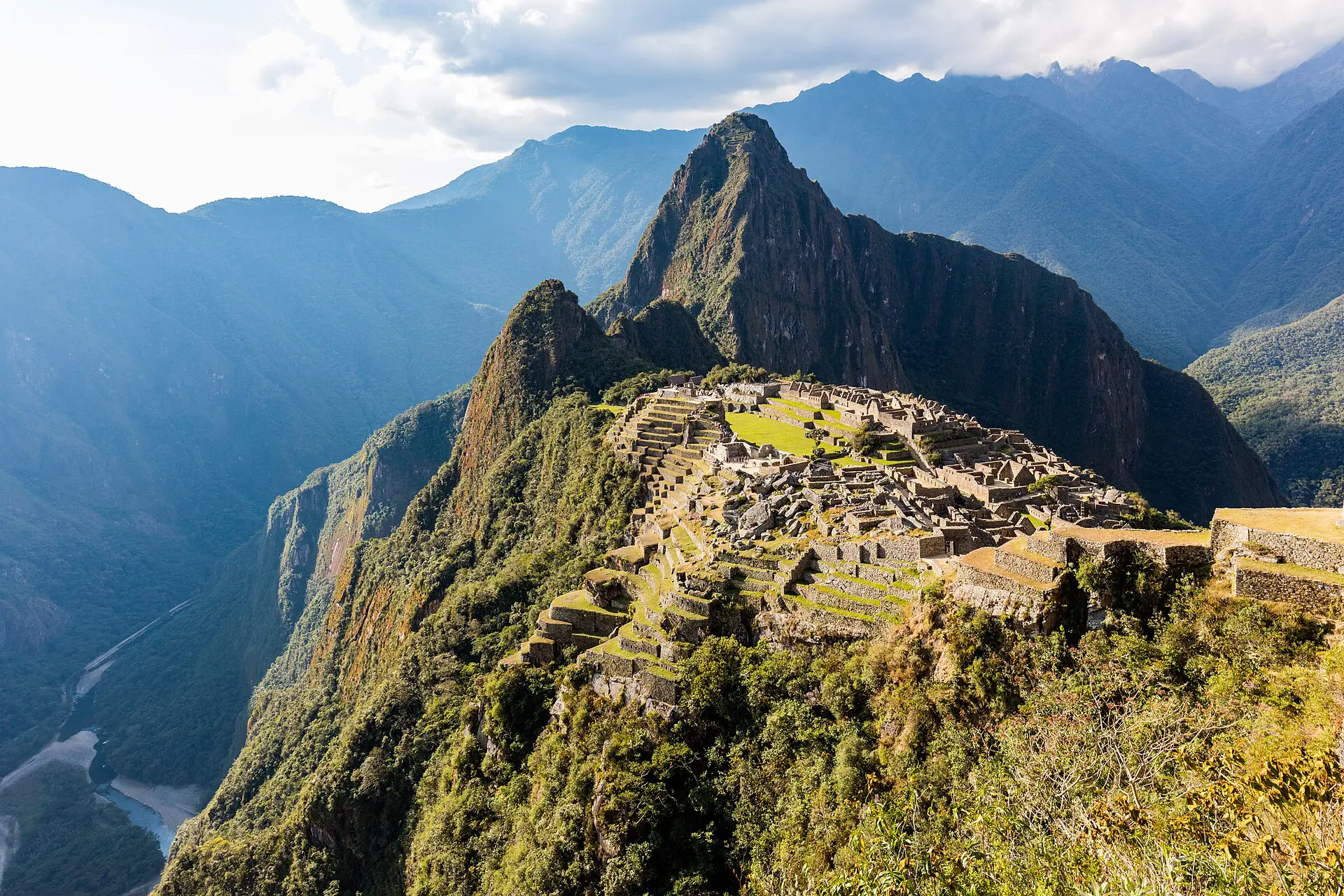
Machu Picchu
The 15th-century citadel is Peru’s best-known sight and a UNESCO World Heritage Site. Visit with a timed ticket, usually via the town of Aguas Calientes, reached by train from Ollantaytambo or Cusco.
Lima
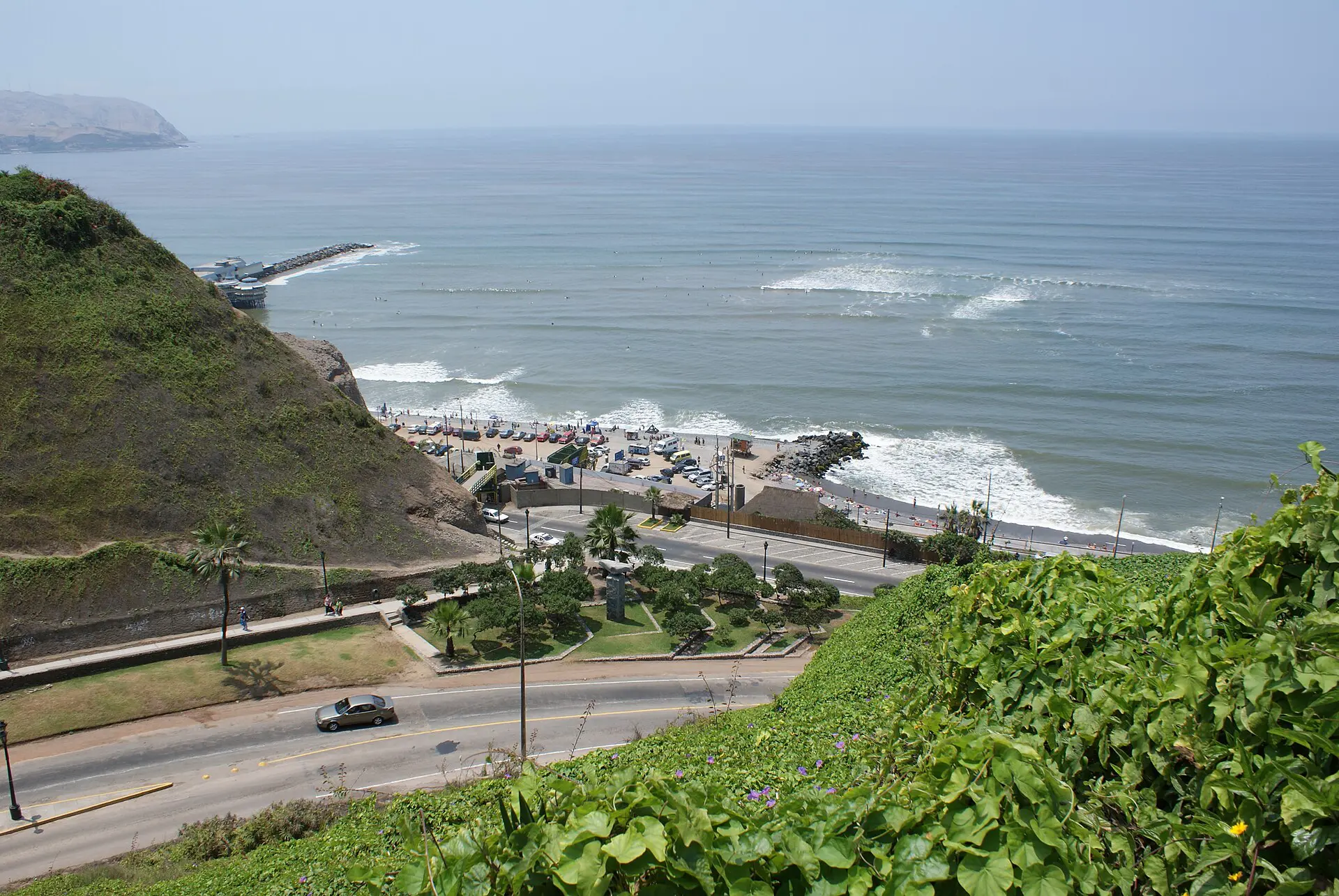
The capital is a big coastal city with a historic centre, the Miraflores and Barranco districts and the best restaurants in the country. Two or three days is enough.
Arequipa and Colca Canyon
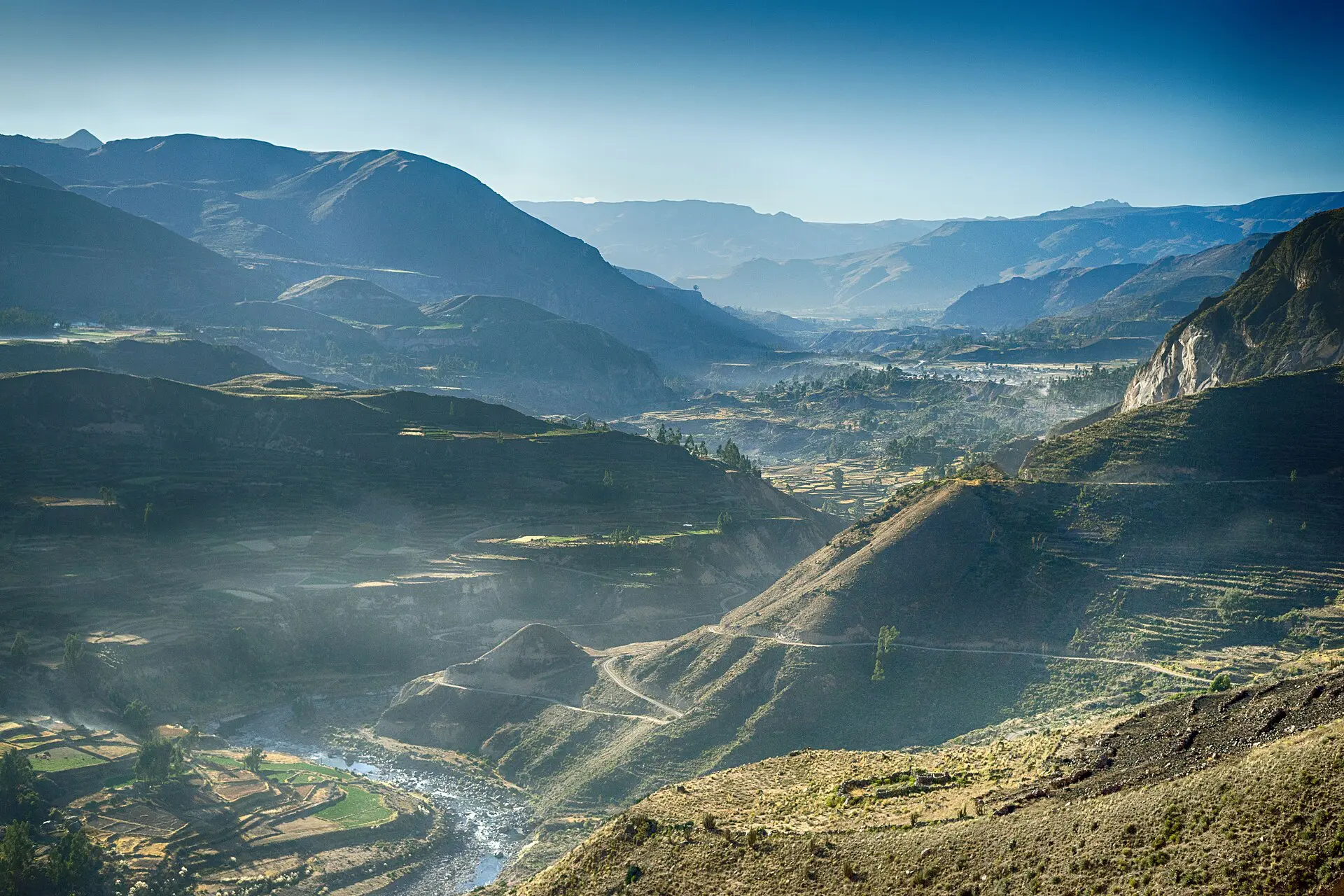
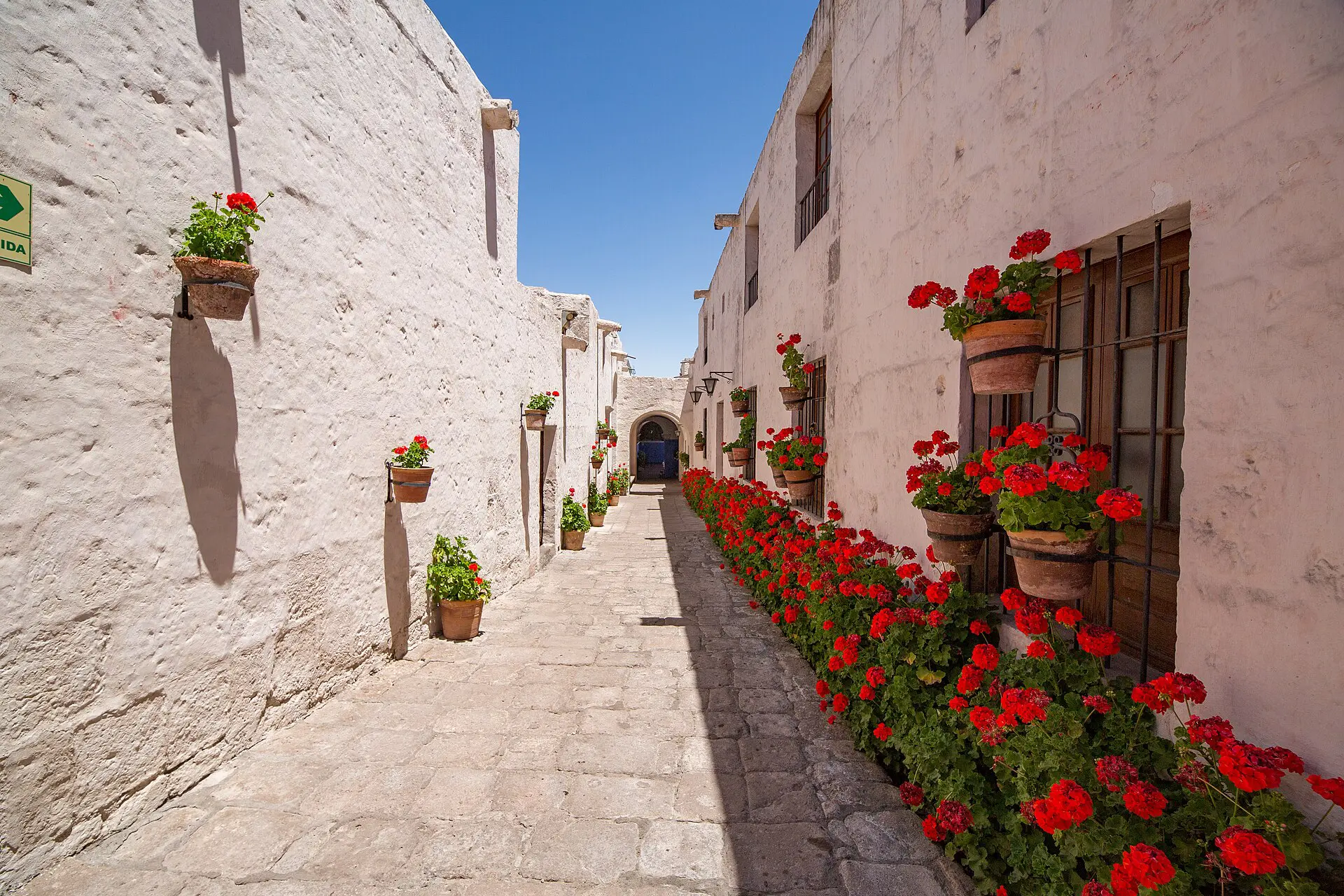
Arequipa is a white-stone city below volcanoes, with the Santa Catalina Monastery. The Colca Canyon, about four hours away, is one of the world’s deepest and a good place to see Andean condors.
Lake Titicaca
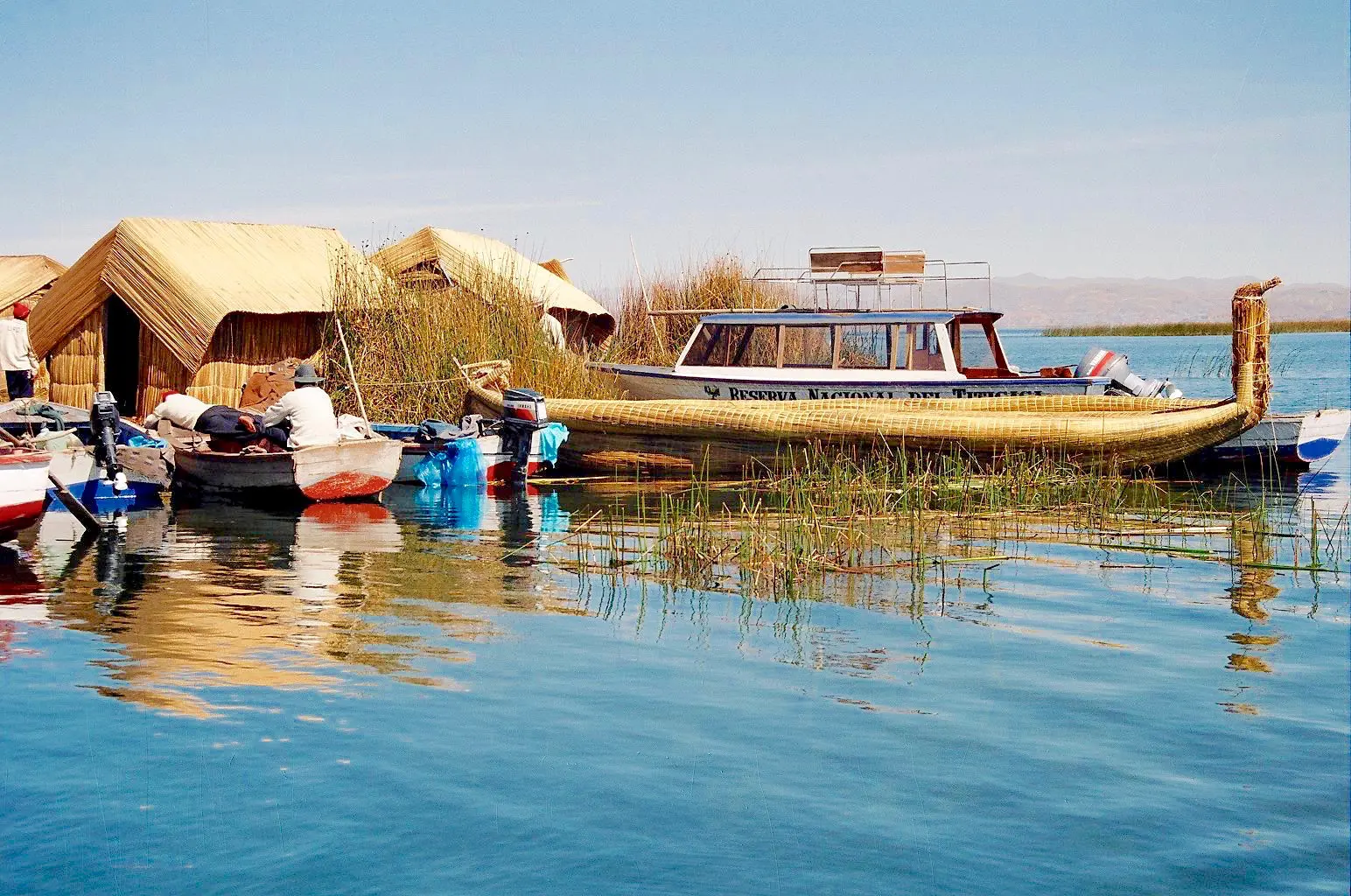
Puno is the gateway to the floating Uros reed islands and Taquile Island, at about 3,800 metres.
Amazon and the north coast
Puerto Maldonado and Iquitos open the Amazon, while Huaraz in the northern Andes is a hub for trekking in the Cordillera Blanca.
Things to do in Peru
The top things to do in Peru mix Inca heritage, big landscapes and food, and most can be reached from Lima, Cusco or Arequipa.
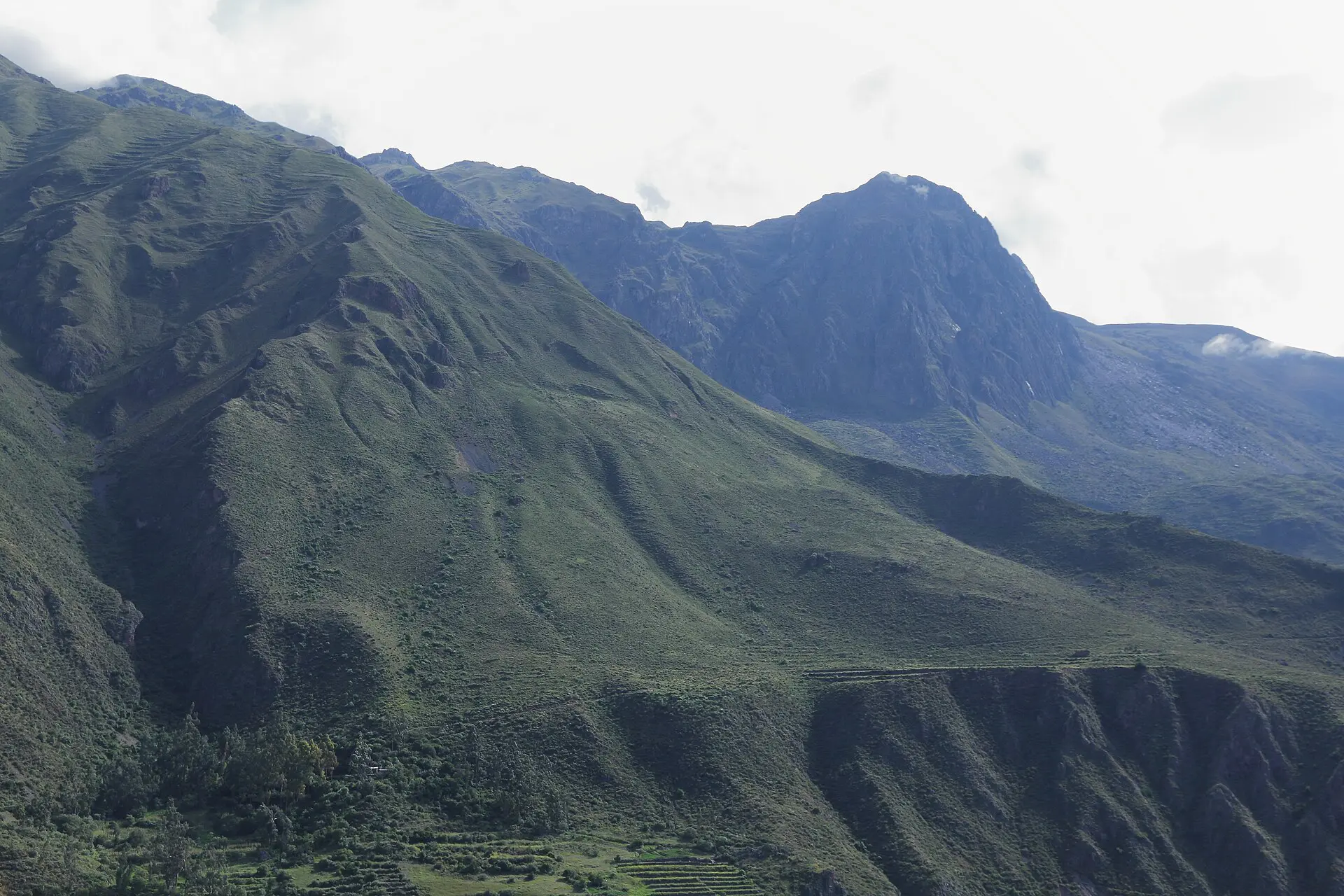
- Visit Machu Picchu: book timed entry and a train ticket weeks ahead, and see the site early or late.
- Walk the Inca Trail: the classic four-day route needs a permit booked months ahead and a licensed operator.
- Explore the Sacred Valley: the terraces of Moray, the salt pans of Maras and the ruins of Ollantaytambo.
- See Rainbow Mountain or Humantay Lake: high-altitude day hikes from Cusco, best with acclimatisation.
- Eat in Lima: try ceviche, tasting menus and market food in Miraflores, Barranco and the centre.
- Watch condors at Colca Canyon: go at dawn at the Cruz del Cóndor viewpoint.
- Sail to the Uros Islands: visit floating reed islands on Lake Titicaca.
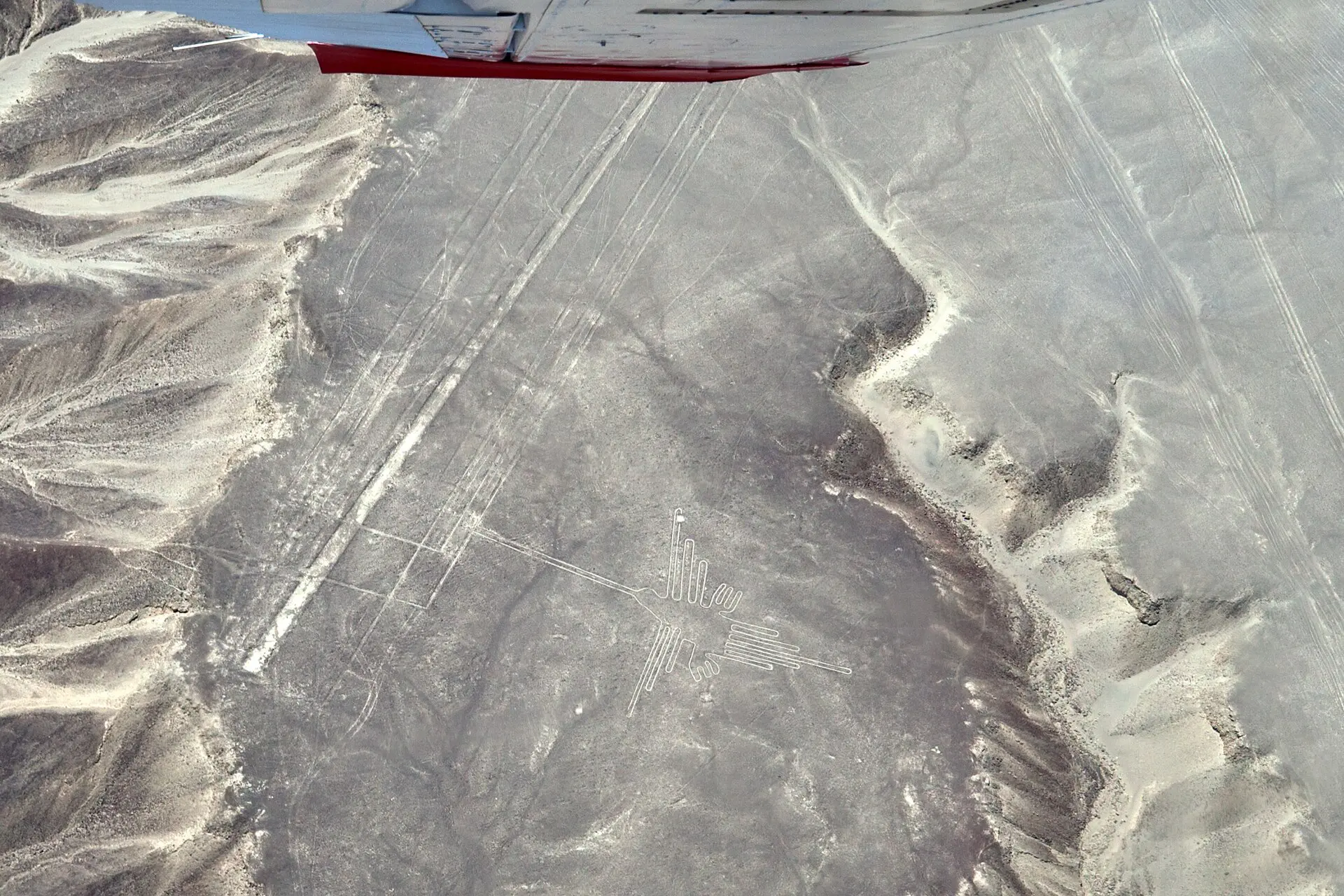
- Fly over the Nazca Lines: short flights show the giant desert geoglyphs.
- Trek in the Cordillera Blanca: Huaraz has day hikes and multi-day routes such as Santa Cruz.
- Stay in the Amazon: lodges near Puerto Maldonado and the Tambopata reserve offer birds, caimans and monkeys.
Best time to visit Peru
The best time to visit Peru is May to September for the Andes, including Machu Picchu, the Inca Trail and Colca Canyon, when days are dry and sunny and nights are cold. The wet season in the highlands runs from roughly November to March, with the heaviest rain in January and February, and the Inca Trail is closed in February for maintenance. The Pacific coast, including Lima, has a different pattern: warm and sunny from December to April, and grey and damp with garúa mist from June to October. The Amazon is hot and humid all year, with a drier period from May to October.
| Season | Weather | Crowds and prices | Good for |
|---|---|---|---|
| Dry (May-Sep) | Sunny Andes, cold nights, grey Lima | Peak crowds and prices in Jul-Aug | Machu Picchu, trekking, Colca |
| Shoulder (Apr, Oct-Nov) | Mixed, some showers | Moderate, better deals | Sacred Valley, culture, fewer crowds |
| Wet (Dec-Mar) | Rainy Andes, sunny coast | Lower, except at Christmas | Lima, beaches, Amazon lodges |
Book Machu Picchu entry and Inca Trail permits well ahead for June to August.
Is Peru safe? Is Peru safe to visit?
Yes, Peru is safe for most visitors who take sensible precautions, and millions of tourists travel the main routes each year. The usual problems are petty theft, taxi scams, altitude and the occasional strike or road blockade. Check your government’s current travel advice, such as the UK FCDO or US State Department, before you go, since some regions carry warnings.
Theft and scams. Pickpocketing and bag snatching occur in Lima, Cusco and on buses and at terminals. Use ride-hailing apps or radio taxis, keep valuables hidden, never leave a drink unattended and ignore touts offering cheap tours. Express kidnappings by fake taxis have happened in cities.
Protests and strikes. Road blockades can cut off Cusco, Puno and the south for days, sometimes affecting trains to Machu Picchu. Check local news and keep a buffer day.
Regions to avoid. Governments advise against travel to the VRAEM jungle valleys and some border areas with Colombia and Ecuador, where drug trafficking and armed groups operate.
Altitude and nature. Altitude sickness can affect anyone above about 2,500 metres, so rest on arrival in Cusco, drink water and ask a doctor about medication. Earthquakes occur, and rainy season brings landslides.
Visa and entry requirements for Peru
Entry rules depend on nationality. Many visitors, including citizens of the US, UK, Canada, Australia and most EU and Latin American countries, have generally been able to enter Peru without a visa for tourist stays of up to 90 days, and in some cases up to 183 days. Requirements change, so confirm the rule for your passport with Peru’s immigration authority, Migraciones, or your nearest embassy.
Bring a passport valid for at least six months, and keep proof of onward travel and accommodation. A yellow fever vaccination is advised for the Amazon and sometimes requested on arrival from a risk country. Keep your passport copy and entry stamp safe, because hotels and some sites ask for them.
Machu Picchu has strict ticketing rules, and entry needs a timed ticket purchased through the official system, with passport details matching your ID. The UNESCO page for Peru lists World Heritage sites such as Machu Picchu, Cusco, Chan Chan and the Nazca Lines.
Getting to and around Peru
Most visitors fly into Jorge Chávez International Airport (LIM) in Lima, which has direct flights from the Americas and Europe. Cusco (CUZ) has some regional and domestic flights, and a new airport near Chinchero has been planned for years, so check status. Land crossings are open from Ecuador, Bolivia, Chile and Brazil.
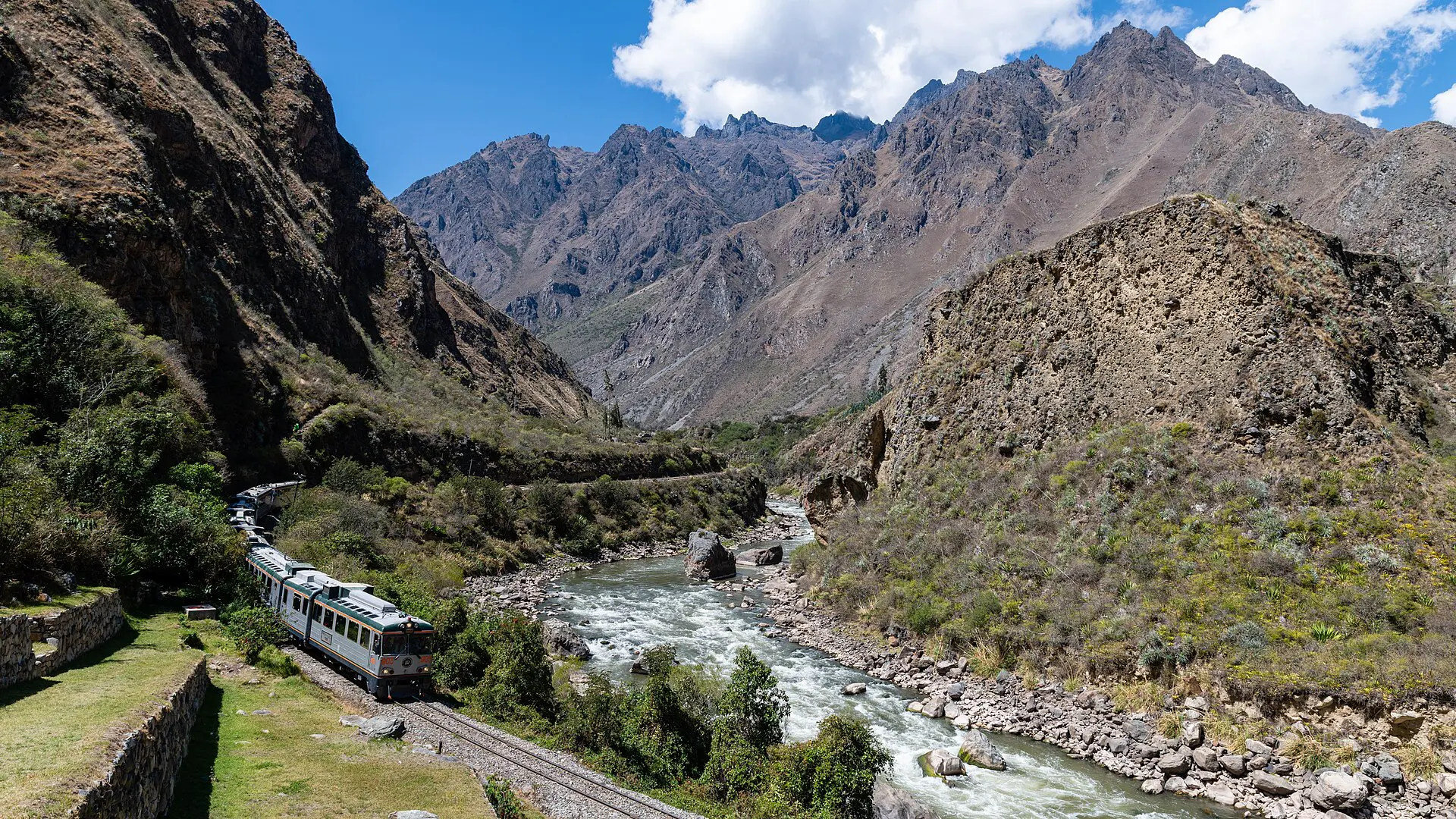
Domestic flights are the fastest way across the country: Lima to Cusco takes about 1 hour 30 minutes, and Lima to Arequipa about 1 hour 40 minutes. Long-distance buses, such as Cruz del Sur and Oltursa, are comfortable and extensive: Lima to Arequipa takes around 16 hours, and Cusco to Puno about 7 hours. PeruRail and Inca Rail run trains from Cusco and Ollantaytambo to Aguas Calientes for Machu Picchu, with a scenic Cusco to Puno service as well. Colectivos and minibuses link Sacred Valley towns, and ride-hailing apps work in the big cities. Driving is possible but demanding, with mountain roads and slow-moving trucks.
How much does a trip to Peru cost?
Peru is moderately priced, cheap for food and transport but pricey for Machu Picchu logistics. The currency is the sol (PEN), and US dollars are accepted in some tourist places. Figures below are rough per-person guides for 2026.
- Budget: around USD 35 to 70 per day, with hostels, buses, set lunches and free sights.
- Mid-range: around USD 70 to 140 per day, with private hotel rooms, restaurant meals, internal flights and guided day tours.
- High-end: from around USD 250 per day, with boutique hotels, premium trains and private guides.
The biggest costs are Machu Picchu tickets and trains, the Inca Trail, internal flights and high-season hotels in Cusco. Meals are cheap, with a set menu (menú) costing a few dollars. Budget extra for tipping guides and porters, and for tours booked in July and August.
Peru food and drink
Peru food is one of the great cuisines of the Americas, combining Indigenous ingredients such as potatoes, corn and chillies with Spanish, African, Chinese and Japanese influences. Lima is the hub, but regional cooking is excellent everywhere.

- Ceviche: raw fish cured in lime juice with chilli, onion and sweet potato, the national dish and best at lunch.
- Lomo saltado: stir-fried beef with onions, tomatoes and fries, served with rice.
- Aji de gallina: shredded chicken in a creamy yellow chilli sauce.
- Cuy: roasted guinea pig, a traditional Andean dish served in Cusco and Arequipa.
- Anticuchos: grilled skewers of marinated beef heart, sold by street vendors.
- Rocoto relleno and chupe de camarones: stuffed pepper and prawn chowder, both Arequipa specialities.
- Pisco sour and chicha morada: a grape brandy cocktail, and a sweet purple-corn drink.
Vegetarians can find quinoa dishes, potato stews, tacu tacu and good salads in cities, though meat is common in traditional restaurants. Try the menú del día for a cheap lunch, and ask for sauces on the side if you are sensitive to chilli. Peru also grows excellent coffee and cacao.
Culture, language and etiquette in Peru
Spanish is the main language, with Quechua and Aymara spoken widely in the Andes and several Amazon languages in the east. English is common in tourist businesses but rare elsewhere, so basic Spanish is valuable. A few words in Quechua, such as allinllachu (hello) and sulpayki (thank you), are appreciated in the highlands.
Peruvians are polite and formal at first, and greetings matter: shake hands or exchange a single cheek kiss. Peru is mostly Catholic, with many festivals that mix Catholic and Indigenous traditions, such as Inti Raymi in Cusco on 24 June. Dress is casual but neat, and visitors should cover up in churches.
Ask before photographing people, especially women and children in traditional dress, and expect to pay a small tip. Coca leaves are chewed and drunk as tea in the Andes for altitude, and are legal locally, but must not be taken across borders. Respect archaeological sites: do not climb walls or touch stones, and follow site rules at Machu Picchu. Haggling is normal in markets but not in shops and restaurants.
Peru itinerary: a 7-day route
This route covers Lima, Cusco, the Sacred Valley and Machu Picchu with domestic flights and trains. Book Machu Picchu tickets and trains well in advance.
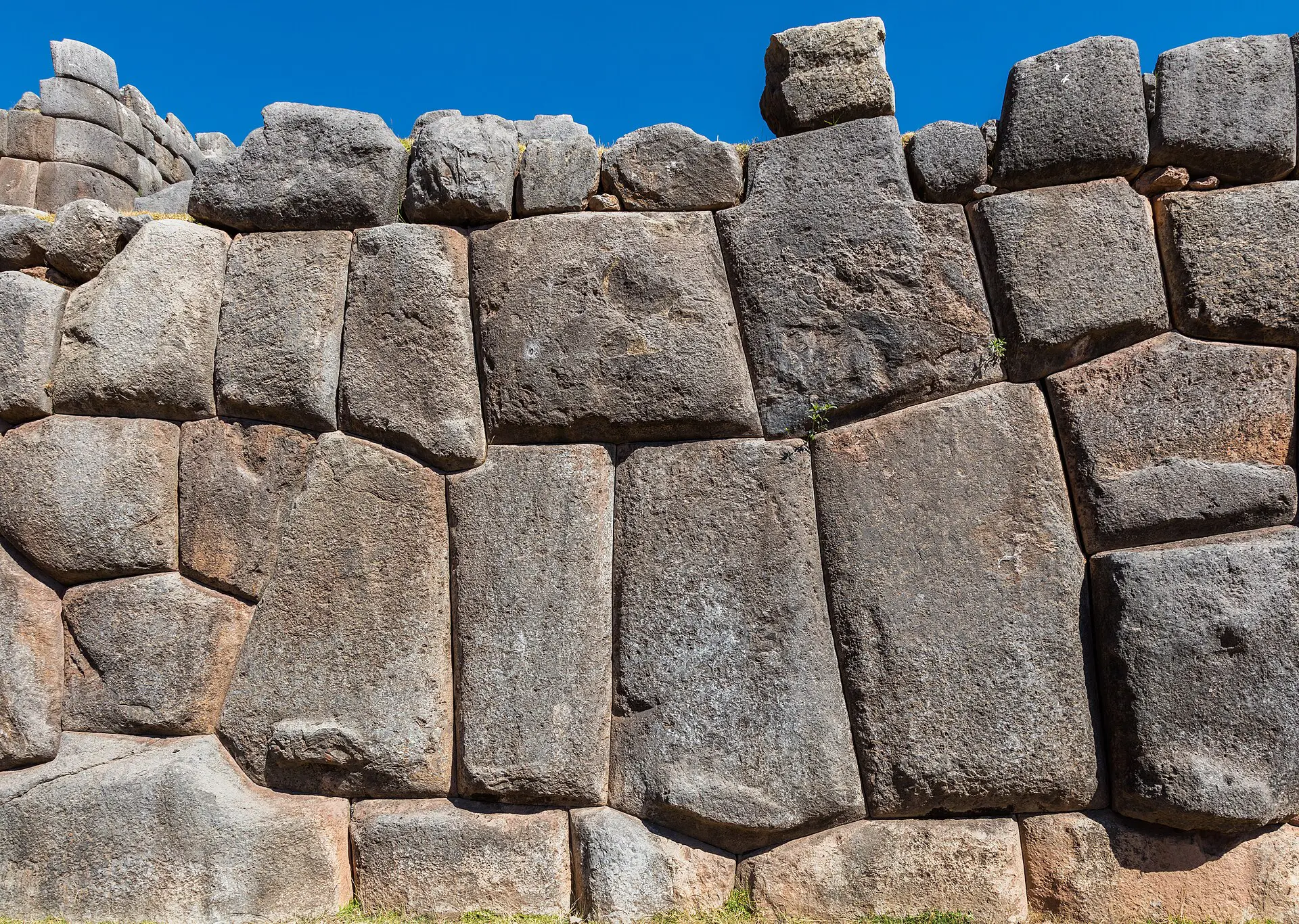
- Day 1, Lima: arrive, walk Miraflores and Barranco, and eat ceviche for dinner.
- Day 2, Lima to Cusco: fly in the morning, and rest, drink water and take it easy as you adjust to altitude.
- Day 3, Cusco: explore the Plaza de Armas, Qorikancha and the San Blas district at a gentle pace.
- Day 4, Sacred Valley: visit Pisac market and ruins, Moray and the Maras salt pans, and sleep in Ollantaytambo.
- Day 5, Machu Picchu: take an early train to Aguas Calientes, tour the citadel and stay overnight or return late.
- Day 6, Machu Picchu or Cusco: walk a second route, or return to Cusco and visit nearby sites such as Sacsayhuamán.
- Day 7, return: fly from Cusco to Lima for your international flight, allowing buffer time.
With extra days, add Arequipa and Colca Canyon, Lake Titicaca or the Amazon. In the wet season, keep spare time for weather delays.
Practical tips for Peru
- Money: the sol is the currency; ATMs are common in towns, and cards are accepted in hotels and restaurants, but carry cash for markets, buses and villages.
- SIM and eSIM: prepaid SIMs and eSIMs are cheap, with good coverage in cities and valleys and patchy coverage on high passes and in the Amazon.
- Plugs: types A, B and C at 220 V, so bring an adapter.
- Tipping: about 10 percent in restaurants if not included, and a tip for guides and porters on treks.
- Health: arrive in Cusco rested, drink water, avoid heavy meals and alcohol on day one, and consider altitude medication after talking to a doctor.
- Packing: layers, a rain jacket, sun protection, sturdy shoes and a day pack, since nights are cold in the Andes.
- Machu Picchu: check bag size and entry-time rules, as they change.
- Booking: reserve trains, tickets and treks months ahead for June to August.
For further reading, see the Wikivoyage Peru guide.
FAQ
Q1What is Peru food like?
Peru food is diverse and ranked among the world's best. Try ceviche, lomo saltado, aji de gallina, anticuchos and cuy, with a pisco sour. Lima has top restaurants, and a menú del día is a cheap lunch. Vegetarians can eat quinoa, potato and vegetable dishes.
Q2What are the best things to do in Peru?
Visit Machu Picchu, explore Cusco and the Sacred Valley, eat in Lima, see condors at Colca Canyon, take a boat on Lake Titicaca, fly over the Nazca Lines and stay in the Amazon. The Inca Trail suits hikers who book months ahead.
Q3Is Peru safe?
Mostly yes. Tourist routes are well travelled, and the main problems are pickpocketing, taxi scams, altitude sickness and occasional road blockades. Use ride-hailing apps, keep valuables hidden, avoid the VRAEM region and check your government's advice.
Q4What is the best time to visit Peru?
May to September is best for the Andes and Machu Picchu, with dry, sunny days and cold nights. The coast is sunniest from December to April. Wet-season rain peaks in January and February, and the Inca Trail closes in February.
Q5What are the best places to visit in Peru?
Cusco, the Sacred Valley and Machu Picchu are the highlights, with Lima for food, Arequipa and Colca Canyon for scenery, Lake Titicaca for culture and the Amazon for wildlife. Huaraz suits trekkers, and Nazca suits desert-lines fans.
Q6Is Peru safe to visit for tourists?
Yes, millions visit safely each year. Stay alert in Lima, Cusco and bus terminals, use registered taxis, protect your belongings and check for strikes before long journeys. Travel insurance and early altitude acclimatisation also reduce risk.
Q7What is a good Peru itinerary?
A week can cover Lima, Cusco, the Sacred Valley and Machu Picchu using flights and trains. Add three to four days for Arequipa and Colca Canyon or Lake Titicaca. Book Machu Picchu entry and trains well in advance.