Why visit Lima
If you are planning things to do in Lima, begin with the food. The capital of Peru is the best place in the country to try Peruvian cuisine, which draws on ingredients from the coast, the Andes and the Amazon. The cold Pacific current that passes the coast makes the sea very rich in fish and seafood, which is why ceviche is a local signature.
Lima was founded in 1535 by the conquistador Francisco Pizarro and was the seat of Spanish rule in South America for about 300 years. As a result, the historic centre has wonderful churches, cloisters and monasteries. Today the city has about 11 million people and is a large, sprawling metropolis, with modern districts alongside older neighbourhoods and large informal settlements.
Most visitors base themselves in Miraflores or Barranco, on the clifftops above the Pacific, and visit the historic centre and museums on day trips within the city. Winter brings a grey sky known locally as garua, which surprises some visitors, but it is a good season for museums and food.
Top things to do in Lima
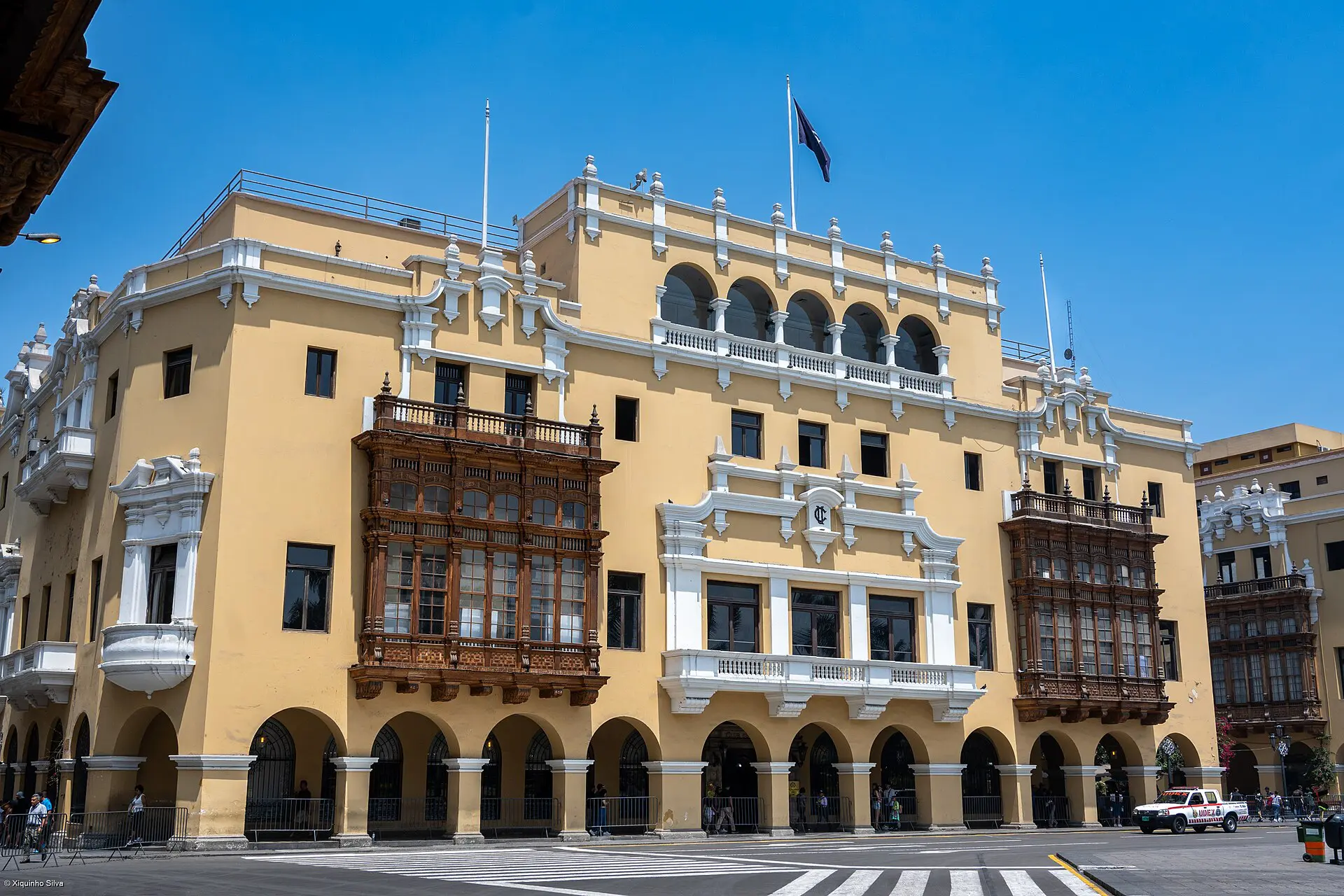
Historic centre and Plaza Mayor
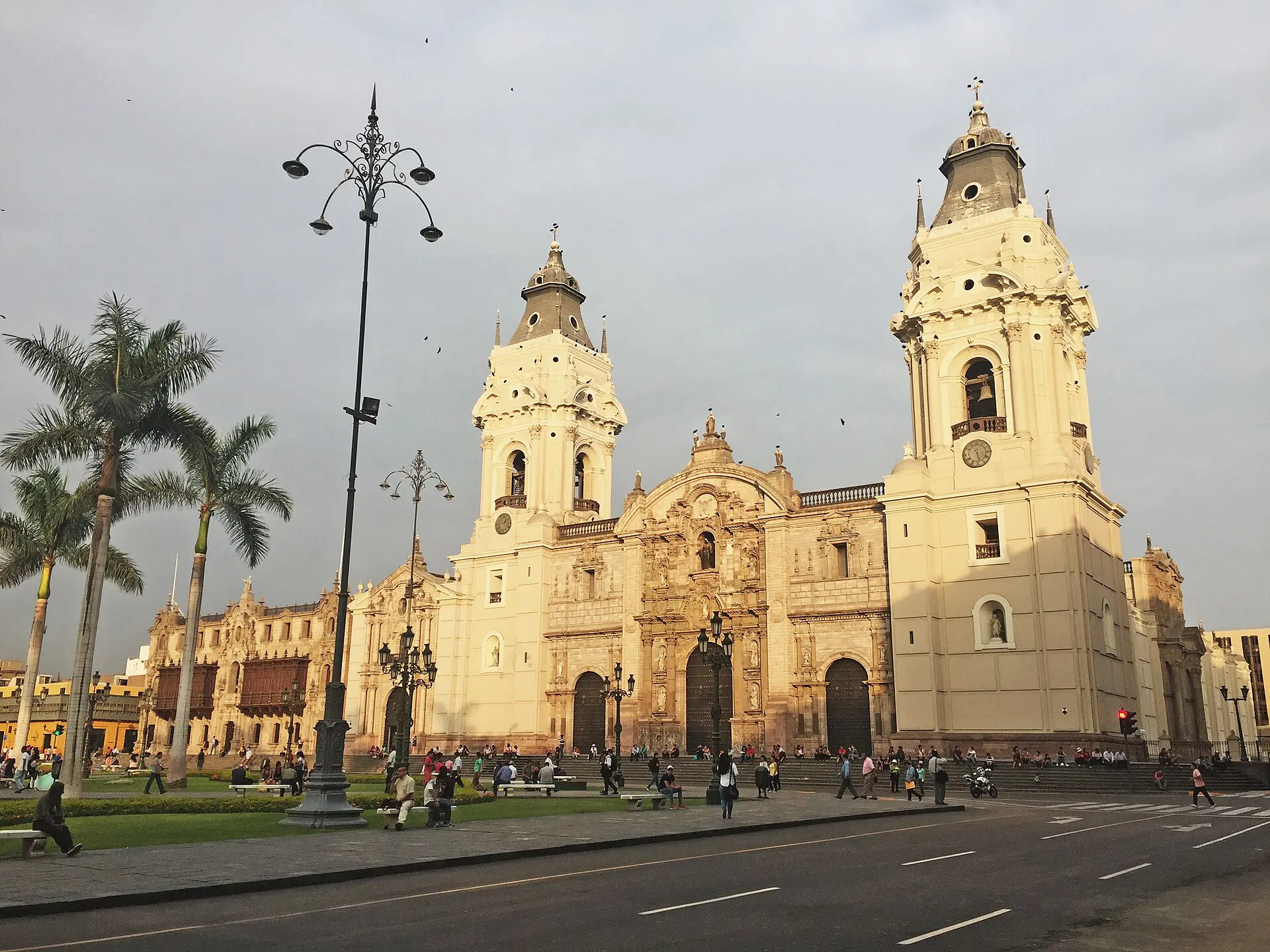
The historic centre is a UNESCO World Heritage Site, built around the Plaza Mayor, with the cathedral, the government palace and colonial balconies. Allow two to three hours. Go in daylight, keep valuables out of sight and take a taxi to and from the area.
Convent of San Francisco and catacombs
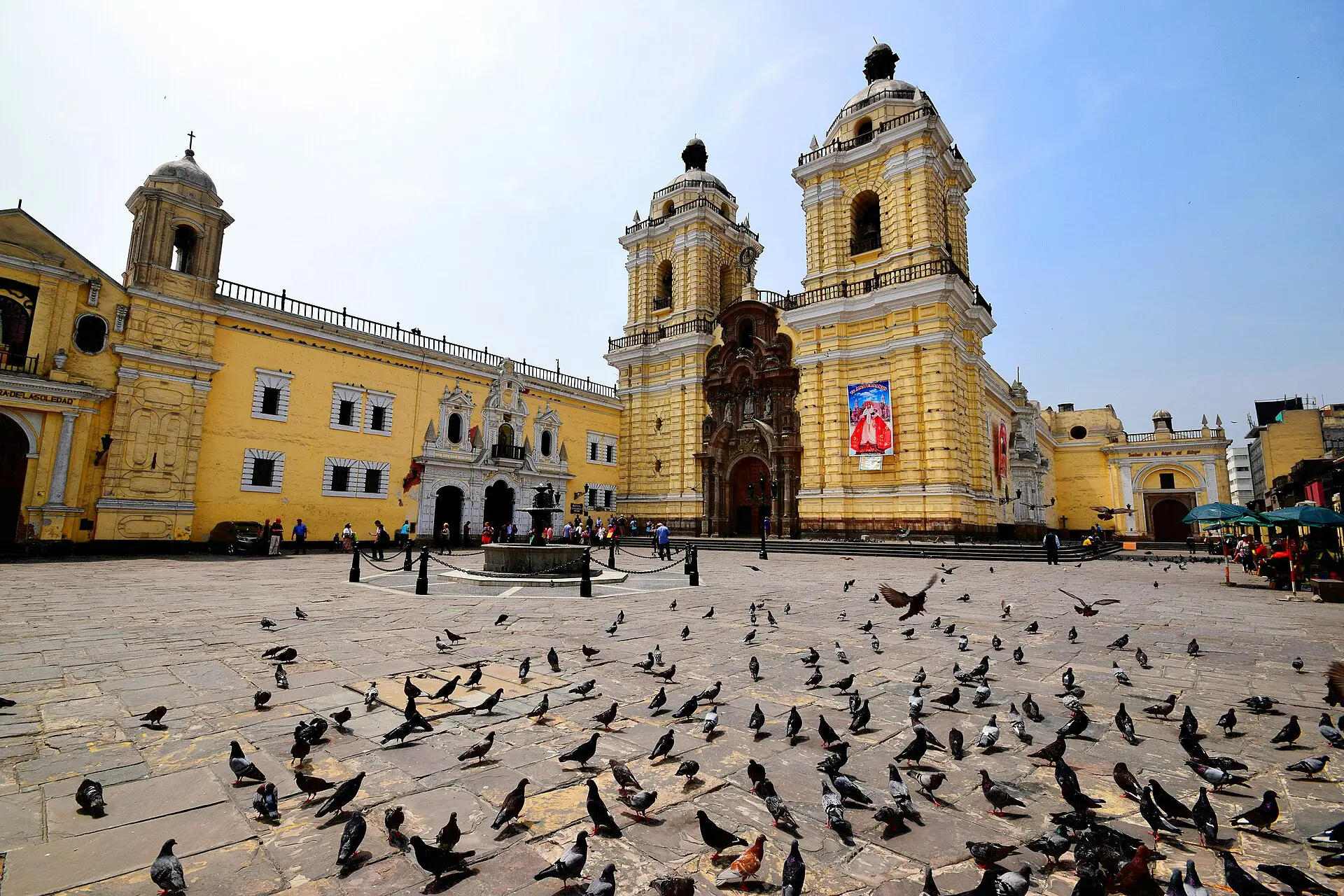
This colonial monastery near the centre is known for its library and underground catacombs. Visits are normally by guided tour. Plan about an hour. Check tour times and any photo restrictions before you go.
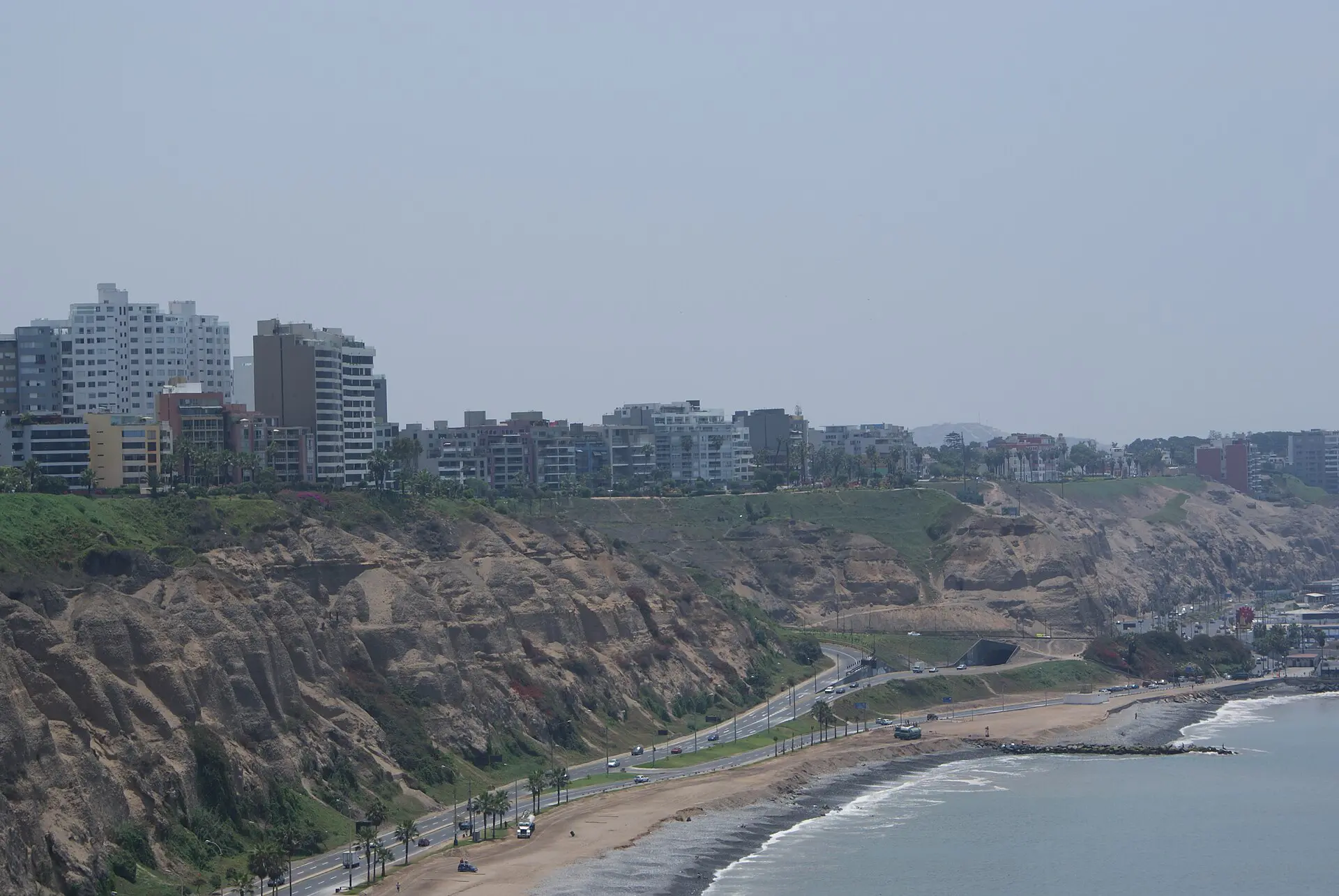
Miraflores clifftop and Parque del Amor
Miraflores sits on cliffs above the Pacific, with parks and a seafront path. Allow two hours for a walk, and visit near sunset for the best views. Paragliding is possible from the clifftop in suitable conditions, but check operator credentials.
Barranco
Barranco is a bohemian district with street art, galleries, bars and old villas. Plan half a day, ending with dinner. It is a short taxi ride from Miraflores, and it is livelier in the evening and at weekends.
Larco Museum and archaeology museums
Lima has museums that cover Peru’s pre-Hispanic cultures, including pottery and gold. Allow two hours per museum. Check opening hours and whether you need to book, and consider combining one museum with a nearby lunch.
Huaca Pucllana
This pre-Inca adobe pyramid sits among the modern buildings of Miraflores. Visits are usually guided, and take around 45 minutes. Plan to see it in the afternoon, and check current hours, as access can change.
Ceviche and Peruvian dining
Ceviche is typically eaten at lunchtime, when the fish is freshest. Many restaurants close in the late afternoon. Try local dishes beyond ceviche, such as lomo saltado, and book ahead for popular restaurants, particularly at weekends.
Best time to visit Lima
Lima has a mild desert climate, with very little rain. The main difference between seasons is the cloud cover. The warm, sunny summer runs from about December to April, while winter, roughly May to November, is grey, damp and cooler, with a persistent coastal mist.
| Season | Weather | Crowds and prices |
|---|---|---|
| Summer (Dec-Apr) | Warm, sunny, humid | Busier; beaches are popular, higher prices |
| Winter (May-Nov) | Mild, grey, misty, little rain | Quieter; good for museums and food |
If you plan to travel on to the Andes, the dry season there runs from roughly May to September, which can influence when you choose to visit.
How to get to Lima and around
Jorge Chavez International Airport is the main entry point and has international and domestic flights, including connections to Cusco, Arequipa and other Peruvian cities. It is typically 30 to 60 minutes by road from Miraflores, depending on traffic. Taxis, registered airport transfers and ride-hailing apps are common options. Check current schedules and arrange transport in advance.
Within the city, taxis and ride-hailing apps are the simplest way to get around, particularly at night. The Metropolitano bus rapid transit system runs along a main corridor between the centre and the southern districts, and it can be crowded at rush hour.
Long-distance buses leave from several terminals, so confirm the departure point with your operator. Traffic is heavy, so build in extra time between sights and flights. Walking is pleasant in Miraflores and Barranco, but use taxis for longer distances.
Where to stay in Lima
Miraflores is the most popular base for visitors. It has hotels, restaurants and parks, and it is generally regarded as a comfortable area for short stays. It suits first-time visitors who want easy access to dining and clifftop walks.
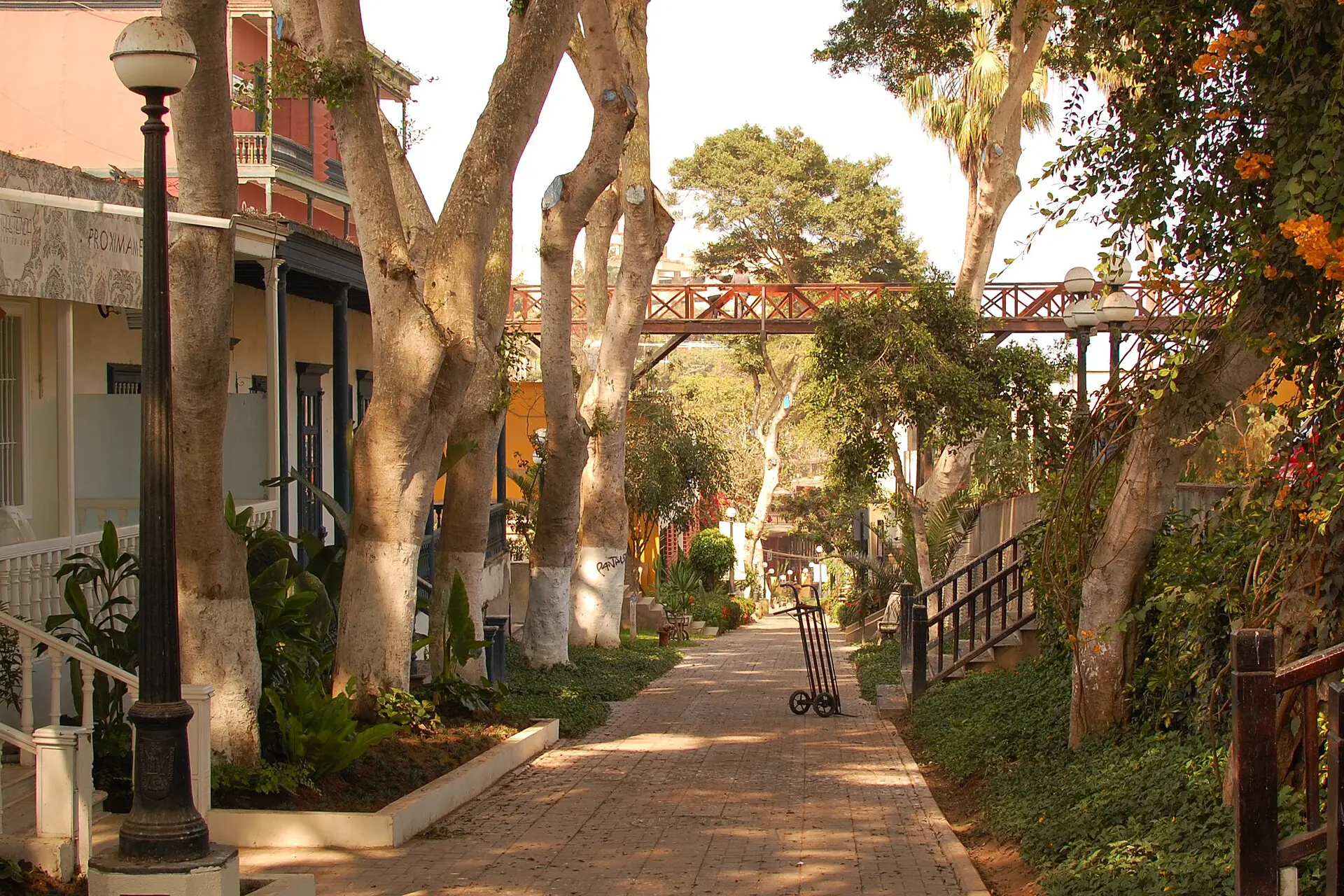
Barranco is the choice for those who want art, nightlife and a bohemian feel. It is a short ride from Miraflores and is more atmospheric in the evening. San Isidro is a quieter, business-oriented district with upscale hotels and parks, which suits travellers who prefer a calm, polished setting.
The historic centre has some atmospheric lodging, but it is better for visits during the day than for evenings. Choose accommodation with secure entry, and book early for peak periods and holidays. If you have an early flight, consider a stay near the airport.
How many days do you need?
Two to three days is enough to see the best of Lima. With two days you can cover the historic centre, a museum and a good dinner in Miraflores or Barranco. A third day allows for a slower pace, additional museums or a visit to a coastal area.
- Day 1: Visit the historic centre, Plaza Mayor and the San Francisco convent, then lunch at a local restaurant.
- Day 2: Visit a major museum in the morning, then walk the Miraflores clifftop and Huaca Pucllana in the afternoon.
- Day 3: Explore Barranco by day, then enjoy a long dinner and a sunset on the coast.
Day trips and nearby
Pachacamac
This large archaeological complex lies south of the city on the coast and was an important pre-Hispanic religious centre. It is about an hour by road from Miraflores. Plan half a day, and take water and sun protection.
Huacachina
Huacachina is a desert oasis known for sandboarding and dune buggies, and it is usually visited from Ica or as part of a longer trip along the south coast. It is several hours from Lima, so consider an overnight stay.
Cusco and Machu Picchu
Most travellers fly from Lima to Cusco, then continue to the Sacred Valley and Machu Picchu. This is a separate multi-day trip, not a day trip, and it requires advance planning for tickets and altitude.
Huaraz
Huaraz is a mountain town in the north, a base for trekking in the high Andes. It takes many hours by road from Lima and is better as a separate trip of several days.
FAQ
Q1How many days do you need in Lima?
Two to three days is enough for the historic centre, a major museum, the Miraflores clifftop, Barranco and several good meals. If Lima is just a stopover before Cusco, one full day can cover the historic centre and an evening in Miraflores.
Q2When is the best time to visit Lima?
December to April brings warm, sunny weather and is best for coastal walks. May to November is grey and misty but quieter, and it suits museums and food. Rain is rare, but the coastal humidity can feel cool.
Q3How do you get from Lima airport to Miraflores?
Jorge Chavez International Airport is roughly 30 to 60 minutes from Miraflores by road, depending on traffic. Registered taxis, pre-booked transfers and ride-hailing apps are the main options. Agree on the fare in advance and avoid unofficial drivers.
Q4Is Lima safe for tourists?
Many visitors have trouble-free trips, but normal big-city precautions apply. Stay in Miraflores, Barranco or San Isidro, use taxis at night, keep valuables out of sight and take extra care in the historic centre. Check current official travel advice before you go.
Prices, schedules and entry rules change. Check current details with official sources before you travel. Read the Peru travel guide.