Why visit Samoa
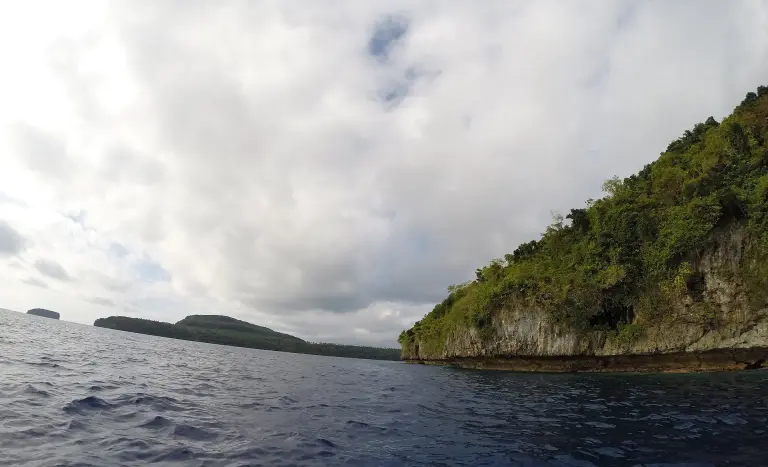
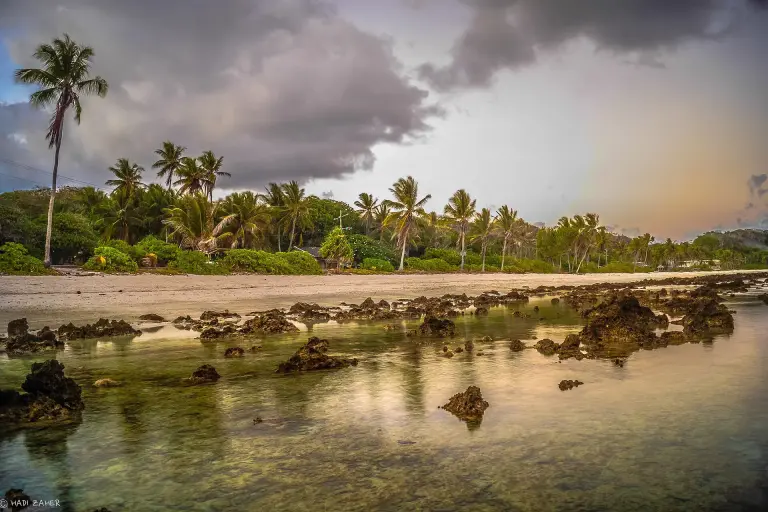
This Samoa travel guide starts with the case for going: the country is an island nation in Polynesia, in the South Pacific Ocean, made up of two main islands, Savai’i and Upolu, two smaller inhabited ones, Manono and Apolima, and several uninhabited islets (see the Wikipedia overview for background). Both main islands have volcanic interiors, narrow coastal plains and lagoons, and the coastline runs for roughly 400 kilometres.
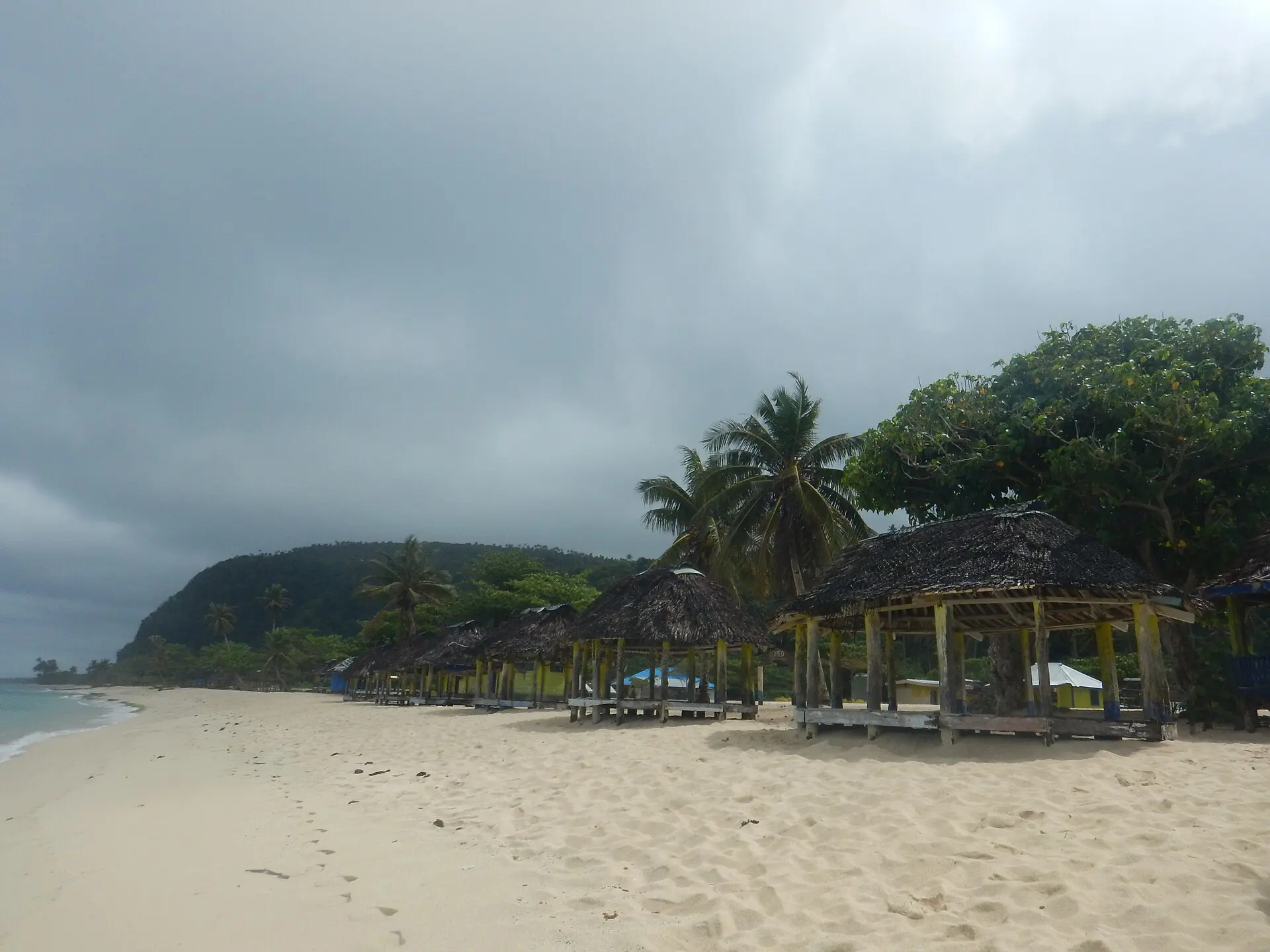
Samoa suits travellers who want beaches and snorkelling without resort crowds, and who are interested in a living culture rather than a staged one. Village life, church services, tattooing traditions and fa’a Samoa, the Samoan way, shape daily life. Accommodation is mostly small and family-run, including beach fales, open-sided huts on the sand. It is a quiet, slow destination, best for people comfortable with simple facilities and limited nightlife.
Best places to visit in Samoa
The best places to visit in Samoa are split between Upolu, where most people arrive and stay, and larger, wilder Savai’i, reached by a short ferry.
Apia
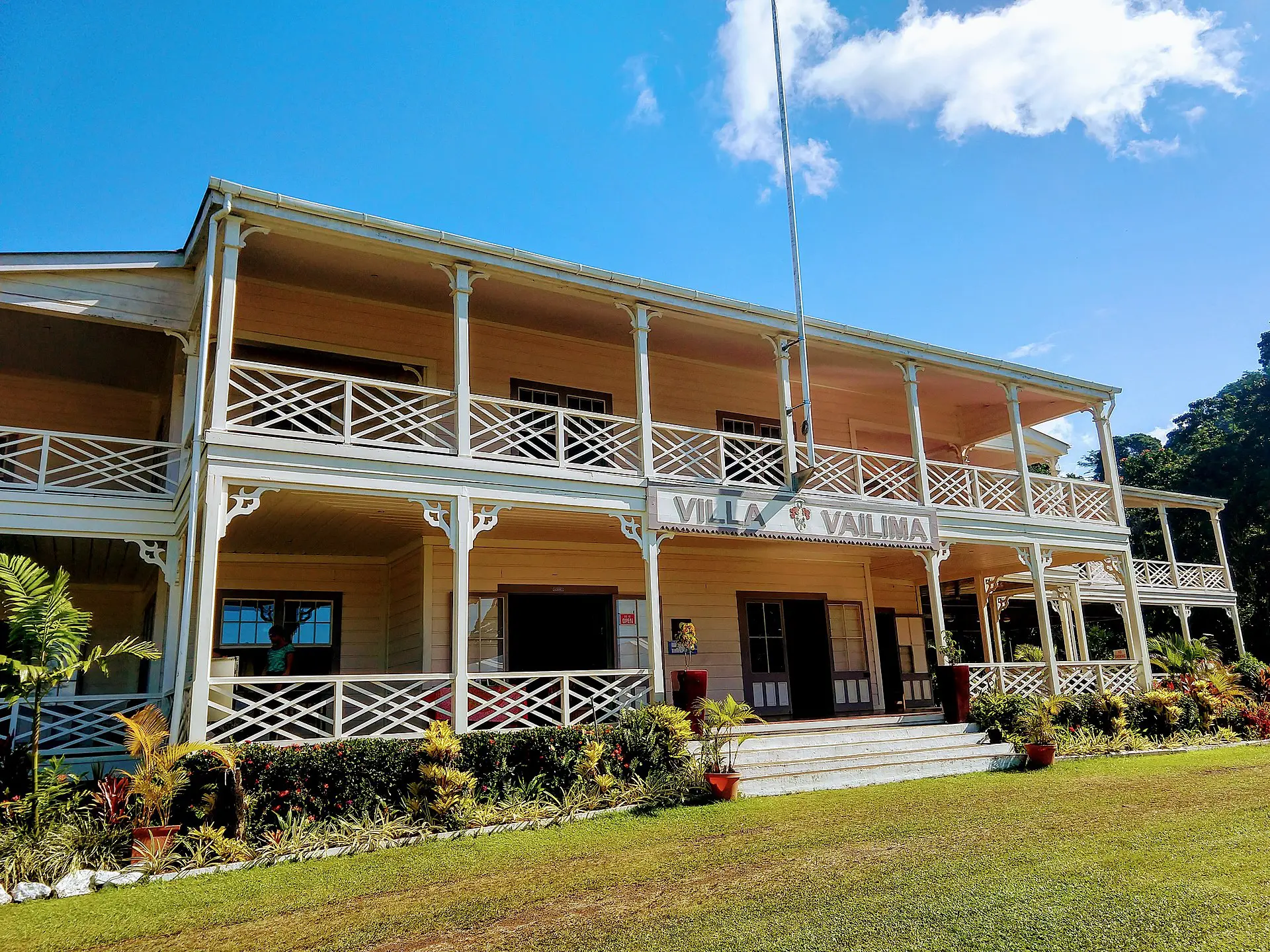
The capital is a small, relaxed town with a harbour, a clock tower, a produce market and a handful of restaurants and bars. Nearby is Vailima, where Robert Louis Stevenson lived and is buried on Mount Vaea.
South coast of Upolu
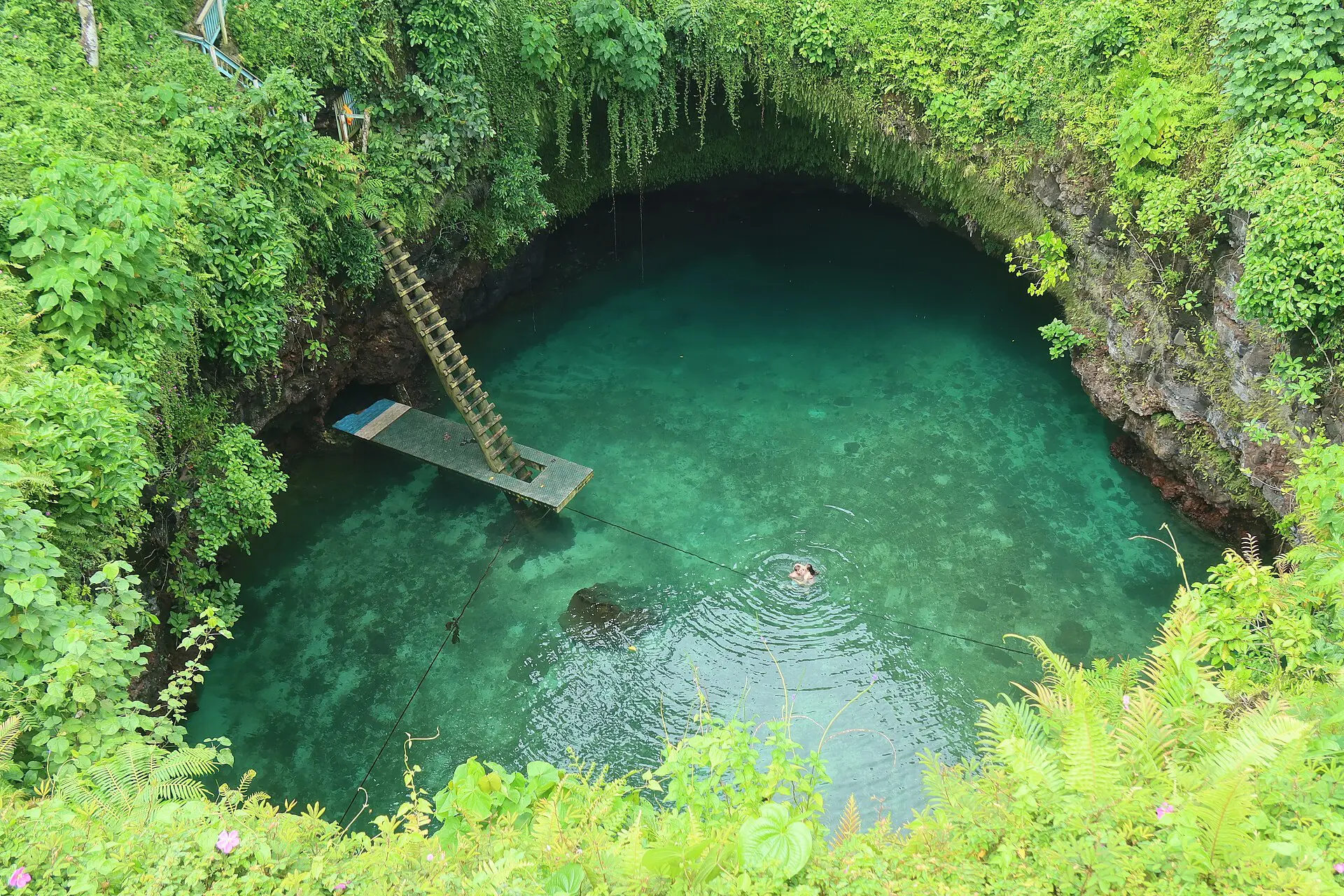
The south coast has some of the best beaches, including Lalomanu, with fales right on the sand and clear water for swimming. Natural attractions here include To Sua Ocean Trench, a deep, ladder-accessed swimming hole.
Aleipata and the east
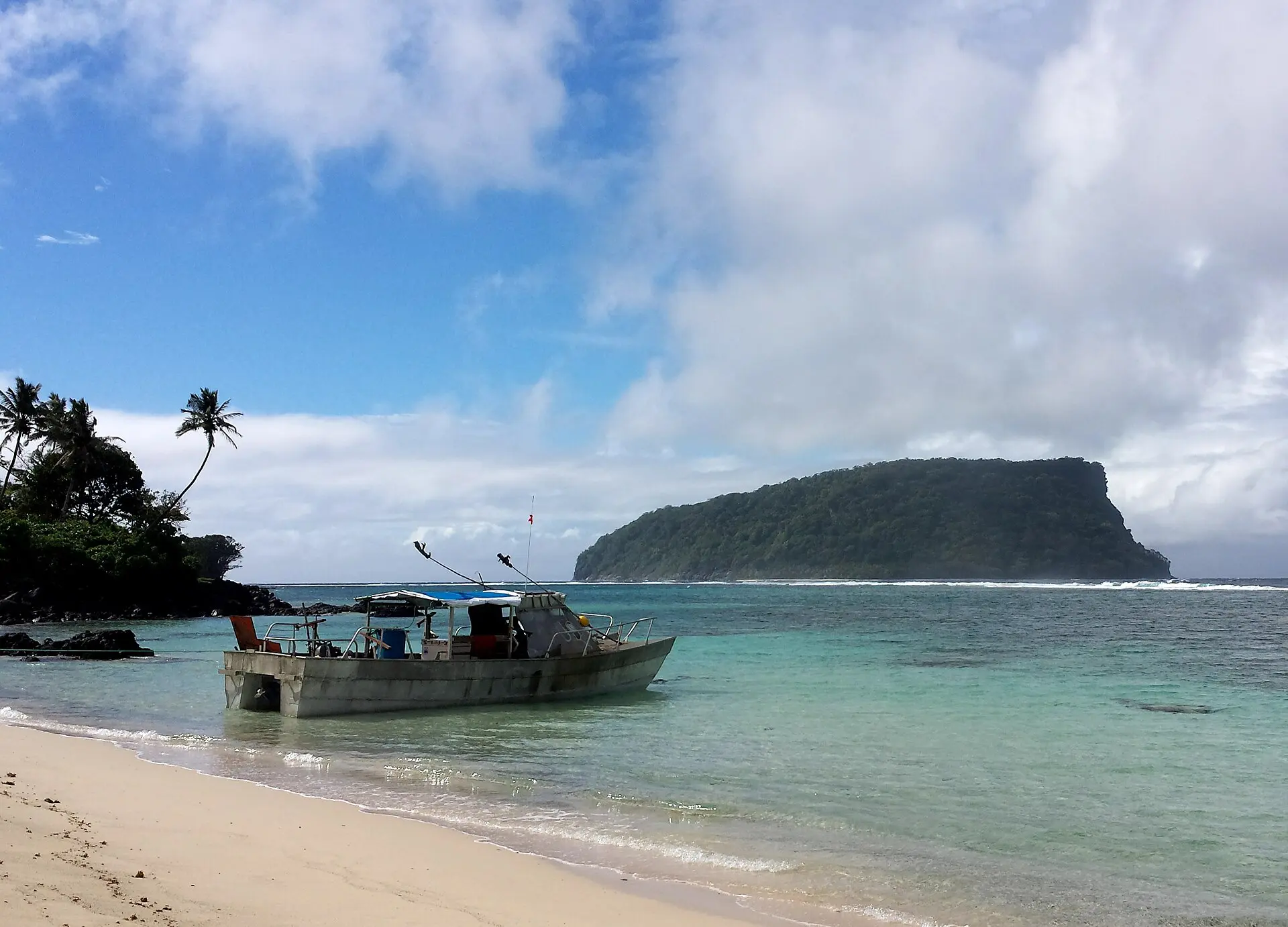
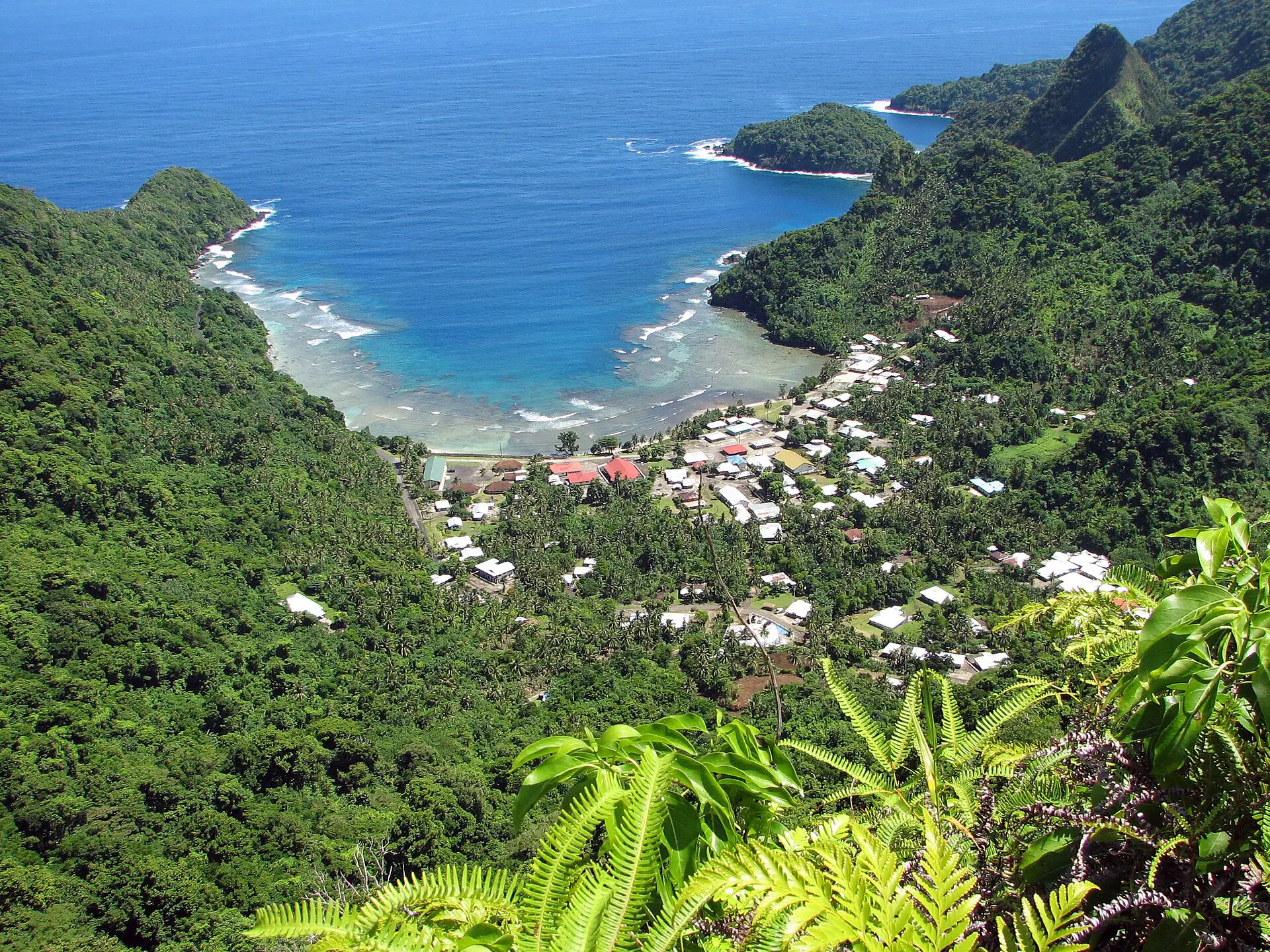
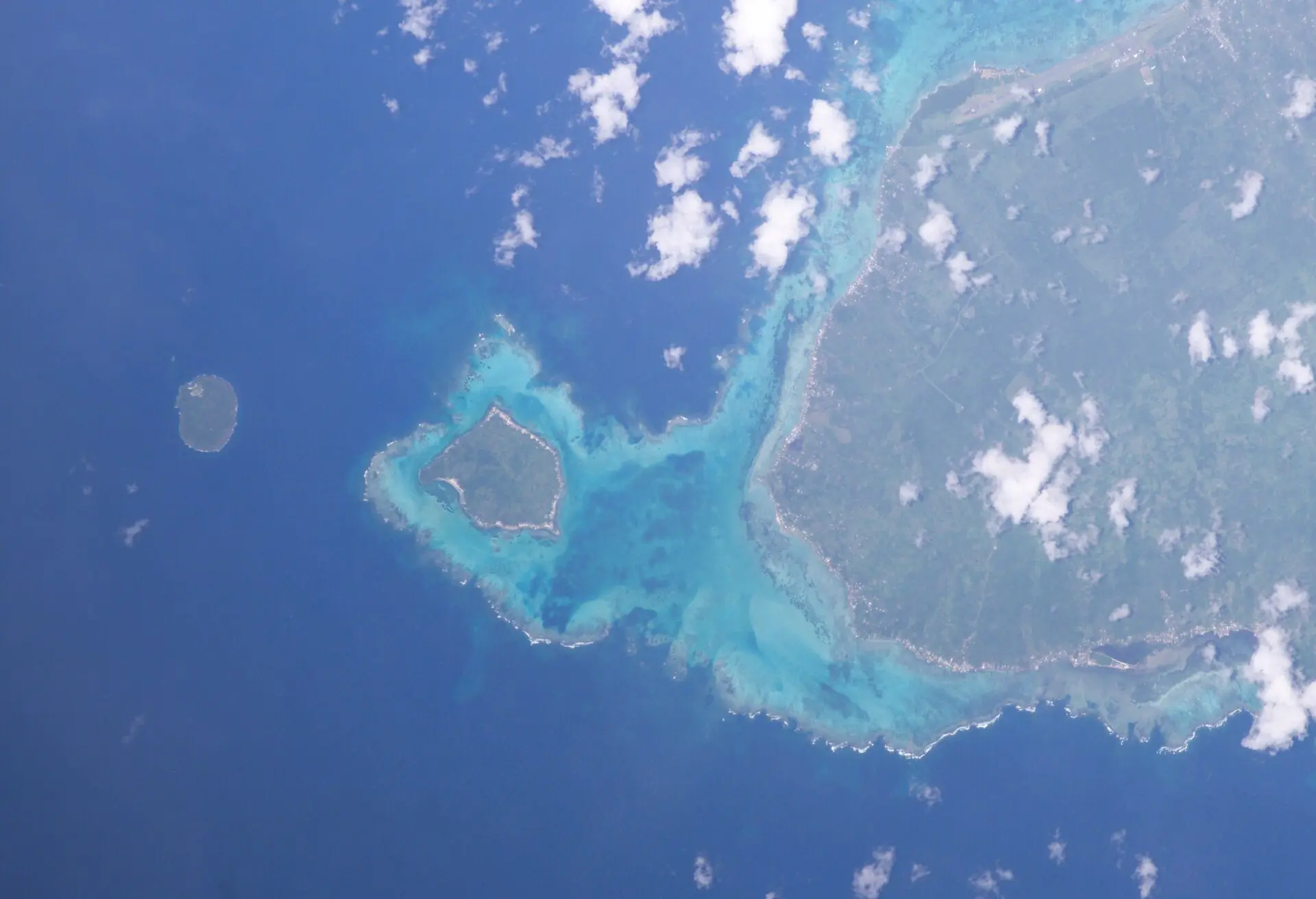
The far east has quiet villages, offshore islets and good snorkelling, and the Aleipata Islands can be visited on day boat trips.
Manono and Apolima
Small car-free islands in the strait between Upolu and Savai’i have village stays, snorkelling and walks.
Savai’i
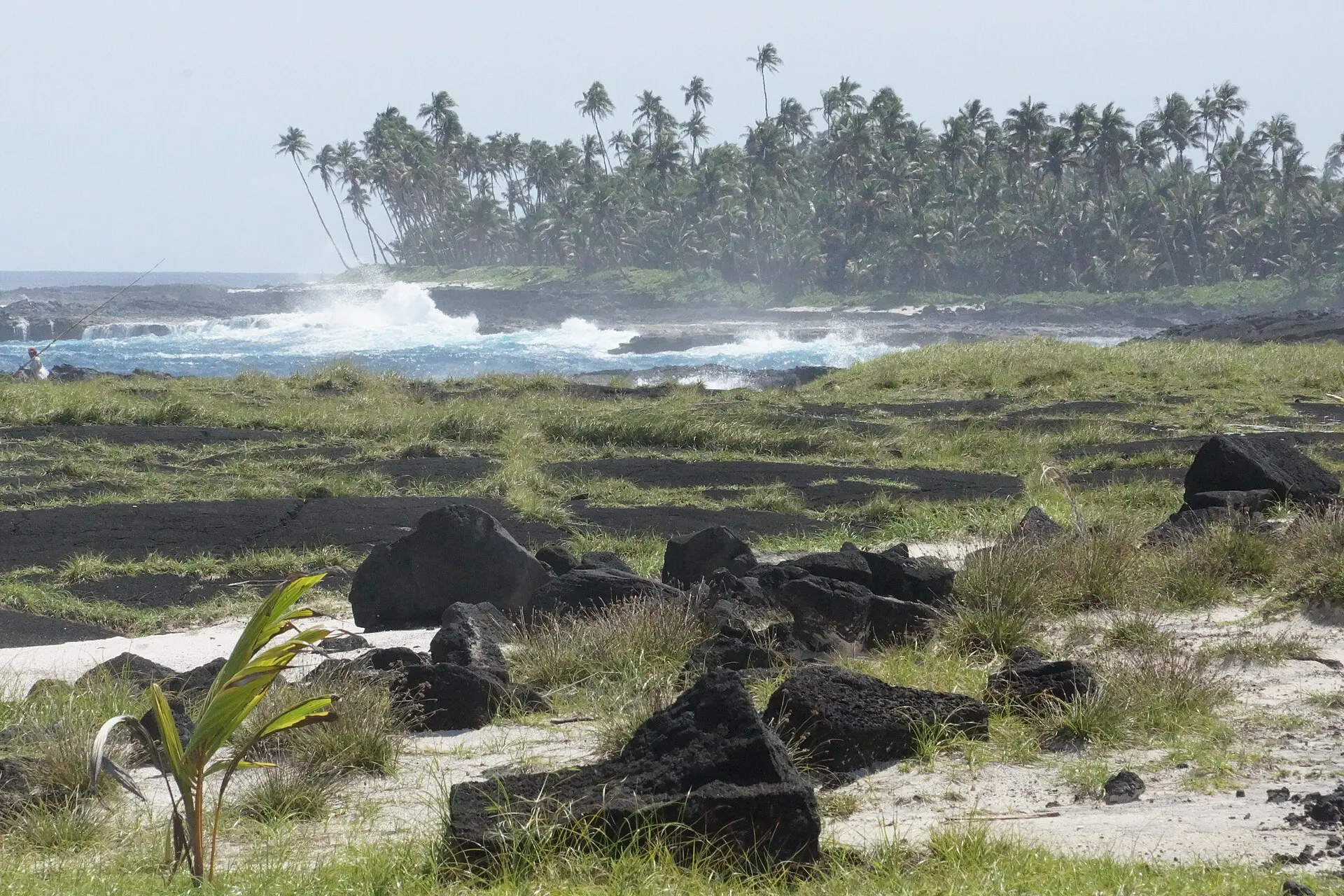
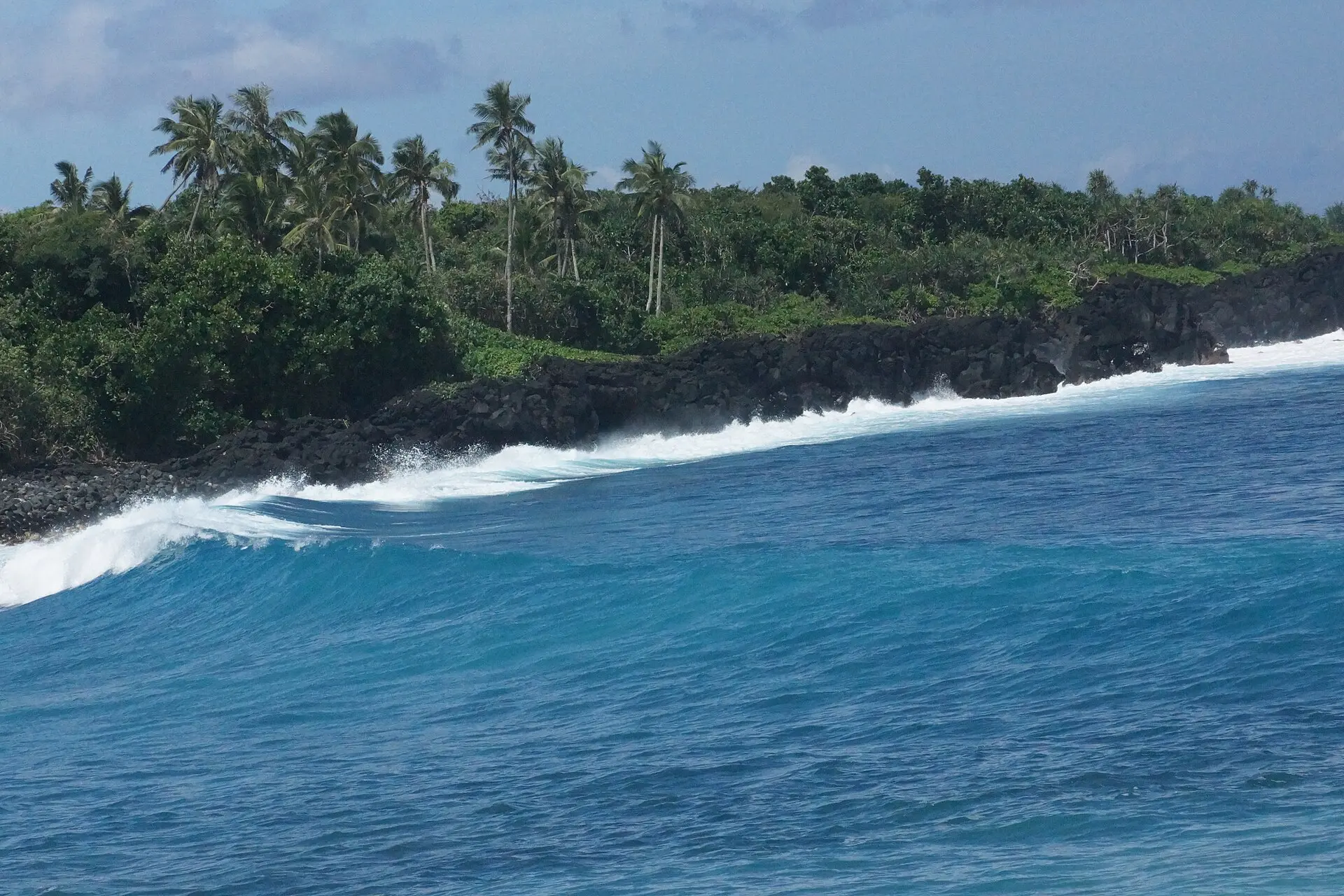
The largest island has lava fields from the 1905 to 1911 eruptions, blowholes at Alofaaga and long stretches of empty coastline. A single sealed road circles most of it, and the island rewards slow travel.
Top things to do in Samoa
The top things to do in Samoa combine swimming, easy walks and cultural experiences.
- Swim in To Sua Ocean Trench: climb down a long ladder into a deep, blue pool linked to the sea.
- Relax at Lalomanu: one of the best beaches on Upolu, with fales and a calm lagoon.
- Snorkel at Palolo Deep: a marine reserve near Apia with a coral drop-off close to shore.
- Climb Mount Vaea: a forest walk of about 30 to 45 minutes leads to Robert Louis Stevenson’s tomb.
- Visit Papase’ea Sliding Rocks: natural rock water slides and pools in a forest park near Apia.
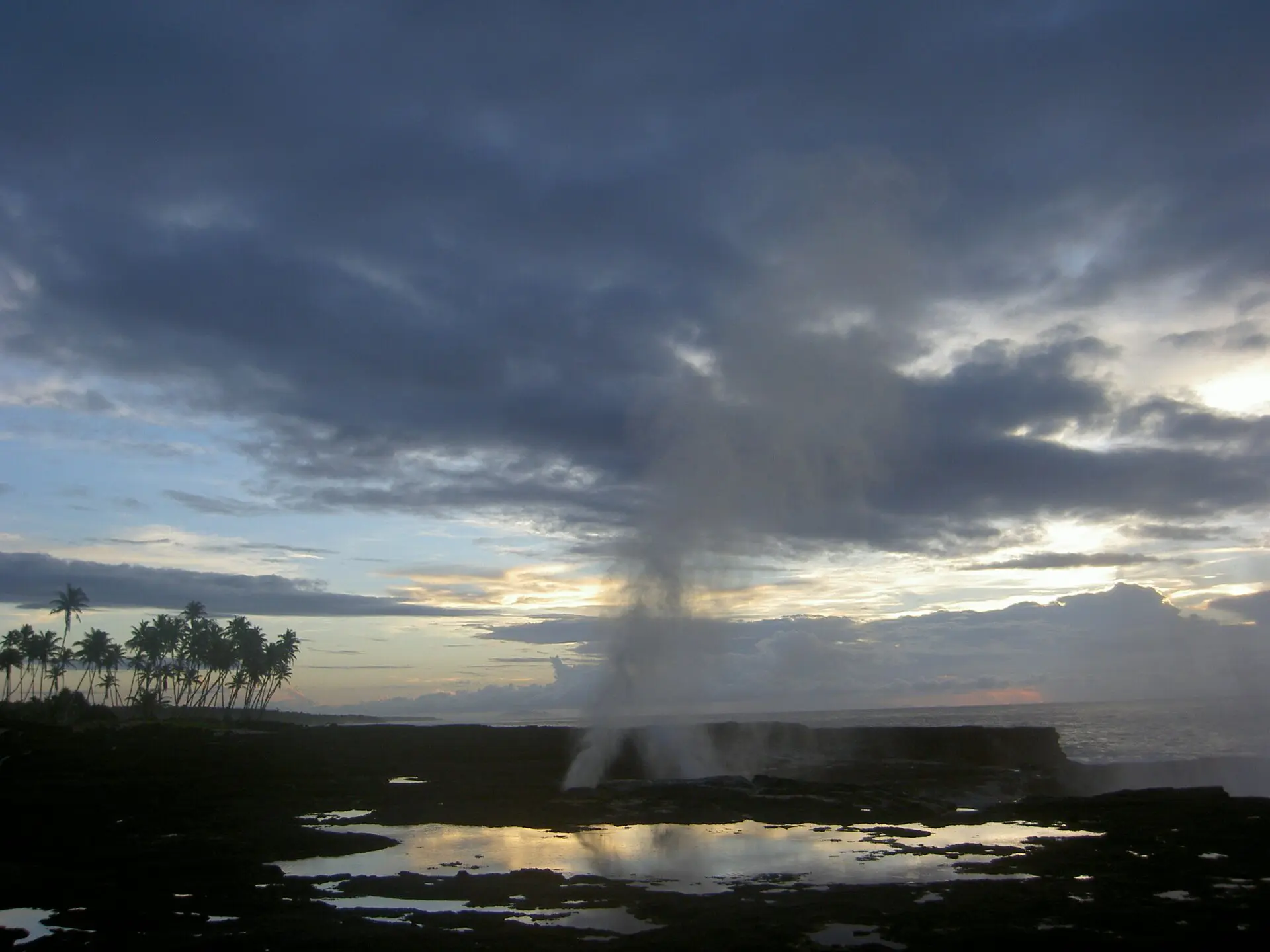
- See the Alofaaga Blowholes on Savai’i: waves shoot jets of water high into the air through lava tubes.
- Walk the Saleaula lava field: a church and village buried by an early 20th-century eruption.
- Join a fiafia night: dancing, music and food at many resorts show Samoan performing traditions.
- Swim at Piula Cave Pool: a freshwater cave pool beside the sea at a church site on the north coast.
- Take a day trip to Manono: walk around the island in a couple of hours, and swim and snorkel.
Best time to visit Samoa
The best time to visit Samoa is the dry season from May to October, when days are sunny, humidity is lower and seas are calmer. The wetter season, with the risk of tropical cyclones, runs from roughly November to April. Samoa’s temperature stays warm all year, with an average of about 26 to 27 degrees Celsius, which makes it a popular winter escape for visitors from the southern hemisphere.
| Season | Weather | Crowds and prices | Good for |
|---|---|---|---|
| Dry (May-Oct) | Sunny, less humid, occasional showers | Highest, especially June to August | Beaches, snorkelling, hiking |
| Transition (Nov) | Warm and increasingly humid | Moderate | Quieter beaches, lower prices |
| Wet (Dec-Mar) | Hot, humid, heavy rain and cyclone risk | Lowest, but some local holiday travel | Budget travel, green scenery |
| Late wet (Apr) | Rain easing | Low to moderate | Shoulder-season deals |
Cyclones can disrupt flights and ferries, so buy flexible tickets and travel insurance if you visit in the wet season.
Is Samoa safe to visit?
Yes, Samoa is generally safe to visit, and violent crime against tourists is uncommon. The main hazards are natural: tropical cyclones, rough seas, tsunamis and heat. Check your government’s current travel advice, such as the New Zealand SafeTravel, Australian Smartraveller, UK FCDO or US State Department pages, before booking.
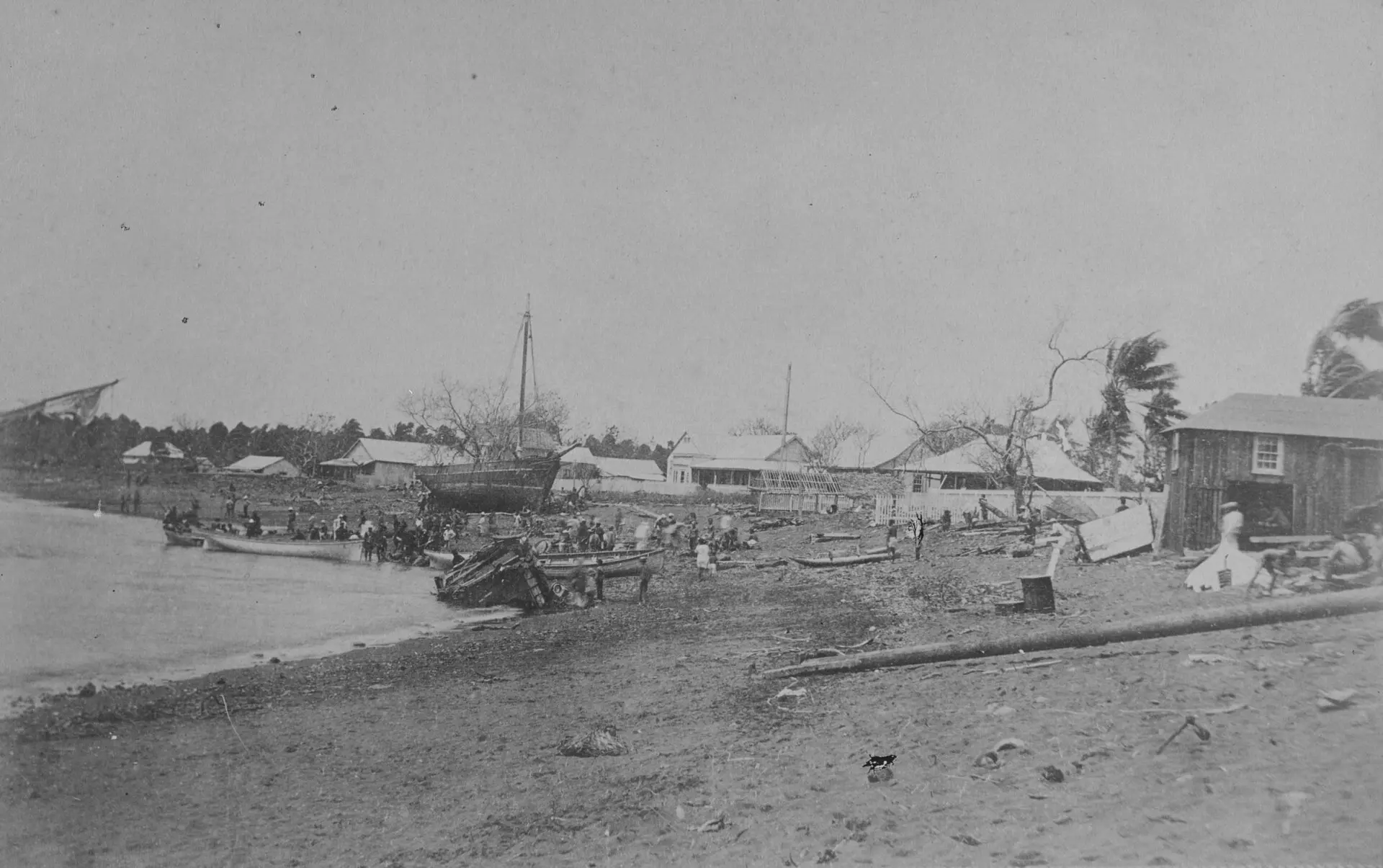
Tsunami and earthquakes. Small earthquakes occur, and a tsunami in September 2009 devastated parts of the south coast of Upolu. Learn the evacuation signs, and move to high ground at once if you feel a long or strong tremor.
Sea and reef. Rip currents and sharp coral are the most common causes of injury. Ask locals or your hosts about safe swimming spots, wear reef shoes, and never swim alone in rough water.
Roads and dogs. Pigs, dogs and children are often on village roads, and speed limits are low. Stray dogs can be aggressive at night.
Theft and health. Petty theft happens, so do not leave valuables on beaches. Mosquito-borne illnesses such as dengue occur, so use repellent. Tap water is not reliably safe, so drink bottled or treated water.
Visa and entry requirements for Samoa
Entry rules depend on your nationality. Many visitors, including citizens of Australia, New Zealand, the US, the UK and the EU, have generally been able to arrive without a visa in advance and receive a visitor permit on arrival for a stay of up to a few weeks, but this changes, so confirm the current rule with the Samoa Immigration authorities or your nearest embassy before you book.
Bring a passport valid for at least six months, an onward or return ticket and proof of accommodation for the first nights. Customs and biosecurity rules are strict on food, plants, animal products and some medicines, so declare anything you are unsure about. Yellow fever certificates may be needed if you arrive from certain countries.
If you plan to travel to nearby American Samoa, check its separate entry rules, because it is a US territory. The UNESCO page for Samoa lists any heritage sites, though it does not cover entry rules.
Getting to and around Samoa
Most visitors fly into Faleolo International Airport on Upolu, about 35 to 40 minutes by road from Apia. Direct flights connect Samoa mainly with Auckland, Sydney, Fiji and American Samoa, and onward routes from North America and Asia pass through these hubs. Schedules change, so check with airlines.
Driving is on the left. Many travellers rent a car on Upolu, since public transport is limited and sights are spread out, but road conditions vary and local drivers can be unpredictable. Colourful local buses run between Apia and villages, and they are cheap but slow and often stop running in the evening. Taxis are plentiful in Apia, and fares are best agreed in advance.
The ferry between Mulifanua on Upolu and Salelologa on Savai’i takes about an hour, and vehicles can be carried. Book ahead in peak periods. Small boats serve Manono, and short domestic flights connect Upolu and Savai’i. Savai’i’s main road circles most of the island, and distances take longer than expected.
How much does a trip to Samoa cost?
Samoa is cheaper than French Polynesia or Fiji’s resorts, but it is not a rock-bottom destination, because many items are imported and flights are costly. The currency is the Samoan tālā (WST), and cards are accepted at larger hotels and shops, but carry cash for fales, buses and markets. Figures below are rough per-person guides for 2026.
- Budget: around USD 40 to 80 per day, with fales or simple guesthouses, buses and local food.
- Mid-range: around USD 80 to 150 per day, with private rooms, restaurant meals and a rental car for some days.
- High-end: from around USD 250 per day, with beachfront resorts and guided tours.
Accommodation and car hire are the biggest swing factors. Beach fales often include meals, which makes costs easier to plan. Entry fees for waterfalls, beaches and the trench are often charged by the local village, and are usually small. Flights to Samoa are likely to be the largest part of the budget.
Samoa food and drink
Samoa food is based on taro, coconut, breadfruit, bananas, fish and pork, often cooked in an earth oven called an umu, especially for Sunday lunch. Fresh tropical fruit and seafood are widely available, and the best meals are often at family-run places.
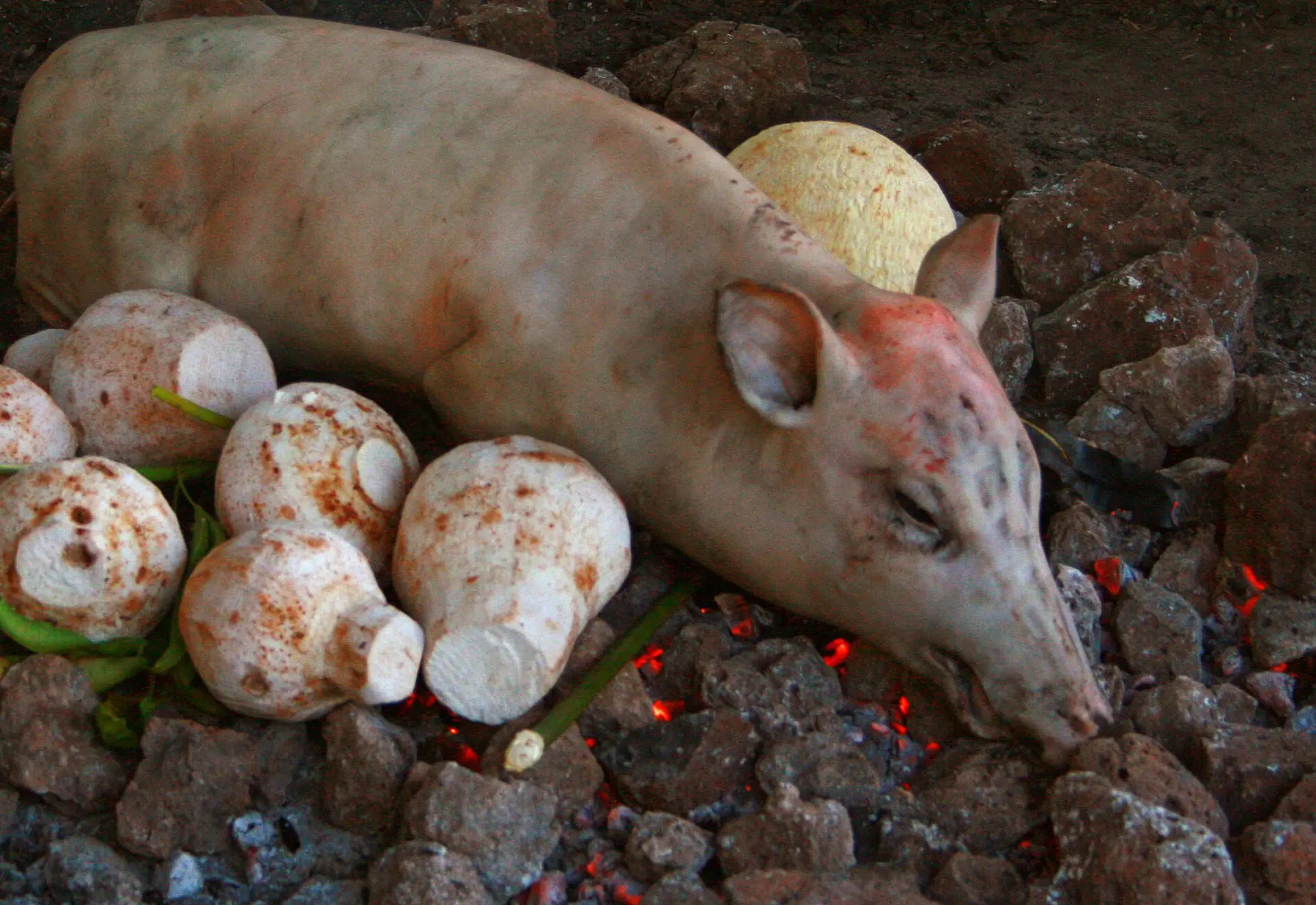
- Umu feast: pork, chicken, fish and root vegetables cooked on hot stones, a Sunday tradition.
- Palusami: taro leaves baked with coconut cream, often in a parcel.
- Oka: raw fish marinated in lime juice and coconut cream.
- Taro and breadfruit: starchy staples boiled, baked or fried.
- Panipopo: soft coconut buns with a sweet coconut sauce.
- Koko Samoa: a hot cocoa drink made from local cacao.
- Fresh coconut and Vailima beer: a green coconut is the classic thirst-quencher, and Vailima is the national lager.
Vegetarians can eat taro, breadfruit, fruit and palusami, but many dishes include meat or fish, so ask. Markets in Apia sell fresh fruit, vegetables and ready meals. Most places close on Sunday except for hotels and umu lunches.
Culture, language and etiquette in Samoa
Samoan and English are the official languages, and English is widely understood in tourism. Learn a few words, such as talofa (hello) and fa’afetai (thank you). The way of life, fa’a Samoa, is organised around extended families, village councils led by matai (chiefs) and the church.
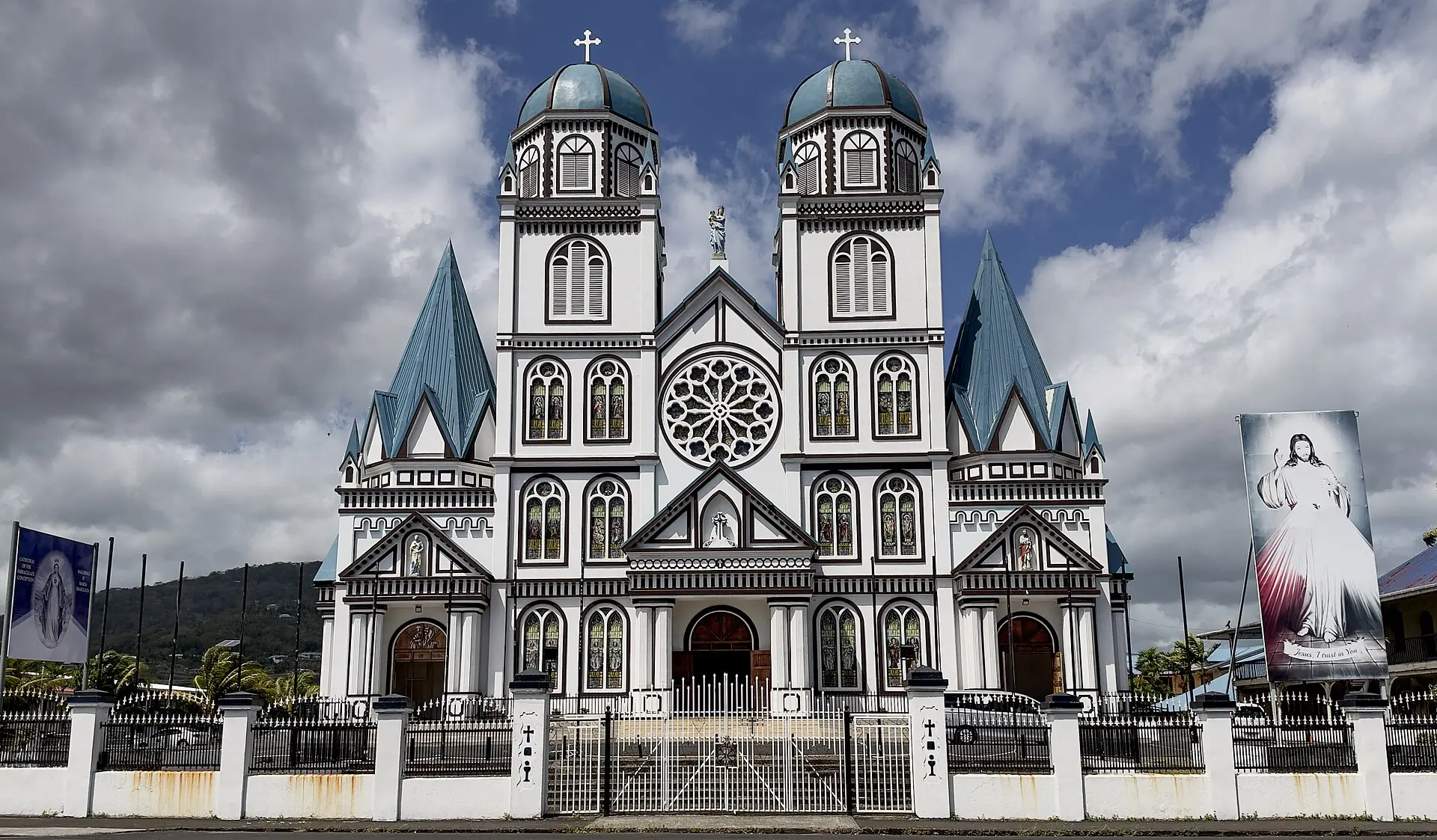
Faith is central. Most Samoans are Christian, and Sunday is a day of church and rest, when many businesses close and some villages ask visitors to be quiet. Many villages observe a short evening prayer time, called sa, at dusk. Stop and be quiet if you hear it, and avoid walking or driving through villages at that time.
Dress modestly away from the beach, with shoulders and knees covered in villages and churches. A lavalava wrap is common and useful. Ask permission before swimming or taking photos, as beaches and sites are usually owned by villages, and pay any small fee asked. Do not stand over seated elders, and remove shoes at fale doors.
Samoa itinerary: a 7-day route
This route covers Upolu and Savai’i with a rental car and the ferry. Travel in the dry season for the best conditions.
- Day 1, Apia: arrive, then walk the waterfront and visit the market.
- Day 2, Apia area: climb Mount Vaea, visit Vailima and swim at Palolo Deep.
- Day 3, south coast: drive about one and a half hours across the island, stop at To Sua Ocean Trench and stay at Lalomanu.
- Day 4, Lalomanu: take a snorkel or boat trip to the Aleipata islands and relax on the beach.
- Day 5, Savai’i: return to Mulifanua, take the ferry of about an hour, and drive to the Alofaaga Blowholes.
- Day 6, lava fields: visit Saleaula and the north coast, then swim or snorkel.
- Day 7, return: take the ferry back and allow time for Faleolo airport.
With more days, add Manono island or a village stay. In the wet season, keep the plan flexible for rain and cyclone-related disruption.
Practical tips for Samoa
- Money: the Samoan tālā is the local currency; ATMs are in Apia and a few towns, so withdraw before heading to Savai’i or the south coast. Carry small notes for village fees and fales.
- SIM and eSIM: prepaid SIMs are available at the airport and in Apia, with good coverage around the main roads and patchy signal elsewhere.
- Plugs: type I at 230 V, as in Australia and New Zealand.
- Tipping: not customary; a thank-you or a small gift is appreciated.
- Health: bring insect repellent, high-factor sunscreen, reef shoes and a basic first aid kit. Medical facilities are limited, so insurance with evacuation cover is worthwhile.
- Packing: light clothes, a lavalava or sarong, a rain jacket and a dry bag.
- Time: Samoa is on a time zone ahead of most of the world after it moved across the date line in 2011, so check flight times carefully.
For wider background, see the Wikivoyage Samoa guide.
FAQ
Q1What is the best time to visit Samoa?
May to October, the dry season, is best, with sunny weather, lower humidity and calmer seas. From roughly November to April it is hotter and wetter, with cyclone risk. Prices and visitor numbers peak from June to August, so book fales and flights early.
Q2Is Samoa safe?
Yes, for most visitors. Violent crime against tourists is uncommon. The main risks are cyclones, rip currents, sharp coral, roaming dogs and tsunami, so learn evacuation signs and ask locals about safe swimming. Check your government's current travel advice before you go.
Q3What are the best things to do in Samoa?
Top picks are swimming in To Sua Ocean Trench, relaxing at Lalomanu, snorkelling at Palolo Deep, climbing Mount Vaea, watching the Alofaaga blowholes on Savai'i and joining a Sunday umu lunch. Most fit into a week split between Upolu and Savai'i.
Q4How many days do you need in Samoa?
Seven days is enough for Apia, the south coast of Upolu and a two or three night trip to Savai'i at a relaxed pace. Add three to four more days for Manono, village stays or extra beach time. Many flights arrive at night, which affects planning.
Q5Do I need a visa for Samoa?
It depends on your nationality. Many visitors receive a visitor permit on arrival without applying in advance, but you should carry a passport valid for six months, an onward ticket and proof of accommodation. Confirm current rules with Samoan immigration or your embassy.
Q6What food should I try in Samoa?
Try an umu feast, palusami (taro leaves in coconut cream), oka (raw fish in coconut cream), taro, breadfruit, panipopo coconut buns and koko Samoa cocoa. Fresh coconut is everywhere, and Vailima is the local beer. Most places close on Sundays except umu lunches.
Q7Is Samoa expensive?
It is cheaper than most Pacific resort destinations but not cheap. Mid-range travel costs around USD 80 to 150 per day, with fales and local food keeping costs down. Flights, car hire and imported goods are the biggest expenses, and tourist sites usually charge small village fees.