Why visit Nauru
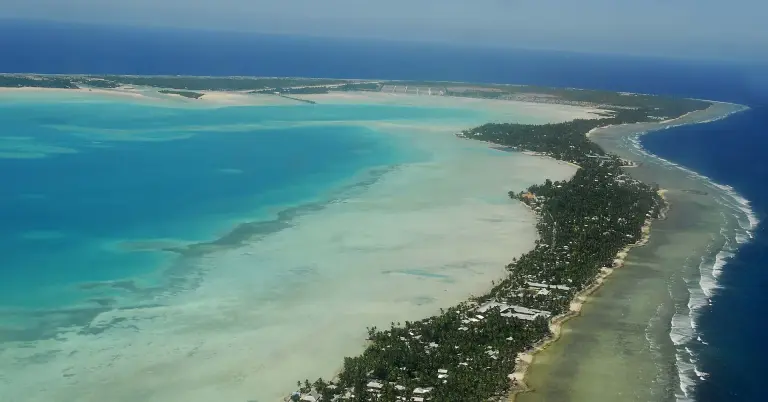
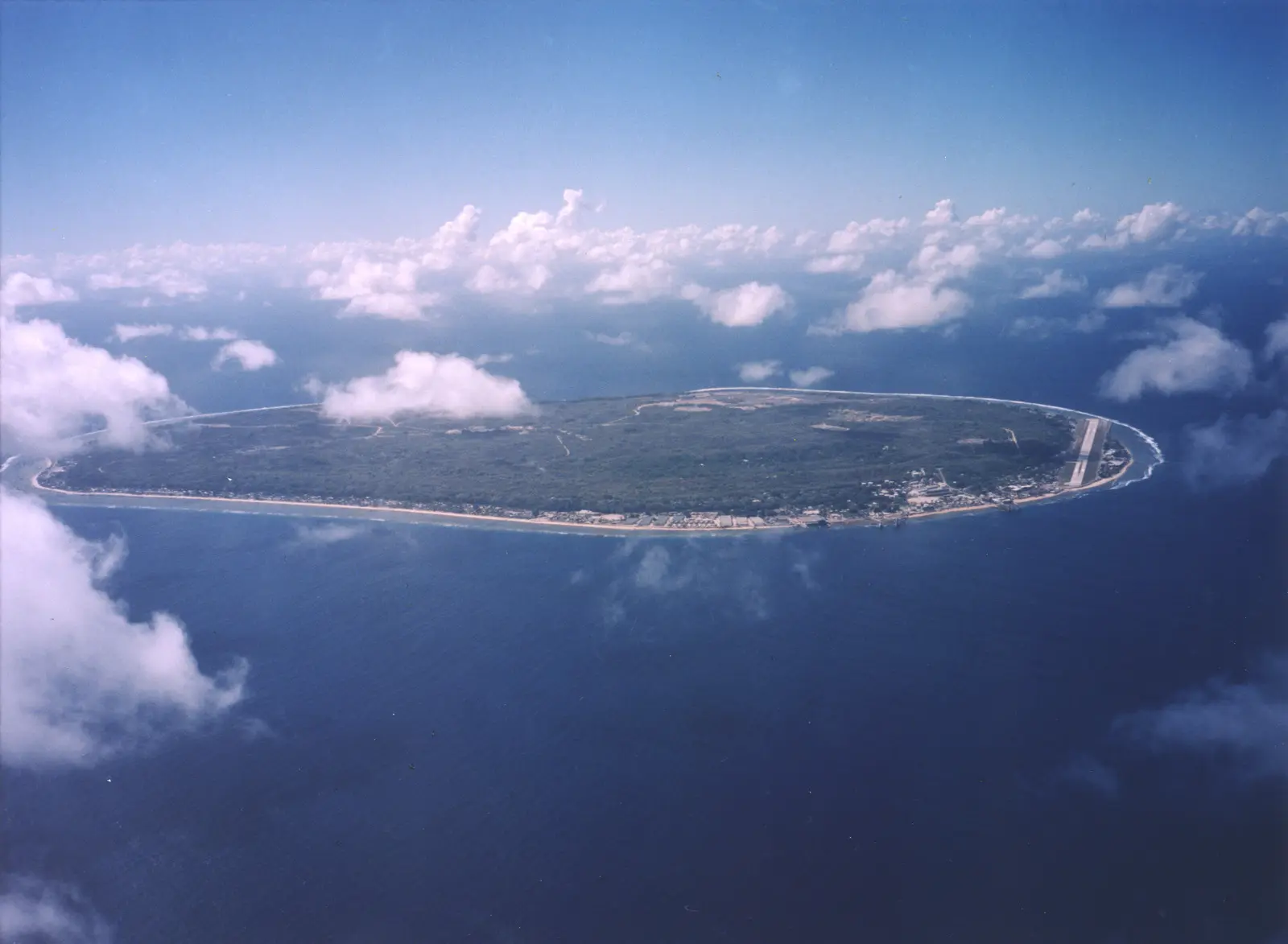
The honest list of things to do in Nauru starts with its novelty. The island is only 21 square kilometres, with about 12,000 people, and it is the world’s third-smallest country by area after Vatican City and Monaco. The Wikipedia overview covers its Micronesian roots, German and Australian rule, independence in 1968 and the phosphate mining that made it briefly rich. The island’s name in its own language is Naoero, and sources report that English usage began to shift to Naoero in 2026, though Nauru remains the common name.
Nauru suits people who collect countries, enjoy remote places and are comfortable with limited services. It does not suit anyone expecting resort infrastructure. Much of the interior is mined-out land, and the visitor numbers are tiny, so you will often have beaches, reefs and wartime sites to yourself. Plan ahead: flights are infrequent and accommodation is limited.
Best places to visit in Nauru
The best places to visit in Nauru are all within a few minutes’ drive of each other along the coastal ring road, so the choice is about interest rather than distance.
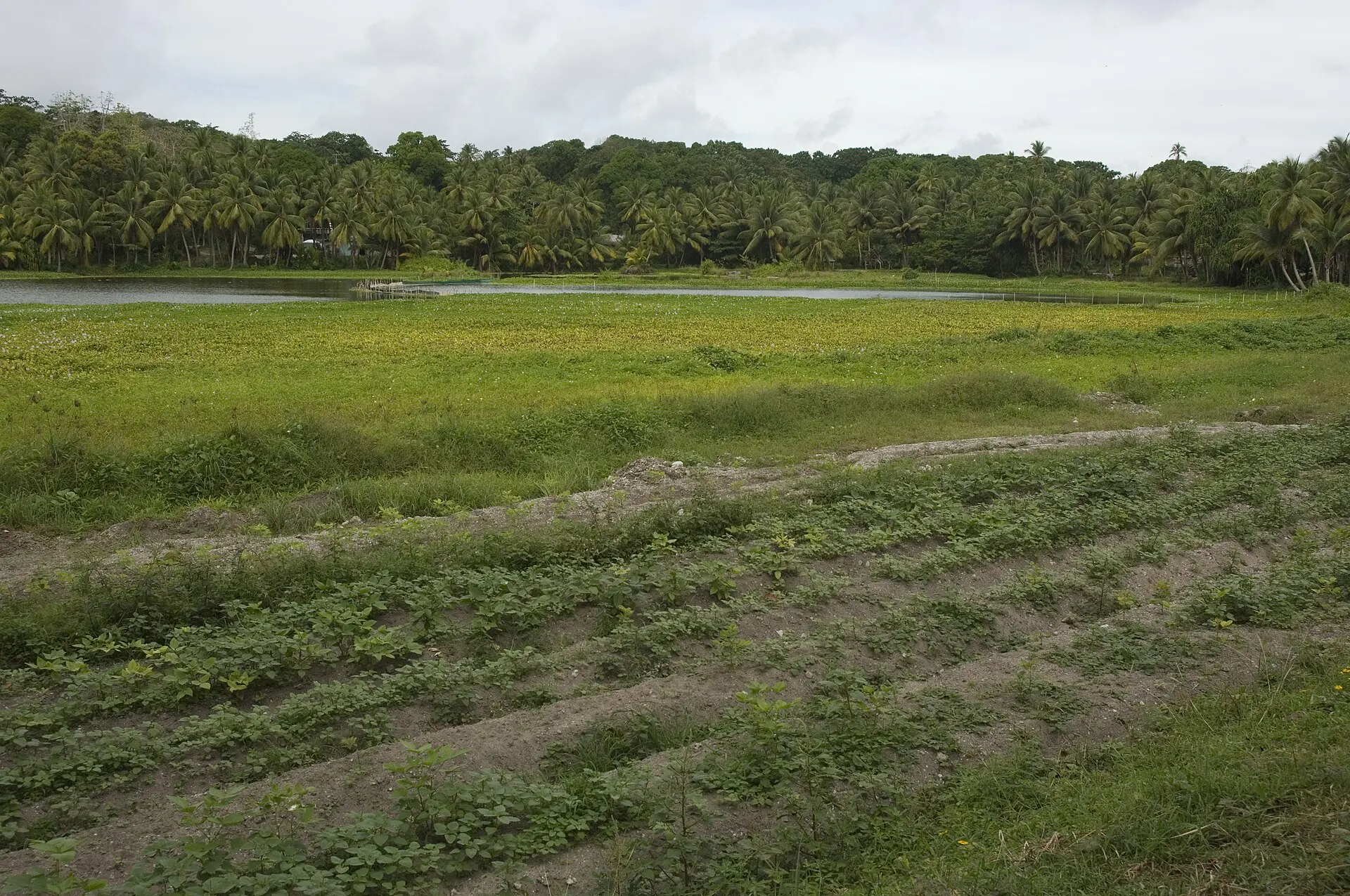
Buada Lagoon
The only inland body of water sits in a green basin with banana, pandanus and coconut trees, and is one of the few lush corners of the island. It is a quiet spot for a walk and a picture.
Anibare Bay
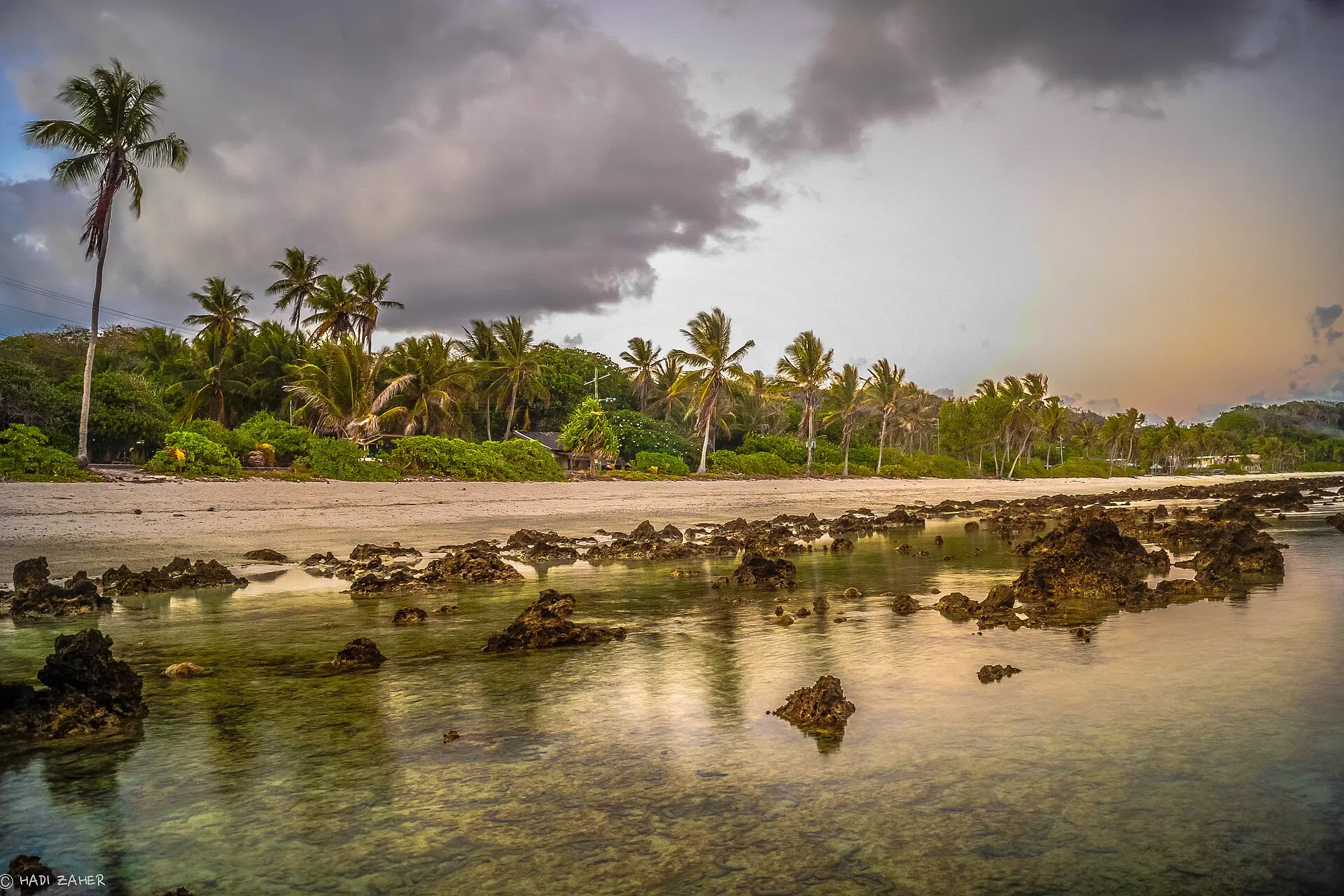
The island’s best-known beach lies on the east coast, with a sweep of sand, palms and a reef edge. Currents and reef can be hazardous, so ask locally before swimming.
Command Ridge
The highest point on Nauru, at around 70 metres, holds the remains of a Japanese communications bunker and rusting anti-aircraft guns from the Second World War, with views across the island.
Yaren
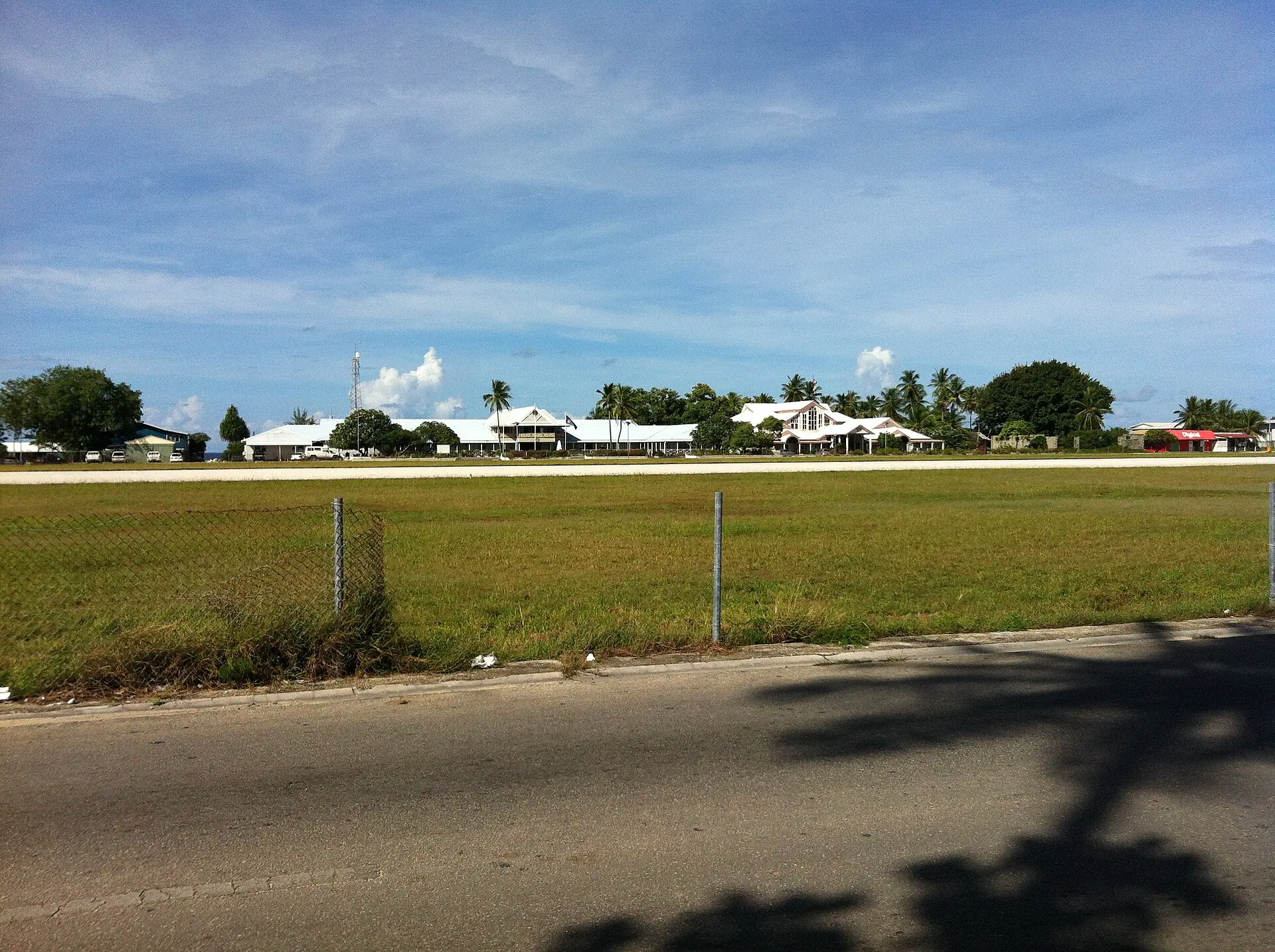
The de facto capital has no official capital designation, and holds the airport, the small parliament building and government offices.
Topside and Moqua
Topside is the raised interior plateau, where mined phosphate left fields of coral limestone pinnacles. Moqua Well is a small underground freshwater pool in a cave.
Top things to do in Nauru
Top things to do in Nauru are simple, outdoors and mostly free, and the whole island fits into two or three days.
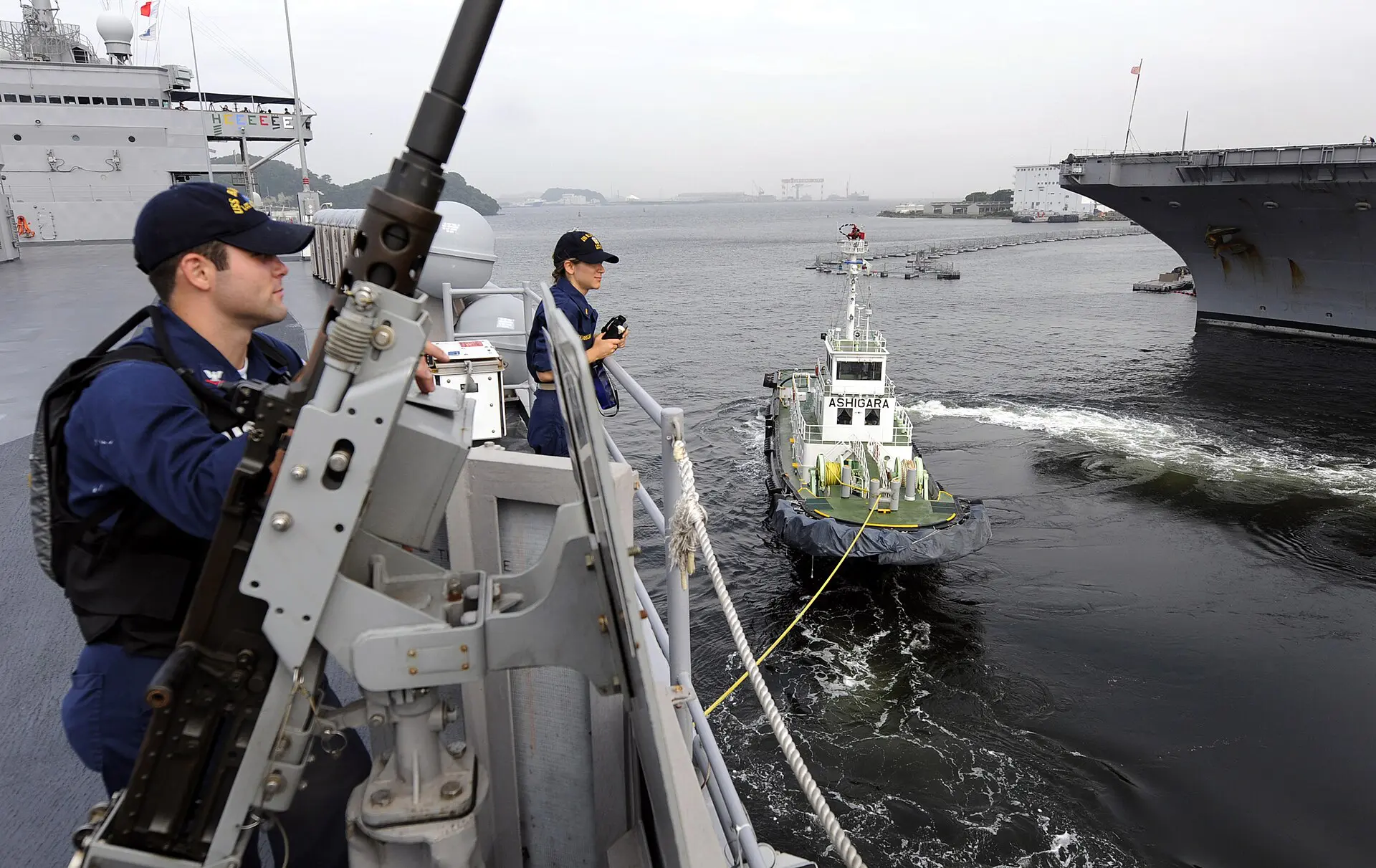
- Ride the ring road: the circuit of about 19 kilometres takes under an hour by car or scooter.
- Climb Command Ridge: explore the Japanese guns and bunker and look out over the island.
- Swim and snorkel: sheltered spots exist, but check tides and reef conditions with locals first.
- Visit Buada Lagoon: walk its edge and the surrounding gardens.
- See Topside: the jagged coral pinnacles show the scale of the phosphate mining.
- Look into Moqua Well: the cave pool is a quiet short stop.
- Watch fishing boats: small boats work from the shore and the Aiwo harbour, and local fishermen are often happy to talk.
- Try sport fishing or a boat trip: arrange through your hotel, as the open ocean is deep and strong.
- Spot birds: noddies and frigatebirds are common along the coast.
- Join a local sport event: Nauru has a long tradition of Australian rules football and weightlifting.
Best time to visit Nauru
Nauru sits almost on the equator, so temperatures are steady all year at around 28 to 32 C by day, and the real difference is rain. The best time to visit Nauru is generally between May and October, when conditions are drier. The rainy season runs from about November to February, with cloudier skies and heavier showers. Rainfall varies from year to year, and droughts have affected the island.
| Season | Weather | Crowds and prices | Good for |
|---|---|---|---|
| Drier (May-Oct) | Hot and humid, fewer rainy days | No crowds; prices constant | Beaches, Command Ridge, walking |
| Wetter (Nov-Feb) | Frequent heavy showers, thunderstorms | No crowds; limited flights | Quiet stays, local life |
| Transition (Mar-Apr) | Warm, variable showers | No crowds | Flexible timing |
Flight schedules matter more than weather. Because services run only a few times a week, pick dates around the flights first, and expect them to change.
Is Nauru safe to visit?
Yes, Nauru is generally safe for visitors, and violent crime against tourists is rare. Is Nauru safe to visit is mainly a question of limited services, heat, sea conditions and basic healthcare, rather than street crime. Check your government’s current travel advice, such as the UK FCDO or Australian Smartraveller pages, before booking.
Medical care. The island has a small hospital with limited capacity, and serious cases may need evacuation to Australia or elsewhere. Carry travel insurance with medical evacuation cover and bring your own prescription medicines.
Sea and heat. The reef edge drops steeply, currents can be strong and there are no lifeguards. Wear reef shoes and sun protection and drink plenty of water. Tropical heat and humidity are constant.
Roads. Traffic is light, but dogs, scooters and unlit roads at night cause accidents. Helmets are advisable on motorbikes.
Sensitive topics. The island hosts an Australian-funded offshore processing centre, which is a politically sensitive subject. Do not photograph restricted facilities or people without permission, and follow local guidance on where visitors may go.
Nauru visa and entry requirements
Nauru visa rules are strict for a country this small, and they vary by nationality. All visitors need a valid passport and proof of a hotel booking or a local sponsor. Citizens of a short list of Pacific and some other countries have been able to get a free visa on arrival, but most other nationalities must apply in advance. Check the official Nauru government source or the nearest Nauruan representative, because lists and fees change.
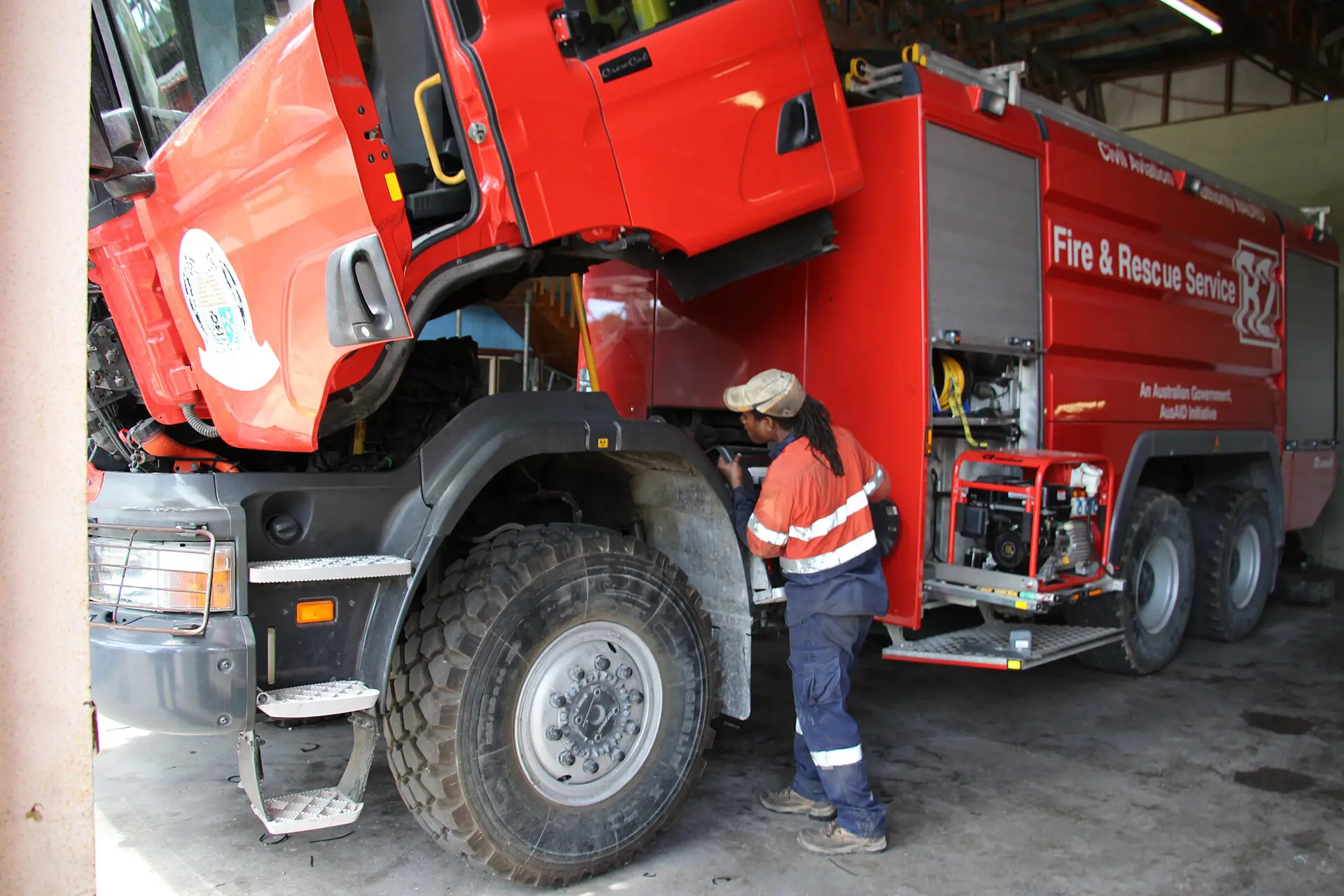
Visa applications can take a long time to process, so apply months ahead of the trip. A tourist visa has reportedly cost around AUD 100, paid on arrival. Visitors have often had to hand over their passport on arrival for registration, and receive it back the next day.
Visitors with a stopover in a US territory such as Guam may need a transit visa or ESTA depending on nationality, so check the route as well. Customs rules limit the quantity of alcohol and tobacco, and drugs, weapons and some printed material are banned. Journalists have faced separate and much higher visa fees. The UNESCO page for Nauru is a useful reference, though it contains no entry rules.
Getting to and around Nauru
Nearly everyone arrives by air at Nauru International Airport in the Yaren district. The national carrier, Nauru Airlines, has flown from Brisbane, Nadi, Honiara and Pohnpei, each served one to three times a week. Schedules are limited and change, and Brisbane flights fill with Australian government staff, so book months ahead. As of 2026, check the airline for the current timetable.
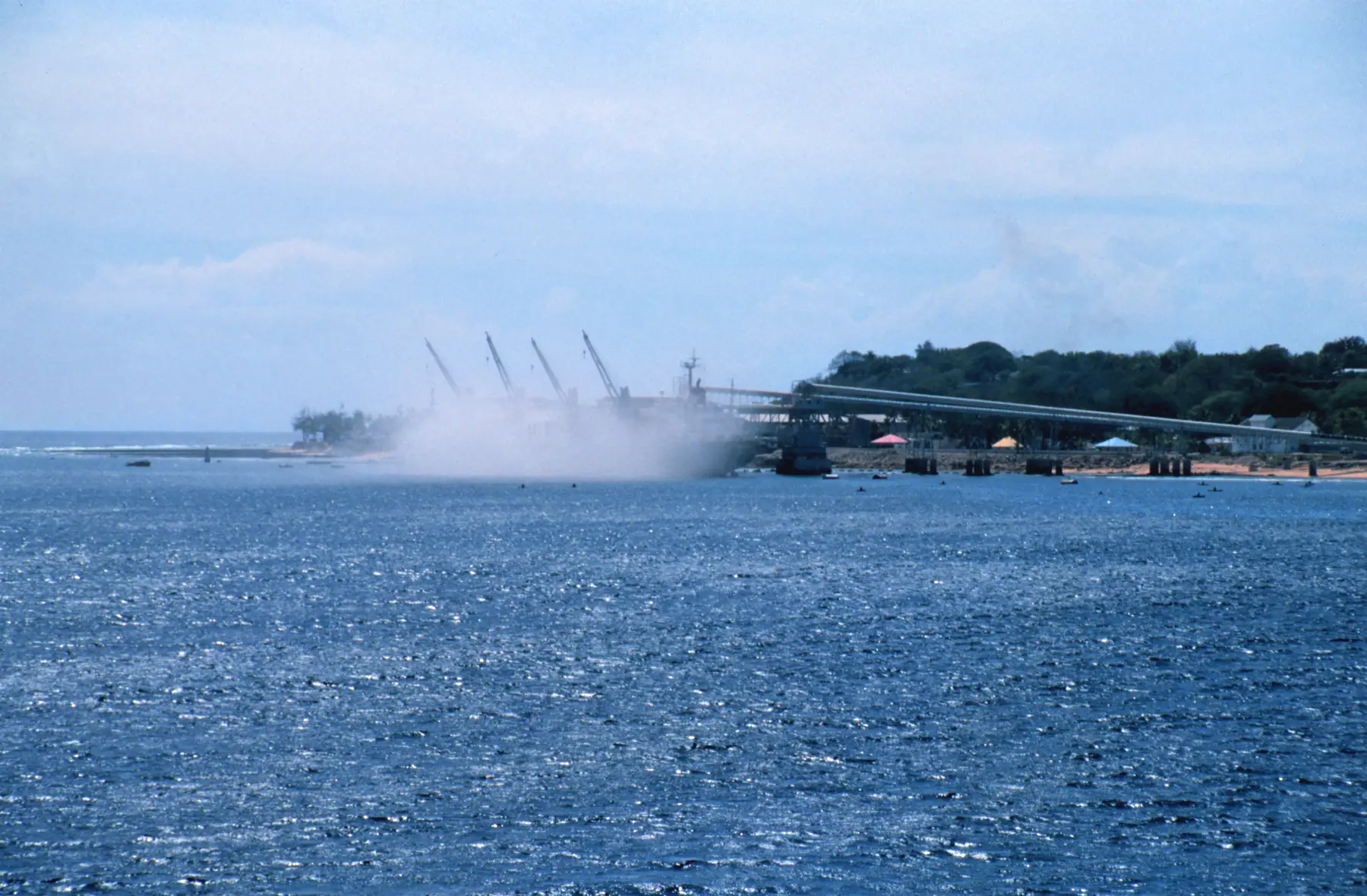
There is no passenger ferry or cruise port. The harbours at Aiwo and Anibare serve phosphate exports and local fishing boats, and the shallow water means larger ships must anchor offshore.
On the island, a single road rings the coast, and there is little public transport. Hotels can help with rental cars, scooters or bicycles, and some visitors hitch lifts, which is common locally. Walking is possible but hot and humid. The airport hotel pickup may not be automatic, so confirm with your accommodation in advance. The whole island is small enough that any destination is less than a half-hour drive.
How much does a trip to Nauru cost?
Nauru is an expensive and logistics-heavy trip for its size. The currency is the Australian dollar (AUD), and most food, fuel and goods are imported by ship or air, which raises prices. Figures below are rough per-person guides for 2026.
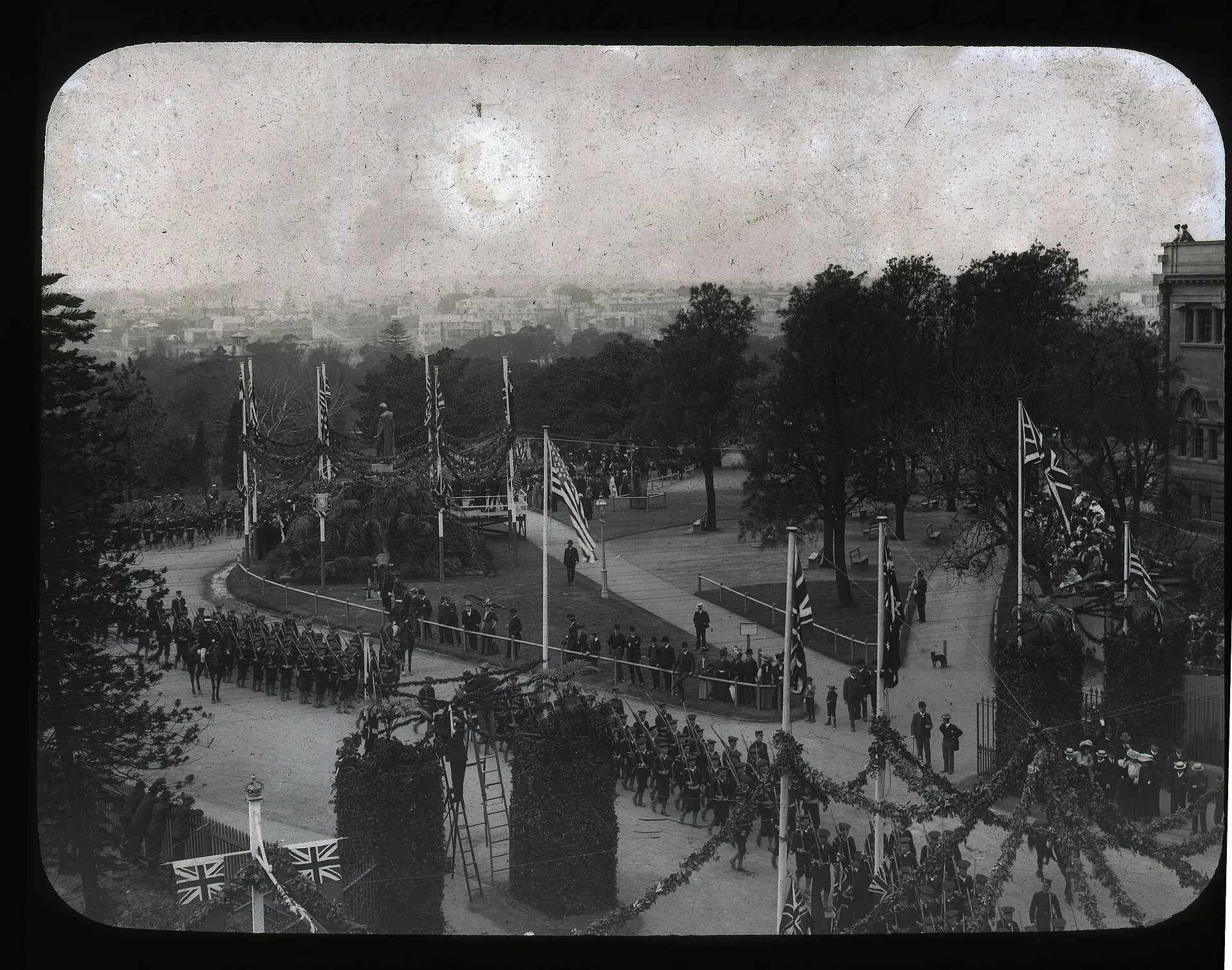
- Budget: around AUD 100 to 150 per day, with the cheapest available room, basic meals and walking or lifts.
- Mid-range: around AUD 150 to 300 per day, with a hotel room, restaurant meals and a rental vehicle.
- High-end: there is no luxury tier, but expect AUD 300 or more per day with private tours or fishing charters.
The main costs are flights from Brisbane or Nadi, which are far above the cost of the stay, and accommodation, which is limited to a few small hotels with little choice on price. Meals in local restaurants are moderate, and supermarkets stock imported goods. Bring enough cash in Australian dollars, because card use and ATM access can be unreliable.
Nauru food and drink
Nauru food is simple island cooking built on fish, coconut and imported staples such as rice, tinned goods and noodles, since little can be grown in the mined soil. Chinese restaurants and takeaways are common, and supermarkets stock imported Australian and Asian goods.
- Fresh fish: tuna, mahi-mahi and reef fish, eaten grilled, fried or raw in coconut dressing.
- Coconut: used in cooking, in drinks and as a staple of traditional food.
- Noddy bird and traditional dishes: historically eaten, though uncommon on tourist menus.
- Pandanus and banana: grown around Buada Lagoon and used in local dishes.
- Chinese-style dishes: noodles, fried rice and stir-fries are the main restaurant meals.
- Tropical fruit: coconut, pandanus, papaya and bananas in season.
- Drinks: bottled water, soft drinks and beer are common, and toddy from the coconut palm is a traditional drink.
Food costs are higher than in Australia for some imported items. Dietary options are limited, so vegetarians and anyone with allergies should bring snacks and speak to the hotel in advance. Drinking water should be bottled unless your hotel confirms otherwise.
Culture, language and etiquette in Nauru
Nauruan and English are the two official languages, and English is widely used in government, business and with visitors. The people are of Micronesian and Polynesian heritage, and traditional society was organised around twelve tribes, represented by the twelve-pointed star on the national flag. Most Nauruans are Christian, and church is an important part of weekly life.
Nauru has a conservative, community-focused culture. Dress modestly away from the beach, and ask before photographing people, homes or government buildings. Greet people politely, since in a small society everyone knows each other, and be patient about timing, as services run at an island pace.
History is sensitive. Phosphate mining stripped much of the island, the Second World War brought Japanese occupation, and Nauru has faced economic hardship and debates about hosting the Australian processing centre. Visitors should listen more than they judge and avoid pressing locals on politics. Sunday is a day of rest, and some businesses are closed.
Alcohol and drug laws are strict, so follow local rules on import limits and drinking in public.
Nauru itinerary: a 7-day route
The island can be seen in two days, so a week mainly reflects flight schedules. This slow route spreads the sights out and leaves time for the water.
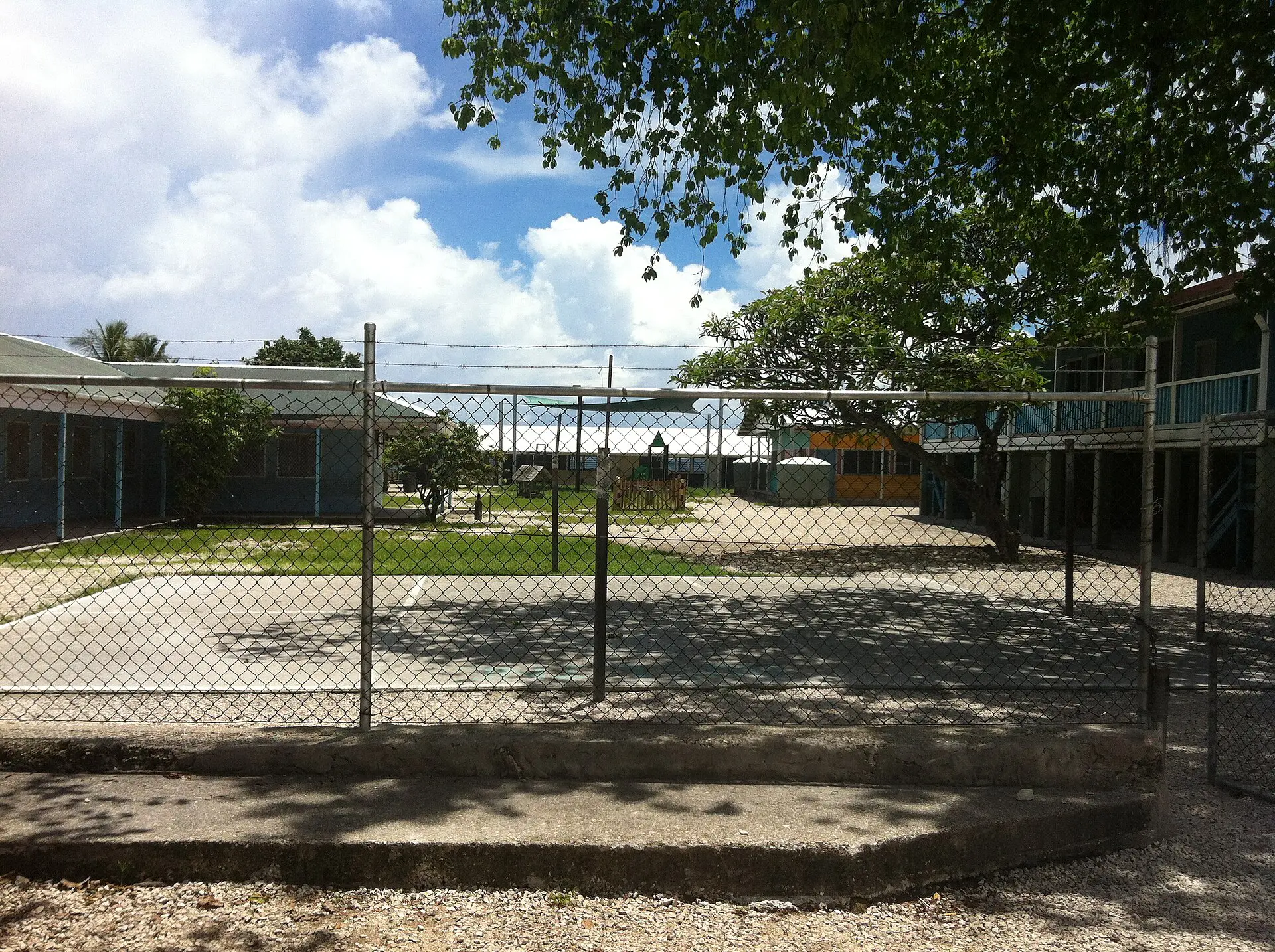
- Day 1, arrival in Yaren: land, check in, register at immigration and walk around the airport district.
- Day 2, ring road: hire a vehicle and drive the 19-kilometre coastal circuit with stops at harbours and beaches.
- Day 3, Command Ridge and Topside: see the Japanese guns in the morning and the pinnacle fields of the mined interior.
- Day 4, Buada Lagoon and Moqua Well: walk the lagoon edge and visit the cave pool.
- Day 5, Anibare Bay: spend the day on the east coast, and swim only where locals say it is safe.
- Day 6, fishing or boat trip: arrange through the hotel, weather permitting.
- Day 7, departure: return the vehicle and allow time at the small airport.
If your flight schedule is shorter, combine Days 2 to 5 into two days. Build in a spare day in case of flight changes.
Practical tips for Nauru
- Money: the Australian dollar is the currency. Bring enough cash, as card acceptance and ATMs are limited and can be unreliable.
- SIM and eSIM: mobile coverage exists on the island, but internet is slow and relatively expensive. Check roaming and local SIM options before you travel, and download maps and documents beforehand.
- Plugs: type I at 240 V, as in Australia, so UK and EU visitors need an adapter.
- Tipping: not customary.
- Health: bring a full medical kit, sun protection, repellent for dengue and any prescription medicines, and carry insurance with evacuation cover.
- Packing: lightweight clothes, reef shoes, a hat, a torch and a dry bag for tropical showers.
- Booking: confirm hotel and flights before applying for the visa, since proof of accommodation is needed.
- Supplies: bring snacks, books and anything specific you cannot do without, since shops are small.
For more background, see the Wikivoyage Nauru guide.
FAQ
Q1What is Nauru food like?
Nauru food is simple: fresh tuna and reef fish, coconut and imported staples like rice, noodles and tinned goods. Chinese-style restaurants are the main places to eat out. Many items are imported, so prices are high, and vegetarians should bring snacks and ask the hotel in advance.
Q2Is Nauru safe?
Yes, for most visitors. Violent crime against tourists is rare. The main concerns are basic medical care, strong reef currents, tropical heat and unlit roads. Take insurance with evacuation cover, and check your government's current travel advice before you book.
Q3What are the best things to do in Nauru?
Ride the 19-kilometre ring road, visit Command Ridge for Japanese wartime guns, see Buada Lagoon and the Moqua Well, look at the mined limestone pinnacles on Topside and relax at Anibare Bay. Fishing and boat trips can be arranged through hotels.
Q4Do I need a visa for Nauru?
Most visitors do. All travellers need a passport and proof of a hotel booking or local sponsor. A few nationalities have had free visas on arrival, but most must apply in advance, and processing can be slow. Check the official Nauru government source before booking flights.
Q5Is Nauru safe to visit for solo travellers?
Solo travel is possible and street crime is low. The challenges are limited services, few places to stay and basic medical care. Choose accommodation in advance, tell your hotel where you are going, avoid swimming alone on the reef and carry cash and insurance.
Q6How do you get to Nauru?
Fly into Nauru International Airport, mainly with Nauru Airlines from Brisbane and Nadi, with some links to Honiara and Pohnpei. Flights run only one to three times a week, so confirm the timetable and book months ahead. There is no passenger ferry.
Q7How many days do you need in Nauru?
Two to three days is enough to see the whole island, because the ring road is about 19 kilometres. Flight schedules often force a longer stay, so many visitors spend four to seven days and use the extra time for swimming, fishing and relaxing.