Why visit Kiribati
The things to do in Kiribati are shaped by its geography. The country is made up of 32 atolls and one raised coral island, Banaba, scattered over more than three million square kilometres of ocean, with only about 811 square kilometres of land (see the Wikipedia overview). The islands straddle the equator and the 180th meridian, and the Line Islands sit in UTC+14, the first time zone on Earth to see each new day.
Kiribati suits travellers who value remoteness over comfort. It is one of the poorest and least visited countries in Oceania, with few hotels, limited transport and almost no tourist infrastructure beyond Tarawa and Kiritimati. In return you get empty lagoons, serious bonefishing, wartime history from the 1943 Battle of Tarawa and a warm, communal island culture. It is a poor fit for anyone who needs polished service or tight schedules.
Best places to visit in Kiribati
The best places to visit in Kiribati fall into three groups: the Gilbert Islands in the west, the Phoenix Islands in the centre and the Line Islands in the east. Most visitors see only one or two places.
South Tarawa
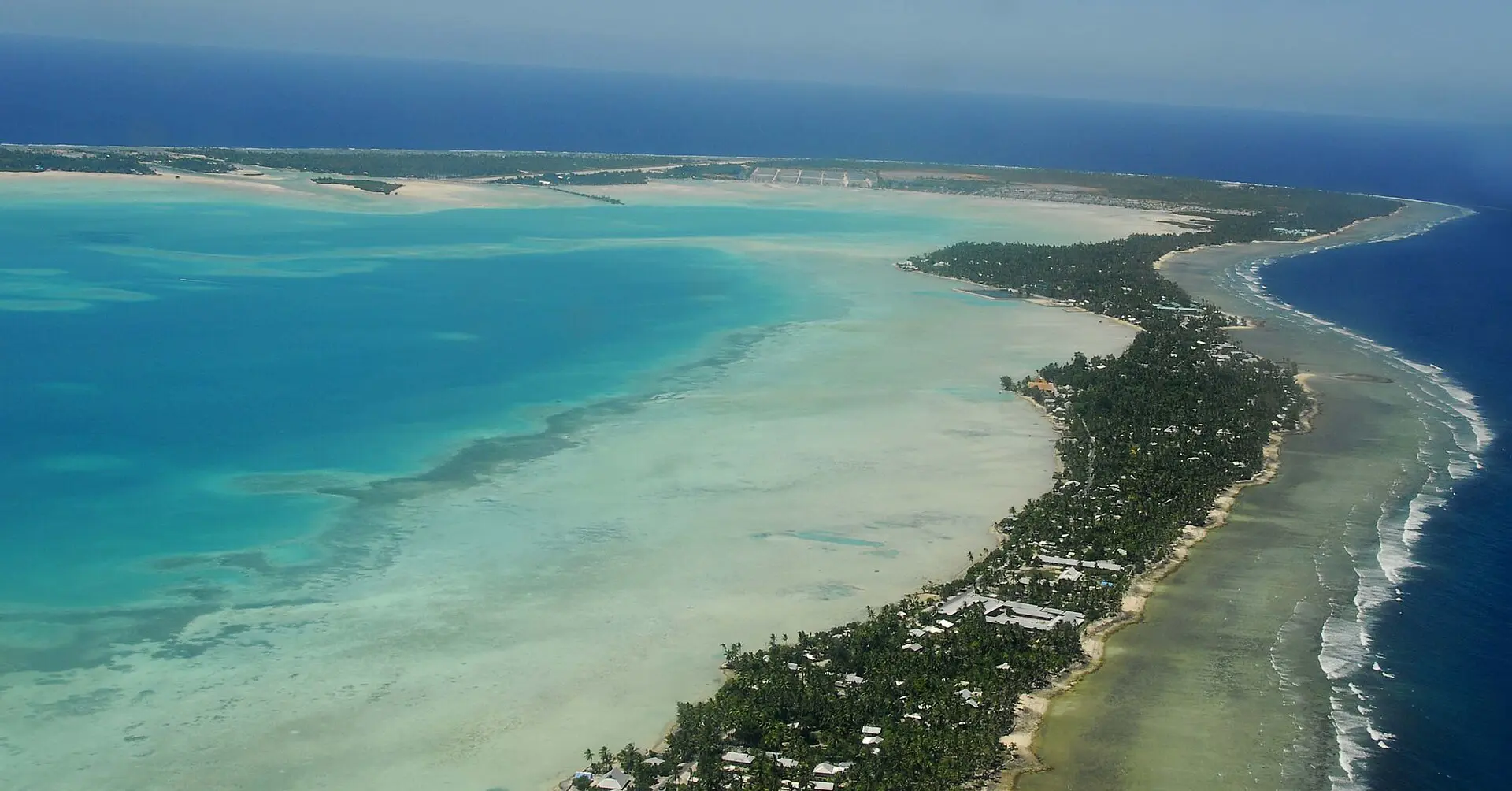
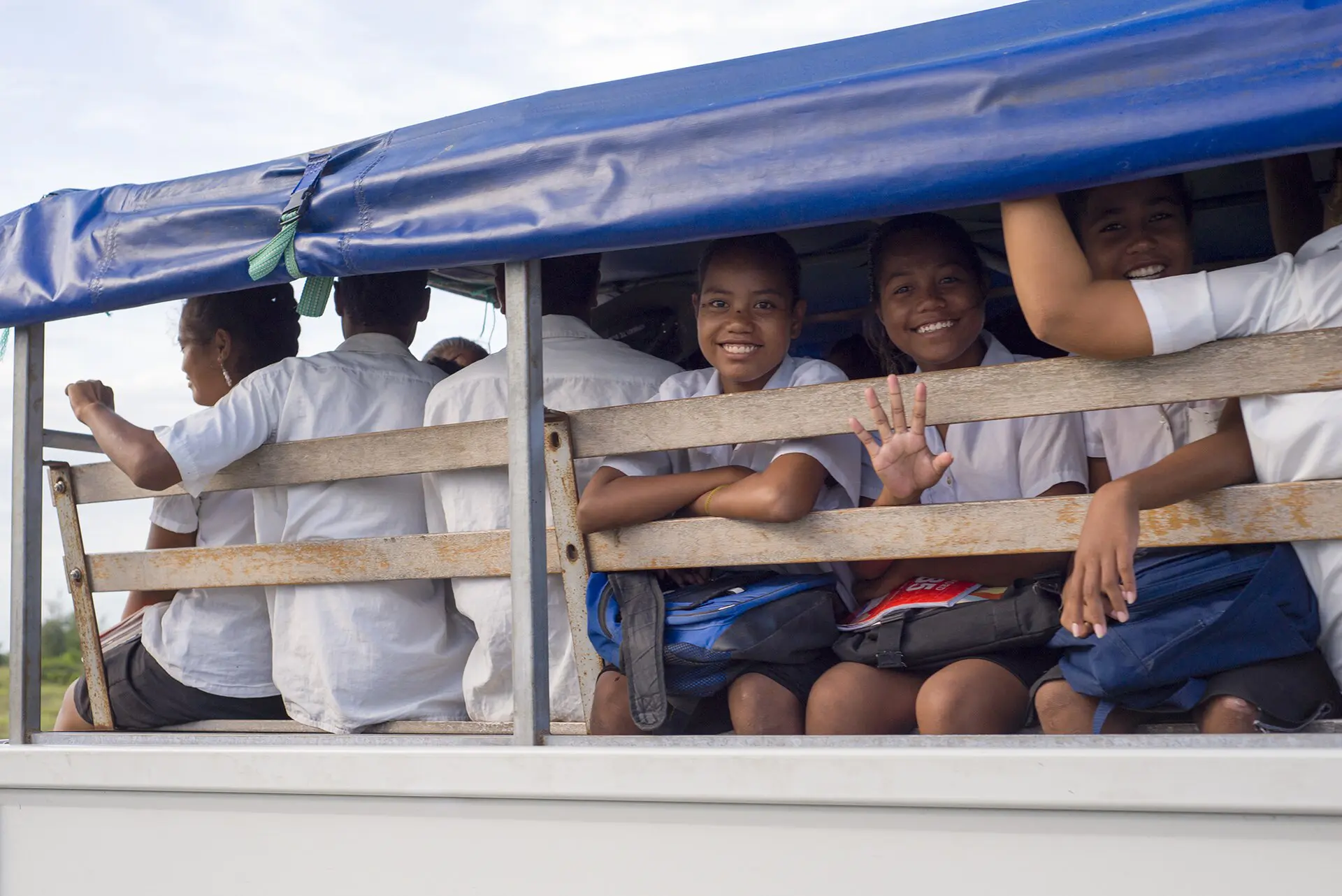
The capital and gateway is a string of islets joined by causeways on the southern rim of Tarawa Atoll. More than half the population lives here, so it is crowded, but it has the airport, the main guesthouses, markets and the wartime sites at Betio. Treat it as a base rather than the main attraction.
Kiritimati (Christmas Island)
The world’s largest coral atoll by land area sits in the Line Islands and is the usual destination for visiting anglers. Flats fishing for bonefish and giant trevally, birdlife and quiet beaches draw most visitors, and conditions are somewhat easier than elsewhere in the country.
Abaiang and the northern Gilberts
A short boat or flight hop from Tarawa, atolls such as Abaiang and Butaritari offer village stays, lagoon sailing and a glimpse of traditional life with no crowds. Facilities are basic.
Phoenix Islands
The Phoenix Islands Protected Area is a vast marine reserve on the UNESCO World Heritage list. Access is extremely limited and normally only possible on specialist expeditions.
Top things to do in Kiribati
The top things to do in Kiribati are built around the sea, wartime history and village life. Plan each one in advance, because tours and transport are informal.

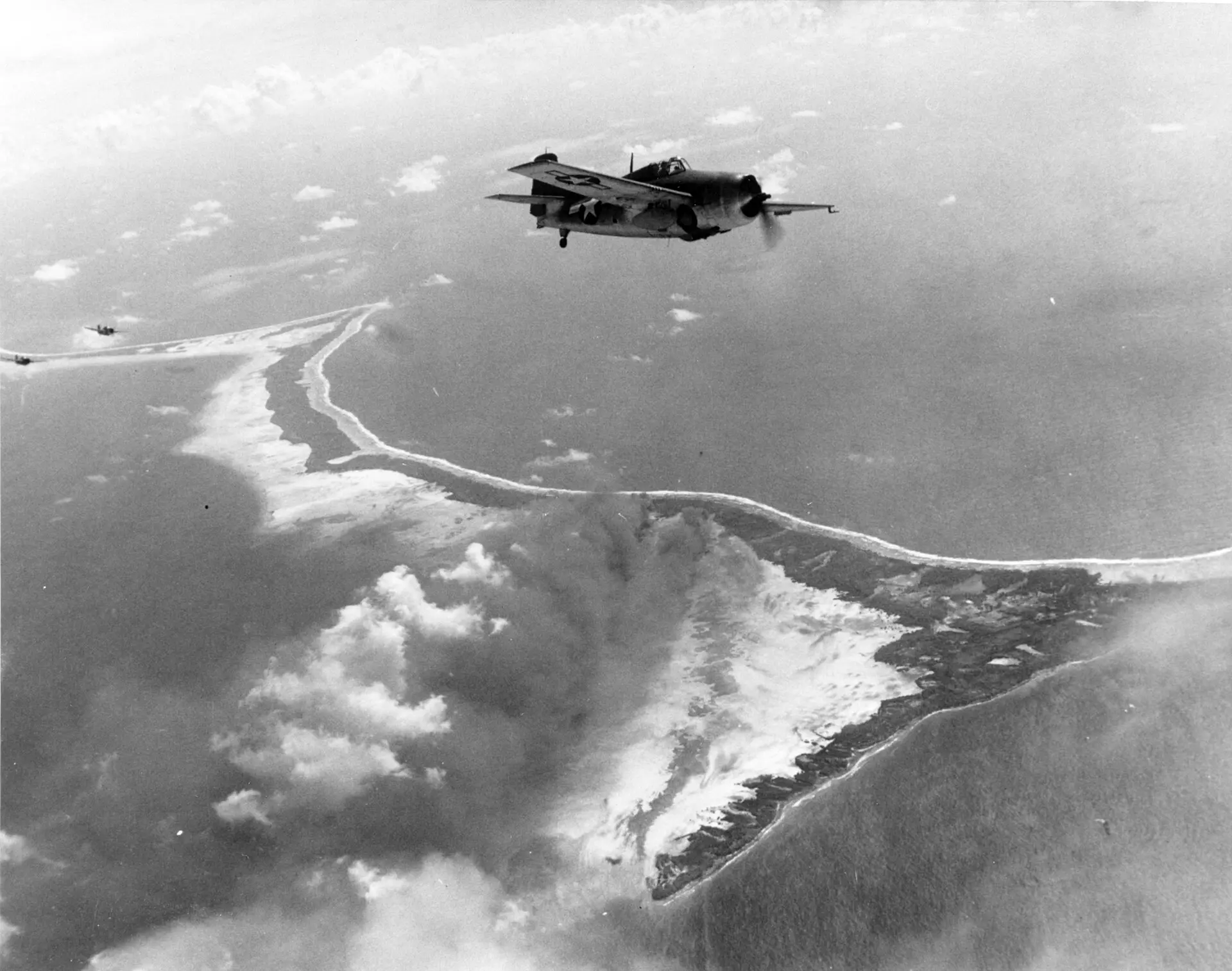
- Visit the Betio battlefield: rusting guns, bunkers and memorials mark the 1943 Battle of Tarawa on the western tip of the atoll.
- Go bonefishing at Kiritimati: guided flats fishing is the country’s most developed visitor activity.
- Dive or snorkel the lagoons: reefs on Tarawa and Kiritimati hold healthy coral and large fish, though dive operators are few.
- Stay in a village guesthouse: an outer-island homestay gives the most direct view of daily life.
- Sit in a maneaba: the open-sided meeting houses are the social and political centre of each community.
- Watch seabirds on Kiritimati: large colonies nest on the atoll and its outlying islets.
- Cross a causeway by bike: cycling South Tarawa shows the lagoon on one side and the open ocean on the other.
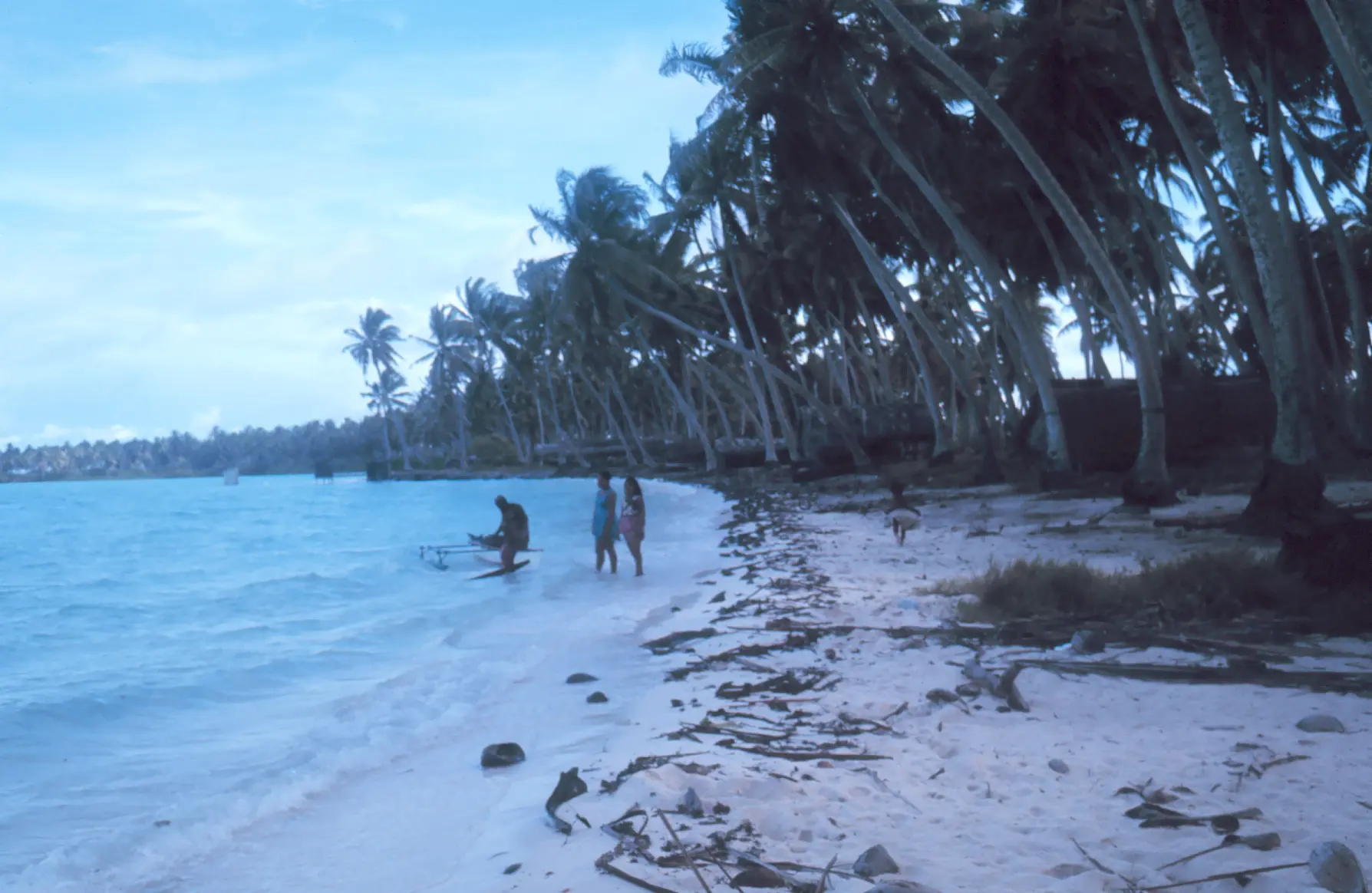
- Join a sailing canoe trip: traditional outrigger canoes (baurua) are still used in the lagoons.
- Cross the date line for the first sunrise: Line Islands visitors can say they saw a new day before almost anyone else.
- Shop for crafts: pandanus mats, shell jewellery and woven fans make practical souvenirs.
Best time to visit Kiribati
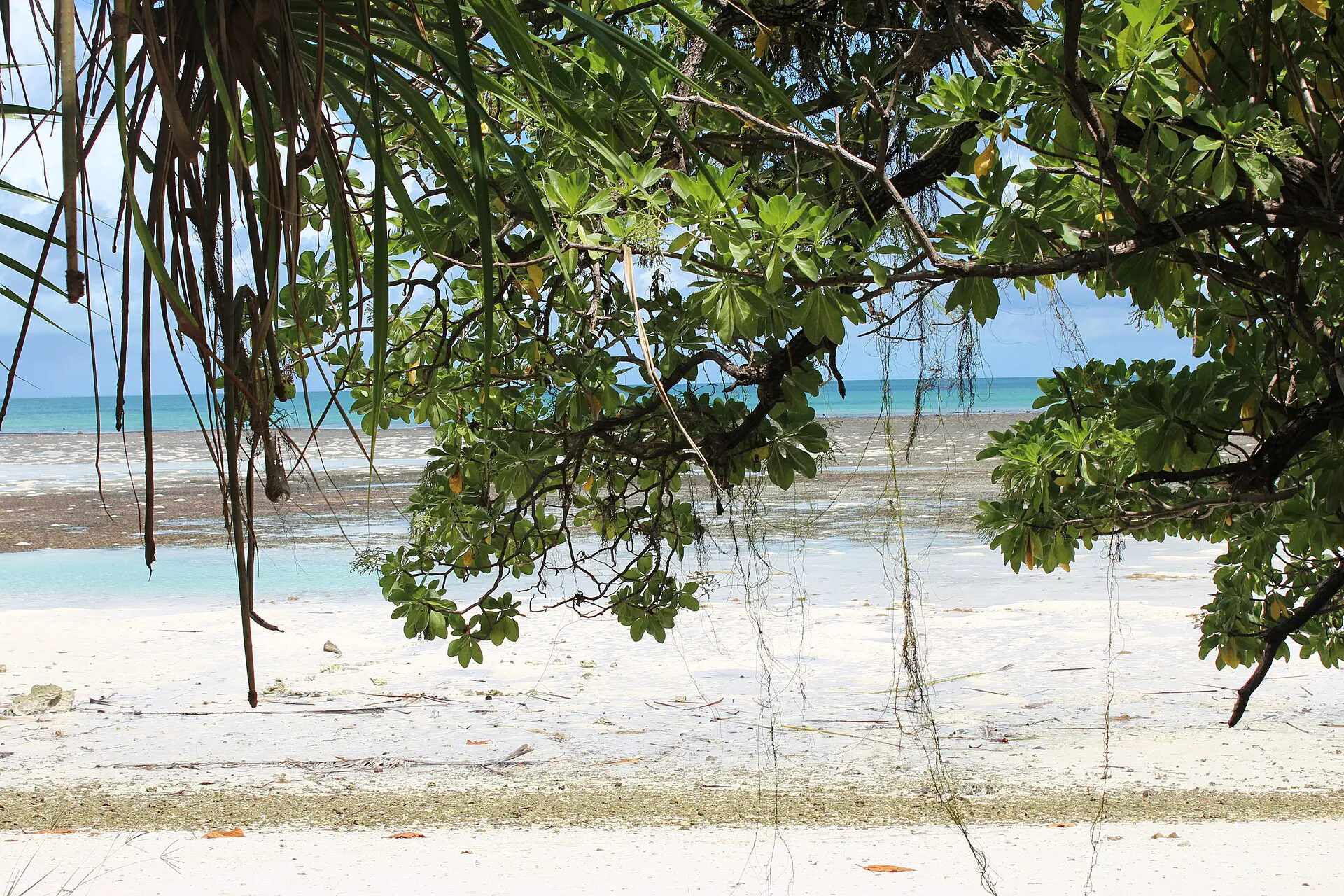
The best time to visit Kiribati is generally the drier months from about May to October, when trade winds keep the heat bearable and rain is lighter. The climate is hot and humid year-round, with temperatures usually around 28 to 32 C, and the islands lie outside the main cyclone belt, although storms and swell can still disrupt boats.
| Season | Weather | Crowds and prices | Good for |
|---|---|---|---|
| Dry (May-Oct) | Hot, steady trade winds, less rain | Few visitors; flights fill early | Diving, sailing, village stays |
| Wet (Nov-Apr) | Humid, heavier showers, calmer winds | Very quiet | Fishing, lagoon swimming |
| El Nino years | Rainfall and sea conditions shift | Unchanged | Check forecasts before booking |
King tides can flood low-lying parts of Tarawa and other atolls at times of year, so ask your host about local conditions. Flight schedules, not weather, are usually the real constraint.
Is Kiribati safe to visit?
Yes, Kiribati is generally safe for visitors, and violent crime against tourists is uncommon. The real risks come from remoteness: medical care is very limited, evacuations are expensive and communication can be slow. Check your government’s current travel advice, such as the Wikivoyage Kiribati guide for background and your national foreign ministry for current notices, before you book.
Health. Hospital facilities are basic, so bring a well-stocked first-aid kit, regular medication and travel insurance that includes medical evacuation. Dengue and other mosquito-borne illness occur, and tap water is not reliably safe, so drink bottled or treated water. Sun exposure at the equator is intense.
Sea and weather. Currents in channels between islets can be strong, and boats may lack safety equipment. Ask locals before swimming in channels or at the ocean side, and avoid small-boat trips in rough conditions.
Petty issues. Opportunistic theft and drunken behaviour at night can occur around South Tarawa. Take normal precautions, avoid walking alone late, and dress modestly.
Climate. Sea-level rise and king tides are a serious long-term concern for the islands and sometimes affect roads and water supplies.
Visa and entry requirements for Kiribati
Entry rules depend on your nationality, and they have changed over the years. As a general picture, visitors from many countries can obtain a short-stay entry permit on arrival or enter visa-free, while others must apply in advance. Confirm the current rule for your passport with the Kiribati immigration authorities or the nearest Kiribati diplomatic mission before you book flights.
Expect to show a passport valid for at least six months, proof of onward travel and confirmation of accommodation. Some arrivals are asked about funds for the stay. Because of the remoteness, health certificates for certain diseases may be requested depending on where you are travelling from, so check this too.
If you plan to visit the Phoenix Islands or other restricted areas, you will need extra permission, normally arranged through an expedition operator. The UNESCO page for Kiribati lists the Phoenix Islands Protected Area for context, but it does not cover entry rules.
Customs control biosecurity seriously, so declare food, plants and fishing gear.
Getting to and around Kiribati
Getting to Kiribati takes planning. The main international gateway is Bonriki International Airport on South Tarawa, with scheduled flights in recent years from Nadi in Fiji and from Nauru and Majuro on regional routes. Kiritimati is reached by flights from Honolulu or Nadi on a limited schedule. Services are infrequent, sometimes weekly, so a delay can strand you for days. Check current timetables directly with the airlines.
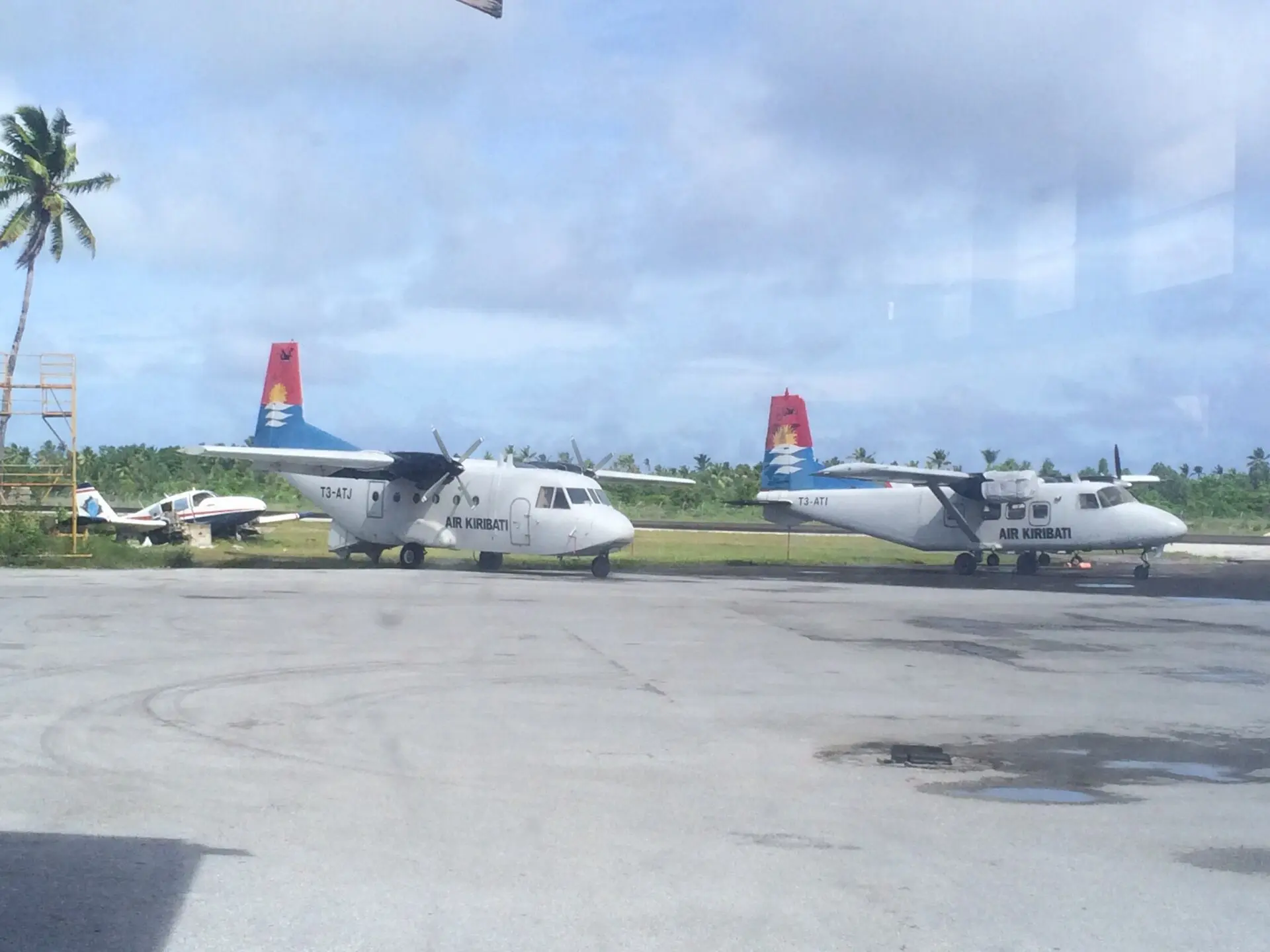
On South Tarawa, minibuses and shared vans run along the main road and are very cheap, and taxis are available. The islets are linked by causeways, so you can also walk or cycle. Between islands, Air Kiribati operates small domestic flights, and cargo and passenger boats run irregular schedules that are not reliable for tight itineraries.
Driving is on the left. Rental cars are limited, so ask your guesthouse about arranging a driver. Roads on outer islands are mostly sand or coral tracks.
Allow generous buffer days at both ends of any trip, and book internal flights before arrival where possible.
How much does a trip to Kiribati cost?
Flights are the main cost, and prices on the ground are higher than in neighbouring developing countries because almost everything is imported. The currency is the Australian dollar (AUD), alongside locally minted Kiribati coins. Figures below are rough per-person guides, and they will vary with availability.
- Budget: around USD 60 to 80 per day, with a basic guesthouse, local meals and shared minibuses.
- Mid-range: around USD 80 to 150 per day, with a better guesthouse or small hotel, restaurant meals and occasional taxis or tours.
- High-end: from around USD 200 per day on Kiritimati, including a fishing lodge package and guided days, plus the cost of the flights.
Return flights from Fiji, Hawaii or Australia often cost far more than a week’s accommodation, so factor them in early. Fishing packages are priced separately and can be the largest item. Imported food, fuel and bottled water add up on outer islands, and cash is essential, since cards and ATMs are limited outside South Tarawa.
Kiribati food and drink
Kiribati food is simple and built around what grows on coral soil and what the sea provides. Restaurants are few, so most meals come from guesthouses, small cafes and village hosts.
- Fresh fish: tuna, reef fish and flying fish are grilled, fried or eaten raw in coconut cream.
- Rice and breadfruit: rice is the everyday staple, with breadfruit and pandanus products eaten seasonally.
- Te bwabwai: giant swamp taro, a traditional root crop grown in pits, appears at feasts.
- Coconut: coconut milk, flesh and fresh drinking nuts feature in much of the cooking.
- Crab and shellfish: mud crabs and clams are local favourites where available.
- Toddy: sap from coconut flowers, drunk fresh or fermented; it is a strong tradition on many islands.
- Imported goods: tinned meat, noodles and bread are common because of the supply situation.
Vegetarians can manage on rice, vegetables and fruit, but variety is limited, and vegans should bring supplements. Ask about water and ice before eating raw dishes, and carry snacks for outer-island travel.
Culture, language and etiquette in Kiribati
The I-Kiribati are a Micronesian people, and the national languages are English and Gilbertese (Te taetae ni Kiribati). English is used in government and schools, though outside Tarawa you will hear mostly Gilbertese. A greeting such as mauri (hello) is always welcomed, and rabwa (thank you) goes a long way.
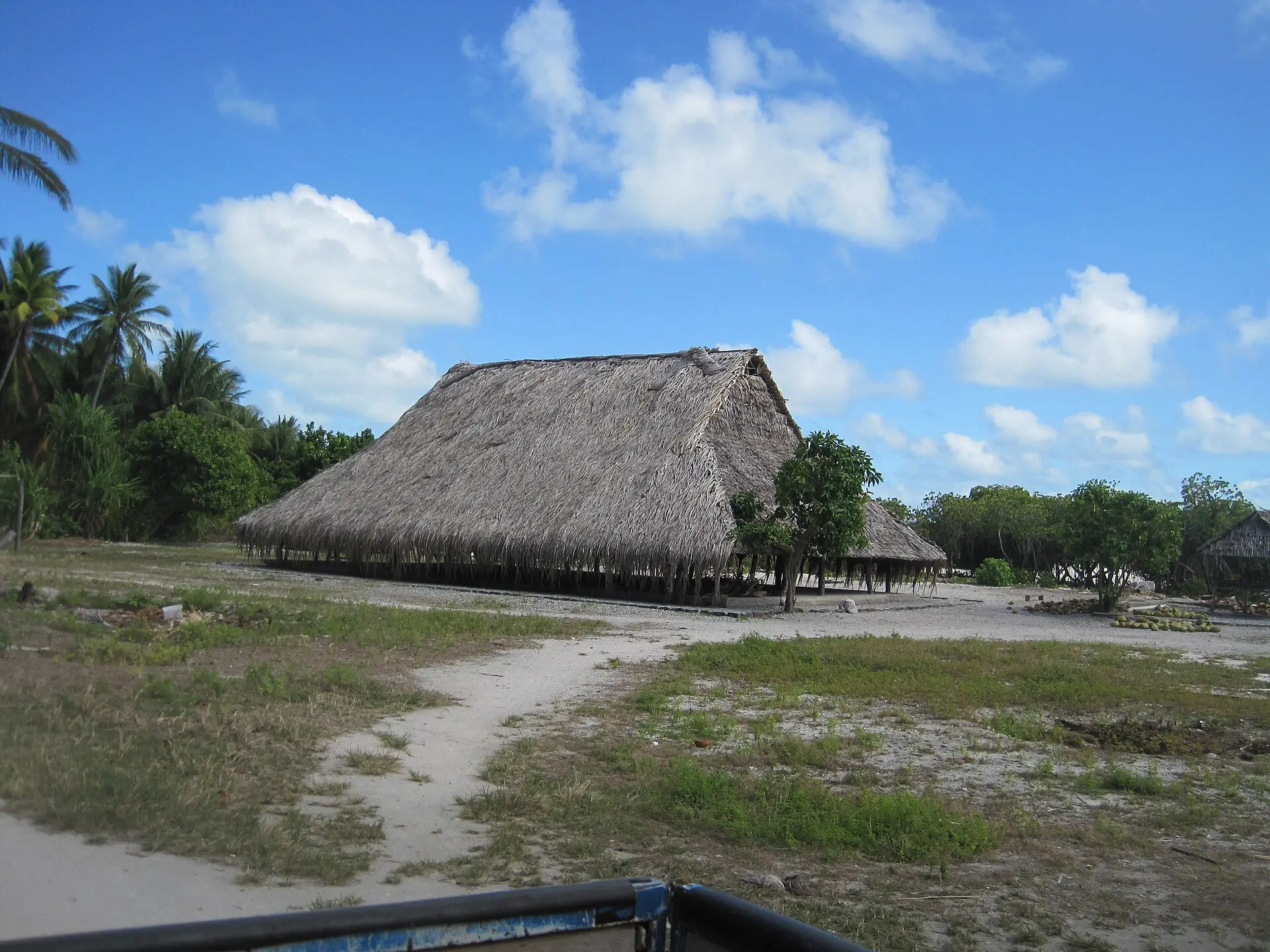
Community life centres on the maneaba, the large open meeting house where seating positions reflect clan and status. If you are invited to one, wait to be shown where to sit, remove your shoes and avoid standing over seated people. Christianity is widespread, with Catholic and Protestant communities, and Sundays are quiet, with limited services and activity.
Dress modestly: both men and women should cover shoulders and knees away from the beach, and swimwear stays at the beach. Public displays of affection are discouraged. Ask before photographing people or ceremonies, and bring small practical gifts when staying in a village. Same-sex relations are legally restricted, so travellers should be discreet.
Kiribati itinerary: a 7-day route
This route focuses on South Tarawa and the nearby atolls, because they are the most realistic for independent travellers. Flight timings can change, so build in flexibility.
- Day 1, arrive on Tarawa: land at Bonriki, check in on South Tarawa and walk the nearby causeway at sunset.
- Day 2, Betio history: visit the wartime guns, bunkers and memorials on the western end of the atoll.
- Day 3, Bairiki and markets: see the government area, shop for crafts and sit in a maneaba with a local host.
- Day 4, lagoon day: arrange a boat trip, snorkel in the lagoon and eat fresh fish with a host family.
- Day 5, Abaiang: travel by boat or small plane to the northern atoll for a village stay.
- Day 6, Abaiang: join fishing, weaving and canoe sailing, and swim from empty beaches.
- Day 7, return: go back to Tarawa and prepare for your onward flight.
Anglers should instead build a week around Kiritimati, with fishing packages arranged in advance. If transport is uncertain, spend the extra days on Tarawa rather than risking a missed international flight. Independent travel to remote islands is not advisable without a local host.
Practical tips for Kiribati
- Money: the Australian dollar is the main currency. Bring plenty of cash in small notes, as cards and ATMs are unreliable and usually limited to South Tarawa.
- SIM and eSIM: a local SIM is cheap but coverage and data are patchy; eSIM options are limited, so download maps and booking details before you arrive.
- Plugs: type I sockets at about 240 V, the same as Australia and New Zealand.
- Tipping: not expected; a thank-you and a small gift for hosts are more usual.
- Health: check recommended vaccinations, carry insect repellent, high-factor sunscreen and rehydration salts, and have evacuation insurance.
- Packing: light long-sleeved clothing, reef shoes, a dry bag and a power bank.
- Time: Kiribati spans three zones, UTC+12, +13 and +14, so check the local time of every flight you book.
- Connectivity: flights get delayed, so keep spare days and your travel insurer informed.
For background reading, see the Wikivoyage Kiribati guide.
FAQ
Q1What are the best things to do in Kiribati?
Top picks are visiting the Battle of Tarawa sites at Betio, bonefishing and birdwatching on Kiritimati, snorkelling the lagoons, staying in an outer-island village and sitting in a maneaba. Most travel is informal, so arrange guides and boats through your guesthouse.
Q2What is Kiribati food like?
Kiribati food relies on fish, coconut, rice, breadfruit and giant swamp taro, with imported tinned goods filling gaps. Fish is grilled, fried or eaten raw in coconut cream. Restaurants are few, so most meals come from guesthouses and hosts, and variety is limited.
Q3Is Kiribati safe?
Yes, for most visitors. Violent crime against tourists is uncommon, but medical care is basic, dengue occurs and sea currents are strong in channels. Carry insurance with medical evacuation, drink bottled water and check your government's travel advice before you go.
Q4Is Kiribati safe to visit for solo travellers?
Solo travellers generally report friendly treatment, but isolation matters more than crime. Avoid walking alone late at night on South Tarawa, dress modestly, tell your host your plans before boat trips and keep spare days in your schedule in case flights are delayed.
Q5What is the best time to visit Kiribati?
The drier months from about May to October are the most comfortable, with steady trade winds and less rain. Fishing on Kiritimati works year-round. Flights, not weather, are the main constraint, so check schedules and add buffer days.
Q6Do I need a visa for Kiribati?
It depends on your nationality. Visitors from many countries get a short-stay permit on arrival or enter visa-free, while others must apply first. Carry an onward ticket and proof of accommodation, and confirm the current rule with Kiribati immigration or an embassy.
Q7How do you get to Kiribati?
Most visitors fly to Bonriki Airport on South Tarawa from Nadi, Fiji, or via Nauru or Majuro, and Kiritimati is served from Honolulu or Nadi. Flights are infrequent, sometimes weekly, so book early and allow extra days either side.