Why visit Guatemala
The best things to do in Guatemala come from its mix of ancient and living cultures. The country covers about 109,000 square kilometres, with Guatemala City as its capital, and spans volcanic highlands, Caribbean and Pacific coasts and the northern lowland jungle of Petén (see the Wikipedia overview). Maya civilisation left monumental cities such as Tikal, and Maya communities still shape highland life, language and dress.
Guatemala suits travellers who want depth over polish: history, volcano climbs, markets, coffee farms and village stays. It is popular with backpackers and Spanish students, with a well-worn route that links Antigua, Lake Atitlán, Chichicastenango and Tikal. Spanish is the official language, with more than 20 Maya languages spoken. Crime and rough transport mean it rewards preparation, but most visitors on the standard routes have trouble-free trips.
Best places to visit in Guatemala
The best places to visit in Guatemala lie along a compact loop from the capital to the highlands and north to Petén.
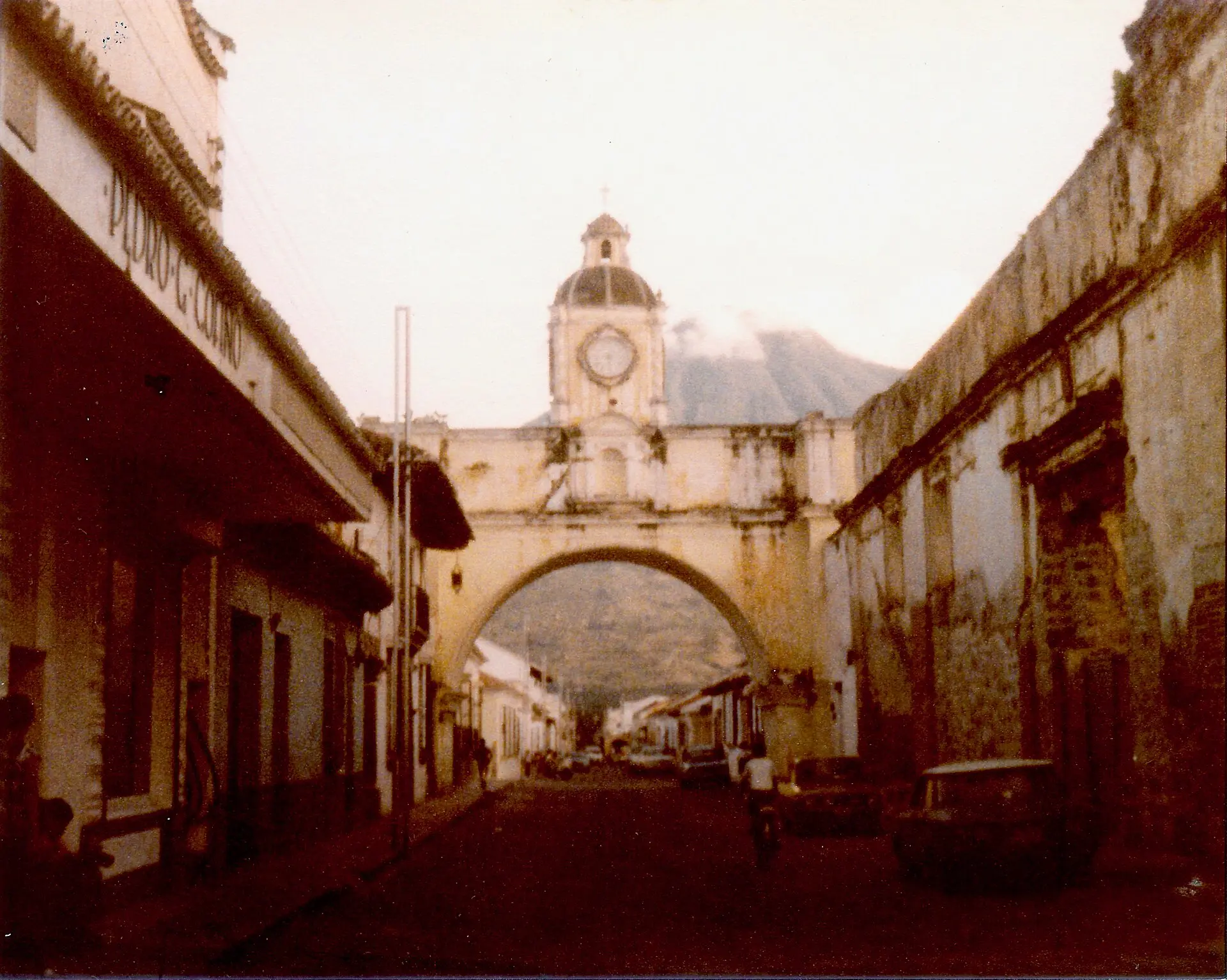
Antigua Guatemala
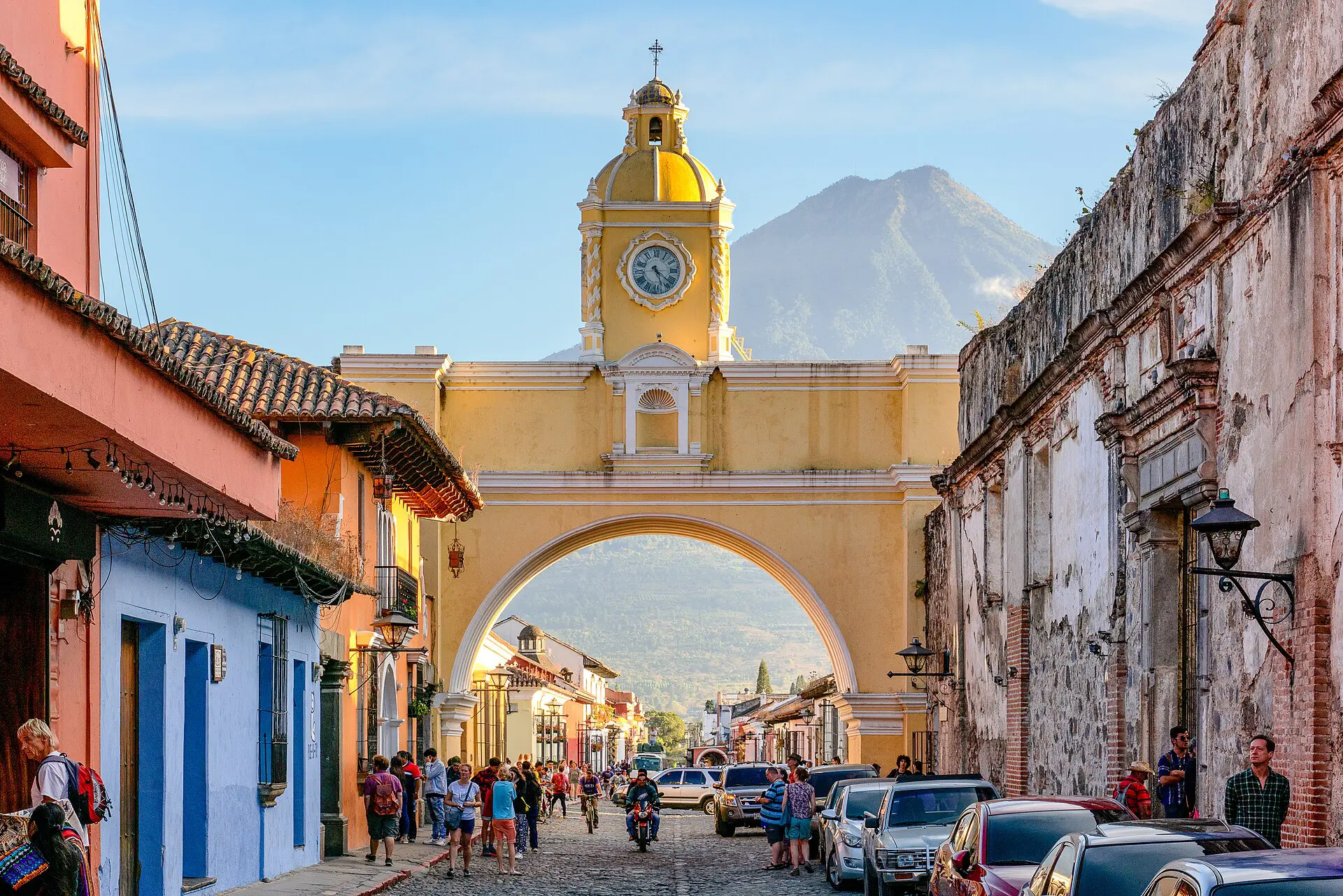
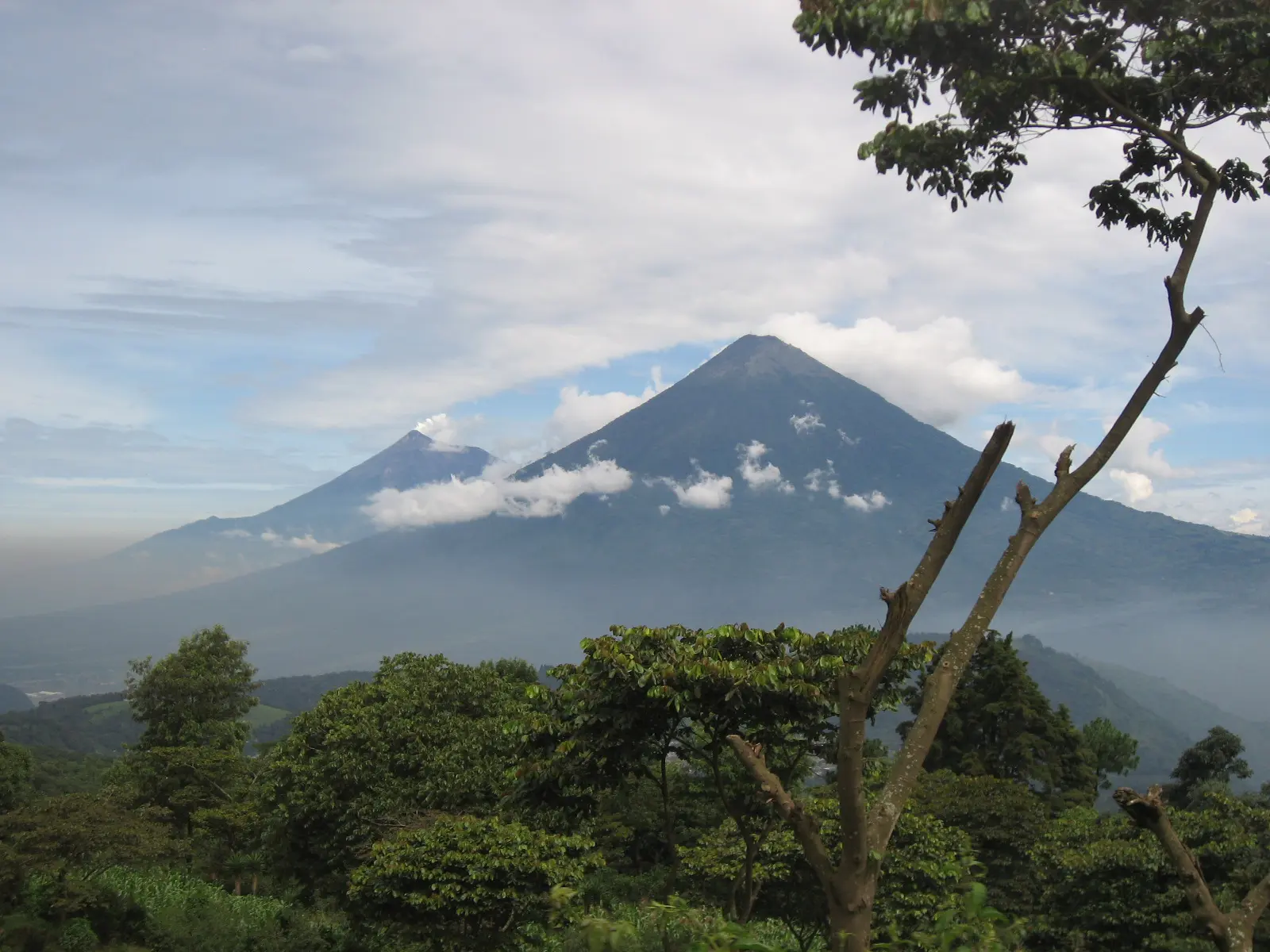
This UNESCO-listed colonial town sits among three volcanoes, with cobbled streets, ruined churches and the Santa Catalina Arch. It is the main base for volcano hikes, language schools and coffee tours. Allow two to three nights.
Lake Atitlán
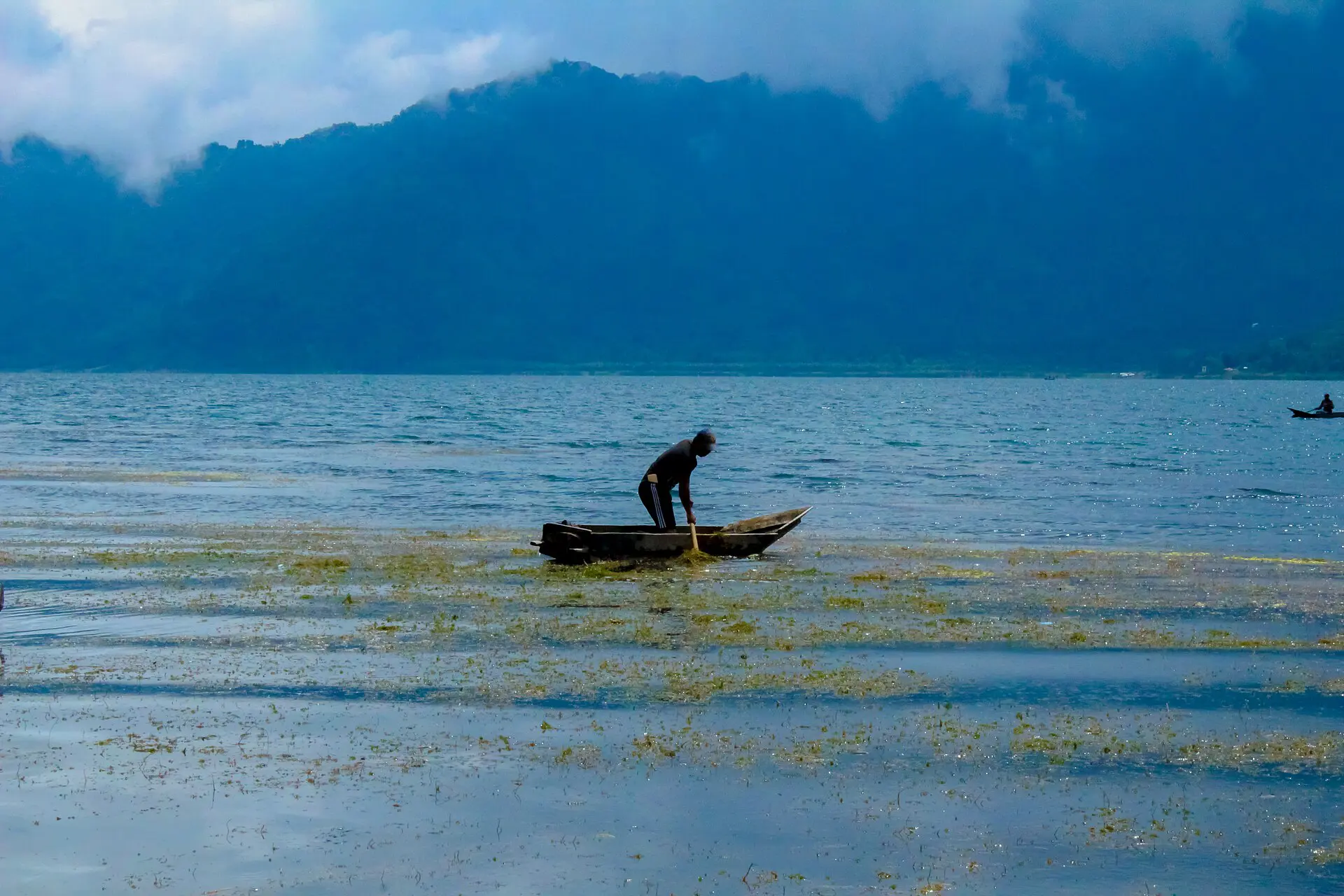
A deep lake ringed by volcanoes, with villages reached by boat. Panajachel is the gateway, San Pedro is the backpacker hub, San Marcos is quieter and Santiago Atitlán has strong Maya traditions.
Tikal
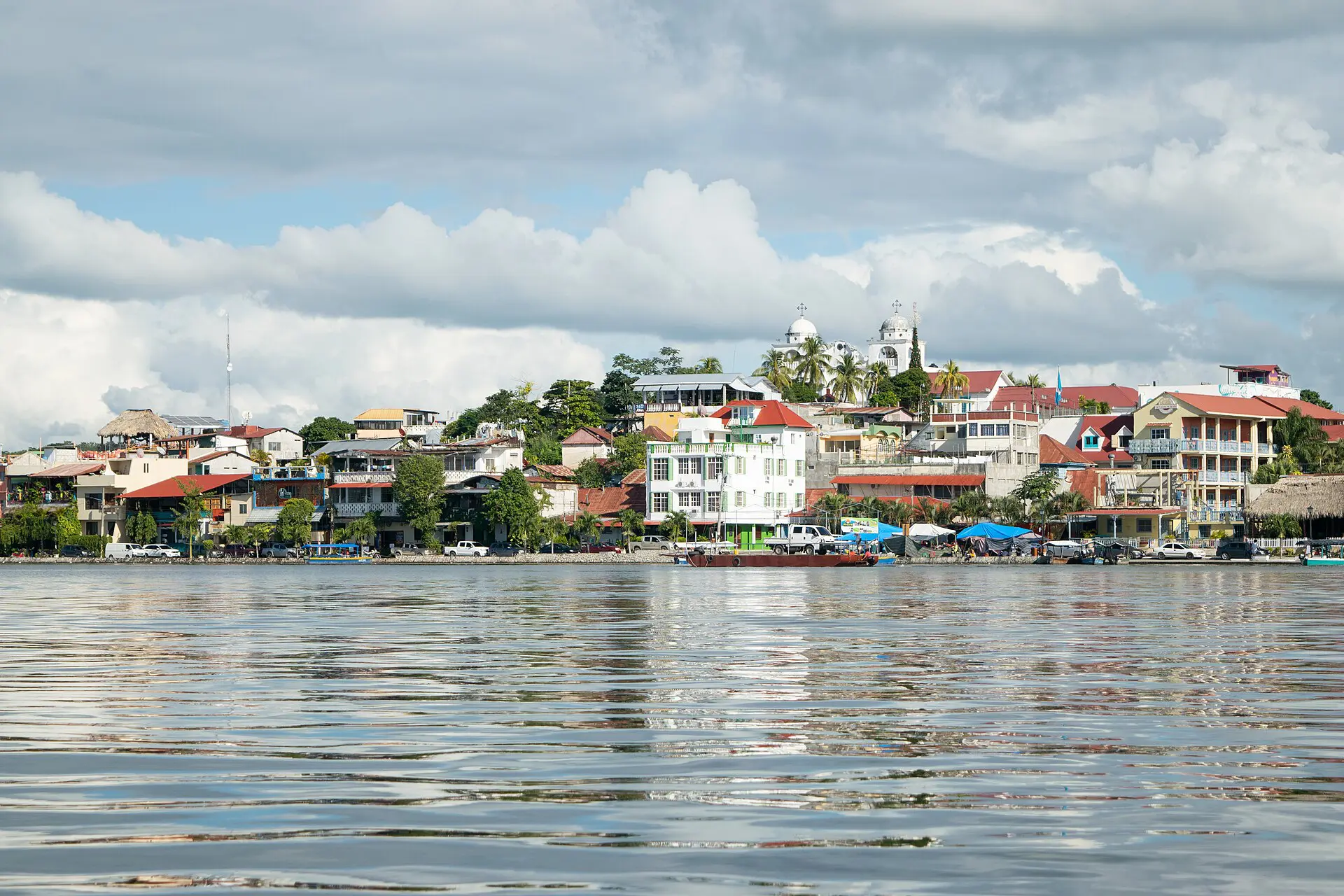
The most famous Maya site rises from rainforest in the north, with tall pyramids, howler monkeys and toucans. Stay in Flores, the lake island town, and visit early.
Chichicastenango
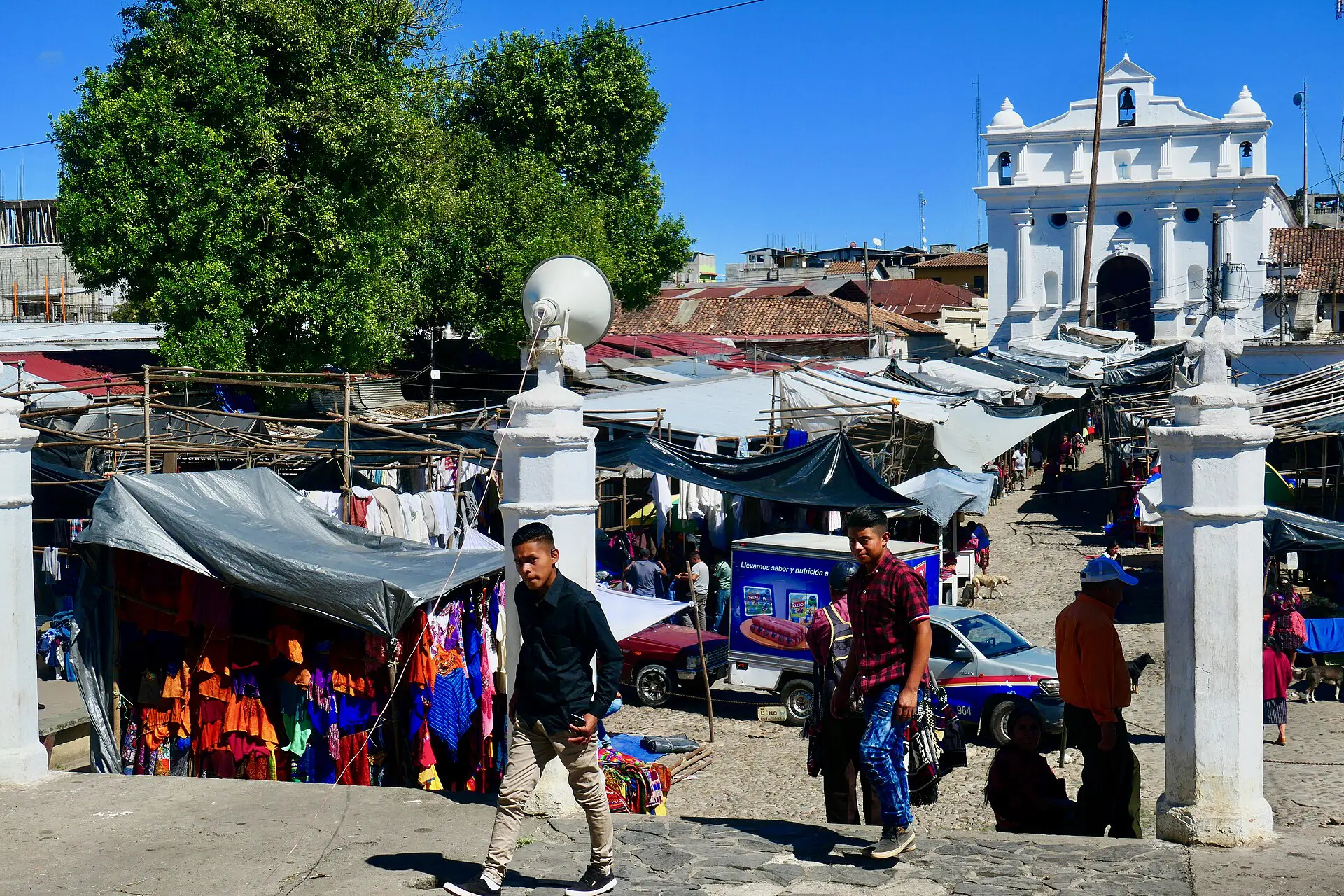
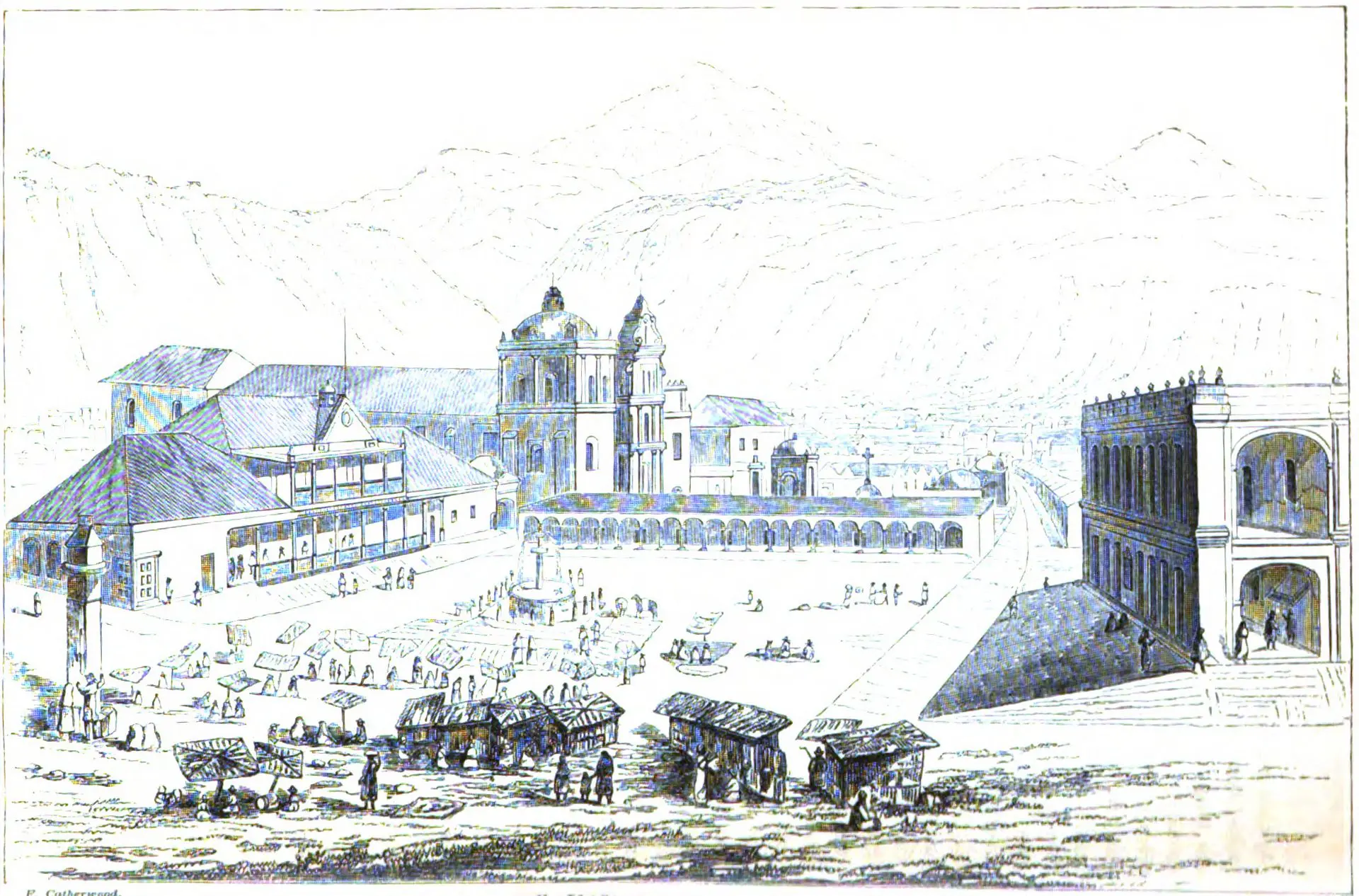
The highland town hosts a famous Thursday and Sunday market, where Maya vendors sell textiles, masks and produce beside the Santo Tomás church.
Semuc Champey
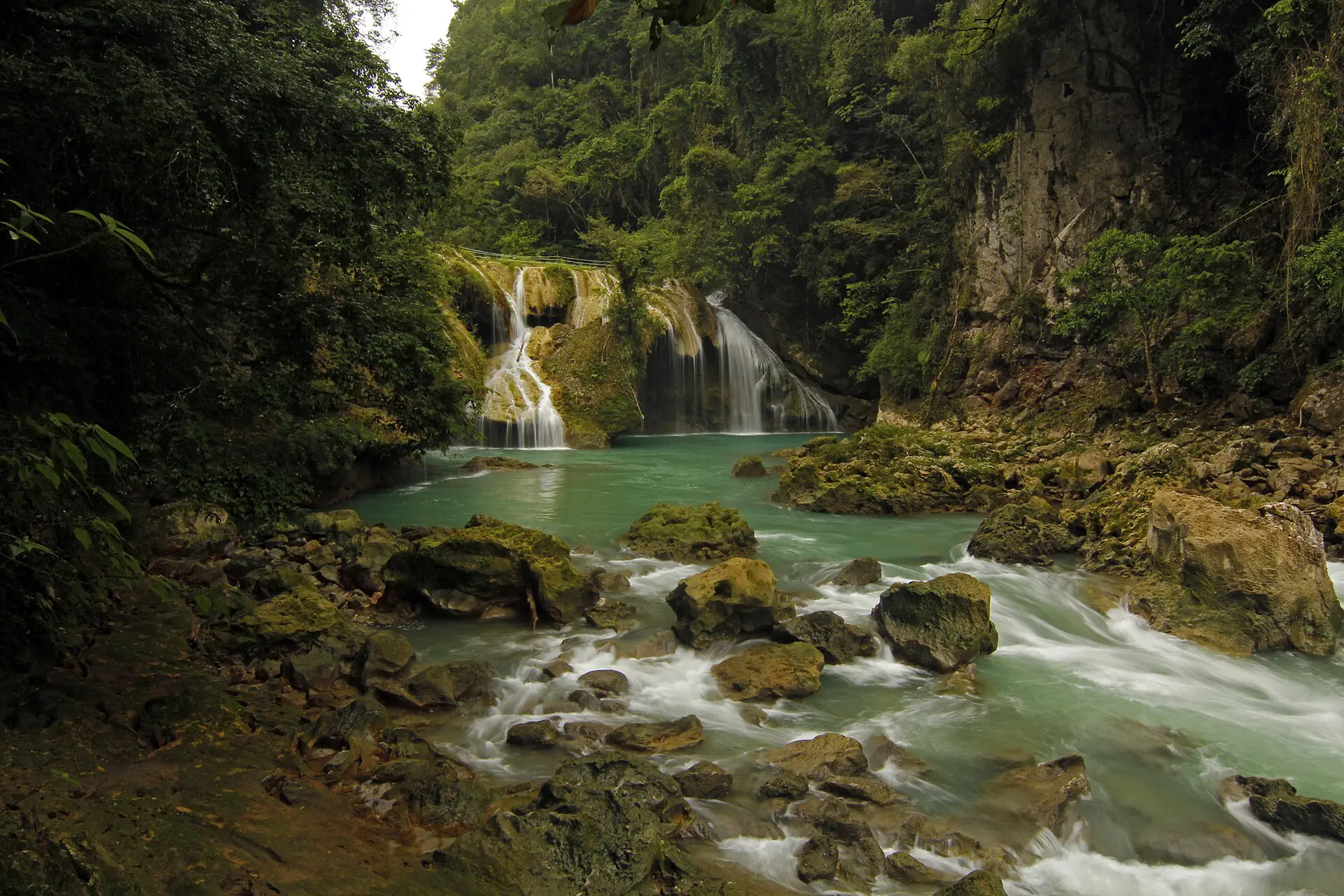
Turquoise pools step down a limestone bridge over the Cahabón River in a remote forest area, reached via Lanquín.
Quetzaltenango and Río Dulce
Quetzaltenango (Xela) is a highland city for language study and treks, while Río Dulce and Livingston show the Caribbean side.
Top things to do in Guatemala
The top things to do in Guatemala centre on ruins, volcanoes and markets, with a few easy days between them.
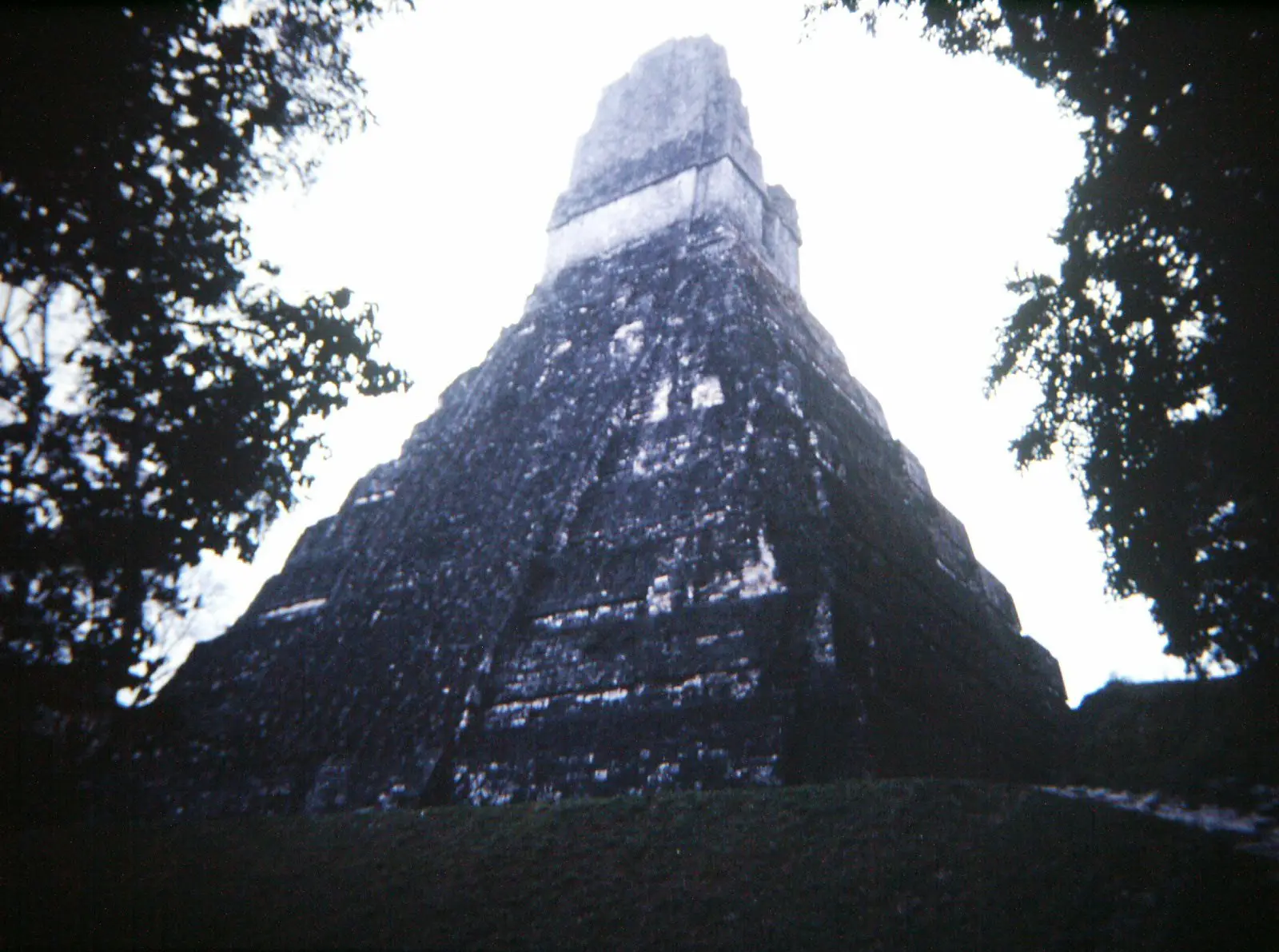
- Explore Tikal at sunrise: climb Temple IV for views over the jungle canopy, with a guide for context.
- Walk Antigua’s old town: see the ruined churches, the Santa Catalina Arch and the central park.
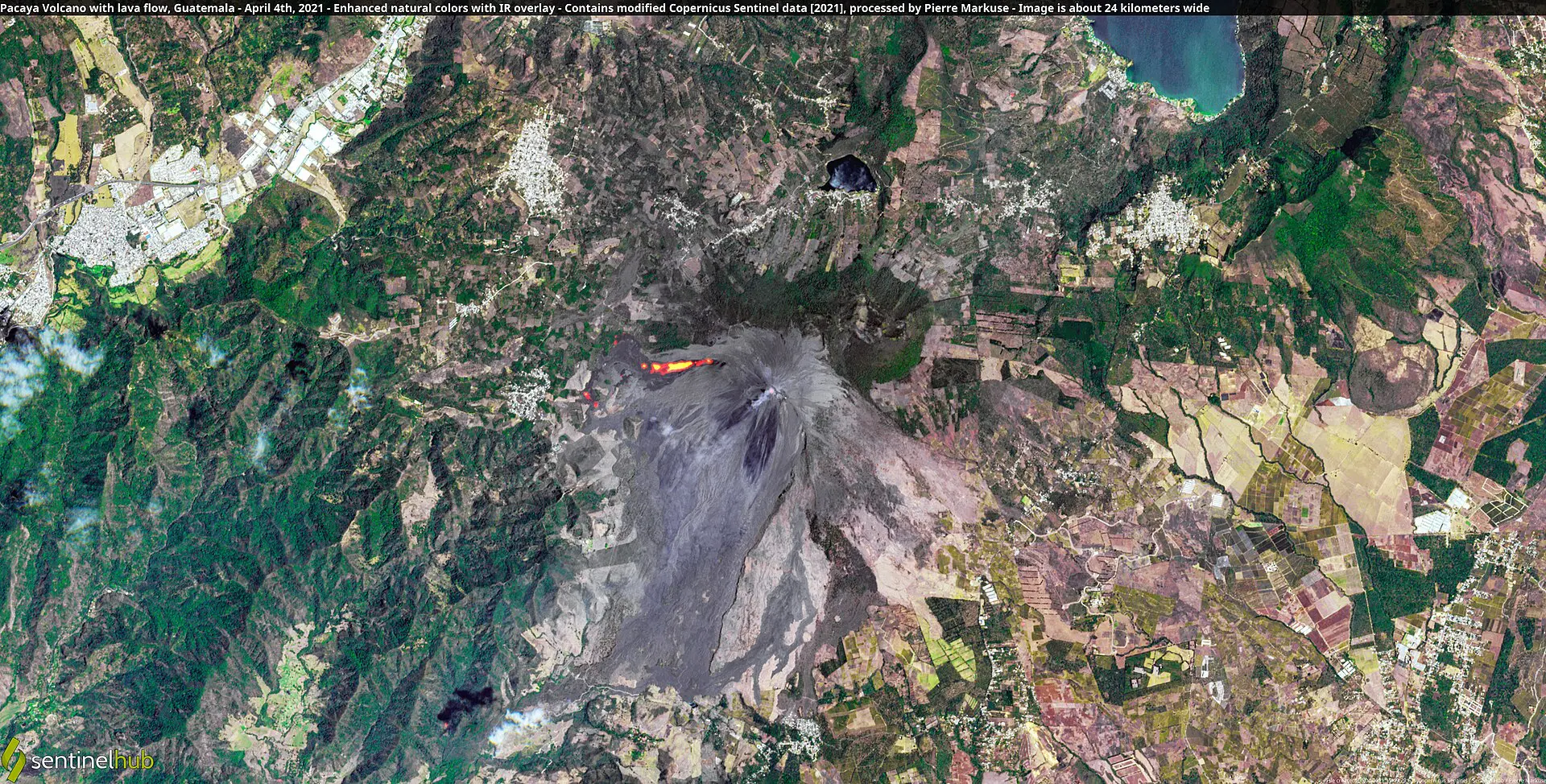
- Hike Pacaya volcano: a half-day climb from Antigua to lava fields, with guided tours the safest option.
- Climb Acatenango for the Fuego views: an overnight trek for a view of erupting Volcán de Fuego, with warm layers essential.
- Take boats around Lake Atitlán: visit two or three lakeside villages by public lancha.
- Shop at Chichicastenango market: bargain politely for textiles and ceramics.
- Swim in Semuc Champey: the natural pools are best in the dry season.
- Tour a coffee farm: estates near Antigua and Atitlán explain growing and roasting.
- Study Spanish: one-to-one schools in Antigua and Xela are affordable and popular.
- Visit Quiriguá or Yaxhá: quieter Maya sites, less visited than Tikal.
Best time to visit Guatemala
The best time to visit Guatemala is November to April, the dry season, when skies are clearer for volcano views, roads are drier and hiking is easier. The wet season runs from about May to October, with afternoon downpours, greener landscapes and lower prices. The Caribbean and Petén lowlands stay hot and humid all year, and nights in the highlands can be cold, especially from December to February.
| Season | Weather | Crowds and prices | Good for |
|---|---|---|---|
| Dry season (Nov-Apr) | Sunny, dry, cool nights in the highlands | Highest, especially Christmas and Easter | Volcano hikes, Tikal, Semuc Champey |
| Hot dry months (Mar-Apr) | Hotter, hazy from burning | Busy during Semana Santa | Antigua’s Holy Week processions |
| Wet season (May-Oct) | Afternoon rain, humid, green | Lower prices and fewer visitors | Budget trips, coffee farms, culture |
| Peak rains (Sep-Oct) | Heaviest rain, landslide risk on roads | Lowest | Short stays with flexible plans |
Semana Santa, the week before Easter, brings the country’s biggest processions and the highest prices in Antigua. Book months in advance if you plan to attend.
Is Guatemala safe to visit?
Guatemala is safe enough for most visitors who take precautions, but crime is a real concern, and it is not as safe as many travellers expect. Most visitors stick to Antigua, Lake Atitlán and Tikal without problems, while the capital and some rural areas carry higher risk. Check your government’s current travel advice, such as the UK FCDO or US State Department pages, before you book.
Crime. Armed robbery, bag snatching and pickpocketing happen, especially in Guatemala City, on buses and in crowded markets. Avoid walking at night, even in Antigua, use registered taxis or ride apps, and carry only what you need. Do not resist if confronted.
Transport. Public chicken buses are a target for theft, so tourist shuttles are safer. Avoid night driving, as roads have potholes, landslides and unlit hazards.
Hikes and volcanoes. Use registered guides on Pacaya and Acatenango, since robberies have occurred on unguided hikes, and follow instructions about Fuego, which erupts frequently.
Natural hazards and health. Earthquakes, volcanic activity and hurricane-season floods occur. Drink bottled water, use repellent against dengue and carry travel insurance with evacuation cover.
Visa and entry requirements for Guatemala
Entry rules depend on your nationality. Citizens of many countries, including the US, UK, Canada and most EU states, have been able to enter Guatemala without a visa for tourist stays of up to 90 days, but some nationalities need a visa in advance. Confirm the current rule for your passport with the Guatemalan Instituto Guatemalteco de Migración or your nearest consulate.
Guatemala belongs to the CA-4 agreement with El Salvador, Honduras and Nicaragua, which means your 90-day allowance is shared across these four countries and starts when you first enter any one. Keep your entry stamp and any entry card, and be ready to show a return or onward ticket. Your passport should normally be valid for six months from entry.
Vaccination certificates, such as yellow fever, may be required if you arrive from a risk country. You can see the country’s heritage listings on the UNESCO page for Guatemala, though it does not cover entry rules. Land crossings from Mexico, Belize and Honduras can involve small fees and queues.
Getting to and around Guatemala
Most visitors arrive at La Aurora International Airport in Guatemala City, with direct flights from the US and connections through Central American hubs. Mundo Maya International Airport near Flores handles domestic flights and some regional ones. Land crossings link Guatemala with Mexico, Belize, Honduras and El Salvador.
Most tourists move between regions by shared tourist shuttles, which are the safest and easiest option. Guatemala City to Antigua takes about 45 to 90 minutes, Antigua to Panajachel on Lake Atitlán around three hours, and Antigua to Chichicastenango around three to four. Flores is far from the highlands, so many travellers fly from Guatemala City to Flores in about an hour rather than ride an overnight bus of eight to ten hours.
Public chicken buses are cheap and colourful but crowded, slow and a theft risk. On Lake Atitlán, lanchas (public boats) link the villages. Renting a car is possible, but road conditions, mountain driving and local driving habits make it challenging. Ride apps work in Guatemala City and Antigua, and registered taxis are the safest choice at night.
How much does a trip to Guatemala cost?
Guatemala is one of the cheaper countries in Central America, especially for food and local transport. The currency is the Guatemalan quetzal (GTQ), with US dollars accepted in some tourist businesses. The figures below are rough per-person guides in US dollars for 2026.
- Budget: around USD 25 to 50 per day, with hostel dorms, street food, local buses and free or cheap sights.
- Mid-range: around USD 50 to 110 per day, with a private hotel room, restaurant meals, shuttles and guided activities.
- High-end: from around USD 180 per day, with boutique hotels in Antigua, private drivers and domestic flights.
Tikal entry for foreigners and guided volcano hikes are the biggest single costs, together with the flight to Flores if you take it. Accommodation in Antigua is more expensive than in Quetzaltenango or at Lake Atitlán. Local comedores serve full set lunches for a few dollars, while tourist restaurants charge much more. Prices rise during Semana Santa and the Christmas period.
Guatemala food and drink
Guatemala food is built on corn, beans, chillies and spiced stews, with strong Maya roots and Spanish influence. It is simple, filling and usually cheap, and meals are served with fresh tortillas.
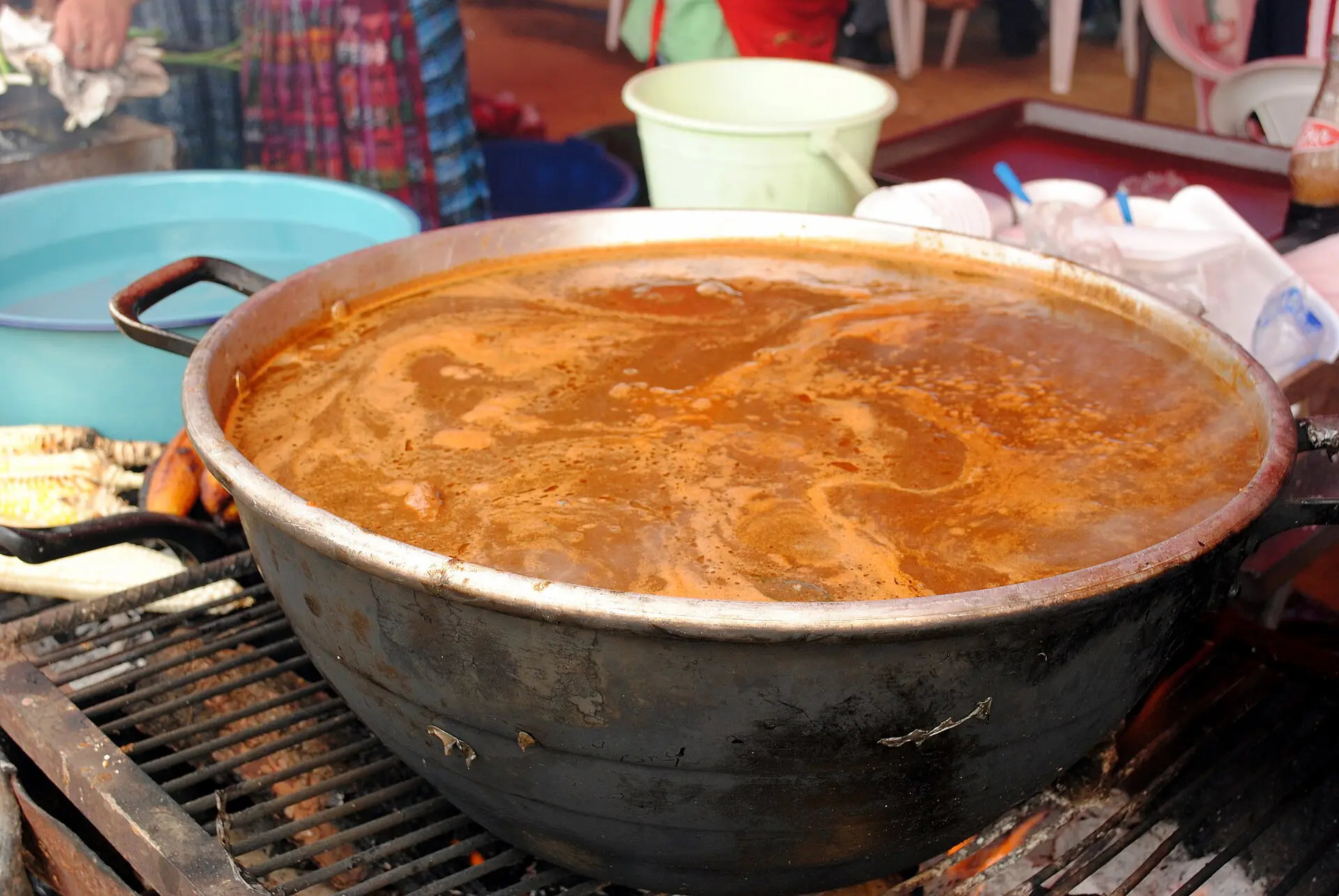
- Pepián: a thick, spiced stew of chicken or beef with roasted seeds and chillies, often called the national dish.
- Kak’ik: a Maya turkey soup flavoured with chilli and herbs, from Cobán.
- Jocón: chicken in a green sauce of tomatillo, coriander and pumpkin seeds.
- Tamales: corn dough steamed in banana leaves, with a different filling for each region and for holidays.
- Black beans, eggs and plantains: the standard breakfast, often with cheese and tortillas.
- Hilachas and fiambre: a beef stew in tomato sauce, and a cold salad eaten on All Saints’ Day.
- Coffee and Gallo beer: highland coffee is excellent, and Gallo is the main lager.
Vegetarians can eat well on beans, tamales, eggs and fresh fruit, though many dishes use meat stock. Street food is tempting, but choose busy stalls, avoid raw salads and ice of unknown origin, and drink bottled water. Rum such as Ron Zacapa is a popular souvenir.
Culture, language and etiquette in Guatemala
Spanish is the official language, and more than 20 Maya languages, including K’iche’, Kaqchikel and Q’eqchi’, are spoken, especially in the highlands. English is common in tourist areas, but basic Spanish makes a big difference elsewhere. Words such as buenos días and gracias are expected.
Maya communities make up a large share of the population, and traditional dress, called traje, varies by village and carries meaning. Always ask before taking photographs of people, especially children and market vendors, and be ready to pay or be refused. Dress modestly in churches and villages, and treat religious ceremonies, such as those at Chichicastenango, with respect and distance.
Greet people and shake hands, and use formal speech with older people. Bargaining is normal in markets, but do it with a smile and do not push the price too low for handmade goods. The country’s civil war ended in 1996, and its history remains painful, so listen carefully and avoid raising it unprompted. Keep bags close in crowded places, and avoid flashy jewellery or phones in public.
Guatemala itinerary: a 7-day route
This Guatemala itinerary uses shuttles and one flight, and stays on the well-travelled tourist route that most governments consider lower risk.
- Day 1, Antigua: arrive in Guatemala City and take a shuttle straight to Antigua, about an hour, then walk the centre.
- Day 2, Antigua: see the Santa Catalina Arch, the ruined churches and a coffee farm tour.
- Day 3, Pacaya: join a guided morning hike with a registered operator, then rest in the afternoon.
- Day 4, Lake Atitlán: take a shuttle, around three hours, to Panajachel, then a boat to your lakeside village.
- Day 5, Atitlán villages: take lanchas to San Juan La Laguna and Santiago Atitlán, and stay another night.
- Day 6, Flores: travel to Guatemala City, about three to four hours, and fly to Flores, then rest on the island.
- Day 7, Tikal: go on a sunrise tour, then fly back to Guatemala City in the afternoon for your onward flight.
For a slower route, add Chichicastenango on a market day or Xela. If you have time, an overnight Acatenango trek works well from Antigua.
Practical tips for Guatemala
- Money: the quetzal is the currency. ATMs are common in Antigua, Guatemala City and Panajachel, so use those inside banks or malls, and carry small notes for markets and buses. Some tourist businesses accept dollars.
- SIM and eSIM: prepaid SIMs and eSIMs are cheap and work in most tourist areas, though signal is patchy at Tikal and in remote villages.
- Plugs: types A and B at 120 V, so bring an adapter for European devices.
- Tipping: around 10 percent in restaurants if no service charge is included, and small tips for guides and drivers.
- Health: bring insurance, repellent and sunscreen. Drink bottled or filtered water, and ask a travel clinic about vaccines.
- Packing: warm layers for highland nights and volcano hikes, a rain jacket, sturdy shoes and a daypack that closes securely.
- Safety habits: carry a photocopy of your passport, avoid showing valuables, and plan journeys to arrive before dark.
For wider background, see the Wikivoyage Guatemala guide.
FAQ
Q1What is Guatemala food like?
Guatemala food is built on corn, beans, chillies and slow-cooked stews. Try pepián, kak'ik, jocón, tamales and hilachas, with fresh tortillas and black beans at breakfast. Highland coffee is excellent. Vegetarians can eat on beans, eggs and tamales, though many stews use meat stock.
Q2Is Guatemala safe?
Guatemala is safe enough for careful visitors on the main tourist route, but crime is a real concern. Robbery and bag snatching occur, especially in Guatemala City and on public buses. Use shuttles and registered taxis, avoid night travel and check your government's current travel advice.
Q3What is the best time to visit Guatemala?
November to April is best, with dry weather, clearer volcano views and easier roads. May to October is the wet season, with greener scenery, afternoon rain and lower prices. Semana Santa, the week before Easter, brings big processions to Antigua and the highest prices of the year.
Q4What are the best things to do in Guatemala?
Top picks are exploring the Maya ruins of Tikal, walking colonial Antigua, taking boats around Lake Atitlán, hiking Pacaya or Acatenango with a registered guide, shopping at Chichicastenango market and swimming in the pools of Semuc Champey. Most can be linked in a week.
Q5Is Guatemala safe to visit for tourists?
Most tourists on the standard Antigua, Atitlán and Tikal route have no trouble. Reduce your risk by using tourist shuttles, avoiding walking at night, hiking only with registered guides and carrying little cash. Take extra care in Guatemala City, where robbery rates are higher.
Q6What is a good Guatemala itinerary for a week?
Spend two or three days in Antigua with a Pacaya hike, two days at Lake Atitlán, then fly to Flores for Tikal. This uses shuttles and one short flight to avoid long, risky overland journeys. Add Chichicastenango or Xela if you have extra days.
Q7Do I need a visa for Guatemala?
It depends on your passport. Citizens of the US, UK, Canada and most EU countries can generally enter visa-free for up to 90 days, a limit shared with El Salvador, Honduras and Nicaragua under the CA-4 agreement. Confirm current rules with Guatemalan immigration or a consulate.