Why visit El Salvador
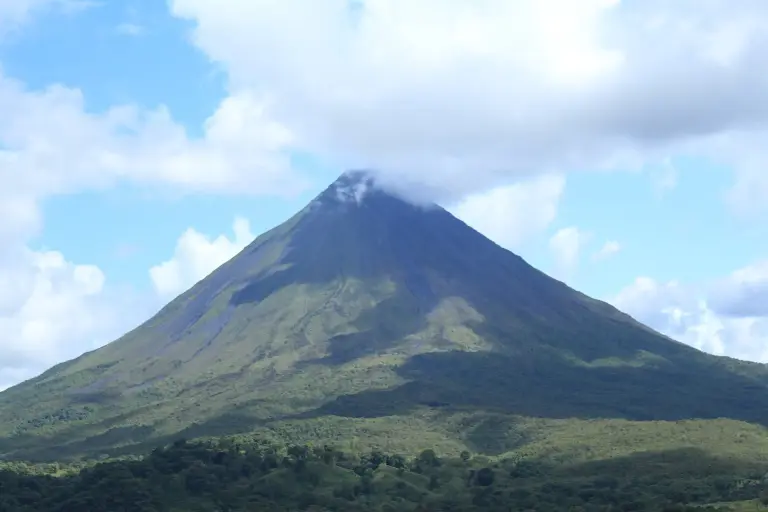
The best things to do in El Salvador are packed into a country of about 21,000 square kilometres, the smallest in Central America, with 25 volcanoes, Pacific surf breaks, crater lakes and well-kept colonial towns (see the Wikipedia overview). Almost everything is within a few hours of San Salvador, so you can surf in the morning and be in a coffee village by dinner. The US dollar is the currency, which makes prices easy to read.
El Salvador suits surfers, hikers, food lovers and travellers who want a short, easy Central American trip with good roads. Its reputation has been shaped by gang violence and, more recently, by a harsh security crackdown that has sharply cut murders while raising human rights concerns. Visitors will find most tourist areas calm and well patrolled, but should read current advice and keep an informed, balanced view of the country.
Best places to visit in El Salvador
The best places to visit in El Salvador sit in three zones: the capital and the west, the Pacific coast and the northern hills.
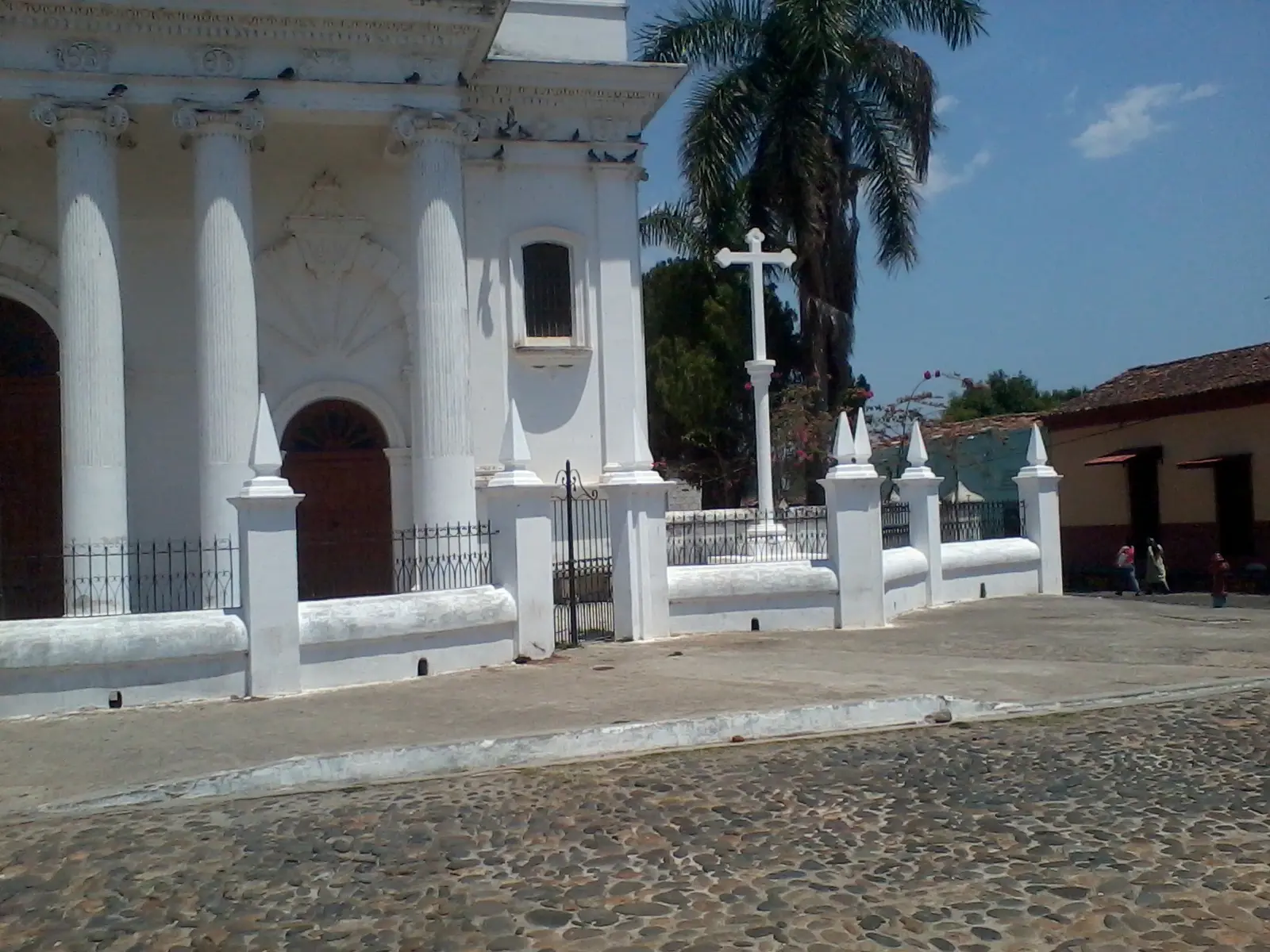
San Salvador
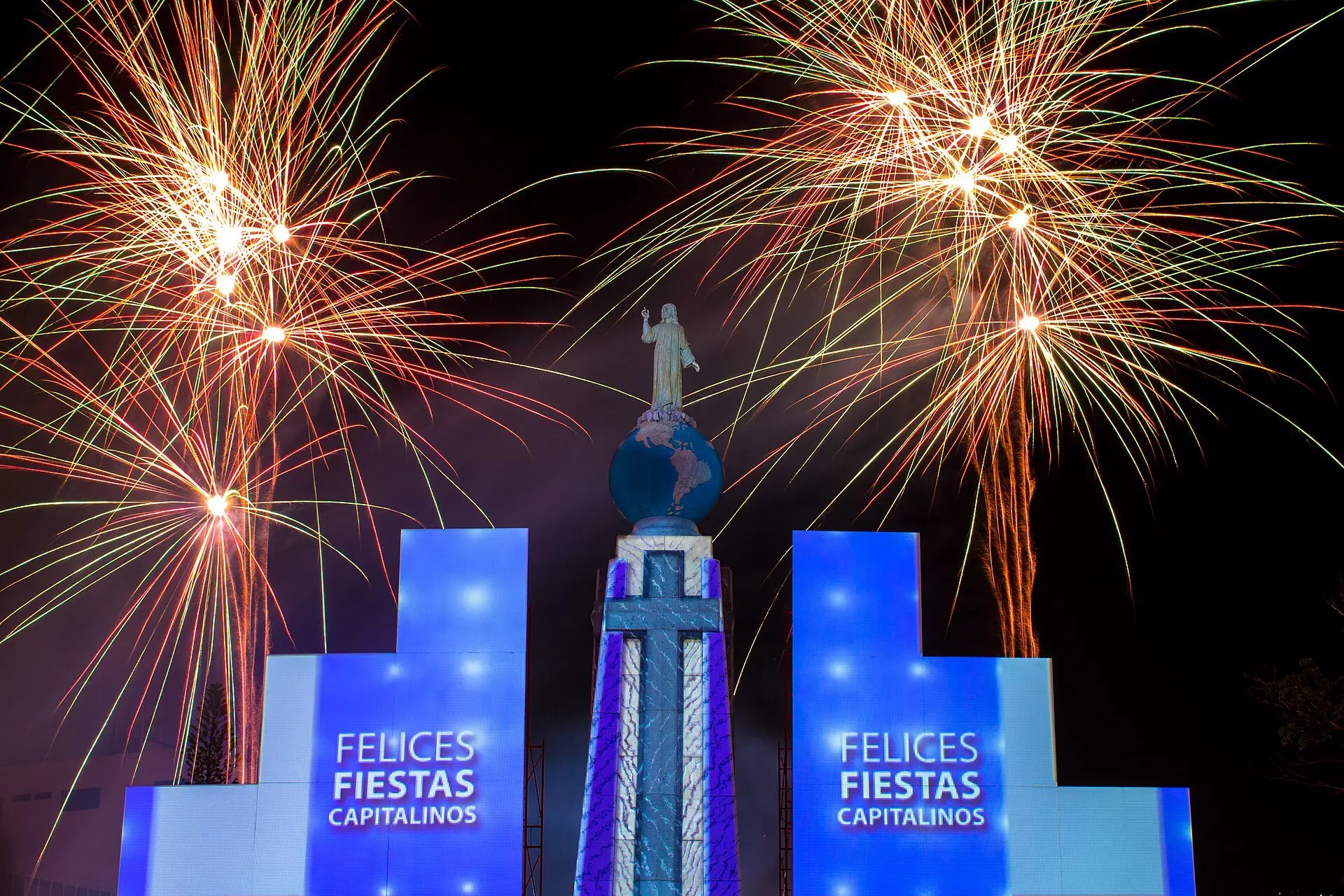
The capital has the National Palace, the Metropolitan Cathedral, museums and a busy dining scene. It sits in a valley below the San Salvador volcano, and its Santa Tecla suburb has cafes and a calmer feel.
Ruta de las Flores
This mountain route in the west links villages such as Juayúa, Apaneca, Ataco and Salcoatitán. Expect coffee farms, murals, weekend food fairs and viewpoints. Allow at least one night.
Santa Ana and Lake Coatepeque
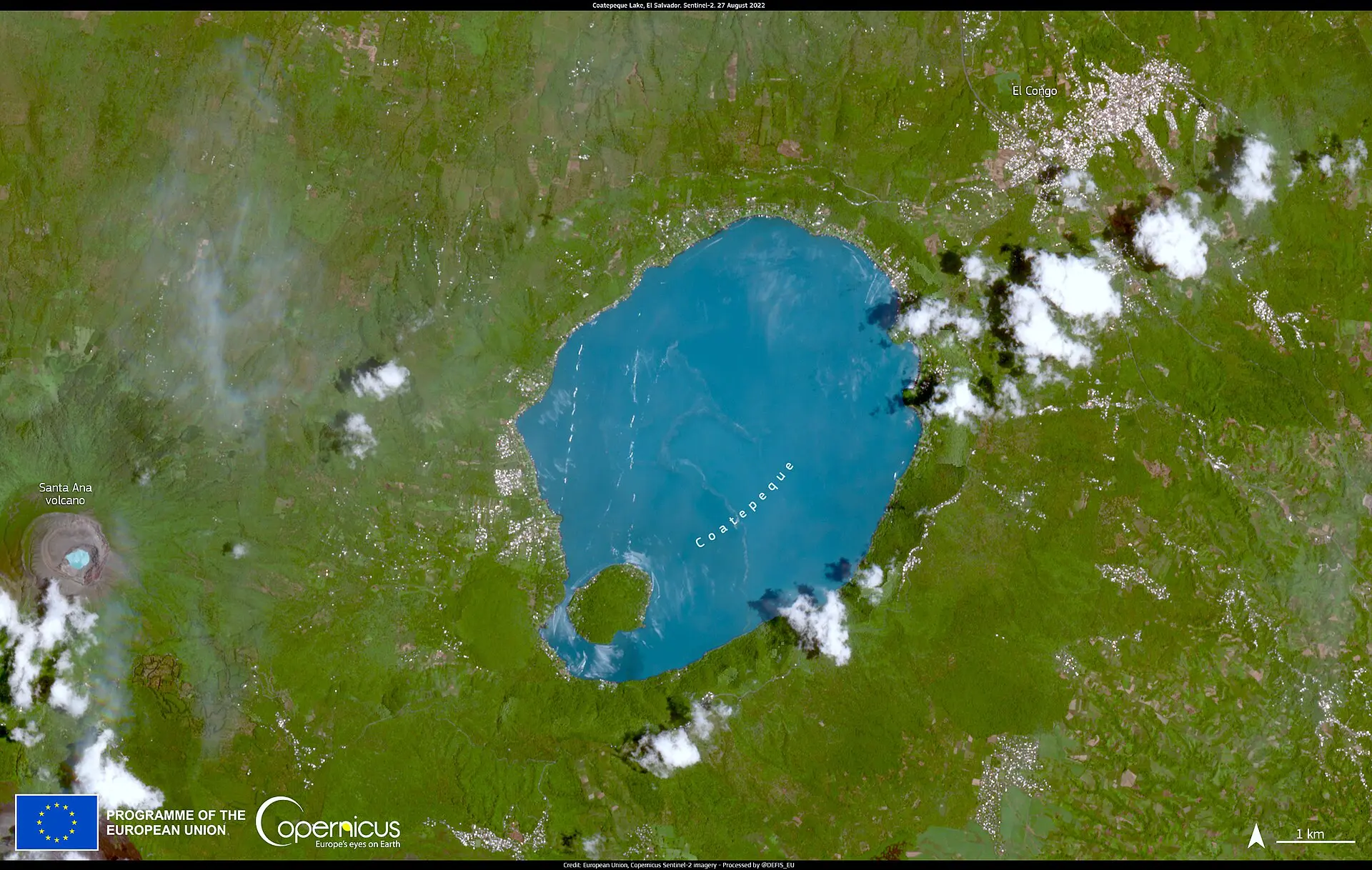
Santa Ana, the second city, has a grand cathedral and a theatre. Nearby, Lake Coatepeque fills a volcanic caldera, with swimming, kayaking and lakeside restaurants.
El Tunco and El Zonte
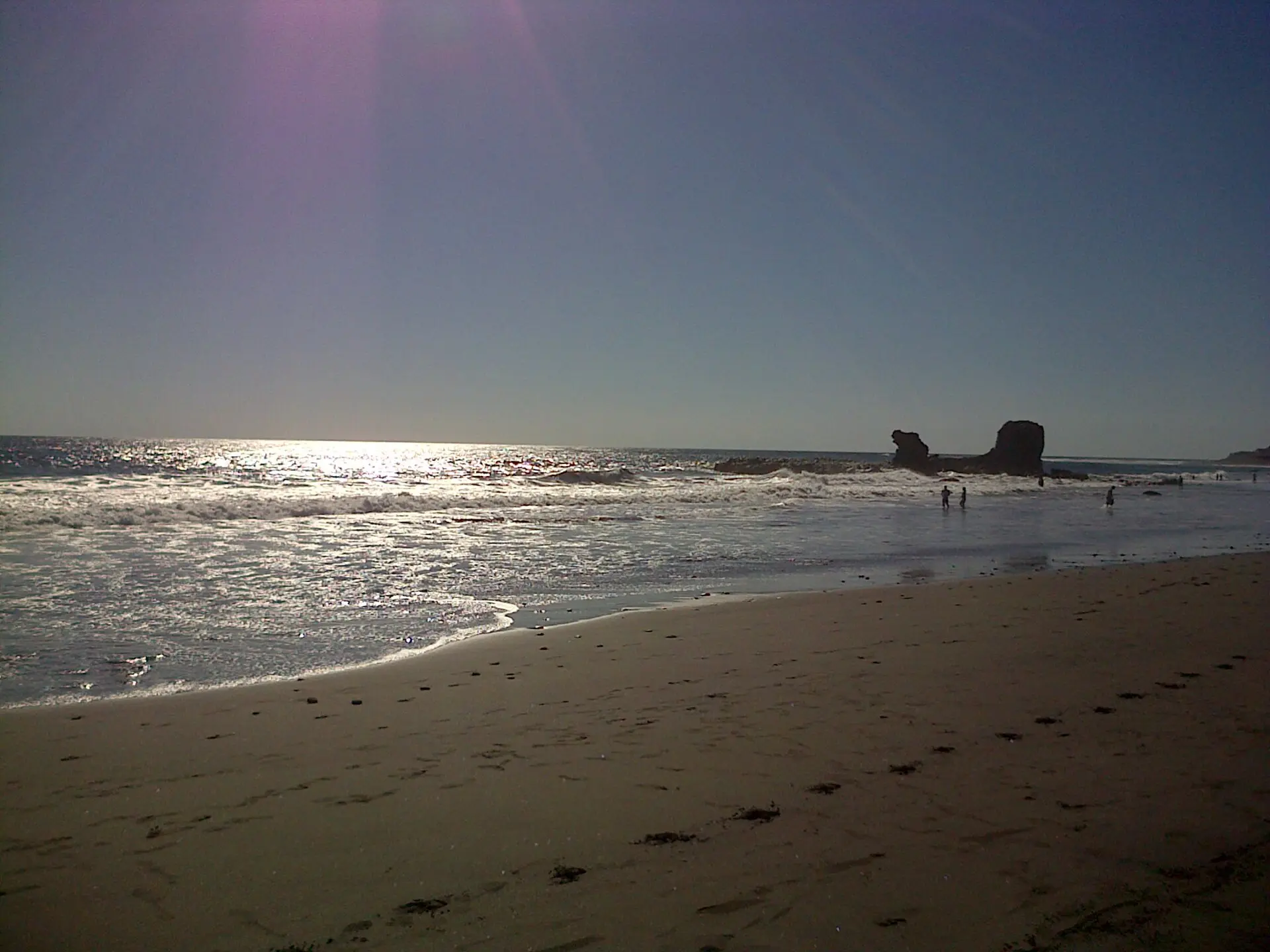
These Pacific beach towns have dark sand, surf schools and relaxed bars. El Tunco is livelier, and El Zonte is quieter, with a community that accepts Bitcoin.
Suchitoto
Cobbled streets, colonial houses and a view over Lake Suchitlán make this northern town a favourite for artists and weekend visitors.
Perquín and Morazán
In the northeast, the museum at Perquín tells the story of the 1980-1992 civil war, and the area has cool pine hills.
Top things to do in El Salvador
The top things to do in El Salvador combine volcano hikes, surf, food and history, and most can be done in a week.
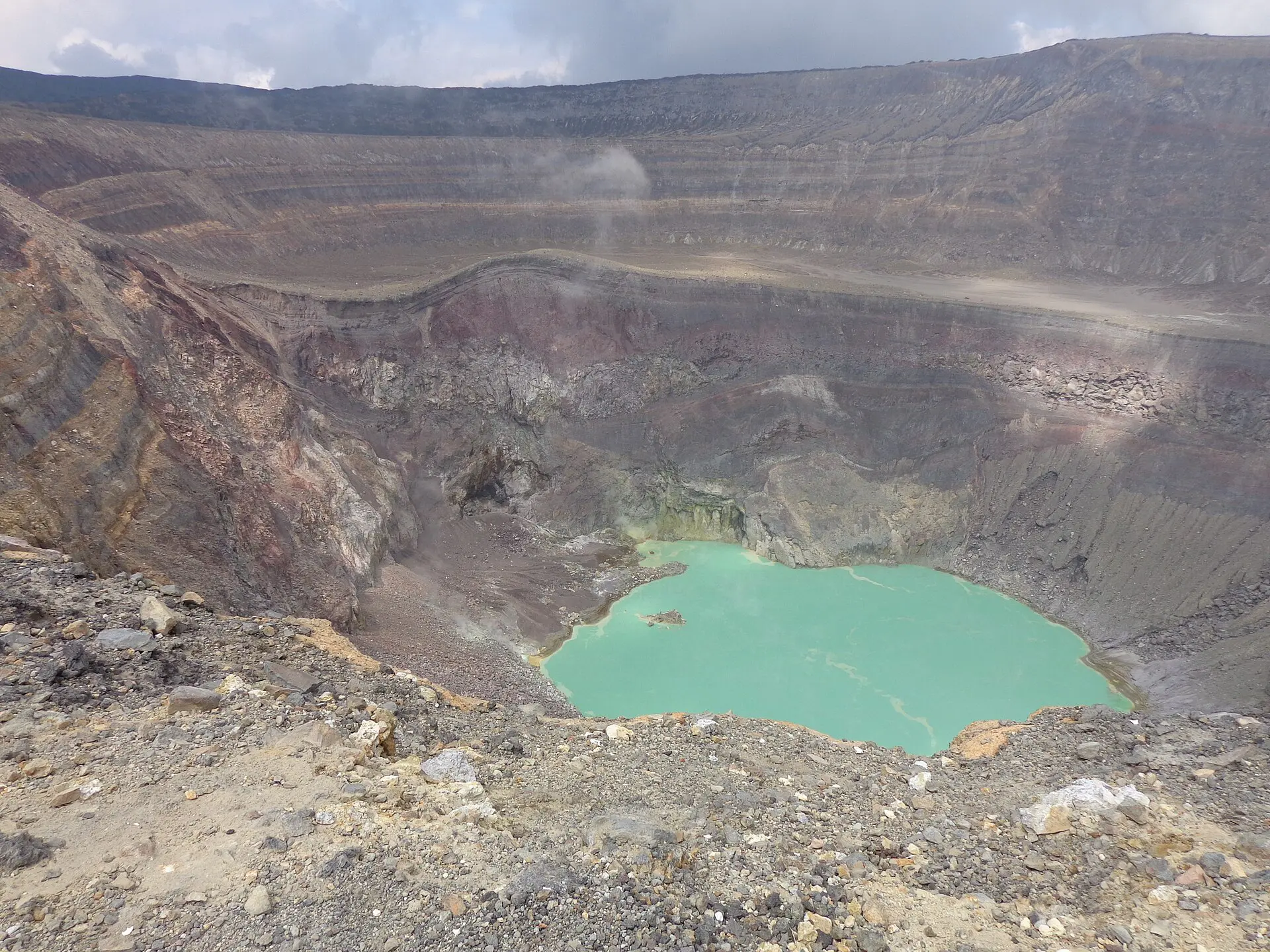
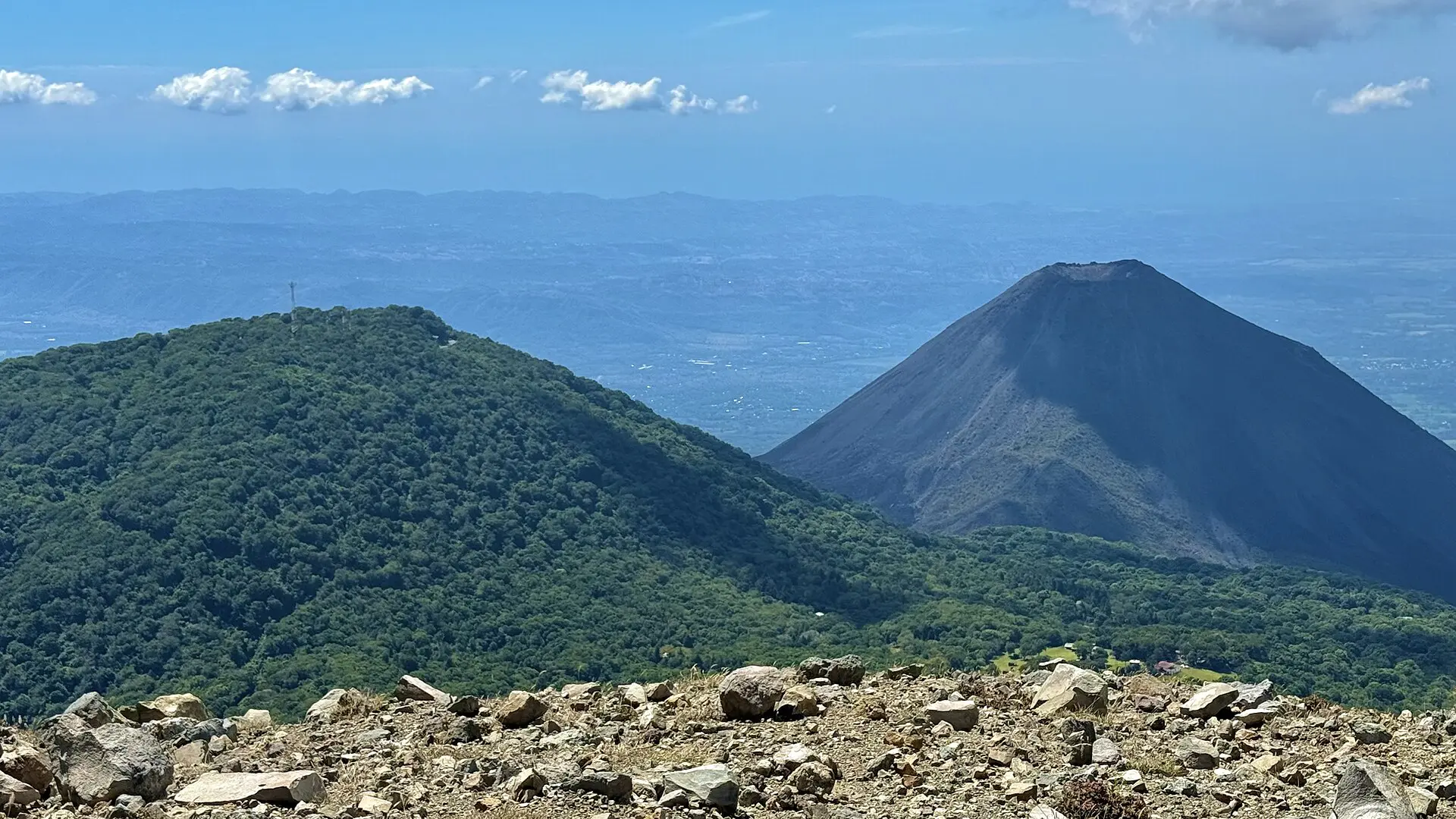
- Hike Santa Ana volcano: the climb takes a few hours and ends at a turquoise crater lake, with a guide and police escort usually required.
- Drive the Ruta de las Flores: stop for coffee, murals and street food in Juayúa and Ataco.
- Learn to surf at El Tunco: beginner lessons are widely available, and Punta Roca is for experienced surfers.
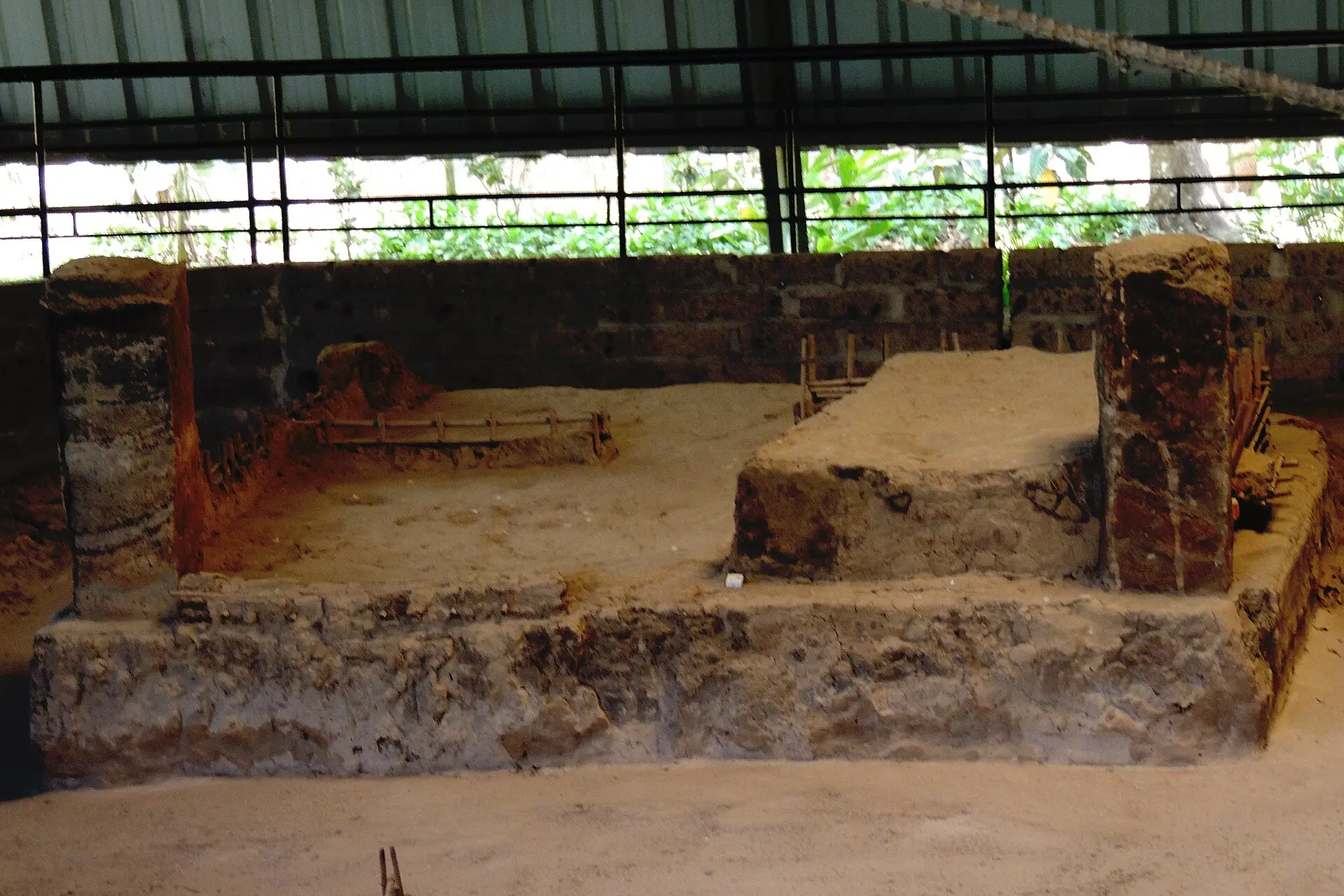
- Walk Joya de Cerén: this UNESCO site shows a farming village buried by volcanic ash around 1,400 years ago.
- Swim in Lake Coatepeque: take a boat trip or rent a kayak.
- Explore Suchitoto: visit galleries and the lake, and find the waterfall at Los Tercios.
- Eat pupusas at a pupusería: try loroco and cheese, and pork and bean versions.
- Visit Perquín’s Museum of the Revolution: it covers the civil war in the Morazán region.
- Walk El Imposible National Park: forest trails with birds and monkeys in the west.
- Watch the sunset at Playa El Zonte: grab a seafood meal beachside.
Best time to visit El Salvador
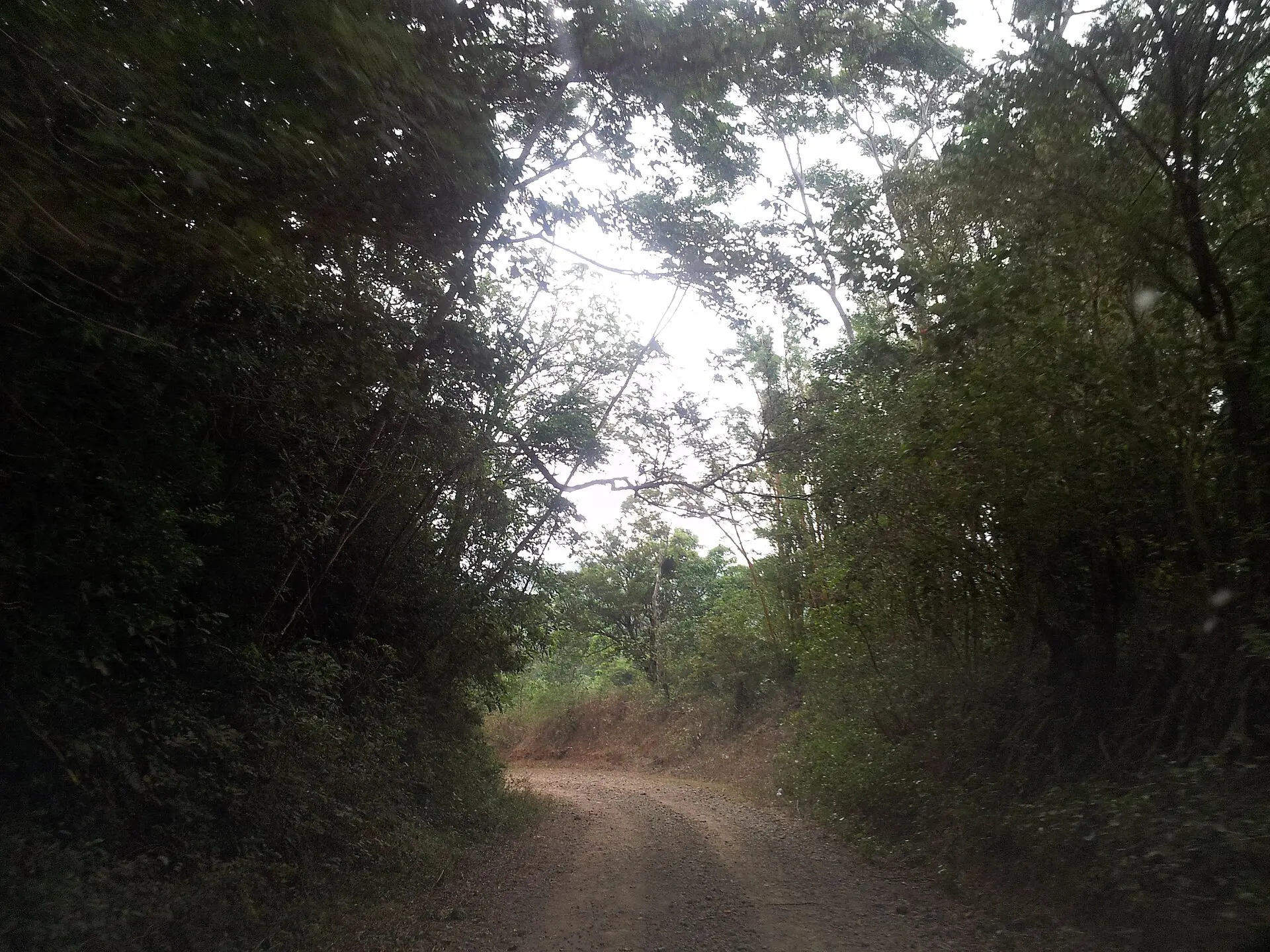
The best time to visit El Salvador is the dry season, November to April, with sunny days, clearer volcano views and easier roads. The wet season runs from about May to October, with afternoon downpours that are usually short, greener landscapes and lower prices. Coastal temperatures stay hot all year, and highland nights are cooler. Surf is often larger from roughly March to October, when southern Pacific swells are strongest.
| Season | Weather | Crowds and prices | Good for |
|---|---|---|---|
| Dry (Nov-Feb) | Sunny, cooler nights in the hills | Busiest, Christmas peak | Hikes, Ruta de las Flores, beaches |
| Hot dry (Mar-Apr) | Hottest, very dry | Easter week is crowded | Beaches, surf |
| Early wet (May-Jul) | Hot with afternoon storms | Quiet, good prices | Surf, green scenery |
| Late wet (Aug-Oct) | Heaviest rain, hurricane risk to the region | Lowest | Budget trips, surf |
Hike volcanoes early in the day, as clouds often build by midday.
Is El Salvador safe to visit?
Is El Salvador safe? Today it is far safer than its old reputation suggests: since a state of exception began in 2022, reported homicides have dropped steeply, and visitors report feeling comfortable in most tourist areas. The measures have also meant mass arrests and criticism from human rights groups, and rules can change, so check the UK FCDO and US State Department advice before you book. Is El Salvador safe to visit for independent travellers? Generally yes, with sensible precautions.
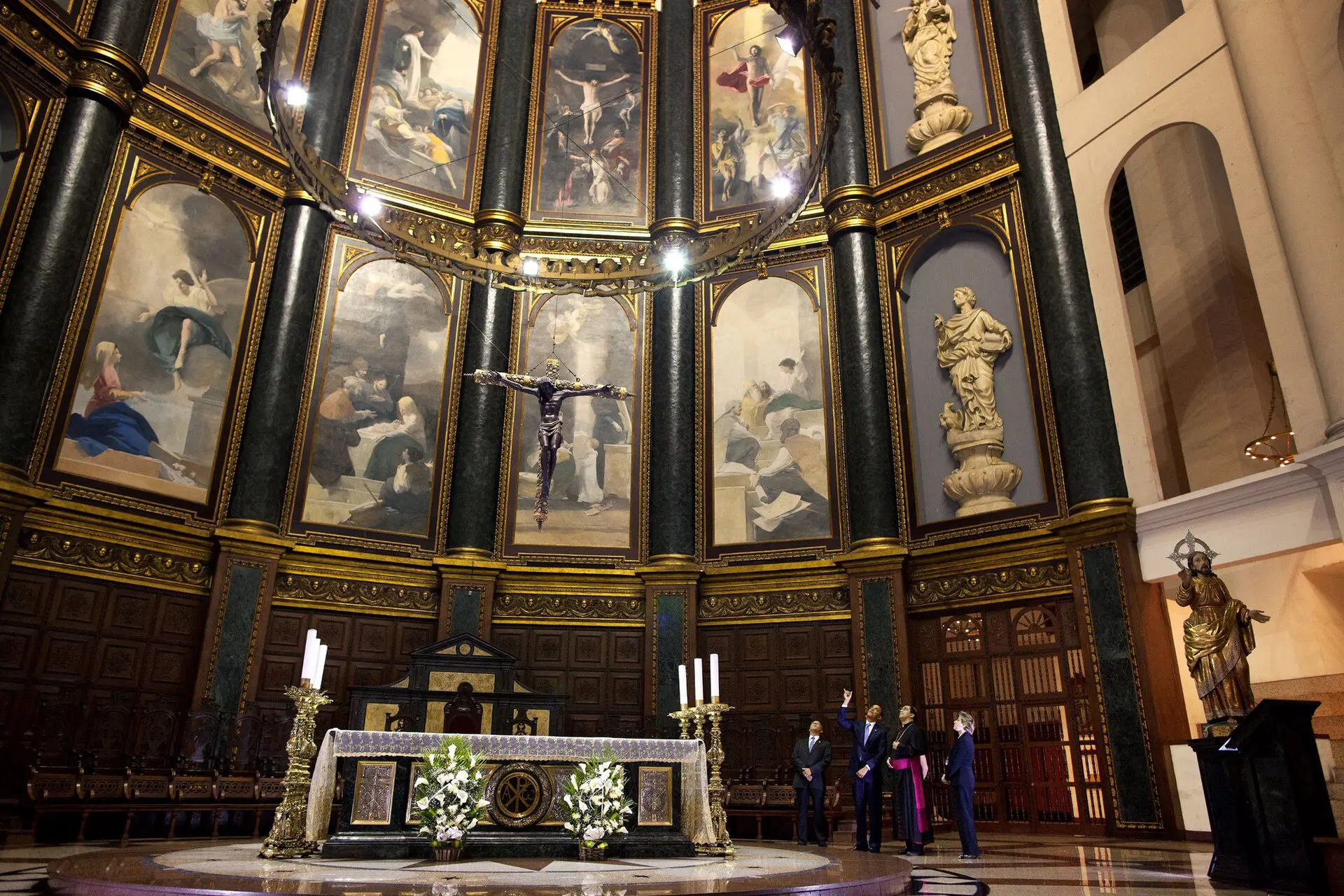
Theft. Petty theft and bag snatching still occur in San Salvador and on beaches. Keep valuables out of sight, use registered taxis or ride apps, and avoid walking at night in unfamiliar areas.
Police and ID. Checkpoints are common. Carry a copy of your passport and be polite and patient.
Roads and nature. Driving is aggressive, and buses are crowded. Rip currents are strong on the Pacific coast, and earthquakes and volcano activity are part of life, so follow local guidance and use guides on volcano hikes.
Health. Dengue is present, so use repellent and drink bottled water.
Visa and entry requirements for El Salvador
Entry rules depend on your nationality. Citizens of many countries, including the EU, UK, US and Canada, have been able to enter visa-free and stay up to 90 days, which also generally covers travel within the Central America-4 area (El Salvador, Guatemala, Honduras and Nicaragua). Other nationalities may need a visa or tourist card in advance, so confirm the rule for your passport with the Salvadoran immigration authority or an embassy.
Your passport should be valid for at least six months. Immigration officers may ask for proof of onward travel and accommodation. Before entering, check for any current health requirements, and note that land borders with Guatemala and Honduras have set hours and sometimes long waits.
If you rent a car, bring a valid driving licence and ask the company about border permissions. The UNESCO page for El Salvador lists Joya de Cerén and other heritage sites worth building into a route.
Getting to and around El Salvador
Most visitors fly into Monseñor Óscar Arnulfo Romero International Airport (SAL), about 45 minutes by road from San Salvador and close to the coast. Land crossings link El Salvador with Guatemala, at Las Chinamas and San Cristóbal, and with Honduras at El Amatillo and other points. Shared shuttles and buses run from Guatemala City, Antigua and other regional hubs.
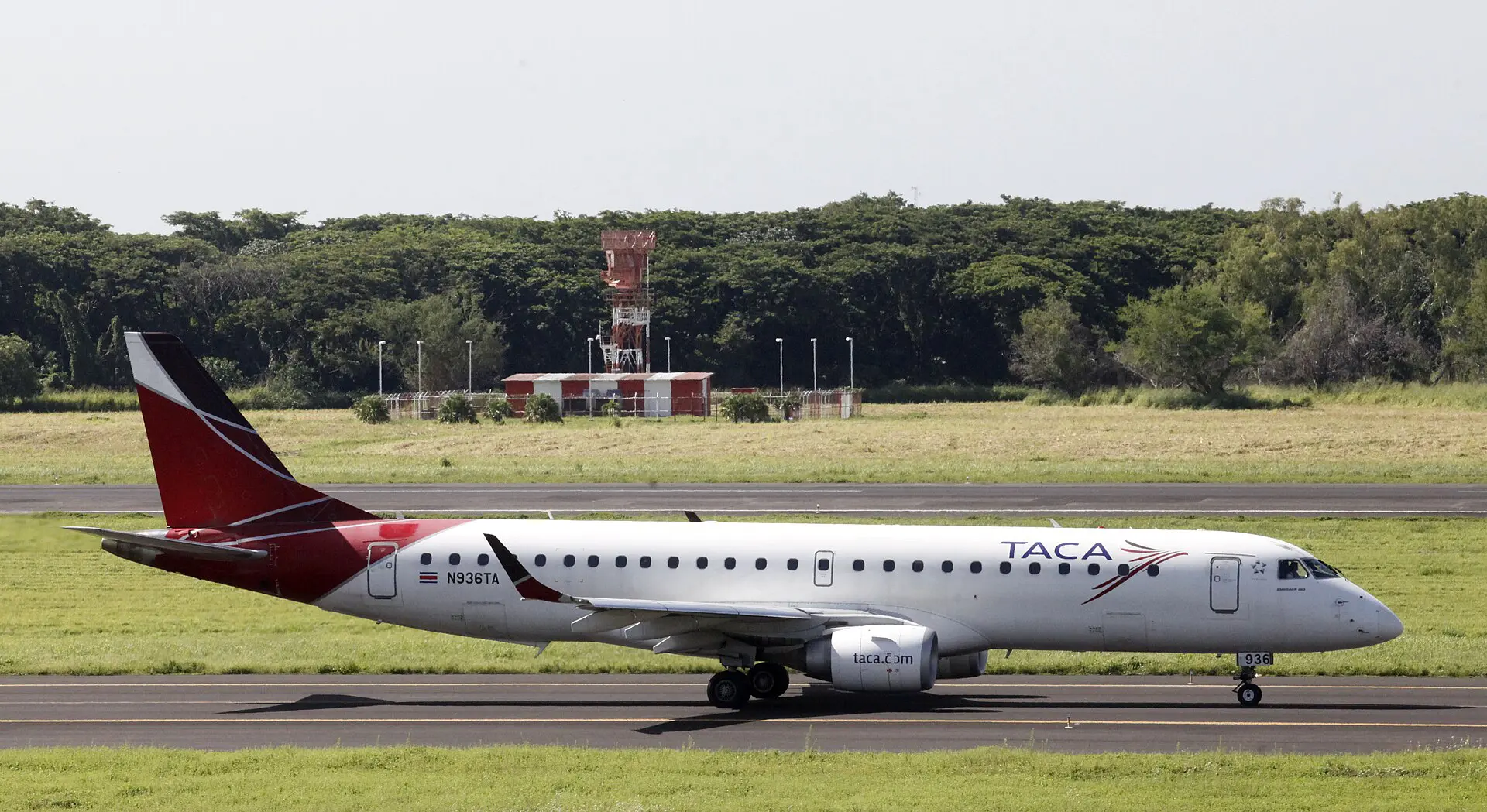
Travel within the country is short. San Salvador to Santa Ana takes about an hour and a half by road, to the Ruta de las Flores around two, to El Tunco 45 minutes to an hour, and to Suchitoto roughly an hour and a half. Local buses are cheap but crowded. Tourist shuttles and private drivers are the easiest way to reach beaches, volcano trailheads and coffee villages.
Renting a car is practical and gives control over timing, but traffic in San Salvador can be heavy and drivers are aggressive, so avoid night driving. Ride-hailing apps work in the capital. Check whether tolls and parking fees apply to your route.
How much does a trip to El Salvador cost?
El Salvador is moderately priced for Central America, and its use of the US dollar avoids exchange hassle. Costs are higher in tourist beach towns and in the capital’s better hotels. These figures are rough per-person guides for 2026.
- Budget: around USD 30 to 55 per day, with hostels, pupusas and buses.
- Mid-range: around USD 55 to 100 per day, with private hotel rooms, restaurant meals and occasional shuttles or taxis.
- High-end: from around USD 150 per day, with boutique hotels, private drivers and beach resorts.
Pupusas cost a dollar or two each, and set lunches are inexpensive. Accommodation near the beaches and Lake Coatepeque costs more at weekends and holidays. Car rental, guided volcano hikes and surf lessons add to the budget. ATMs are common in towns, but carry small bills for markets and tips.
El Salvador food and drink
El Salvador food centres on corn, beans, pork, cheese and fresh vegetables, and the pupusa is the national dish. It is cheap, filling and eaten at any time of day.
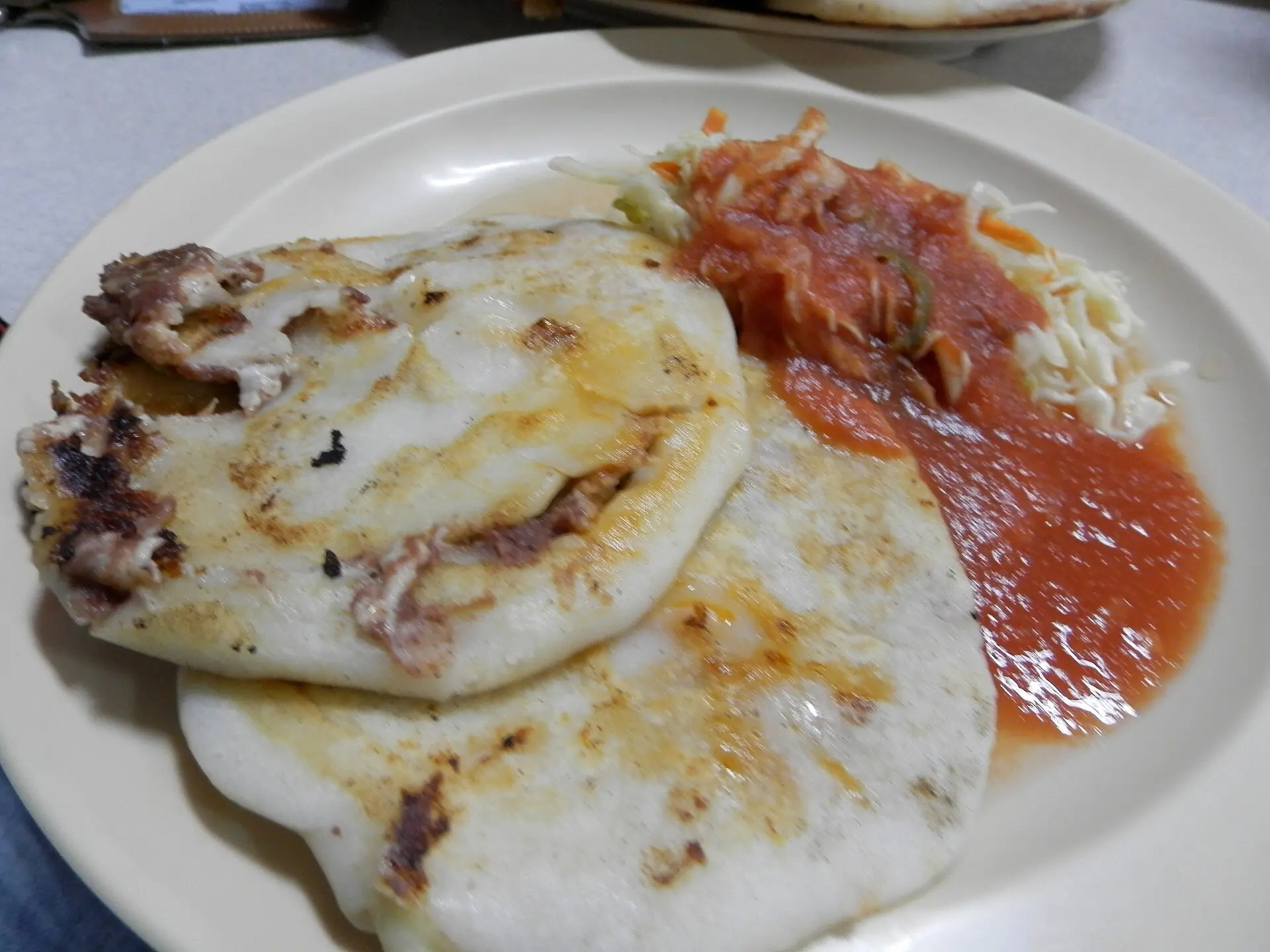
- Pupusas: thick griddled corn tortillas stuffed with cheese, beans, pork or loroco, served with curtido (pickled cabbage) and tomato sauce.
- Yuca frita con chicharrón: fried cassava with crisp pork, a common snack.
- Tamales: corn dough steamed in leaves, often eaten for breakfast or special occasions.
- Sopa de pata: a rich cow-foot and vegetable soup.
- Pastelitos: fried turnovers filled with meat or vegetables.
- Atol shuco and horchata de morro: traditional corn and seed-based drinks.
- Salvadoran coffee: grown on volcano slopes and best tasted on the Ruta de las Flores.
- Pilsener beer: the widely available local lager.
Vegetarians can eat pupusas filled with cheese, beans or loroco, but ask about lard and meat broths. Food on the coast includes grilled fish and shrimp. Drink bottled water.
Culture, language and etiquette in El Salvador
Spanish is the official language, spoken with local words such as vos in place of tú, and English is limited beyond tourism. Basic Spanish helps a lot. The country has an indigenous heritage from the Pipil, Lenca and Maya peoples, a strong Catholic and growing evangelical tradition and a large diaspora in the United States whose remittances support many families.
People are polite and warm. Greet shopkeepers and fellow passengers with buenos días, and expect handshakes and some formality. Dress casually but neatly outside the beach, and cover up in churches. Ask before photographing people, police and military sites. Avoid showing expensive items in public.
The 1980 to 1992 civil war remains a sensitive topic. Listen with respect, avoid taking political sides and do not joke about gangs or the current security measures. Tipping around 10% is normal in restaurants, and small tips for guides and drivers are welcome.
El Salvador itinerary: a 7-day route
This route links the capital, the west and the coast with short drives, and fits most weeks in the dry season.
- Day 1, San Salvador: arrive, walk the historic centre and eat pupusas.
- Day 2, Joya de Cerén and Suchitoto: visit the archaeological site in the morning, then drive about an hour and a half to Suchitoto and stay overnight.
- Day 3, Santa Ana: travel back through the capital to Santa Ana, about two to three hours, and see the cathedral.
- Day 4, Santa Ana volcano and Coatepeque: hike early with a guide, then swim at Lake Coatepeque.
- Day 5, Ruta de las Flores: drive between Juayúa, Apaneca and Ataco, with coffee tastings and lunch at a village market.
- Day 6, El Tunco: go to the coast, about two hours, and take a surf lesson or relax on the beach.
- Day 7, return: allow about an hour to the airport and leave a buffer for traffic.
With extra days, add Perquín in the northeast or a night at El Zonte. In the wet season, keep hikes for the morning.
Practical tips for El Salvador
- Money: the US dollar is the currency. Bitcoin has been promoted by the government, but cash and cards are far more reliable, so carry small bills.
- SIM and eSIM: prepaid local SIMs and eSIMs are cheap, and coverage is good in towns and along main roads.
- Plugs: types A and B at 115 V, as in North America.
- Tipping: around 10% in restaurants, unless a service charge is already added; small tips for guides.
- Health: bring sunscreen and repellent for dengue, drink bottled water and carry insurance with medical cover.
- Packing: light clothes, rain jacket, sturdy shoes for volcano hikes, a sun hat and swimwear.
- Safety habits: carry a passport copy, keep valuables hidden, use registered transport after dark and follow guide instructions on volcano trails.
For wider background, see the Wikivoyage El Salvador guide.
FAQ
Q1What is El Salvador food like?
El Salvador food is built on corn, beans, pork and cheese. The pupusa, a stuffed griddled tortilla served with curtido, is the national dish. Also try yuca frita, tamales, sopa de pata and pastelitos. Prices are low, and vegetarians can eat cheese, bean or loroco pupusas.
Q2Is El Salvador safe?
It is much safer than its old reputation, as murders have fallen sharply under a state of exception that began in 2022. Petty theft and road risks remain, and human rights groups have criticised the crackdown. Use registered transport, avoid night walks and check your government's advice.
Q3What are the best things to do in El Salvador?
Top picks are hiking Santa Ana volcano, driving the Ruta de las Flores coffee villages, surfing at El Tunco and El Zonte, visiting Joya de Cerén and Suchitoto, swimming in Lake Coatepeque and eating pupusas.
Q4What is the best time to visit El Salvador?
November to April is best, with dry, sunny weather for volcano hikes and beaches. May to October is wetter, greener and cheaper, with short afternoon storms. Surf swells are often bigger from about March to October.
Q5What are the best places to visit in El Salvador?
San Salvador is the base, the Ruta de las Flores offers coffee villages, Santa Ana and Lake Coatepeque suit volcano and lake days, El Tunco and El Zonte are the surf beaches and Suchitoto is the best colonial town.
Q6Is El Salvador safe to visit for solo travellers?
Many solo travellers visit and report feeling comfortable in tourist areas, but petty theft still occurs. Use registered taxis, avoid isolated places at night, hike volcanoes with guides and keep a passport copy for checkpoints. Check current official advice first.
Q7How many days do you need in El Salvador?
Seven days covers San Salvador, Suchitoto, Santa Ana, Lake Coatepeque, the Ruta de las Flores and a beach stay at a steady pace. A long weekend can cover the capital, the Ruta de las Flores and one beach.