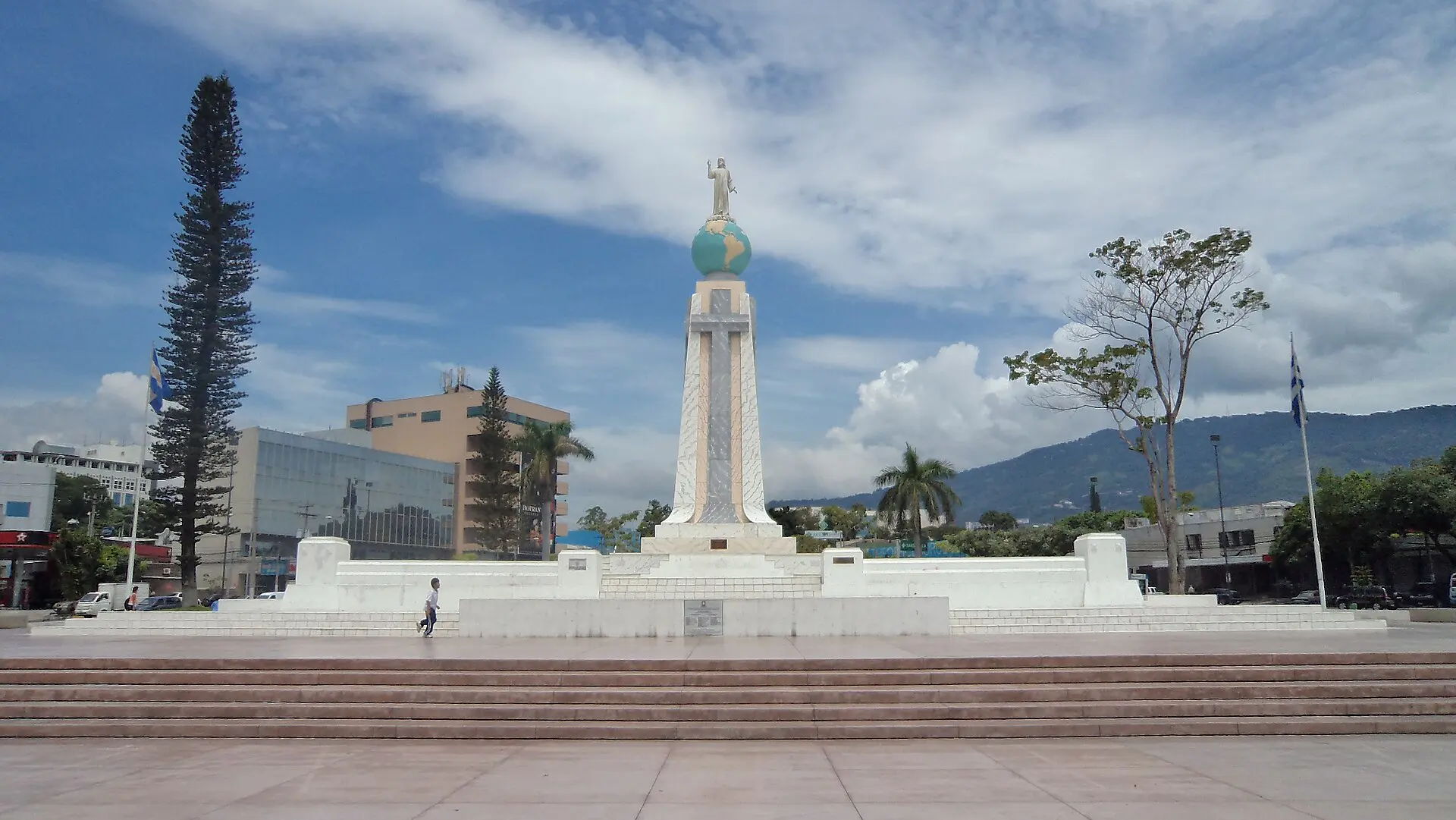

Why visit San Salvador
When planning things to do in San Salvador, think of it first as the centre of El Salvador. It is the country’s political, cultural, educational and financial centre, with about 525,000 people in the municipality and a metropolitan area of roughly 2.4 million. It also sits roughly in the middle of the country, so most major roads pass through it.
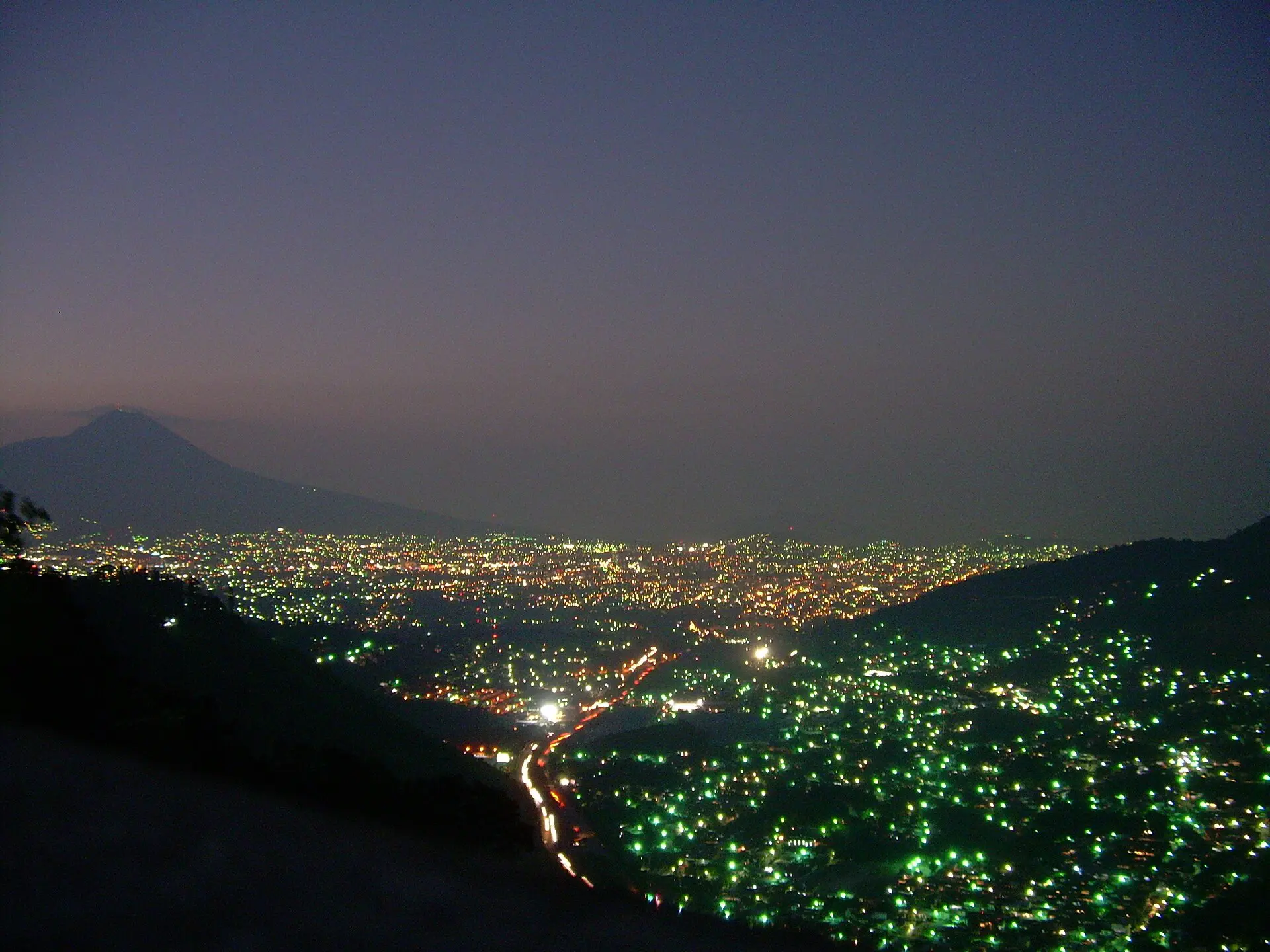

The city lies in a highland valley at the foot of the San Salvador volcano, and the Pipil name for the area translated as the Valley of the Hammocks, a nod to its frequent earthquakes. These have damaged many historic buildings, so the old centre is less intact than in some Latin American capitals.
What you get instead is a working modern city with museums, parks, markets, restaurants and good transport links. A short stay here pairs well with volcanoes, coffee towns and Pacific beaches nearby.
Top things to do in San Salvador
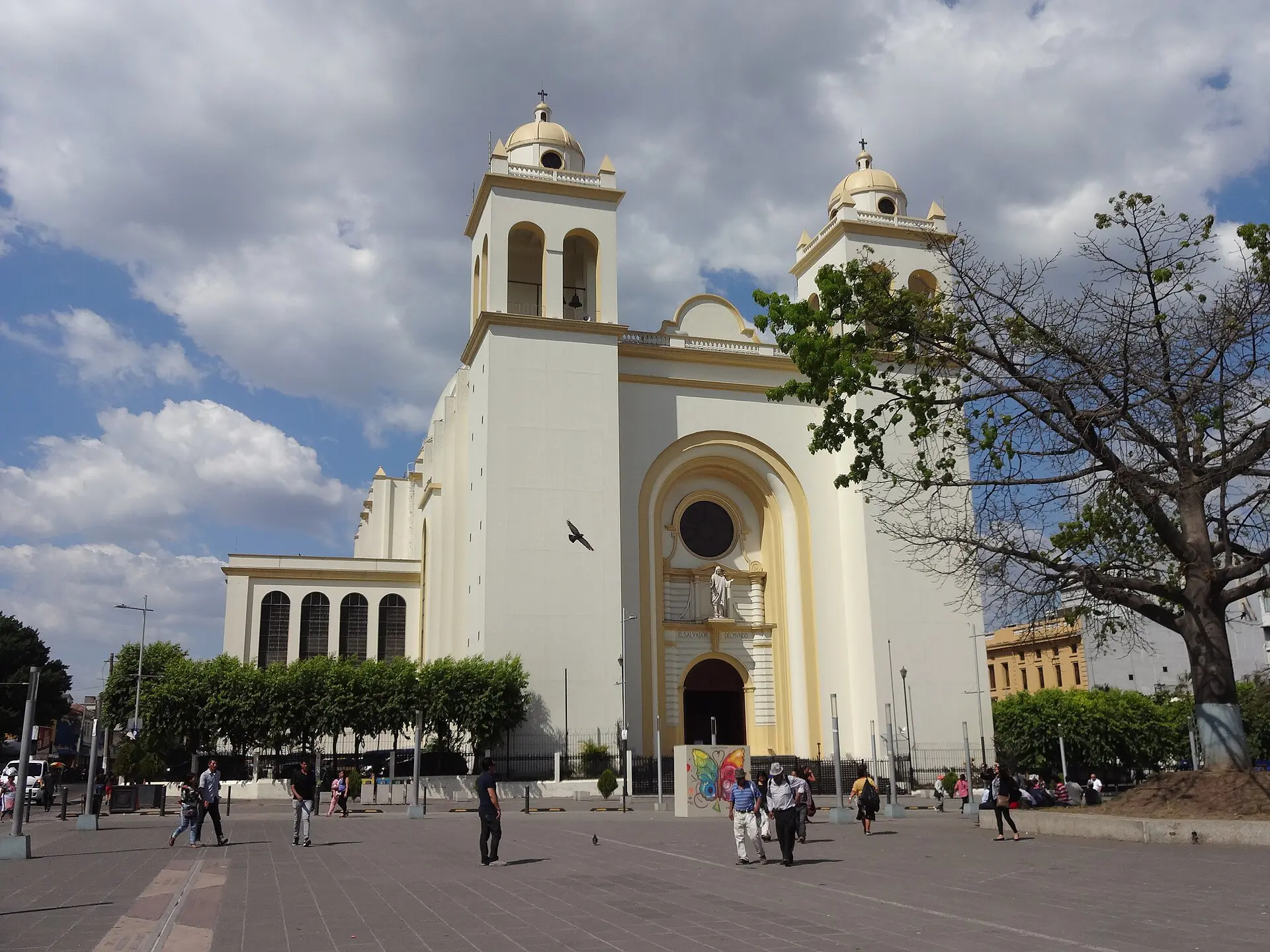

Metropolitan Cathedral and the historic centre
The cathedral sits on the main plaza in the downtown area, near the National Palace and the old theatre. It holds a place in the country’s religious and political history. Allow one to two hours for the area, go in daylight, and ask locally about the best routes on foot.
National Museum of Anthropology (MUNA)
The museum covers the archaeology and cultural history of El Salvador, from Indigenous civilisations to modern times. It is a good primer before visiting ruins elsewhere. Allow two hours, and confirm opening days and any entry fee before you go.
Museum of Art of El Salvador (MARTE)
This modern art museum shows Salvadoran and Latin American work in a contemporary building. It suits travellers who want a calm, air-conditioned stop. Allow about an hour and a half, and check current exhibitions and hours.
Parks and viewpoints
Green spaces such as the large city parks give residents a break from the traffic, and some offer views across the valley towards the surrounding volcanoes. Visit in the morning, take water, and ask your hotel which parks are best for walking at the time of your visit.
San Salvador volcano and Boqueron
The volcano above the city has a crater with a short walk and views, and it is a favourite half-day outing from the capital. Go early, when skies are clearer, and check access and conditions locally before travelling.
Markets and Salvadoran food
Try pupusas, the filled corn tortillas that define the national cuisine, along with fresh juices and coffee. Eat where locals do, ask for a recommendation from your hotel, and carry small bills. Allow an evening or a relaxed lunch.
Best time to visit San Salvador
El Salvador has two main seasons. The dry season, roughly November to April, brings sunny weather and clearer views of the volcanoes, which makes it the most comfortable time for walking and day trips. Temperatures in the highland valley are warm but not extreme.
The rainy season, roughly May to October, brings afternoon downpours, often after sunny mornings, and greener scenery. Plan outdoor activities for the morning and keep afternoons flexible. Hotel prices and crowds are generally lower during the rains, apart from around national holidays and Semana Santa, when many Salvadorans travel to the coast.
| Season | Weather | Crowds and prices |
|---|---|---|
| November to April | Warm, dry, clear views | Busier, higher prices around holidays |
| May to October | Warm, humid, afternoon rain | Quieter, often cheaper |
How to get to San Salvador and around
Most international visitors arrive at Monsenor Oscar Arnulfo Romero International Airport, southeast of the city. It is an hour or more from the centre by road, depending on traffic, and you can arrange a pre-booked transfer, a shuttle or a taxi through your hotel. Buses connect the capital with other Salvadoran cities and with neighbouring countries, though schedules change.
Within the city, taxis and ride-hailing apps are the simplest way to get around, since distances between neighbourhoods can be long and not all areas suit walking. Public buses exist but are crowded and confusing for visitors. Many travellers hire a car with a driver for day trips, which is often cost effective for groups. Ask your accommodation for current advice on routes and times.
Where to stay in San Salvador
The western and southern districts, including areas such as Escalon and Zona Rosa, are the most common choice for visitors. They have a concentration of hotels, restaurants and shopping, and are generally where many foreign travellers stay. They suit first-timers who want convenience and a wide choice of places to eat.
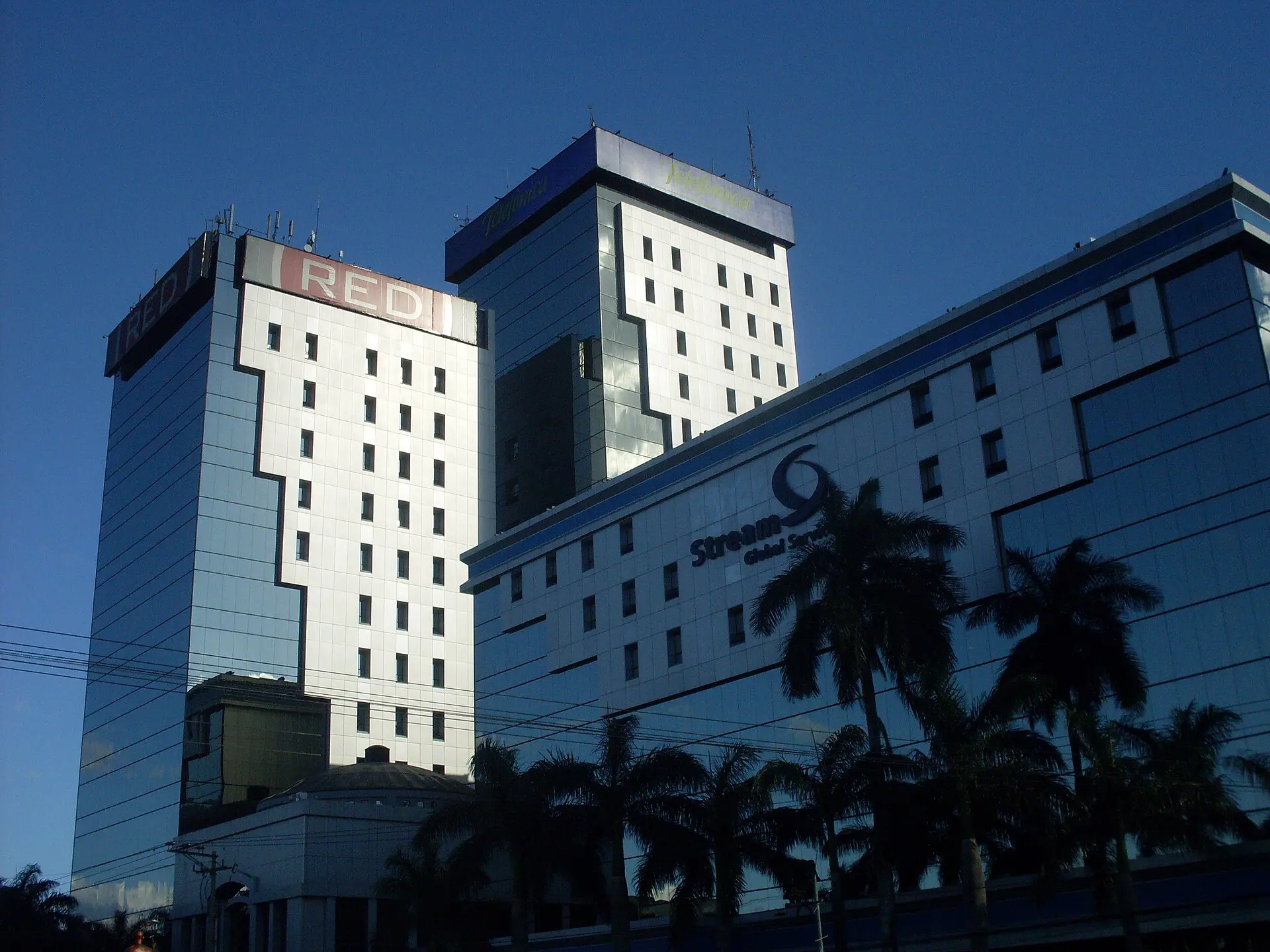

The historic centre has more local character and sits close to the cathedral and the old buildings, but options for lodging are limited and the area quiets down in the evening. It suits people who want to be close to the sights.
The hills and suburbs around the city have a few quieter, greener places with views, useful if you have a car or arrange transfers. Book ahead for holiday weeks, and check recent guest reviews for location and noise.
How many days do you need?
Two days is a good balance for the city. That lets you see the museums and the historic centre without rushing, with time to eat well. A single day works if you are passing through. Three days or more makes sense if you use the capital as a base for several outings.
- Day 1: Historic centre and cathedral in the morning, lunch at a local eatery, then the anthropology museum in the afternoon.
- Day 2: A morning at the San Salvador volcano or a city park, lunch with pupusas, then the art museum and a relaxed evening.
- Day 3: A day trip to Joya de Ceren, Suchitoto or the coast, depending on your interests.
Day trips and nearby
Joya de Ceren
This well-preserved Maya farming village was buried by volcanic ash and is now an archaeological site. It lies within day-trip range of the capital and combines well with Tazumal or the Santa Ana area. Allow a half day.
Suchitoto
A colonial-style town north of the capital with cobbled streets, art and views over a lake. It makes a relaxed day or overnight trip. Check bus or road options before you go.
La Libertad and El Zonte
The Pacific coast is the nearest beach area, known for surfing and seafood. Go on a weekday to avoid crowds, and check sea conditions and surf schedules before you plan swimming.
Santa Ana and the Ruta de las Flores
Western El Salvador has volcanoes, coffee country and small towns such as Apaneca, Juayua and Ataco. It is better as a multi-day trip, though a long day trip is possible with a car and an early start.
FAQ
Q1When is the best time to visit San Salvador?
The dry season from about November to April offers sunny weather and clearer volcano views. The rainy season, roughly May to October, is greener and cheaper, with afternoon showers, so plan outdoor activities for the morning and keep afternoons flexible.
Q2How many days do you need in San Salvador?
Two days covers the main museums, the historic centre and the volcano. Add a day or more if you want day trips to Joya de Ceren, Suchitoto, the coast or the Ruta de las Flores.
Q3How do you get to San Salvador?
Most visitors fly into Monsenor Oscar Arnulfo Romero International Airport, then take a shuttle, taxi or arranged transfer to the city, roughly an hour or more depending on traffic. Buses also link the capital with other cities and countries.
Q4Is San Salvador expensive?
San Salvador is moderately priced for visitors. Local food is cheap, while hotels and taxis in the better-known districts cost more. A mid-range traveller might budget around USD 60-120 per day, though prices vary, so check current rates.
Prices, schedules and entry rules change. Check current details with official sources before you travel. Read the El Salvador travel guide.