Why visit Greece
The best things to do in Greece come from how much sits in a small area. The country covers about 132,000 square kilometres, with a long mainland coast, mountains and thousands of islands, of which around 200 are inhabited (see the Wikipedia overview). Athens, the capital, is a short flight or ferry ride from beach islands, and the ancient sites of Delphi, Olympia and Knossos are within a day trip or a short drive from main hubs.
Greece suits almost every kind of traveller. History fans can follow classical and Byzantine sites, beach travellers can pick between lively Cycladic islands and quiet Ionian coves, and hikers have trails in Crete, Zagori and Mount Olympus. It also works well for families, couples and first-time visitors to Europe, because tourism infrastructure is mature and food is a highlight. The trade-off is crowds and heat in peak summer.
Best places to visit in Greece
The best places to visit in Greece fall into the capital, the mainland highlights and island groups.
Athens
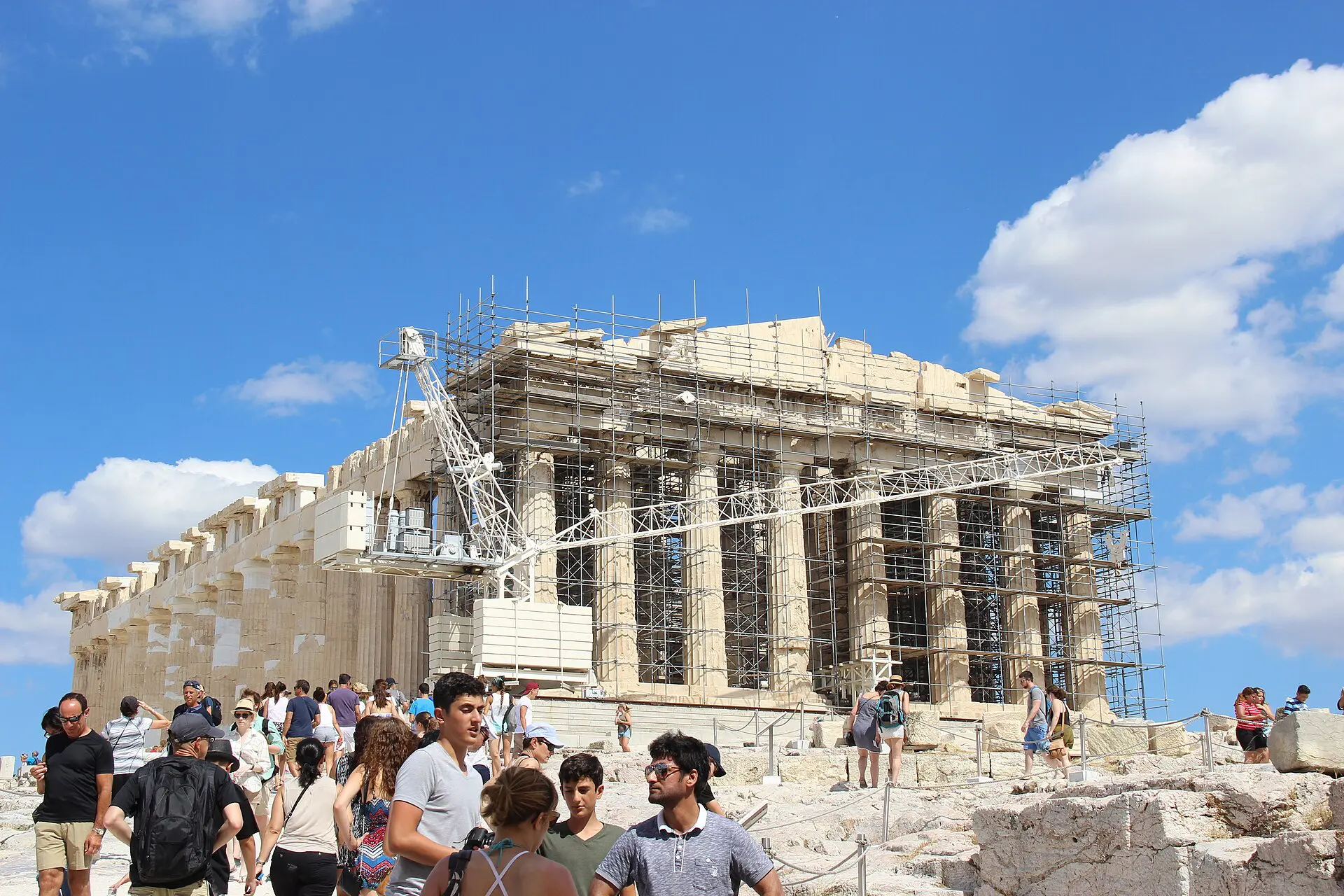
The Acropolis, the Acropolis Museum, the Ancient Agora and the lanes of Plaka make the main sights. Neighbourhoods such as Monastiraki and Koukaki have cafés and tavernas. Allow two to three days.
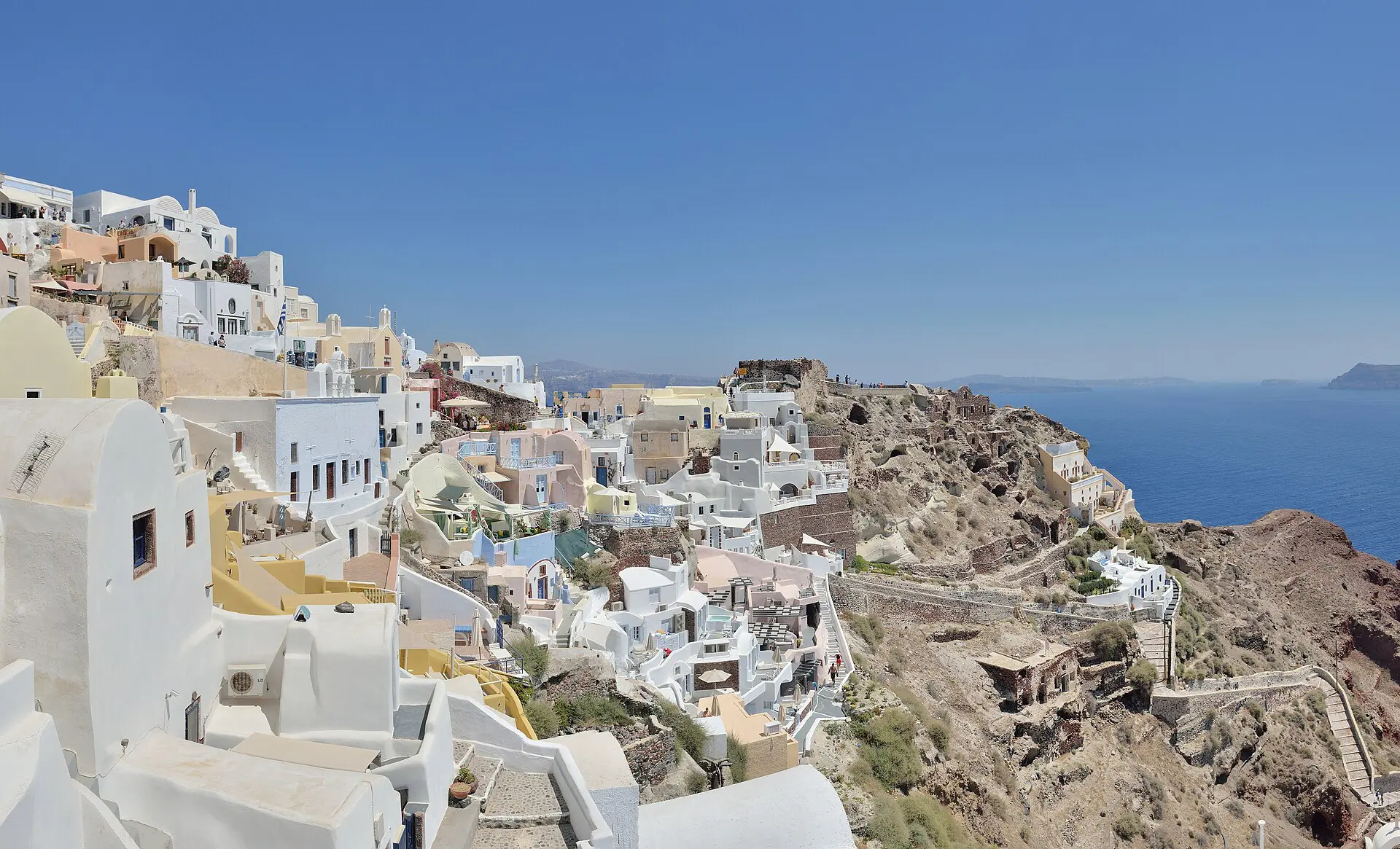
Santorini
Famous for caldera views, white-and-blue villages and sunsets at Oia, Santorini is beautiful but busy and pricey in summer. Stay in Imerovigli or Pyrgos for a quieter base.
Crete
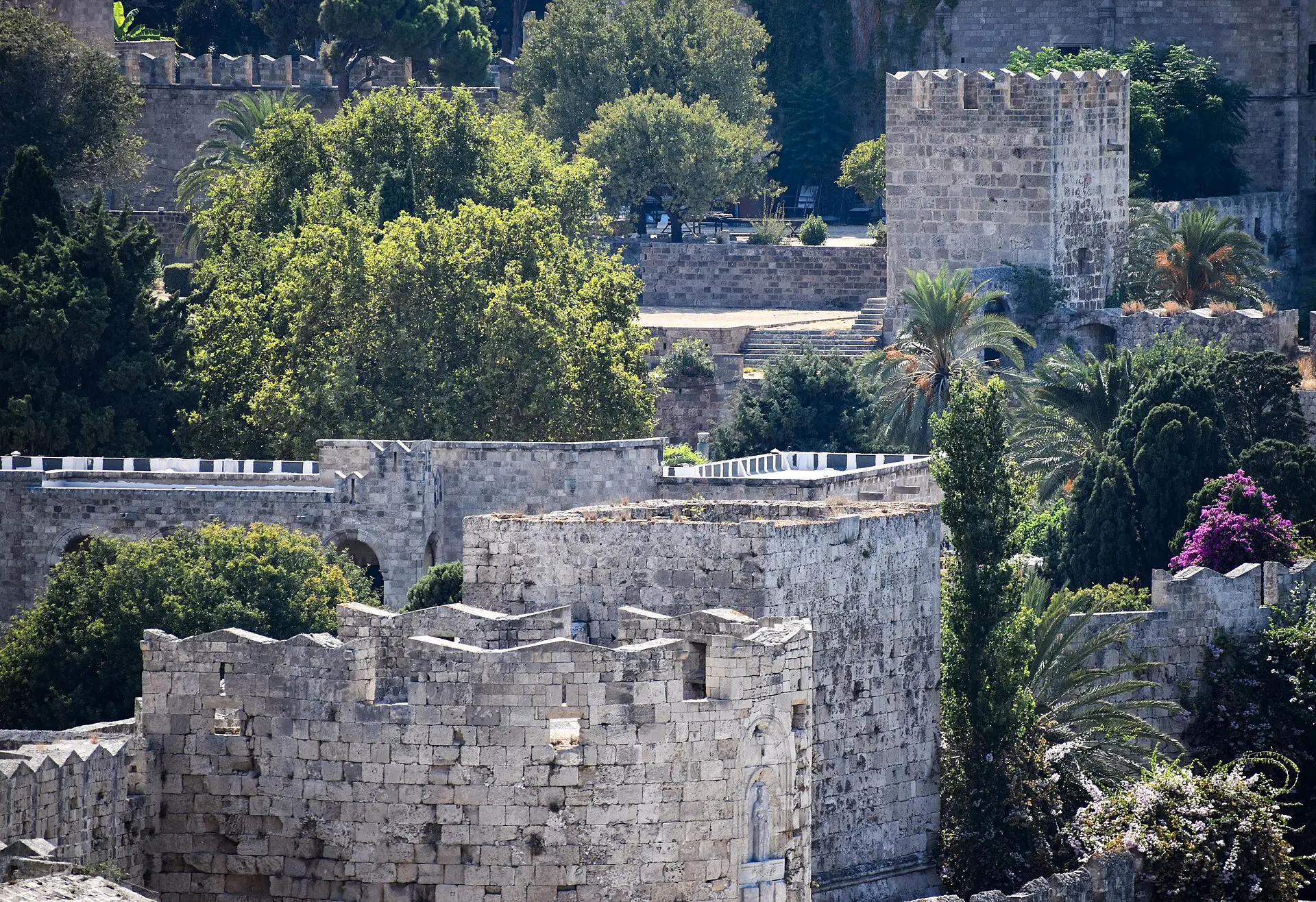
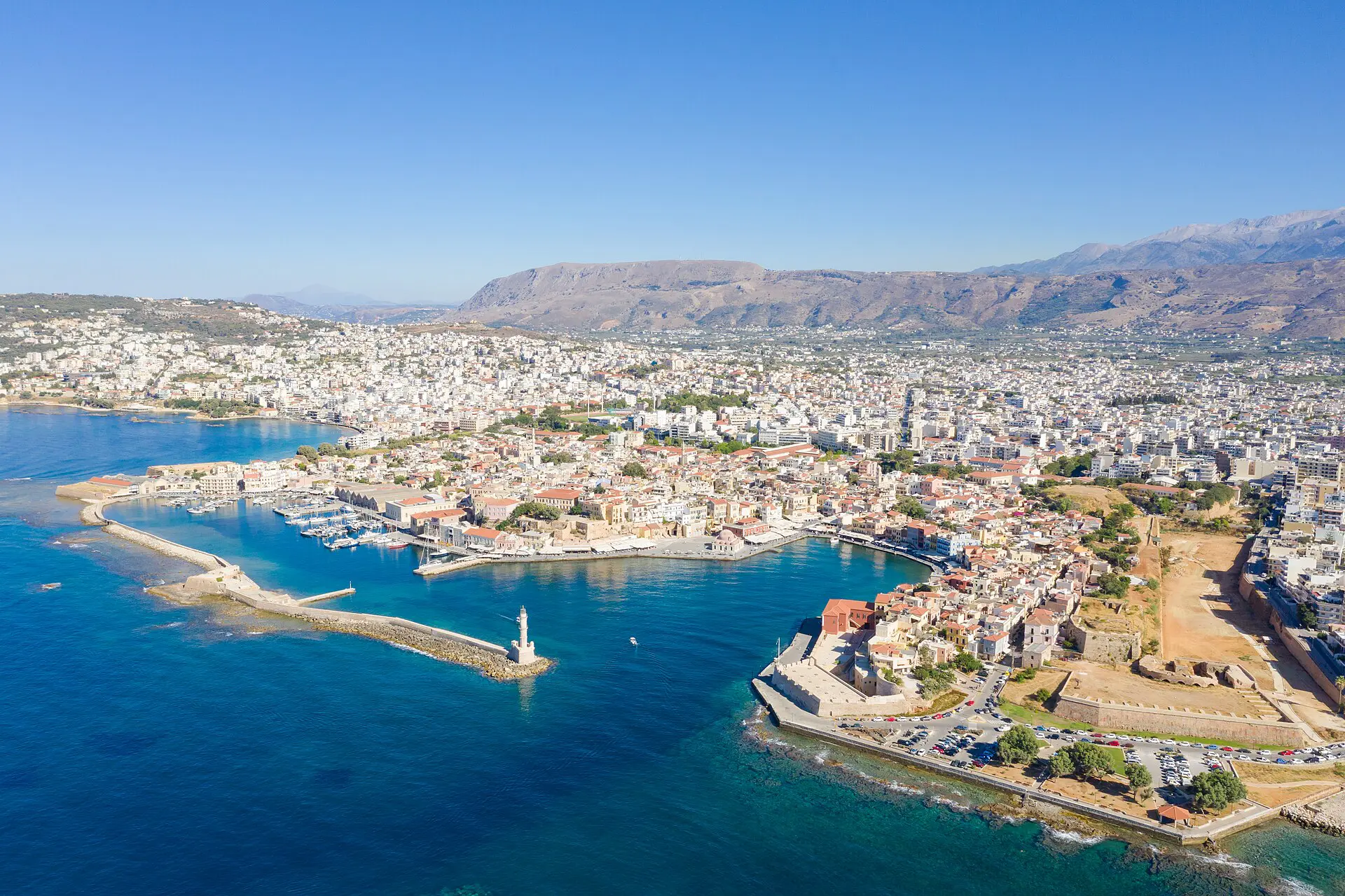
Greece’s largest island has Knossos palace, the old Venetian harbour of Chania, the Samaria Gorge hike and beaches such as Elafonissi. It needs a rental car and more time than a single stop.
Meteora
Monasteries perch on rock pillars above the town of Kalambaka. Several are open to visitors, and sunrise and sunset walks give the best views.
Delphi
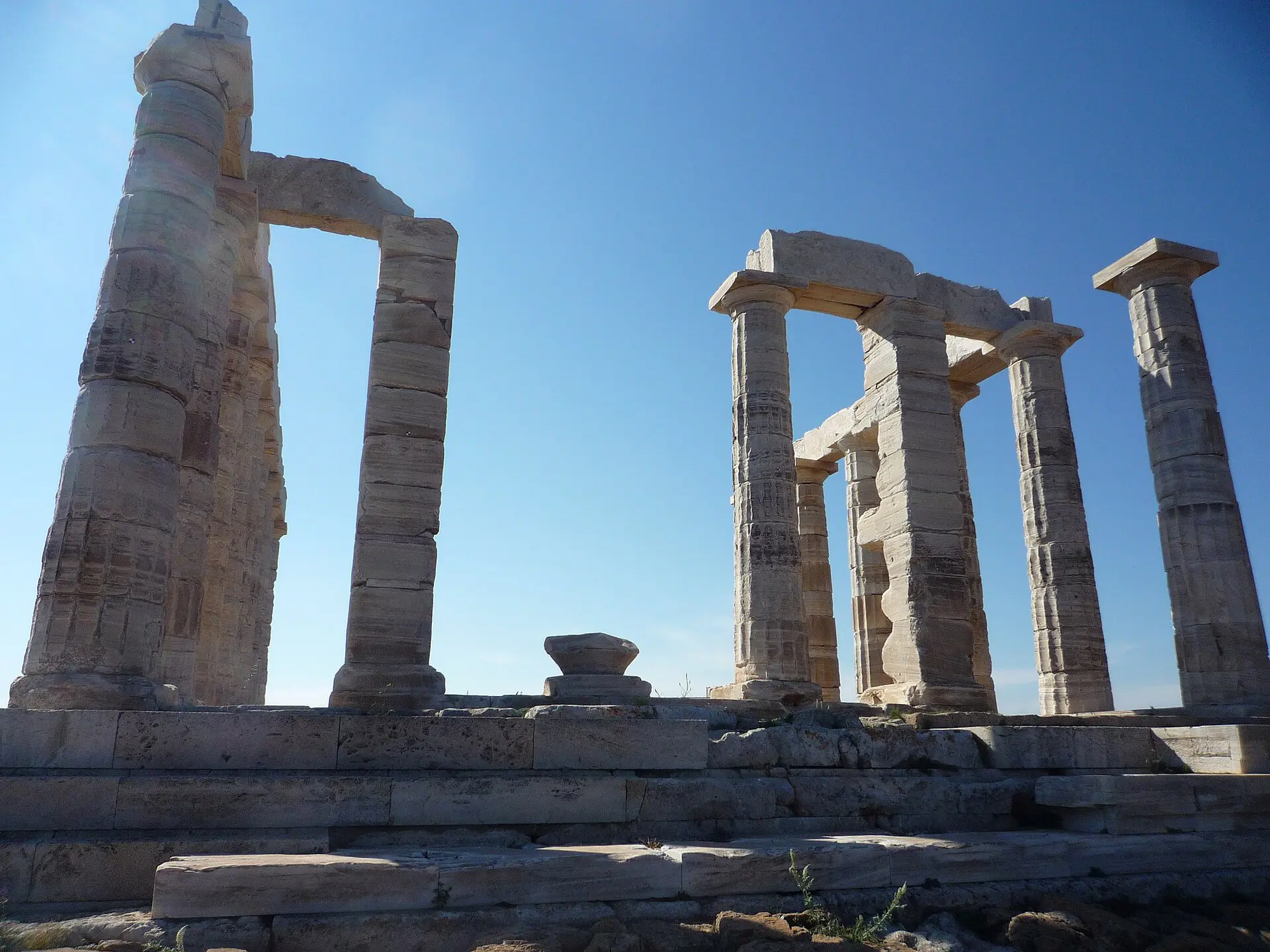
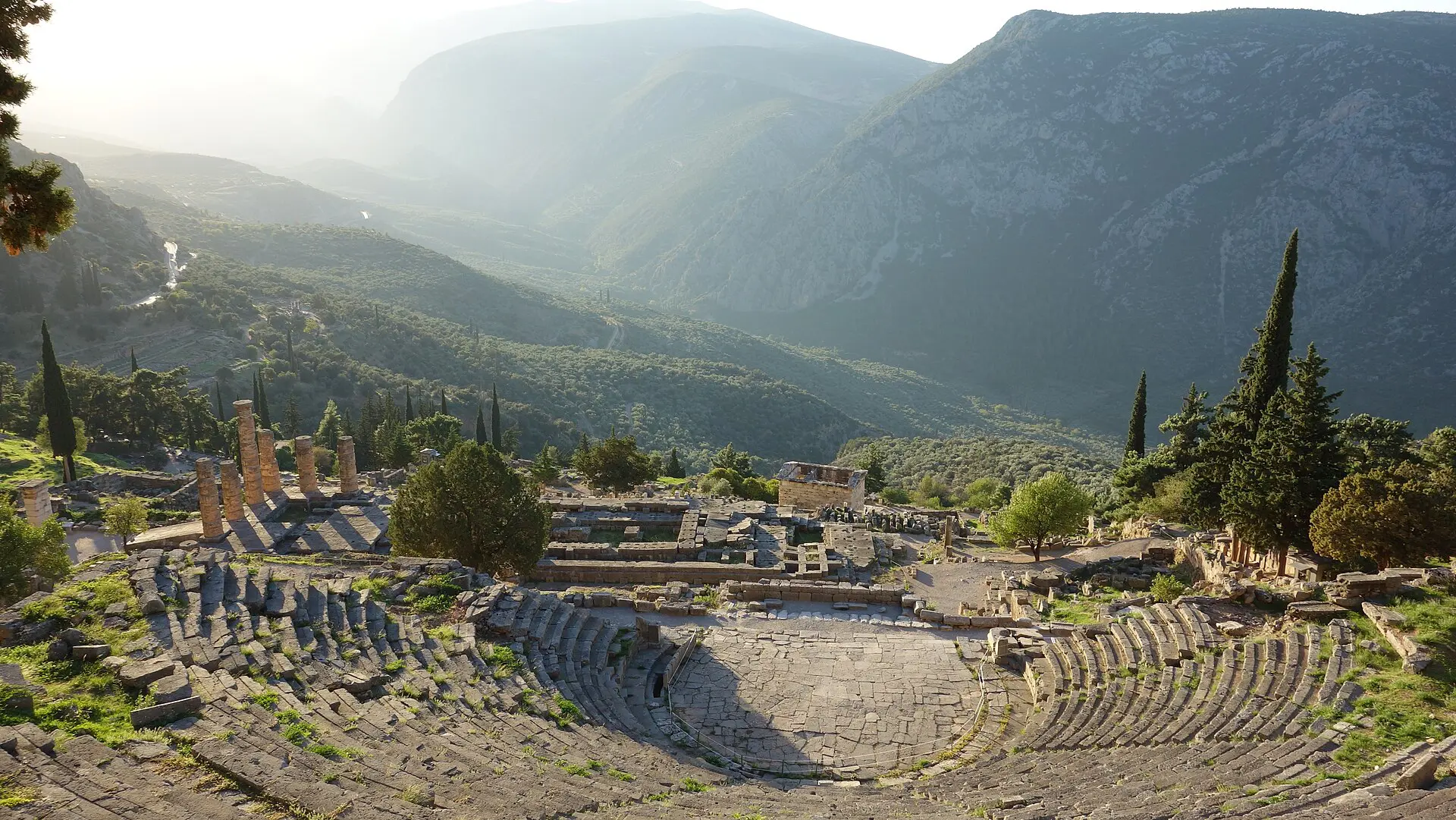
The ancient sanctuary of Apollo sits on the slopes of Mount Parnassus, about two and a half hours from Athens, with a good museum beside the ruins.
Cyclades and Ionian islands
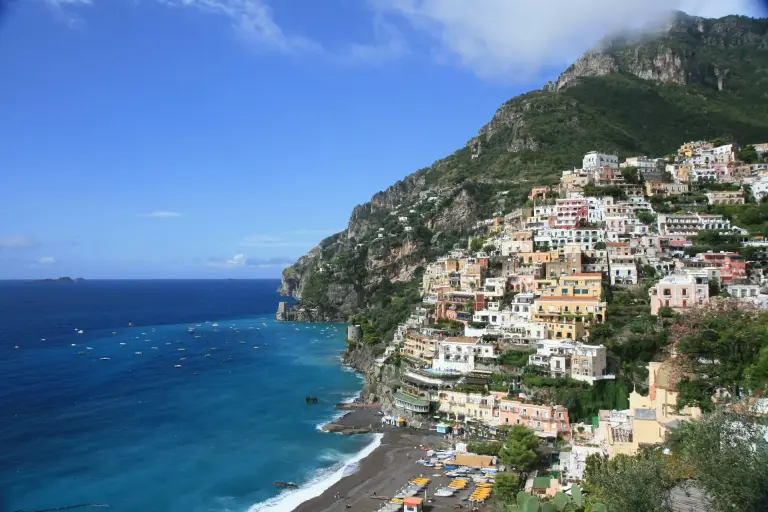
Naxos and Paros suit easy beach stays, Milos has dramatic coves, and Corfu and Zakynthos offer green Ionian scenery.
Top things to do in Greece
The top things to do in Greece mix ancient sites, islands and food, and most work on a one or two-week route.

- Climb the Acropolis: go early or late in the day to avoid heat and crowds, and book timed tickets online.
- Visit the Acropolis Museum: a modern museum below the hill with the Parthenon sculptures gallery.
- Tour Delphi: walk the Sacred Way up to the temple and theatre.
- Walk among the Meteora monasteries: choose one or two to visit, and dress modestly.
- Watch the Santorini sunset: arrive early at Oia or watch from a quieter village.
- Explore Knossos in Crete: the Minoan palace is Europe’s oldest city site, with reconstructed halls.
- Hike the Samaria Gorge: a day-long walk of around 16 kilometres, open from about May to October.
- Island-hop by ferry: pick two or three islands rather than many.
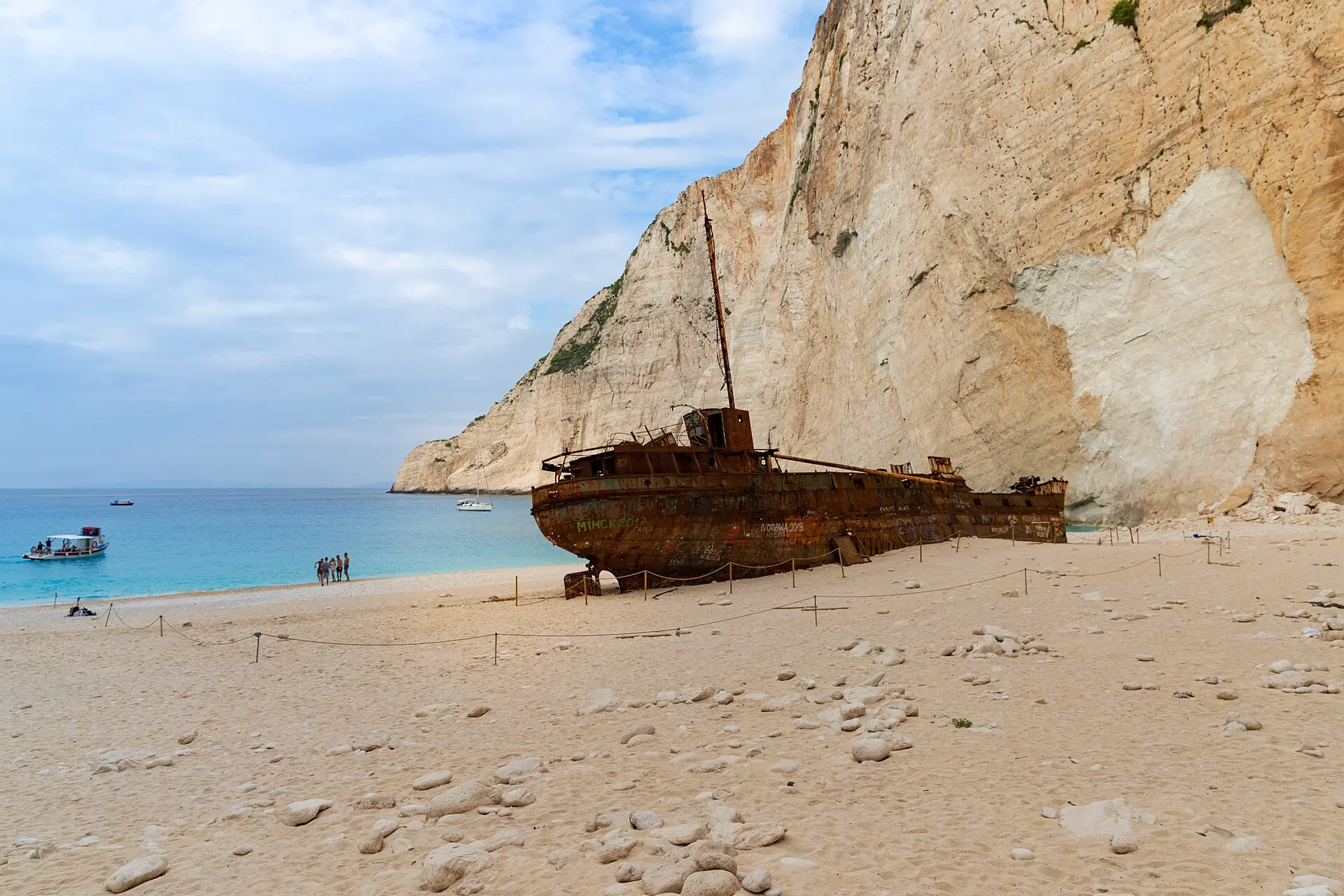
- Swim at Navagio or Milos beaches: boat trips reach the most dramatic coves.
- Eat a long taverna lunch: order a table of mezedes and share.
Best time to visit Greece
The best time to visit Greece is late April to June and September to October, when the weather is warm, the sea is swimmable from about June and crowds and prices are lower than in peak summer. July and August are hot, often above 35 C inland, and the islands are at their busiest. Winter is mild on the coast but many island hotels and ferries close or run reduced schedules.
| Season | Weather | Crowds and prices | Good for |
|---|---|---|---|
| Spring (Apr-Jun) | Mild to warm, wildflowers, cool sea until June | Moderate, rising through June | Ruins, hiking, early island trips |
| Summer (Jul-Aug) | Hot and dry, strong meltemi wind in the Aegean | Highest prices and crowds | Beaches, sailing, ferries at full schedule |
| Autumn (Sep-Oct) | Warm, sea still warm in September | Falling after mid-September | Beaches, island hopping, food |
| Winter (Nov-Mar) | Cool and wet, snow in the mountains | Low, many island services closed | Athens, mainland sites, skiing |
The meltemi, a strong northerly wind in July and August, can delay Aegean ferries, so allow a spare day if you must catch a flight.
Is Greece safe to visit?
Yes, Greece is safe to visit, and violent crime against tourists is uncommon. The main risks are summer wildfires, extreme heat, petty theft in busy places and road or sea hazards. Check your government’s current travel advice, such as the UK FCDO or US State Department pages, before you book.
Wildfires and heat. Fires occur most summers, and evacuations have affected islands and coastal areas. Follow local instructions, check the Greek civil protection updates, and avoid hiking in the hottest hours. Drink water and use sun protection.
Theft and scams. Pickpockets work on Athens metro lines, around the Acropolis and in crowded ferries. Watch for overpriced bar tabs in tourist districts and check bills.
Roads and sea. Island roads can be steep and narrow, and scooter accidents are common among visitors, so wear a helmet and check your insurance. Strong winds and swell can cancel ferries.
Other hazards. Greece sits in an earthquake zone, so know the basics, and demonstrations or strikes in Athens occasionally disrupt transport. Tap water is safe in most places but some islands advise bottled water.
Visa and entry requirements for Greece
Entry rules depend on your nationality. Greece is part of the Schengen Area, and citizens of many countries, including the US, UK, Canada and Australia, have been able to visit visa-free for up to 90 days in any 180-day period. Others need a Schengen visa from a Greek embassy or consulate before travel.
Your passport should be valid for at least three months beyond your planned departure date and issued within the previous ten years. The EU’s Entry/Exit System registers non-EU visitors with fingerprints and a photo, and ETIAS, a pre-travel authorisation for visa-exempt travellers, is planned to follow, so check the current requirements with the Greek Ministry of Foreign Affairs or Greek Ministry of Migration.
If you are arriving from outside the EU by ferry, such as from Turkey to the eastern Aegean islands, expect passport checks. You can see the heritage sites that you may want to visit on the UNESCO page for Greece, though it does not cover entry rules. Carry your passport and any insurance documents, particularly if you rent a scooter or car.
Getting to and around Greece
Most visitors fly into Athens International Airport, with major island airports in Santorini, Mykonos, Crete (Heraklion and Chania), Rhodes, Corfu and Thessaloniki on the mainland. Many European airlines add direct seasonal flights from spring to autumn. Ferries link Greece with Italy, particularly Patras and Igoumenitsa to Brindisi, Bari and Ancona.
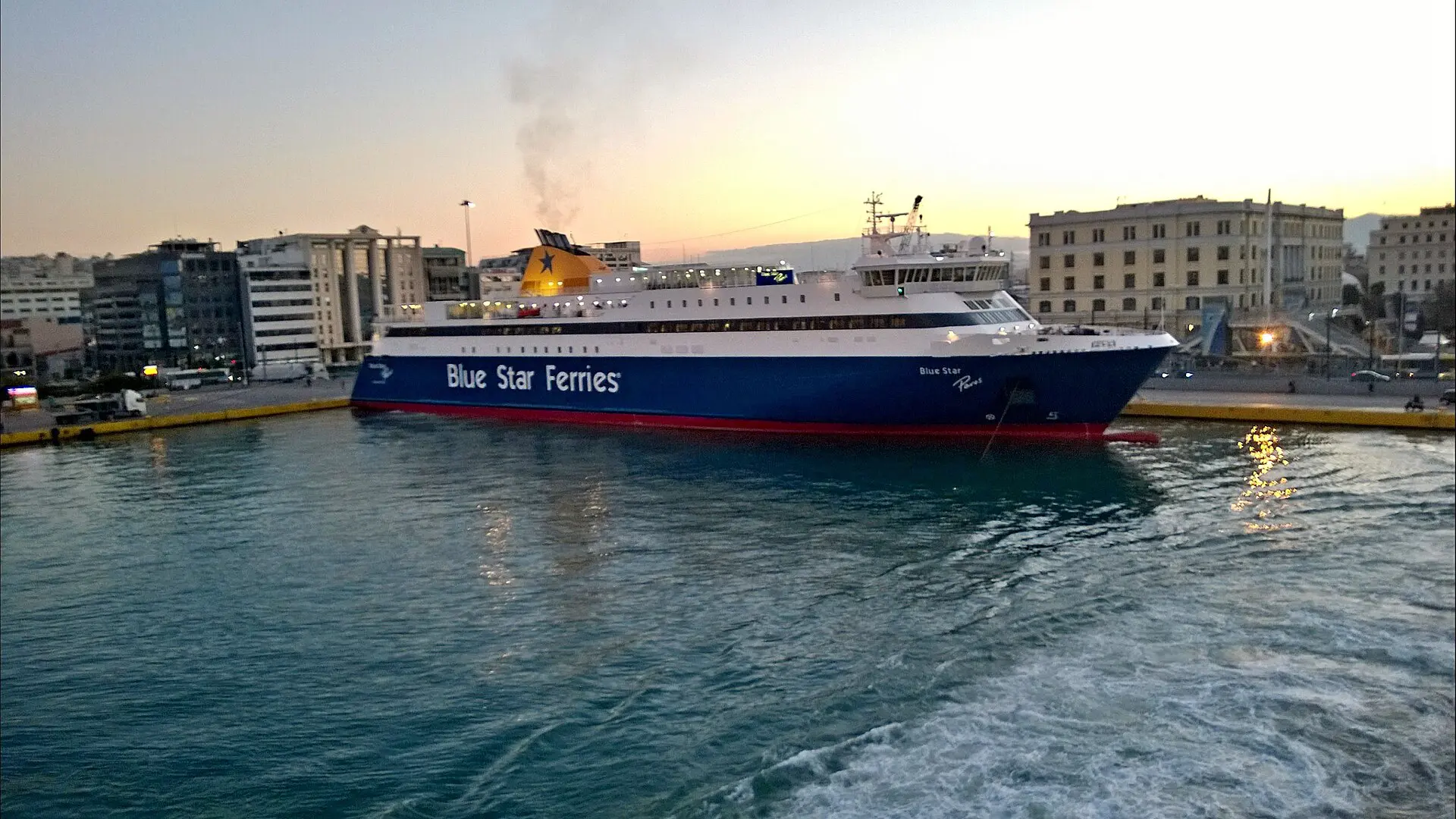
Ferries from Piraeus, Rafina and Lavrio are the usual way to reach the Cyclades. Athens to Santorini takes about five to eight hours depending on the ship, or around 45 minutes by plane. Book ferries ahead in summer, and check schedules with a ticketing platform, since they change with weather and season. Domestic flights link Athens to many islands and are faster for long distances.
On the mainland, long-distance KTEL buses cover most routes, and trains run Athens to Thessaloniki in about four hours. A rental car is helpful in Crete, the Peloponnese and Corfu, and Greeks drive on the right. Athens has a metro, tram and suburban rail, and the metro connects to the airport.
How much does a trip to Greece cost?
Greece is cheaper than much of Western Europe on the mainland but pricey on the most famous islands in July and August. The currency is the euro (EUR). The figures below are rough per-person guides for the 2026 season.
- Budget: around EUR 55 to 100 per day, with hostels or simple rooms, souvlaki and bakery meals, buses and a few paid sights.
- Mid-range: around EUR 100 to 190 per day, with private hotel rooms, taverna dinners, some ferries and a rental car on a few days.
- High-end: from around EUR 300 per day, with boutique hotels on Santorini or Mykonos, private transfers and yachts.
Accommodation is the biggest swing factor, and a caldera-view room on Santorini in August can cost several times a mainland hotel. Ferries add up when island hopping, so limit the number of moves. Travelling in May, June or late September can cut accommodation costs by a large amount. Tavernas are good value, and sharing mezedes keeps meals cheaper.
Greece food and drink
Greece food is built around olive oil, vegetables, fresh cheese, grilled meat, fish and herbs, and it is meant to be shared. Portions are generous and a meal can last hours.

- Greek salad (horiatiki): tomatoes, cucumber, onion, olives and a block of feta, with no lettuce.
- Moussaka: layers of aubergine, spiced meat and béchamel sauce, baked.
- Souvlaki and gyros: grilled skewers or sliced meat in pita, the standard cheap meal.
- Spanakopita and tiropita: flaky pies filled with spinach or cheese, common at bakeries.
- Grilled octopus and fresh fish: best at seaside tavernas, often sold by weight.
- Mezedes: small plates such as tzatziki, saganaki and dolmades, ordered for the table.
- Ouzo, tsipouro and Greek wine: anise-flavoured spirit, grape pomace spirit and wines from Santorini, Nemea and Naoussa.
Vegetarians eat very well, as many dishes are meat-free and Orthodox fasting traditions add plant-based menus. Dinner is late, often after 9 pm in summer. Tap water is safe in most cities, and a bread and cover charge may appear on bills.
Culture, language and etiquette in Greece
Greek is the national language, written in the Greek alphabet. English is widely spoken in tourist areas, and many signs include Latin letters. A few words such as kalimera (good morning), efharisto (thank you) and parakalo (please) are appreciated.
Greeks are hospitable and social, and meals are long. Expect to share plates, to be offered a small treat after dinner, and to be asked questions about your family and plans. Orthodox Christianity is the main religion, and monasteries and churches require covered shoulders and knees. Meteora monasteries and Mount Athos have stricter rules, and Mount Athos is open only to men with a special permit.
Many shops close mid-afternoon and on Sundays outside tourist areas, and public life slows in August. Do not climb on ancient monuments or take stones from archaeological sites, which is illegal. Be careful when discussing politics, Turkey or the name of North Macedonia, and avoid flushing paper in older plumbing, as bins are provided.
Greece itinerary: a 7-day route
This Greece itinerary combines Athens, Delphi and two islands with realistic transport times.
- Day 1, Athens: arrive, walk through Plaka and Anafiotika, and eat dinner in a taverna.
- Day 2, Athens: climb the Acropolis early, visit the Acropolis Museum and the Ancient Agora.
- Day 3, Delphi: drive or take a bus (about two and a half to three hours) to the sanctuary and museum, then return or stay overnight.
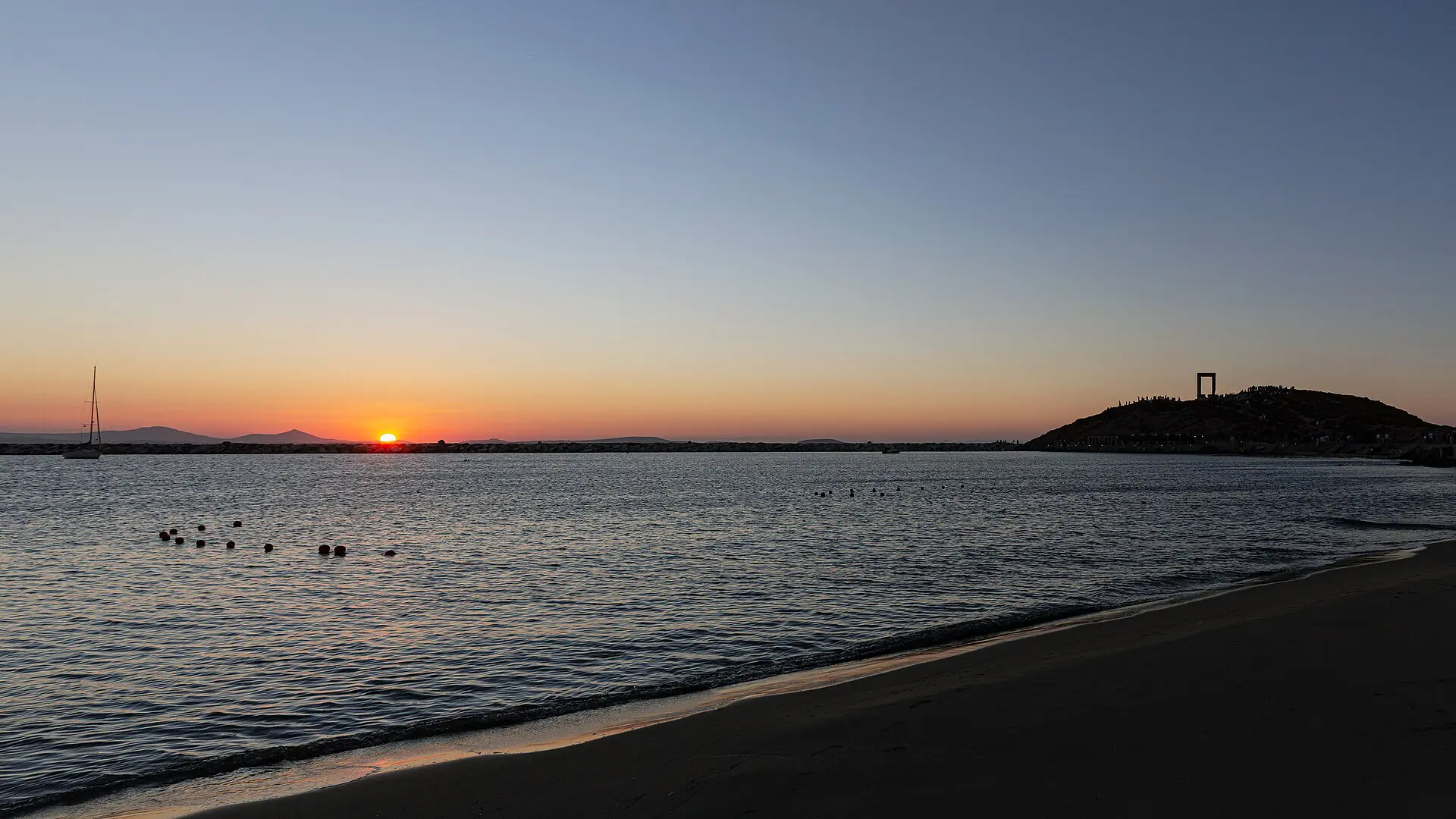
- Day 4, Athens to Naxos: take a morning ferry or flight, then walk Naxos town and the Portara at sunset.
- Day 5, Naxos: spend a beach day at Agios Prokopios or Plaka and visit a mountain village such as Apeiranthos.
- Day 6, Santorini: take a ferry (about two hours by fast boat), settle in and watch sunset at Oia.
- Day 7, return: fly or take a morning ferry back to Athens in time for your onward trip.
For a first-time shorter trip, replace Naxos with Crete and Chania. In winter, skip the islands and add Meteora or Nafplio by road.
Practical tips for Greece
- Money: the euro is the currency, cards are widely accepted, and ATMs are common. Keep cash for small tavernas, rural areas, ferries and beach bars.
- SIM and eSIM: prepaid SIMs and eSIMs are cheap, and mobile coverage is good, though patchy in remote mountains. EU visitors can usually roam at home rates.
- Plugs: types C and F at 230 V.
- Tipping: not obligatory, but rounding up or leaving around 5 to 10 percent in restaurants is common.
- Health: pharmacies are widely available, EU visitors should carry their EHIC or GHIC, and sun protection and water are essential.
- Packing: sunscreen, a hat, sturdy sandals for rocky beaches and stone steps, and a light layer for evenings and ferries.
- Booking: reserve Acropolis tickets, ferries and Santorini or Mykonos hotels well ahead for July and August.
For wider background, see the Wikivoyage Greece guide.
FAQ
Q1What is the best time to visit Greece?
Late April to June and September to October are best, with warm weather, a swimmable sea from June and fewer crowds. July and August are hot and expensive, and the meltemi wind can disrupt ferries. Winter suits Athens and the mainland, though many island services close.
Q2What are the best things to do in Greece?
Top picks are visiting the Acropolis and Acropolis Museum, touring Delphi, walking among the Meteora monasteries, watching the sunset on Santorini, exploring Knossos on Crete and island hopping to beaches such as Naxos. Add a long taverna lunch to any route.
Q3What is Greece food like?
Greece food is built on olive oil, vegetables, feta, grilled meat and fresh fish. Try Greek salad, moussaka, souvlaki, spanakopita, grilled octopus and shared mezedes, with ouzo or local wine. Vegetarians eat well, and meals are leisurely, with dinner late in summer.
Q4What are the best places to visit in Greece?
Athens is the essential start for ancient history, followed by Delphi and Meteora on the mainland. Santorini, Naxos, Milos and Crete are the main island picks, while Corfu and Zakynthos suit Ionian beach stays. Choose two or three regions rather than trying them all.
Q5What is a good Greece itinerary for a week?
Spend two days in Athens, one day at Delphi, then fly or sail to two islands such as Naxos and Santorini for the rest. Ferries from Piraeus take several hours, so book a morning departure. For history, swap an island for Meteora.
Q6Is Greece safe?
Yes, Greece is safe for tourists, and violent crime is uncommon. The main risks are summer wildfires and heat, pickpockets in Athens and on ferries, and scooter accidents on islands. Check your government's current travel advice and follow local civil protection alerts.
Q7Do I need a visa for Greece?
It depends on your passport. Citizens of many countries, including the US, UK, Canada and Australia, can visit visa-free for up to 90 days within 180 days under Schengen rules, while others need a Schengen visa. Confirm the current rules, including ETIAS plans, with the official Greek source.