Why visit Crete
People looking for things to do in Crete are choosing between an unusual amount of variety. It is the largest island in Greece and the fifth largest in the Mediterranean, and it has a mountain spine, deep gorges, long beaches and an unusually distinct local culture and cuisine.
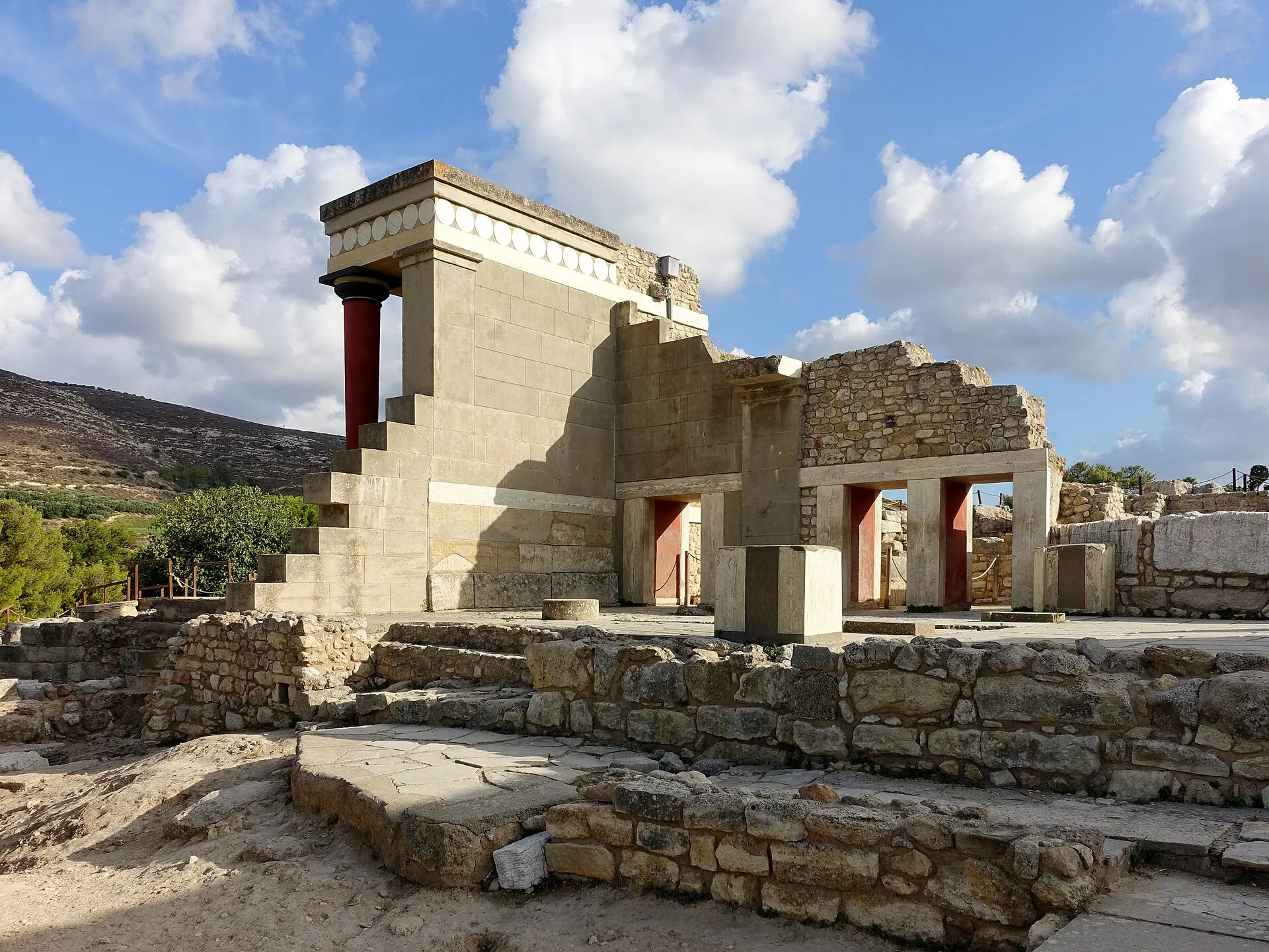
It was the centre of the Minoan civilisation, one of Europe’s earliest advanced cultures, and sites such as Knossos date back more than 3,500 years. Later Venetian and Ottoman rule left fortresses, harbours and mosques in towns like Chania and Rethymno.
The island is large, so plan by region rather than trying to see everything. The north coast has the main cities and resorts, the south is wilder, and the interior has traditional villages and olive groves. Spring and autumn are the most comfortable seasons.
Top things to do in Crete
Knossos
The Minoan palace complex near Heraklion is the island’s best-known archaeological site, with reconstructed halls and frescoes. Allow two hours. Go early to avoid heat and tour groups, and consider visiting the Heraklion Archaeological Museum for the original finds.
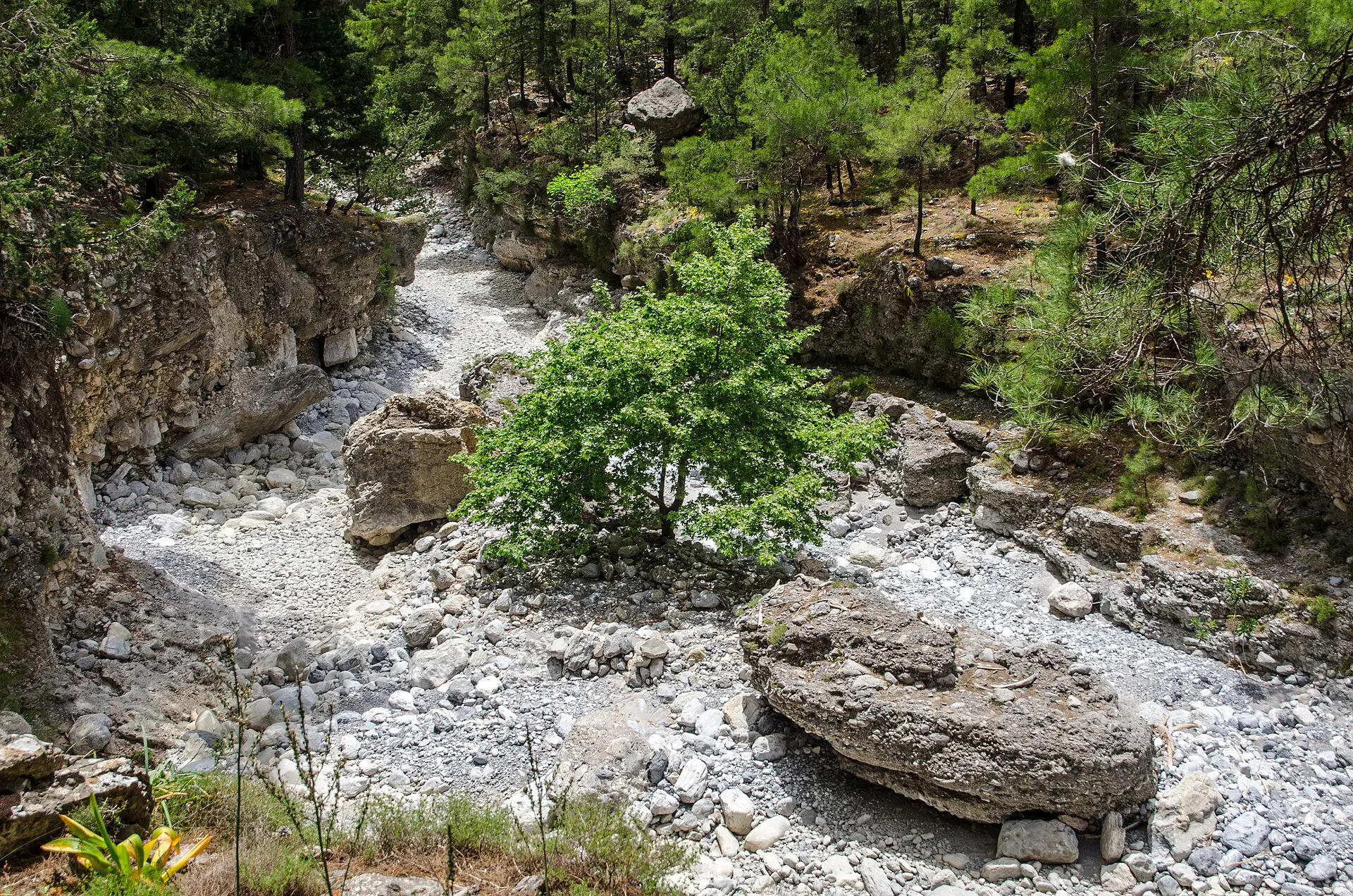
Samaria Gorge
One of the longest gorges in Europe, with a long hike of roughly 16 km through a national park. It is open for part of the year, usually from May to October, depending on weather. Allow a full day, carry water and wear sturdy shoes.
Chania old town
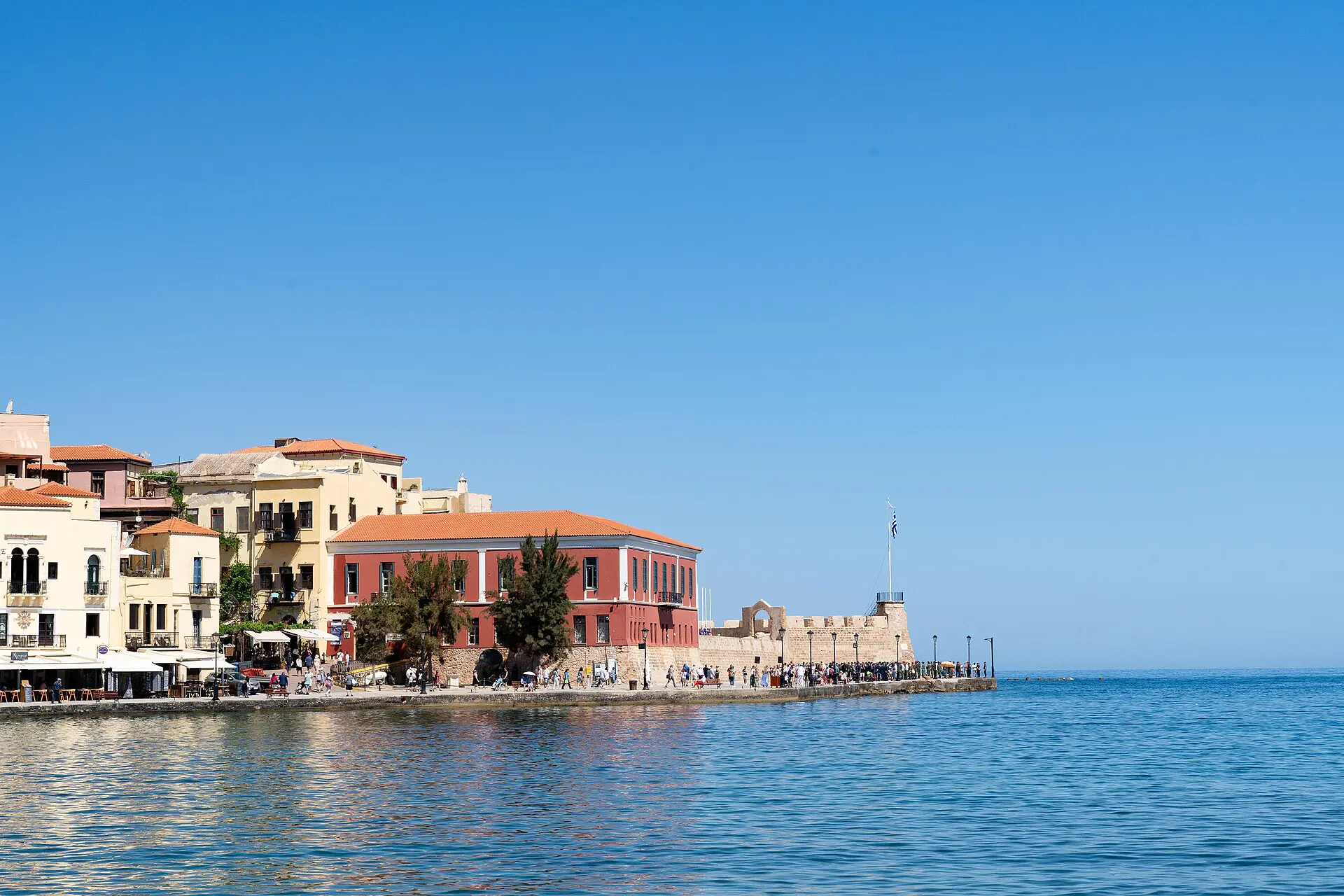
The harbour town is known for its Venetian lighthouse, narrow lanes and Ottoman buildings. Allow half a day to explore the waterfront, markets and cafes. It is busiest in summer evenings, so visit in the morning for quiet streets.
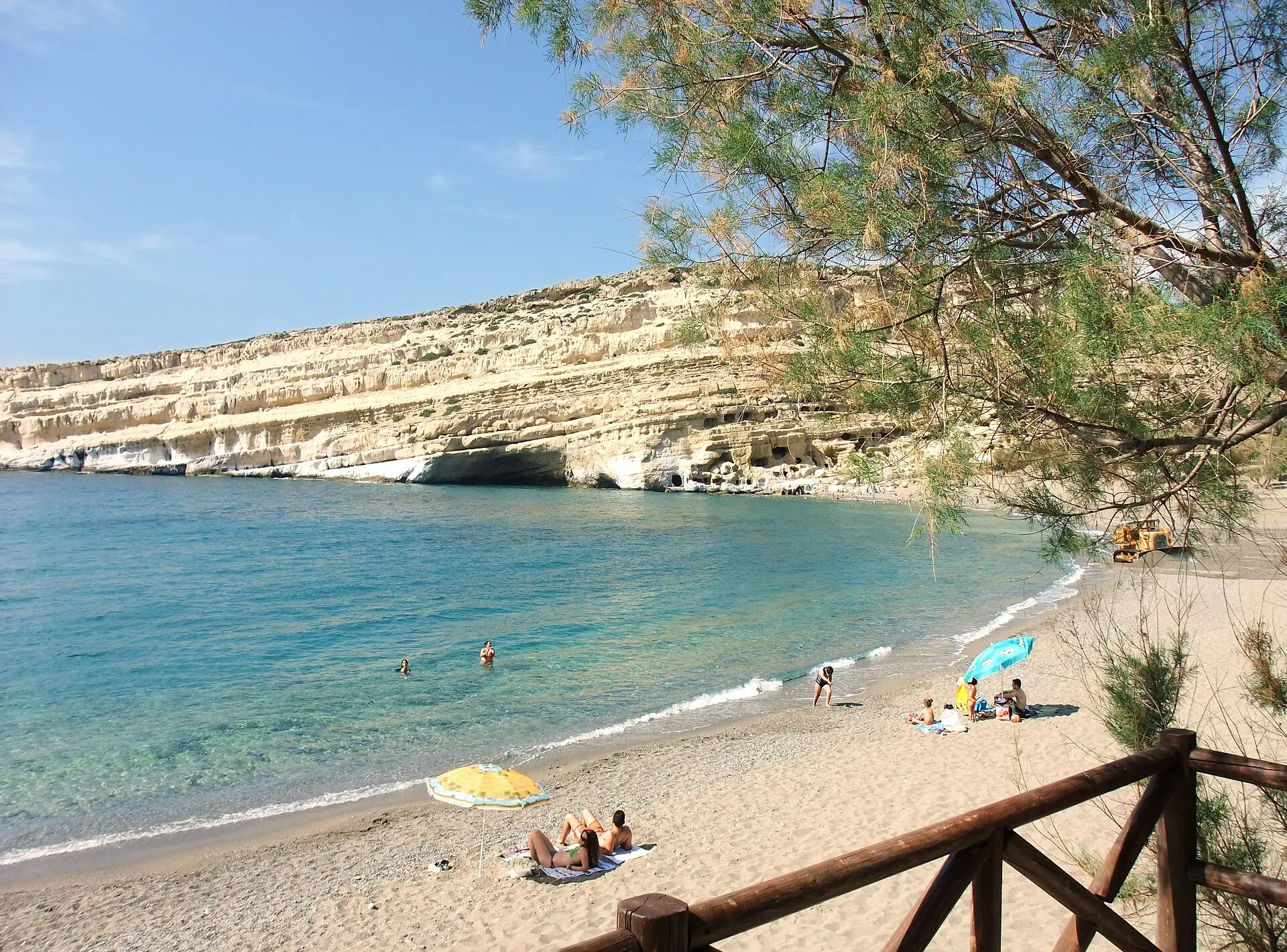
Elafonissi and Balos beaches
Two of the island’s best-known beaches, both in the west, with pale sand and shallow, clear water. Allow a full day each. Roads can be rough, and both are very crowded in July and August, so arrive early.
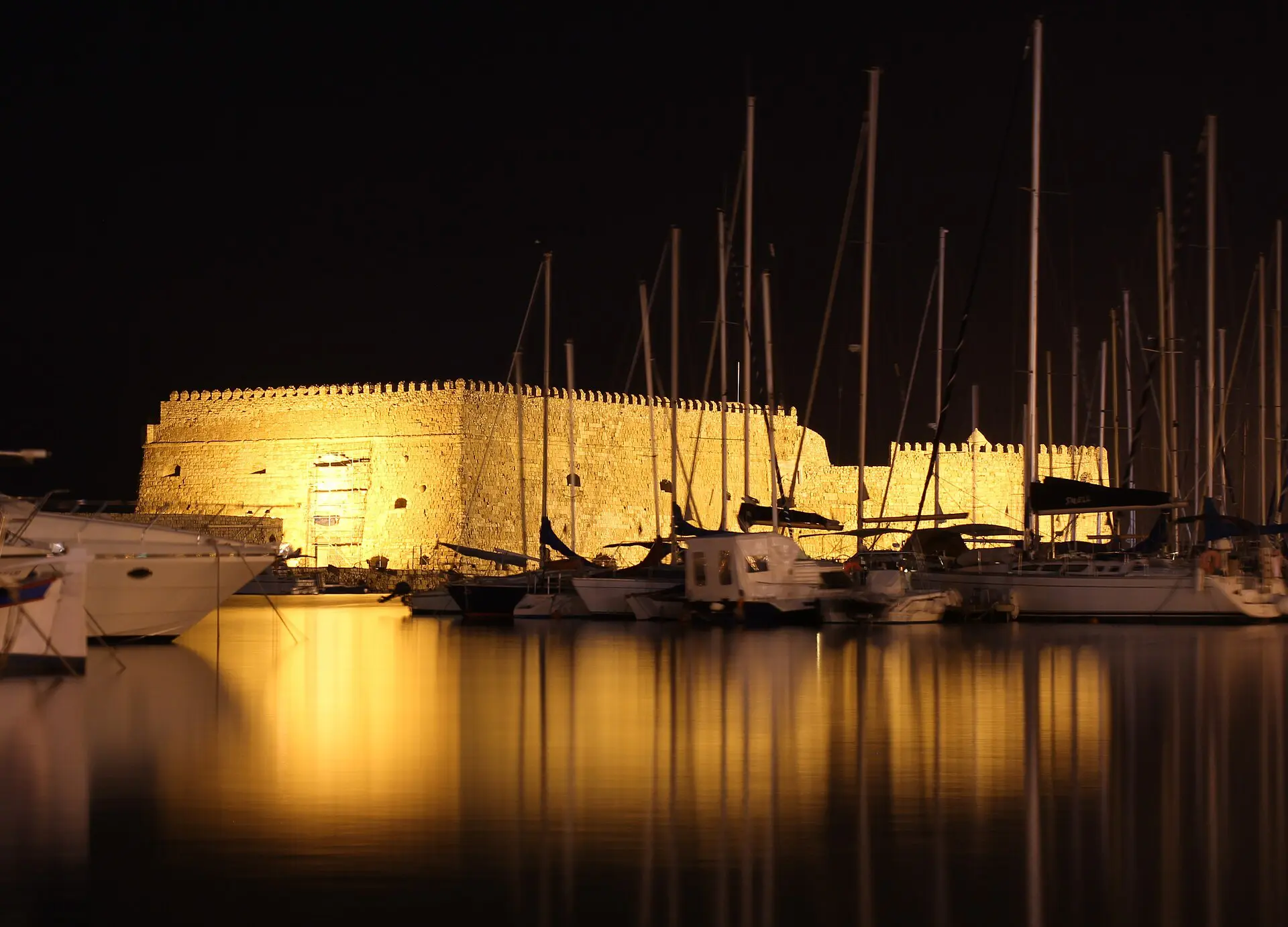
Rethymno and its fortress
A smaller old town with a Venetian harbour, mosque minarets and the Fortezza above the sea. Allow a half day. It is a good stop between Chania and Heraklion, and quieter than either city.
Spinalonga island
A small fortified island that served as a leper colony until the 1950s, reached by short boat trips from Elounda or Plaka. Allow two to three hours. Boats are frequent in season, and the site is exposed, so bring a hat and water.
Mountain villages and local food
Inland villages such as those on the Lasithi Plateau show traditional rural life, with tavernas serving local cheese, olive oil and lamb. Allow a day with a car. Roads are winding, so drive carefully and check fuel before leaving.
Best time to visit Crete
Crete has a Mediterranean climate with long, hot, dry summers and mild, wetter winters. The island is warm earlier and later than the mainland, so the season is long, but July and August are very hot.
| Season | Weather | Crowds and prices |
|---|---|---|
| April to June | Warm, wildflowers, some showers | Moderate, rising |
| July to August | Hot, dry, strong wind in places | Busiest, highest prices |
| September to October | Warm sea, settled weather | Moderate, good value |
| November to March | Mild, rainy, snow on mountains | Quiet, many resorts closed |
The Meltemi wind can blow in summer, especially on exposed coasts. Many beach resorts close in winter, but the cities stay open.
How to get to Crete and around
Heraklion and Chania airports receive many seasonal European flights, and there are domestic connections from Athens and Thessaloniki. Ferries run from Piraeus to Heraklion and Chania, usually overnight, and some routes serve Rethymno and Sitia. Check seasonal schedules.
A hire car is the most flexible way to explore, since distances are large, and public transport is limited in remote areas. Roads on the north coast are good, but mountain and southern roads can be narrow and winding, so allow extra time.
Intercity buses connect Heraklion, Rethymno, Chania and the main resorts, and taxis are plentiful. Book hire cars early for summer, and confirm insurance cover for unpaved roads.
Where to stay in Crete
Chania and Rethymno suit travellers who want atmospheric old towns, restaurants and easy access to the west. They are good bases for culture and beaches, with a range of boutique stays.
Heraklion is useful for Knossos and the museum, but is a busy city, so many travellers stay only a night. It suits those arriving by ferry or on a tight schedule.
Resort areas on the north coast, such as around Elounda and Agios Nikolaos, suit families and those who want a pool and beach in one place. The south coast and villages like Plakias suit quieter stays and walkers. Book early for July and August, and consider a rural guesthouse for a slower pace.
How many days do you need?
A week gives you a good sense of the island, and ten days allows a west and east split. With only three or four days, focus on one region, such as Chania and the west, or Heraklion and the east.
- Day 1: Chania old town, harbour and lighthouse, then dinner in the old quarter.
- Day 2: Samaria Gorge hike with a return bus, or Balos and the western beaches.
- Day 3: Drive east via Rethymno to Heraklion for Knossos and the museum.
Extra days suit Spinalonga, the south coast and the mountain villages.
Day trips and nearby
Santorini
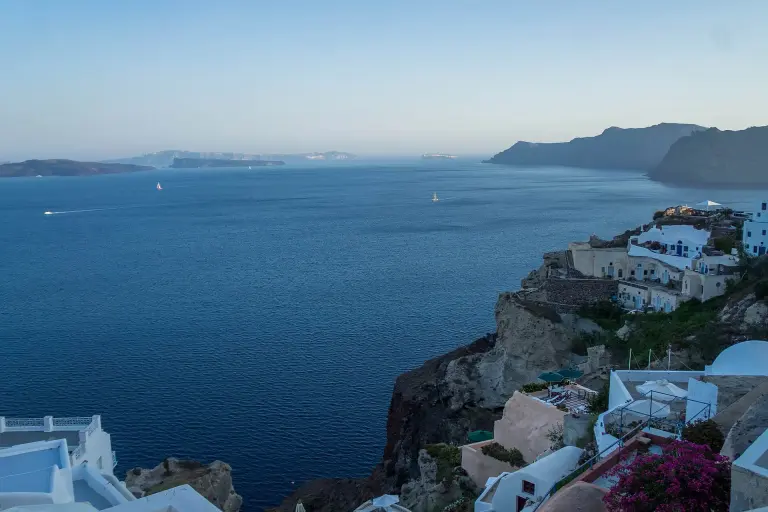
Fast ferries and flights connect Crete with Santorini in roughly two hours by sea or less by air. It is possible as a long day trip, but works better with a night or two.
Chania and Rethymno
If you are staying in Heraklion, the western old towns are an easy day trip by bus or car, roughly an hour or two away. Both reward a slow walk.
Spinalonga and Elounda
From the north coast resorts, boat trips to Spinalonga take only a short time. Combine with Elounda’s village and the Lasithi Plateau for a full day.
Athens
Athens is reached by flight in under an hour or an overnight ferry. It suits the start or end of a Greece trip, rather than a day excursion.
FAQ
Q1When is the best time to visit Crete?
May, June, September and October are generally best, with warm weather, a swimmable sea and fewer crowds. July and August are hot and busy, while winter is mild but wetter and many resorts close.
Q2How many days do you need in Crete?
Plan on seven days for a good overview, or ten days for a west and east split. With three or four days, focus on one region such as Chania and the west, or Heraklion and the east.
Q3Do you need a car in Crete?
A car is the most flexible way to see the island, since distances are large and public transport is limited in remote areas. Intercity buses and taxis cover the main towns if you prefer not to drive.
Q4Is Crete expensive?
Prices are moderate by European standards, with good value in local tavernas and rural stays. Accommodation, car hire and ferries rise sharply in July and August, so booking early and travelling in shoulder months helps.
Prices, schedules and entry rules change. Check current details with official sources before you travel. Read the Greece travel guide.