Why visit Palau
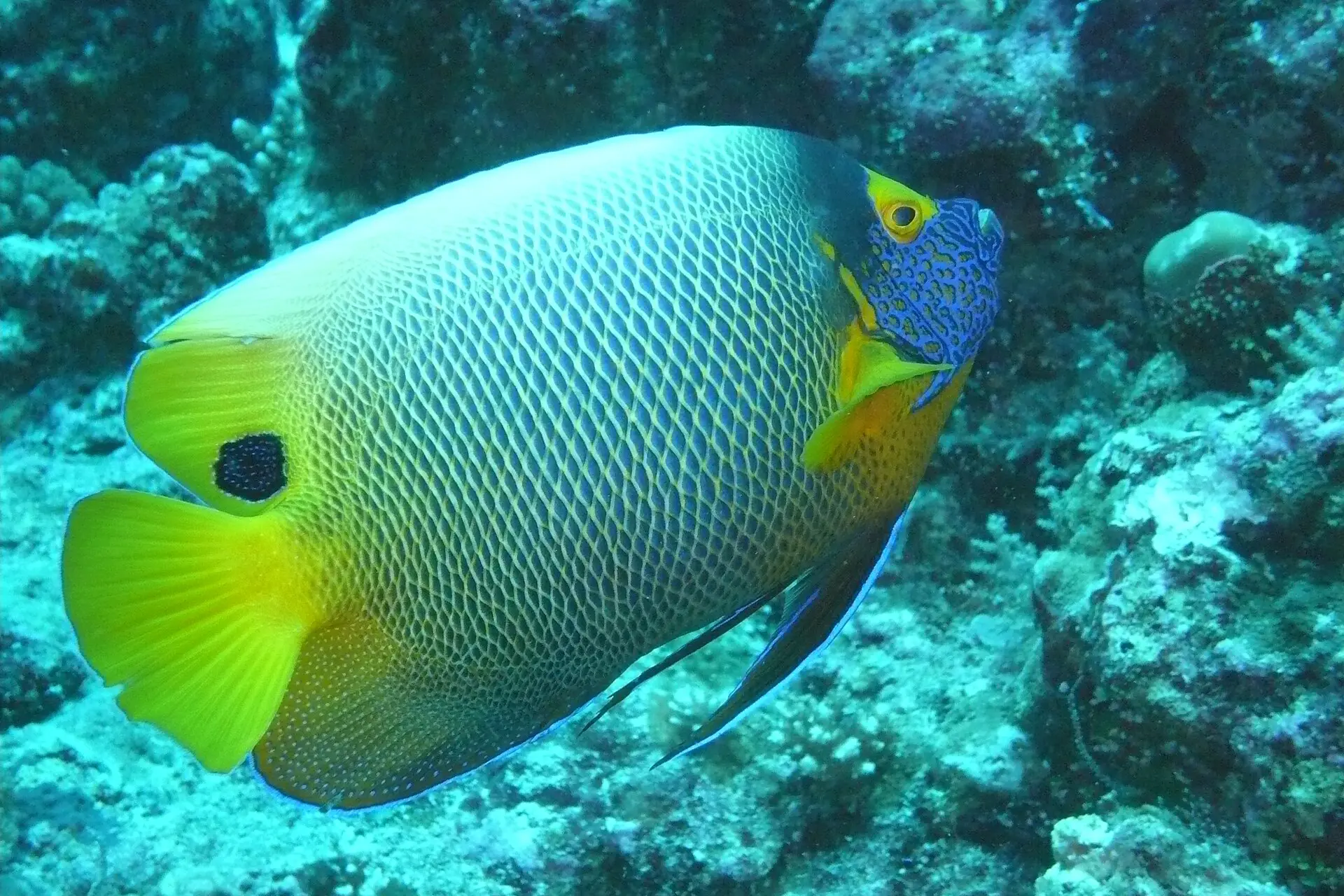
The things to do in Palau start with the sea. The Republic of Palau is an archipelago of more than 300 islands in the western Pacific, southeast of the Philippines, with a land area of only about 459 square kilometres (see the Wikipedia overview). Its Rock Islands Southern Lagoon is a UNESCO World Heritage site of limestone islets, marine lakes and coral reefs, and the surrounding waters rank among the best dive sites in the world. The country also protects most of its waters as a marine sanctuary.
Palau suits divers, snorkellers, kayakers and anyone who wants a quiet tropical trip with strong conservation rules. Visitors are asked to sign the Palau Pledge in their passport, a promise to act responsibly. It is not cheap and nightlife is limited, so it is less suited to budget backpackers or travellers who want big resorts and crowds. Most visitors stay a week and spend much of it on boats.
Best places to visit in Palau
The best places to visit in Palau are a short distance apart, but most need a boat or a rented car.
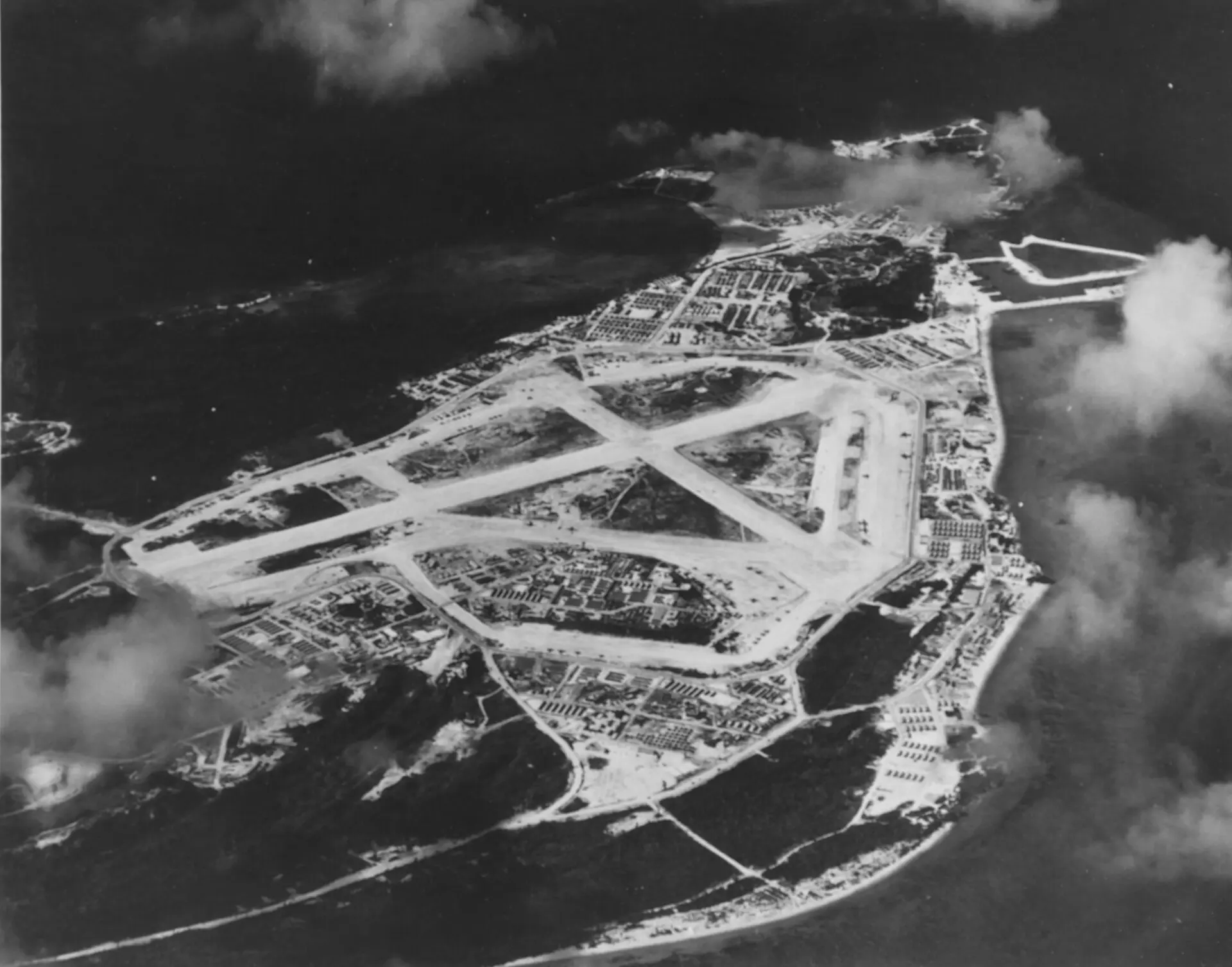
Koror
The largest town is the main base, with hotels, dive shops, restaurants and the Belau National Museum. The Rock Islands start just offshore, and most tours leave from Koror’s docks.
Rock Islands Southern Lagoon
This protected area of about 300 islands has beaches, snorkelling spots, marine lakes and WWII relics. Permits are required and are normally arranged by your tour operator.
Peleliu
The southern island saw one of the bloodiest battles of the Pacific war in 1944. Rusting tanks, caves and memorials remain, and tours leave by boat or road and ferry.
Babeldaob
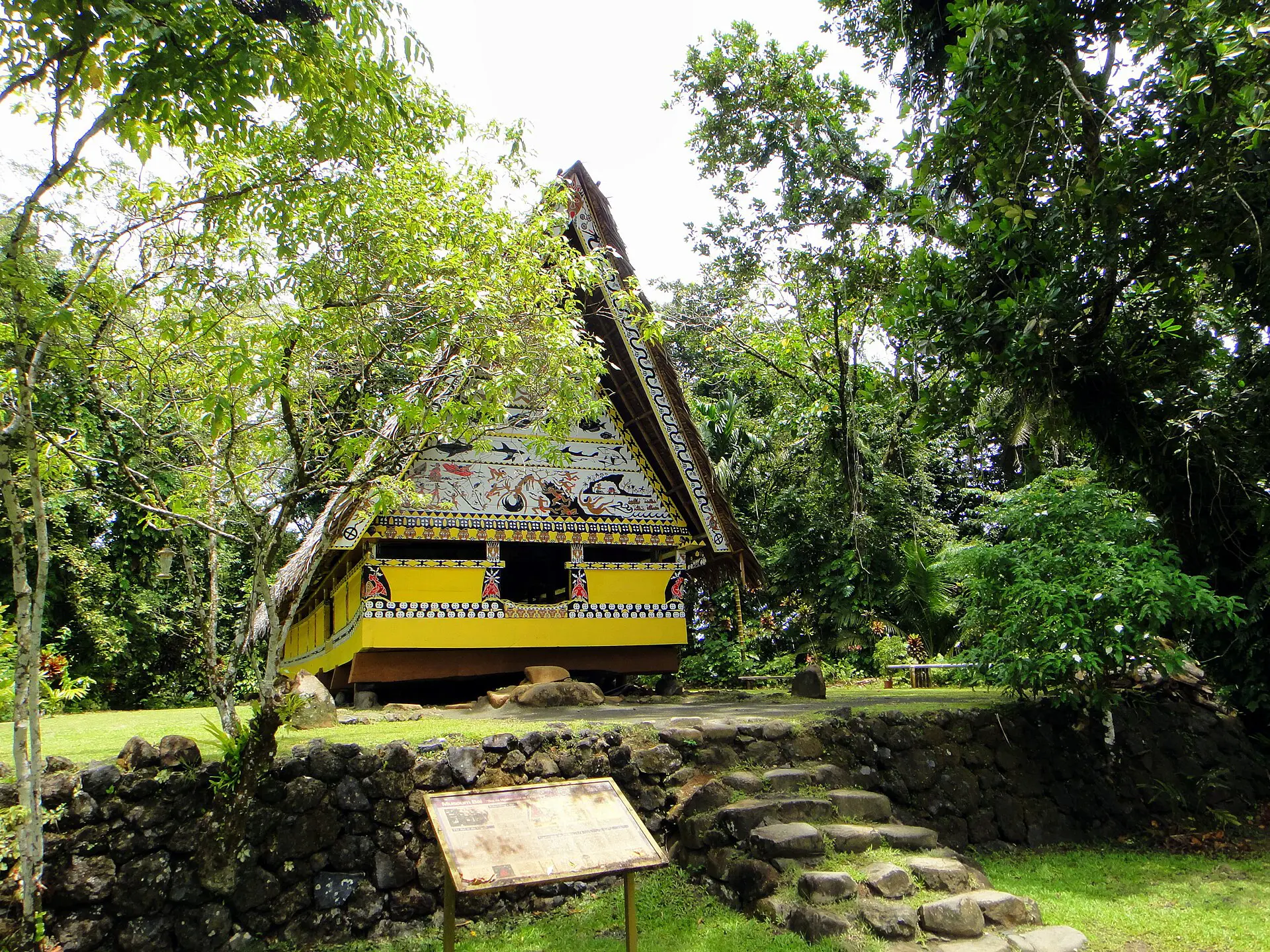
The biggest island has the capital, Ngerulmud, villages, Ngardmau Waterfall, the Ngarchelong monoliths and the traditional meeting house at Airai. A rental car makes a day trip easy.
Kayangel
A small atoll in the north with quiet beaches, fishing and a few simple guesthouses. It is reached by boat from Babeldaob.
Ulong and the Ngemelis dive sites
Ulong has a famous channel and beach, and the nearby Ngemelis wall is known for sharks and big pelagic fish.
Things to do in Palau
The top things to do in Palau are on and under the water, with a few land-based options for rest days.
- Dive Blue Corner: a reef wall where currents bring sharks, barracuda and turtles; it is for experienced divers in strong current.
- Dive the Chandelier Cave: an air-filled cave with stalactites reached from the lagoon, suited to certified divers.
- Snorkel the German Channel: a narrow passage known for manta rays and reef fish; check conditions and season.
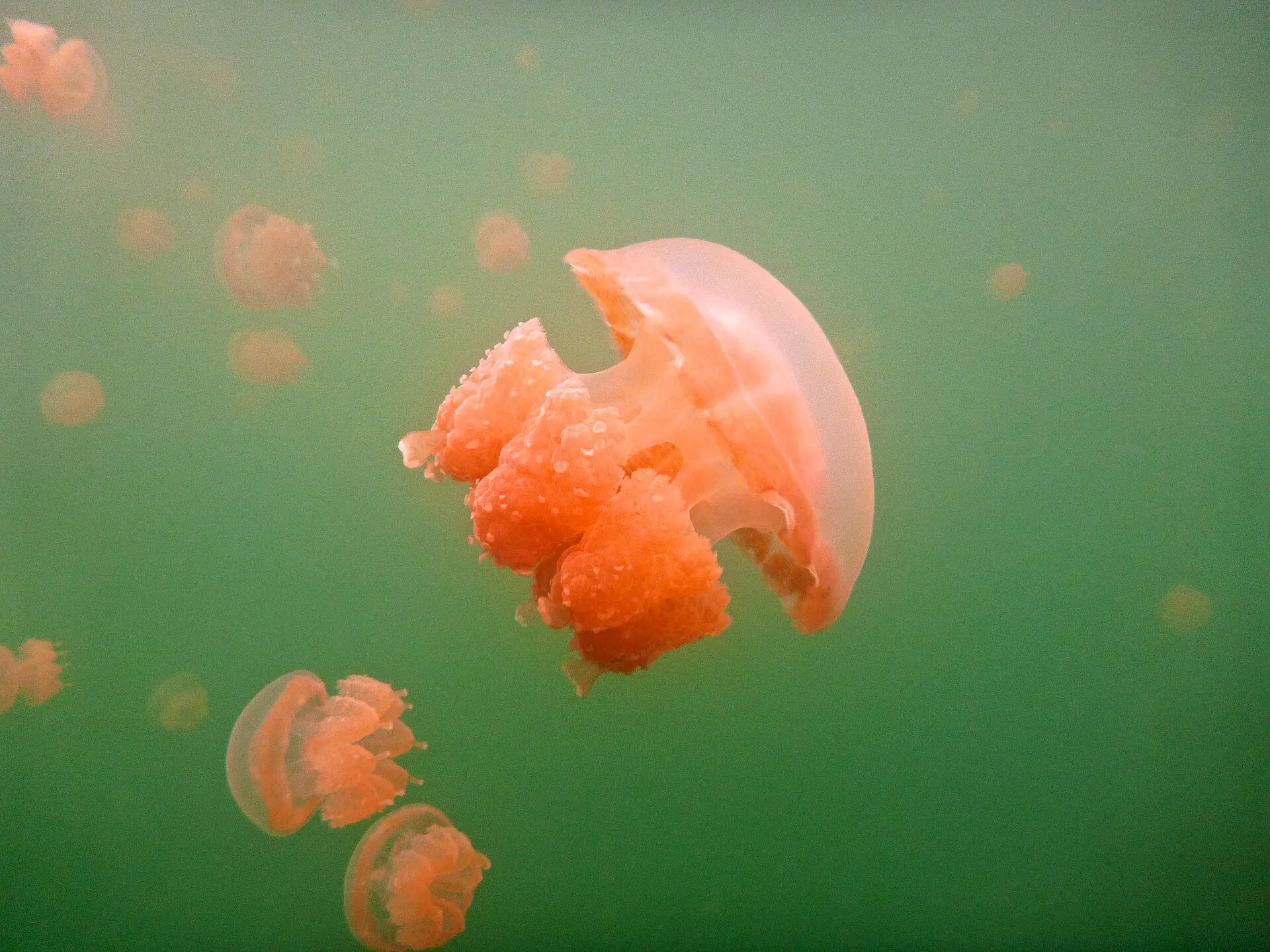
- Visit Jellyfish Lake: a marine lake of stingless jellyfish on Eil Malk; access has been restricted at times, so check the current status.
- Kayak the Rock Islands: paddle through lagoons, arches and hidden beaches with a guide.
- Tour Peleliu: visit the battlefield, caves and memorials of 1944.
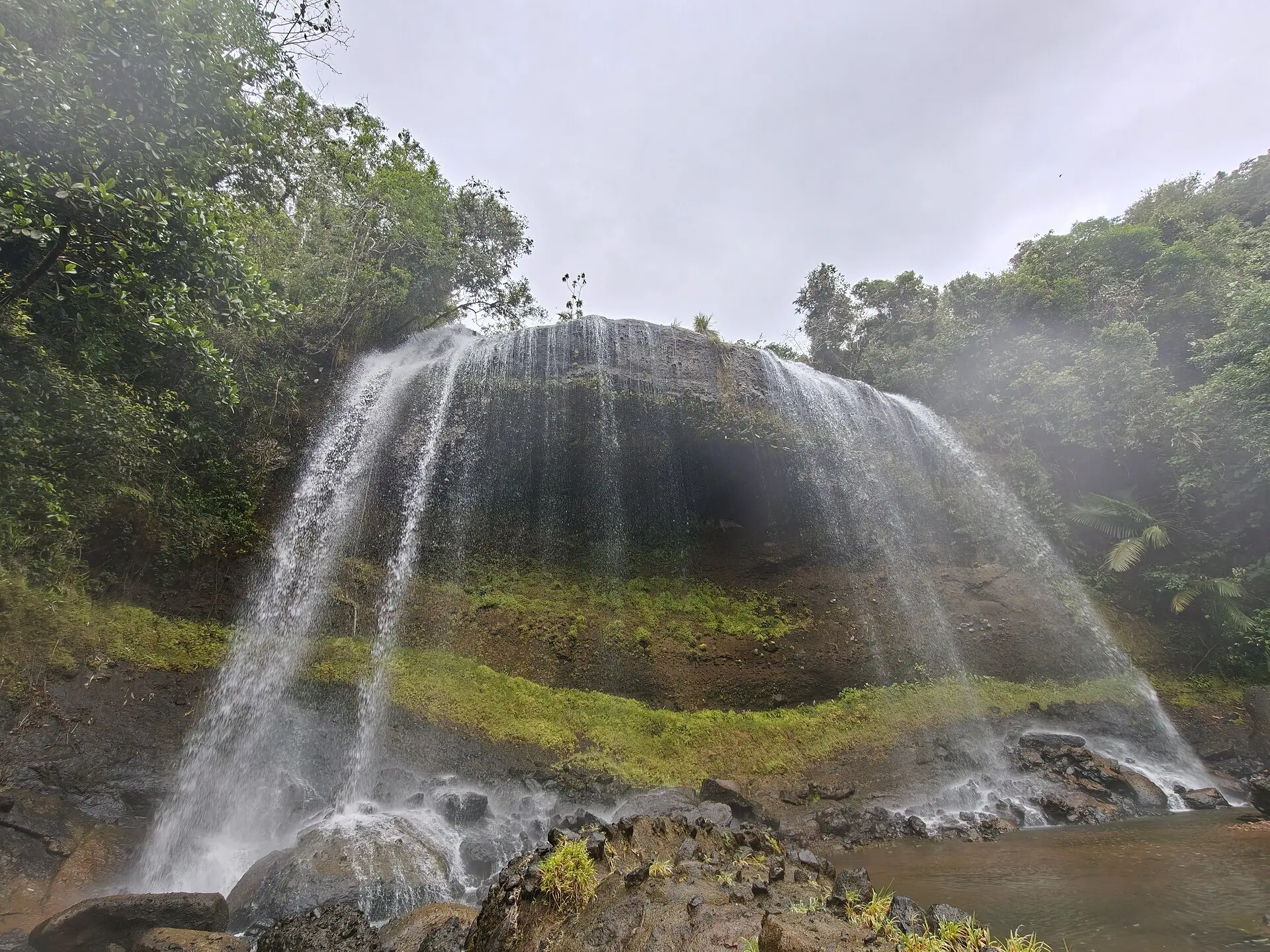
- See Ngardmau Waterfall: a hike through forest leads to the tallest falls in Palau.
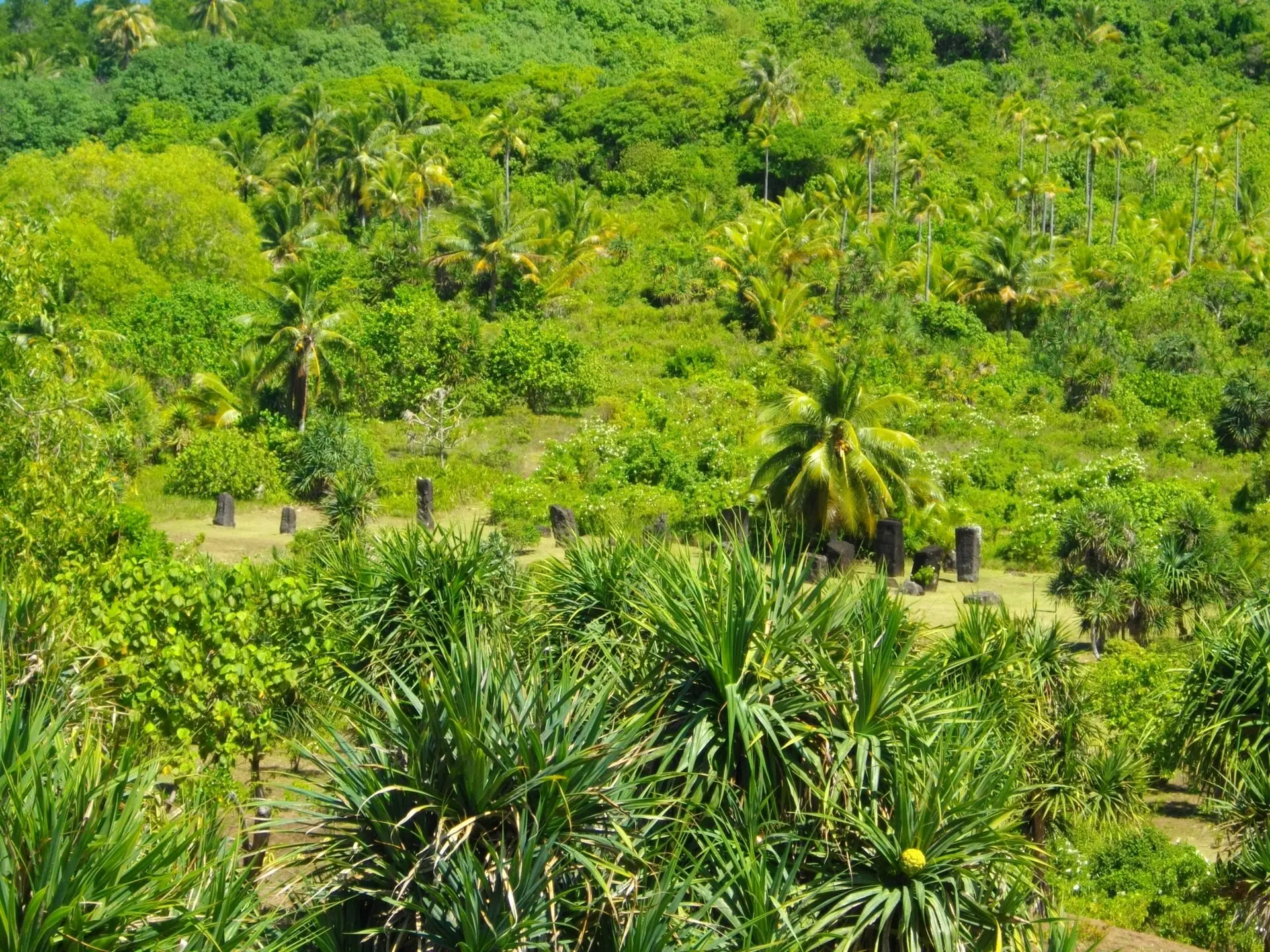
- Visit the Ngarchelong monoliths: carved stone pillars at Badrulchau in the north of Babeldaob.
- Relax on Long Beach: a sandbar that appears at low tide, reached by boat.
- Visit the Belau National Museum: see Palauan art, storyboards and history in Koror.
Best time to visit Palau
The best time to visit Palau is November to April, when rainfall is lowest, seas are calmer and visibility is good for diving. It is warm all year, with temperatures around 27 to 31 C and high humidity. Rain can fall in any month, and the wetter season runs roughly from May to October. Typhoons usually pass north of Palau, but heavy storms and rough seas can disrupt boat trips.
| Season | Weather | Crowds and prices | Good for |
|---|---|---|---|
| Dry season (Nov-Apr) | Warm, less rain, calmer seas | Higher; peak around holidays | Diving, Rock Islands, kayaking |
| Transition (May-Jun) | Warm, showers increase | Moderate | Diving, lower prices |
| Wet season (Jul-Oct) | Hot, humid, frequent heavy rain | Lower; some deals | Budget trips, flexible plans |
Manta rays and spawning aggregations vary by month and moon cycle, so ask dive operators what to expect during your dates. Flights are limited, so book early for the dry season and for holidays such as Christmas and New Year.
Is Palau safe to visit?
Yes, Palau is safe for most visitors, and crime against tourists is low. The risks are mostly natural: sun, strong currents, marine life and the usual hazards of diving. Check your government’s current travel advice, such as the UK FCDO or US State Department pages, before you book.
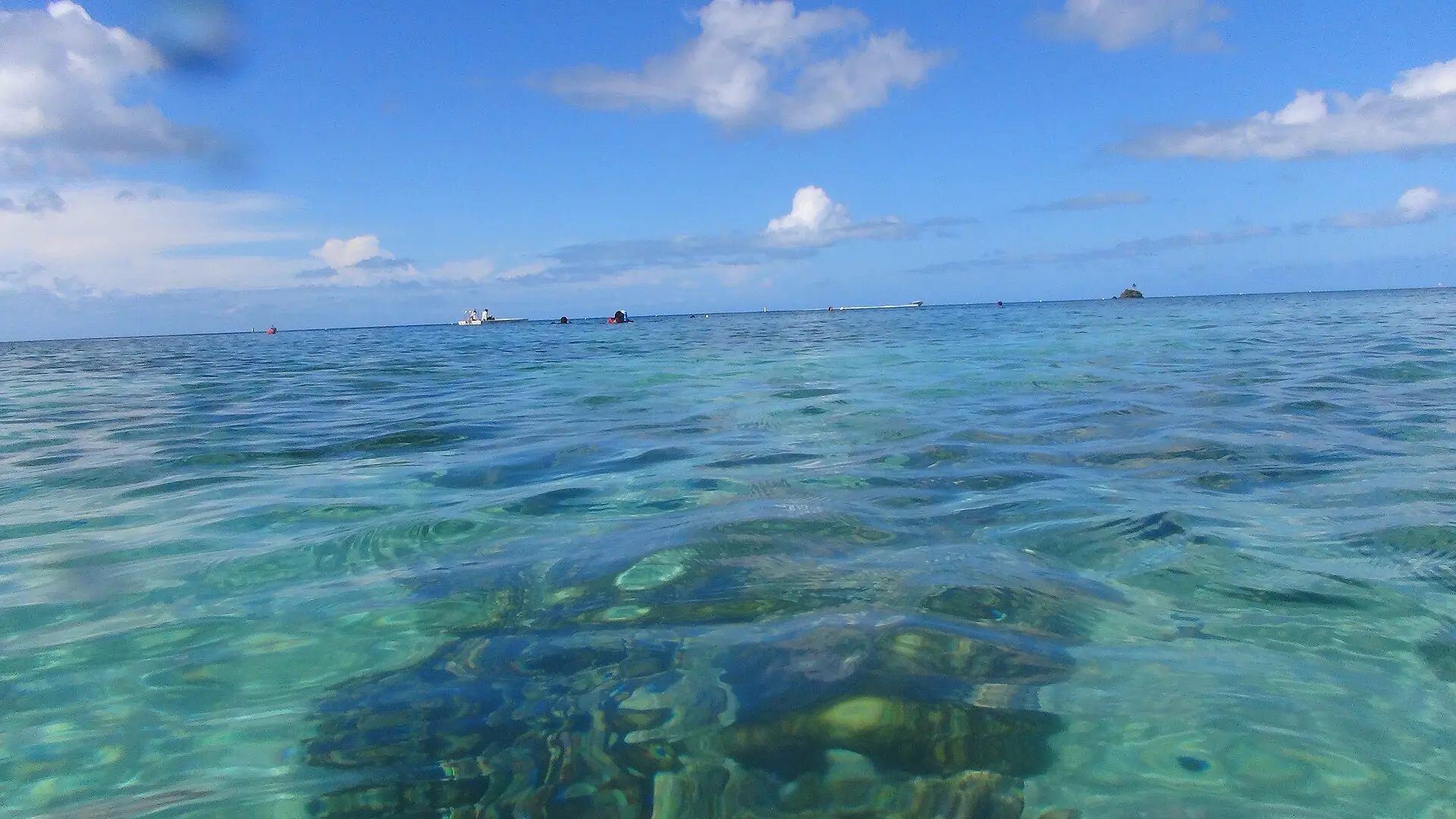
Ocean and diving. Currents in the channels can be very strong, and diving accidents occur. Use a licensed operator, check that equipment is serviced and follow safety rules, including a no-fly interval after diving before your flight home. Dive insurance with medical cover is advisable.
Marine life. Sea snakes, jellyfish and venomous fish exist but incidents are rare. Do not touch coral or wildlife. Saltwater crocodiles live in mangroves and some waterways, so follow guide advice before swimming in unfamiliar places.
Sun and heat. UV levels are very high, so use reef-safe sunscreen, a hat and plenty of water. Only mineral sunscreens free of banned chemicals are allowed.
Health and roads. Hospital care is limited, and serious cases may need medical evacuation. Mosquito-borne illness such as dengue can occur, so use repellent. Roads are quiet but drive carefully at night.
Palau visa and entry requirements
Entry rules depend on your nationality. Palau has generally allowed visitors from many countries to receive a visa on arrival for short stays, usually around 30 days with extension possible, but rules change, so confirm the current requirement for your passport with the Palau Bureau of Immigration or the nearest embassy before you travel.
You generally need a passport valid for at least six months, a return or onward ticket and proof of accommodation. On arrival, you are expected to sign the Palau Pledge stamped into your passport. A Pristine Paradise Environmental Fee is collected from visitors, typically at the airport when leaving, and amounts and collection methods can change, so check before you go.
Some visitors must also pay a Rock Islands permit fee to visit the Southern Lagoon, usually arranged through tour operators. If you plan to arrive from a country with a particular health risk, check for any health documentation requirements. The UNESCO page for Palau is useful for planning heritage stops, though it does not cover entry rules.
Getting to and around Palau
Most visitors arrive at Roman Tmetuchl International Airport on Babeldaob, which has flights from Guam, Manila, Taipei, Seoul and Tokyo, though routes and frequency change by season, so check schedules. From the United States, travellers often connect through Guam or Asian hubs. Journey times from Europe are long, and flights are limited, so book early.
The airport is about 45 minutes by road from Koror, and hotels often arrange transfers. There is no public rail and bus service is limited, so most visitors use taxis, hotel shuttles or a rental car. A car is useful for Babeldaob, and driving is on the right. Roads are quiet and mostly paved, but signs are limited.
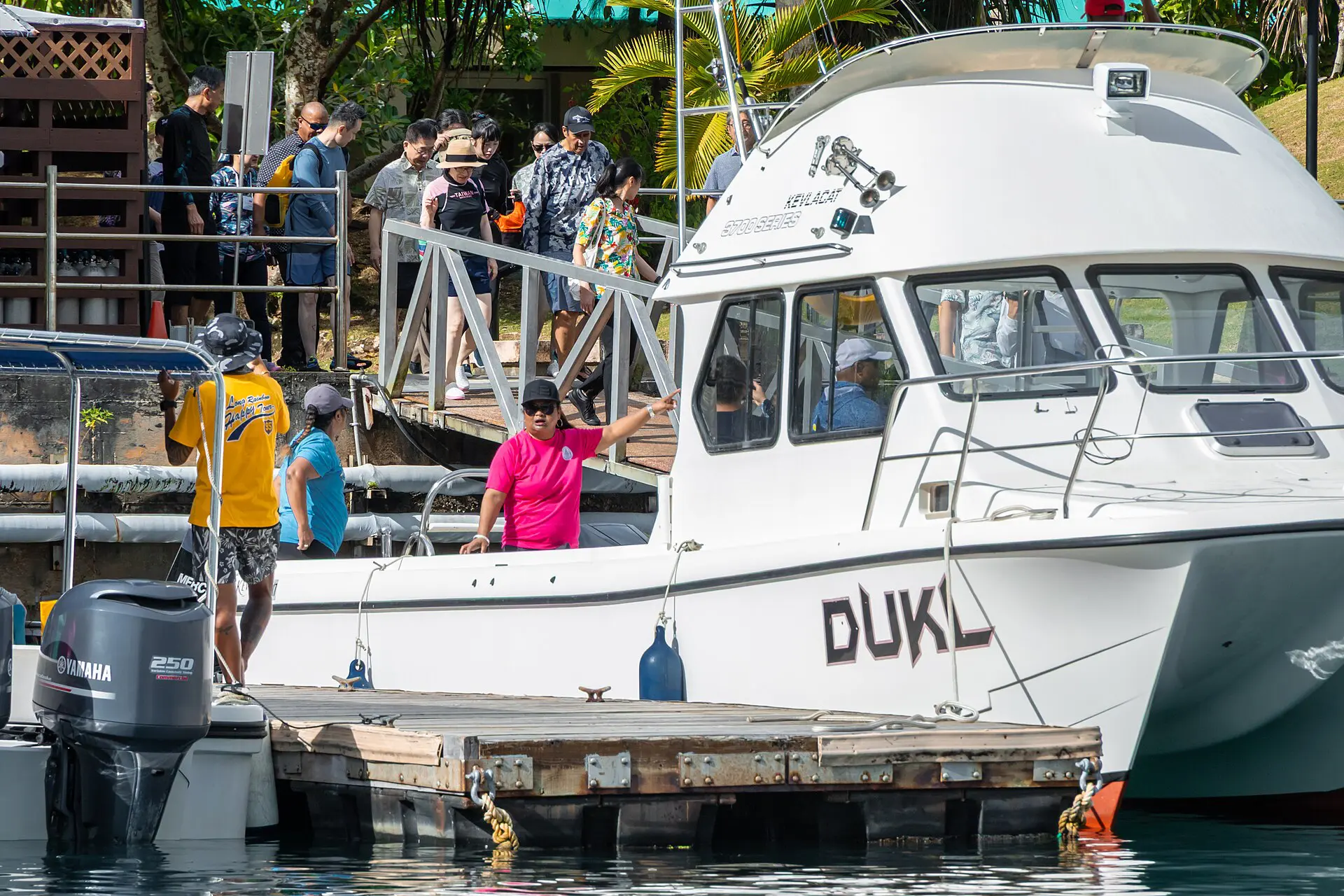
The Rock Islands, Peleliu and Kayangel require a boat, and most visitors go on dive boats or organised tours from Koror. Distances are short, but sea conditions affect schedules, and some trips run only with minimum numbers. Book boats and permits through licensed operators.
How much does a trip to Palau cost?
Palau is one of the more expensive destinations in the Pacific because most food and goods are imported and many trips need a boat. The currency is the United States dollar (USD). The figures below are rough per-person guides for 2026 and may be higher in the dry season and around holidays.
- Budget: around USD 120 to 200 per day, with a simple room, local meals and one cheaper boat trip.
- Mid-range: around USD 200 to 350 per day, with a comfortable hotel, restaurant meals, a car or taxis and a daily tour.
- High-end: from around USD 450 per day, with resort stays, liveaboard diving and private boats.
Diving is the main extra cost: a two-tank dive day usually costs well above USD 150, and multi-day packages are common. Airfares, the departure environmental fee and Rock Islands permits add to the total. Eating at local restaurants and buying groceries lowers costs, while alcohol and imported items are expensive. Most hotels add taxes and service charges, so check the final price.
Palau food and drink
Palau food combines Pacific, Japanese, Filipino and American influences, with fresh seafood and starchy root crops at its centre. Many ingredients are imported, so prices are high.
- Fresh fish and sashimi: tuna, mahi-mahi and grouper are served raw, grilled or fried, often at Japanese-style restaurants.
- Taro and tapioca: boiled or steamed root crops are traditional side dishes and appear at village feasts.
- Coconut crab: a large land crab and local delicacy; harvest rules apply, so ask about legal sourcing and seasons.
- Fruit bat soup: a traditional dish in coconut broth, sometimes found on special menus; it is a regional curiosity and may not suit all visitors.
- Tropical fruit: papaya, mango, banana and coconut are common and sold at markets.
- Poke and rice bowls: raw fish dishes influenced by Pacific and Japanese cuisine.
- Local beer and tea: Red Rooster beer is brewed in Palau; coconut water is also easy to find.
Vegetarians will find few options beyond rice, vegetables and fruit, so ask restaurants in advance. Some reef fish may carry ciguatera toxin, so follow local advice on which species to avoid. Bring a refillable water bottle, and ask if tap water is safe at your hotel.
Culture, language and etiquette in Palau
Palauan and English are the official languages, and English is widely spoken. Some people also speak Japanese, Filipino languages and Sonsorolese in the south. A few words, such as alii (hello) and sulang (thank you), are appreciated.
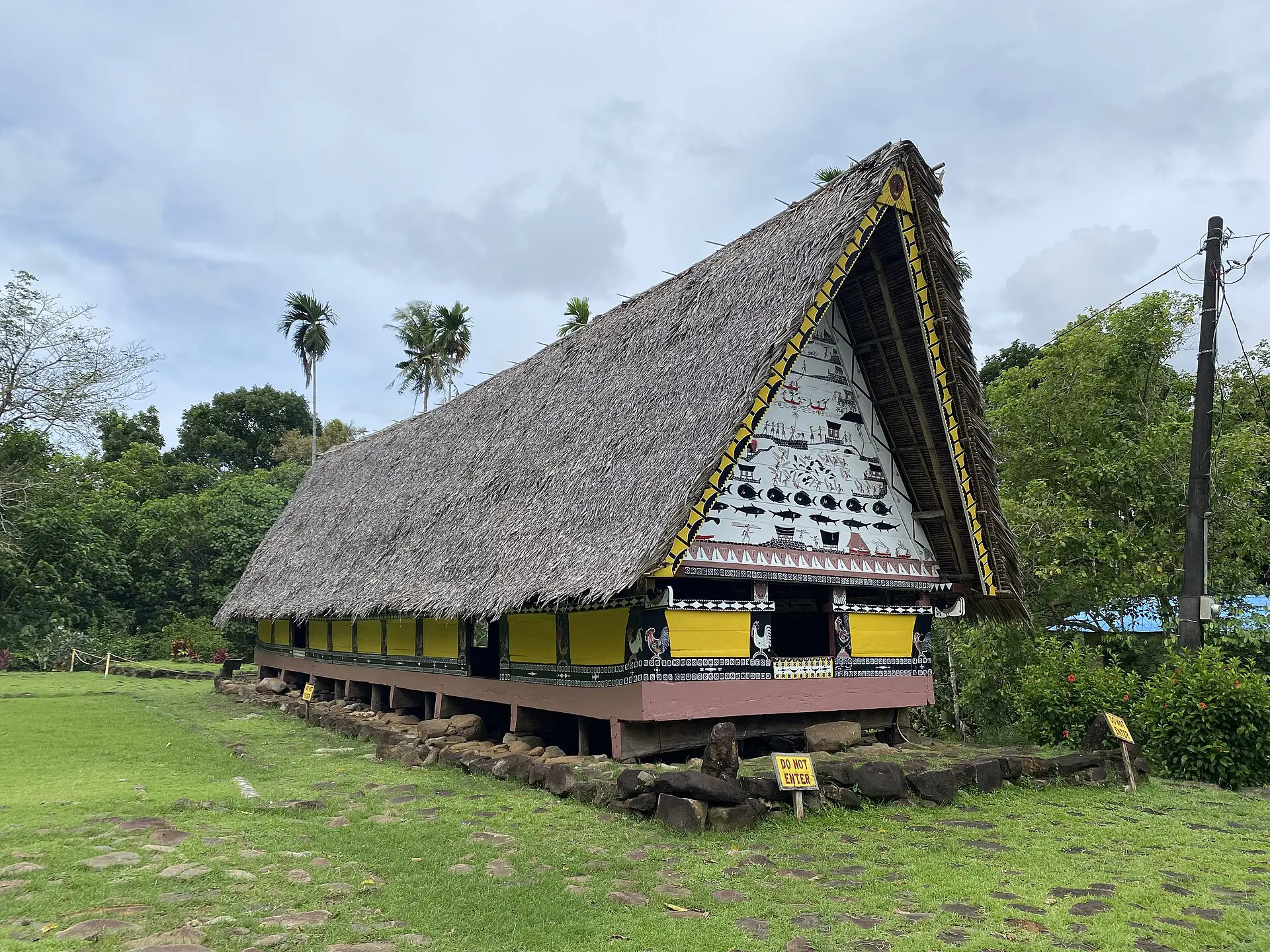
Palau has a matrilineal society, and clan and family ties are central. Titles, customary leaders and village traditions still matter, and the traditional meeting house, the bai, is a symbol of community. Christianity, mainly Catholicism, plays a large role in daily life, and many people attend church on Sunday.
Respect nature and local rules. Sign the Palau Pledge, use reef-safe sunscreen, do not touch coral or feed wildlife, and follow guide instructions on protected sites. Ask before entering villages, private land or traditional areas, and before photographing people. Dress is casual, but cover up when walking through towns and in churches. Do not take shells, coral or artefacts from reefs, beaches or World War II sites, as this is illegal.
Palau itinerary: a 7-day route
This route is based in Koror and uses day tours, with dive days that can be swapped for snorkelling. Check weather and book boats early.
- Day 1, Koror: arrive, transfer from the airport and visit the Belau National Museum.
- Day 2, Rock Islands: take a full-day boat tour to beaches, snorkel sites and marine lakes.
- Day 3, Diving or snorkelling: choose Blue Corner or the German Channel, depending on your experience.
- Day 4, Jellyfish Lake and Long Beach: visit if open, then stop at the sandbar and snorkel the surrounding reef.
- Day 5, Babeldaob: rent a car, visit the Ngarchelong monoliths, Ngardmau Waterfall and the Airai bai.
- Day 6, Peleliu: take a day tour of the battlefield and memorials.
- Day 7, departure: avoid diving for the required interval before flying and transfer to the airport.
With extra days, add Kayangel, a kayak tour or more dives. In the wet season, keep a spare day in case storms cancel boat trips.
Practical tips for Palau
- Money: the US dollar is the currency; ATMs are limited outside Koror, and cards are accepted at most hotels, dive shops and restaurants. Carry cash for small shops and tips.
- SIM and eSIM: local prepaid SIMs are available, and mobile coverage is good in Koror and along the main road but weak elsewhere. Internet speeds can be slow, so download offline maps.
- Plugs: types A and B at 120 V, as in the United States; bring an adapter if you come from Europe or Asia.
- Tipping: not expected, but rounding up or leaving around 10 percent for good service is appreciated, especially for guides.
- Health: bring dive and medical insurance, repellent and sun protection. Pharmacies are limited, so bring your own medicines.
- Packing: reef-safe sunscreen, rash guard, water shoes, quick-dry clothing, a dry bag and a light rain jacket.
- Booking: reserve flights, dive operators and Rock Islands tours well ahead for November to April.
For wider background, see the Wikivoyage Palau guide.
FAQ
Q1What is Palau food like?
Palau food centres on seafood and root crops, with Japanese, Filipino and American influences. Expect fresh sashimi, grilled fish, taro, tapioca, tropical fruit and sometimes coconut crab. Most ingredients are imported, so prices are high, and vegetarian options are limited.
Q2What are the best things to do in Palau?
Top picks are diving or snorkelling Blue Corner and the German Channel, boating through the Rock Islands, kayaking, visiting Jellyfish Lake if open, touring Peleliu's World War II sites and seeing Ngardmau Waterfall and the Ngarchelong monoliths on Babeldaob.
Q3What is the best time to visit Palau?
November to April is best, with less rain, calmer seas and good visibility for diving. Palau is warm all year, and the wetter season from May to October is cheaper but may bring heavy showers and rougher seas that disrupt boat trips.
Q4Is Palau safe?
Yes. Crime against tourists is low, and the main risks are strong currents, sun, marine life and diving accidents. Use licensed operators, wear reef-safe sunscreen, follow guide instructions and carry insurance with medical cover, since hospital care is limited.
Q5Do I need a visa for Palau?
It depends on your nationality. Many visitors receive a visa on arrival for short stays, but rules change. You also sign the Palau Pledge and pay an environmental fee, usually at departure. Confirm requirements with Palau immigration or an embassy before booking.
Q6How much does a trip to Palau cost?
Mid-range travellers should plan around USD 200 to 350 per day, plus flights, the environmental fee and Rock Islands permits. Diving is the main extra: a two-tank day usually costs well above USD 150. Palau is expensive because most goods are imported.
Q7How many days do you need in Palau?
Seven days covers the Rock Islands, Peleliu, Babeldaob and several dive or snorkel days at a steady pace. Five days is enough for a short trip, and divers often stay ten days or more. Keep a spare day in case weather cancels boat trips.