Why visit Papua New Guinea
Papua New Guinea travel is not for everyone, but it offers things almost nowhere else can. The country covers the eastern half of New Guinea and hundreds of islands, with active volcanoes, huge rainforests, coral reefs and over 800 languages spoken by communities who have kept distinct traditions (see the Wikipedia overview). It is one of the most culturally diverse places on earth and one of the least visited.
It suits experienced, adaptable travellers: divers drawn to reefs and WWII wrecks, trekkers walking the Kokoda Track, birdwatchers looking for birds-of-paradise, and people who want to see traditional festivals such as the Mount Hagen Show. It is a poor choice for first-time travellers, those on tight budgets and anyone who wants to wander freely. Distances are large, roads are poor, flights are costly and security is a real consideration, so plan carefully and use local expertise.
Best places to visit in Papua New Guinea
The best places to visit in Papua New Guinea are widely scattered and generally linked by domestic flights, not roads.
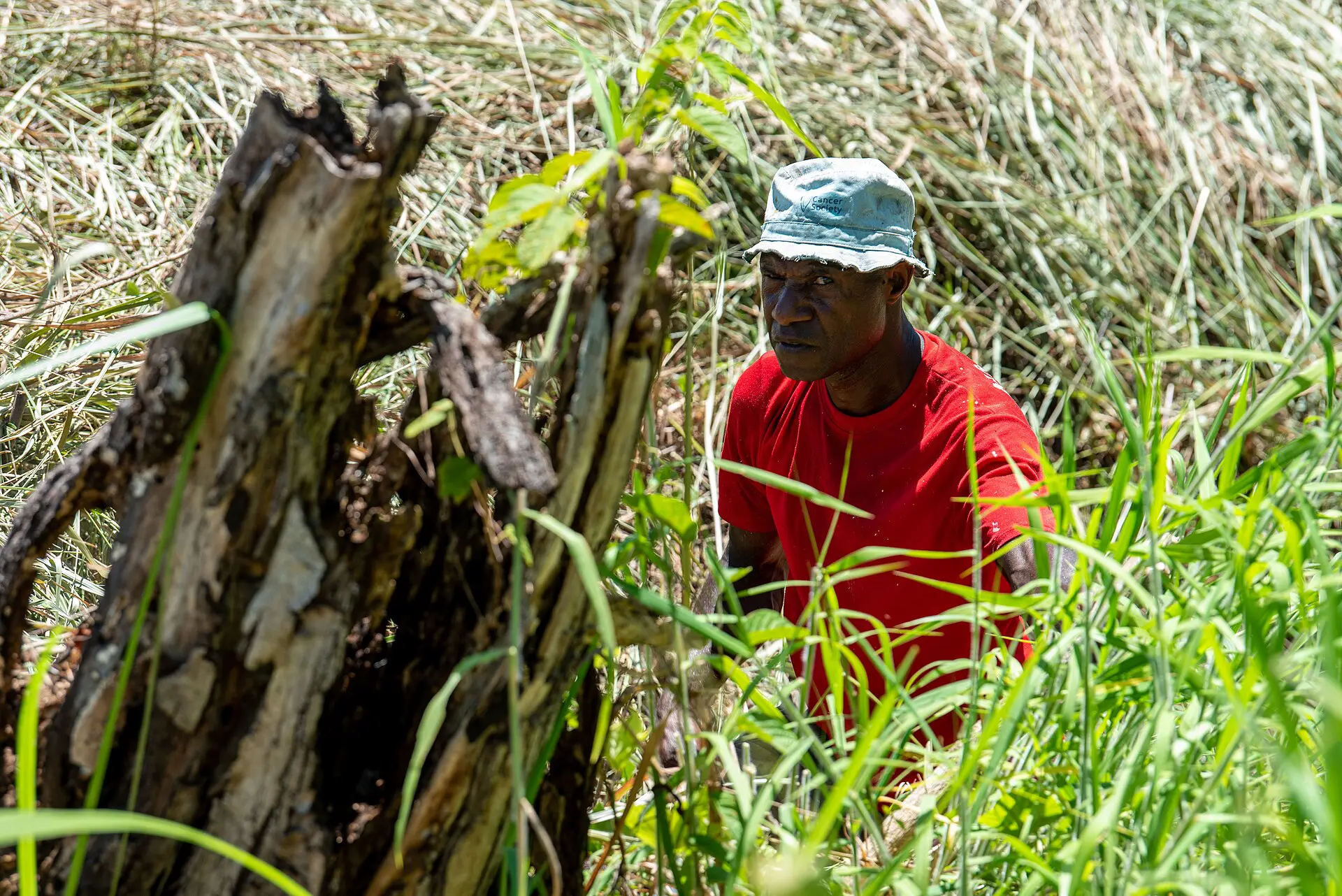
Port Moresby
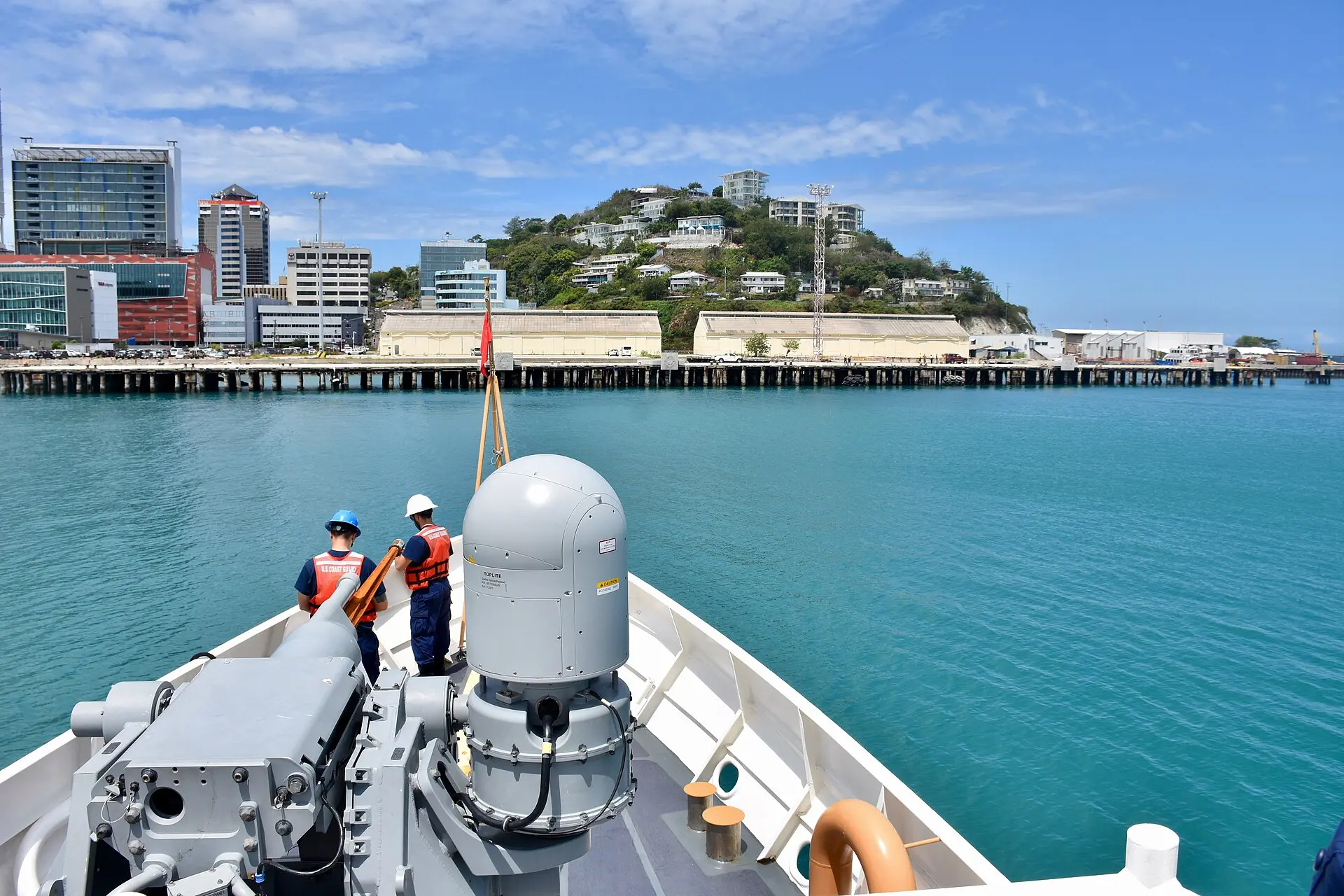
The capital is the main gateway. It has a national museum, a nature park and the Parliament House, but crime is a serious concern, so most visitors transit quickly with a pre-arranged pickup.
Kokoda Track
The 96-kilometre trail through the Owen Stanley Range follows a WWII campaign route. Most hikers take 8 to 12 days with licensed trekking companies and porters, and it requires good fitness.
Madang
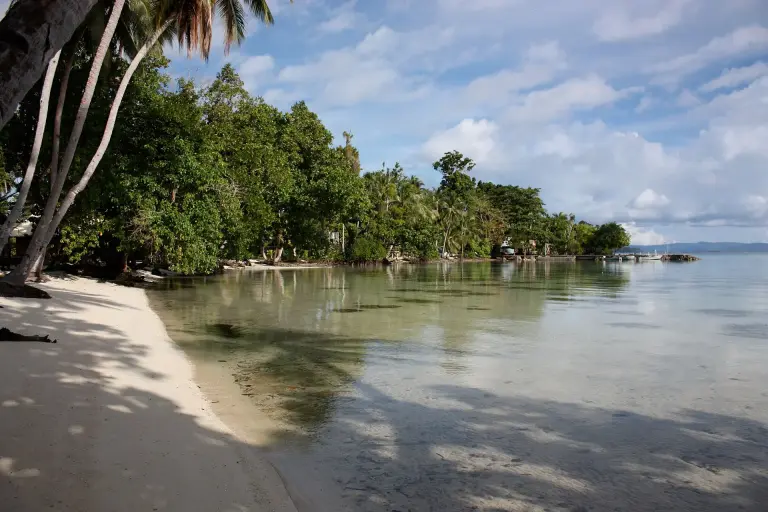
Madang is a relaxed coastal town with lagoons, offshore islands and some of the country’s best diving and snorkelling. It is also a base for river trips on the Sepik and for visits to coastal villages.
Rabaul and Kokopo
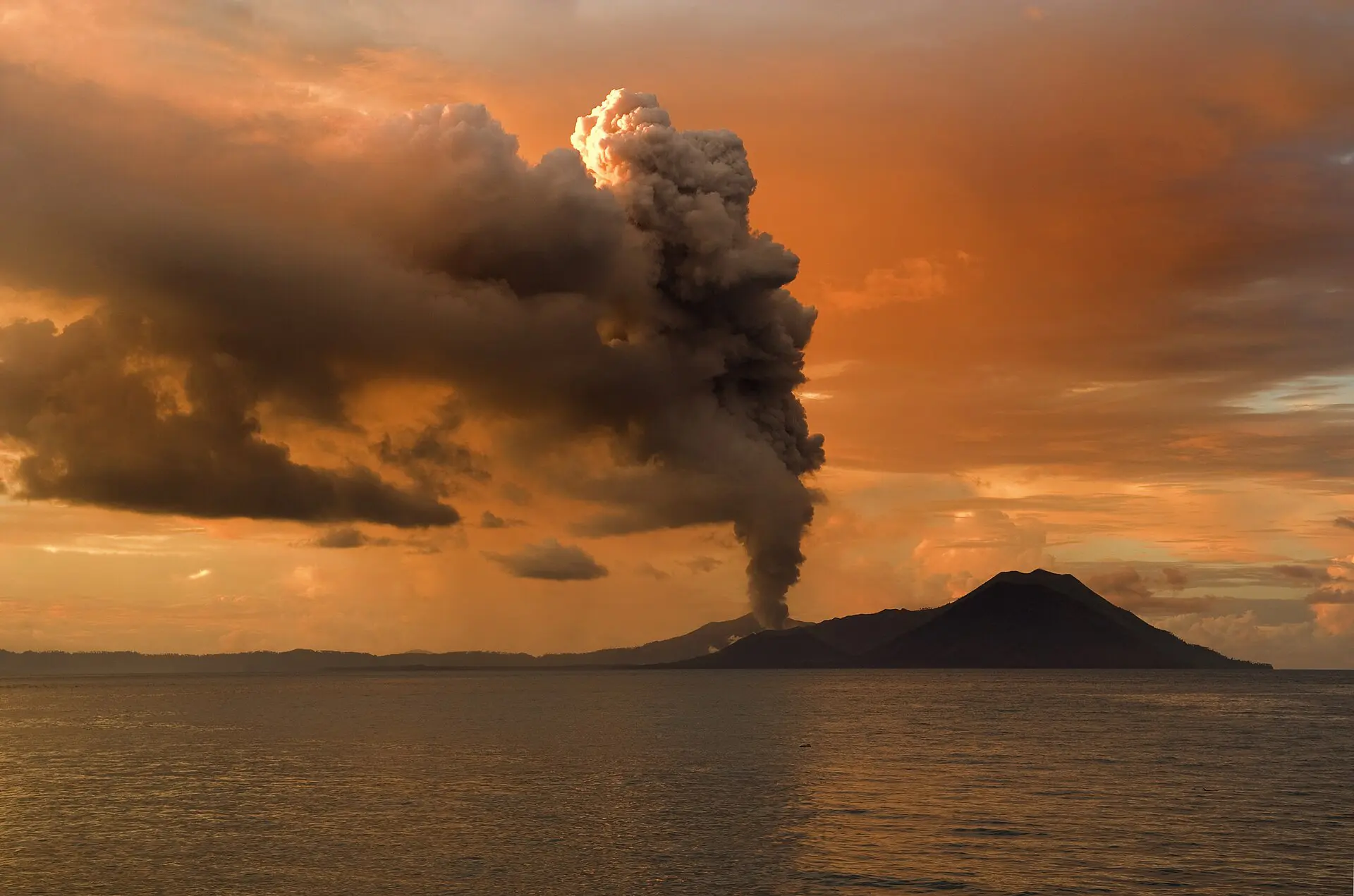
On New Britain, the Rabaul area has active volcanoes, WWII tunnels and wrecks, and a lively market. Kokopo is the main town, and hot springs and volcano climbs are popular.
Mount Hagen and the Highlands
The Western Highlands are known for tribal costumes, sing-sings and the Mount Hagen Show in August. Parts of the Highlands are unstable, so go only with local advice and a guide.
Milne Bay and Kimbe Bay
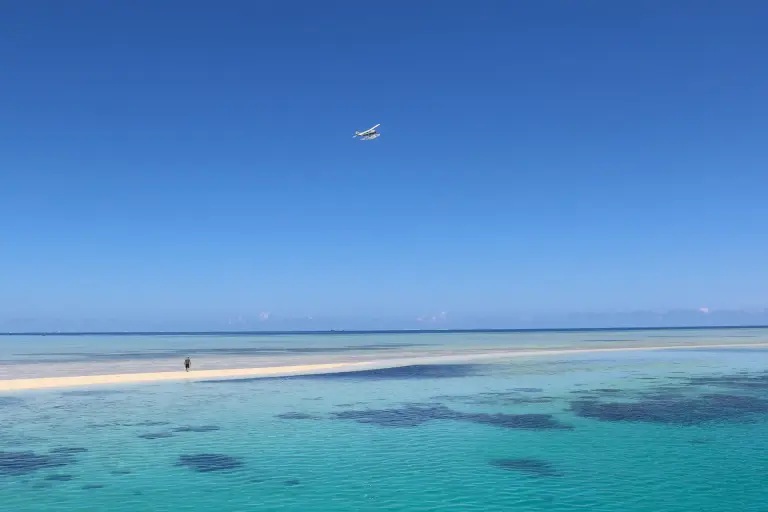
These are remote dive destinations with reefs, lodges and liveaboards, reached by plane and boat.
Things to do in Papua New Guinea
The top things to do in Papua New Guinea are outdoor and cultural, and nearly all need local arrangements.
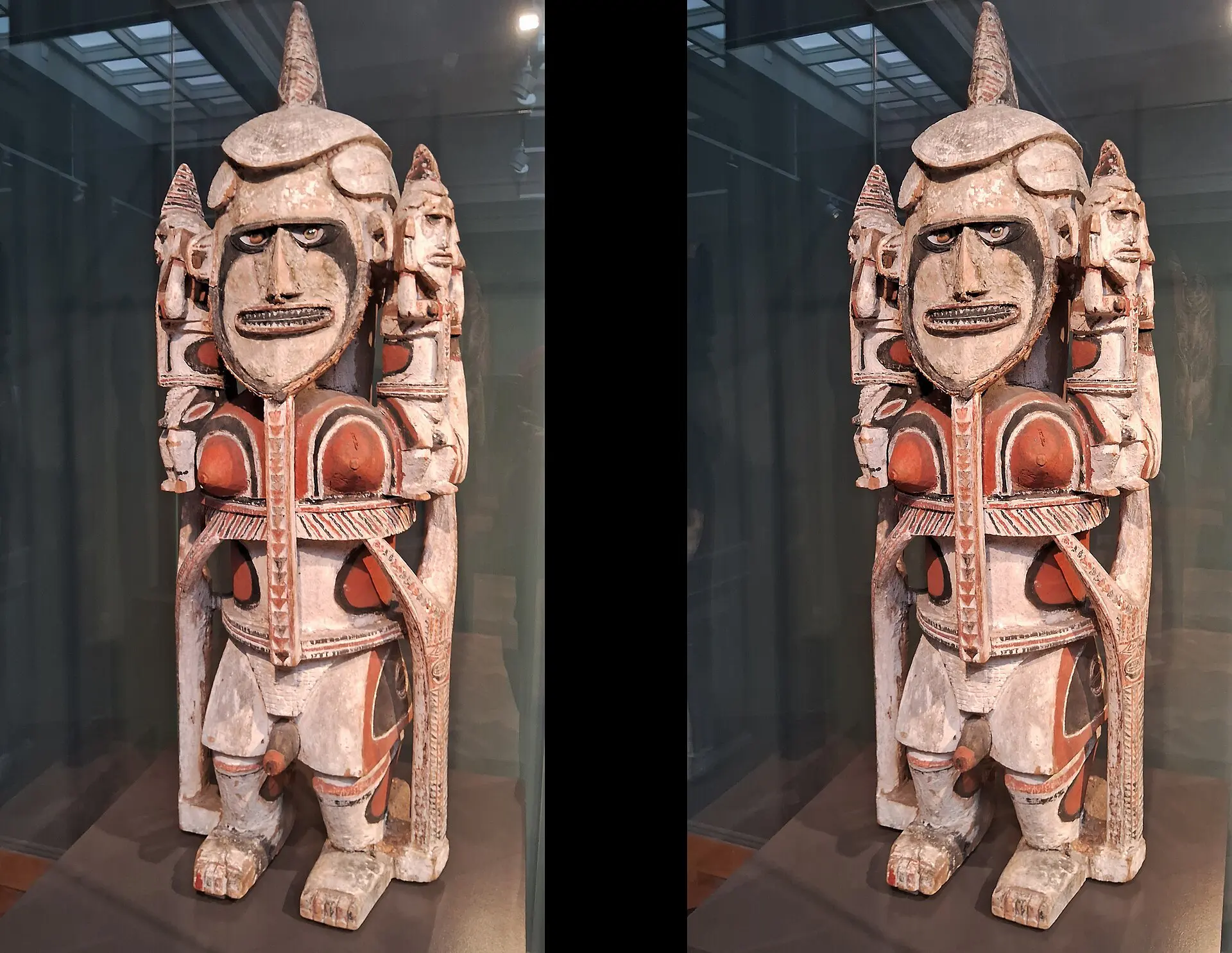
- Trek the Kokoda Track: follow the WWII route over jungle ridges with a licensed operator and local porters.
- Dive Kimbe Bay or Milne Bay: intact coral reefs, wrecks and abundant fish life make this a top diving destination.
- Attend the Mount Hagen Show: highland tribes gather in elaborate costumes for dancing and exhibitions in August.
- Watch the Goroka Show: another highland cultural festival, held in September.
- Cruise the Sepik River: stay in riverside villages and see carved spirit houses and crocodile art.
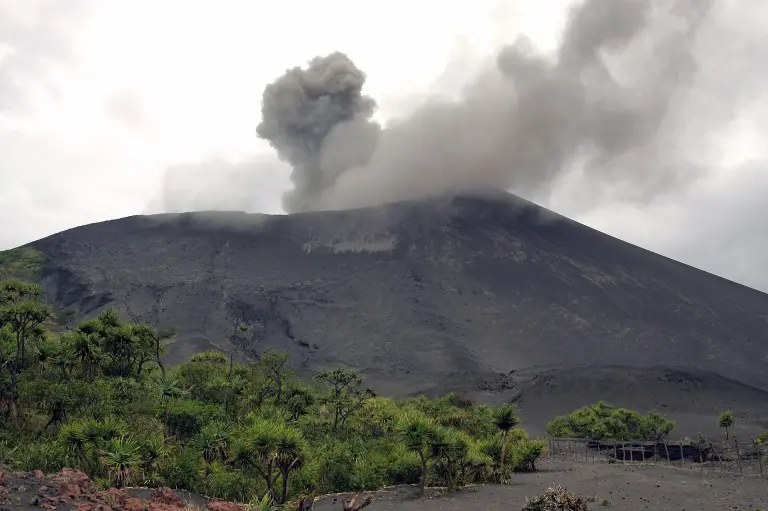
- Climb Tavurvur near Rabaul: the active volcano erupted in 1994 and still steams and smokes.
- Look for birds-of-paradise: guided trips in Tari or the Highlands can show several species.
- Visit Tufi fjords: a coastal area with volcanic fjords, snorkelling and village stays.
- Explore WWII sites: Rabaul tunnels, wrecks and aircraft remains record the Pacific war.
- Meet village communities: homestays through community tourism groups give a respectful view of daily life.
Best time to visit Papua New Guinea
The best time to visit Papua New Guinea is May to October, the drier season in most regions, when trekking, diving visibility and flying are most reliable. The country is tropical and hot all year, with Highlands nights cool enough for a jacket. The wet season, roughly November to April, brings heavy rain, muddy tracks and flight delays, and the Kokoda Track is harder. Rain patterns vary: Madang and the north coast are wettest in some months when Port Moresby is dry, so check your specific area.
| Season | Weather | Crowds and prices | Good for |
|---|---|---|---|
| Dry (May-Oct) | Hot, drier, better visibility | Higher demand, festivals in Aug-Sep | Kokoda, diving, cultural shows |
| Wet (Nov-Apr) | Hot, humid, heavy rain | Quiet, fewer visitors | Diving in sheltered areas, lodge stays |
Major festivals follow a calendar that may change, so confirm dates with a tour operator before booking.
Is Papua New Guinea safe?
Papua New Guinea has a high risk of violent crime, and governments advise extra caution or against travel to some areas. Port Moresby and Lae have the worst reputations, with carjackings, armed robbery and assault, and tribal violence affects parts of the Highlands. Many visitors travel safely by staying in secure lodges, using trusted drivers and joining organised tours. Check your government’s current travel advice, such as the UK FCDO, Australia’s Smartraveller or the US State Department.
Crime. Avoid walking in towns after dark, never use unlicensed taxis or public minibuses (PMVs) and keep valuables out of sight. Arrange airport pickups in advance.
Tribal and political tension. Fighting can break out quickly in some Highland provinces, and roadblocks occur. Travel only with local guides who know the current situation, and avoid areas under advisories.
Health. Malaria, dengue and other tropical diseases are present, and medical facilities are limited. Take antimalarial advice, bring a first-aid kit and make sure your insurance covers medical evacuation.
Natural hazards. Earthquakes, volcanic activity, tsunamis and landslides occur. Follow local instructions near volcanoes and crocodile warnings on rivers.
Visa and entry requirements for Papua New Guinea
Entry rules vary by nationality. Most visitors need a visa, and PNG offers an electronic visa and in some cases a visa on arrival at Jacksons International Airport in Port Moresby, but fees and eligibility change, so apply through the official PNG immigration authority well before travel. Some nationalities qualify for visa-free entry for short stays. Check current rules for your passport.
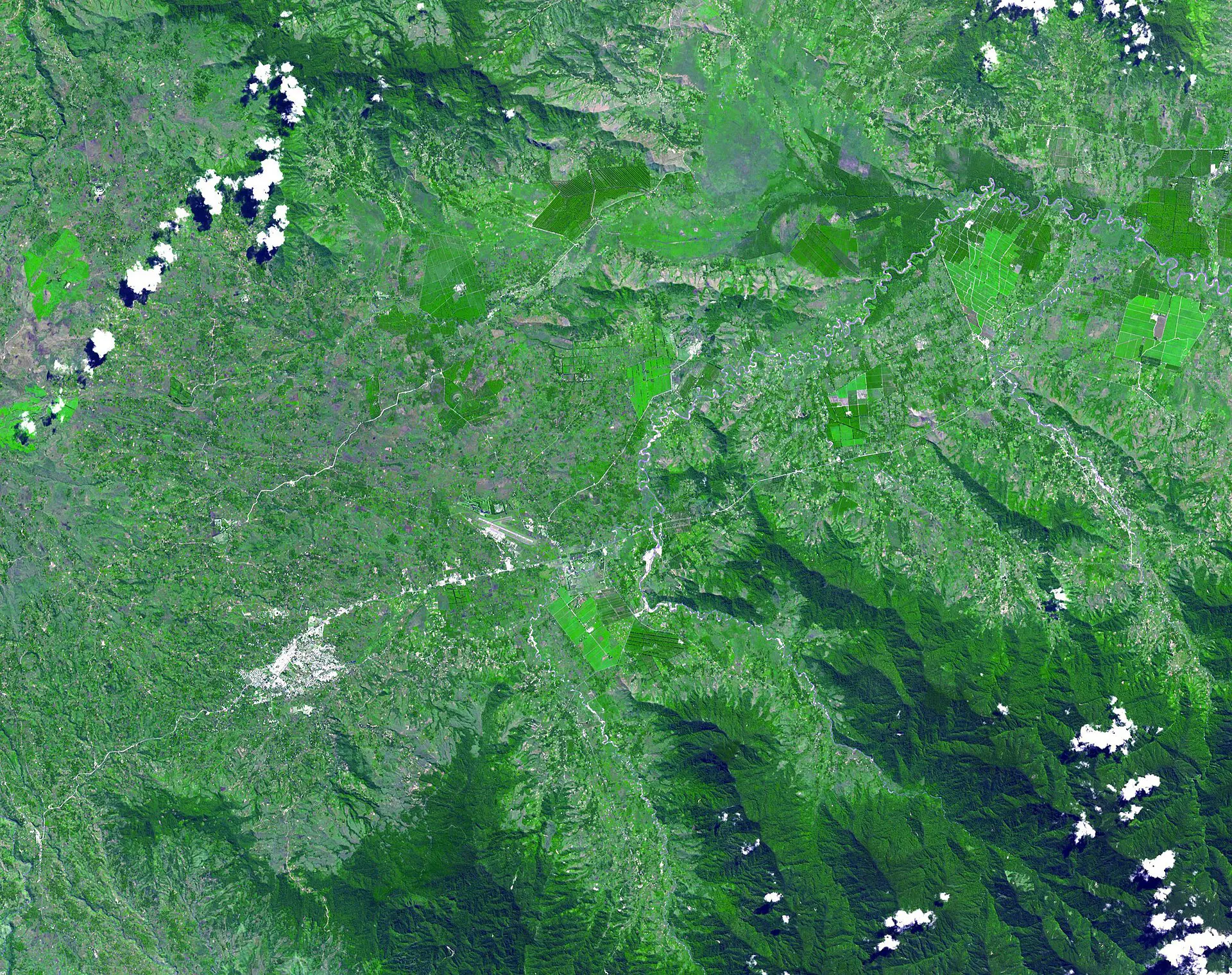
Bring a passport valid for at least six months, onward travel proof and accommodation details. Authorities may ask for evidence of funds, and the country has a yellow fever certificate requirement for travellers arriving from risk countries. Anyone doing the Kokoda Track needs a trekking permit through a licensed operator. Drone use, photography of sacred sites and some village visits may require permission.
Land entry from Indonesia (Papua) is limited and not a typical tourist route. The UNESCO page for Papua New Guinea lists the Kuk Early Agricultural Site, a World Heritage property in the Highlands.
Getting to and around Papua New Guinea
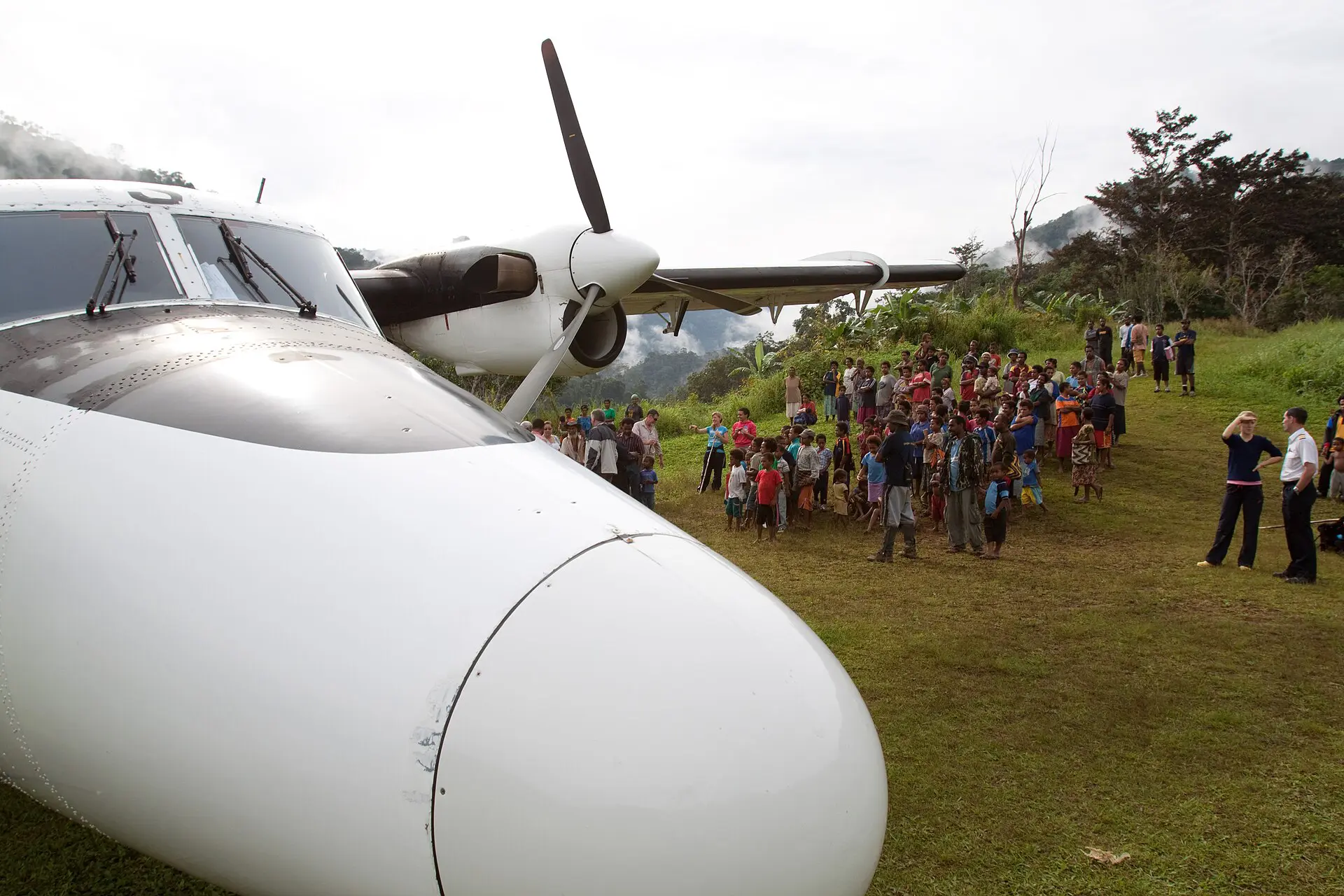
Most international flights arrive at Jacksons International Airport in Port Moresby, with connections from Brisbane, Cairns, Singapore and Manila. Air Niugini is the main national carrier, and PNG Air and other airlines serve domestic routes. Domestic flights to Madang, Mount Hagen, Rabaul, Kokopo, Goroka, Alotau and Kimbe take about one to two hours from Port Moresby, and cancellations and delays are common, so leave buffer days.
Road networks are limited. The Highlands Highway links Lae with Mount Hagen but passes through areas with security concerns, and many roads are unpaved. Within towns, hire a vehicle with a driver through your lodge or tour operator, and avoid PMVs. Boats and small planes connect islands and river villages, and some lodges arrange their own transfers. Driving is on the left. Allow flexibility, as weather and logistics often change plans, and book flights and tours through a local agent where possible.
How much does a trip to Papua New Guinea cost?
Papua New Guinea is one of the most expensive destinations in the Pacific for its facilities, because flights are costly, security adds cost and good lodging is limited. The currency is the kina (PGK). Figures below are rough per-person guides for 2026 and vary a lot by region.
- Budget: around USD 100 to 180 per day, with basic guesthouses and local transport where it is safe to use it.
- Mid-range: around USD 200 to 400 per day, with secure hotels or lodges, private transport and some guided activities.
- High-end: from around USD 500 per day, with liveaboard diving, luxury lodges and chartered flights.
Domestic flights, guided treks, dive trips and security-related transport drive most of the cost. The Kokoda Track usually costs several thousand US dollars through an operator. Cash is useful in villages, and card acceptance is limited outside the capital and big hotels.
Papua New Guinea food and drink
Papua New Guinea food is based on starchy staples, fresh vegetables, fish and pork, often cooked in earth ovens. Restaurant dining is limited outside larger hotels and lodges, which serve simple international dishes.
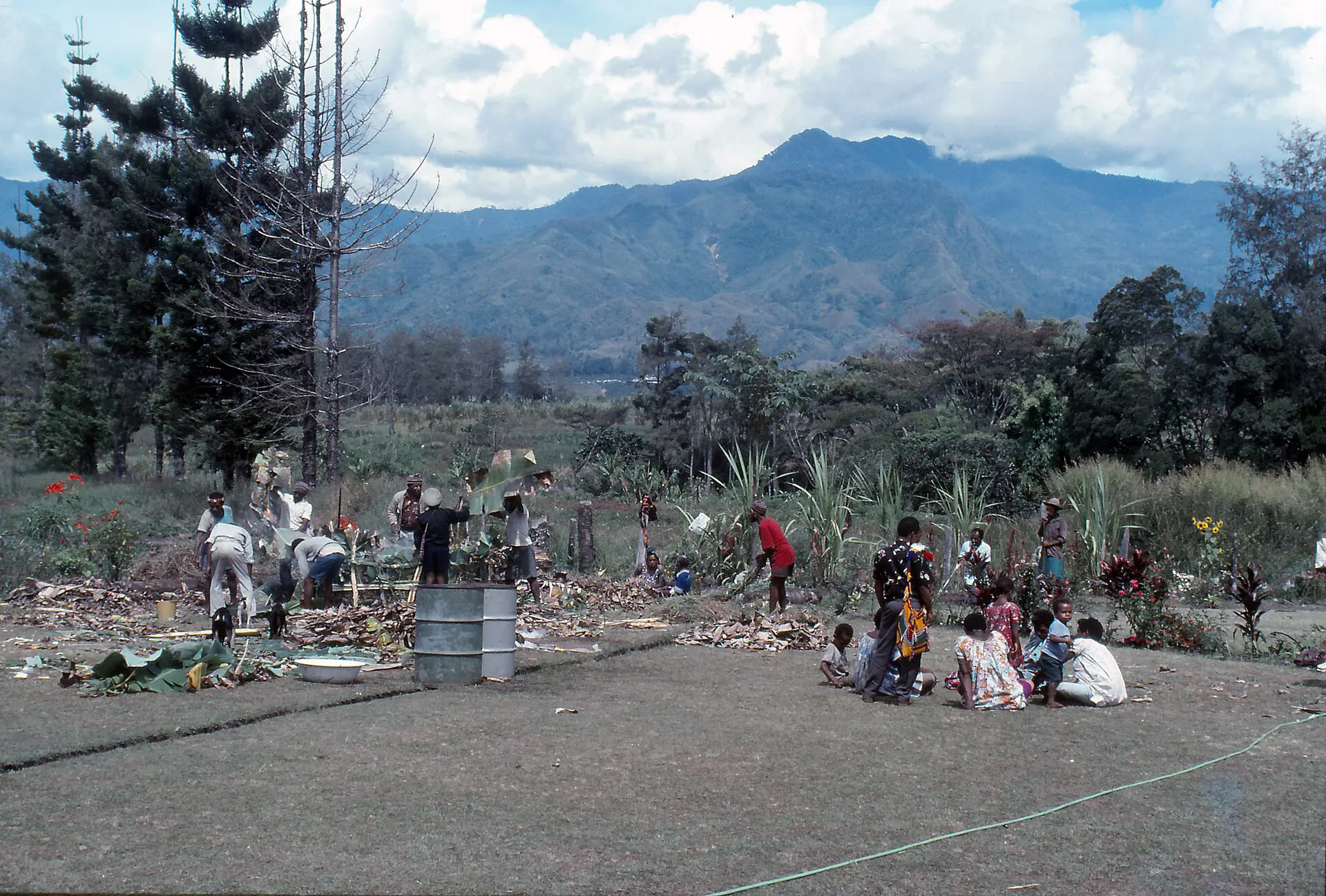
- Mumu: a traditional earth-oven feast of pork, chicken, sweet potato and greens cooked over hot stones.
- Sweet potato (kaukau): the Highlands staple, boiled, roasted or mashed.
- Sago: a starchy staple in the lowlands, often made into pancakes or porridge.
- Fresh fish and seafood: grilled or in coconut cream along the coast.
- Coconut and tropical fruit: bananas, pineapple, papaya and mango are cheap and abundant.
- Kaibar and street snacks: fried snacks and stew-style meals are sold in markets and shops called kaibars.
- Coffee and SP Lager: Highlands coffee is excellent, and SP is the national beer.
Vegetarians can eat taro, sweet potato, greens and fruit, but menus are basic. Drink bottled water and avoid raw salads in unsure places. Betel nut chewing is common, and red-stained pavements are a sign of it.
Culture, language and etiquette in Papua New Guinea
Papua New Guinea has three official languages: English, Tok Pisin and Hiri Motu, and more than 800 local languages. Tok Pisin is the common tongue, and a few words such as tenkyu (thank you) and halo (hello) help. English is used in business, government and education, so most tour operators speak it well.
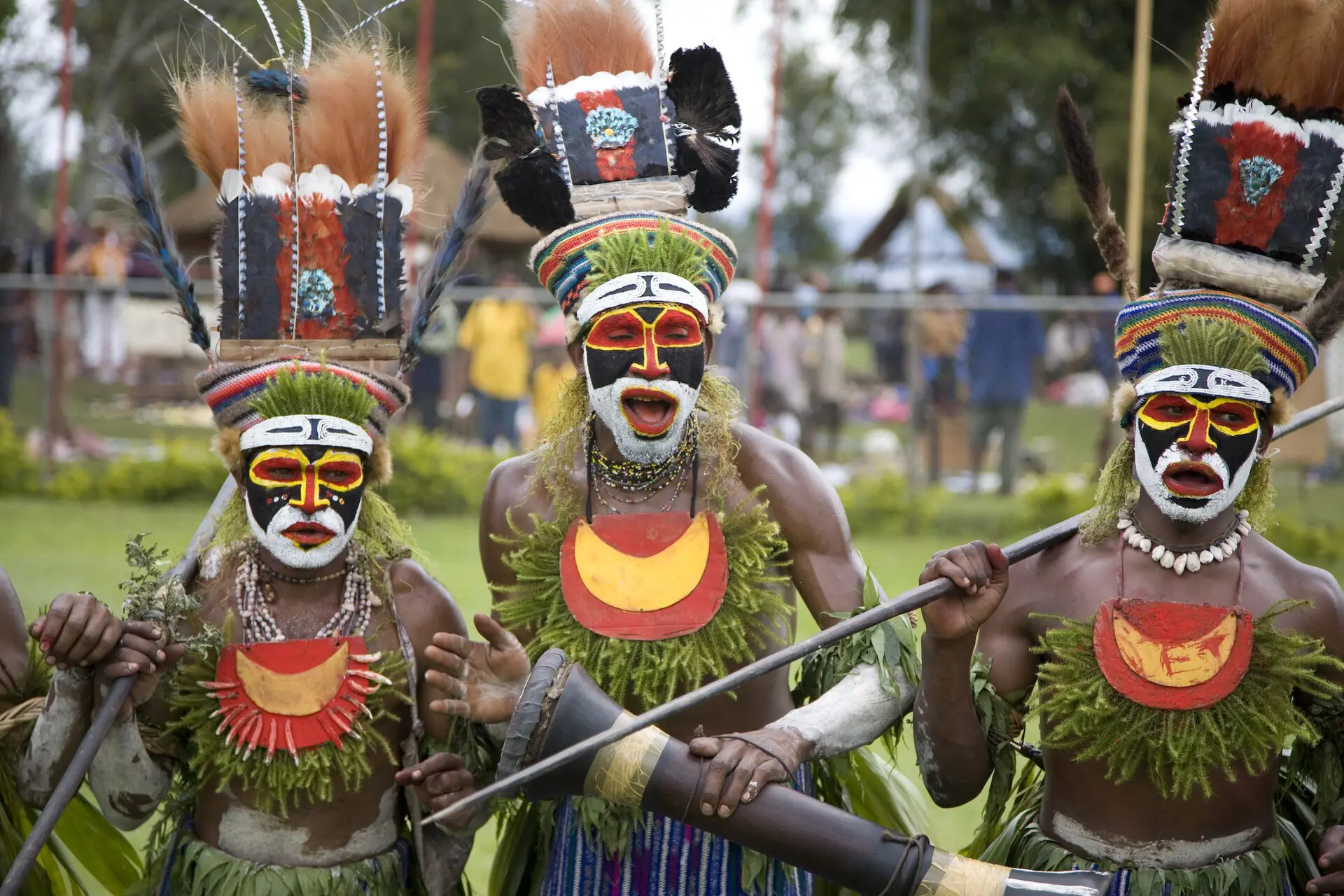
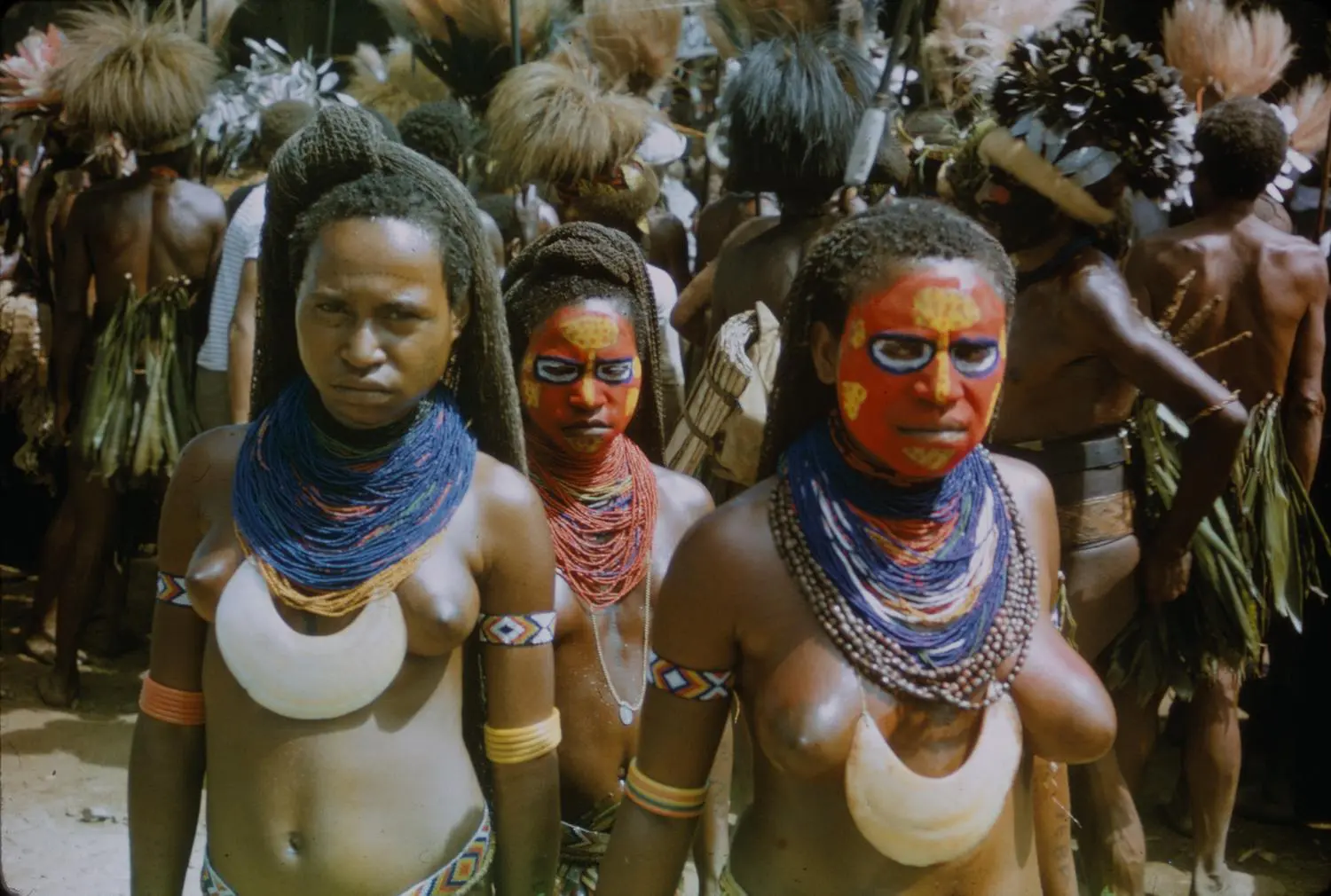
Life is organised around clans and land ownership, and many communities are Christian with strong traditional beliefs. Ask permission before visiting villages, photographing people or entering sacred sites such as spirit houses, and expect to pay a small fee or gift. Dress modestly: shoulders and knees covered, and swimwear only at beaches or resorts. Women should be especially careful when travelling alone.
Be patient with schedules, which are flexible, and avoid raising your voice. Do not assume that cultural practices seen at festivals represent everyday life. Compensation and clan obligations can be complex after accidents, so rely on your guide for advice. The Mount Hagen and Goroka shows are chances to see traditional dress with respect for the performers.
Papua New Guinea itinerary: a 7-day route
This route avoids the most unstable Highland areas and relies on short domestic flights and a local operator. Flights can change, so keep a buffer day.
- Day 1, Port Moresby: arrive, transfer to a secure hotel and visit the National Museum with a driver if time allows.
- Day 2, fly to Madang: check in to a lodge and snorkel or dive the lagoon.
- Day 3, Madang islands: take a boat to nearby islands and villages for reef and culture.
- Day 4, fly to Rabaul or Kokopo: visit the Rabaul market, WWII tunnels and the volcano viewpoint.
- Day 5, Tavurvur and hot springs: climb or view the volcano with a guide, and soak in a hot spring.
- Day 6, Kimbe Bay: take a flight to West New Britain for a day of diving or snorkelling.
- Day 7, return: fly back to Port Moresby for your international departure, leaving a buffer.
Treks such as the Kokoda Track need at least ten days. Festival trips to Mount Hagen or Goroka should be booked through a specialist operator with up-to-date safety information.
Practical tips for Papua New Guinea
- Money: the kina is the local currency, with ATMs in Port Moresby and main towns. Bring cash for villages, as card acceptance is limited, and do not flaunt it.
- SIM and eSIM: local SIM cards work in towns, and coverage is patchy or absent in remote areas. Download offline maps.
- Plugs: type I at 240 V, as in Australia.
- Tipping: not expected, but small tips for guides and drivers are welcome.
- Health: consult a travel clinic early about malaria prophylaxis, hepatitis and typhoid, and carry insurance with evacuation cover.
- Packing: insect repellent, quick-dry clothes, a rain jacket, sturdy boots, a head torch and a dry bag.
- Security: share your itinerary with your embassy, use pre-booked transfers and avoid travelling after dark.
- Booking: book flights, lodges and festivals months ahead, as capacity is small.
For more background, see the Wikivoyage Papua New Guinea guide.
FAQ
Q1Is Papua New Guinea safe?
Not by default. The country has high rates of violent crime, especially in Port Moresby and Lae, and tribal fighting in parts of the Highlands. Visitors reduce risk with secure lodges, pre-arranged transport, local guides and up-to-date government advice. Avoid walking after dark.
Q2What is Papua New Guinea food like?
Food is simple and based on sweet potato, taro, sago, greens, fish and pork. Mumu is a traditional earth-oven feast, while coastal areas serve grilled fish with coconut. Restaurants are limited outside hotels and lodges, and tropical fruit is plentiful and cheap.
Q3What are the best things to do in Papua New Guinea?
Top experiences are trekking the Kokoda Track, diving Kimbe Bay or Milne Bay, attending the Mount Hagen or Goroka shows, cruising the Sepik River and climbing Tavurvur at Rabaul. Most need a local operator and advance booking.
Q4What is the best time to visit Papua New Guinea?
May to October is the best period, with drier weather for trekking, flying and diving. The wet season, roughly November to April, brings heavy rain and delays. Cultural shows in the Highlands are usually in August and September.
Q5Do I need a visa for Papua New Guinea?
Most travellers need a visa, often an e-visa applied for in advance, and some can get one on arrival. Rules, fees and eligibility vary by nationality and change, so check the official PNG immigration authority before you book flights.
Q6How do you get around Papua New Guinea?
Mostly by domestic flights, because roads are limited and can be unsafe. Air Niugini and PNG Air connect Port Moresby with Madang, Rabaul, Mount Hagen and other towns. Use a pre-arranged driver in towns and avoid public minibuses.