Why visit India
The things to do in India are so varied that two trips rarely look alike. India is the world’s most populous country and the seventh largest by area, about 3.29 million square kilometres, stretching from Himalayan peaks to tropical beaches and desert fortresses (see the Wikipedia overview). It has dozens of UNESCO World Heritage sites, many living religious traditions and cuisines that differ sharply from state to state.
India suits travellers who enjoy sensory intensity, history and food, and who accept noise, crowds and delays as part of the trip. First-time visitors often start with the Golden Triangle of Delhi, Agra and Jaipur, then add south India or the Himalayas on a later trip. It is poorly suited to a rushed itinerary: distances are long, trains sell out, and a slower plan with fewer stops is almost always better. The capital is New Delhi, and English is widely used alongside Hindi.
Best places to visit in India
The best places to visit in India depend on your season and time, so pick two or three regions instead of trying to cover the country.
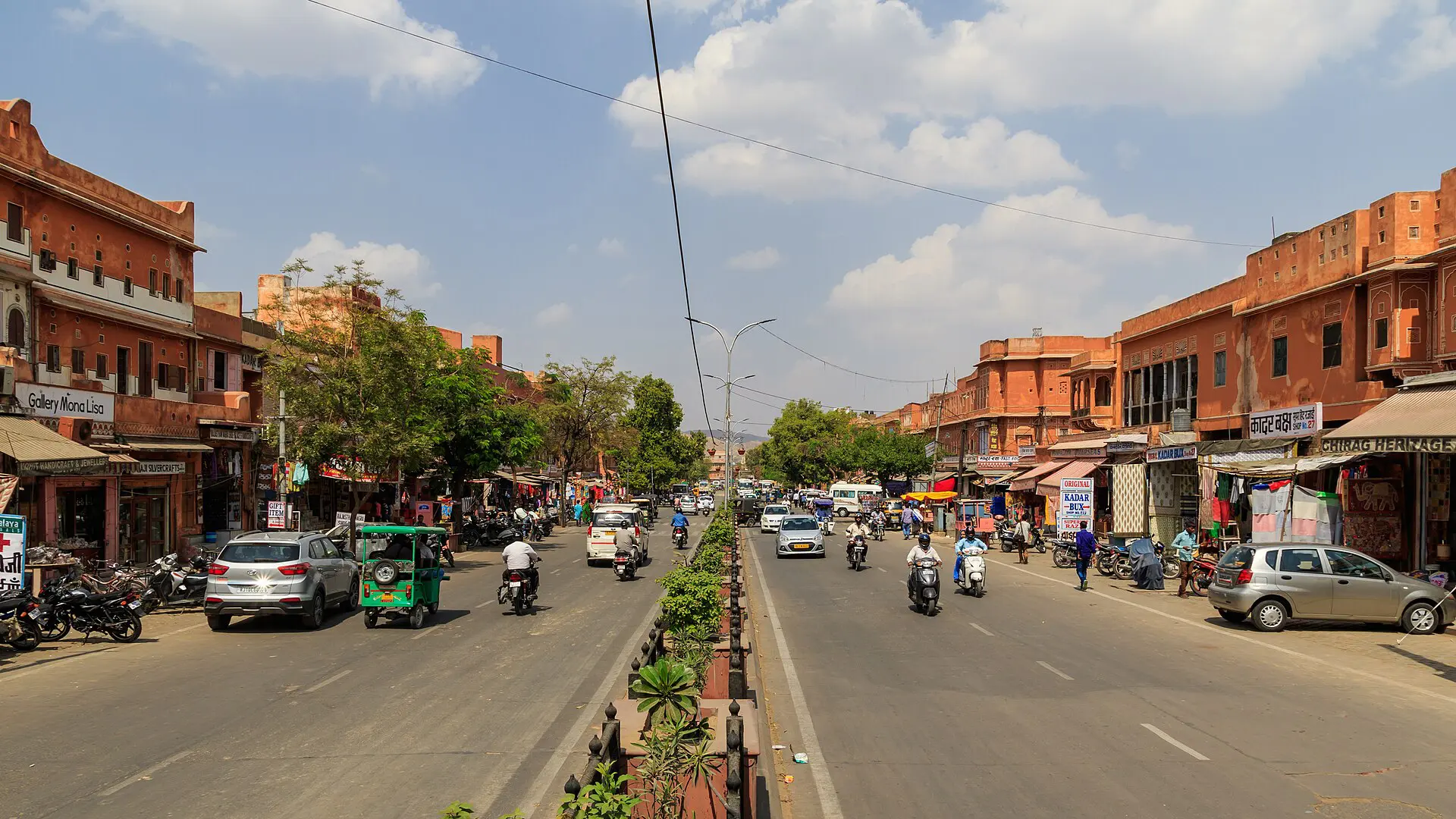
Delhi, Agra and Jaipur
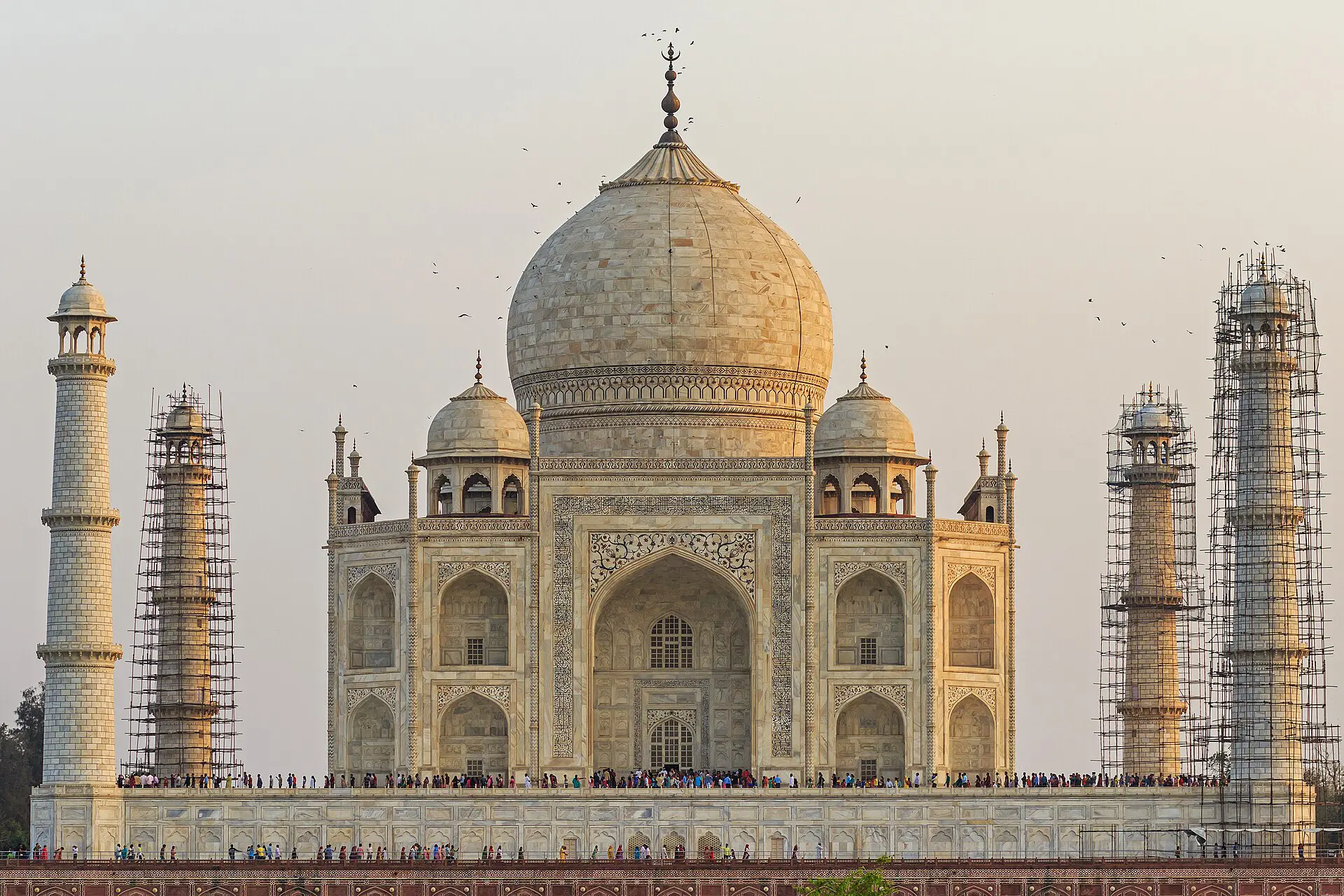
The Golden Triangle combines Delhi’s Mughal tombs and bazaars, the Taj Mahal and Agra Fort in Agra, and Jaipur’s pink-painted old city, Amer Fort and City Palace. It is easy to link by train or car.
Varanasi
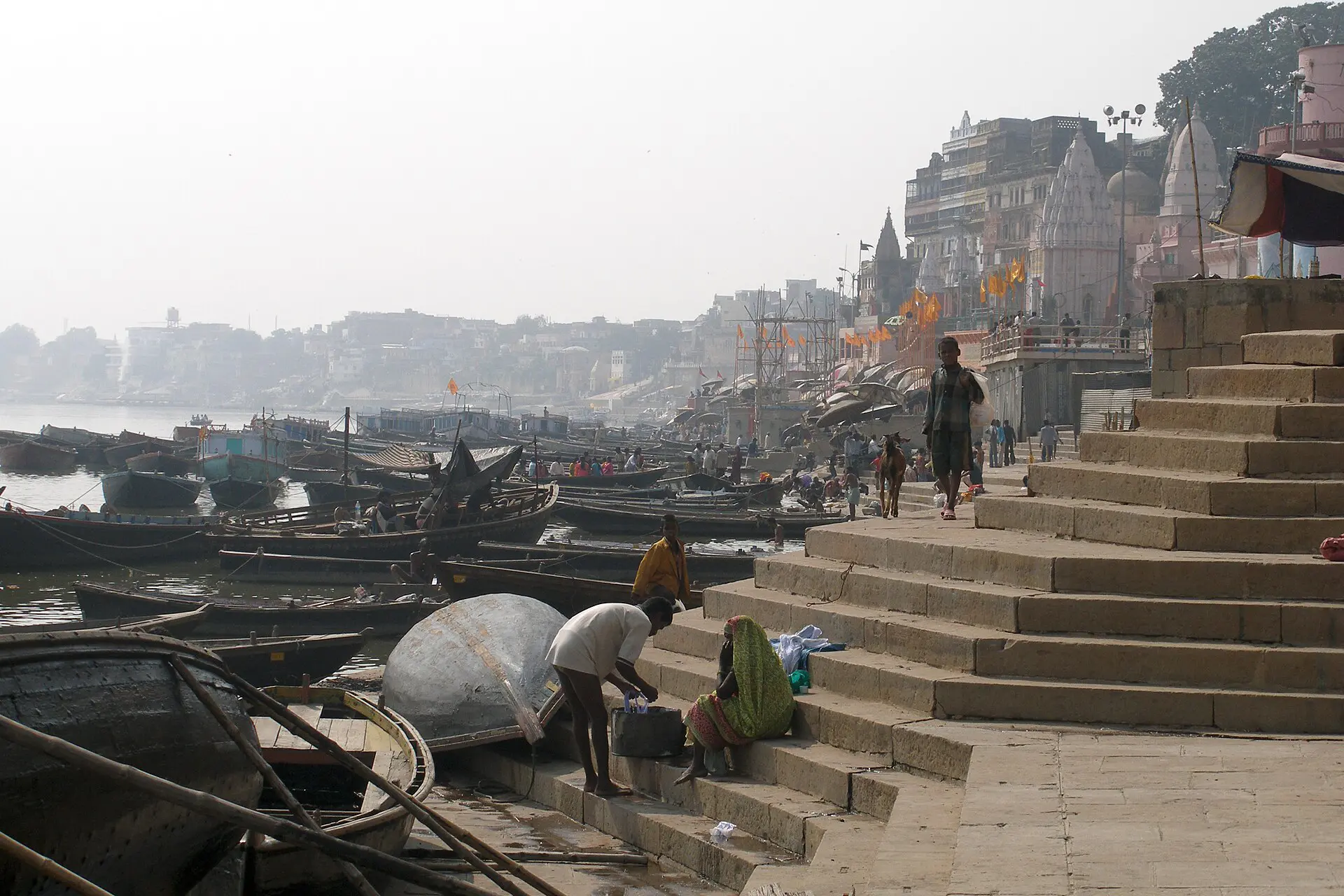
One of the oldest inhabited cities in the world, built along the Ganges. Dawn boat rides pass the ghats, where pilgrims bathe and cremations take place. It is intense and unforgettable.
Rajasthan beyond Jaipur
Udaipur has lake palaces, Jodhpur a blue-washed old town under Mehrangarh Fort, and Jaisalmer a sandstone fort rising from the Thar Desert.
Kerala
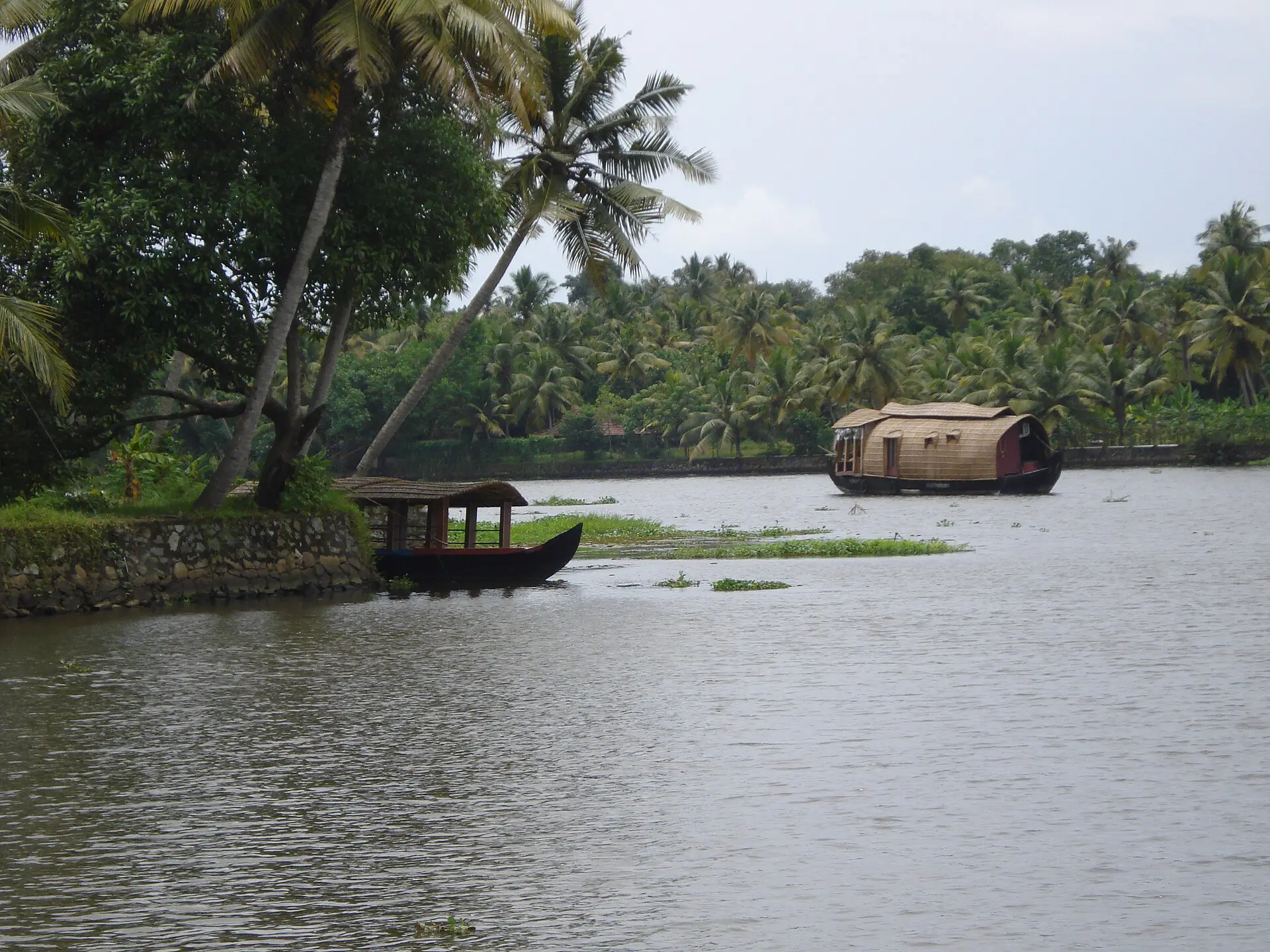
Backwaters near Alleppey, tea hills at Munnar and the old port of Kochi make a gentle, green contrast to the north.
Goa and the west coast
Beaches, Portuguese-era churches and a relaxed pace, plus Mumbai’s colonial landmarks and Ajanta and Ellora caves inland.
Ladakh and the Himalayas
High-altitude monasteries, passes and lakes in Ladakh, and hill stations such as Shimla and Rishikesh at lower levels. Altitude needs acclimatisation.
Top things to do in India
These are the top things to do in India, covering heritage, nature and daily life.
- See the Taj Mahal at sunrise: arrive when gates open, for softer light and smaller crowds. The monument is closed on Fridays.
- Take a dawn boat on the Ganges: in Varanasi, watch the ghats and evening Ganga Aarti ceremony.
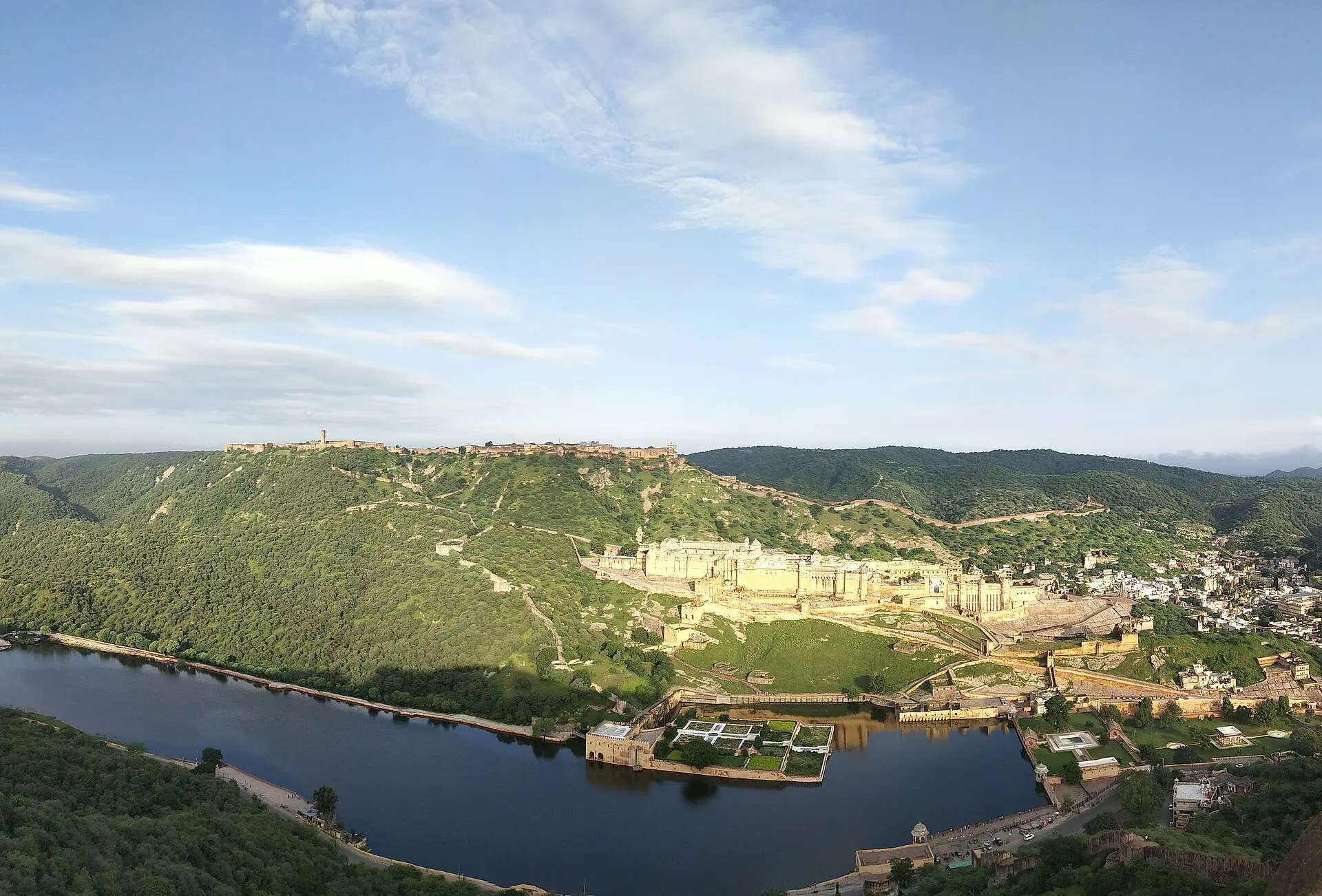
- Explore Amer Fort: climb to the hilltop palace near Jaipur and wander the mirrored halls.
- Cruise the Kerala backwaters: take a houseboat or a smaller canoe tour near Alleppey.
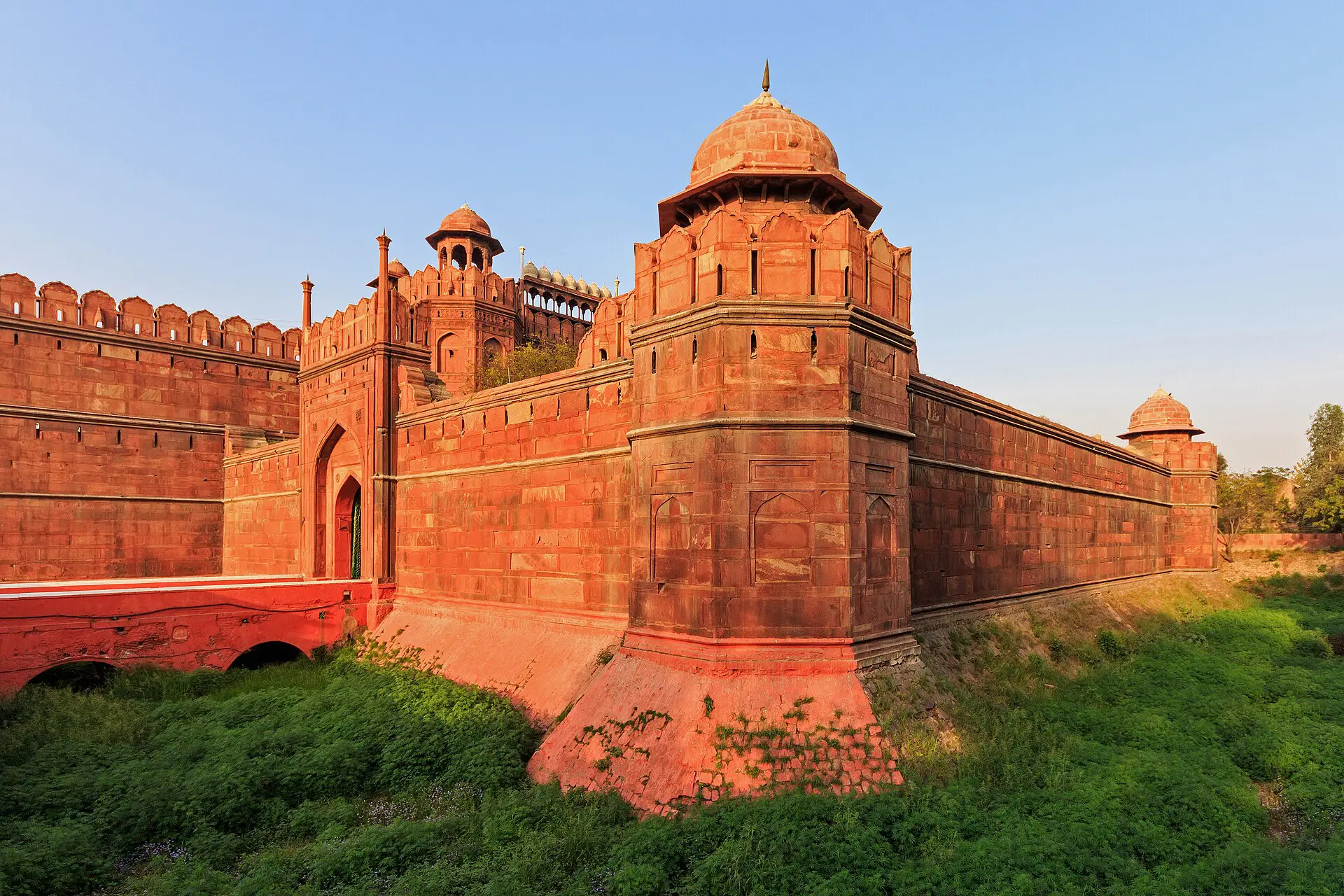
- Walk Old Delhi: visit Jama Masjid, Chandni Chowk’s lanes and Red Fort, ideally on foot or by rickshaw.
- Visit the Golden Temple: in Amritsar, the Sikh shrine serves free meals to thousands every day.
- Spot tigers: Ranthambore, Bandhavgarh and Kanha parks run safaris, usually from October to June.
- Ride a train: an overnight sleeper or the Toy Train to Darjeeling shows India at ground level.
- Try a cooking class: classes in Delhi, Jaipur, Kochi and Goa teach regional dishes.
- Trek in the Himalayas: routes in Ladakh, Himachal and Uttarakhand run from late spring to autumn.
- Watch a Holi or Diwali celebration: if your dates fit, festivals are major events in October to March.
Best time to visit India
The best time to visit India for most of the country is October to March, when the north and centre are dry and relatively cool and the south is pleasant. India is so large that climate varies widely: the Himalayas peak from May to September, while the far south is comfortable almost year-round apart from the monsoon.
| Season | Weather | Crowds and prices | Good for |
|---|---|---|---|
| Winter (Nov-Feb) | Dry, mild to cool; foggy and cold in the north at night | High season, higher prices | Golden Triangle, Rajasthan, Kerala, Goa |
| Spring (Mar-May) | Hot, 35 to 45 C on the plains | Falling in plains; busy in hill stations | Himalayan hill stations, tiger safaris |
| Monsoon (Jun-Sep) | Heavy rain in most regions, humid | Low; cheap rooms | Kerala wellness, Ladakh, green landscapes |
| Post-monsoon (Oct) | Warm, clearing skies | Rising | Festivals, wildlife, travel before peak |
The south and east coasts, including Tamil Nadu, have a separate rain season from about October to December. Delhi and other northern cities can have severe air pollution in November and December, which is worth considering if you have breathing problems.
Is India safe to visit?
India is safe for millions of visitors each year, but it asks for more preparation than many destinations. The main risks are road accidents, scams, food and water illness, and local conditions in some regions. Check your government’s current travel advice, such as the UK FCDO or US State Department pages, before you travel, especially for border areas and the northeast.
Scams and touts. Common cases include taxi or rickshaw drivers who claim your hotel is closed, tourists redirected to commission shops, and inflated prices at monuments. Use prepaid taxis, ride-hailing apps and official ticket counters, and agree prices first.
Women and solo travellers. Harassment and staring occur, particularly in crowded places and at night. Many solo women travel safely by dressing conservatively, using trusted transport and booking women-only train carriages or hostel dorms.
Health. Drink bottled or filtered water, eat freshly cooked food and have recommended vaccines checked with a travel clinic. Air quality in northern cities is poor in winter.
Roads and weather. Traffic is chaotic, so avoid driving yourself. Monsoon flooding and landslides can disrupt travel. Carry insurance with medical cover.
India visa and entry requirements
India visa rules depend on your nationality. Citizens of many countries can apply online for an electronic visa (e-visa) for tourism, typically valid for 30 days, one year or five years depending on the type, and processed through the Indian government’s official visa portal. Other nationalities, and visitors with different purposes, apply for a regular visa at an Indian embassy or consulate. A small number of countries have special visa-free arrangements.
Rules, fees and processing times change often, and scam websites imitate the official portal, so use only the Indian government site and apply well before your trip. Your passport generally needs at least six months of validity and two blank pages. Carry printed approval, proof of onward travel and accommodation details.
Some areas, including parts of the northeast, Ladakh border regions and Andaman islands, need extra permits or have restrictions for foreign visitors, which tour operators or local offices can arrange. The UNESCO page for India lists its heritage sites but does not cover entry rules.
Getting to and around India
Most international visitors arrive at Delhi (DEL) or Mumbai (BOM), with other major gateways at Bengaluru, Chennai, Kolkata, Hyderabad and Kochi. Land crossings with Nepal and Bangladesh exist but need visa checks in advance.
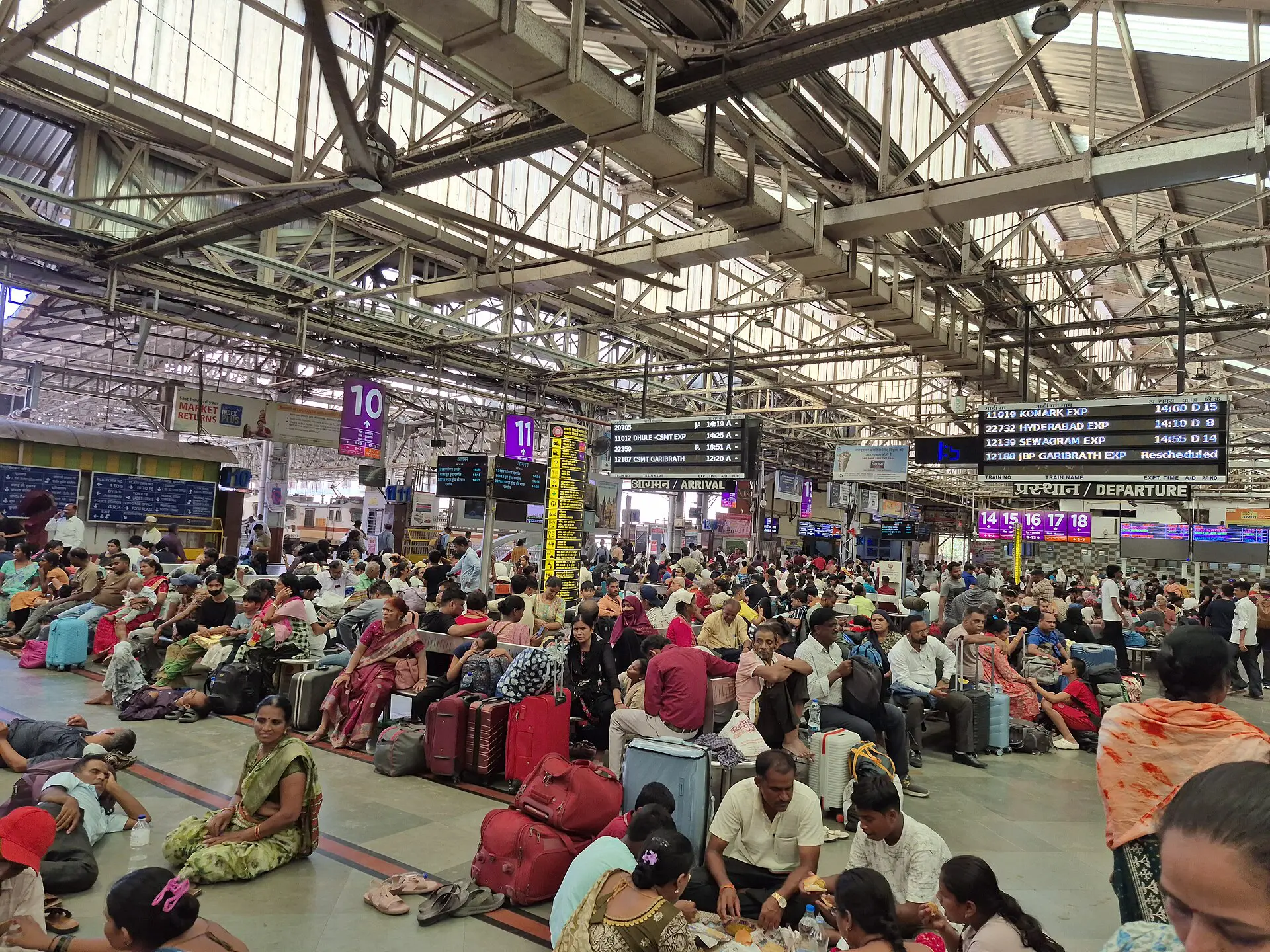
Trains are the classic way to travel and are good for medium distances. Book online through the national railway’s booking system or a reliable agent weeks ahead, as popular services sell out. Delhi to Agra on a fast train takes roughly two hours, Delhi to Jaipur about four to five, and Delhi to Varanasi about eight to twelve depending on service. Classes range from air-conditioned two- and three-tier sleepers to basic unreserved cars.
Domestic flights are inexpensive on long routes and save days. Buses suit hill areas without rail. In cities, use ride-hailing apps, metros (Delhi, Mumbai, Kolkata, Bengaluru and others) and auto-rickshaws with agreed prices. Driving is on the left and often hectic, so most visitors hire a car with a driver for a day or several days.
How much does a trip to India cost?
India is good value, and your costs depend mostly on accommodation and transport comfort. The currency is the Indian rupee (INR). Figures below are rough per-person guides for 2026 and vary by city, with Mumbai, Delhi and Goa the highest.
- Budget: around USD 20 to 40 per day, with hostels or simple hotels, street food, local buses and sleeper trains.
- Mid-range: around USD 40 to 90 per day, with comfortable hotels, restaurant meals, air-conditioned trains and some private drivers.
- High-end: from around USD 150 per day, with heritage hotels, private guides and internal flights.
Foreigners often pay higher entry fees at major monuments, for example the Taj Mahal, so allow for that in the budget. Prices rise at Christmas and New Year, and in tourist centres during peak winter months. Bargaining is normal in markets and with unmetered rickshaws, but not in shops with fixed prices.
India food and drink
India food is not one cuisine but many: wheat, ghee and tandoori cooking in the north, rice, coconut and fish in the south, and street snacks everywhere. Many dishes are vegetarian, and spice levels can be adjusted on request.
- Thali: a platter of small dishes, rice, bread and dal, found across the country and a good way to sample regional cooking.
- Dal and roti: lentil dishes with bread are everyday staples in the north.
- Biryani: layered spiced rice with meat or vegetables, famous in Hyderabad and Lucknow.
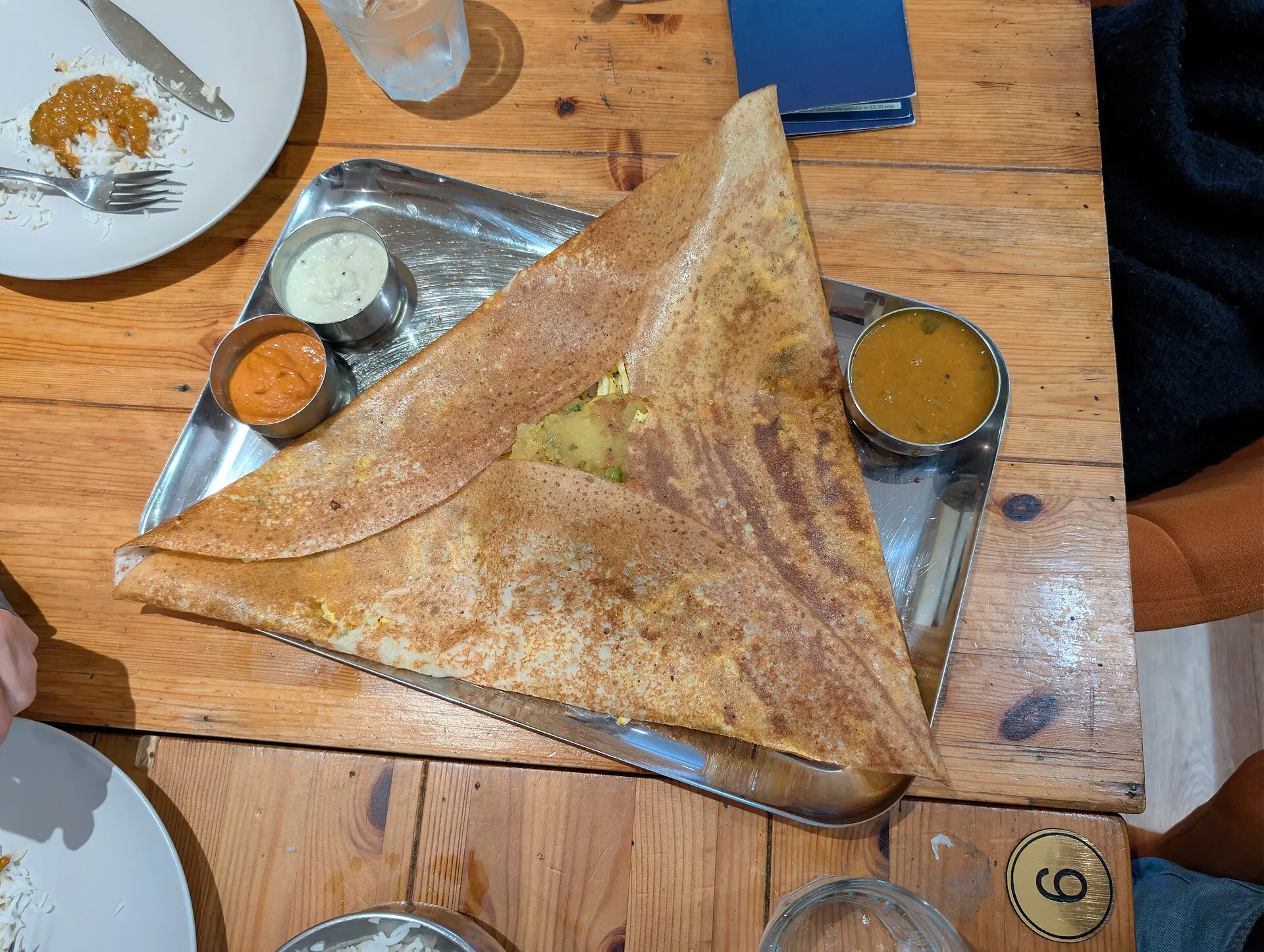
- Masala dosa: a crisp rice-lentil crepe filled with spiced potato, eaten with sambar and chutneys in the south.
- Butter chicken and paneer dishes: creamy northern curries that have spread worldwide.
- Chaat and samosas: street snacks that range from tangy to sweet.
- Chai and lassi: milky spiced tea and yoghurt drink, served everywhere.
Vegetarians and vegans eat very well, and many restaurants mark vegetarian dishes with a green dot. To lower the chance of stomach trouble, choose busy places with freshly cooked food, avoid raw salads and ice from unknown sources, and drink bottled or filtered water. Alcohol rules differ by state, and some states, including Gujarat, are dry.
Culture, language and etiquette in India
India has 22 officially recognised languages, with Hindi and English the main languages of national government. Tamil, Bengali, Marathi, Telugu and many others are widely spoken regionally. English is common in tourism, hotels and big cities. Namaste, with palms pressed together, works as a greeting nearly everywhere.
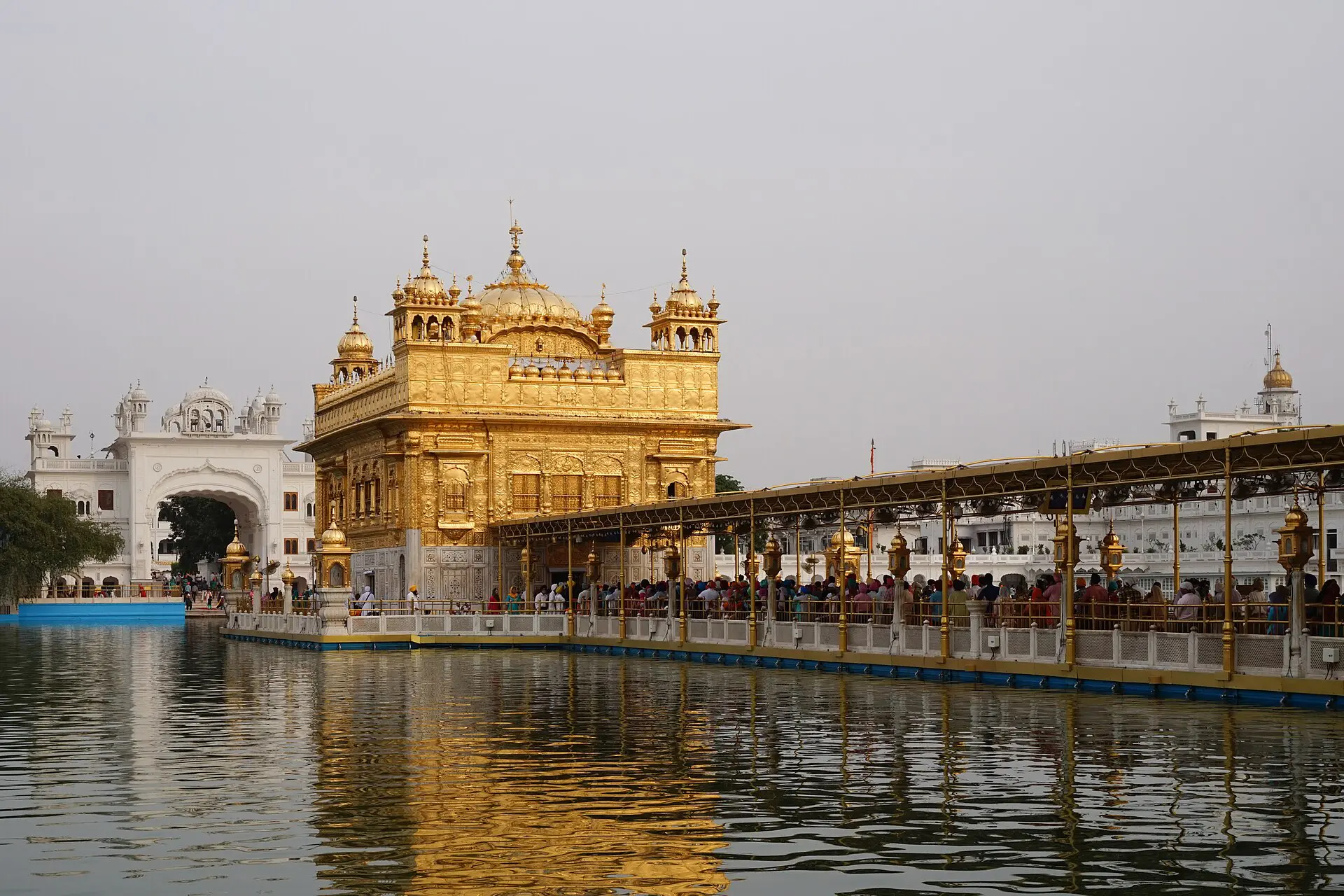
Religion shapes daily life: Hinduism is the majority faith, with large Muslim, Christian, Sikh, Buddhist and Jain communities. Remove shoes before entering temples, mosques and homes, and cover shoulders and knees. Some temples restrict non-Hindus from inner areas, and leather items may be banned. Photography can be restricted in worship areas, so ask first.
Use your right hand for eating, passing money and giving objects, since the left is traditionally seen as unclean. Do not point your feet at people or sacred objects. Public displays of affection are frowned upon. Cows are sacred to many Hindus, and visitors should not disturb them. Head wobbling can mean yes, okay or I understand, and is friendly, not a rejection. Patience with queues, delays and bargaining goes a long way.
India itinerary: a 7-day route
This route covers the Golden Triangle with trains and a driver, a classic first trip that keeps transfers short. It works best from October to March.
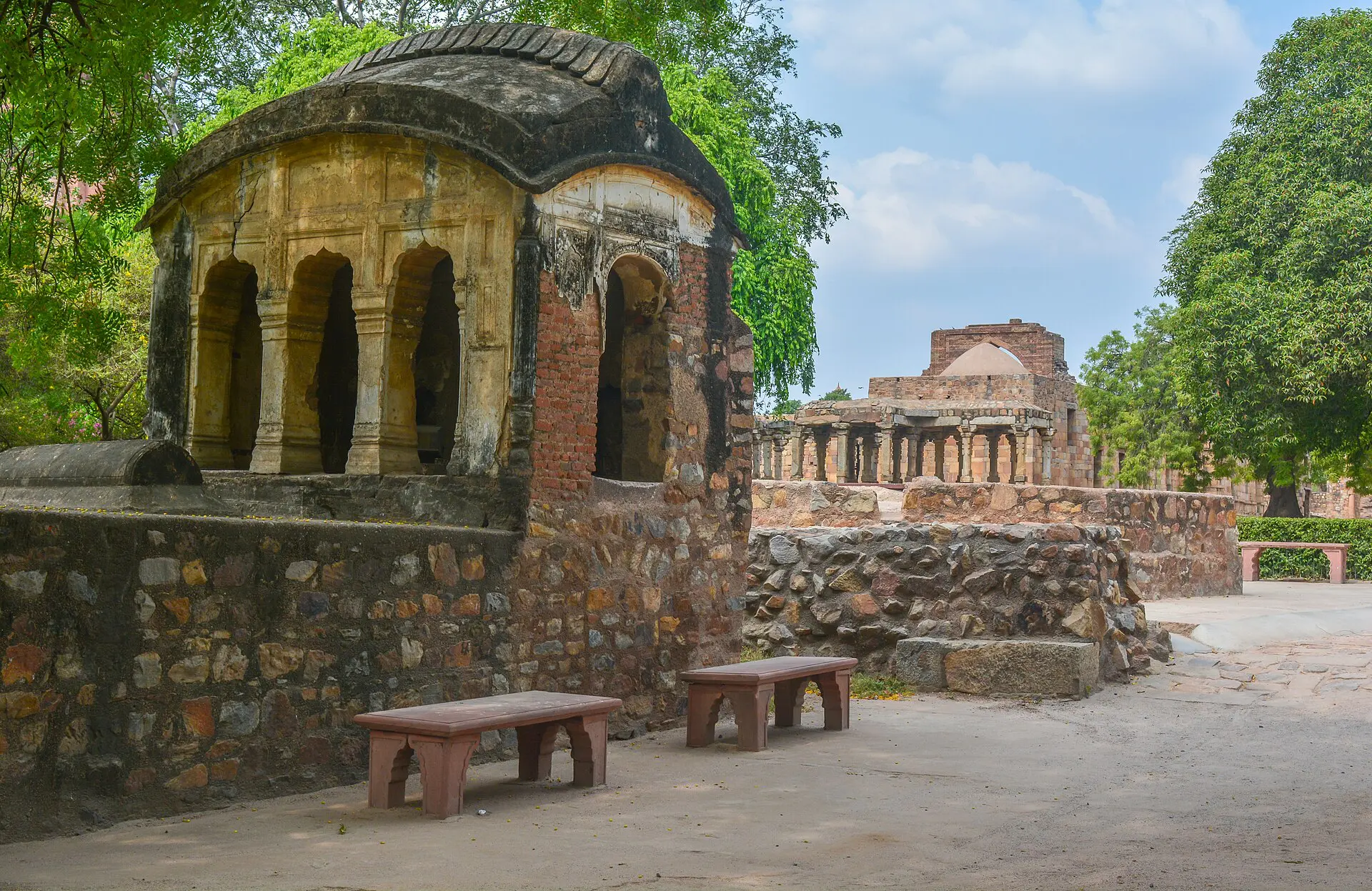
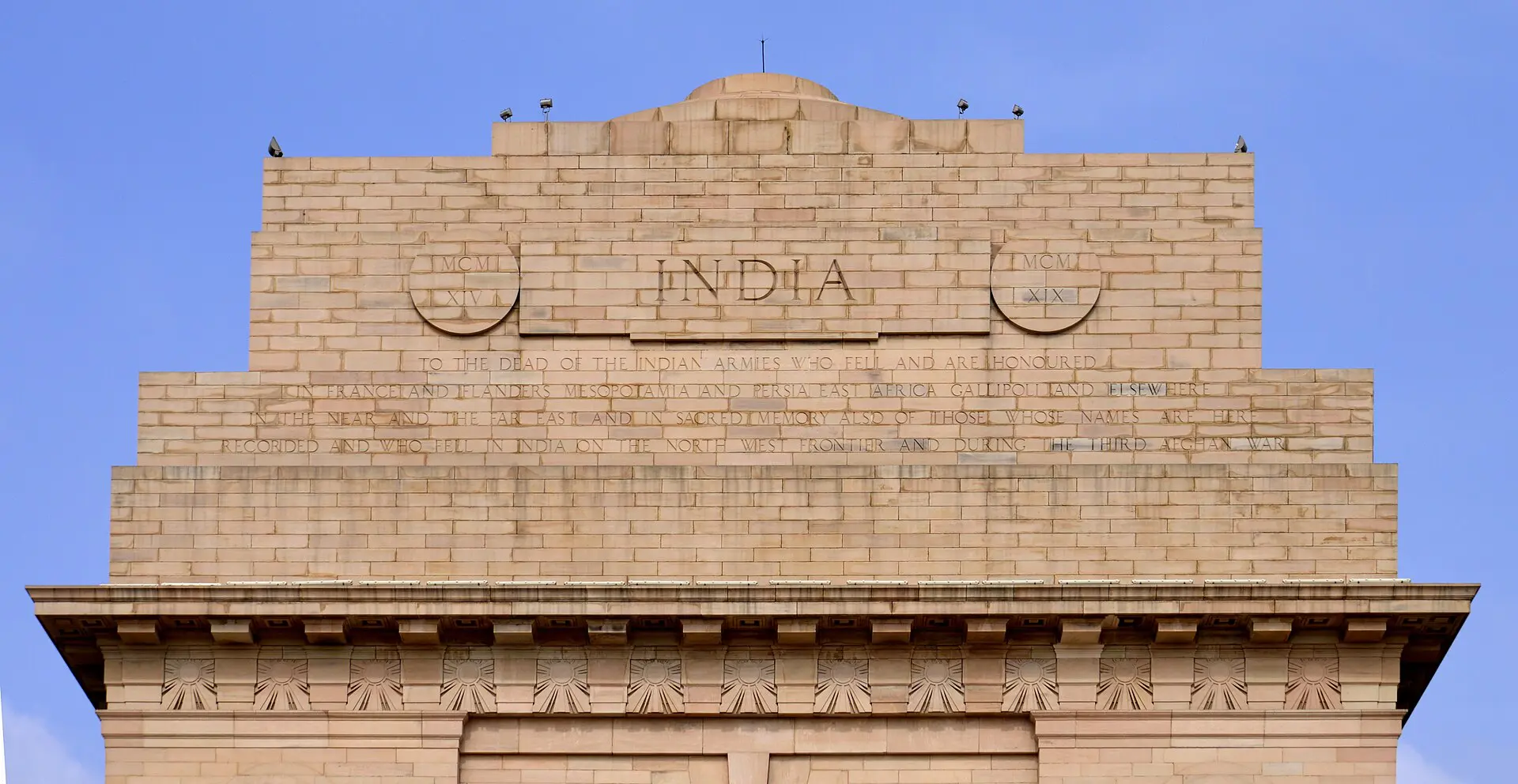
- Day 1, Delhi: arrive, rest and walk around India Gate and Connaught Place, or visit Humayun’s Tomb in the evening.
- Day 2, Old and New Delhi: explore Red Fort, Jama Masjid and the lanes of Chandni Chowk, then Qutb Minar in the afternoon.
- Day 3, Agra: take an early fast train, about two hours, visit Agra Fort and the Taj Mahal in late afternoon.
- Day 4, Taj sunrise and Jaipur: see the Taj Mahal at dawn, then drive about four to five hours to Jaipur via Fatehpur Sikri.
- Day 5, Jaipur: visit Amer Fort in the morning, then City Palace, Jantar Mantar and the bazaars.
- Day 6, Jaipur and return: shop for textiles, take a cooking class, then take an afternoon train or drive about five hours back to Delhi.
- Day 7, departure: spend a morning at a museum or market and leave for the airport with generous time for traffic.
With more time, add Varanasi by overnight train or flight, or Udaipur by train from Jaipur. Keep a spare day in case of delays.
Practical tips for India
- Money: the rupee is the currency; ATMs are common in cities, and digital payments are widespread, though foreign cards may not work with all apps. Carry small notes for tips and rickshaws.
- SIM and eSIM: tourist SIMs need identity checks and can take time to activate, so many visitors use an eSIM bought before arrival. Check coverage in remote areas.
- Plugs: types C, D and M at 230 V; a universal adapter is wise. Power cuts happen in some places.
- Tipping: about 5 to 10 percent in restaurants if no service charge is added, and small tips for drivers, guides and hotel staff.
- Health: see a travel clinic early for vaccines, carry rehydration salts and hand sanitiser, and use insect repellent. Rabies is present, so avoid touching stray animals.
- Packing: light cotton layers covering shoulders and knees, a scarf, comfortable sandals and a warm layer for winter nights in the north.
- Booking: reserve trains early, and book sunrise Taj and popular heritage hotels weeks ahead in winter.
For wider background, see the Wikivoyage India guide.
FAQ
Q1What is India food like?
India food varies by region: wheat breads, dal and tandoori dishes in the north, rice, dosa, coconut and seafood in the south. Biryani, thali, chaat, butter chicken and chai are popular. Vegetarian eating is easy, and you can ask for dishes to be less spicy.
Q2Do I need a visa for India?
It depends on your nationality. Many travellers apply for an electronic tourist visa online before departure, while others need a regular visa from an Indian embassy. Rules and fees change, so use only the official Indian government portal and apply well ahead.
Q3What are the best things to do in India?
Top things to do in India include seeing the Taj Mahal and Rajasthan's forts, taking a dawn boat on the Ganges in Varanasi, cruising Kerala's backwaters, exploring Old Delhi, visiting the Golden Temple in Amritsar and taking a tiger safari in a national park.
Q4What is the best time to visit India?
October to March is best for most of India, with dry and cooler weather in the north and centre. The Himalayas are best from May to September. The monsoon from June to September brings heavy rain and cheaper rooms, and summer heat can exceed 40 C.
Q5What are the best places to visit in India?
First-time visitors often choose the Golden Triangle of Delhi, Agra and Jaipur, then add Varanasi, Udaipur or Jodhpur, Kerala's backwaters, Goa's beaches and Himalayan areas such as Ladakh or Rishikesh. Pick two or three regions rather than the whole country.
Q6Is India safe?
India is safe for most visitors who take precautions. Main risks are traffic, scams, theft in crowded places, food and water illness and regional restrictions. Women should plan transport and dress conservatively, and everyone should check their government's current travel advice.
Q7Is India safe to visit for solo female travellers?
Many women travel India alone, but harassment is a real risk, especially at night and in crowded places. Use trusted transport, book well-reviewed accommodation, dress conservatively, avoid isolated places after dark and share your plans with someone. Women-only train carriages and hostels help.