Why visit Mumbai
Anyone planning things to do in Mumbai should expect intensity. Also known as Bombay, it is the capital of Maharashtra and India’s financial capital, with a population of around 12 million in the city itself and more than 20 million in the wider metropolitan region.
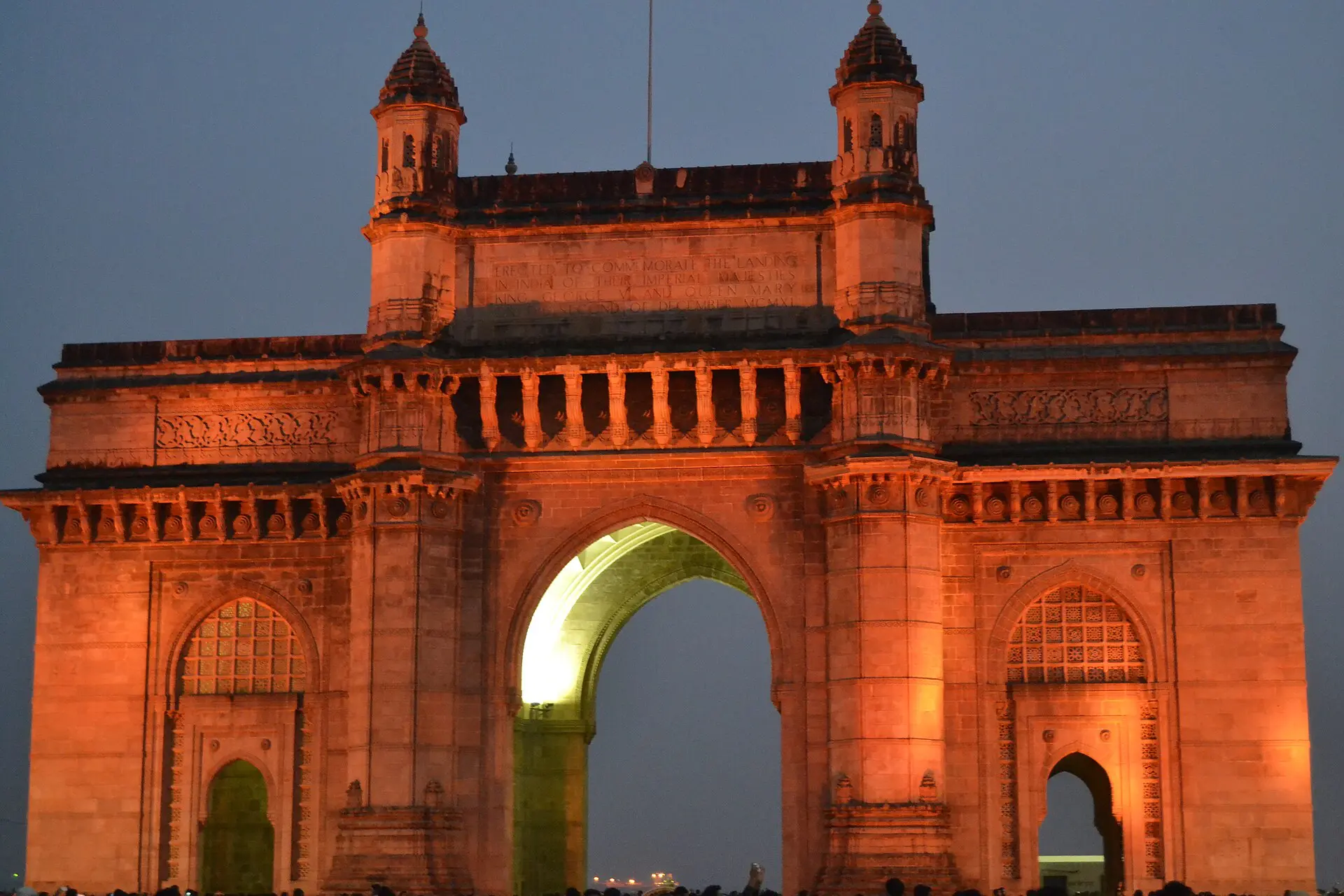
The city was built on seven islands that were joined over time, and its harbour is one of the country’s busiest. It is called the most cosmopolitan Indian city, and it is home to Bollywood, the centre of the Hindi film industry. The Gateway of India, built during the British Raj, is its best-known waterfront landmark.
For visitors, the appeal is contrast: colonial-era buildings and art deco apartments next to skyscrapers, street food stalls and fine restaurants, and calm sea views against heavy traffic. It is also a major gateway to Goa, Rajasthan and the rest of India, and a few days here is a rewarding introduction.
Top things to do in Mumbai
Gateway of India and Colaba
The basalt arch on the harbour is the standard first stop, with the Taj Mahal Palace hotel across the road. Allow an hour or two, then wander Colaba’s streets and cafes. Go early, as it gets crowded, and be wary of touts offering boat rides or souvenirs.
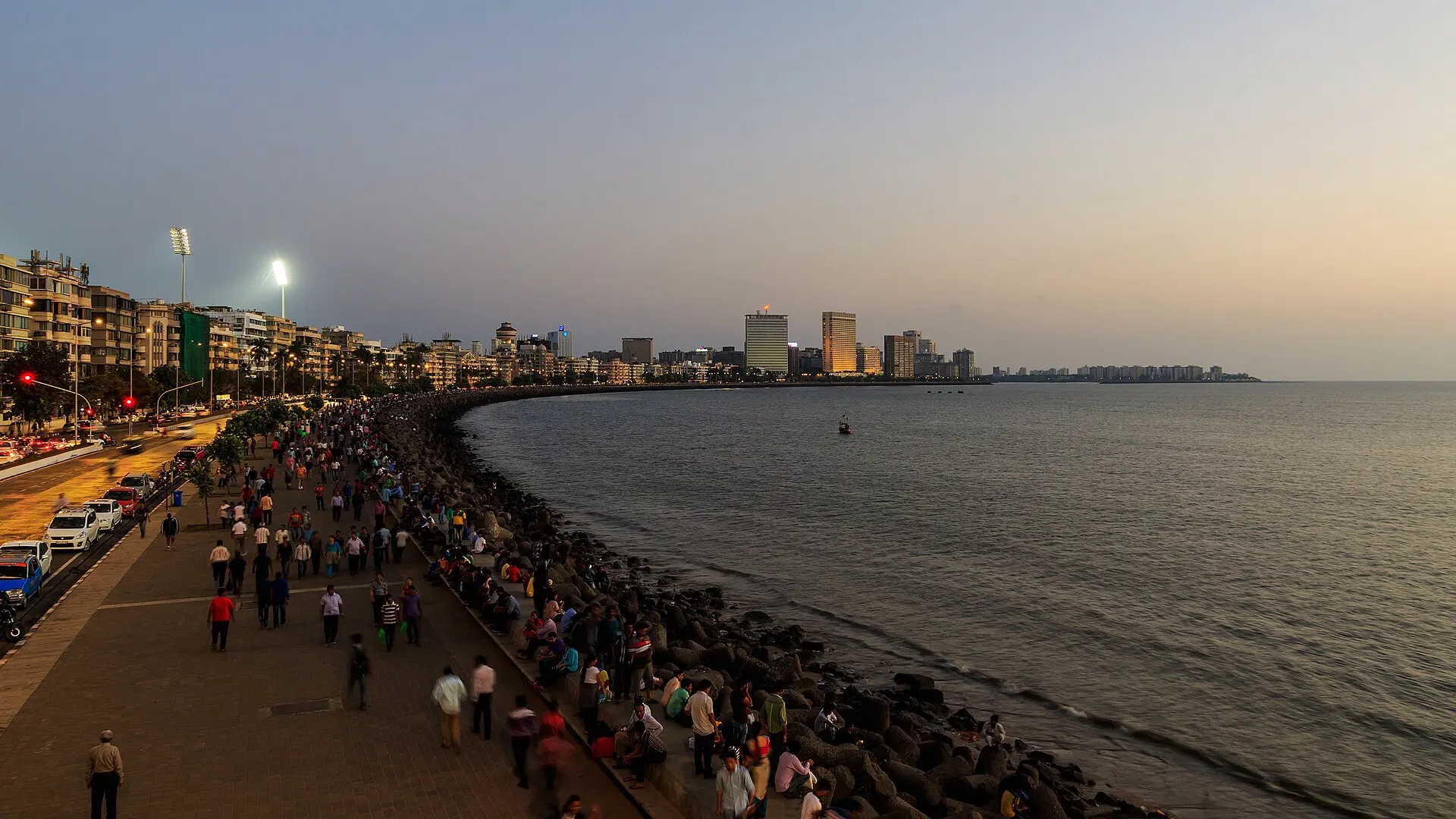
Marine Drive
The curving promenade along Back Bay is especially popular at sunset, when locals walk and sit along the sea wall. Allow an hour. At night the lights form the Queen’s Necklace. Combine it with nearby Chowpatty Beach for snacks.
Chhatrapati Shivaji Terminus
The Victorian Gothic railway station is a UNESCO World Heritage Site and still a working terminal. You can see the exterior and main concourse in around 30 minutes. Photography rules vary, so check signs before taking pictures, and avoid rush hour.
Elephanta Caves
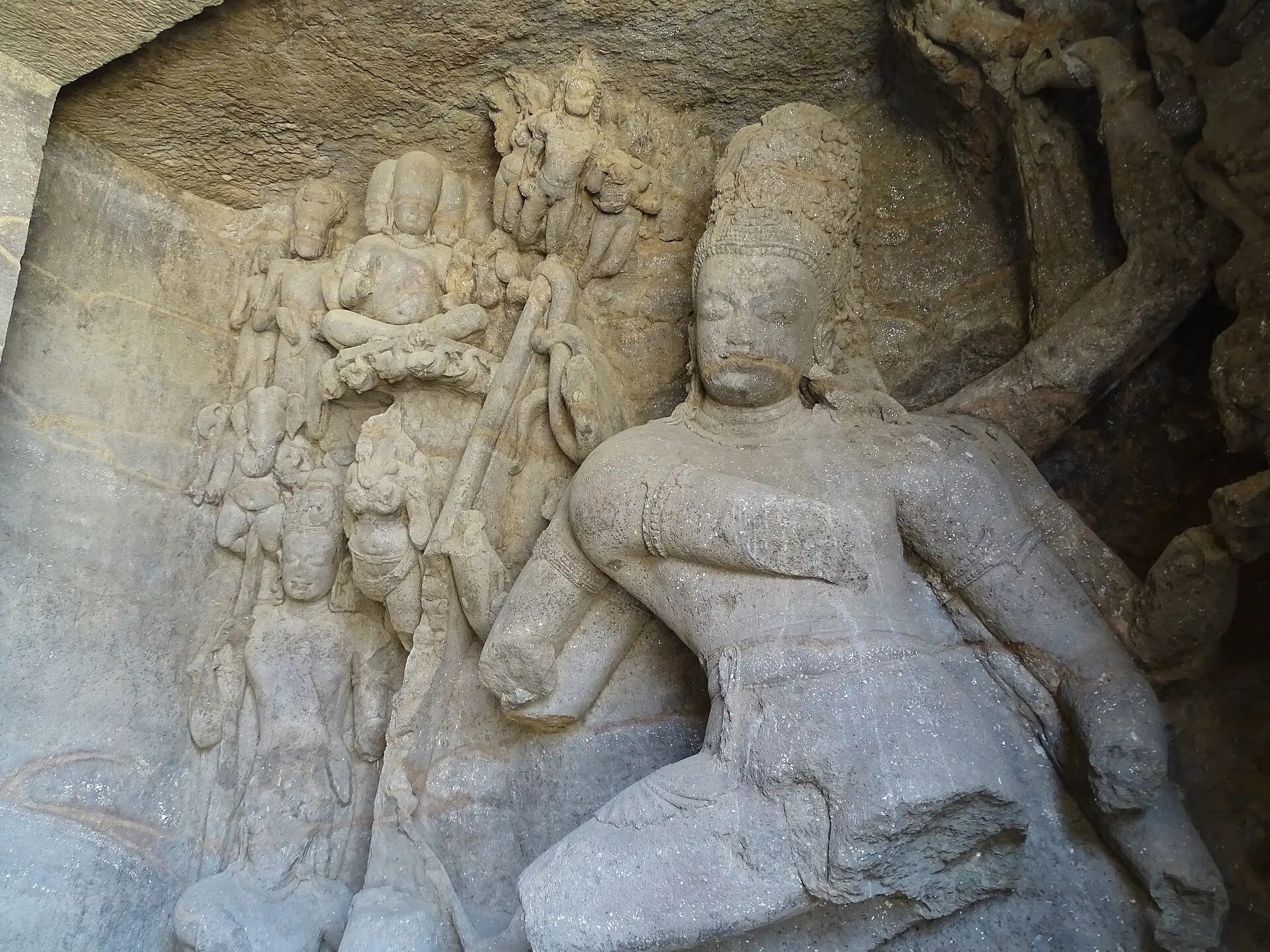
Boats from the Gateway of India reach Elephanta Island, where rock-cut cave temples hold large Shiva sculptures. Allow about half a day. Ferries are often suspended in the monsoon, and the site closes one day a week, so check before you plan.
Dhobi Ghat and street food
The open-air laundry at Mahalaxmi is a unique sight, best viewed from a bridge. Allow 30 minutes. Mumbai is known for vada pav, pav bhaji and bhel puri. Choose busy stalls with high turnover, and carry bottled water.
Museums and galleries
The Chhatrapati Shivaji Maharaj Vastu Sangrahalaya and the Kala Ghoda art district offer museums, galleries and cafes in a walkable area. Allow half a day. Many places close on one weekday, so confirm opening days.
Bandra and Juhu
Bandra has street art, cafes and nightlife, and Juhu has a long beach popular for snacks and evening walks. Allow an evening. These suburbs are some distance from Colaba, so check travel times in traffic.
Best time to visit Mumbai
Mumbai has a tropical climate with three main phases. The winter months from roughly November to February are the most comfortable, with warm, dry and sunny days, and cooler evenings. This is the best time for walking and sightseeing.
March to May is hot and humid, often heavy to walk in. The monsoon from about June to September brings heavy rain, flooding and disrupted transport, though the city is green and some travellers enjoy the quieter period. Cheaper hotel rates are possible then, but plan for delays and check forecasts closely.
| Season | Weather | Crowds and prices |
|---|---|---|
| Winter (Nov-Feb) | Warm, dry, sunny | Busiest; highest prices |
| Summer (Mar-May) | Hot, humid | Moderate |
| Monsoon (Jun-Sep) | Heavy rain, flooding | Quieter; lower prices |
| Post-monsoon (Oct) | Warm, humid | Moderate |
How to get to Mumbai and around
Chhatrapati Shivaji Maharaj International Airport (BOM) is the main gateway, with flights from across India and around the world. A second airport, Navi Mumbai International, has begun operating, so check which airport your flight uses. Taxis and app-based cabs reach the south of the city in around one to two hours depending on traffic. Long-distance trains arrive at major stations such as CST and Mumbai Central.
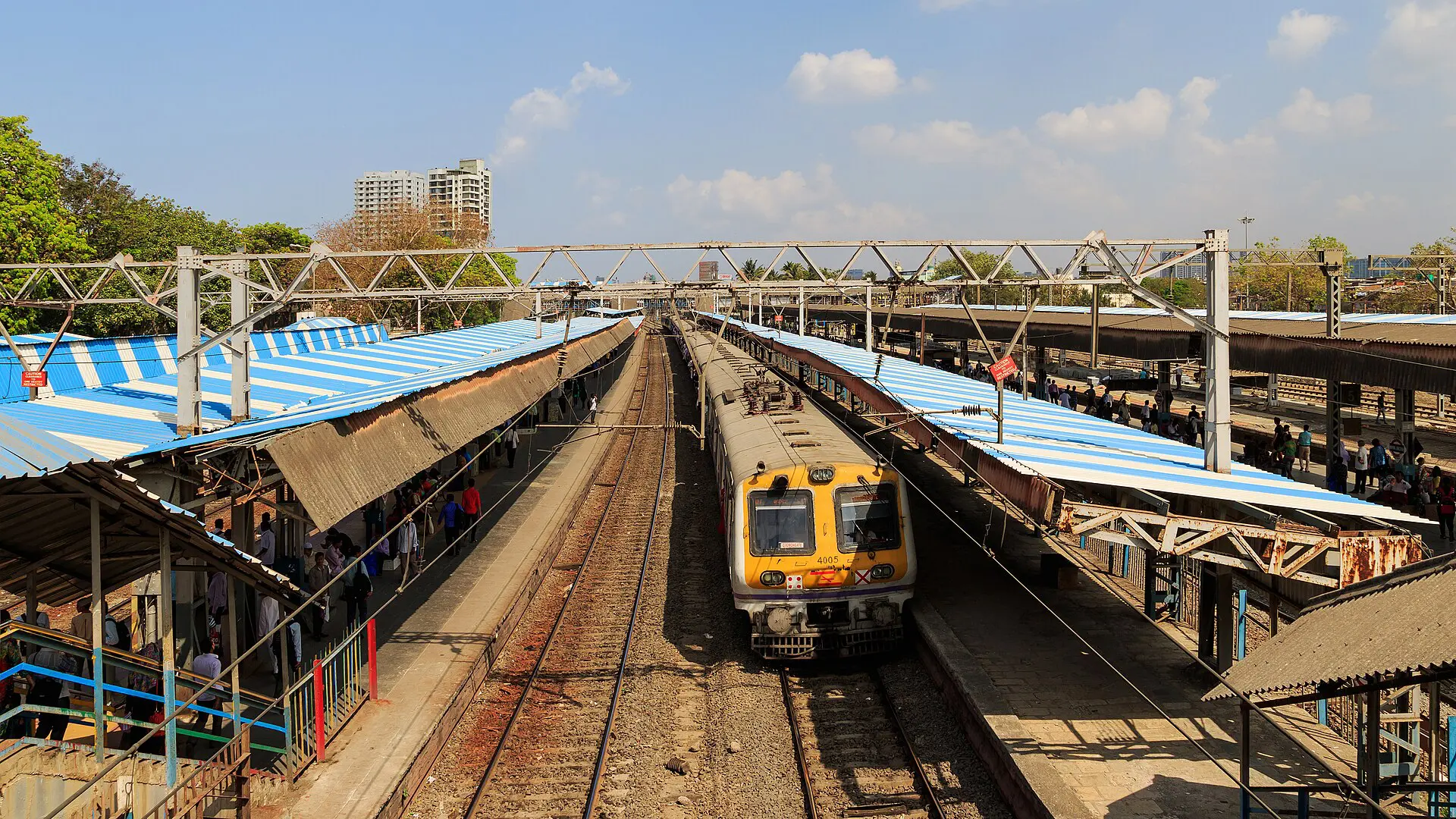
Within the city, the suburban rail network is the fastest way to move north to south, but it is very crowded at rush hour. A metro network is growing. Black-and-yellow taxis, app cabs and auto-rickshaws in the suburbs cover short trips. Traffic is heavy, so allow extra time, and avoid travelling across town at peak hours.
Where to stay in Mumbai
South Mumbai, around Colaba, Fort and Marine Drive, is the most convenient for sightseeing, with the Gateway of India, museums and colonial buildings within reach. It is the best choice for first-time visitors with a short stay, although hotels cost more per room.
Bandra suits travellers who prefer cafes, restaurants, street art and a trendy local feel. It is farther from the south’s sights, so factor in traffic. Juhu is closer to the beach and is often chosen for convenient airport access.
Areas near the airport, such as Andheri, are handy for late or early flights and have many mid-range hotels. Choose a location near a train or metro stop where possible, and check recent reviews for noise and cleanliness.
How many days do you need?
Two days cover the south Mumbai highlights, and three or four let you add Elephanta, a neighbourhood like Bandra and a slower pace. Mumbai is tiring, so avoid packing too much into one day.
- Day 1: Gateway of India, Colaba, Kala Ghoda museums and Marine Drive at sunset.
- Day 2: A morning boat trip to Elephanta Caves, then CST and street food in the afternoon.
- Day 3: Dhobi Ghat, Bandra or Juhu, and an evening of food and music.
With one day only, do the Gateway, Marine Drive and a street food snack at Chowpatty.
Day trips and nearby
Elephanta Island
A short ferry ride from the Gateway of India, this island has the best-known rock-cut temples near the city. It is a half-day trip, and you should check boat times and the weekly closing day.
Sanjay Gandhi National Park
A large forested park within the city’s northern suburbs, with walking trails and the Kanheri Caves. Allow half a day. It offers a break from the city’s noise, and entry hours should be checked.
Goa
The beach state is a short flight south, or a long train or road journey. It works as a continuing leg rather than a day trip, and most people stay at least three nights.
Lonavala and the hills
This hill area inland is a popular weekend escape for locals, particularly in the monsoon when the landscape is green. It is a few hours away by road or train, so it is best as an overnight trip.
FAQ
Q1How many days do you need in Mumbai?
Two to four days is enough. Two days covers the south, Marine Drive and Elephanta Island or the Gateway, and a third or fourth day adds suburbs such as Bandra and slower sightseeing. Traffic and heat make short days easier.
Q2When is the best time to visit Mumbai?
November to February is best, with warm, dry and sunny weather. March to May is hot and humid, and the monsoon from June to September brings heavy rain and disruption, though prices are lower and the city is green.
Q3Is Mumbai safe for tourists?
Many travellers visit without problems, but crowds bring pickpocketing and touts. Keep valuables secure, use licensed taxis or app cabs, and take care at night. Check current official travel advice and health recommendations before you go.
Q4How do I get around Mumbai?
App cabs, taxis and auto-rickshaws handle most trips, and the suburban trains and growing metro are fast but crowded at rush hour. Traffic is heavy, so allow extra time and group sights by area.
Prices, schedules and entry rules change. Check current details with official sources before you travel. Read the India travel guide.