Why visit Jaipur
If you are planning things to do in Jaipur, start with the fact that it is the capital of Rajasthan and one of the earliest planned cities of modern India. It was founded in 1727 by Sawai Jai Singh II, the Kachhwaha Rajput ruler of Amer, and laid out on a grid by the architect Vidyadhar Bhattacharya.
The old city is known as the Pink City because of the dominant colour of its buildings. Three sites in and around it are on the World Heritage list: Amer Fort, the Jantar Mantar observatory and the Walled City, which includes Hawa Mahal. Around them you get the City Palace, hilltop forts, temples and busy bazaars selling textiles, jewellery and crafts.
Jaipur is also a convenient base. It forms the Western Golden Triangle with Delhi and Agra, and it is the usual stepping stone to Rajasthan’s desert and lake cities such as Jodhpur, Jaisalmer and Udaipur. With about 3 million people it is large, loud and hot for much of the year, but the main sights sit close together and are easy to reach by auto-rickshaw or app taxi.
Top things to do in Jaipur
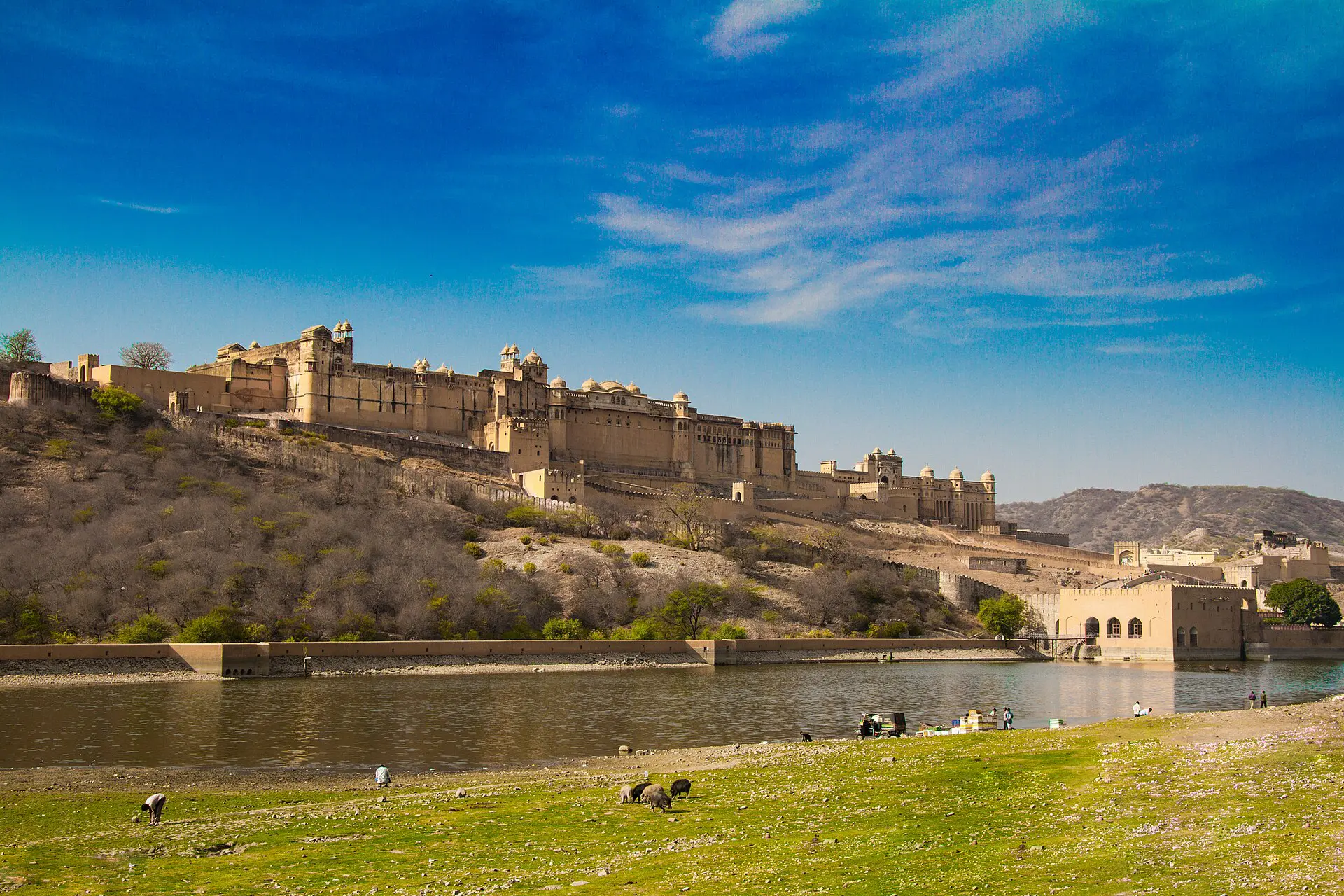
Amer Fort
The hilltop fort of the Kachhwaha rulers sits north of the city and is the most dramatic sight in the area. Allow three to four hours for the courtyards, mirrored halls and ramparts. Go as soon as it opens to beat the heat and the tour groups, and wear shoes you can climb in.
City Palace
The City Palace complex in the old city mixes Rajput and Mughal styles and still includes a royal residence. Museum sections hold textiles, weapons and costumes. Plan about two hours, and check which courtyards and galleries are open on the day you visit, since access can change.
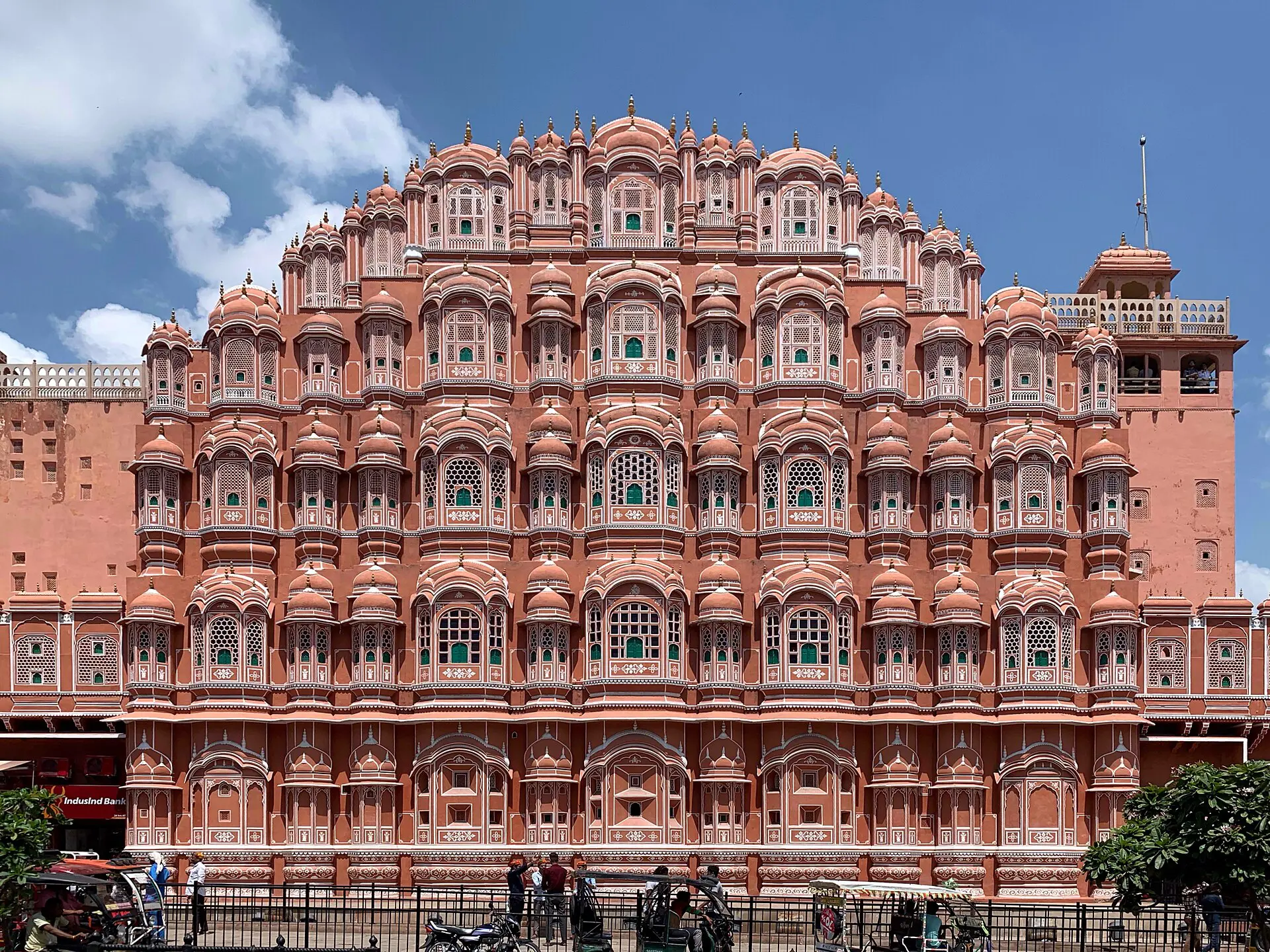
Hawa Mahal
The Palace of Winds is a pink sandstone facade with hundreds of small windows, built so royal women could watch street life unseen. The best photographs are taken from across the road in early morning light. Inside takes only 30 to 45 minutes, so pair it with the City Palace.
Jantar Mantar
This eighteenth-century observatory has large stone instruments for measuring time and tracking the stars, including a giant sundial. It is more rewarding with a guide or audio guide, because the instruments are hard to interpret alone. Allow an hour, and bring a hat for the open site.
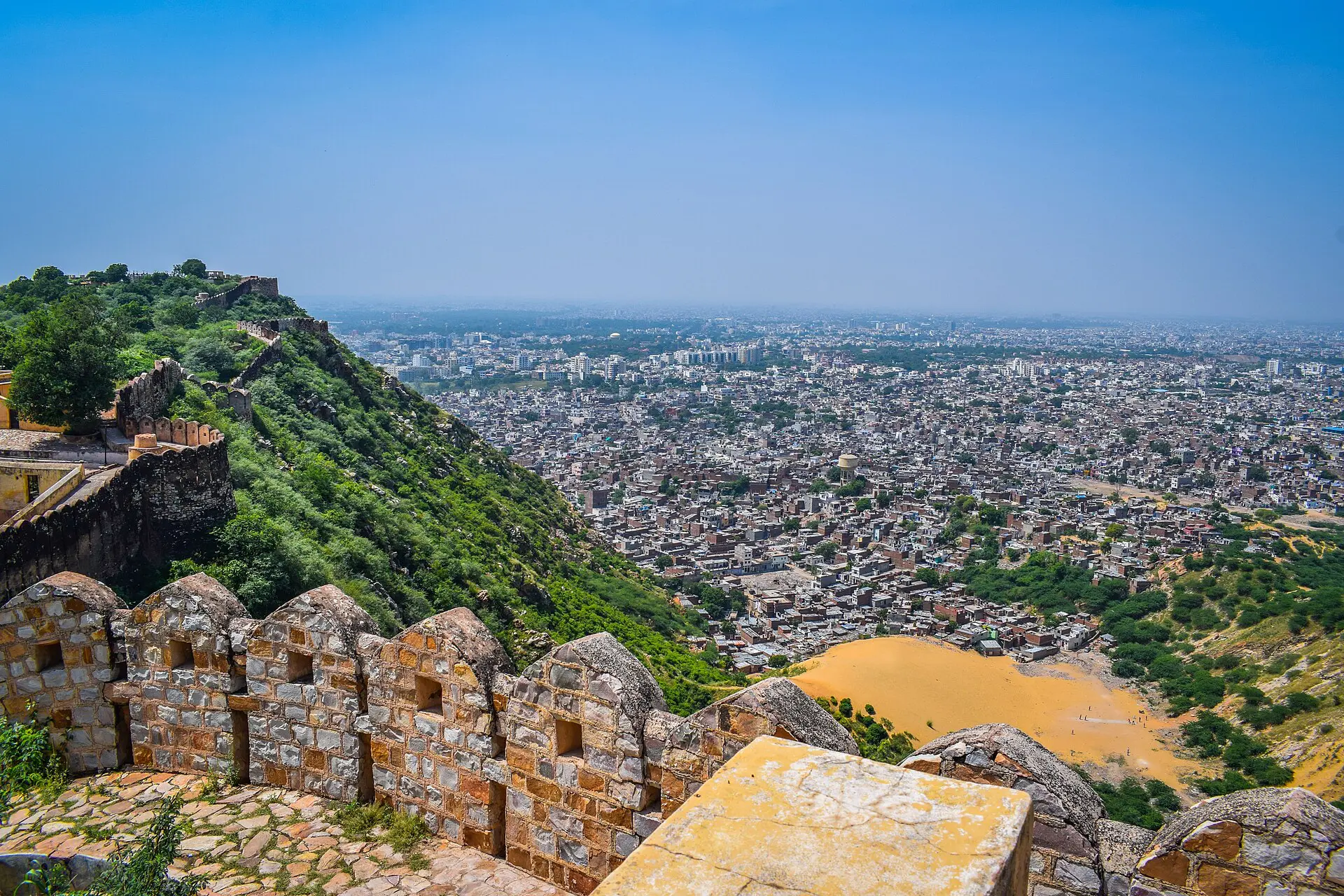
Nahargarh and Jaigarh forts
These forts on the ridge above the city give wide views over the Pink City and, at Jaigarh, a look at defensive architecture. Allow half a day for both. Nahargarh is a popular sunset spot, so arrive early if you want a place on the walls and plan your ride back down in advance.
The bazaars of the old city
The walled city’s markets sell block-printed cotton, jewellery, leather shoes and spices. Plan two to three hours of wandering in the late afternoon. Prices are often negotiable, so compare a few stalls before buying and keep small notes handy.
Birla Temple and Govind Dev ji Temple
Both temples are among the main attractions and offer a calmer counterpoint to the palaces. Govind Dev ji is part of the City Palace area and draws devotees for evening prayers. Dress modestly, expect to remove shoes, and allow around an hour each.
Best time to visit Jaipur
The cooler dry months from October to March suit sightseeing best. Days are pleasant and nights can be cool, which makes climbing forts and walking the old city far easier. These are also the busiest and most expensive months, particularly around Diwali and the winter holidays.
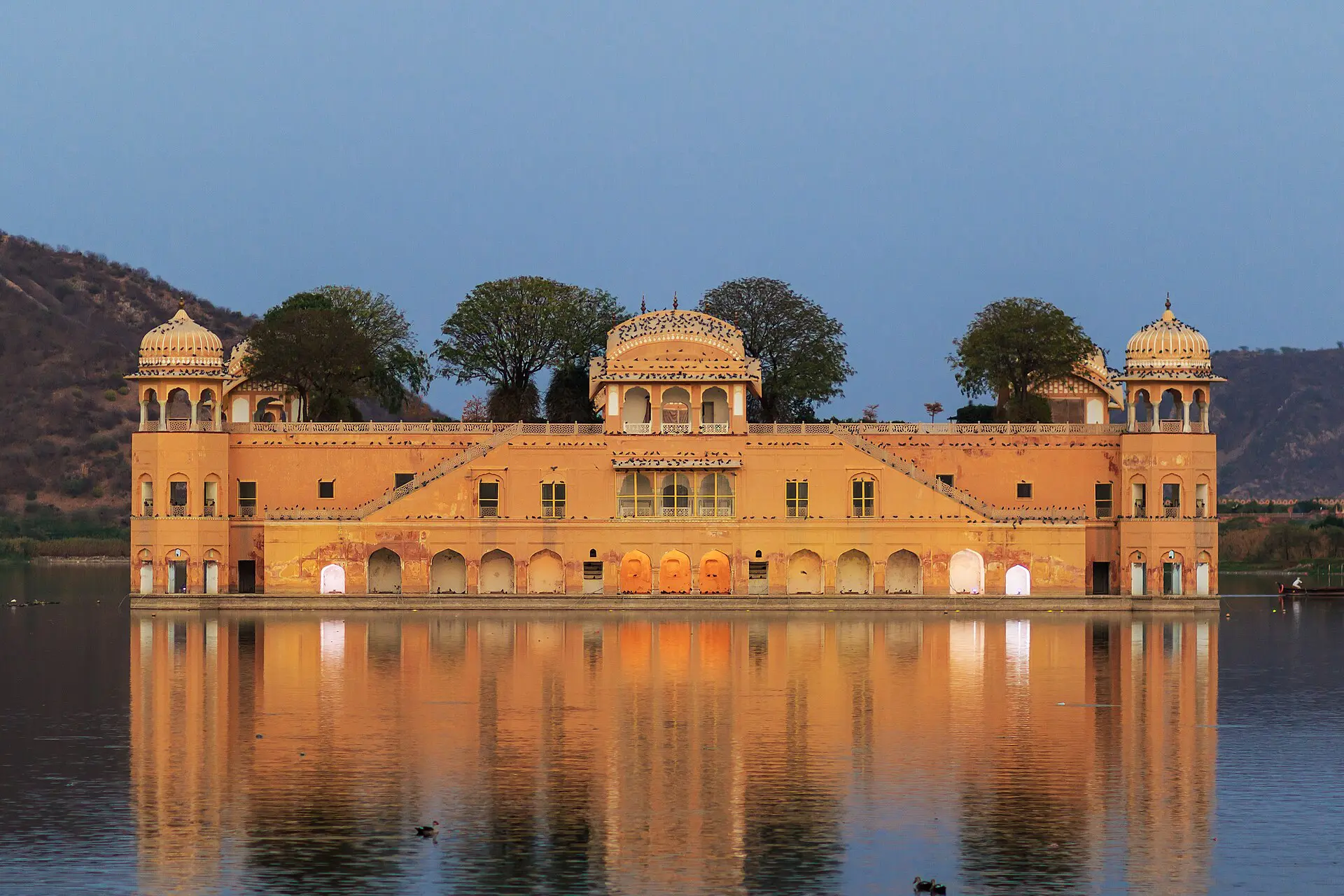
April to June is very hot, and midday sightseeing becomes hard work. If you travel then, start at dawn and rest indoors in the afternoon. The monsoon usually arrives around July and brings humidity and heavy showers, though it also turns the hills green and cuts crowds and room rates.
| Season | Weather | Crowds and prices |
|---|---|---|
| October to March | Mild to cool, mostly dry | Busiest, highest prices |
| April to June | Very hot and dry | Quiet, lower prices |
| July to September | Hot, humid, monsoon rain | Fewer visitors, good deals |
Check festival dates before booking, as they affect both atmosphere and prices.
How to get to Jaipur and around
Jaipur International Airport receives domestic flights from major Indian cities and some international routes, so check current schedules for your departure point. Most visitors arrive from Delhi, about 268 km (167 miles) away by road. Fast trains, buses and private cars all make the trip, and journey times vary with traffic, so allow roughly 4 to 6 hours.
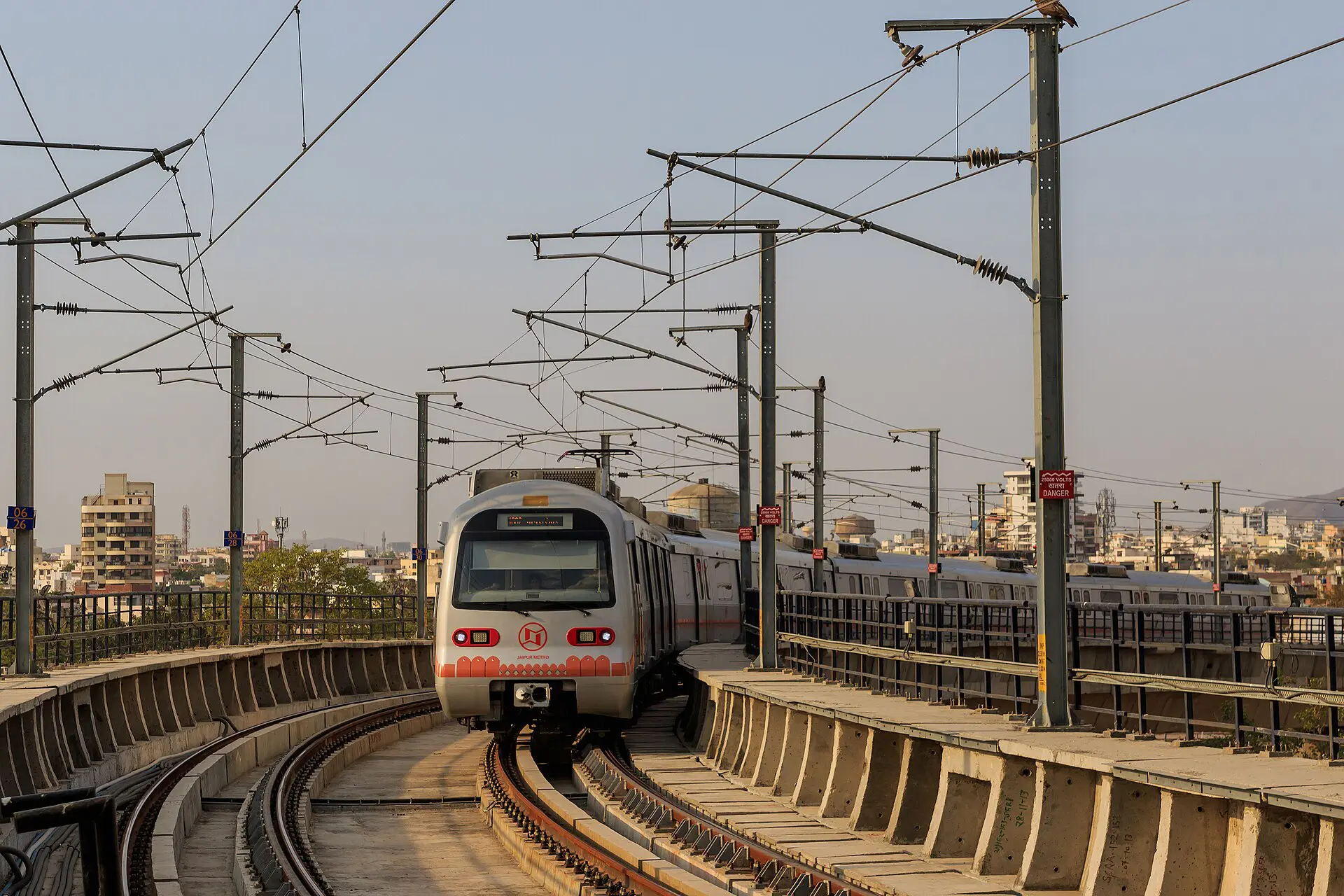
The city is also linked by train and road to Agra, Udaipur, Jodhpur and other Rajasthan destinations, which makes it easy to continue overland.
Within Jaipur, auto-rickshaws and app-based taxis are the most practical options. Agree on a fare or insist on the meter before you set off. Many visitors hire a car with a driver for a day to reach Amer Fort and the ridge-top forts in one run. The old city itself is best explored on foot, but pavements are crowded and traffic is heavy, so take care when crossing.
Where to stay in Jaipur
The old city and the streets around the City Palace put you within walking distance of Hawa Mahal, Jantar Mantar and the bazaars. This is the best choice for first-time visitors who want atmosphere, although it is noisy and traffic-heavy.
The central districts south and west of the old city, including the areas around the railway station and main avenues, suit travellers who want a wider choice of hotels and restaurants, easier taxi access and a quieter night.
Heritage hotels in converted palaces and havelis offer a more historic experience at higher prices, and some are located out towards Amer or the outskirts. Budget guesthouses and hostels are common across the centre and suit backpackers and short stays. Book ahead for the October to March peak, and ask about transfers if you arrive late or on an early train.
How many days do you need?
Two full days is the sweet spot for most travellers, giving you the main sights without rushing. Three days adds bazaars, a cooking class, a ridge-top fort at sunset or a day trip. One day only works if you accept a fast pass through the highlights and arrive early.
- Day 1: Amer Fort first thing, then Hawa Mahal from across the road, the City Palace and Jantar Mantar. Finish in the bazaars.
- Day 2: Nahargarh and Jaigarh forts, a temple visit, then a long lunch and a late-afternoon wander through the old city markets.
- Day 3: Take a day trip to a nearby town or spend a slower day on crafts, food and photography.
If you are on the Golden Triangle circuit, many itineraries allocate two nights here between Delhi and Agra.
Day trips and nearby
Agra
Agra, home of the Taj Mahal, is the other point of the Golden Triangle and is reachable from Jaipur by road or rail. It is a long day trip, so many travellers stay overnight on the way to or from Delhi.
Delhi
The national capital lies about 268 km (167 miles) from Jaipur. Most travellers pass through on arrival or departure rather than as a day trip, but it is the usual first or last stop on a Rajasthan route.
Udaipur
The lake city of Udaipur is further south-west and is more realistic as an onward stop than a day trip. Plan to include it if you have a week or more in Rajasthan, and check current train and flight options.
Jodhpur and Jaisalmer
Jaipur is described as the stepping stone to these desert cities. They are far enough that you should treat them as onward destinations, with overnight stays, rather than as quick excursions.
FAQ
Q1What is the best time to visit Jaipur?
October to March is the best period, with mild, dry weather that makes fort climbs and old city walks comfortable. It is also the busiest and priciest season, so book hotels early. April to June is very hot, and the monsoon arrives around July.
Q2How many days do you need in Jaipur?
Two full days covers Amer Fort, the City Palace, Hawa Mahal, Jantar Mantar and a bazaar walk. A third day suits slower sightseeing, the ridge-top forts or a day trip. One day is possible but rushed, so start early and keep to the highlights.
Q3How do you get to Jaipur from Delhi?
Jaipur is about 268 km (167 miles) from Delhi. You can travel by train, bus or private car, and the trip usually takes roughly 4 to 6 hours depending on transport and traffic. Jaipur also has an airport with domestic flights, so check schedules and fares.
Q4Is Jaipur worth visiting?
Yes. It has three World Heritage listings, Amer Fort, Jantar Mantar and the Walled City (which includes Hawa Mahal), plus palaces, temples and lively bazaars in a compact area. It also sits on the Golden Triangle with Delhi and Agra, so it fits easily into a wider India trip.
Prices, schedules and entry rules change. Check current details with official sources before you travel. Read the India travel guide.