Why visit Goa
If you are looking for things to do in Goa, start with its unusual position. The state sits on India’s west coast and is a former Portuguese colony, so its churches, villas and food reflect a blend of Indian and Portuguese influence that you will not find elsewhere in the country.
Goa covers about 3,700 km2 and has roughly 1.4 million residents, making it small by Indian standards. Older estimates put visitors at around 2.5 million a year, including several hundred thousand foreign tourists, and recent totals are higher. It has long carried the nickname of the Party State. That reputation comes from beach shacks, nightlife and seasonal festivals, but there is more to it.
Inland you will find waterfalls such as Dudhsagar, spice plantations, Hindu temples and quiet villages in the Western Ghats foothills. You can choose lively beaches in the north, calmer stretches in the south, or split your stay. Distances are short, but roads can be slow, so base yourself carefully.
Top things to do in Goa
Beach hopping
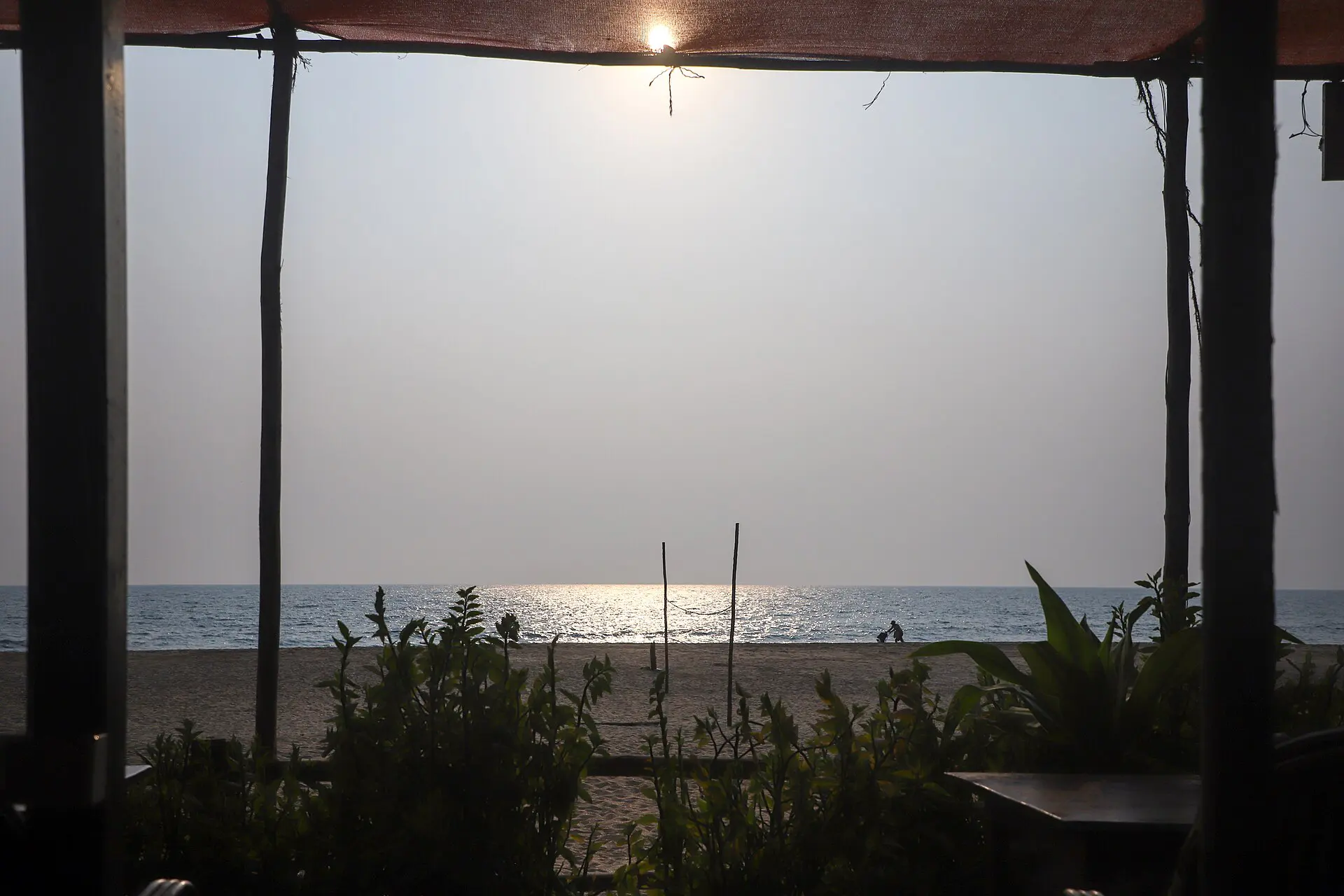
Goa’s coastline runs for dozens of kilometres, with a wide range of sand, from busy northern beaches with shacks and water sports to quieter southern coves. Pick one beach per half day and move south or north as your mood changes. Swim only where lifeguards are on duty and heed local flag warnings.
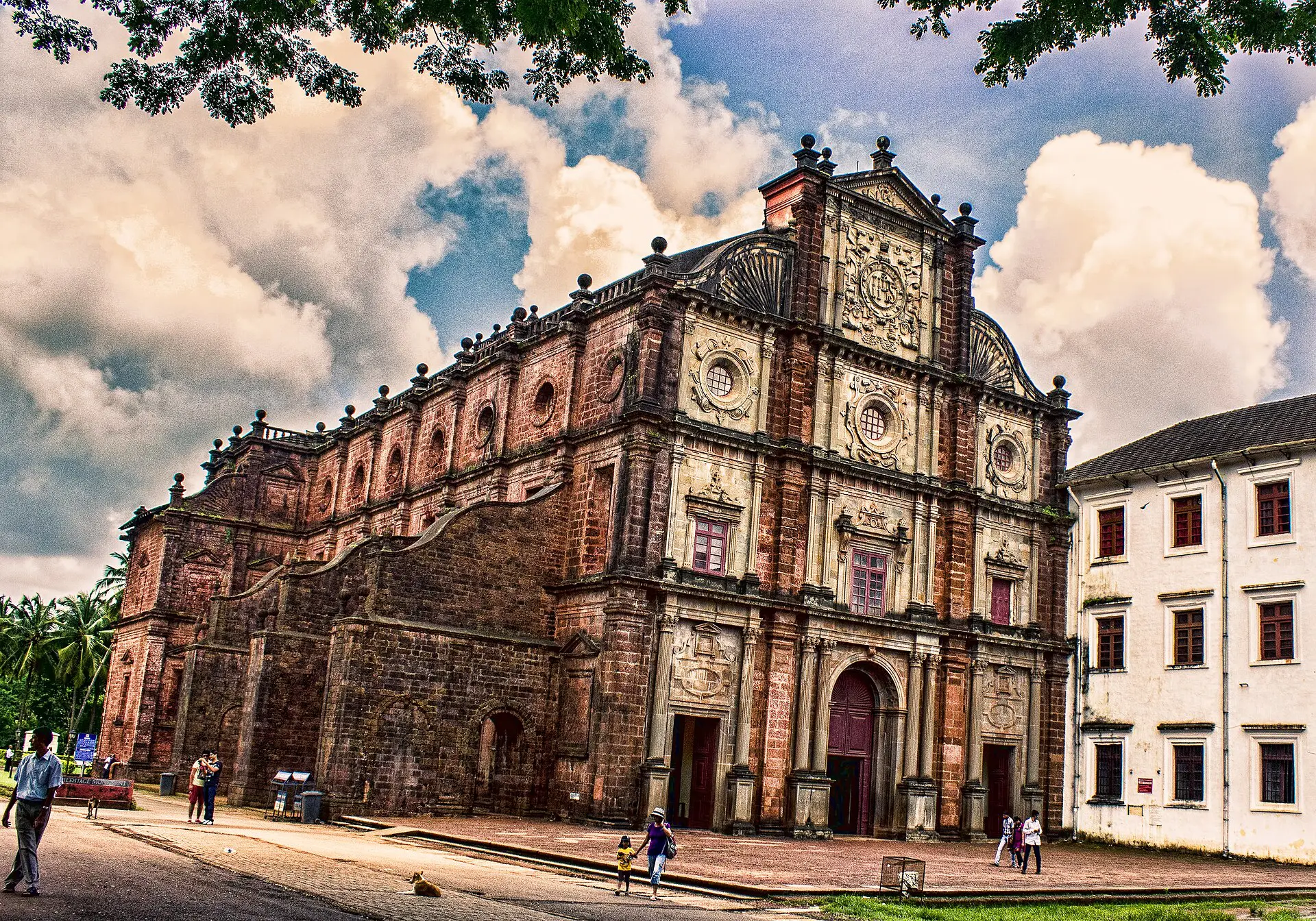
Old Goa churches
The former Portuguese capital holds large churches and convents, including the Basilica of Bom Jesus, a World Heritage site. Allow half a day to see several of them on foot. Dress modestly, as these are active places of worship, and visit in the morning when it is cooler.
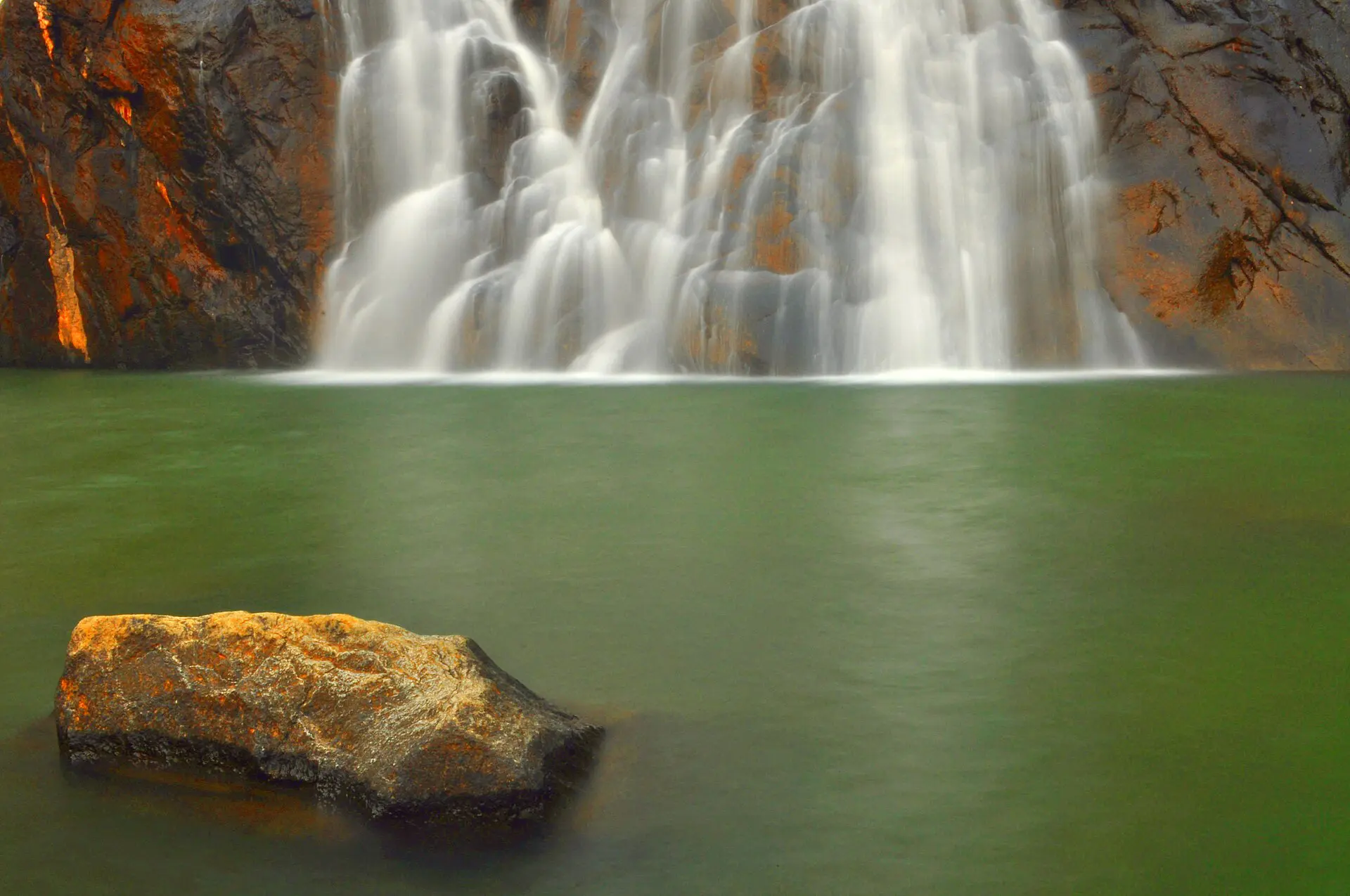
Dudhsagar Falls
This is one of the best-known waterfalls in Goa, in the Western Ghats on the border with Karnataka. Access is usually by jeep trips from nearby villages, and conditions change with the season and rainfall. Check current access rules before going, and plan a full day.
Panaji and the Fontainhas quarter
The state capital has a small old quarter of colourful Portuguese-style houses, narrow lanes and cafes. Allow two to three hours for a walking tour. Late afternoon light is good for photography, and many cafes serve Goan dishes you can try before dinner.
Spice plantations
Inland farms offer guided walks among pepper, cardamom, vanilla and tropical fruit, often with a lunch of local dishes. Visits typically run two to four hours and can be booked through your hotel. Compare options and confirm what is included, since prices vary widely.
Forts and viewpoints
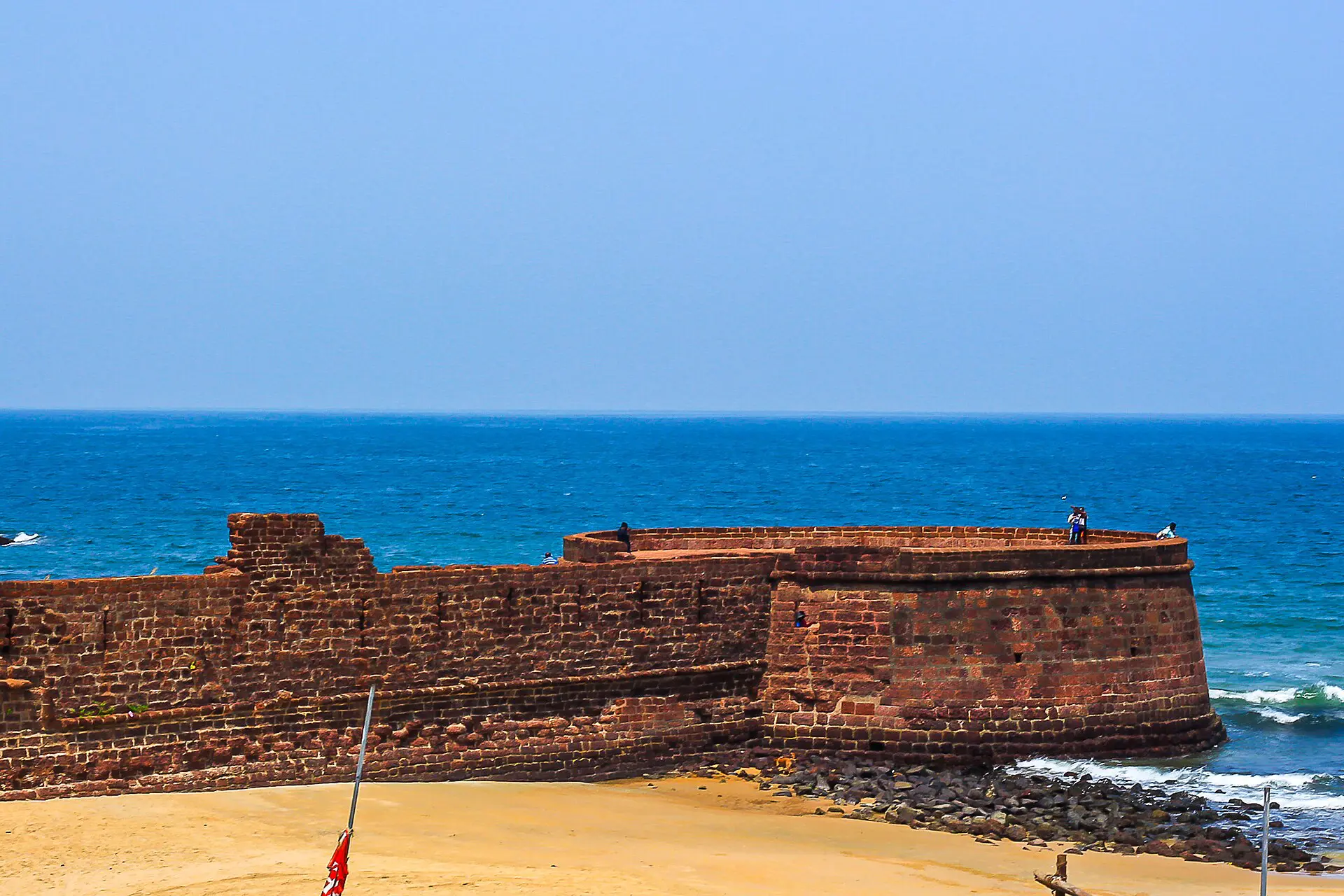
Several old Portuguese forts survive along the coast, often on headlands with sea views. Allow one to two hours each. They are good sunset spots, and the walls can be uneven, so wear closed shoes and take water.
Goan food and markets
Seafood, coconut-based curries and Portuguese-influenced dishes define local cooking. Visit a morning market for spices and produce, and eat at small family places as well as beach shacks. Ask about fish prices before ordering to avoid surprises.
Best time to visit Goa
Goa has a distinct dry season, and most visitors travel between November and March, when the weather is warm, rain is rare and beaches are fully operating. December and the New Year period are the peak, with the highest prices and the biggest crowds. Book rooms well ahead if you travel then.
April and May are hot and humid, with lower prices and fewer people. The monsoon usually runs from June to September. Heavy rain closes many beach shacks, the sea is rough, and swimming is often restricted, though the landscape turns lush and rooms are cheap. October is a transitional month that can bring leftover showers.
| Season | Weather | Crowds and prices |
|---|---|---|
| November to March | Warm, dry, sunny | Busiest, highest prices |
| April to May | Hot, humid | Quieter, lower prices |
| June to September | Monsoon rain, rough sea | Very quiet, cheapest |
How to get to Goa and around
Goa has an international airport at Dabolim and a newer one in the north, both of which handle domestic flights, with some international and charter routes. Check which airport your airline uses, because they are far apart and transfers can take one to two hours.
Trains and long-distance buses link Goa with Mumbai, Bengaluru and other cities along the coast, usually taking many hours, so most travellers choose overnight services or fly.
Getting around is easiest by hired scooter, taxi or app-based ride where available. Scooter hire is popular but roads can be busy and uneven, so wear a helmet and check that you hold a valid licence for riding in India. Local buses cover main routes cheaply, though they are slow. Agree taxi prices in advance, and allow plenty of time between the north and the south.
Where to stay in Goa
North Goa is the livelier part of the coast, with busy beaches, shacks, markets and nightlife. It suits first-time visitors, groups and anyone who wants plenty of food and entertainment within easy reach, although it can be crowded in peak weeks.
South Goa is quieter, with wider beaches and a slower pace. It suits couples, families and travellers who want to relax and swim without the noise, but you will need transport for sightseeing and evenings out.
The capital area around Panaji and Old Goa works as a base for culture, food and heritage walks, with a wider choice of mid-range hotels. Beach resorts, guesthouses, homestays and hostels all exist, and prices rise sharply in December. Book early for peak weeks, and ask about transfer options from the airport before you arrive.
How many days do you need?
Four to five days is enough for a first visit, with a week giving you time to split the coast and add inland trips. A long weekend means choosing one area and skipping the rest.
- Day 1: Arrive, settle in and spend the afternoon on your nearest beach.
- Day 2: Old Goa churches in the morning, then Panaji and Fontainhas in the afternoon.
- Day 3: Spice plantation or Dudhsagar Falls trip, depending on season and access.
Use any extra days to move to a quieter beach, visit a fort at sunset or simply rest. If you are travelling in the monsoon, expect to shorten beach time and add indoor and heritage stops.
Day trips and nearby
Dudhsagar Falls
The tiered waterfall in the Western Ghats is the best-known excursion from Goa, usually reached by jeep. Water volume changes with season, and access rules can shift, so check before booking. Allow a full day.
Mumbai
India’s largest city lies to the north and is the usual alternative arrival point. It is better treated as a separate trip than a day excursion, with a long train or flight connection.
Bengaluru
The tech hub in the south-east is another major gateway to Goa by air, rail or road. It makes sense as a start or end of a longer south India itinerary rather than a short side trip.
Kochi
Further down the coast, Kochi in Kerala offers backwaters, old trading quarters and seafood. Combine it with Goa on a west-coast route if you have at least a week to spare and are happy with long transfers.
FAQ
Q1What is the best time to visit Goa?
November to March is the best period, with warm, dry and sunny weather and all beach facilities open. December and New Year are the busiest and most expensive weeks. The monsoon from June to September brings heavy rain and rough seas.
Q2How many days do you need in Goa?
Four to five days works for a first visit, covering a beach, Old Goa and a waterfall or spice farm. A week lets you explore both north and south Goa at a relaxed pace. A weekend only suits a single beach area.
Q3How do you get to Goa?
Most visitors fly into one of Goa's two airports, with domestic connections from Mumbai, Bengaluru and Delhi. Trains and buses also run from Mumbai and Bengaluru but take many hours. Check which airport your flight uses, because transfers to the coast can be long.
Q4Is Goa worth visiting?
Yes, if you want beaches, Portuguese-era churches, seafood and a relaxed pace in one small state. It suits both lively and quiet holidays, depending on the area you pick. It is less appealing during the monsoon, when many beach services close.
Prices, schedules and entry rules change. Check current details with official sources before you travel. Read the India travel guide.