Why visit South Africa
This South Africa travel guide starts with the scale and range: the country covers about 1.2 million square kilometres, with 2,798 kilometres of coastline, nine provinces and eleven official languages (see the Wikipedia overview for background). One trip can include a big-game safari, a coastal drive, vineyards, mountain hiking and cities with strong food and art scenes.
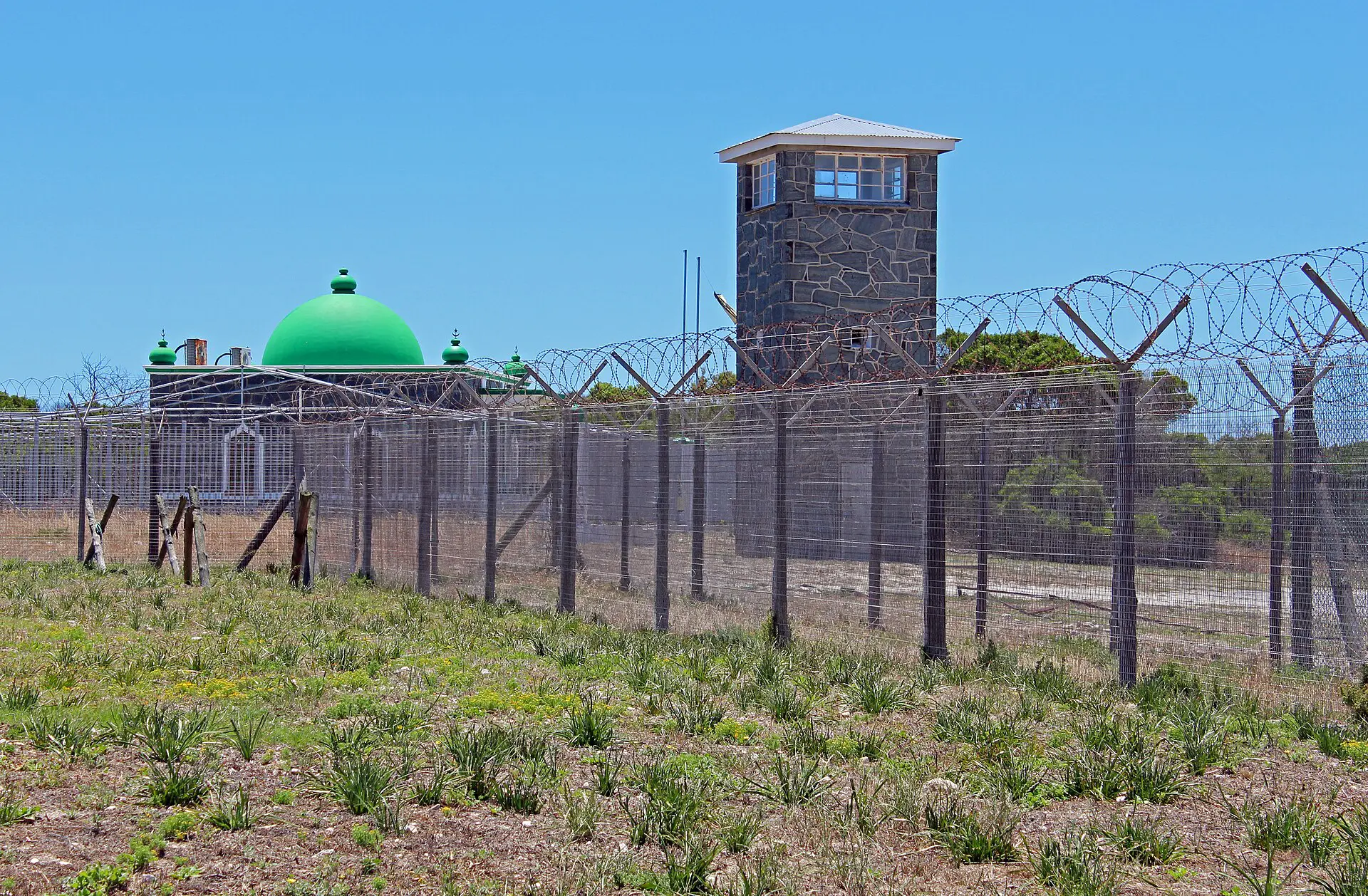
South Africa suits travellers who want wildlife and landscapes with good infrastructure, and who are comfortable planning around safety. It works for self-drive trips, guided safaris, honeymooners and families. It is also a country with a deep and complicated history, from the Cape’s colonial past to the apartheid era and the transition to democracy, and sites such as Robben Island and the Apartheid Museum are worth the time. Be ready for long distances, weak public transport between cities and the need to take security seriously.
Best places to visit in South Africa
The best places to visit in South Africa include a mix of cities, reserves and scenic coast, and most trips link two or three of them.
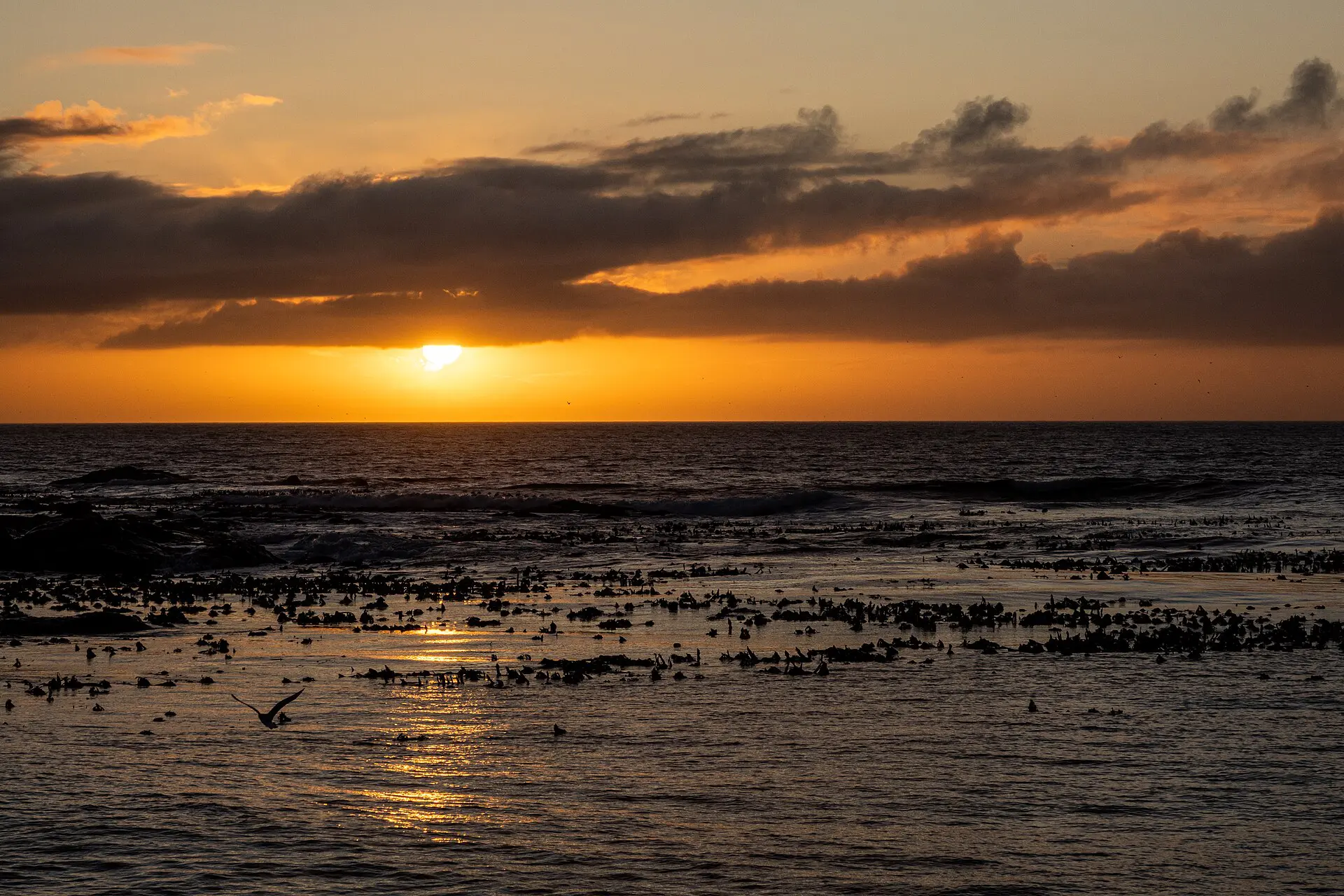
Cape Town
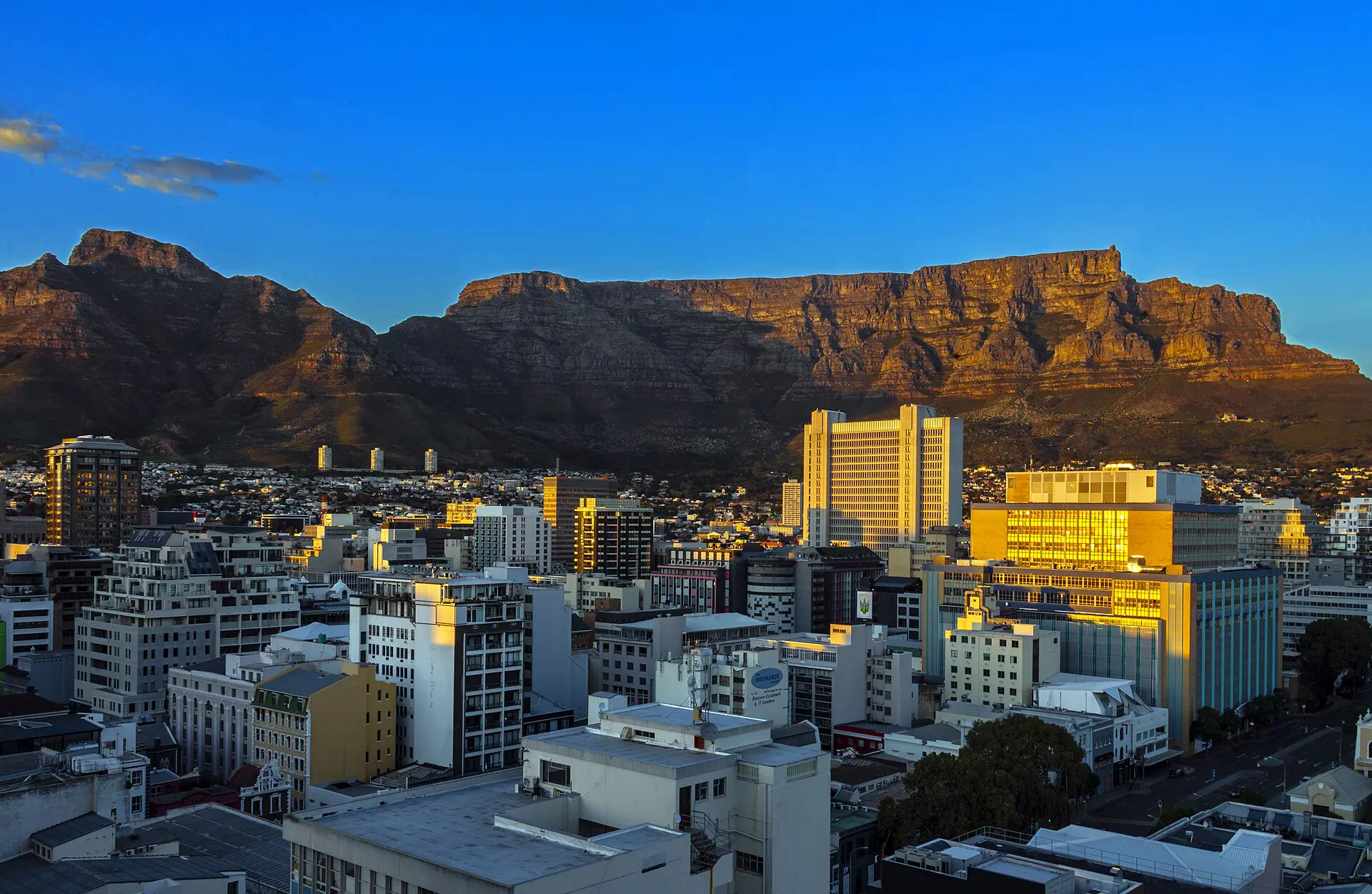
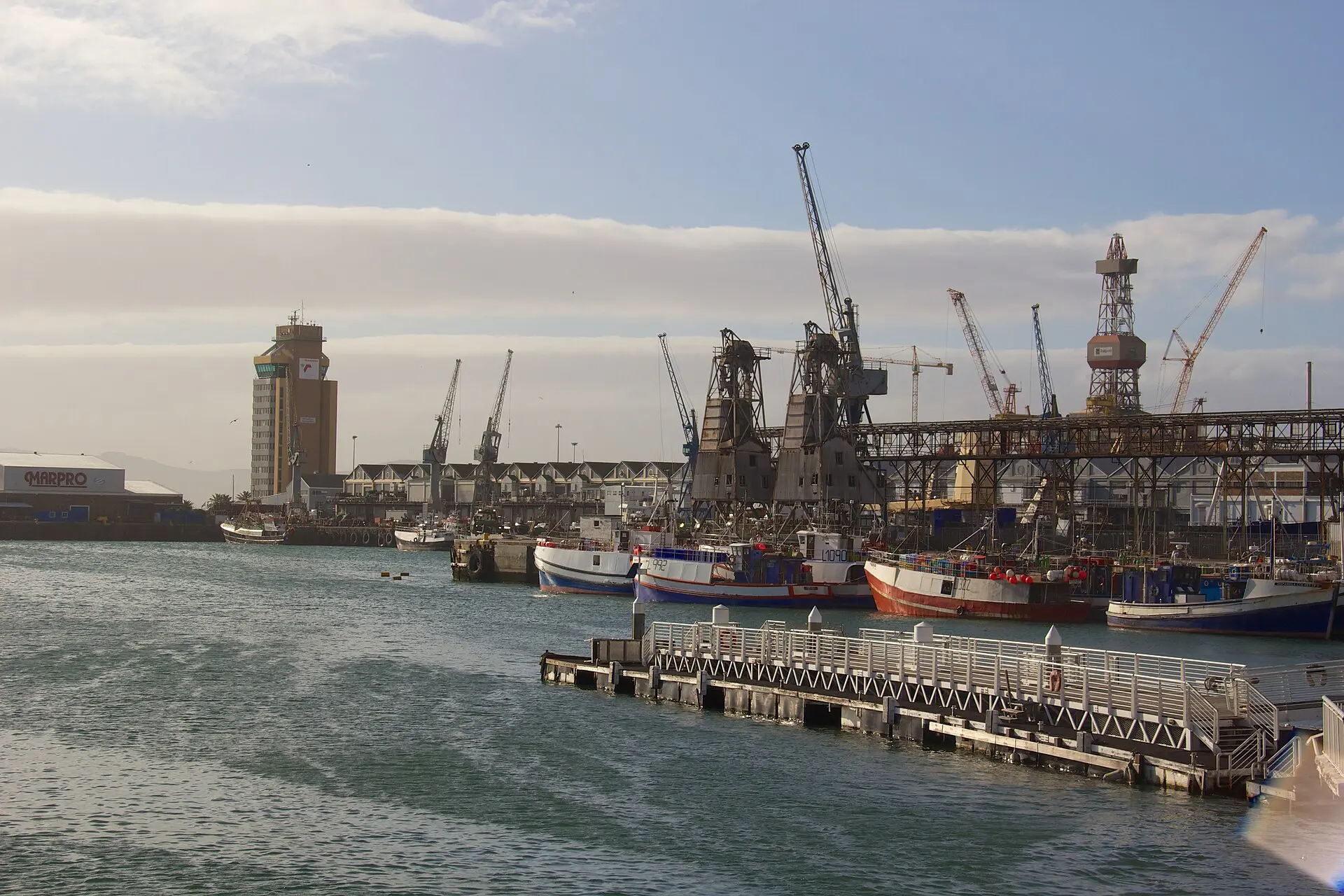
Cape Town sits between Table Mountain and the Atlantic, with beaches, the V&A Waterfront, Robben Island and the Cape Peninsula. Boulders Beach has a penguin colony, and Cape Point is the dramatic southern end of the peninsula. Allow at least four nights.
Cape Winelands
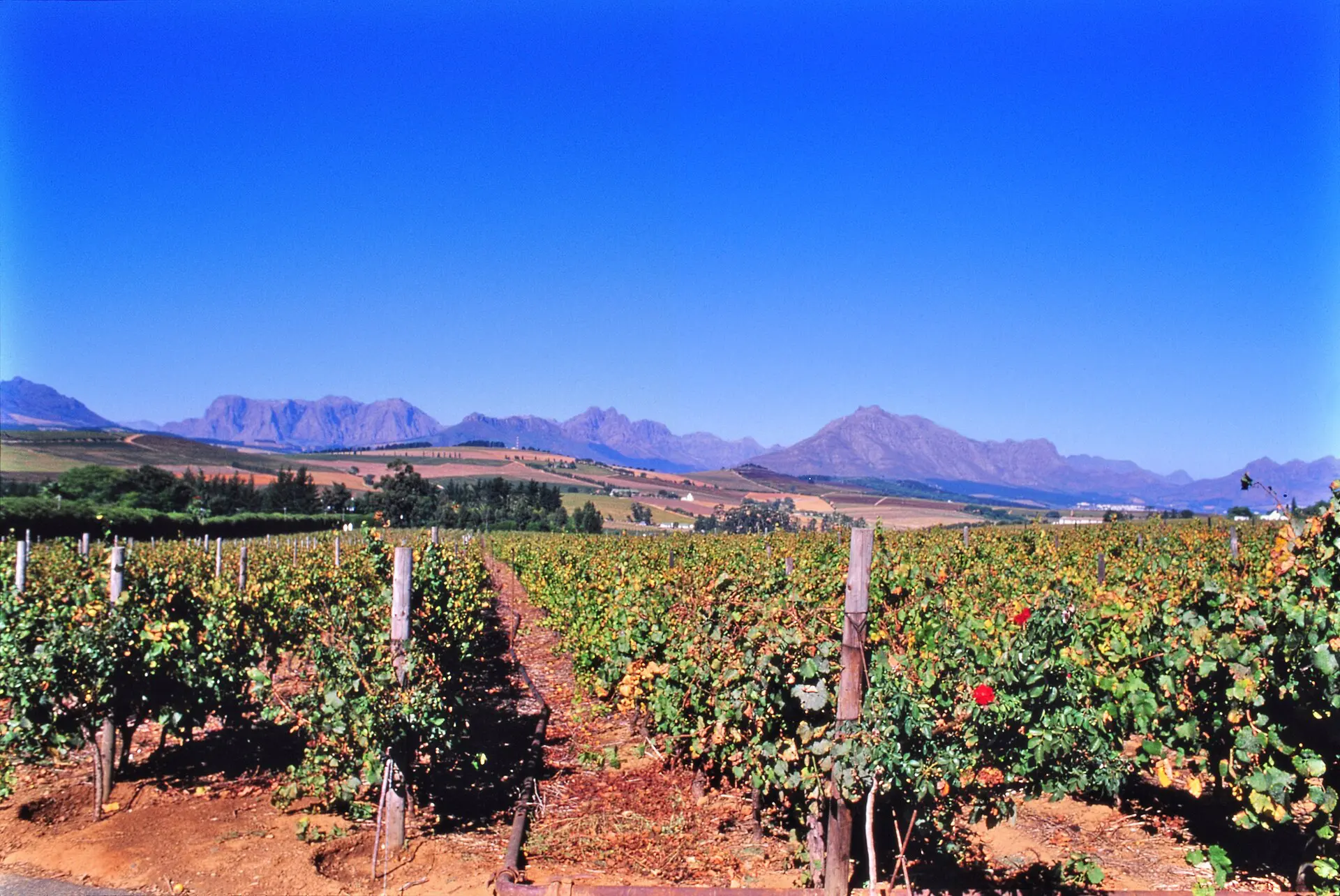
Stellenbosch, Franschhoek and Paarl are about an hour from Cape Town, with Cape Dutch estates, tastings and restaurants set among mountains.
Garden Route
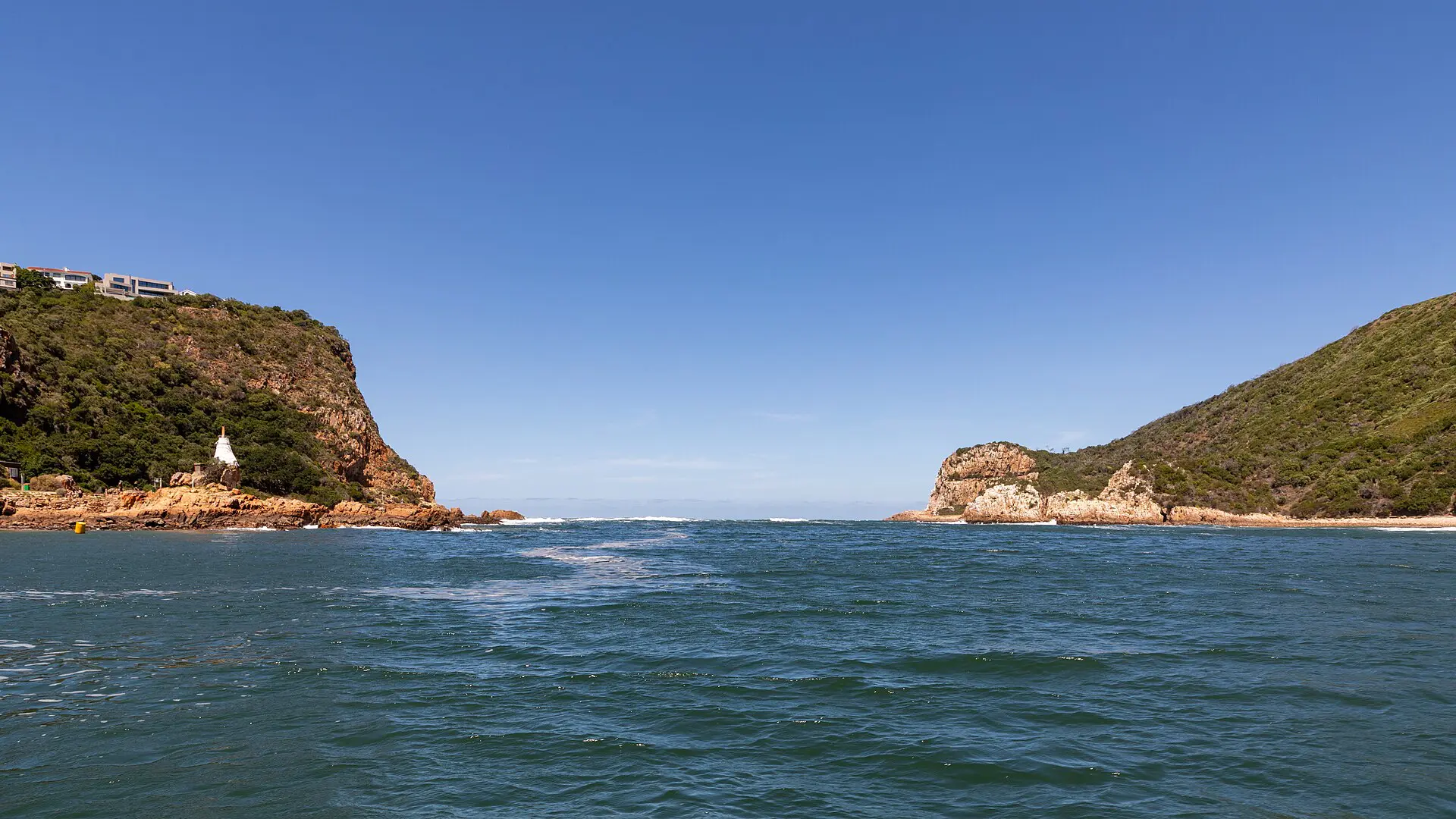
The coastal route between Mossel Bay and the Tsitsikamma area has lagoons, forests, beaches and towns such as Knysna and Plettenberg Bay. Whale watching peaks from roughly June to November.
Kruger National Park
The country’s best-known safari destination, with the Big Five and many other animals across a huge area in the north-east. Visitors choose between self-drive in public camps and private reserves on the western border.
Johannesburg and Pretoria
Johannesburg is the economic centre and gateway for most flights, with the Apartheid Museum and Soweto. Pretoria is the administrative capital, with Union Buildings and jacaranda trees in October.
Durban and the Drakensberg
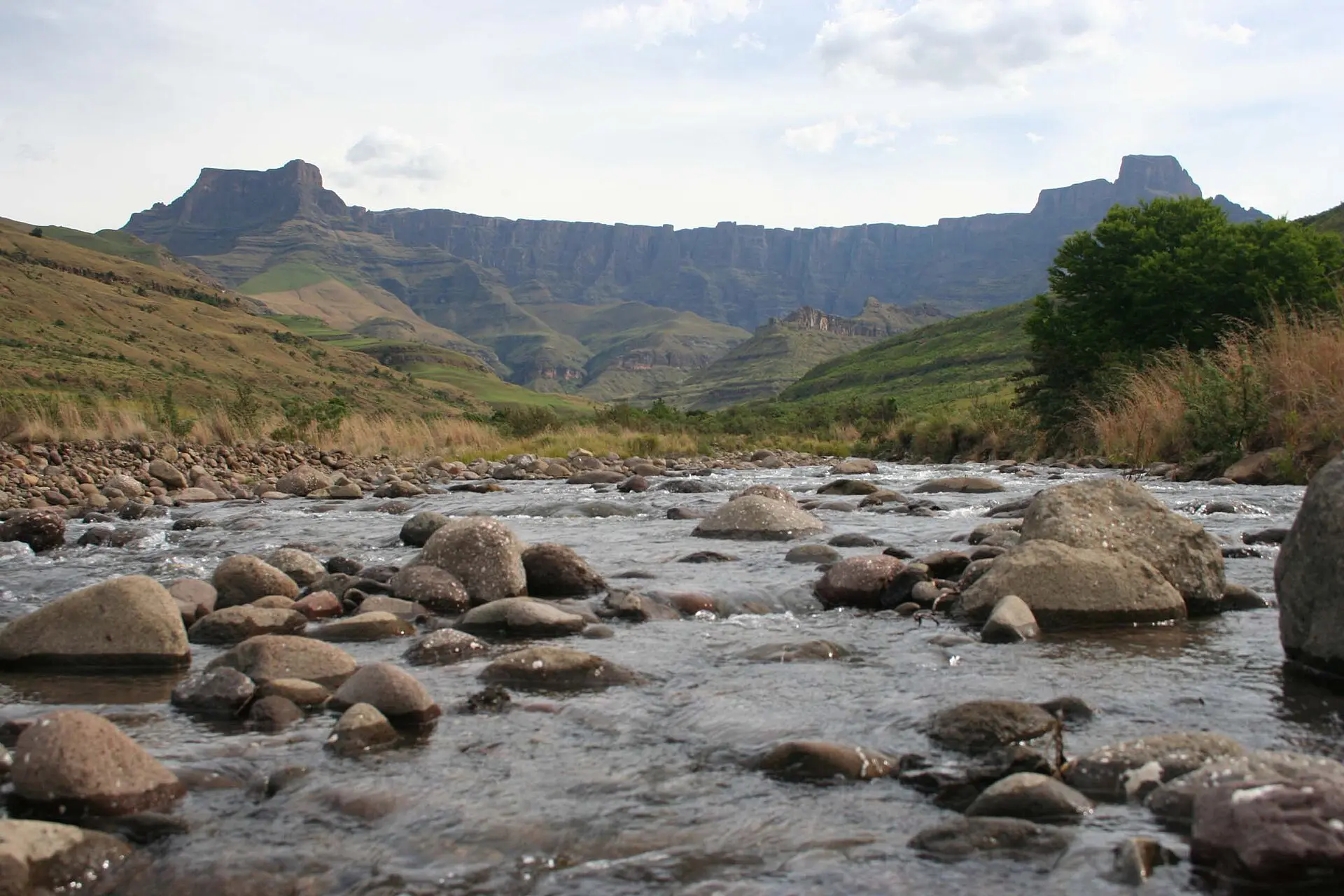
Durban has warm Indian Ocean beaches and Indian-influenced food, while the Drakensberg mountains inland offer hiking and rock art.
Top things to do in South Africa
The top things to do in South Africa include safaris, coastal drives and city sights, and many can be combined in one trip.
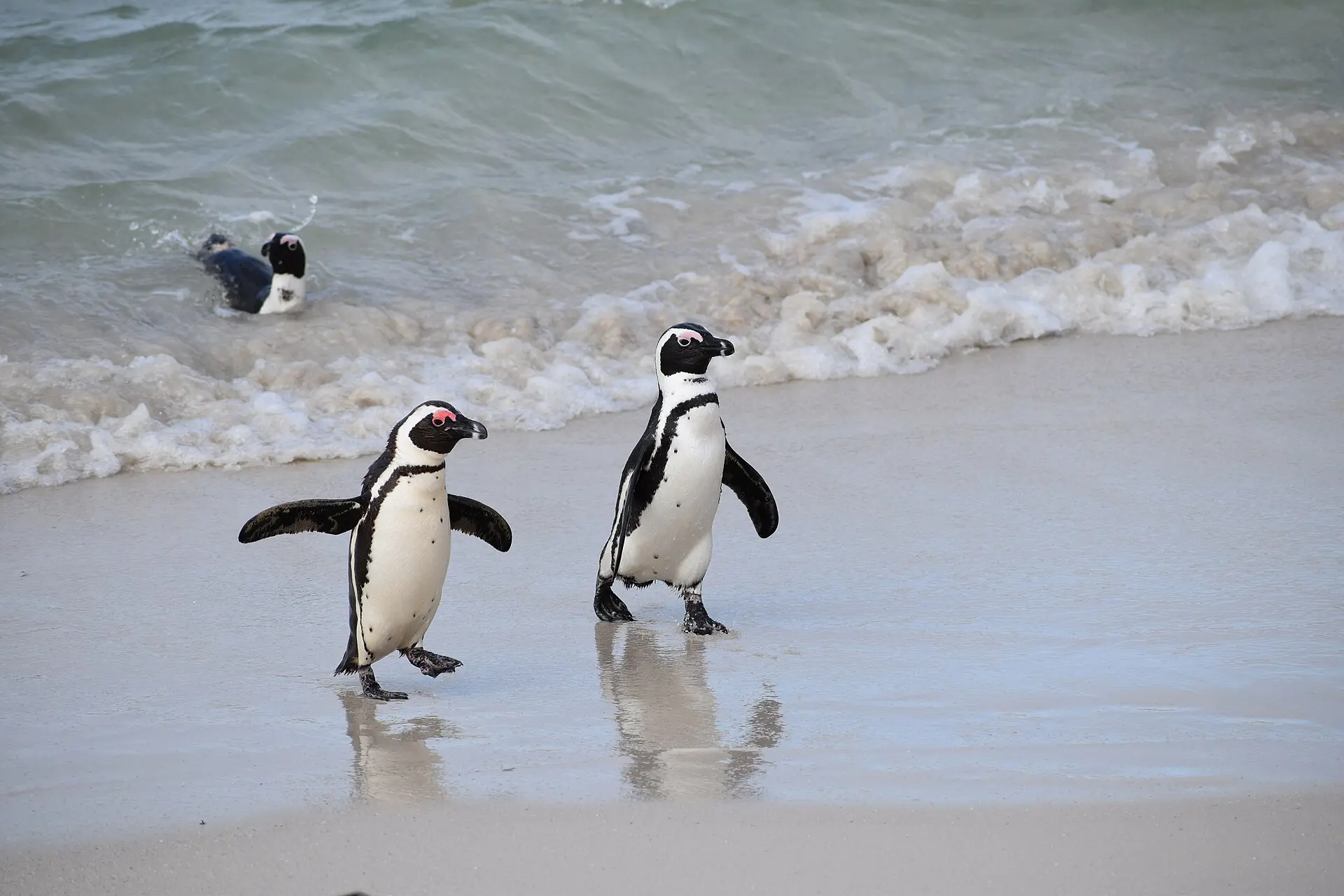
- Go on safari in Kruger: join dawn and dusk game drives from a rest camp or a private lodge.
- Ride or hike up Table Mountain: the cableway runs in good weather, and hiking routes take two to three hours.
- Visit Robben Island: a ferry from the V&A Waterfront leads to the former prison where Nelson Mandela was held.
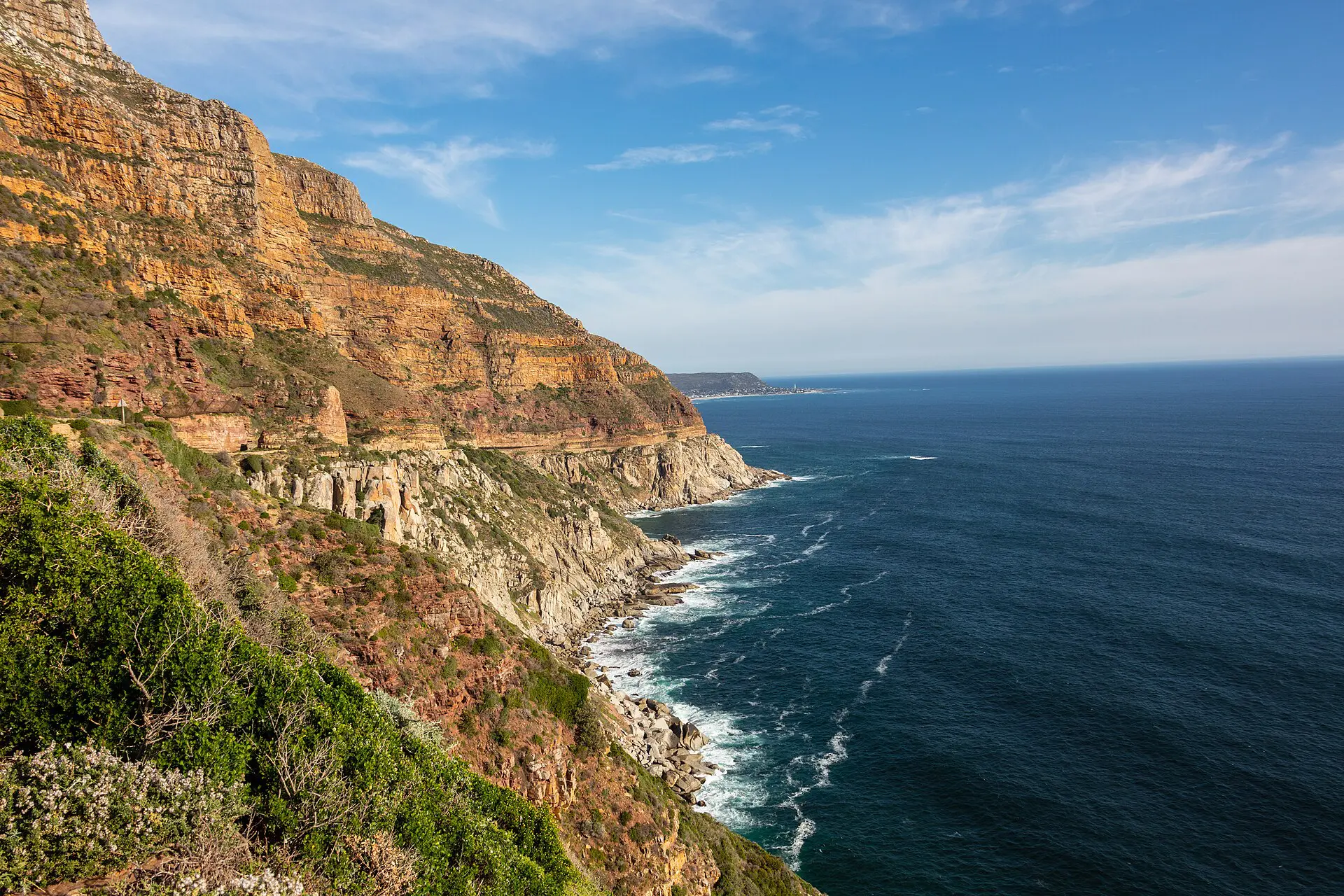
- Drive Chapman’s Peak and Cape Point: the coast road has some of the best sea views in the country.
- Taste wine in Stellenbosch or Franschhoek: book tastings in advance, and arrange a driver for the day.
- See penguins at Boulders Beach: African penguins nest on the sand and in the bush beside the beach.
- Walk the Garden Route: try forest trails, Tsitsikamma’s suspension bridge and a beach stop at Plettenberg Bay.
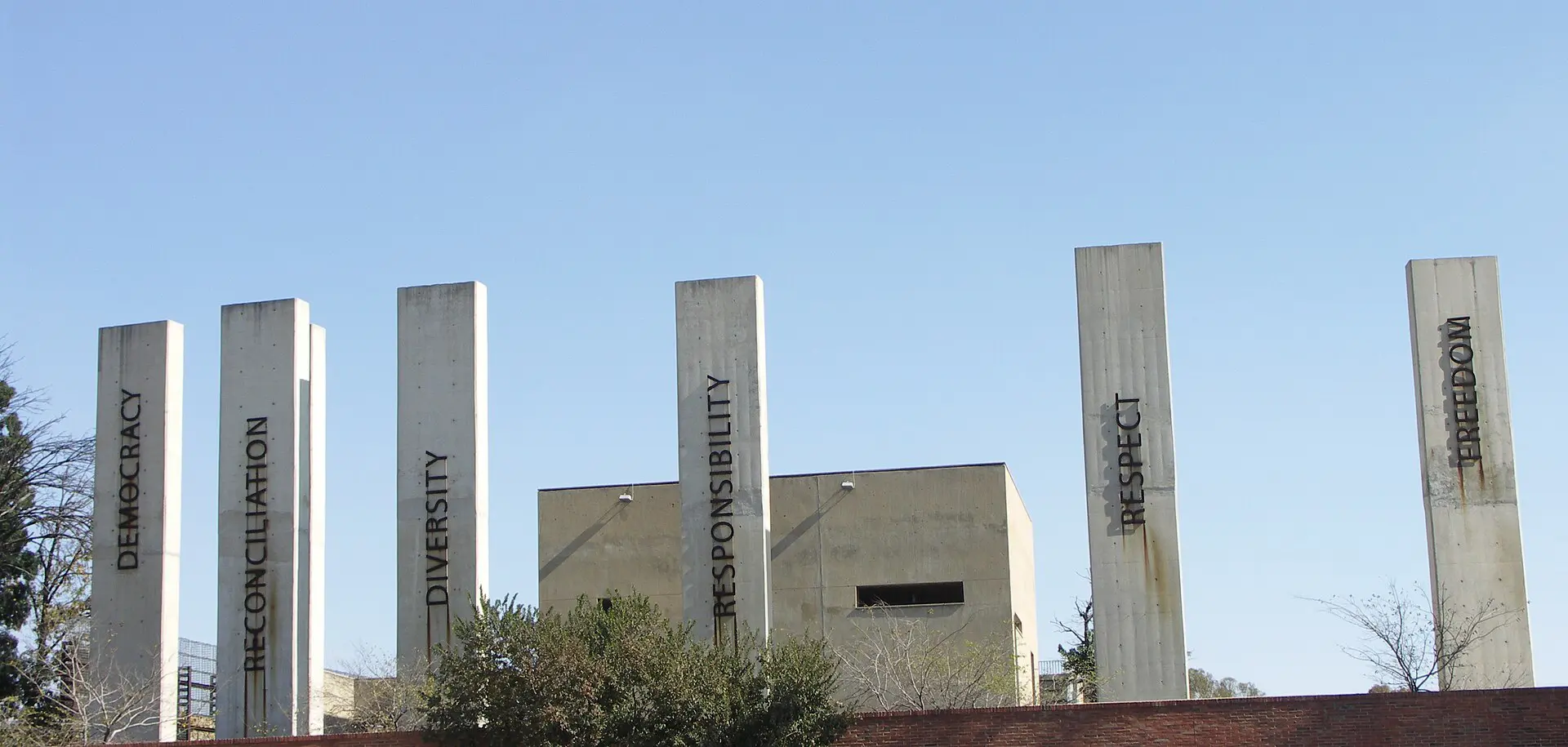
- Visit the Apartheid Museum in Johannesburg: exhibits trace segregation, resistance and the 1994 elections.
- Hike in the Drakensberg: day routes reach waterfalls, rock art and mountain viewpoints.
- Go whale watching in Hermanus: southern right whales visit the bay from roughly June to November.
Best time to visit South Africa
The best time to visit South Africa depends on the plan. For safaris, May to September is best, because the dry winter weather makes animals easier to see around waterholes. For Cape Town, the Winelands and the Garden Route, November to March is warm and dry, though December and January are busy and expensive. Shoulder months such as April, May, October and November balance weather and prices.
| Season | Weather | Crowds and prices | Good for |
|---|---|---|---|
| Summer (Dec-Feb) | Hot; dry in Cape Town, rainy in the north-east | Peak prices in December and January | Cape Town, beaches, Garden Route |
| Autumn (Mar-May) | Warm, clear, drier by May | Moderate, good value | Winelands, hiking, early safaris |
| Winter (Jun-Aug) | Cool; dry in the north, wet in the Cape | High at private reserves, lower elsewhere | Safari, whale watching, Drakensberg snow |
| Spring (Sep-Nov) | Warm, wildflowers in the west in August and September | Moderate, rising in November | Garden Route, wildflowers, cities |
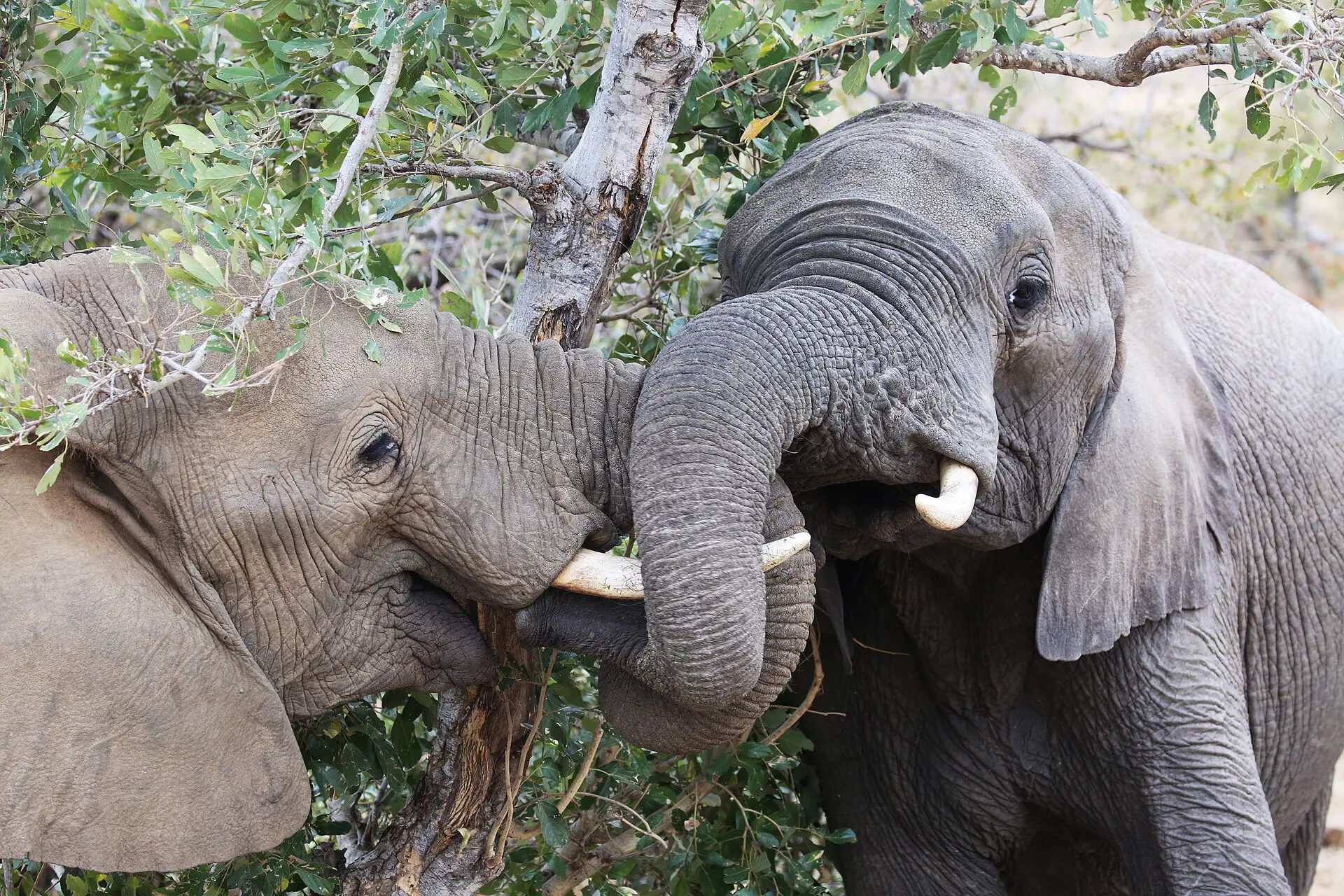
Kruger in summer is hot, humid and green, with thicker bush, so animals are harder to spot but birdlife is rich.
Is South Africa safe to visit?
South Africa is safe to visit with precautions, and millions of tourists travel without problems, but crime rates are high and require attention. The main risks are robbery, smash-and-grab theft from cars and muggings in city centres after dark. Check your government’s current travel advice, such as the UK FCDO or US State Department pages, before you go.
Cities. Use ride-hailing apps rather than walking at night, keep phones and cameras out of sight, and avoid displaying valuables. Do not walk in unfamiliar areas of Johannesburg, Pretoria and Durban, and stay in well-regarded neighbourhoods. Visit townships only with a reputable guide or tour.
Driving. Keep car doors locked and windows up at junctions, do not leave belongings visible in parked cars and use secure parking. Avoid driving at night outside cities, because of poor lighting, pedestrians and animals on roads. Road accident rates are high.
Nature and health. Keep a safe distance from wildlife, and stay in your vehicle in reserves unless told otherwise. Much of Kruger lies in a malaria area, so ask a travel clinic about prophylaxis. Cape Town has periodic water shortages and wildfires, and sea currents can be strong. Medical care in private hospitals is good, but insurance is essential.
Visa and entry requirements for South Africa
Entry rules depend on your nationality. Citizens of many countries, including the UK, most of the EU and several others, have been able to visit visa-free for up to 90 days for tourism, while others need a visa in advance. Policy is changing, including a digital travel authorisation system under development, so confirm the rule with the South African Department of Home Affairs or your nearest embassy before you book.
Your passport should be valid for at least 30 days after your intended departure and have at least two blank pages for entry stamps. Officers can ask for proof of onward travel and funds. Parents travelling with children should check the stricter documentation rules for minors, which have required unabridged birth certificates and sometimes parental consent letters.
Travellers arriving from or transiting through countries with a risk of yellow fever may need to show a vaccination certificate. If you plan to cross into Eswatini, Lesotho, Namibia, Botswana, Zimbabwe or Mozambique, check the separate entry rules for those countries. The UNESCO page for South Africa lists the country’s World Heritage sites, though it does not cover entry rules.
Getting to and around South Africa
Most international visitors arrive at OR Tambo International Airport in Johannesburg or at Cape Town International Airport, with Durban’s King Shaka airport handling fewer long-haul flights. Direct flights link Europe, the Middle East and Asia to Johannesburg and Cape Town. Land borders with Namibia, Botswana, Zimbabwe, Mozambique, Eswatini and Lesotho are open, though queues can be long.
Domestic flights between Johannesburg, Cape Town, Durban and Gqeberha are frequent and often competitive in price. Long-distance buses such as Greyhound and Intercape serve the main routes at low prices. Passenger rail is limited, with the Gautrain linking Johannesburg, Pretoria and the airport, and luxury trains such as Rovos Rail and Blue Train running on specific routes.
A rental car is the best way to see the Garden Route, Winelands and Kruger, and South Africans drive on the left. Main roads are generally good, but distances are long. Johannesburg to Kruger takes about five to six hours, and Cape Town to Plettenberg Bay about six hours. Minibus taxis are cheap but are often crowded and not recommended for first-time visitors. Ride-hailing apps work in the major cities.
How much does a trip to South Africa cost?
South Africa is good value for visitors from Europe, North America and Australia, particularly for food, wine and accommodation. The currency is the South African rand (ZAR, R), and exchange rates have varied widely, so check them before you travel. Figures below are rough per-person guides for the 2026 season.
- Budget: around ZAR 800 to 1,500 per day, with hostels or guesthouses, buses, self-catering and cheaper restaurants.
- Mid-range: around ZAR 1,500 to 3,000 per day, with comfortable hotels, restaurant meals and a rental car.
- High-end: from around ZAR 5,000 per day, with boutique hotels, wine estates and private guides.
Safaris are the main swing factor. Self-drive Kruger visits with rest camp accommodation are modest, but private game lodges often cost many times more, with full-board and game drives included. Car hire, fuel and long distances also add up, and December is the most expensive month on the coast. Park conservation fees apply in national parks.
South Africa food and drink
South Africa food draws on Indigenous African, Dutch, Malay, Indian and British traditions, and the braai (barbecue) is central to social life. Meat features heavily, but seafood, fruit and vegetables are excellent.
- Braai: grilled meat, often boerewors sausage, lamb chops and steak, eaten with pap or salads.
- Biltong: air-dried cured meat, sold as a snack across the country.
- Bobotie: a spiced minced-meat bake topped with egg custard, from the Cape Malay tradition.
- Bunny chow: a hollowed loaf filled with curry, a Durban speciality.
- Pap and chakalaka: maize porridge with a spicy vegetable relish.
- Gatsby and fresh seafood: a large sandwich in Cape Town, plus grilled fish, calamari and crayfish on the coast.
- Wine and rooibos: Stellenbosch and Franschhoek wines such as chenin blanc and pinotage, and caffeine-free rooibos tea.
Vegetarians can eat well in cities, but traditional meals can be meat-heavy. Restaurants in the Cape and Johannesburg offer a wide range, including vegan options. Tap water is usually safe in cities, though bottled water is common in rural areas.
Culture, language and etiquette in South Africa
South Africa has eleven official languages, including English, Afrikaans, Zulu and Xhosa, and sign language was added as the twelfth. English is widely used in business and tourism, so travellers rarely need another language. Greetings matter, and a friendly hello and a short chat are expected before getting to business. Learning a word such as sawubona (Zulu) or molo (Xhosa) is warmly received.
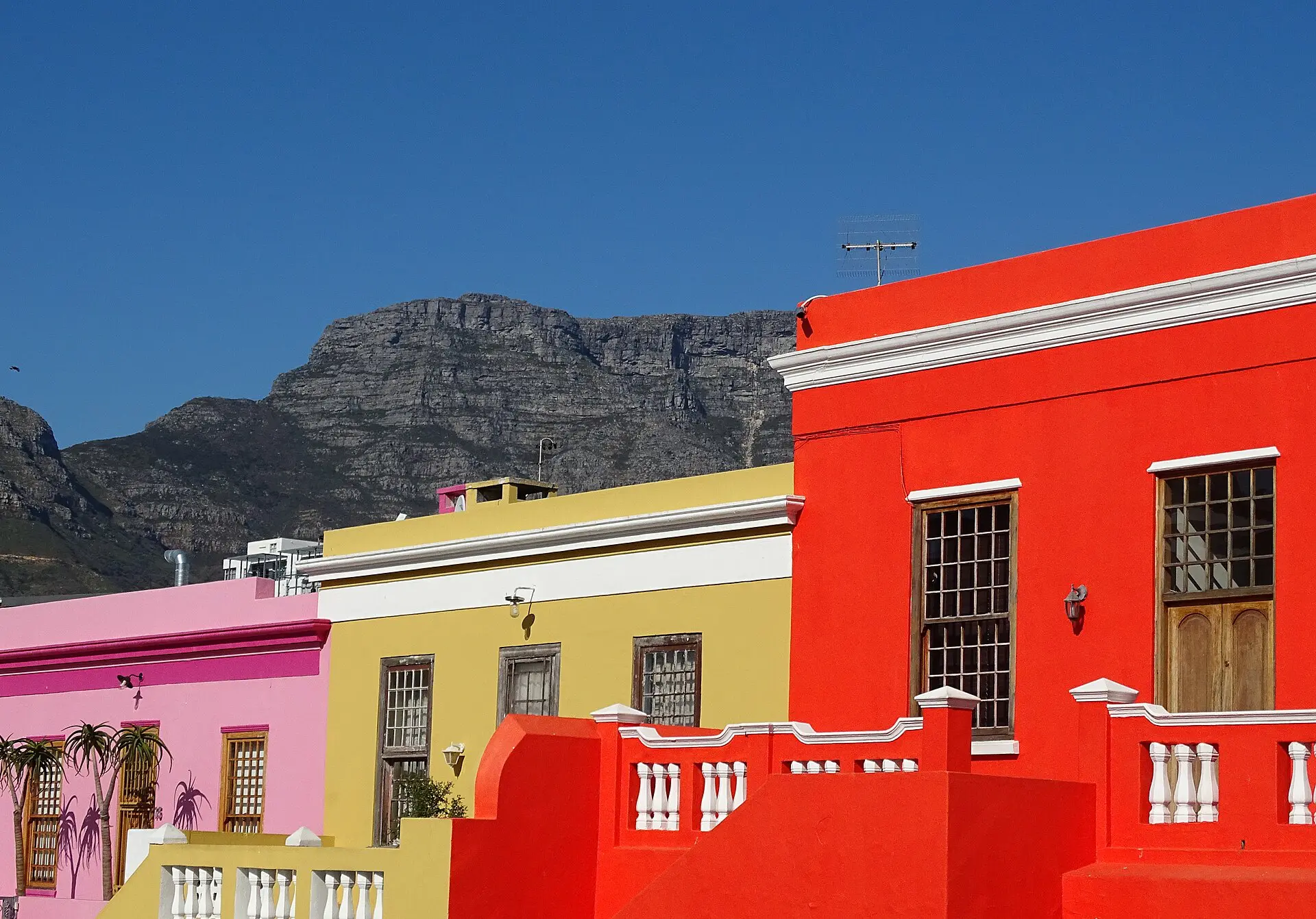
The country is often called the Rainbow Nation, and its diversity is real, as is its history of racial inequality. Be respectful when discussing apartheid, race and politics, and listen more than you comment. Visits to townships and cultural sites are best made with guides who live there.
Tipping is part of the culture, since wages in service jobs are low. Ask before photographing people, especially in rural villages and townships. Dress is casual in most places, although smart casual is the norm in many restaurants. At a braai, bring a drink or small gift if you are invited to someone’s home.
South Africa itinerary: a 7-day route
This route focuses on the Western Cape, which has the strongest mix of scenery, food and straightforward driving.
- Day 1, Cape Town: arrive, walk the V&A Waterfront and watch sunset from Signal Hill or Camps Bay.
- Day 2, Table Mountain and the city: go up Table Mountain early, then visit Bo-Kaap and the Company’s Garden.
- Day 3, Cape Peninsula: drive Chapman’s Peak to Boulders Beach and Cape Point, allowing a full day.
- Day 4, Winelands: drive to Stellenbosch or Franschhoek (about an hour) for tastings and a long lunch, then stay overnight.
- Day 5, Hermanus and Overberg: follow the coast to Hermanus, with whale watching from roughly June to November, then continue towards the Garden Route.
- Day 6, Garden Route: stop in Knysna and Plettenberg Bay for lagoon views, forest trails and beaches.
- Day 7, return: fly from George or Plettenberg Bay to Cape Town or Johannesburg, or drive back, which takes about six hours.
For a safari, replace days 5 to 7 with a flight to Johannesburg and Kruger, or a private reserve nearby. Avoid driving at night.
Practical tips for South Africa
- Money: the rand is the local currency. Cards are widely accepted, and ATMs are common, but use machines inside banks or malls and shield your PIN. Carry small cash for tips and parking attendants.
- SIM and eSIM: local prepaid SIMs and eSIMs are cheap, and coverage is good in cities but patchy in remote areas and some reserves.
- Plugs: type M and N sockets at 230 V, which are different from most of Europe, so bring a suitable adapter.
- Tipping: expected at around 10 to 15 percent in restaurants, with small tips for guides, porters and petrol attendants.
- Electricity: scheduled power cuts (load shedding) have been common, so charge devices and check whether your accommodation has backup power.
- Health: ask a travel clinic about malaria in Kruger and the north-east, use sunscreen and carry insurance with medical evacuation cover.
- Packing: layers for variable weather, neutral colours for safaris, sturdy shoes and a warm jacket for winter mornings.
- Booking: reserve Kruger camps, Table Mountain cable car slots and December coastal stays early.
For wider background, see the Wikivoyage South Africa guide.
FAQ
Q1Is South Africa safe to visit?
Yes, with precautions. Millions of tourists visit each year, but street crime is a real risk in cities, particularly Johannesburg and Durban. Use ride-hailing, avoid walking after dark, hide valuables in cars and use reputable guides. Check your government's travel advice before you go.
Q2What is the best time to visit South Africa?
May to September is best for safaris because the dry winter makes wildlife easier to spot. November to March suits Cape Town, the Winelands and the Garden Route, though December and January are crowded and expensive. April, May, October and November often offer the best balance.
Q3What are the best things to do in South Africa?
Top picks are a safari in Kruger or a private reserve, Table Mountain and the Cape Peninsula, Robben Island, wine tasting in Stellenbosch and a Garden Route drive. Hermanus whale watching and Drakensberg hiking are strong additions in season.
Q4Do I need a visa for South Africa?
It depends on your nationality. Citizens of many countries can enter visa-free for up to 90 days, while others need a visa in advance. Requirements for children's documents are stricter, so check the South African Department of Home Affairs or an embassy before you travel.
Q5How much does a trip to South Africa cost?
Mid-range travellers should plan on roughly ZAR 1,500 to 3,000 per day for a hotel, meals, car hire and sights, with budget travel possible at around ZAR 800 to 1,500. Private safari lodges cost much more and are the biggest variable in total trip cost.
Q6What is South Africa food like?
South Africa food is meat-focused and social, with braai (barbecue), boerewors, biltong and bobotie as staples, plus bunny chow in Durban. The coast has excellent seafood, and Cape wines are among the best-value in the world. Vegetarians can eat well in cities.
Q7How many days do you need in South Africa?
Seven days works for Cape Town, the Winelands and part of the Garden Route. Add four to five days for a Kruger safari and Johannesburg, and allow ten to fourteen days for a broad trip. Distances are long, so domestic flights save time.