Why visit Johannesburg
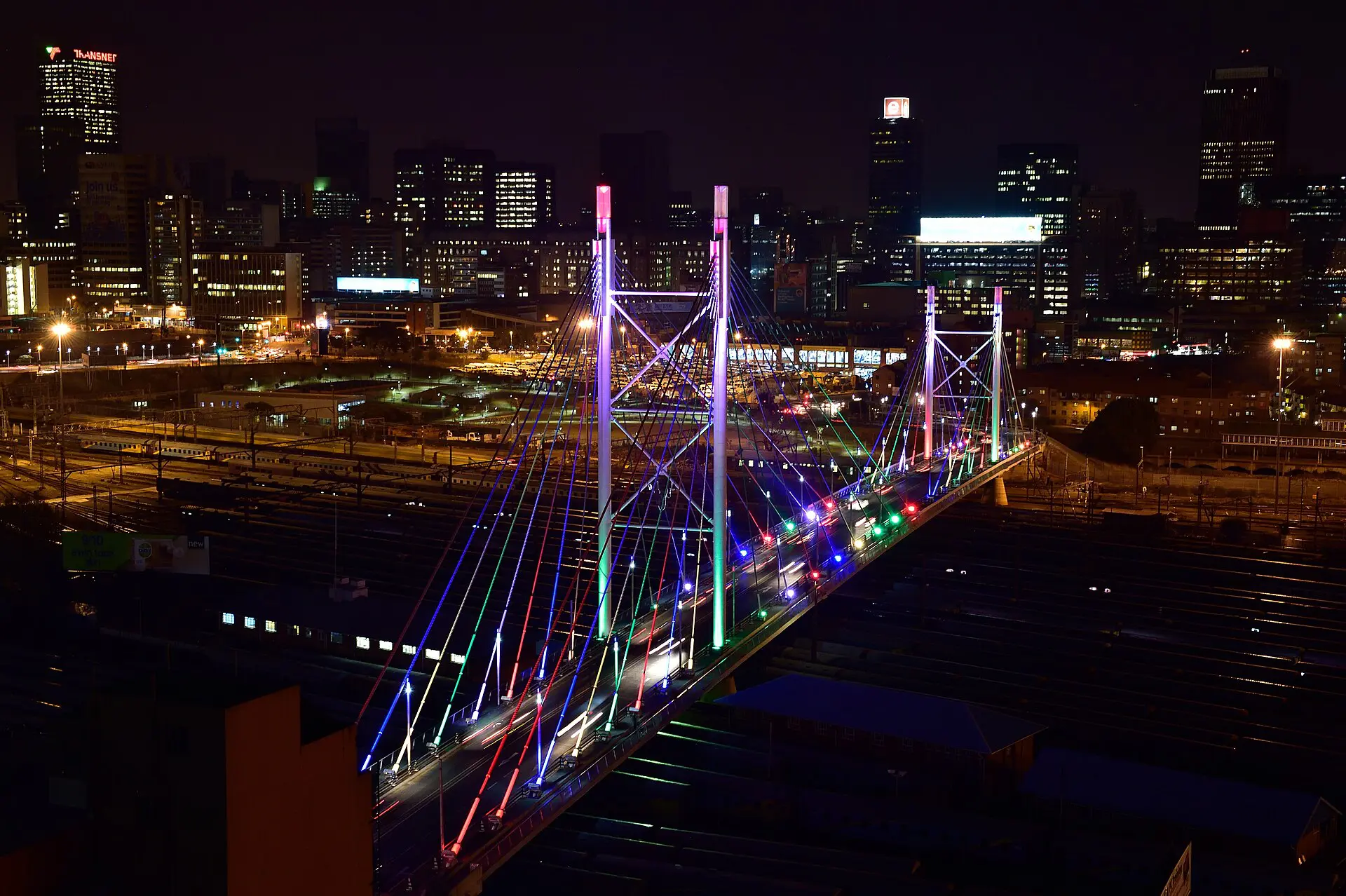
If you are planning things to do in Johannesburg, start by dropping the idea that it is only a stopover. Known as Jozi, Joburg and Egoli, the “City of Gold”, it was founded in 1886 after gold was found on the Witwatersrand, and it is now the largest city in South Africa and its economic engine.
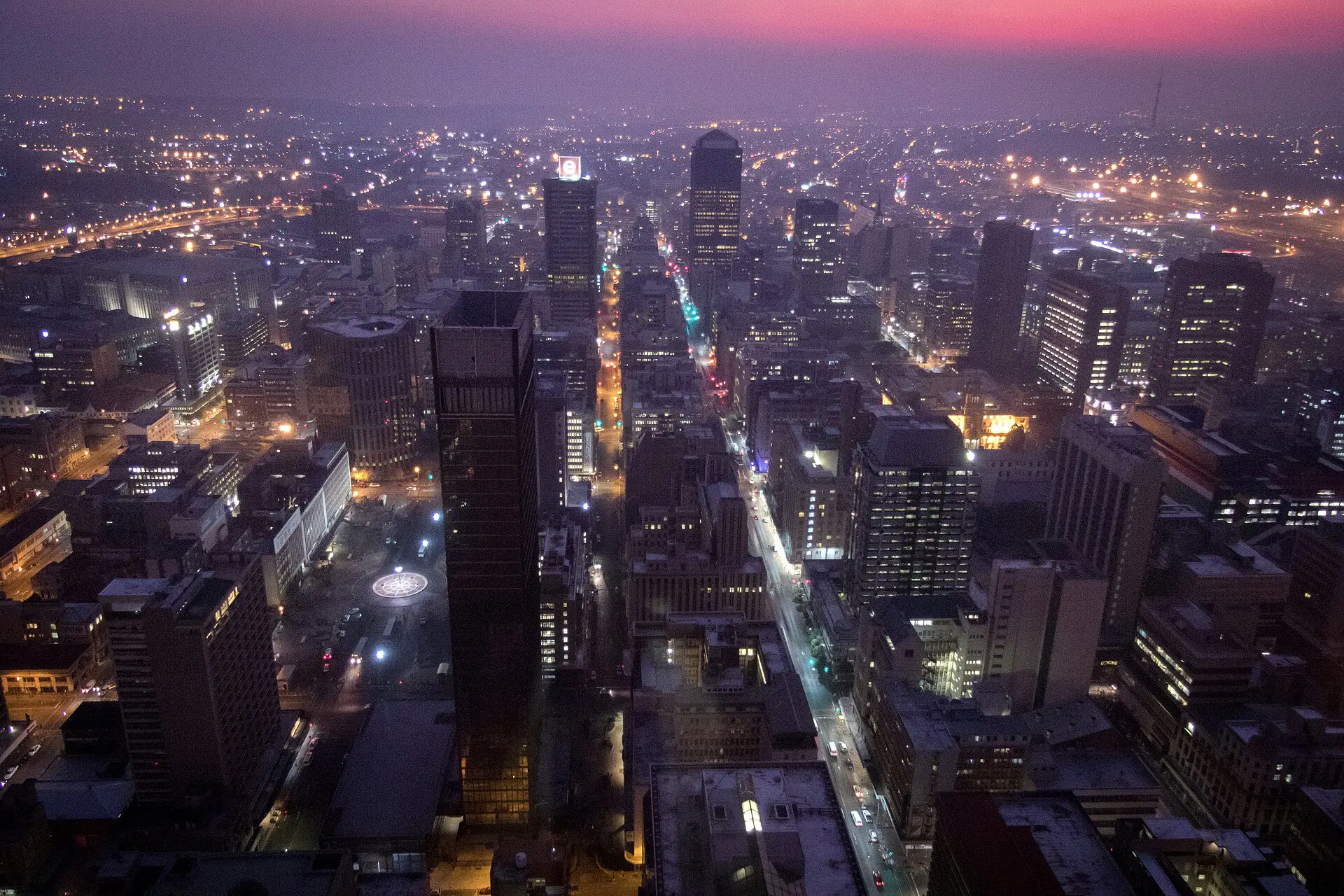
That history is the reason to come. Apartheid and the struggle against it are explained in detail at the museums and in Soweto, which is still home to a large share of the metropolitan population. Beyond the museums, you find renovated inner-city districts, street art, live music, and a restaurant scene shaped by many communities.
Johannesburg is spread out and car-oriented, so it rewards some planning. Pick two or three areas per day, book transport in advance, and you will see far more than the cautious reputation suggests.
Top things to do in Johannesburg
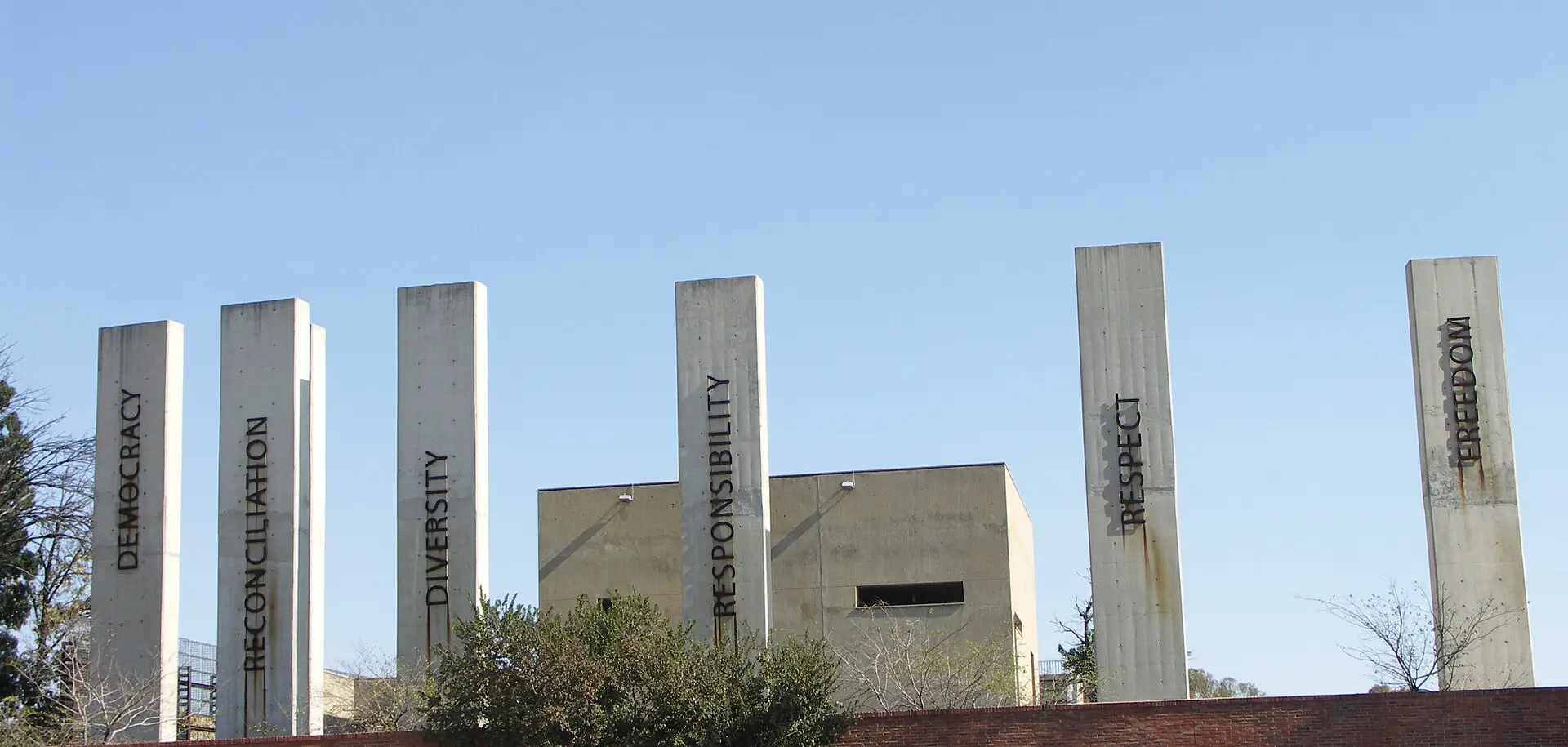
Apartheid Museum
This is the best single introduction to the country’s twentieth-century history, using film, documents and objects to follow the rise and fall of legal racial segregation. Allow three to four hours, as the displays are dense and emotionally heavy. Go early in the day, and check current opening hours and ticket prices before you travel.
Soweto
The township southwest of the centre is where many of the key events of the struggle took place, including the 1976 student uprising. A guided half-day tour is the easiest way in, with stops such as Vilakazi Street and the Hector Pieterson Museum. Choose a locally run tour and book ahead, since independent wandering is less straightforward.
Constitution Hill
A former prison complex that now houses the Constitutional Court, the seat of the country’s highest court. The site combines a courthouse, restored prison buildings and exhibitions about the people held there. Plan around two hours and take the guided option if it is offered on the day.
Maboneng and the inner city
Maboneng is a redeveloped part of the east side of the centre, known for galleries, murals, rooftop bars and weekend markets. Spend a morning or afternoon here, ideally on a guided walk, which also helps you understand the surrounding districts. Stick to the busier streets and avoid walking after dark.
Melville and Parkhurst
Suburbs such as Melville and Parkhurst are better suited to unhurried walking, with cafes, bookshops and bars. Use them for a relaxed lunch or an evening out. Markets usually run on set days, so check schedules online before choosing which neighbourhood to visit.
Gold Reef City and the mining past
This theme park and heritage attraction uses the gold-rush story as its theme, including a mine tour. It suits families or visitors curious about how the city began. Allow half a day, and look at the park’s own site for current operating days, which can be limited.
Best time to visit Johannesburg
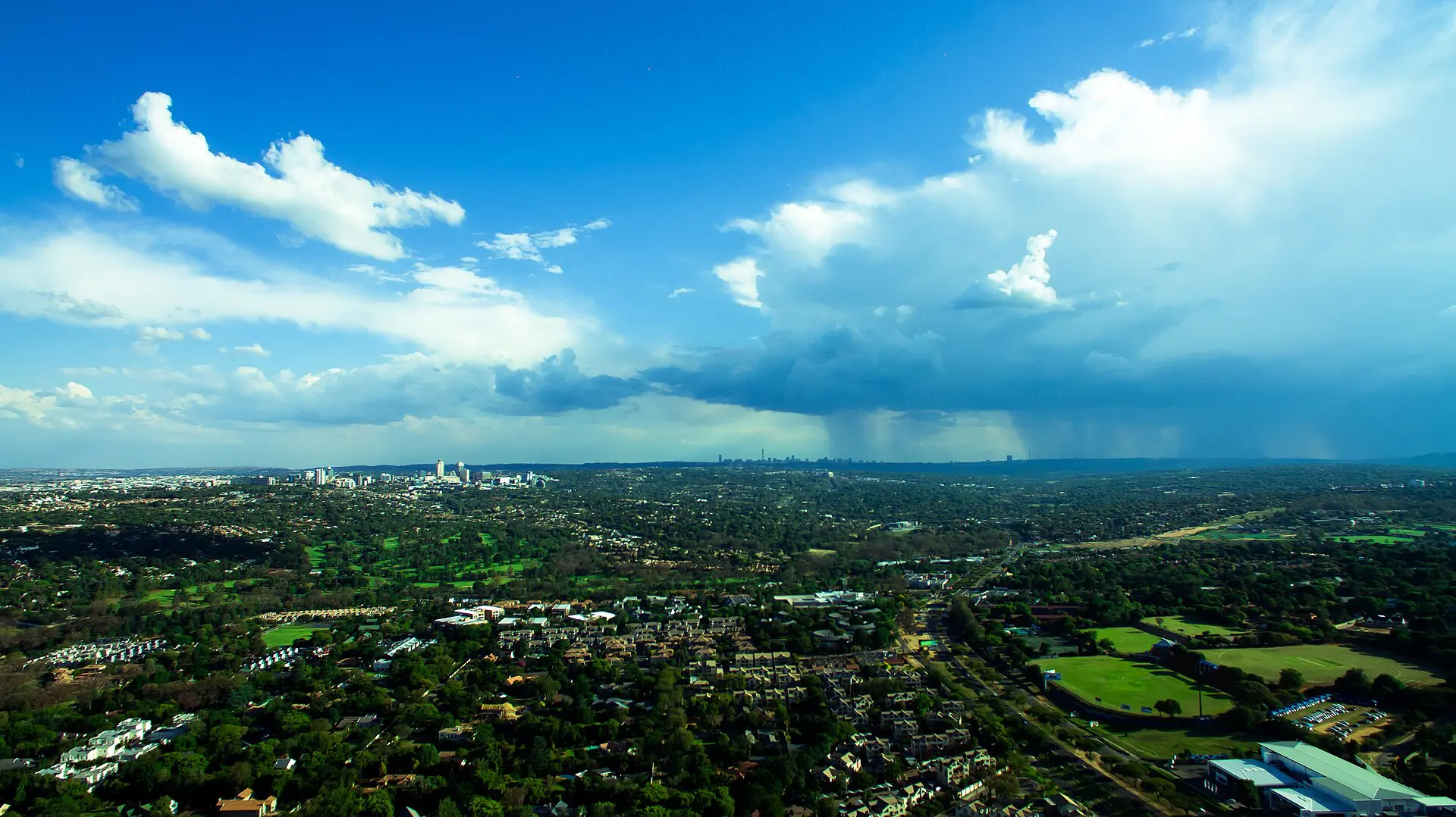
Johannesburg sits on a high plateau, so the climate is milder than many visitors expect. The main choice is between the dry winter and the wet summer.
| Season | Weather | Crowds and prices |
|---|---|---|
| Autumn (Mar-May) | Mild, mostly dry days | Moderate; good value |
| Winter (Jun-Aug) | Sunny days, cold mornings and evenings | Quieter; best for safari add-ons |
| Spring (Sep-Nov) | Warming up, rain starts | Moderate |
| Summer (Dec-Feb) | Warm, with afternoon thunderstorms | Busier around the December holidays |
For sightseeing, April to September is the most comfortable, and it is also the dry season for wildlife viewing in the northeast. Pack layers, because winter nights can be cold. Check the forecast, as summer storms can slow traffic.
How to get to Johannesburg and around
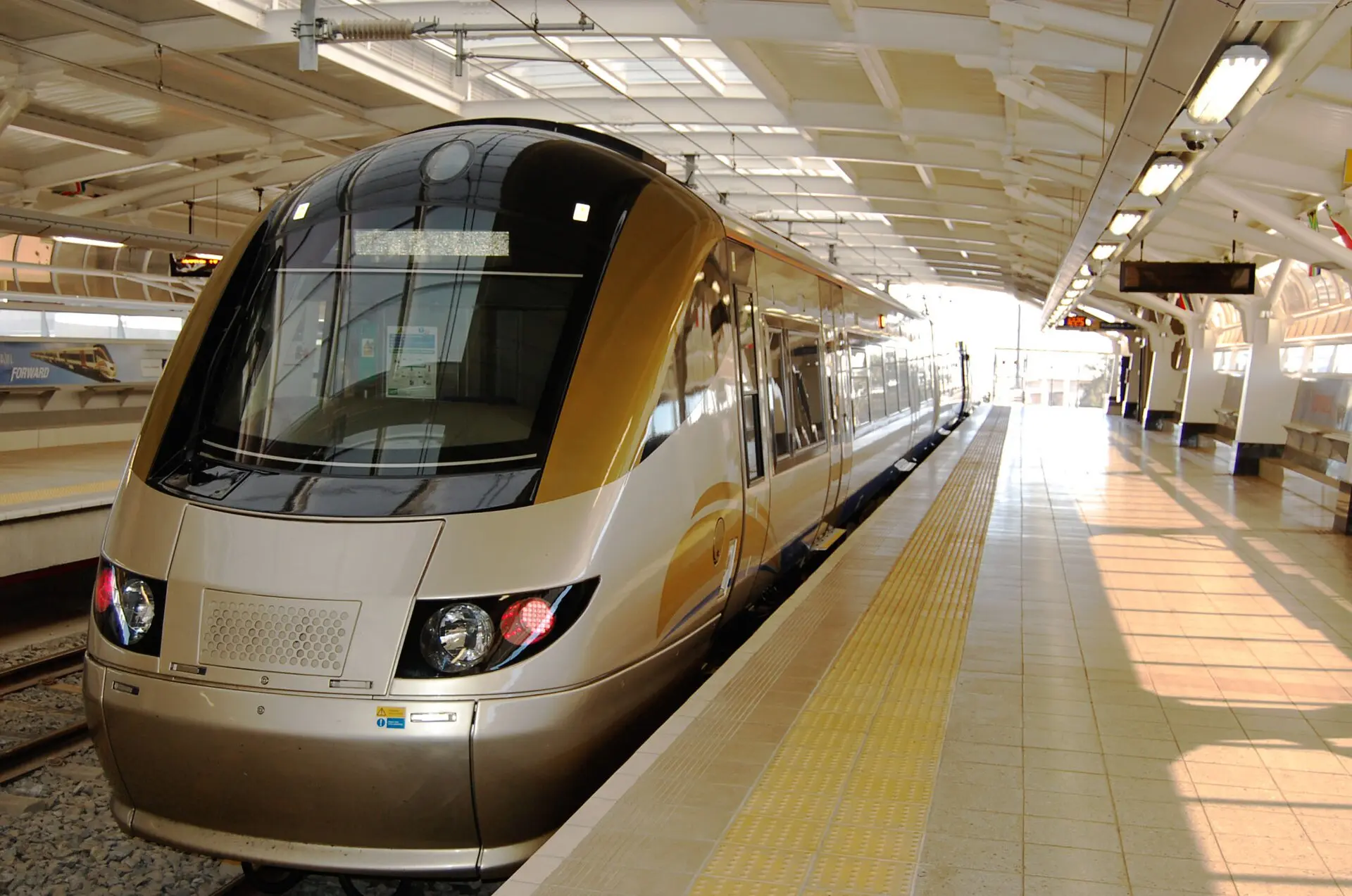
Most international visitors arrive at O. R. Tambo International Airport, which is the main hub for the country and has flights to most of Africa and many long-haul cities. The airport is roughly 25 km from the centre, and the Gautrain high-speed rail line connects it with Sandton and Park Station in about 15 to 35 minutes, depending on the stop (check current timetables and safety guidance).
Within the city, public transport is limited for visitors. Ride-hailing apps and metered taxis are the usual choices, and tour operators can arrange transfers for a half-day or full-day trip. Renting a car gives you freedom for day trips, but expect heavy traffic at rush hour and drive with doors locked and bags out of sight.
Long-distance buses and domestic flights link Johannesburg with Cape Town, Durban and other cities. Check current routes, as services change.
Where to stay in Johannesburg
Johannesburg is large, so where you sleep shapes your trip. Choose a base with easy access to the sights you care about and good evening transport.
- Sandton: a business and shopping district with many hotels and the Gautrain station. It suits first-time visitors who want a convenient, well-serviced base.
- Rosebank and Melville: leafy, walkable pockets with cafes, galleries and a good choice of guesthouses. They suit travellers who prefer atmosphere over convenience.
- Near the airport: practical for early flights or late arrivals, although there is little to see nearby.
- Maboneng and the inner city: a smaller choice of design-led stays, best for visitors who plan to explore the centre with a guide.
Look for places with secure parking and recent reviews that mention safety.
How many days do you need?
Two full days cover the essentials, while three allow time for Soweto and a slower pace. Add a day if you want to include Pretoria or a trip to a game reserve. Jet lag and traffic both eat into the schedule, so avoid packing too much into any one day.
- Day 1: Apartheid Museum in the morning, then Constitution Hill and an evening meal in Melville or Rosebank.
- Day 2: a guided half-day tour of Soweto, followed by Maboneng in the afternoon.
- Day 3: Gold Reef City or a market morning, then a day trip to Pretoria or a visit to the Cradle of Humankind area.
Day trips and nearby
Pretoria
The administrative capital lies about 55 km north and can be reached by Gautrain or a short drive. It has the Union Buildings, jacaranda-lined streets in spring, and several museums. Allow a full day, and check opening hours in advance.
Kruger National Park
The country’s best-known reserve is a long drive or short flight from Johannesburg, so it is better as an overnight or multi-day add-on than a day trip. Book guided drives and rest camps well in advance, especially for the dry winter months.
Cradle of Humankind
This World Heritage-listed fossil area northwest of the city is a popular half-day outing for visitors interested in early human evolution. It includes caves and a visitor centre. Check opening times and combine it with a lunch stop on the way back.
FAQ
Q1When is the best time to visit Johannesburg?
April to September is the most comfortable for sightseeing, with sunny, dry days and cool nights. Summer brings warmth and afternoon thunderstorms, and the December holidays can be busy. If you plan a safari afterwards, the dry winter months are usually best for wildlife viewing.
Q2How many days do you need in Johannesburg?
Two to three days cover the main sights, including the Apartheid Museum, Constitution Hill and a Soweto tour. Add one more day for Pretoria or the Cradle of Humankind, and several extra days if you plan to continue to a safari or Cape Town.
Q3How do you get to Johannesburg?
Most visitors fly into O. R. Tambo International Airport, about 25 km from the centre. The Gautrain rail link runs to Sandton and Park Station, and ride-hailing apps and taxis serve the rest. Check current schedules and plan arrivals for daylight where possible.
Q4Is Johannesburg safe for tourists?
Visitors do well by using ride-hailing or guided tours, staying in well-serviced areas, and not displaying phones or jewellery. Avoid walking at night in the inner city and keep valuables out of sight in cars. Check current local advice before you travel.
Prices, schedules and entry rules change. Check current details with official sources before you travel. Read the South Africa travel guide.